
The sedan used to be the symbol of balance comfort, performance, and practicality wrapped together. Over time, however, these cars lost the spotlight to SUVs and crossovers that now dominate showrooms.
Yet, for those who appreciate genuine driving feel and refined engineering, sedans still hold unmatched appeal. Many remarkable models were overshadowed by marketing trends, while others simply arrived before their time.
This list focuses on twelve sedans that were underappreciated when new but deserve recognition today.
Some come from past decades when automakers were experimenting with performance and craftsmanship, while others are recent examples overlooked in the shift toward bulkier designs. Each of them carries a combination of traits that make them worth revisiting quality build, engaging dynamics, and long-term reliability.
What unites these cars is how well they balance emotion and logic. They weren’t created to chase trends or impress with gimmicks. Instead, they were built to last, to handle well, and to remind drivers that comfort doesn’t have to mean dullness.
Many of these models now represent exceptional value in the used market, offering a premium experience without the inflated price tag.
From forgotten European sport sedans to Japanese precision machines, these cars showcase how manufacturers once prioritized driver connection and timeless design.
Whether you’re looking for a reliable commuter or an underrated modern classic, these twelve sedans prove that greatness sometimes hides in plain sight.
Also Read: 12 Cars That Are Surprisingly Fast for Their Class
1. Acura TL Type-S
The Acura TL Type-S remains one of the most rewarding midsize sedans from the mid-2000s. It was built for drivers who valued refinement but still wanted a car that could bring a smile on winding roads. While it shared its platform with the standard TL, the Type-S was tuned to a level that turned it into something truly special.
Under the hood, a 3.5-liter V6 delivered 286 horsepower and a lively personality. The optional six-speed manual transmission transformed the car into a serious sport sedan, giving drivers precise control and a satisfying connection to the road. Even the automatic version offered paddle shifters and responsive gearing that made daily driving enjoyable.
The chassis balance was one of its strongest traits. Acura engineers managed to tune the suspension for both agility and comfort. It cornered with confidence yet remained composed on rough pavement. The steering had just the right amount of weight, helping the driver feel in command without fatigue.
Inside, the TL Type-S offered a cabin that felt genuinely upscale. The leather seats were supportive, the ergonomics excellent, and the attention to detail impressive. Features like a premium sound system and navigation made it feel ahead of its time, while the layout kept everything intuitive.
Styling was subtle but assertive, with quad exhaust tips, unique wheels, and slightly sharper lines setting it apart from the standard model. Even now, it maintains a timeless look that blends elegance and sportiness.
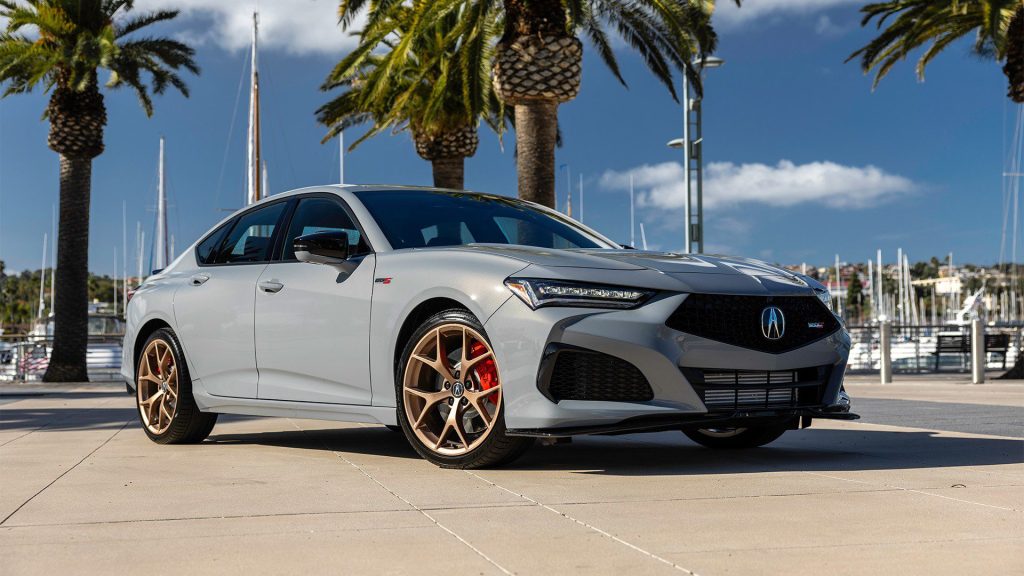
The real appeal of the TL Type-S lies in its balance. It’s reliable enough for daily commuting yet thrilling enough for spirited drives. It delivers that rare combination of Japanese dependability and near-European driving dynamics.
For anyone seeking a sedan that embodies precision, comfort, and character, the TL Type-S deserves serious consideration once more.
2. Saab 9-5 Aero
The Saab 9-5 Aero remains a true individualist’s choice. When most manufacturers followed conventional styling and layout, Saab continued marching to its own rhythm. The 9-5 Aero, in particular, was the brand’s boldest attempt to blend comfort, power, and personality.
Its heart was a 2.3-liter turbocharged four-cylinder engine that produced a surge of torque unmatched by many rivals of its time. Acceleration was brisk, and the turbo pull in midrange power made overtaking effortless. The Aero’s sport-tuned suspension gave it confident handling, yet the ride remained compliant enough for long-distance cruising.
Saab’s safety reputation carried through this model. The 9-5 featured innovations like active head restraints, advanced traction systems, and an exceptionally strong chassis structure. Even today, these elements contribute to its lasting durability and sense of security.
The design was unmistakably Saab. The wraparound windshield, clean body lines, and the ignition key positioned between the seats reflected the brand’s aviation-inspired thinking. Inside, the dashboard wrapped slightly around the driver, creating an intimate cockpit feel. The seats, known for their comfort, were ideal for both spirited drives and long trips.
Performance figures aside, what made the 9-5 Aero stand out was its personality. It didn’t try to mimic BMW or Audi. Instead, it offered its own interpretation of a performance sedan understated, efficient, and full of character.
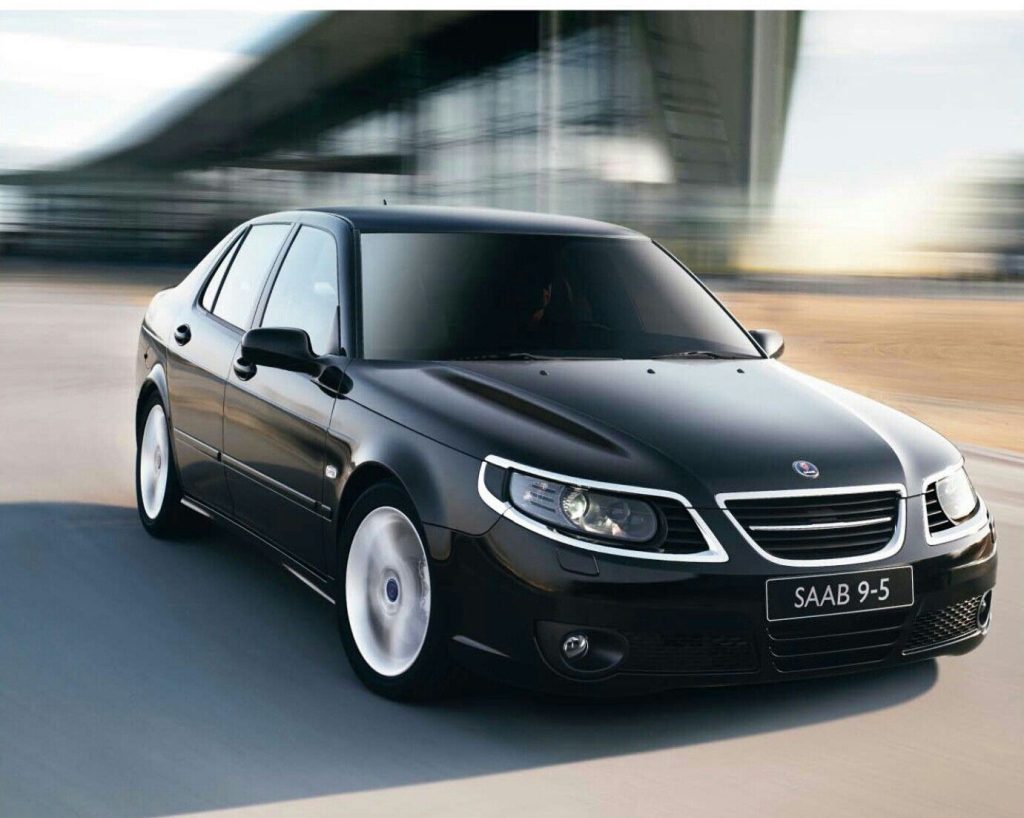
Despite Saab’s exit from the market, the 9-5 Aero still has a loyal following. Enthusiasts value its mechanical simplicity, robust engine, and unique charm. Parts remain available through dedicated networks, making maintenance realistic even years later.
For drivers tired of generic sedans, the Saab 9-5 Aero offers a refreshing alternative. It represents a time when automakers weren’t afraid to be different, and that individuality still feels refreshing today. With the right care, it can easily outlast many modern cars that cost far more.
3. Lexus IS300 (First Generation)
The first-generation Lexus IS300 was one of the most engaging compact luxury sedans to come from Japan. It arrived at a time when BMW ruled the small sport sedan segment, but Lexus managed to create something equally satisfying, if not more authentic in some ways.
Under the hood, the IS300 carried Toyota’s famous 2JZ-GE inline-six engine, the same family that powered the legendary Supra.
In this sedan, it delivered 215 horsepower paired with either a smooth automatic or a precise five-speed manual transmission. The result was a balanced car that combined Japanese reliability with genuine rear-wheel-drive dynamics.
Handling was another strong point. The chassis offered excellent steering feedback, tight body control, and predictable behavior through corners. It felt planted without being harsh, making it ideal for both daily commutes and spirited weekend drives. Lexus engineered the suspension to absorb bumps gracefully while keeping the driver connected to the road.
Inside, the IS300 was distinctive and youthful. The chronograph-style gauges and minimalist dashboard gave it a sporty feel. Though smaller than its German rivals, the cabin quality was solid, and the seats provided great support. Every element felt purposeful rather than flashy.
The exterior design still looks sharp today. The proportions are tidy, and the aggressive stance hints at performance without shouting. Enthusiasts often praise it for aging better than many of its contemporaries.
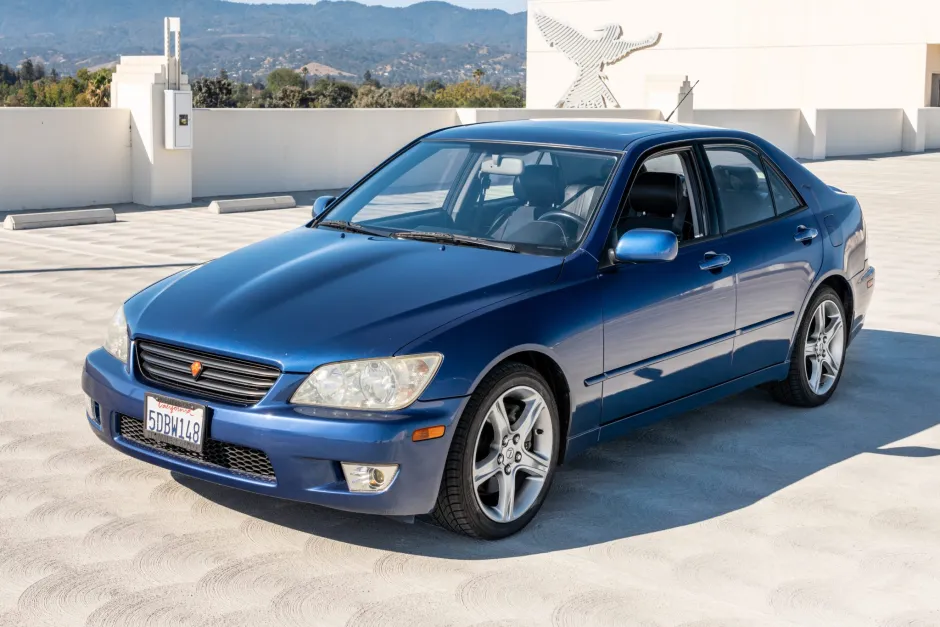
What makes the IS300 deserve another look is how well it blends dependability with personality. It’s one of the few sedans that feels equally at home on a mountain road or in rush-hour traffic. With proper maintenance, it’s nearly bulletproof mechanically.
For drivers who want the refinement of a luxury sedan with the heart of a true driver’s car, the IS300 remains an underrated gem. It stands as a reminder that Lexus once made sport sedans built for those who truly enjoyed driving.
4. Volvo S60 R
The Volvo S60 R from the early 2000s was one of the most surprising performance sedans of its era. Known for safety and restraint, Volvo rarely produced cars that leaned toward excitement. The S60 R changed that perception instantly, combining Scandinavian sophistication with serious power and handling.
Its turbocharged 2.5-liter five-cylinder engine produced 300 horsepower and 295 lb-ft of torque, sent to all four wheels through a sophisticated all-wheel-drive system. The six-speed manual gearbox option made it even more engaging, though the automatic variant still delivered strong performance.
Volvo equipped the S60 R with an advanced Four-C active suspension system that adjusted damping in real time. Drivers could select from three modes Comfort, Sport, and Advanced tailoring the car’s character for different situations. It was one of the earliest examples of adaptive suspension in a mainstream sedan, showing Volvo’s forward-thinking engineering.
Inside, the S60 R was equally impressive. Supportive sport seats, premium materials, and a clean layout created a refined environment. The signature “floating” center console gave the cabin a modern edge, while the ergonomics made long drives effortless.
On the road, the S60 R felt composed and confident. The turbocharged power came in smoothly, and the all-wheel-drive system provided stability in all weather conditions. While it might not have been as sharp as a BMW M3, it offered an ideal mix of speed, safety, and comfort.
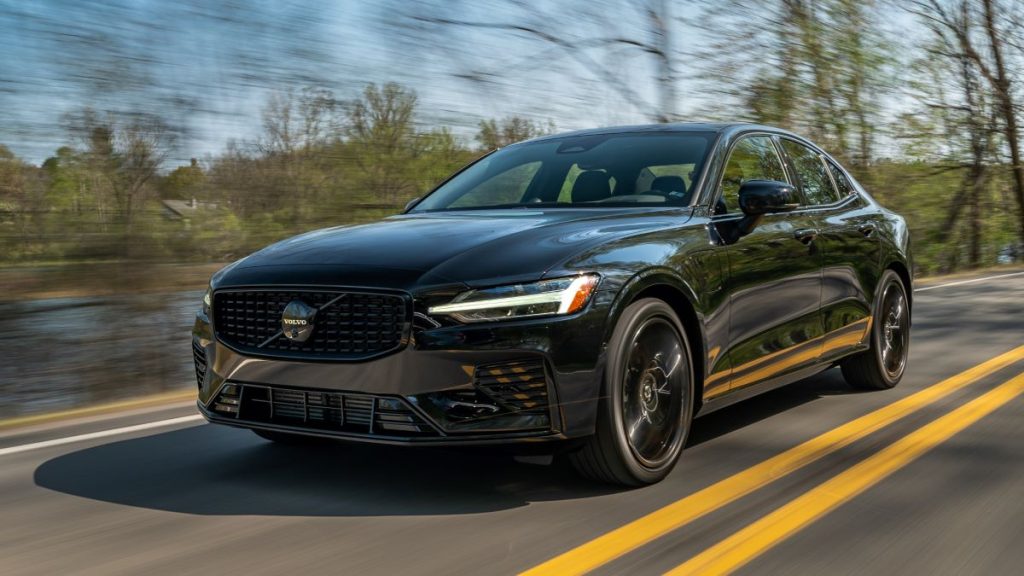
Stylistically, the car was understated. Subtle body enhancements, R badges, and unique alloy wheels hinted at performance without excess. That understated nature is part of its charm it’s a sleeper that only those in the know appreciate.
Today, a well-maintained S60 R is a true collector’s find. It captures a rare moment when Volvo built a car that was both practical and thrilling. For those who appreciate craftsmanship with a pulse, the S60 R absolutely deserves a second look.
5. Infiniti G35 Sedan
The Infiniti G35 sedan arrived in the early 2000s and instantly redefined what a Japanese luxury sport sedan could be. While its coupe version often steals the spotlight, the four-door G35 deserves just as much recognition. It offered a near-perfect mix of performance, comfort, and balance that rivaled European sedans of its era.
Powered by a 3.5-liter V6 producing up to 280 horsepower, the G35 delivered strong acceleration and a satisfying exhaust note.
Its rear-wheel-drive layout and well-tuned chassis gave it excellent handling, making it far more dynamic than most competitors in its price range. The available six-speed manual transmission added another layer of engagement for enthusiasts.
The G35’s suspension setup struck a sweet spot between firmness and comfort. It soaked up rough pavement while maintaining composure through fast corners.
The steering feel was precise and natural, giving the driver confidence even in spirited driving. These characteristics helped the G35 earn comparisons to the BMW 3 Series, a compliment rarely given to Japanese sedans at the time.
Inside, the G35 combined simplicity with luxury. The seats were supportive, the driving position was excellent, and the materials felt durable. Infiniti’s approach favored driver focus over unnecessary flash, giving the cabin a timeless quality. Features such as dual-zone climate control, premium audio, and intuitive controls added to its appeal.
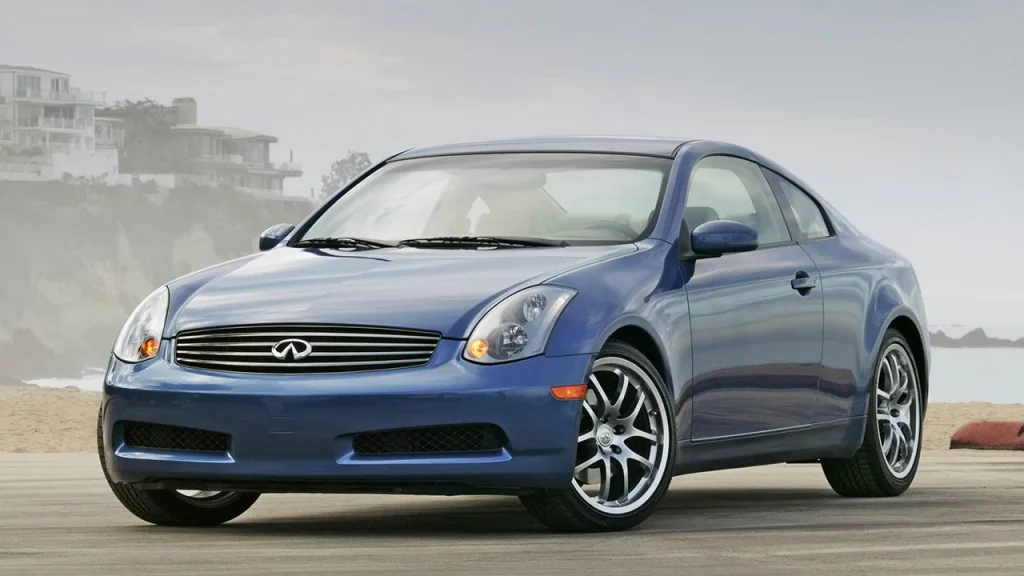
On the exterior, the G35 looked athletic and refined. The long hood, short rear deck, and well-proportioned stance gave it a sporty silhouette without being overly aggressive. It was elegant enough for business yet spirited enough for weekend fun.
The G35’s legacy lies in its honesty. It wasn’t about gimmicks or complex tech it was about pure driving enjoyment backed by solid engineering.
Even today, a well-maintained G35 sedan offers excellent value, with performance and reliability that still hold up. For anyone seeking an authentic, engaging, and dependable sport sedan, this car deserves another moment in the spotlight.
6. Pontiac G8 GT
The Pontiac G8 GT was one of the final flashes of brilliance before the brand’s exit. Introduced for the 2008 model year, it was a rear-wheel-drive performance sedan with the spirit of a muscle car and the refinement of a grand tourer.
Though its time on the market was short, the G8 GT remains one of the most underrated American sedans ever built.
At its core was a 6.0-liter V8 producing 361 horsepower and 385 lb-ft of torque. Power delivery was smooth and immediate, pushing the car from zero to sixty in just over five seconds. The six-speed automatic transmission was well-matched, offering quick shifts and allowing the G8 to cruise effortlessly at highway speeds.
The G8’s handling surprised many who expected typical American softness. The chassis, adapted from Australian Holden engineering, gave the car impressive balance and responsiveness.
The steering was sharp, and the suspension tuned to keep the car flat in corners while still maintaining ride comfort. It was a car that could handle both long-distance cruising and aggressive driving without compromise.
The design was bold yet clean. Wide haunches, a confident stance, and a purposeful front end gave it presence without excessive styling. Inside, the G8 featured well-bolstered seats, a driver-focused layout, and clear instrumentation. Materials were solid, and space for passengers was generous.
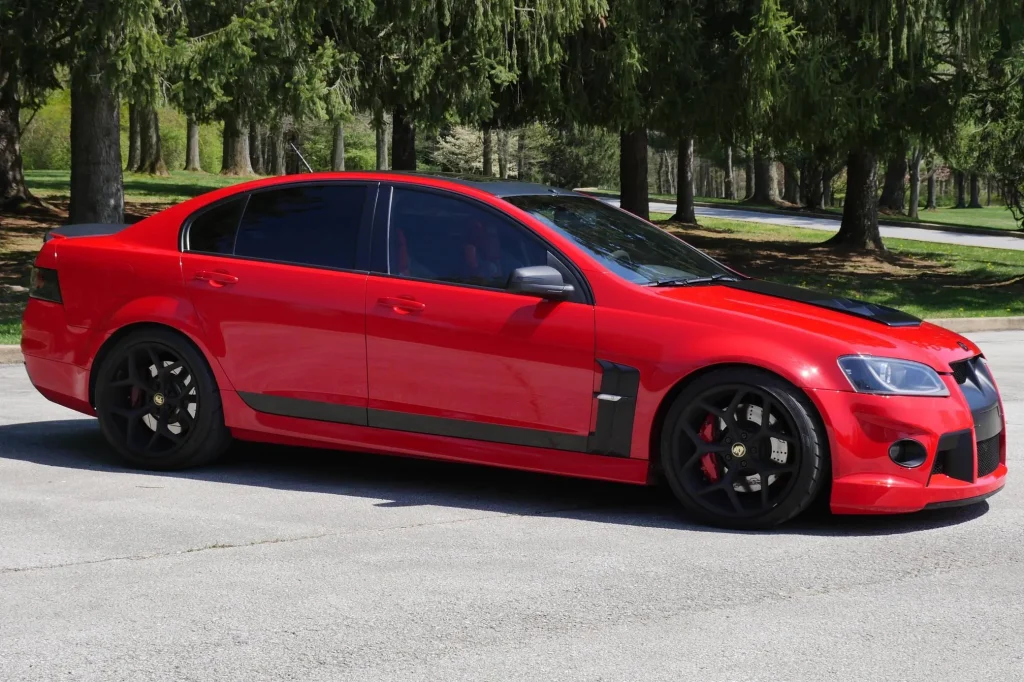
Unfortunately, the G8’s production run ended abruptly due to Pontiac’s shutdown. Yet that short life has made it even more special among enthusiasts. It delivered near-European performance for a fraction of the price and remains one of the most affordable V8 sport sedans on the used market.
For drivers who miss the days of rear-wheel-drive American sedans with serious power, the G8 GT is a reminder of what could have been. It blends muscle, practicality, and refinement in a way few modern cars do. It unquestionably deserves a second chance to be recognized as one of Pontiac’s finest creations.
7. Mazda6 (First Generation)
The first-generation Mazda6 arrived in the early 2000s and proved that family sedans could still be fun to drive. While many competitors focused solely on comfort or fuel economy, Mazda aimed to inject genuine excitement into the midsize segment. The result was a car that balanced practicality with a driver-oriented personality few others matched.
Power came from either a 2.3-liter four-cylinder or a 3.0-liter V6, both paired with manual or automatic transmissions. The V6, in particular, gave the 6 a spirited nature that made highway merging and back-road driving equally enjoyable. The engine loved to rev, and the transmission delivered quick, crisp shifts.
Mazda’s engineers tuned the chassis for agility. Steering was direct, cornering was predictable, and the suspension setup provided excellent feedback without compromising comfort. It handled with precision more typical of sportier coupes, and that made it stand out among ordinary sedans.
The interior showcased Mazda’s attention to detail. The dashboard was simple yet attractive, the seats were supportive, and the materials exceeded expectations for the price range. Controls were logically placed, giving the cabin a sense of familiarity and ease. It felt like a car built for people who love driving but still needed four doors.
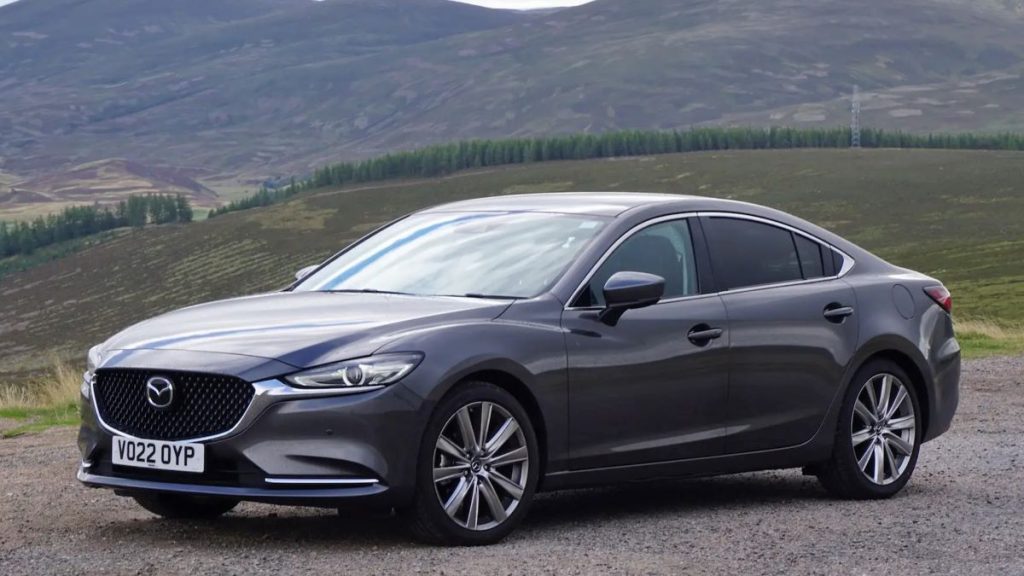
Exterior styling was another highlight. With its sleek profile and muscular fenders, the Mazda6 had a sense of motion even when parked. It aged gracefully and still looks fresh today.
Reliability also played in its favor. Mazda used proven components and sturdy build quality, making the first-generation Mazda6 a solid long-term choice. Owners often praise it for its durability and rewarding road manners even after many miles.
The Mazda6 deserves another look because it captured something rare genuine enjoyment wrapped in everyday usability. It showed that practicality doesn’t have to mean dullness, and even two decades later, it remains one of the most balanced sedans of its era.
8. Lincoln LS
The Lincoln LS is one of those American sedans that slipped through the cracks despite its impressive engineering. Introduced in 1999, it represented Lincoln’s attempt to take on established European luxury sedans. What they created was a refined rear-wheel-drive car with real driving credentials that went far beyond what people expected from the brand.
Under the hood, the LS offered two engines: a 3.0-liter V6 or a 3.9-liter V8. The latter produced 280 horsepower and provided smooth, consistent acceleration. Both engines could be paired with a manual or automatic transmission, a rarity for a Lincoln. This combination gave the LS a level of engagement unusual for an American luxury car of its time.
Its chassis was co-developed with Jaguar, sharing components with the S-Type. That heritage made the LS agile and balanced in corners. The suspension tuning delivered a refined ride while maintaining excellent body control. Steering feel was precise, and the car’s handling impressed enthusiasts who never expected such dynamics from Lincoln.
Inside, the LS offered understated luxury. Real wood trim, soft leather, and a clean dashboard layout created a calm and inviting environment. The seats were comfortable for long trips, and visibility was excellent. It felt crafted with care rather than excess.
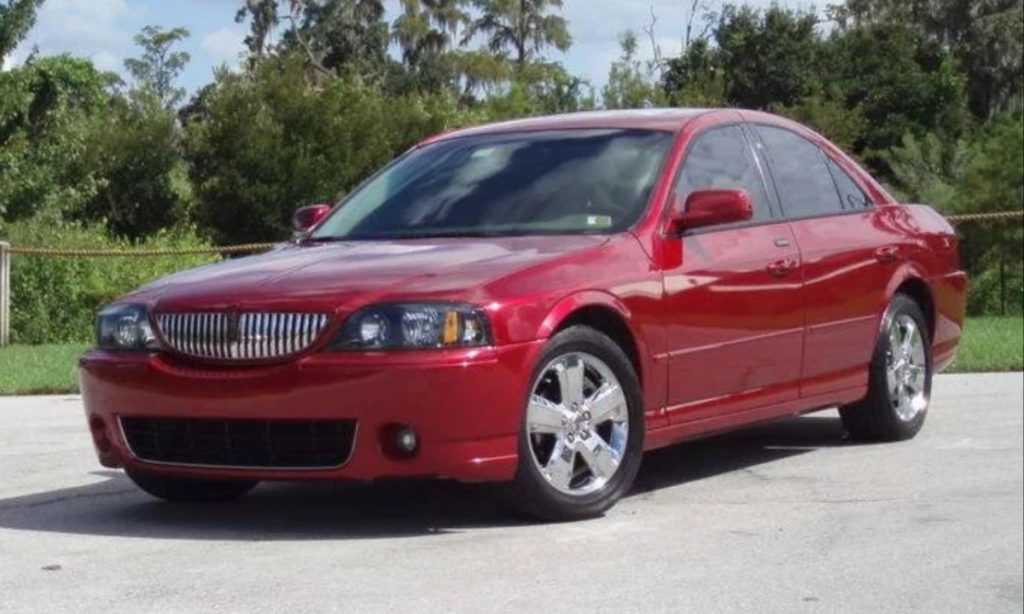
The styling was elegant and restrained. It avoided the flashiness common in American luxury cars of that era. The proportions were near perfect, giving it a dignified yet sporty stance that still looks sophisticated today.
Unfortunately, the LS struggled to find its audience. Many buyers at the time associated Lincoln with older, softer vehicles, missing the LS’s true potential. Yet those who owned one often praised its reliability, balance, and charm.
Today, the Lincoln LS stands out as an affordable modern classic. It offers genuine rear-wheel-drive performance, luxury comfort, and a sense of individuality. It may have been overlooked when new, but time has proven that it was one of Lincoln’s most forward-thinking designs.
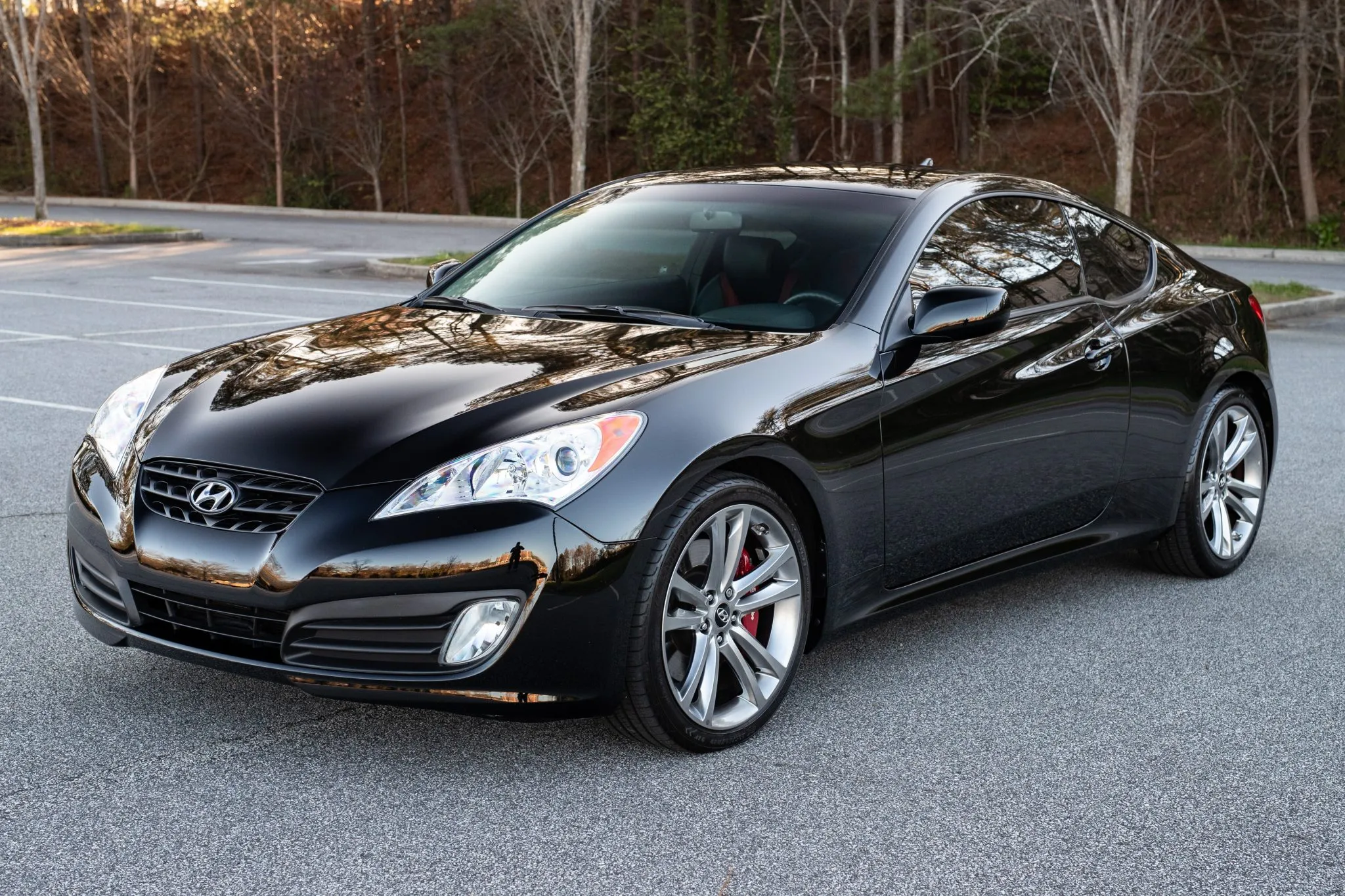
9. Hyundai Genesis Sedan
The Hyundai Genesis sedan marked a turning point for the brand. When it debuted in 2008, few expected Hyundai to produce a true luxury car capable of challenging established German and Japanese rivals. Yet the Genesis proved that the company could deliver refinement, performance, and quality far beyond its reputation at the time.
The first-generation Genesis offered two engine choices a 3.8-liter V6 and a 4.6-liter V8. The latter produced an impressive 375 horsepower, making it one of the most powerful sedans in its price range.
The powertrain was smooth, responsive, and paired with a refined automatic transmission that shifted seamlessly. It delivered strong acceleration while maintaining an effortless, quiet ride.
Ride quality and handling were two of the Genesis’s strongest attributes. The suspension setup balanced comfort and control with surprising precision.
It absorbed rough pavement with ease but remained composed through corners, giving the car a solid and confident demeanor. Hyundai’s engineers focused on creating a sense of calmness inside the cabin, and it showed in every drive.
The interior surprised even skeptics. Soft-touch materials, real wood accents, and tight panel gaps gave the cabin an upscale feel. The seats were plush yet supportive, and the sound insulation rivaled far more expensive competitors. Every switch and control felt deliberate, reflecting Hyundai’s commitment to quality.
The exterior styling was clean and sophisticated. Without unnecessary flash, the Genesis looked expensive without trying too hard. Its proportions were balanced, and the presence it carried was undeniable.
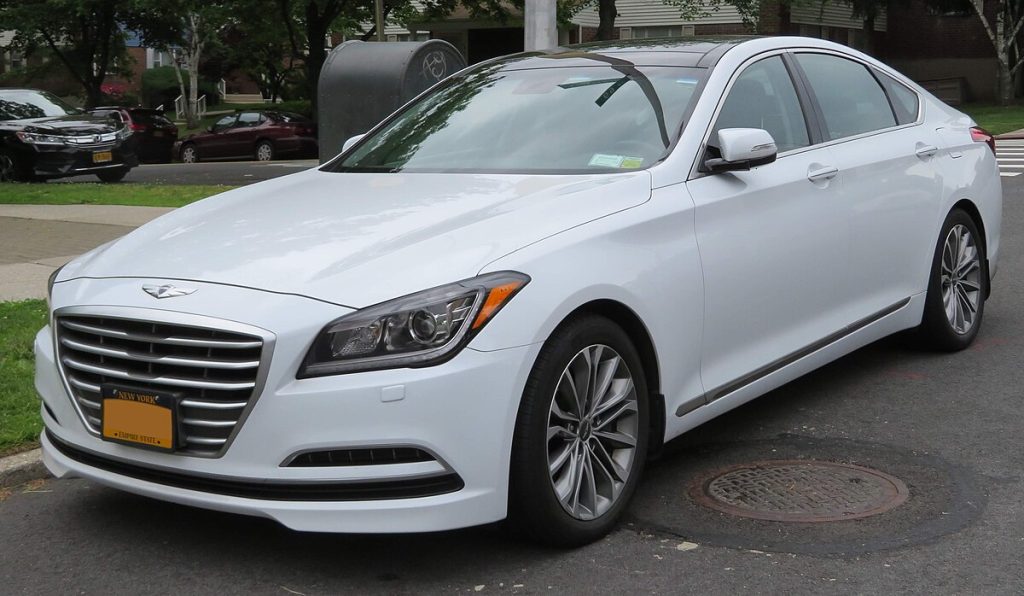
Though it lacked the brand prestige of its rivals, the Genesis sedan delivered an experience that often matched or exceeded theirs at a fraction of the cost. Its reliability, build quality, and refinement made it an instant value leader.
Today, the first-generation Genesis sedan remains an excellent choice for anyone who appreciates understated luxury and dependable performance.
It quietly signaled Hyundai’s transformation into a serious player, proving that refinement doesn’t have to come with a luxury badge. This car absolutely deserves another look from those seeking sophistication and substance in one package.
10. Volkswagen Phaeton
The Volkswagen Phaeton might be one of the boldest automotive experiments ever attempted.
Launched in the early 2000s, it was Volkswagen’s vision of ultimate luxury, designed to compete with the Mercedes S-Class and BMW 7 Series. While it never achieved commercial success, it remains a masterpiece of engineering that deserves renewed appreciation.
Under its elegant body, the Phaeton shared its platform with the Bentley Continental. It came with several engine options, including a W12 that produced 420 horsepower. The car was engineered to cruise at high speeds effortlessly, maintaining absolute stability and comfort even in demanding conditions. Few sedans of its era were built to such exacting standards.
The suspension system was air-based, automatically adjusting to road conditions. The ride quality was extraordinary, combining softness with precision. On the highway, it felt like gliding over glass, yet it could handle corners with remarkable poise. Noise isolation was among the best in the world, allowing passengers to enjoy near-silent travel.
Inside, the Phaeton was a true showcase of craftsmanship. Fine leather, real wood, and aluminum trim adorned every surface. Each switch had weight and precision, and the attention to small details was astonishing. Rear passengers enjoyed features like heated and ventilated seats, multi-zone climate control, and limousine-like legroom.
The exterior design was understated but elegant. Many mistook it for a simple large sedan, not realizing the sophistication beneath. That subtlety was intentional Volkswagen wanted the Phaeton to appeal to those who valued luxury without ostentation.
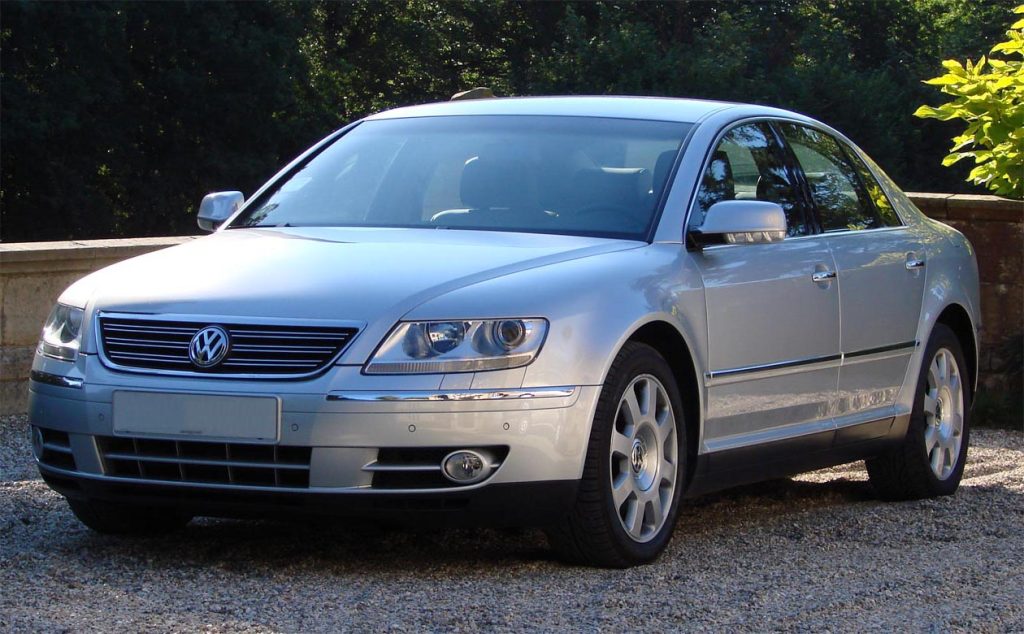
Its high price and lack of badge prestige limited its sales, but that doesn’t diminish its excellence. The Phaeton represented the pinnacle of Volkswagen’s engineering ambition. Even today, it remains an outstanding vehicle that feels modern in refinement and capability.
For enthusiasts and collectors, the Volkswagen Phaeton is a hidden treasure. It’s a reminder that true craftsmanship and quality can exist quietly, without the need for flash or fame. Those who experience it understand why it still commands respect years later.
11. Buick Regal GS (2012–2017)
The Buick Regal GS was a rare attempt to reintroduce genuine sportiness into a brand better known for calm and comfort. Arriving in the early 2010s, this midsize sedan proved that Buick could still build something engaging for drivers while keeping its hallmark refinement intact.
Power came from a turbocharged 2.0-liter four-cylinder engine producing 270 horsepower and 295 lb-ft of torque. Paired with either a six-speed manual or automatic transmission, it offered brisk acceleration and confident midrange pull.
The manual version especially appealed to enthusiasts, being one of the few performance sedans of its time to offer three pedals.
The GS featured a sport-tuned suspension, upgraded brakes, and an available all-wheel-drive system. These enhancements gave it impressive balance and grip through corners. The adaptive damping system allowed drivers to switch between different modes, making it comfortable for everyday driving yet agile when pushed harder.
Inside, the Regal GS presented an elegant cabin that blended traditional Buick comfort with a sporty touch. Supportive bolstered seats, high-quality materials, and a clear instrument layout gave it a premium yet purposeful character. It felt substantial without being heavy-handed.
The exterior design carried a confident stance, with subtle aggression in the front fascia and a sculpted rear. It managed to look athletic without losing its polished appeal. Even today, its design holds up remarkably well.
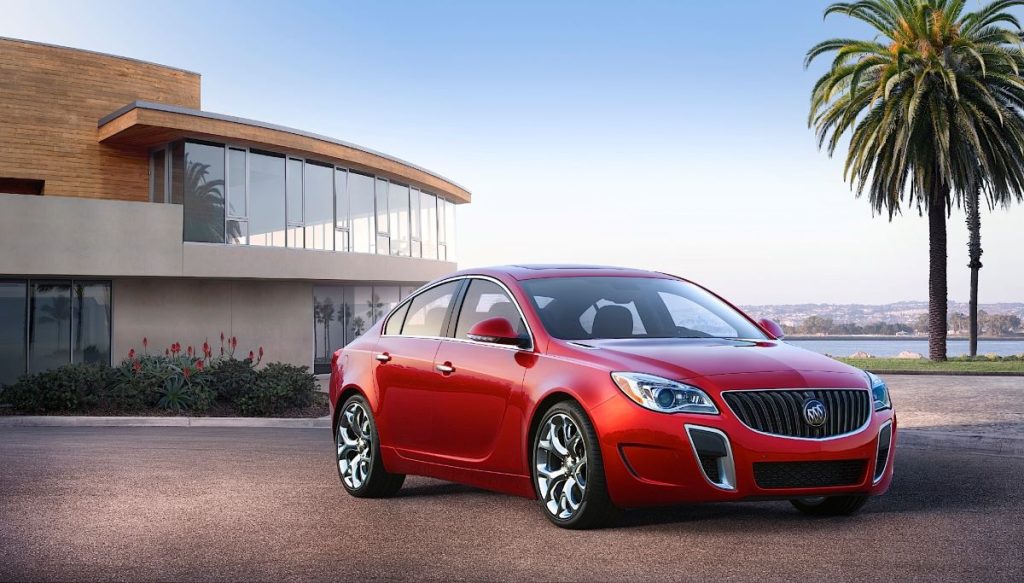
The Regal GS was often overlooked because it didn’t fit typical expectations of what a Buick should be. Yet that’s exactly what makes it special. It delivered European-inspired dynamics thanks to its Opel roots while retaining American smoothness.
As a used buy, the Regal GS offers something unique: performance, comfort, and refinement at a reasonable price. It’s a sedan that quietly reminds everyone that Buick once had a playful side, and it deserves far more recognition than it received during its production years.
12. Chrysler 300C (2005–2010)
Few sedans made an impression quite like the first-generation Chrysler 300C. When it hit the market in 2005, it brought back bold styling, big power, and a sense of presence missing from many modern cars. While it became popular for a time, its later decline in attention hides just how remarkable it truly was.
Underneath its striking design was serious performance. The 300C came with a 5.7-liter HEMI V8 producing 340 horsepower and 390 lb-ft of torque.
The power delivery was immediate, and the sound was unmistakable. Despite its size, the 300C could sprint from zero to sixty in about six seconds impressive for a full-size sedan of its era.
Chrysler engineers based it on a rear-wheel-drive platform with components adapted from Mercedes-Benz, giving it a solid and composed feel. The suspension tuning offered a blend of smooth cruising and capable handling. It felt stable on highways yet responsive in tighter turns, a balance that surprised many first-time drivers.
Inside, the 300C combined luxury and attitude. The leather seats were wide and comfortable, the dashboard design bold, and the space generous. Features like navigation, premium audio, and wood accents added to its upscale nature. It was a car built for comfort but engineered with muscle.
The exterior design remains iconic. The broad grille, high beltline, and muscular stance gave it undeniable road presence. It looked commanding without excess, which helped it stand out in traffic. Even today, it turns heads with ease.
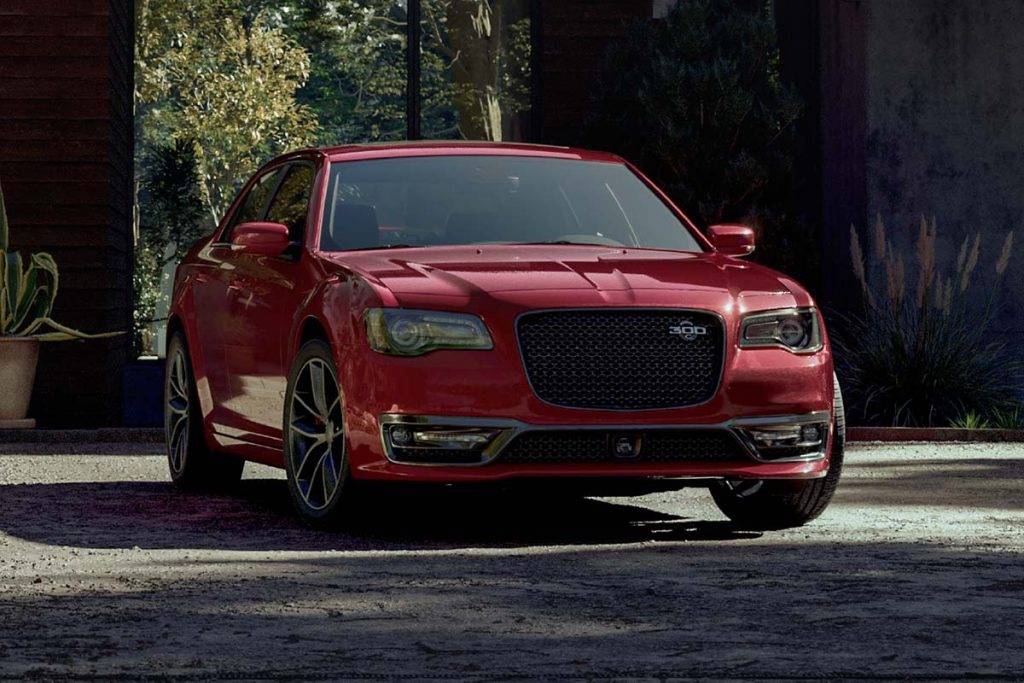
The 300C deserves another look because it captured the essence of American motoring with refinement rarely seen in its segment.
It offered old-school charm wrapped in a modern package, blending brute strength with sophistication. For drivers seeking personality, comfort, and unmistakable style, the Chrysler 300C continues to hold timeless appeal.
Sedans may no longer dominate sales charts, but these twelve models prove that the segment still holds exceptional value and character. Each car on this list earned its place by offering something that set it apart from the rest performance, craftsmanship, or enduring charm that outlasted changing trends.
From the sharp precision of the Acura TL Type-S to the confident muscle of the Chrysler 300C, these sedans highlight just how versatile the format can be.
Some, like the Saab 9-5 Aero and Volvo S60 R, showcased individuality and engineering innovation. Others, such as the Lexus IS300 and Hyundai Genesis, demonstrated that reliability and refinement can coexist beautifully.
Even the more obscure models, like the Lincoln LS and Buick Regal GS, delivered experiences far beyond their market reputation. Together, they represent an era when sedans balanced comfort, control, and identity in a way few modern vehicles replicate.
These cars deserve renewed attention not for nostalgia’s sake, but because they remind us of what thoughtful design and honest engineering can achieve. For anyone who values driving pleasure and lasting quality, each of these sedans remains proof that true automotive greatness never really fades.
