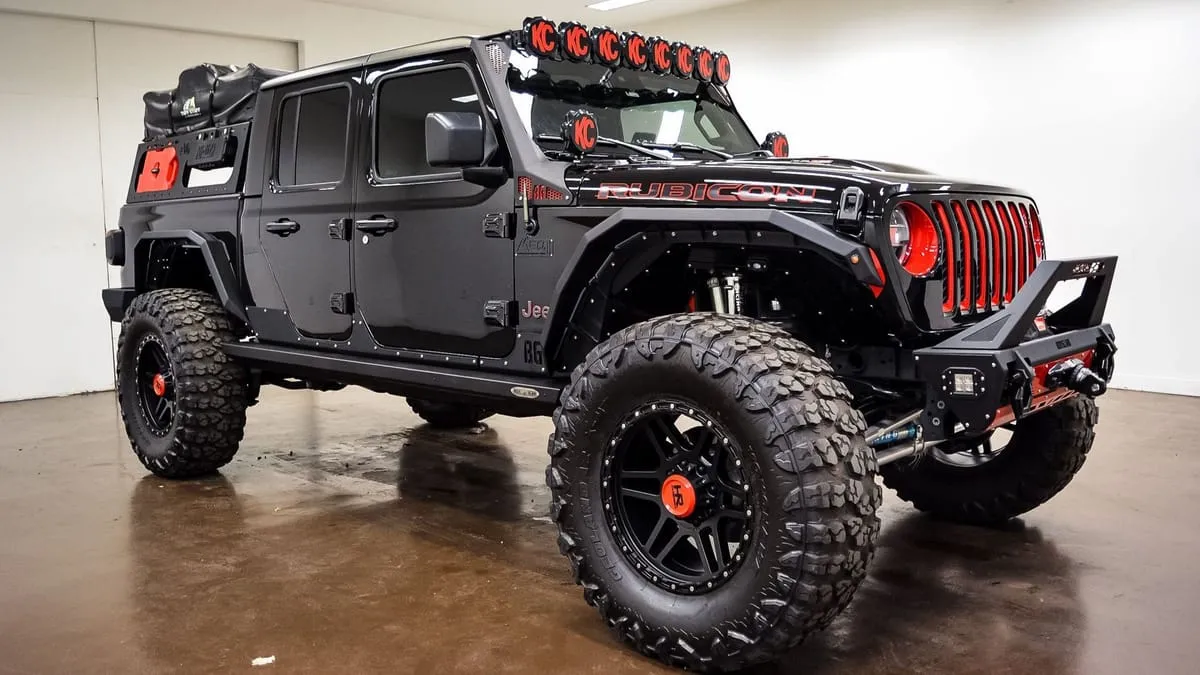
The 1980s gave us some of the most iconic SUVs ever made. These vehicles were built for adventure, with tough engines, simple designs, and real off-road skills.
Unlike many modern SUVs filled with electronics, 80s models focused on strength and dependability. Today, many car fans still love driving them for their classic looks and rugged charm. Here are ten SUVs from the 80s that are still worth owning and enjoying.
Also read: 10 SUVs That Are Built to Conquer the Outdoors
1) Toyota Land Cruiser 60 Series
The Toyota Land Cruiser 60 Series, launched in 1980, is one of the most respected SUVs ever made. It carried on Toyota’s tradition of building tough, dependable vehicles designed to handle any terrain while offering comfort and practicality for families and adventurers.
The 60 Series was available in several versions, including the FJ60 and HJ60, which were powered by strong inline-six engines. These engines were known for their durability and smooth performance. They could run for hundreds of thousands of miles with basic maintenance and care.
Toyota built the Land Cruiser 60 Series with a body-on-frame design, giving it incredible strength and flexibility. This structure helped it survive harsh off-road conditions like rocky paths, muddy roads, and steep mountains, without suffering serious damage or breakdowns.
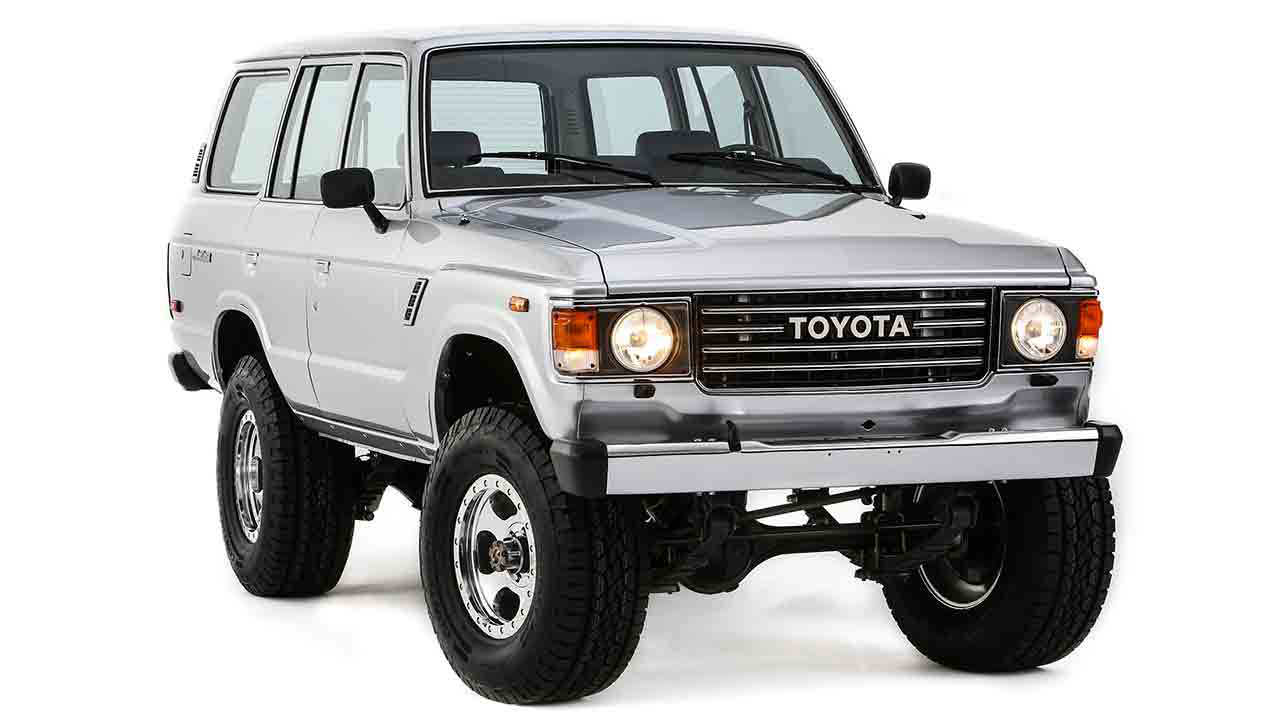
The 60 Series also came with a dependable four-wheel drive system that made it perfect for both adventure and daily use. Drivers could easily switch between high and low gears, allowing the SUV to handle snow, sand, or deep mud without getting stuck.
Inside, the Land Cruiser 60 Series offered surprising comfort for its time. While it looked boxy on the outside, its interior had soft seats, wide visibility, and practical storage space. It was designed to carry families or explorers with ease and reliability.
Another reason the 60 Series became popular was its global success. It was sold in many countries and performed well in all kinds of climates from desert heat to freezing mountain trails. Its worldwide reputation made it one of Toyota’s most beloved vehicles.
The Land Cruiser 60 Series wasn’t about speed or luxury; it was about strength, dependability, and purpose. Farmers, travelers, and explorers all trusted it because it worked hard and never gave up, even in the toughest environments imaginable.
2) Jeep Cherokee (XJ)
The Jeep Cherokee XJ, introduced in 1984, completely changed the SUV world. It was smaller, lighter, and stronger than most SUVs of its time. Jeep designed it to offer true off-road ability while remaining comfortable and practical for everyday driving.
The Cherokee XJ came with a unibody frame instead of the traditional body-on-frame design. This made it lighter and more agile but still tough enough to handle rough trails. Its strong structure helped it perform well on both highways and dirt roads.
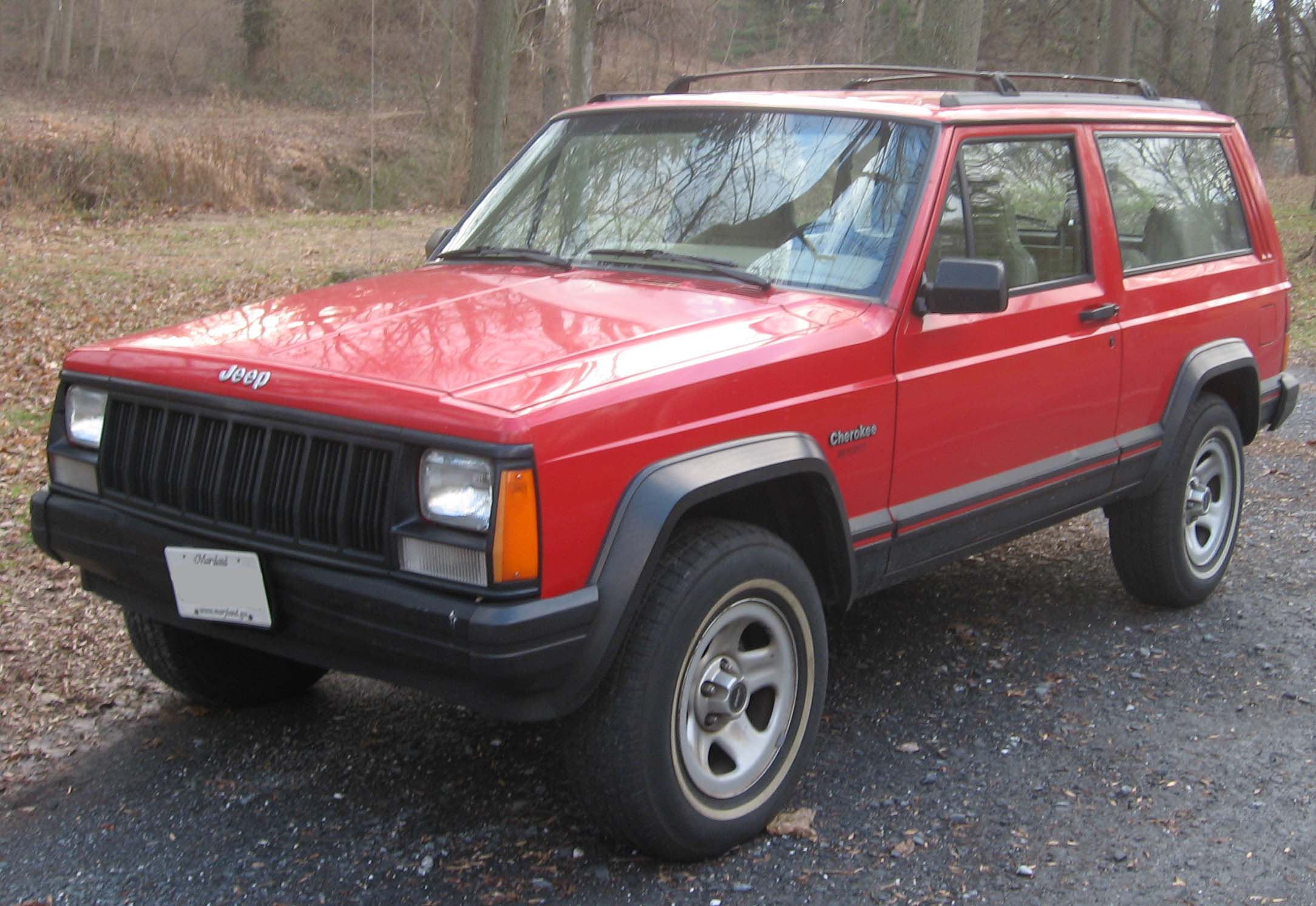
The Cherokee’s four-wheel drive system was another highlight. With options like the Command-Trac and Selec-Trac systems, drivers could switch between two-wheel and four-wheel drive modes, making it ready for snow, mud, or rocky terrain in seconds.
Inside, the XJ was simple but comfortable. It had enough space for five people and their luggage, making it great for families and travelers. Its boxy shape also provided excellent visibility, something modern SUVs often lack today.
The design of the Jeep Cherokee XJ became iconic. Its sharp, square body lines gave it a rugged look that matched its performance. Even now, its style remains instantly recognizable and admired by car lovers worldwide.
The XJ was also easy to repair and modify, which made it a favorite among off-road fans. People loved upgrading it with lift kits, stronger tires, and accessories for mountains and forests. It quickly became a symbol of adventure.
3) Ford Bronco (1980s)
The Ford Bronco from the 1980s remains one of America’s most iconic SUVs. It was built for strength, adventure, and fun, combining powerful engines with classic styling. Whether used for off-road trails or weekend trips, the Bronco delivered excitement and reliability.
The 1980s models of the Bronco featured a boxy design that looked bold and muscular. It had a removable rear top, allowing drivers to enjoy open-air driving. This feature made it a favorite for beach trips, camping, and outdoor adventures.
The Bronco was built on a sturdy truck-based frame, sharing parts with the Ford F-Series pickups. This gave it exceptional toughness and the ability to handle demanding off-road conditions. It could tackle mud, snow, and rocks without losing confidence.
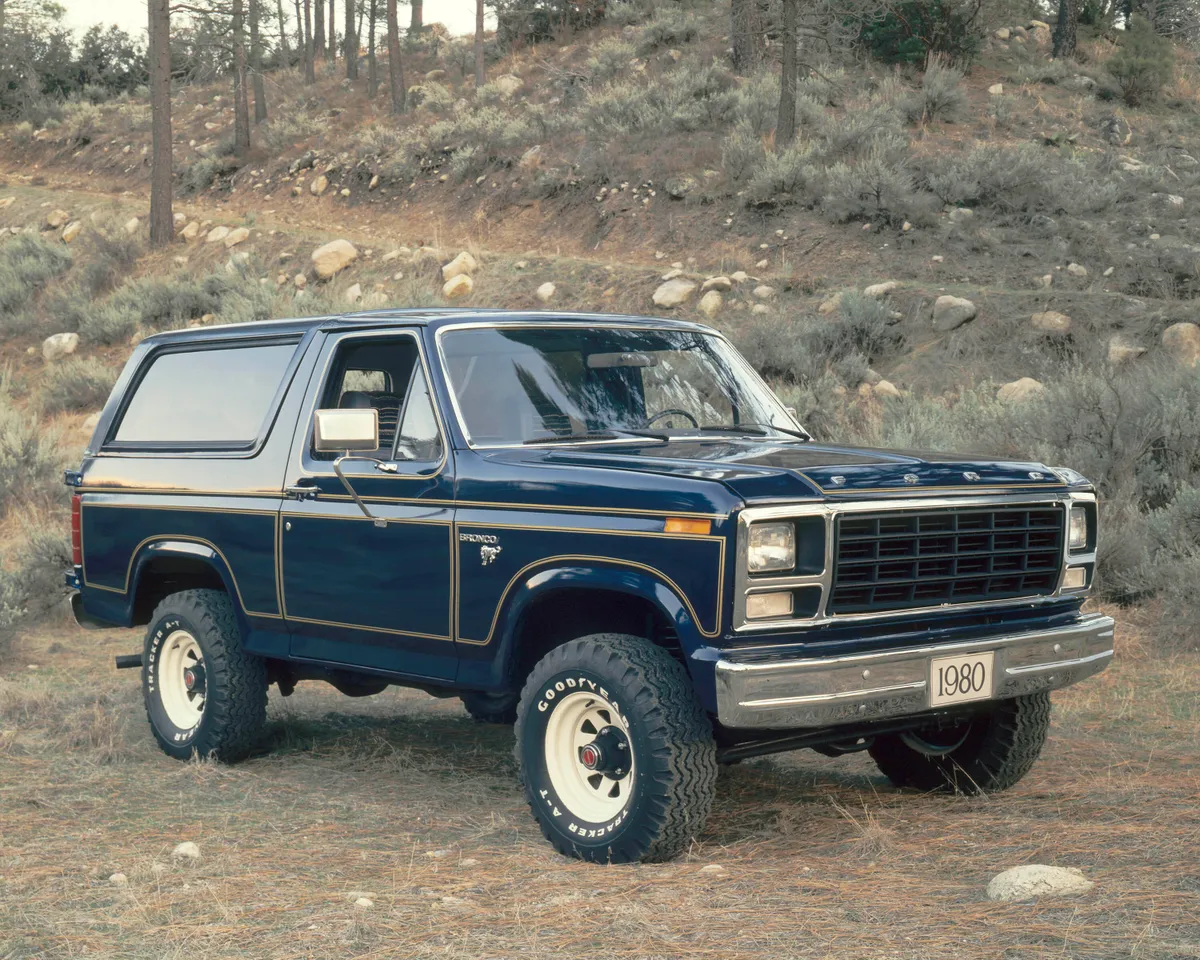
The 1980s also marked a time when the Bronco gained a strong following among outdoor enthusiasts and adventurers. It was seen as a symbol of freedom, strength, and American spirit, appearing in countless road trips, camping stories, and movies.
Mechanics appreciated the Bronco’s simple design, which made maintenance and repairs easy. Spare parts were widely available, and the vehicle’s solid build meant it could last for decades with proper care. Many 80s Broncos are still running strong today.
4) Chevrolet K5 Blazer (1980s)
The Chevrolet K5 Blazer from the 1980s remains one of the toughest and most memorable SUVs ever made. Built on a full-size truck platform, it offered the perfect blend of raw power, off-road ability, and classic American style that car fans still admire today.
The 1980s K5 Blazer was designed for adventure. Its strong steel body and removable roof made it ideal for outdoor trips and open-air driving. Whether cruising on highways or exploring rough trails, the K5 Blazer handled every challenge with confidence and ease.
The K5 Blazer used a traditional body-on-frame design, giving it superior toughness and durability. Combined with its powerful four-wheel-drive system, it could climb hills, cross rivers, and handle rugged landscapes with the strength of a true off-road machine.
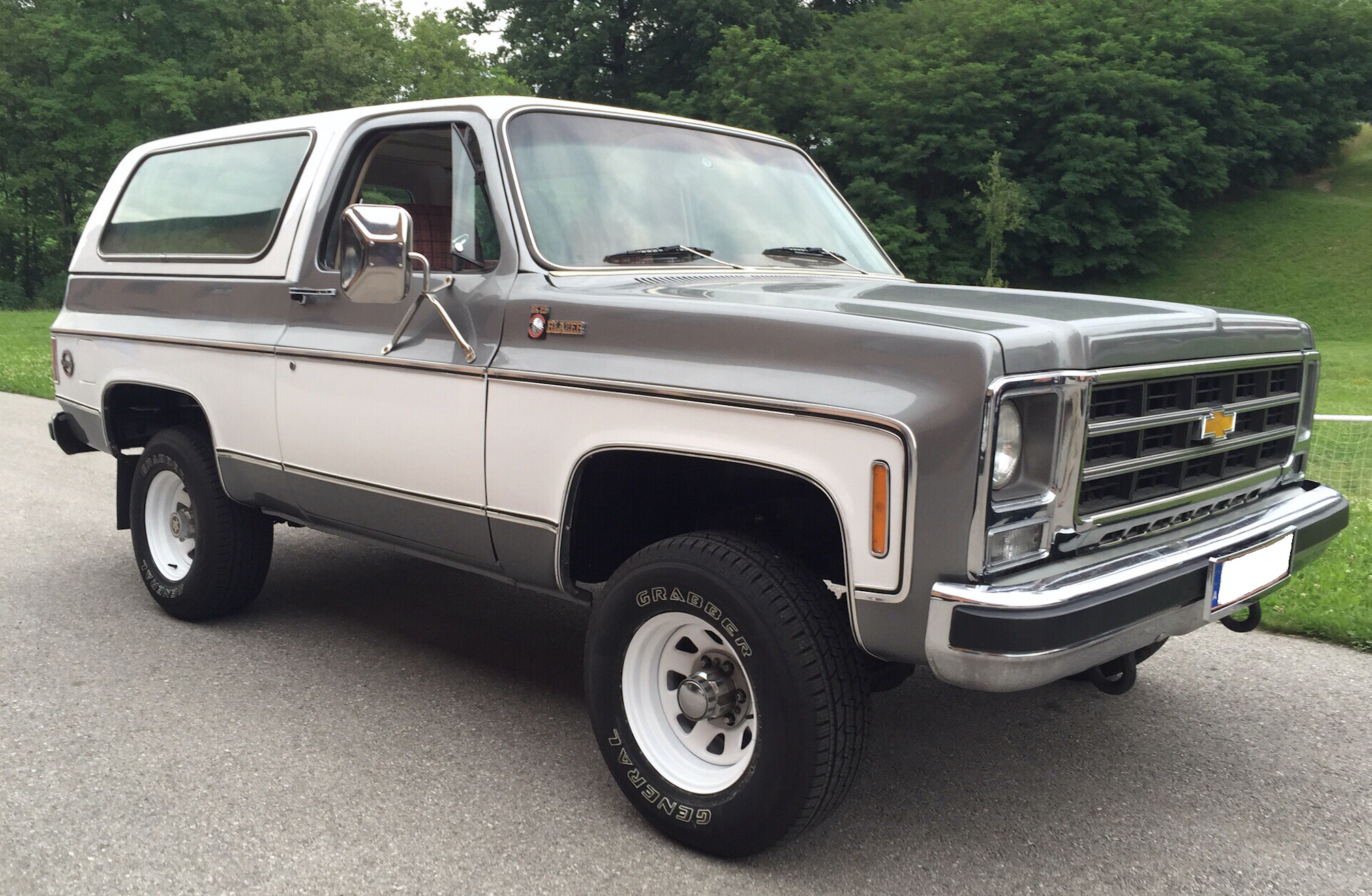
Inside, the Blazer balanced comfort and function. It featured wide, cushioned seats, a simple dashboard, and large windows for excellent visibility. Its roomy interior made it a popular choice for families who wanted both space and adventure capability.
One of the key attractions of the 1980s K5 Blazer was its versatility. It worked just as well as a daily driver as it did a weekend explorer. Drivers loved its ability to transition smoothly from city roads to challenging off-road trails.
Mechanics appreciated how easy the K5 Blazer was to maintain. Its engine bay was spacious, and its mechanical design was simple. Many owners could fix minor issues themselves, keeping the vehicle running smoothly for decades with basic tools and care.
5) Nissan Patrol 160 Series (1980s)
The Nissan Patrol 160 Series, produced during the 1980s, is one of the most rugged and respected SUVs ever built. Known for its toughness and reliability, this vehicle earned a strong reputation among off-roaders, travelers, and even military forces across the world.
The Patrol 160, also called the MQ or MK in some regions, was designed with strength and endurance in mind. It featured a solid ladder-frame chassis, strong axles, and a powerful engine lineup that could handle harsh terrains with ease and confidence.
One of its most popular engine options was the 3.3-liter diesel, known for its excellent torque and fuel efficiency. It wasn’t the fastest SUV, but it was nearly indestructible. Many Patrols from the 80s are still running in deserts, farms, and remote areas today.
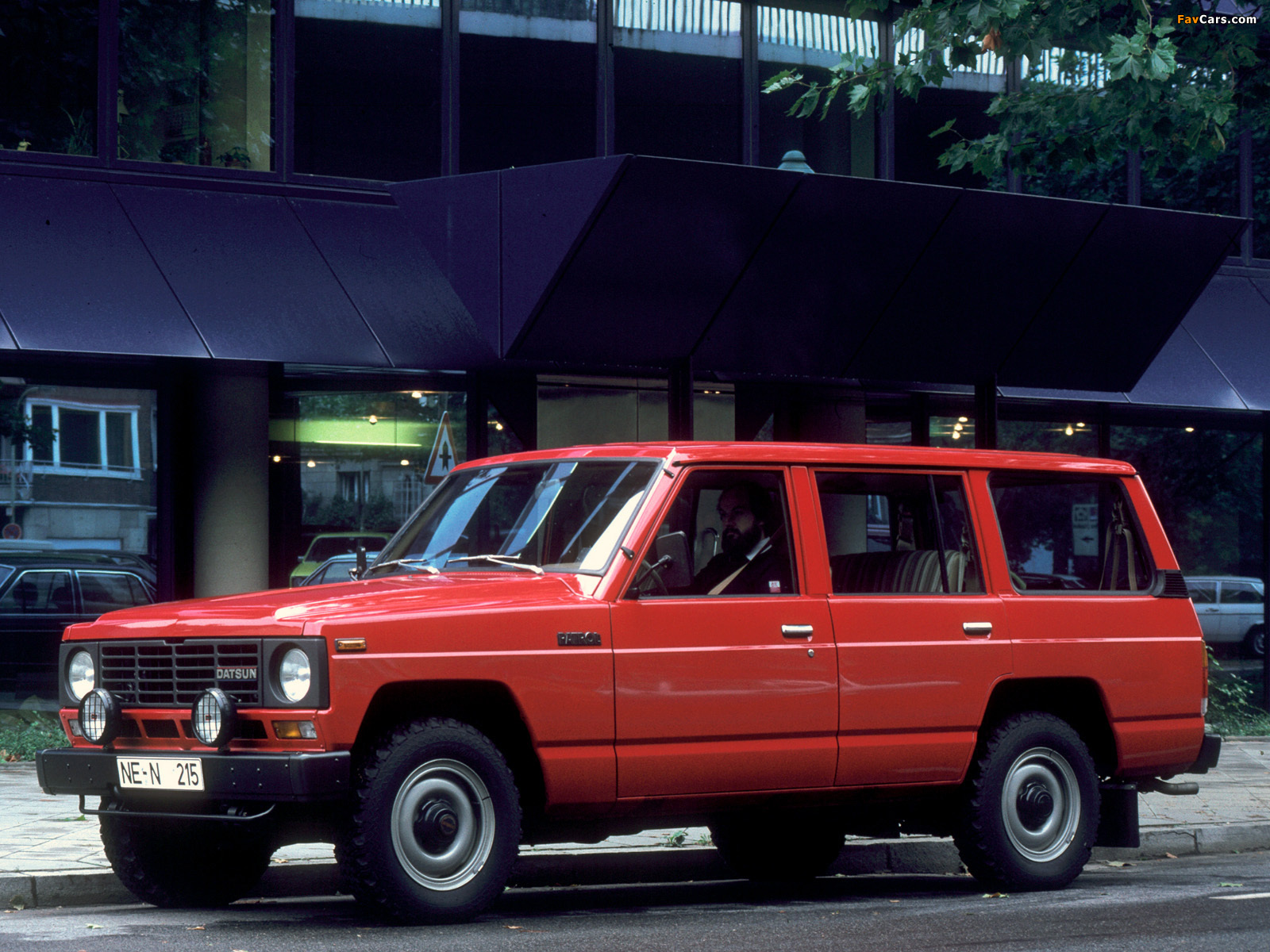
The Patrol’s four-wheel-drive system was one of its biggest strengths. It had manual locking hubs and low-range gearing, which gave it the ability to climb steep hills, cross muddy roads, and survive deep sand making it a favorite among serious adventurers.
Inside, the 160 Series offered a basic but practical cabin. Its simple dashboard, durable seats, and large cargo space made it perfect for long trips. It was built for function over luxury, and everything inside was designed to last for years.
The Patrol’s suspension system used leaf springs that could handle heavy loads and rough terrain. Though the ride was firm, it gave the SUV unmatched strength and reliability, allowing it to carry gear, supplies, or passengers across challenging environments.
Also read:10 SUVs Built for the American Family Lifestyle
6) Range Rover Classic (1980s)
The Range Rover Classic from the 1980s remains one of the most admired SUVs ever made. It perfectly combined luxury, performance, and off-road strength a rare balance that few vehicles have matched even decades later. It defined what a premium 4×4 could truly be.
When it was introduced, the Range Rover Classic stood out with its elegant yet boxy design. Its clean lines, large windows, and high stance gave it a strong but sophisticated look. It looked at home in both city streets and muddy trails, a mix that became its signature.
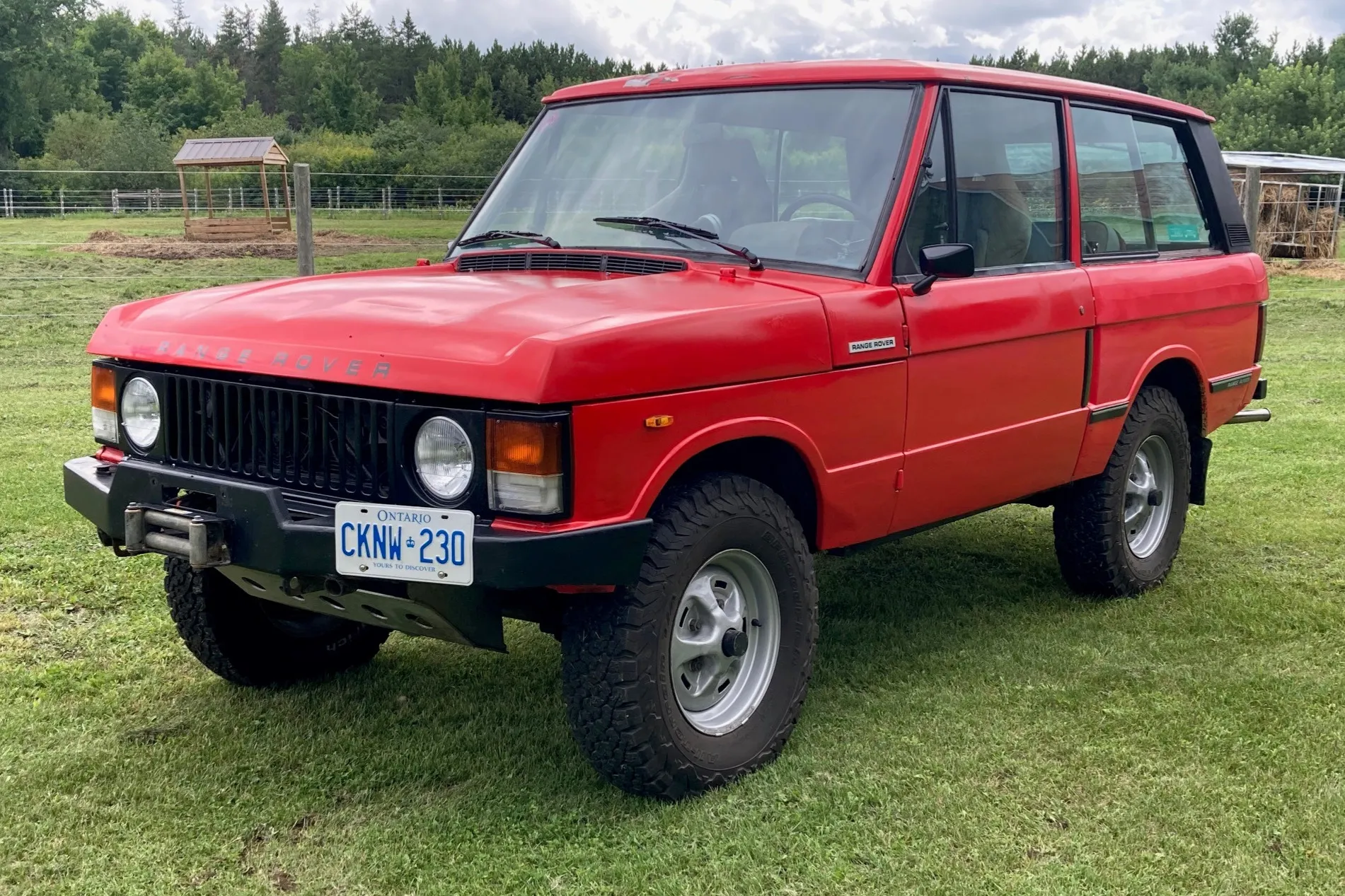
The 1980s Range Rover used a full-time four-wheel-drive system, a rare feature back then. This made it incredibly capable off-road, helping it maintain traction on snow, mud, and rocks. It was built to handle rough terrain with the grace of a luxury car.
Inside, the Classic was comfortable and well-appointed. It offered soft seats, fine materials, and advanced features for the 80s. Drivers enjoyed a higher driving position, excellent visibility, and a sense of control all while wrapped in quiet refinement.
Its suspension system used coil springs instead of leaf springs, giving it a smoother ride. This innovation made the Range Rover stand apart from rougher off-roaders of its time, proving that comfort and toughness could exist together in one vehicle.
7) Suzuki Samurai (1980s)
The Suzuki Samurai, launched in the mid-1980s, is one of the smallest yet most capable off-road SUVs ever made. Its compact size, light weight, and rugged design helped it go places that even bigger, more powerful vehicles often couldn’t reach.
The Samurai was powered by a small 1.3-liter four-cylinder engine. While it wasn’t fast or powerful, its lightweight body made it quick and nimble on rough terrain. The engine was simple, fuel-efficient, and known for its reliability and easy maintenance.
What made the Suzuki Samurai special was its tough ladder-frame chassis and excellent four-wheel-drive system. With low-range gearing, solid axles, and short wheelbase, it could easily climb rocks, cross rivers, and handle steep trails without struggling.
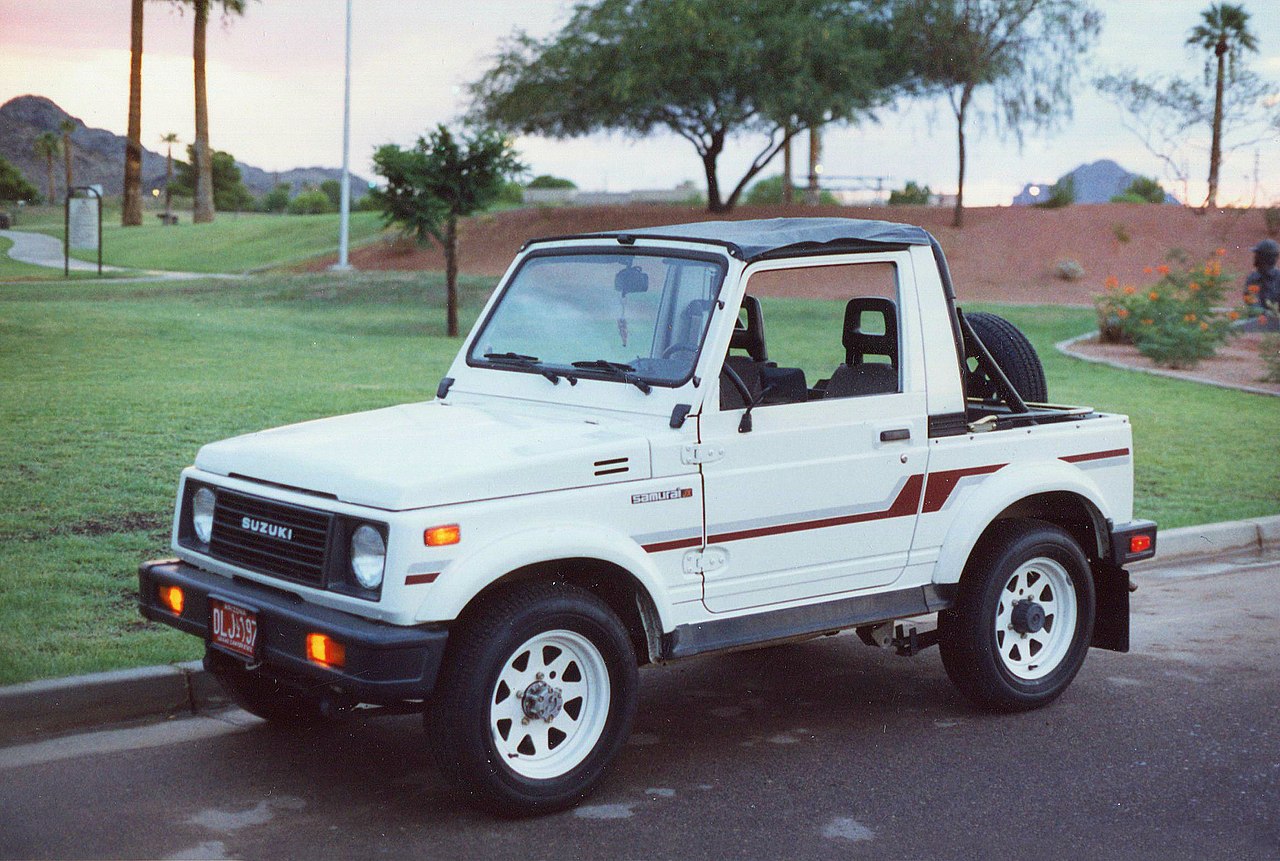
Its compact design was another major advantage. The Samurai’s small size allowed it to move through tight spaces, narrow forest paths, and rough mountain tracks where larger SUVs couldn’t fit. Off-roaders loved its agility and strong grip on tricky terrain.
Inside, the Samurai was simple but practical. It offered basic seats, a clear dashboard, and foldable rear benches for extra cargo space. There were no fancy electronics, but everything inside was made for easy use and long-lasting durability.
The Samurai was also popular for being affordable. It cost much less than other off-road SUVs but still offered genuine 4×4 capability. This made it a favorite among young drivers, adventurers, and outdoor enthusiasts who wanted a fun, capable vehicle on a budget.
Many owners modified their Samurais with lift kits, off-road tires, and roll cages to make them even stronger. Its lightweight body and simple mechanics made customization easy, turning it into a favorite project car in the off-road community.
8) Mitsubishi Pajero (1980s)
The Mitsubishi Pajero, introduced in the early 1980s, quickly became one of the most respected SUVs in the world. Known as the Montero in some countries, it combined off-road strength, mechanical reliability, and surprising comfort a mix that made it a global favorite.
The first-generation Pajero was built on a strong ladder-frame chassis, giving it the durability needed for extreme conditions. It was designed for explorers, travelers, and even rally racers. Its solid build quality made it dependable on both city roads and wild terrains.
Under the hood, the Pajero came with several engine options, including reliable diesel and petrol choices. The 2.5-liter turbo-diesel became especially popular for its excellent torque and fuel economy, helping the Pajero climb steep hills and power through mud with ease.
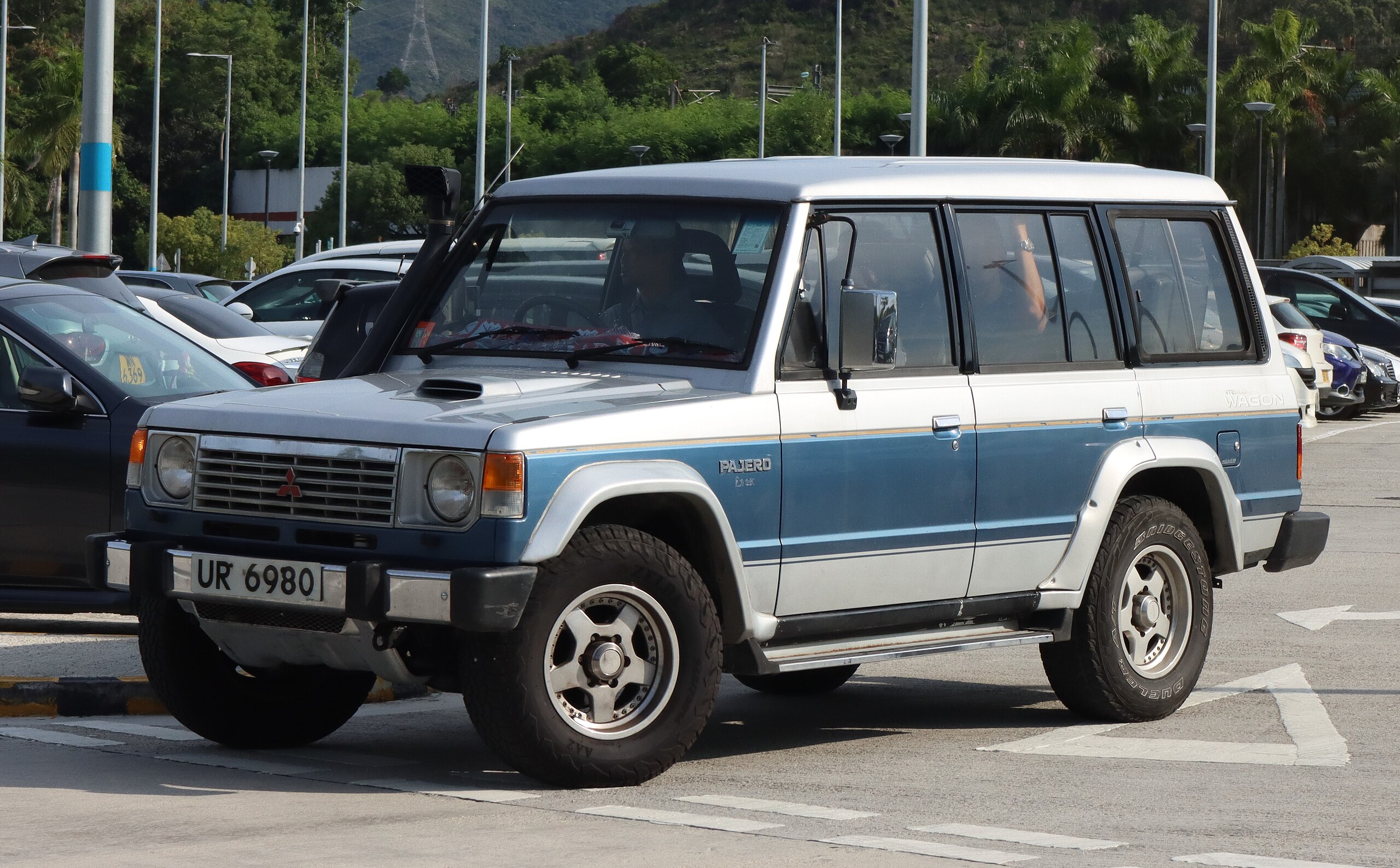
Its four-wheel-drive system was one of the best of its time. With a part-time 4WD setup and low-range gearing, the Pajero could handle sand, snow, and rocky trails. It gave drivers total control, making it a trusted companion for off-road adventures.
Inside, the Pajero offered a level of comfort that was rare for an off-road SUV in the 1980s. It had comfortable seats, clear gauges, and enough space for families or gear. It proved that an off-roader could also be pleasant to drive every day.
The Pajero earned global fame through motorsports. It dominated the Dakar Rally one of the world’s toughest races winning multiple times in the 1980s. This success proved its toughness, engineering excellence, and ability to survive the harshest environments.
9) Isuzu Trooper (1980s)
The Isuzu Trooper, launched in the early 1980s, is one of those underrated SUVs that quietly proved its worth through strength and dependability. Built for real-world use, it offered a perfect balance of practicality, durability, and off-road performance that made it a global success.
The first-generation Trooper had a simple, boxy design that focused on function over style. Its high roof and upright shape provided excellent visibility and lots of interior space. This made it ideal for families, travelers, and anyone who valued comfort on long trips.
Under the hood, Isuzu offered several engines, including a 2.2-liter diesel and a 2.6-liter petrol option. The diesel version was especially popular because of its fuel efficiency and long life. These engines weren’t powerful, but they were reliable and easy to maintain.
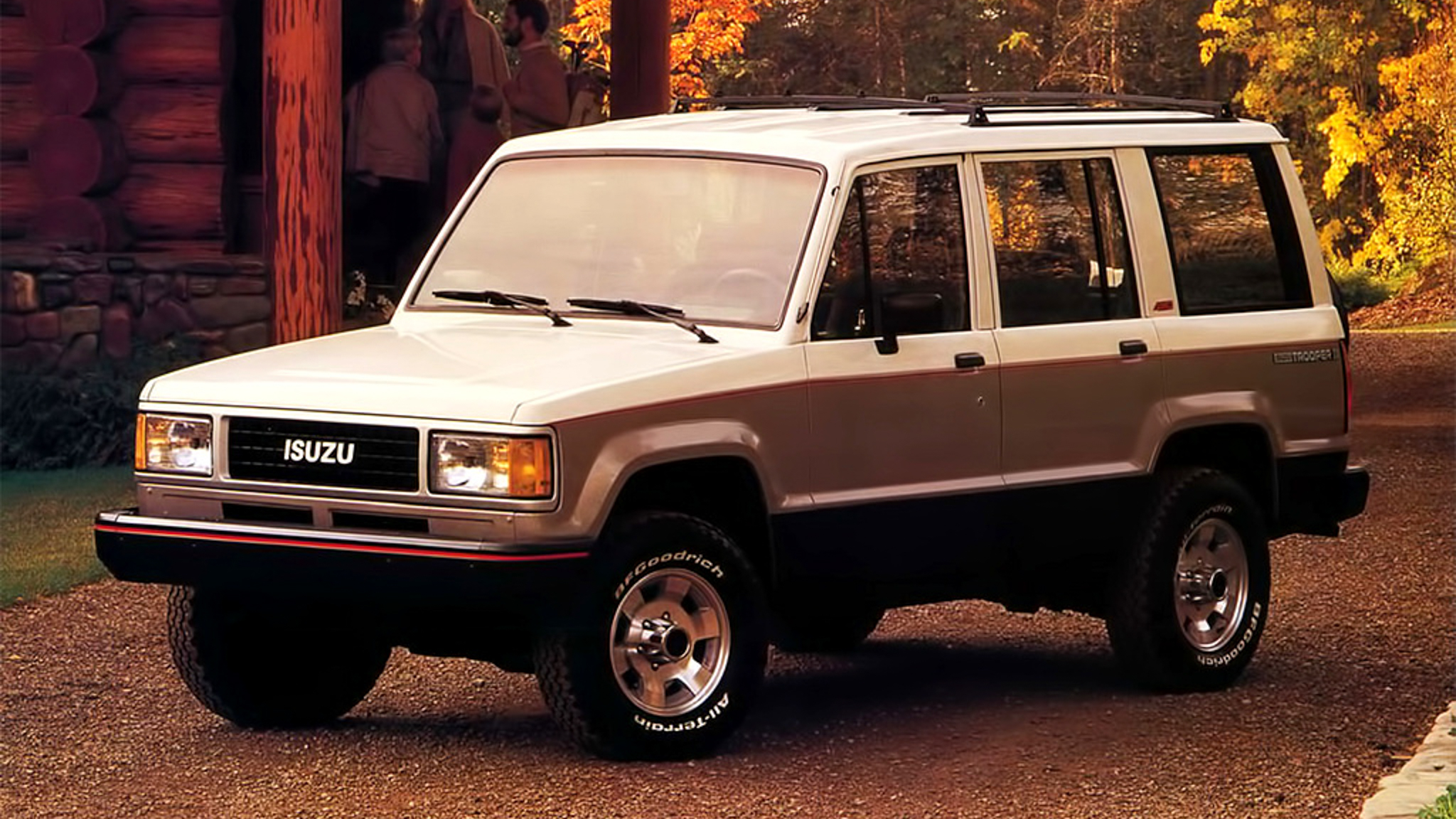
The Trooper was built on a strong ladder-frame chassis, giving it the toughness to handle heavy loads and rough terrains. With a part-time four-wheel-drive system and low-range gearing, it could confidently take on muddy trails, snow, or rocky mountain roads.
Inside, the Trooper’s cabin was simple yet spacious. It offered comfortable seats, a clear dashboard, and a large cargo area. The interior layout focused on practicality, ensuring that it could carry both people and equipment without compromising on comfort.
Its suspension system was designed for versatility. The Trooper handled daily driving smoothly but was tough enough for off-road challenges. This made it popular among outdoor enthusiasts, farmers, and explorers who needed a dependable vehicle for all conditions.
The 1980s Isuzu Trooper also gained respect for its global presence. It was sold in many countries under different names and even shared platforms with brands like Honda and Subaru. Everywhere it went, it built a reputation for being tough and long-lasting.
10)GMC Jimmy (1980s)
The GMC Jimmy from the 1980s is a true classic among American SUVs. Sharing its foundation with the Chevrolet K5 Blazer, the Jimmy offered the same rugged capability and timeless style but carried a distinct GMC identity that appealed to adventure seekers and loyal fans.
Built on a sturdy truck-based frame, the 1980s GMC Jimmy was made for durability and off-road strength. Its solid construction allowed it to handle tough conditions, from muddy backroads to snowy mountains, making it a trusted choice for explorers and outdoor lovers.
The Jimmy came with several powerful engine options, including a 5.0-liter and 5.7-liter V8. These engines provided excellent torque and towing capacity, allowing the SUV to haul boats, trailers, or camping gear with ease. It was all about raw power and dependability.
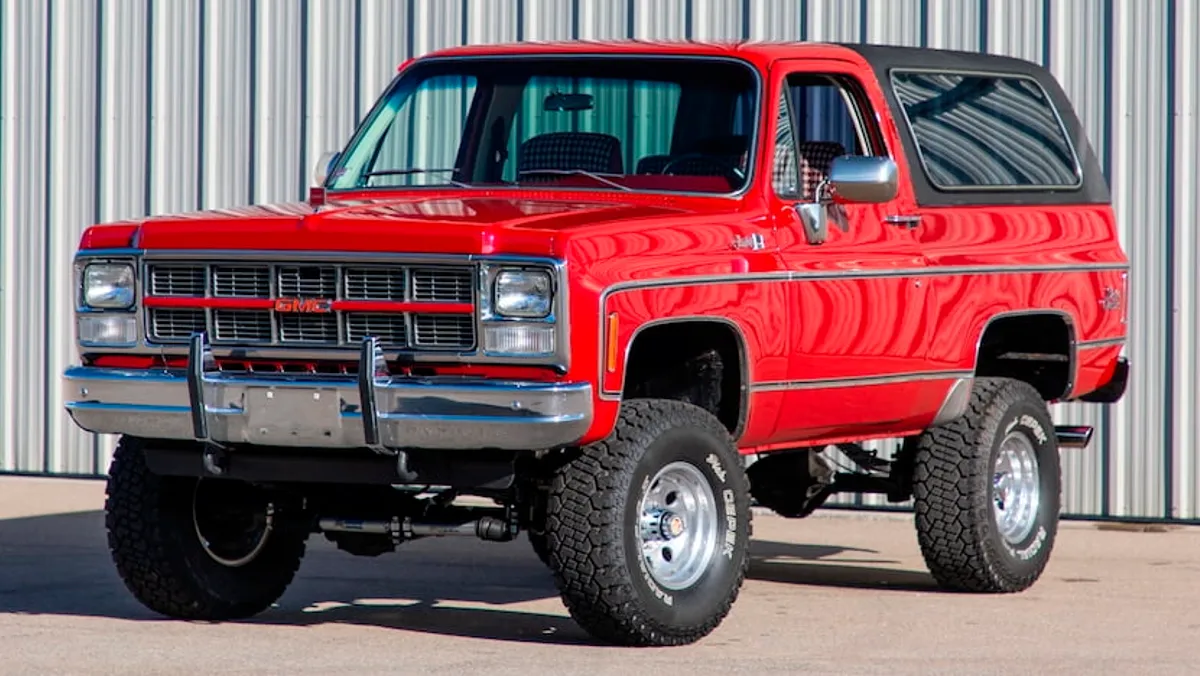
Its four-wheel-drive system was one of its strongest features. Drivers could easily switch between two-wheel and four-wheel drive, giving the Jimmy impressive versatility. Whether on highways or unpaved trails, it performed smoothly and confidently in nearly all conditions.
Inside, the GMC Jimmy combined toughness with comfort. It featured large cushioned seats, a simple but functional dashboard, and plenty of space for passengers. The removable rear top also allowed for open-air driving perfect for outdoor adventures or summer trips.
One reason the Jimmy was so popular was its simplicity. It had a mechanical design that was easy to maintain and repair. Many owners loved working on their own vehicles, and the Jimmy’s engine layout made routine fixes straightforward and affordable.
Its boxy design, chrome accents, and bold front grille gave the GMC Jimmy a timeless, muscular appearance. Even today, the classic two-door models with their clean lines and rugged stance attract collectors who admire vintage American SUVs.