
All-wheel-drive (AWD) systems have become a cornerstone of modern SUVs, offering traction, stability, and off-road capability. However, not all AWD systems are created equal.
Some are designed with durability and reliability in mind, distributing torque efficiently without overstressing components, while others are prone to causing accelerated wear in rear differentials, particularly in conditions involving tight turns, repeated hard launches, or off-road abuse.
For SUV owners, understanding which vehicles have robust AWD systems versus those that strain their rear diffs is essential. Vehicles that maintain the health of their rear differential save owners from costly repairs and downtime.
In contrast, SUVs with systems that tend to “eat” rear diffs require more frequent maintenance and careful driving habits to avoid premature failure. This distinction matters both for daily commuters and for enthusiasts who enjoy spirited driving or occasional off-road adventures.
In this article, we examine both sides of the spectrum. First, we highlight five SUVs whose AWD systems are well-engineered, reliable, and kind to rear differentials. These vehicles demonstrate thoughtful torque distribution, robust hardware, and intelligent electronic management that protect critical drivetrain components.
Next, we explore five SUVs whose AWD systems tend to overstress rear differentials, often leading to faster wear or failure. By examining these vehicles, readers can better understand which AWD systems are truly durable and which require vigilance or extra maintenance.
Each model is discussed with reasons for its inclusion, highlighting real-world experiences, engineering choices, and why these behaviors matter for owners.
Whether you prioritize reliability, low maintenance, or rugged capability, understanding AWD design and its impact on rear differentials is essential. This guide will help SUV buyers make informed decisions, avoid costly surprises, and enjoy the benefits of AWD without compromising drivetrain longevity.
Also Read: 5 Cars With Stellar Brakes vs 5 With Long Stopping Distances
5 SUVs Whose AWD Doesn’t Eat Rear Diffs
Not all AWD systems are equal when it comes to drivetrain longevity. Some are designed to balance performance and durability, ensuring the rear differential receives the proper torque without excessive stress.
For SUV owners, vehicles with reliable AWD systems provide peace of mind, predictable handling, and lower maintenance costs.
This section focuses on five SUVs whose AWD systems are exceptionally durable, distributing power efficiently and reducing strain on the rear differential.
These vehicles incorporate robust hardware, intelligent electronic controls, and thoughtful torque management to minimize wear. They are engineered for both everyday driving and occasional off-road use without the common rear diff issues seen in some competitors.
Choosing a reliable AWD SUV means fewer unexpected repairs and longer-lasting drivetrain components. Many SUVs face problems in aggressive driving scenarios or during off-road use when torque is poorly managed.
By contrast, the models highlighted here maintain balance, respond well to traction demands, and protect rear differential integrity even under stress.
We selected these SUVs based on engineering design, owner feedback, and known durability records. Each car demonstrates a combination of mechanical strength and software-controlled torque distribution that keeps the rear differential from being overworked.
Whether you prioritize daily reliability, long-term ownership costs, or confident handling in variable conditions, these SUVs prove that AWD doesn’t have to compromise drivetrain health.
Understanding which vehicles fall into this category is essential for anyone considering an SUV purchase.
The following five models exemplify durable, well-engineered AWD systems that deliver performance without accelerating wear, making them ideal choices for buyers seeking long-term reliability and stress-free driving.
1. Toyota 4Runner
The Toyota 4Runner is legendary for its durability, and its AWD system is no exception. Equipped with a part-time 4WD system in many trims or full-time AWD in others, the 4Runner manages torque distribution intelligently, protecting the rear differential even during demanding off-road conditions.
Its center differential and transfer case are built for longevity, with robust gears and a reliable locking mechanism. The vehicle’s AWD system engages smoothly, distributing torque between the front and rear axles without overloading the rear diff. This makes the 4Runner ideal for both daily driving and rugged off-road use.
Owners frequently report minimal rear differential issues, even after years of use in harsh conditions. Toyota’s engineering emphasizes simplicity and durability, which reduces the chances of mechanical failure.
Thermal management and gear design are also key factors. The 4Runner’s rear differential is designed to handle repeated stress without overheating, ensuring consistent performance. Torque is balanced in tight corners and low-traction situations, preventing the accelerated wear common in less carefully designed AWD systems.

For drivers seeking a reliable SUV that can handle trails, snow, or heavy loads, the 4Runner provides peace of mind. Its AWD system offers strong traction and dependable performance without the hidden cost of frequent rear differential repairs.
In summary, the 4Runner is a benchmark for rugged reliability. Its AWD system demonstrates how thoughtful engineering and durable components can protect critical drivetrain elements, making it a standout in this category.
2. Subaru Outback
The Subaru Outback is renowned for its standard AWD system, which has been a core feature for decades. Subaru’s symmetrical AWD distributes power evenly across all four wheels, reducing stress on the rear differential while providing excellent traction in various conditions.
The system uses a center differential with a viscous coupling to manage torque between front and rear axles. This design ensures smooth power delivery and minimizes sudden load spikes on the rear differential.
Drivers appreciate the reliability of the Outback’s AWD in snow, rain, and light off-road conditions. Unlike some SUVs that develop rear diff issues under repeated stress, the Outback maintains consistent performance without accelerated wear.
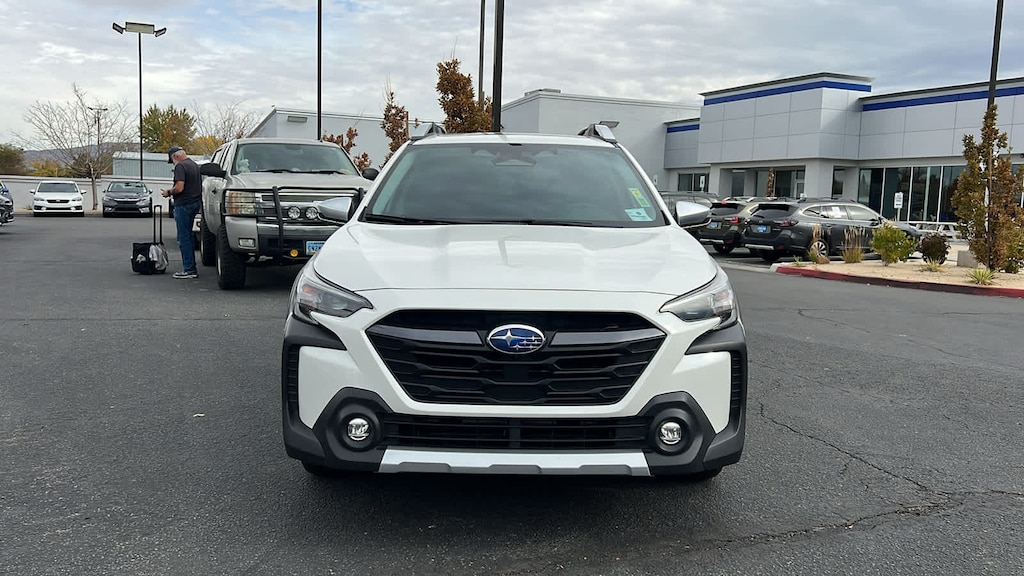
Subaru also focuses on long-term durability. The rear differential is built with robust materials and lubricated for high performance under varied conditions. Combined with the symmetrical AWD layout, this results in a drivetrain that lasts for years without major intervention.
The Outback demonstrates that AWD doesn’t have to compromise reliability. It balances traction, handling, and component longevity, making it a dependable choice for those who need a versatile SUV without worrying about rear differential problems.
In short, the Outback exemplifies a well-engineered AWD system that protects critical drivetrain components while offering all-weather capability, efficiency, and long-term reliability.
3. Honda CR-V
The Honda CR-V is a compact SUV that combines practicality with a reliable AWD system. Its Real Time AWD with Intelligent Control uses a center coupling to distribute torque only when needed, reducing unnecessary stress on the rear differential.
This design means that during normal driving, the CR-V operates primarily in front-wheel drive, engaging the rear wheels only when slippage is detected. By limiting constant torque to the rear differential, Honda ensures longevity and minimizes wear.
The rear differential itself is engineered with durable components, capable of handling occasional off-road use or slippery conditions without issues. Owners frequently report years of trouble-free operation, even in regions with snow or heavy rain.
The AWD system also contributes to predictable handling. Torque distribution is smooth and controlled, preventing sudden load spikes on the rear differential that could accelerate wear. This makes the CR-V ideal for daily commuting, light towing, and family trips.
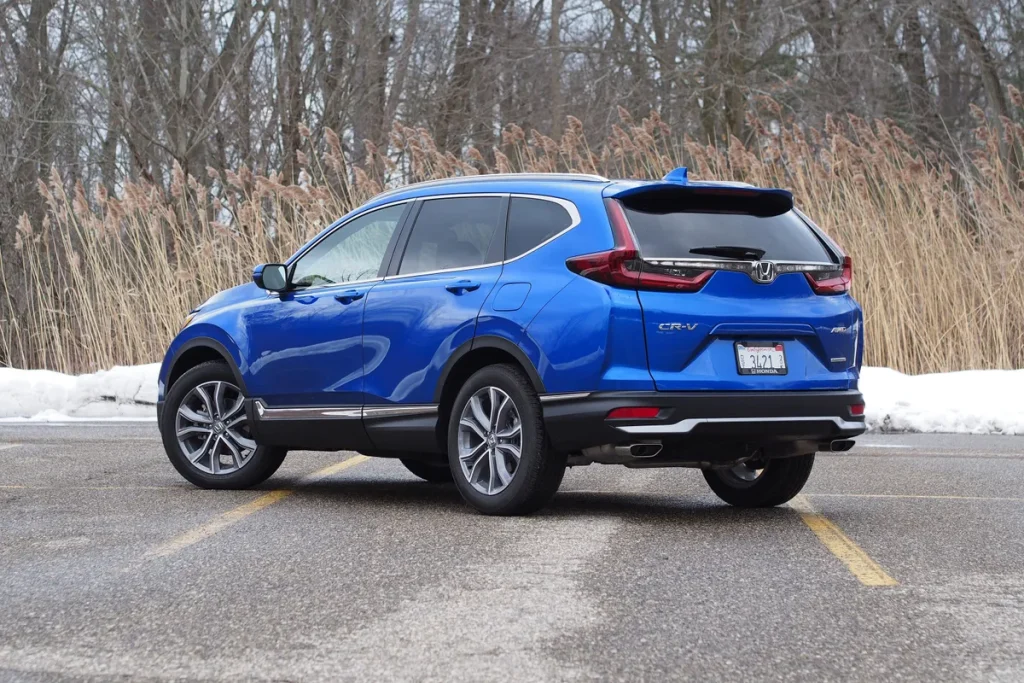
Honda emphasizes long-term reliability through both mechanical design and software calibration. The intelligent AWD engages only when necessary, protecting drivetrain components while providing the traction benefits of all-wheel drive.
In summary, the CR-V proves that compact SUVs can offer dependable AWD without compromising rear differential health. Its combination of intelligent torque management, durable hardware, and smooth operation makes it a strong choice for buyers seeking low-maintenance, all-weather capability.
4. Lexus RX
The Lexus RX is a midsize luxury SUV known for refinement and reliability. Its AWD system, often paired with electronic torque-vectoring, is designed to balance performance with drivetrain longevity, ensuring the rear differential is not overstressed.
The RX uses an intelligent AWD setup that monitors traction conditions continuously. Torque is distributed smoothly between the front and rear axles, avoiding sudden spikes that could damage the rear differential.
Luxury SUV owners value this system because it provides confidence in all-weather driving without frequent maintenance. The rear differential is built with high-quality components, lubricated for extended durability, and engineered to handle varying torque loads efficiently.
Additionally, electronic controls work with the AWD hardware to maintain stability while minimizing unnecessary strain on drivetrain components. Even under spirited driving or occasional off-road excursions, the RX’s rear diff shows minimal signs of accelerated wear.
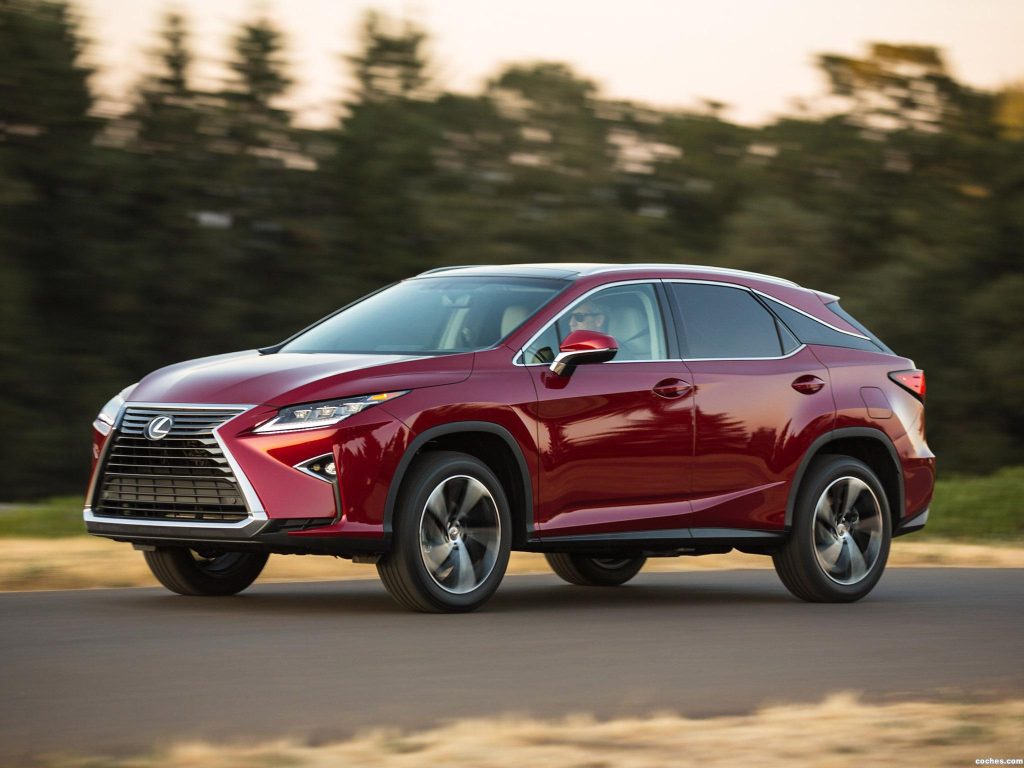
For buyers seeking a reliable, premium SUV, the Lexus RX demonstrates that AWD performance and drivetrain durability can coexist. It delivers smooth handling, traction, and long-term reliability, protecting critical components while offering a comfortable driving experience.
In short, the Lexus RX exemplifies a well-engineered AWD system that preserves rear differential health. Its thoughtful design, combination of mechanical robustness, and electronic management make it one of the most durable options in this category.
5. Subaru Forester
The Subaru Forester is another standout example of an AWD system designed for durability and reliability. Like the Outback, it uses Subaru’s signature symmetrical AWD with a center differential, ensuring balanced torque distribution between the front and rear axles.
This system operates efficiently in everyday driving, sending power to the rear wheels only when needed. By avoiding constant stress on the rear differential, Subaru ensures longevity and minimizes the risk of premature wear.
The Forester’s rear differential is constructed with robust components, designed to handle varied driving conditions from city streets to off-road trails. Combined with active torque distribution, this results in a drivetrain that remains healthy even after years of use.
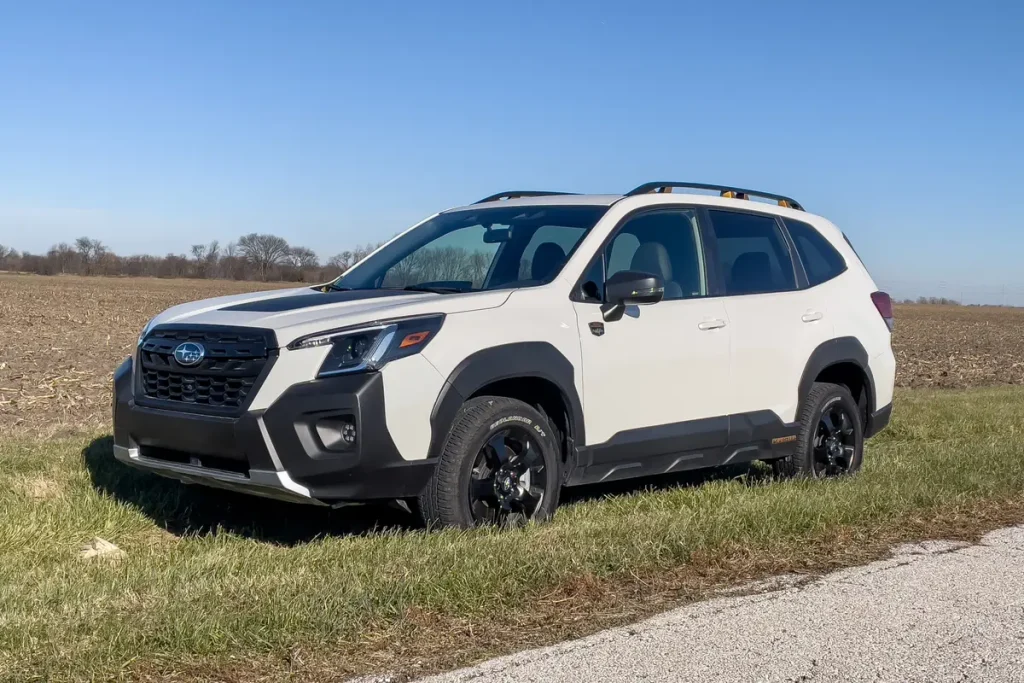
Owners frequently report that the Forester’s AWD system remains trouble-free, even in snowy, wet, or uneven conditions. Unlike some SUVs that strain the rear diff under repeated stress, the Forester maintains reliable performance with minimal maintenance.
Thermal and mechanical considerations also contribute to durability. The differential is well-lubricated, and Subaru’s AWD electronics carefully modulate torque to prevent spikes that could accelerate wear. This ensures smooth operation, consistent traction, and long-term reliability.
For drivers who value all-weather capability and low-maintenance AWD, the Forester is an excellent choice. Its system proves that a thoughtfully designed AWD layout can provide both traction and drivetrain protection.
In summary, the Subaru Forester exemplifies how an intelligently engineered AWD system can protect rear differentials while delivering confidence on various surfaces. It combines mechanical durability, electronic torque management, and real-world reliability, earning its place as one of the SUVs whose AWD doesn’t eat rear diffs.
5 SUVs Whose AWD Tends to Eat Rear Diffs
While AWD systems are designed to improve traction and handling, not all are created with drivetrain longevity in mind.
Some SUVs, despite offering all-weather capability and off-road performance, have AWD setups that inadvertently place excessive stress on the rear differential. Over time, this can lead to accelerated wear, mechanical failures, and costly repairs.
The root of the problem often lies in torque distribution, component design, or inadequate thermal management. Certain AWD systems apply too much torque to the rear wheels in tight corners, under repeated hard acceleration, or during off-road maneuvers.
This increases strain on the rear differential, especially if it isn’t engineered to handle the additional load. Drivers may notice whining noises, leaks, or eventual failure if the system is abused or not maintained carefully.
In this section, we examine five SUVs known for AWD systems that can “eat” rear differentials. Each model is included based on owner reports, mechanical tendencies, and real-world performance issues.
Understanding which vehicles fall into this category helps buyers make informed decisions, anticipate maintenance, and drive responsibly to minimize damage.
While these SUVs often offer excellent performance, comfort, or off-road capability, their AWD systems require attention.
Knowing the limitations of a vehicle’s drivetrain allows owners to take precautions, such as avoiding aggressive cornering under torque or following strict maintenance schedules.
By reviewing these five SUVs, readers can weigh performance against reliability and understand which AWD systems may compromise rear differential longevity. This knowledge is crucial for those seeking an SUV that balances traction, handling, and long-term durability.
1. Jeep Grand Cherokee
The Jeep Grand Cherokee is a capable SUV known for off-road performance, but certain AWD and 4WD systems have a reputation for stressing rear differentials. While the Quadra-Trac II and Quadra-Drive II setups provide excellent traction, repeated torque spikes in tight corners or during aggressive driving can overload the rear diff.
Owners have reported accelerated wear on rear differential components, particularly in models with higher torque engines. The combination of heavy vehicle weight and torque transfer to the rear wheels amplifies the load on gears and bearings.
Thermal management is another factor. Some Grand Cherokee AWD systems do not adequately dissipate heat under sustained stress, which can accelerate lubricant breakdown and increase friction in the rear differential. This adds to long-term wear if maintenance intervals are not strictly followed.
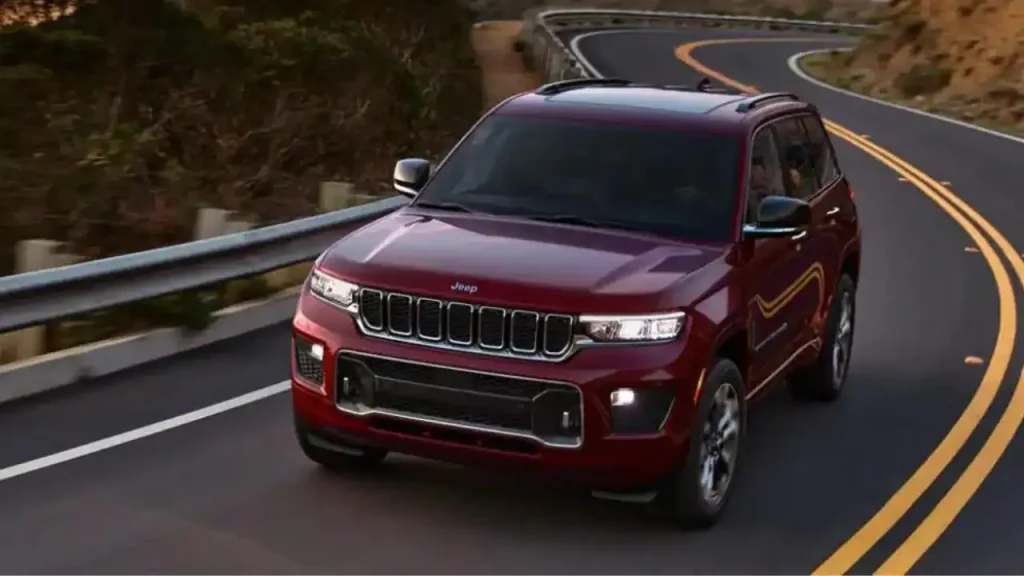
Despite these issues, the Grand Cherokee remains popular due to its off-road capability, comfort, and engine choices. However, drivers should be aware that aggressive driving or frequent off-road use may require more frequent inspection and servicing of the rear differential.
In summary, the Grand Cherokee illustrates how an otherwise capable AWD system can inadvertently strain drivetrain components. While it delivers excellent performance, understanding its limitations is essential for preserving the rear differential.
2. BMW X5
The BMW X5 offers advanced AWD through its xDrive system, providing dynamic handling and impressive all-weather traction. However, xDrive is known to place significant torque on the rear differential, especially during spirited driving or repeated hard launches.
The rear differential components, while well-engineered for performance, can experience accelerated wear if driven aggressively. BMW’s performance tuning prioritizes handling and stability, which sometimes comes at the cost of long-term rear diff longevity.
Owners have reported early signs of differential wear, including whining noises, vibration, or leaks under sustained high-load conditions. Thermal management in the rear diff is adequate for normal driving but can be stressed during track days or repeated cornering maneuvers.
While the X5 excels in handling, luxury, and performance, it demonstrates the trade-off between dynamic AWD systems and drivetrain durability. Buyers who prioritize long-term reliability must maintain the rear differential meticulously or limit aggressive driving to protect the system.
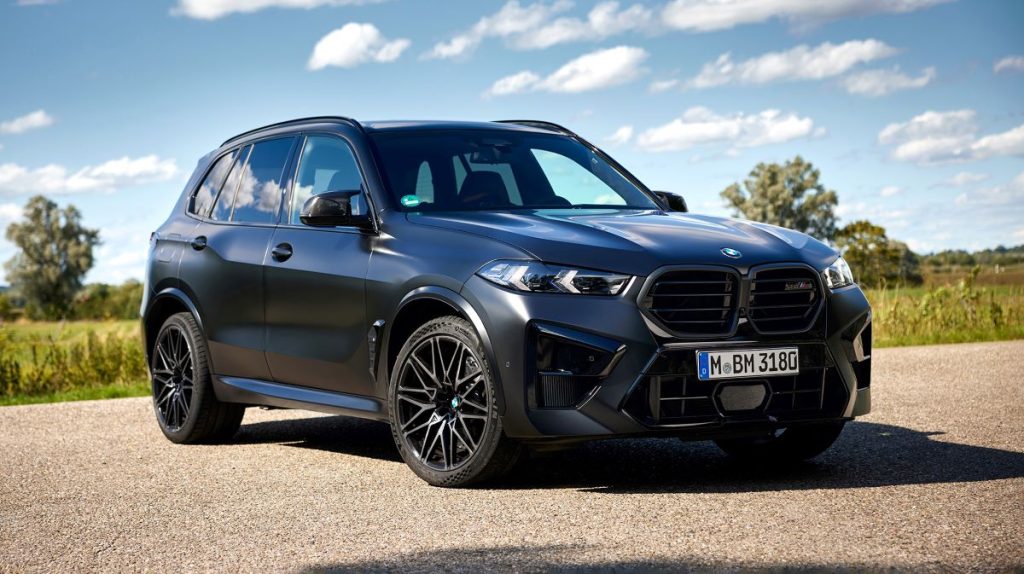
In short, the BMW X5 shows that even premium SUVs with advanced AWD systems can “eat” rear differentials if used under high-stress conditions. Understanding this helps owners plan maintenance and manage driving habits effectively.
3. Land Rover Discovery
The Land Rover Discovery is designed for off-road excellence, but its AWD system can be tough on the rear differential under certain conditions. The Terrain Response system distributes torque aggressively to handle mud, sand, or rocks, which can overload the rear diff during repeated low-traction maneuvers.
Owners have reported that heavy off-road use or aggressive cornering can accelerate wear on gears and bearings in the rear differential. In some cases, this has led to costly repairs, particularly in older models where components were less robust.
Thermal management also plays a role. The Discovery’s rear diff can heat up under sustained high torque, and insufficient cooling may cause lubricant breakdown. Over time, this increases friction and contributes to accelerated wear.
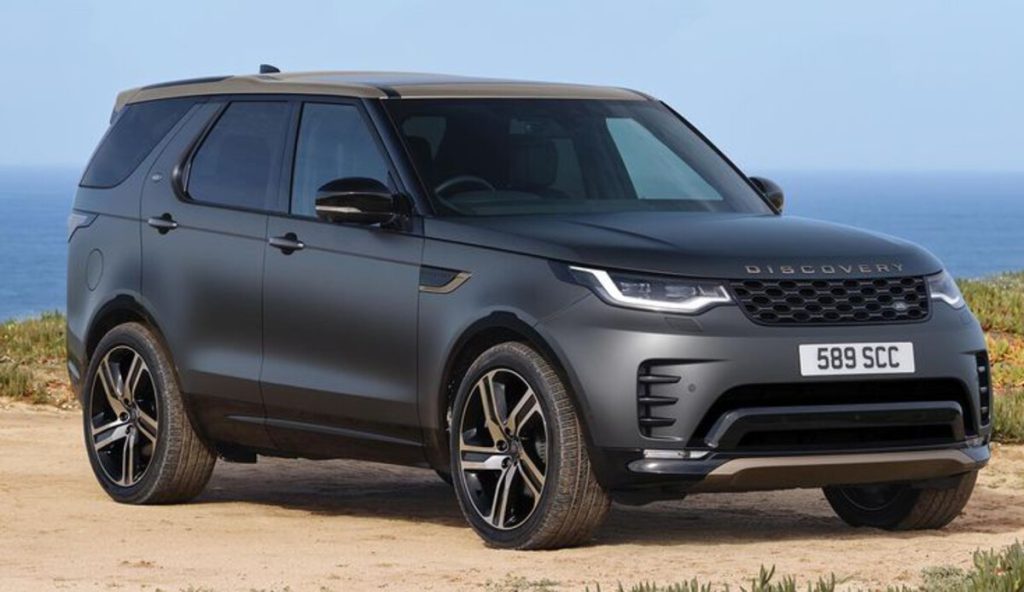
Despite these concerns, the Discovery is praised for its capability, luxury, and advanced AWD electronics. However, prospective buyers should understand that frequent off-road excursions or spirited driving may require more diligent maintenance of the rear differential.
In summary, the Discovery exemplifies a capable SUV whose AWD system can inadvertently stress rear drivetrain components. While it delivers excellent traction and handling, awareness of its rear diff tendencies is crucial for long-term reliability.
4. Mercedes-Benz GLE
The Mercedes-Benz GLE uses the 4MATIC AWD system, which enhances handling and stability but can be demanding on the rear differential. Power distribution favors performance, and aggressive driving or repeated cornering can place extra load on rear diff components.
The rear differential is built for performance, but owners have reported early signs of wear in high-mileage vehicles or those driven hard. Whining, vibration, or leaks may appear sooner than in more conservative AWD systems.
Part of the issue lies in torque management. The 4MATIC system reacts dynamically to driving conditions, sometimes sending substantial torque to the rear wheels in short bursts. While this improves traction and handling, it also stresses the rear diff over time.
Thermal control is adequate for normal driving, but heavy-duty use or long periods of high torque can raise temperatures and accelerate lubricant breakdown. This makes maintenance critical to preserve rear differential health.
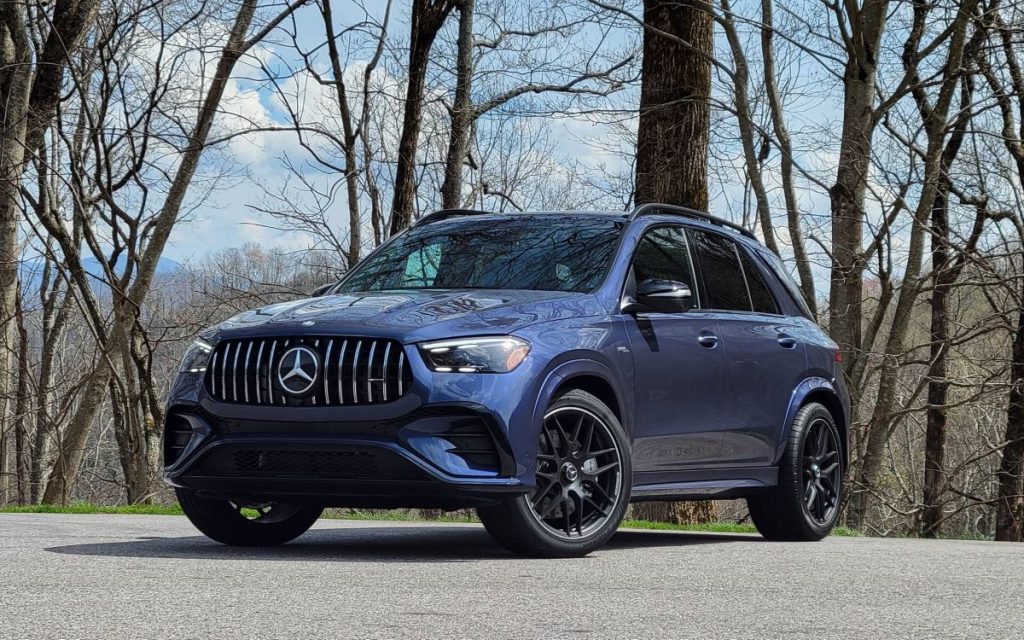
The GLE remains an excellent luxury SUV, offering performance, comfort, and confidence in adverse conditions. However, it demonstrates that even advanced AWD systems in premium vehicles can “eat” rear differentials if driven aggressively or without proper care.
In short, the Mercedes-Benz GLE highlights the trade-off between dynamic AWD performance and drivetrain longevity, emphasizing the importance of maintenance and cautious driving.
5. Cadillac Escalade
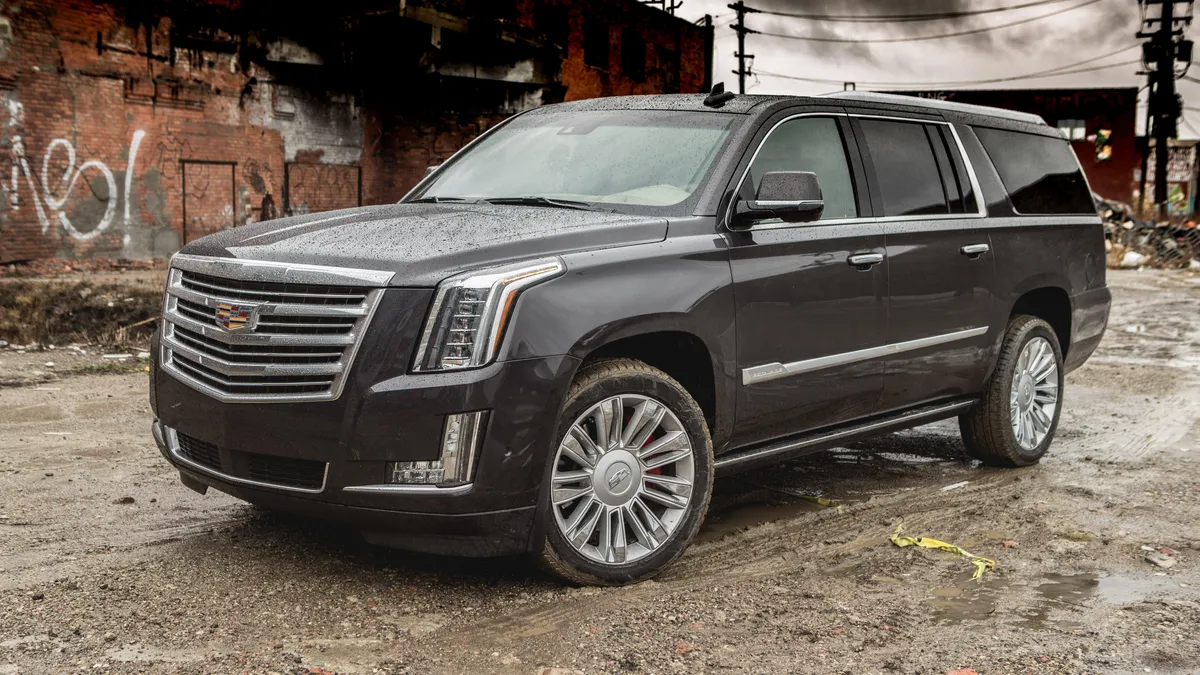
The Cadillac Escalade is a full-size luxury SUV with a sophisticated AWD system designed for both road comfort and towing capability. Its active torque management delivers excellent traction, but the system can place significant stress on the rear differential, especially under heavy loads or repeated acceleration.
Owners have reported that the Escalade’s rear diff may experience accelerated wear when used for towing, off-road excursions, or aggressive driving. The vehicle’s large weight amplifies torque transferred to the rear wheels, increasing strain on gears and bearings.
Thermal management in the rear differential is effective under normal driving, but heavy-duty usage can cause lubricant temperatures to rise. Prolonged high torque conditions without cooling can lead to faster component wear and eventual service needs.

Despite these issues, the Escalade remains a top choice for luxury, power, and capability. It delivers strong AWD performance, stability, and confidence in various conditions. However, prospective owners should be aware that its rear differential may require closer attention and maintenance if the SUV is regularly pushed to its limits.
The Escalade illustrates the trade-off in high-capability AWD systems. While offering exceptional performance and traction, the design and torque characteristics can accelerate rear differential wear, making awareness and maintenance crucial for long-term reliability.
Also Read: 5 Pickups With Rust-Resistant Bodies vs 5 Rust Magnets
