Jeep ownership has always been about a unique balance between rugged capability and a certain mechanical charm. For decades, these vehicles have represented adventure, freedom, and a connection to the outdoors that few other vehicles can match.
But one aspect that Jeep enthusiasts often notice as mileage climbs is the way different models handle long-term use. Some Jeeps maintain their composure even past 150,000 miles, preserving that solid, reassuring feel drivers love.
Others begin to show wear sooner, feeling looser in the suspension, steering, or chassis integrity. Understanding which models tend to maintain their solidity versus those that tend to loosen up can save enthusiasts both money and disappointment.
This topic is particularly relevant for buyers considering used Jeeps. Unlike many vehicles, where mileage alone can be a strong predictor of condition, Jeep longevity is nuanced.
Factors like drivetrain design, suspension components, off-road use, and manufacturing quality all interact to determine how a vehicle feels after years of service. While some models have a reputation for staying composed even under heavy use, others exhibit a gradual decline in stiffness or responsiveness.
For a long-time Jeep owner, the sensation of solidity is more than just comfort. A tight suspension and responsive steering contribute directly to off-road capability, highway stability, and the confidence a driver feels when tackling rough terrain. Conversely, a looser feel can make a vehicle less predictable, reducing the enjoyment and safety of driving it.
By examining which Jeep models maintain their strength and which ones tend to loosen, enthusiasts can make informed decisions when purchasing, maintaining, or modifying their vehicles. This article aims to provide a comparative look at these tendencies, highlighting models that remain dependable and others that may require extra attention as mileage increases.
Understanding the mechanical longevity of different Jeeps is part of understanding the brand itself. Jeep vehicles are designed to be durable, yet each generation carries its own characteristics, strengths, and weaknesses.
By focusing on real-world experiences rather than marketing claims, prospective owners can better align expectations with reality, ensuring their Jeep remains a reliable partner on both daily drives and weekend adventures.
Five Jeeps That Still Feel Solid at 150,000 Miles
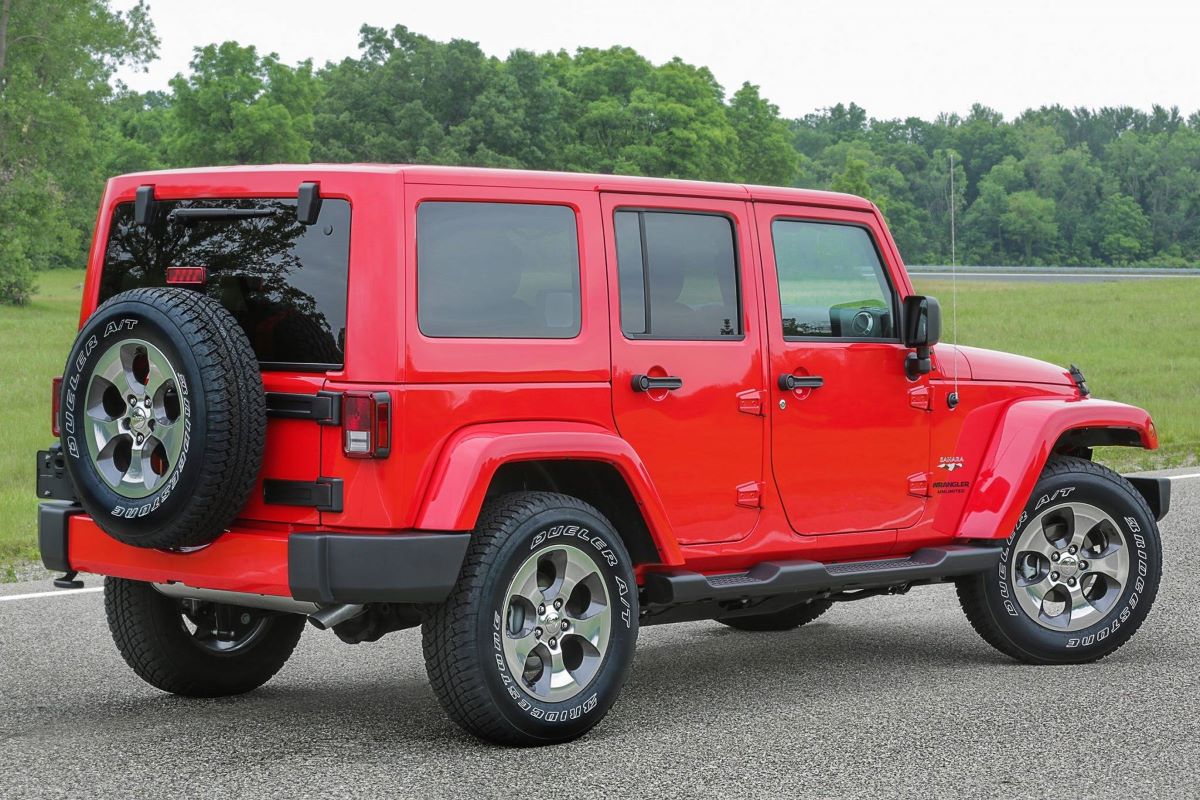
Jeep Wrangler JK (2007–2018)
The Jeep Wrangler JK has earned a reputation among enthusiasts as one of the most durable Wranglers ever produced, maintaining a solid feel even after extensive use. This durability is largely due to its body-on-frame construction, which allows the vehicle to handle stress better than many unibody SUVs.
Unlike unibody designs that can flex over time, the JK’s frame provides a stable foundation, keeping suspension components aligned and preventing unwanted movement in the chassis. The solid front and rear axles, combined with heavy-duty suspension links and coil springs, create a ride that feels consistently connected to the ground, both on highways and off-road trails.
Even after 150,000 miles, many owners report minimal sagging, a firm steering feel, and the sense that the vehicle remains responsive under a variety of driving conditions, whether crawling over rocks or navigating winding roads.
Part of the JK’s longevity is its drivetrain simplicity and mechanical robustness. The engines, particularly the 3.8-liter V6 and later the 3.6-liter Pentastar, are designed to tolerate high mileage when maintained properly. The transfer cases and axles are equally durable, often outlasting other components in the drivetrain.
This straightforward engineering minimizes weak points that can develop looseness in other vehicles, such as complex electronic steering systems or heavily integrated suspension designs.
With regular maintenance, including timely fluid changes, suspension inspections, and occasional bushing replacement, the JK continues to feel firm and responsive, preserving the classic Jeep driving experience long after most other SUVs begin to feel soft or unpredictable.
Another reason for the JK’s enduring solid feel is the accessibility and affordability of replacement parts. Enthusiasts can easily source high-quality suspension components, bushings, control arms, and steering parts, which allows them to maintain or restore the original handling characteristics without high cost.
Even when the vehicle has been heavily used off-road or subjected to harsh conditions, a few targeted maintenance interventions can bring it back to near-new rigidity.
The combination of durable original components and available aftermarket support means that the JK’s tight, predictable feel can be preserved well past 150,000 miles, making it a reliable choice for long-term ownership.
The perception of solidity is reinforced by the Wrangler JK’s body and interior structure. Doors remain aligned, panels retain their fit, and seating mounts stay firm even in high-mileage examples, which reduces rattles and contributes to a more cohesive driving experience.
Unlike some vehicles where high mileage manifests as creaks, rattles, and steering slop, a well-maintained JK retains the tactile sense of a well-built machine. The result is a vehicle that continues to deliver confidence, stability, and the rugged charm Jeep enthusiasts value, combining mechanical reliability with the emotional satisfaction of driving a Jeep that feels ready for adventure no matter how many miles it has traveled.
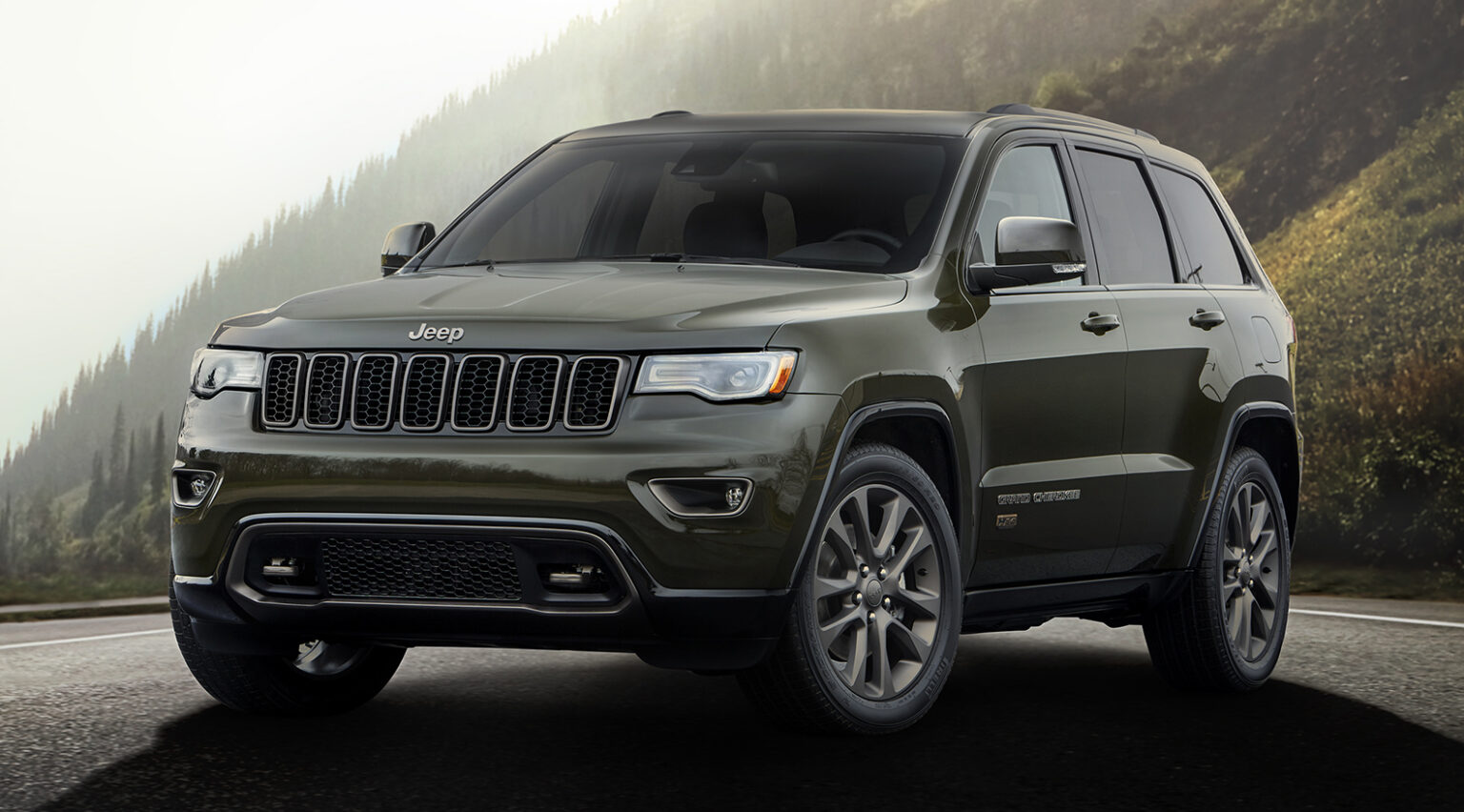
Jeep Grand Cherokee WK2 (2011–2021)
The Jeep Grand Cherokee WK2 is a midsize SUV that manages to balance comfort, capability, and long-term mechanical stability. Unlike some competitors, the WK2 tends to retain its solid, controlled feel even after 150,000 miles of use. Its combination of an independent front suspension and a solid rear axle provides both refined ride quality and reliable durability.
Owners frequently report that the vehicle remains composed during aggressive cornering, stable at highway speeds, and confident off-road, with minimal development of play in the steering or suspension components. The WK2’s design emphasizes structural rigidity, which prevents unwanted chassis flex that can contribute to a loose or sloppy feeling as mileage increases.
Engine durability plays a major role in maintaining the WK2’s solid feel. The 3.6-liter Pentastar V6 and 5.7-liter HEMI V8 are both well-engineered powerplants, capable of enduring high mileage without significant wear that might compromise handling.
Coupled with reliable automatic transmissions and proven drivetrain components, these engines contribute to a connected driving experience even in vehicles that have been extensively used or loaded with heavy cargo. Proper maintenance, including timely oil changes, transmission fluid service, and suspension inspections, is critical for ensuring that the WK2 maintains the predictable and confident handling that owners value.
The WK2 also benefits from a chassis that is both strong and intelligently designed. Reinforced frame rails, crossmembers, and strategically placed mounting points ensure that the vehicle remains stable under stress, whether towing heavy loads or navigating uneven terrain.
This structural integrity allows suspension components to maintain proper alignment and geometry, which is a key factor in retaining that “just-right” solid feel. Drivers often comment that the WK2’s ride continues to feel deliberate and controlled even after years of use, with minimal wandering or softening of the suspension.
Finally, attention to interior fit and assembly quality contributes to the WK2’s long-term solidity. Doors, panels, and seats remain tightly mounted, reducing the rattles and shifts that can make older vehicles feel loose or worn.
This attention to detail complements the mechanical reliability of the drivetrain and suspension, creating a holistic driving experience that continues to feel tight and responsive well beyond 150,000 miles. The WK2 demonstrates that a modern Jeep can deliver both comfort and lasting structural integrity, allowing owners to enjoy the brand’s traditional ruggedness with added refinement.
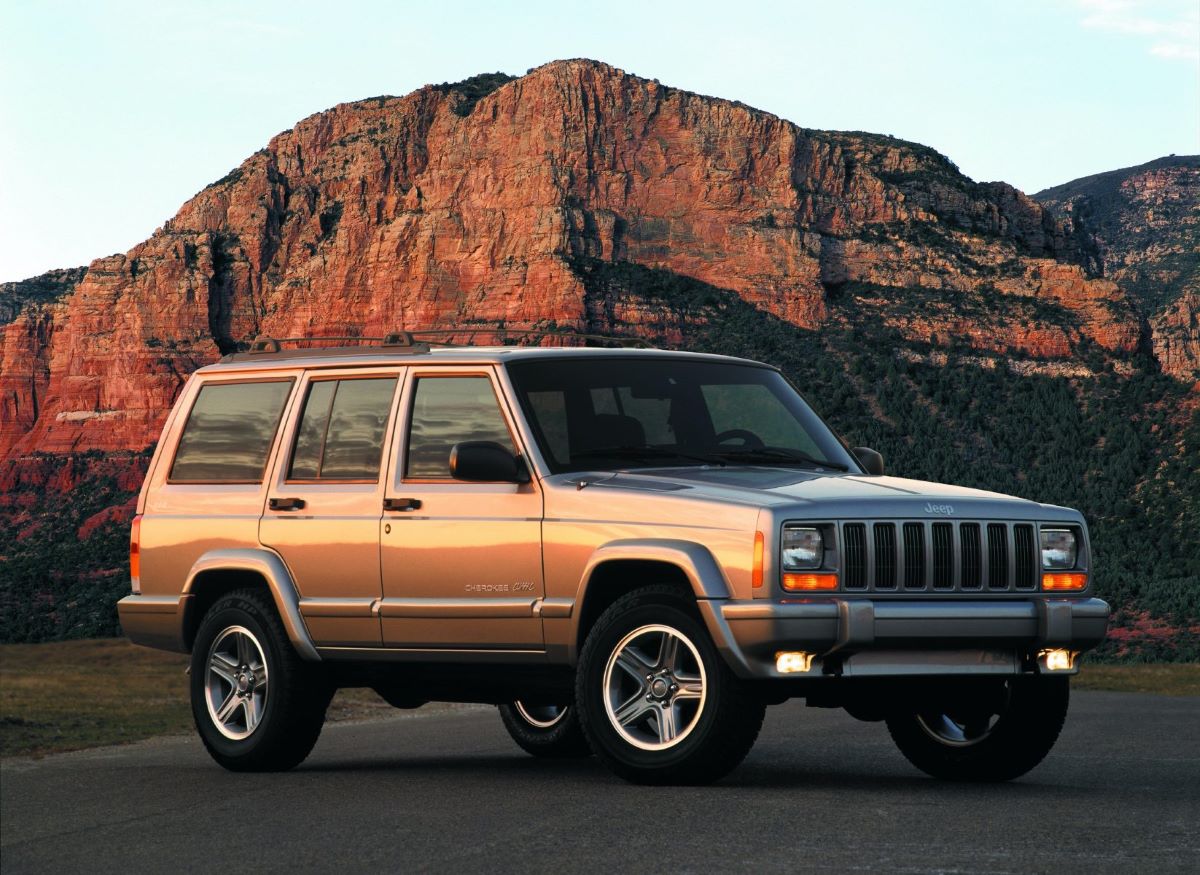
Jeep Cherokee XJ (1984–2001)
The Jeep Cherokee XJ is often described as a vehicle that can feel almost new even at very high mileage, thanks to its well-engineered combination of mechanical simplicity and durability.
Despite being a unibody design, the XJ’s frame structure is exceptionally strong, providing long-lasting chassis rigidity that prevents excessive flex or looseness in the suspension.
Many owners of XJs with more than 150,000 miles report that steering remains precise, the suspension stays stable, and the vehicle continues to feel firmly planted under a wide range of driving conditions. This level of mechanical consistency is one reason the Cherokee XJ has achieved legendary status among Jeep enthusiasts and off-road adventurers.
Part of the XJ’s durability comes from its mechanical simplicity. Engines such as the 2.5-liter inline-four and the 4.0-liter inline-six are renowned for their longevity and reliability. When paired with straightforward axles, transfer cases, and manual or automatic transmissions, these engines create a system with fewer points of failure and minimal play.
Suspension bushings, control arms, and steering linkages are robust and relatively easy to maintain, allowing the vehicle to preserve its connected, tight feel even after years of heavy use or off-road abuse.
The lightweight design of the Cherokee XJ also plays a significant role in its ability to retain mechanical solidity. Because it is lighter than many later SUVs, the suspension is subjected to less stress, which reduces sagging, alignment issues, and wear in critical components.
This allows the vehicle to remain responsive and predictable at high mileage. Owners often note that even heavily used XJs maintain confidence-inspiring handling, with firm steering feedback and a stable, controlled ride that belies their age.
The availability of parts and aftermarket support further enhances the XJ’s longevity. Replacement components for suspension, steering, and drivetrain are widely available and relatively inexpensive, allowing owners to maintain or restore the original feel of the vehicle with minimal effort.
This combination of strong engineering, mechanical simplicity, and community knowledge ensures that a well-maintained Cherokee XJ can continue to deliver the solid, dependable feel that made it a favorite among Jeep enthusiasts for decades.
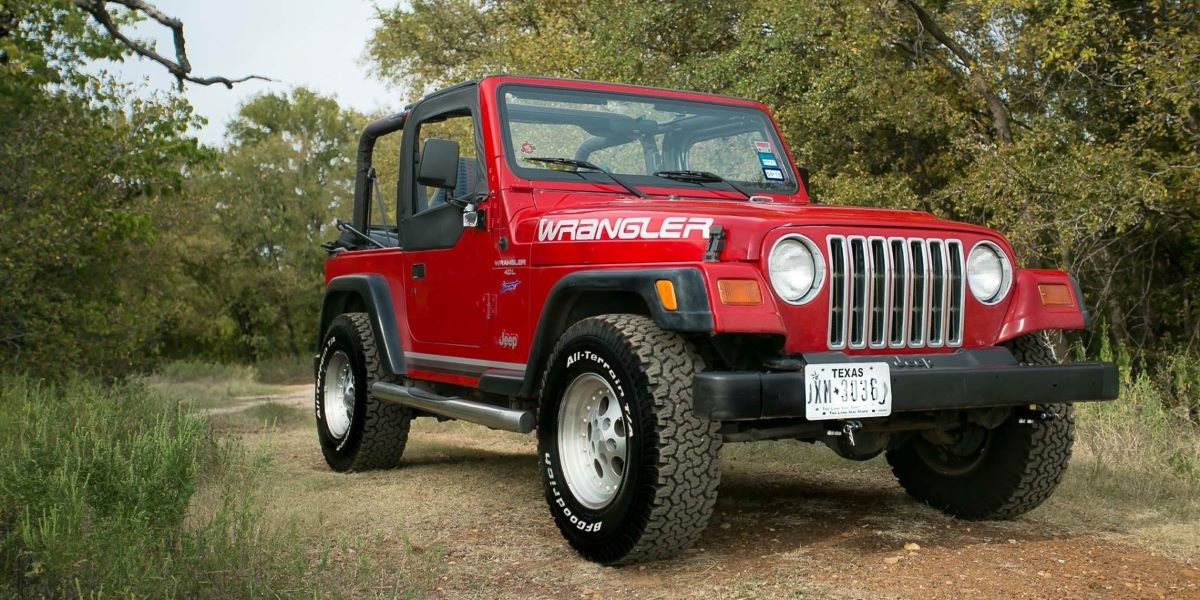
Jeep Wrangler TJ (1997–2006)
The Jeep Wrangler TJ is a model that combines durability, simplicity, and the classic Wrangler charm, allowing it to maintain a solid feel well past 150,000 miles. Its body-on-frame construction and solid front and rear axles provide a firm, predictable driving experience, which is especially noticeable when driving off-road or on uneven surfaces.
Steering remains responsive, suspension movement stays controlled, and the vehicle retains the connected, tactile feedback that Jeep owners expect. Many TJ owners report that even after years of use, their vehicles feel mechanically precise and engaging to drive.
Mechanical reliability is a hallmark of the TJ. The 4.0-liter inline-six engine, in particular, has a reputation for longevity, often exceeding 300,000 miles with routine maintenance.
The transfer case and axles are equally robust, and simple suspension geometry ensures minimal unwanted play or looseness over time. Even when the TJ has been used aggressively on trails or in harsh environments, its mechanical components age gracefully, preserving the solid feel that distinguishes it from other SUVs of its era.
Suspension design plays an important role as well. The combination of coil springs in the front and leaf springs in the rear is engineered to handle off-road stress while providing predictable movement and minimal sag.
Control arms, bushings, and steering linkages are built to endure extensive use, which allows the TJ to maintain alignment, handling precision, and responsiveness long after many other vehicles would begin to feel sloppy or loose.
Finally, the TJ’s construction and interior design support its perception of durability. Door alignment, panel fitment, and seat mounts remain consistent over time, reducing rattles and reinforcing the feeling of solidity.
This meticulous attention to structural integrity, combined with the durability of mechanical components, makes the TJ a standout for drivers seeking a Jeep that maintains its connected, confident feel at high mileage. The TJ’s long-term composure has cemented its reputation as one of the most reliable and enjoyable Wranglers ever produced.
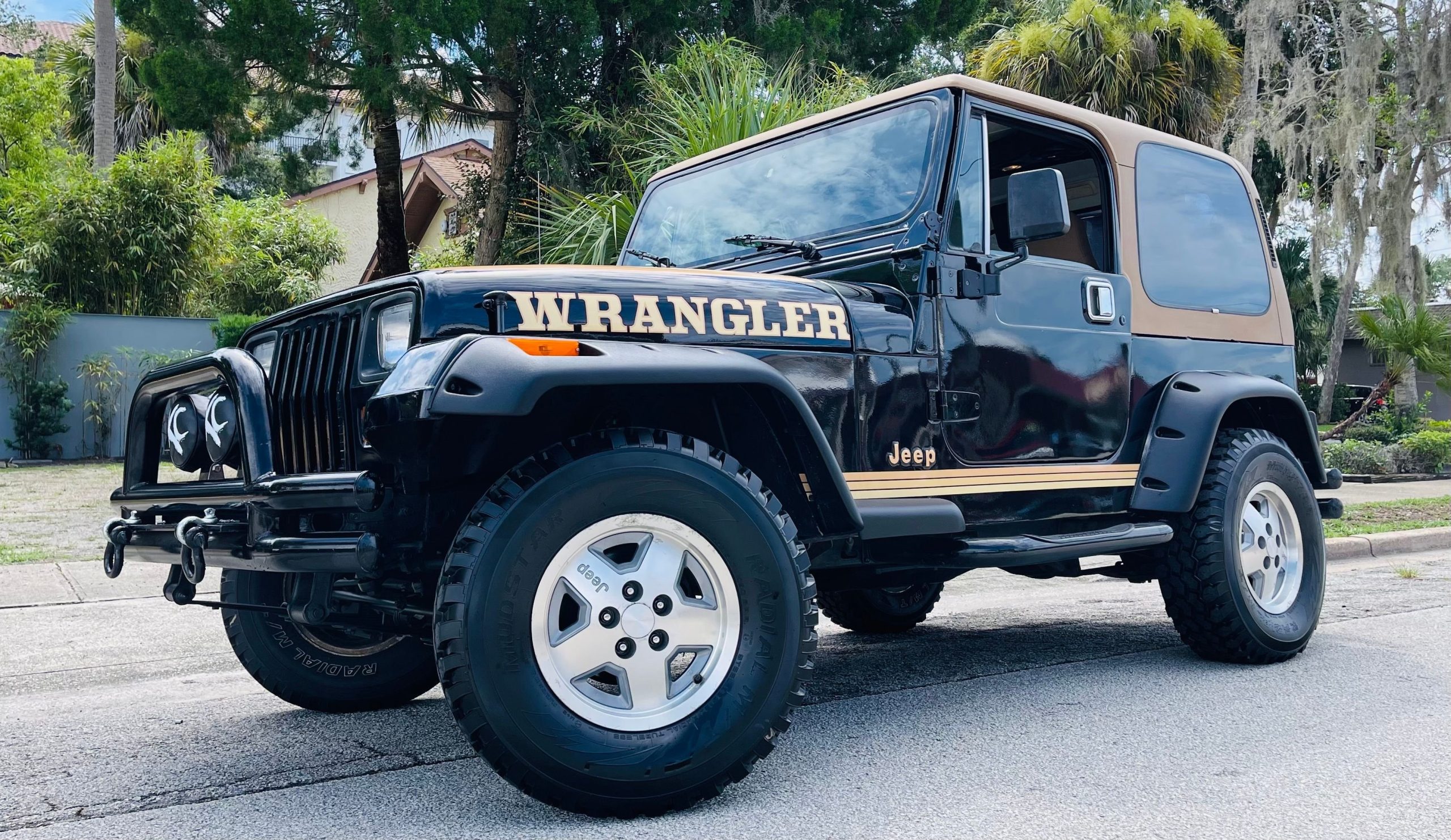
Jeep Wrangler YJ (1987–1995)
The Jeep Wrangler YJ is an older model, but its reputation for long-term durability is well-deserved. Body-on-frame construction and solid axles provide stability that persists even at high mileage.
Owners report that YJs with over 150,000 miles retain a surprising degree of stiffness in the suspension, precise steering feedback, and a sense of mechanical cohesion that is rare in older vehicles. This durability has made the YJ a classic favorite among Jeep enthusiasts who value longevity and the raw, tactile driving experience that defines early Wrangler models.
Suspension durability is another key factor. The leaf springs in the rear and coil springs in the front are designed to endure heavy use, absorbing impacts and distributing stress effectively. Even after extensive off-road use or years of daily driving, the suspension maintains proper alignment and geometry, preserving a controlled, composed ride.
Many YJ owners note that steering remains responsive and predictable, contributing to a strong sense of confidence behind the wheel.
Interior and body construction further enhance the perception of solidity. Body mounts, doors, and panels remain aligned and secure even after decades of use, minimizing rattles and reinforcing the vehicle’s rugged character. For enthusiasts seeking a classic Jeep that continues to feel solid and connected long after the odometer climbs, the Wrangler YJ remains a compelling choice, demonstrating that careful engineering and simplicity can produce remarkable longevity.
Five Jeeps That Loosen Up Over Time
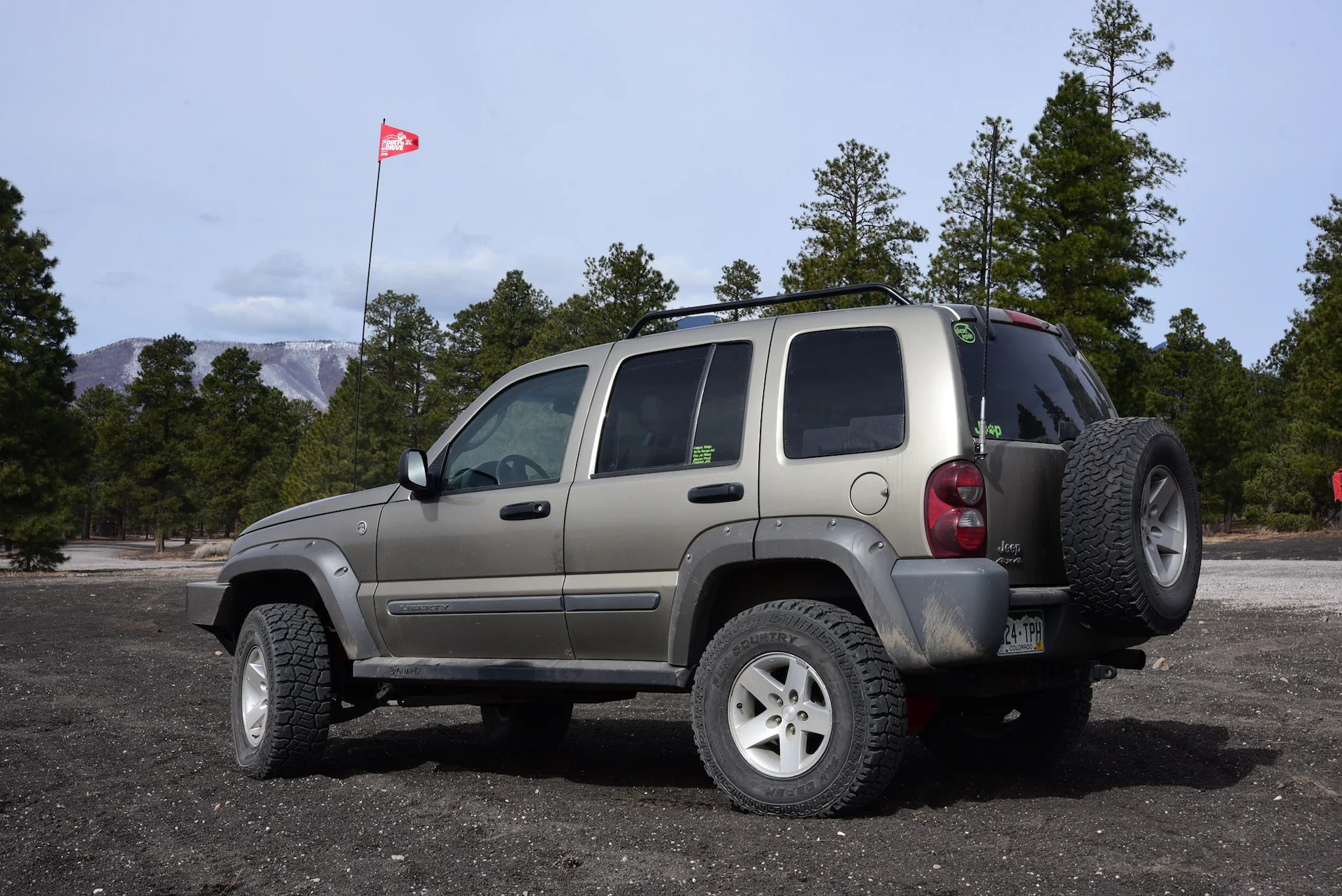
Jeep Liberty KJ (2002–2007)
The Jeep Liberty KJ, while praised for its off-road capability and comfortable ride when new, has a tendency to develop looseness as mileage climbs past 150,000 miles. Owners frequently report that the independent front suspension and solid rear axle begin to show play, which can manifest as softer steering, more body roll, and a less connected feel during highway driving.
This is particularly noticeable when cornering aggressively or traversing uneven terrain, where the vehicle may feel less precise than it did when new. The suspension geometry, while adequate initially, is more sensitive to wear in the bushings, control arms, and sway bars, which means the KJ gradually loses the tight, composed handling that many Jeep enthusiasts value.
One of the main contributors to this tendency is Liberty’s drivetrain design. Although its engines, including the 3.7-liter V6, are generally reliable, components such as the transfer case, CV joints, and suspension bushings are more prone to developing wear-related play.
Unlike older Wranglers or Grand Cherokees, the KJ’s independent suspension relies heavily on precise alignment and component condition to maintain a connected feel. When these parts begin to deteriorate, the result is a perceptible decrease in responsiveness, leading drivers to notice a looser feel in both steering and chassis stability.
Additionally, interior wear can exacerbate the perception of looseness. Seat mounts, door hinges, and panel attachment points often develop slight movement over time, producing rattles and squeaks that reinforce the sense of a less solid vehicle.
For drivers who have previously owned older Wranglers or Cherokee models, the contrast is noticeable; the Liberty KJ, while still capable and reliable, no longer delivers the same tactile connection to the road. It is capable, but its feel becomes increasingly soft and less precise as mileage climbs, highlighting the limitations of its suspension design and component longevity.
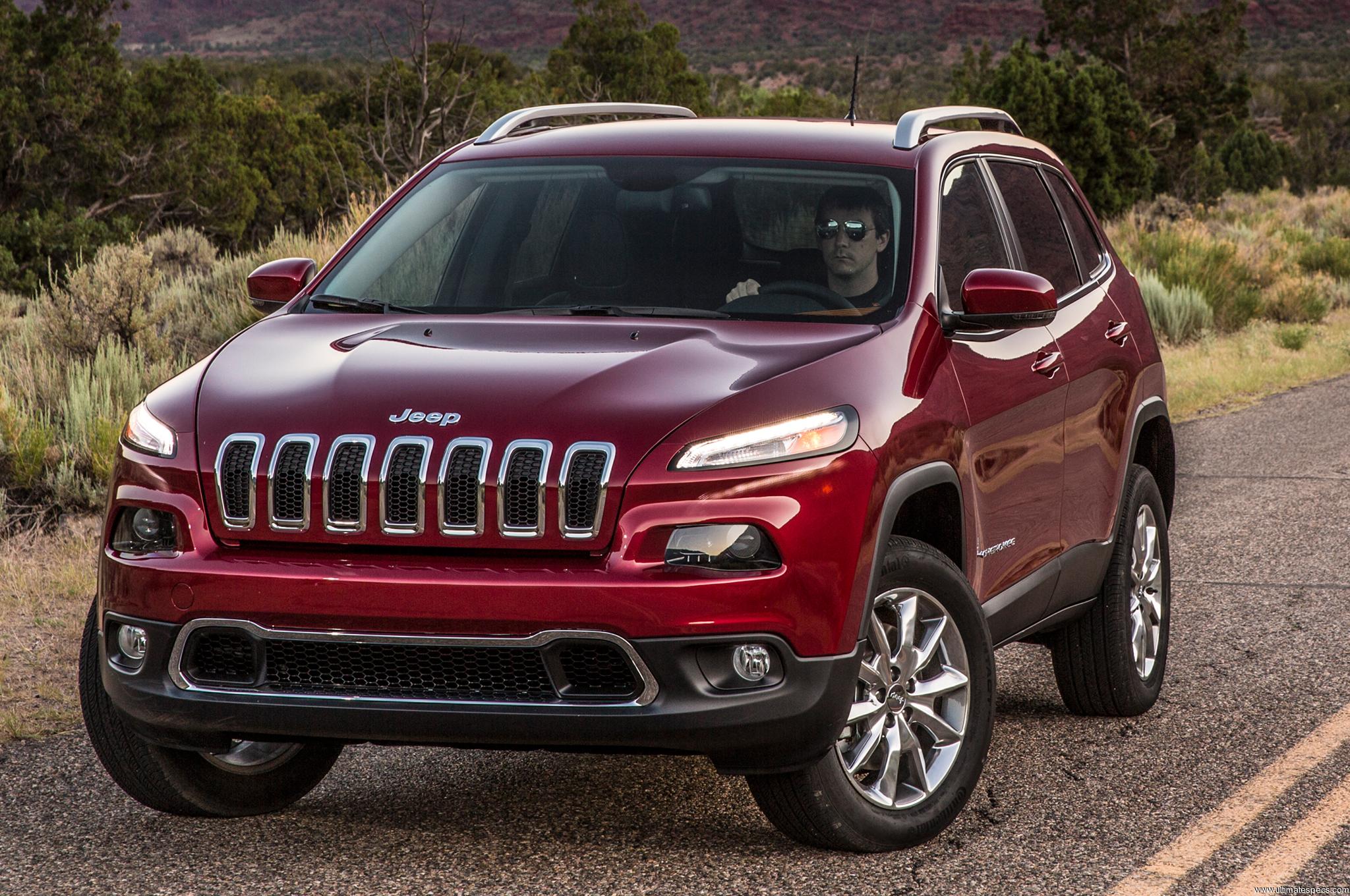
Jeep Cherokee KL (2014–2023)
The Jeep Cherokee KL represents a modern approach to the midsize SUV segment, emphasizing comfort, technology, and refinement. While these advancements improve daily driving comfort, they also contribute to the vehicle developing a looser feel as mileage increases.
Its independent front and rear suspension systems, designed for ride smoothness rather than ruggedness, can develop play over time in bushings, ball joints, and control arms. The result is a vehicle that can feel slightly vague or disconnected during spirited driving, particularly when cornering, braking, or driving over rough surfaces. Drivers often report a mild wandering sensation, which contrasts sharply with the tightly controlled handling of older Cherokee models.
Chassis rigidity, while sufficient for most road driving, does not match the structural robustness of older Jeeps designed with body-on-frame construction or heavier-duty suspension setups. This means that after prolonged use, particularly under heavy loads or frequent off-road conditions, the unibody can flex slightly, amplifying the perception of looseness.
Many owners notice that while the ride remains comfortable, handling precision decreases incrementally over time, which can make the vehicle feel softer, less predictable, and less confident at high speeds or when navigating challenging terrain.
Interior and body components also contribute to the feeling of looseness in high-mileage KLs. Panel gaps can widen, doors may develop minor alignment issues, and seat mounts may loosen slightly, all of which reinforce the sensation that the vehicle is less tight than it once was.
While the Cherokee KL excels in comfort, technology, and convenience, it generally does not maintain the same mechanical rigidity or connected driving experience as older, simpler Jeep models. High-mileage owners often find themselves investing in suspension inspections, bushings, and alignment corrections just to restore some of the original tactile feedback and responsiveness.
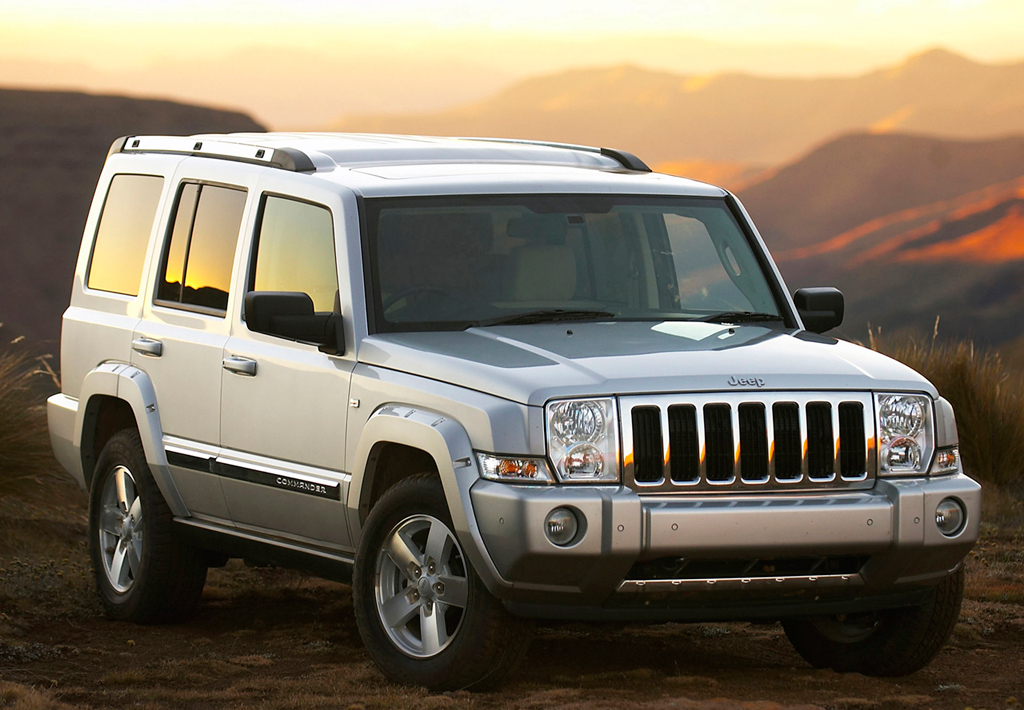
Jeep Commander XK (2006–2010)
The Jeep Commander XK, a larger SUV built on a Grand Cherokee platform, is designed for comfort, capacity, and versatility. However, it has a well-documented tendency to loosen with age and higher mileage. Its independent front suspension, multi-link rear, and longer wheelbase, while advantageous for ride quality and passenger comfort, introduce more points of potential wear.
As control arms, bushings, and steering components age, the vehicle may exhibit reduced responsiveness, subtle body roll, and less precise handling. These characteristics make the Commander XK feel softer and less connected at high mileage compared to other Jeeps with simpler or more rugged suspension designs.
The extended wheelbase and multi-link suspension design, while improving comfort, inherently increases the number of points where looseness can develop. This is in contrast to older, shorter-wheelbase Jeeps like the Wrangler TJ or Cherokee XJ, which retain tightness due to simpler suspension systems and fewer links.
Over time, the cumulative effect of minor bushing wear, joint play, and frame flex can make the Commander XK feel less responsive, particularly when navigating curves, braking hard, or encountering uneven terrain.
Interior and body mounting points further amplify this sensation. Door alignment may shift, panel gaps can widen, and seats may develop subtle movement, all of which contribute to a perception of looseness.
While the Commander remains capable for its intended role as a comfortable family SUV with off-road potential, high-mileage vehicles may lose some of the mechanical crispness and connected feel that drivers associate with older, more mechanically straightforward Jeeps.
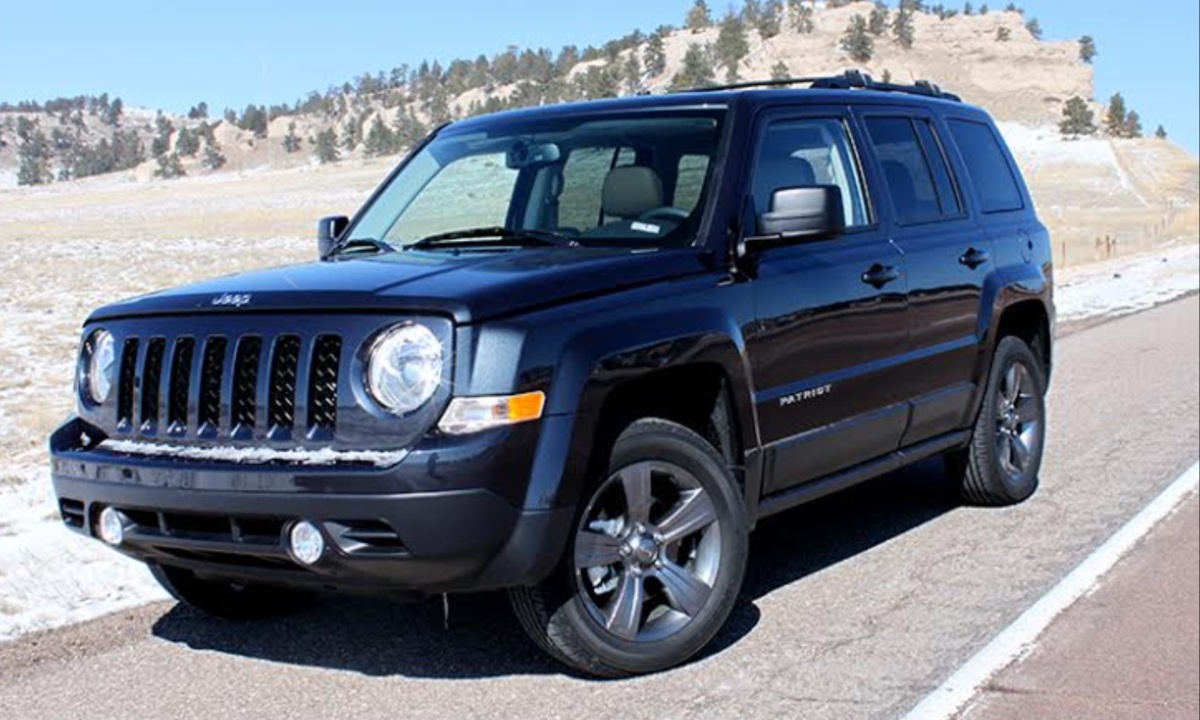
Jeep Patriot/Compass (2007–2017)
The Jeep Patriot and Compass are compact SUVs designed for urban practicality and fuel efficiency, but they are prone to developing a loose feel as they age. Their independent front and rear suspensions, while providing a smooth ride, tend to wear in ways that reduce steering precision and chassis control.
Many owners report increased body movement, less responsive steering, and a slight wandering sensation at highway speeds after 100,000–150,000 miles. The effect is more pronounced during aggressive cornering, braking, or when driving over rough roads, highlighting the limitations of the lightweight, unibody design.
Drivetrain simplicity in these models is a double-edged sword. While the engines and transmissions are generally reliable, the smaller components and lighter suspension geometry are less tolerant of wear.
Bushings, control arms, and steering mounts may degrade faster than in more rugged Jeep models, directly impacting the tightness and predictability of the driving experience. Vehicles used in hilly, off-road, or high-load conditions often exhibit these symptoms sooner, reinforcing the sense of looseness.
Interior and body components also exacerbate the perception of looseness. Seat mounts, door hinges, and panel attachments often develop minor movement, resulting in rattles, squeaks, and a sense of looseness in everyday driving.
While the Patriot and Compass are practical and efficient, they generally do not retain the same solid, connected feel as other Jeep models with more durable suspension designs and structural rigidity. Long-term owners may need to invest in suspension bushings, control arms, and alignment work to restore some of the original responsiveness.
Jeep Wrangler JL (2018–Present)
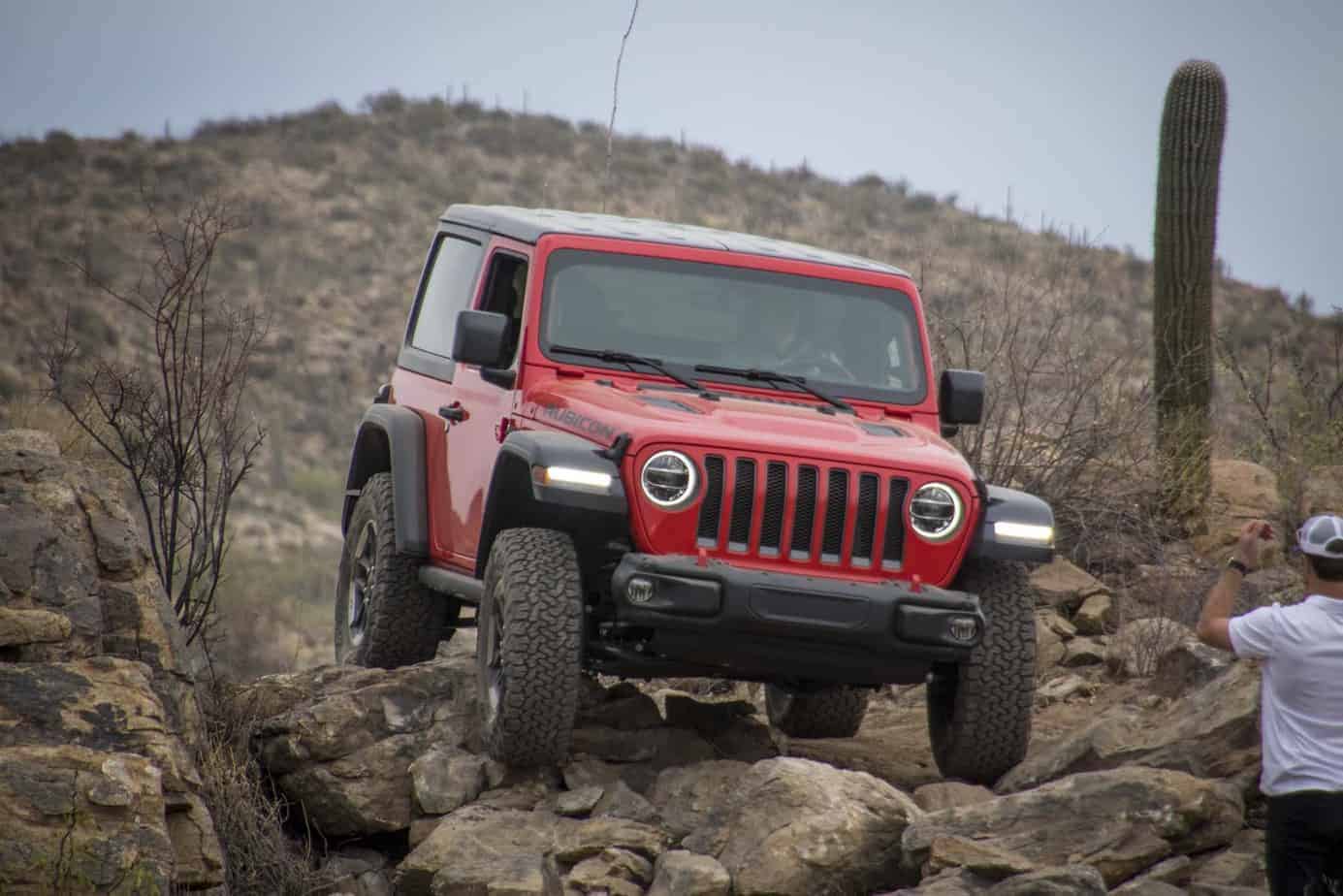
The Jeep Wrangler JL, while a modern and technologically advanced Wrangler, has shown early tendencies to loosen with extended use in high-mileage examples. Its independent front suspension, coil-over design, and advanced damping systems provide a more comfortable ride than previous Wranglers, but these refinements introduce more potential points for wear.
Over time, bushings, joints, and suspension mounts can develop minor play, which results in slightly less precise steering, more body movement, and a perception that the vehicle is less mechanically tight than older TJ or JK models.
Modern drivetrain components also contribute to this trend. Complex automatic transmissions, electronic transfer cases, and integrated steering systems all introduce points where wear or play can affect the driving experience.
While these systems improve comfort, safety, and efficiency, they require careful maintenance to preserve the original connected feel. Even with diligent service, some early high-mileage JL models display minor steering looseness and reduced feedback compared to simpler, earlier Wranglers.
Chassis design, while strong, emphasizes comfort alongside off-road capability. This means that slight flex and movement are built into the structure to improve ride quality.
Over time, particularly after heavy off-road use or extensive daily driving, these design choices can make the vehicle feel softer and less connected than older, more rugged Wranglers. Owners may notice that the vehicle feels slightly “floaty” or less precise during cornering or over uneven surfaces.
Interior components further influence the perception of looseness. Dash panels, seat mounts, and door alignment may develop subtle movement, creating minor rattles that reinforce the sense of diminished solidity. While the Wrangler JL remains a capable, enjoyable off-road vehicle, early high-mileage examples indicate that it requires more maintenance to retain the tactile precision and connected feel that are hallmarks of older Wrangler generations.