Daily driving in Montgomery, Alabama means dealing with hot summers, stop-and-go traffic, and long work commutes. For students, office workers, and government employees, a dependable car matters more than luxury.
Easy maintenance, good fuel mileage, and simple repairs help keep costs low. Some cars handle this lifestyle well, while others often force owners back to the dealership for costly service. Here’s a clear comparison to help Montgomery commuters choose wisely.
5 Cars That Work Well for Montgomery Daily Commuters
Montgomery commuters don’t need hype, they need cars that show up every morning and get the job done. Between steady weekday traffic, short-to-medium drive times, and the occasional long stretch on I-85, the ideal daily driver here has to balance reliability, fuel efficiency, comfort, and low ownership costs.
Flashy features don’t matter much when you’re just trying to make it to work on time without draining your wallet. That’s exactly why these five cars stand out as smart, stress-free choices for Montgomery’s everyday drivers.
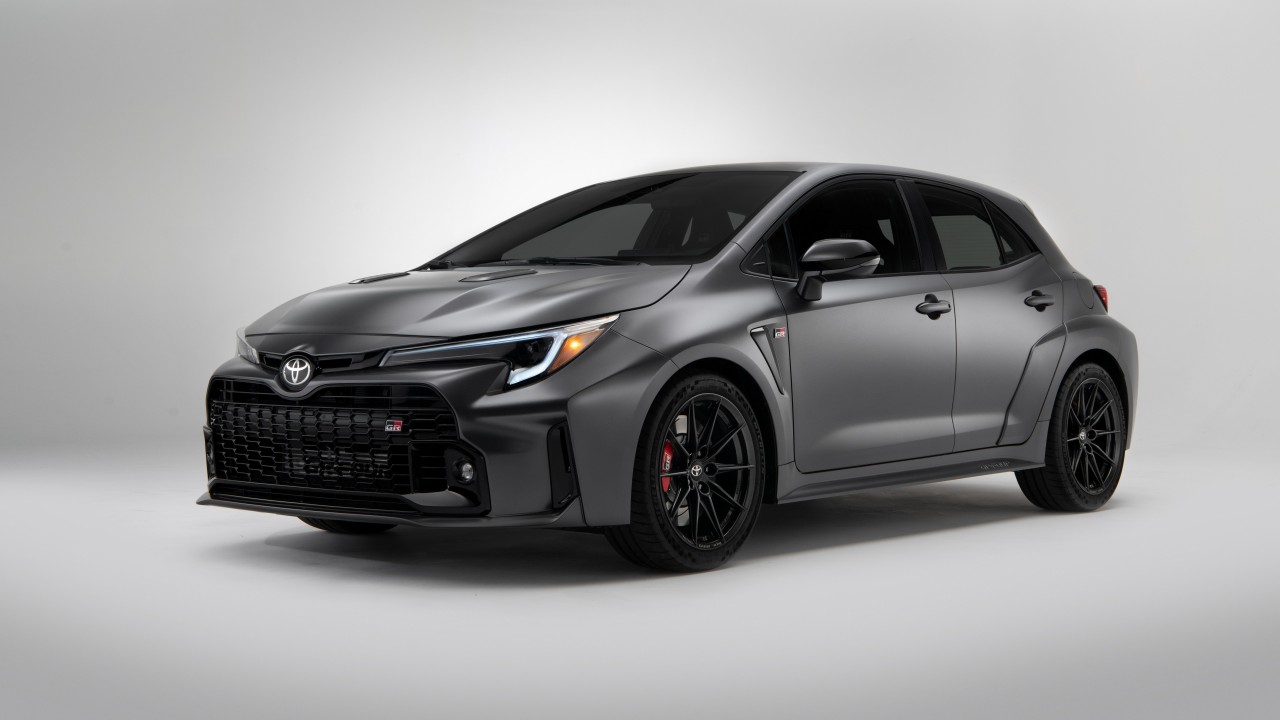
1) Toyota Corolla
The Toyota Corolla is one of the most trusted cars in the world. It is built for people who want stress-free daily driving. Simple design, proven engineering, and low ownership costs make it ideal for regular city use.
One of the biggest strengths of the Corolla is reliability. The engine is designed to last for many years with basic care. Owners often drive it for long distances without facing serious mechanical problems or unexpected breakdowns.
Daily city driving feels smooth and easy in the Corolla. The steering is light, making it simple to handle traffic and tight parking spaces. The suspension absorbs bumps well, keeping rides comfortable on uneven city roads.
Hot weather driving is not a problem for the Corolla. The cooling system works efficiently even during long summer drives. The air conditioning is strong and cools the cabin quickly, which is important in places with high temperatures.
Fuel economy is another major advantage. The Corolla uses less fuel compared to many other sedans in its class. This helps daily commuters save money, especially when driving long distances or facing heavy traffic every day.
Maintenance costs remain low throughout ownership. Regular servicing is simple and affordable. Most local mechanics are familiar with the Corolla, so owners do not need to rely only on dealerships for basic repairs or maintenance.
Spare parts are easy to find and reasonably priced. Because the Corolla is sold in large numbers, replacement parts are widely available. This reduces waiting time and keeps repair bills under control for most owners.
Inside the cabin, the Corolla feels practical and comfortable. Seats provide good support for long drives. Controls are easy to understand, and the dashboard layout is clean, helping drivers focus on the road.
Safety is another strong point. The Corolla includes essential safety features that protect passengers during daily driving. Stable handling and good braking performance add confidence, especially in traffic or sudden stop situations.
Resale value of the Corolla stays strong over time. Many buyers trust this model in the used car market. Owners often recover a good portion of their investment when it is time to sell.
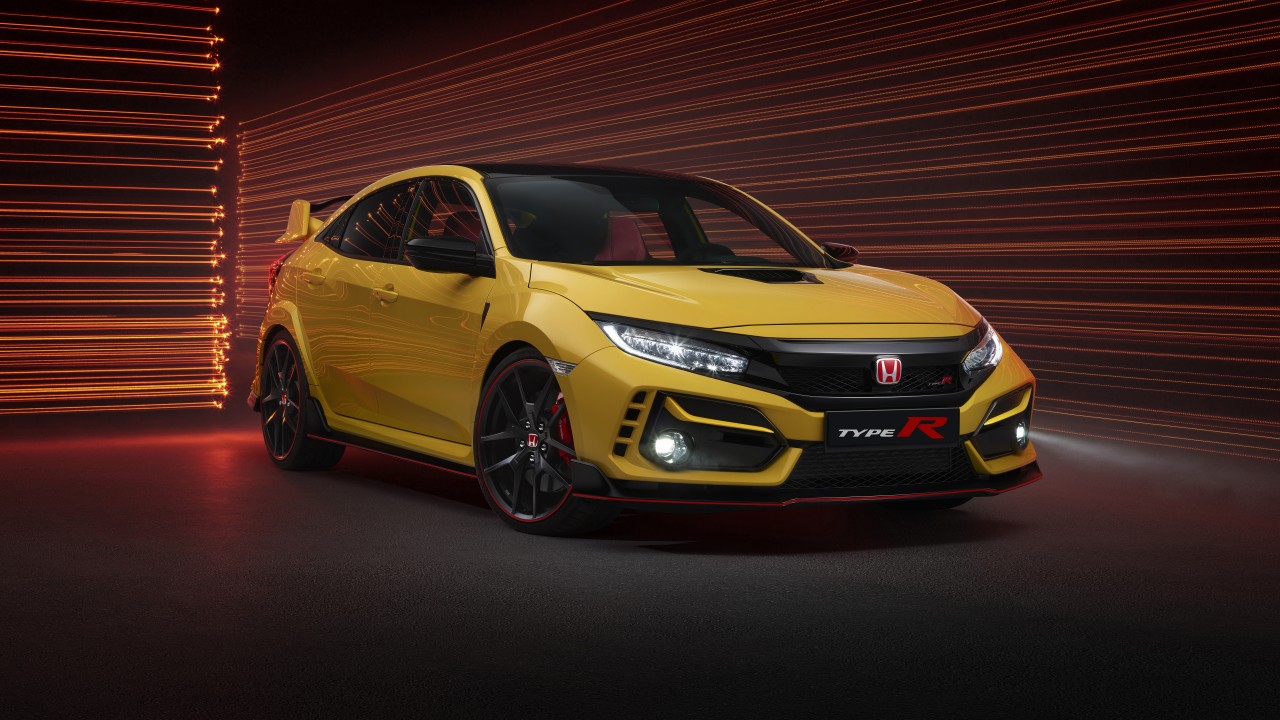
2) Honda Civic
The Honda Civic is a popular choice for daily drivers who want reliability and low costs. It is designed for smooth city use and long commutes. Simple engineering and proven performance make it dependable for everyday driving needs.
Reliability is one of the Civic’s strongest qualities. The engine is built to last many years with basic maintenance. Many owners report driving high mileage without major engine or transmission problems, which builds long-term confidence.
City driving feels easy in the Honda Civic. The steering is responsive and light, helping drivers manage traffic and narrow streets. Its compact size also makes parking simple, even in crowded areas or tight office parking lots.
The Civic performs well in hot weather conditions. The cooling system keeps the engine stable during long drives. The air conditioning system cools the cabin quickly, providing comfort during summer heat and heavy traffic situations.
Fuel efficiency is a big reason people choose the Civic. It delivers excellent mileage for daily commuting. Less fuel use means lower monthly expenses, making it a smart option for students, professionals, and budget-conscious drivers.
Maintenance costs stay reasonable over time. Routine services like oil changes, brake replacements, and filter changes are affordable. Most independent repair shops can easily work on the Civic without special tools or dealer-only equipment.
Spare parts are widely available and fairly priced. Because the Civic is sold worldwide, replacement parts are easy to find. This reduces repair delays and helps keep ownership costs low throughout the car’s life.
Inside, the Civic offers a comfortable and practical cabin. Seats support the body well during longer drives. The controls are simple and clearly placed, allowing drivers to focus on driving instead of complicated buttons.
Safety is another strong point of the Honda Civic. It offers stable handling and reliable braking. These features help drivers stay in control during sudden stops, busy intersections, and unpredictable traffic situations.
The Civic also holds good resale value. Buyers trust its reliability in the used car market. Owners often receive a fair price when selling, which makes long-term ownership more financially rewarding.
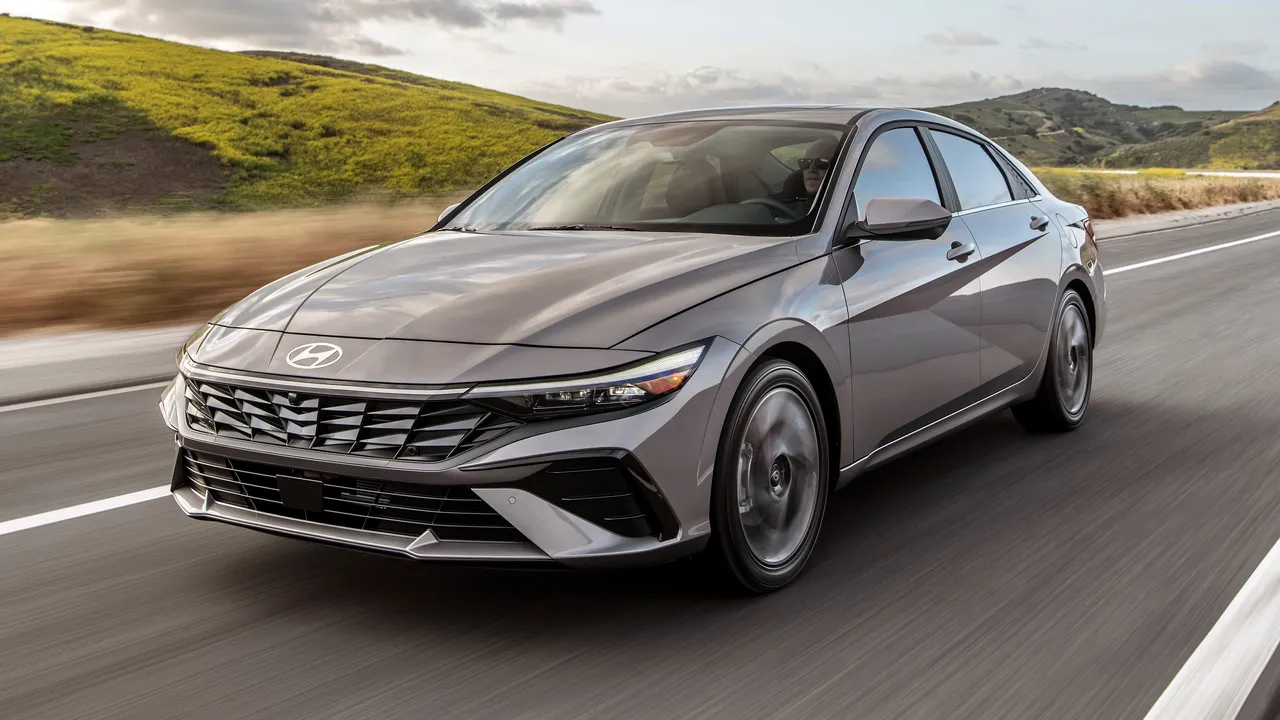
3) Hyundai Elantra
The Hyundai Elantra is a practical car made for everyday driving. It suits people who want comfort, modern features, and reasonable ownership costs. Its simple design and dependable performance make it a good option for daily city commuting.
Reliability has improved greatly in the Elantra over the years. The engine is designed for long-term use with regular maintenance. Many owners experience years of smooth driving without serious mechanical issues or unexpected repair problems.
Driving the Elantra in city traffic feels calm and easy. The steering is light, which helps in crowded roads and parking areas. Suspension tuning absorbs road bumps well, making daily trips more comfortable and less tiring.
Hot weather driving is handled well by the Elantra. The cooling system keeps the engine temperature stable during long drives. The air conditioning is strong and cools the cabin quickly, even during very warm summer days.
Fuel efficiency is another strong advantage of the Elantra. It delivers good mileage in both city and highway driving. This helps daily commuters reduce fuel spending, especially those who drive long distances or sit in traffic often.
Maintenance costs remain affordable for most owners. Regular servicing is simple and does not require advanced tools. Many local mechanics are familiar with Hyundai cars, so dealership visits are not always necessary for routine work.
Spare parts for the Elantra are easy to find and fairly priced. Wide availability of parts reduces waiting time during repairs. This keeps repair bills manageable and helps owners avoid long service delays.
Inside the cabin, the Elantra feels spacious and comfortable. Seats are supportive enough for long drives. The dashboard layout is clean and easy to understand, making daily driving simple for new and experienced drivers alike.
Safety features add confidence during everyday use. The Elantra offers stable handling and dependable braking. These features help drivers stay in control during sudden stops, busy intersections, and unpredictable traffic conditions.
4) Mazda3
The Mazda3 is a compact car designed for people who enjoy comfortable and confident daily driving. It offers a good balance of reliability, fuel efficiency, and driving pleasure. Its solid build makes it suitable for everyday city commuting.
Reliability is an important strength of the Mazda3. The engine and transmission are built to last with regular maintenance. Many owners report long-term dependability without frequent mechanical failures or costly repair issues.
City driving feels smooth in the Mazda3. The steering is precise, helping drivers move easily through traffic and narrow streets. Its compact size also makes parking simple, even in busy shopping areas or office complexes.
The Mazda3 handles hot weather well. The cooling system keeps the engine running at stable temperatures. The air conditioning system is effective and cools the cabin quickly, making summer drives far more comfortable.
Fuel economy is good for daily commuters. The Mazda3 uses fuel efficiently in both city and highway conditions. This helps drivers reduce monthly fuel costs, especially those who drive every day for work or studies.
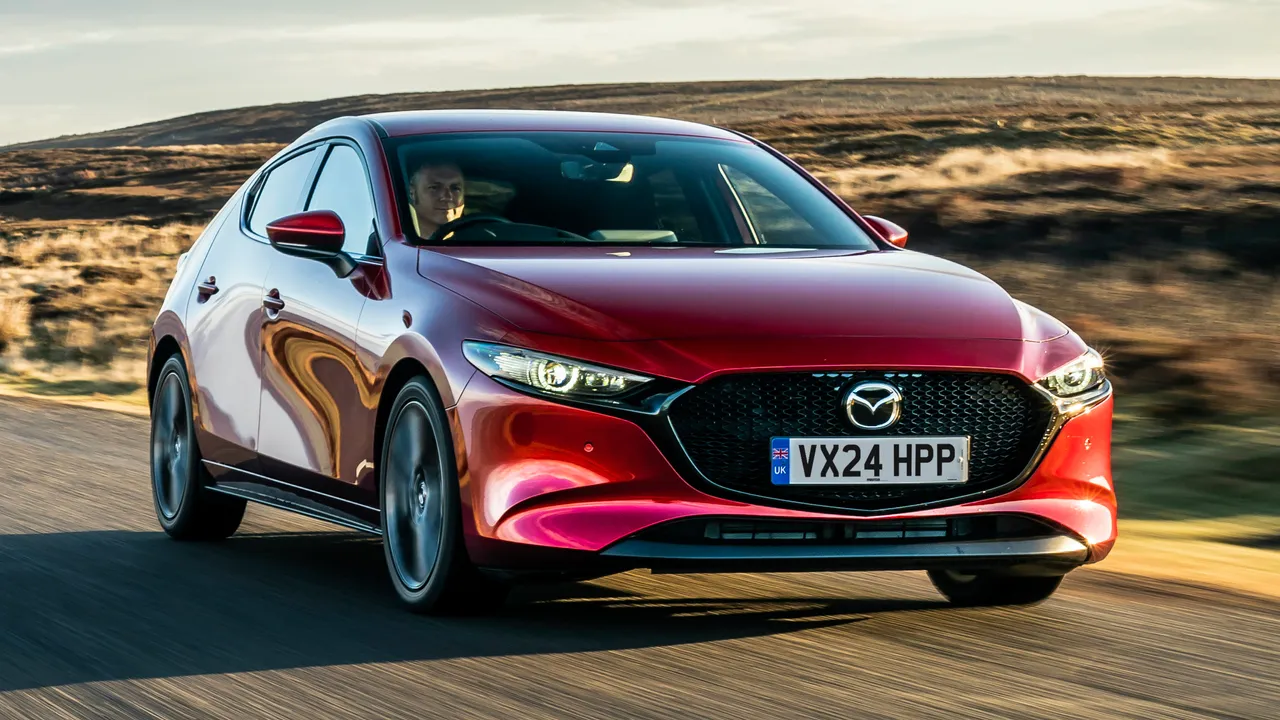
Maintenance costs stay reasonable over time. Routine services such as oil changes and brake work are affordable. Most independent repair shops can service the Mazda3 without special equipment or dealer-only tools.
Spare parts are widely available and priced fairly. Because the Mazda3 is sold globally, parts are easy to source. This keeps repair delays short and helps control long-term ownership expenses.
Inside, the Mazda3 offers a well-designed and comfortable cabin. Seats support the body well during longer drives. The interior layout feels simple and driver-focused, making daily use pleasant and stress-free.
Safety is another area where the Mazda3 performs well. It offers stable handling and strong braking performance. These features improve control during sudden stops, sharp turns, and busy traffic situations.
5) Toyota Camry
The Toyota Camry is a midsize sedan built for people who want comfort and long-term reliability. It is ideal for daily commuting and longer drives. Strong engineering and simple ownership make it a trusted choice worldwide.
Reliability is one of the Camry’s biggest strengths. The engine is designed to run smoothly for many years with regular maintenance. Many owners drive high mileage without facing major engine or transmission failures.
Daily driving feels relaxed and smooth in the Camry. The suspension absorbs road bumps well, making city roads comfortable. Steering is stable and predictable, helping drivers feel confident in traffic and on highways.
The Camry performs very well in hot weather conditions. Its cooling system keeps the engine temperature under control during long summer drives. The air conditioning is powerful and cools the cabin quickly.
Fuel efficiency is impressive for a midsize sedan. The Camry delivers good mileage for daily commuting and highway use. This helps drivers save money on fuel while enjoying a larger and more comfortable car.
Maintenance costs remain reasonable over time. Routine services such as oil changes and brake work are affordable. Most local mechanics can easily service the Camry without the need for dealer-only repairs.
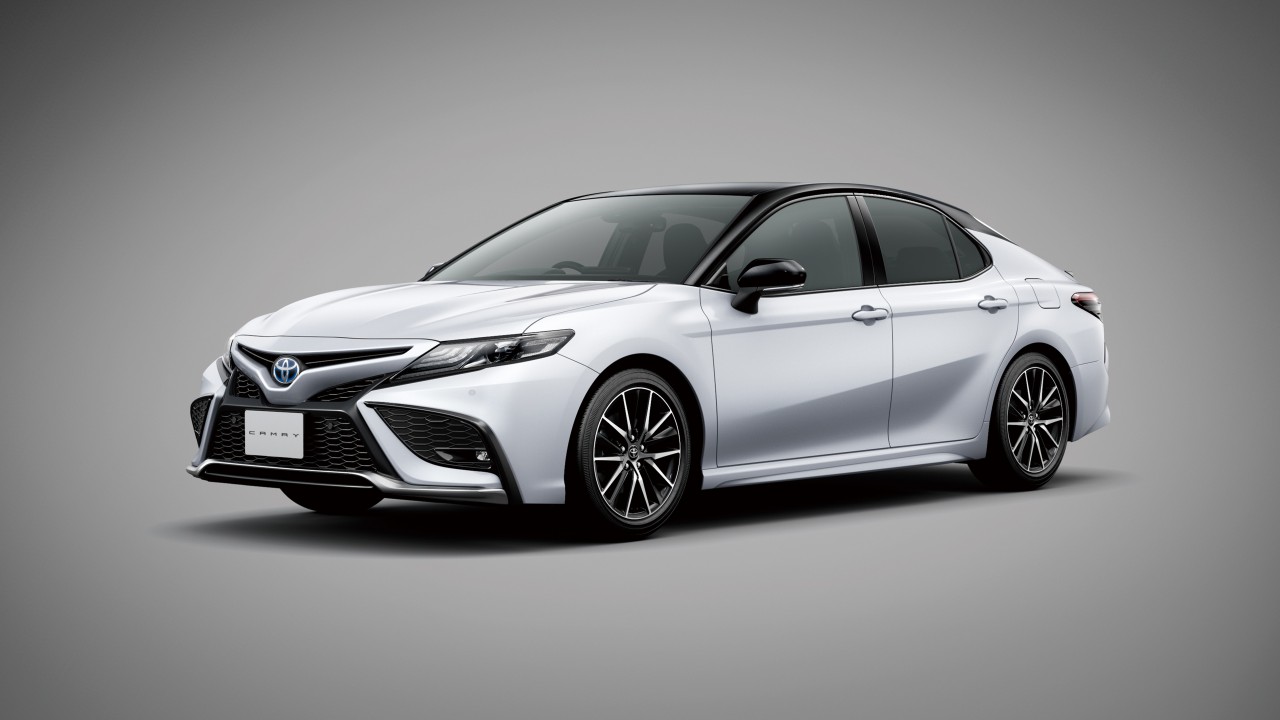
Spare parts are widely available and priced fairly. Because the Camry is sold in large numbers, replacement parts are easy to find. This reduces repair delays and keeps ownership stress low.
Inside the cabin, the Camry feels spacious and comfortable. Seats offer excellent support for long drives. The dashboard is clean and simple, allowing drivers to focus on the road without distraction.
Safety is another strong area for the Camry. It provides stable handling and reliable braking performance. These features help drivers stay in control during sudden stops, heavy traffic, and unexpected road conditions.
The Camry also holds strong resale value. Buyers trust its durability and comfort in the used car market. Owners often receive a good price when selling after several years of use.
5 Cars That Often Require Dealer Service
Not all cars are created equal when it comes to maintenance. Some vehicles are easy to work on at any shop, while others quickly become dealer-only jobs, meaning higher bills, longer waits, and specialized tools you can’t find at your local mechanic.
Whether it’s complex electronics, proprietary calibration procedures, or tightly integrated systems, the cars on this list are ones that routinely send owners back to the dealer for service.
If you’re shopping for a used car, or you already own one, understanding which models often require dealer intervention can help you avoid surprise costs and frustration down the road. Let’s look at five vehicles that commonly land in the dealer’s service bay.
1) BMW 3 Series
The BMW 3 Series is known for luxury, performance, and premium design. Many drivers enjoy its smooth ride and strong engine. However, for daily commuting, ownership can become expensive due to frequent dealer service requirements.
The biggest issue with the BMW 3 Series is complexity. The engine, electronics, and sensors are highly advanced. While this improves driving feel, it also increases the chances of technical problems over long-term daily use.
City driving in the BMW 3 Series feels smooth and powerful. Acceleration is quick, and steering is sharp. However, stop-and-go traffic puts stress on complex systems, which can lead to more frequent maintenance needs.
Hot weather can be challenging for the BMW 3 Series. Cooling systems, turbo components, and electronics are sensitive. In warm climates, overheating warnings and sensor faults are not uncommon during long commutes.
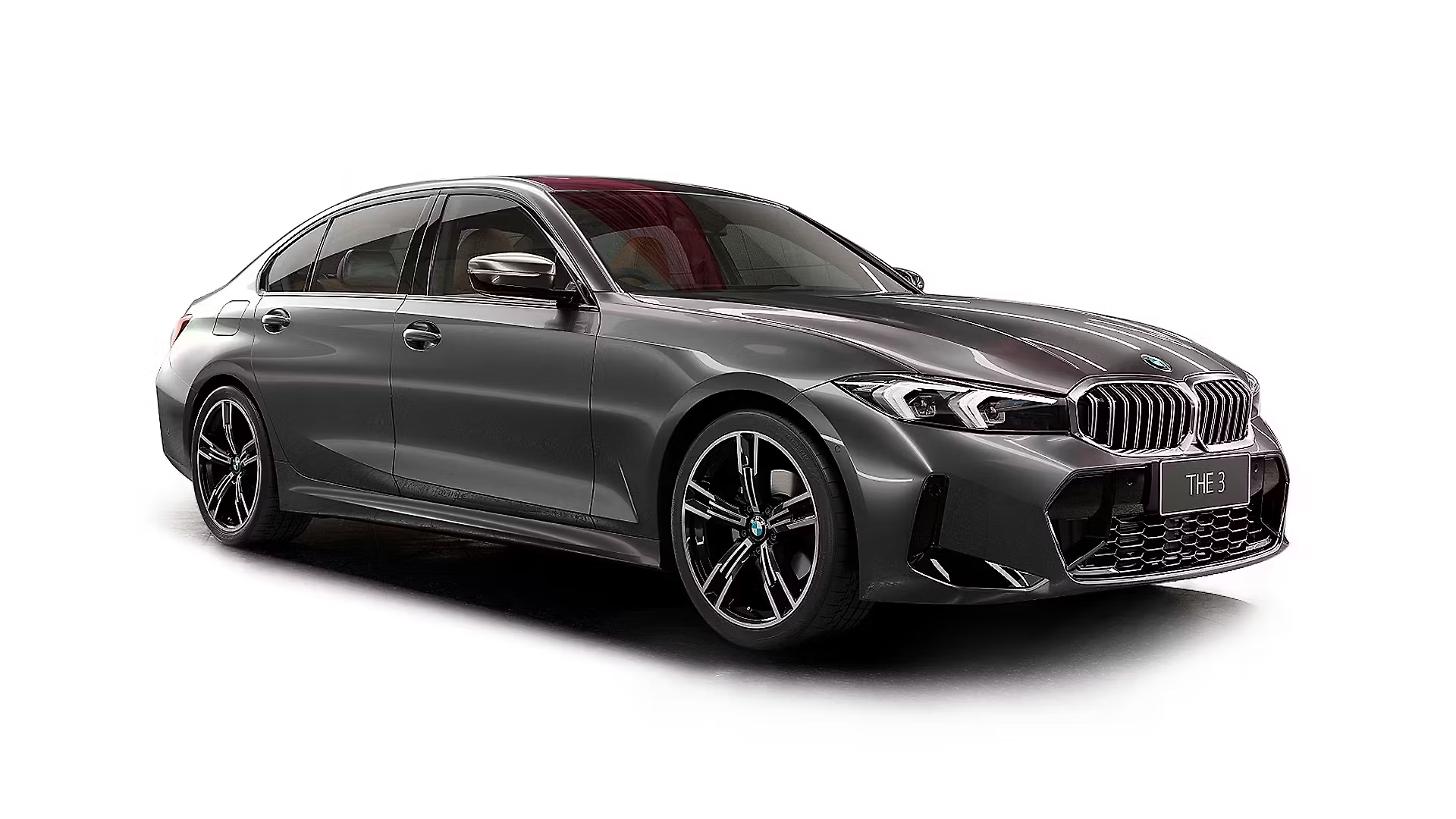
Maintenance costs are significantly higher than regular commuter cars. Even basic services like oil changes and brake work cost more. Many independent shops avoid BMWs due to specialized tools and software requirements.
Dealer service becomes almost unavoidable. Diagnostic checks, software updates, and electronic repairs usually require authorized dealerships. This limits repair options and increases both cost and service wait times.
Spare parts are expensive and sometimes slow to arrive. Genuine BMW components cost much more than parts for mainstream cars. Delays in parts availability can keep the car off the road longer than expected.
Inside the cabin, the BMW 3 Series feels luxurious and comfortable. Seats are supportive, and materials are high quality. However, electronic features may fail over time, leading to costly dashboard and control repairs.
Reliability over long ownership is mixed. Some owners enjoy trouble-free years, while others face repeated electrical or cooling issues. Repair bills can rise quickly once the warranty period ends.
Resale value drops faster compared to reliable commuter cars. Buyers worry about maintenance costs after warranty coverage. This can reduce the return owners get when selling the vehicle later.
2) Mini Cooper
The Mini Cooper is loved for its unique design and sporty feel. It stands out on city roads and feels fun to drive. However, for daily commuting, ownership can become challenging due to frequent service needs.
One major concern with the Mini Cooper is reliability. The engine and transmission can develop problems over time. Electrical faults and warning lights are common, especially as the car ages or crosses higher mileage.
City driving feels quick and agile in the Mini Cooper. Its small size helps in traffic and parking. However, constant stop-and-go driving increases wear on the clutch, gearbox, and cooling system.
Hot weather can stress the Mini Cooper’s mechanical components. Cooling system issues are reported by many owners. Overheating warnings and sensor problems may appear during long summer commutes or heavy traffic.
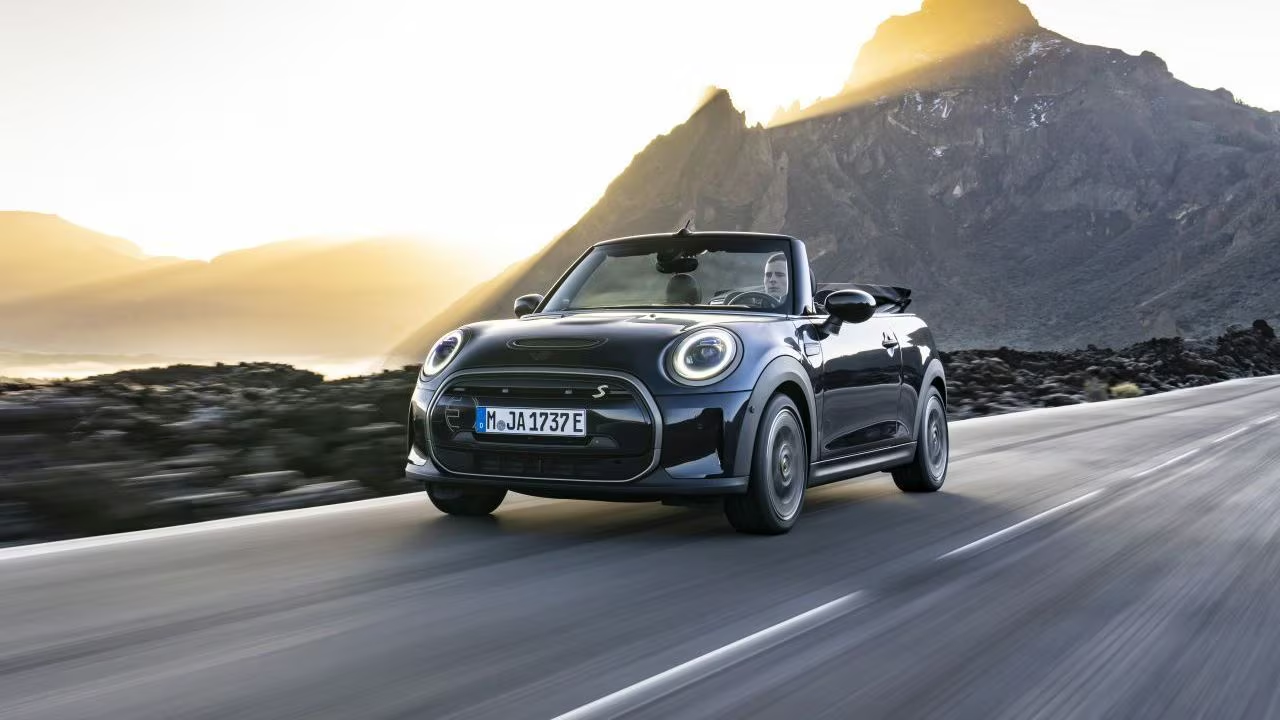
Dealer service is often necessary for diagnostics and electronic repairs. Special software and tools are required. This limits repair choices and results in longer service times and higher labor charges.
Spare parts for the Mini Cooper are costly and sometimes hard to find. Genuine parts take time to arrive and are priced high. This can keep the car off the road longer during repairs.
Interior quality feels premium, with stylish design and comfortable seats. However, electronic controls and displays may fail with age. Fixing these features can be costly and inconvenient.
Long-term reliability is mixed. Some owners enjoy years of trouble-free driving, while others face repeated issues. Once warranty coverage ends, repair expenses can rise quickly.
3) Volkswagen Passat
The Volkswagen Passat is known for its clean design and comfortable ride. Many drivers like its spacious cabin and smooth highway manners. However, for daily commuting, ownership can become complicated due to higher service needs.
Reliability is a common concern with the Passat over long-term use. Engine sensors, electronics, and transmission components may develop issues. These problems often appear as the car ages, even with regular maintenance.
City driving feels smooth and stable in the Passat. Steering is calm, and the ride quality is comfortable. However, frequent stop-and-go traffic puts stress on complex systems, increasing the chances of warning lights and faults.
Hot weather can affect Passat performance. Cooling systems, electronic modules, and turbo components are sensitive to heat. In warm climates, overheating alerts and electrical glitches are reported by many owners.
Dealer service is often required for accurate diagnostics. The Passat uses advanced computer systems that many independent garages cannot fully access. Software updates and electronic repairs usually require dealership visits.
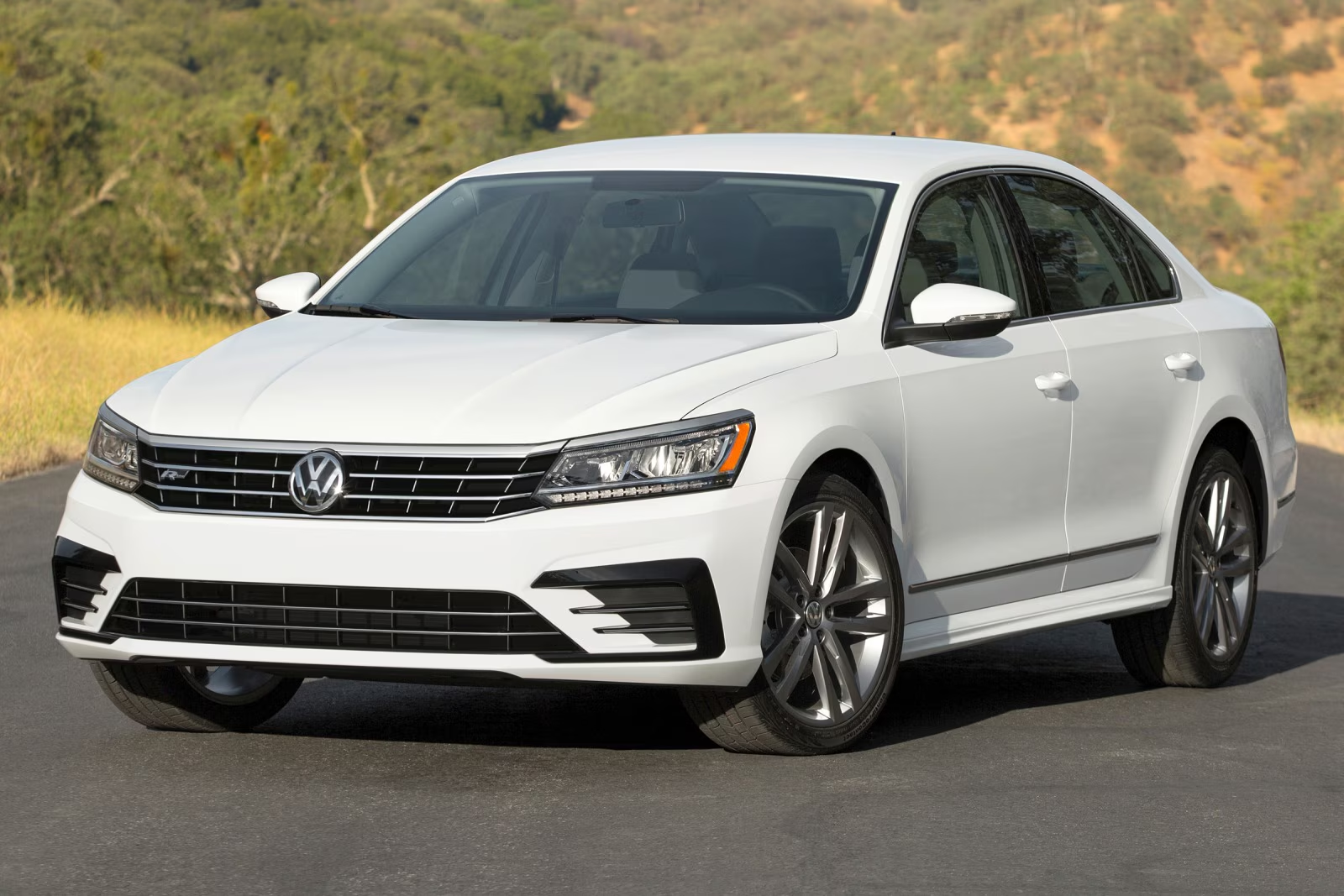
Spare parts are more expensive than Japanese or Korean rivals. Genuine Volkswagen parts can be costly and sometimes slow to arrive. This leads to longer repair times and higher ownership expenses.
Safety and handling are strong points. The Passat feels stable at highway speeds and during sudden braking. These qualities make it pleasant to drive, but they do not offset long-term maintenance concerns.
Long-term ownership reliability is mixed. Some owners experience smooth operation, while others face repeated electrical or transmission issues. Repair costs can rise quickly once the warranty period ends.
Resale value tends to drop faster than more reliable commuter cars. Buyers worry about future repair expenses and dealer dependency. This reduces the return owners receive when selling later.
4) Fiat 500
The Fiat 500 is known for its small size and charming design. It looks stylish in city traffic and is easy to park. However, for daily commuting, ownership can be difficult due to frequent service issues.
Reliability is a common problem with the Fiat 500. Many owners report engine, transmission, and electrical issues. These problems often appear early in ownership, making it less dependable for regular daily driving.
City driving feels easy because of the small size. The car fits into tight spaces and narrow streets well. However, rough roads and constant traffic can quickly wear out suspension and mechanical components.
Hot weather can stress the Fiat 500’s engine and cooling system. Overheating problems and warning lights are frequently reported. Air conditioning performance may weaken during long summer drives or heavy traffic.
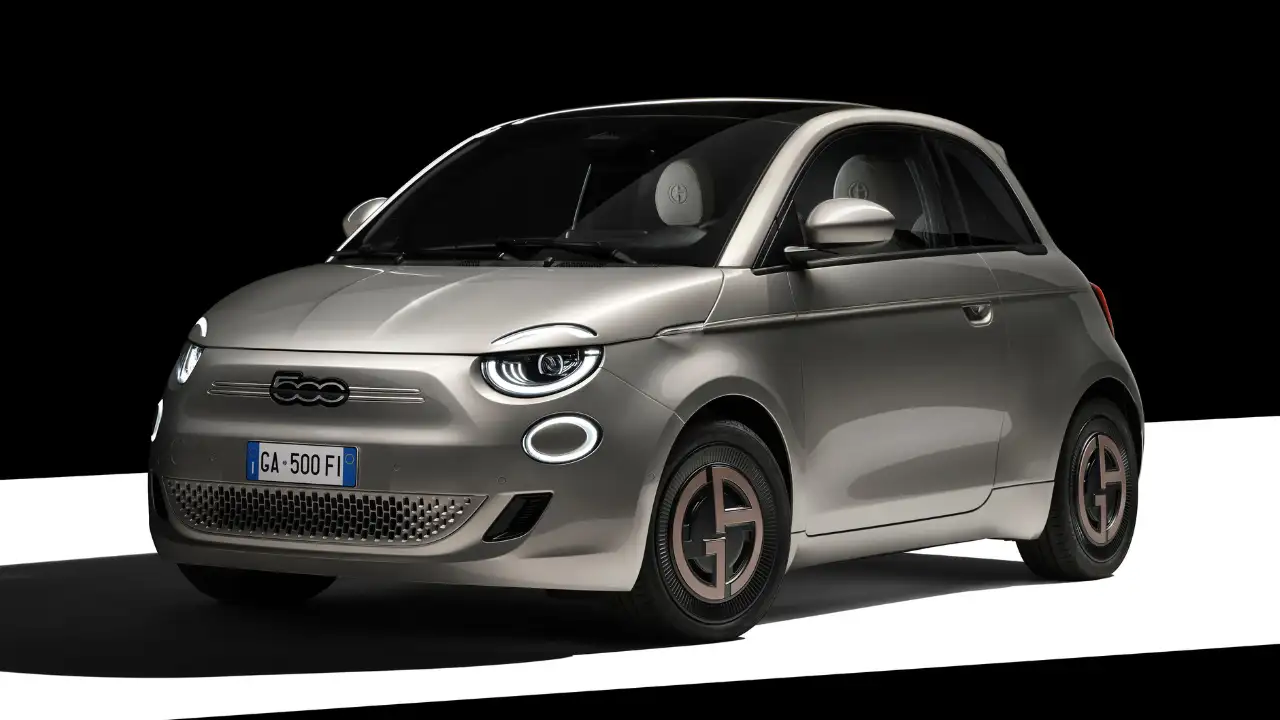
Dealer visits are often unavoidable. Diagnostic tools and software are required to fix many problems. Service wait times can be long, and labor costs are higher compared to mainstream commuter cars.
Spare parts availability is another issue. Parts are often expensive and take time to arrive. This can leave the car off the road for extended periods during repairs.
Ride comfort is limited on rough roads. The short wheelbase and stiff suspension make bumps more noticeable. Daily long commutes can feel tiring compared to larger, smoother cars.
Resale value drops sharply. Buyers are cautious due to reliability concerns and service costs. Owners often receive much less when selling compared to more dependable cars.
5) Range Rover Evoque
The Range Rover Evoque is a luxury compact SUV known for its stylish design and premium feel. It attracts attention on city roads and offers a comfortable cabin. However, daily commuting can become costly and stressful.
Reliability is a major concern for the Evoque. Many owners report frequent electronic, engine, and transmission issues. These problems often appear after a few years, especially with regular daily driving in traffic.
City driving feels smooth and comfortable at first. The suspension absorbs bumps well, and seating position is high. However, complex systems are sensitive to constant stop-and-go driving and heat.
Hot weather can cause problems for the Evoque. Cooling systems, sensors, and electronic modules struggle under prolonged heat. Overheating warnings and air conditioning issues are commonly reported by owners.
Dealer service is almost always required. Software updates, suspension calibration, and electronic diagnostics must be done at authorized service centers. This results in higher labor charges and longer service times.
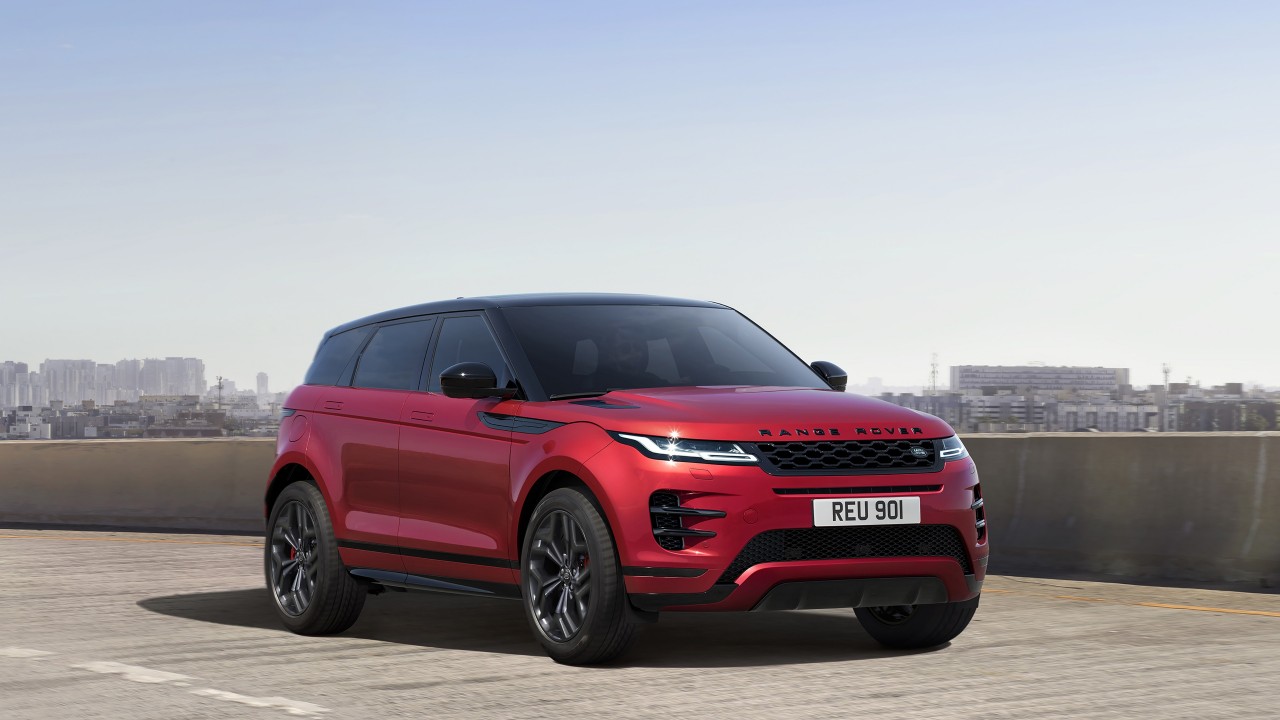
Spare parts are expensive and can take time to arrive. Many parts are imported, causing delays during repairs. This can leave the vehicle unusable for long periods.
Interior quality feels luxurious and well-finished. Seats are comfortable, and features are advanced. However, electronic features may fail over time, leading to very costly interior repairs.
Long-term reliability is inconsistent. Some owners enjoy smooth ownership, while others face repeated issues. Once the warranty ends, repair costs can become overwhelming.
Resale value drops quickly due to reliability concerns. Used buyers worry about maintenance expenses and dealer dependence. Owners often lose significant value when selling the vehicle later.