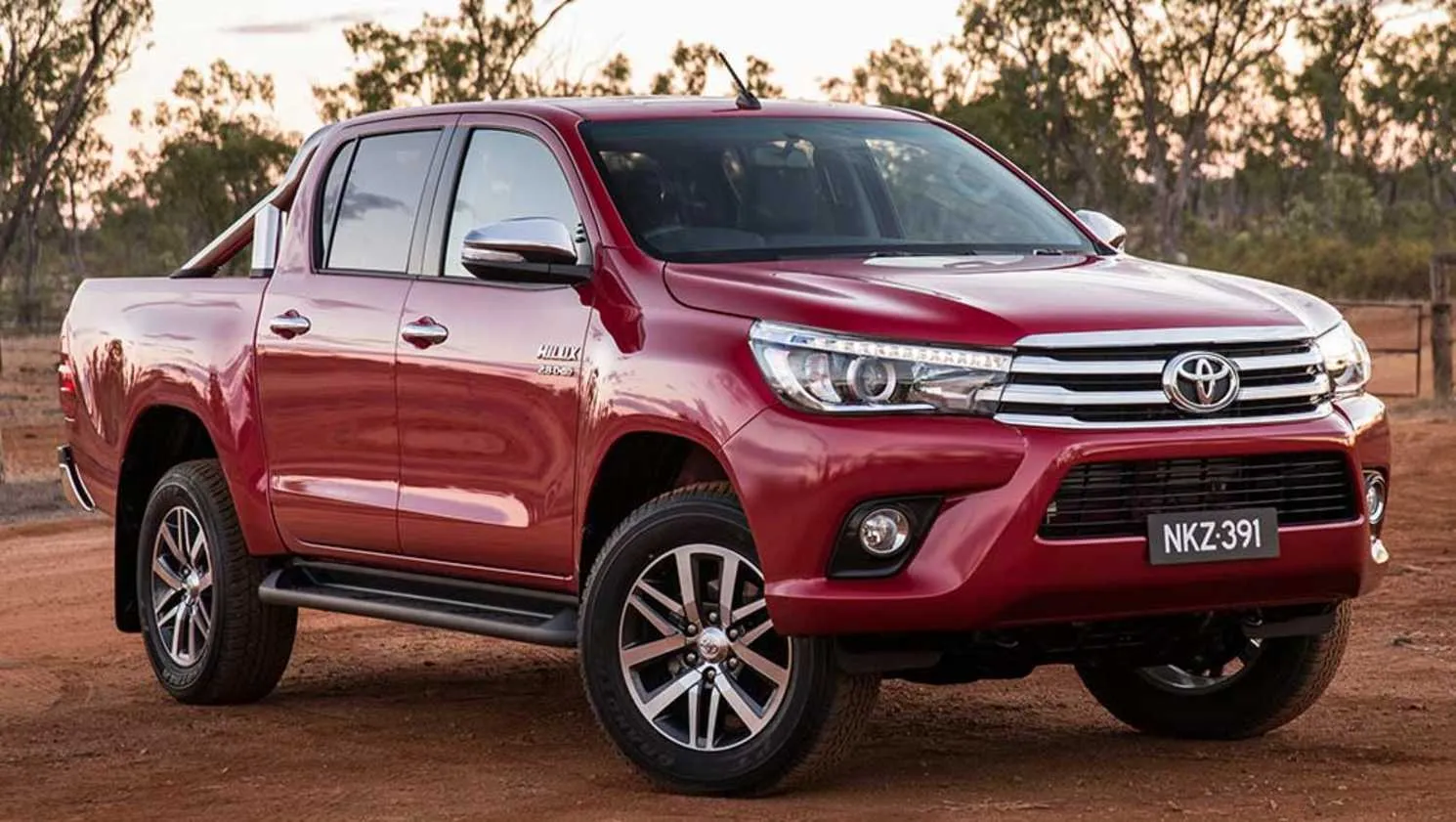
City driving is not gentle. Even if you drive carefully, urban life slowly “tests” a vehicle in ways highways never do. Potholes appear without warning, speed breakers are uneven, roads are dusty, traffic is constant, and minor bumps happen in parking lots more often than people admit.
Add heat, humidity, waterlogging, endless stop and go, and the daily squeeze of tight spaces, and you get what many owners call urban abuse. It is not intentional damage. It is simply what happens when a vehicle lives in a major city.
Some vehicles handle this lifestyle like it is normal. Their suspension absorbs rough patches without constantly needing repairs. Their interiors stay tight, with fewer rattles and fewer loose trims.
Their paint and body panels resist small scratches better, and their engines tolerate repeated short trips without acting fragile. These vehicles are built with durability, practicality, and long-term toughness in mind. For owners, this means fewer workshop visits, lower repair bills, and less daily stress.
But other vehicles show urban wear quickly. They might look premium and feel smooth at first, yet city life exposes weak points fast. Soft paint gets scratched easily. Low ground clearance causes constant scraping.
Delicate suspension parts start complaining. Interiors develop rattles. Electronics become annoying. These vehicles can still be great on open roads, but in the city, they feel like they age too soon. When that happens, owners often feel regret, not because the vehicle is bad, but because it is not suited for the environment.
That is why this article compares two groups. First are five vehicles that do not mind urban abuse. They are strong daily machines that take city punishment without falling apart.
Then we move to five vehicles that show wear quickly, vehicles that often feel more sensitive to rough city use. The purpose is simple: help you understand which vehicles can live happily in the real world and which ones demand extra care, attention, and patience.
Also Read: 5 Cars That Survive Houston Stop-and-Go vs 5 With Frequent Cooling Problems
5 Vehicles That Don’t Mind Urban Abuse
Urban driving rewards toughness more than beauty. In a city, you rarely drive long smooth stretches. Instead, you face broken roads, sudden braking, random obstacles, and constant slow movement.
Over time, this kind of environment reveals the real durability of a vehicle. The vehicles that survive city abuse well usually share similar characteristics: strong suspension tuning, decent ground clearance, thick body construction, practical tires, and interiors built for everyday use rather than delicate luxury.
One important factor is mechanical simplicity. Vehicles with proven engines and gearboxes often handle repeated stop and go driving better than complicated systems that demand perfect conditions. Another factor is build quality.
Strongly assembled cabins resist rattles, and sturdy door panels resist loosening. City life causes vibration every day, so vehicles with weak trim or cheap materials start sounding old quickly.
Cooling systems also matter. Cities create heat, and traffic makes engines work harder with less airflow. A vehicle designed for reliable cooling tends to last longer with fewer overheating issues.
Brakes and clutch components also take a beating in cities, so vehicles with durable braking systems and smooth transmissions tend to handle urban use better.
I am writing about these five vehicles because they represent smart daily ownership choices. They may not always be the most stylish or luxurious, but they are the vehicles that stay strong when life gets messy.
For people who drive in crowded cities, durability is a form of comfort. It means fewer unexpected repairs, fewer annoying noises, and fewer worries about every pothole. These vehicles are built to take daily hits and keep going, which is exactly what city drivers need.
1) Toyota Corolla
The Toyota Corolla is one of the best vehicles in the world for surviving city abuse because it is built around reliability and simplicity. In many cities, Corollas are used like tools.
They handle taxis, long commutes, heavy traffic, and rough roads without acting delicate. That is the biggest compliment you can give a city car. It does not demand special treatment to stay healthy.
A major reason the Corolla survives urban punishment is its proven mechanical package. The engine and transmission are designed for consistent long-term use rather than aggressive performance.
In stop and go traffic, it remains smooth, and it does not feel stressed. The cooling system and overall tuning are designed for daily reliability, which matters in traffic where engines remain hot for long periods.
Suspension durability is another advantage. A Corolla is not an off-road vehicle, but its suspension is well-balanced for real road conditions. It handles rough patches without feeling fragile. You may still feel bumps, but the car does not constantly develop problems from them. That makes it ideal for cities with potholes and broken road patches.
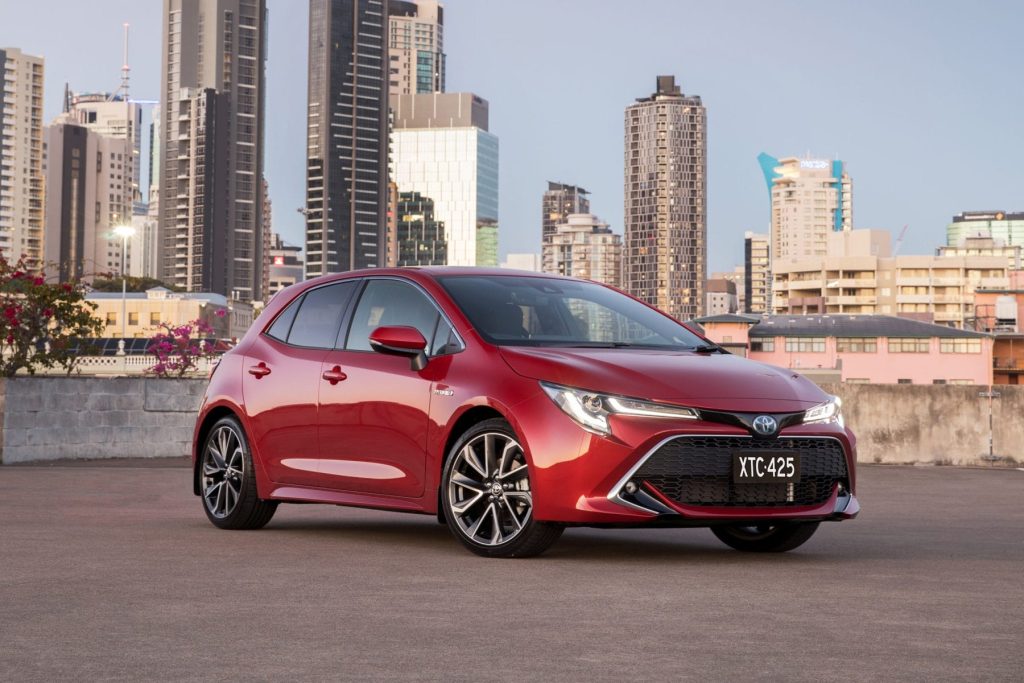
I am writing about the Corolla because it represents the kind of vehicle that takes city life seriously. It is not trying to impress with drama.
It impresses by lasting. For urban drivers, that matters more than anything. When you own a Corolla, you worry less about everyday abuse because the vehicle has a reputation for surviving exactly that kind of treatment.
2) Honda CR-V
The Honda CR-V is a city-friendly SUV that deals with urban abuse exceptionally well. It is not just popular because it looks good. It is popular because it holds up. The CR-V is built in a way that makes it capable of handling rough daily use without quickly feeling worn out.
One key reason is suspension tuning. The CR-V absorbs city road imperfections well, and the ride is comfortable even on uneven streets. Its ground clearance also reduces the risk of scraping on speed breakers and bad road edges.
That makes it less stressful in cities where roads are unpredictable. Owners do not have to slow down painfully at every bump, and that reduces daily fatigue.
The CR-V’s interior quality also helps. It is not overly delicate, so it survives constant entering, exiting, and daily usage without quickly becoming loose or rattly. In city life, interiors are tested constantly. The CR-V usually holds its cabin tight for longer than many rivals, which helps it feel newer for more years.
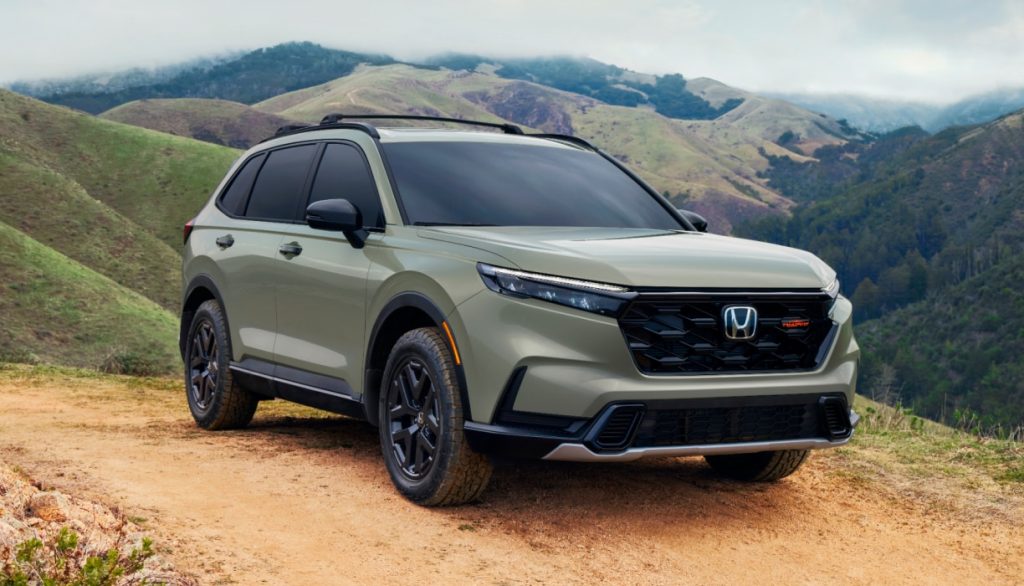
I included the CR-V because it represents a perfect balance. It is comfortable and refined, but not fragile. It can handle the daily grind of city driving, including potholes, traffic heat, and constant stop and go. For people who want an SUV that does not act like it needs a soft lifestyle, the CR-V is one of the strongest choices.
3) Suzuki Swift
The Suzuki Swift is a small hatchback that survives city abuse better than many larger cars. It is light, compact, and built for real everyday driving.
In crowded urban areas, smaller cars often take more abuse because they are used aggressively in tight lanes and constant traffic gaps. The Swift still holds up well, which is why it has such a strong reputation in many markets.
Its biggest strength is simplicity. The Swift’s mechanical components are not overly complex, and that often helps durability. In stop and go traffic, it stays smooth and does not feel delicate.
Its small size also reduces strain on parts like brakes and suspension compared to heavier vehicles. Over time, lighter cars can handle rough roads better because they do not slam into potholes with the same heavy force.
The Swift’s suspension is tuned for city use. It is not luxury-soft, but it is tough enough to survive uneven road conditions. Its ground clearance is usually practical enough for speed breakers, and it does not scrape constantly like very low cars do.

I am writing about the Swift because it is a reminder that durability is not always about size. Sometimes, a simple, well-built hatchback survives city life better than expensive cars. The Swift is the kind of vehicle that takes daily urban stress and keeps moving without making ownership feel heavy or expensive.
4) Toyota Hilux
The Toyota Hilux is famous worldwide for toughness, and city abuse barely registers for it. Even though it is a pickup built for harder environments, many people use it in cities as a daily vehicle. In that role, it feels almost overqualified. Potholes, broken roads, and speed breakers are simply not big problems for a Hilux.
Its suspension and chassis are designed for heavy-duty use. That means urban road damage is not enough to stress it the way it would stress softer vehicles. It can take repeated harsh impacts without immediately developing suspension complaints. Ground clearance is also excellent, so scraping is rarely an issue.
The Hilux also survives rough treatment because it is built with durability in mind. Body construction is strong, and components are designed for long service life. Even interiors are often built in a tougher style rather than a delicate luxury style, which makes them last longer with heavy everyday use.
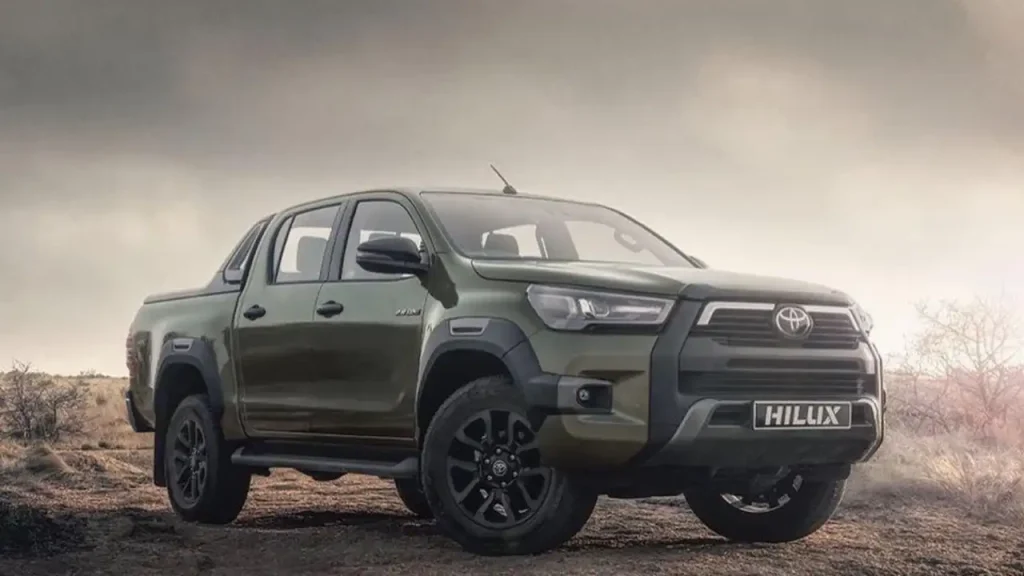
I included the Hilux because it represents the extreme end of durability. It is not the most “city convenient” vehicle in terms of size, but it does not mind urban abuse at all. If your city roads are harsh and unpredictable, vehicles like the Hilux show why toughness can be the best form of peace of mind.
5) Hyundai Creta
The Hyundai Creta is one of those SUVs that fits city life extremely well while still being tough enough to handle daily abuse.
It has become popular not just because of looks, but because it offers practicality in the real world. In many cities, the Creta deals with potholes, speed breakers, heat, and constant traffic without falling apart quickly.
A big reason is its balanced suspension and ground clearance. It is tuned for rougher roads than many people expect. That makes it comfortable but still durable. The higher ride height also reduces scraping issues, which is a daily advantage in cities with uneven bumps and bad road edges.
The Creta’s cabin also helps. It feels modern but not fragile. The materials hold up reasonably well, and the driving experience stays stable even with years of daily use. Many owners like it because it stays “fresh” longer than some rivals that start developing rattles.
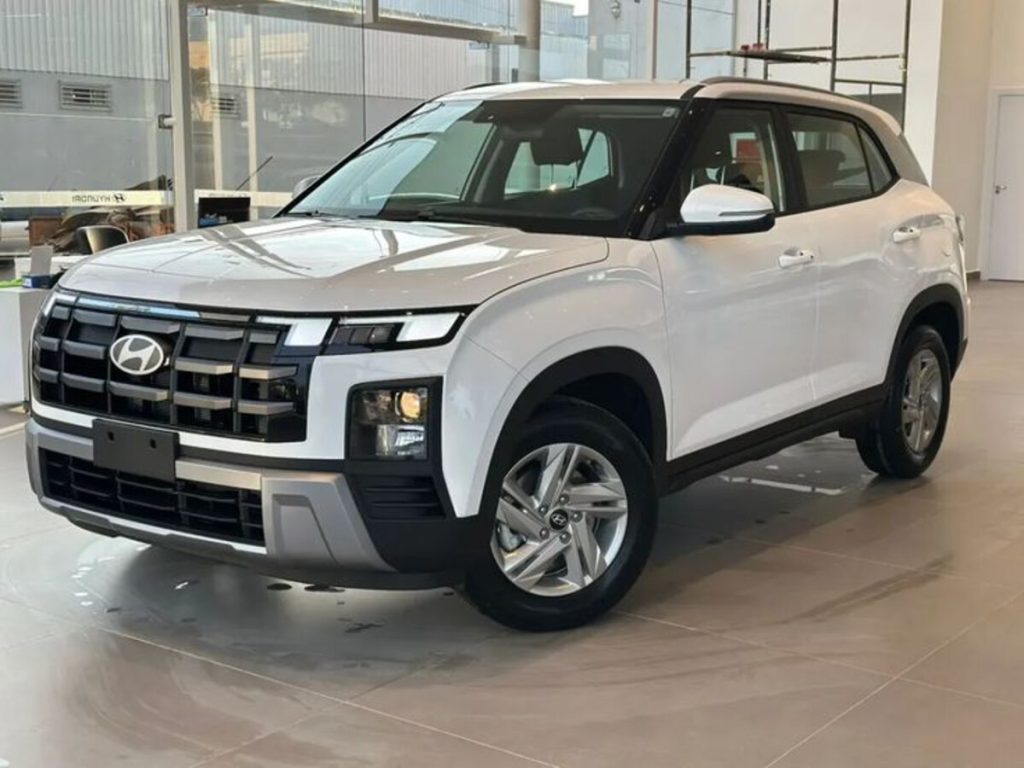
I am writing about the Creta because it is a modern vehicle that still survives real conditions. It shows that durability is not only found in old-school tough vehicles.
Even a modern compact SUV can be strong if it is designed for the market’s real road conditions. For urban drivers, the Creta is a practical choice that handles daily abuse without constant complaints.
5 That Show It Quickly
Some vehicles look amazing when they are new. The paint shines, the interior feels premium, the ride feels smooth, and everything feels tight. But city life is a different test. Major cities expose weaknesses quickly because they force a vehicle into constant stress.
Stop and go traffic overheats systems. Rough roads shake interiors loose. Tight parking spaces invite scratches. Dust, pollution, and sun slowly attack surfaces. After months of this, some vehicles still feel solid, while others start showing age much faster than owners expected.
Vehicles that show urban wear quickly usually share a few traits. One is sensitivity in suspension and low ground clearance. If a car is tuned for smooth roads, potholes and speed breakers start damaging parts or causing scraping.
Another is delicate materials. Soft paint scratches easily. Glossy interior trims develop marks fast. Leather or soft-touch materials can crack sooner under heat and daily use.
A third issue is complexity. The more electronics and complicated systems a vehicle has, the more chances there are for small failures, warning lights, annoying glitches, and expensive repairs.
In cities, small problems feel bigger because they happen often. A fragile wheel alignment becomes a constant headache. A low bumper becomes a daily scraping fear.
A car that develops rattles becomes irritating because you spend hours inside it. Even if the vehicle still drives fine, the “new car feeling” disappears quickly, and ownership becomes less satisfying.
I am writing about these five vehicles because many people buy them without realizing how sensitive they can be in city conditions. They may be excellent on highways and smooth roads, but in daily urban life they demand extra attention.
They are the kind of vehicles that make owners feel like they must constantly protect them. If you live in a city where roads are harsh and parking is tight, these vehicles often show wear quickly, and that reality is important to understand before buying.
1) BMW 3 Series (Sport-Focused Trims)
The BMW 3 Series is an excellent driver’s car, but in major city conditions it can show wear faster than many people expect, especially in sport-focused trims. One reason is suspension tuning. A 3 Series often rides on firmer suspension for sharp handling.
That feels amazing on good roads, but city potholes and broken streets punish it. Over time, that stress can lead to suspension wear, alignment issues, and a ride that feels harsher.
Another issue is low ground clearance compared to SUVs. In cities with uneven speed breakers, steep parking ramps, and broken road edges, scraping becomes a real concern.
Owners often have to drive extremely carefully to protect bumpers and underbody parts. Even if nothing breaks, the stress of constantly avoiding scraping becomes tiring.
The cabin can also show wear. Many BMW interiors use premium materials, but premium does not always mean durable under abuse.
Glossy trims scratch easily. Leather surfaces can show creases quickly in heat. If the vehicle is used daily in heavy traffic and dusty environments, the “premium look” can fade faster than it would in gentler use.
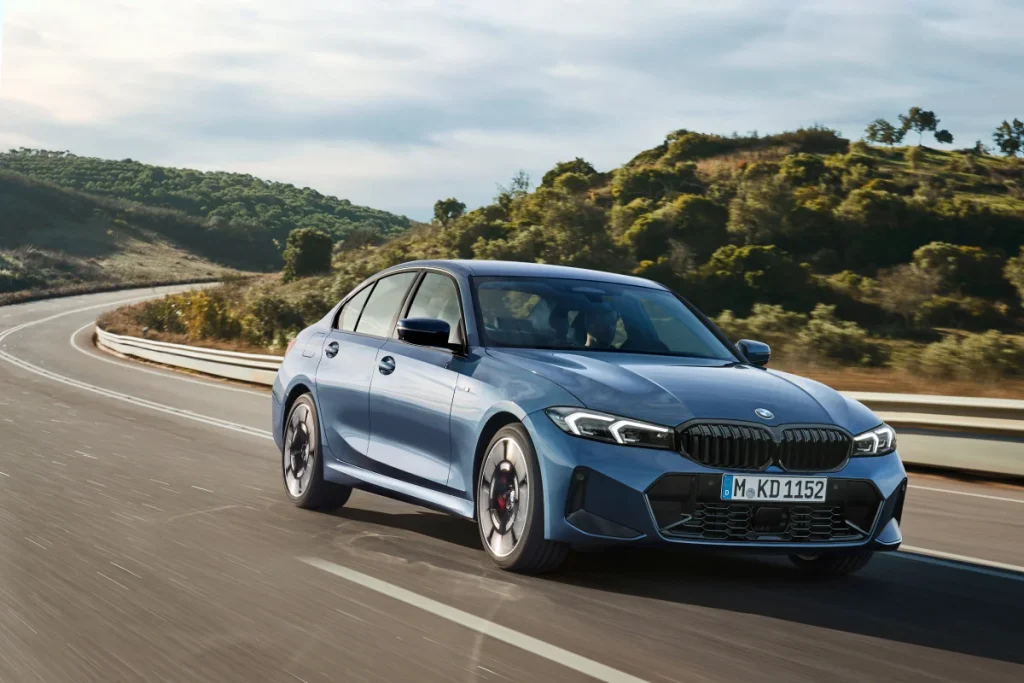
I included the BMW 3 Series because people often buy it expecting luxury strength, but it is more of a precision machine. It rewards careful ownership. In tough city life, it can start showing wear sooner than simpler vehicles, especially if roads are rough and maintenance is delayed.
2) Mercedes-Benz A-Class Sedan
The Mercedes-Benz A-Class Sedan looks like an ideal city luxury car, but urban abuse often shows up quickly on it. The first reason is that it combines premium styling with delicate details.
Its bumpers and body lines are designed for elegance, not for brushing against rough city conditions. Tight parking spaces and small bumps can quickly create scratches that feel painful on such a premium badge.
The suspension is also tuned for comfort and style, but in some versions it can feel too sensitive for harsh roads. In cities with potholes and uneven surfaces, owners may face faster wear of parts compared to more ruggedly tuned vehicles. The car is not fragile, but it is not designed to be treated roughly either.
Interior wear is another reason it can show age quickly. Many A-Class cabins use glossy panels and touchscreen-heavy layouts.
Glossy trims show fingerprints and scratches fast. High traffic use makes this noticeable because you touch surfaces constantly. In dusty cities, it is hard to keep that cabin looking fresh unless you clean it often.
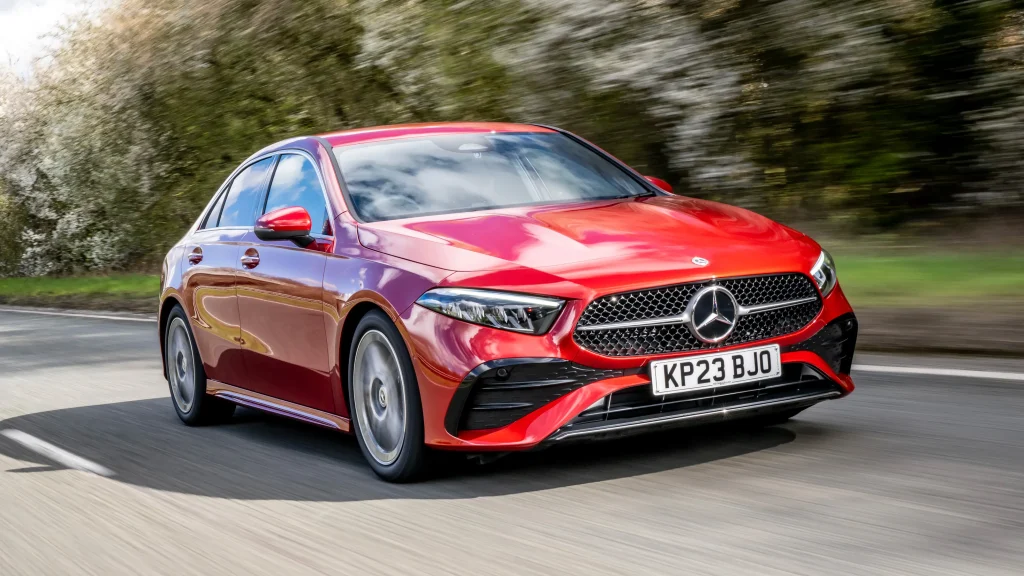
I am writing about the A-Class because it is often bought as an “entry luxury city sedan,” but owners sometimes realize it demands a lot of careful handling. In urban abuse conditions, it can show cosmetic wear and cabin aging faster than you would expect from a Mercedes badge.
3) Jeep Compass (Certain Variants)
The Jeep Compass looks tough, but in some city conditions it can show wear surprisingly quickly. The reason is that it often gives buyers a rugged impression while still being tuned like a lifestyle crossover rather than a true durability machine.
In cities with rough roads, suspension and steering components can take stress, especially if the SUV is driven aggressively over potholes.
Another issue is that Compass ownership sometimes reveals cabin aging faster than expected. Some interiors can develop rattles over time, especially with constant vibration and rough streets. This becomes annoying because SUVs are often chosen for comfort and calmness, and rattles kill that comfort.
Cosmetic wear can also become noticeable. City parking and traffic can leave small scratches on bumpers and sides. The Compass has a design that looks sharp, but sharp designs often make scratches more obvious. Owners who want the SUV to look “rugged clean” may find themselves constantly trying to maintain that look.
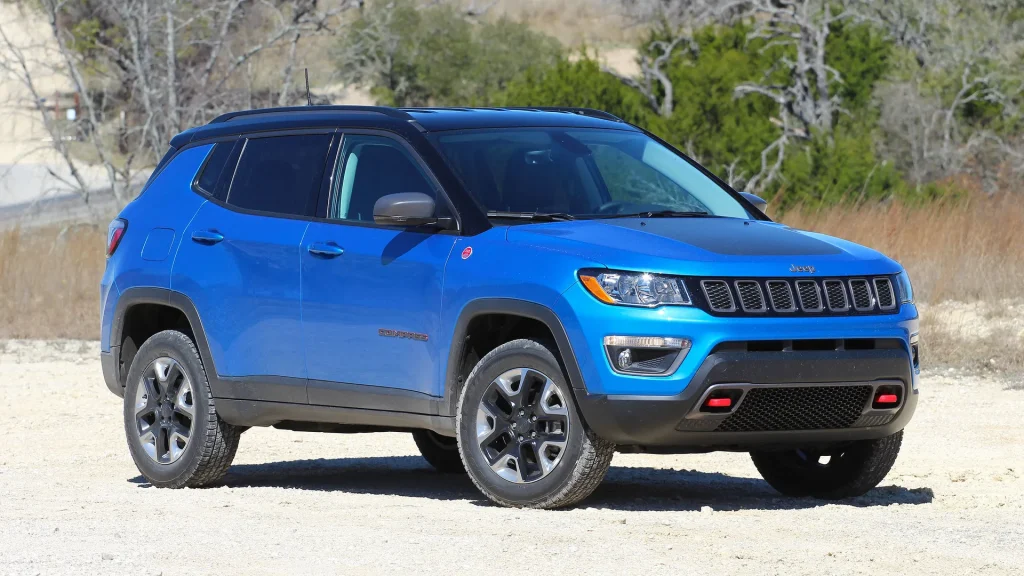
I included the Compass because it highlights a common city ownership mistake. People buy the Compass thinking the Jeep badge guarantees toughness in all conditions, but daily urban abuse is a different kind of battle.
The Compass can still be a good SUV, but in certain variants and environments, it may show wear earlier than expected.
4) Audi A4
The Audi A4 is refined and smooth, but city abuse often shows on it quickly because it is built for comfort and precision rather than harsh daily punishment. The A4’s low profile and premium finish make it sensitive to rough roads. In cities with potholes and uneven surfaces, the ride can feel harsh, and suspension components may face more stress over time.
The biggest issue is that a luxury sedan like the A4 often has tighter tolerances. That makes it feel solid, but it also means small issues become noticeable. A small rattle or minor trim loosening feels more annoying in a car that is supposed to be silent and premium. Urban vibration can slowly break that perfect feeling.
Maintenance sensitivity also matters. German luxury sedans often demand strict servicing. In city driving, where engines run hot in traffic and short trips are common, maintenance becomes even more important. If owners delay service, issues can appear faster.
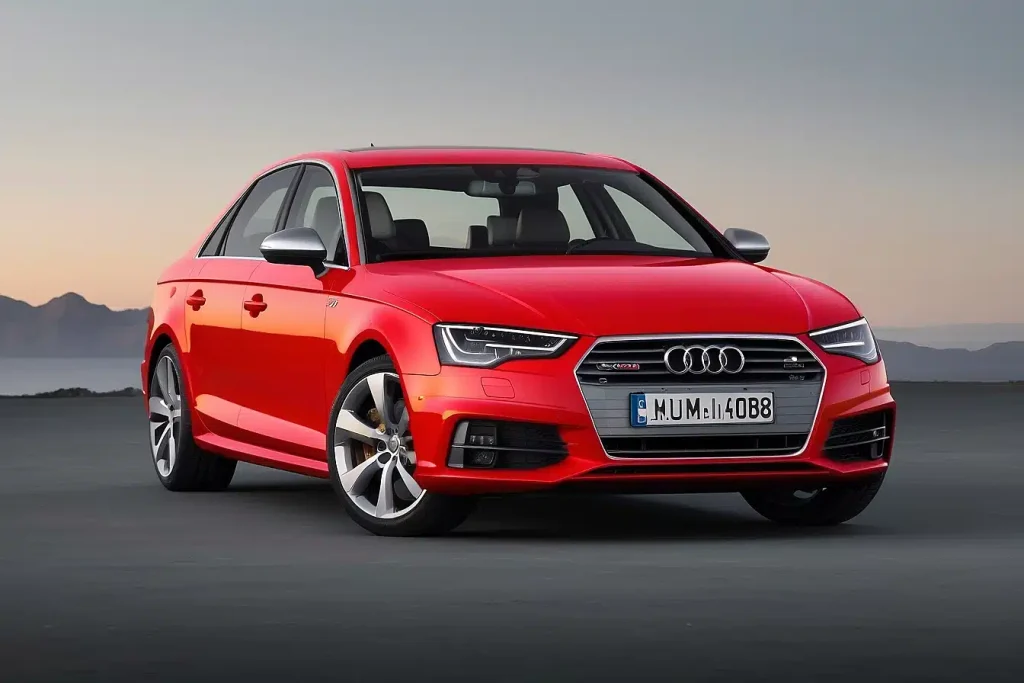
I included the Audi A4 because it is a dream car for many people, and it can be excellent. But city abuse is not kind to premium sedans. The A4 can show cosmetic wear, suspension stress, and cabin aging sooner than expected if driven daily in harsh urban conditions.
5) Land Rover Range Rover Evoque
The Range Rover Evoque looks stylish and premium, but urban abuse can show quickly because it combines luxury with sensitive design. The Evoque is not designed to be treated like a rough city workhorse. Its paint, body edges, and premium trim can start showing scratches faster, especially in tight parking environments.
Another issue is complexity. The Evoque is packed with electronics and modern systems. That is great when everything works, but in long-term city use, complexity sometimes leads to glitches, sensor issues, and warning lights. City conditions also mean frequent stop and go driving, which increases system heat and stress.
Ride comfort is good, but the Evoque’s urban wear often shows in small things. Trims get marks. Glossy interior parts scratch. Wheels can get damaged by curb hits. The SUV still looks premium, but keeping it looking premium requires constant care. That can feel exhausting for someone who bought it expecting luxury convenience.
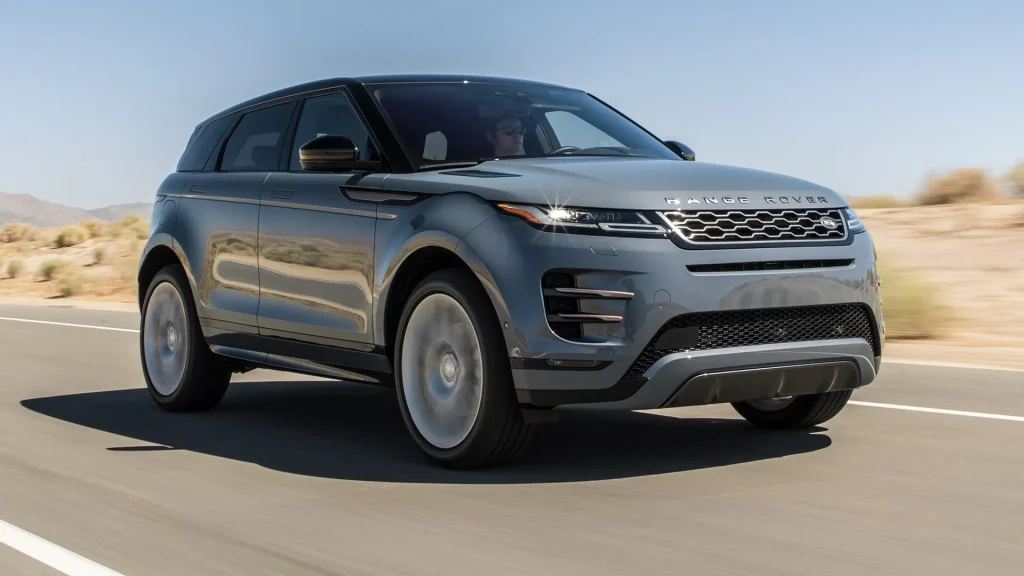
I am writing about the Evoque because it represents a vehicle that looks perfect for city lifestyle, yet it demands careful ownership. In harsh city reality, it can show wear faster than expected. It is not that it cannot survive. It is that it will show the city’s impact more clearly than tougher, simpler vehicles.