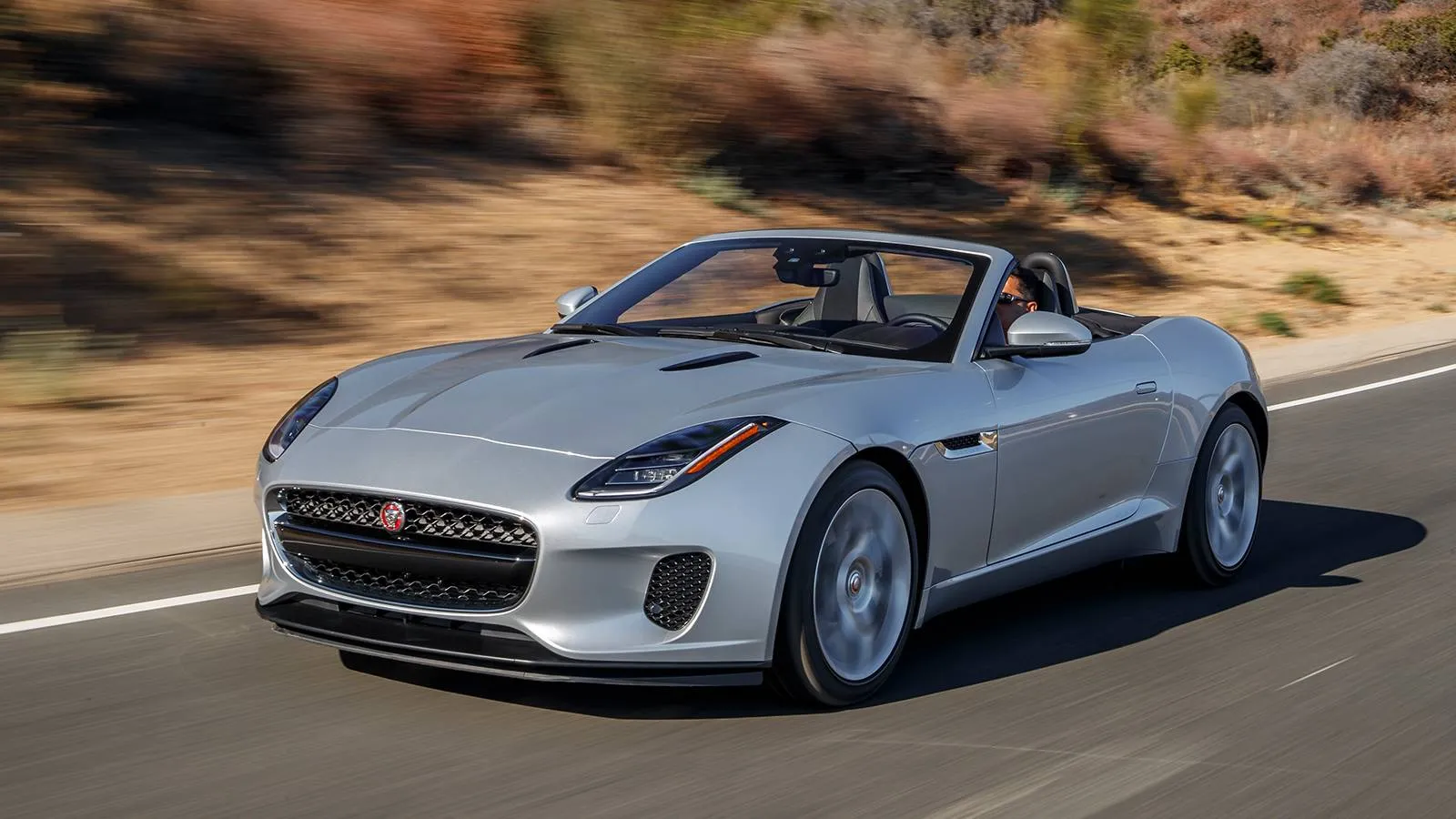
The automobile industry has changed a lot over the past century. Many cars have come and gone, but a few models completely transformed how cars are designed, built, and sold.
These vehicles introduced new technology, new ideas, and new ways of manufacturing. Some made cars affordable for ordinary people, while others showed what the future of transportation could look like. Because of their influence, these cars shaped the modern automotive world we know today. Here are six cars that truly changed the auto industry forever.
1) Ford Model T
The Ford Model T is one of the most influential cars ever created. Introduced in 1908, it changed the automobile industry forever. This car made transportation affordable for ordinary people and helped transform how cars were produced and used.
Before the Model T was introduced, automobiles were considered luxury items. Most cars were handmade and very expensive, so only rich people could afford them. Because of this, cars were rare and not commonly seen on everyday roads.
Henry Ford wanted to change this situation. His goal was to build a simple, strong, and affordable car that ordinary workers could buy. He believed that transportation should be available to everyone, not just the wealthy.
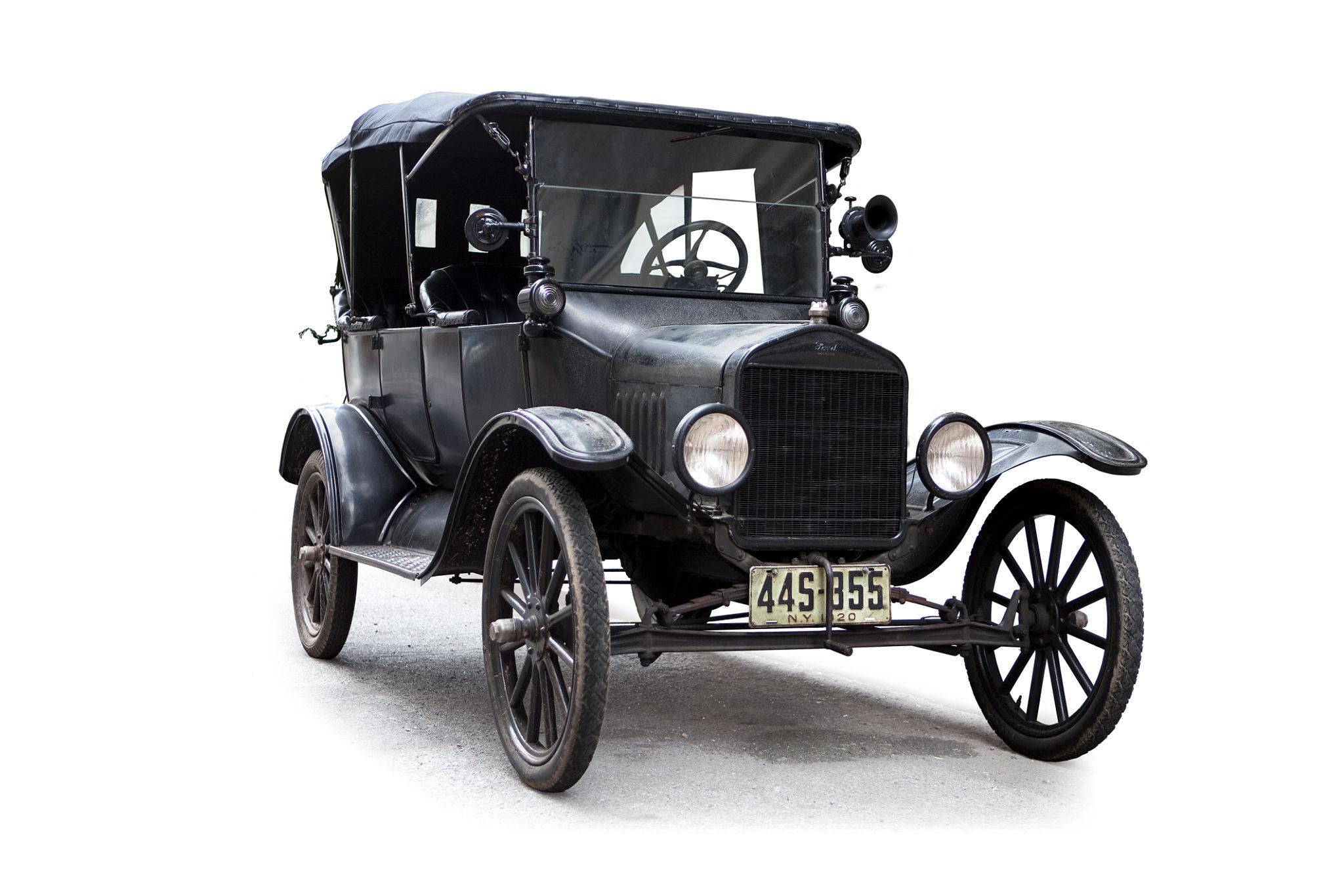
To achieve this goal, Ford focused on improving the manufacturing process. Instead of building each car slowly by hand, he introduced a moving assembly line in his factories. This system allowed workers to assemble cars much faster and more efficiently.
The moving assembly line was a revolutionary idea at the time. Each worker performed one specific task while the car moved along the production line. This method greatly reduced the time needed to build a car.
Because production became faster, the price of the Model T dropped significantly. At first, the car cost about $850, but over time the price fell to around $300. This made the Model T affordable for many middle-class families.
The Model T was also designed to be strong and reliable. It had a simple four-cylinder engine and high ground clearance, which helped it handle rough and uneven roads. This made it very practical for rural areas.
Another important feature was its easy maintenance. The car’s simple mechanical design allowed owners to repair many problems themselves. This made the Model T even more popular because it reduced maintenance costs.
The popularity of the Model T grew rapidly. Between 1908 and 1927, more than 15 million Model T cars were produced. At that time, it became the best-selling car in the world.
The Model T did more than just provide transportation. It changed everyday life by helping people travel farther and faster than before. Families could visit places more easily, and businesses could transport goods more efficiently.
The success of the Model T also helped expand road networks and fuel stations. As more people bought cars, governments began improving highways and infrastructure. This development played an important role in modern transportation systems.
Even though production ended in 1927, the impact of the Ford Model T remains strong today. It introduced mass production and affordable automobiles to the world. Because of this, it is remembered as the car that started modern motoring.
2) Volkswagen Beetle
The Volkswagen Beetle is one of the most famous and recognizable cars ever built. First introduced in 1938, it became a symbol of simple design, reliability, and affordability. Over time, the Beetle grew into one of the best-selling cars in history.
The idea for the Beetle began in Germany during the 1930s. The goal was to create a “people’s car” that ordinary families could afford. The name Volkswagen itself means “people’s car” in the German language.
German engineer Ferdinand Porsche designed the Beetle. He focused on building a small, strong, and efficient vehicle that could carry a family comfortably. The car also needed to be easy to drive and simple to maintain.
The Beetle had a very unique design compared to other cars of its time. It featured a rounded body shape and an air-cooled engine placed in the rear. This layout helped the car perform well in different weather conditions.
One advantage of the air-cooled engine was its simplicity. Unlike water-cooled engines, it did not require a radiator or coolant system. This reduced mechanical problems and made the car easier to maintain.
Production of the Beetle slowed during World War II, but after the war it quickly became popular again. Factories restarted production, and the Beetle soon began spreading across Europe and other parts of the world.
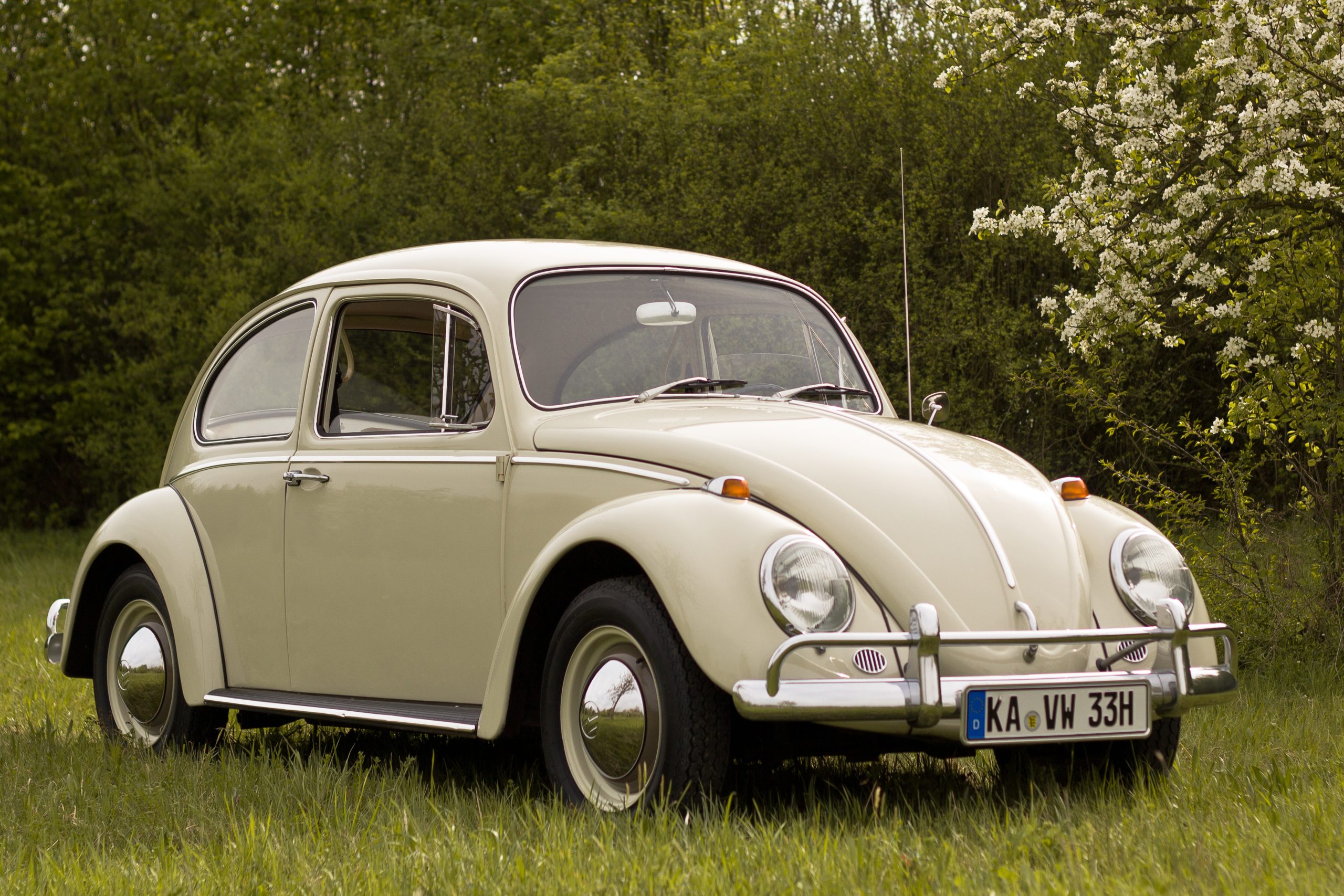
During the 1950s and 1960s, the Beetle became extremely popular in many countries. Its reliability, small size, and fuel efficiency made it a practical choice for everyday transportation.
In the United States, the Beetle gained popularity because it was very different from large American cars. Its simple design and friendly appearance made it attractive to young buyers and families.
Volkswagen also created memorable advertising campaigns that helped make the Beetle famous. The advertisements focused on the car’s simplicity, durability, and honest engineering, which connected well with customers.
The Beetle was known for its strong build quality and long lifespan. Many owners drove their Beetles for decades because the cars were so reliable and easy to repair.
Over the years, the Beetle became more than just a car. It became a cultural icon that appeared in movies, television shows, and popular culture around the world.
Production of the original Volkswagen Beetle continued for many decades. By the time production finally ended in 2003, more than 21 million Beetles had been built, making it one of the longest-produced cars in history.
3) Mini Cooper
The Mini Cooper is one of the most important small cars ever created. First introduced in 1959, it completely changed the design of compact cars. Its clever engineering allowed it to be small outside but surprisingly spacious inside.
The Mini was developed in Britain during a time when fuel prices were rising and people wanted smaller, more efficient vehicles. Car manufacturers needed to design cars that used less fuel while still being practical for everyday use.
British engineer Alec Issigonis led the team that designed the Mini. His goal was to create a compact car that could carry four people comfortably. At the same time, the car needed to be affordable and economical.
To achieve this, the Mini used a very innovative design. The engine was placed sideways at the front of the car, and the vehicle used a front-wheel-drive system. This layout allowed more interior space.
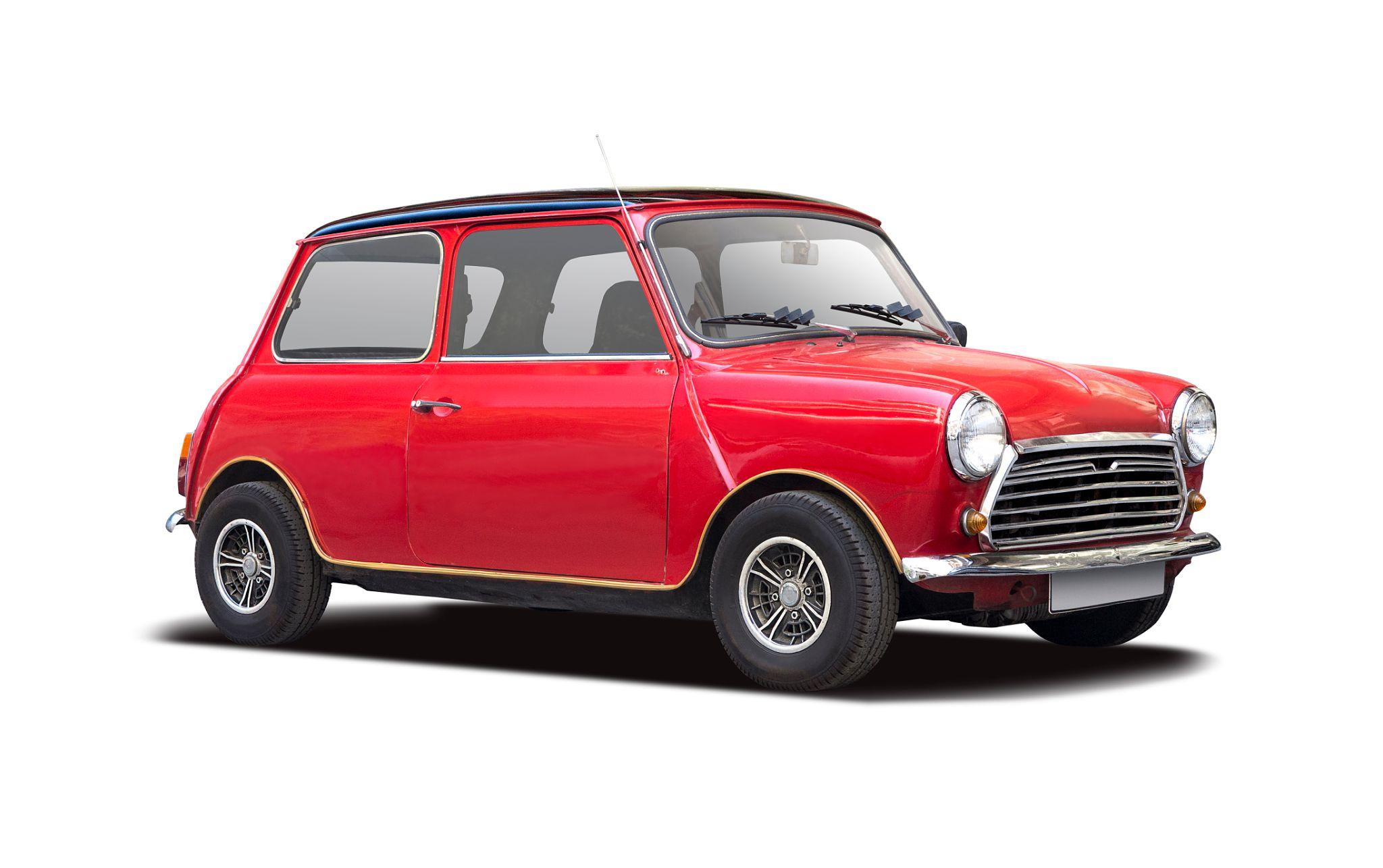
Because the engine was positioned sideways, the Mini had a shorter front section. This clever arrangement gave the car a roomy cabin even though the vehicle itself was very small.
Another advantage of the Mini was its excellent handling. The car’s small size, wide stance, and low center of gravity made it very stable and easy to control, especially on narrow city streets.
Soon after its release, the Mini became extremely popular in Britain and many other countries. People loved its practicality, fuel efficiency, and fun driving experience.
The performance version called the Mini Cooper was later introduced by racing engineer John Cooper. This version had a more powerful engine and improved performance, which made the car popular in motorsports.
The Mini Cooper achieved great success in rally racing. It even won the famous Monte Carlo Rally several times during the 1960s, proving that small cars could compete with much larger vehicles.
The Mini also became a cultural icon during the 1960s. Celebrities, musicians, and young drivers loved the car because it was stylish, modern, and different from traditional vehicles.
Another reason for the Mini’s success was its influence on future car design. Many modern small cars use the same front-engine, front-wheel-drive layout that the Mini introduced decades ago.
Because of its innovation and lasting influence, the Mini Cooper remains one of the most important compact cars ever made. Its design helped shape modern small cars and changed the automotive industry forever.
4) Toyota Prius
The Toyota Prius is one of the most important cars in modern automotive history. First introduced in 1997, it became the world’s first mass-produced hybrid car. The Prius helped start a global shift toward cleaner and more fuel-efficient vehicles.
During the 1990s, concerns about pollution and fuel consumption were growing around the world. Governments and car companies began searching for ways to reduce emissions while still providing reliable transportation for millions of drivers.
Toyota decided to focus on hybrid technology as a solution. A hybrid car uses both a gasoline engine and an electric motor. By combining these two power sources, the car can reduce fuel usage and produce fewer harmful emissions.
The Prius used a special system called the Hybrid Synergy Drive. This system allowed the gasoline engine and electric motor to work together efficiently. Sometimes the car could even run only on electric power at low speeds.
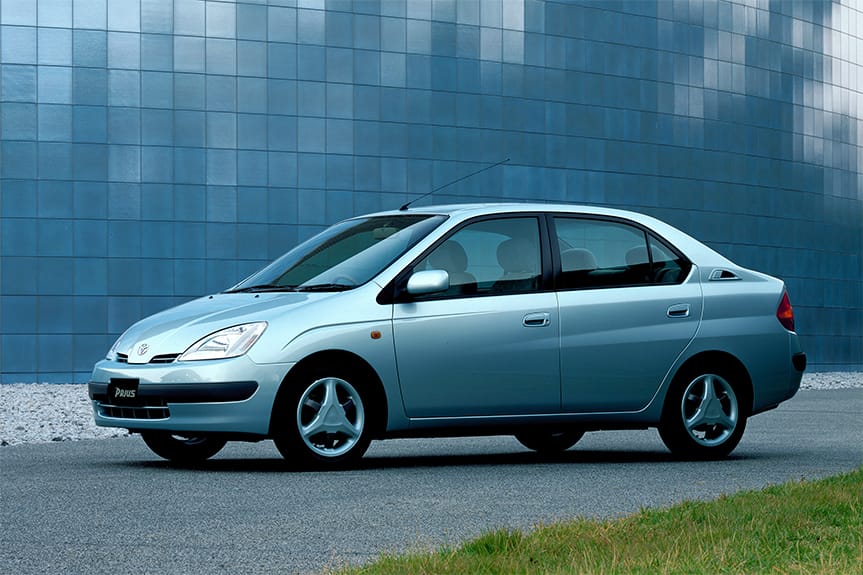
One of the biggest advantages of the Prius was its excellent fuel economy. Compared to traditional gasoline cars, it used much less fuel. This helped drivers save money while also reducing environmental impact.
The Prius also introduced advanced technology to everyday drivers. It featured regenerative braking, which captures energy during braking and stores it in the battery for later use.
Another important feature was its aerodynamic design. The Prius had a smooth and rounded shape that reduced air resistance. This helped improve fuel efficiency and made the car more environmentally friendly.
At first, some people were unsure about hybrid cars. However, the Prius quickly gained popularity because it proved that hybrid technology could be reliable, practical, and efficient for daily use.
The car became especially popular among environmentally conscious drivers. Many people chose the Prius because they wanted a vehicle that produced less pollution and used less fuel.
As the Prius gained success, other car manufacturers began developing their own hybrid vehicles. This created a new category in the automotive market and pushed the industry toward greener technology.
Over the years, Toyota continued improving the Prius with better batteries, more efficient engines, and updated designs. These improvements helped the car remain a leader in hybrid technology.
Today, the Toyota Prius is widely recognized as the car that popularized hybrid vehicles worldwide. Its success encouraged the development of electric and hybrid cars that are shaping the future of transportation.
5) Tesla Model S
The Tesla Model S is one of the most important electric cars ever produced. Introduced in 2012, it changed how people viewed electric vehicles. Before the Model S, many people believed electric cars were slow and impractical.
For many years, electric cars had limited range and poor performance. Most drivers preferred gasoline cars because they could travel long distances and refuel quickly. Because of these problems, electric vehicles were not very popular.
Tesla wanted to prove that electric cars could be powerful, fast, and practical. The company designed the Model S as a luxury electric sedan with advanced technology and long driving range.
One of the biggest advantages of the Model S was its battery technology. The large battery pack allowed the car to travel much farther than earlier electric vehicles. This helped reduce the problem known as “range anxiety.”
Another major feature was the car’s strong performance. The Model S could accelerate very quickly because electric motors deliver instant power. Some versions of the car could compete with high-performance sports cars.
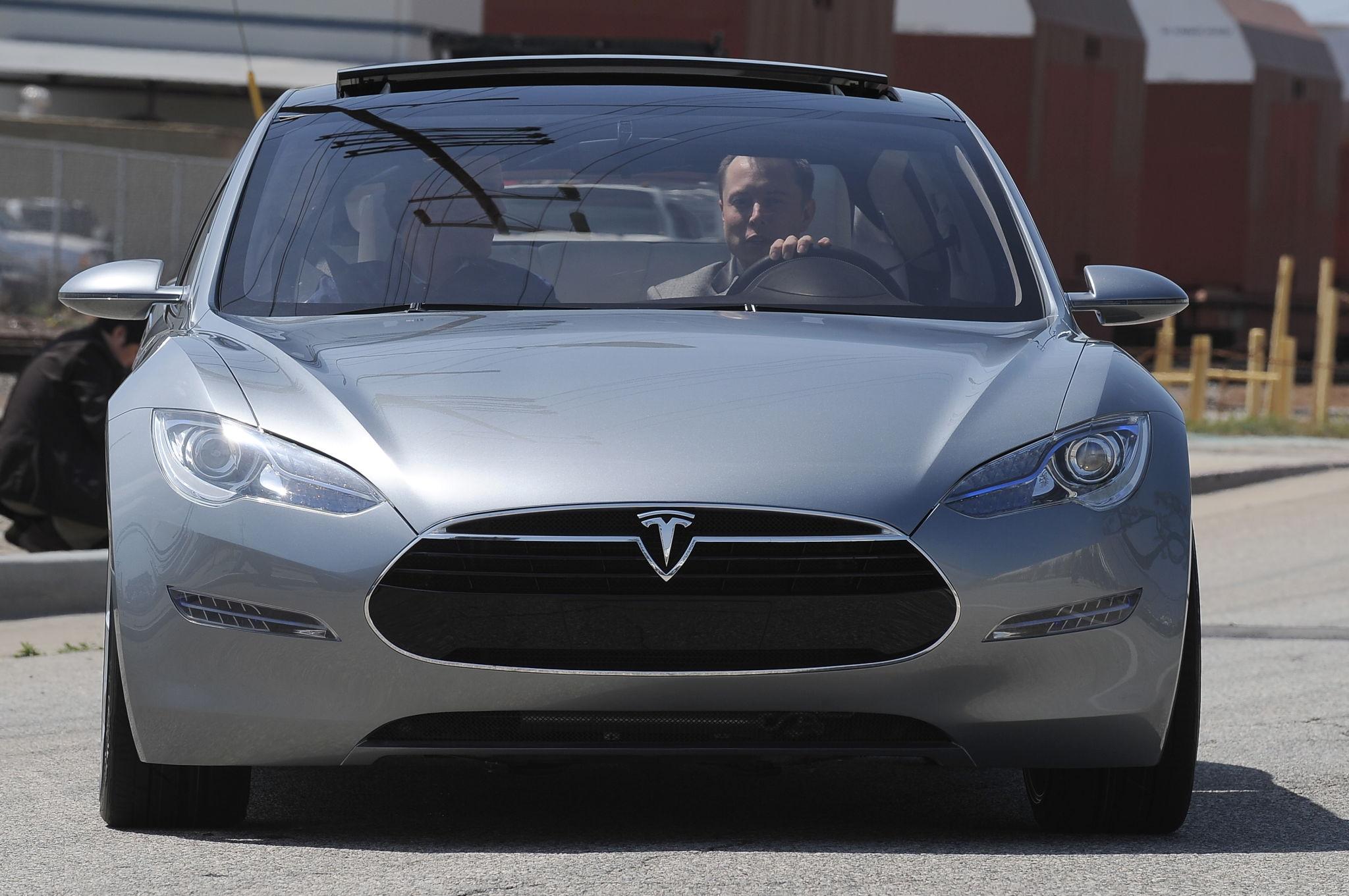
The Model S also introduced a modern and high-tech interior. The dashboard featured a large touchscreen that controlled many functions of the vehicle, including navigation, music, and climate settings.
Tesla also introduced over-the-air software updates with the Model S. This allowed the company to improve the car’s performance, add new features, and fix problems through internet updates without visiting a service center.
Another important innovation was Tesla’s Supercharger network. These fast charging stations allowed drivers to recharge their vehicles much faster than traditional chargers, making long-distance electric travel more practical.
The Model S received many awards and positive reviews from car experts. People were impressed by its quiet operation, advanced technology, and impressive acceleration.
Because of the success of the Model S, many traditional car manufacturers started investing heavily in electric vehicle technology. Companies around the world began developing their own electric cars.
The Model S also helped change public perception about electric vehicles. Instead of being seen as slow and boring, electric cars started to be viewed as modern, exciting, and innovative.
Today, the Tesla Model S is considered one of the cars that pushed the automotive industry toward an electric future. Its influence continues to shape how cars are designed and powered today.
6) Ford F-150
The Ford F-150 is one of the most important pickup trucks ever made. First introduced in 1948 as part of Ford’s F-Series lineup, it changed how people viewed trucks and helped make pickups extremely popular.
Before the F-Series trucks were introduced, most pickup trucks were mainly used for heavy work on farms or construction sites. They were simple vehicles designed mainly for carrying tools, equipment, and materials.
Ford wanted to create a truck that could do hard work but also be comfortable enough for everyday driving. The company designed the F-150 to be strong, reliable, and practical for both workers and families.
One reason for the success of the Ford F-150 is its powerful performance. The truck was built with strong engines and durable components that allowed it to carry heavy loads and tow large trailers easily.
At the same time, Ford continued improving comfort and technology inside the truck. Over the years, the F-150 gained better seats, improved suspension, and modern entertainment systems.
Because of these improvements, many people began using pickup trucks not only for work but also for daily transportation. This helped change the image of pickup trucks in the automotive market.
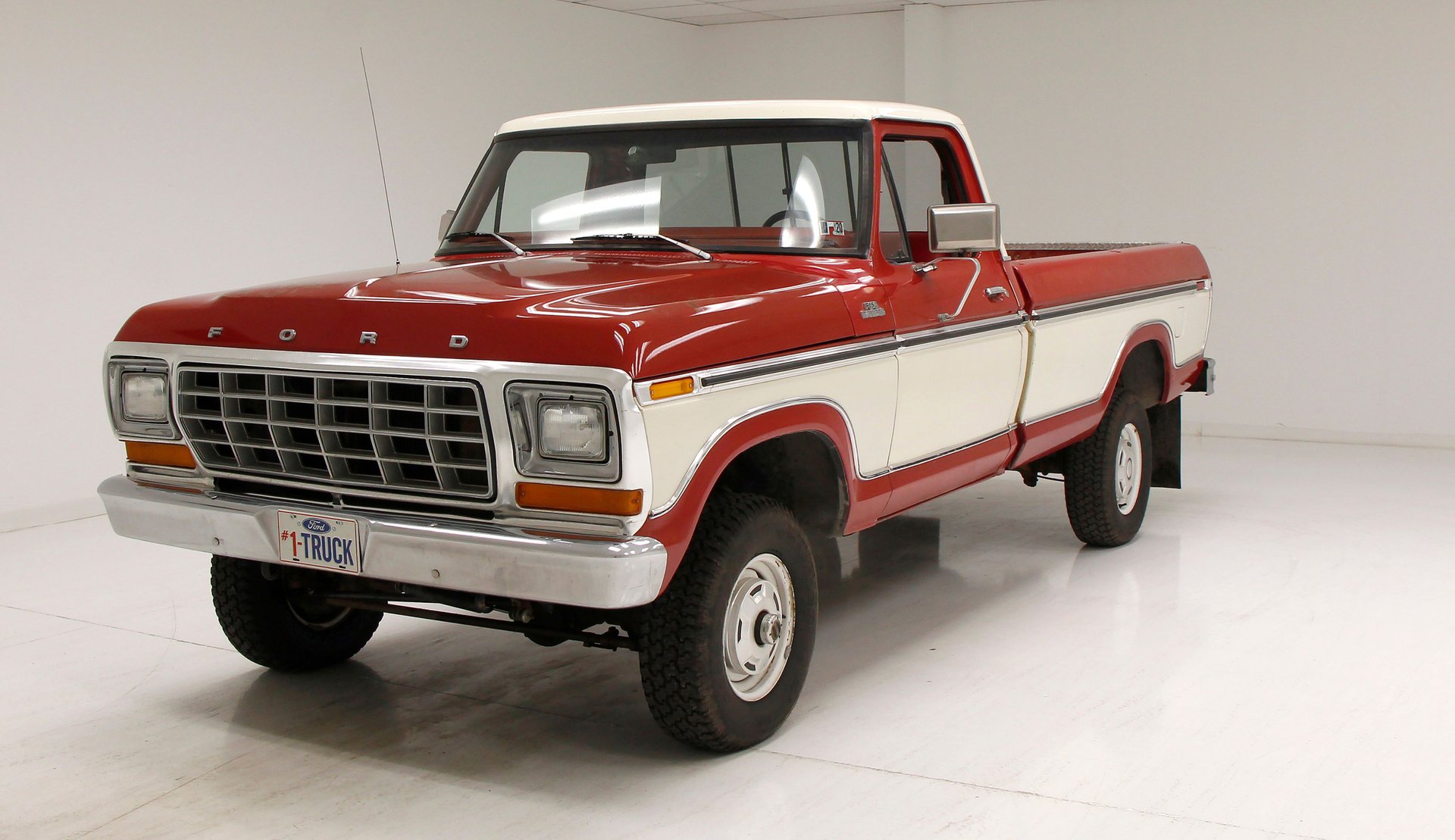
The Ford F-150 also introduced several important innovations over time. One of the most notable changes came in 2015 when Ford introduced an aluminum body for the truck.
Using aluminum made the truck lighter than traditional steel trucks. This helped improve fuel efficiency while still keeping the vehicle strong and durable for heavy-duty tasks.
The F-150 also introduced advanced towing technologies. Features such as trailer assist, backup cameras, and stability control made it easier and safer to tow heavy loads.
Another reason for the truck’s success is its versatility. The F-150 is available in many versions, including work trucks, luxury models, and high-performance variants.
Because of its reliability and capability, the Ford F-150 has remained one of the best-selling vehicles in the United States for many decades.
Today, the influence of the Ford F-150 can be seen across the entire pickup truck market. It helped transform trucks from simple work vehicles into versatile machines that combine power, comfort, and modern technology.