
Driving on rural roads at night is one of the most challenging and dangerous experiences any driver can face. The combination of poor lighting, unexpected wildlife, narrow lanes, and limited emergency access creates a uniquely hazardous environment.
Thousands of fatal accidents occur every year on rural roads after dark. These roads account for a disproportionately high percentage of traffic fatalities compared to urban highways.
Many drivers underestimate the risks involved in nighttime rural driving. They assume that low traffic volume makes these roads safer, but the reality is quite the opposite.
The absence of streetlights, the unpredictability of road conditions, and the distance from medical help all amplify danger significantly. A single mistake at high speed on a dark country road can have devastating consequences.
Modern vehicle technology has evolved tremendously to address these exact challenges. Car manufacturers and safety engineers have developed a range of advanced features specifically designed to protect drivers in low-visibility and high-risk conditions.
From intelligent lighting systems to collision-avoidance technology, these innovations are genuinely life-saving tools. Every driver who regularly travels rural roads after dark should understand and utilize them. This guide explores the ten best safety features that can make nighttime rural driving dramatically safer and more manageable.
1. Adaptive Headlights
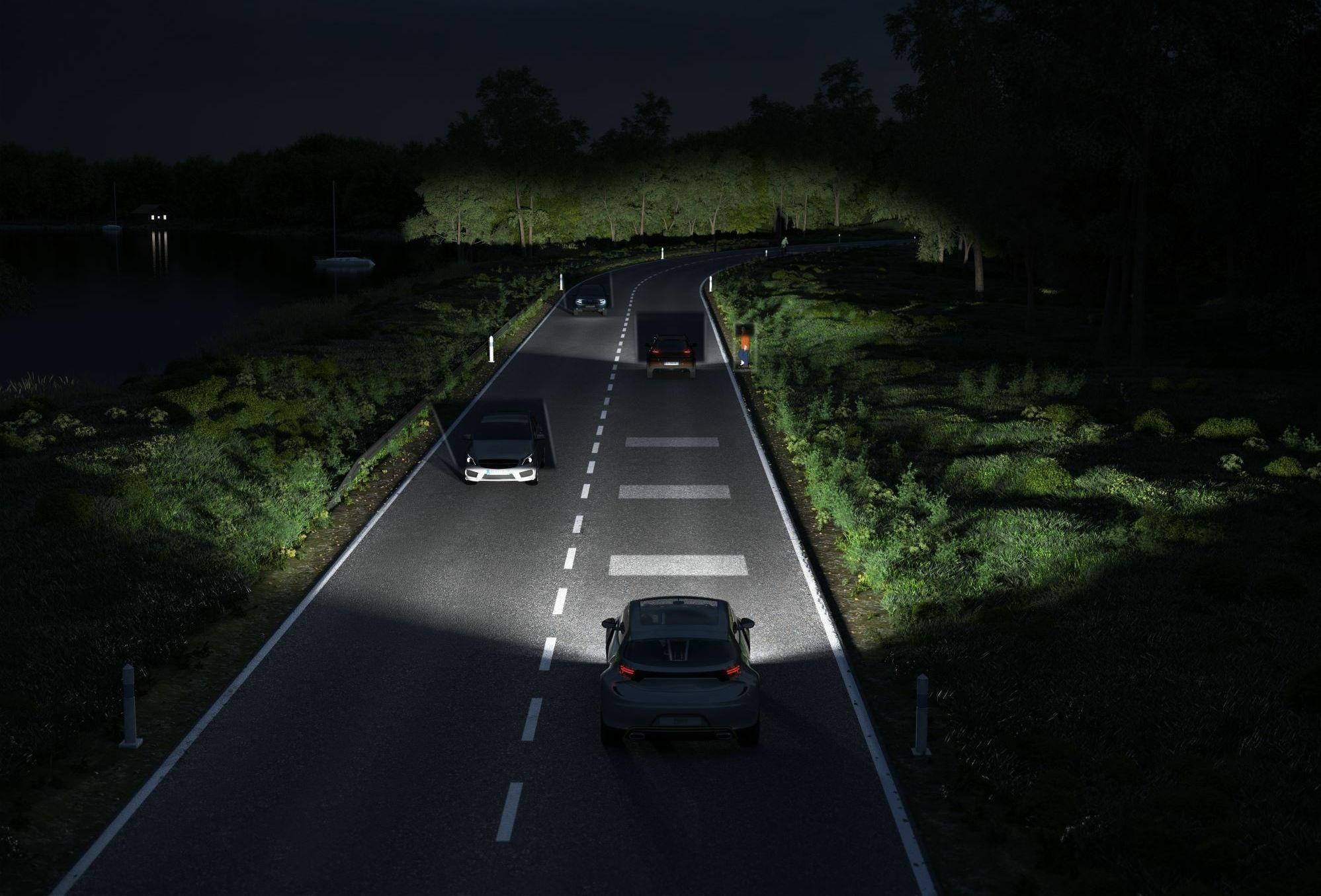
Driving on winding rural roads at night without proper lighting is extremely dangerous. Standard headlights point straight ahead, which means they fail to illuminate curves and bends before you reach them. Adaptive headlights are a revolutionary solution to this long-standing problem. They are designed to move and adjust direction based on the angle of your steering wheel.
When you turn your steering wheel to go through the a curve, adaptive headlights pivot in the same direction. This means the road ahead of the curve is illuminated before your car actually reaches it.
The difference this makes on dark, winding country roads is enormous. Drivers get an extra one to two seconds of visibility, which can be the difference between a safe stop and a fatal crash.
Adaptive headlights use sensors and motors connected to the steering system. The technology responds in real time as you go through the turns at various speeds.
Some advanced systems also adjust the vertical angle of the beam based on the vehicle’s load. This prevents the headlights from blinding oncoming drivers while still maximizing road illumination.
Many modern vehicles now offer adaptive headlights as a standard or optional feature. Brands like BMW, Volvo, and Mercedes-Benz have been pioneers in refining this technology.
Studies have shown that adaptive headlights can reduce nighttime curve accidents by up to 10 percent. That is a significant reduction when you consider how frequently curve-related crashes occur on rural roads.
The importance of this feature becomes even more apparent when you consider wildlife on rural roads. Animals often appear suddenly from the sides of dark roads. Adaptive headlights give you a wider and earlier field of illumination to spot them. This additional reaction time can help you brake or swerve safely before a collision occurs.
Some newer systems combine adaptive headlights with high-beam assist. The headlights automatically switch between high and low beams depending on oncoming traffic. This removes the burden of manually managing your beams during long rural night drives. You get maximum visibility without the risk of blinding other drivers.
If your current vehicle does not have adaptive headlights, consider it a top priority when purchasing your next car. Aftermarket options are limited and often less effective than factory-installed systems.
However, ensuring your existing headlights are clean, properly aimed, and fitted with high-quality bulbs is a good interim step. Clean lenses and modern LED or HID bulbs can significantly improve your nighttime visibility even without adaptive technology.
Ultimately, adaptive headlights represent one of the most direct and effective safety upgrades for rural nighttime drivers. They address the core problem of insufficient illumination on unpredictable roads.
Every curve you go through the safely in the dark is a testament to how powerful this technology really is. No other single lighting upgrade delivers as much real-world benefit on winding country roads.
2. Night Vision Assist Systems
Even the best headlights have a limited range of illumination on dark rural roads. Beyond that range, drivers are essentially blind to whatever lies ahead. Night vision assist systems are designed to extend a driver’s ability to detect hazards far beyond what headlights can reveal. They use either infrared or thermal imaging cameras to capture the road ahead in darkness.
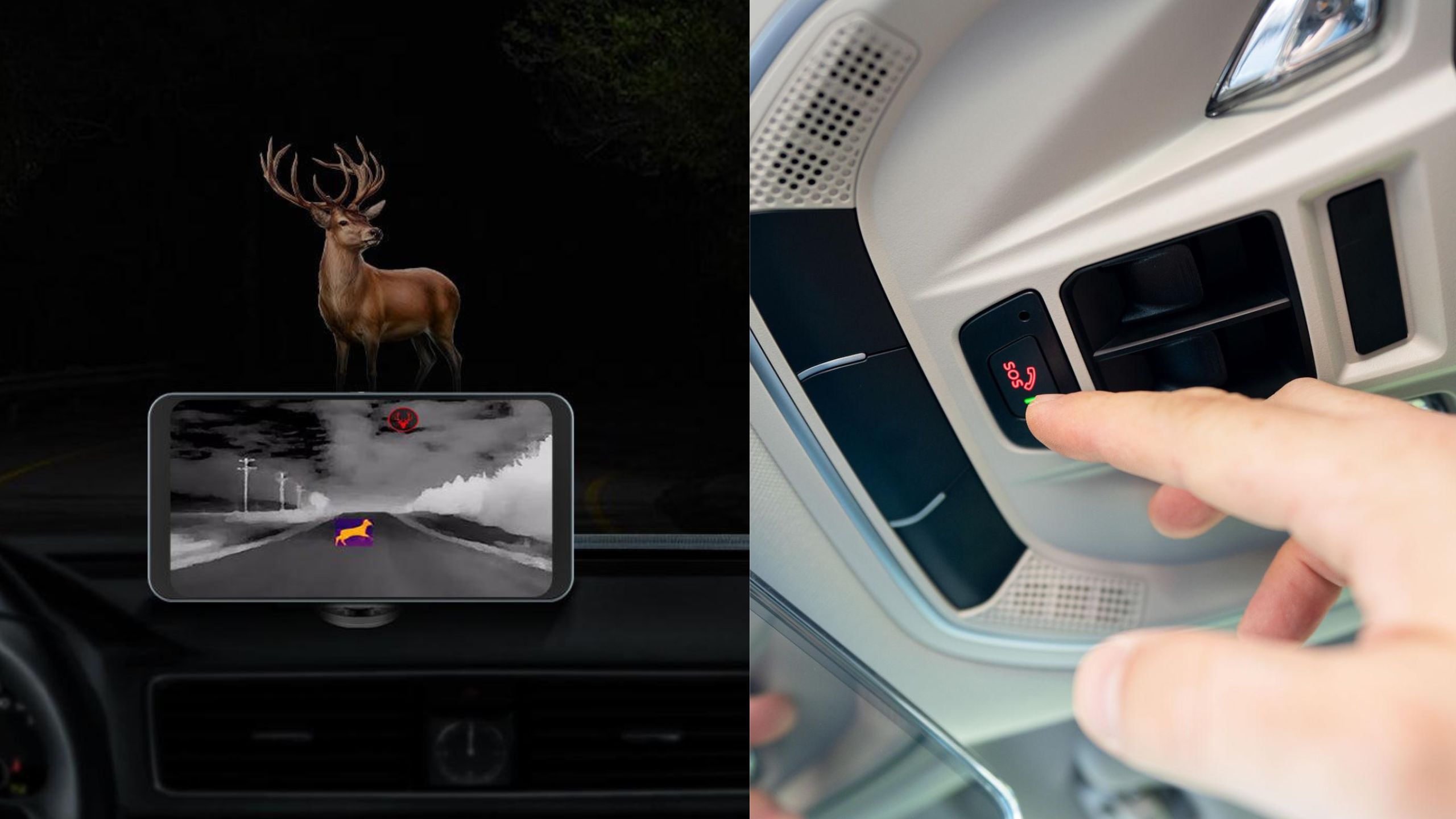
Thermal night vision systems detect heat signatures from living beings. This means they can identify pedestrians, deer, cows, and other animals long before your headlights reach them. The image is displayed on your dashboard screen or projected onto the windshield as a heads-up display. Some advanced systems even highlight detected objects with colored markers to draw your attention immediately.
Near-infrared systems work differently by projecting invisible infrared light ahead of the vehicle. A camera captures the reflected infrared light and converts it into a visible image on the dashboard. This technology is particularly effective for detecting road edges, ditches, and low-lying obstacles. It complements thermal systems, which are better suited for detecting warm-bodied animals and people.
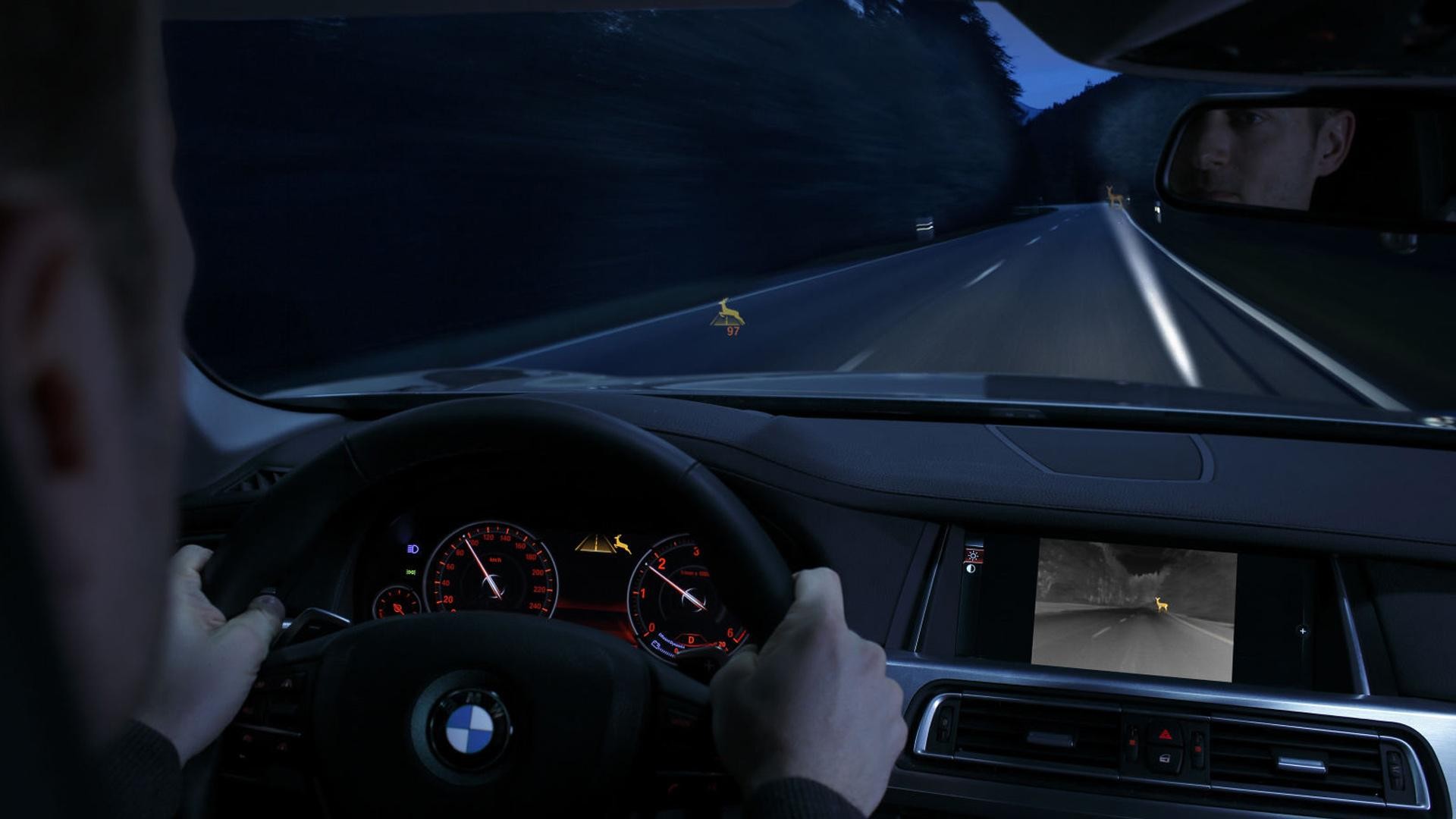
Rural roads are notorious for unexpected wildlife crossings. Deer, in particular, tend to move in groups, so if you see one cross the road, more are likely to follow. Night vision systems can detect entire groups of deer standing by the roadside before they move into your path. This early warning gives you crucial time to slow down and prepare for evasive action.
The reaction time advantage provided by night vision systems is substantial. Standard headlights on high beam illuminate approximately 100 meters ahead at highway speeds. A good night vision system can detect large animals at distances of 200 to 300 meters. At 90 kilometers per hour, that extra distance translates into several additional seconds of reaction time.
Brands like Cadillac, Mercedes-Benz, and BMW have offered night vision systems for years. The technology has become more refined and affordable over time. Some systems now integrate with automatic emergency braking to actively slow the car if a detected pedestrian or animal is in the path. This combination of detection and automatic response significantly reduces accident risk.
Night vision is not a replacement for attentive driving, but it is a powerful supplement. It fills the gap between what your headlights can show and what actually lies ahead in the darkness. For drivers who regularly travel rural roads at night, this technology offers a meaningful layer of protection. It is one of the smartest investments you can make for nighttime driving safety.
3. Automatic Emergency Braking (AEB)
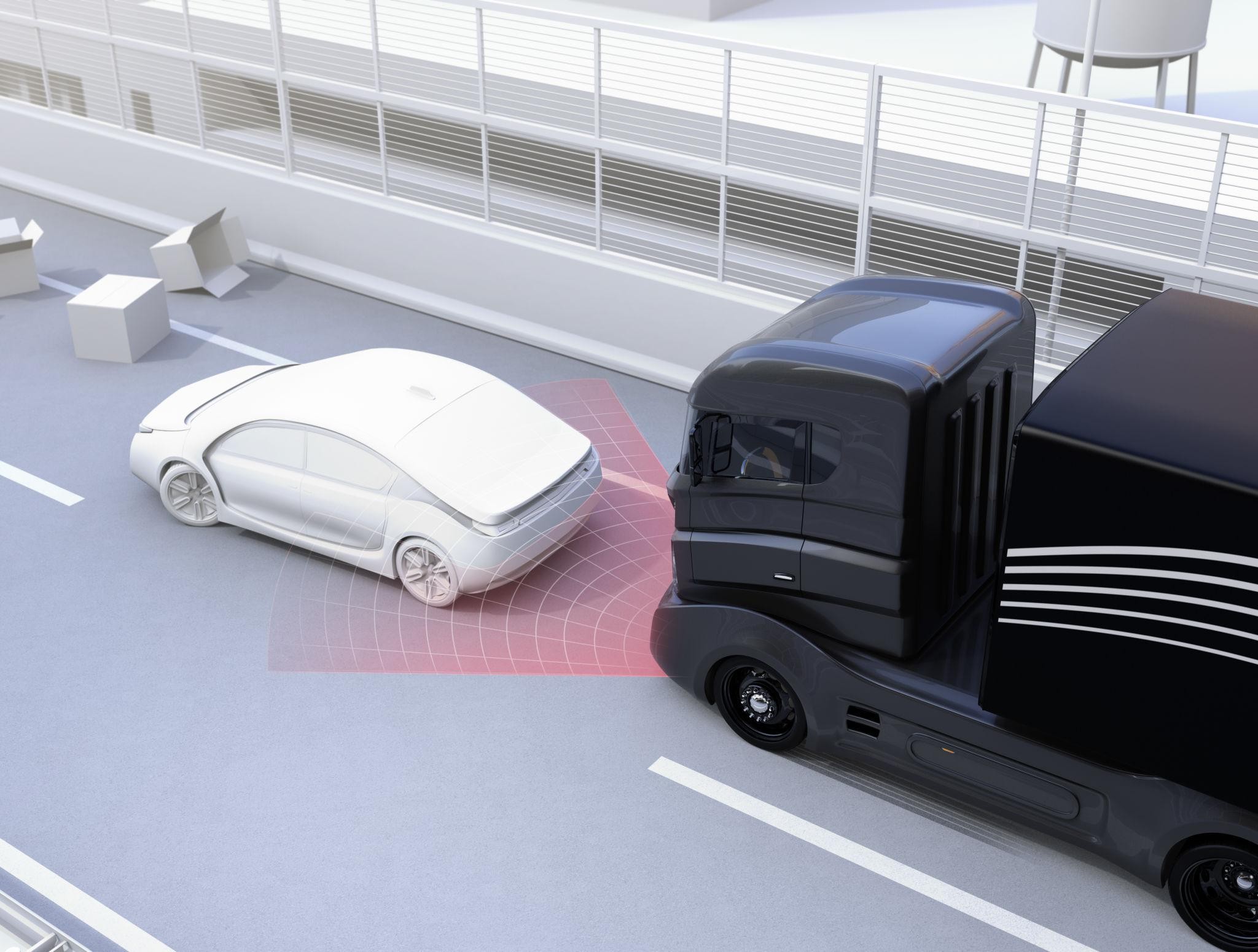
Automatic Emergency Braking, commonly known as AEB, is one of the most impactful safety technologies in modern vehicles. It uses radar, cameras, or lidar sensors to monitor the road ahead for potential collision threats. When the system detects an imminent collision and the driver has not yet responded, it automatically applies the brakes. This can significantly reduce the severity of a crash or prevent it entirely.
On rural roads at night, AEB is particularly valuable because hazards appear with very little warning. A deer jumping into the road, a slow-moving farm vehicle without proper lighting, or a fallen tree branch can appear in seconds. Human reaction time averages around 1.5 seconds, which is far too slow in many emergency situations. AEB can begin braking in a fraction of that time.
Modern AEB systems have become increasingly sophisticated. Early versions only worked at lower speeds and primarily detected other vehicles. Today’s systems can identify pedestrians, cyclists, and large animals at higher speeds. Some systems even detect cross-traffic when pulling out of junctions or driveways on dark rural roads.
Research from the Insurance Institute for Highway Safety has consistently shown that AEB reduces rear-end collisions significantly. Vehicles equipped with AEB have measurably fewer police-reported crashes than those without it. The technology has become so effective that it is now mandatory on all new cars sold in several countries. This reflects how serious regulators are about its life-saving potential.
On narrow rural roads, AEB also helps in situations where drivers become distracted or fatigued. Night driving is mentally exhausting, and concentration can drift during long stretches of dark, monotonous road. If a driver momentarily loses focus and drifts toward an obstacle, AEB can intervene automatically. It acts as a fail-safe backup for moments when human attention falters.
AEB systems are most effective when combined with forward collision warnings. These warnings give drivers an audible or visual alert before the automatic braking kicks in. This gives attentive drivers a chance to brake themselves before the system takes over. It creates a two-tiered response that respects driver control while providing automatic backup.
When shopping for a vehicle intended for frequent rural nighttime driving, AEB should be considered a non-negotiable feature. It is now widely available across most vehicle price ranges, including budget-friendly models. Check that the system you choose works effectively at highway speeds and in low-light conditions. A capable AEB system is one of the most dependable co-pilots you can have on a dark country road.
4. Lane Departure Warning and Lane Keeping Assist
Rural roads are often narrower and less clearly marked than urban highways. Lane markings fade more quickly on country roads due to lower maintenance budgets and higher weather exposure. At night, identifying lane boundaries becomes significantly harder. Lane Departure Warning and Lane Keeping Assist systems are designed specifically to address this challenge.
Lane Departure Warning uses a camera to monitor the lane markings on either side of the vehicle. If the car begins to drift out of its lane without the turn signal being activated, the system issues an alert. This alert can be a sound, a vibration in the steering wheel, or a visual warning on the dashboard. The goal is to snap the driver’s attention back to the road immediately.
Lane Keeping Assist goes one step further by actively intervening. Instead of just warning the driver, it applies gentle steering input to guide the vehicle back within its lane. This is particularly useful during long nighttime drives when fatigue sets in. The system works as a quiet safety net, continuously monitoring your lane position even when you may not be fully alert.
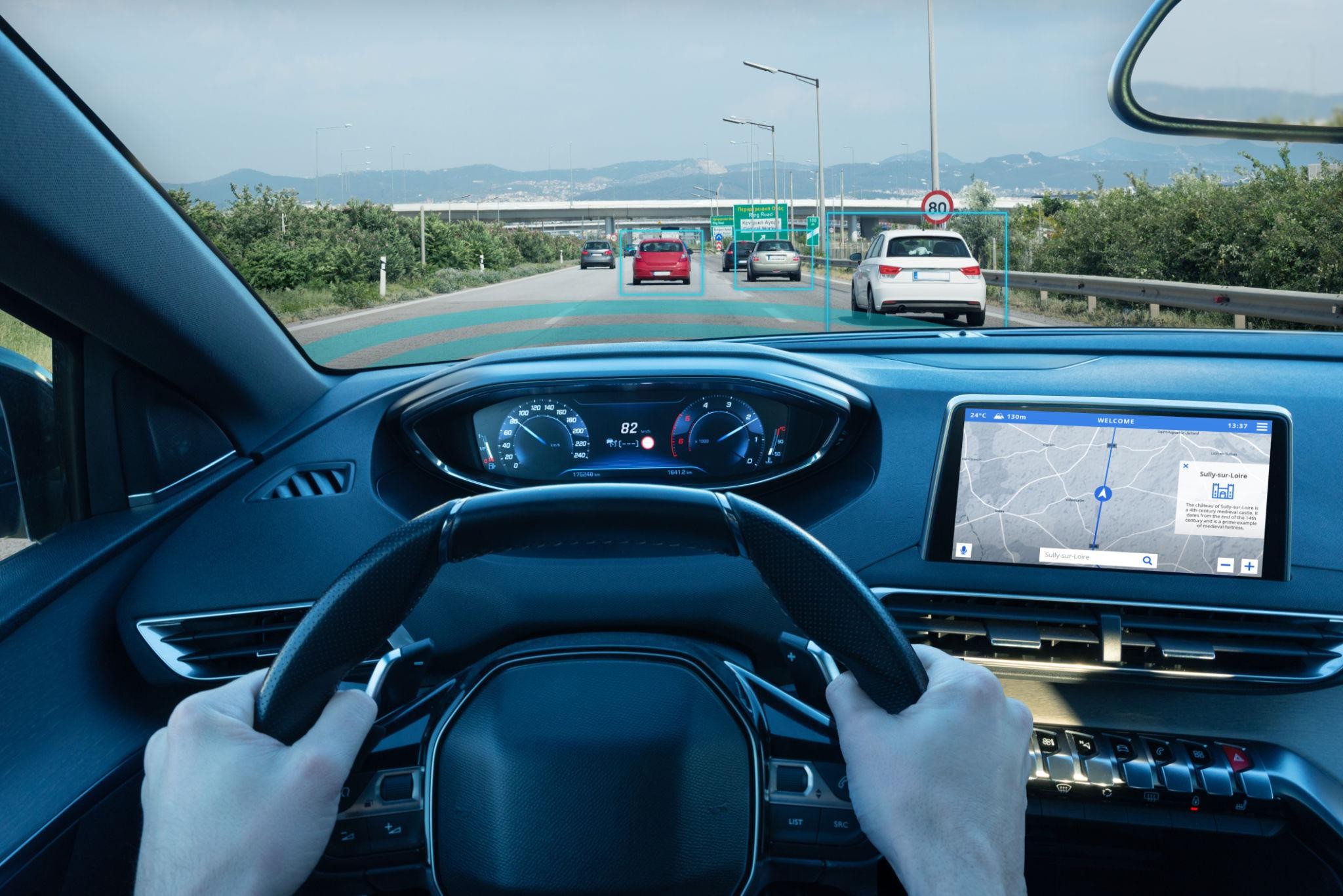
Fatigue-related accidents are extremely common on rural nighttime roads. Drivers often underestimate how tired they are during long drives on quiet, dark stretches of road. Micro-sleeps, which are brief involuntary sleep episodes lasting just a few seconds, can cause a vehicle to drift significantly. Lane Keeping Assist can detect and correct this drift before it becomes dangerous.
Research shows that lane departure crashes are more likely to be fatal than other types of accidents. This is partly because they often result in head-on collisions or rollover events on narrow rural roads. A vehicle drifting into oncoming traffic or off the road edge into a ditch can have catastrophic consequences. Lane Keeping Assist provides a meaningful layer of protection against exactly these scenarios.
Modern systems are becoming increasingly intelligent and context-aware. Some can recognize when road markings are faded or partially obscured and adjust their sensitivity accordingly. Others integrate with navigation systems to anticipate curves and adjust their guidance inputs. This level of sophistication makes the technology more reliable across varied rural road conditions.
Drivers should view lane assistance technology as a helpful tool rather than a replacement for attentiveness. The system works best when drivers remain engaged and use it to supplement their own awareness. If you find yourself relying heavily on Lane Keeping Assist to stay in your lane, it is a clear sign that you need to stop and rest. No technology can fully compensate for severely impaired driver alertness.
Also Read: 10 SUVs With Third Row Seating That Adults Can Fit in Comfortably
5. Driver Drowsiness Detection
Drowsy driving is one of the most underreported and deadliest causes of road accidents globally. It is particularly dangerous on rural nighttime roads, where the monotony of long dark stretches naturally induces fatigue. Driver Drowsiness Detection systems monitor behavioral cues to identify when a driver is becoming dangerously tired. They then issue warnings to prompt the driver to take a break.
These systems use various sensors and cameras to analyze driver behavior continuously. Steering pattern analysis is one of the primary methods used. A fatigued driver tends to make subtle, irregular corrections to the steering wheel rather than smooth, deliberate inputs. The system learns your baseline driving behavior and flags significant deviations as potential signs of drowsiness.
Some advanced systems also monitor the driver’s face and eyes using an interior camera. They track eyelid movement, blink rate, and gaze direction in real time. If eyelids begin drooping or the driver’s gaze becomes unfocused, the system raises an alert. This facial monitoring approach is considered more direct and accurate than steering-based methods alone.
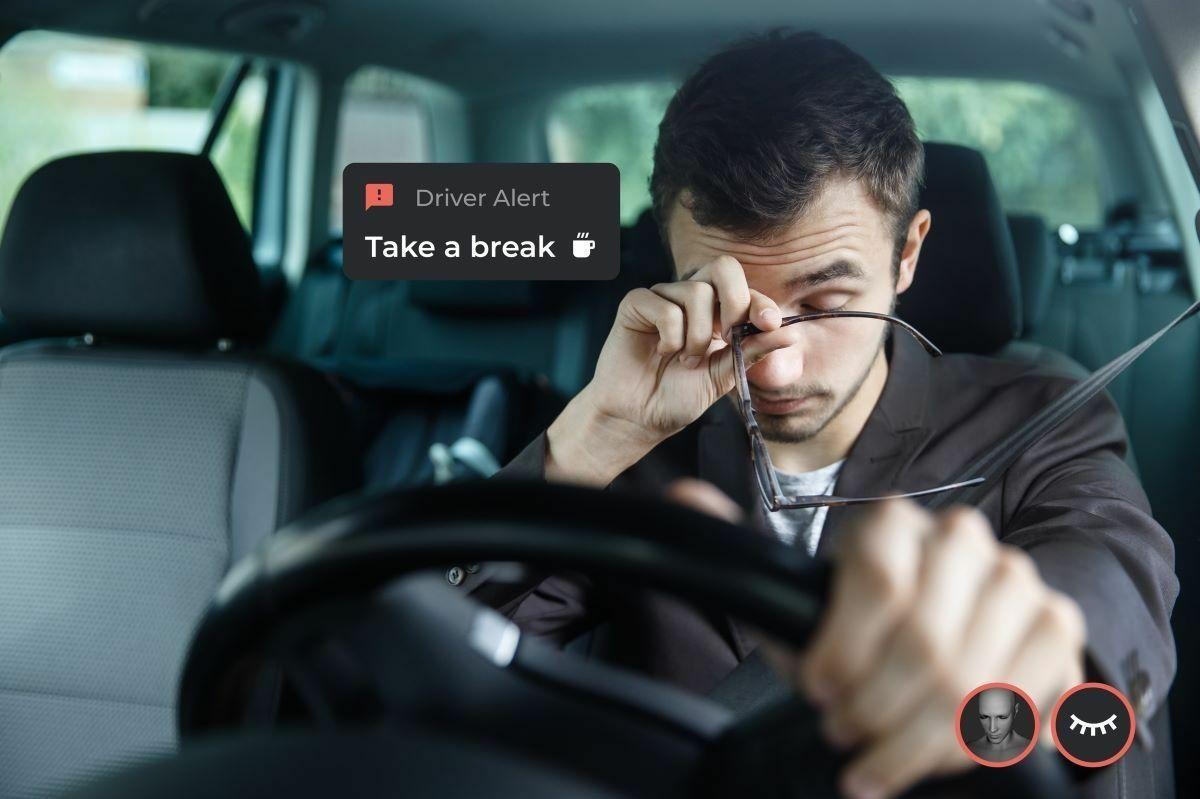
The alerts issued by drowsiness detection systems are designed to be impossible to ignore. They typically combine a loud audible chime with a visual warning message on the instrument cluster. Many systems also display a coffee cup icon, symbolizing the recommendation to take a rest break. Some vehicles even reduce the temperature in the cabin or increase music volume to help stimulate alertness temporarily.
The danger of drowsy driving on rural roads is amplified by the lack of nearby facilities. On urban roads, a fatigued driver can quickly pull over at a service station or well-lit parking area. On rural roads, suitable stopping places may be miles apart. Drowsiness detection gives an early warning before fatigue reaches a critical level, allowing drivers to plan ahead for a safe rest stop.
Studies from multiple traffic safety organizations confirm that drowsy driving causes a significant proportion of serious accidents. The National Highway Traffic Safety Administration estimates that thousands of deaths per year are related to drowsy driving in the United States alone. The actual number is believed to be much higher due to underreporting. Drowsiness detection technology directly targets this deadly problem.
Drivers who regularly travel rural roads at night should also practice good sleep hygiene and plan their trips to avoid driving during peak drowsiness hours.
These hours are typically between midnight and 6 AM, when the body’s circadian rhythm strongly promotes sleep. Drowsiness detection works best as a backup safeguard, not as a primary strategy. Combining the technology with sensible trip planning creates the strongest defense against fatigue-related accidents.
6. Animal Detection and Collision Warning
Wildlife collisions are among the most common and unpredictable hazards on rural roads. Deer, wild boar, cattle, and other animals cross rural roads with no regard for traffic. At night, animals are harder to spot because their bodies absorb light rather than reflecting it like road signs do. Animal Detection and Collision Warning systems use advanced sensors to identify animals in or near the road before your headlights can reveal them.
These systems typically rely on thermal imaging cameras, which detect the body heat of animals regardless of visibility conditions. Some systems combine thermal imaging with radar for more accurate distance and speed measurements. When an animal is detected within a dangerous proximity to the vehicle’s path, the system issues a warning. Some advanced versions can automatically pre-charge the brakes to enable faster emergency stopping.
The challenge with animal detection is that animals move unpredictably. Unlike other vehicles, animals may freeze, bolt, or reverse direction without warning. Effective systems are designed to continuously track detected animals and update the threat assessment in real time. If an animal moves into the vehicle’s direct path, the warning escalates immediately to a higher urgency alert.
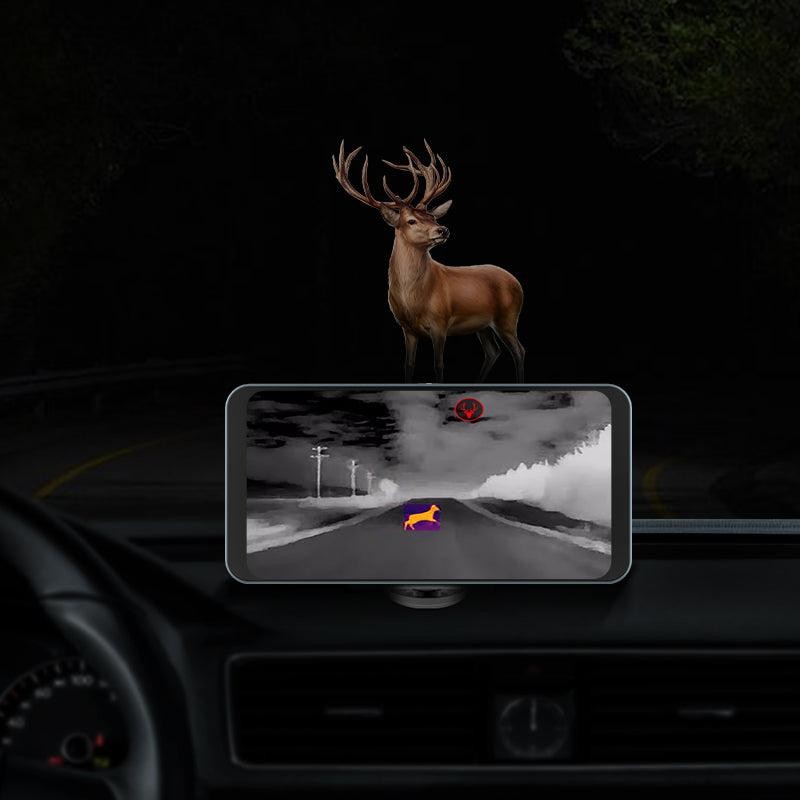
Deer collisions alone cause billions of dollars in vehicle damage annually across North America and Europe. More importantly, they cause thousands of human injuries and deaths each year. Many of these accidents occur during dawn, dusk, and nighttime hours when visibility is lowest and deer are most active. Animal detection technology specifically targets this high-risk window of time.
The system is most effective when integrated with automatic emergency braking. Detection alone gives you a warning, but AEB integration means the vehicle can begin slowing automatically if you fail to respond in time. This combination is particularly valuable for solo drivers on long rural stretches who may be dealing with fatigue or distraction. The dual-layer protection significantly improves survival odds in a potential wildlife collision.
Some agricultural regions have roads that are regularly shared with livestock. Cows, sheep, and horses on rural roads at night present enormous collision risks due to their size and dark coloring. Animal detection systems can identify these large animals at distances that give drivers meaningful reaction time. For farmers, rural delivery drivers, and commuters in livestock-heavy areas, this technology is indispensable.
Drivers should still practice heightened vigilance in areas marked with animal crossing signs. Reducing speed in these zones gives both the driver and the detection system more time to respond effectively. Never assume that the absence of a warning means the road is clear, as no detection system is infallible. Combining technology with cautious, attentive driving produces the safest outcome on animal-prone rural roads.
7. Enhanced GPS and Offline Navigation
Reliable navigation is a basic but critical safety requirement on rural nighttime roads. Many rural areas have weak or nonexistent cellular signals, making standard internet-dependent navigation apps unreliable. Getting lost on dark, unfamiliar rural roads increases stress, encourages risky U-turns, and can lead to driving off unmarked road edges. Enhanced GPS systems with offline mapping capabilities provide consistent, reliable guidance regardless of signal availability.
Offline navigation allows drivers to download detailed map data before beginning their journey. This data includes road names, turn-by-turn directions, speed limits, and points of interest. Once downloaded, the navigation functions entirely without a mobile data connection. This is a critical advantage on remote rural routes where connectivity drops unexpectedly and without warning.
Modern dedicated GPS units and some premium in-car navigation systems offer highly detailed rural mapping. These maps often include unmarked lanes, farm access roads, and local shortcuts that generic mapping apps miss. Having accurate road geometry data is especially important at night, when visual landmarks are invisible and drivers depend entirely on their navigation system. A wrong turn on a dark rural road can lead to a dead end on a narrow track with no safe turning space.
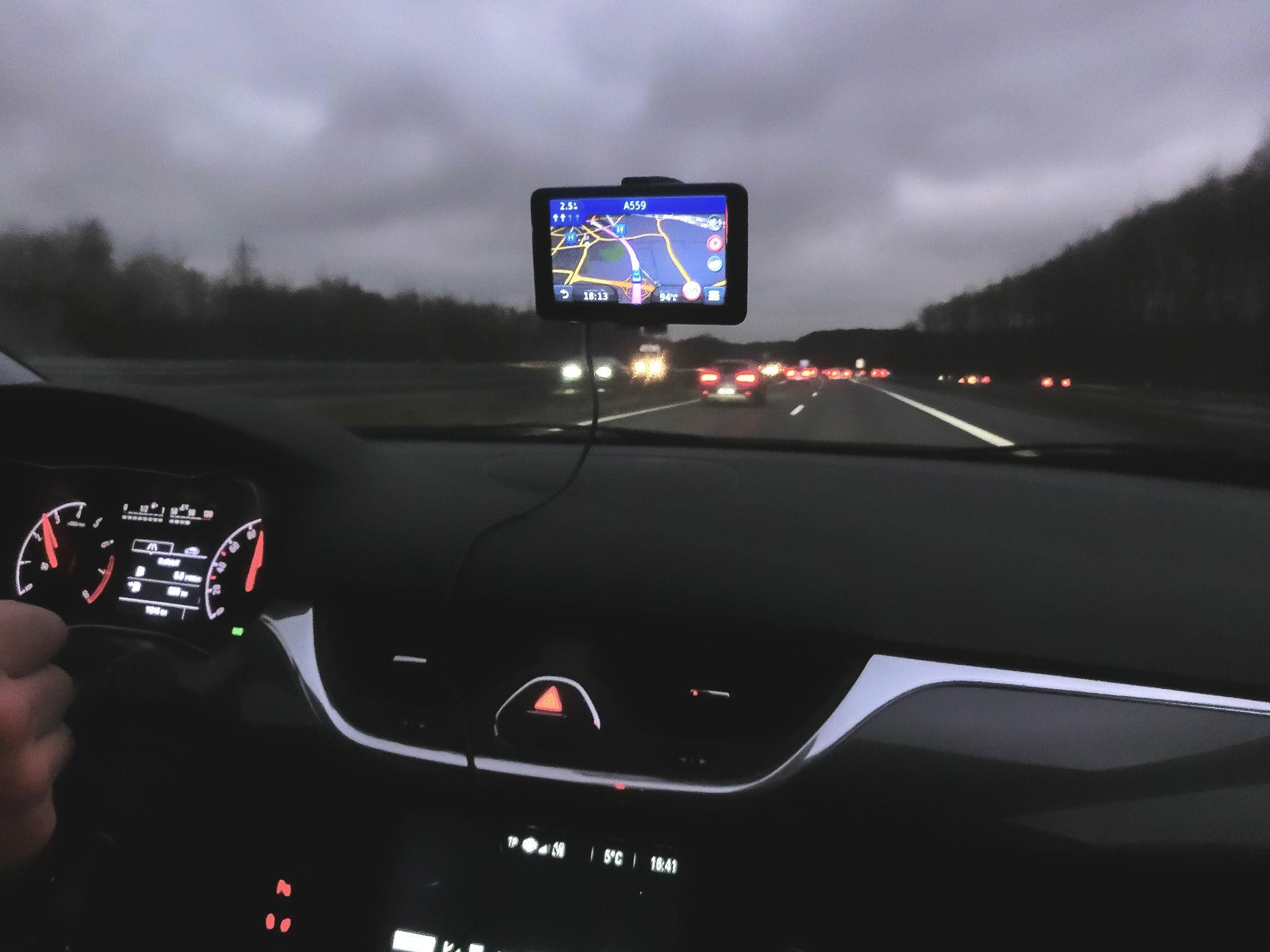
Some enhanced GPS systems also provide real-time hazard alerts sourced from road condition databases. These alerts can warn about flooded roads, landslides, fallen trees, or road closures that are particularly prevalent in rural areas after storms. Knowing about these hazards in advance allows drivers to reroute safely before encountering them in the dark. This proactive approach to hazard avoidance is far superior to discovering problems at the last moment.
Speed limit display is another valuable feature of modern GPS navigation. Rural roads often have varying speed limits that change frequently with little signage. A GPS system that displays current speed limits and alerts you when you exceed them helps maintain safe speeds throughout the journey. Speeding on dark, unfamiliar rural roads dramatically increases accident risk.
Voice-guided navigation is also a critical safety feature for rural nighttime driving. Taking your eyes off the road to look at a screen, even briefly, is significantly more dangerous on an unlit rural road than on a lit urban street. A clear, well-timed voice prompt allows you to keep your eyes forward while still receiving the guidance you need. Choose navigation systems with natural, easy-to-understand voice instructions to minimize cognitive load.
Updating your navigation maps regularly ensures you have the most current road data available. Rural infrastructure changes, including new roads, closed bridges, and altered junctions, may not appear in outdated maps. An inaccurate map on a rural night drive can send you down a road that no longer exists or onto a surface that is not suitable for your vehicle. Regular updates are a simple but important part of rural driving preparation.
8. Tire Pressure Monitoring System (TPMS)
Tire failure on a dark rural road is an incredibly dangerous situation. Unlike urban areas, rural roads offer no nearby help, poor lighting for roadside repairs, and often fast-moving traffic with limited visibility. Tire Pressure Monitoring Systems continuously track the air pressure in each of your vehicle’s tires. They alert you immediately when pressure drops to a dangerous level, giving you time to respond before a blowout occurs.
A blowout at highway speed on a narrow rural road can cause a driver to lose complete control of the vehicle. Rural road surfaces are often rougher and less maintained than urban roads, which accelerates tire wear. Sharp gravel, potholes, and road debris are common hazards that can cause slow punctures or sudden damage. TPMS provides continuous vigilance that no driver can realistically maintain manually during a long nighttime journey.
Modern TPMS systems display the exact pressure reading for each individual tire on the dashboard. This gives drivers specific information rather than just a generic warning light. Knowing which tire is losing pressure and how quickly it is dropping helps you make informed decisions. You can assess whether it is safe to continue to the next town or whether you need to pull over immediately.
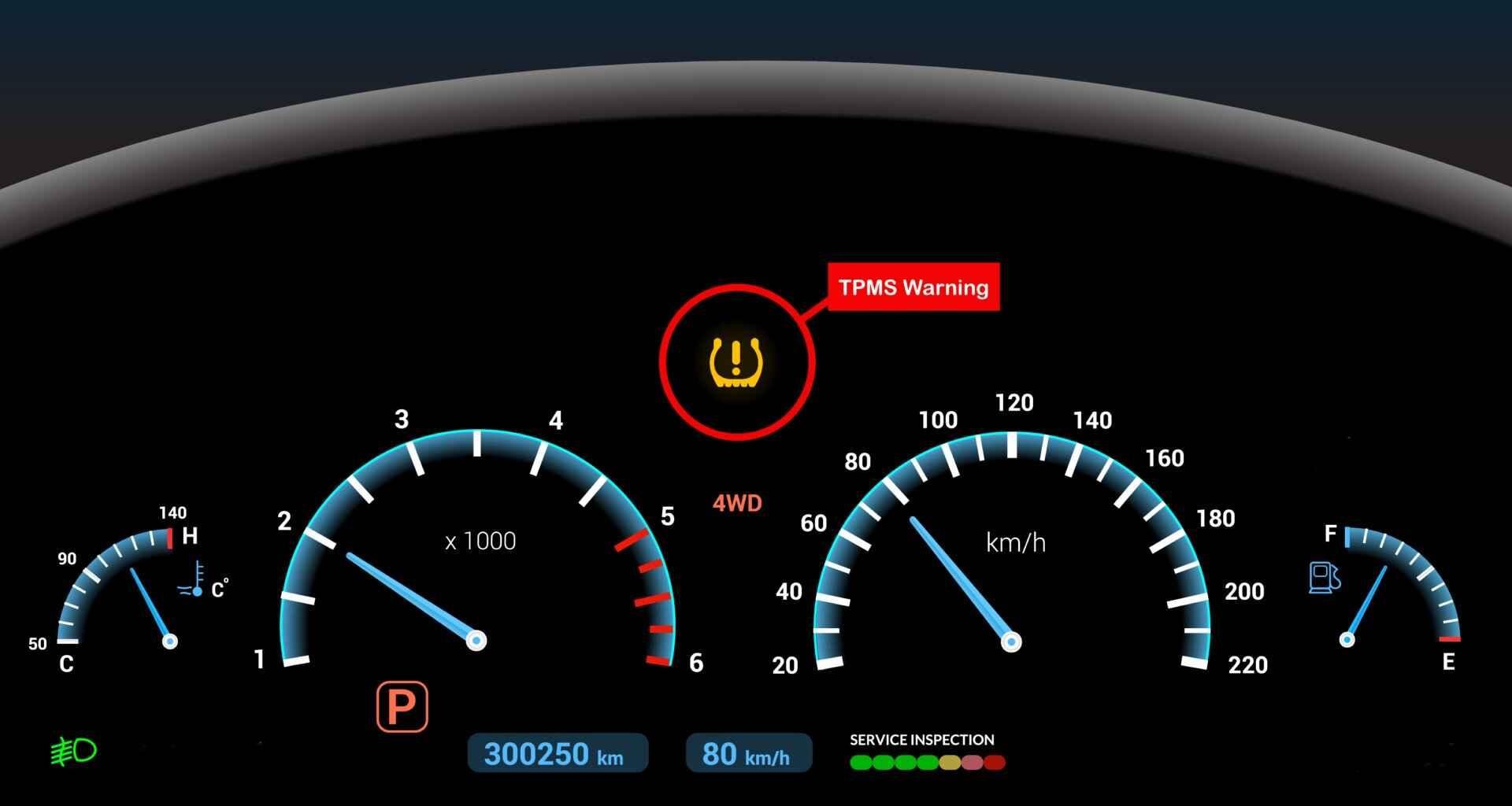
Temperature also plays a significant role in tire pressure. Cold nighttime temperatures cause tire pressure to drop, sometimes by several PSI from daytime levels. A tire that was adequately inflated in the warmth of the afternoon may register as underinflated by the time you are driving home late at night. TPMS accounts for these temperature-related fluctuations and alerts you regardless of the cause of pressure loss.
Underinflated tires affect vehicle handling in ways that are particularly dangerous on rural roads. Steering becomes less responsive, braking distances increase, and the risk of a blowout rises significantly. On a dark road with limited room for error, degraded tire performance can make the difference between successfully negotiating a sharp bend and leaving the road entirely. TPMS allows you to address pressure problems before they compromise your vehicle’s handling.
Beyond safety, proper tire inflation also improves fuel efficiency and extends tire lifespan. For drivers who regularly cover long rural distances, these practical benefits add meaningful savings over time. A well-maintained set of tires performs better in all conditions, including wet rural roads and loose gravel surfaces. TPMS encourages the good habit of tire maintenance by making pressure monitoring automatic and effortless.
Always carry a portable tire inflator in your vehicle when traveling rural roads at night. If TPMS alerts you to a low-pressure tire, having an inflator allows you to top up pressure at the roadside rather than driving on a dangerously underinflated tire. Combine this practical preparation with your TPMS system for a comprehensive approach to tire safety. Never ignore a TPMS warning, no matter how minor the pressure drop may seem.
9. Blind Spot Monitoring and Rear Cross-Traffic Alert
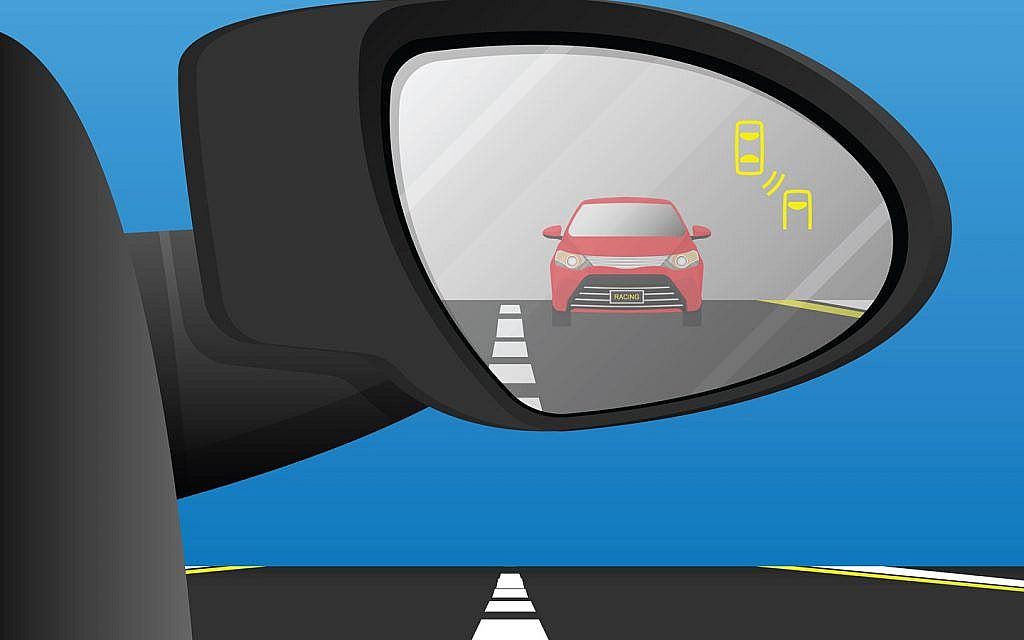
Rural roads present unique overtaking and junction challenges that are exacerbated by darkness. Passing a slow-moving vehicle on a poorly lit two-lane country road requires precise judgment about traffic approaching from behind. Blind Spot Monitoring systems use radar sensors to detect vehicles in your blind spot zones. They issue a warning, typically a light in the door mirror, when it is unsafe to change lanes or overtake.
On narrow rural roads, blind spots are especially problematic because vehicles travel close together in both directions. Motorcycles, bicycles, and small vehicles are easily missed in standard mirror checks, particularly at night when their lighting may be minimal or absent. Blind Spot Monitoring provides continuous surveillance of these zones without requiring the driver to turn their head away from the road. This is a significant safety advantage on roads that demand constant forward attention.
The warning system is designed to be subtle yet unmissable. The indicator light in the door mirror illuminates whenever a vehicle is detected in the blind spot zone. If the driver then activates the turn signal to change lanes or overtake, the warning intensifies with a more urgent alert sound or vibration. This two-stage warning system respects driver judgment while providing essential backup information.
Rear Cross-Traffic Alert is a complementary system that warns drivers of approaching vehicles when reversing. On rural roads, reversing into driveways, farm entrances, or turning areas is common. Doing this at night without being able to see clearly along the road in both directions is genuinely dangerous. Rear Cross-Traffic Alert detects approaching vehicles from either side and warns the driver before they complete the reversing maneuver.
Some rural areas have poorly signed or obscured road junctions that are easy to misjudge, especially at night. A driver pulling out of a farm track or field entrance onto a main rural road may not have a clear view in both directions. Rear Cross-Traffic Alert extends the driver’s effective awareness around the vehicle’s perimeter in these situations. It compensates for the limited sightlines that are common at rural road junctions.
These systems also benefit drivers of larger vehicles such as pickup trucks, SUVs, and vans that are commonly used in rural areas. Larger vehicles have proportionally larger blind spots, making these monitoring systems even more critical. A farmer returning home late at night in a large agricultural vehicle needs every available safety aid to go through the narrow roads safely. Blind Spot Monitoring and Rear Cross-Traffic Alert are both practical and potentially life-saving in this context.
Over time, as drivers become familiar with these systems, they build a more intuitive sense of their vehicle’s spatial footprint. This awareness, supported by the technology, leads to safer overtaking decisions and more confident maneuvering on challenging rural roads. Treat these systems as trusted driving partners that expand your situational awareness beyond your natural field of vision. On a dark, narrow country road, that expanded awareness is genuinely invaluable.
10. Emergency SOS and Connected Safety Systems
Being stranded or injured on a remote rural road at night without a way to call for help is a terrifying prospect. Emergency SOS and connected safety systems ensure that help can be summoned quickly, even in areas with minimal mobile coverage.
These systems use a dedicated cellular connection, often on a different frequency band than standard phones, to maintain contact with emergency services. In a serious accident, this technology can save your life.
Many modern vehicles are equipped with built-in emergency call systems that activate automatically in a severe collision. These systems detect the crash through accelerometer data and airbag deployment signals.
They then automatically place a call to emergency services and transmit your precise GPS location. This is critically important on rural roads where you may be unconscious or unable to make the call yourself.
The automatic location transmission feature is particularly significant in rural settings. Emergency responders often struggle to locate accident scenes on unmarked rural roads or in areas without obvious landmarks.
A precise GPS coordinate transmitted directly from the vehicle eliminates this delay and directs help to the exact location of the accident. This can reduce emergency response times dramatically, which directly improves survival rates in serious crashes.
Some connected safety systems go beyond crash response to offer proactive monitoring services. These services can alert you to severe weather warnings, road closures, and local hazards in real time.
If a flash flood warning is issued for a rural area you are driving through, the system can notify you and suggest alternative routes. This kind of real-time situational awareness is invaluable for rural nighttime drivers going through unpredictable conditions.
Satellite-based emergency communication devices are an excellent supplementary option for drivers who frequently travel in very remote areas.
Devices like personal locator beacons and satellite messengers function independently of cellular networks. They work anywhere on the planet with a clear view of the sky, making them reliable in the most isolated rural locations. Every serious rural driver should consider carrying one of these devices as a backup.
Vehicle-to-infrastructure communication is an emerging technology that will further enhance emergency response capabilities. As rural roads gradually become equipped with smart infrastructure sensors, vehicles will be able to receive real-time hazard information directly.
This includes alerts about animals on the road, ice patches, or vehicles stopped ahead around a blind bend. While this technology is still developing, its potential to improve rural road safety is enormous.
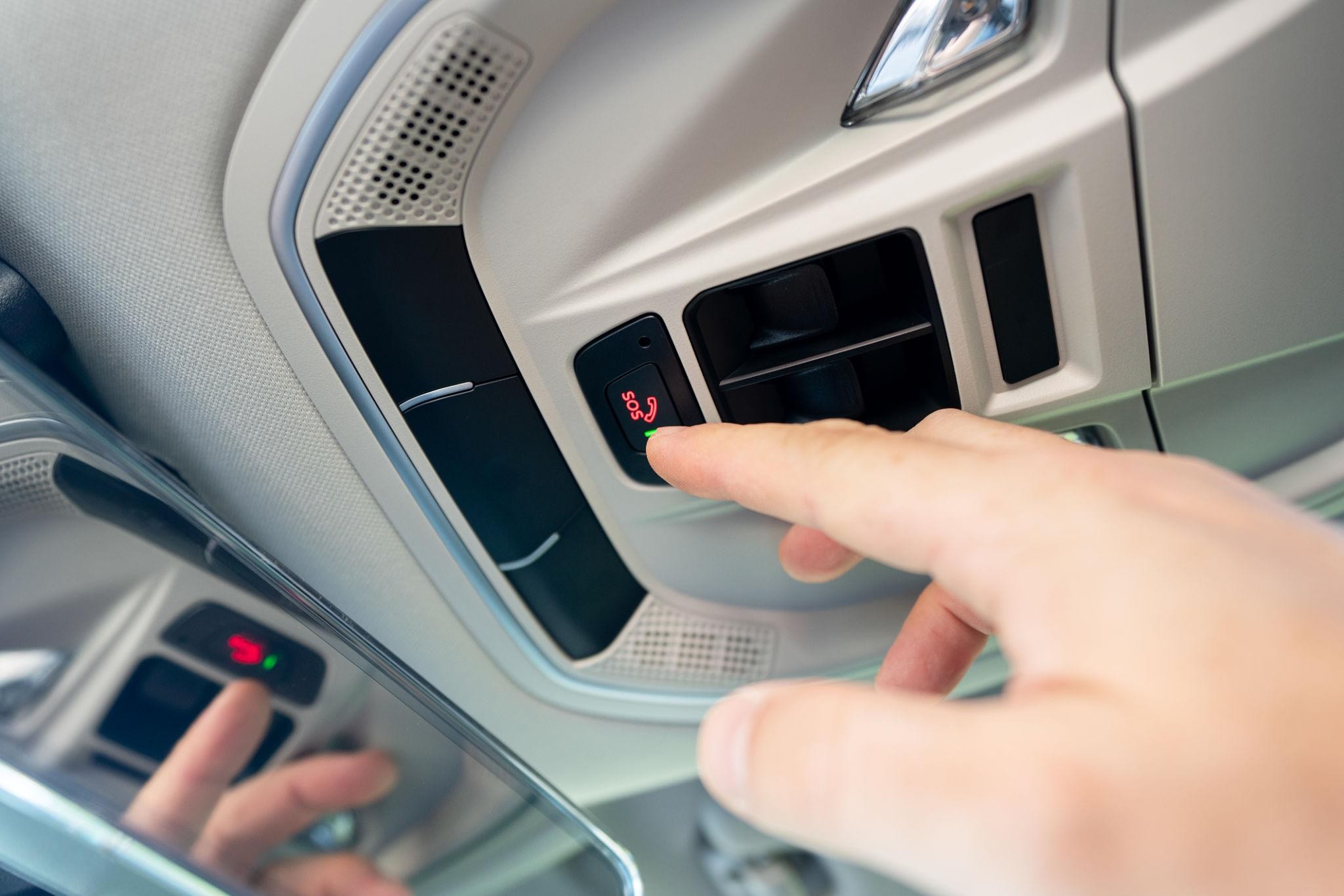
Emergency contact features that allow passengers to manually trigger an SOS call are equally important. Sometimes accidents are not severe enough to trigger automatic systems, but the driver or passengers are still in need of assistance.
A clearly marked manual SOS button inside the vehicle provides a reliable option in these situations. Combined with automatic detection systems, this creates a comprehensive emergency response capability that no rural nighttime driver should be without.
Also Read: 12 Diesel Trucks Known for Holding Their Resale Value for Two Decades
