
The Ford Ranger has built a reputation as one of the most trusted midsize trucks on the market. It is admired for its durability, strength, and ability to perform reliably across a wide range of driving conditions.
Owners often purchase it with confidence, knowing the Ranger can handle daily commutes, heavy hauling, and even off-road adventures with ease. But even the toughest trucks can run into problems if they are not properly cared for over time.
While the Ranger is designed with long-lasting performance in mind, many owners unintentionally fall into bad habits that slowly harm their truck’s engine. These habits may seem minor at first, but over the miles, they can add up to major trouble.
The engine, being the heart of the truck, is especially vulnerable when regular maintenance and smart driving practices are ignored. Neglecting the engine can lead to sluggish performance, poor fuel economy, and unexpected breakdowns.
One of the most common mistakes Ford Ranger owners make is assuming that a strong truck can handle anything without regular care. Unlike minor scratches or cosmetic wear, engine problems build quietly and often remain unnoticed until it’s too late.
A truck that could have lasted decades may end up struggling before it even crosses the 100,000-mile mark. This not only brings frustration but also heavy repair bills that could have been avoided with simple preventative care.
Drivers sometimes underestimate the impact of small habits. Something as simple as skipping an oil change or ignoring a warning light can set the stage for bigger problems down the road.
Over time, these overlooked details cause parts to wear faster, strain the engine, and reduce the lifespan of the truck. By addressing these small issues early, Ranger owners can protect their investment and enjoy dependable performance for many years.
The good news is that most engine issues can be prevented by avoiding careless practices. From using the right fuel to respecting towing limits, the truck performs best when treated within its design limits.
Owners who take the time to understand and avoid damaging habits not only save themselves money but also preserve the strength and reliability the Ranger is famous for. Preventative care and smart driving choices make a significant difference in how long the engine lasts.
Also read: 5 Engines That Never Leak Oil and 5 That Can’t Stay Dry
1) Skipping Regular Oil Changes
Engine oil is the lifeblood of your Ford Ranger’s engine. It provides lubrication to moving parts, reduces friction, and helps control heat within the system. When oil changes are skipped or delayed, the engine loses its best defense against wear and tear.
Fresh oil also carries away tiny metal particles, dirt, and other contaminants that naturally build up during driving. If oil isn’t replaced at the right intervals, these impurities stay inside the engine and circulate with the oil, slowly grinding parts down.
Sludge is another major problem caused by neglected oil changes. When oil becomes old, it thickens and forms sludge that clogs passages inside the engine. Sludge buildup restricts oil flow, preventing lubrication from reaching critical components and causing damaging friction.
Over time, friction and heat from poor lubrication lead to increased engine wear. Bearings, pistons, and valves suffer the most damage, and once these parts wear out, performance drops quickly. Replacing them is expensive, and sometimes complete engine failure can occur.
Many Ranger owners mistakenly believe modern synthetic oils last forever. While synthetic oils are indeed stronger and longer-lasting, they still break down with use. Following Ford’s recommended oil change schedule ensures that the oil maintains its protective properties throughout the truck’s life.
Driving conditions also affect oil life. Frequent short trips, towing heavy loads, or off-road driving strain the engine and require more frequent oil changes. Ignoring these conditions and sticking to long intervals may result in oil that fails to protect effectively.
Neglecting oil changes also impacts fuel efficiency. When the engine has to work harder due to friction and buildup, it burns more fuel. This means owners not only risk damaging their engine but also end up spending more at the gas pump.
Checking the oil level regularly is just as important as timely changes. Low oil levels can starve the engine, leading to overheating and increased wear. Keeping the oil topped up and clean guarantees smooth operation and prevents unexpected breakdowns on the road.
Using the correct oil type is equally important. Ford recommends specific grades of oil for the Ranger, depending on the model and engine type. Using the wrong oil can reduce protection and cause more harm than skipping one oil change.
In short, skipping regular oil changes is one of the fastest ways to shorten a Ford Ranger’s engine life. A simple routine service that costs little compared to major repairs ensures smooth performance, improved efficiency, and an engine that easily lasts beyond 100,000 miles.
2) Ignoring Air Filter Replacements
The air filter in your Ford Ranger plays a crucial role in engine health. Its primary function is to allow clean air into the engine while trapping dirt, dust, and debris. Ignoring timely replacement weakens this protection and gradually harms performance.
When an air filter becomes clogged, the engine struggles to pull in the oxygen it needs for combustion. This leads to reduced power, sluggish acceleration, and poor fuel efficiency. A simple filter replacement restores airflow and keeps the engine running efficiently.
Dust and debris entering through a dirty filter can cause long-term damage. Fine particles that slip past a clogged or worn filter settle inside the engine, scratching and wearing down critical parts. Over time, this results in costly internal engine repairs.
A clogged air filter also disrupts the air-fuel mixture. Engines require a balanced mix of air and fuel for smooth combustion. Reduced airflow creates a fuel-heavy mixture, which increases emissions, decreases fuel economy, and puts unnecessary strain on the combustion system.
Ford recommends regular filter checks and timely replacements, especially for trucks like the Ranger that are often driven in dusty or off-road conditions. Neglecting this maintenance task is one of the cheapest yet most damaging mistakes Ranger owners can make.
Off-road drivers face an even higher risk of clogged filters. Driving through dirt roads, sandy trails, or construction zones causes filters to fill quickly with contaminants. Failing to replace them frequently in such environments accelerates engine wear and shortens lifespan.
Replacing the air filter is a simple and inexpensive task compared to repairing damaged engine components. A clean filter ensures consistent airflow, protects sensitive parts, and helps maintain the Ranger’s reputation for strength, reliability, and efficiency across thousands of miles.
Ignoring air filter replacements is a small oversight with big consequences. A clogged or dirty filter limits airflow, reduces efficiency, and slowly destroys engine health. Replacing it on schedule is one of the easiest ways to keep a Ranger strong beyond 100,000 miles.
3) Using Low-Quality Fuel
Fuel quality directly affects how well your Ford Ranger’s engine performs and how long it lasts. Using low-quality or contaminated fuel introduces harmful impurities into the system. Over time, these impurities clog injectors, create carbon deposits, and slowly reduce engine efficiency.
Cheap fuel often lacks the proper additives that keep engines clean. Without these detergents, fuel lines and injectors build up sticky residue that restricts flow. Restricted flow prevents fuel from spraying properly, leading to poor combustion, reduced performance, and higher emissions.
Contaminated fuel can also carry water, dirt, or even rust particles from storage tanks. When these contaminants reach the engine, they can corrode components, block injectors, and damage sensitive parts. Repeated use of such fuel shortens engine life significantly.
Low-quality fuel increases the risk of carbon buildup inside the combustion chamber. Excess carbon restricts airflow, disrupts the air-fuel ratio, and puts extra stress on valves and pistons. This buildup reduces fuel efficiency and makes the engine feel weak over time.
Modern Rangers are designed with precise fuel injection systems that rely on clean, high-quality fuel. Poor fuel quality affects this precision, causing misfires, rough idling, and difficulty starting. Continued exposure eventually leads to costly repairs or premature replacement of key components.
Some drivers assume all fuels are the same, but the difference lies in the octane rating and additives. Using the wrong octane level for your Ranger’s engine can cause knocking, pre-ignition, and unnecessary strain, all of which damage engine longevity.
Fuel system cleaners are an easy solution to combat the effects of poor-quality fuel. Adding them occasionally helps remove deposits and keep injectors clear. Combined with consistently purchasing fuel from trusted stations, this habit ensures smoother performance and longer-lasting protection.
The negative impact of cheap fuel is not always immediate. Many drivers continue using it, believing no harm is being done. However, the slow buildup of contaminants eventually leads to reduced efficiency, higher repair bills, and a weakened engine long before 100,000 miles.
In addition, low-quality fuel hurts fuel economy. The engine must work harder to compensate for poor combustion, burning more gas to deliver the same power. Spending slightly more on high-quality fuel saves money in the long run by reducing consumption.
Using low-quality fuel may seem like a way to save money at the pump, but it silently drains your Ford Ranger’s engine life. Choosing quality fuel with proper additives protects the engine, improves performance, and ensures reliability far beyond 100,000 miles.
4) Overloading the Truck Frequently
The Ford Ranger is built to handle tough jobs, but like every vehicle, it has limits. Consistently overloading the truck beyond its payload or towing capacity places immense stress on the engine. This unnecessary strain quickly reduces performance and accelerates engine wear.
When the Ranger carries more than it’s designed for, the engine works harder to move the extra weight. This increases heat, forces components to operate beyond normal capacity, and causes faster deterioration of internal parts. Over time, this habit shortens the engine’s lifespan.
Excess weight also affects the cooling system. An engine under heavy strain produces more heat, which may overwhelm the cooling system if the truck is overloaded often. Without proper cooling, overheating can warp metal parts, damage gaskets, and even result in total engine failure.
Towing more than recommended is another way owners unknowingly drain engine life. Pulling heavy trailers or boats puts enormous stress on the drivetrain and transmission. Constant overloading during towing pushes the engine into high RPMs, burning more fuel while wearing critical parts quickly.

Fuel efficiency takes a noticeable hit when the Ranger is consistently overloaded. Since the engine must burn more fuel to manage the additional weight, mileage decreases. This means owners spend more on gas while simultaneously causing unnecessary strain on the truck’s engine.
Another overlooked problem caused by overloading is increased carbon buildup. When the engine struggles to move excess weight, combustion becomes less efficient. Poor combustion leaves behind carbon deposits inside the engine, which restricts airflow, reduces efficiency, and increases the risk of long-term damage.
Suspension and braking systems also suffer when trucks are overloaded, forcing the engine to compensate even more. For instance, worn suspension creates extra drag and resistance, further increasing the load on the engine. These chain reactions eventually lead to expensive, avoidable mechanical issues.
Some owners assume occasional overloading is harmless. However, even short periods of strain contribute to cumulative wear. The damage may not appear immediately but adds up over thousands of miles, resulting in reduced durability and higher chances of breakdown before 100,000 miles.
Understanding the Ranger’s payload and towing limits is essential. Ford provides these specifications in the owner’s manual, and adhering to them ensures safe, reliable operation. Smart loading practices keep stress levels within safe limits, protecting both the engine and surrounding components.
Overloading the Ford Ranger frequently is a habit that drains engine life faster than many drivers realize. Respecting payload and towing limits preserves the truck’s reliability, prevents costly repairs, and ensures the Ranger continues performing at its best well beyond 100,000 miles.
Also read: 10 Tricks That Keep a GMC Sierra Elevation Strong Forever
5)Ignoring Warning Lights
Modern Ford Rangers are equipped with advanced sensors that detect potential issues early. Warning lights, such as the check engine light or oil pressure indicator, are not random annoyances. Ignoring them allows small problems to escalate into severe engine damage and expensive repairs.
When a warning light comes on, it signals that something in the system is not functioning correctly. This may range from minor issues like a loose gas cap to serious problems such as misfiring cylinders. Choosing to ignore these alerts puts the engine at risk.
The check engine light, in particular, can warn of issues with fuel injectors, spark plugs, sensors, or emissions systems. Driving with unresolved problems leads to poor fuel economy, reduced performance, and increased strain on critical components, slowly draining the Ranger’s engine life.
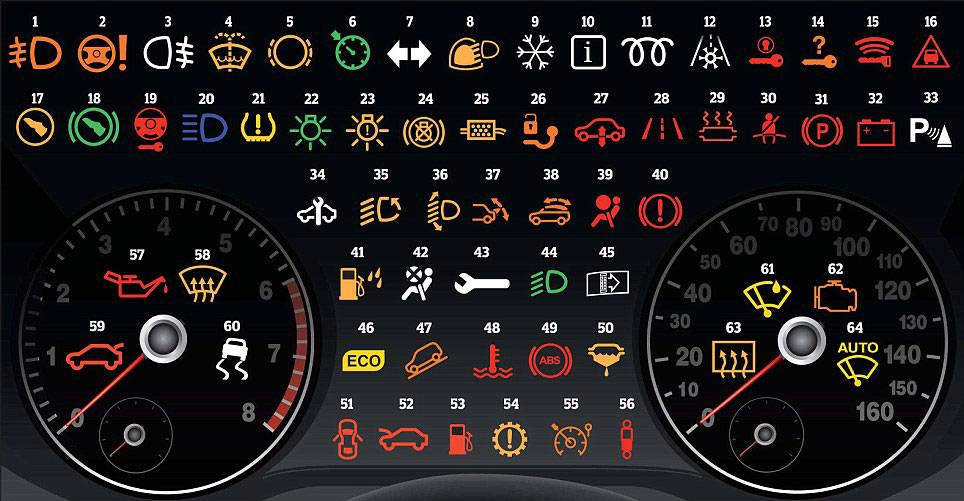
Oil pressure and temperature warning lights are even more serious. Low oil pressure means the engine is not receiving proper lubrication, while high temperature warnings indicate overheating. Ignoring either can cause permanent internal damage, including warped components or complete engine failure in extreme cases.
Warning lights also help prevent catastrophic breakdowns. An overheating light, if addressed immediately, might only require a coolant refill or minor repair. Ignoring it could result in cracked cylinder heads or blown gaskets, both of which demand costly, time-consuming engine work.
Many Ford Ranger owners underestimate the importance of these alerts, thinking they can drive for weeks without concern. But every extra mile driven under problematic conditions adds stress and wear. Over time, this habit significantly shortens the engine’s lifespan.
Ignoring warning lights is a dangerous practice that puts the Ford Ranger’s engine at risk. These alerts exist to protect the vehicle and the driver. Acting promptly saves money, prevents breakdowns, and ensures the truck remains strong beyond 100,000 miles.
6) Driving Aggressively
Aggressive driving habits, such as rapid acceleration, sudden braking, and frequent revving, place unnecessary strain on the Ford Ranger’s engine. These behaviors may feel thrilling, but over time, they increase wear, reduce efficiency, and significantly shorten the engine’s long-term reliability and durability.
Hard acceleration forces the engine to burn more fuel while operating at high RPMs. This repeated stress causes pistons, valves, and bearings to work harder than designed, gradually wearing them down. Excessive revving also builds heat and pressure, contributing to premature engine deterioration.
Aggressive driving also generates excess heat throughout the engine. While cooling systems manage normal operating temperatures, frequent strain from harsh driving increases risks of overheating. Overheated engines may suffer warped components, cracked gaskets, or complete failure, especially if this habit continues over thousands of miles.
Fuel efficiency is another major casualty of aggressive driving. Rapid throttle inputs cause the Ranger to consume more fuel than necessary. Owners often find themselves refueling more often, essentially paying extra for damaging their engine in exchange for minimal short-term thrill.
Engines designed for longevity thrive under smooth, steady operation. When drivers repeatedly push their Rangers beyond moderate limits, the cumulative wear accelerates. Components that could have lasted over 150,000 miles may start failing far earlier due to constant unnecessary stress and heat.
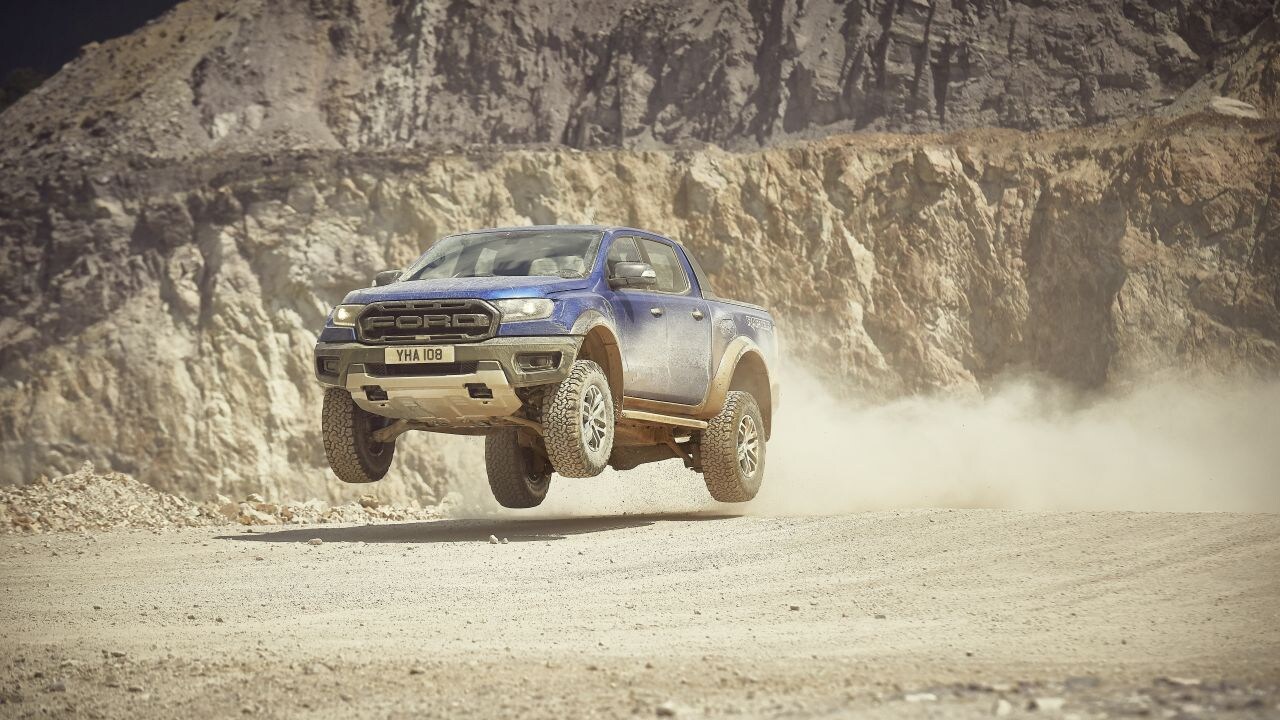
Transmission and drivetrain parts also suffer when aggressive driving habits dominate. While the engine bears the brunt of abuse, the extra torque and stress spread across the system. This combined strain further weakens performance and increases the risk of early failures.
Some drivers assume occasional aggressive driving is harmless, but repeated habits create lasting harm. Each harsh acceleration or over-rev may leave microscopic damage. Over time, these small issues accumulate, making the engine weaker and less efficient even before reaching 100,000 miles.
Practicing defensive and steady driving protects the engine while improving safety. Gradual acceleration, smooth braking, and maintaining moderate speeds ensure less strain, better fuel economy, and reduced long-term wear. These habits extend both performance and reliability for the Ranger’s hardworking engine.
Aggressive driving drains a Ford Ranger’s engine far faster than careful use. While the truck is designed for power, it cannot withstand constant abuse without consequences. Smooth, controlled driving preserves performance, lowers costs, and ensures engine life far beyond 100,000 miles.
7) Neglecting Cooling System Maintenance
The cooling system is one of the most important protections for a Ford Ranger’s engine. It prevents overheating by regulating temperature during operation. Neglecting coolant changes, ignoring leaks, or failing to maintain the radiator often results in severe damage long before 100,000 miles.
Coolant gradually loses its protective properties with age. Old coolant becomes acidic and corrosive, which damages seals, gaskets, and metal components inside the engine. Without timely coolant replacement, corrosion and buildup create blockages that restrict fluid flow, raising the risk of overheating.
Leaks are another common issue owners overlook. Even a small coolant leak reduces system effectiveness. Low coolant levels starve the engine of proper temperature control, leading to overheating. Consistently driving with low coolant can warp heads and damage sensitive internal parts permanently.
A clogged or dirty radiator also reduces the cooling system’s ability to function. Dirt, rust, or debris inside the radiator restricts coolant flow and prevents proper heat dissipation. Over time, this leads to elevated engine temperatures, stress, and possible catastrophic failure.
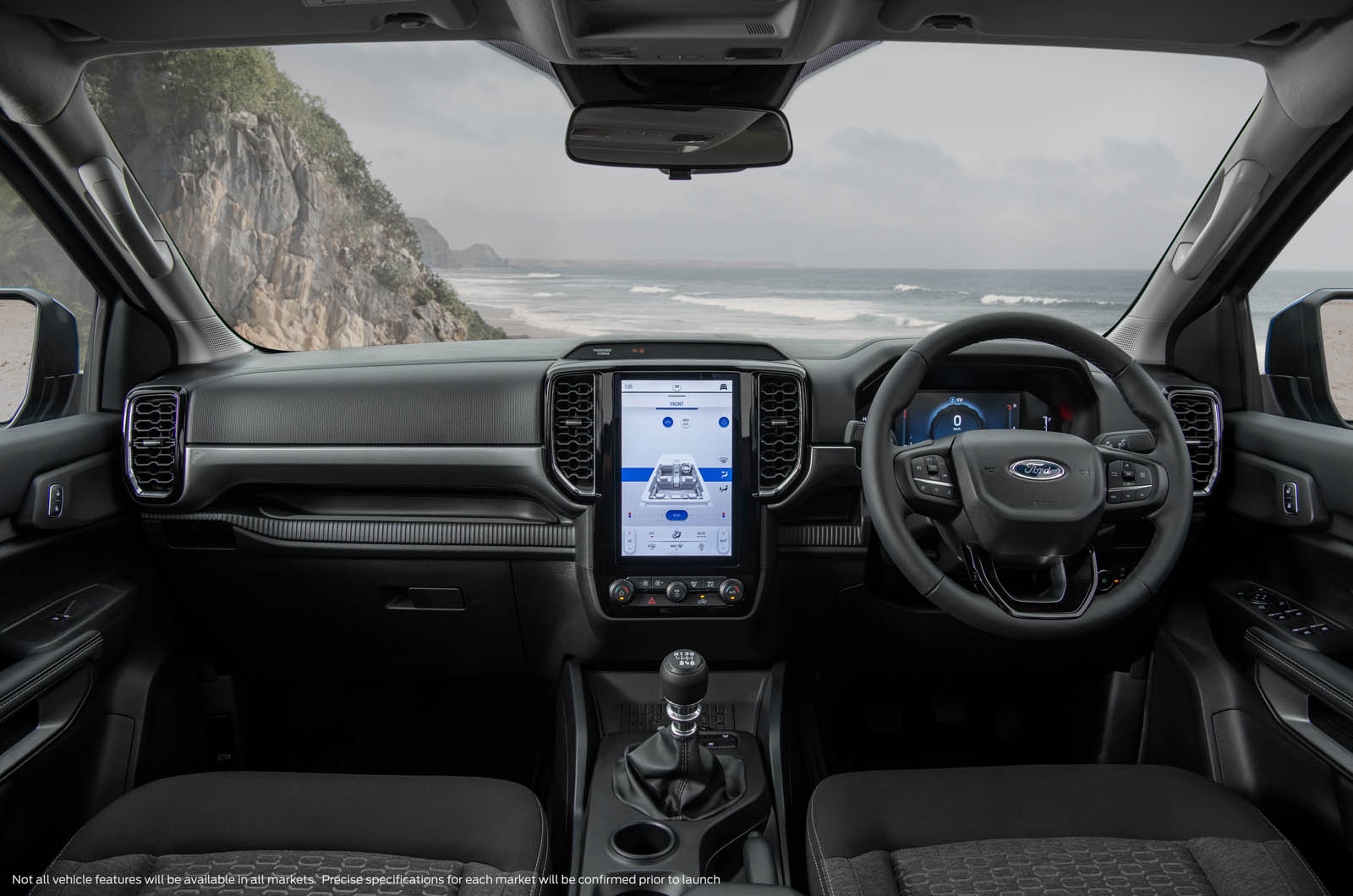
Water pumps and hoses play equally critical roles in circulating coolant. If hoses crack or the pump fails, the system cannot move coolant properly. Ignoring early signs of failure, such as leaks or overheating warnings, can quickly result in complete breakdowns.
Overheating is one of the most dangerous conditions for an engine. Temperatures rising beyond safe limits can warp cylinder heads, damage pistons, and destroy gaskets. These repairs often cost thousands of dollars, easily avoided through simple cooling system checks and maintenance.
Driving habits also affect cooling system health. Towing heavy loads, driving in hot climates, or sitting in traffic puts extra stress on the system. Owners should inspect coolant levels more often under such conditions to ensure consistent protection against overheating.
In short, neglecting cooling system maintenance is a habit that severely shortens engine life. A properly maintained system keeps temperatures stable, prevents expensive breakdowns, and ensures the Ford Ranger delivers strong, reliable performance well beyond the 100,000-mile mark.
8) Using the Wrong Engine Oil or Parts
Engine oil and replacement parts are essential for protecting and maintaining the Ford Ranger’s performance. Using the wrong oil grade, cheap filters, or low-quality components may save money initially but silently harms the engine, reducing reliability and cutting its lifespan short.
The Ranger’s engine is engineered with precise tolerances requiring specific oil viscosity. Using oil that is too thick prevents proper flow during cold starts, while oil that is too thin fails to protect under high heat. Both scenarios increase long-term wear significantly.
Low-quality oil filters are another hidden danger. Cheap filters fail to trap contaminants effectively, allowing dirt and debris to circulate. These particles cause friction, wear, and buildup inside the engine. Over time, this damage reduces efficiency and creates costly repair needs.

Using non-genuine or poorly made replacement parts also risks performance. Components like spark plugs, sensors, and gaskets are designed to meet specific standards. Installing substandard parts often results in poor fit, malfunctions, and increased stress on surrounding systems, including the engine.
Some owners assume aftermarket parts are always acceptable alternatives. While reputable brands may meet or exceed OEM standards, many budget parts do not. Saving money initially may cost much more later when the engine suffers from inadequate protection or improper function.
Oil additives are another area of concern. Certain unapproved additives may promise better performance but can disrupt the oil’s natural balance. Instead of providing protection, they may damage seals or create buildup, ultimately working against the engine’s health and reliability.
The cost difference between quality parts and cheap alternatives is often small compared to the cost of major engine repairs. Investing in the correct oil and genuine components is the simplest way to extend the Ranger’s life far beyond 100,000 miles.
Using the wrong engine oil or cheap parts is a damaging habit that slowly drains engine health. Choosing the correct oil, filters, and quality components ensures consistent protection, strong performance, and an engine that truly lasts the distance.
Also read: 10 Hacks That Extend a GMC Acadia Limited’s Road Life