
The Dodge Charger is more than just a car; it’s a symbol of power and performance. But even strong machines fail when owners ignore basic care. Small mistakes can pile up, turning an amazing muscle car into an expensive problem quickly.
One of the biggest mistakes Charger owners make is skipping regular oil changes. Fresh oil keeps the engine clean, cool, and smooth. When neglected, dirty oil builds sludge, creates friction, and slowly damages the engine, leading to costly repairs that could have been avoided.
Another thing often forgotten is transmission care. Chargers have powerful automatic transmissions that need proper fluid levels and periodic service. Ignoring this causes slipping, overheating, or complete failure. Since transmission repairs are extremely expensive, simple fluid checks and changes save thousands over time.
Brake maintenance is also commonly ignored. A Charger’s horsepower means brakes take heavy stress daily. Worn pads, damaged rotors, or low brake fluid reduce stopping power and safety. Many drivers realize too late, when brakes fail in emergencies. Regular inspections protect both performance and lives.
The cooling system is another weak spot when neglected. Chargers run hot, and coolant, hoses, and radiators play a huge role. Forgetting to flush or check them can cause overheating. Heat damage cracks gaskets, warps engine parts, and can completely ruin the motor.
Fuel choice also matters. Using cheap, low-grade gas in a Charger’s powerful engine causes knocking, reduces power, and slowly damages internal parts. While saving money at the pump seems smart, it often leads to long-term losses in both performance and costly repairs later.
Suspension and tires are often overlooked as owners focus mainly on engine power. But worn shocks, poor alignment, or bald tires ruin handling and create danger. Chargers need strong suspension and quality tires to balance speed, safety, and long-lasting performance on the road.
Many owners also forget that performance cars need warm-up time. Flooring a cold engine pushes metal parts before oil fully circulates. This adds wear and damage over time. Giving the Charger a few minutes to reach temperature prevents unnecessary strain and extends life.
The Dodge Charger is built tough, but not indestructible. Owners who forget these simple care habits, oil, transmission, brakes, cooling system, fuel, suspension, and warm-up risk ruining their car fast. With small, regular attention, this muscle car stays powerful, reliable, and enjoyable for years.
Also read: 12 Cars That Went From Unpopular to Everyday Sight
1) Ignoring Regular Oil Changes
Oil is the lifeblood of the Dodge Charger’s engine. Without clean oil, the motor cannot function smoothly. It lubricates moving parts, reduces friction, and helps control engine temperatures. Many owners delay or forget oil changes, which slowly creates problems that eventually become very expensive.
When oil becomes dirty, it turns into sludge that clogs passages inside the engine. This sludge blocks smooth oil flow, making parts grind against each other without proper lubrication. Over time, this hidden friction increases wear and shortens the engine’s lifespan significantly.
The Dodge Charger’s engines, especially the HEMI V8s, run hotter and harder than average cars. They require high-quality synthetic oil to handle pressure and heat. Using cheap or incorrect oil is just as damaging as skipping changes, because it fails to protect vital parts.
Many owners also forget to replace the oil filter during changes. The filter traps debris, dust, and contaminants. When clogged, oil cannot circulate freely, forcing dirt back into the engine. This speeds up wear and reduces efficiency, leading to avoidable mechanical breakdowns.
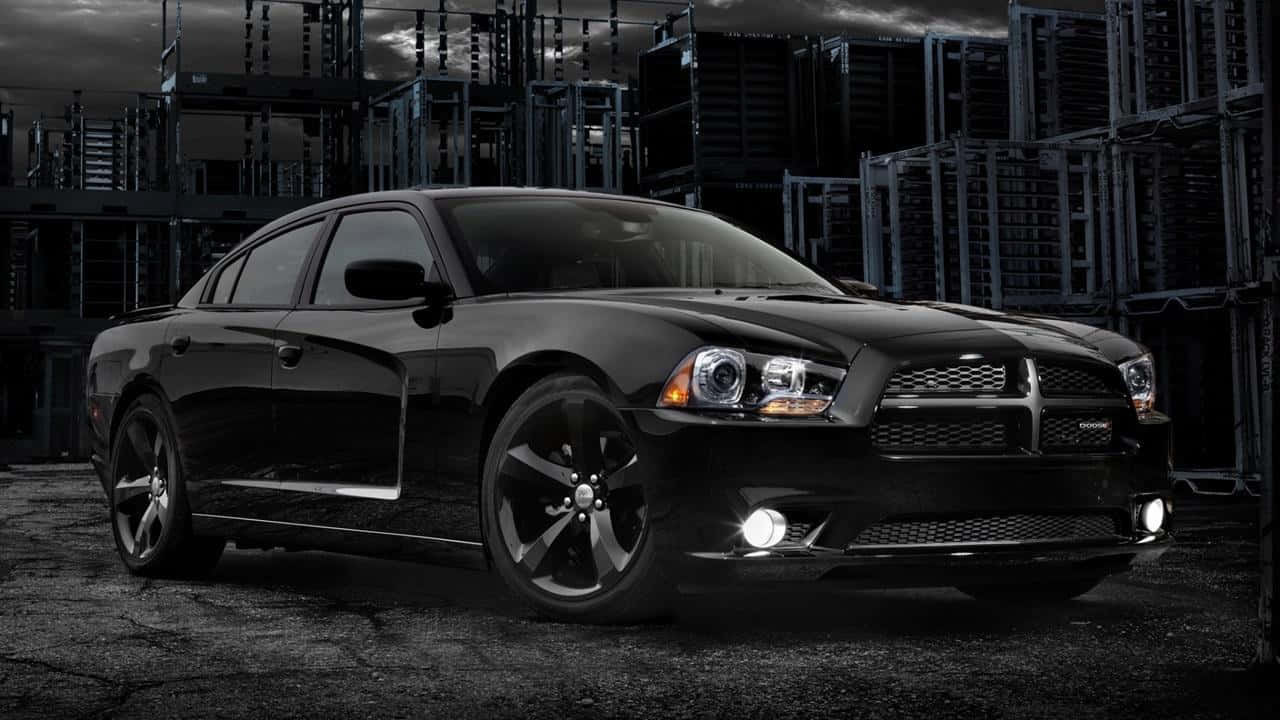
Driving style impacts oil life, too. Chargers driven at high speeds, raced, or used for short city trips consume oil faster. Extreme heat in summer or freezing winter conditions also breaks down oil quickly. In such cases, oil must be changed more frequently.
The owner’s manual may suggest longer oil intervals, but relying on these recommendations can be risky. For heavy use, experts recommend changes every 5,000 miles or even sooner. Spending a little more often ensures better protection, fuel efficiency, and smoother performance.
Neglecting oil changes not only risks engine health it also hurts performance. Dirty oil thickens and makes the engine sluggish. Acceleration feels weaker, fuel mileage drops, and warning lights might appear. Over time, even starting the car becomes increasingly difficult as damage silently worsens.
If oil neglect continues, the worst-case scenario is complete engine failure. A seized engine costs thousands to replace, sometimes more than the car’s value. Compared to this disaster, the small price and time needed for oil changes are very minor.
Regular oil changes also maintain resale value. Buyers often check service records, and a Charger with consistent oil changes shows care. Neglected oil service reduces trust, lowers value, and makes it harder to sell. Maintenance records prove responsible ownership and reliability.
Ignoring oil changes is one of the fastest ways to ruin a Dodge Charger. Clean oil protects performance, extends engine life, and prevents costly damage. Owners who value their Charger’s power should respect this simple but critical maintenance habit.
2) Forgetting Transmission Service
The transmission is one of the most critical systems in a Dodge Charger. It transfers power from the engine to the wheels and allows smooth shifting. Many owners forget transmission service, which slowly weakens performance and eventually leads to costly breakdowns and repairs.
Chargers have powerful automatic transmissions that face heavy stress, especially when driven aggressively. Hard acceleration, high speeds, or stop-and-go city driving push the transmission beyond average limits. Without fresh fluid and timely maintenance, the system overheats and begins wearing down from the inside.
Transmission fluid is like oil for the gearbox it lubricates, cools, and protects moving parts. Over time, fluid breaks down and loses effectiveness. When dirty, it cannot prevent heat or friction properly. This makes gears slip, shifts feel rough, and components wear prematurely.

Many owners believe transmission fluid lasts forever, which is a dangerous myth. The truth is that fluid degrades with mileage, temperature, and driving style. Regular checks and fluid changes are essential for smooth operation, but they are one of the most neglected tasks.
Ignoring the transmission can cause slipping during acceleration, delayed shifting, or strange noises like grinding or humming. These early signs often go unnoticed until the damage becomes severe. At that point, repairs may require complete rebuilds or replacements, costing thousands of dollars.
Routine servicing includes not only fluid replacement but also inspecting filters, seals, and sensors. A clogged filter or leaking seal reduces fluid pressure, which stresses the system further. Simple preventive measures during service help avoid expensive long-term issues that drivers regret later.
Heat is the biggest enemy of transmissions. High-performance cars like the Charger generate a lot of heat when pushed hard. Without clean, strong fluid, cooling fails, and overheating damages clutches and gears. Heat-related failures are common but easily prevented with timely fluid changes.
Another common mistake is using the wrong type of transmission fluid. Each Charger model requires specific fluid designed for its system. Using cheap or incorrect fluid reduces efficiency and protection. Over time, this mistake causes irreversible wear, even if fluid levels remain correct.
Regular servicing extends transmission life and ensures smooth performance. For most Chargers, service every 30,000 to 60,000 miles is recommended. For cars used aggressively or in extreme conditions, shorter intervals are safer. Preventive care avoids surprises and keeps driving enjoyable and stress-free.
Forgetting transmission service is one of the fastest ways to ruin a Dodge Charger. The system is complex and expensive, but simple maintenance keeps it reliable. Fresh fluid, proper inspections, and timely care ensure strong performance for many years.
3) Skipping Brake Maintenance
The Dodge Charger is a muscle car built for power and speed, but that power means nothing without reliable brakes. Sadly, many owners overlook brake maintenance until it’s too late. Ignoring this system risks both performance and safety, making driving dangerous.
The Charger’s strong engines create high speeds, which put constant stress on braking parts. Every time the driver slows down, the system absorbs huge energy. Worn brake pads, damaged rotors, or old fluid reduce effectiveness, leaving the car struggling to stop safely.
Brake pads wear down gradually, and many owners don’t notice the decline until performance drops. Thin pads reduce stopping power and damage rotors. If ignored too long, the metal backing grinds into rotors, creating deep grooves and making repairs far more expensive.

Rotors also need attention. These discs provide the friction surface for pads to grip. Over time, rotors warp from heat, causing vibration during braking. Warped rotors reduce control, increase stopping distance, and make driving uncomfortable. Regular inspection prevents these problems before they escalate.
Brake fluid is another often-forgotten detail. It transfers the force from the pedal to the wheels. Over time, fluid absorbs moisture, lowering its effectiveness. Moisture causes rust inside lines and spongy pedal feel. Flushing the system restores strong, reliable braking performance immediately.
Warning signs of brake trouble include squealing, grinding, vibrations, or dashboard lights. Sadly, many Charger owners ignore these signs, thinking they are minor. By the time the symptoms worsen, the system is already damaged. Addressing issues early saves both money and safety.
Performance cars like the Charger demand higher brake standards than average vehicles. Owners who drive aggressively, race, or frequently stop at high speeds need stronger pads and rotors. Upgrading to performance-grade parts improves stopping power and durability, keeping the car responsive under stress.
Neglecting brakes doesn’t just harm the car; it risks lives. In emergencies, strong brakes make the difference between a safe stop and a crash. Ignoring this system puts passengers, other drivers, and pedestrians in danger. Safety should always come before cost or convenience.
Routine brake maintenance isn’t complicated. Mechanics check pad thickness, rotor condition, and fluid health during service. Many issues can be fixed quickly if caught early. Spending a little on preventive care saves thousands in repairs and avoids dangerous failures on the road.
Skipping brake maintenance is a costly and unsafe mistake for Dodge Charger owners. Strong brakes are essential to match the car’s powerful performance. With simple checks, timely pad replacements, and fluid service, the Charger stays safe, responsive, and reliable.
4) Neglecting the Cooling System
The Dodge Charger’s engine produces tremendous heat, especially the high-performance HEMI versions. That heat must be carefully controlled, and the cooling system handles the job. Unfortunately, many owners forget its importance, which eventually leads to overheating, severe engine damage, and extremely costly repairs.
The cooling system includes the radiator, coolant fluid, hoses, thermostat, and water pump. Each component plays a role in keeping engine temperatures safe. When one part fails or is ignored, the entire system suffers. Over time, overheating becomes unavoidable, straining the engine.
Coolant is the system’s lifeblood. It flows through the engine, absorbing heat and carrying it to the radiator where it cools down. Old coolant loses effectiveness and may become contaminated. Without fresh coolant, the Charger struggles to regulate heat, risking serious problems.

Owners often believe topping off coolant occasionally is enough. However, coolant should be flushed and replaced periodically. Old fluid corrodes internal surfaces and forms scale deposits that clog passages. Blockages reduce heat transfer, forcing the engine to run hotter than designed, causing wear.
Hoses and belts are also commonly overlooked. They deliver coolant between components, and over time they crack, harden, or leak. Even a small leak lowers coolant levels quickly, leaving the engine vulnerable. Routine inspections and replacements prevent roadside breakdowns caused by sudden hose failures.
The radiator is central to the cooling process. Dirt, rust, or debris clogging radiator fins reduces airflow and heat dissipation. A neglected radiator struggles to keep up with engine demands, especially during summer. Cleaning or flushing the radiator ensures efficient heat management year-round.
The water pump circulates coolant through the system. If it fails, the flow stops, and overheating happens almost instantly. Many owners forget about this part until failure occurs. Replacing it preventively during major services avoids overheating disasters and keeps circulation steady.
The thermostat controls coolant flow based on temperature. When stuck closed, it traps coolant inside the engine, causing overheating. If stuck open, the engine never warms properly, reducing efficiency. Regular checks ensure it operates correctly, protecting both performance and fuel economy.
Overheating is one of the fastest ways to ruin a Charger. Excessive heat warps cylinder heads, cracks gaskets, and can even seize the engine. These repairs are extremely expensive. Simple maintenance tasks like flushing coolant and inspecting hoses prevent these destructive consequences.
Neglecting the cooling system is a dangerous mistake for Charger owners. The system is the shield against heat damage, and routine care ensures the engine remains safe. Fresh coolant, healthy hoses, and proper inspections guarantee long-lasting reliability and strong performance.
Also read: 5 Cars With Overengineered Cooling Systems vs 5 That Overheat in Traffic
5) Using Cheap or Wrong Fuel
Fuel is the Charger’s energy source, and using the right grade is critical for performance and durability. Many owners try saving money by using cheap or low-octane fuel. While this seems harmless, it silently damages the engine and reduces driving performance significantly.
The Dodge Charger, especially models with HEMI V8 engines, is designed to run on premium fuel. Premium gas has higher octane levels, which prevent knocking or pinging inside the engine. Using regular fuel lowers efficiency, creates noise, and stresses internal components unnecessarily.
Knocking happens when low-grade fuel ignites too early in the combustion process. This uncontrolled explosion damages pistons, valves, and cylinder walls. Although modern Chargers have sensors that adjust timing to limit damage, constant knocking still shortens engine life and weakens performance.
Cheap fuel also lacks important additives found in higher-quality gas. These additives clean injectors, reduce carbon buildup, and keep combustion smooth. Without them, deposits form inside the engine, restricting airflow and fuel delivery. This reduces power, worsens mileage, and eventually requires costly cleaning services.
Another overlooked issue is fuel quality consistency. Some stations sell lower-grade fuel even when labeled premium. Water contamination or impurities can enter the tank, harming fuel pumps and injectors. Chargers need clean, reliable fuel to function correctly, which means choosing trusted fuel stations.
Fuel economy also suffers when the wrong fuel is used. Low-octane gas burns inefficiently in high-compression engines, forcing the Charger to work harder. Owners notice reduced mileage, sluggish acceleration, and rough idling. Over time, the cost savings at the pump disappear completely.

Performance driving further highlights the importance of proper fuel. Chargers are often pushed hard, whether on highways or tracks. Low-grade fuel cannot handle high loads and temperatures. This reduces responsiveness and increases wear. Premium fuel keeps combustion controlled, allowing the car to perform safely.
The long-term consequences of cheap fuel can be severe. Continuous knocking and buildup may cause engine misfires, damaged spark plugs, or burned valves. Repairs for these issues can run into thousands of dollars. All of this comes from trying to save a few cents.
Owners should always follow the fuel recommendations in the manual. For most HEMI engines, premium fuel is not optional it is required. Even V6 models benefit from higher-quality fuel occasionally, as it cleans the system and maintains smoother performance during heavy driving.
Using cheap or wrong fuel ruins the Charger faster than many realize. Premium gas may cost more upfront, but it protects the engine, improves performance, and prevents expensive repairs. Respecting fuel requirements keeps the Charger powerful, reliable, and enjoyable for years.
6) Overlooking Suspension and Tires
Many Dodge Charger owners focus only on the engine’s power and speed, forgetting that suspension and tires are equally important. These parts connect the car to the road, affecting handling, safety, and comfort. Ignoring them creates hidden problems that ruin driving performance quickly.
The suspension system includes shocks, struts, springs, and control arms. These components absorb bumps, stabilize the car, and maintain traction. Over time, they wear down, especially under the Charger’s heavy body and strong acceleration. Worn suspension makes the ride rougher and less controlled.
Tires are another commonly neglected part. They are the only point of contact between the Charger and the road. Bald or underinflated tires reduce grip, increase stopping distance, and make the car unsafe in wet conditions. Quality tires are vital for balanced driving performance.

Alignment is often ignored but plays a critical role. Misaligned wheels cause uneven tire wear, poor handling, and pulling to one side. Many owners don’t notice until it’s severe. Regular alignments improve control, extend tire life, and keep the Charger stable on highways.
Shocks and struts weaken slowly, so drivers get used to the decline. Signs include nose-diving during braking, bouncing after bumps, or poor cornering stability. Ignoring these symptoms makes driving dangerous at high speeds, where the Charger’s power needs full stability support.
Tires also influence fuel efficiency. Underinflated or poorly maintained tires create rolling resistance, making the engine work harder. This reduces mileage and increases fuel costs. Checking pressure regularly and rotating tires extend their life while also saving money over the long term.
Performance cars like the Charger benefit from high-quality tires matched to driving style. Cheap or worn-out tires cannot handle strong acceleration or high speeds. Investing in good tires improves grip, cornering, and safety, ensuring the Charger performs as designed on the road.
Another overlooked factor is suspension bushings. These rubber parts cushion vibrations and hold components tightly. When cracked or worn, they cause clunking noises and poor steering response. Replacing bushings restores handling precision and keeps the Charger feeling tight and responsive during driving.
Neglecting suspension and tires not only affects performance but also safety. In emergencies, poor grip or unstable handling can cause accidents. Owners who maintain these parts enjoy confidence, smoother rides, and longer-lasting components that complement the Charger’s powerful engine perfectly.
Overlooking suspension and tires is a big mistake that ruins a Dodge Charger fast. These parts are the foundation of safe driving. Regular inspections, quality replacements, and proper care ensure the Charger stays balanced, responsive, and dependable for years.
7) Pushing the Car Without Proper Warm-Up
One mistake many Dodge Charger owners make is driving too aggressively before the car has fully warmed up. This seems minor but creates hidden stress on the engine, transmission, and other components. Skipping warm-up drastically shortens the Charger’s long-term performance and reliability.
When a Charger first starts, engine oil is thick and hasn’t fully circulated. Oil protects moving parts from friction. Driving hard immediately means those parts rub together with minimal protection. Over time, this increases wear, eventually leading to serious engine damage and costly repairs.
Transmission fluid also needs time to warm up. Cold fluid flows poorly, making gear shifts rough and sluggish. Owners who push the Charger without warming it risk damaging the transmission, one of the most expensive parts to repair or replace.
The cooling system also benefits from a gentle warm-up. Cold coolant doesn’t regulate heat effectively until it circulates. If the engine is stressed during this period, it may overheat certain areas while others remain cold, causing uneven wear and hidden internal strain.
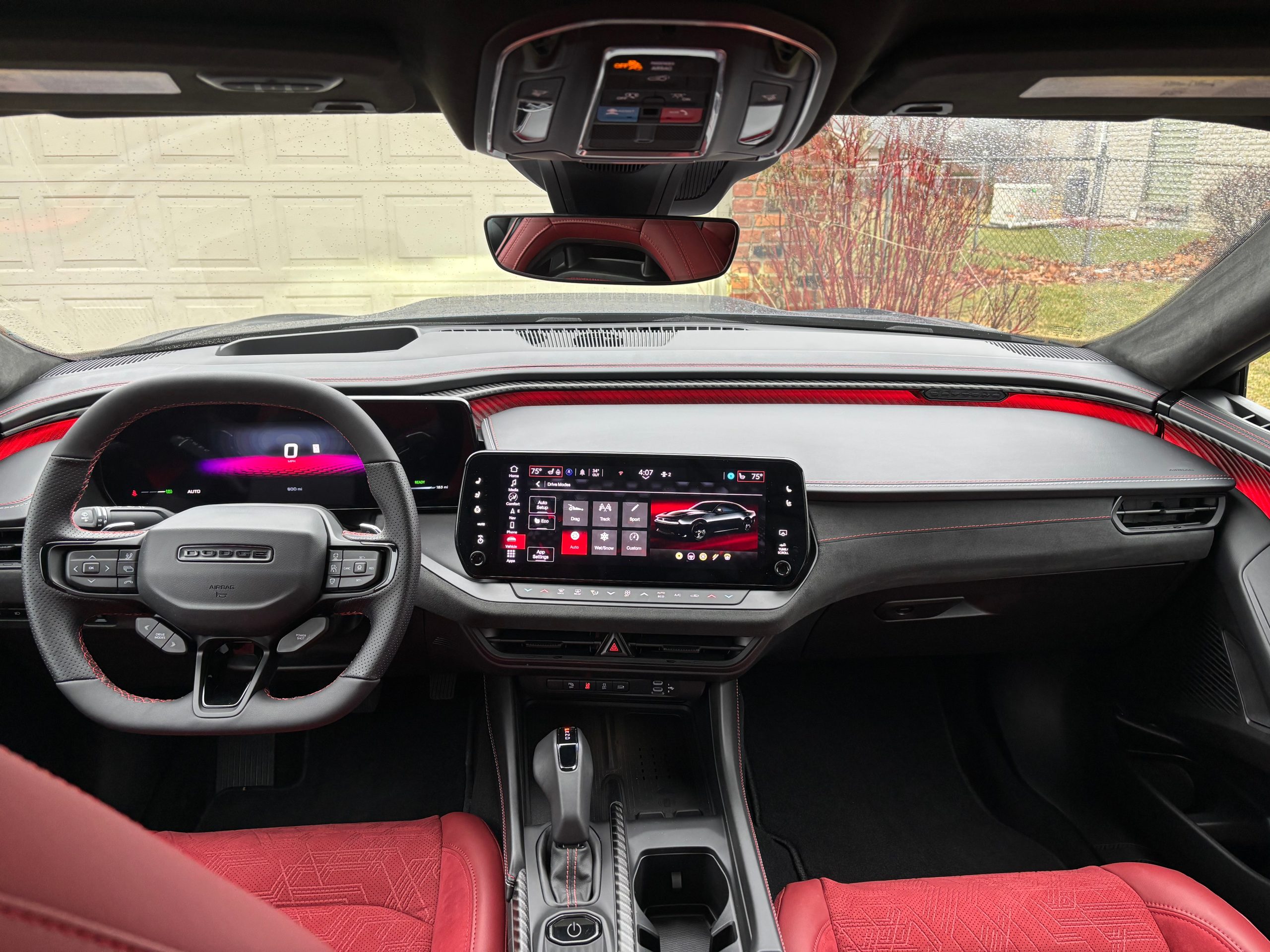
Performance models like the HEMI Charger are especially vulnerable. These engines operate with tight tolerances designed for power. Without proper warm-up, metal parts expand at different rates. This creates micro-fractures and weakens seals. Consistent stress like this shortens engine life dramatically over time.
Warm-up also matters in cold weather. Freezing temperatures make oil and fluids even thicker. Tires stiffen and lose grip. Brakes are less responsive. Pushing the car hard immediately in winter is a recipe for mechanical wear and unsafe driving conditions combined.
A proper warm-up doesn’t require long idling. Instead, starting the car, waiting 30–60 seconds, and then driving gently is enough. Light acceleration allows fluids to circulate, components to expand evenly, and systems to reach operating temperature without unnecessary stress.
Modern Chargers with advanced computers adapt to some extent, but even technology can’t eliminate physics. Mechanical parts still need time to reach balance. Treating the warm-up phase with care helps the Charger deliver peak performance for many more years.
Neglecting warm-up also reduces fuel efficiency. Cold engines burn more fuel and produce more emissions. Driving gently until the engine warms improves economy and protects the catalytic converter from unnecessary strain, which otherwise becomes another expensive part to replace prematurely.
Skipping warm-up is a small oversight that ruins a Dodge Charger fast. Gentle driving during the first minutes protects the engine, transmission, and other systems. With this habit, owners extend lifespan, save money, and enjoy strong performance longer.
Also read: 5 Cars That Rarely Need Expensive Transmission Fixes vs 5 That Do