
The Hyundai Sonata has earned its reputation as a stylish, reliable, and fuel-efficient sedan loved by drivers around the world. While the car is already designed with efficiency in mind, your driving habits, maintenance choices, and care play a big role in determining just how long it remains economical.
Many drivers mistakenly assume that once they buy a fuel-efficient car, they don’t need to worry about upkeep. However, even the most efficient vehicle can start burning more fuel than necessary if ignored.
Fuel efficiency is not just about saving money at the pump; it’s also about extending your car’s lifespan, keeping it performing at its best, and reducing your environmental footprint.
A Sonata that is properly maintained can run smoothly for over a decade without losing its fuel-friendly edge. Small things like tire care, oil changes, and avoiding unnecessary idling add up to big savings over time. What’s more, these habits don’t require major investments. With consistent care, you can maximize efficiency without sacrificing performance or comfort.
Think of your Sonata like an athlete. Even the most naturally talented athlete can’t stay at the top without regular training, proper fuel, and discipline.
In the same way, your car’s “fitness” depends on good fuel, regular tune-ups, and mindful driving. Many owners who pay attention to these small hacks often find that their Sonatas outperform expectations, giving them years of reliable service while keeping fuel bills under control.
The key is consistency. Fuel efficiency doesn’t come from a single fix but from adopting habits that work together. Keeping tires inflated, using quality fuel, monitoring your driving speed, and ensuring regular maintenance are simple but powerful practices.
Over time, they help reduce strain on the engine, lower repair costs, and make your Sonata one of the most economical cars to own long-term.
Also read: 10 Smart Fixes That Keep a Nissan GT-R Reliable for Life
1) Keep Tires Properly Inflated
Your Hyundai Sonata’s tires play a critical role in how efficiently the car uses fuel. Underinflated tires increase rolling resistance, which forces the engine to burn extra fuel just to keep the vehicle moving. This simple issue can quietly reduce your mileage significantly.
Checking tire pressure at least once a month helps prevent this waste. Always use a reliable gauge and compare readings with the recommended PSI listed in your owner’s manual or on the driver’s side door sticker. Correct pressure ensures balanced performance and maximum efficiency.
Many drivers overlook tire care until problems appear, but by then, wasted fuel and uneven wear may already have caused damage. Keeping tires properly inflated not only improves efficiency but also extends their life, saving money on premature replacements.
Temperature changes also impact tire pressure. In colder months, tires often lose pressure, while hot summer days can overinflate them. Monitoring these seasonal changes ensures your Sonata maintains consistent handling, safety, and efficiency throughout the year without unexpected fuel waste.
Properly inflated tires also enhance your driving experience. Steering feels lighter, braking becomes more effective, and road comfort improves. Beyond saving fuel, this creates a safer and smoother drive, making every trip more enjoyable while protecting your investment in the car.
Don’t forget the spare tire either. A flat or poorly inflated spare can become a major problem during emergencies. Checking all five tires ensures complete preparedness while keeping your Sonata fuel-friendly and roadworthy in every situation.

Tires play a huge role in fuel efficiency, yet many drivers overlook them. Underinflated tires cause more rolling resistance, making your Sonata’s engine work harder. This burns extra fuel over time and reduces performance, costing you money at every fill-up.
Checking tire pressure once a month should be part of your routine. Always use a reliable pressure gauge, and compare readings with the recommended PSI listed in your owner’s manual or on the driver’s side door sticker. Correct pressure ensures balanced performance.
Driving with properly inflated tires also makes the car handle more smoothly. Your steering will feel lighter, braking more responsive, and rides more comfortable. It also reduces uneven wear on tires, extending their lifespan and preventing premature, costly replacements.
Before long road trips, inspect all four tires and even the spare. Small temperature changes can affect tire pressure significantly. By being proactive, you’ll not only keep fuel efficiency high but also ensure your Sonata stays safe on the road.
2) Change Engine Oil Regularly
Engine oil is like your Sonata’s lifeblood. It lubricates moving parts, reduces friction, and helps prevent overheating. Over time, oil becomes dirty and loses effectiveness, forcing the engine to use more energy, which translates into increased fuel consumption during everyday driving.
Hyundai recommends regular oil changes depending on mileage and driving conditions. Using high-quality synthetic oil is a smart choice since it provides better lubrication and protection. Synthetic oil also flows more easily, reducing stress on the engine and improving long-term efficiency.
Engine oil is the lifeblood of your Hyundai Sonata. It lubricates moving parts, reduces friction, and helps prevent overheating. Over time, oil breaks down and collects dirt, making the engine work harder. This increased strain directly reduces fuel economy and performance.
Regular oil changes are essential for maintaining efficiency. Hyundai recommends specific intervals depending on mileage and driving style. Sticking to this schedule ensures your engine runs smoothly, reducing wasted fuel and keeping your Sonata in peak condition for the long run.
High-quality synthetic oil is a smart investment. It flows better, resists breakdown, and provides superior protection. With synthetic oil, your engine requires less energy to operate, which translates into lower fuel consumption and extended engine life, especially in harsh conditions.
Skipping oil changes may seem harmless in the short term, but sludge buildup quickly becomes a problem. Thick, dirty oil prevents smooth movement of engine components, which forces the engine to burn more fuel and risks costly internal damage.
Pairing oil changes with filter replacements is equally important. A clean filter ensures oil circulates freely without carrying harmful particles. This combination keeps your engine cleaner, more efficient, and far less likely to waste gasoline through increased internal friction.
Drivers who stick to regular oil maintenance often notice smoother rides, quieter engines, and fewer unexpected breakdowns. These benefits, combined with better mileage, prove that oil changes are not just about maintenance but also about fuel savings.
Ultimately, changing your Sonata’s oil on schedule is a small expense that pays off with big rewards. It preserves fuel efficiency, extends engine life, and ensures your car continues delivering the performance and reliability Hyundai drivers expect.
Skipping oil changes leads to sludge buildup inside the engine. This sludge makes parts move less freely, causing your Sonata to burn more fuel while running sluggishly. What seems like a small skipped service can lead to expensive problems later.
By staying consistent with oil maintenance, you not only improve mileage but also extend engine life. Pairing oil changes with filter replacements ensures your Sonata keeps performing smoothly, efficiently, and economically for many years of worry-free driving.
3) Use the Right Fuel Grade
Many drivers assume premium fuel always means better performance. However, Hyundai Sonata engines are engineered for specific fuel types, usually regular unleaded. Using premium unnecessarily doesn’t improve efficiency it only empties your wallet without offering extra power or fuel savings.
Using the correct fuel grade ensures optimal combustion inside the engine. The wrong fuel type may cause knocking, uneven burning, or inefficient performance. Following the owner’s manual guarantees you’re giving your Sonata exactly what it needs for reliable, economical driving.
Fuel is the most obvious factor in efficiency, yet many drivers misunderstand it. Some assume premium fuel always improves mileage, but Hyundai Sonatas are designed to run on specific fuel types. Using premium unnecessarily wastes money without boosting fuel efficiency or performance.

Your Sonata’s manual specifies the recommended grade, usually regular unleaded. Following this advice ensures optimal combustion. The wrong grade may cause knocking, uneven burning, or inefficiency. Sticking to the right fuel keeps your engine balanced, economical, and running smoothly.
Not all gasoline is equal, though. Poor-quality fuel may contain impurities that clog injectors or reduce combustion efficiency. Over time, this forces the engine to burn more fuel. Filling up at reputable stations guarantees cleaner gasoline and more consistent efficiency.
Drivers sometimes mix grades, thinking it balances cost and performance. In reality, this confuses the engine’s timing and efficiency systems. The safest and smartest option is always following Hyundai’s recommendation without experimenting, which ensures long-term reliability and economy.
Another key factor is keeping your fuel tank clean and healthy. Running it too low risks pulling dirt or sediment into the fuel system, which can clog injectors and reduce efficiency. Regularly refueling before the tank empties avoids this issue.
By respecting fuel grade recommendations, you give your Sonata exactly what it needs. Instead of wasting money on premium fuel myths, you’ll enjoy consistent mileage, fewer engine problems, and peace of mind knowing your car is running as designed.
Fuel is your Sonata’s diet. Just as people thrive on the right nutrition, your car performs best with the right gasoline. Choosing wisely ensures every drop is burned efficiently, keeping your sedan fuel-friendly for years to come.
Filling up at reputable stations also matters. Poor-quality fuel can contain impurities, lowering combustion efficiency and clogging injectors. This eventually forces the engine to burn more fuel. Choosing trusted stations ensures cleaner fuel flow, better combustion, and long-lasting efficiency.
In short, don’t waste money chasing myths about premium fuels. Instead, stick with the manufacturer’s recommendation. It’s the easiest, most effective way to maintain performance, prevent unnecessary expenses, and ensure your Sonata continues to deliver excellent fuel economy every day.
4) Drive Smoothly, Avoid Aggressive Habits
Your driving style directly impacts fuel economy. Rapid acceleration, sudden braking, and aggressive maneuvers cause the engine to burn more fuel. Instead, practicing smooth and steady driving keeps your Sonata efficient, reduces stress on components, and makes every ride more comfortable.
Using cruise control on highways is an excellent habit. It prevents unnecessary speed fluctuations that increase fuel usage. Smooth acceleration and gradual braking not only save fuel but also keep tires, brakes, and suspension parts lasting longer than expected.
Aggressive driving might feel exciting, but it comes at a cost. Constant heavy acceleration means burning more fuel than necessary, while hard braking wastes energy that could’ve been saved with smoother speed management. Calm driving is fuel-friendly driving.
When you make driving gently a habit, you’ll notice a significant difference in mileage. Your Sonata will reward you with smoother rides, reduced repair bills, and far better fuel efficiency making every trip less costly and more enjoyable.
5) Don’t Overload the Car
Carrying excess weight reduces efficiency. Every extra kilogram forces your Sonata’s engine to burn more fuel. Many drivers unknowingly keep heavy items in their trunk or use roof racks unnecessarily, forgetting how much this affects mileage over time.
Roof racks and cargo boxes may seem convenient, but they increase aerodynamic drag. This drag means your Sonata needs more energy to maintain speed, especially on highways. Even if the engine is efficient, excess load reduces performance significantly.

Decluttering your trunk and removing unused accessories improves both fuel efficiency and comfort. A lighter car is easier to drive, brakes more effectively, and accelerates smoothly. This also reduces wear on suspension parts, extending your car’s lifespan.
Traveling light is one of the easiest ways to save fuel without spending extra money. By cutting down unnecessary load, you’re giving your Sonata less weight to push helping both fuel efficiency and handling stay consistently better over time.
Also read: 10 Moves That Kill a Honda Crosstour Before 150,000 Miles
6) Limit Idling Time
Many drivers underestimate how much fuel is wasted by idling. When your Hyundai Sonata is parked but running, the engine continues burning fuel even though the car isn’t moving. Over time, this habit quietly drains your fuel tank and reduces efficiency.
Contrary to outdated myths, restarting modern cars like the Sonata uses very little fuel compared to prolonged idling. Hyundai engines are designed to ignite smoothly, so shutting off and restarting is far more efficient than letting the engine run uselessly.
Idling also prevents your car from warming up properly. Engines achieve their best efficiency at optimal operating temperature. Extended idling keeps parts running cold, leading to incomplete combustion, fuel waste, and extra wear on spark plugs, exhaust pipes, and sensors.
Another overlooked issue is pollution. While sitting still, an idling car pumps harmful gases into the air. Reducing idling not only saves money at the pump but also helps cut emissions, contributing to a cleaner environment for your community.
In heavy traffic, it isn’t always possible to avoid idling completely. However, when parked at school pickup, waiting outside a store, or standing still longer than a minute, switching off the engine is smarter. It saves fuel and reduces unnecessary strain.
Your Sonata is designed with fuel efficiency in mind, but it cannot overcome the waste caused by constant idling. By training yourself to turn off the car when not moving, you protect your wallet, your engine, and the environment all at once.
7) Keep the Air Filter Clean
Your Sonata’s air filter is small but powerful when it comes to fuel economy. It ensures the engine gets enough clean air to mix with fuel for proper combustion. When clogged, the engine burns extra fuel just to maintain normal performance.
A dirty filter restricts airflow, causing incomplete fuel burning. This means you’re using more gasoline to cover the same distance. Poor airflow also reduces horsepower, making the car feel sluggish, which in turn tempts drivers to press harder on the accelerator.
Checking the air filter regularly is simple and inexpensive. Hyundai recommends periodic replacement, but if you drive in dusty or polluted areas, it may need attention sooner. The cost of a replacement filter is far less than wasted fuel.

A clean air filter not only boosts efficiency but also keeps the engine healthier. Dust and debris that sneak past a dirty filter can damage sensitive components inside the engine, leading to costly repairs that far outweigh the price of replacement.
Drivers often forget how much a fresh filter improves responsiveness. Acceleration feels sharper, fuel burns more evenly, and the engine sounds smoother. This tiny part works quietly but makes a noticeable difference in both performance and savings over time.
Think of the air filter as your Sonata’s lungs. Just as people breathe better with clean air, your car performs better with proper airflow. Replacing the filter on time ensures efficiency, smooth operation, and reliable performance for years.
8) Use the Air Conditioner Wisely
Air conditioning is one of the biggest hidden fuel drains. While it keeps you comfortable, running it constantly forces your Sonata’s engine to work harder. This extra load burns more fuel, especially in hot summers when AC use is unavoidable.
At lower speeds, opening the windows is more fuel-friendly than blasting the AC. However, once you reach highway speeds, open windows increase drag, making the engine consume more fuel. At that point, using AC sparingly becomes the smarter option.
Modern Sonatas often feature automatic climate control. Instead of setting the temperature extremely low, choose a moderate level. The recirculation function also reduces fuel consumption since it cools already cooled air rather than pulling in hot outside air repeatedly.

Another tip is to avoid pre-cooling the car by letting it idle with the AC running. Instead, start driving and let airflow assist the system. This not only cools the cabin faster but also keeps fuel usage under control.
You can also maintain the AC system to maximize efficiency. Regularly checking refrigerant levels, replacing cabin air filters, and servicing the compressor keep the system running smoothly without straining the engine. Proper care prevents excessive fuel loss caused by overworked AC parts.
Balancing comfort with efficiency doesn’t mean giving up cool air. It’s about using the system wisely, adjusting settings smartly, and relying on ventilation whenever possible. With these small changes, you’ll stay comfortable while keeping your Sonata fuel-efficient.
9) Stick to Scheduled Maintenance
Scheduled maintenance is the cornerstone of keeping your Hyundai Sonata fuel-efficient for life. Every small component works together to ensure smooth performance. Ignoring routine care might seem harmless at first, but over time, it weakens efficiency and raises your fuel bills.
Take spark plugs, for example. Worn plugs cause incomplete combustion, wasting fuel and reducing power. Similarly, dirty fuel injectors deliver uneven sprays, forcing the engine to use more gasoline. Both issues can be avoided with simple, timely tune-ups.
Hyundai’s maintenance schedule includes oil changes, filter replacements, inspections, and part replacements. Each step is designed to keep your Sonata operating at its best. Following this schedule prevents inefficiencies and avoids bigger, more expensive problems down the road.
Even the transmission and brakes influence fuel usage. If brakes drag or transmission fluids are old, your car has to work harder, wasting fuel. Regular inspections ensure every system runs smoothly, maintaining top performance and maximum efficiency.
A well-maintained Sonata not only saves fuel but also delivers a smoother, quieter ride. You’ll notice fewer breakdowns, better resale value, and less stress knowing your car is in excellent health. Routine maintenance is truly an investment in long-term savings.
Skipping maintenance often seems like saving money, but it costs more in wasted fuel and unexpected repairs. Staying consistent with Hyundai’s service schedule keeps your Sonata efficient, reliable, and economical throughout its entire lifespan.
10) Monitor Driving Speed
Driving speed is one of the most important factors for fuel efficiency. Once your Sonata crosses 65–70 mph, aerodynamic drag increases sharply. This drag forces the engine to work harder, drastically lowering fuel economy compared to driving at moderate speeds.
Every vehicle has a “sweet spot” for maximum efficiency. For the Sonata, it usually lies between 50 and 60 mph on highways. Driving within this range saves fuel while keeping the journey smooth and stress-free for both car and driver.
Cruise control is a powerful tool to manage speed. On long drives, it prevents unnecessary acceleration or braking, which are major fuel wasters. Consistency not only saves fuel but also reduces driver fatigue, making travel safer and more enjoyable.
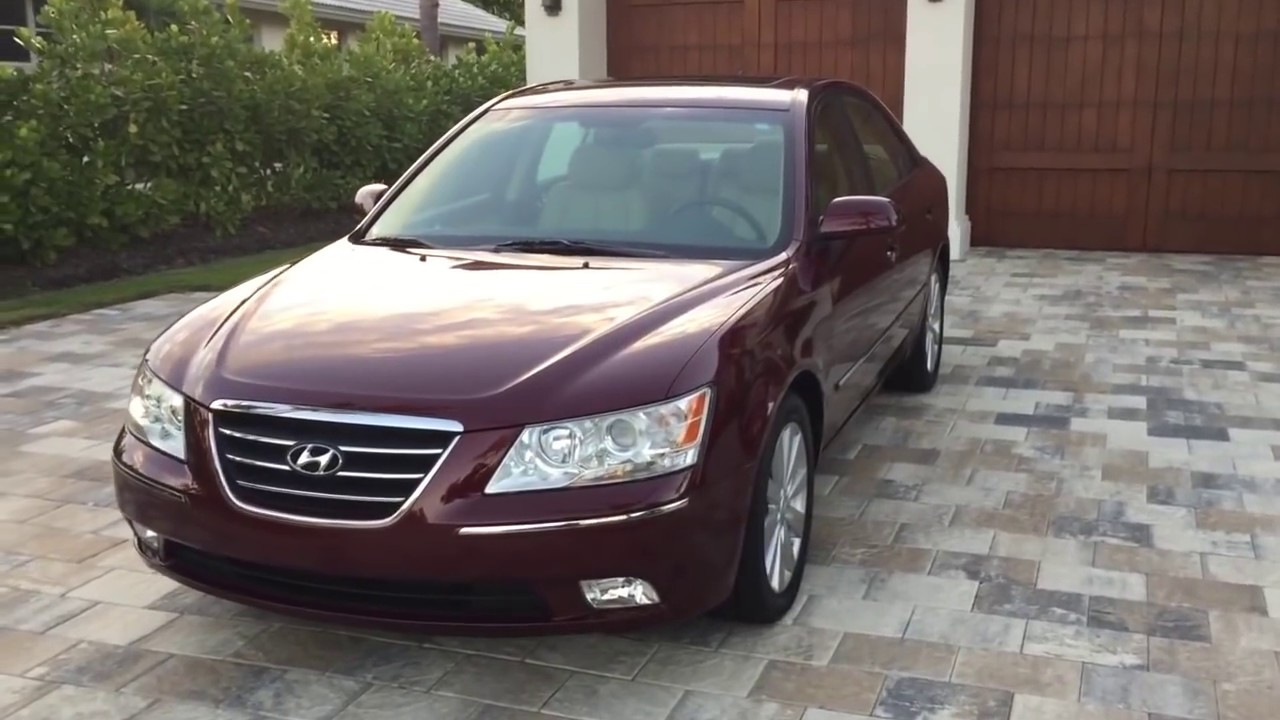
Aggressive speeding not only wastes gasoline but also wears out tires, brakes, and engine components faster. Slowing down slightly can make a huge difference in both mileage and maintenance costs, keeping your Sonata more efficient in the long term.
It’s also worth remembering that high speeds increase accident risks. By keeping your driving steady and moderate, you’re saving money and improving safety. Your Sonata delivers its best efficiency when treated with patience, not when pushed aggressively beyond limits.
Monitoring speed is the simplest hack yet one of the most effective. By driving calmly and avoiding unnecessary speeding, you’ll consistently see better mileage, reduced stress on the car, and greater satisfaction every time you hit the road.
Also read: 10 Fixes That Keep a Toyota Highlander Family-Ready for Decades