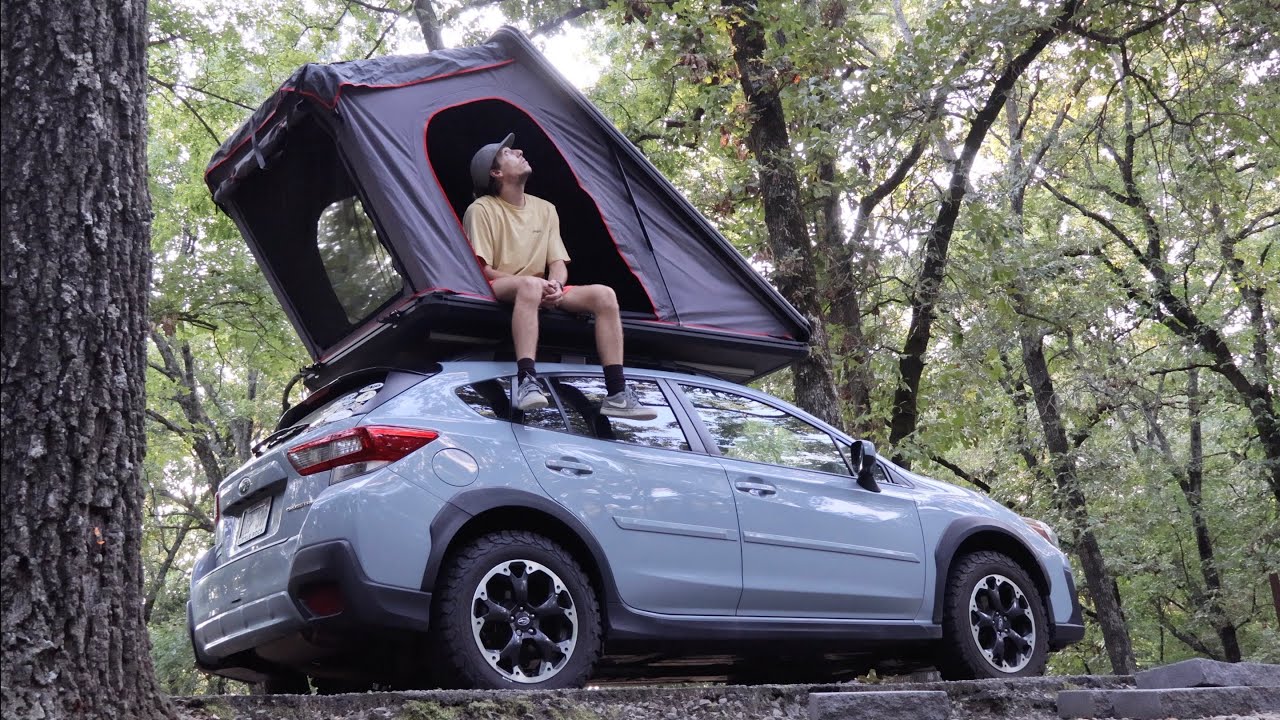
Camping with a Subaru Crosstrek can be one of the best outdoor adventures. The Crosstrek is known for its versatility, compact size, and rugged capability, making it a popular choice among outdoor lovers.
With its all-wheel drive, strong suspension, and spacious cargo area, this SUV is built to handle both highways and backroads with ease. Whether you’re heading into the woods, driving up a mountain trail, or parking near a quiet lake, the Crosstrek is ready for the journey.
However, even the most reliable vehicle needs some preparation before a camping trip. Unlike daily drives around the city, camping often involves rough terrain, longer travel times, and carrying extra gear.
A little planning ahead ensures not only the safety of your vehicle but also the comfort and success of your adventure. Skipping important steps could lead to problems like a flat tire in the middle of nowhere, running out of essential supplies, or having less space for gear than you expected.
Preparing your Subaru Crosstrek before heading out helps you avoid surprises and makes your trip smooth and enjoyable. Think of it as setting the foundation for your camping experience.
A well-prepped vehicle gives you peace of mind and lets you focus on enjoying nature instead of stressing over car troubles. From checking the tires and fluids to packing the right essentials, there are several things you should always do to get your Crosstrek ready.
Another reason preparation matters is that camping often takes you far from service stations, repair shops, or convenience stores. Once you’re deep in the wilderness or off on a mountain trail, help may not be close by.
Being ready for different situations like bad weather, slippery roads, or sudden changes in conditions can make a huge difference in keeping your trip safe and stress-free. The Subaru Crosstrek is built for adventure, but it performs its best when you take care of it properly before the journey.
This article will guide you through seven important things you should always do before taking your Crosstrek camping. These tips are simple, practical, and easy to follow, even if you’re new to camping.
They cover both vehicle care and trip essentials, so you’ll know how to prepare your car and yourself. With the right preparation, your Crosstrek can take you just about anywhere and turn your camping trip into a memorable adventure.
Also read: 10 Smart Fixes That Keep a GMC Sierra Pro Long-Lasting
1) Check Your Tires and Spare
Before heading out on a camping trip, always check the tires on your Subaru Crosstrek. Camping often means driving on rough trails or uneven roads, and strong, healthy tires are essential for safety. Inspect tread depth, air pressure, and tire condition carefully.
Uneven or worn tires can reduce traction, making it harder to handle slippery or rocky areas. Proper tire pressure improves fuel efficiency and stability, especially when your car is carrying heavy camping gear. A quick inspection helps avoid unexpected tire troubles during your trip.
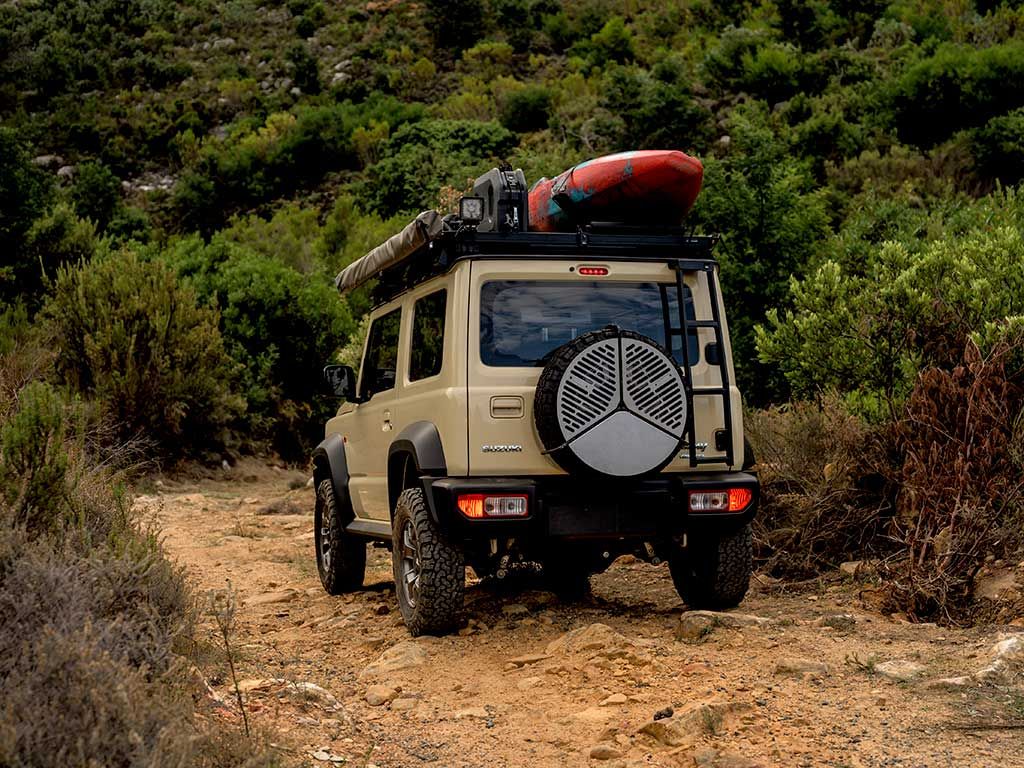
Don’t forget to check the spare tire too. Many people focus only on the four main tires and overlook the spare. If you get a flat in the middle of nowhere, a well-inflated spare can save the day and keep your trip stress-free.
It’s also smart to pack basic tools like a jack, tire iron, and a portable air pump. Even if your Crosstrek has roadside assistance coverage, being prepared allows you to handle minor issues yourself when camping in remote places without cell service.
Strong tires give you confidence to drive over gravel roads, muddy trails, or sandy paths without worrying about getting stuck. Before leaving, make sure your Crosstrek’s tires are in great shape. This small step ensures safer travels and smoother camping adventures ahead.
2) Inspect Fluids and Engine Health
Before heading out on your camping adventure, checking the fluids in your Subaru Crosstrek is essential. Fluids are like the lifeblood of your vehicle, without them, the engine and other systems can’t function properly. Neglecting this step could leave you stranded far from help.
The first fluid to inspect is engine oil. Oil keeps your engine lubricated, reduces friction, and prevents overheating. If the oil is dirty or running low, your engine may struggle, especially on long drives or when climbing hills with extra camping gear in tow.
To check the oil, pull out the dipstick, wipe it clean, reinsert it, and pull it out again. Make sure the oil level is within the recommended range and that the oil looks clean, not dark or gritty. If it looks old, schedule an oil change before leaving.
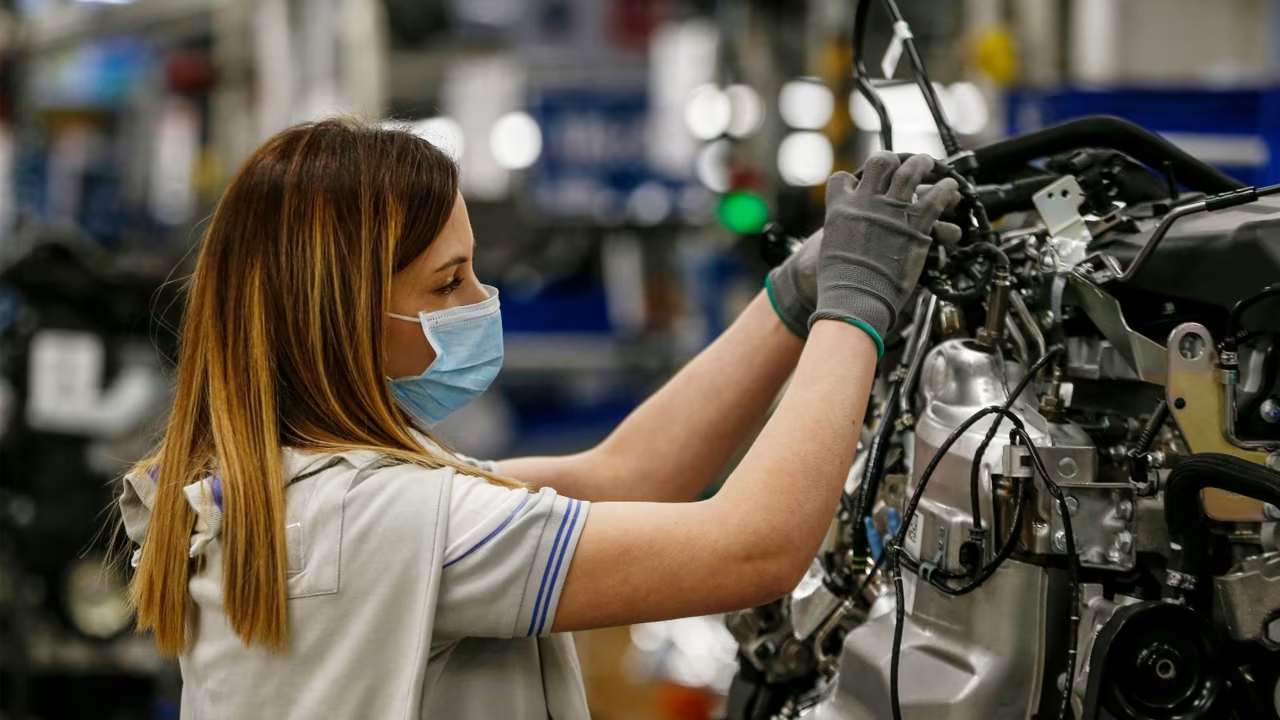
Next comes coolant, which is vital for keeping your engine from overheating. Camping trips often involve mountain roads or extended driving in hot weather, both of which put extra stress on the engine. Low coolant could cause the engine temperature to spike, leading to costly breakdowns.
Transmission fluid is another critical part of your Crosstrek’s health. This fluid ensures smooth gear shifting, especially important when carrying heavy camping equipment. If the transmission fluid is low or dirty, the gears may slip or strain, which could create serious problems during your trip.
Brake fluid is equally important. Your Crosstrek may handle great, but without strong brakes, safety is at risk. Low or contaminated brake fluid can reduce stopping power. Before a camping trip, make sure your brake fluid is at the correct level and not discolored.
Windshield washer fluid might not seem as urgent as the others, but it plays a big role in visibility. Dust, bugs, and mud often build up on country roads. Having a full washer reservoir and working wipers ensures you can always see clearly.
Power steering fluid, if applicable, should also be checked. While many newer Crosstreks use electronic systems, some still depend on fluid. Low levels could make steering heavier, which isn’t ideal when maneuvering on narrow trails or rough terrain.
It’s also smart to visually inspect for leaks under the car. A small puddle or drip could signal trouble with oil, coolant, or transmission fluid. Catching it before your trip can prevent breakdowns in areas where repair help isn’t nearby.
In the end, checking your Crosstrek’s fluids is a simple but powerful way to ensure a safe and stress-free camping trip. With clean, topped-up fluids, your vehicle will run smoothly, letting you enjoy nature instead of worrying about engine problems.
3) Test the Battery and Electrical Systems
Before heading out on your camping adventure with the Subaru Crosstrek, testing the battery and electrical systems is very important. A weak or failing battery might still work for short city drives, but it can fail suddenly on longer, remote camping trips.
Start by inspecting the battery itself. Look for corrosion around the terminals, which can prevent a strong connection and lead to starting issues. If you notice a white or greenish build-up, clean it carefully with a brush and baking soda mixture before leaving.
Check the battery’s age as well. Most car batteries last between three and five years, depending on use and climate. If your battery is older than that, consider replacing it before your camping trip to avoid the risk of being stranded without power.
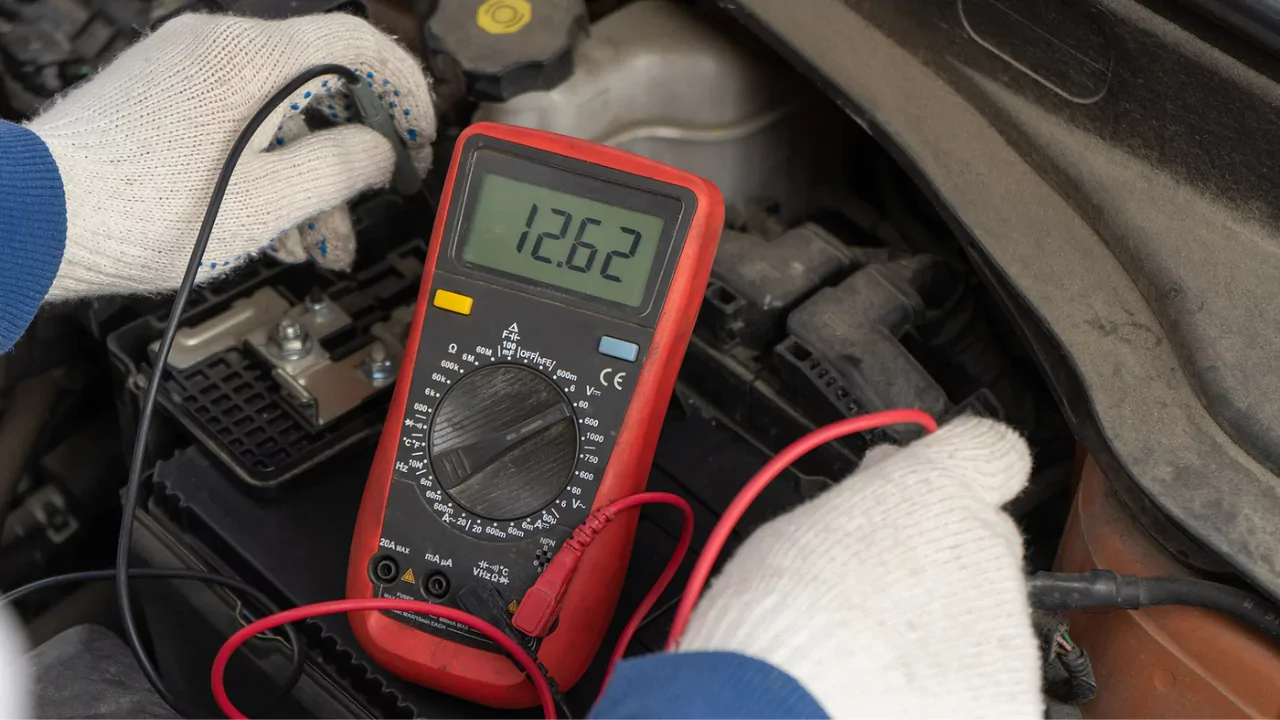
It’s also wise to test the voltage using a multimeter. A healthy battery should read around 12.6 volts when the engine is off. Anything significantly lower could indicate weakness, meaning your Crosstrek might struggle to start in colder camping conditions.
Don’t forget that your electrical system powers more than just starting the car. Lights, infotainment systems, charging ports, and even safety features all rely on a strong electrical supply. Weak batteries can cause dim headlights or slow charging for devices you may need outdoors.
Headlights, fog lights, and brake lights should all be tested before leaving. Camping often involves driving on unlit backroads, and you’ll need strong lighting to see clearly. A burned-out bulb can be a safety hazard, so replace any faulty lights right away.
The Crosstrek’s alternator also deserves attention. If the alternator isn’t charging the battery properly, the car may run for a while but then fail once the battery drains. Mechanics can test alternator health quickly, and it’s worth checking before a big trip.
Many campers also use the Crosstrek’s outlets to power or charge gear like phones, lanterns, or coolers. Without a strong battery and electrical system, these conveniences won’t work reliably. Preparing in advance ensures your electronics will stay charged when you need them most.
Lastly, consider packing a portable jump starter. Even with all precautions, batteries can still fail unexpectedly. A jump starter gives you peace of mind by allowing you to restart the car without waiting for another vehicle or roadside assistance in the wilderness.
Testing your Subaru Crosstrek’s battery and electrical systems before camping ensures you won’t face frustrating or dangerous problems. With a strong battery, bright lights, and reliable charging power, you can enjoy your adventure knowing your Crosstrek is ready for the wild.
Also read: 5 Cars That Rarely Have Rust Problems vs 5 That Rot Early
4) Pack Emergency and Safety Gear
Camping trips are all about fun and relaxation, but being prepared for emergencies is just as important. Before taking your Subaru Crosstrek into the wilderness, you should always pack emergency and safety gear. Nature is unpredictable, and preparation ensures your safety.
Start with a first-aid kit. Whether it’s a small cut, a burn from the campfire, or an insect bite, having medical supplies on hand is essential. Stock it with bandages, antiseptic wipes, pain relievers, and any personal medications you may need.
Next, include tools for roadside emergencies. A flashlight, jumper cables, multi-tool, and tire repair kit can save you if something goes wrong with your vehicle. Being in a remote camping area often means help isn’t nearby, so self-reliance is key.
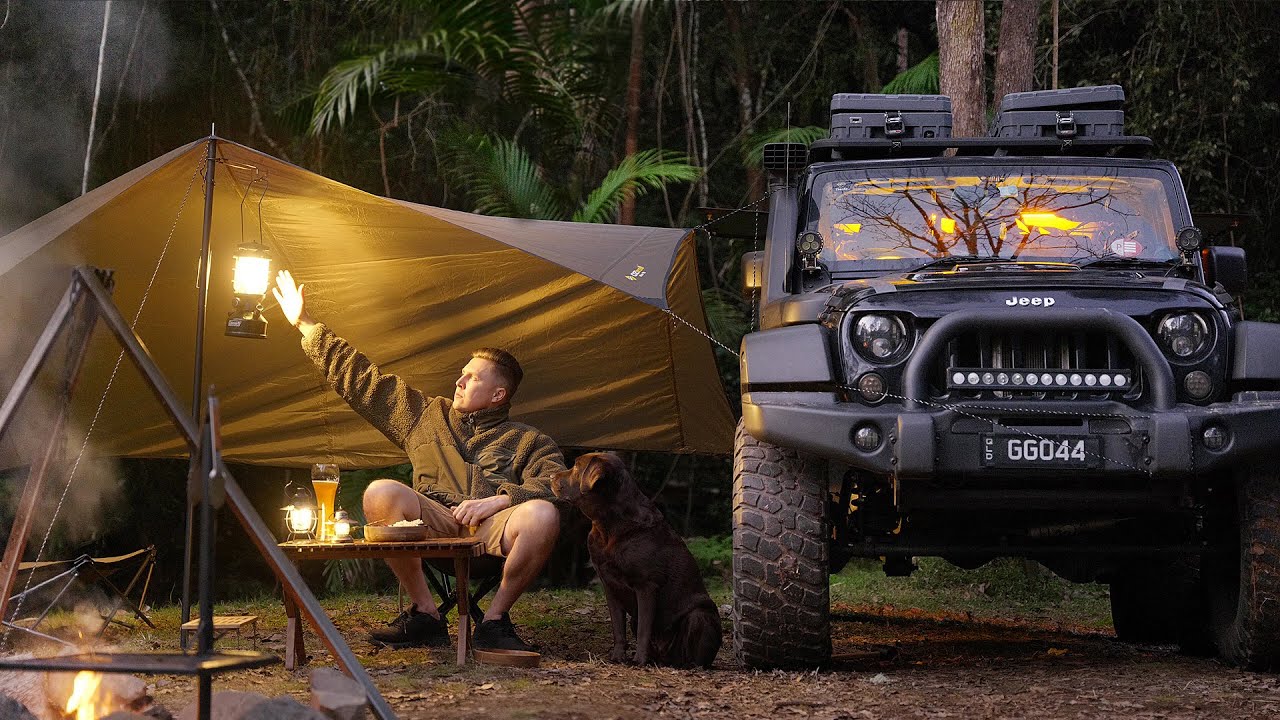
A portable air compressor is also valuable. If a tire loses air while you’re far from a gas station, you can quickly inflate it. Pair this with a sturdy jack and tire iron to handle unexpected flats without unnecessary stress.
Another must-have item is an emergency blanket. Temperatures can drop suddenly at night in forested or mountainous areas. Even if you already have sleeping bags, a reflective emergency blanket adds an extra layer of protection and warmth in unexpected situations.
Don’t forget about fire safety. Carry a small fire extinguisher rated for automotive and camping use. While rare, car fires or uncontrolled campfires can happen. Having the right equipment ensures you can respond quickly and prevent a small issue from becoming dangerous.
Communication is also crucial. Cell phone signals are often weak or nonexistent at campsites. Packing a portable battery pack or solar charger helps keep devices powered. For extra safety, consider a two-way radio or personal emergency beacon if venturing far into the wild.
Food and water supplies should also be part of your safety kit. Pack extra drinking water and non-perishable snacks, in case your trip gets delayed or you get stuck on the road. It’s better to have more than you think you’ll need.
Finally, store all your safety gear in one easily accessible bag or container inside your Crosstrek. In an emergency, you don’t want to dig through piles of camping gear to find essentials. The organization ensures faster response when it matters most.
By packing emergency and safety gear, you prepare for the unexpected without taking away from your camping fun. It’s a simple but powerful step that gives you peace of mind, allowing you to enjoy your Subaru Crosstrek adventure worry-free.
5) Organize Cargo and Secure Your Gear
One of the best things about the Subaru Crosstrek is its ability to carry a lot of camping gear, but organization is the key to making your trip stress-free. Poorly packed cargo can shift, cause damage, or create safety hazards.
Start with the basics: make a checklist of all the camping essentials you’ll need tents, sleeping bags, cooking equipment, food supplies, and extra clothes. Having a clear plan helps avoid overpacking and ensures nothing important is left behind at home.
When loading the Crosstrek, place heavy items at the bottom and toward the center. This keeps the vehicle balanced, improves handling, and reduces the chance of heavy objects shifting while driving. It also makes unloading much easier when you arrive at camp.
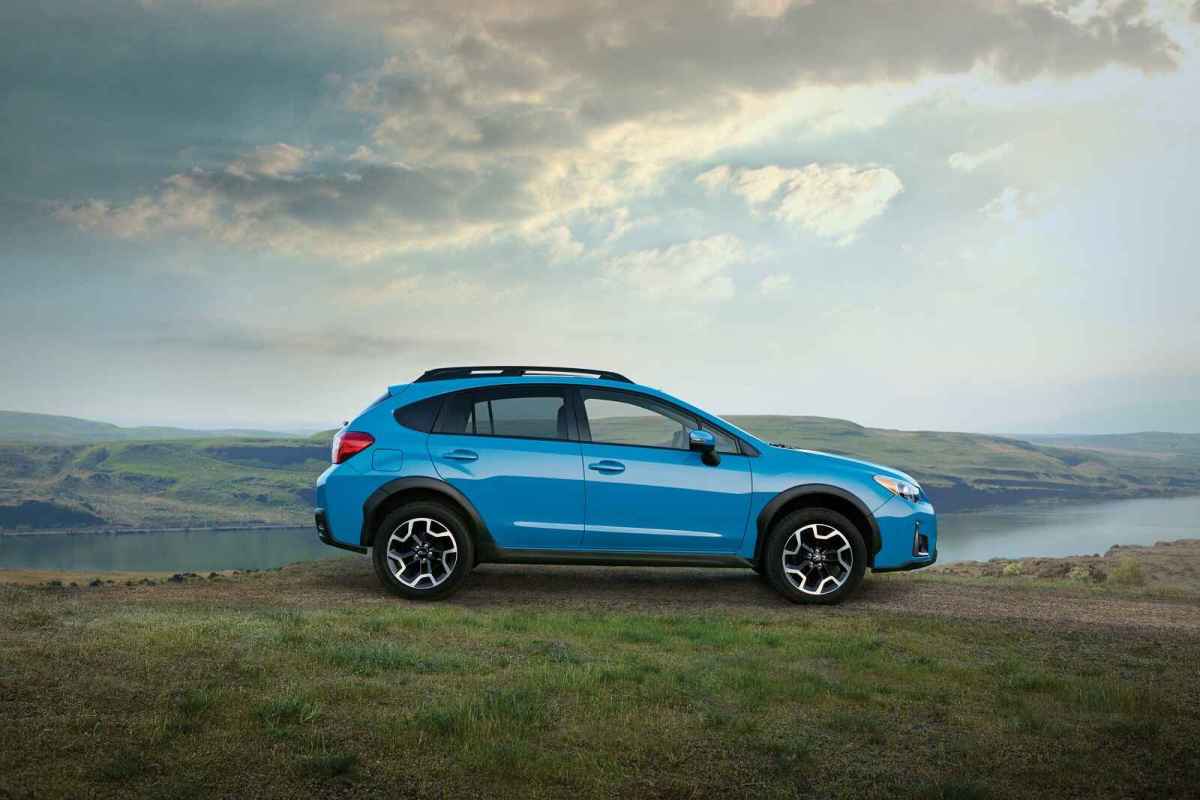
Use storage bins or containers to keep items organized. Clear bins let you see what’s inside without rummaging. Separating gear into categories like kitchen supplies, bedding, and tools saves time when setting up camp and keeps your Crosstrek’s cargo area tidy.
Don’t forget smaller items like lanterns, chargers, and snacks. Store these in easy-to-reach spots so you won’t need to unpack everything to find them. Keeping important things accessible makes stops along the way more convenient and less stressful.
Securing gear is just as important as organizing it. Use cargo nets, tie-down straps, or the Crosstrek’s built-in hooks to keep items from shifting during the drive. Loose gear can become dangerous projectiles if you need to brake suddenly.
Roof racks can also be useful for bulky gear like kayaks, coolers, or extra luggage. Just make sure to follow the Crosstrek’s weight limits and secure items tightly. Poorly tied gear can shift, create wind noise, or even fall off while driving.
Inside the cabin, avoid stacking items too high. Blocking your rearview mirror reduces visibility and creates blind spots. If you need extra storage, consider a roof box or hitch-mounted cargo carrier to keep your main cabin space open and safe.
Before hitting the road, double-check that all doors, hatchbacks, and the roof rack are securely closed and locked. It’s easy to overlook something in the rush to leave, but this simple check prevents accidents and lost gear.
6) Plan Your Route and Navigation
Before setting off on your Subaru Crosstrek camping adventure, planning your route is one of the smartest steps you can take. Unlike city drives, camping often takes you into remote areas where cell service may disappear. A good navigation plan keeps you safe.
Start by mapping your primary route on a GPS app, but don’t stop there. Always have a backup plan. Carry paper maps or download offline maps in advance, so you’ll still know where to go even without an internet connection.
Consider the condition of roads leading to your campsite. Gravel, mud, or steep inclines may require more cautious driving. Research road closures, seasonal conditions, or trail restrictions in advance. Being aware of challenges ensures your Crosstrek is ready to handle them.
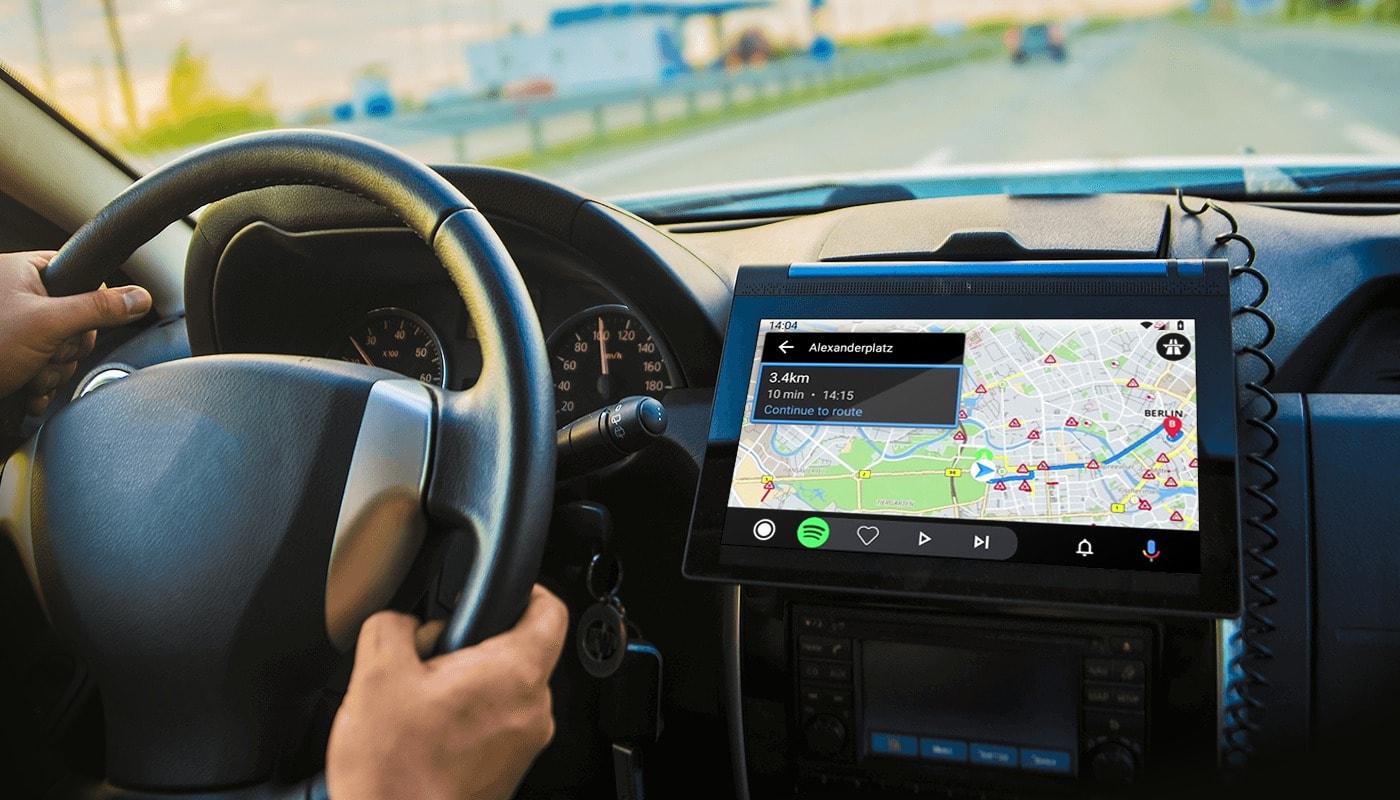
Fuel planning is another key part of navigation. Remote camping areas often lack gas stations nearby. Check the distance from the last fuel stop to your campsite and fill up early. Keeping a full tank avoids stressful situations in unfamiliar territory.
Check the weather along your planned route. Heavy rains, snow, or extreme heat can change driving conditions drastically. Planning ahead allows you to adjust departure times, prepare extra gear, or even choose alternate routes to ensure a smoother, safer trip.
Share your travel plan with a trusted friend or family member. Let them know where you’re going, which routes you’ll take, and when you expect to return. This small step creates extra safety in case of emergencies in remote areas.
Your Crosstrek may also have built-in navigation features or infotainment apps. Make sure these are updated before leaving. Outdated maps can miss new roads or closed areas, while updated systems make your journey more reliable and stress-free.
Lastly, pack a compass or handheld GPS device as a backup if you’re venturing deep into nature. While your Crosstrek can handle rugged trails, personal navigation tools ensure you won’t get lost if you go hiking or on foot.
Planning your route isn’t just about reaching your destination; it’s about making the entire journey smoother and safer. With good preparation, you’ll enjoy the scenic drives and remote beauty without worrying about getting lost or running into avoidable obstacles.
7) Double-Check Camping Essentials
The final step before heading out in your Subaru Crosstrek is to double-check your camping essentials. Forgetting even one critical item can turn a fun adventure into a stressful experience. A final gear check ensures everything is packed, organized, and ready to use.
Start with shelter. Make sure your tent, stakes, and ground cover are packed. Test the tent at home if it’s new or hasn’t been used in a while. A missing pole or torn fabric is easier to fix before you leave.
Sleeping gear is next. Check that you have enough sleeping bags, pads, and blankets for everyone. Nights can get cold, even in summer, and proper insulation is vital. Being comfortable at night makes the whole camping trip more enjoyable and restful.
Cooking supplies are another must. Pack a camping stove, fuel, pots, utensils, and cleaning supplies. Don’t forget a lighter or waterproof matches. Having reliable cooking gear saves you from frustration and ensures you can prepare meals no matter the conditions.
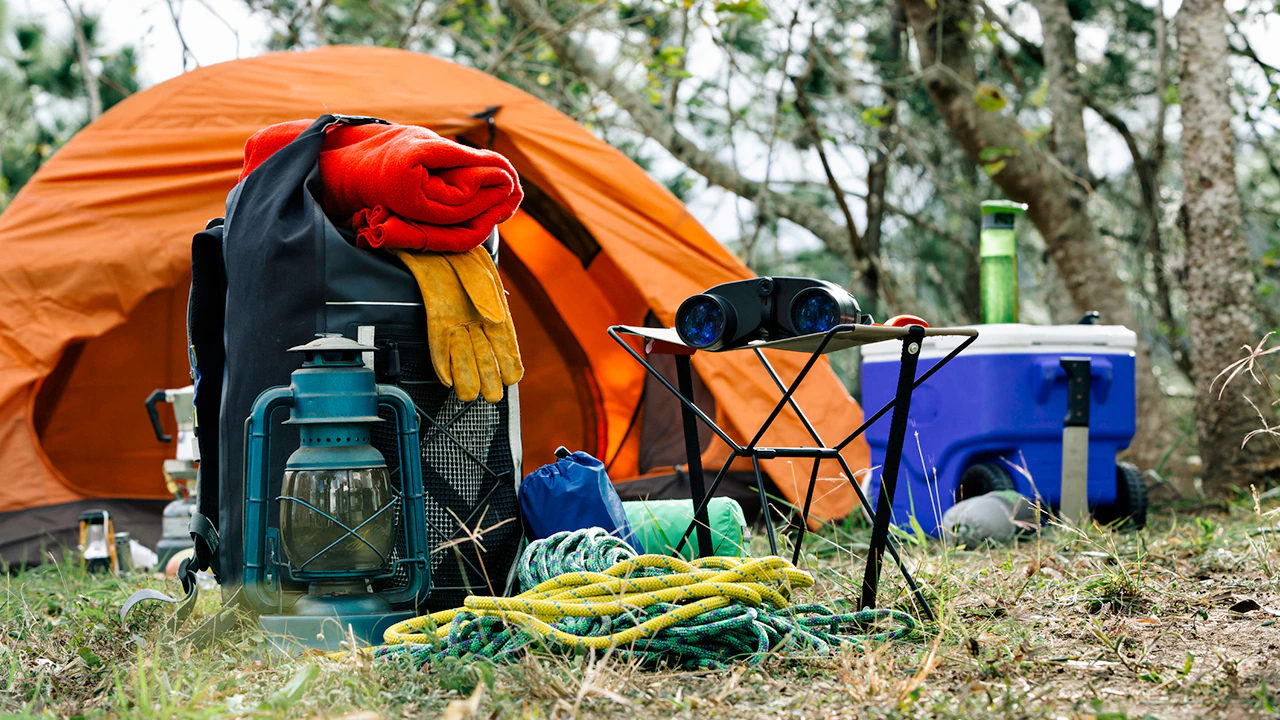
Food and water are equally important. Bring enough non-perishable food and drinking water to last longer than your planned stay. Camping often increases appetite due to physical activity. Extra supplies give peace of mind if your trip is delayed or extended.
Clothing should be checked carefully. Pack layers to adapt to changing weather, including rain jackets, warm sweaters, and lightweight shirts. Durable shoes or boots are also a must, especially if you’ll be hiking. Comfort and protection make outdoor experiences much more enjoyable.
Lighting is often forgotten until night falls. Lanterns, flashlights, and spare batteries are vital. The Crosstrek’s interior lights help, but you’ll need portable light for the campsite. Reliable lighting improves safety and makes evening activities much more fun and convenient.
Entertainment and personal items also matter. Books, games, or outdoor equipment like fishing rods can make downtime more enjoyable. Don’t forget essentials like sunscreen, insect repellent, toiletries, and trash bags to keep the campsite clean and comfortable.
Do a final checklist before closing the Crosstrek’s hatch. Walk through food, shelter, clothing, tools, and safety supplies. This routine takes only a few minutes but prevents those frustrating moments when you realize something important was left behind.
By double-checking your camping essentials, you ensure your trip runs smoothly from start to finish. Your Subaru Crosstrek is built for adventure, but having the right gear makes every moment at camp safer, more comfortable, and far more enjoyable.
Also read: 12 Honda Accord Years That Run Like New