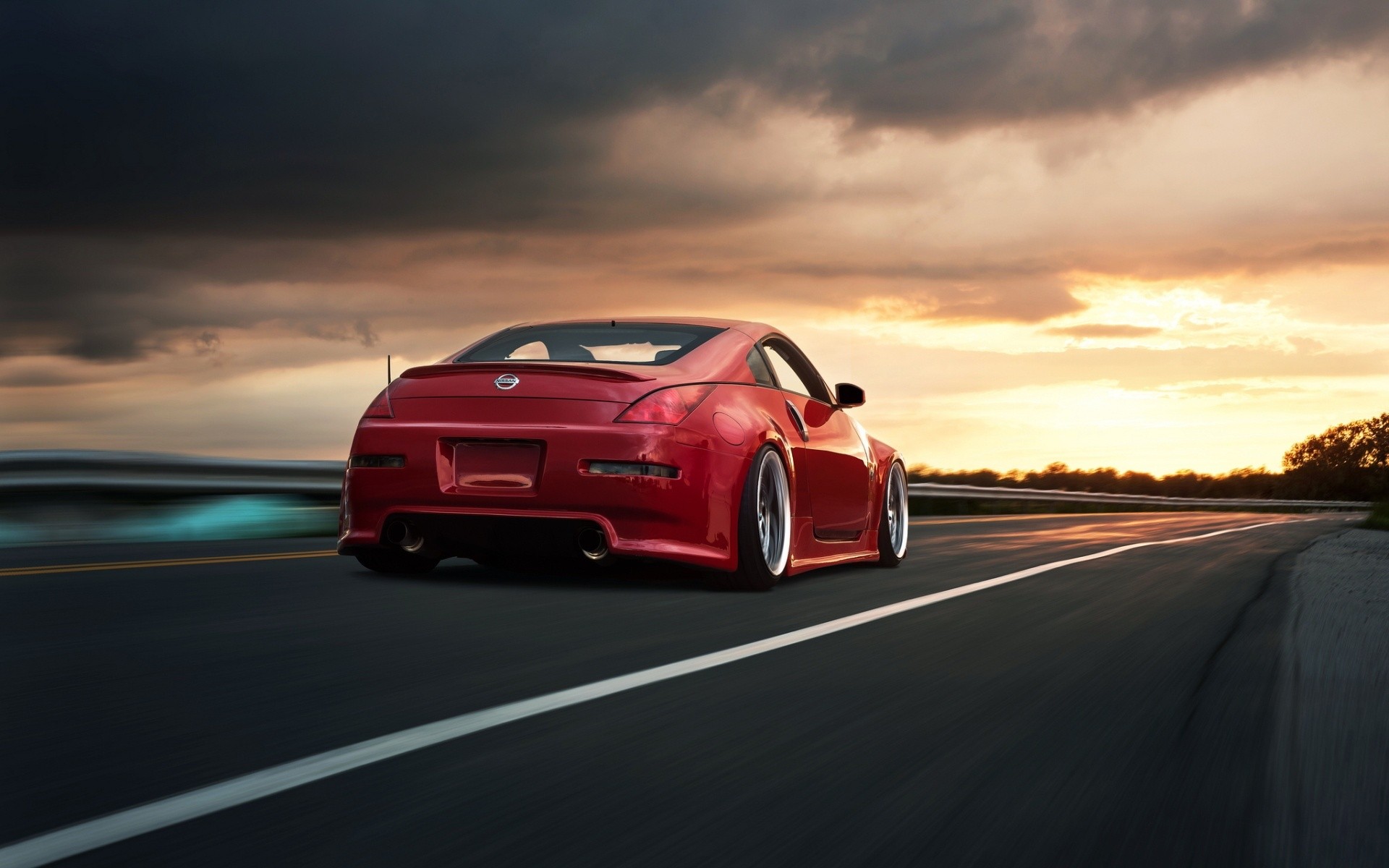
Some cars earn a special reputation within mechanics. They’re the ones that keep running for decades, even with little maintenance. These vehicles are called “indestructible” because they rarely break down and can survive rough use.
On the other hand, there are cars that look good at first but quickly develop problems, needing costly repairs. Let’s look at five cars mechanics say are truly indestructible and five that don’t live up to the name.
Also read:5 Japanese Luxury Cars That Beat Germans vs 5 That Don’t
5 Cars Mechanics Call Indestructible
When it comes to buying a car that will last for decades, nobody knows better than the people who fix them for a living, mechanics. These are the experts who see which vehicles keep running strong after hundreds of thousands of miles and which ones spend more time in the shop than on the road.
After years of turning wrenches and diagnosing breakdowns, many mechanics agree that a select few models have earned the title of being truly indestructible. From bulletproof engines to transmissions that refuse to quit, here are five cars that mechanics say are built to outlast just about anything.
1) Toyota Land Cruiser
The Toyota Land Cruiser has earned a global reputation for being one of the toughest and most dependable vehicles ever built. For decades, it has proven its strength on every type of terrain, from deserts to jungles and icy mountains.
The Land Cruiser was first introduced in the 1950s as a rugged, military-style vehicle. Over the years, it evolved into a luxurious yet extremely capable SUV. Mechanics and adventurers alike praise it for its mix of power, comfort, and unbeatable durability.
One reason the Land Cruiser is called indestructible is its strong body-on-frame construction. This design allows it to handle heavy loads and rough roads without bending or cracking. It’s the same kind of frame used in trucks built for hard work.
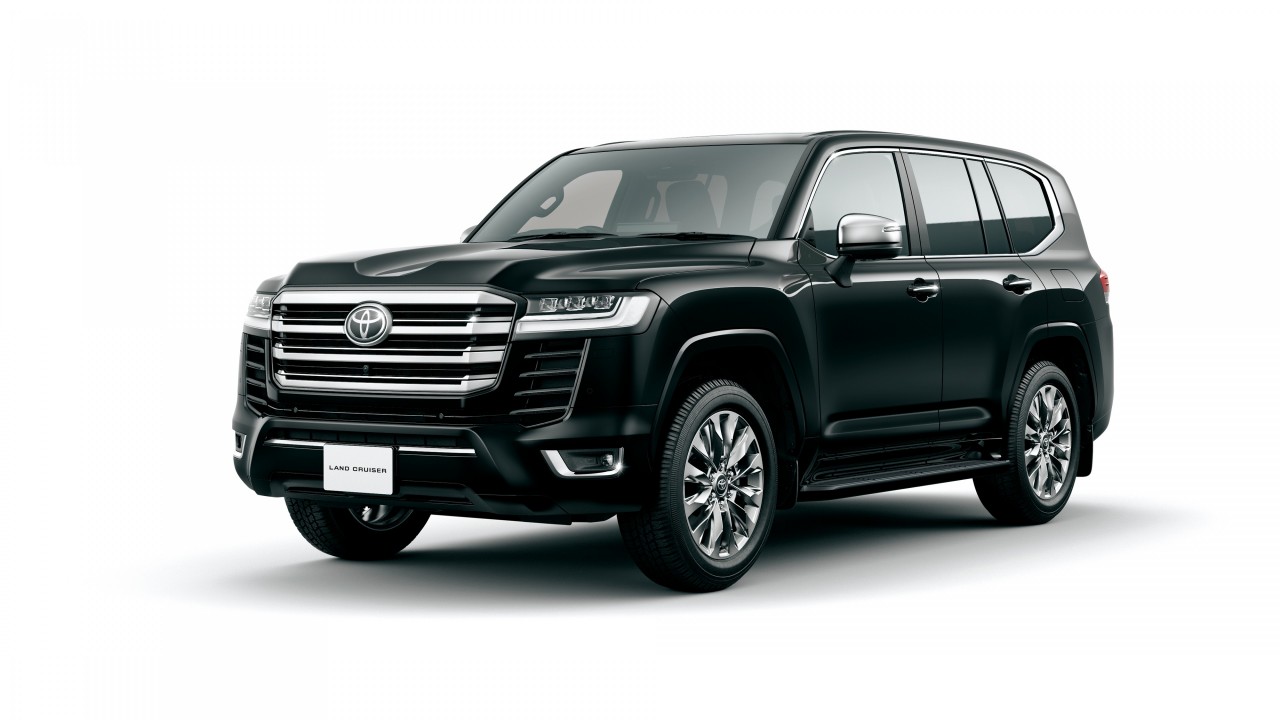
Its suspension system is another key to its long life. The Land Cruiser’s suspension is designed to take hits from rocks, potholes, and rough trails while keeping passengers comfortable. Even after years of use, it continues to feel solid and stable.
Mechanics love the Land Cruiser because it’s easy to maintain and built with quality parts. The components are over-engineered, meaning they’re stronger than necessary. That’s why you’ll often find Land Cruisers still running perfectly after 300,000 miles or more.
Around the world, the Land Cruiser is trusted by explorers, farmers, and aid workers. It’s used in some of the most remote places on Earth where breakdowns can be dangerous. In many countries, it’s known as the vehicle that “never dies.”
Another reason for its popularity is Toyota’s focus on reliability over fancy features. While newer models have added comfort and technology, they still carry the same rugged DNA that made the Land Cruiser famous decades ago.
2) Honda Civic
The Honda Civic is one of the most loved and dependable cars ever built. For decades, it has proven that a vehicle doesn’t need to be expensive or powerful to be great. Its simplicity, reliability, and comfort make it a timeless favorite.
The Civic was first introduced in the 1970s when people needed small, fuel-efficient cars. Honda designed it to be light, practical, and affordable. Over the years, it has evolved into a stylish, safe, and dependable car without losing its original purpose.
Mechanics praise the Honda Civic for its simple and strong engineering. Its engines are known for lasting hundreds of thousands of miles with basic maintenance. Many old Civics still run smoothly today, showing just how well-built they are from the start.
The car’s four-cylinder engines are not only durable but also fuel-efficient. They deliver smooth performance in city traffic and on highways. The Civic’s balance between performance and economy is one of the main reasons it has stayed popular for decades.
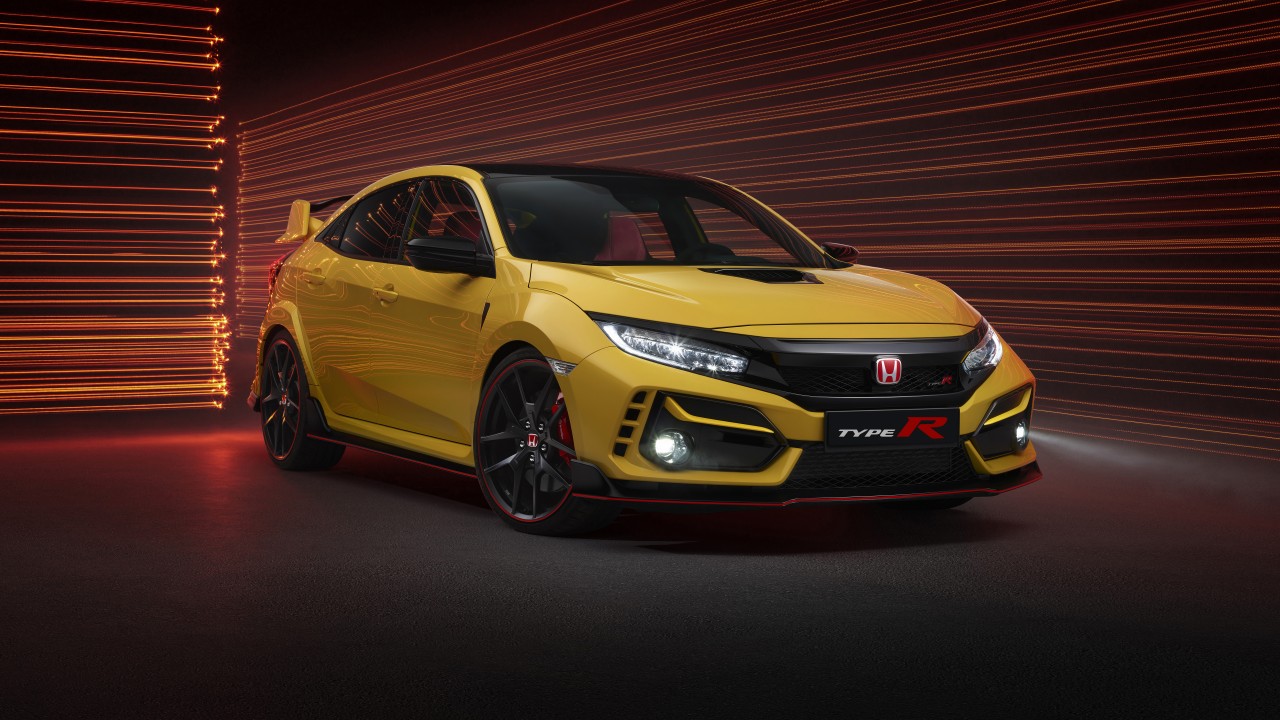
Its lightweight body and front-wheel-drive setup make it easy to handle and enjoyable to drive. Whether you’re commuting to work or taking a weekend trip, the Civic feels responsive, comfortable, and easy to control in any situation.
Mechanics often recommend the Civic because repairs are simple and parts are affordable. It doesn’t have overly complicated technology that causes frequent issues. With regular oil changes and checkups, it can easily last more than 250,000 miles.
Owners love the Civic because it rarely surprises them with costly repairs. From its brakes to its transmission, everything is built to last. Honda’s focus on quality and precision means fewer mechanical failures compared to many other small cars.
3) Toyota Corolla
The Toyota Corolla is one of the best-selling cars in history, and for good reason. It has built a strong reputation for reliability, comfort, and simplicity. Mechanics often call it a “forever car” because it just keeps running without trouble.
The Corolla was first introduced in the 1960s, during a time when drivers wanted small, affordable cars that could last. Toyota focused on making it efficient, durable, and easy to maintain. That approach helped it become one of the most trusted cars worldwide.
Its design may look simple, but underneath is solid engineering. The Corolla’s compact body, smooth transmission, and dependable engine work together perfectly. Whether used for short city drives or long road trips, it delivers a comfortable and worry-free experience.
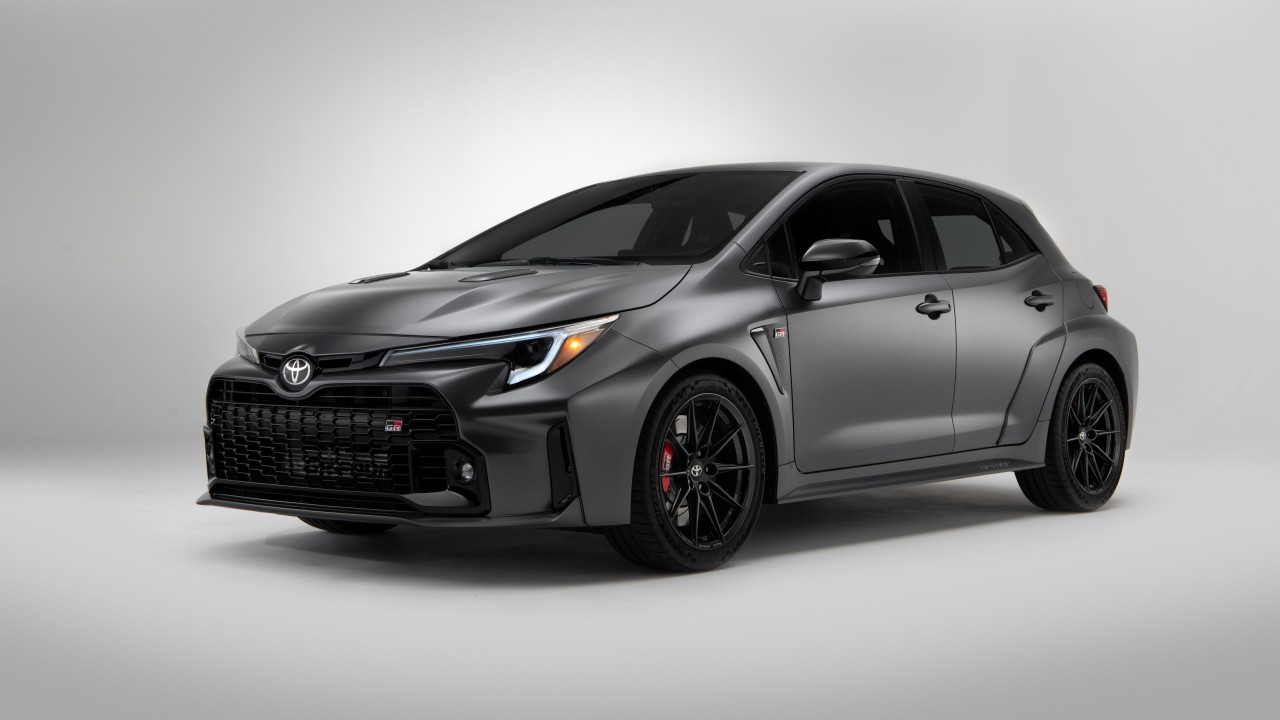
The engines in the Corolla are famous for their strength and long life. Mechanics often see Corollas running perfectly even after 200,000 miles. With regular oil changes and basic care, the engine stays smooth and efficient for years.
Fuel efficiency is another major reason for its popularity. The Corolla offers excellent mileage, helping drivers save money every day. It’s built for people who want a car that’s easy to drive, affordable to maintain, and doesn’t break down often.
Mechanics love the Corolla because repairs are simple and parts are easy to find. Toyota designed the car to be practical, not overly complex. This makes servicing quick and inexpensive, which keeps ownership costs low for drivers everywhere.
4) Lexus LS400
The Lexus LS400 is one of those rare luxury cars that combines comfort, elegance, and incredible reliability. When it was first released in 1989, it completely changed how people viewed Japanese luxury vehicles, earning deep respect from mechanics and car lovers alike.
Toyota built the LS400 to compete with top European brands like Mercedes-Benz and BMW. But instead of focusing only on looks and performance, they aimed to create a car that would last a lifetime. The result was a masterpiece of engineering and durability.
One of the biggest reasons for the LS400’s long life is Toyota’s attention to detail. Every part was carefully tested for quality. The car was designed to be overbuilt, meaning its components are stronger than most people will ever need in normal driving.
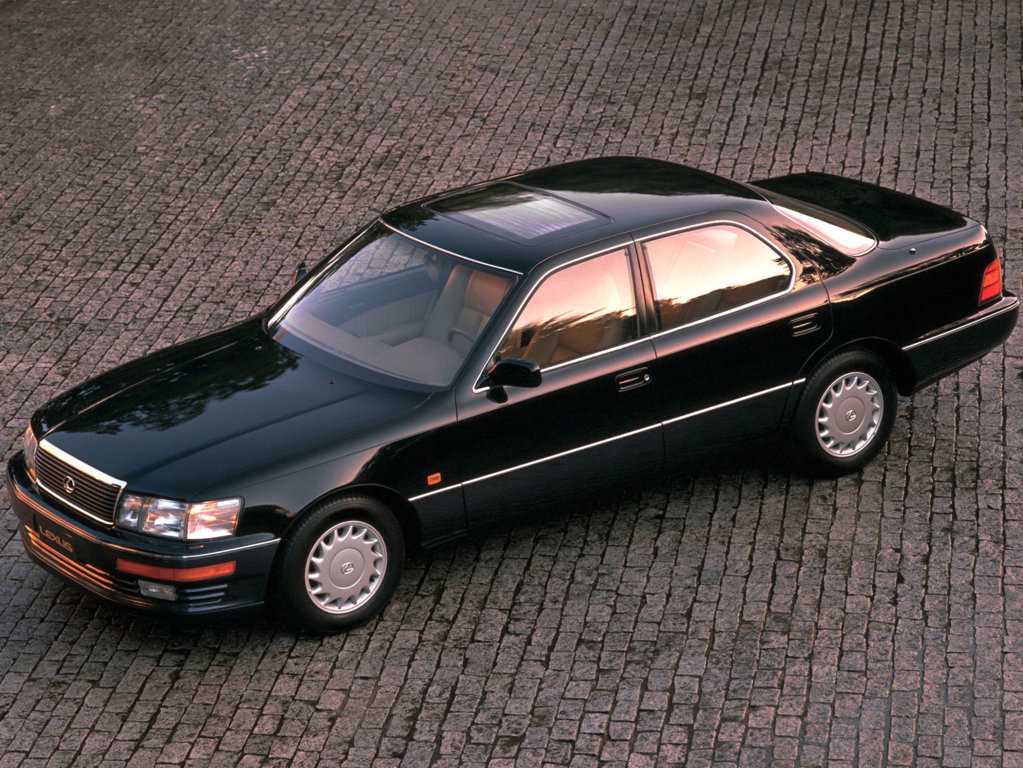
The LS400’s suspension system adds to its reputation. It delivers a quiet, smooth ride while handling bumps and rough roads with ease. Even older models feel refined and stable, proving how advanced the engineering was for its time.
Mechanics often call the LS400 one of the most reliable luxury cars ever made. Unlike other luxury brands that require constant servicing, the LS400 rarely gives trouble. With proper maintenance, it can easily reach 400,000 miles and still run beautifully.
Owners appreciate that it’s not only durable but also affordable to maintain compared to similar luxury cars. Replacement parts are easier to find, and Toyota’s straightforward design makes repairs simpler. It’s luxury without the expensive repair bills.
The car’s build quality also stands out. The doors close with a solid feel, the interior materials last for decades, and the electronics are remarkably dependable. Every piece feels crafted to perfection, showing Toyota’s dedication to excellence.
5) Ford Crown Victoria
The Ford Crown Victoria is one of the most durable American cars ever made. Known for its toughness, simplicity, and reliability, it earned legendary status among police departments, taxi drivers, and mechanics who needed a car that could handle anything.
Introduced in the early 1990s, the Crown Victoria was built on Ford’s Panther platform—a strong, body-on-frame design similar to a truck. This structure gave it incredible strength, allowing it to take heavy impacts, rough use, and long service hours without falling apart.

The Crown Victoria’s rear-wheel-drive setup added to its toughness. It made the car easier to repair and more predictable to drive. Police officers and taxi fleets preferred it because it could handle constant stop-and-go driving without wearing out quickly.
One of its biggest advantages was simplicity. The Crown Victoria didn’t have overly complex electronics or fragile components. Its straightforward design made it easy for mechanics to work on, reducing repair costs and downtime for owners and fleets alike.
Its suspension system was built to handle rough city roads, potholes, and long highway drives comfortably. Even after years of service, many Crown Victorias still drive smoothly, proving the quality of Ford’s engineering and attention to durability.
Also read:5 Compact Cars That Offer SUV Practicality vs 5 That Don’t
Cars Mechanics Don’t Call Indestructible
Not every car that looks tough can actually take a beating. While some vehicles earn a reputation for lasting forever, others quickly reveal their weak spots once the miles start adding up. Ask any experienced mechanic, and they’ll tell you, some cars just aren’t built to go the distance.
From engines that give out too soon to expensive transmission issues and electronic failures, these models may look good on paper but don’t hold up in the real world. Here are five cars mechanics don’t call indestructible, and why you might want to think twice before buying one.
1) Fiat 500
The Fiat 500 is one of the most recognizable small cars in the world, loved for its cute design and city-friendly size. However, while it wins hearts for style, mechanics often say it struggles when it comes to reliability and long-term durability.
The modern Fiat 500 was reintroduced in the late 2000s as a fun, affordable urban car. It offered stylish looks, bright colors, and a retro feel that appealed to young drivers. But beneath the charm, the car’s engineering often disappointed mechanics and owners alike.
One of the most common issues reported is with the car’s electrical system. Problems with sensors, warning lights, and computer faults are frequent. Mechanics often mention that these small electronic glitches can become costly and frustrating to fix over time.
The Fiat 500’s engines are small and efficient, but they are not known for lasting very long. Owners have reported oil leaks, overheating, and timing belt issues. Unlike Toyota or Honda engines, Fiat’s require more attention and careful maintenance to stay healthy.
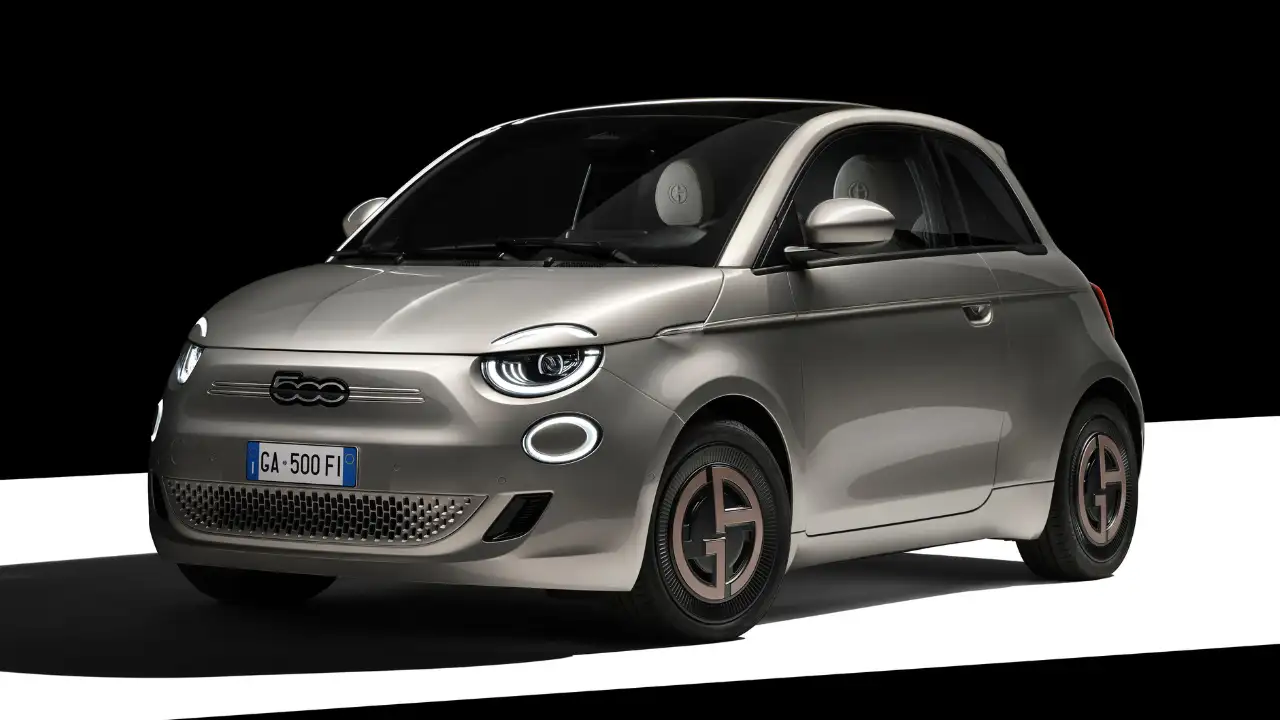
Its transmission also causes trouble, especially in automatic versions. Many drivers complain about jerky shifting or complete transmission failure. Mechanics say these issues are expensive to repair and often happen earlier than they should, even with normal driving.
Inside, the Fiat 500 feels cheerful, but the materials aren’t built to last. The interior trim and buttons tend to wear out quickly. While it looks cute in showrooms, the car doesn’t hold up as well after years of daily use.
Mechanics often say that the Fiat 500 is designed more for short city commutes than long-term ownership. It performs well for short distances, but if driven regularly or over rough roads, problems start appearing sooner than expected.
2) Land Rover Discovery
The Land Rover Discovery is often praised for its bold looks, comfort, and off-road ability. However, while it may look tough on the outside, mechanics frequently warn that it’s one of the least reliable SUVs when it comes to real-world ownership.
The Discovery was designed to blend luxury and adventure, giving drivers the confidence to go anywhere in style. But beneath its elegant image lies a long list of mechanical and electrical problems that frustrate both owners and repair shops alike.
One of the biggest complaints is its complex electronics. From warning lights that won’t turn off to failing air suspension systems, the Discovery is known for unpredictable electrical faults. Mechanics often say these issues are difficult to trace and costly to repair.
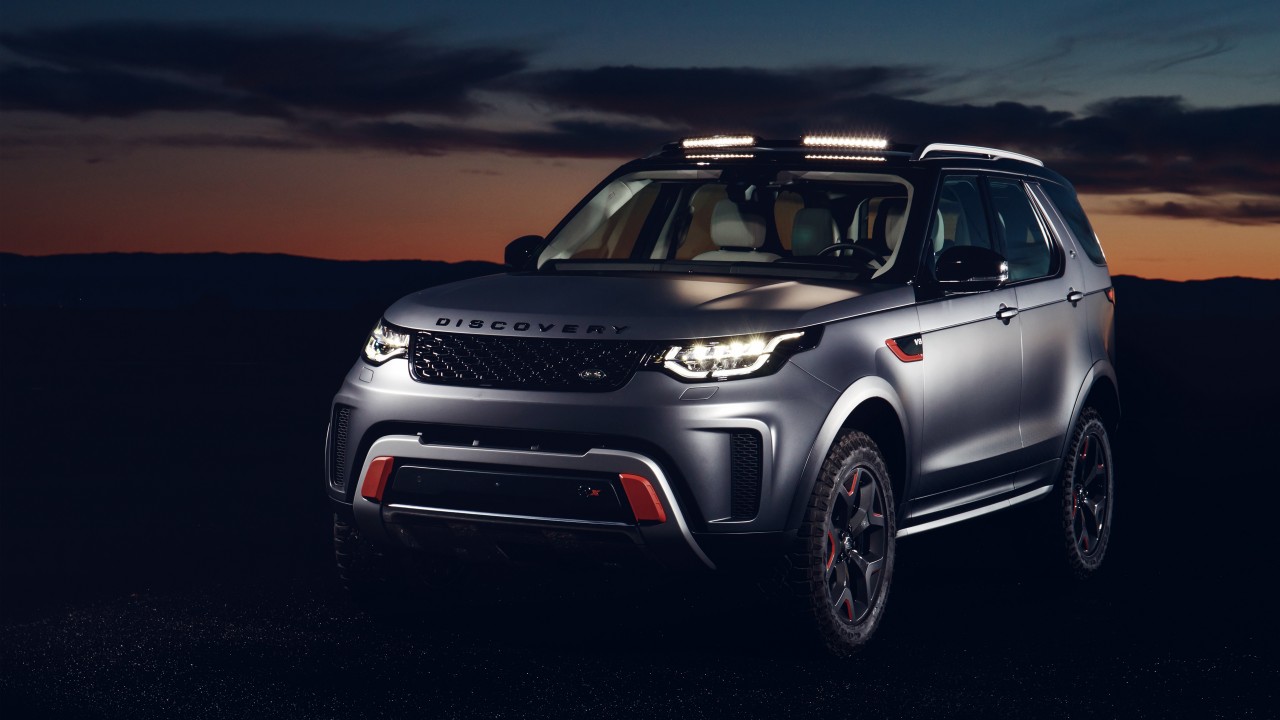
Its engine reliability is another weak spot. Older diesel and petrol models often suffer from oil leaks, overheating, and turbocharger failures. Even newer versions can face timing chain and coolant system problems if not maintained carefully and regularly.
The air suspension, while great for comfort, is one of the most troublesome parts of the Discovery. It gives the vehicle a smooth ride, but it also tends to break down frequently, leaving the car stuck at an awkward height or undrivable altogether.
Many mechanics note that the Discovery’s repair costs are much higher than average. Parts can be expensive and sometimes take time to arrive. This makes even minor repairs a headache for owners, especially once the vehicle is out of warranty.
3) Volkswagen Passat (Early 2010s)
The Volkswagen Passat has always been admired for its smooth ride, refined interior, and elegant design. However, many mechanics point out that early 2010s models, while stylish and comfortable, often suffer from expensive mechanical problems that hurt their long-term reliability.
The Passat was meant to be Volkswagen’s answer to the Toyota Camry and Honda Accord—a midsize sedan with a touch of European luxury. It offered advanced features and excellent handling, but behind the quality feel were issues that made mechanics cautious.
One of the most common trouble spots is the engine. Many Passats from this era used small turbocharged engines that provided good performance and fuel economy, but they were not very durable. Oil leaks, timing chain problems, and carbon buildup are frequent complaints.
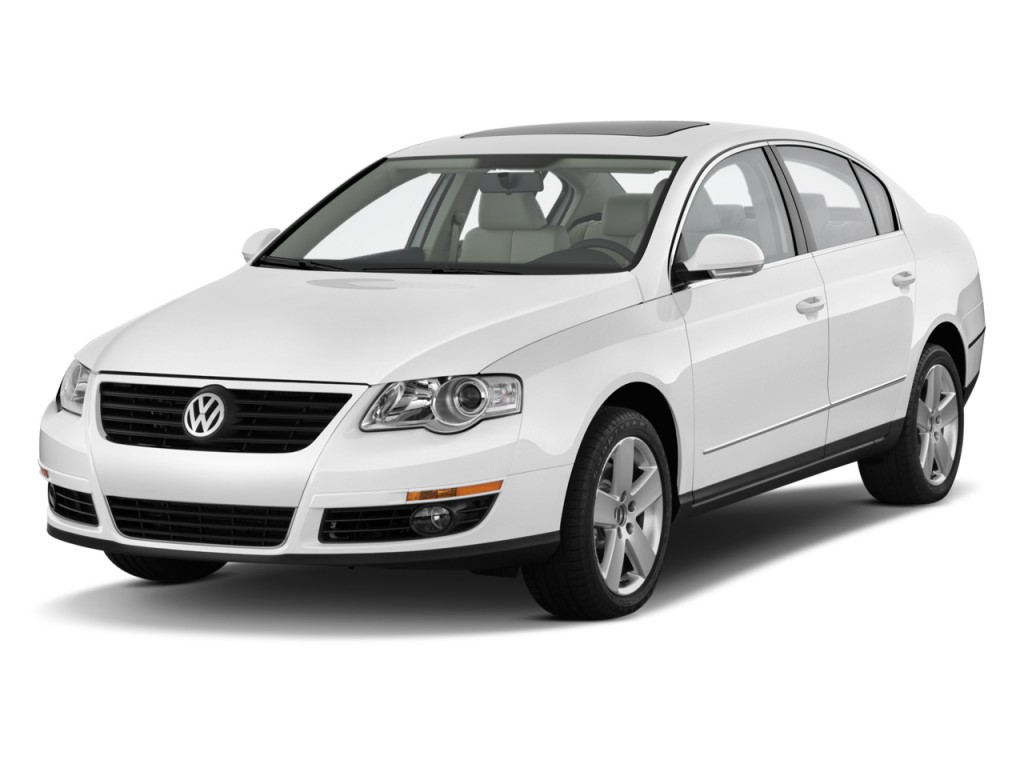
Mechanics also report that the transmission in these models can be problematic. The automatic DSG gearboxes are smooth when new but often develop shifting issues or complete failures with age. Replacing or repairing them can cost thousands of dollars.
Electrical problems are another area of concern. Owners often deal with malfunctioning sensors, warning lights, and issues with the car’s infotainment system. Mechanics say these faults can be time-consuming to diagnose and sometimes require software updates or part replacements.
Even the cooling systems in some Passat models are known to be weak. Water pump and thermostat failures are common, leading to overheating if not fixed quickly. Many owners face repeated visits to the workshop for what should be simple issues.
While the Passat feels premium on the inside, its maintenance costs are far higher than similar cars. Mechanics often warn buyers that, although it drives beautifully, the upkeep can be stressful and expensive once the warranty expires.
4) Jeep Grand Cherokee (Older Models)
The Jeep Grand Cherokee has long been admired for its rugged appearance and off-road ability. It looks strong and capable, but mechanics often warn that older models especially from the early 2000s and 2010s are far less reliable than their image suggests.
When new, the Grand Cherokee offered a mix of power, luxury, and adventure. It was marketed as a comfortable SUV that could handle tough conditions. However, as these vehicles aged, they began showing serious mechanical and electrical weaknesses that mechanics still see often.
One of the most common issues is with the engine and cooling system. Older Grand Cherokees frequently suffer from overheating, oil leaks, and water pump failures. These problems can cause severe engine damage if not fixed quickly and correctly.
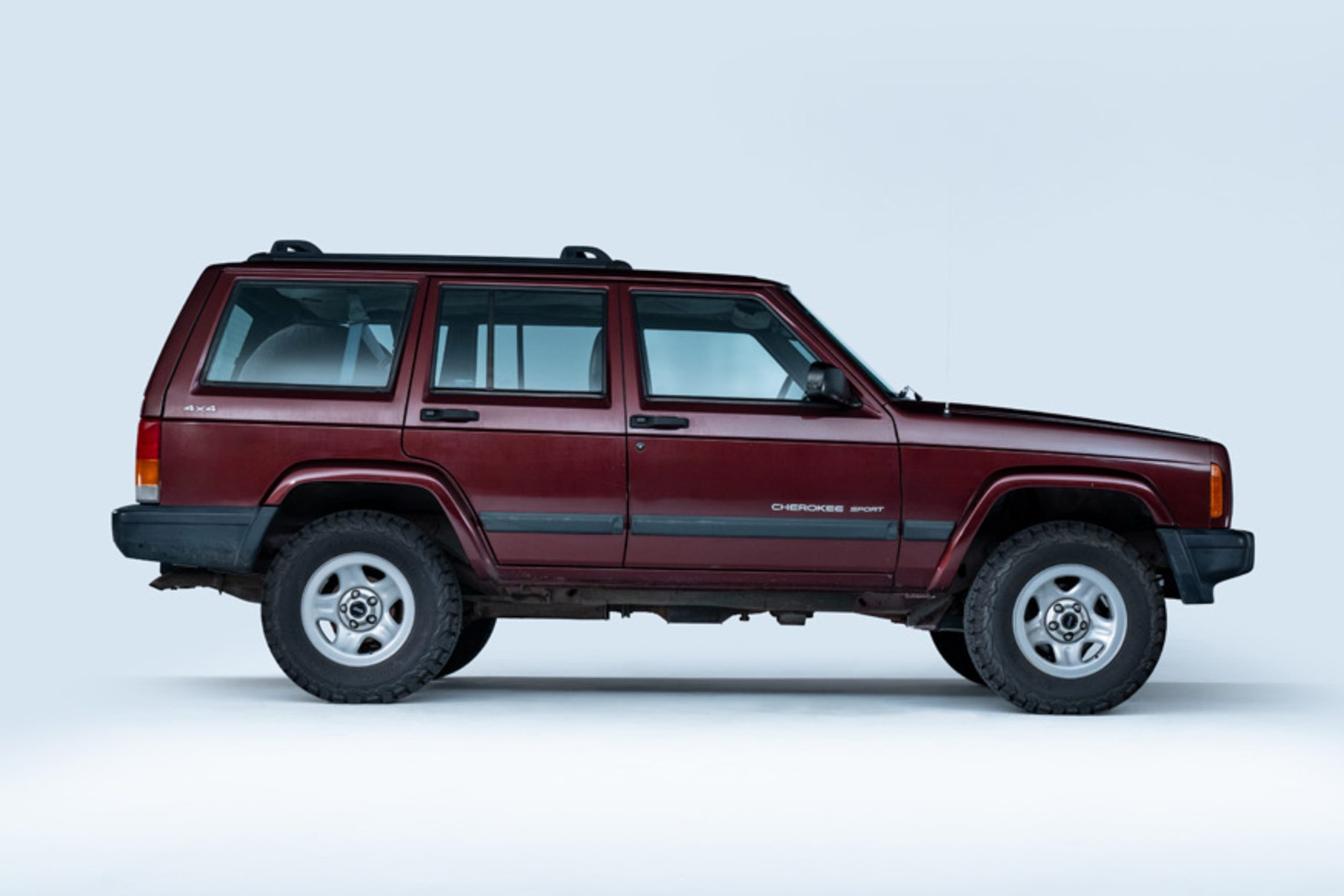
The transmission is another weak point. Many owners report rough shifting, slipping gears, or total failure after only moderate use. Mechanics say these issues are expensive to repair, and rebuilt transmissions don’t always solve the problem for long.
Electrical faults are also very common. Drivers often face problems with the dashboard lights, window controls, or sensors that trigger false warnings. Mechanics find that the wiring and connectors inside older Grand Cherokees can corrode or loosen over time.
The suspension system tends to wear out faster than expected, especially in vehicles used off-road. Bushings, control arms, and shocks often need replacement. Even though the Grand Cherokee was built for rough use, its components don’t always hold up under real stress.
Mechanics often say that maintenance on these models can be frustrating. The parts are not as long-lasting as those on Toyotas or Hondas, and repairs can pile up quickly. Keeping an old Grand Cherokee running well often means spending more than expected.
5) Mini Cooper
The Mini Cooper is famous for its stylish looks and sporty handling. It’s small, quick, and full of personality. But despite its charm, mechanics often warn that the Mini Cooper is one of the least dependable cars to own in the long run.
The modern Mini was revived by BMW in the early 2000s. It became popular almost instantly for its unique design and go-kart-like driving feel. However, beneath its fun exterior, the car hides mechanical and electrical problems that have frustrated owners for years.
One of the biggest concerns mechanics point out is engine reliability. Many Mini Coopers suffer from oil leaks, overheating, and timing chain tensioner failures. If not caught early, these problems can lead to major engine damage and very expensive repairs.
The transmission is another weak area, especially in automatic models. Drivers often experience jerky shifting or complete gearbox failure. Replacing the transmission can cost more than the car’s value, making it a risky purchase once the warranty runs out.
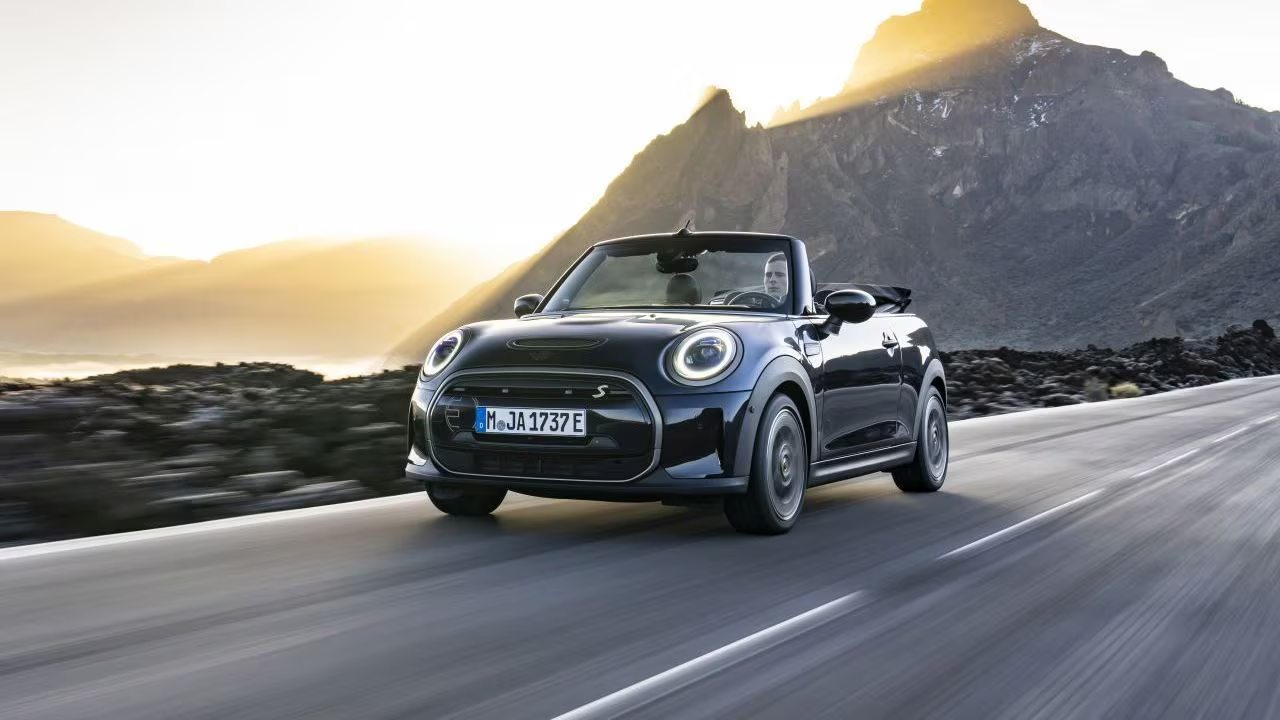
Electrical and electronic problems are also very common. Issues with the power steering pump, sensors, and dashboard lights are frequently reported. Mechanics say these problems can be tricky to diagnose and often require specialized tools or software to fix.
While the Mini Cooper’s compact size and sharp handling make it fun to drive, its suspension is known to wear out quickly. Ball joints, struts, and bushings often fail sooner than expected, especially on rough roads or with spirited driving.
Maintenance costs are another big downside. Despite being a small car, the Mini Cooper’s parts and labor costs are surprisingly high. Mechanics often joke that it’s a “BMW in disguise,” meaning repairs are just as pricey as luxury cars.
Also read:5 Trucks That Stay Smooth on Highways vs 5 That Don’t