Hybrid cars have become very popular for their great fuel economy and smooth driving experience. They use both a gasoline engine and an electric motor, which helps save fuel and reduce emissions.
However, one part of every hybrid that eventually needs attention is its battery pack. Over time, these batteries lose capacity and must be replaced and that’s where costs can surprise many owners.
Not all hybrid batteries cost the same to replace. Some are simple and widely available, while others are complex and very expensive.
When buying a used hybrid, it’s smart to know which models have affordable replacement options and which ones could be a financial headache later. Let’s look at five used hybrids that are gentle on your wallet, and five that might hurt it.
Also read: 5 Sedans With Durable CVTs vs 5 CVTs You Should Avoid
5 Used Hybrids With Affordable Battery Replacements
Finding a reliable used hybrid can save you money at the dealership, but one worry often lingers: battery replacement costs. Hybrid batteries can be expensive to repair or replace, sometimes discouraging buyers from going the green route.
Fortunately, not all hybrids are created equal, some models are known for durable, long-lasting batteries that remain affordable to maintain even years down the line.
In this article, we’ll highlight five used hybrid vehicles that combine fuel efficiency with reasonable battery replacement costs, helping you enjoy the perks of hybrid ownership without the financial stress.
1) Toyota Prius
The Toyota Prius has long been the face of hybrid cars around the world. Known for its excellent fuel economy and dependable design, it’s a favorite among drivers who want to save fuel and money. The 2004–2015 generation especially stands out for being both efficient and easy to maintain.
Fuel economy is another strong point. The 2004–2015 Prius averages around 45 to 50 miles per gallon, depending on driving style and condition. That makes it far more efficient than most gas-only sedans from the same era, saving owners hundreds of dollars each year.
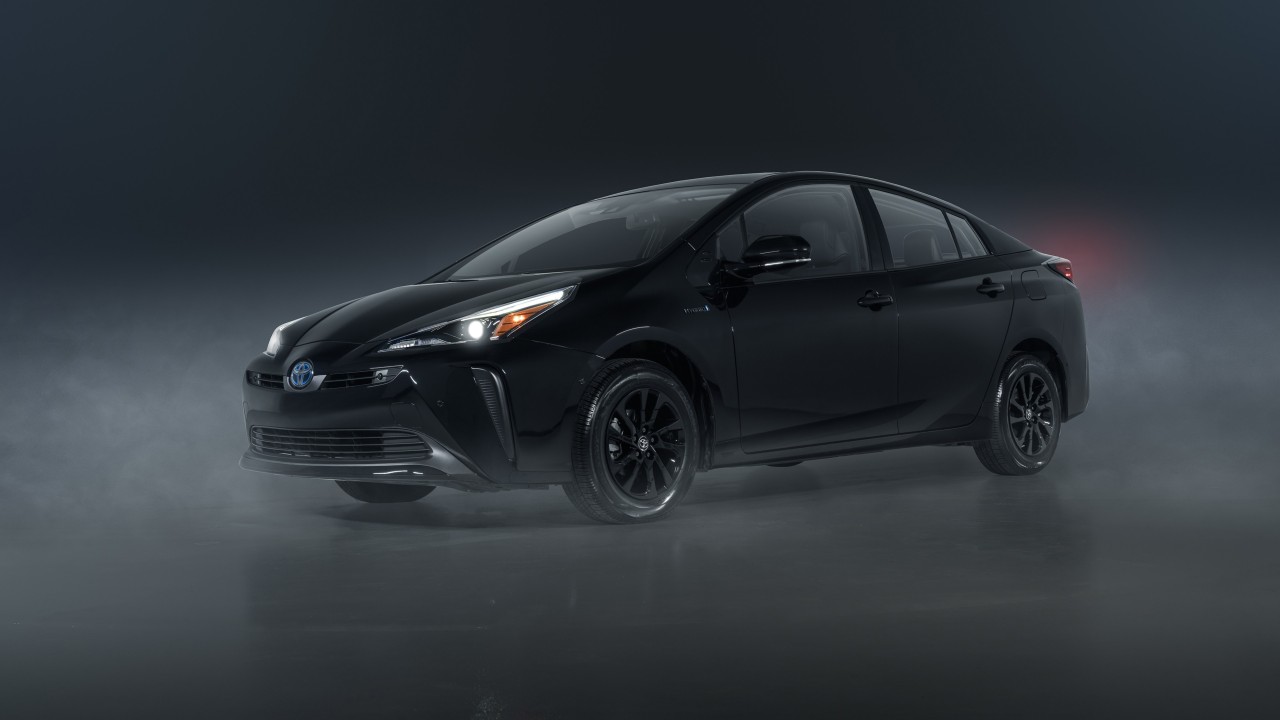
The driving experience of the Prius may not be exciting, but it’s comfortable and easy. The electric motor provides smooth acceleration at low speeds, while the gasoline engine handles longer drives efficiently. It’s designed for city commuting and relaxed highway travel.
Inside, the Prius offers a spacious cabin with modern features for its time. The digital display shows real-time fuel economy and energy use, helping drivers get the best performance from their hybrid system. Rear seats fold flat, offering generous cargo space for a compact car.
2) Honda Civic Hybrid
The Honda Civic Hybrid is one of the earliest hybrids that balanced fuel efficiency with everyday comfort. Built on the trusted Civic platform, this model was designed to be simple, reliable, and affordable both to buy and to maintain over the years.
Introduced in 2003, the Civic Hybrid used Honda’s Integrated Motor Assist (IMA) system. It combined a small gasoline engine with an electric motor to improve fuel economy without changing the driving experience too much. This made it easy for drivers to switch from a regular car to a hybrid.
When it comes to maintenance, the Civic Hybrid shines in affordability. Replacement battery packs typically cost between $1,000 and $1,700, which is quite low compared to other hybrids. Used and refurbished options are easily available, keeping repair costs manageable for older models.
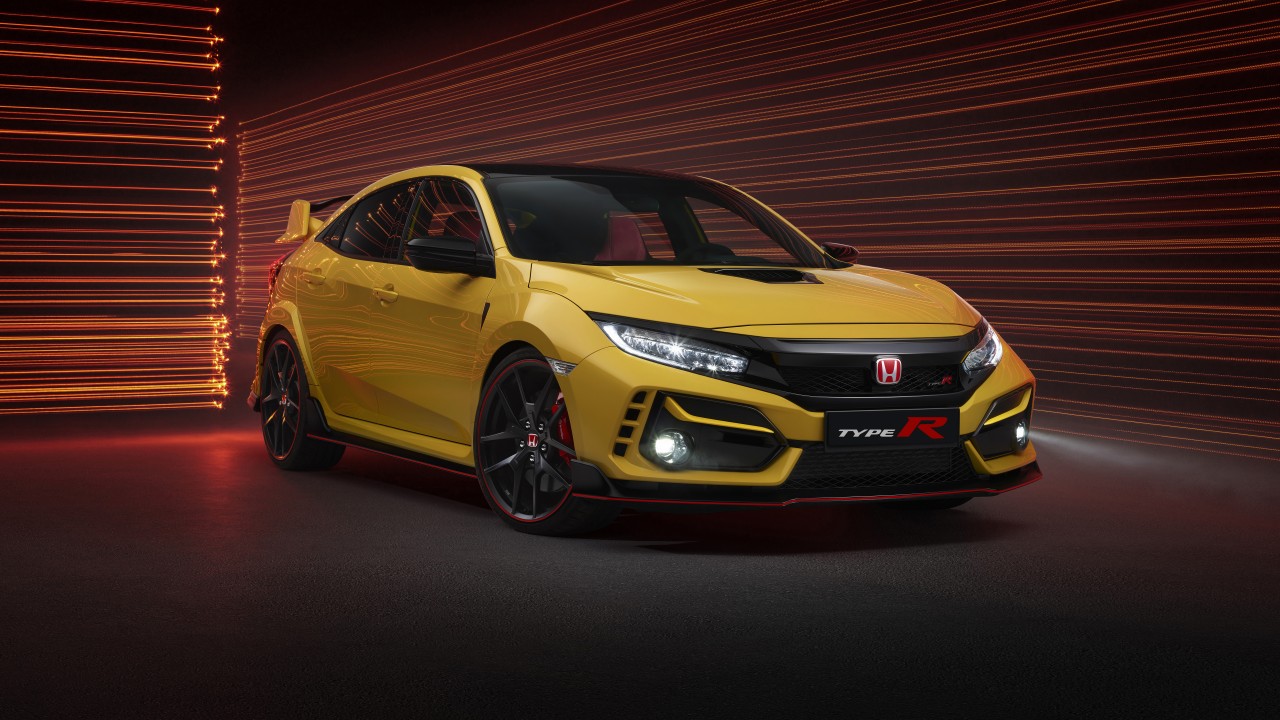
Honda’s simple hybrid system means fewer complicated parts and easier repairs. Many local mechanics can handle routine servicing and battery replacements. This is especially useful for owners who don’t want to rely only on dealerships for maintenance.
The interior of the Civic Hybrid is practical and comfortable, just like the regular Civic. It has enough space for small families and offers a clean, uncluttered dashboard. The build quality is solid, and even older models tend to age well inside.
On the road, the Civic Hybrid feels light and easy to drive. It doesn’t have the strongest acceleration, but it’s quiet and smooth during city commutes. The hybrid system works seamlessly, and the transition between gas and electric power is barely noticeable.
3) Ford Fusion Hybrid
The Ford Fusion Hybrid from 2010 to 2016 stands out as one of the best value-for-money hybrid sedans of its time. It combines a roomy interior, smooth ride, and reliable hybrid performance — all at a price that’s friendly for used car buyers.
This generation of the Fusion Hybrid uses a 2.5-liter four-cylinder engine paired with an electric motor. Together, they produce a balanced and efficient drive that feels refined on both city roads and highways. The transition between gas and electric power is smooth, making the driving experience pleasant and quiet.
Fuel efficiency is one of the Fusion Hybrid’s strong points. It delivers around 40 miles per gallon in city driving and 36 on the highway, impressive numbers for a mid-size sedan. That efficiency makes it an excellent choice for commuters looking to save on fuel.
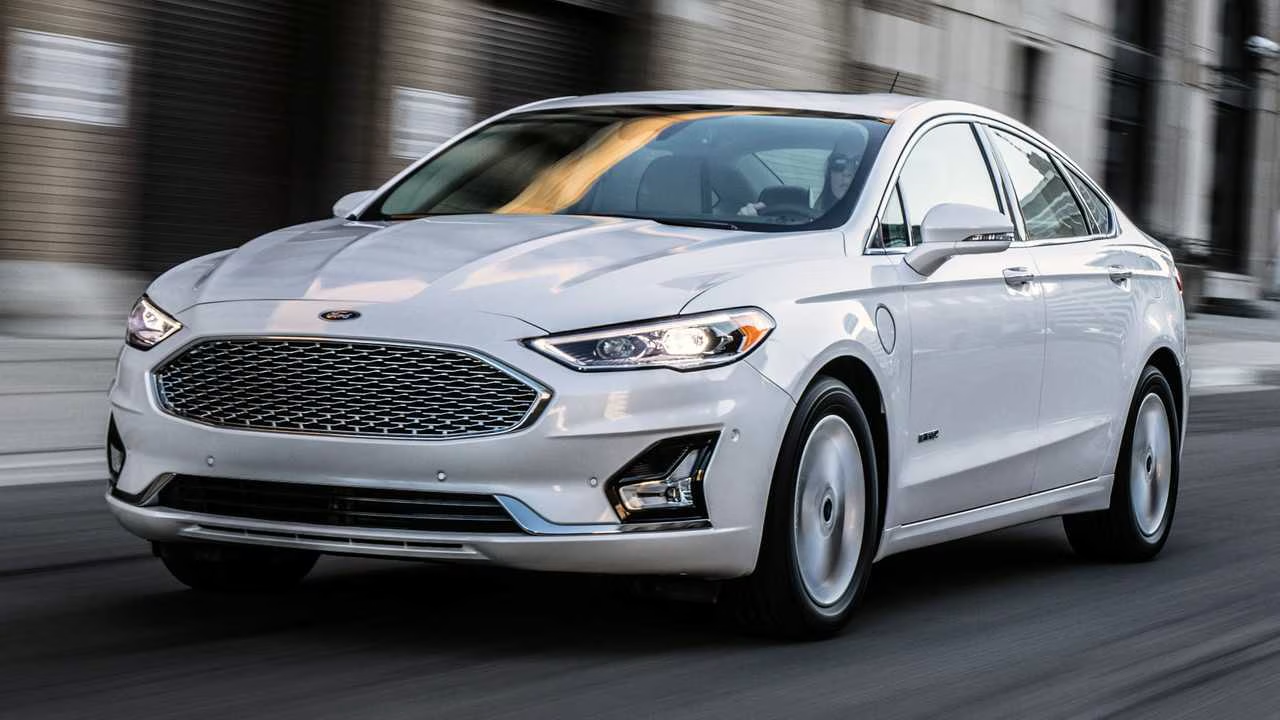
Another major advantage is its affordable battery replacement. Most replacement packs for the Fusion Hybrid cost between $1,800 and $2,200, depending on whether you choose a refurbished or new unit. Many independent mechanics are familiar with this model, so labor costs remain reasonable.
The hybrid battery in this car is also known for durability. Many owners report over 150,000 miles without major issues. The cooling system for the battery helps extend its life, and regular servicing can keep it running efficiently for years.
Inside, the Fusion Hybrid feels more premium than most hybrids in its price range. It offers a spacious cabin with soft materials, comfortable seats, and a quiet atmosphere. The dashboard layout is modern, with clear controls and good visibility all around.
Ford also equipped this hybrid with plenty of safety features for its time. Stability control, multiple airbags, and available driver aids like blind-spot monitoring made it one of the safer sedans on the market. Families especially appreciated its solid build and reliable braking system.
4) Toyota Camry Hybrid
The Toyota Camry Hybrid perfectly blends comfort, dependability, and fuel savings. Between 2007 and 2017, this model became a top choice for drivers who wanted a mid-size sedan that offered both smooth performance and low running costs. It’s practical, long-lasting, and easy to maintain.
Fuel economy is excellent for a car of its size. Depending on the model year, the Camry Hybrid delivers around 40 to 43 miles per gallon in the city and 37 on the highway. That makes it ideal for families and daily commuters who want comfort without high fuel bills.
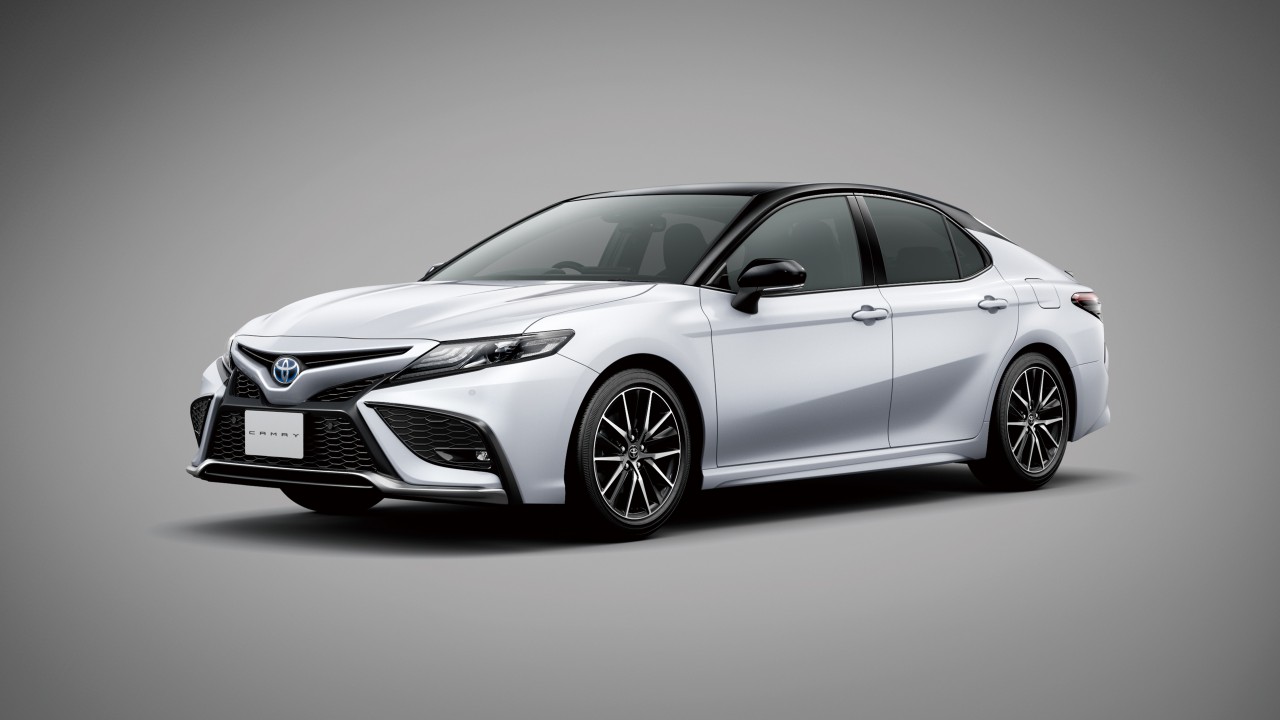
When it comes to maintenance, the Camry Hybrid is one of the most affordable mid-size hybrids on the market. Replacement battery packs usually cost between $1,800 and $2,500, depending on whether you choose a refurbished or new one. Independent repair shops can easily handle the job.
Because of Toyota’s wide service network, parts are easily available. You don’t need to visit a dealership for every repair, and many mechanics are trained to work on Toyota hybrids. That keeps maintenance costs low even as the car gets older.
Inside, the Camry Hybrid offers a quiet and comfortable ride. The seats are supportive, and the cabin has a clean, simple layout. Higher trims come with features like navigation, dual-zone climate control, and premium audio, making it feel upscale without being flashy.
5) Lexus CT 200h
The Lexus CT 200h is one of those rare hybrids that blends luxury with affordability. Produced between 2011 and 2017, this compact hatchback shares its hybrid system with the Toyota Prius, giving it the same proven reliability and low running costs, but with a more stylish and upscale feel.
Underneath its elegant exterior, the CT 200h uses a 1.8-liter four-cylinder engine paired with an electric motor. This combination produces smooth and quiet performance while maintaining impressive fuel economy. The hybrid system is well-tested, making it both efficient and dependable over time.
Fuel efficiency is one of the CT 200h’s strongest points. It delivers around 42–44 miles per gallon in combined driving, nearly matching the Prius despite being a more luxurious car. That makes it an excellent option for drivers who want premium quality without sacrificing savings at the pump.
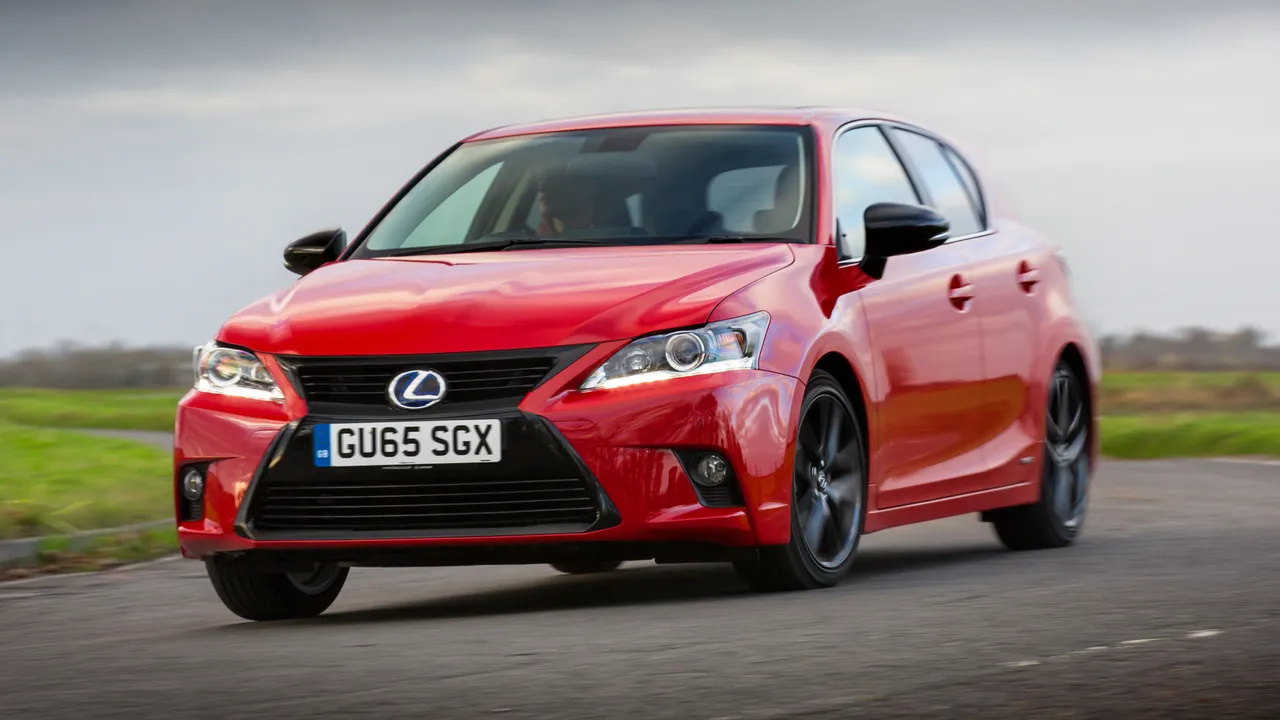
When it comes to battery replacement, the CT 200h remains budget-friendly. Because it uses the same hybrid technology as the Prius, replacement batteries are widely available and affordable. Costs typically range from $1,800 to $2,200 for refurbished packs, and even new ones are reasonably priced.
The advantage of shared components also means finding parts and qualified mechanics is easy. Many hybrid repair shops already work on Prius models, so they can service the CT 200h without any problem. This keeps long-term maintenance simple and cost-effective.
Inside, the CT 200h feels like a true Lexus. The materials are soft to the touch, the seats are supportive, and the cabin is well-insulated from road noise. The design is sporty yet refined, with a focus on comfort and driver engagement.
Also read:5 Affordable EVs With Bulletproof Charging Hardware vs 5 With Finicky Ports
5 Used Hybrids With Wallet-Crushing Packs
Buying a used hybrid should feel smart, not like you’re inheriting a ticking time bomb under the hood. But for some models, the real cost of ownership doesn’t surface until the hybrid battery starts to fade.
While hybrids can save you at the pump, replacing their battery packs can be shockingly expensive, often blowing apart any fuel-savings math.
In this article, we’ll explore five used hybrids that, despite their green appeal, come with battery packs that can seriously dent your budget, helping you make an informed decision before committing.
1) BMW 530e
The BMW 530e combines luxury, performance, and plug-in hybrid technology in a sleek executive sedan. It offers an appealing mix of power and efficiency, but when it comes to long-term ownership, especially battery replacement, this hybrid can become quite expensive.
The 530e pairs a 2.0-liter turbocharged gasoline engine with an electric motor and a lithium-ion battery. Together, they produce around 248 horsepower, giving the car strong acceleration and a refined drive. The plug-in system also allows short electric-only trips, making it ideal for city use.
When new, the 530e was praised for its smooth performance and premium feel. Drivers could enjoy electric driving in traffic and switch to gasoline power for longer highway journeys. The balance between luxury and efficiency made it a popular choice among business buyers.
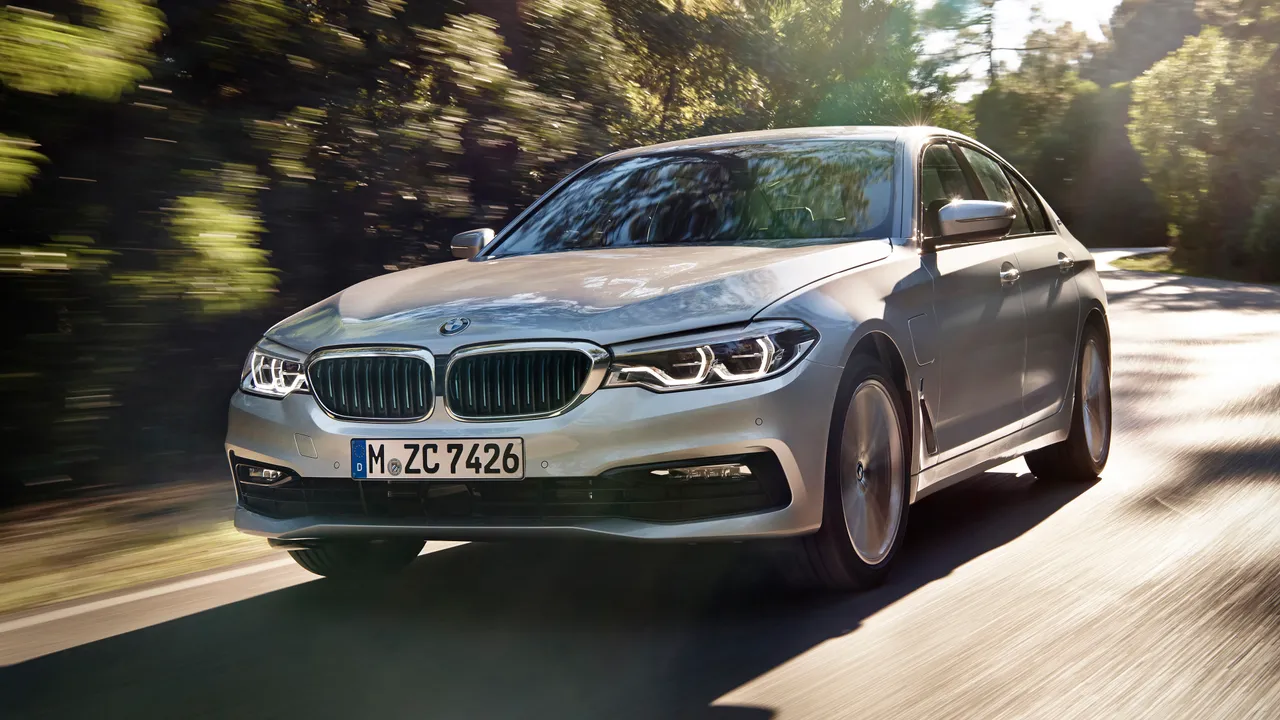
However, battery replacement is where the costs climb sharply. The 530e’s high-voltage lithium-ion battery pack can cost between $7,000 and $9,000 to replace, not including labor. Because it’s a plug-in hybrid, the battery is larger and more complex than those in regular hybrids.
Labor and service costs are also higher because BMW requires specialized tools and technicians to handle hybrid components. Most independent shops avoid this type of repair, leaving owners dependent on authorized dealers, which further adds to the expense.
Despite the high maintenance cost, the 530e offers excellent comfort and build quality. The cabin features premium materials, soft leather seats, and advanced technology like digital displays and driver-assistance systems. It feels luxurious in every way as long as you can afford the upkeep.
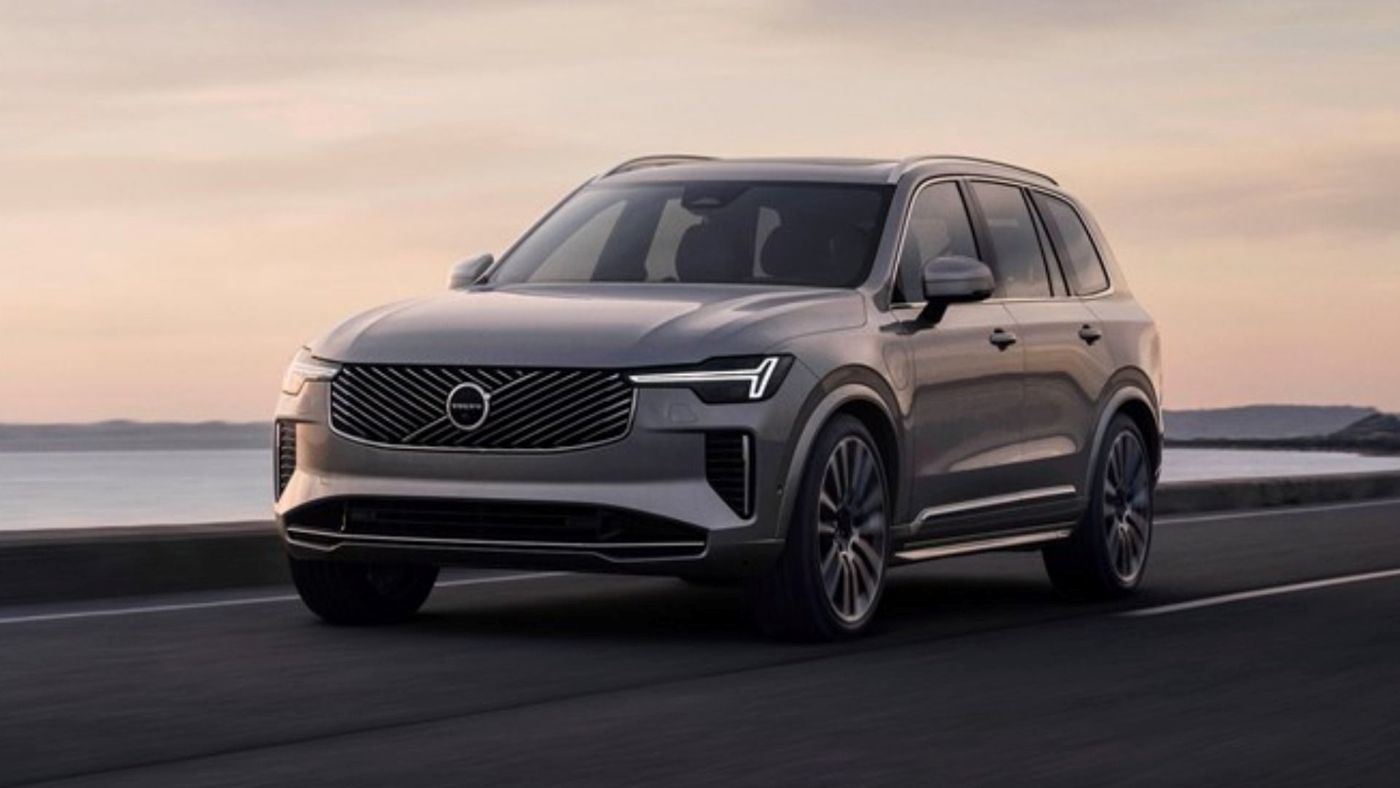
2) Volvo XC90 T8
The Volvo XC90 T8 is a luxury plug-in hybrid SUV that combines strength, elegance, and environmental consciousness. It’s perfect for those who want space and power without giving up fuel efficiency. However, beneath its beauty and performance lies a costly truth its battery replacements can be extremely expensive.
The XC90 T8 uses a 2.0-liter four-cylinder engine paired with an electric motor and a sizable lithium-ion battery pack. Together, they produce an impressive 400 horsepower, making it one of the most powerful hybrid SUVs in its class. It offers quick acceleration and smooth handling, even for such a large vehicle.
On electric power alone, the T8 can drive up to 17–20 miles, enough for short city trips without using fuel. Once the battery runs low, the gasoline engine takes over seamlessly. It’s a refined system that delivers both strong performance and respectable efficiency for its size.
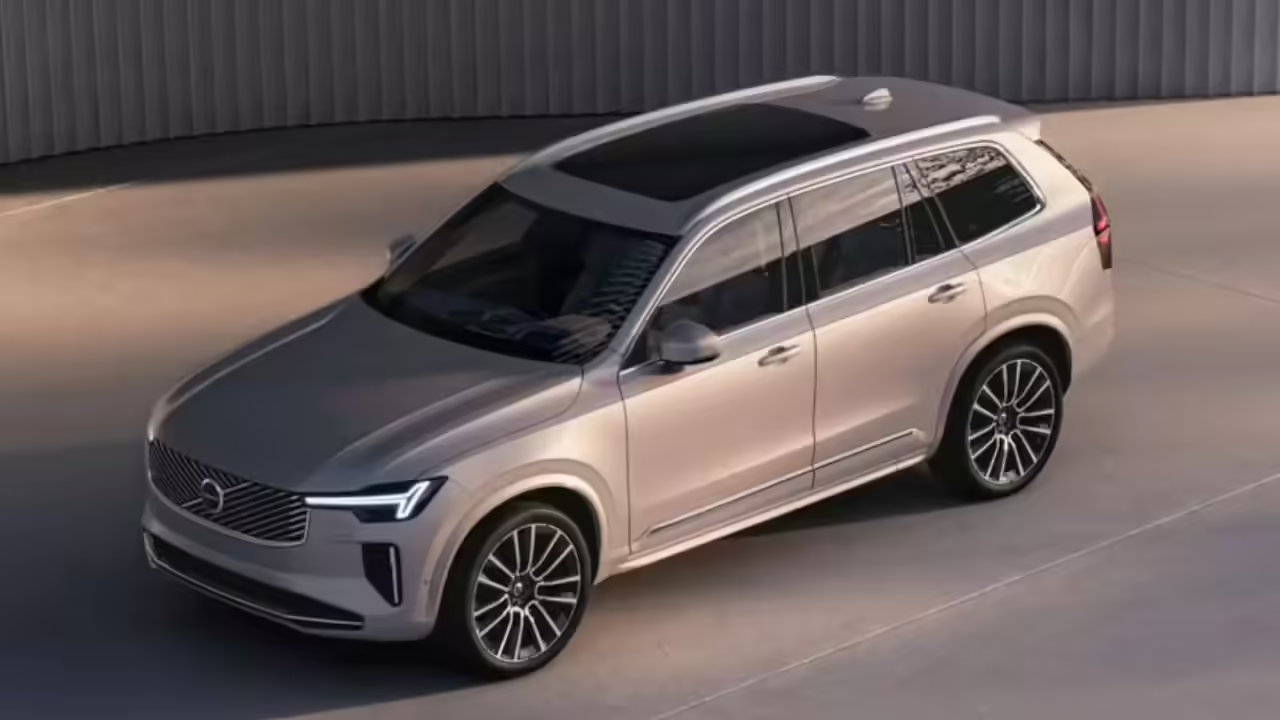
However, the big downside of owning a used XC90 T8 is the battery replacement cost. The plug-in hybrid system uses a complex high-voltage pack that can cost over $10,000 to replace. Labor costs are also steep since only trained Volvo technicians can safely handle these repairs.
Parts availability adds to the challenge. Because the T8’s battery is unique to this model, finding a replacement outside of authorized service centers can be difficult. That means owners have fewer choices and higher bills when the battery eventually wears out.
Still, the XC90 T8 shines in design and comfort. The interior feels luxurious, with soft leather seats, elegant wood trim, and Volvo’s signature minimalist layout. It’s quiet, relaxing, and packed with advanced safety features that make it ideal for families.
3) Mercedes-Benz E300 Bluetec Hybrid
The Mercedes-Benz E300 Bluetec Hybrid stands as a symbol of luxury combined with advanced hybrid technology. Produced between 2012 and 2016, it was one of the first diesel-electric hybrids in the world, offering strong performance and excellent fuel economy. However, maintaining that blend of luxury and innovation can be expensive especially when it comes to the battery.
The E300 Bluetec Hybrid combines a 2.1-liter four-cylinder diesel engine with an electric motor and a compact lithium-ion battery pack. This setup delivers smooth acceleration and plenty of torque, especially useful for highway driving. It’s quieter than most diesels and offers a refined driving experience suited for long-distance comfort.
Fuel economy was one of its biggest strengths. Many owners report averages of around 45–50 miles per gallon, which is exceptional for a luxury sedan of its size. The diesel-electric system provides great efficiency without sacrificing the elegant performance Mercedes-Benz is known for.
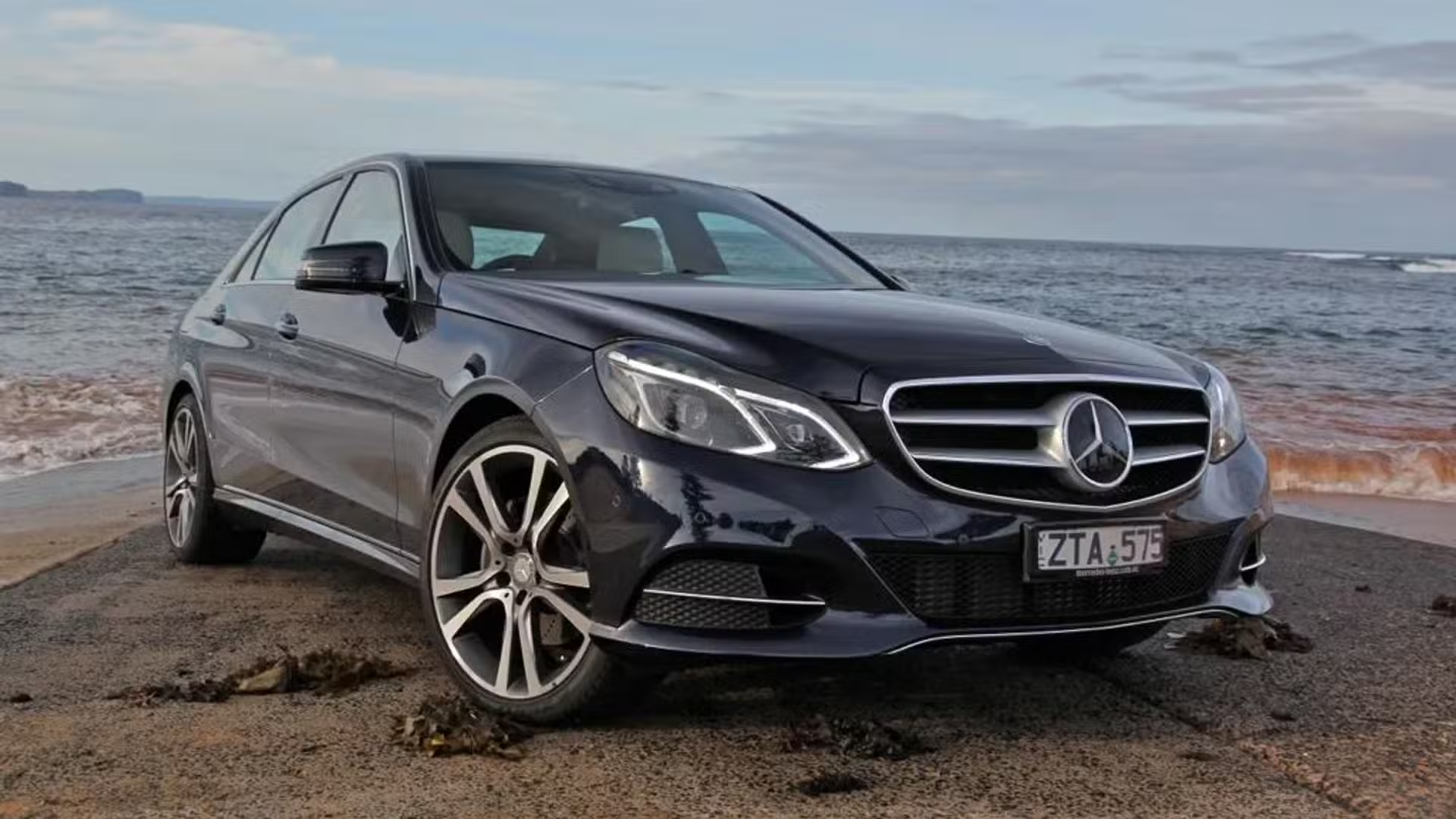
However, the battery system is one of the costliest parts of ownership. The lithium-ion pack can cost between $8,000 and $10,000 to replace, depending on location and dealer pricing. The technology is advanced but not widely supported, which limits repair options outside of official Mercedes service centers.
Servicing this hybrid also requires specialized tools and training. Independent mechanics often avoid working on these systems because of their complexity, meaning most owners must rely on authorized Mercedes workshops where labor costs are high.
Inside, the E300 Bluetec Hybrid feels every bit like a premium Mercedes. The cabin features high-quality leather, solid materials, and excellent sound insulation. Its seats are plush and supportive, making it ideal for long drives, while the dashboard layout is elegant and intuitive.
4) Hyundai Ioniq Plug-In Hybrid
The Hyundai Ioniq Plug-In Hybrid was designed to be a practical, eco-friendly car that bridges the gap between regular hybrids and fully electric vehicles. Produced from 2017 to 2020, it quickly gained attention for its sleek design, great fuel economy, and easy everyday drivability. However, while it’s affordable to own at first, its battery replacement cost can be a heavy burden later on.
The Ioniq Plug-In Hybrid combines a 1.6-liter gasoline engine with an electric motor powered by an 8.9 kWh lithium-ion battery. This setup allows the car to drive up to 29 miles purely on electric power before switching to gasoline. It’s perfect for city commutes and short trips where drivers can use mostly electric energy.
One of its biggest advantages is fuel efficiency. When driven as a hybrid, it delivers around 52 miles per gallon, and when charged regularly, it offers over 110 MPGe (miles per gallon equivalent). These numbers make it one of the most efficient plug-in hybrids in its class.
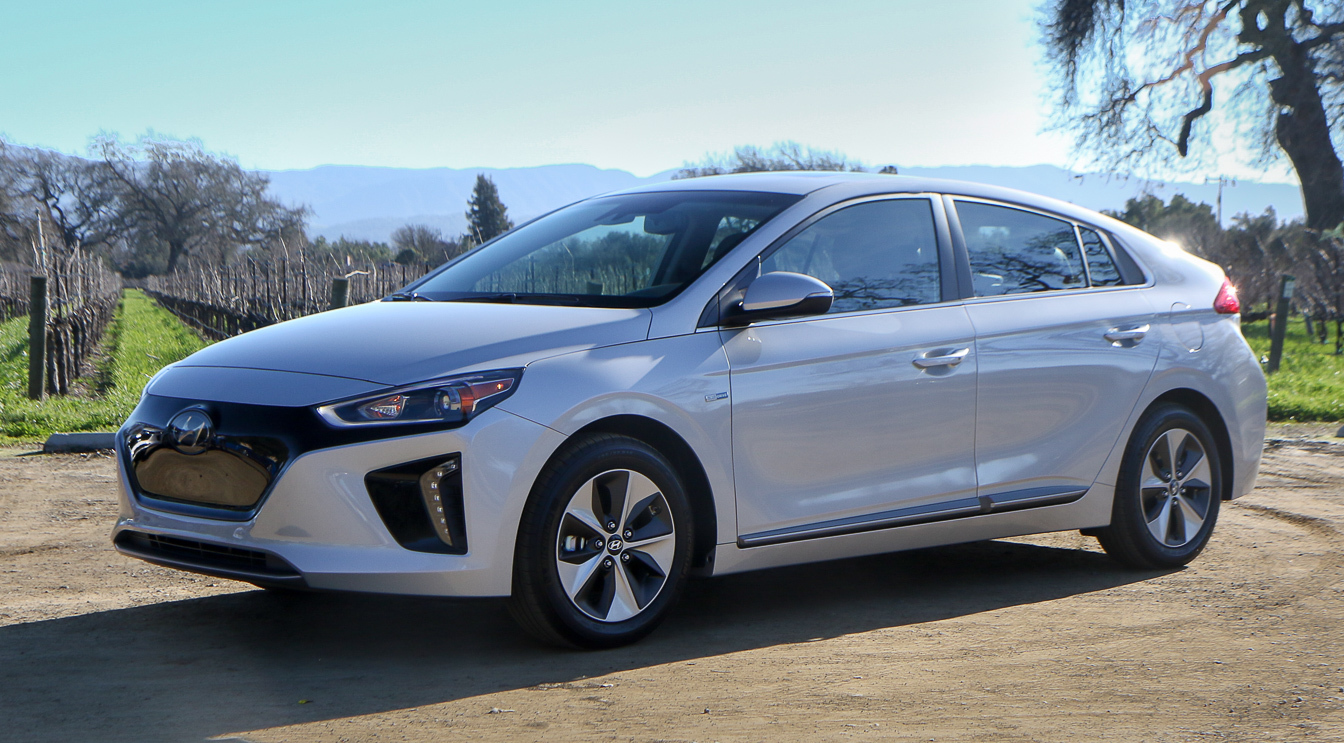
However, the challenge comes when the battery wears out. Replacement costs for the Ioniq Plug-In’s large lithium-ion pack can range between $6,000 and $8,000, depending on whether you buy it new or refurbished. Because it’s a plug-in model, the battery is larger and more expensive than the one in the standard Ioniq Hybrid.
Another factor is that the Ioniq Plug-In’s hybrid system is newer and more advanced, which means fewer third-party repair options are available. Most battery replacements and electrical repairs must be done at authorized Hyundai service centers, increasing both labor and parts costs.
Inside, the Ioniq Plug-In feels modern and comfortable. It offers a quiet cabin, smooth controls, and user-friendly infotainment with features like Apple CarPlay and Android Auto. The design is simple but elegant, with plenty of space for passengers and luggage.
Driving the Ioniq Plug-In Hybrid is a smooth experience. The electric motor delivers instant torque, while the gasoline engine provides steady power for longer trips. The transition between electric and hybrid modes is nearly seamless, making it pleasant for both city and highway driving.
5) Porsche Cayenne E-Hybrid
The Porsche Cayenne E-Hybrid is a powerful and luxurious plug-in SUV that combines thrilling performance with eco-friendly technology. Built between 2015 and 2019, it delivers the driving excitement Porsche is known for but maintaining that excitement, especially when it comes to the hybrid battery, can be very costly.
Under the hood, the Cayenne E-Hybrid features a 3.0-liter V6 engine paired with an electric motor. Together, they produce a combined output of around 416 horsepower, giving this large SUV quick acceleration and a sporty feel. The electric motor also allows for short all-electric trips, making it more efficient than traditional SUVs.
When driven gently, the Cayenne E-Hybrid can travel about 12 to 20 miles on electric power alone. This makes it ideal for short commutes in the city, where drivers can enjoy silent, emissions-free travel before switching to gasoline power for longer drives. It’s a perfect mix of performance and practicality at least when it’s new.
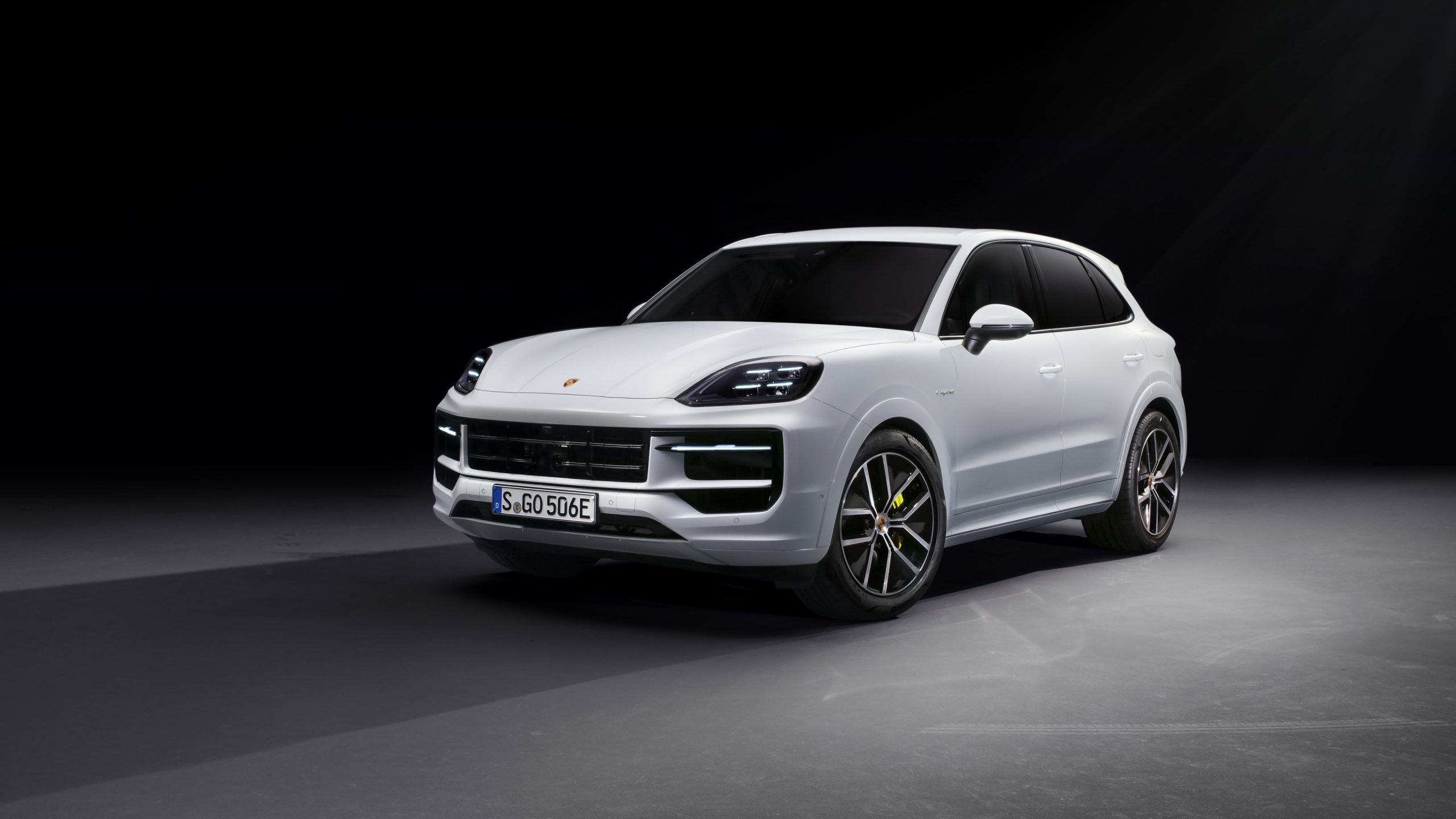
However, once the hybrid battery starts to age, replacement becomes a major expense. The large lithium-ion battery pack used in the Cayenne E-Hybrid can cost between $10,000 and $12,000 to replace. Labor adds even more to the total, as only Porsche-certified technicians are allowed to work on the high-voltage system.
Parts are not easily available from independent suppliers, and used batteries are rare. Most replacements must come directly from Porsche, which adds to the cost. This makes owning an older E-Hybrid very expensive once the warranty period ends.
Inside, the Cayenne E-Hybrid is pure Porsche luxury. The cabin features soft leather, high-quality materials, and precise craftsmanship. Everything feels premium, from the steering wheel to the seats. The infotainment system is modern, and the ride quality is quiet and smooth.
Also read:5 Hybrids With Affordable DC-DC Converters VS 5 With Pricey Failures