Tallahassee is a busy city with college students, government workers, and daily short-distance driving. Cars here face stop-and-go traffic, summer heat, sudden rain, and frequent errands. A good car should be reliable, fuel-efficient, and easy to maintain. A bad one can drain money and time.
If you’re driving in Tallahassee, whether you’re a student hitting class after class or a government worker logging miles between office, meetings, and errands, your choice of car matters more than you think.
This city’s mix of wide avenues, unpredictable traffic, heat and humidity, plus occasional storms means your daily driver has to be practical, reliable, and stress-free to own.
But here’s the honest truth: not all cars are built for that kind of life. Some models shine in these conditions, dependable, comfortable, efficient, and relatively cheap to maintain.
5 Cars That Work Well in Tallahassee
Tallahassee’s driving scene is all about balance: wide boulevards, unexpected traffic spikes, and plenty of sunshine (with the occasional thunderstorm thrown in).
Whether you’re commuting across town, heading up to campus, or cruising out to the coast, you need a car that’s reliable, comfortable, and ready for everything from smooth highways to pot-holed side streets.
In this guide, we look at five cars that work well in Tallahassee, models that deliver the right mix of practicality, efficiency, and all-around performance for life in this vibrant Florida capital.
1) Toyota Corolla
The Toyota Corolla is one of the most trusted cars in the world. For decades, it has been known for reliability, low running costs, and simple ownership. It suits students, office commuters, and families needing stress free daily driving everywhere.
The Corolla handles daily city driving smoothly and calmly. Steering is light, visibility is clear, and the ride feels comfortable on rough roads. Traffic jams, short trips, and crowded parking areas are easy to manage with confidence every single day.
Maintenance of the Corolla is simple and affordable. Regular oil changes, brake service, and basic checks are usually enough. Parts are widely available, and most local mechanics know this car very well which lowers repair time costs stress ownership.
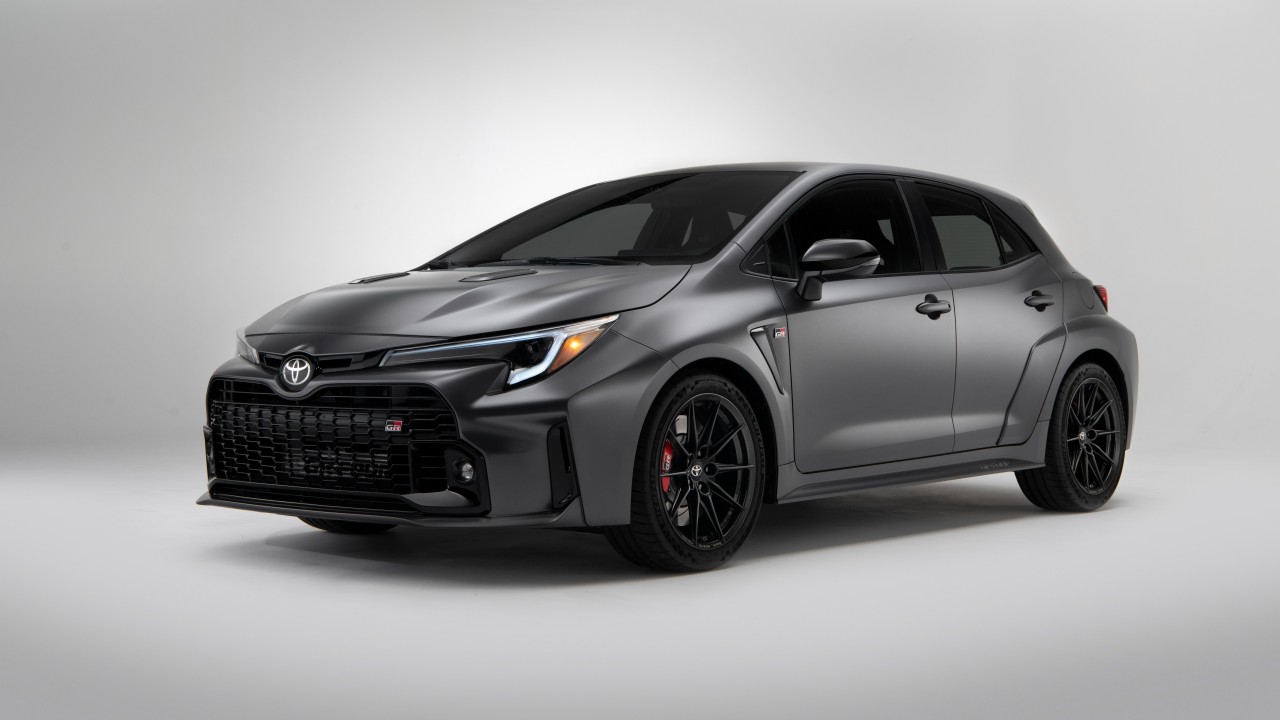
The interior is practical and comfortable for everyday use. Seats support long drives, controls are easy to understand, and cabin space feels good for passengers. Even older models remain quiet and solid on normal roads during daily commuting routines easily.
Safety is another strong point of the Corolla. Most versions include airbags, stability control, and strong braking. These features help protect drivers during sudden stops, wet roads, and unexpected traffic situations common in cities with daily commuters students families alike.
The Corolla also holds its value better than many competitors. Even after years of use, it sells easily in the used market. Buyers trust the name, which makes upgrading or selling later much easier for long term ownership planning needs.
For students, the Corolla is a smart and stress free choice. Insurance costs are reasonable, fuel bills stay low, and breakdowns are rare. This allows students to focus on studies instead of car problems during busy academic schedules each year.
2) Honda Civic
The Honda Civic is one of the most popular compact cars worldwide. It is trusted for strong reliability, efficient engines, and easy daily use. Students and office commuters often choose it for stress free ownership.
The Civic is well suited for busy city driving. It feels smooth in traffic, easy to steer, and simple to park in tight spaces. Suspension absorbs rough roads well, keeping daily drives comfortable and predictable without tiring the driver quickly.
Maintenance costs for the Civic remain reasonable. Basic services like oil changes, brake pads, and filters are affordable. Spare parts are widely available, and most mechanics are familiar with this model, reducing repair delays and labor costs.
Inside, the Civic offers a clean and practical cabin design. Controls are easy to use, seats provide good support, and cabin space feels comfortable. It works well for daily commutes, short trips, and occasional long drives.
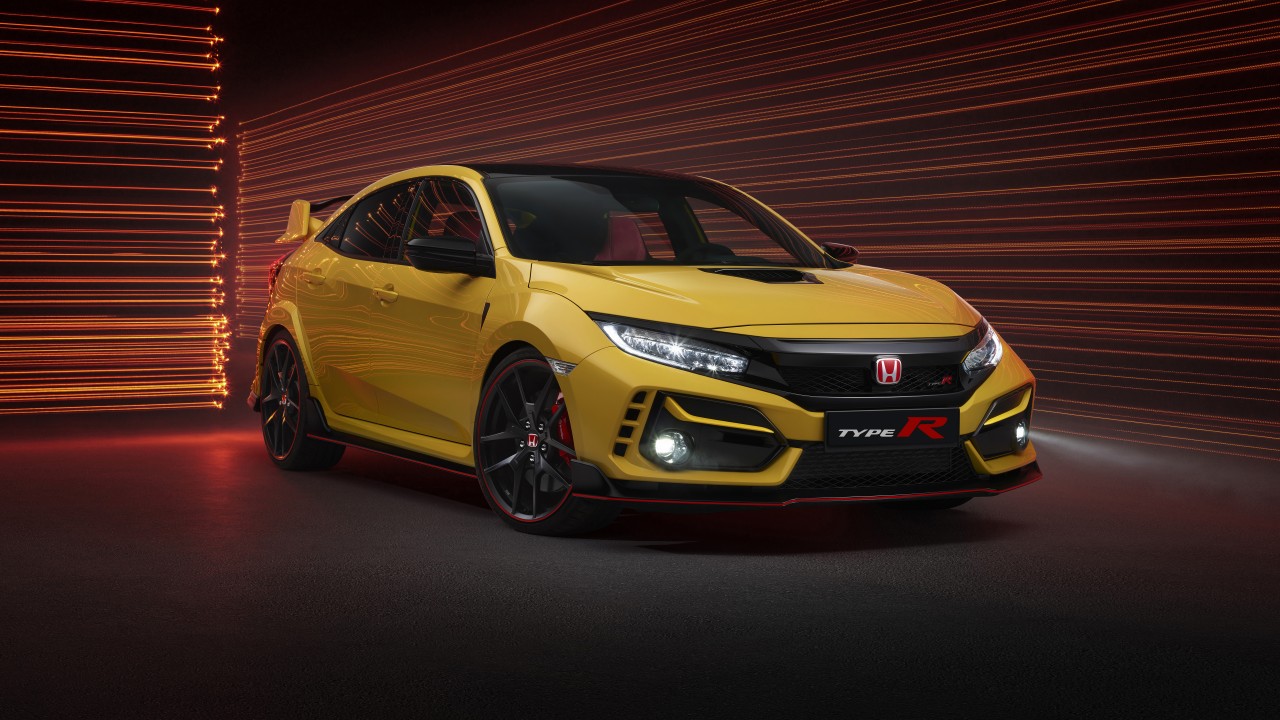
Safety is another strong point of the Civic. Most models include airbags, stability control, and reliable brakes. These features help drivers stay confident during sudden stops, rain soaked roads, and unexpected traffic situations in crowded cities.
The Civic also offers a refined driving feel. It stays stable at higher speeds and feels confident during lane changes. This balance of comfort and control makes it enjoyable without feeling sporty or aggressive for everyday use.
Resale value of the Civic is strong in the used car market. Buyers trust Honda reliability, so older models still attract demand. This helps owners recover good value when upgrading or selling after several years of ownership.
For students, the Civic is a practical and dependable choice. Insurance costs are manageable, fuel usage is low, and breakdowns are rare. This allows focus on studies instead of worrying about frequent car repairs or expenses.
3) Toyota Camry
The Toyota Camry is a well known midsize sedan trusted for comfort and long term reliability. It is popular among office commuters and government employees who need a calm, dependable car for daily work related driving.
The Camry offers a smooth and relaxed driving experience. Its suspension absorbs bumps easily, making rough city roads and uneven highways feel comfortable. Long hours behind the wheel feel less tiring, which is important for frequent daily commutes.
Engine performance in the Camry is steady and dependable. It delivers enough power for city traffic and highway merging without feeling stressed. The engine runs quietly and smoothly, helping reduce driving fatigue during long government runs or office trips.
Maintenance costs are reasonable for its class. Basic services are simple, parts are widely available, and most mechanics are familiar with the Camry. This keeps repair bills predictable and prevents unexpected financial stress for long term owners.
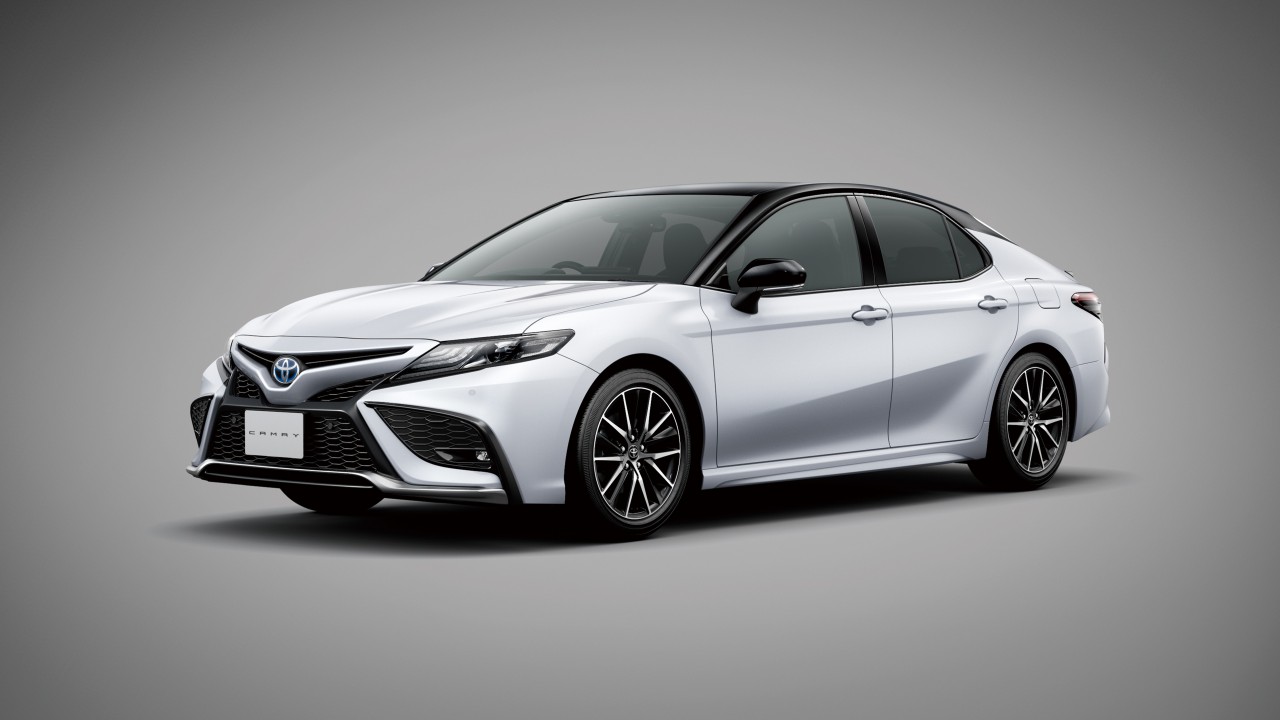
Inside, the Camry feels spacious and well designed. Seats are comfortable, legroom is generous, and the cabin stays quiet at speed. This makes it ideal for carrying colleagues, files, or family members during daily use.
Safety features in the Camry are strong and reliable. Most versions include multiple airbags, stability control, and strong braking systems. These features help protect occupants during sudden stops, heavy rain, and busy traffic conditions.
The Camry also handles heat well, which matters in warmer climates. Air conditioning performance is strong and consistent. The engine cooling system is reliable, reducing the risk of overheating during long drives or traffic delays.
4) Hyundai Elantra
The Hyundai Elantra is a smart choice for drivers who want modern features at a reasonable price. It suits students and office commuters who need a comfortable, fuel efficient car for daily city driving.
The Elantra is easy to drive in crowded traffic. Steering feels light, visibility is good, and the car responds smoothly at low speeds. This makes daily trips to college, offices, and markets less tiring and more relaxed.
Hyundai has improved reliability greatly over the years. The Elantra’s engine and transmission are generally dependable when serviced on time. With regular maintenance, the car avoids many common problems seen in older budget sedans.
Maintenance costs for the Elantra are affordable. Routine services like oil changes, brake work, and filters are reasonably priced. Spare parts are widely available, keeping repair bills under control for students and first time car owners.
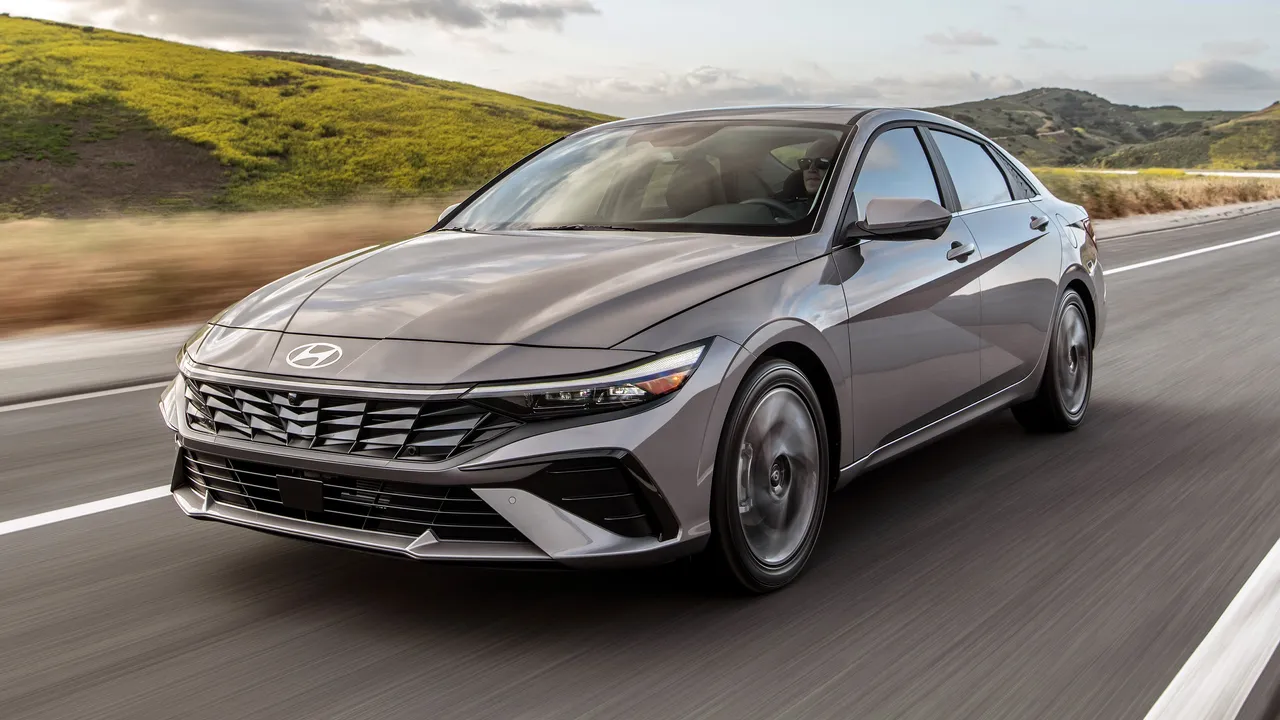
The interior feels modern and comfortable. Seats are supportive, controls are simple to use, and cabin space is adequate for passengers. The design feels fresh, making daily drives more pleasant and less boring.
Ride comfort is another advantage. The suspension handles rough roads and small bumps well, keeping the cabin stable. This is useful for cities with uneven roads, speed breakers, and frequent stop and go traffic.
Safety features in the Elantra are decent for its class. Most models include airbags, stability control, and reliable braking. These features help improve driver confidence during sudden stops and wet road conditions.
The Elantra also offers good value for money. Buyers get a newer design, useful features, and a long warranty in many markets. This adds peace of mind and reduces worry about unexpected repair costs.
Resale value is fair and improving. While not as strong as some Japanese rivals, used Elantras still attract buyers due to modern styling and reliable performance when properly maintained.
For students and office commuters, the Hyundai Elantra is a balanced option. It offers comfort, efficiency, and modern looks without high ownership costs. For daily city use, it remains a sensible and practical choice.
5) Mazda 3
The Mazda 3 is a great choice for drivers who want reliability with a more stylish feel. It suits students and office commuters looking for a dependable car that also feels enjoyable during daily city driving.
The Mazda 3 handles city roads with confidence and ease. Steering feels sharp, the car responds quickly, and parking in tight spaces is simple. Daily trips through traffic feel controlled, smooth, and less stressful for new drivers.
Reliability has improved greatly in recent Mazda models. The Mazda 3 uses well tested engines and transmissions that perform consistently. With regular servicing, it avoids many common mechanical issues seen in less reliable compact cars.
Maintenance costs remain reasonable for most owners. Routine services such as oil changes, brakes, and filters are affordable. Spare parts are easy to find, and many mechanics are familiar with Mazda vehicles, reducing repair delays.
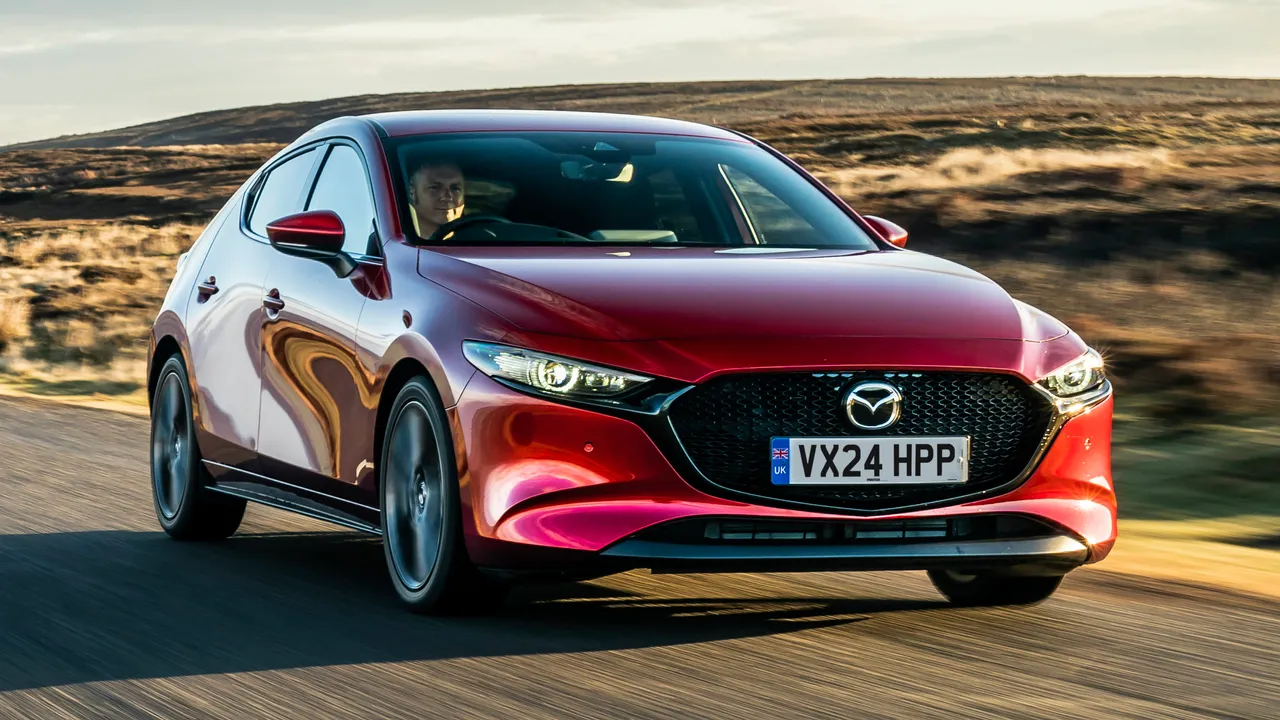
The interior of the Mazda 3 feels premium for its class. Materials look refined, controls are simple, and seats provide good comfort. Even long drives feel pleasant, making it suitable for daily commutes and occasional trips.
Ride quality is well balanced. The suspension keeps the car stable on uneven roads while still offering good control. This helps drivers feel confident on rough streets, speed breakers, and highways without sacrificing comfort.
Safety is another strong area for the Mazda 3. Most models include airbags, traction control, and stability systems. These features help protect occupants during sudden stops, sharp turns, and wet road conditions common in cities.
The Mazda 3 also stays quiet at normal speeds. Road and engine noise are well controlled, creating a calm cabin environment. This reduces driver fatigue and makes daily driving more relaxing and enjoyable..
Resale value of the Mazda 3 is decent and improving. Buyers appreciate its reliability and design, helping used models sell without much trouble. This benefits owners who plan to upgrade after several years.
For students, the Mazda 3 offers dependability with a touch of style. Insurance costs are manageable, fuel bills stay reasonable, and breakdowns are uncommon. This allows focus on studies instead of car related stress.
5 Cars That Often Break or Cost More
Not all cars are created equal, and some reveal that the hard way. Certain models might look great on the lot or boast fun features, but over time they reveal a pattern: frequent repairs, expensive parts, or mechanical gremlins that drain your wallet and test your patience.
These aren’t just “quirky” vehicles, they’re the ones that end up costing more in the long run, whether through unexpected shop visits, pricey replacement components, or a reputation for reliability issues that persist even after multiple model years.
Below, we break down five cars that are commonly associated with higher repair costs or frequent breakdowns. Some suffer from chronic electrical problems. Others have expensive drivetrain issues or consumables that wear faster than you’d expect.
1) Fiat 500
The Fiat 500 looks stylish and compact, which attracts many students and city drivers. However, behind its cute design, this car often struggles with reliability and ownership costs, making it a risky choice for daily use.
At first glance, the Fiat 500 feels easy to drive in the city. Its small size helps with parking and narrow roads. Sadly, this advantage fades when frequent mechanical and electrical issues begin to interrupt normal daily driving routines.
One major problem with the Fiat 500 is poor reliability. Many owners report engine warning lights, sensor failures, and electrical glitches. These issues often appear early in ownership, even when the car is driven carefully and serviced regularly.
Transmission problems are another common complaint. Automatic versions are known for rough shifting and sudden failures. Repairs can be expensive, and in some cases, full transmission replacement is required, which is a major cost burden for students.
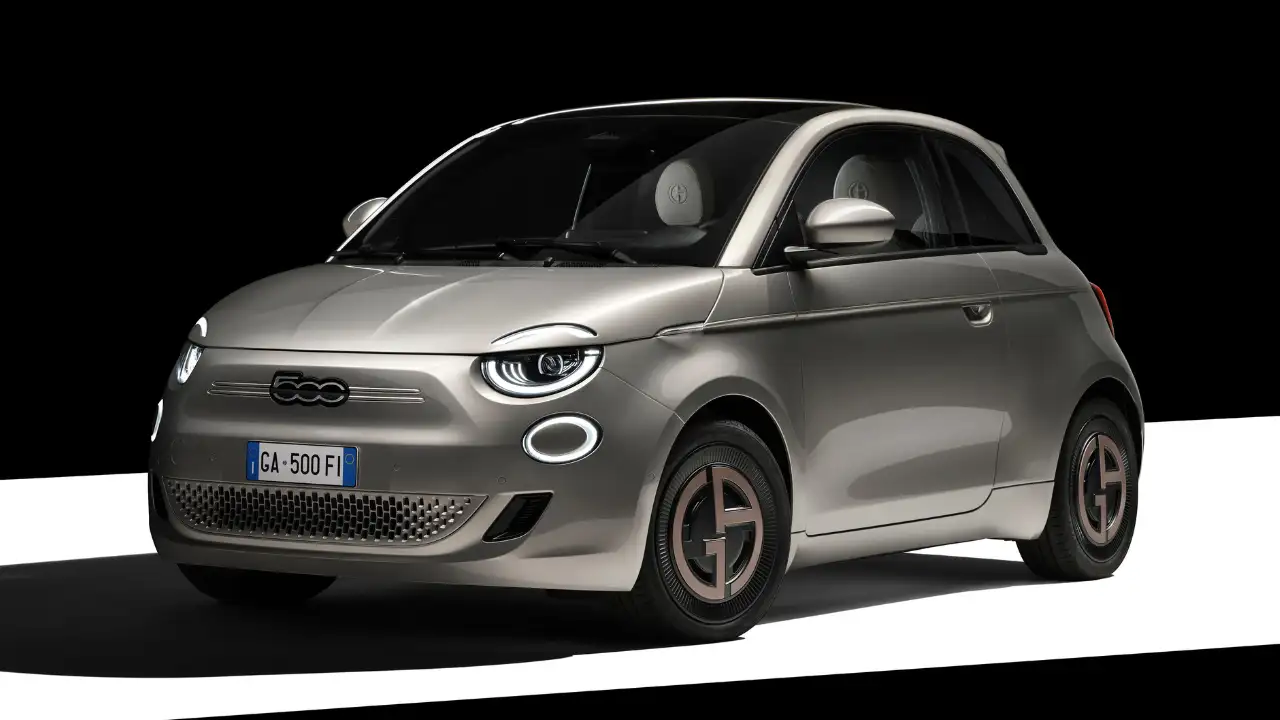
The Fiat 500 also struggles in hot weather conditions. Cooling system issues and weak air conditioning performance are frequently reported. In warm climates, this can make daily commuting uncomfortable and increase the risk of overheating during traffic delays.
Maintenance costs are higher than expected for such a small car. Parts are not as widely available as Japanese brands, and many local mechanics lack experience with Fiat models, leading to longer repair times and higher labor charges.
Interior quality is another weak point. Materials wear out quickly, switches may fail, and cabin rattles develop over time. This reduces long term comfort and makes the car feel older much sooner than many competitors.
Ride quality is firm and not very forgiving on rough roads. Potholes, speed breakers, and uneven surfaces feel harsh inside the cabin. This becomes tiring during daily commuting, especially on poorly maintained city streets.
Resale value of the Fiat 500 is low. Many buyers avoid used models due to reliability concerns. Owners often struggle to sell the car later, losing more money compared to more trusted compact vehicles in the market.
For students and office commuters, frequent repairs can disrupt schedules and budgets. Breakdowns cause stress, missed classes, or late work arrivals. This makes the Fiat 500 unsuitable for people who depend on their car daily.
2) Dodge Dart
The Dodge Dart was introduced as a modern compact sedan, but it failed to build a strong reputation for reliability. While it looks solid and comfortable, long term ownership often becomes frustrating and expensive.
At first, the Dodge Dart feels stable and quiet on the road. It handles city traffic reasonably well and offers decent interior space. However, these positives are quickly overshadowed by frequent mechanical and electrical problems.
Engine related issues are common with the Dart. Many owners report stalling, rough idling, and warning lights appearing without clear reasons. These problems often require repeated service visits and create uncertainty during daily commuting.
Transmission reliability is another major concern. Automatic versions are known for poor shifting and early failures. Repairs can be costly, and replacement parts are not always easily available, increasing downtime and frustration.
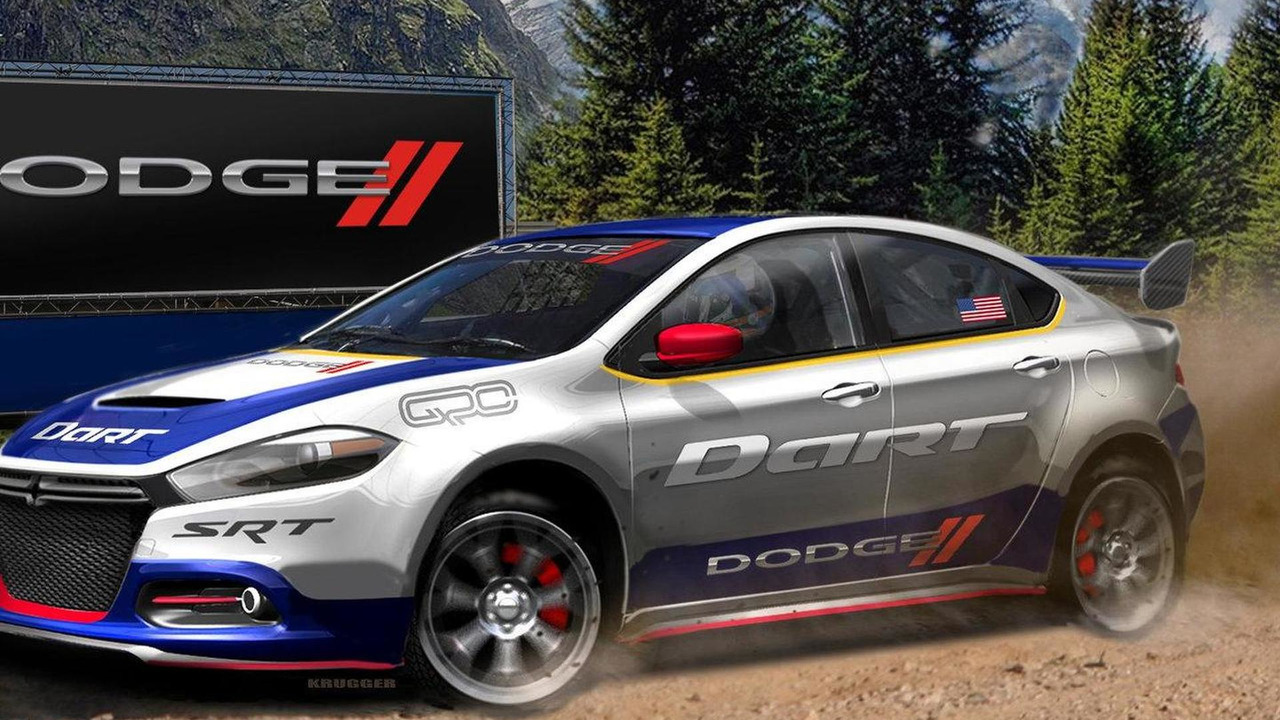
Electrical system problems also affect the Dart. Issues with sensors, infotainment systems, and dashboard electronics are widely reported. These faults may not stop the car immediately but add constant annoyance and repair costs.
Maintenance costs tend to rise as the car ages. Parts wear faster than expected, and some repairs require specialized knowledge. This increases labor charges and makes ownership less predictable over time.
Interior quality is mixed. While the design looks modern, materials do not age well. Buttons may fail, trim pieces loosen, and cabin noises increase with regular use, reducing long term comfort.
Resale value of the Dodge Dart is weak. Due to its reputation for problems, many buyers avoid used models. Owners often struggle to sell the car without lowering the price significantly.
For students and government workers, reliability is critical. A car that fails unexpectedly can disrupt schedules and cause stress. The Dodge Dart often fails to meet this basic requirement consistently.
3) Ford Focus
The Ford Focus is comfortable and affordable, but automatic versions suffer from serious reliability problems. While the car looks modern and drives well at first, long term ownership often becomes stressful and costly.
Initially, the Ford Focus feels smooth and easy to handle. Steering is light, and the car fits well into city traffic. Many buyers enjoy the ride quality during the first months of ownership before problems begin.
The biggest issue with the automatic Focus is the transmission. Many models use a dual clutch system that jerks, slips, and hesitates. This creates uncomfortable driving and often leads to repeated repair visits.
Transmission failures can happen early, even at low mileage. Some owners experience multiple repairs under warranty, while others face high replacement costs later. This makes the car unreliable for people who depend on daily transportation.
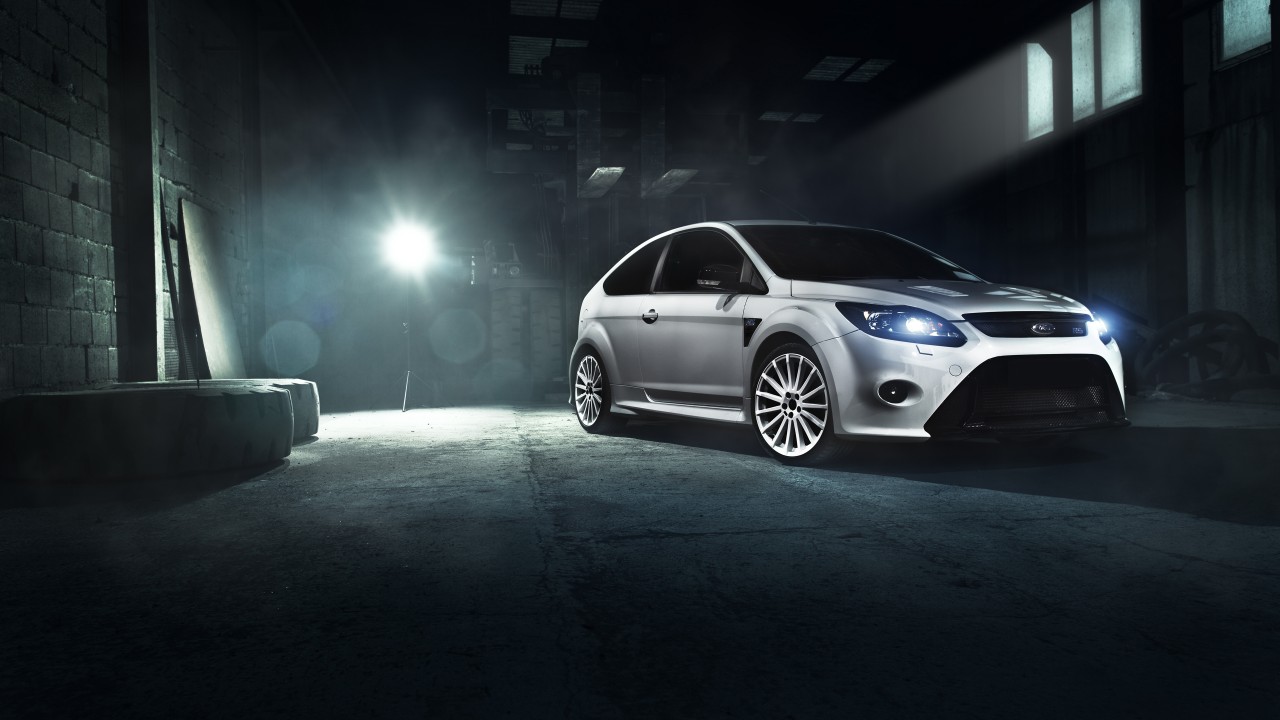
Electrical and software issues also affect the Focus. Warning lights, sensor failures, and computer related faults are common. These problems may not stop the car immediately but cause constant worry and inconvenience.
Maintenance costs increase as the car ages. Specialized transmission repairs are expensive, and not all mechanics are comfortable working on this system. This raises labor charges and extends repair times.
For students and government workers, dependable daily travel is essential. Unexpected breakdowns can cause missed classes or late office arrivals. The automatic Focus fails to provide consistent reliability.
4) Chevrolet Cruze
The Chevrolet Cruze was marketed as a fuel efficient and comfortable compact sedan. While it looks practical on paper, many owners experience reliability problems that make long term ownership difficult and expensive.
At first, the Cruze feels comfortable and quiet in city traffic. Steering is light, and the ride feels smooth on normal roads. Unfortunately, these early positives often fade as mechanical issues start appearing over time.
One of the most common problems with the Cruze is engine trouble. Many owners report oil leaks, rough running, and turbo related failures. These issues can appear earlier than expected and require costly repairs.
Cooling system failures are another major concern. Problems with hoses, water pumps, and overheating are frequently reported. In hot weather or traffic, this can leave drivers stranded unexpectedly during daily commutes.
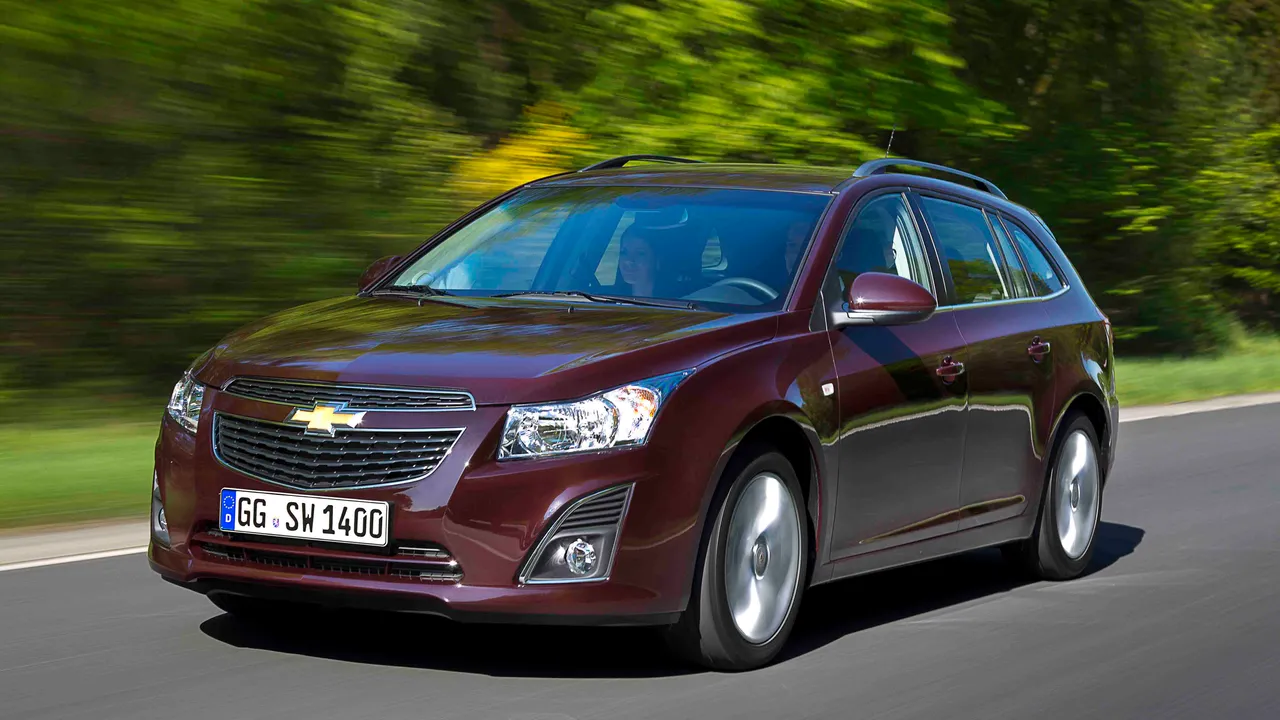
Transmission reliability is also mixed. Some models suffer from harsh shifting or delayed response. Repairs can be expensive, especially when problems appear after the warranty period ends.
Fuel efficiency is average, not exceptional. While mileage looks good on paper, real world driving often delivers lower numbers. When combined with repair costs, ownership becomes less economical than expected.
Resale value of the Cruze is weak. Due to reliability concerns, used car buyers are cautious. Owners often need to lower prices significantly to sell the vehicle later.
5) Mini Cooper
The Mini Cooper is known for its stylish design and fun image. Many students and young drivers find it attractive, but long term ownership often brings frequent repairs and high maintenance costs.
At first, the Mini Cooper feels exciting to drive. Steering is sharp, size is compact, and city driving feels playful. However, this enjoyment often fades when mechanical problems start appearing earlier than expected.
Reliability is a major concern with the Mini Cooper. Owners commonly report engine warning lights, oil leaks, and sensor failures. These problems can appear even with careful driving and regular servicing, causing frustration and uncertainty.
Engine issues are especially common in older and mid generation models. Timing chain problems, overheating, and turbo failures are widely reported. Repairs for these issues are expensive and often require specialized technicians.
Transmission problems also affect some Mini Cooper models. Rough shifting, clutch wear, and automatic gearbox failures increase ownership stress. These repairs are not only costly but also time consuming.
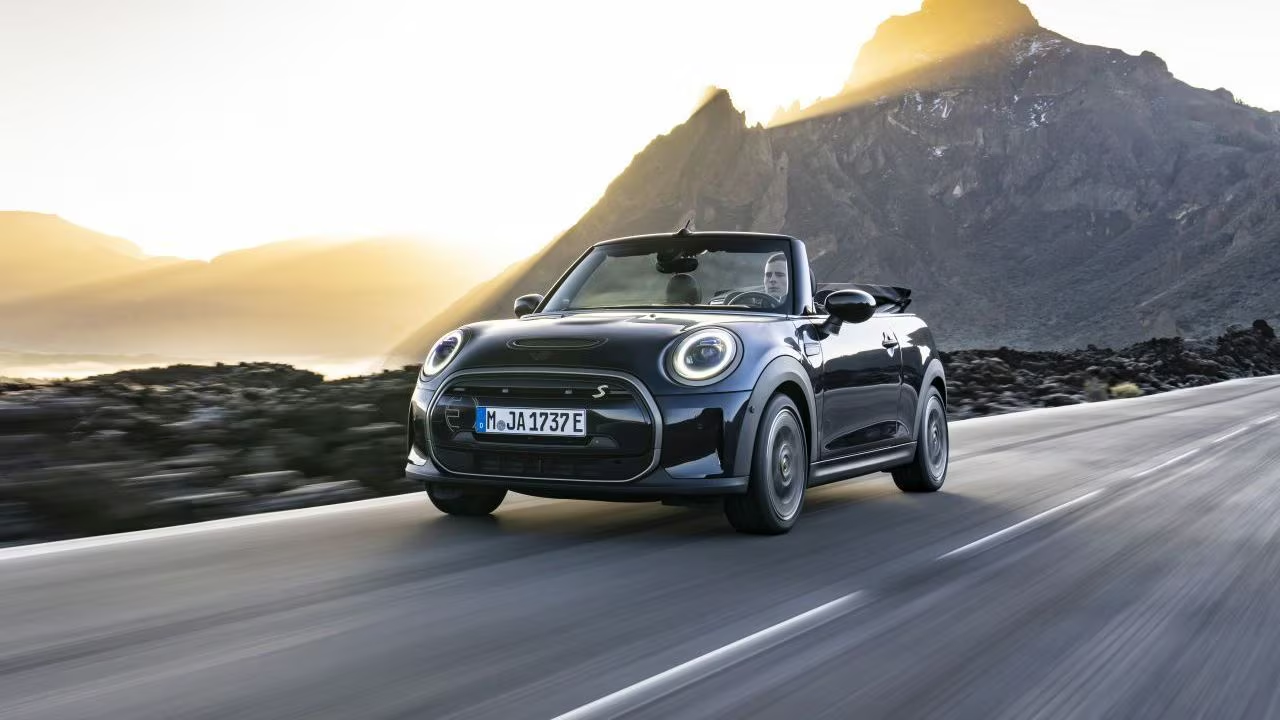
Maintenance costs are much higher than average for a small car. Parts are expensive, and not all local mechanics are experienced with Mini vehicles. This leads to higher labor charges and longer service times.
The interior looks premium but does not age well. Electronic features may fail, switches wear out, and cabin rattles develop. Over time, the car feels less solid compared to more reliable compact rivals.
Ride comfort is firm, especially on rough roads. Potholes and speed breakers are felt sharply inside the cabin. Daily commuting on uneven city streets can become tiring and uncomfortable.
For students and government workers, dependable daily transport is important. Frequent breakdowns can disrupt schedules and increase stress. The Mini Cooper often fails to deliver the reliability needed for everyday use.