Driving on country roads around Augusta, Georgia is very different from city driving. These roads often have rough patches, loose gravel, heat, humidity, and sudden rain.
Cars must handle bumps, long distances, and uneven surfaces without breaking down. Choosing the wrong vehicle can lead to constant repairs and frustration. Below are five cars that perform well on Augusta’s country roads, followed by five that usually struggle and don’t hold up over time.
5 Cars That Handle Augusta Country Roads Well
Augusta’s country roads are not the place for soft suspensions or vague steering. With their tight curves, uneven pavement, and sudden elevation changes, they demand cars that stay composed, responsive, and confident when the road stops being predictable.
Whether you’re carving through rural backroads, navigating patchy asphalt, or dealing with the occasional surprise bend, the right vehicle makes all the difference. This list highlights five cars that don’t just manage Augusta’s country roads, they handle them with control, balance, and driver-focused precision.
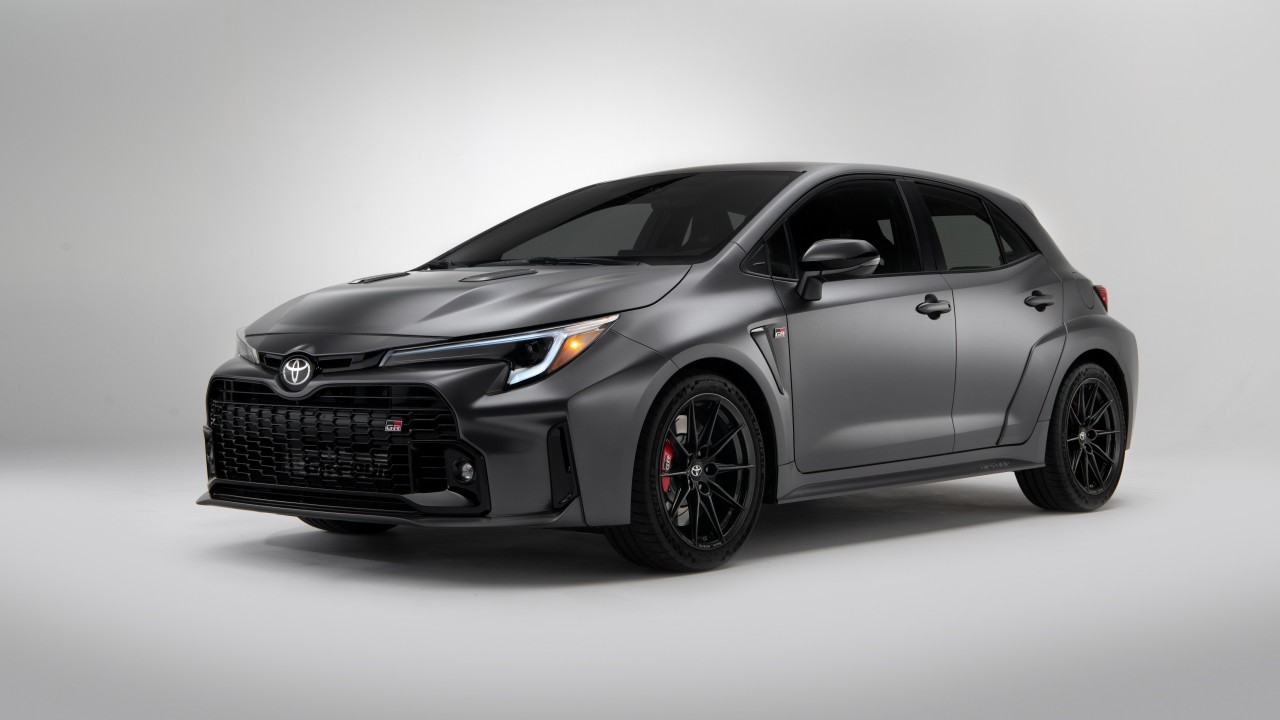
1) Toyota Corolla
The Toyota Corolla has built a strong reputation around the world for being simple, reliable, and long-lasting. For drivers who travel daily on country roads, this car offers dependable performance without high ownership costs or constant repair worries.
Country roads often include uneven pavement, small potholes, loose gravel, and worn surfaces. The Corolla’s suspension is tuned for comfort and balance, allowing it to absorb bumps smoothly and reduce stress on the driver during long rural drives.
One of the biggest strengths of the Corolla is its engine reliability. The engine is designed to run for many years with basic care. Regular oil changes and simple maintenance usually keep it running smoothly for very high mileages.
Heat and humidity can be tough on vehicles, especially in rural areas. The Corolla handles warm climates well, with a cooling system that performs reliably. Even during summer drives, the engine stays steady without overheating problems.
Fuel efficiency is another major benefit for country road users. The Corolla uses less fuel compared to many larger cars. This helps drivers save money, especially when traveling long distances between towns or work locations.
Maintenance costs are low, which makes the Corolla very appealing. Spare parts are easy to find, and most local mechanics know how to work on it. This keeps repair bills affordable and reduces long workshop visits.
The Corolla’s steering is light and predictable, making it easy to control on narrow roads. It feels stable at moderate speeds and does not feel stressful to drive, even when road conditions change suddenly.
While it may not be a rugged off-road vehicle, the Corolla is tough enough for daily rural use. It balances comfort, durability, and efficiency better than many cars in its class.
2) Subaru Outback
The Subaru Outback is a popular choice for drivers who regularly travel on country roads. It is designed to handle rough surfaces, changing weather, and long drives with ease. This makes it especially useful for rural and semi-rural areas.
One major advantage of the Outback is its standard all-wheel drive system. This feature provides better grip on loose gravel, mud, and wet roads. It helps the car stay stable and confident where other vehicles may struggle.
Country roads are often uneven and poorly maintained. The Outback’s higher ground clearance helps it avoid scraping the underside. This extra height is very useful when driving over bumps, shallow ruts, or broken pavement sections.
The suspension setup in the Outback is tuned for comfort and durability. It absorbs road shocks well and keeps the ride smooth. Drivers feel less fatigue during long rural trips, even when road quality changes often.
Engine reliability is another strong point of the Outback. With regular maintenance, the engine performs consistently for many years. It is built to handle steady driving, hills, and long distances without frequent mechanical problems.

Weather can change quickly in rural areas. The Outback handles rain and slippery roads confidently. Its balanced design and traction system make it feel secure during sudden storms or early morning drives on damp surfaces.
Maintenance costs are moderate and predictable. Subaru parts are widely available, and most mechanics are familiar with the Outback. This helps reduce repair delays and keeps long-term ownership costs under control.
Safety is a key strength of the Outback. Strong brakes, stable handling, and modern safety systems help protect drivers on unpredictable roads. This adds peace of mind during daily rural travel.
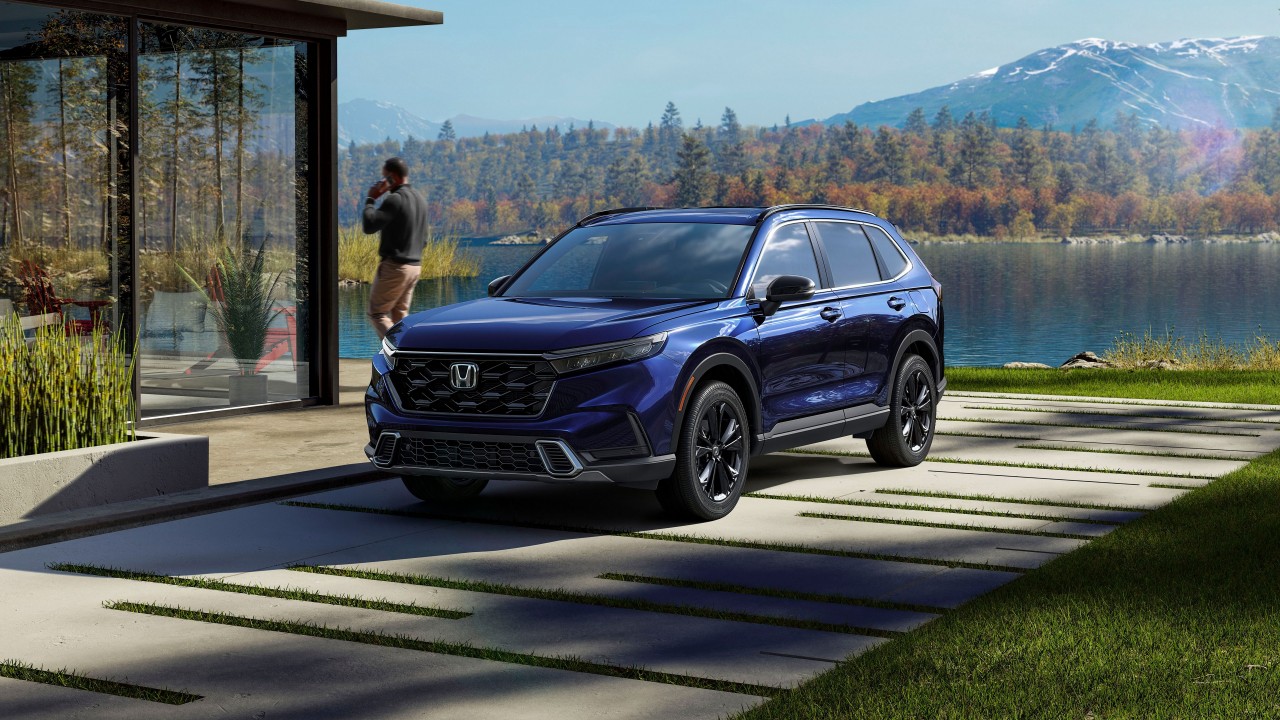
3) Honda CR-V
The Honda CR-V is a well-balanced vehicle that suits country road driving very well. It combines comfort, strength, and reliability, making it a practical option for people who travel daily on uneven rural roads.
Country roads often have potholes, cracks, and rough surfaces. The CR-V’s suspension is designed to absorb these bumps smoothly. This helps protect the car’s structure and keeps passengers comfortable during long countryside drives.
Ground clearance is important on rural roads, and the CR-V offers enough height to handle uneven areas. It avoids scraping on damaged pavement or shallow dirt patches, which helps reduce long-term wear underneath the vehicle.
The engine in the Honda CR-V is known for lasting a long time. With basic maintenance like oil changes and inspections, it continues running smoothly for many years. This makes it dependable for regular rural use.
Steering and handling are easy and predictable in the CR-V. It feels stable on narrow country roads and remains controlled on loose surfaces. This makes driving less tiring and more confident every day.
Maintenance costs are reasonable, which adds to the CR-V’s appeal. Parts are widely available, and most mechanics are familiar with Honda vehicles. This keeps repair bills manageable and reduces time spent in workshops.
Inside, the CR-V offers a spacious and comfortable cabin. Seats are supportive, visibility is excellent, and there is plenty of room for cargo. This makes it useful for both daily driving and weekend needs.
Safety is another reason many drivers trust the CR-V. Strong brakes, stable handling, and modern safety features help protect occupants on unpredictable roads where conditions can change suddenly.
While it is not a heavy-duty off-road vehicle, the Honda CR-V is tough enough for everyday country roads. It offers a smart balance of comfort, durability, and efficiency for rural drivers.
4) Toyota RAV4
The Toyota RAV4 is a popular choice for drivers who regularly use country roads. It is known for its strong build, reliable performance, and ability to handle rough surfaces without causing constant repair problems.
Country roads often include broken pavement, small potholes, and uneven sections. The RAV4’s suspension is designed to handle these conditions well. It absorbs bumps smoothly and keeps the ride comfortable during long rural drives.
Ground clearance is an important advantage of the RAV4. The higher ride height helps prevent damage to the underside when driving over rough patches or dirt sections. This makes it more durable than low-sitting cars.
The RAV4’s engine is built for long-term reliability. With simple maintenance like oil changes and timely servicing, it can run for many years. This makes it a dependable option for daily country road use.
Heat, dust, and humidity are common challenges on rural roads. The RAV4 handles these conditions well with a strong cooling system and solid engine design. It remains stable even during hot summer driving.

Steering and handling feel stable and confident on narrow country roads. The RAV4 stays balanced at regular speeds and feels easy to control. This reduces stress when road conditions change suddenly.
Maintenance costs for the RAV4 are reasonable and predictable. Toyota parts are easy to find, and most mechanics are familiar with the vehicle. This keeps repairs affordable and reduces long-term ownership costs.
While it is not meant for extreme off-roading, the RAV4 is well-suited for everyday country roads. It balances comfort, strength, and efficiency better than many similar vehicles.
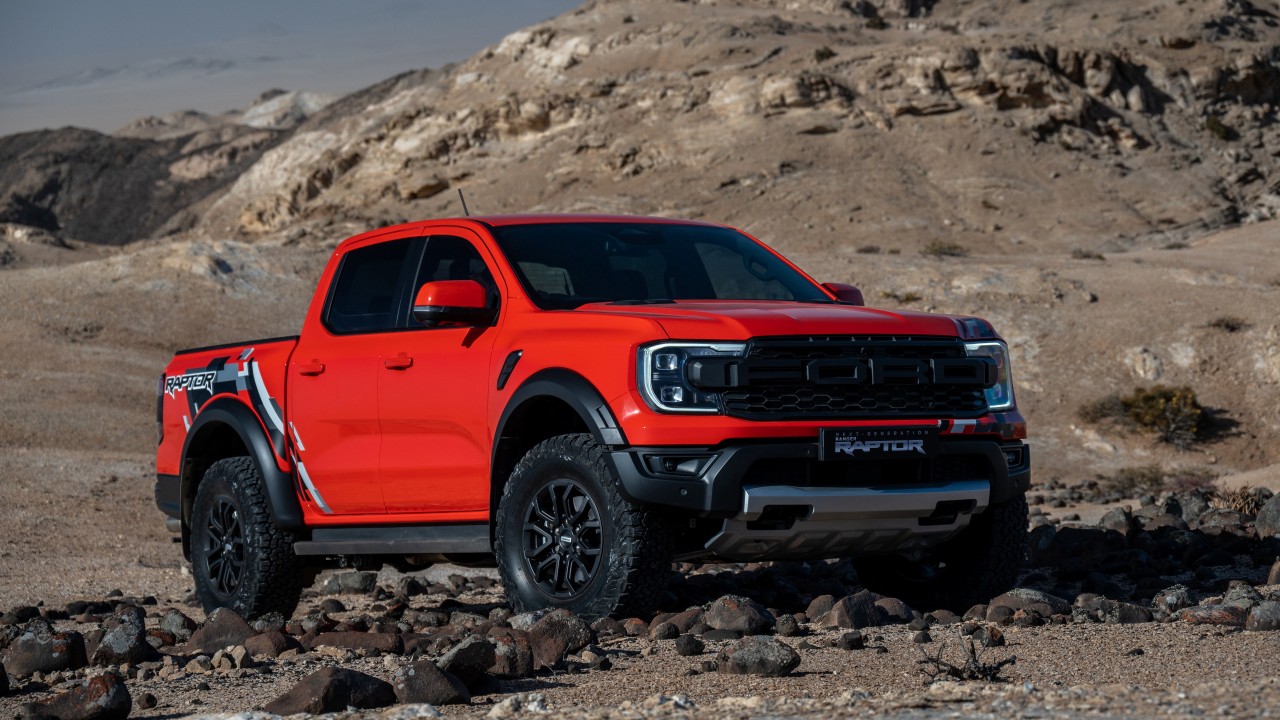
5) Ford Ranger
The Ford Ranger is built for drivers who regularly face rough country roads. It is strong, durable, and designed to handle tough conditions. This makes it a reliable option for rural areas with dirt roads and uneven surfaces.
Country roads often include gravel, mud, and broken pavement. The Ranger’s strong suspension is made to absorb heavy bumps without damage. This helps protect the truck and keeps the ride stable during daily rural travel.
One major advantage of the Ford Ranger is its high ground clearance. It easily passes over deep potholes, ruts, and rocky patches. This reduces the risk of underbody damage on poorly maintained country roads.
The Ranger’s engine is designed for hard work and long life. With regular servicing, it can run for many years without major problems. It handles long distances and heavy use better than most small cars.
Heat and dust are common challenges in rural areas. The Ranger is built to handle hot weather and dusty conditions without overheating. Its cooling system and rugged components are designed for tough environments.
Traction is another strong point of the Ranger. Available four-wheel drive helps maintain control on loose gravel, wet mud, and slippery roads. This adds confidence when driving during rain or on soft surfaces.
Fuel economy is reasonable for a pickup truck. While it uses more fuel than small cars, it delivers good efficiency for its size and power. This balance makes it practical for everyday rural driving.
Maintenance costs are generally manageable for the Ranger. Parts are widely available, and many mechanics are experienced with Ford trucks. This helps keep repair costs under control over long-term ownership.
Inside, the Ranger offers a comfortable and functional cabin. Seats are supportive, controls are easy to use, and visibility is excellent. This helps reduce driver fatigue during long countryside drives.
Cargo space is another major benefit of the Ranger. The open bed allows drivers to carry tools, supplies, or farm equipment easily. This makes it especially useful for work-related rural travel.
Safety is also a strong feature of the Ford Ranger. Its solid build, strong brakes, and stable handling help protect occupants on unpredictable roads with sudden changes.
While it may feel large for city use, the Ford Ranger is ideal for country roads. Its strength, durability, and versatility make it a dependable vehicle for rough rural driving.
5 Cars That Don’t Hold Up Well
Not every car is built for the realities of Augusta’s country roads. Long stretches of uneven pavement, sharp curves, and inconsistent maintenance quickly expose weak suspensions, poor steering feedback, and drivetrains that struggle outside ideal conditions.
Some vehicles may look appealing on paper or feel comfortable on smooth highways, but they fall apart when pushed onto rural backroads. The following five cars are examples of vehicles that simply don’t hold up well when the road gets rough, unpredictable, and demanding.
1) Hyundai Elantra
The Hyundai Elantra is a popular compact sedan for city driving and highways. It offers good fuel economy and modern features, but it struggles when used daily on country roads with rough surfaces and uneven conditions.
Country roads often include potholes, cracks, and worn pavement. The Elantra’s suspension is tuned for smooth roads, not constant bumps. Over time, repeated impacts can cause early suspension wear and reduced ride comfort.
Ground clearance is another weakness of the Elantra. Its low stance makes it easy to scrape the underside on uneven patches or shallow dips. This increases the risk of damage during regular rural driving.
The Elantra’s engine is efficient but not designed for harsh conditions. Long drives on rough roads put extra stress on engine mounts and components, which may reduce long-term reliability when compared to tougher vehicles.
Heat and humidity are common challenges in rural areas. While the Elantra handles warm weather reasonably well, extended slow driving on rough roads can strain the cooling system more than expected.
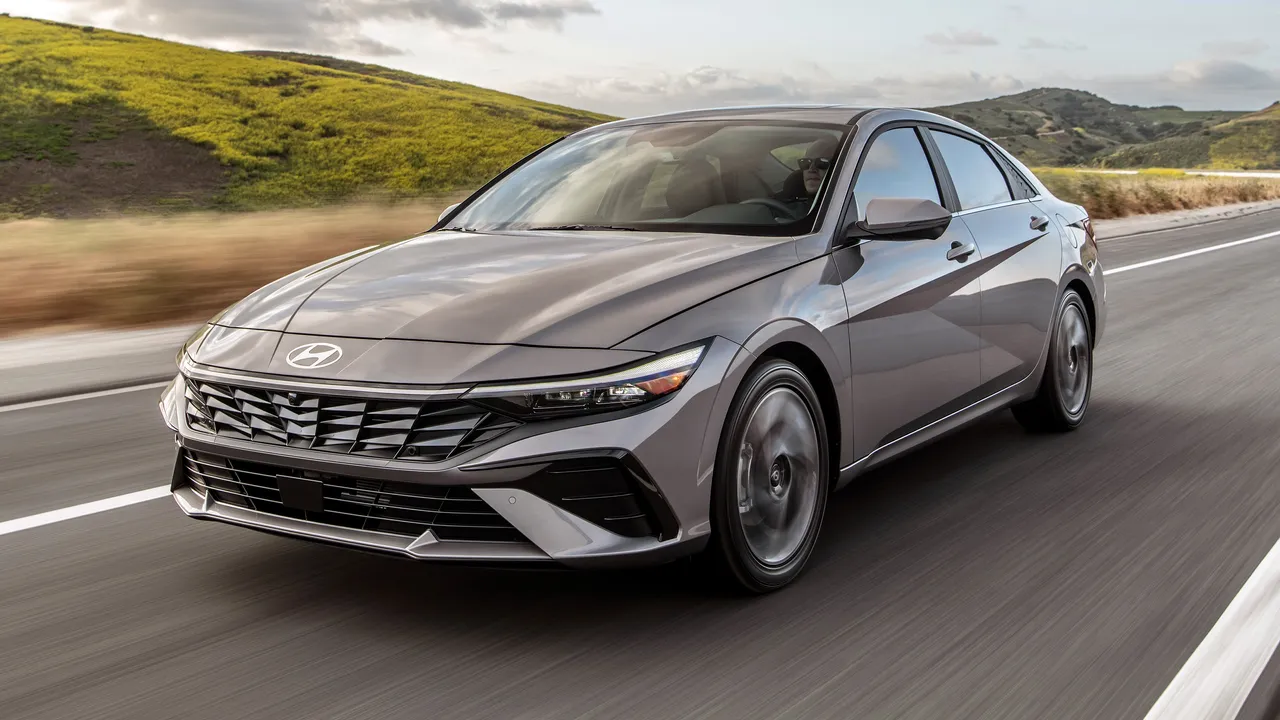
Steering feels light and easy in the city, but it lacks stability on uneven roads. On gravel or broken pavement, the Elantra can feel unsettled, making driving less confident and more tiring.
Tires and wheels take a beating on country roads. The Elantra’s low-profile tires are more likely to suffer damage from potholes, leading to alignment issues and faster tire wear.
Maintenance costs may start low but often increase with rural use. Suspension repairs, wheel alignment, and underbody checks become more frequent, adding to long-term ownership expenses.
Inside, the Elantra offers a comfortable and modern interior. However, road noise and vibrations increase on rough surfaces, reducing comfort during long countryside drives.
Safety features are good in newer models, but physical durability matters on country roads. The Elantra’s lighter build does not handle sudden road hazards as confidently as heavier or higher vehicles.
The Hyundai Elantra is best suited for smooth roads and urban driving. It is not designed for constant exposure to rough, uneven country roads and rural conditions.
2) Volkswagen Jetta
The Volkswagen Jetta is known for its smooth ride and refined feel on highways. It performs well on paved roads, but daily driving on country roads often exposes its weaknesses and leads to higher ownership stress over time.
Country roads usually have uneven pavement, cracks, and potholes. The Jetta’s suspension is tuned for comfort, not durability. Constant bumps can cause faster wear in shocks, bushings, and suspension joints.
Ground clearance is limited, which becomes a problem on rough rural roads. The low ride height increases the chance of scraping the underbody on broken pavement or uneven road edges.
The Jetta’s engine delivers good performance and efficiency on smooth roads. However, long rural drives on rough surfaces place extra strain on mounts and components, which may reduce long-term reliability.
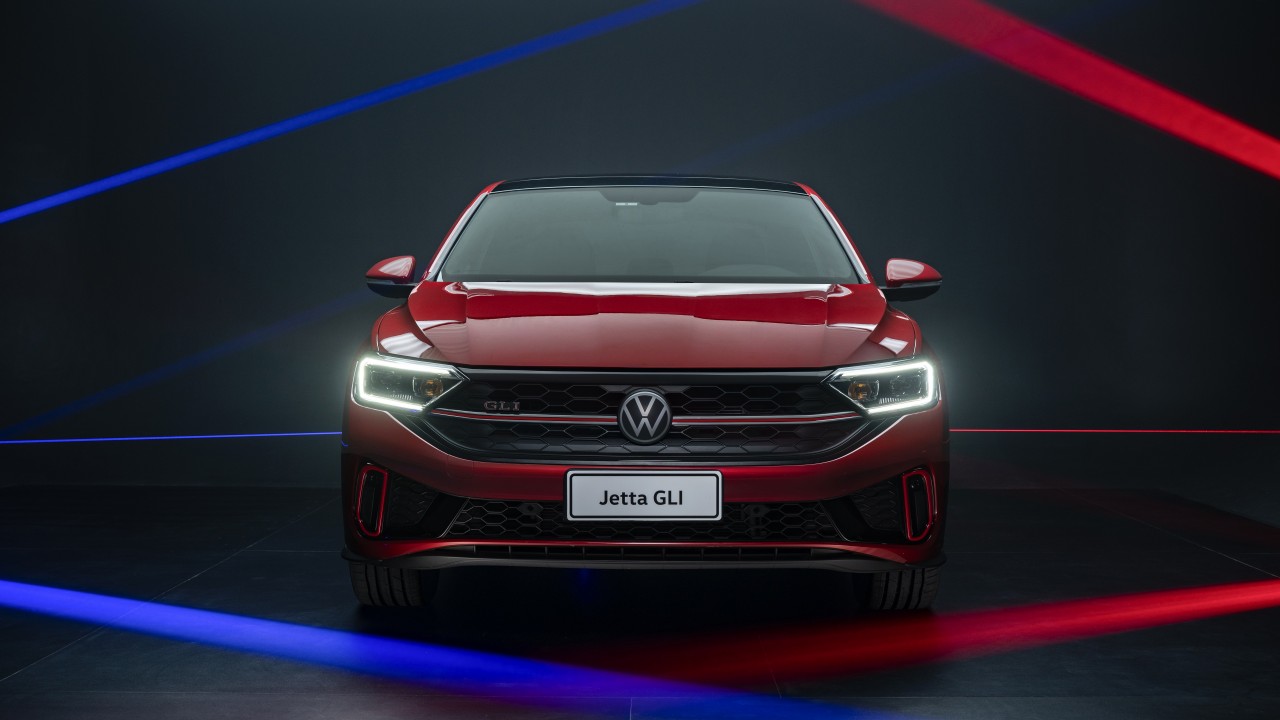
Maintenance costs are a major concern for country road users. Volkswagen parts are often more expensive, and repairs require specialized knowledge. This leads to higher service bills compared to simpler cars.
Tires and wheels also suffer on rough roads. The Jetta’s suspension setup transfers more impact to wheels, increasing the risk of alignment issues and tire damage on pothole-filled routes.
Inside, the Jetta offers a clean and comfortable cabin. However, road noise and vibrations increase noticeably on uneven surfaces, making long countryside drives less pleasant.
Safety features are strong in newer models, but physical toughness matters on rural roads. The Jetta’s lighter build and lower clearance reduce its ability to handle sudden road hazards.
The Volkswagen Jetta is best for drivers who spend most of their time on smooth highways and city streets. It is not built for constant exposure to rough country road conditions.
3) Dodge Charger
The Dodge Charger is known for its strong engine and bold design. While it performs well on highways, it is not well suited for daily driving on country roads with uneven surfaces and rough conditions.
Country roads often include potholes, broken pavement, and sudden dips. The Charger’s suspension is stiff and tuned for speed, not comfort. Constant bumps can cause faster wear and a harsh ride.
Ground clearance is low for a large sedan like the Charger. This makes it easy to scrape the underside on uneven roads. Repeated contact with rough patches can lead to costly underbody damage.
The Charger’s powerful engine is designed for smooth, fast roads. On country roads, this power is rarely useful. Instead, the engine and drivetrain face unnecessary stress from uneven driving conditions.
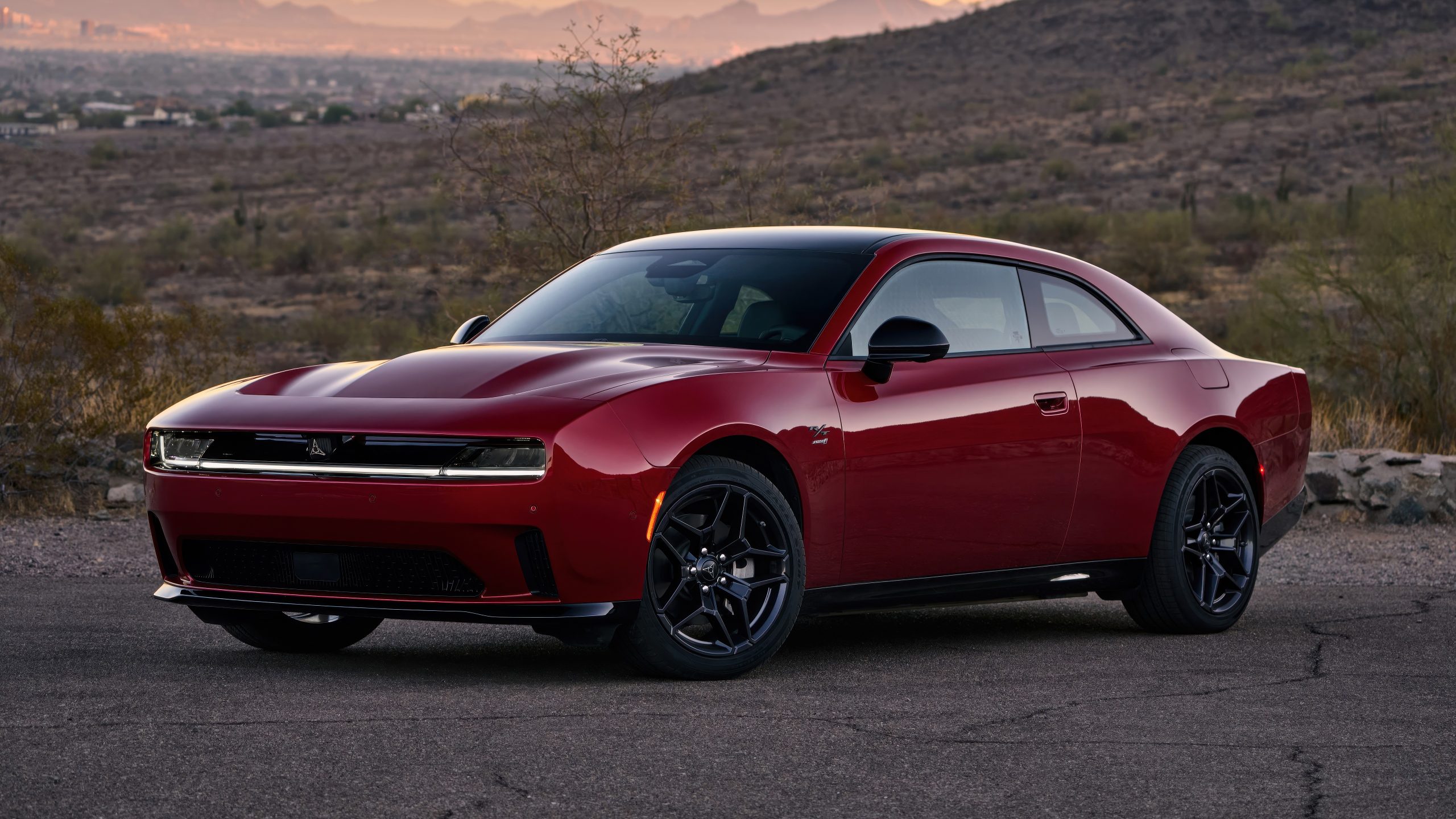
Heat is another issue, especially in rural areas. The Charger’s large engine produces more heat, and slow driving on rough roads can strain the cooling system during long summer trips.
Fuel consumption is a major drawback. The Charger uses much more fuel than compact or midsize cars. On long rural routes, fuel costs add up quickly, making daily driving expensive.
Steering feels heavy and wide on narrow country roads. Maneuvering around potholes or tight bends can feel awkward. This makes the Charger less confidence-inspiring on unpredictable rural routes.
Maintenance costs are also higher than average. Parts for the Charger are more expensive, and suspension repairs become frequent with rural use. Long-term ownership can be costly.
Tires wear out quickly on rough roads. The Charger’s wide tires are designed for grip on smooth pavement. On broken surfaces, they wear faster and are more likely to suffer damage.
Inside, the Charger offers a spacious and comfortable cabin. However, road noise and vibrations increase noticeably on damaged roads, reducing comfort during long countryside drives.
Safety systems are modern, but size and weight work against the Charger on rough roads. Sudden potholes or uneven surfaces can upset the car’s balance more than expected.
The Dodge Charger is best for highway cruising and city driving. It is not designed for constant use on rough, uneven country roads.
4)Nissan Versa
The Nissan Versa is designed mainly for city driving and smooth highways. While it is affordable and fuel efficient, it often struggles on country roads where surfaces are uneven and driving conditions are more demanding.
Country roads usually have potholes, cracks, and worn pavement. The Versa’s suspension is soft and lightly built. Over time, constant bumps can cause faster wear, leading to frequent repairs and reduced ride comfort.
Ground clearance is another major issue with the Versa. It sits low to the ground, making it easy to scrape the underside on rough patches or shallow dips. This can cause damage during regular rural driving.
The engine in the Versa is meant for light-duty use. While it performs fine in town, it feels stressed during long rural drives. Continuous use on rough roads can reduce engine and transmission life.
Heat and humidity add extra strain on vehicles in rural areas. The Versa’s cooling system is basic and may struggle during long summer drives. This increases the risk of overheating or reduced performance.
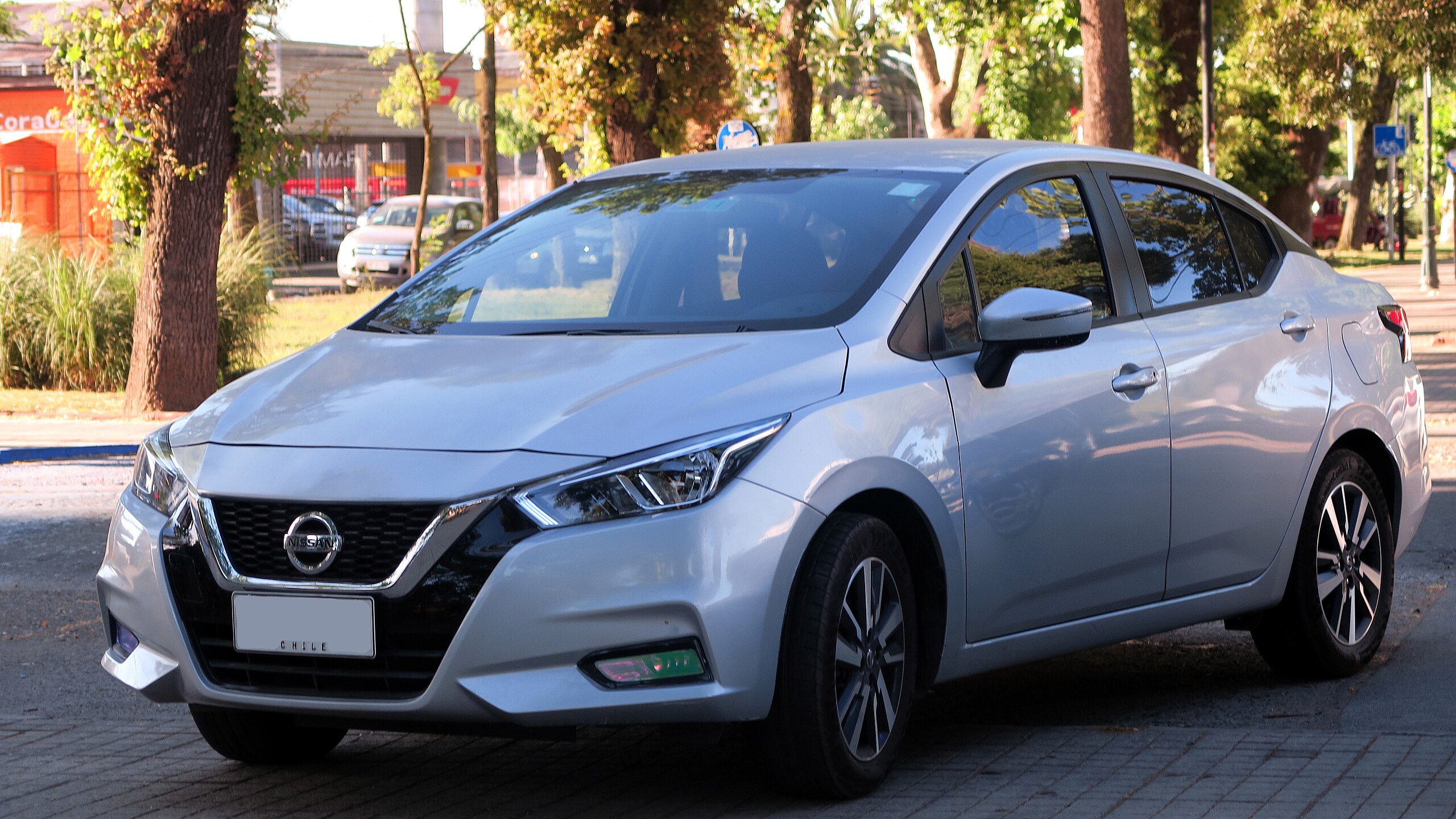
Maintenance costs may seem low at first, but frequent suspension and alignment issues add up. Replacement parts wear faster under rough conditions, leading to more workshop visits than expected.
Inside, the Versa offers basic comfort but limited support. Seats are thin, and road noise is noticeable on rough surfaces. Long rural drives can feel uncomfortable compared to more solid vehicles.
Safety is also a concern on unpredictable roads. The Versa’s light build and limited stability make it less secure when sudden road changes appear, such as deep potholes or loose gravel sections.
5) Chevrolet Malibu
The Chevrolet Malibu is designed mainly for smooth highways and city driving. While it offers comfort and a stylish look, it does not perform well on country roads where surfaces are uneven, damaged, and unpredictable throughout daily travel.
Country roads often have potholes, broken pavement, and small dips. The Malibu’s suspension is tuned for smooth roads, not rough ones. Over time, constant bumps can cause suspension wear and reduce ride quality.
Ground clearance is limited on the Malibu. This low height increases the risk of scraping the underside on uneven roads. Regular contact with rough patches can lead to damage and higher repair costs.
The Malibu’s engine works well for steady highway speeds. However, long rural drives on rough roads put extra stress on the vehicle. This can shorten component life when used daily on country routes.

Heat and humidity add more pressure in rural environments. The Malibu can handle warm weather, but extended slow driving on rough roads may strain the cooling system more than expected.
Fuel efficiency is average for a midsize sedan. While it performs fine on highways, fuel savings are less noticeable on country roads with frequent slowing, braking, and uneven driving conditions.
Steering feels light and comfortable on smooth roads, but it lacks confidence on broken surfaces. On gravel or uneven pavement, the Malibu can feel unstable and less controlled.
Maintenance costs can rise with rural use. Suspension parts, alignment, and tires wear faster on rough roads. These repeated repairs make long-term ownership more expensive than expected.
Inside, the Malibu offers a quiet and comfortable cabin. However, thin tires and soft suspension allow more vibration from rough roads to reach passengers, reducing comfort during long rural drives.