

Selling your car shouldn’t feel like pulling teeth. You’ve set a fair price, written a detailed description, and posted your listing online.
Your 2019 Honda Accord Sport might be mechanically perfect with an immaculate interior, but if your photos look like they were taken during a rainstorm using a flip phone from 2005, potential buyers will scroll right past.
Professional dealerships understand this reality. That’s why they invest in proper photography equipment, clean backgrounds, and strategic lighting. You’re competing against those polished listings, even in the private sale market.
Good news: you don’t need expensive camera equipment or professional training to capture photos that sell cars quickly. Modern smartphones take exceptional photos when you understand basic principles.
Lighting matters more than megapixels. Composition beats fancy filters. Preparation trumps post-processing. Clean your car thoroughly, choose the right time and location, and follow proven techniques that make vehicles look their absolute best.
This guide walks you through eight practical tips for photographing your car like a professional. Each technique addresses specific buyer concerns and highlights features that close deals. You’ll learn which angles show your vehicle’s best attributes, how to handle challenging lighting situations, and what backgrounds make cars pop instead of disappearing.
These aren’t complicated tricks requiring years of photography experience. They’re straightforward methods that work for anyone selling a 2020 Ford F-150 XLT, 2017 Mazda CX-5 Grand Touring, or any vehicle in between.
Great photos attract serious buyers who contact you first, ask fewer questions, and show up ready to negotiate. Let’s ensure your listing gets the attention it deserves.
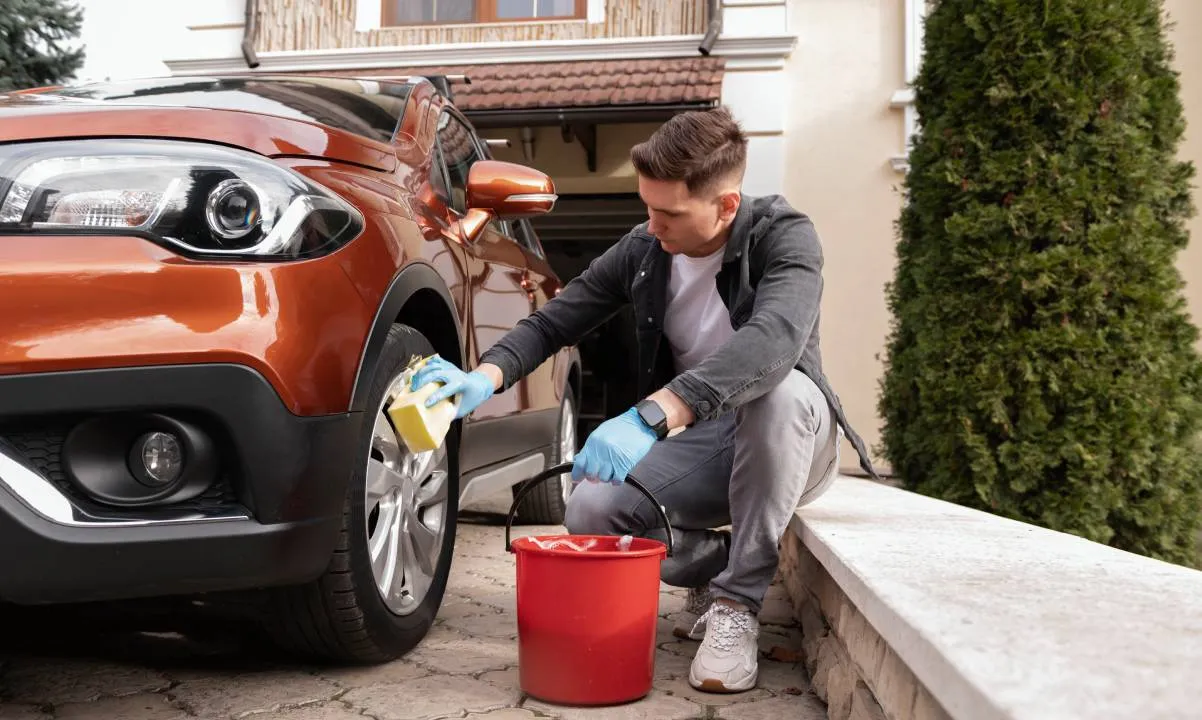
1. Clean Your Car Until It Sparkles Inside and Out
Dirt, grime, and clutter destroy first impressions faster than anything else. Buyers browsing online listings instinctively associate dirty cars with neglected maintenance and hidden problems.
Your 2018 Toyota Camry LE might have perfect service records, but coffee-stained cupholders and dusty dashboard photos scream, “I don’t care about this vehicle.” Spending three to four hours deep cleaning before your photo session pays dividends through faster sales at higher prices.
Start with exterior washing that goes beyond your typical Saturday afternoon routine. Use proper car wash soap, not dish detergent that strips protective wax. Work from top to bottom, rinsing frequently to prevent soap from drying and leaving spots.
Pay special attention to wheels and wheel wells where brake dust and road grime accumulate visibly. Clean between wheel spokes with brushes designed for this purpose. Dirty wheels in photos signal maintenance neglect to discerning buyers.
Clay bar treatment removes embedded contaminants that washing alone can’t touch. Run your hand across supposedly clean paint after washing, and you’ll feel roughness from industrial fallout, tree sap, and environmental deposits.
Clay bars pull these contaminants away, leaving glass-smooth surfaces that photograph beautifully. This process takes 30 to 45 minutes but transforms dull, contaminated paint into surfaces that reflect light properly. That reflection quality makes dramatic differences in photos, especially when shooting metallic or dark-colored vehicles.
Interior cleaning demands equal attention. Vacuum thoroughly, hitting seats, floor mats, carpets, and those annoying crevices around center consoles where crumbs hide. Remove floor mats and vacuum underneath where dirt accumulates invisibly until you photograph interiors.
Use appropriate cleaners on different surfaces: leather cleaner for leather seats, fabric cleaner for cloth upholstery, and plastic cleaner for dashboards and door panels. Don’t forget often-overlooked areas like door jambs, trunk spaces, and under the hood.
2. Choose Golden Hour Lighting for Exterior Shots
Professional photographers obsess about lighting for good reasons. Light quality determines whether your 2017 Subaru Outback 2.5i looks stunning or completely ordinary in photos. Harsh midday sun creates strong shadows that hide details and cause overexposed bright spots that blow out to pure white.
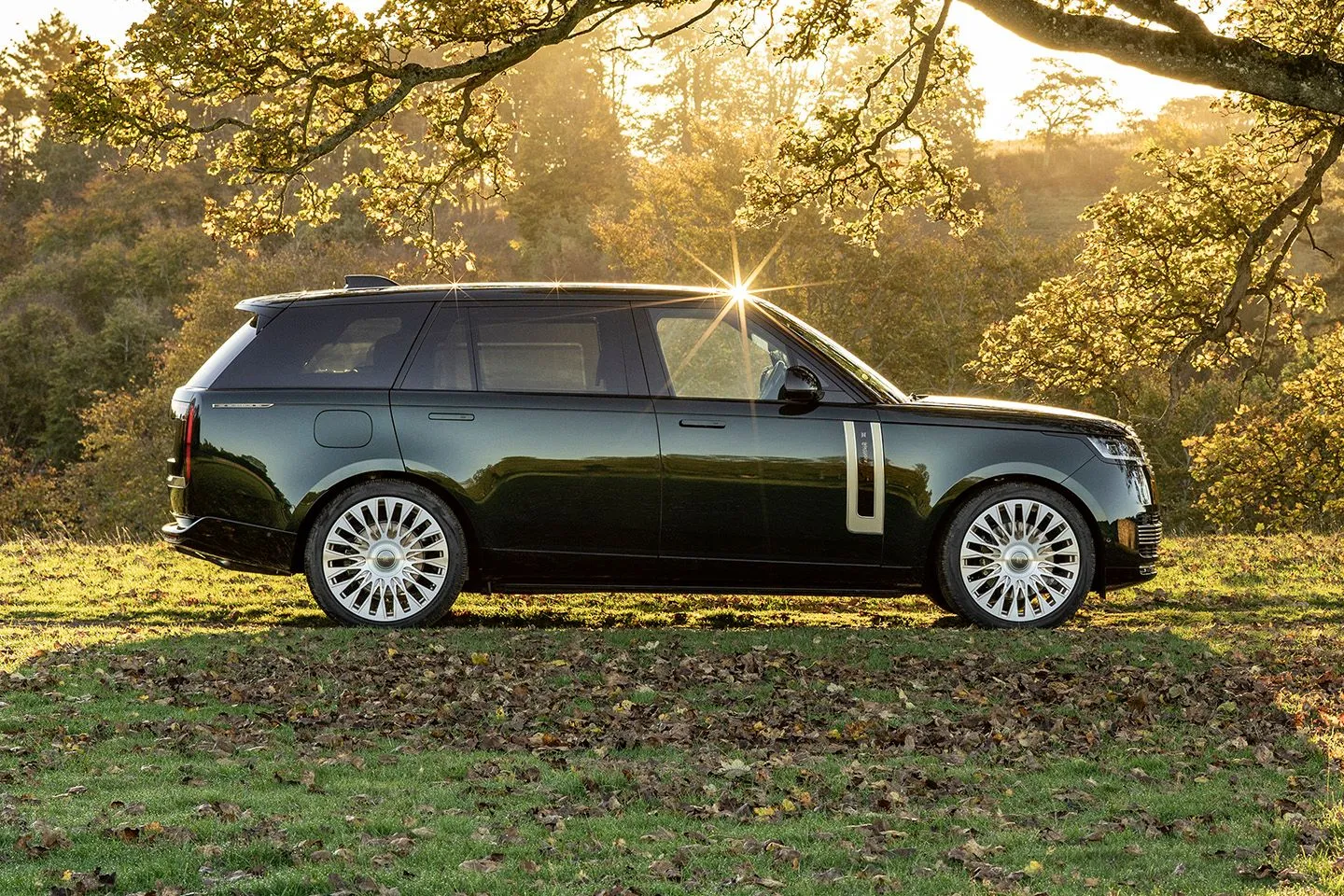
Overcast days provide even lighting but produce flat, lifeless images lacking depth and dimension. Golden hour lighting, occurring twice daily during the first hour after sunrise and the last hour before sunset, offers perfect conditions that make vehicles look their absolute best.
Golden hour light arrives at low angles, casting warm tones that enhance paint colors naturally. Red vehicles glow richly, blue cars deepen beautifully, and even white or silver vehicles gain dimension and character under this lighting.
Shadows exist but remain soft and gradual rather than harsh and distracting. This gentle shadow quality reveals body lines, curves, and design elements that disappear under midday sun or cloudy skies. Your 2019 Nissan Rogue SV will look dramatically better photographed at 7:00 AM or 6:30 PM compared to noon on the same day.
Consistency matters when photographing entire vehicles. Golden hour light remains relatively stable for 45 to 60 minutes, giving you adequate time to capture all necessary angles without lighting changing drastically between shots.
Midday lighting changes minimally but remains consistently harsh. Golden hour provides that sweet spot where light quality is excellent, and duration is sufficient for complete photo sessions without rushing. Plan your photo session around the weather and golden hour timing. Check sunset and sunrise times for your location, then schedule accordingly.
Clear or partly cloudy days work best, providing clean skies without rain-threatening clouds that darken photos. Slight cloud cover during golden hour can actually enhance results by diffusing light gently while maintaining warm tones. Avoid completely overcast days where golden hour effects disappear entirely.
White balance settings on smartphone cameras usually handle golden hour lighting automatically, but double-check results. Some phones overcompensate for warm tones, removing the golden quality you’re specifically trying to capture.
If your camera offers manual white balance control, consider setting it to “daylight” or “sunny” rather than “auto” to preserve those beautiful warm tones that make golden hour photos special.
Also Read: 8 Tips for Protecting Your Car Battery During Extreme Cold
3. Select Clean, Uncluttered Backgrounds That Won’t Distract Buyers
Background selection separates amateur car photos from professional-looking images that command attention. Your 2020 Volkswagen Tiguan SEL might be immaculate, but photographing it in front of your cluttered garage with garden hoses, trash cans, and your neighbor’s project car visible completely undermines the professional presentation you’re trying to achieve.
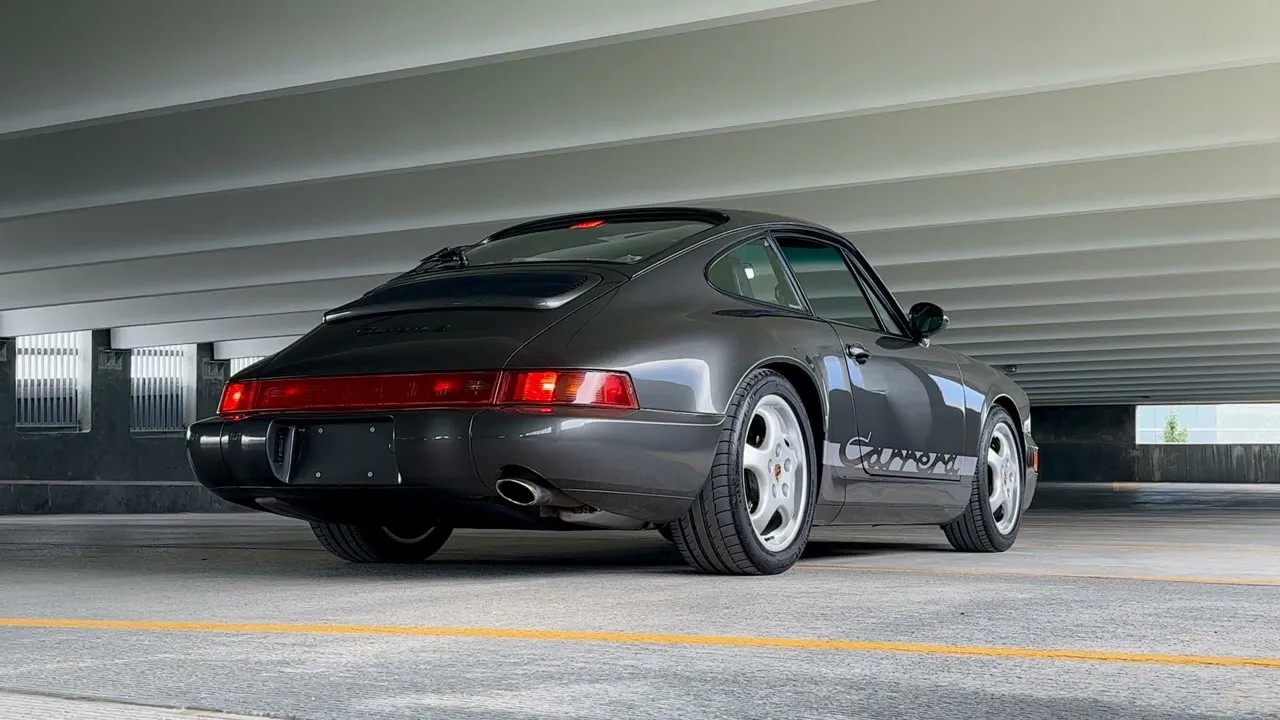
Buyers focus on backgrounds as much as the vehicle itself, and busy, distracting backgrounds suggest you don’t care enough to present the car properly. Empty parking lots offer ideal backgrounds for car photography.
Large retail store parking lots work exceptionally well early morning before stores open, providing vast expanses of clean pavement with minimal visual clutter. These spaces offer room to position your vehicle away from light poles, cart returns, and other obstructions.
Clean pavement reflects light upward slightly, filling in shadows under the vehicle naturally without requiring additional lighting equipment. Choose areas with freshly painted parking lines and minimal oil stains for the cleanest appearance.
Natural settings provide attractive alternatives when executed properly. Parks with open grass fields, tree-lined streets, or waterfront locations create appealing contexts that suggest lifestyle rather than just transportation.
However, natural backgrounds require careful composition to avoid trees appearing to grow from your vehicle’s roof or busy foliage overwhelming the car itself. Position your 2018 Jeep Grand Cherokee Limited with adequate space between the vehicle and background elements, using distance to blur backgrounds slightly and maintain focus on the car.
Check for distracting elements in backgrounds before shooting. Light poles that appear to impale your vehicle, shopping carts visible at frame edges, or trash bins lurking in corners ruin otherwise good photos. Walk around your selected spot, viewing potential backgrounds from multiple angles before committing. Move your vehicle position slightly to eliminate distractions rather than trying to fix problems later through editing.
Consistency in backgrounds across your photo set creates cohesive listings that look professionally planned. Don’t photograph exterior shots in five different locations with completely different background styles. Choose one primary location for most exterior shots, maintaining visual consistency that suggests careful attention to detail.
This consistency subconsciously signals to buyers that you’re organized and thorough, qualities they hope extend to how you’ve maintained the vehicle mechanically.
4. Capture All Essential Angles Buyers Expect to See
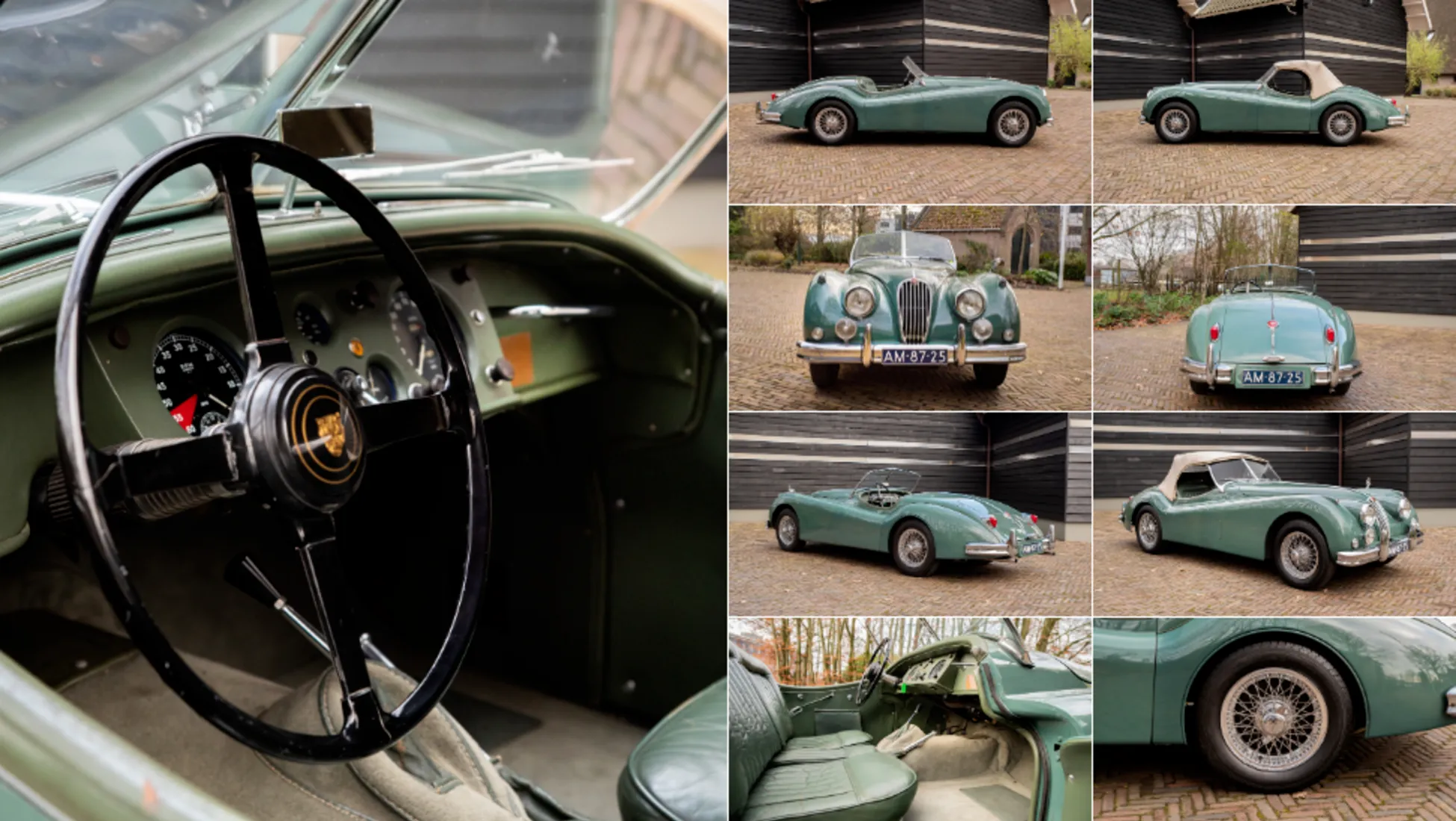
Comprehensive photo coverage answers buyer questions before they ask, reducing unnecessary inquiries and building confidence that you’re transparent about your vehicle’s condition. Listings with 15 to 25 photos sell faster than those with five or six because buyers gain a complete understanding of what they’re considering. Your 2019 Kia Sorento EX needs documentation from every angle, inside and out, showing buyers exactly what they’ll get if they purchase.
The front three-quarter angle serves as your primary hero shot, appearing first in listings. Position yourself at roughly 45 degrees from the vehicle’s front corner, capturing both the front fascia and one complete side simultaneously.
This angle shows styling, proportions, and stance while creating depth through perspective. Stand or crouch at bumper height rather than shooting from standing eye level, which creates awkward top-down perspectives. Many buyers make viewing decisions based solely on this first photo, so nail the composition, lighting, and background perfectly.
The rear three-quarter angle mirrors the front shot from the opposite corner. This view shows taillights, rear styling, and the other vehicle’s side, not visible in the front three-quarter shot. Buyers want to see the complete vehicle condition, and rear three-quarter shots reveal different body panels where damage might exist.
Consistent positioning between front and rear three-quarter shots creates pleasing symmetry in listing galleries that suggests professional planning. Straight-on shots from front, back, and both sides provide clear views of specific vehicle faces. Front straight shots show grille details, headlight condition, and any front damage clearly.
Rear straight shots display taillights, bumper condition, and any rear-end issues. Side profile shots running perfectly perpendicular to the vehicle reveal true proportions and any side damage like dents, scratches, or mismatched paint from repairs. These orthogonal views matter especially for buyers evaluating conditions remotely before deciding whether to schedule in-person inspections.
Wheel and tire close-ups demonstrate maintenance and condition. Photograph all four wheels individually, showing tread depth and any curb rash or damage. Buyers concerned about immediate tire replacement costs appreciate seeing tread clearly.
Wheel condition indicates how carefully you’ve driven and maintained the vehicle. Pristine wheels suggest conscientious ownership, while curbed and damaged wheels raise concerns about other neglected maintenance.
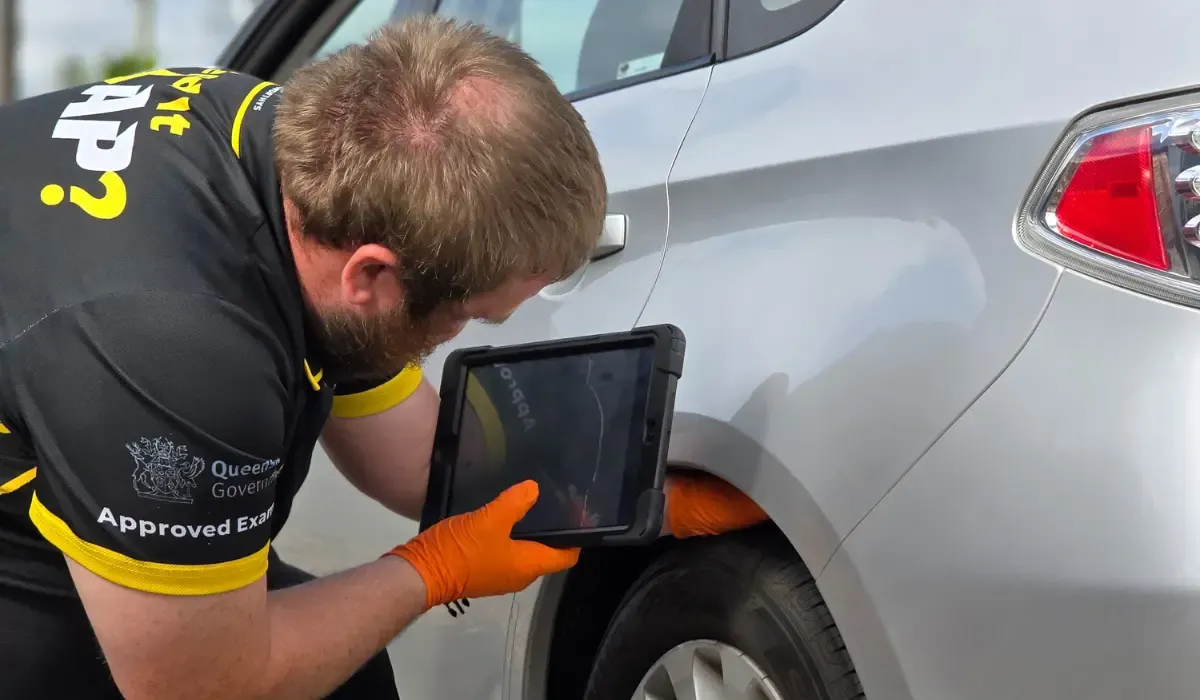
5. Focus on Damage, Wear, and Imperfections With Honest Documentation
Transparency builds trust faster than anything else when selling vehicles privately. Hiding scratches, dents, or wear in photos might get more initial inquiries, but buyers who discover undisclosed damage during inspections feel deceived and walk away immediately.
Your 2017 BMW 3 Series 330i might have a door ding and some dashboard wear, but documenting these issues honestly attracts serious buyers who appreciate your forthrightness and come prepared to negotiate fairly based on accurate condition assessment.
Photograph every scratch, dent, paint chip, and imperfection clearly. Use close-up shots that show the extent of damage without exaggeration. A door ding should be photographed from an angle that reveals depth and size accurately, not from distances that make it invisible.
Include a coin or credit card in the frame for size reference when documenting damage, helping buyers understand whether they’re looking at a quarter-inch scratch or a six-inch scrape requiring professional repair.
Interior wear deserves equal documentation honesty. Driver’s seat bolsters on high-mileage vehicles almost always show wear. Steering wheel leather often develops shine and minor cracking. Dashboard materials might have sun fade or minor cracks.
Photograph these conditions in well-lit situations where buyers can evaluate severity. Trying to hide worn upholstery through dark photos or strategic cropping backfires when buyers arrive expecting pristine condition and discover reality. Instead, show wear clearly and adjust pricing accordingly.
Windshield chips and cracks need specific documentation. Buyers understand that windshields accumulate chips during normal driving, but they want to know what they’re inheriting. Photograph chips from both inside and outside the vehicle, showing whether damage has spread into cracks requiring full windshield replacement.
Include measurements using a ruler or coin for scale reference. Small chips often qualify for free repair through insurance, while cracks exceeding certain lengths require costly replacement that buyers factor into negotiations.
Tire condition matters tremendously to buyers calculating immediate expenses after purchase. Photograph tread depth clearly, either using tread depth gauges or the penny test, which shows wear visually. Uneven wear patterns indicate alignment or suspension issues that concern knowledgeable buyers.
Document these patterns honestly rather than photographing only the tire sections with the deepest tread. Your 2018 Mazda6 Touring might need tires soon, and buyers appreciate knowing this upfront rather than discovering it during test drives.
Odometer photos with clear mileage readings are essential. Buyers want to verify exact mileage matches the listing descriptions. Photograph the instrument cluster showing mileage prominently, ensuring numbers are sharp and readable.
Include service records showing mileage at recent maintenance appointments, creating a documented history that verifies odometer accuracy and proves consistent maintenance throughout ownership.
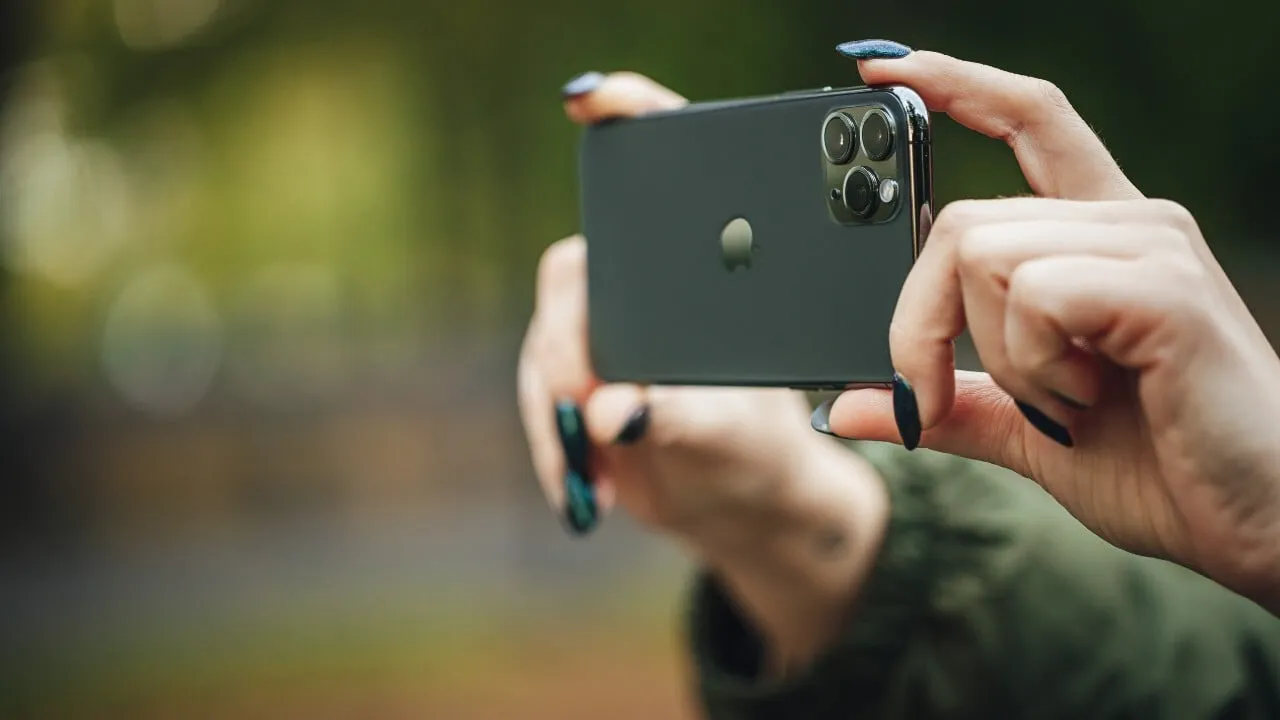
6. Use Smartphone Camera Features Properly for Professional Results
Modern smartphone cameras rival dedicated equipment when you understand how to use their features effectively. Your iPhone or Android device includes settings and capabilities that dramatically improve photo quality when activated properly.
Most people leave everything on automatic mode, missing opportunities to control exposure, focus, and composition that separate mediocre photos from professional-looking images that sell your 2019 Ford Escape SEL quickly.
Manual focus control prevents your camera from focusing on the wrong elements. Smartphone cameras using automatic focus sometimes lock onto backgrounds rather than vehicles, creating perfectly sharp trees with blurry cars.
Tap your screen on the specific vehicle area you want to be sharp before taking photos. Your camera will focus on that tapped point and adjust exposure accordingly. This manual control ensures vehicles remain sharp while backgrounds blur slightly, creating a professional depth of field that emphasizes your 2016 Dodge Charger SXT as the subject.
Exposure compensation adjusts brightness independent of the focus point. After tapping to focus, slide the exposure control up or down to brighten or darken the image as needed. Dark-colored vehicles often photograph underexposed as cameras expose for brighter backgrounds.
Sliding exposure compensation up by one or two stops brightens dark vehicles, revealing paint color and details that would otherwise disappear into shadows. White or silver vehicles might need exposure compensation reduced to prevent overexposure that blows highlights to pure white.
Grid overlays help compose photos using the rule of thirds, a fundamental composition principle that creates balanced, professional-looking images. Enable grid display in camera settings, showing nine equal rectangles across your screen.
Position your vehicle so important elements align with grid lines or fall at intersection points where lines cross. This positioning creates more interesting compositions than simply centering vehicles, which often produces static, boring photos that don’t attract attention.
Burst mode captures multiple rapid-fire shots in quick succession, ensuring you get at least one perfect frame even if conditions aren’t ideal. Vehicles don’t move during photo sessions, but lighting can change rapidly as clouds pass, affecting photo quality.
Taking three or four burst shots of each angle provides backup options if one frame suffers from temporary shadows or lighting issues. Review burst sequences immediately after shooting, selecting the best frame and deleting others to avoid cluttering your photo library.
Stabilization matters even though you’re not photographing action. Hold your phone with both hands, tucking your elbows against your body for stability. Alternatively, lean against solid objects like walls or vehicles for additional support. Blurry photos from camera shake ruin otherwise good images, and buyers notice blur immediately when evaluating vehicles online.

7. Edit Photos Lightly to Enhance Without Misrepresenting Vehicle Condition
Photo editing tools built into smartphones or free apps like Snapseed and VSCO provide powerful capabilities to enhance photos without crossing into misrepresentation territory. Your 2017 Lexus RX 350 probably looks slightly better in person than in unedited photos due to how cameras capture color and light differently than human eyes perceive.
Light editing bridges that gap, making photos accurately represent what buyers will see during in-person inspections rather than creating false impressions that lead to disappointed buyers and failed sales. Brightness and exposure adjustments correct photos that came out too dark or too bright. Cameras sometimes misjudge proper exposure, resulting in photos that don’t match what you see with your eyes.
Slide the brightness sliders until the vehicle looks as you remember seeing it during the photo session, not darker or lighter. Avoid excessive brightening that creates unnatural, washed-out appearances or that reveals details in shadows beyond what’s visible in person. Modest adjustments that bring photos closer to an accurate representation help rather than hurt.
Saturation controls color intensity. Cameras sometimes capture colors as slightly muted compared to real life, especially vibrant blues, reds, and greens. Modest saturation increases bring colors back to life without creating candy-colored unreality.
Watch for skin tones in interior photos if you’ve included hands on steering wheels for scale; oversaturated edits make skin look orange and fake. Reduce saturation if photos look too vivid, which sometimes happens when cameras overcompensate for certain lighting conditions.
Cropping improves composition by removing distracting elements at frame edges and repositioning vehicles within the frame according to compositional rules. Center your vehicle better if you didn’t during shooting. Eliminate distracting objects at frame edges that snuck into shots.
Crop tighter on detail photos to show specific features more clearly. Maintain aspect ratios that most listing sites prefer, typically 4:3 or 16:9, ensuring your photos display properly without awkward letterboxing or cropping.
Straightening corrects tilted horizons that make photos look unprofessional. Parking lots aren’t perfectly level, and holding cameras perfectly level is harder than it seems. Photos with tilted horizons suggest carelessness that extends to vehicle maintenance in buyers’ minds.
Use straightening tools to level horizons perfectly, creating professional appearances that suggest attention to detail. This correction takes seconds but makes substantial differences in perceived photo quality.
Also Read: 8 Tips for Keeping an Older Car Running Like New on a Budget
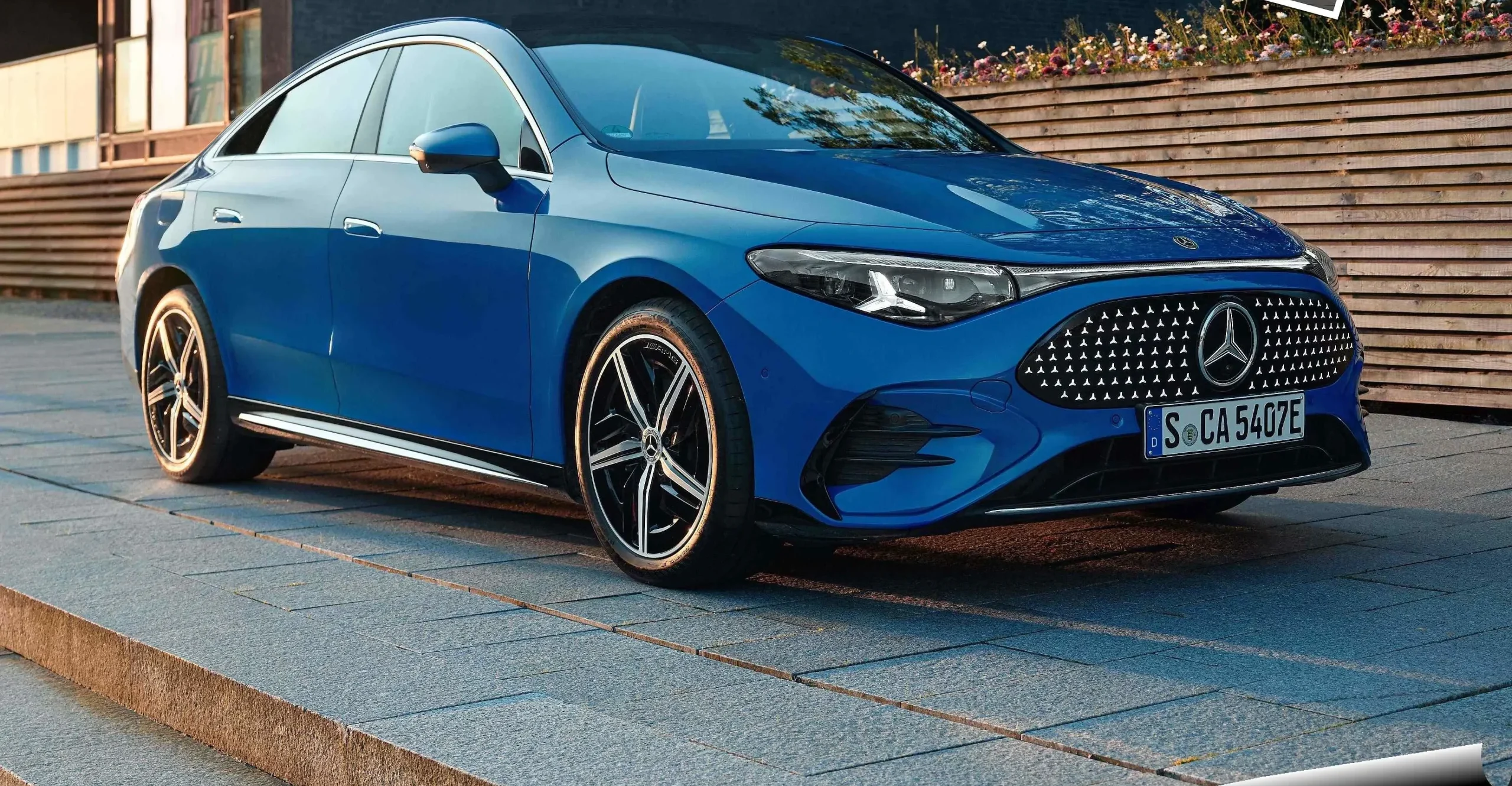
8. Show Vehicles in Context Through Lifestyle Shots That Create Emotional Connections
Pure documentation photos answer functional questions about condition and features, but lifestyle shots trigger emotional responses that motivate purchases. Buyers don’t just want transportation; they’re purchasing experiences, status, and identity.
Your 2020 GMC Sierra 1500 AT4 isn’t just a truck; it represents capability, adventure, and freedom. Lifestyle photos that show vehicles in appropriate contexts help buyers imagine themselves as owners, creating emotional connections that move them from consideration to commitment.
Include people in some photos to provide scale and suggest usage scenarios. Obviously, don’t photograph faces or identifying features, but showing someone’s hand on the steering wheel, a silhouette in the driver’s seat, or people loading cargo provides a human scale that helps buyers understand vehicle dimensions.
Empty interiors sometimes look larger or smaller than reality; human elements clarify actual space. Your 2017 Honda Pilot EX-L accommodating three adults in the third row demonstrates space better than empty seat photos.
Seasonal appropriateness adds relevance when timed correctly. Selling a convertible? Photograph it with the top down on a beautiful day, suggesting summer enjoyment. Selling an all-wheel-drive SUV during winter? Show it confidently, handling snowy parking lots, demonstrating capability.
Selling a truck during autumn? Include fall foliage that suggests harvest work, hunting season, or other seasonal activities that trucks facilitate. Timing lifestyle photos to match current seasons makes them more relevant and emotionally resonant with buyers shopping during that same period.
Detail shots highlighting premium features deserve lifestyle treatment too. Don’t just photograph your panoramic sunroof from inside; show it open with blue sky visible above. Don’t just document leather seats; show them with late afternoon sun streaming through windows, highlighting material quality.
Premium audio systems photograph better with volume displays showing impressive wattage numbers. These lifestyle-influenced detail shots make features feel real and experiential rather than just checked boxes on specification lists.
Remember that lifestyle photos supplement rather than replace documentation photos. Buyers still need comprehensive condition documentation showing every angle clearly. Lifestyle shots should comprise perhaps 20% to 30% of your total photo count, with the remaining 70% to 80% devoted to thorough documentation of condition, features, and details.
This balance provides both emotional appeal and factual information buyers need to make confident purchase decisions about your vehicle.
