
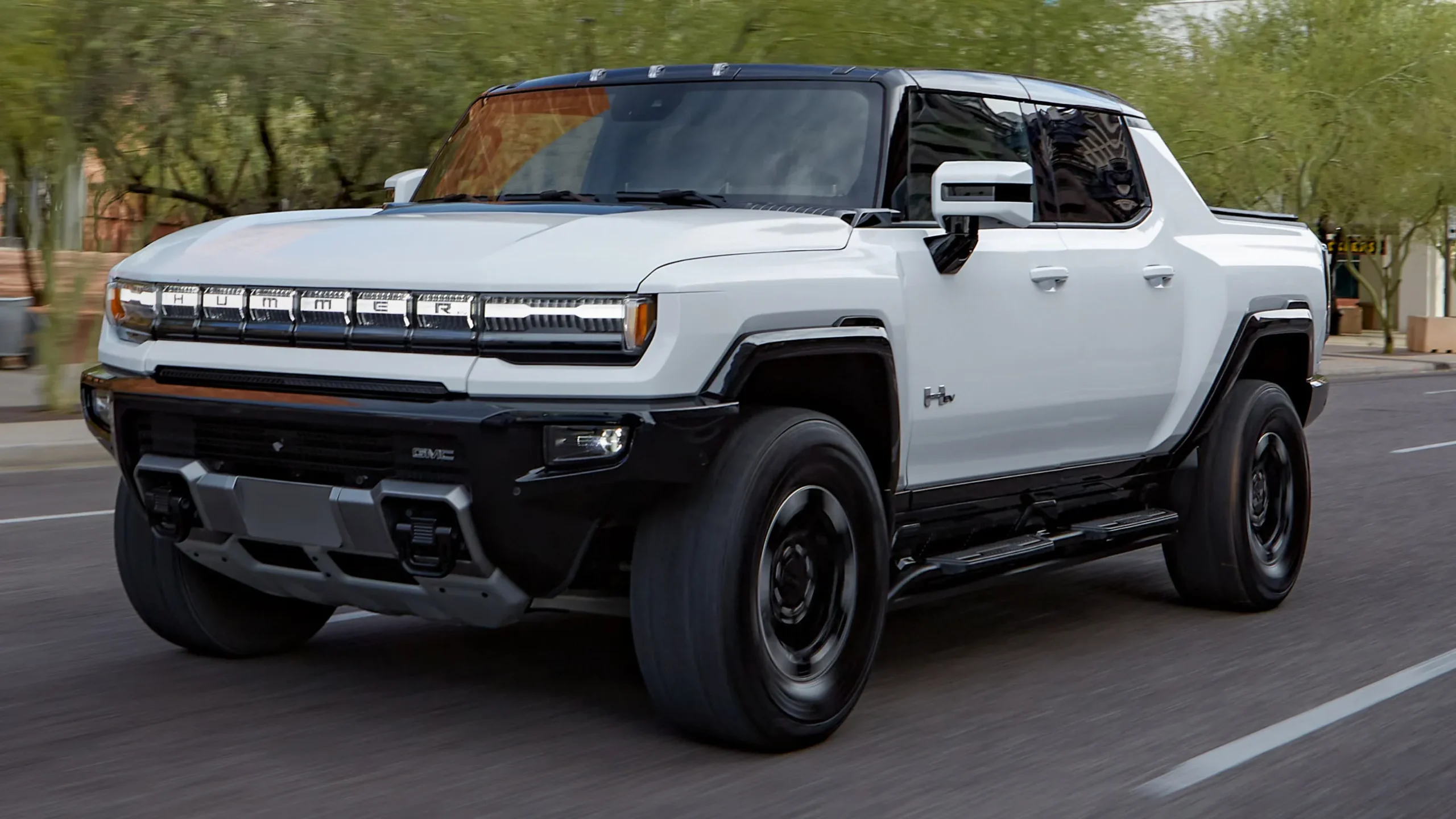
Electric trucks are becoming increasingly popular for drivers who want the capability of a pickup truck combined with the efficiency of electric power.
Many modern electric trucks offer impressive torque, smooth acceleration, and advanced technology designed to improve driving efficiency.
These characteristics make them appealing not only for daily driving but also for work related tasks such as towing trailers, boats, and equipment.
However, towing places additional demands on any vehicle, and electric trucks are no exception. When a truck pulls a heavy trailer, it must overcome increased aerodynamic drag, added rolling resistance, and the extra weight of the load.
These factors can significantly reduce the driving range of an electric vehicle. Drivers who expect to travel long distances while towing often notice that the available range decreases much faster than it does during normal driving.
Because of this, learning how to manage energy consumption becomes an important skill for electric truck owners. While battery technology continues to improve, the way a driver operates the vehicle still plays a major role in determining how far the truck can travel before needing to recharge.
There are several practical strategies that can help maximize the range of an electric truck while towing. Some methods involve adjusting driving habits, while others focus on preparing the vehicle and trailer to reduce energy consumption. Even small improvements in efficiency can make a meaningful difference during long trips.
The following sections explore eight effective ways drivers can increase the range of their electric trucks when towing heavy loads. These strategies focus on improving efficiency, reducing unnecessary energy loss, and helping drivers make the most of the available battery capacity during demanding towing situations.
Also Read: 8 Reasons Why 90s Japanese Cars Are the New Muscle Cars
1. Maintain Moderate and Consistent Driving Speeds
One of the most effective ways to extend the range of an electric truck while towing is to maintain moderate and consistent driving speeds. Although electric vehicles can accelerate quickly and reach highway speeds with ease, high speeds dramatically increase energy consumption, especially when towing a trailer.
Aerodynamic drag becomes the primary factor affecting efficiency at higher speeds. When a truck is pulling a trailer, the overall shape of the vehicle combination creates additional resistance against the air.
As speed increases, this resistance grows exponentially. The electric motor must work harder to overcome this drag, which leads to faster battery depletion.
Driving at moderate speeds helps reduce this aerodynamic resistance. By maintaining a steady pace rather than pushing the vehicle to its maximum cruising speed, drivers can significantly improve the overall range of the truck. Even reducing speed by a small amount can result in noticeable energy savings during long trips.
Consistency also plays an important role in efficiency. Frequent acceleration and deceleration require the electric motor to repeatedly draw large amounts of energy from the battery. Maintaining a steady speed allows the motor to operate more efficiently and reduces unnecessary energy consumption.
Many electric trucks include adaptive cruise control systems that can assist with maintaining a constant speed. When towing a trailer, using these systems on open highways can help smooth out driving patterns and prevent sudden speed changes that waste energy.
Planning routes carefully can further support consistent driving. Selecting highways or roads with fewer stops and less traffic congestion allows the driver to maintain a stable speed for longer periods of time. This not only improves efficiency but also reduces driver fatigue during long towing trips.
Another advantage of moderate speeds is improved vehicle stability. Towing a heavy trailer at high speeds can increase the risk of trailer sway and reduce overall control. Driving at a controlled pace keeps the towing setup more stable while also conserving battery energy.
Drivers may sometimes feel tempted to maintain higher speeds in order to reach their destination more quickly. However, when towing with an electric truck, the trade off between speed and efficiency becomes particularly noticeable. A slightly slower pace can extend the available range enough to avoid an additional charging stop.

Understanding the relationship between speed and energy consumption allows electric truck owners to make better decisions during towing trips. By focusing on smooth, consistent driving habits and avoiding unnecessary speed increases, drivers can significantly improve the distance their vehicle can travel before needing to recharge.
2. Reduce Trailer Weight Whenever Possible
The amount of weight being towed has a direct influence on how much energy an electric truck consumes. Every additional kilogram placed inside a trailer increases the workload placed on the electric motor.
When the truck begins moving, climbs hills, or accelerates onto highways, the battery must deliver more energy to move the combined mass of the vehicle and trailer.
For this reason, one of the most practical methods for extending towing range involves carefully managing the total weight of the trailer and its cargo. Drivers preparing for long trips should review everything loaded into the trailer and remove items that are not absolutely necessary.
Many trailers accumulate unnecessary equipment over time. Extra tools, spare materials, or storage containers may remain inside the trailer long after their original purpose has passed. These additional items might seem insignificant individually, but together they can add considerable weight.
Reducing this excess cargo lowers the energy demand placed on the truck’s battery. When the trailer becomes lighter, the electric motor can maintain movement using less power. This directly translates into improved driving range, particularly during long highway trips.
Another area to examine is the distribution of weight inside the trailer. Properly balanced cargo helps the vehicle maintain smoother motion and reduces strain on the towing system. Uneven weight distribution may cause instability that forces the truck to work harder to maintain control.
Some drivers also choose trailers that are designed specifically for lighter towing loads. Modern trailer designs often use lightweight materials such as aluminum frames instead of heavier steel components. These lighter constructions reduce the total mass the electric truck must pull.
It is also useful to monitor how water tanks, fuel containers, and storage compartments are filled. Carrying large quantities of liquids adds significant weight, especially when the containers are full. Bringing only the amount required for the journey helps reduce unnecessary mass.
Another helpful practice involves emptying holding tanks or waste containers before beginning a trip. These tanks can quickly add weight that serves no purpose during the towing journey.
When drivers combine these strategies, the total weight reduction can become substantial. Even a moderate decrease in trailer mass can improve energy efficiency enough to extend the truck’s available range by several kilometers.
Electric trucks are capable of impressive towing performance, but they operate most efficiently when unnecessary loads are eliminated. By carefully reviewing cargo and minimizing excess weight, drivers can help their electric trucks travel farther while towing.
3. Improve Trailer Aerodynamics
While weight plays an important role in towing efficiency, aerodynamic resistance becomes an equally important factor once the vehicle reaches highway speeds. When an electric truck pulls a trailer, the combined shape of the truck and trailer disrupts the airflow moving around the vehicle. This disturbance creates drag that forces the electric motor to use more energy.
Improving the aerodynamic profile of the trailer can significantly reduce this resistance. When air flows more smoothly around the vehicle combination, the electric truck requires less energy to maintain its speed. As a result, the battery drains more slowly, allowing the truck to travel farther before recharging.
One way to improve aerodynamics is by selecting trailers that feature rounded or tapered front sections. Flat front trailers tend to push a large wall of air as they move forward, increasing drag. Trailers with curved or sloped fronts allow air to move more smoothly around the vehicle.
Another helpful modification involves installing aerodynamic deflectors. These devices guide airflow over the trailer rather than allowing it to strike the trailer directly. Many towing setups use roof mounted wind deflectors that redirect air from the truck’s roof toward the top of the trailer.
Height differences between the truck and trailer can also affect airflow. If the trailer sits significantly taller than the truck, the airflow separation becomes more severe. Choosing trailers that align more closely with the truck’s height can reduce this aerodynamic disruption.
Drivers should also pay attention to objects mounted on the exterior of the trailer. Accessories such as roof storage boxes, ladders, or exposed equipment can create additional turbulence in the airflow. Whenever possible, keeping the trailer’s exterior surfaces smooth helps maintain efficient airflow.
Speed management works together with aerodynamic improvements. The faster a truck travels, the greater the aerodynamic drag becomes. Even small improvements to trailer aerodynamics become more noticeable at highway speeds.
Electric truck owners often observe that range drops quickly when towing large box shaped trailers. This happens because the flat surfaces of these trailers generate significant air resistance. By choosing or modifying trailers to reduce this effect, drivers can recover some of the lost efficiency.
Aerodynamics may seem like a technical topic, but its influence on energy consumption is very real. Reducing drag allows the electric drivetrain to operate more efficiently, which directly extends the vehicle’s usable range while towing.
When combined with careful speed control and proper cargo management, aerodynamic improvements become one of the most effective ways to increase towing efficiency for electric trucks.
4. Use Regenerative Braking Strategically
Electric trucks possess a unique advantage over traditional vehicles through the use of regenerative braking systems. This technology allows the vehicle to recover a portion of the energy normally lost during braking and convert it back into stored electrical energy inside the battery.
When towing a trailer, learning how to use regenerative braking effectively can help extend overall driving range.
During normal driving, braking converts kinetic energy into heat through friction in the brake pads and rotors. In an electric vehicle, regenerative braking captures part of that kinetic energy and sends it back into the battery. The process slows the vehicle while also recovering energy that can later be used for acceleration.
When towing a trailer, the combined weight of the truck and trailer increases the amount of kinetic energy generated while moving.
This means there is more potential energy available for recovery when the vehicle slows down. Drivers who take advantage of regenerative braking can capture some of that energy instead of losing it entirely.
One effective technique involves anticipating traffic and slowing gradually rather than braking suddenly. When a driver lifts their foot off the accelerator early, the regenerative braking system begins to slow the vehicle smoothly while sending energy back to the battery.
Sudden braking, on the other hand, often relies more heavily on traditional friction brakes, which do not recover energy.
Downhill driving also presents opportunities to regenerate energy. When descending long slopes while towing, the truck can use regenerative braking to control speed without relying solely on mechanical brakes. This helps recharge the battery slightly while maintaining safe control of the vehicle.
Many electric trucks allow drivers to adjust the strength of regenerative braking through selectable driving modes. Higher regeneration settings can increase the amount of energy captured when the driver releases the accelerator.
However, drivers should use these settings carefully when towing to ensure the trailer remains stable during deceleration.
Another benefit of regenerative braking is reduced wear on traditional brake components. Because some of the braking force is handled electronically by the electric motor, the mechanical brakes experience less stress during normal driving conditions.
Proper use of regenerative braking requires smooth driving habits. Drivers who maintain steady speeds, anticipate stops early, and avoid abrupt braking will recover more energy throughout the journey.
While regenerative braking cannot completely offset the energy required for towing, it does provide a valuable efficiency advantage. Over long trips, the energy recovered through this system can contribute to noticeable improvements in overall driving range.
5. Plan Charging Stops and Routes Carefully
Towing with an electric truck requires thoughtful planning, especially when traveling long distances. Unlike gasoline powered vehicles that can refuel quickly at many locations, electric trucks depend on charging infrastructure that may not always be available in every area.
Proper route planning helps drivers maintain confidence and avoid situations where the battery runs too low before reaching the next charging station.
One of the first steps in planning a towing trip involves researching charging stations along the intended route.
Modern navigation systems and mobile applications often provide maps that display charging locations and the type of chargers available. This information allows drivers to identify reliable charging stops before beginning the journey.
Towing can significantly reduce the range of an electric truck, so drivers should estimate how far the vehicle can travel while pulling a trailer. Understanding this reduced range helps determine how frequently charging stops will be needed along the route.
Another important factor involves choosing charging stations that provide enough space for vehicles towing trailers. Some charging locations may be designed primarily for passenger cars, which can make maneuvering a truck and trailer combination difficult.
Selecting stations with larger parking areas or pull through charging spaces can simplify the process.
Route selection also affects energy consumption. Roads with steep climbs, heavy traffic, or frequent stops can increase energy usage while towing. Whenever possible, drivers may benefit from choosing routes with smoother terrain and consistent traffic flow.
Weather conditions should also be considered during trip planning. Strong headwinds, extreme temperatures, or heavy rain can increase the energy required to tow a trailer. Monitoring weather forecasts allows drivers to anticipate these conditions and adjust their plans if necessary.
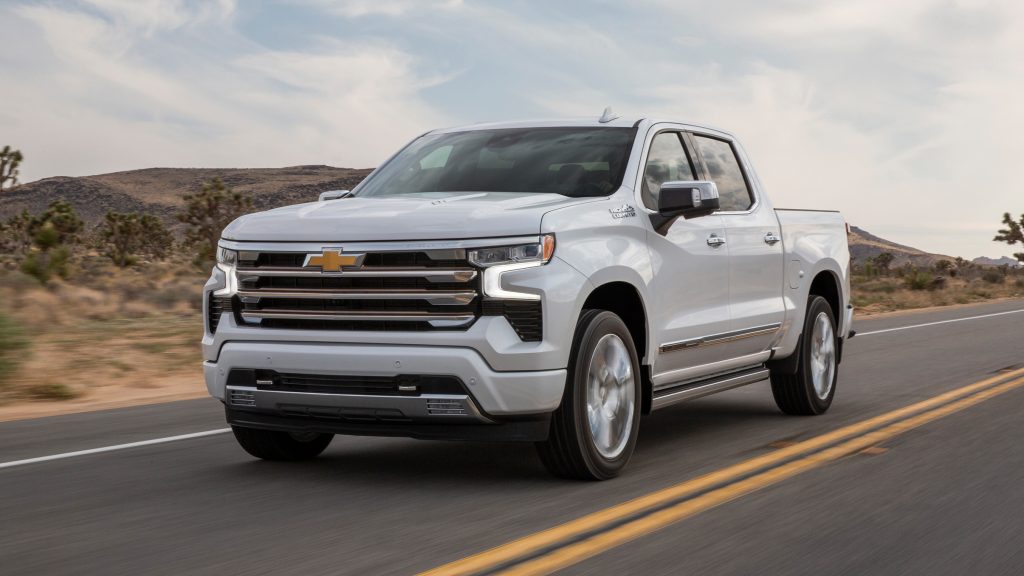
Some electric trucks include advanced route planning systems that automatically suggest charging stops based on current battery levels and driving conditions. These systems can simplify trip preparation by calculating efficient routes that balance distance and charging availability.
Planning additional buffer range is another useful strategy. Rather than arriving at a charging station with an almost empty battery, drivers may choose to stop earlier to maintain a comfortable margin of energy.
Careful route planning transforms towing with an electric truck from a potential challenge into a manageable process. By identifying charging locations, estimating realistic range, and choosing efficient travel routes, drivers can extend their overall driving distance while maintaining confidence during long towing journeys.
6. Monitor Tire Pressure and Use Low Rolling Resistance Tires
Tires influence energy consumption far more than many drivers realize, especially when towing with an electric truck. While the electric motor and battery receive most of the attention, the tires remain the only part of the vehicle that actually touches the road.
Because of this, their condition and design have a direct impact on how efficiently the truck moves while pulling a trailer.
When tire pressure drops below the recommended level, the tire’s contact patch with the road becomes larger. This increased surface area creates additional rolling resistance, meaning the truck must use more energy to move forward.
While this may seem like a small difference during normal driving, the effect becomes much more noticeable when the vehicle is towing extra weight.
Regularly checking tire pressure is therefore one of the simplest ways to improve efficiency. Electric trucks often include tire pressure monitoring systems that display real time pressure readings on the dashboard.
Drivers preparing for a towing trip should confirm that all tires, including those on the trailer, are inflated to the recommended levels.
Proper tire pressure helps the truck roll more smoothly along the road. When rolling resistance decreases, the electric motor requires less power to maintain speed. Over the course of a long towing journey, this reduction in energy demand can noticeably extend driving range.
Tire design also contributes to efficiency. Some tires are engineered specifically to reduce rolling resistance. These low rolling resistance tires use tread patterns and rubber compounds designed to minimize energy loss while the tire rotates.
Choosing the correct tire type for both the truck and the trailer can therefore improve overall towing efficiency. While aggressive off road tires may provide excellent traction in rough terrain, they often increase rolling resistance during highway travel. Drivers who primarily tow on paved roads may benefit from tires designed for efficiency and durability.
Tread condition is another factor that should not be ignored. Worn or uneven tread can reduce traction and increase resistance, which forces the electric motor to work harder. Regular tire inspections help ensure that the vehicle maintains optimal performance.
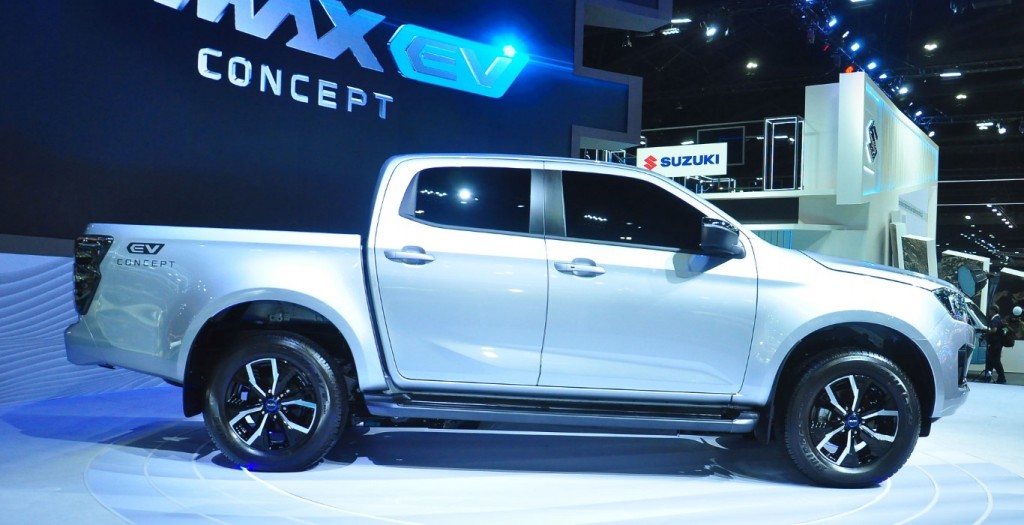
Even wheel alignment plays a role in efficiency. Misaligned wheels create additional drag as the tires attempt to move in slightly different directions. Correct alignment allows all wheels to roll smoothly, reducing unnecessary energy loss.
When combined with other efficiency strategies, proper tire maintenance can make a measurable difference in range. By maintaining correct tire pressure and selecting efficient tire designs, electric truck owners can improve towing performance while conserving valuable battery energy.
7. Use Tow Mode and Energy Management Systems
Modern electric trucks often include specialized driving modes designed to improve efficiency and performance during specific tasks.
One of the most important settings for towing is tow mode. This feature adjusts how the vehicle’s systems respond while pulling a trailer, helping the truck operate more efficiently under heavy load conditions.
Tow mode typically modifies several aspects of vehicle behavior. Acceleration response may become smoother to prevent sudden energy spikes that drain the battery quickly. Power delivery is often calibrated to provide steady torque rather than rapid bursts of acceleration.
This controlled power output helps the electric motor maintain efficiency while moving a heavy trailer. Instead of consuming large amounts of energy during aggressive acceleration, the truck uses a more balanced power curve that supports consistent towing performance.
Energy management systems also monitor how electricity flows between the battery, motor, and regenerative braking system. These systems analyze driving conditions and adjust power usage in order to maximize efficiency.
For example, when the vehicle detects that a trailer is attached, it may alter regenerative braking behavior to maintain stable deceleration. This adjustment helps prevent sudden braking forces that could cause trailer instability while still capturing energy during deceleration.
Another advantage of tow mode involves thermal management. Towing increases the workload placed on the electric motor and battery, which can generate additional heat. Many electric trucks use cooling systems to maintain safe operating temperatures. Tow mode helps coordinate these systems to prevent overheating during demanding towing conditions.
Drivers can also benefit from efficiency displays provided by the vehicle’s onboard systems. Many electric trucks show real time energy usage data that allows drivers to see how their driving habits affect battery consumption.
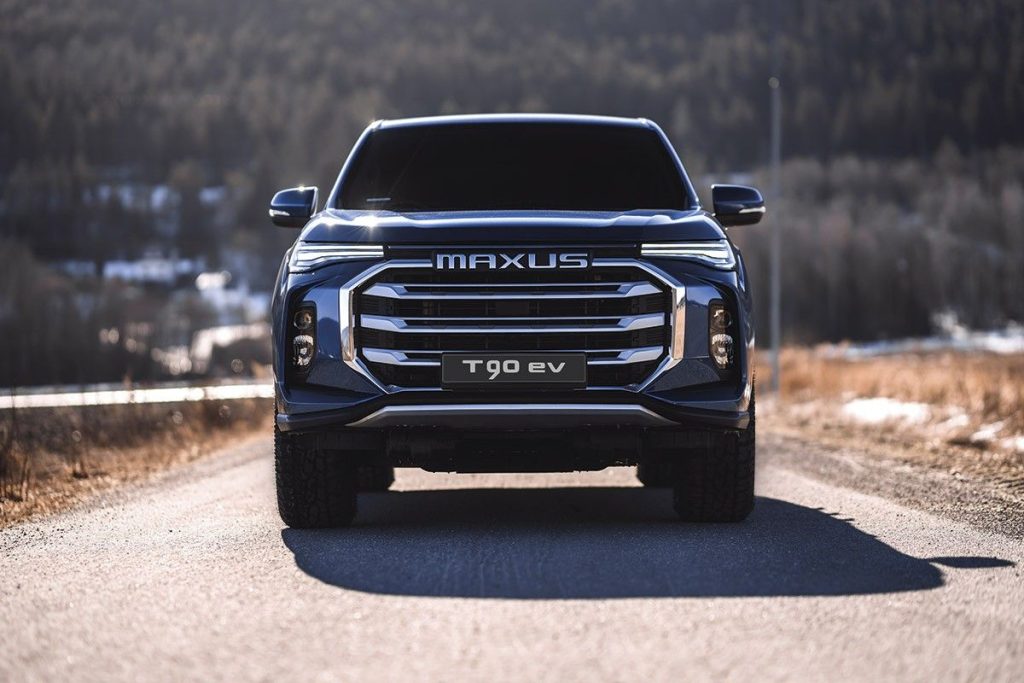
Watching these energy indicators encourages smoother driving behavior. Drivers can learn which actions increase energy use and adjust their driving style accordingly. Over time, this awareness leads to more efficient towing practices.
Tow mode may also influence how the truck distributes braking force between the vehicle and the trailer. Proper coordination between the truck’s braking system and the trailer’s braking components helps maintain stability while slowing down.
Using these built in features requires minimal effort from the driver. Activating tow mode usually involves selecting the appropriate setting through the vehicle’s drive mode selector or towing interface.
By relying on the truck’s advanced energy management systems, drivers can optimize efficiency without constantly making manual adjustments. These systems work continuously in the background, helping the electric truck use its battery power more effectively during towing.
8. Reduce Unnecessary Electrical Loads During Towing
Electric trucks rely entirely on battery power to operate both the drivetrain and the vehicle’s onboard systems. While the majority of energy is used to move the truck and trailer, additional electrical features also consume power. During long towing trips, reducing unnecessary electrical loads can help preserve battery capacity and extend driving range.
Many modern trucks include a wide range of electronic systems designed to improve comfort and convenience. Climate control systems, heated seats, large infotainment displays, and auxiliary lighting all draw energy from the battery. While these features are useful, they contribute to the total energy consumption of the vehicle.
When towing heavy loads, the battery already faces increased demand from the electric motor. Minimizing the use of non essential electrical systems can therefore help conserve energy that would otherwise be used for comfort features rather than vehicle movement.
Climate control is often one of the largest contributors to electrical energy usage. Heating and cooling systems require significant power, particularly during extreme weather conditions. Drivers can reduce this demand by adjusting the temperature settings slightly or using seat heating instead of high cabin heat when possible.
Another area to consider is lighting. Additional lighting systems such as roof mounted light bars or decorative exterior lights may draw energy continuously during operation. Unless these lights are required for visibility or safety, keeping them turned off during daytime travel helps reduce power consumption.
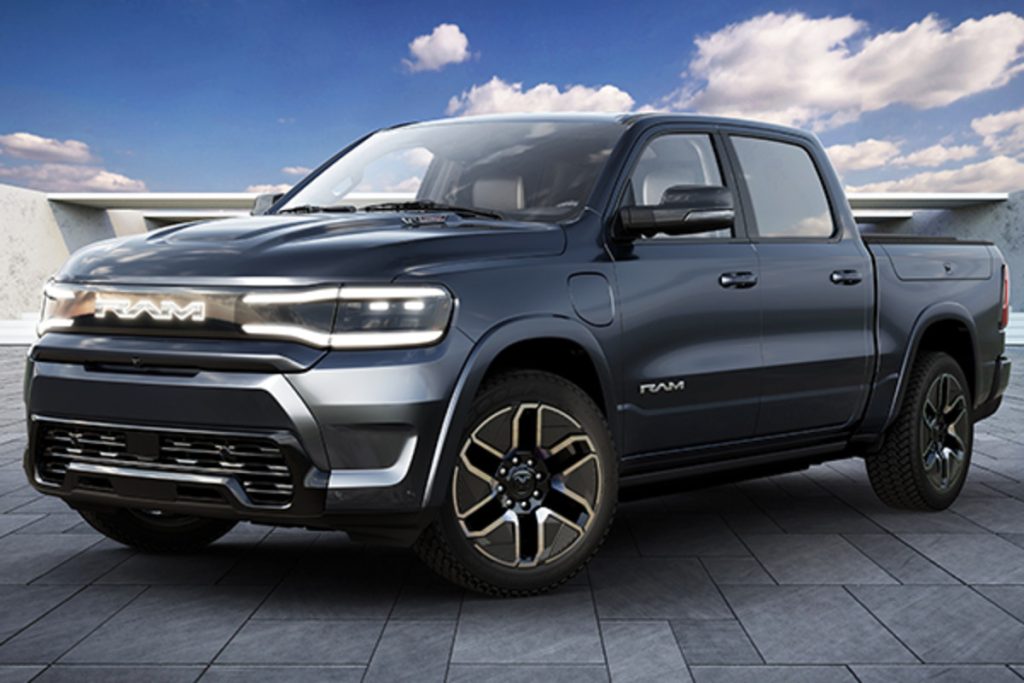
Charging devices inside the cabin also adds to the electrical load. Mobile phones, tablets, and other electronics connected to charging ports draw power from the vehicle’s battery. Limiting the number of devices being charged at the same time can help conserve energy during long towing journeys.
Some electric trucks include energy monitoring displays that show how much electricity different systems are using. These displays allow drivers to identify which features consume the most power and adjust their usage accordingly.
Trailer accessories may also require electrical power from the truck. Refrigeration units, interior trailer lighting, or powered equipment connected through the trailer wiring harness can increase overall energy demand. Ensuring that only necessary equipment remains active can help improve efficiency.
Although each individual system may use only a small amount of electricity, the combined effect can become noticeable over long distances. Reducing these extra loads allows a greater portion of the battery’s energy to be dedicated to propulsion.
Drivers who develop efficient habits regarding onboard electronics often notice improved range during towing trips. Small adjustments made consistently throughout a journey can help extend the distance the electric truck can travel before needing to recharge.
Also Read: 8 Ways to Add Modern Safety Features to a Classic Without Ruining It
