
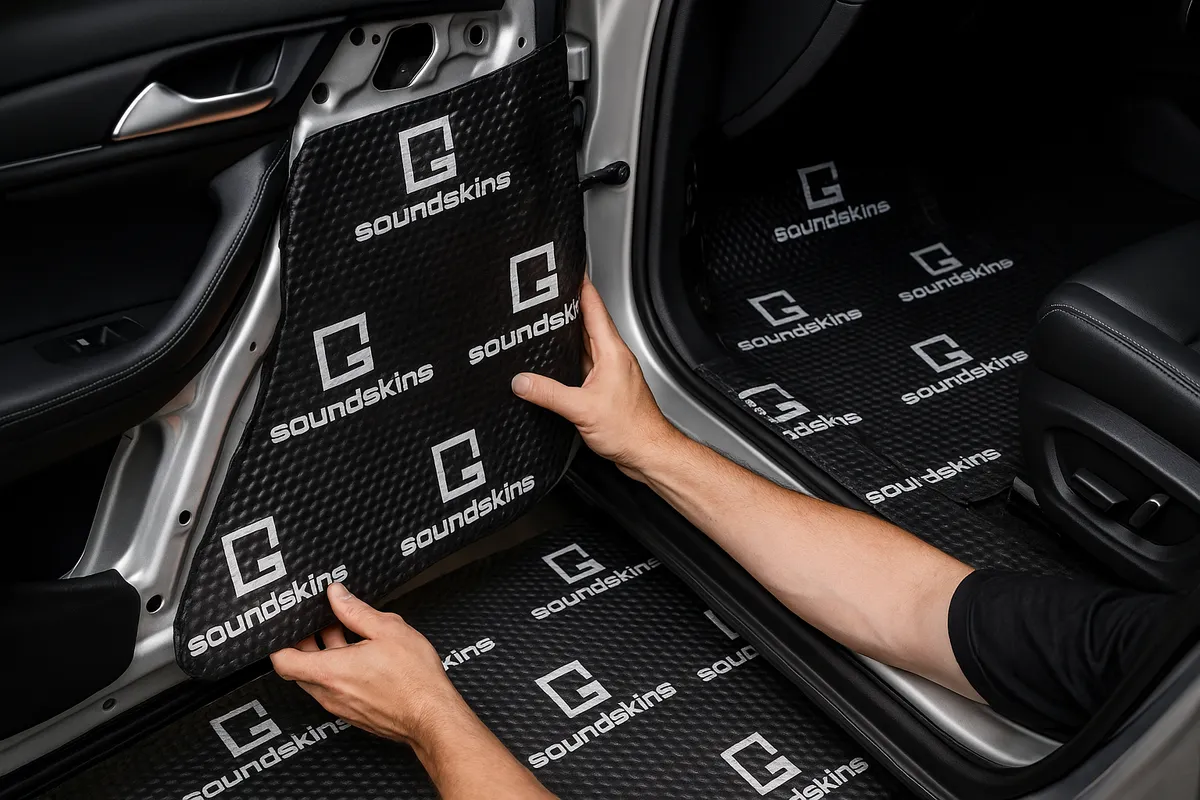
Road trips feel better when the cabin stays calm and quiet. Soft music sounds clearer, conversations flow naturally, and long drives become far less tiring. Sadly, not every vehicle delivers that peaceful experience. Wind rush, tire roar, vibrating panels, and road rumble can creep into the cabin and turn an enjoyable ride into an exhausting one.
A quiet interior often appears in luxury models such as the 2024 Lexus ES 350 Ultra Luxury, where engineers use thick insulation, laminated glass, and carefully designed seals. Yet drivers of everyday vehicles often notice that outside noise travels easily into the cabin, especially at highway speed.
Fortunately, creating a quieter ride does not always require expensive upgrades or professional modifications. Several affordable improvements can reduce noise and improve comfort without draining your wallet. Small changes to insulation, sealing, and interior materials can transform how a car feels during daily commuting or long road trips.
Cabin noise usually enters through predictable paths. Door seals, thin flooring materials, wheel wells, and worn weather stripping often allow vibrations and sound waves to travel directly into the interior. Addressing those areas with practical solutions helps block or absorb unwanted sound.
Budget-friendly improvements can also enhance the driving experience in vehicles such as the 2023 Honda Civic Sport Touring Hatchback, which already offers a balanced ride yet may still allow road noise on rough pavement.
Advice in this guide highlights eight practical methods to reduce cabin noise without expensive custom work. Each strategy focuses on simple upgrades that drivers can install themselves using widely available materials.
Drivers who take a little time to improve sound insulation often rediscover how pleasant daily driving can feel. Less noise brings more comfort, clearer music, and a calmer environment behind the wheel.
1. Install Affordable Sound Deadening Mats Under the Carpet
Interior floors act like a giant drum when tires roll across pavement. Vibrations from the road travel through suspension components and eventually reach the cabin floor. Thin carpeting alone cannot block those vibrations, which is why sound-deadening mats offer such an effective improvement.
Drivers of vehicles like the 2024 Toyota Camry XLE Hybrid often appreciate smooth ride quality, yet even refined sedans can transmit road noise through the floor. Adding sound-deadening material beneath the carpet can reduce vibration dramatically.
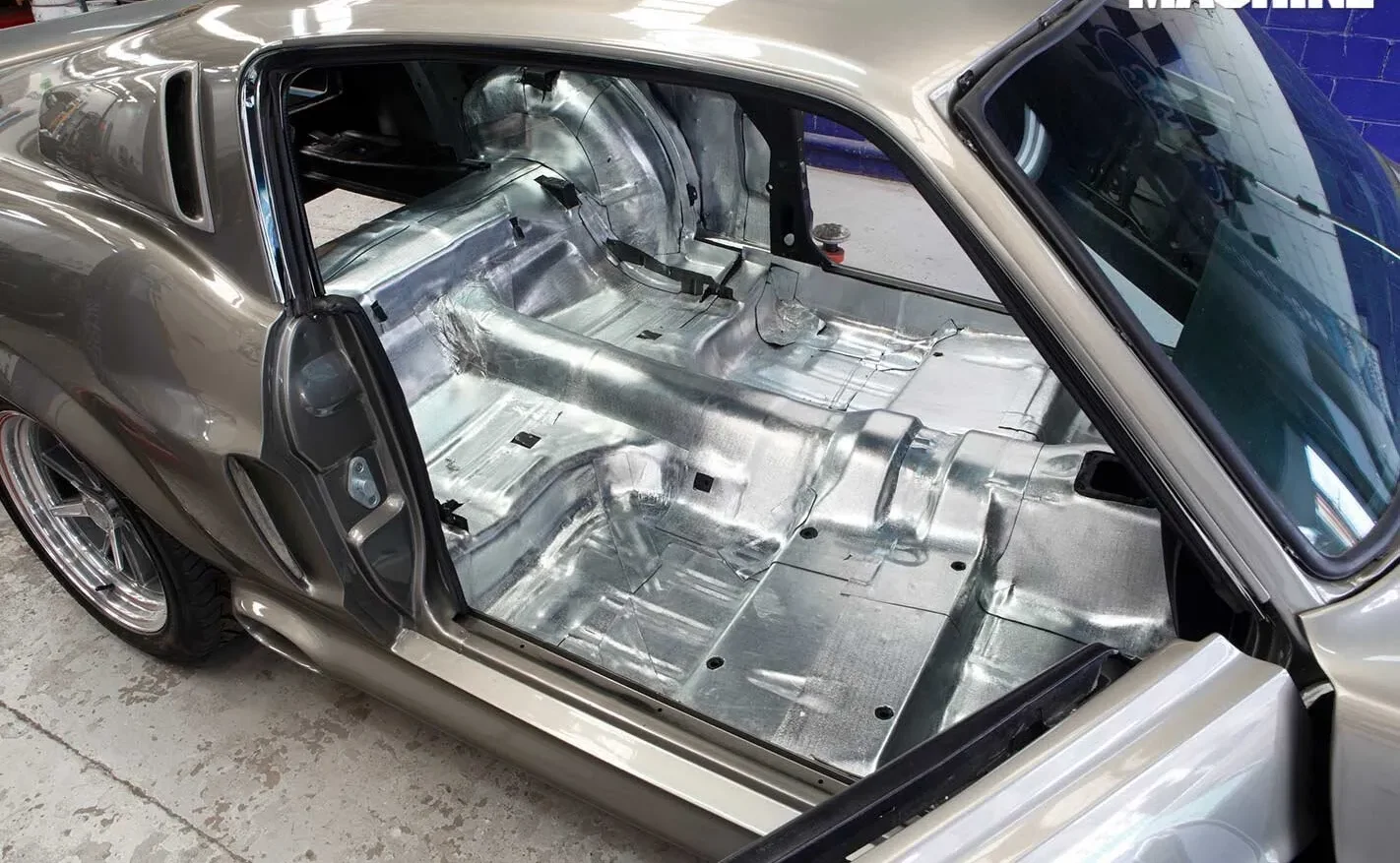
Sound-deadening mats usually come in sheets made from butyl rubber combined with aluminum backing. This layered material absorbs vibration energy before it spreads through the cabin structure. Once installed, the floor becomes far less responsive to road impacts.
Installation requires basic tools and patience. Seats may need temporary removal to access the full floor area. Carpet sections lift easily in many vehicles, revealing the metal surface underneath. Before applying the mats, cleaning the floor ensures strong adhesion. Dust or grease can weaken the bond between the material and the metal surface. Wiping the area with a mild cleaner prepares the metal for installation.
Sheets of sound-deadening material are then pressed directly onto the floor. A roller tool helps remove air pockets and ensures the mat sits firmly against the metal. Covering large flat areas provides the most benefit, especially near the front footwells and rear seating area.
Even partial coverage can produce noticeable improvement. Drivers often report reduced tire hum and smoother cabin acoustics after installing these mats. Vehicles such as the 2023 Nissan Rogue Platinum AWD benefit from this upgrade as well. Crossovers often transmit extra noise from the rear cargo area, which sound-deadening mats can reduce.
Budget-friendly kits are widely available and usually cost far less than professional insulation upgrades. With a few hours of effort, drivers can transform the cabin floor into a barrier that absorbs road vibrations instead of amplifying them.
2. Replace Worn Door Weather Seals
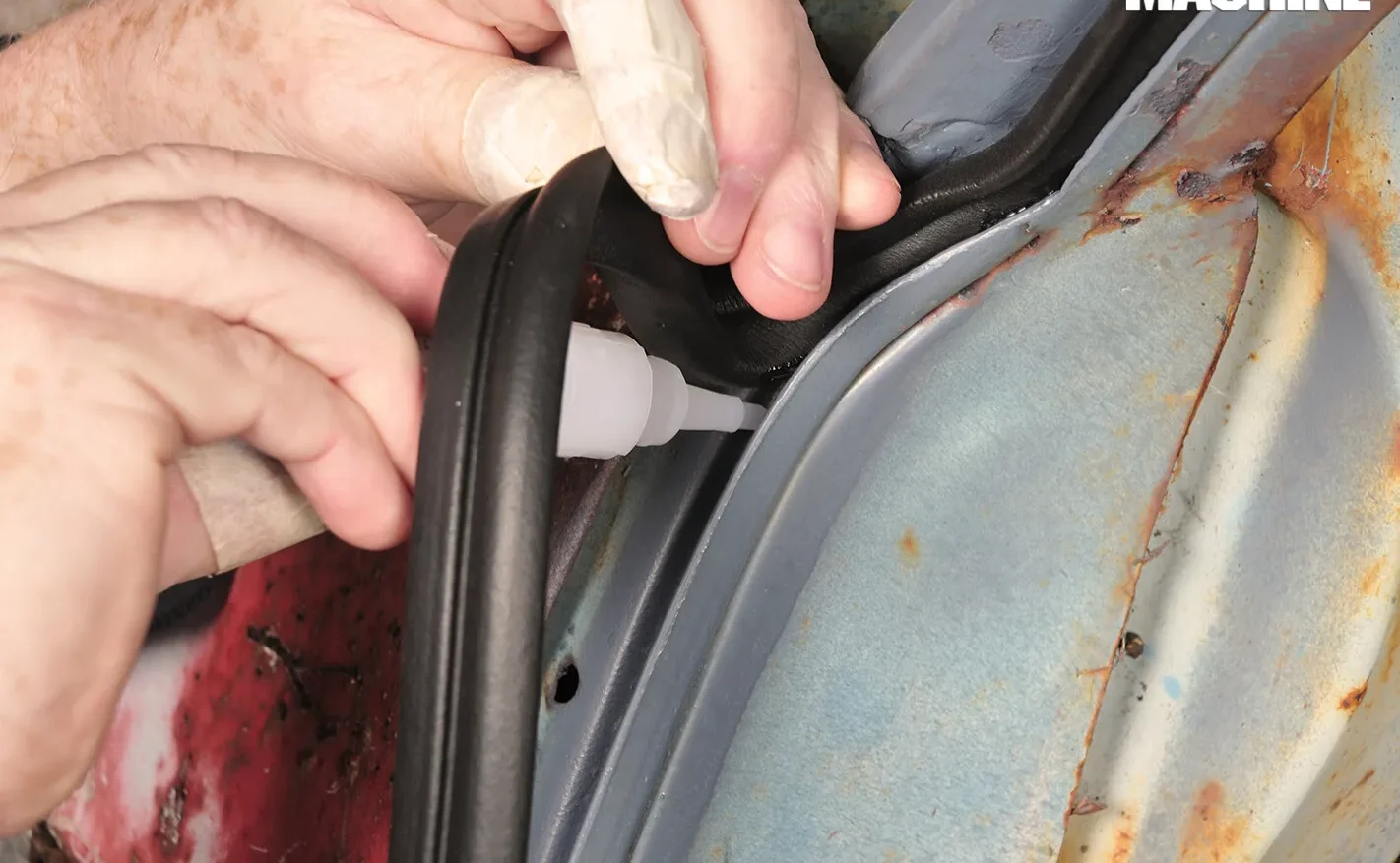
Door seals play a surprisingly large role in cabin quietness. These flexible rubber strips sit along the edges of each door frame, preventing wind and water from entering the vehicle. As seals age, they harden, shrink, or develop tiny cracks.
Consider a compact sedan such as the 2024 Hyundai Sonata SEL Convenience. When its door seals remain fresh and flexible, wind noise stays outside where it belongs. Once those seals begin deteriorating, small gaps appear around the door frame.
Air rushing through these gaps creates a steady whistling sound during highway driving. Drivers often mistake this noise for tire or engine sounds when the true cause sits directly around the door. Replacing worn seals restores the tight barrier that the cabin once had. Fresh rubber compresses properly when the door closes, blocking airflow and reducing noise entering the interior.
Installation rarely requires specialized tools. Many weather seals attach using adhesive backing or simple clips that follow the door frame shape. Carefully removing the old seal prepares the area for the new material. Cleaning the frame thoroughly helps the replacement seal stick firmly. Dirt or residue may weaken adhesive strength if left untreated.
New seals usually come shaped specifically for the vehicle model. Drivers installing them on cars such as the 2023 Volkswagen Jetta SEL often notice immediate improvement in wind noise during highway travel. Rubber care also matters after installation. Occasional conditioning with silicone-based products keeps the material flexible and prevents premature cracking.
Budget costs remain modest compared with professional soundproofing work. Yet the effect can feel dramatic because airflow noise often ranks among the most irritating cabin sounds. Quiet rides begin with strong sealing around the doors. Fresh weather stripping helps create that peaceful barrier.
Also Read: 10 Pro Tips That Keep a Chevy Astro Van Reliable Forever
3. Add Insulation Inside Door Panels
Door panels often hide large hollow spaces between the exterior metal skin and the interior trim panel. Sound waves travel easily through these spaces, especially when wind or tire noise vibrates the outer door structure.
Inside vehicles like the 2024 Mazda CX-5 Carbon Turbo, door construction balances weight, safety, and cost. Some insulation already exists inside the door, though budget-oriented models may include only minimal sound-absorbing material.
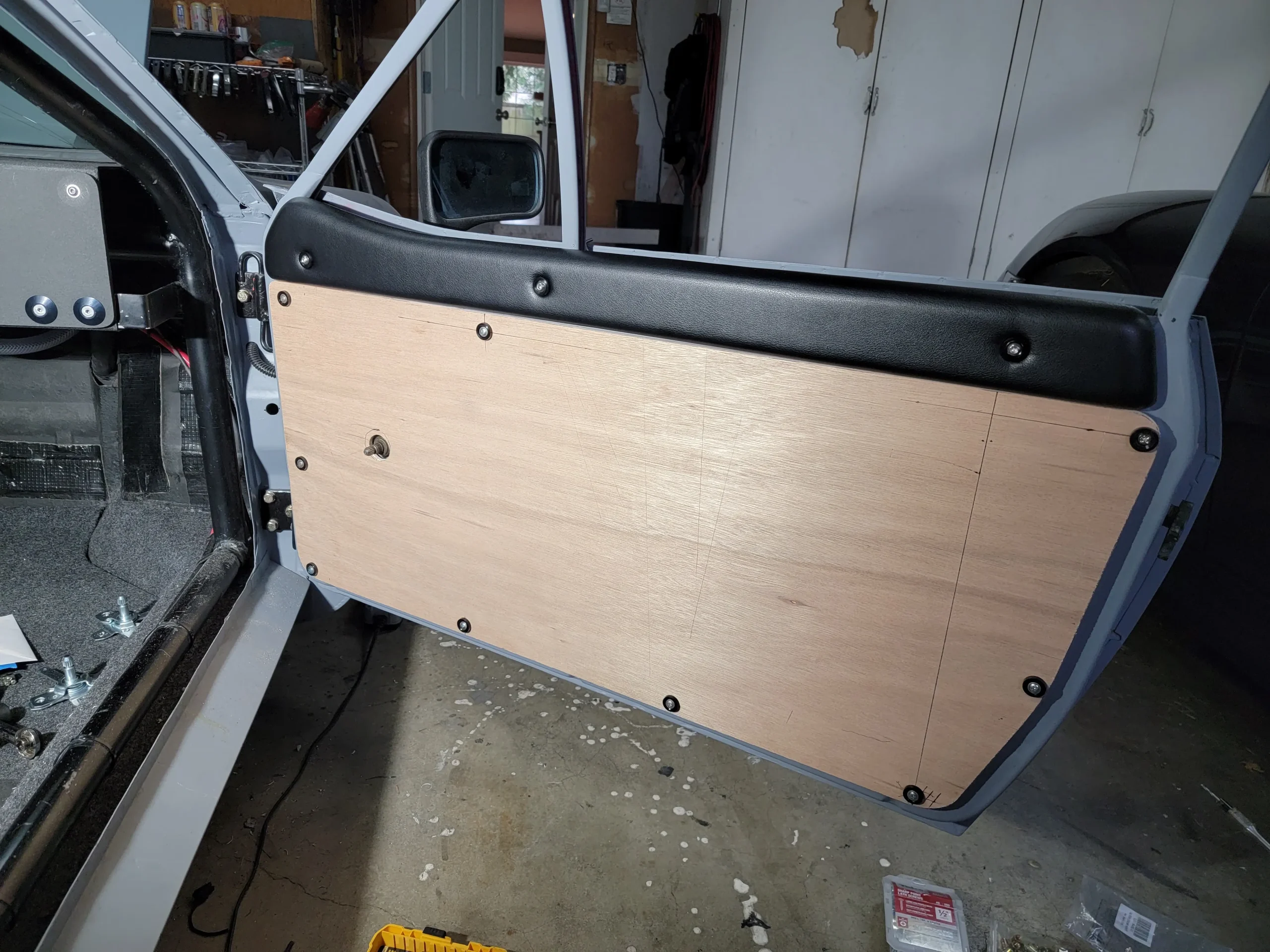
Adding extra insulation inside these panels can reduce road noise entering the cabin. Foam sheets or specialized acoustic pads work well for this purpose. Accessing the door interior typically involves removing a few screws and gently releasing plastic clips around the panel edges. Once the panel lifts away, the metal door surface becomes visible.
Strategic placement of insulation makes the difference. Large flat sections of metal benefit most from added material because those areas tend to vibrate when exposed to outside noise. Adhesive foam panels attach easily to the metal surface. Their soft structure absorbs sound waves while reducing panel vibration.
Drivers often notice improved audio clarity after installing door insulation. Music plays more cleanly because the door no longer acts like a vibrating speaker enclosure. Vehicles such as the 2023 Ford Escape ST-Line Hybrid may transmit tire noise through the lower portion of the doors. Insulation in that area helps block the path that sound waves follow into the cabin.
Reinstalling the door panel completes the upgrade. Once everything returns to its original position, the modification remains invisible. Cost remains low because insulation sheets are inexpensive and widely available. With patience and careful placement, door insulation transforms hollow spaces into sound-absorbing barriers.
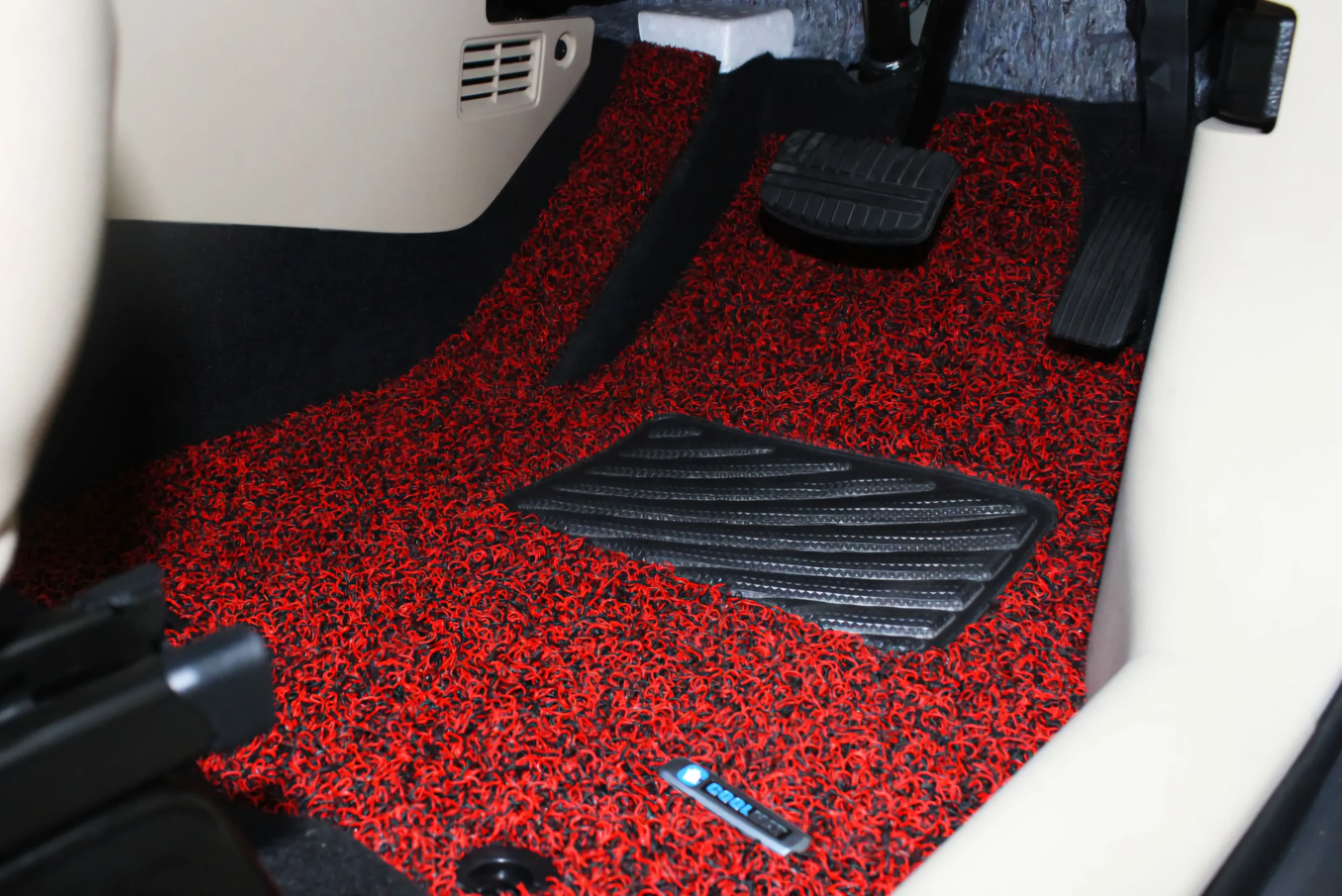
4. Use Thicker Floor Mats to Absorb Road Noise
Simple accessories sometimes deliver surprising results. Floor mats serve more than decorative purposes. Thick mats absorb vibration and reduce sound reflecting from the floor surface.
Vehicles such as the 2024 Subaru Outback Limited XT often travel on rough pavement or gravel roads where tire noise becomes more noticeable. Thin factory mats offer limited sound absorption, which means vibrations from the road can travel easily through the floor and into the passenger space.
Upgrading to thicker rubber or carpet mats can soften road noise entering the cabin. Heavy materials dampen vibration before it reflects upward toward passengers. That extra layer between the floor and the cabin acts like a cushion that weakens the path sound waves normally follow.
Dense rubber mats perform particularly well in this role. Their weight presses firmly against the floor, preventing small vibrations from bouncing back into the cabin airspace. This steady contact also helps reduce subtle rattles that sometimes occur when thin mats slide or flex during driving.
Carpet-style mats also work well when they feature dense fibers and layered backing material. Multiple layers trap sound energy and reduce echo inside the cabin. A well-constructed carpet mat absorbs sound rather than allowing it to rebound off the metal floor beneath.
Drivers installing these mats in vehicles like the 2023 Chevrolet Malibu RS frequently report that highway cruising becomes less tiring. Sound levels drop slightly, yet the improvement feels noticeable during long drives. Even a small reduction in constant road hum can make conversations easier and music clearer.
Proper fit remains important. Mats designed specifically for the vehicle model cover more floor area and stay securely in place. Wide coverage blocks more vibration from entering the cabin through exposed metal sections of the floor.
Cleaning the floor before installation ensures the mats sit flat against the surface. Dirt buildup beneath them may reduce their effectiveness and cause uneven contact. Cost remains minimal compared with structural soundproofing upgrades. Many high-quality mats cost less than a single tank of fuel, which makes this improvement one of the most affordable comfort upgrades available.
Small improvements add up. Thicker mats soften vibration, absorb sound waves, and create a quieter interior environment for daily driving. Road noise may never disappear completely, yet thoughtful upgrades like this help bring peace back into the cabin.
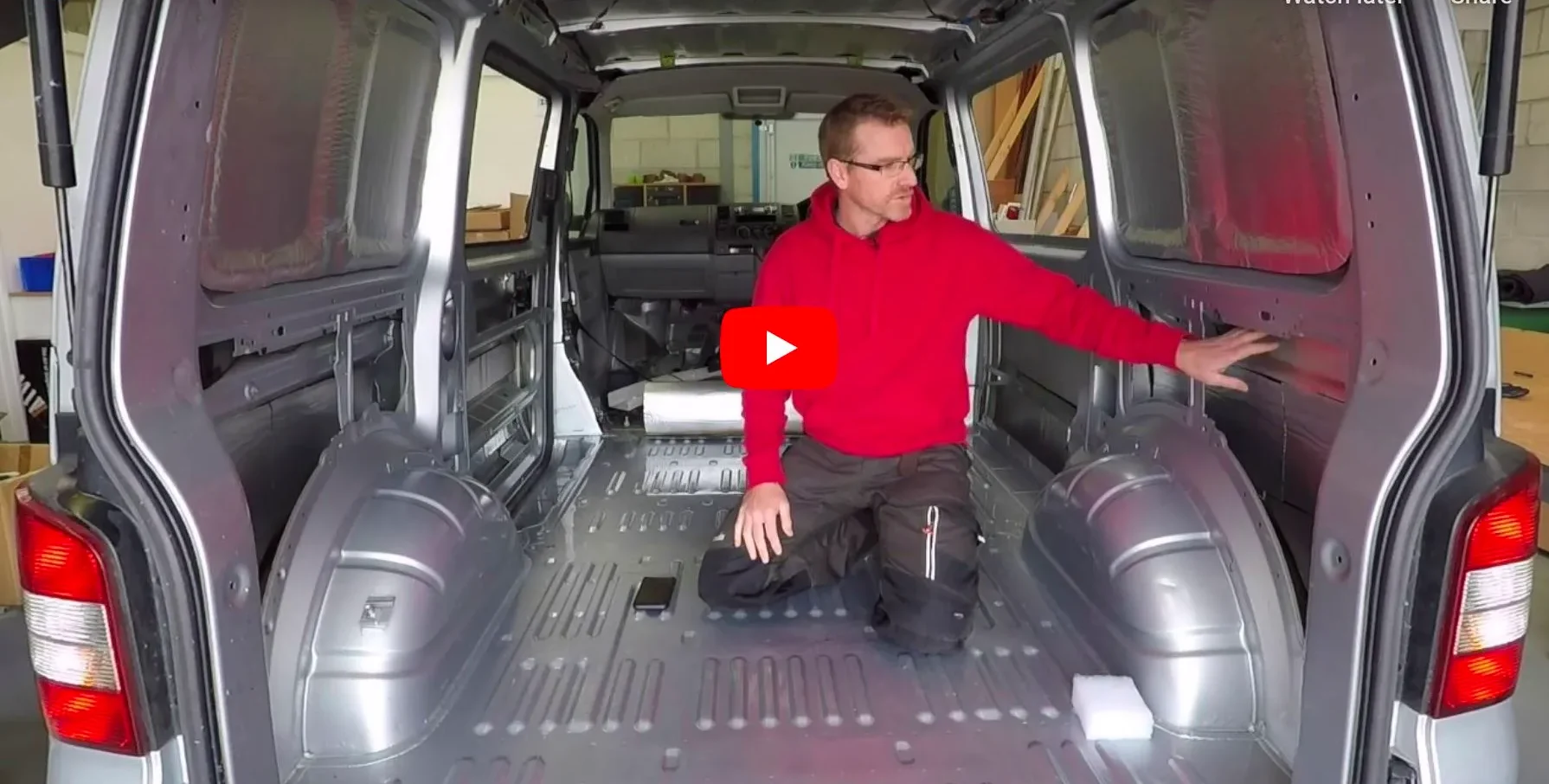
5. Line the Trunk and Cargo Area With Extra Insulation
Cargo spaces often act like large echo chambers. Hard metal panels and thin trim pieces allow tire noise and road vibration to pass directly into the cabin. Sedans and hatchbacks may transmit sound from the rear wheel wells, while crossovers and SUVs sometimes allow road rumble to bounce around the cargo area before reaching passengers.
Take a vehicle such as the 2024 Kia Sportage X-Pro Prestige AWD. Its spacious rear cargo section provides excellent practicality, yet that open space can also allow noise from the rear tires to travel easily into the cabin. A simple insulation upgrade in the trunk area can dramatically reduce that effect.
Soft sound-absorbing materials work very well in this part of the vehicle. Thick foam panels, automotive insulation sheets, or dense carpet padding can be placed beneath the cargo floor and along the interior sides of the trunk.
The first step involves removing the cargo floor panel. Most modern vehicles allow easy access since the floor lifts upward to reveal storage compartments or spare tire wells. Under that surface lies exposed metal that often transmits road noise.
Placing sound insulation over those surfaces helps dampen vibration before it spreads through the vehicle structure. Material should sit flat against the metal floor and along the side walls of the cargo area. Wheel well sections deserve special attention.
Tires generate constant sound when rolling across pavement, and that vibration frequently enters through the rear wheel arches. Insulating those areas helps reduce the noise traveling forward into the passenger space. Vehicles such as the 2023 Honda HR-V EX-L AWD can benefit greatly from this approach because compact crossovers often feature large open cargo sections behind the rear seats.
Drivers who complete this upgrade often notice an immediate difference during highway travel. Rear tire noise becomes softer, and the entire cabin feels calmer. Installation rarely requires permanent modifications. Most insulation materials sit beneath existing trim panels, which means the improvement remains invisible once everything is reassembled.
Cost stays low because insulation sheets are inexpensive and widely available. Even modest coverage in the trunk can reduce vibration traveling through the rear of the vehicle. A quiet cabin often begins in places drivers rarely inspect. Treating the cargo area with additional insulation turns a hollow space into a sound-absorbing buffer.
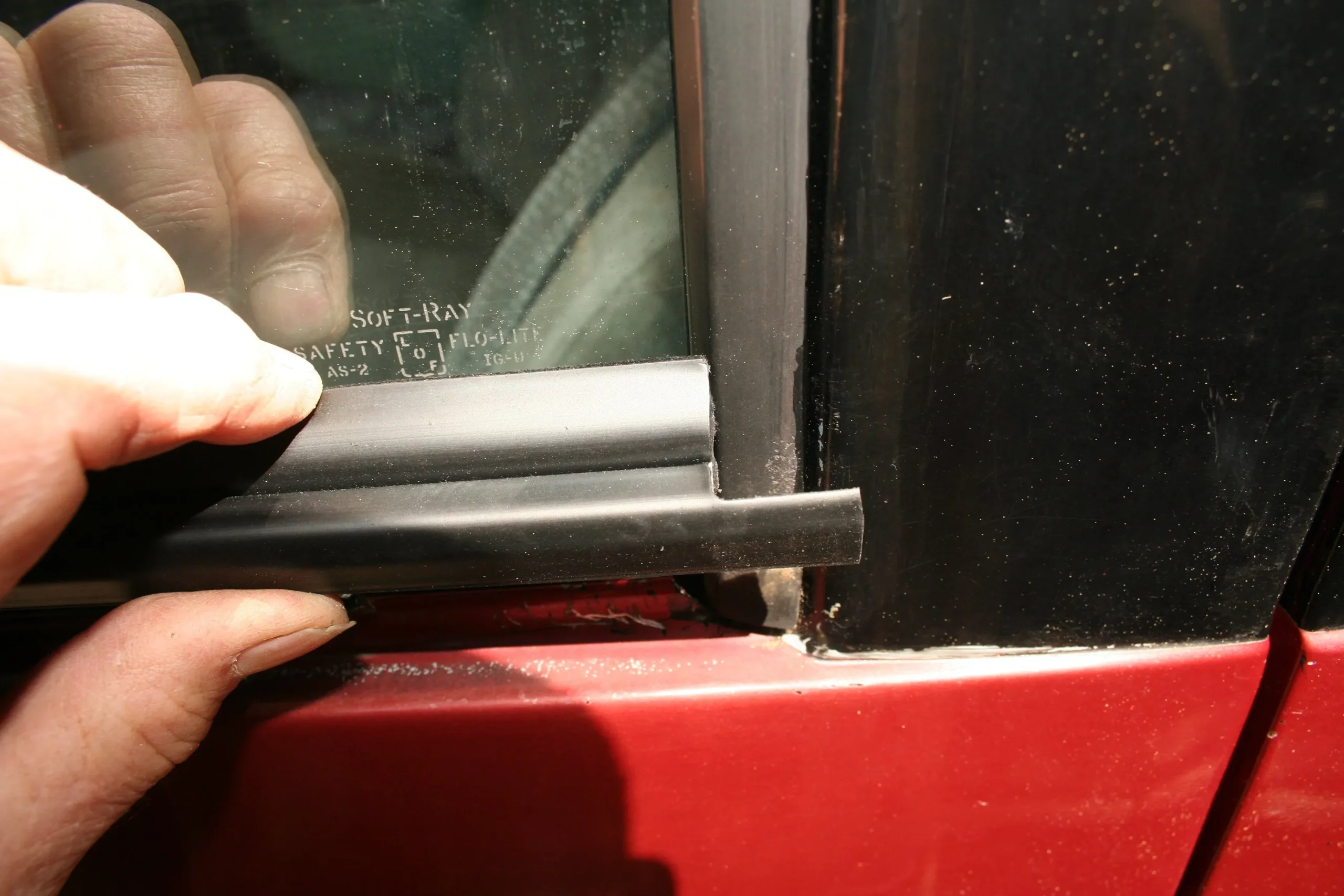
6. Seal Small Gaps Around Windows and Trim
Wind noise loves tiny openings. Even a small gap between window trim and body panels can produce a steady rushing sound once the vehicle reaches highway speed. These openings sometimes develop gradually as rubber seals shrink or trim pieces loosen.
Imagine cruising in a refined sedan such as the 2024 Acura TLX A-Spec AWD. During smooth city driving the cabin feels calm, yet higher speeds may introduce a faint whistle around the windows. Air pushing through small gaps around trim pieces usually causes that sound.
Inspecting window edges carefully often reveals the source. Rubber seals surrounding the glass should sit firmly against the body frame. When those seals begin to harden or pull away slightly, wind finds a path into the cabin.
Silicone sealant or specialized automotive weather sealing strips can correct this problem quickly. Thin adhesive strips placed along the inside edges of trim pieces close tiny openings where airflow sneaks through. Before installing any sealing material, cleaning the surface remains essential. Dirt or oil residue may prevent adhesives from bonding properly.
Once the area becomes clean and dry, the sealing strip presses into position along the gap. Flexible material conforms to the shape of the trim while restoring a tight barrier against moving air. Vehicles like the 2023 Toyota Crown Platinum Hybrid rely on precise body panel alignment to maintain quiet interiors. Even a slight separation in trim may create wind noise during highway driving.
Drivers who seal these gaps frequently report quieter rides almost immediately. Airflow turbulence disappears once the opening closes. Another advantage involves improved climate control efficiency. Tight seals prevent outside air from entering the cabin, allowing heating and cooling systems to work more efficiently.
Materials used for this improvement remain inexpensive and easy to install without professional help. Small adhesive sealing strips cost very little yet produce a noticeable difference. Careful inspection around windows and trim may reveal several tiny openings.
Closing those paths blocks wind intrusion and restores a calmer driving environment. Sometimes the loudest noises come from the smallest gaps.
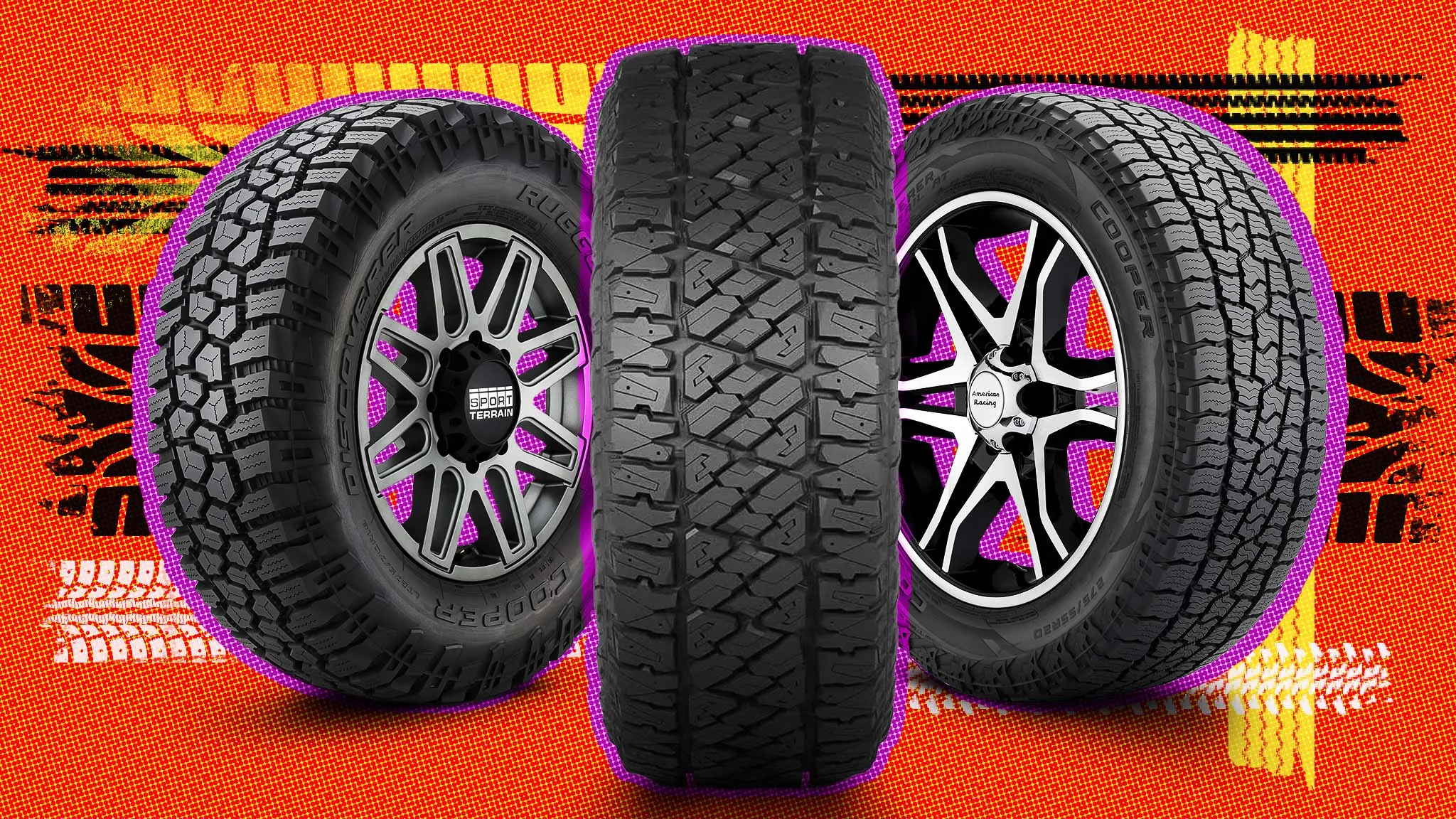
7. Upgrade Tire Choice for Quieter Road Contact
Tires represent one of the largest contributors to cabin noise. Every rotation produces vibration as rubber meets the pavement. Aggressive tread designs designed for traction often generate louder sounds than touring-oriented tires built for smooth travel.
Think about driving a versatile crossover such as the 2024 Ford Bronco Sport Badlands. Its off-road capable tires grip loose surfaces confidently, yet those chunky tread patterns can create noticeable hum during highway cruising.
Switching to quieter tire models can reduce cabin noise without any interior modifications. Touring tires feature tighter tread blocks and smoother patterns designed specifically for low road noise. Manufacturers often publish noise ratings or comfort descriptions when marketing tires. Selecting models known for quiet operation helps reduce sound traveling into the cabin.
Rubber compound also plays a role. Softer materials absorb small vibrations rather than transmitting them directly into the suspension and body structure. Vehicles such as the 2023 Hyundai Santa Fe Calligraphy AWD can feel dramatically quieter when fitted with touring-oriented tires rather than aggressive all-terrain versions.
Drivers who spend most of their time on paved roads usually benefit the most from this change. Smooth tread patterns roll quietly while still providing excellent grip in everyday driving conditions. Proper tire inflation also influences sound levels.
Overinflated tires become harder and transmit more vibration into the vehicle structure. Maintaining recommended pressure helps keep road noise under control. Wheel alignment contributes as well. Misaligned wheels create uneven tread contact with the pavement, which can increase noise and vibration.
Replacing tires may appear like a routine maintenance task, yet selecting the right model transforms how the cabin sounds during long drives. Quieter tires reduce rumbling from the road surface and allow conversations or music to remain clear even at highway speeds. Road noise often begins where rubber meets asphalt, so choosing the right tire design makes a powerful difference.
Also Read: 10 Pro Tips That Keep a Chevy HHR Reliable for Daily Driving
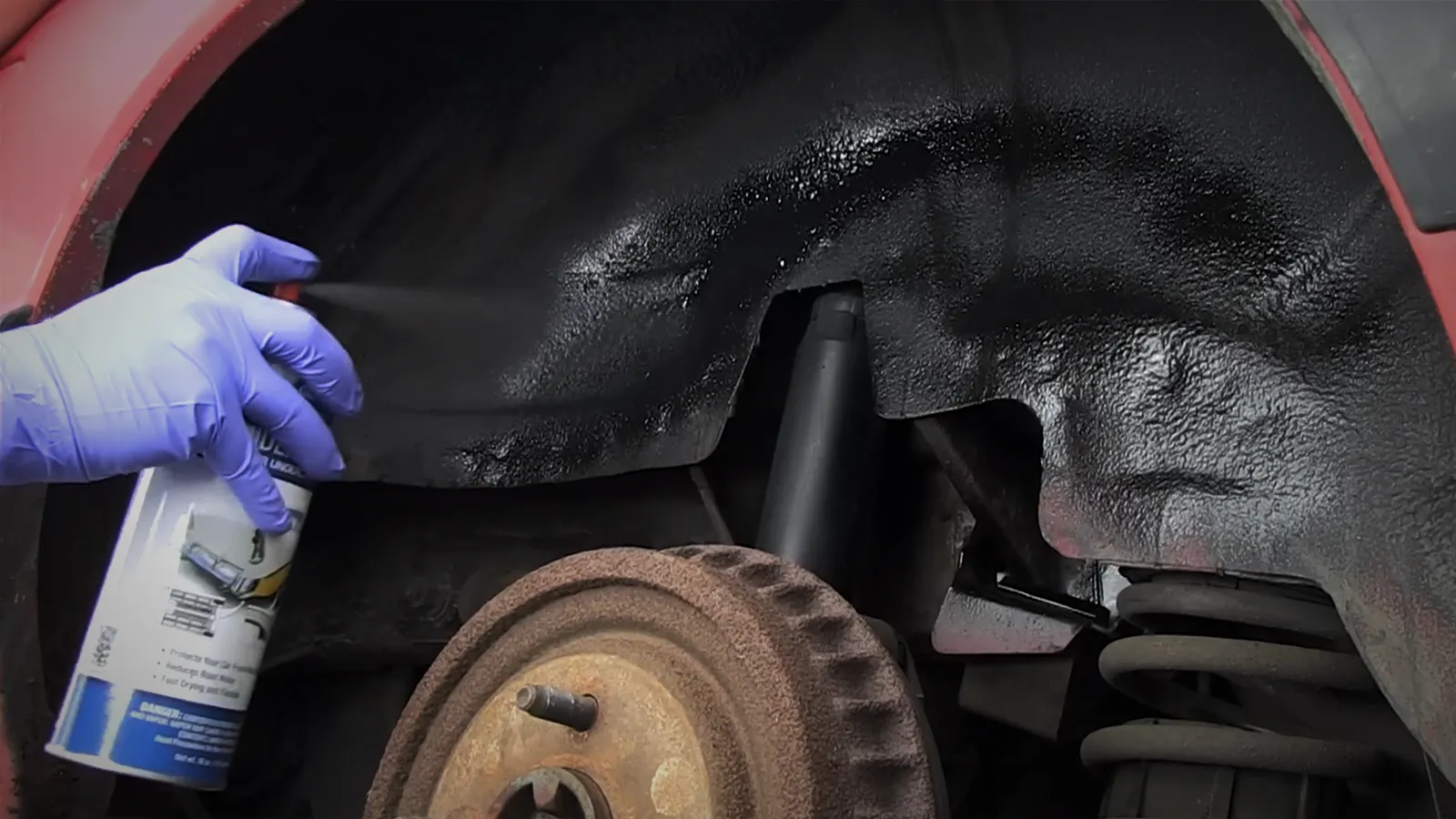
8. Treat Wheel Wells With Sound Dampening Spray
Wheel wells serve as direct pathways for road noise. Tires rotate only inches away from these metal arches, sending vibration and sound directly into the vehicle body. Treating those surfaces with sound-dampening spray can reduce the amount of noise that travels through that area.
Consider a stylish hatchback such as the 2024 Volkswagen Golf GTI SE. Its sporty suspension provides exciting handling, though wide tires and responsive chassis components can transmit noticeable sound through the wheel wells. Drivers who enjoy spirited driving often notice that tire roar becomes louder as speed increases, especially on rough pavement.
Sound-dampening sprays contain rubberized compounds that adhere to metal surfaces. Once applied, the coating forms a thick barrier that absorbs vibration and blocks sound waves produced by the tires. Instead of amplifying those vibrations, the rubberized layer softens the impact and limits how much sound reaches the cabin.
Application begins by lifting the vehicle slightly or turning the steering wheel to expose the inner wheel well surfaces. Cleaning those areas thoroughly removes dirt and road grime. This preparation step helps the coating stick firmly and ensures the treatment lasts for years.
After the surface dries, the spray is applied evenly across the metal lining inside the wheel well. Multiple thin layers usually work best because they create a dense protective coating. Allowing each layer to dry before adding the next one builds a stronger barrier against vibration.
Once cured, the rubberized layer reduces vibration traveling through the metal arch. Tire noise loses strength before it reaches the cabin structure, which helps create a calmer driving environment during highway travel.
Vehicles such as the 2023 Mazda3 Hatchback 2.5 Turbo Premium Plus can benefit from this treatment because compact performance cars often use wide tires that produce extra road noise. The dampening layer helps balance performance with comfort.
Drivers frequently notice that gravel impacts, tire hum, and rain splashes sound softer after applying dampening spray. Road debris striking the wheel well no longer produces the same sharp echo that once traveled into the interior.
Another advantage involves added protection against corrosion. Rubberized coatings help shield metal wheel wells from water, salt, and debris that can slowly wear down untreated metal surfaces. Cost remains modest since a few spray cans usually cover all four wheel wells.
The application requires patience but no specialized mechanical skills. Combining this upgrade with interior insulation improvements creates a layered approach to sound control that helps maintain a quieter and more comfortable ride.
