
Passing an emissions test rarely comes down to luck. A vehicle either meets the required standards or it does not, and the difference often lies in preparation rather than age or mileage.
Drivers frequently assume that a glowing dashboard warning or a rough idle will automatically lead to failure, yet many emissions issues develop quietly long before any obvious symptoms appear. Preparation saves time, prevents repeat visits, and protects against unnecessary repair costs.
Emissions testing focuses on how efficiently a vehicle manages fuel combustion and exhaust treatment. Sensors, filters, valves, and software all work together to control what exits the tailpipe. When one part drifts out of specification, test results reflect it immediately. Simple checks performed ahead of time can prevent avoidable failures and reduce stress on test day.
Another overlooked factor involves readiness monitors. Modern vehicles store system data that inspectors rely on during testing. Recent battery disconnections, repairs, or cleared fault codes may delay approval even if nothing is mechanically wrong. Understanding what inspectors check helps drivers plan properly.
Each section below explains a vital inspection step using a real vehicle example. Each check highlights why it matters, how to verify it, and the action that helps ensure compliance. Approaching an emissions test with preparation rather than uncertainty often makes the difference between passing on the first visit or scheduling a return appointment.
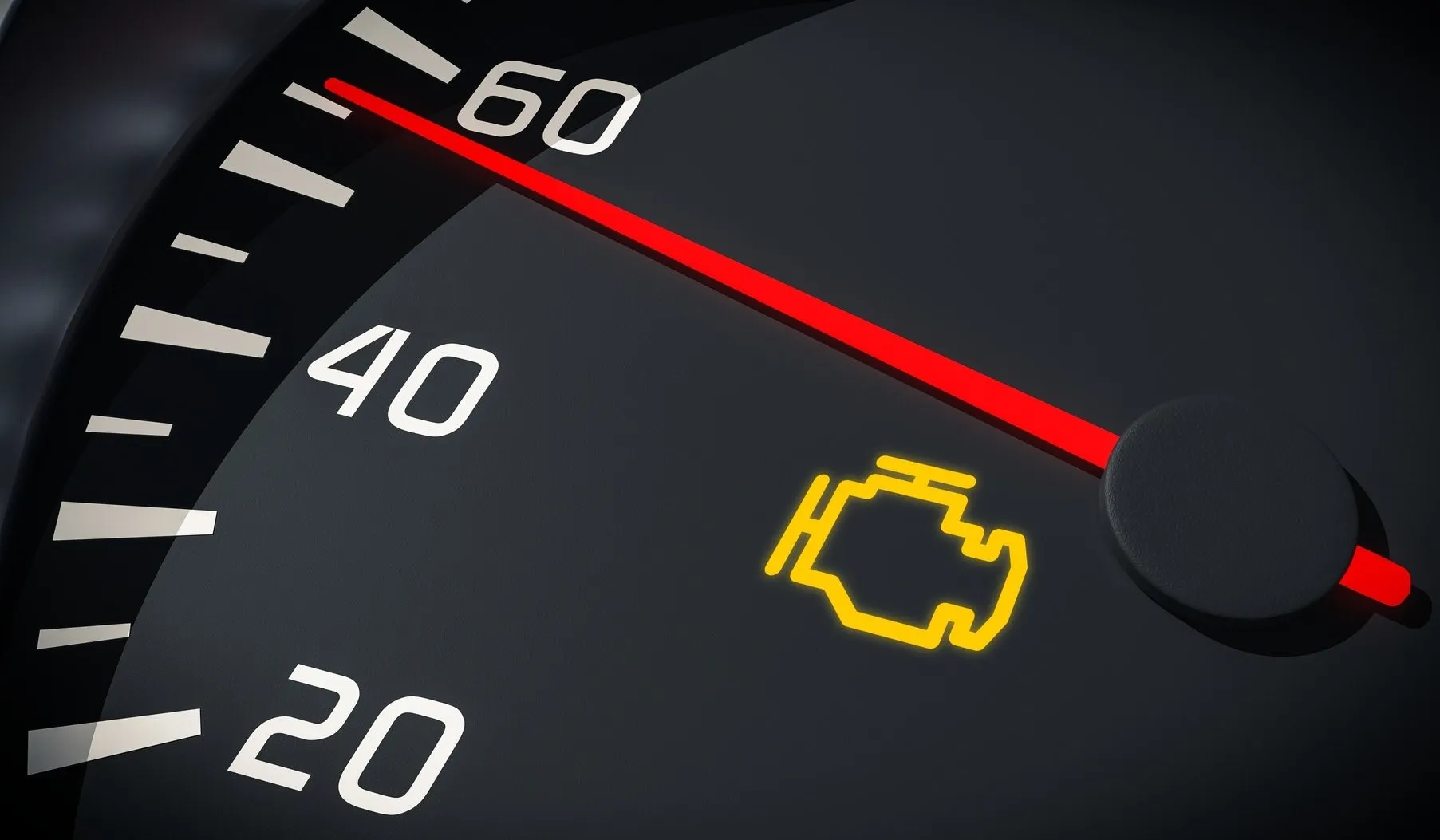
1. Check the Check Engine Light Status
No single factor predicts emissions test failure more reliably than an illuminated check engine light, and addressing this issue before your test appointment is the most important preparation step on this entire list.
Every state emissions program in the United States that uses OBD-II diagnostic scanning, which covers the vast majority of jurisdictions, will automatically fail any vehicle presenting with an active check engine light, regardless of what the underlying code is or how minor the associated issue might be. An illuminated check engine light is an automatic fail.
There are no exceptions and no appeals based on the nature of the fault. Check engine lights illuminate when the vehicle’s onboard diagnostic system detects a parameter outside acceptable limits for any of dozens of monitored systems. Some of the fault codes that trigger the light are emissions-critical, such as catalytic converter efficiency codes, oxygen sensor failure codes, and evaporative emission system leak codes.
Others are peripheral concerns like minor sensor drift or misfires too infrequent to affect everyday drivability noticeably. From the perspective of the emissions testing equipment, all of them produce the same result: an automatic failure. If your check engine light is on, your first action should be to read the fault code using an OBD-II scanner.
Basic Bluetooth OBD-II adapters are available for under $30 and work with free smartphone applications to display fault codes and their descriptions. Understanding what code is present allows you to make an informed decision about whether the fault requires professional repair before the test or whether it is a minor issue you can address yourself.
After repairing the cause of a check engine light, simply clearing the code with a scanner is not sufficient preparation for an emissions test. Clearing codes resets the vehicle’s OBD readiness monitors to a not-ready status, which is itself a failure condition in most state programs.
The vehicle needs a complete drive cycle, typically 50 to 100 miles of mixed driving, including highway and city portions, to allow the onboard diagnostic system to run its self-tests and return all monitors to ready status before a test will pass.

2. Verify OBD-II Readiness Monitors Are Set
Beyond the check engine light, there is a less visible but equally common emissions test failure cause that catches drivers off guard even when their warning lights are completely off: incomplete OBD-II readiness monitors. Every vehicle equipped with OBD-II diagnostic systems, which covers all US-market vehicles from the 1996 model year onward, continuously runs a series of self-diagnostic tests on its emissions-related systems.
These tests produce readiness monitor statuses, either ready or not ready, that emissions testing equipment reads directly from the vehicle’s diagnostic port. State programs allow a specific maximum number of incomplete readiness monitors before failing a vehicle, and this allowance varies by vehicle model year.
Most states allow one incomplete monitor on 2001 and newer vehicles and two incomplete monitors on 1996 through 2000 model year vehicles. Any vehicle presenting with more incomplete monitors than the state’s allowance receives an automatic failure, not because anything is necessarily wrong with the vehicle, but because the diagnostic system has not yet completed its self-verification cycle.
Readiness monitors reset to incomplete status under three conditions: when a battery is disconnected or replaced, when fault codes are cleared with a diagnostic scanner, and occasionally after certain software updates performed during dealer service visits.
A driver who disconnected the battery to perform electrical work, had a shop clear an unrelated fault code, or received a software update during routine service may find their vehicle arrives at the emissions test with multiple incomplete monitors that produce a failure despite the vehicle running perfectly.
For a vehicle like the 2023 Nissan Rogue SV AWD (T33 generation), an owner who had a battery replaced two weeks before a scheduled emissions test should verify readiness monitor status well before the test date, rather than assuming the drive between home and the testing facility will be sufficient to complete all monitors.
Some monitors require very specific drive conditions that normal commuting does not naturally produce, and discovering incomplete monitors on test day wastes the appointment and the associated fees.
Also Read: 8 Easy Tips to Keep a Subaru Legacy Comfortable for Years
3. Inspect and Tighten the Fuel Cap
Fuel cap condition is one of the most widely cited causes of evaporative emission system fault codes, and it is also one of the easiest issues to address before a test appointment. A loose, cracked, or deteriorated fuel cap allows fuel vapors to escape from the fuel tank to the atmosphere rather than being captured by the evaporative emission control system, which represents both an emissions violation and a condition that the vehicle’s onboard diagnostic system is designed to detect and report.
Modern vehicles monitor fuel tank pressure as part of their evaporative emission system diagnostics. A fuel cap that does not seal properly allows the system to detect pressure loss during its self-test, which triggers a fault code in the P0440 to P0457 range and illuminates the check engine light.
Because this check engine light condition is caused entirely by a mechanical seal failure rather than any chemical or mechanical system fault, its solution is replacing the fuel cap, which costs between $15 and $30 at any auto parts store. Visually inspect the fuel cap’s rubber sealing gasket for cracks, hardening, or deformation.
A gasket that looks dried, cracked, or flattened rather than uniformly round and pliable in cross-section is a cap that will not seal reliably, regardless of how tightly it is installed. Replacement caps from the vehicle manufacturer or from reputable aftermarket suppliers like Stant or Motorad are inexpensive and available at most auto parts retailers with a simple vehicle fitment lookup.
An owner of a 2024 Honda HR-V Sport FWD (RU4 generation) preparing for an emissions test who notices the check engine light appeared shortly after a recent fuel fill should check the fuel cap first before assuming a more expensive repair is needed.
Fuel cap issues account for a substantial proportion of evap system fault codes on this platform, and resolution often costs less than $25 and fifteen minutes of time.
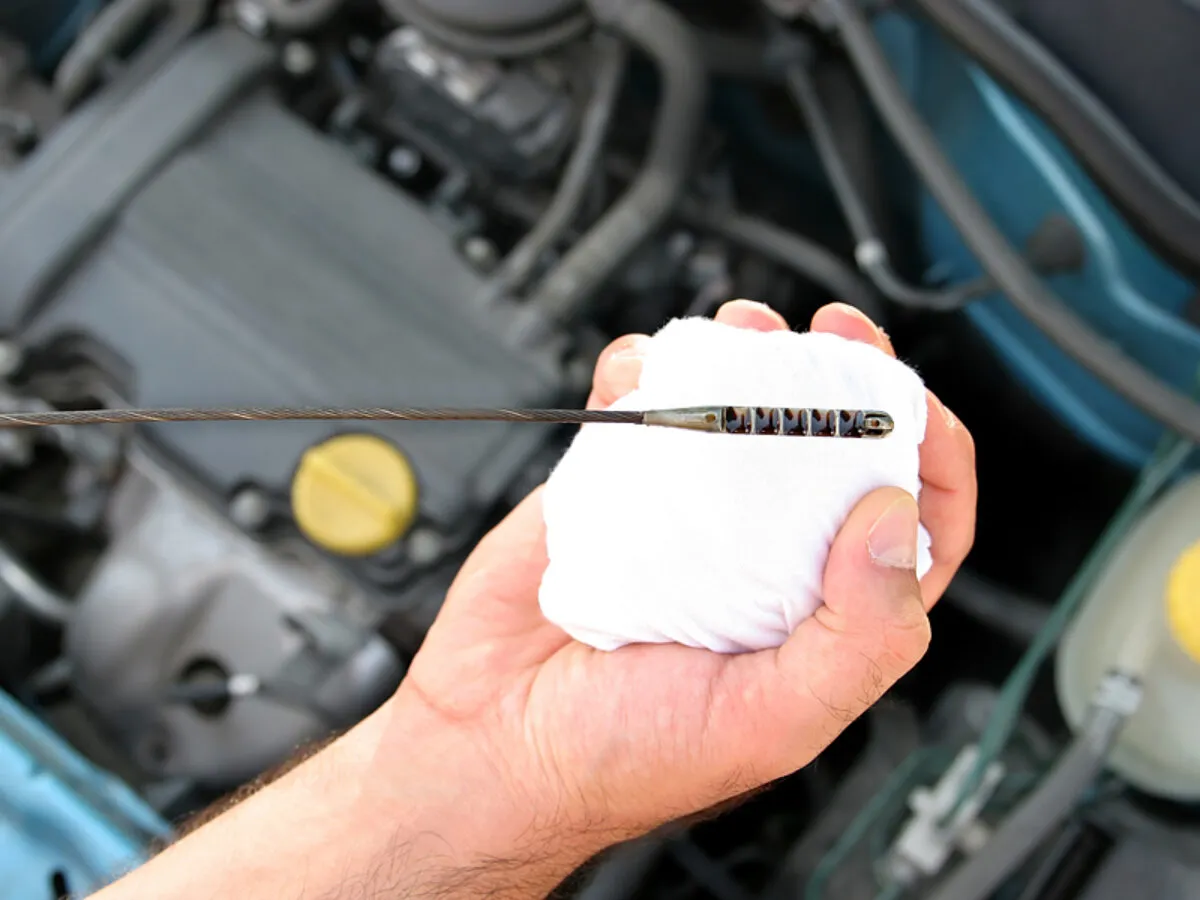
4. Confirm the Engine Oil Is Clean and at the Correct Level
Engine oil condition and level affect emissions test results in ways that are less direct than a check engine light, but no less real in their potential impact on test outcomes. Dirty, contaminated, or low engine oil increases the concentration of combustion byproducts in the crankcase, which the positive crankcase ventilation system routes into the intake for reburning.
Checking oil level takes less than two minutes. With the engine cold or after waiting at least five minutes following engine shutdown, locate the dipstick, pull it fully from the tube, wipe it clean, reinsert it fully, pull it again, and read the oil level against the minimum and maximum marks on the dipstick.
Oil sitting at or below the minimum mark needs topping off before the test. Oil that is dark black rather than amber or dark brown has exceeded its useful service life and should be changed before the test appointment, not after. Fresh oil does not guarantee passing an emissions test, but it eliminates one of the contributing factors to elevated hydrocarbon emissions that tailpipe testing measures.
For vehicles approaching an oil change interval anyway, scheduling the oil change in the week before an emissions test appointment is a logical combination that serves both routine maintenance and test preparation purposes simultaneously.
For a vehicle like the 2021 Subaru Legacy Sport CVT AWD (BN7 generation), whose FA24 boxer engine benefits noticeably from fresh oil in both performance and crankcase management, arriving at an emissions test with fresh synthetic oil is a straightforward preparation step that costs nothing beyond the scheduled oil change that was due anyway and removes an unnecessary variable from the test day equation.
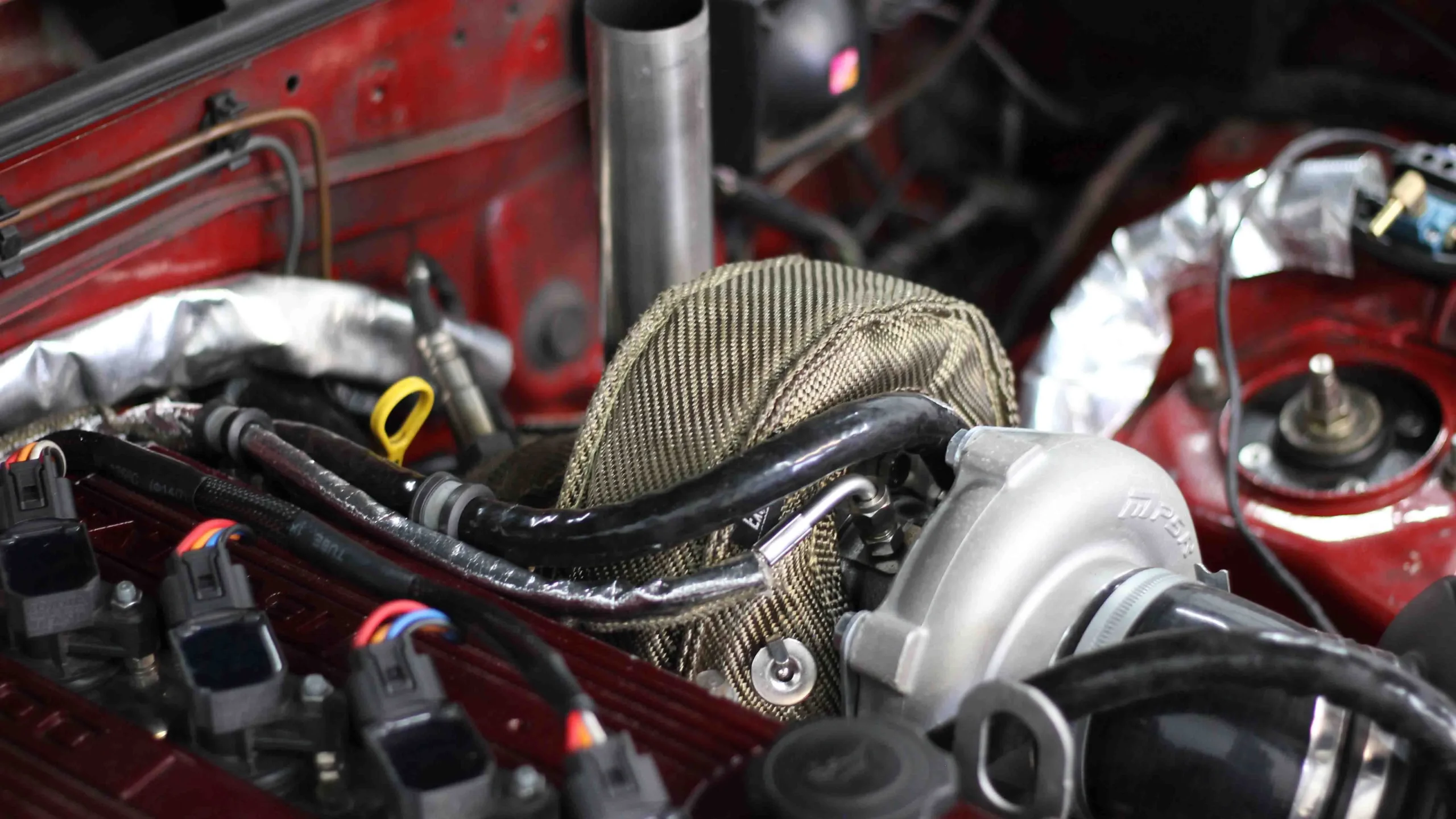
5. Warm the Engine Thoroughly Before Arriving at the Test Facility
Engine operating temperature has a direct and measurable effect on emissions test results, and arriving at a testing facility with a cold or partially warmed engine is one of the most avoidable test preparation mistakes a driver can make.
Cold engines run rich fuel mixtures during warm-up, produce elevated hydrocarbon emissions until catalytic converters reach operating temperature, and have oxygen sensors that operate outside their designed temperature range, all of which combine to produce exhaust readings that are materially worse than the same engine at full operating temperature.
Catalytic converter light-off temperature, the temperature at which the catalytic converter begins efficiently oxidizing hydrocarbons and carbon monoxide in the exhaust stream, typically falls between 400 and 600 degrees Fahrenheit, depending on converter design and catalyst formulation.
A converter that has not reached light-off temperature is effectively not functioning as an emissions control device, and the exhaust passing through it contains the same hydrocarbon and carbon monoxide concentrations as raw engine exhaust. Driving to the test facility on a cold engine means the converter may not be at operating temperature when the probe enters the tailpipe.
Ensuring a thoroughly warmed engine before testing requires driving the vehicle for at least fifteen to twenty minutes of normal mixed operation rather than simply idling in a driveway until the temperature gauge reads normal.
Idle warm-up brings coolant temperature to operating range but does not fully heat catalytic converters to peak efficiency, because converter temperature depends on exhaust flow rate and temperature rather than coolant temperature alone.
Highway driving at 45 to 60 miles per hour for ten to fifteen minutes before the test produces exhaust flow conditions that fully heat the converter and stabilize all emissions control system operating temperatures.
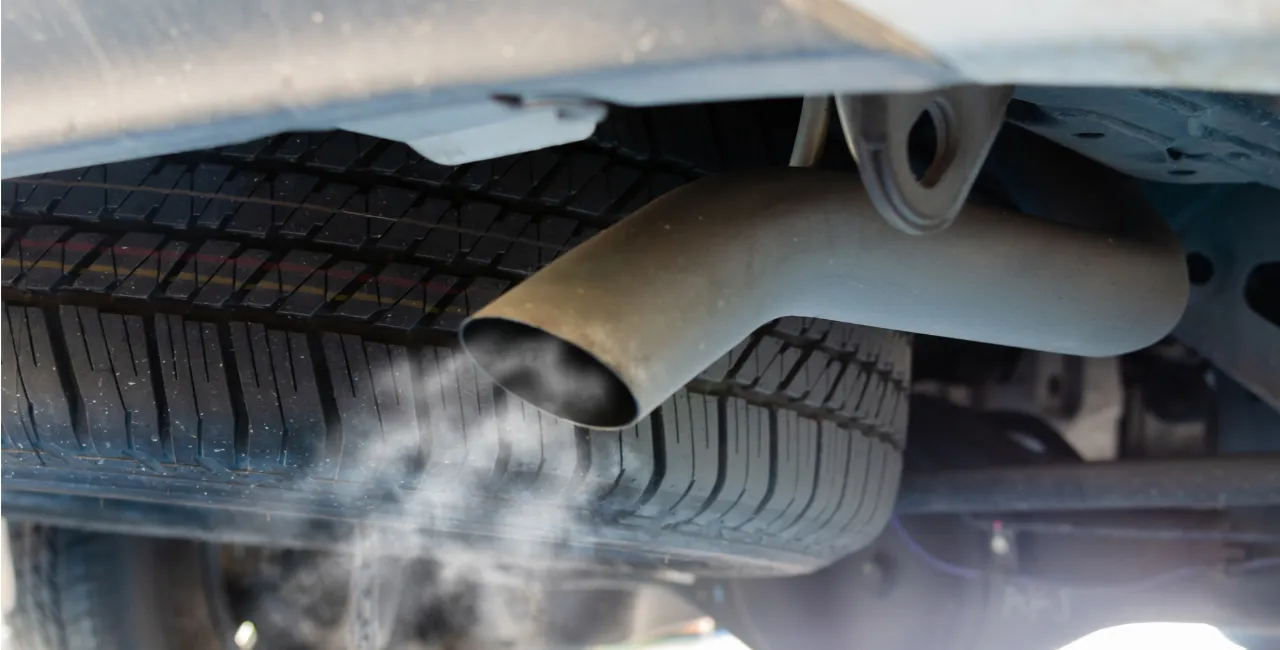
6. Inspect the Exhaust System for Leaks and Physical Damage
An intact, leak-free exhaust system is a prerequisite for accurate emissions test results that reflect the vehicle’s actual emissions output rather than artificially elevated readings caused by exhaust escaping before it reaches the catalytic converter and oxygen sensors.
Exhaust leaks upstream of the catalytic converter allow unprocessed exhaust gases to escape directly into the atmosphere and also disrupt the oxygen sensor readings that the vehicle’s engine control system uses to manage fuel mixture. Both effects raise measured emission concentrations during tailpipe testing.
Exhaust manifold gasket leaks are the most common upstream exhaust leak location. Manifold gasket failure allows exhaust to escape at the joint between the exhaust manifold and the cylinder head, producing a characteristic ticking sound that is most audible during cold starts and immediately after startup.
An exhaust manifold leak that is present but not yet creating a check engine light is still capable of affecting tailpipe test results by allowing raw exhaust to escape upstream of the converter while also introducing air into the exhaust stream near the upstream oxygen sensor, which confuses the air-fuel management system.
Inspecting the exhaust system requires a brief visual examination from outside the vehicle and, if possible, from beneath the vehicle with a flashlight. Look for rust perforations in muffler and resonator bodies, cracks in flex pipe sections, blackened soot deposits around joints and seams, and physical damage from road debris impacts.
Listen for exhaust ticking or hissing during cold starts that disappears after warm-up, which is a classic exhaust manifold gasket leak signature. Addressing exhaust leaks before an emissions test eliminates their potential contribution to elevated readings and also resolves the noise and increased interior exhaust odor that leaks create during normal driving.
Professional exhaust repair at a muffler shop is generally affordable for leaks that do not involve manifold resurfacing, and it addresses a legitimate emissions concern while also improving vehicle safety by preventing exhaust gases from entering the cabin.

7. Check Tire Pressure and Confirm the Vehicle Rolls Freely on the Dynamometer
Dynamometer-based emissions testing, used in many state programs that test vehicles under load rather than at idle, requires the vehicle’s tires to roll freely on the test rollers without creating test interference from under-inflation or physical resistance.
Underinflated tires create rolling resistance that loads the engine differently on the dynamometer compared to normal road conditions, potentially affecting the drive cycle simulation that the test equipment uses to evaluate emission output across a range of operating conditions.
Beyond the test mechanics, tire pressure directly affects vehicle efficiency and fuel trim, both of which influence emissions output. Under-inflated tires increase rolling resistance, which causes the engine to work harder for a given road speed, consuming more fuel and producing higher emission output per unit of distance traveled.
Properly inflated tires reduce rolling resistance, allow the engine to operate closer to its design efficiency point, and contribute to the lean, efficient combustion that produces the lowest emission concentrations in the exhaust stream.
Checking tire pressure takes less than five minutes with a basic pressure gauge that costs under $10. Locate the recommended tire pressure on the sticker inside the driver’s door jamb rather than using the maximum pressure molded into the tire sidewall.
Door jamb specifications represent the manufacturer’s optimized pressure for ride quality, handling, and rolling resistance balance, while the sidewall pressure is a maximum structural rating that exceeds the recommended operating pressure for most vehicles.
A vehicle like the 2024 Chevrolet Trailblazer ACTIV AWD (second generation) uses a tire pressure monitoring system that alerts the driver when pressure drops below a threshold, but this system does not guarantee tires are at optimal pressure, only that they are above the warning threshold.
Manually checking and adjusting tire pressure to the door jamb specification in the days before the test appointment is more precise than relying on the TPMS alert alone.
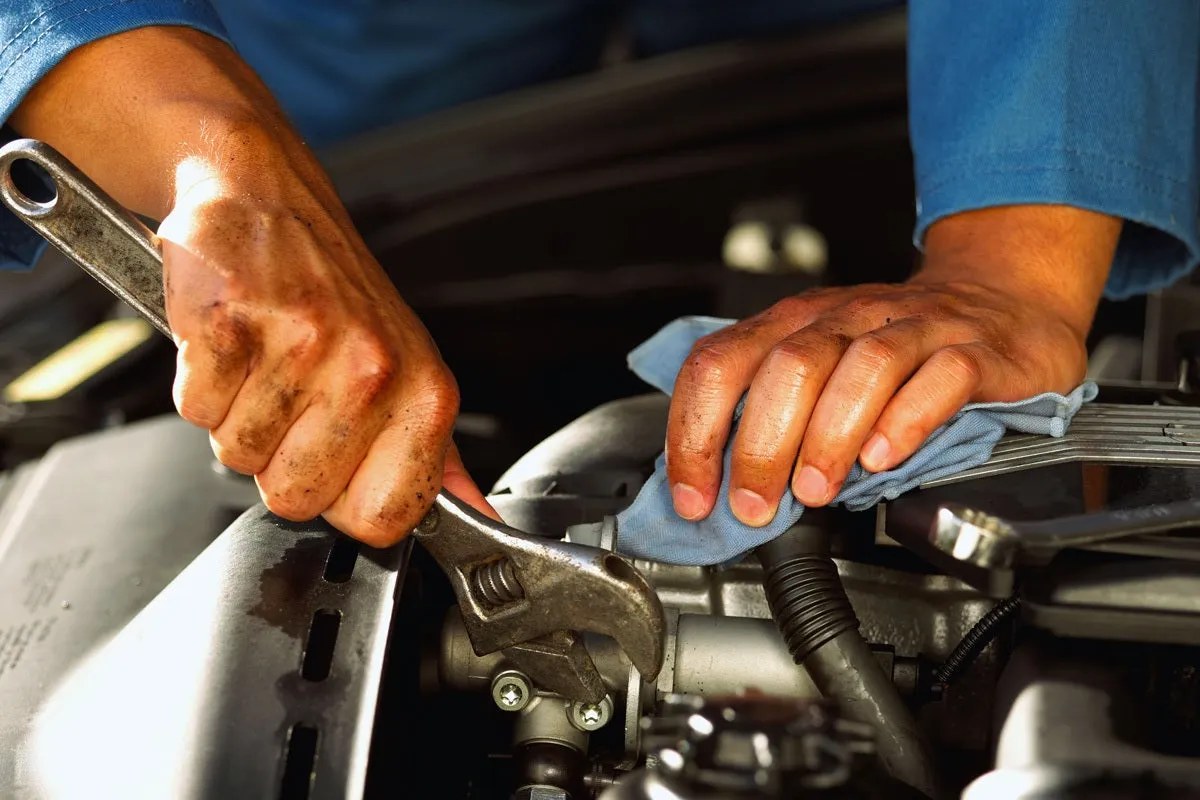
8. Address Any Recent Repairs That May Have Reset System Readiness
Repair shops perform legitimate and necessary work on vehicles every day, and a meaningful side effect of some of that work is an unintentional readiness monitor reset that leaves the vehicle temporarily unready for an emissions test.
Any repair that requires battery disconnection, fault code clearing, or ECU reprogramming will reset the vehicle’s OBD-II readiness monitors, and driving to an emissions test appointment in the days immediately following such a repair is one of the most common ways that otherwise healthy vehicles fail their emissions tests.
Battery replacement, which is often performed with no connection to emissions system repairs, is one of the most frequent inadvertent monitor reset causes. A driver who had a battery replaced at a dealer or quick-service shop and then drove directly to a scheduled emissions appointment the following day is likely to discover that multiple monitors are incomplete and that the vehicle fails despite running perfectly.
The repair was necessary and correct, but the timing of the test appointment relative to the repair is the problem. Oxygen sensor replacement, catalytic converter replacement, and evaporative emission system repairs all involve clearing fault codes as part of the repair verification process, which resets monitors. After any of these repairs, a complete manufacturer-specific drive cycle is required before monitors will show a complete status.
Scheduling an emissions test appointment within two to three weeks after this type of repair, and completing the drive cycle in the days between the repair and the appointment, provides adequate time for monitor completion in most cases.
An owner of a 2022 Volkswagen Tiguan SE R-Line 4Motion (AD1 generation) who had a software update and oxygen sensor replacement performed at a VW dealer one week before a scheduled emissions test should verify readiness monitor completion status at least two days before the appointment, rather than discovering incomplete monitors on test day.
VW’s specific drive cycle requirements for the Tiguan platform include conditions that normal suburban driving produces, but only after a sufficient number of complete cold start and warm-up cycles.
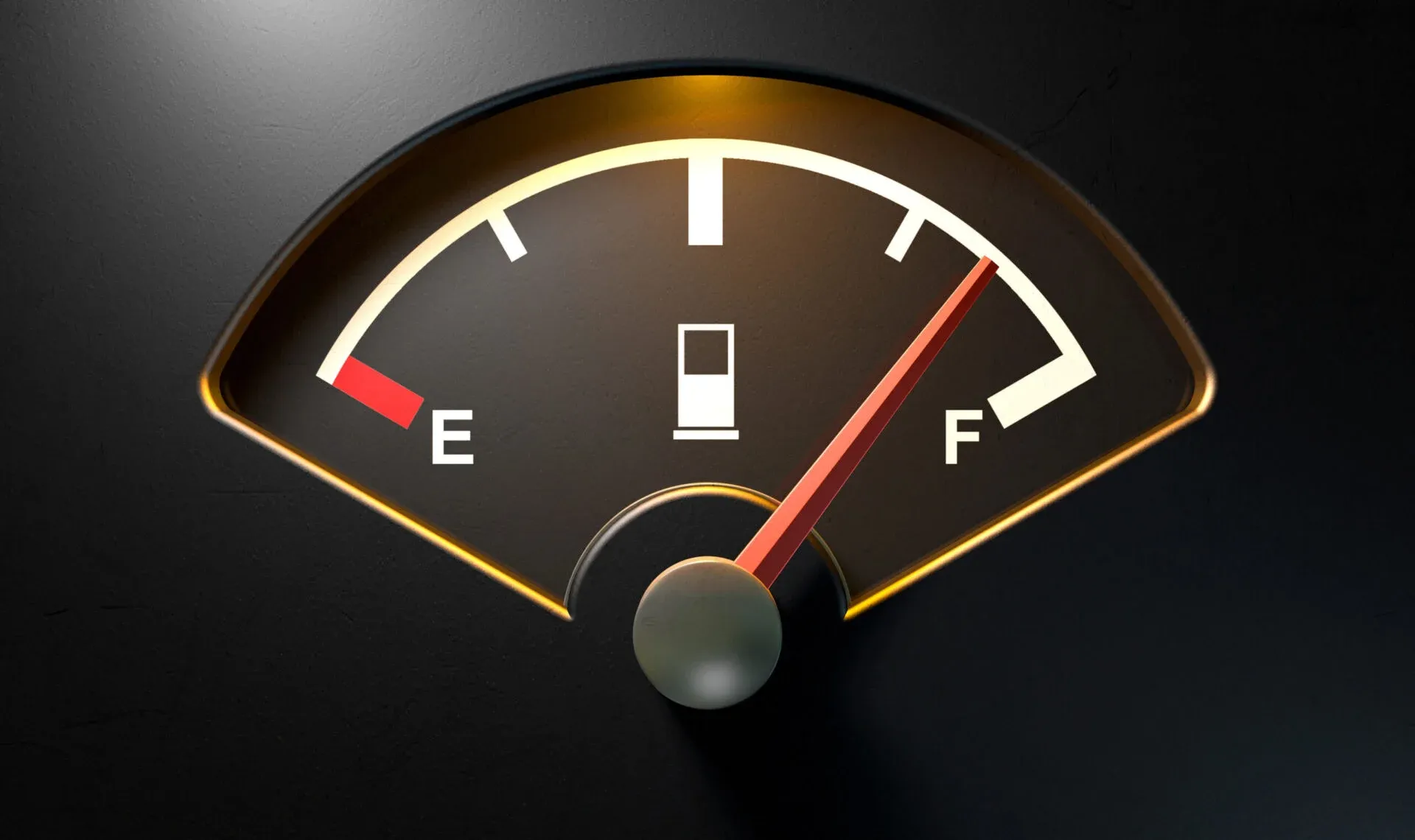
9. Confirm the Gas Tank Is Between One-Quarter and Three-Quarters Full
Fuel level at the time of an emissions test affects evaporative emission system testing in ways that seem minor but can produce test failures through a mechanism that most drivers have never considered. Evaporative emission system testing in many state programs includes a fuel tank pressure test that measures the integrity of the fuel system’s ability to contain vapor pressure.
A nearly empty fuel tank contains a large vapor space that creates a higher vapor pressure differential during the test, which can cause marginal evap system components to show leak symptoms under test conditions that they would not produce during normal driving with a fuller tank.
A tank between one-quarter and three-quarters full represents the optimal test range for most vehicles. This level provides sufficient fuel to prevent any possibility of fuel delivery issues during testing while keeping the vapor space in the tank small enough that evap system testing does not stress marginal components beyond their normal operating conditions.
Filling the tank immediately before the test is not recommended because a full tank places maximum demand on the evap system to manage fuel expansion vapors as the engine warms up. For a vehicle like the 2023 Jeep Wrangler Unlimited Rubicon 4xe PHEV (JL generation), whose plug-in hybrid architecture combines a conventional fuel system with an electric drive system, arriving at an emissions test with an appropriate fuel level is equally important as it is for conventional vehicles.
Combustion engine emissions are tested regardless of the vehicle’s electrification level in most state programs, and the same fuel level guidelines apply.
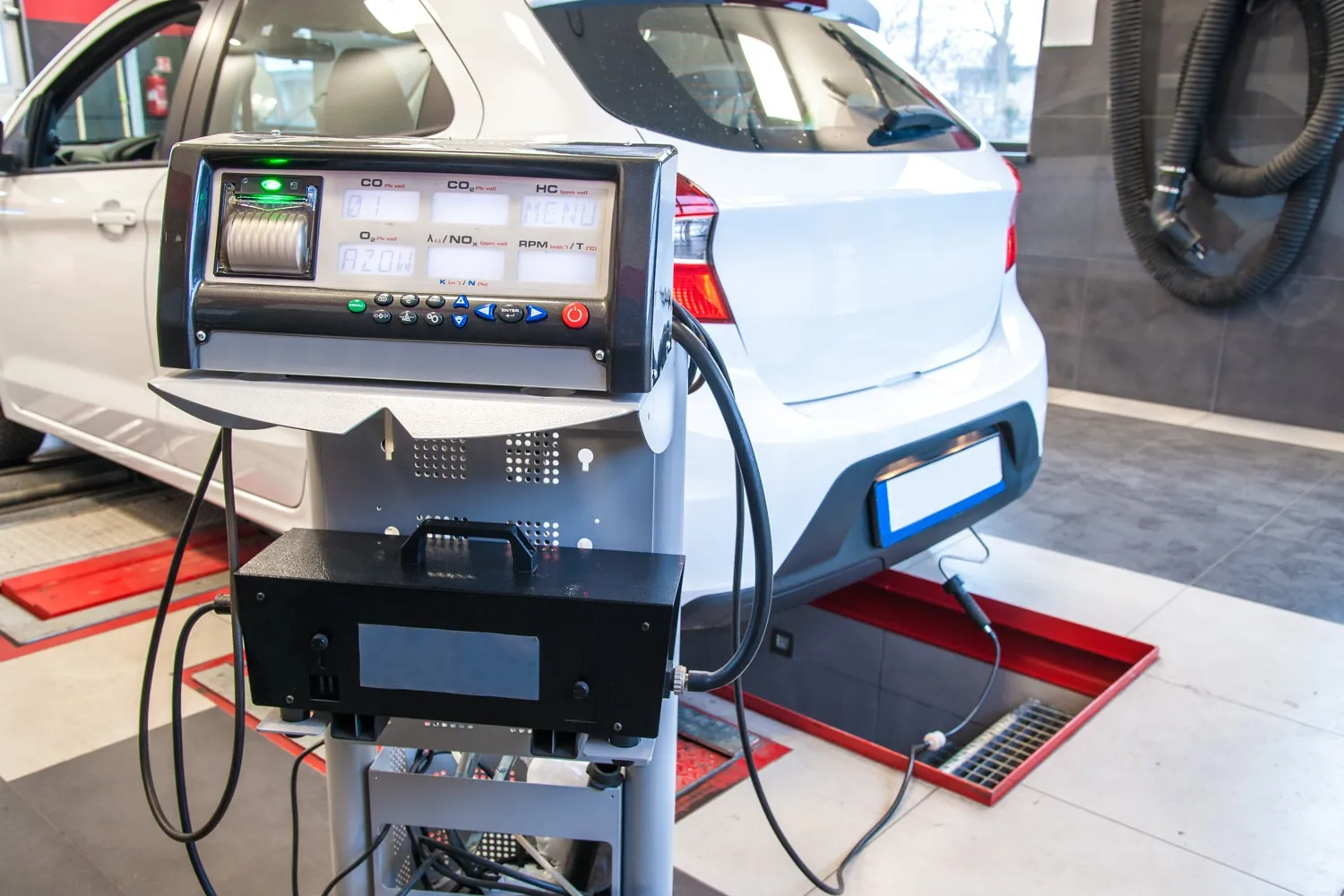
10. Review Your Vehicle’s Specific Test Requirements and Exemptions
Arriving prepared for the wrong type of test, or failing to bring documentation that would have allowed an exemption or alternative test procedure, represents a wasted trip and potentially unnecessary repair expense that thorough pre-test research prevents entirely.
Emissions testing requirements vary between states, change periodically as state programs are updated, and include vehicle age exemptions, vehicle type exemptions, and alternative compliance pathways that informed owners use to their advantage.
Most state programs exempt vehicles older than a specific model year cutoff, typically 25 years or older in many jurisdictions, from standard emissions testing requirements. Owners of vehicles in this age range should verify their specific state’s exemption threshold before scheduling a test appointment, because testing an exempt vehicle wastes time and fees that are not legally required.
New vehicle exemptions exist in several state programs, granting new cars a specific number of years before they are first required to test. Understanding whether your vehicle is still within its new vehicle exemption period prevents unnecessary early test appointments. Documentation of this status is typically available through the state’s DMV registration records.
Hybrid and electric vehicle testing requirements differ from conventional vehicle requirements in most state programs, with plug-in vehicles often subject to modified test procedures or outright exemptions depending on the state and model year.
Owners of vehicles like the 2024 Ford Escape PHEV SE AWD (CX727 platform) should verify their specific vehicle’s test requirements with their state’s DMV or environmental agency before scheduling an appointment, because assuming the standard test procedure applies to a plug-in hybrid without confirming is a common source of confusion and wasted appointments.
