

Maintaining a classic vehicle requires a different mindset compared to maintaining a modern car. Older engines were designed with different materials, wider tolerances, and lubrication standards that assumed frequent servicing. Because of this, oil change intervals that work for modern vehicles often do not apply to classics.
One of the biggest misunderstandings among classic owners is believing that low usage means low maintenance. In reality, time affects engine oil just as much as distance. Chemical breakdown continues even when the car is parked, which means oil can become harmful long before the next driving season begins.
Another overlooked factor is contamination. Classic engines often allow small amounts of fuel, carbon, and moisture to mix with the oil.
Without regular replacement, these contaminants slowly reduce lubrication effectiveness and increase internal wear. Changing the oil every six months helps remove these damaging elements before they accumulate.
Storage conditions also play a major role. Many classic cars are stored during winter or extreme weather. During this time, temperature changes can create condensation inside the engine. This moisture mixes with the oil and can start internal corrosion if left too long.
Frequent oil changes also help maintain consistent engine performance. Clean oil reduces friction, helps maintain stable oil pressure, and ensures smoother operation. Even if the vehicle is only driven occasionally, fresh oil keeps the engine ready for reliable operation.
Another important consideration is the availability of replacement parts. Repairing a damaged classic engine can be expensive and sometimes difficult due to limited parts supply. Preventive maintenance like regular oil changes becomes a simple way to avoid complex repairs.
Ultimately, changing oil twice a year is not excessive maintenance. It is a practical insurance policy that protects the mechanical heart of a valuable machine.
Below are eight important reasons why replacing your classic car’s oil every six months is a smart and protective habit.
Also Read: Top 10 Iconic Japanese Sports Coupes With All Wheel Steering
1. Oil Naturally Degrades Even Without Driving
Many people assume engine oil only wears out when a car is driven. While mileage certainly affects oil life, time itself is also a major factor. Engine oil is a chemical product, and like most chemical compounds, it slowly breaks down even when the engine is not running.
Over several months, exposure to air inside the engine causes oxidation. This is a natural process where oxygen molecules react with the oil. As oxidation progresses, the oil thickens and loses its ability to flow smoothly through engine passages. When this happens, the oil cannot protect internal parts as effectively as it should.
Additives inside engine oil also wear out over time. These additives are responsible for preventing corrosion, reducing friction, and keeping contaminants suspended. As months pass, these protective chemicals gradually lose their effectiveness. Even if the car remains parked, these protective qualities slowly weaken.
Temperature fluctuations also contribute to oil aging. A classic car stored in a garage still experiences seasonal temperature changes. Heat and cold cycles cause expansion and contraction inside the engine. These cycles accelerate chemical breakdown and reduce oil stability.
Another factor many owners overlook is acid formation. As oil ages, it can slowly become more acidic. This happens because combustion residues from previous drives remain inside the oil. Over time, these residues react chemically and create mild acids that can attack metal surfaces.
Regular six-month oil changes eliminate this risk before it becomes serious. Fresh oil restores the full protective chemistry the engine was designed to rely on. This is especially important for older engines that lack the advanced sealing and filtration systems found in modern vehicles.
There is also a psychological advantage to time-based maintenance. When owners follow a calendar schedule instead of waiting for mileage, maintenance becomes predictable and easier to manage. This reduces the chance of forgetting important service intervals.
Another benefit is early problem detection. Routine oil changes encourage regular inspections. During these services, owners may notice metal particles, leaks, or unusual oil color. Catching these warning signs early can prevent larger mechanical failures.
Some enthusiasts think frequent oil changes are unnecessary if the vehicle is rarely used. However, inactivity can sometimes be harder on an engine than regular use. Oil that sits too long becomes less protective, regardless of how few kilometers were driven.
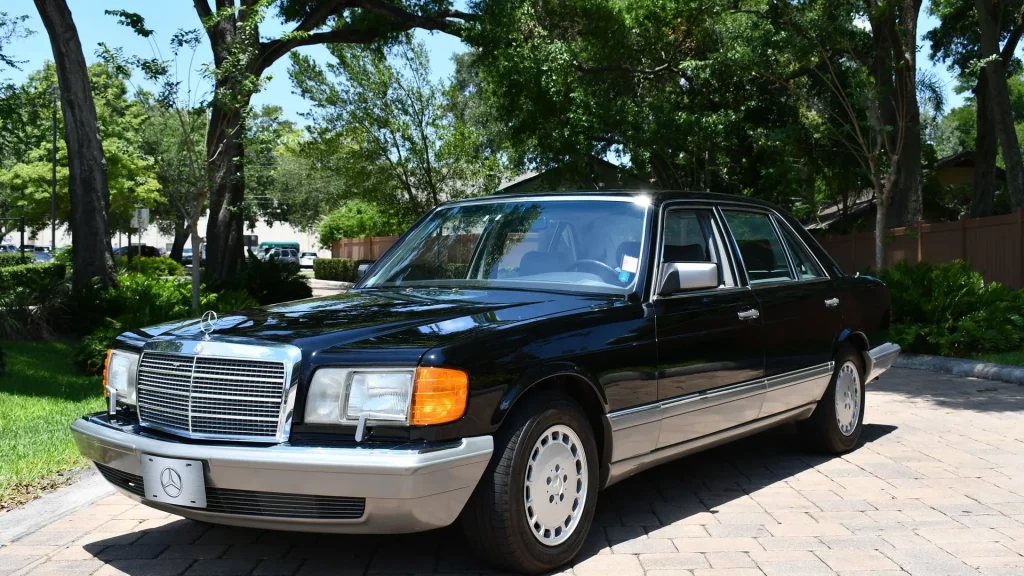
Replacing oil every six months ensures the engine always has fresh protection. Instead of wondering whether the oil is still safe, owners can be confident their engine is protected by lubrication that is still within its effective lifespan.
This approach is not about over maintenance. It is about understanding that time affects oil just as much as usage, especially in engines built decades ago.
2. Moisture Contamination Can Cause Internal Rust
One of the quietest threats to a classic engine is moisture. Water inside an engine sounds unlikely, but it is actually very common, especially in vehicles that are not driven regularly. Every time an engine cools down after use, it pulls small amounts of humid air inside. That moisture can later condense into tiny water droplets.
These droplets mix with engine oil and slowly reduce its effectiveness. Oil is supposed to form a protective barrier between metal surfaces. When water mixes with it, this protective film becomes weaker. Over time, this can allow microscopic rust to begin forming on internal parts.
Short drives make the situation worse. When a classic car is only driven briefly, the engine may never reach full operating temperature. Heat is what normally evaporates moisture from the oil. Without enough heat, the moisture stays trapped and continues circulating through the engine.
Seasonal storage increases the risk even more. A car sitting for months during humid or cold conditions can develop condensation repeatedly. Each temperature change adds a little more moisture into the crankcase. Without an oil change, this contamination keeps accumulating.
Fresh oil helps remove this hidden danger. When oil is replaced, the contaminated fluid containing moisture is completely drained out. This gives the engine a clean start and removes water that could otherwise cause slow internal damage.
Another advantage of frequent oil changes is preventing bearing damage. Bearings depend on a consistent oil film to prevent metal contact. Water contamination reduces this film strength. Over time, even tiny reductions in lubrication quality can increase wear on precision surfaces.
Some owners notice a milky appearance on the oil cap or dipstick. This is often a sign of moisture mixing with oil. Even if this is not visible, small amounts of water may still be present. Regular replacement prevents this from becoming a long term issue.
Oil filters cannot remove water effectively. Their job is mainly to catch solid particles. This is why simply replacing the filter is not enough. The oil itself must be changed to fully remove contamination.
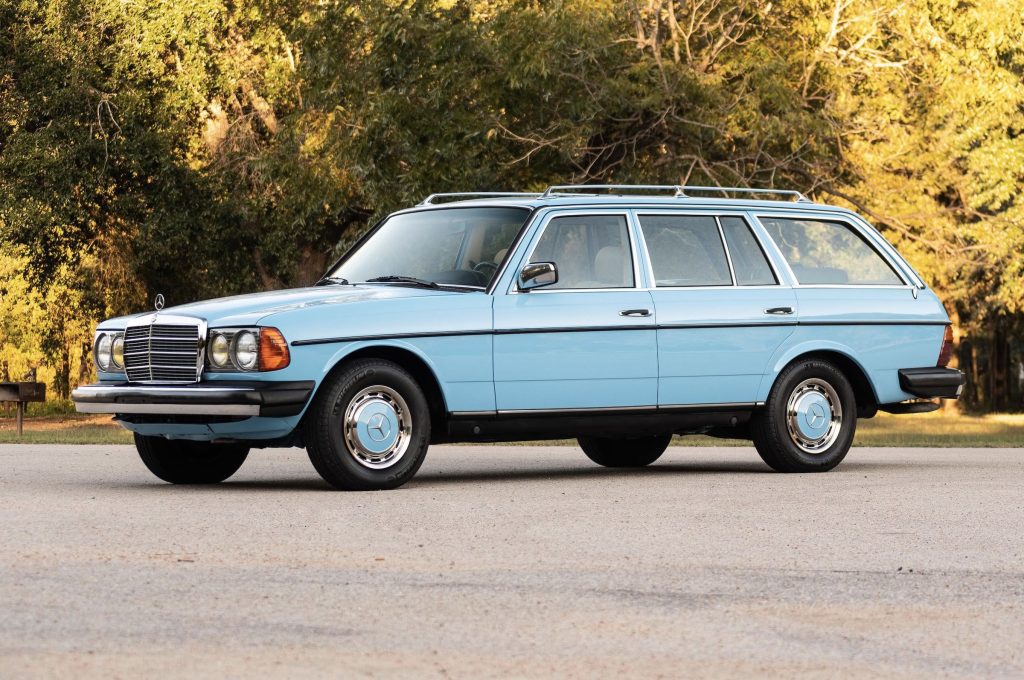
Six month oil changes work as a preventive cycle. Instead of waiting for moisture damage to appear, the problem is removed before it has time to develop. This strategy is especially useful for classics that are driven occasionally or stored for part of the year.
In the long term, controlling moisture exposure helps preserve engine internals in their original condition. Rust inside an engine is difficult and expensive to correct. Preventing it through routine oil changes is far easier than repairing it later.
Regular oil service is not just about lubrication. It is also about removing hidden contaminants that quietly threaten engine longevity.
3. Old Oil Loses Its Ability to Protect Against Engine Wear
Engine oil does much more than simply reduce friction. It also acts as a protective cushion between moving components. As oil ages, this protective ability slowly weakens, which increases the risk of metal to metal contact.
Inside a classic engine, parts such as camshafts, lifters, crank journals, and piston rings depend on a consistent oil layer. Fresh oil maintains this protective film under pressure. Old oil becomes thinner in some areas and thicker in others, reducing its ability to maintain consistent coverage.
Another issue is shear breakdown. Over time, oil molecules are physically stressed by moving parts. This mechanical stress slowly changes the oil’s structure. As this happens, the oil may no longer maintain the viscosity level needed to properly protect components.
Classic engines are especially sensitive to this issue because many operate with higher internal friction compared to modern designs. Without strong lubrication, wear can increase gradually without obvious warning signs. By the time noise or performance loss appears, damage may already be present.
Additive depletion also plays a major role. Anti wear compounds inside oil form protective layers on metal surfaces. These additives do not last forever. After months of exposure to heat and contaminants, their effectiveness drops. Replacing oil restores these critical protective elements.
Consistent oil changes also help maintain stable oil pressure. As oil ages and thickens with contaminants, flow can become less predictable. This may lead to delayed lubrication during startup, which is one of the most critical moments for engine wear.
Cold starts are particularly demanding on classic engines. When the engine starts after sitting, oil must quickly circulate to all critical parts. Fresh oil flows more predictably and reaches components faster than degraded oil. This reduces the amount of dry friction during startup.
Some enthusiasts describe oil changes as giving the engine a reset. Instead of relying on lubrication that has already been stressed by months of chemical and mechanical strain, the engine receives fresh protection designed to handle heat and pressure.
There is also a long term reliability advantage. Engines that receive consistent fresh lubrication often maintain smoother operation over the years. Reduced internal wear helps preserve compression, power delivery, and mechanical quietness.
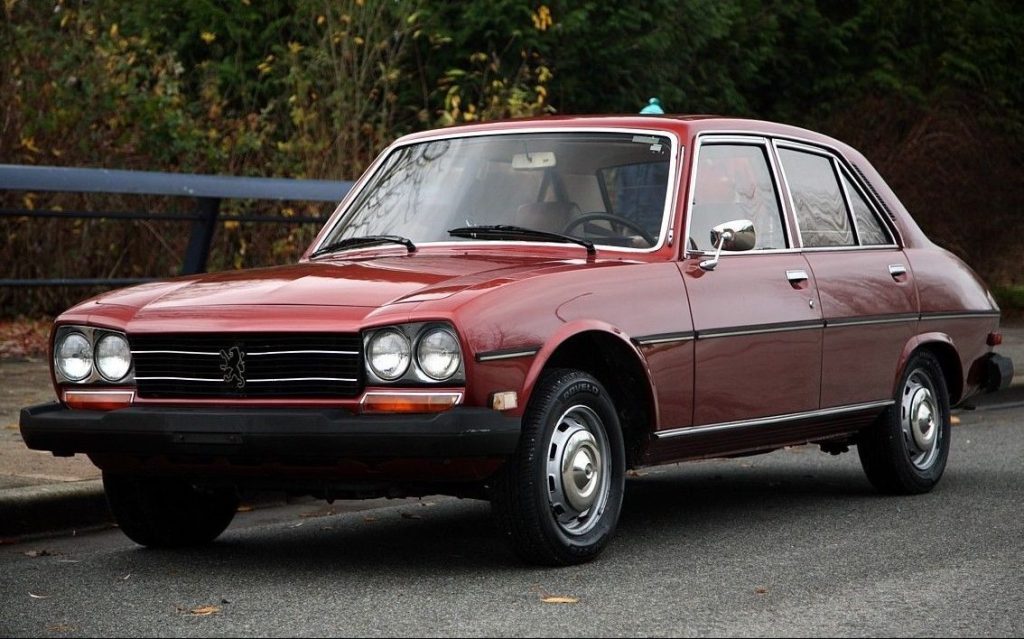
Following a six month oil schedule is a simple habit that significantly reduces cumulative wear. Small reductions in friction over many years can make the difference between an engine that needs rebuilding and one that continues running smoothly.
In classic vehicle ownership, preserving originality often matters as much as performance. Keeping internal parts healthy through proper lubrication helps maintain both.
Regular oil replacement ensures the engine always operates with lubrication that is capable of doing the job it was designed to do.
4. Contaminants Build Up Inside Oil Over Time
Engine oil works like a cleaning agent as much as it works like a lubricant. As the engine runs, tiny particles of carbon, dust, and microscopic metal fragments get carried into the oil. Instead of allowing these particles to settle on engine parts, the oil keeps them suspended so they can be removed during service.
The problem begins when oil stays in the engine too long. Over time, the amount of contamination increases. Eventually, the oil reaches a saturation point where it cannot effectively hold more debris. At that stage, particles may begin settling in narrow oil passages or circulating through sensitive engine areas.
Classic engines are more vulnerable to this because they often have simpler filtration systems. Modern engines benefit from highly efficient filters and tighter sealing. Older engines were built in a time when frequent maintenance was expected, which means they rely more on routine oil replacement to stay clean internally.
Another concern is carbon formation from incomplete combustion. Small amounts of soot enter the oil during normal operation. If left unchanged for long periods, this can thicken the oil and reduce smooth circulation. Thick contaminated oil cannot reach tight engine clearances easily.
Metal particles are another hidden danger. Even in a healthy engine, very small wear particles are produced. Fresh oil carries these to the filter, but if oil stays too long, these particles can continue circulating. Over long periods this can create a polishing effect that slowly increases component wear.
Oil changes remove this mixture of unwanted material. Draining the oil removes suspended particles that filters alone cannot fully eliminate. This keeps the lubrication system working efficiently and prevents gradual internal buildup.
There is also a preventive mindset involved here. Instead of waiting for contamination to cause performance issues, regular oil replacement removes the problem before symptoms appear. This keeps the engine operating consistently instead of reacting to problems later.
Visual inspection during oil draining can also provide clues about engine health. Dark oil, unusual particles, or burnt smells can alert an owner to potential issues early. This makes regular oil changes an opportunity for mechanical awareness rather than just routine service.

Some owners think filters alone are enough. However, filters only capture particles above a certain size. Very fine contamination remains in circulation until the oil itself is replaced.
By maintaining a six month oil change habit, the engine always operates with clean lubrication rather than oil that is slowly turning into a contaminated fluid. This helps preserve internal cleanliness and reduces long term wear.
Clean oil supports a clean engine. Removing contamination regularly is one of the simplest ways to ensure long mechanical life.
5. Fresh Oil Helps Maintain Proper Engine Temperature Control
Many people do not realize that engine oil also plays a role in temperature management. While the cooling system handles most heat control, oil helps carry heat away from internal moving parts. This is especially important in classic engines where thermal efficiency is lower than modern designs.
As oil ages, its ability to absorb and transfer heat gradually decreases. Contaminated oil does not circulate as efficiently and may struggle to carry heat away from critical areas. This can cause localized hot spots inside the engine, even if the main cooling system is working correctly.
Heat is one of the biggest enemies of engine longevity. Excess temperature accelerates wear, weakens gaskets, and reduces the strength of lubrication films. Fresh oil helps stabilize operating conditions by maintaining predictable flow and heat absorption properties.
Viscosity stability is another important factor. Oil that has degraded may become too thick when cold and too thin when hot. This inconsistency can reduce its effectiveness in both lubrication and cooling roles. New oil maintains more stable characteristics across temperature changes.
Classic vehicles often lack modern temperature management features. Many do not have advanced oil coolers or sophisticated engine management systems. Because of this, they depend more heavily on basic maintenance practices such as regular oil replacement.
Another advantage of fresh oil is improved circulation speed. Oil that flows correctly can move heat away from pistons, bearings, and valve train components more efficiently. This contributes to smoother operation during both short drives and extended runs.
Drivers sometimes notice that engines feel smoother after an oil change. One reason is improved thermal stability. When lubrication works properly, friction decreases and heat generation drops slightly. This creates a more relaxed operating environment for mechanical parts.
Hot weather storage can also affect oil quality. Even when not driven, high ambient temperatures can slowly affect oil chemistry. Changing oil every six months ensures the engine always contains fluid that can handle temperature demands.
Preventive oil changes also support gasket longevity. Excess heat combined with degraded oil can cause seals to harden faster. Fresh oil helps maintain stable internal conditions that reduce unnecessary stress on rubber components.

In simple terms, oil is not just about preventing friction. It also acts as a heat management partner inside the engine. Keeping it fresh ensures it can perform both roles effectively.
Regular replacement ensures that the engine always benefits from lubrication that can both protect and help regulate temperature. This contributes to long term durability and consistent mechanical behavior.
6. Regular Oil Changes Help Preserve Engine Seals and Gaskets
Seals and gaskets inside a classic engine play a critical role in keeping oil contained and contaminants out. These components are often made from older rubber compounds that are more sensitive to chemical changes compared to modern materials. Because of this, they benefit greatly from clean and fresh oil.
As oil ages, it becomes more chemically aggressive due to contamination and oxidation. Old oil may slowly harden rubber seals or cause them to shrink. When this happens, small oil leaks can begin to develop. These leaks often start as minor sweating but can grow into noticeable drips if ignored.
Fresh oil helps maintain a more stable chemical environment. Modern engine oils contain conditioning additives that help keep seals flexible. However, these additives weaken over time. Replacing the oil restores these helpful properties and reduces the risk of drying seals.
Another issue comes from sludge and deposits forming around gasket edges. When oil is not changed regularly, sticky deposits can collect near sealing surfaces. This buildup may prevent seals from seating properly, increasing the chance of slow leaks.
Engines that sit for long periods are especially vulnerable. When a classic vehicle is parked for months, old oil settles and leaves residues on seals. This can cause uneven exposure that accelerates aging. Fresh oil reduces this problem by keeping internal surfaces evenly protected.
There is also a cost advantage to this practice. Replacing seals and gaskets can be labor intensive, even if the parts themselves are affordable. Preventing premature wear through routine oil changes is far easier than dismantling engine components later.
Another practical benefit is cleanliness. A leak free engine stays cleaner externally. Oil leaks tend to attract dust and dirt, which can make the engine bay messy and harder to inspect. Regular maintenance reduces the chances of this happening.
Many experienced collectors judge maintenance quality by how dry an engine looks. An engine without excessive oil residue usually indicates consistent care. Oil changes are one of the habits that contribute to this condition.
Routine replacement also helps identify developing leaks early. When oil is changed regularly, it becomes easier to notice fresh seepage. This allows small issues to be corrected before they become major problems.
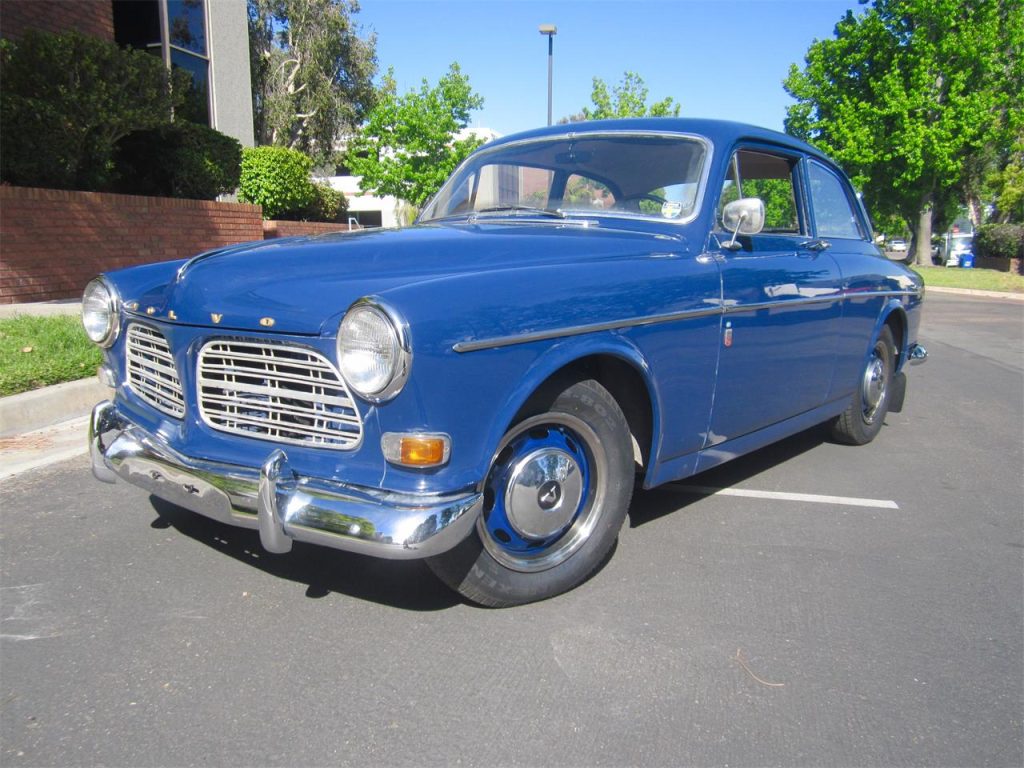
In the long run, protecting seals is about preserving reliability. Small leaks may not seem serious at first, but they can reduce oil levels and create lubrication risks if ignored.
Maintaining a six month oil change schedule helps ensure that the materials responsible for keeping oil where it belongs remain healthy. This supports both mechanical reliability and overall vehicle condition.
7. Frequent Oil Service Helps Detect Problems Before They Become Serious
Regular oil changes do more than just refresh lubrication. They also create a routine inspection opportunity that can reveal early warning signs of mechanical trouble. This makes oil service one of the simplest diagnostic habits a classic owner can develop.
Each time oil is drained, it tells a story about what is happening inside the engine. The color, smell, and texture can reveal important clues. Extremely dark oil, burnt odors, or visible particles may indicate developing issues that deserve attention.
The oil filter is another valuable source of information. During replacement, checking the filter can sometimes reveal trapped metal particles or unusual debris. Catching these signs early can allow preventive repairs before major damage occurs.
Another advantage is monitoring fluid consumption. Changing oil on a fixed schedule makes it easier to track whether the engine is using more oil than before. Increasing consumption may point to worn rings, valve guides, or small leaks that should be addressed.
Routine service also encourages checking related components. Many owners inspect belts, hoses, and wiring while performing oil maintenance. This habit increases overall awareness of the vehicle’s condition and reduces the chances of unexpected failures.
Listening habits also improve. Owners who service their vehicles regularly tend to become familiar with normal engine sounds. This makes it easier to detect new noises such as ticking or knocking. Early detection often makes repairs simpler and less expensive.
There is also a reliability benefit. Classic cars that receive consistent attention tend to be more dependable. Small adjustments and observations made during oil service can prevent situations where a minor issue grows unnoticed.
Another important point is confidence. Owners who follow a regular maintenance routine usually feel more comfortable taking their vehicles on longer drives. Knowing that the engine has fresh oil and has been recently inspected reduces uncertainty.
Some problems only become obvious during maintenance. A loose drain plug, worn mounting, or small crack might go unnoticed during normal use. Oil changes create a structured opportunity to notice these details.
In a way, this practice builds a relationship between owner and machine. Instead of only driving the vehicle, the owner actively participates in preserving it. This awareness often leads to better long term care decisions.
Six month oil changes are not just about fluid replacement. They are checkpoints that help ensure the engine remains healthy. Early detection of problems is one of the most valuable advantages of maintaining this schedule.
8. Consistent Oil Changes Protect Long Term Value and Reliability
A classic vehicle is not just transportation. It is often a long term investment, a collectible, or a personal project that represents time and dedication. Because of this, maintenance habits directly affect not only how the engine runs but also how the vehicle is valued in the future.
One of the strongest indicators of proper ownership is maintenance consistency. A vehicle that receives regular oil changes shows a pattern of responsible care. Even if there are no visible problems, documented preventive maintenance makes a strong impression on future buyers or collectors.
Engine condition plays a major role in determining value. A well preserved original engine is usually worth far more than one that has required major rebuilding. Frequent oil changes help preserve internal surfaces, which increases the chances of keeping the engine in original condition for longer.
Reliability is another important factor. Classic vehicles that receive regular lubrication service tend to start more easily, run more smoothly, and experience fewer unexpected problems. This makes ownership more enjoyable and reduces the stress of worrying about mechanical failures.
There is also a financial advantage to preventive care. Oil and filters are relatively inexpensive compared to engine repairs. Spending a small amount regularly can prevent the need for large repair costs later. This approach is often described as protecting the engine through discipline rather than reacting to failure.
Another benefit involves driving confidence. Owners who know their oil is always fresh are more likely to use their vehicles regularly. Cars that are driven and maintained properly usually remain healthier than those that sit unused with aging fluids.
Collectors also pay attention to how vehicles are maintained rather than just how they look. A polished exterior may attract attention, but a properly maintained engine earns respect. Regular oil service is one of the simplest ways to demonstrate that mechanical care has not been ignored.
Consistency also prevents neglect cycles. When maintenance is delayed once, it often gets delayed again. A fixed six month schedule removes guesswork and keeps the vehicle on a predictable care routine.
There is also satisfaction in knowing that the machine is being preserved correctly. Classic ownership is often about respect for engineering history. Taking simple steps like timely oil changes reflects that respect in a practical way.
Ultimately, oil changes done on schedule help ensure the vehicle remains dependable, enjoyable, and financially secure as an asset. Small actions repeated consistently often produce the biggest long term results.
Following a six month oil replacement routine is one of the easiest ways to ensure a classic vehicle continues to deliver both driving pleasure and lasting value for many years.
Also Read: 10 Iconic 1990s Supercars That Are Now Legal to Import Everywhere
