
When winter arrives, many drivers automatically assume that all wheel drive is the safest option for snow covered roads. Marketing has reinforced this belief for years by promoting AWD as the ultimate winter solution.
While AWD certainly has advantages in deep snow, it is not always the superior choice in lighter winter conditions. In fact, front wheel drive vehicles often perform better than expected when roads have only a thin layer of snow or slush.
Front wheel drive systems place the engine weight directly over the driven wheels. This natural weight distribution gives the tires more grip compared to rear wheel drive layouts.
In light snow conditions, traction matters more than power distribution. Because of this, a well balanced front wheel drive vehicle with proper winter tires can feel very stable and predictable.
Another factor often overlooked is simplicity. AWD systems add extra components such as transfer cases, differentials, and driveshafts.
While these parts improve traction in certain conditions, they also add weight and mechanical complexity. In light snow where maximum traction is not constantly required, this extra complexity may not provide meaningful benefits.
Driver confidence is also important. Front wheel drive vehicles tend to behave in a more predictable manner when traction begins to decrease.
Instead of sudden rear wheel slip, the vehicle typically pushes forward in a controlled way. This predictable behavior can be easier for average drivers to manage during everyday winter commuting.
Cost is another important factor. Front wheel drive vehicles typically cost less to purchase, maintain, and fuel. For drivers who only encounter occasional snow rather than severe winter conditions, AWD may represent unnecessary expense without proportional benefit.
This article explains eight practical reasons why front wheel drive can often be the smarter choice in light snow conditions. Rather than focusing on extreme winter scenarios, these points focus on the everyday reality most drivers experience.
Understanding these advantages helps drivers make better decisions based on real conditions instead of assumptions.
1. Better Weight Distribution Over the Drive Wheels Improves Grip
One of the biggest advantages of front wheel drive in light snow comes from basic physics. In most front wheel drive vehicles, the heaviest components such as the engine and transmission sit directly above the front tires.
This naturally increases the downward force on the wheels responsible for moving the car forward.
Traction depends heavily on how much force presses the tire into the road surface. More weight generally means more grip, especially when the road surface is slightly slippery rather than deeply covered.
In light snow conditions, this extra pressure helps the tires maintain better contact compared to systems where power is distributed across multiple axles.
This advantage becomes especially noticeable during normal driving situations such as starting from a stop sign or traffic light.
A front wheel drive vehicle can often pull itself forward smoothly without needing complex power redistribution. In comparison, AWD systems may shift torque between axles even when it is not necessary.
The concept is simple. When the wheels responsible for pulling the vehicle also carry the majority of the vehicle weight, they can generate usable traction more easily. In light snow where only moderate grip is needed, this natural design advantage can outperform heavier AWD systems.
Another benefit appears when climbing gentle inclines. Since the weight remains over the front wheels, the tires can maintain forward pulling force without requiring rear assistance. Drivers often notice smoother hill starts in front wheel drive vehicles under mild winter conditions.
Steering control also benefits from this design. Because the front wheels both steer and drive the vehicle, traction feedback is more direct. This helps drivers sense grip levels sooner and react appropriately. In slippery conditions, this feedback can help prevent overcorrection.
This design also reduces unnecessary power loss. AWD systems sometimes distribute power even when only one axle needs it. Front wheel drive sends power exactly where it is needed under light snow conditions, improving efficiency.
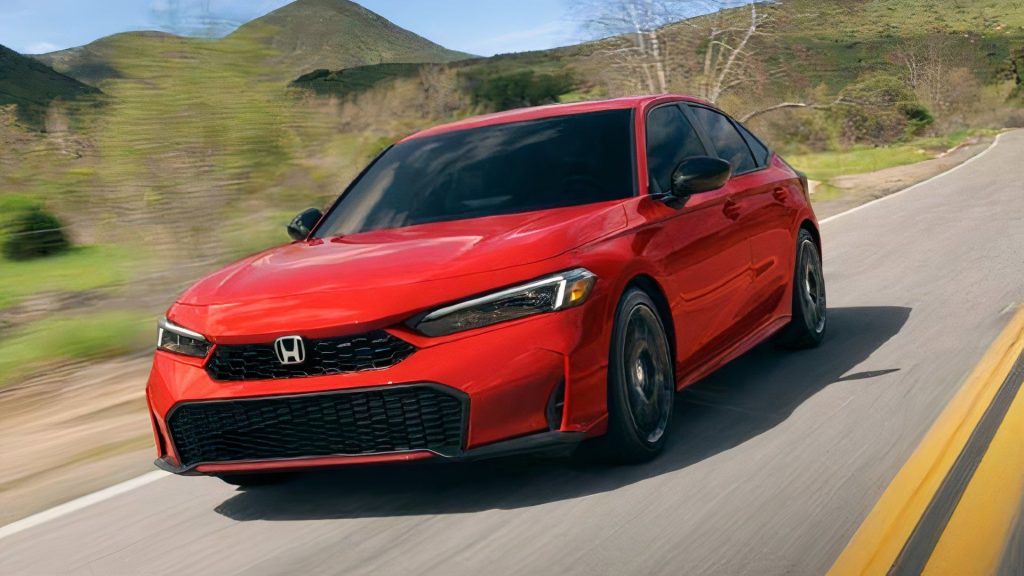
In everyday commuting situations, especially in urban or suburban winter driving, these small advantages combine into noticeable stability. Drivers may not consciously notice the physics involved, but they often notice that the vehicle feels secure and predictable.
For light snow rather than deep winter storms, this natural traction advantage explains why front wheel drive often performs better than expected.
2. Simpler Drivetrain Means Less Weight and More Predictable Handling
Mechanical simplicity often leads to practical advantages. Front wheel drive vehicles typically have fewer drivetrain components than AWD vehicles. Removing extra differentials, driveshafts, and transfer systems reduces overall vehicle weight, which directly affects how the vehicle behaves on slippery roads.
Weight influences momentum. Heavier vehicles require more effort to slow down and change direction. In light snow conditions where surfaces are only partially slippery, lower weight can actually help maintain control. A lighter drivetrain allows the tires to manage traction more effectively during braking and turning.
Handling predictability is another advantage of simpler drivetrains. AWD systems can sometimes introduce subtle changes in vehicle behavior as power shifts between axles. While this is beneficial in deep snow, in light snow it can create responses that feel less consistent to everyday drivers.
Front wheel drive vehicles tend to react in a more straightforward way. When traction begins to decrease, the vehicle usually shows mild understeer. This means the vehicle wants to continue straight rather than suddenly rotating. For most drivers, this is easier to correct by gently reducing speed.
Maintenance simplicity also contributes to long term reliability in winter conditions. Fewer moving parts mean fewer components exposed to cold temperatures, moisture, and road salt. This reduces the chance of winter related mechanical complications.
Fuel efficiency also improves due to reduced drivetrain drag. Even when AWD systems operate in partial engagement mode, extra components still create resistance. Front wheel drive avoids this penalty, which can matter during long winter commutes.

Another subtle advantage is tire wear consistency. AWD systems require careful tire matching to avoid drivetrain strain. Front wheel drive vehicles are generally less sensitive to minor tire wear differences, making winter tire management simpler.
Driver learning curve also plays a role. Many drivers have years of experience with front wheel drive behavior. Familiar responses build confidence. Confidence often translates into smoother driving inputs, which improves safety on slippery surfaces.
In conditions where roads are only lightly covered and regularly plowed, predictability often matters more than maximum traction capability. The straightforward behavior of front wheel drive can therefore be a real advantage.
3. Front Wheel Drive Provides Better Control During Everyday Winter Braking Situations
Many people focus only on acceleration when discussing winter traction, but braking control is far more important in real driving situations. Most winter incidents happen while slowing down rather than speeding up. In light snow conditions, front wheel drive vehicles often provide a more balanced and confidence inspiring braking experience.
This advantage comes from how weight transfers during deceleration. When a vehicle slows down, weight naturally shifts toward the front. Since front wheel drive vehicles already concentrate major mechanical weight in this area, the front tires gain even more grip during braking. This creates stable deceleration behavior that drivers can easily manage.
In practical driving situations such as approaching intersections or slowing in traffic, this predictable behavior becomes valuable. Instead of feeling unstable, the vehicle tends to settle smoothly as weight moves forward. This makes gradual braking easier to control on lightly snow covered roads.
Another overlooked factor is driver reaction time. Vehicles that behave predictably allow drivers to make smaller corrections. Front wheel drive layouts typically avoid the sudden balance changes that sometimes occur when AWD systems disengage or redistribute power in changing traction conditions.
Urban winter driving especially benefits from this behavior. Stop and go traffic requires repeated braking inputs. Vehicles that remain stable during these transitions reduce driver fatigue. A car that behaves consistently throughout repeated stops makes winter commuting less stressful.
There is also a psychological factor. When a vehicle responds smoothly to braking inputs, drivers tend to avoid panic reactions. Sudden braking often leads to loss of control regardless of drivetrain type. A predictable front end response encourages smoother pedal use.
Road maintenance patterns also support this advantage. Light snow conditions often mean partially cleared roads with thin snow layers between tire tracks. Front wheel drive vehicles tend to track straight through these mixed surfaces because their primary weight sits over the steering axle.

Electronic safety systems such as ABS and stability control also work very effectively with front wheel drive layouts. Since the front tires already carry most braking responsibility, these systems can regulate slip more efficiently when traction begins to decrease.
Another real world benefit appears when descending mild slopes. Vehicles that maintain front end grip while slowing allow the driver to keep steering authority. Losing steering control during braking is often what causes minor winter incidents.
All these factors show that winter safety is not only about how a vehicle moves forward but how it slows down. In light snow, the natural balance of front wheel drive often provides a calm and manageable braking experience that suits everyday driving conditions.
4. Lower Cost and Better Efficiency Make It More Practical for Mild Winter Regions
Not every winter environment requires maximum traction capability. Many regions experience occasional light snow rather than constant heavy accumulation. In these situations, front wheel drive often makes more financial and practical sense than paying extra for all wheel drive capability that may rarely be fully used.
Initial purchase price is the most obvious difference. AWD systems increase manufacturing complexity, which raises vehicle cost. For drivers who only encounter a few weeks of light snow each year, this added expense may not provide proportional value.
Ownership costs continue beyond the purchase. AWD vehicles often require additional maintenance due to extra drivetrain components. Fluids, seals, and mechanical connections all add service considerations. Front wheel drive vehicles generally avoid these additional requirements.
Fuel consumption differences also matter over time. AWD systems add rotating mass and mechanical resistance. Even highly efficient AWD designs usually consume slightly more fuel than comparable front wheel drive versions. Over years of driving, this difference becomes noticeable.
Insurance costs can also be affected. Higher vehicle value and repair complexity sometimes increase coverage costs. While this varies by region, simpler vehicles often remain less expensive to insure.
Winter tire investment also provides an important perspective. A front wheel drive vehicle equipped with quality winter tires often performs better in light snow than an AWD vehicle using standard all season tires. This shifts the conversation from drivetrain type to total traction strategy.
Weight reduction also improves everyday efficiency outside winter. Vehicles spend most of their time on dry roads. Carrying extra AWD hardware year round for occasional snow use may not be the most rational tradeoff for many drivers.
Another factor rarely discussed is long term mechanical aging. More moving parts usually mean more potential wear points. Simpler drivetrains often age with fewer complications, especially in climates where road salt is used.
Practicality should always match actual conditions. If a driver regularly faces deep snow, AWD makes sense. But if winter usually means light snow that melts quickly or roads that are frequently cleared, front wheel drive often represents the more logical balance.

There is also the question of driving habits. Careful driving, proper tires, and situational awareness often contribute more to safety than drivetrain complexity. Many experienced winter drivers prioritize preparation rather than equipment alone.
When evaluating real world needs instead of assumptions, front wheel drive often proves to be the smarter choice in mild winter climates. It delivers enough capability without the financial and mechanical compromises that may not be necessary.
5. Front Wheel Drive Reduces the Risk of Overconfidence in Slippery Conditions
One of the least discussed but very real safety advantages of front wheel drive vehicles in light snow comes from driver psychology rather than mechanical design. Vehicles that offer extreme traction capabilities can sometimes create a false sense of security. This confidence can lead drivers to travel faster than conditions safely allow.
Front wheel drive vehicles naturally encourage more cautious driving behavior. Since drivers know the system is designed for efficiency rather than maximum traction, they tend to drive with more awareness. This often results in smoother acceleration, earlier braking, and more careful cornering.
Overconfidence is a hidden danger in winter driving. All wheel drive improves acceleration traction, but it does not improve braking performance. Many drivers forget this important limitation. A vehicle that accelerates confidently can still struggle to stop on slippery surfaces. Front wheel drive vehicles rarely create this misunderstanding because their limits feel more transparent.
This transparency improves decision making. When drivers can clearly sense traction limits, they usually adapt quickly. Vehicles that communicate road conditions honestly through steering feel and tire feedback often promote safer habits.
Another interesting factor is speed discipline. Drivers of front wheel drive vehicles often maintain moderate speeds during light snow because the vehicle does not feel overly aggressive. This behavior alone reduces accident risk more than any mechanical system.
Steering behavior also supports safer correction habits. When traction is reduced, front wheel drive vehicles typically push forward rather than rotating suddenly. This understeer tendency is easier for most drivers to control. Simply easing off the accelerator often restores balance.
Learning vehicle limits is also easier with front wheel drive. The gradual way traction decreases allows drivers to build experience with winter conditions. This experience becomes more valuable than relying purely on drivetrain assistance.

Emergency reactions also benefit from this behavior pattern. Drivers who remain mentally engaged with traction conditions are less likely to panic. Vehicles that require active awareness tend to keep drivers mentally involved in the driving process.
Road conditions in light snow often change quickly between dry pavement, slush, and thin snow layers. Vehicles that encourage cautious inputs handle these transitions more safely than vehicles that make conditions feel easier than they really are.
Confidence should come from understanding conditions, not assuming capability. Front wheel drive often promotes this mindset naturally. While it may not sound like a mechanical advantage, behavior influenced by vehicle feedback plays a major role in real world safety.
Sometimes the safest vehicle is not the one with the most traction but the one that encourages the most responsible driving behavior.
6. Easier Recovery From Minor Traction Loss During Daily Driving
Light snow rarely creates constant loss of traction. Instead, it produces brief moments where grip decreases temporarily. These situations happen when crossing shaded areas, thin ice patches, or slushy intersections. How easily a vehicle recovers from these minor slips matters more than maximum traction capability.
Front wheel drive vehicles often recover from these small traction losses in a very natural way. Because the front wheels both steer and pull the vehicle forward, restoring throttle smoothly often helps the tires regain grip. This pulling action stabilizes the vehicle quickly.
This recovery behavior is particularly noticeable during low speed turning. If traction decreases slightly while turning in light snow, the vehicle usually responds by gently pushing forward. Most drivers instinctively know how to correct this by reducing steering angle or easing acceleration.
In contrast, systems that distribute power between axles sometimes change vehicle balance during traction transitions. While these systems are highly capable, their responses can sometimes feel less predictable to drivers unfamiliar with their behavior.
Traffic situations also highlight this advantage. During lane changes on partially cleared roads, front wheel drive vehicles often maintain directional stability because the pulling wheels are also responsible for steering direction.
Another everyday example involves starting from parking areas where snow has been partially compacted. Front wheel drive vehicles tend to pull themselves onto clearer pavement with steady throttle input rather than relying on multiple axle engagement.
Driver correction techniques are also simpler. When minor slip occurs, most instructors recommend reducing throttle smoothly. This advice works naturally with front wheel drive because power reduction directly reduces front tire load demand.
Mechanical efficiency also helps here. Since all engine power goes directly to the front axle, small throttle adjustments create immediate traction changes. This direct response helps drivers make precise corrections.
Weather patterns also support this advantage. Many winter days involve light morning snow followed by clearing. During these mixed conditions, vehicles that transition smoothly between grip levels provide a more relaxed driving experience.

Another subtle advantage appears in driver learning. Vehicles that recover gently from mistakes help drivers build winter driving confidence. Confidence built through understanding often leads to better long term driving skill.
The important idea is not avoiding traction loss completely because that is unrealistic in winter. The real advantage is how easily a vehicle returns to stability after small grip interruptions. Front wheel drive vehicles often excel in this everyday aspect of winter driving.
7. Front Wheel Drive Works Extremely Well With Modern Traction Control Systems
Modern vehicle safety technology has changed how winter performance should be evaluated. Years ago, drivetrain layout played a much bigger role because electronic assistance was limited. Today, traction control, stability control, and brake based torque management have significantly improved how front wheel drive vehicles behave in slippery conditions.
These electronic systems constantly monitor wheel speed and grip levels. When slip is detected, the system can reduce engine power or apply braking force to maintain stability. In light snow, where traction loss is usually minor rather than extreme, these systems often provide all the assistance needed.
Front wheel drive vehicles benefit particularly well from this technology because the system only needs to manage one primary drive axle. This simplifies how the electronics respond. Instead of distributing torque between front and rear, the system focuses on maximizing the grip available at the front tires.
Another important detail is response speed. With fewer drivetrain components involved, electronic corrections can feel immediate. Quick responses help maintain smooth forward motion rather than allowing slip to develop into instability.
Cornering stability also improves with these systems. When sensors detect slight understeer, braking adjustments can help the vehicle maintain its intended direction. This works especially well in front wheel drive layouts because the correction is applied exactly where steering input occurs.
Daily commuting situations highlight this advantage. When roads have light snow patches between dry sections, traction control can constantly adjust without the driver even noticing. This quiet assistance often makes drivetrain differences less noticeable in real conditions.
Another benefit appears during mixed weather days. When temperatures fluctuate around freezing, road grip may change several times during one trip. Electronic systems help front wheel drive vehicles adapt automatically without requiring driver intervention.
Maintenance simplicity also supports reliability of these systems. With fewer mechanical power distribution components compared to AWD, there are fewer variables affecting electronic performance. This can improve long term consistency.
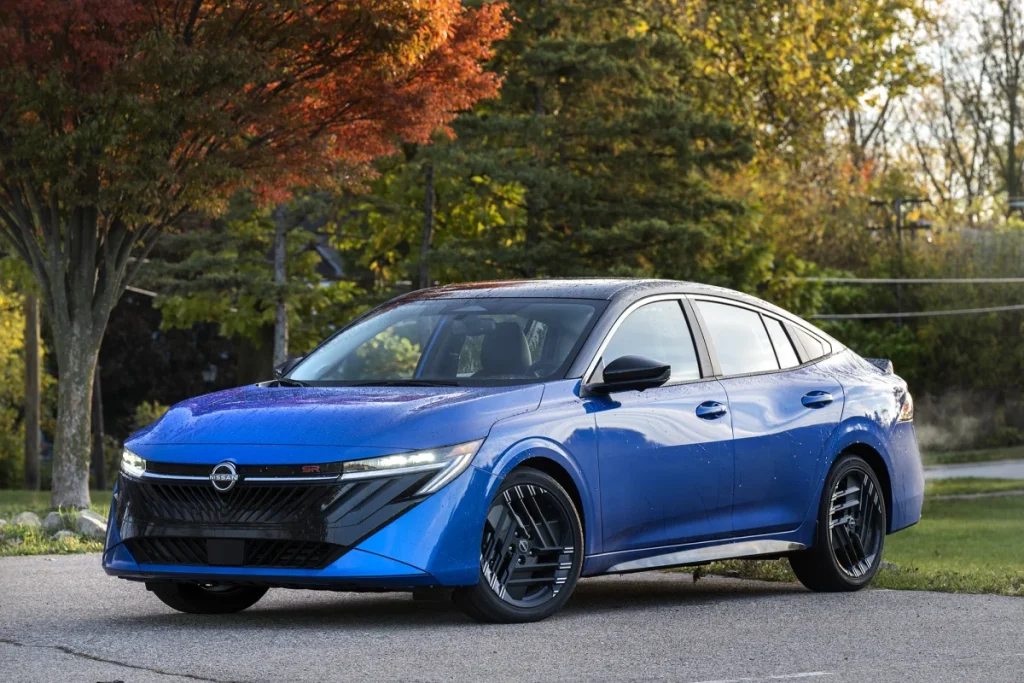
Driver skill requirements also decrease. While experience always helps, modern traction systems allow average drivers to benefit from intelligent grip management. This makes front wheel drive vehicles more forgiving in everyday winter situations.
It is also important to understand that technology continues improving every year. Modern front wheel drive vehicles perform very differently from older designs. Many drivers who formed opinions based on older vehicles may be surprised by how capable newer systems feel.
The combination of natural front axle weight and advanced traction software creates a balanced winter driving package. In light snow conditions, this combination often provides all the capability most drivers realistically need.
8. Front Wheel Drive Often Performs Better on Roads That Are Regularly Plowed
Not all winter roads remain fully snow covered. In many regions, snow removal happens quickly. This creates a driving surface that is not deep snow but a mix of cleared pavement, thin snow film, and slush. These conditions are actually where front wheel drive often shows its strongest advantages.
Roads maintained by regular plowing rarely require maximum traction. Instead, they require stability across changing surface textures. Front wheel drive vehicles handle these transitions smoothly because the front tires maintain both steering and pulling responsibilities.
Driving on partially cleared roads involves constant traction variation. One moment the tires are on wet asphalt, the next on thin snow. Vehicles that react smoothly to these changes provide better driver confidence. Front wheel drive vehicles tend to transition between these surfaces without dramatic behavior changes.
Lane tracking also becomes important. Plowed roads usually have clearer tire paths. Front wheel drive vehicles tend to follow these paths naturally because the driven wheels are also guiding direction. This helps maintain straight line stability.
Fuel efficiency also becomes relevant in these conditions. When roads are mostly clear, the additional traction potential of AWD may not be used. Carrying the extra drivetrain weight in these situations offers little practical benefit compared to the efficiency of front wheel drive.
Turning performance also benefits in light surface snow. Since the front tires maintain strong contact pressure, steering response remains consistent. Drivers often notice that turning into cleared intersections feels controlled rather than heavy.
Another advantage appears during temperature changes. Afternoon melting followed by evening freezing often leaves only thin snow layers. These are exactly the conditions where predictable handling matters more than maximum traction capability.
Urban environments especially support this benefit. Cities prioritize snow removal on major routes. Drivers who mostly travel on maintained roads often gain little real advantage from AWD compared to the everyday balance of front wheel drive.
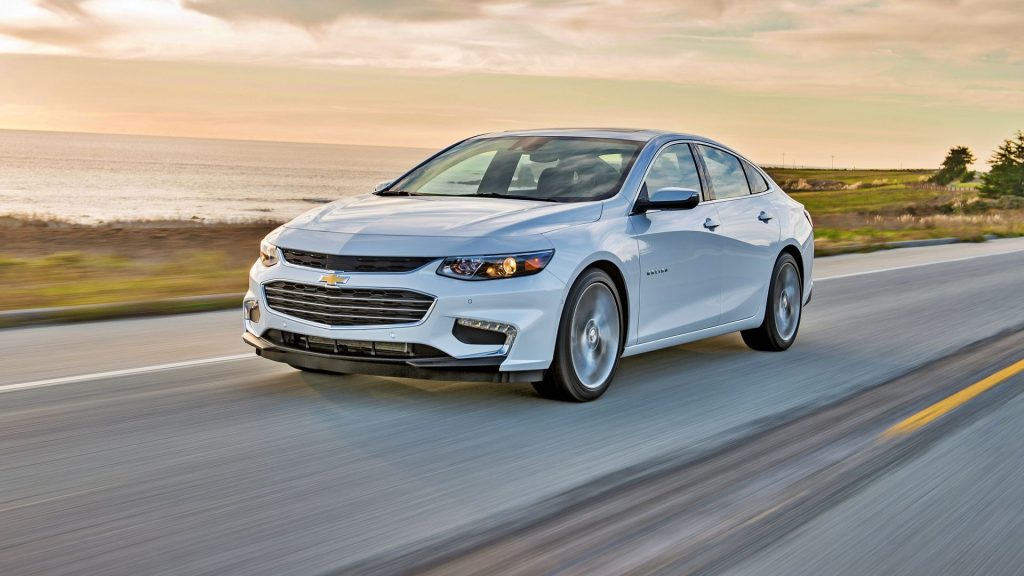
Long term ownership logic also supports this reasoning. Choosing a drivetrain that matches actual conditions rather than worst case scenarios often leads to better satisfaction. Many drivers discover that most winter days involve manageable conditions rather than extreme storms.
It is also worth noting that proper tires still matter more than drivetrain choice. A front wheel drive vehicle equipped with quality winter tires will usually outperform a poorly equipped AWD vehicle in light snow conditions.
When winter driving is mostly done on treated and maintained roads, front wheel drive often delivers the best balance of control, efficiency, and practicality. This is why many experienced winter drivers continue to rely on it even when AWD options exist.
Also Read: 10 Cars That Lose 50 Percent of Their Value the Moment You Drive Away