
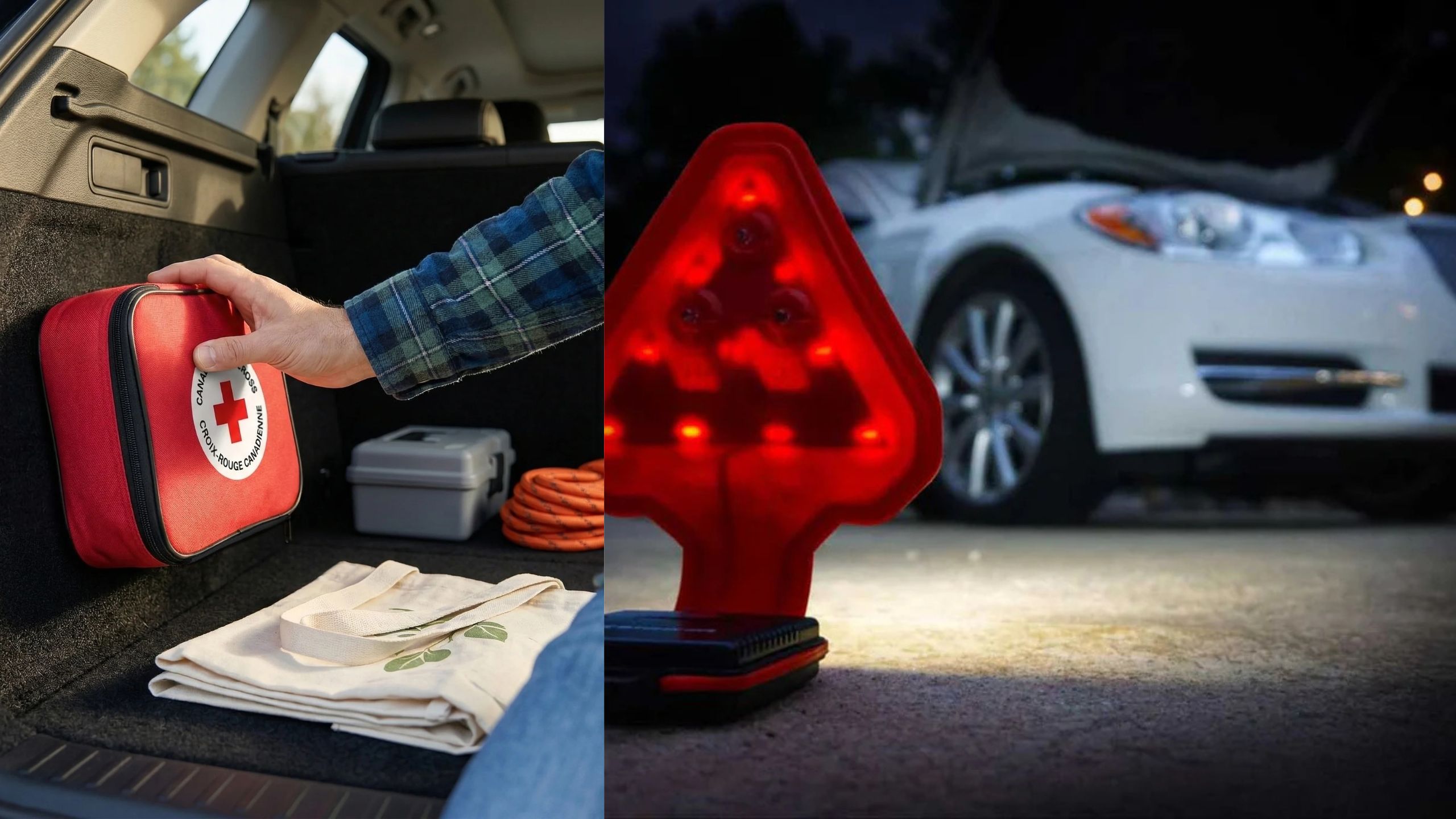
Every driver faces unexpected situations on the road. Being prepared can mean the difference between a minor inconvenience and a life-threatening crisis.
A car emergency kit is not just a luxury it is a necessity. Modern roads are unpredictable, and breakdowns can happen to anyone at any time. In 2026, vehicles are more advanced than ever before. But even the smartest cars can face flat tires, dead batteries, or sudden accidents.
Weather conditions are becoming more extreme across the globe. Storms, floods, and heatwaves can strand drivers in dangerous situations without warning. Having the right tools in your car gives you confidence and control. You stop being a victim of circumstances and become someone who is always ready.
Emergency kits have evolved significantly over the years. Today, they include smart gadgets, compact tools, and multi-purpose items that save both space and lives.
This guide covers the 10 best items you must have in your car emergency kit for 2026. Each item has been chosen for its practicality, reliability, and life-saving potential.
Whether you are a daily commuter or a weekend road tripper, this list is for you. Read on and make sure your car is truly ready for anything the road throws at you.
1. Jump Starter Power Bank (Portable Jump Starter)
A dead battery is one of the most common car emergencies drivers face. It can happen in the middle of nowhere, in freezing cold, or in the middle of a busy highway.
In 2026, portable jump starters have become incredibly compact and powerful. They are no longer the bulky devices they once were today’s models fit easily in your glove compartment.
A jump starter power bank serves a dual purpose. It not only jump-starts your car but also charges your phone, tablet, or other USB-powered devices.
This is especially important when you are stranded and need to call for help. A dead phone combined with a dead battery is a nightmare scenario every driver wants to avoid.
Modern jump starters can handle engines up to 8 liters in size. They come with built-in safety features like overcharge protection, short-circuit protection, and reverse polarity alerts.
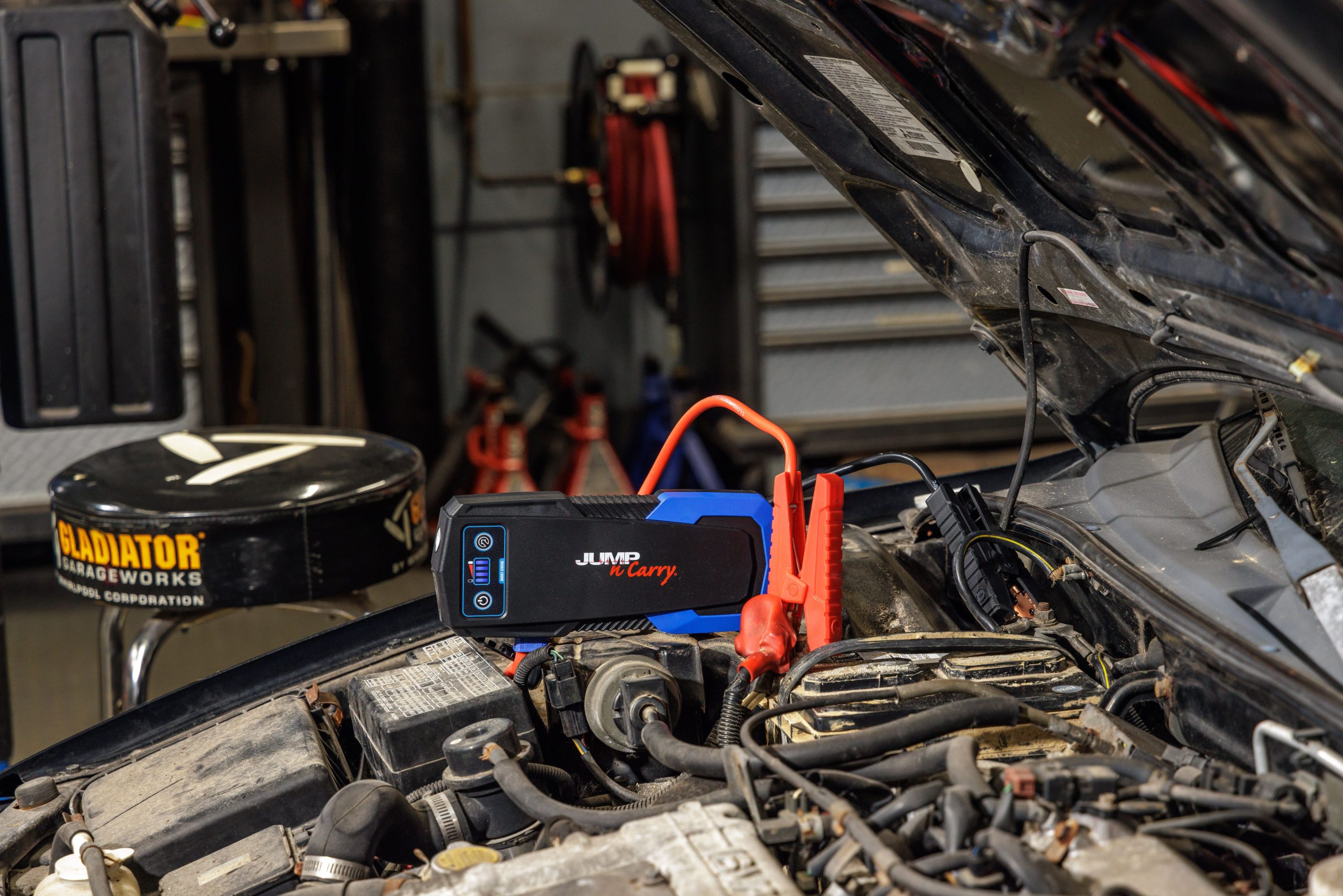
Look for a model with at least 2,000 peak amps for reliable performance. A good lithium-ion jump starter can hold its charge for up to 12 months without needing a recharge.
Many 2026 models now come with built-in LED flashlights. This makes them even more useful during nighttime breakdowns or in dark parking garages.
The device is simple enough that even a first-time driver can use it. Clear color-coded clamps and automatic safety checks make the process nearly foolproof.
Some advanced models now feature Bluetooth connectivity. They allow you to monitor battery health and receive alerts directly on your smartphone.
Weight is another important factor to consider. Most quality portable jump starters weigh less than two pounds, making them easy to carry and store.
Brands like NOCO, Antigravity, and Gooloo have set the benchmark in 2026. They offer excellent warranties and customer support for peace of mind.
Always keep your jump starter fully charged and stored in a cool, dry place. Heat and humidity can degrade lithium-ion batteries faster than you might expect.
Never leave it in an extremely hot car for extended periods. A well-maintained unit will serve you faithfully for years without needing replacement.
Investing in a quality portable jump starter is one of the smartest decisions a driver can make. It is affordable, practical, and could save you hours of waiting for roadside assistance.
2. First Aid Kit (Comprehensive and Compact)
Accidents on the road can result in cuts, bruises, burns, or even more serious injuries. Having a well-stocked first aid kit in your car ensures you can act quickly when it matters most.
A proper first aid kit is not just a box of bandages. It should contain everything needed to stabilize a person until professional medical help arrives.
In 2026, compact first aid kits have been redesigned for maximum efficiency. They pack more supplies into smaller, lighter, and more organized cases than ever before.
Your kit should include adhesive bandages in multiple sizes. These are useful for small cuts, blisters, and abrasions that are common after accidents.
Sterile gauze pads and medical tape are also essential. They help cover larger wounds and stop bleeding until emergency services can take over. Antiseptic wipes and antibiotic ointment are must-haves in any kit. They prevent infections from setting in after a wound has been cleaned and dressed.
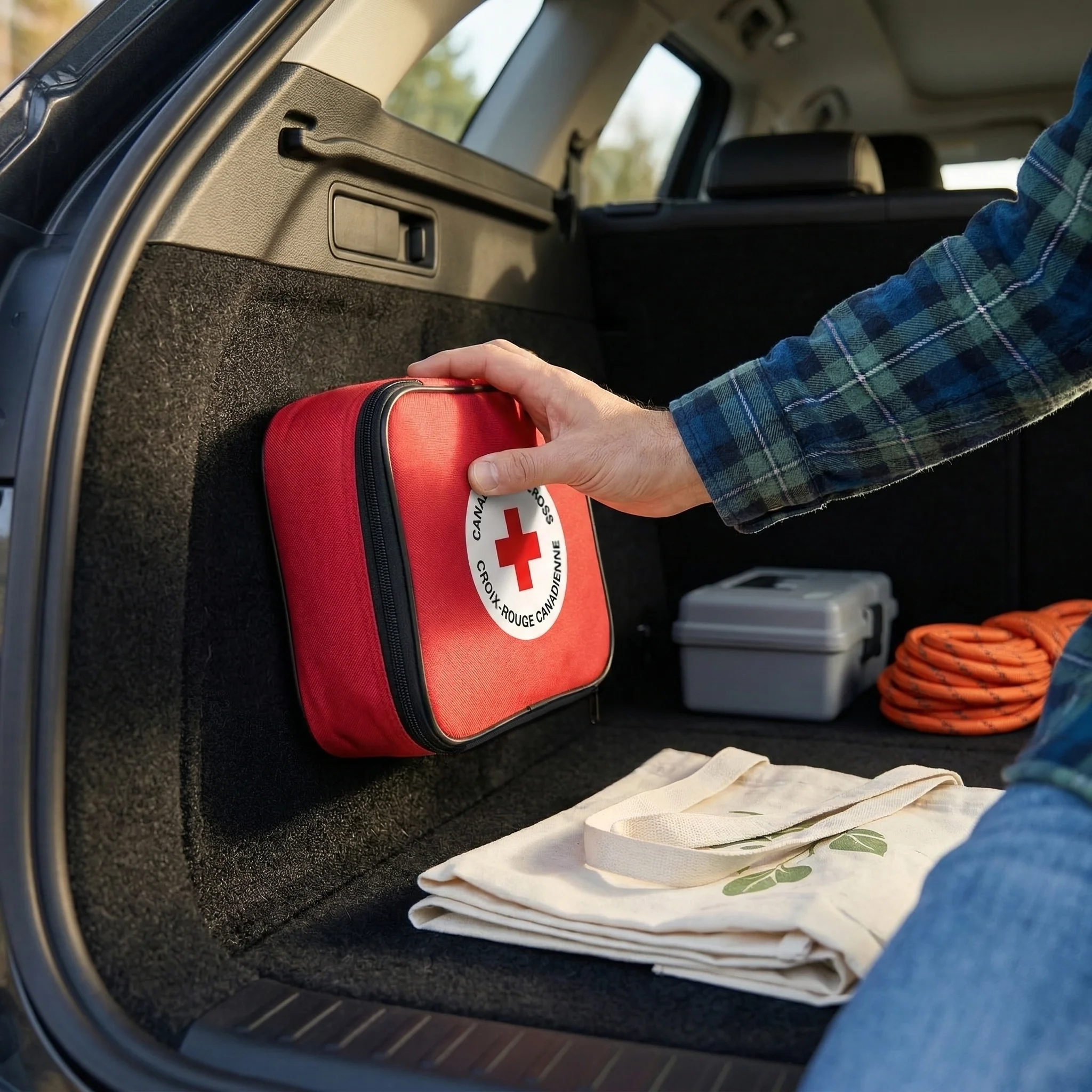
Disposable gloves protect both the helper and the injured person. Always wear gloves before treating any wound to maintain hygiene and avoid cross-contamination.
A CPR face shield or mask is a critical addition to your first aid kit. It allows you to perform mouth-to-mouth resuscitation safely and hygienically.
Tweezers are useful for removing glass, gravel, or debris from wounds. They are small but play an enormously important role in wound care.
Scissors designed for medical use are another key item. They can cut clothing away from injuries and trim bandages to the right size.
An emergency mylar blanket should also be included in your first aid kit. It helps prevent shock and hypothermia in accident victims, especially in cold weather.
Pain relief tablets like ibuprofen or acetaminophen are helpful additions. They can manage pain and reduce inflammation while waiting for medical help.
An instant cold pack provides quick relief for sprains, bruises, or swelling. It requires no refrigeration and activates with a simple squeeze.
Make sure your first aid kit is certified by recognized safety organizations. Look for kits that meet OSHA or ANSI standards for the most comprehensive coverage.
Check and restock your kit at least once every six months. Expired medications and used supplies should be replaced immediately to keep the kit effective.
3. Reflective Warning Triangles or Road Flares
When your car breaks down on the road, visibility becomes your first priority. Other drivers need to see you clearly to avoid making a bad situation even worse.
Reflective warning triangles are an internationally recognized safety tool. They alert approaching traffic from a significant distance, giving drivers time to slow down and move over.
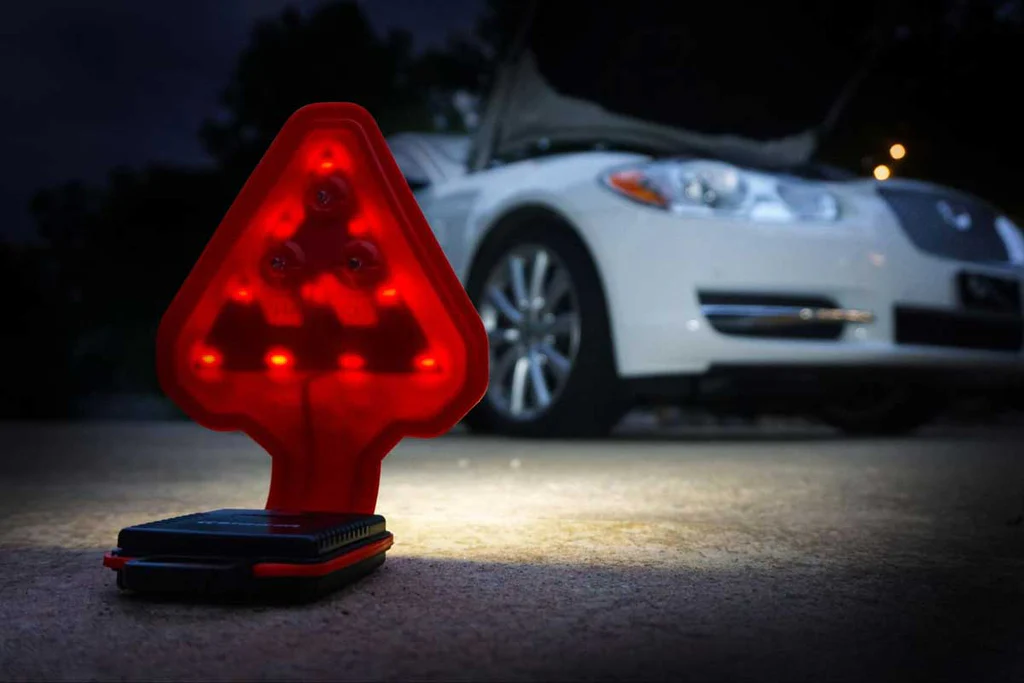
In 2026, LED-based road flares have largely replaced traditional chemical flares. They are safer, reusable, and far more environmentally friendly than their older counterparts.
LED flares can flash for up to 60 hours on a single set of batteries. This makes them reliable for long-duration breakdowns without needing replacement mid-emergency.
Place warning triangles at least 30 meters behind your vehicle on regular roads. On highways, extend this distance to 100 meters or more for maximum safety.
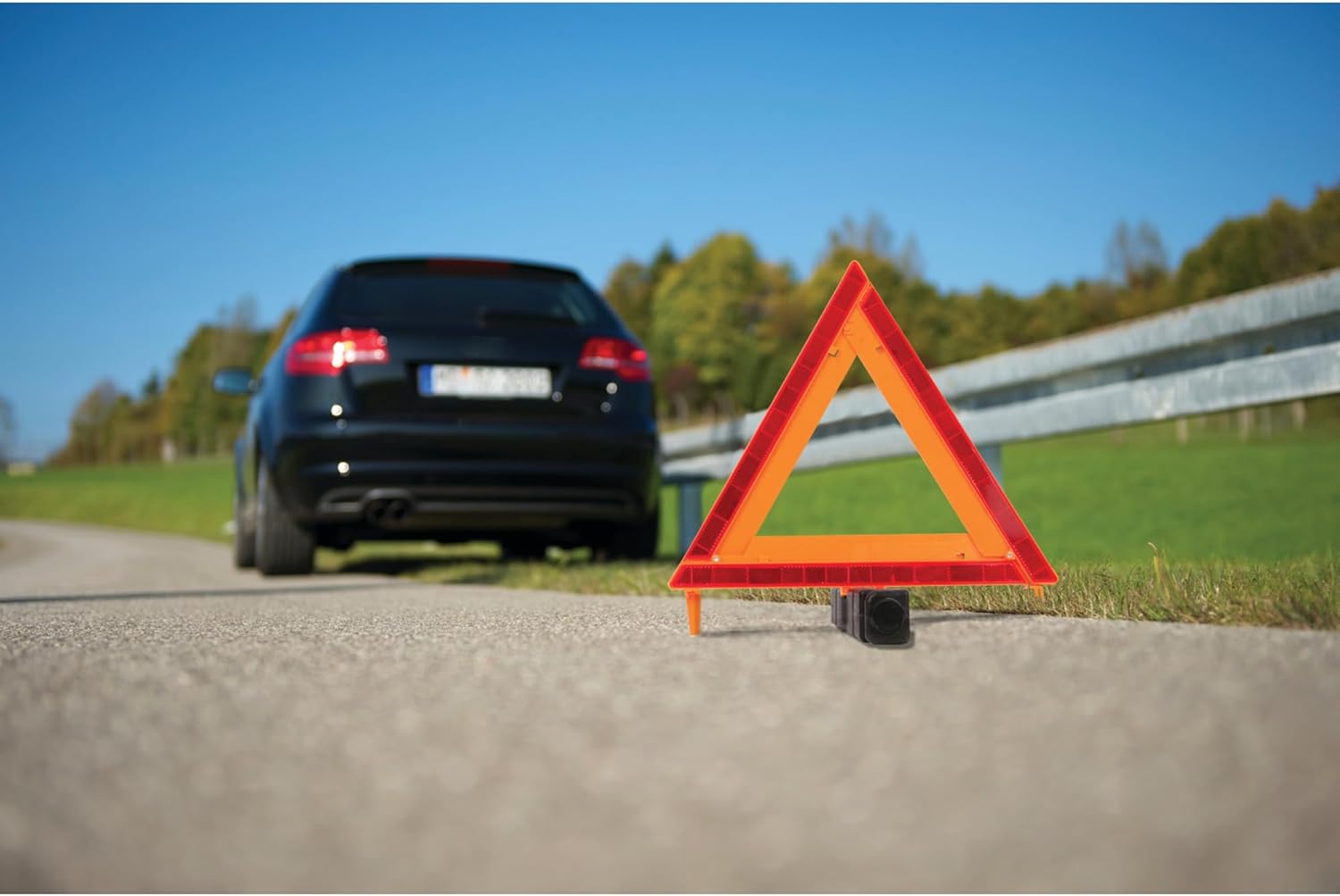
Always place one triangle directly behind your car as well. This gives drivers approaching from all angles a visual warning of the hazard ahead. Reflective triangles are compact and lightweight, fitting easily in a standard kit bag. They fold flat for storage and set up in seconds without any tools.
Many newer models come with magnetic bases. This allows them to be attached directly to the vehicle’s metal body for added stability in windy conditions. LED road flares often come with multiple flash modes. You can switch between steady light, slow flash, and rapid SOS patterns depending on the situation.
Some models are waterproof and rated for extreme weather conditions. Rain, snow, or fog will not reduce their effectiveness on the road.
Make it a habit to place your warning devices before doing anything else. Your own safety must always come first before you attempt any repairs or phone calls.
Bright orange or red colors are the most effective for daytime visibility. Pair them with reflective surfaces to maximize their effectiveness during nighttime emergencies.
Keep at least three warning triangles or LED flares in your emergency kit. This gives you enough coverage for front, rear, and side visibility in most breakdown scenarios.
Test your LED flares every few months to ensure the batteries are still charged. Replace batteries immediately if any unit shows signs of dim or inconsistent output.
Reflective triangles and road flares are inexpensive but incredibly valuable. Never underestimate their power to prevent a secondary accident at your breakdown site.
4. Tire Repair Kit and Portable Air Compressor
A flat tire is one of the most frustrating experiences a driver can face. Having the right tools to handle it can save you hours and significant expense.
Modern tire repair kits in 2026 are more effective and easier to use than before. They are designed to fix most punctures without requiring you to change the tire completely.
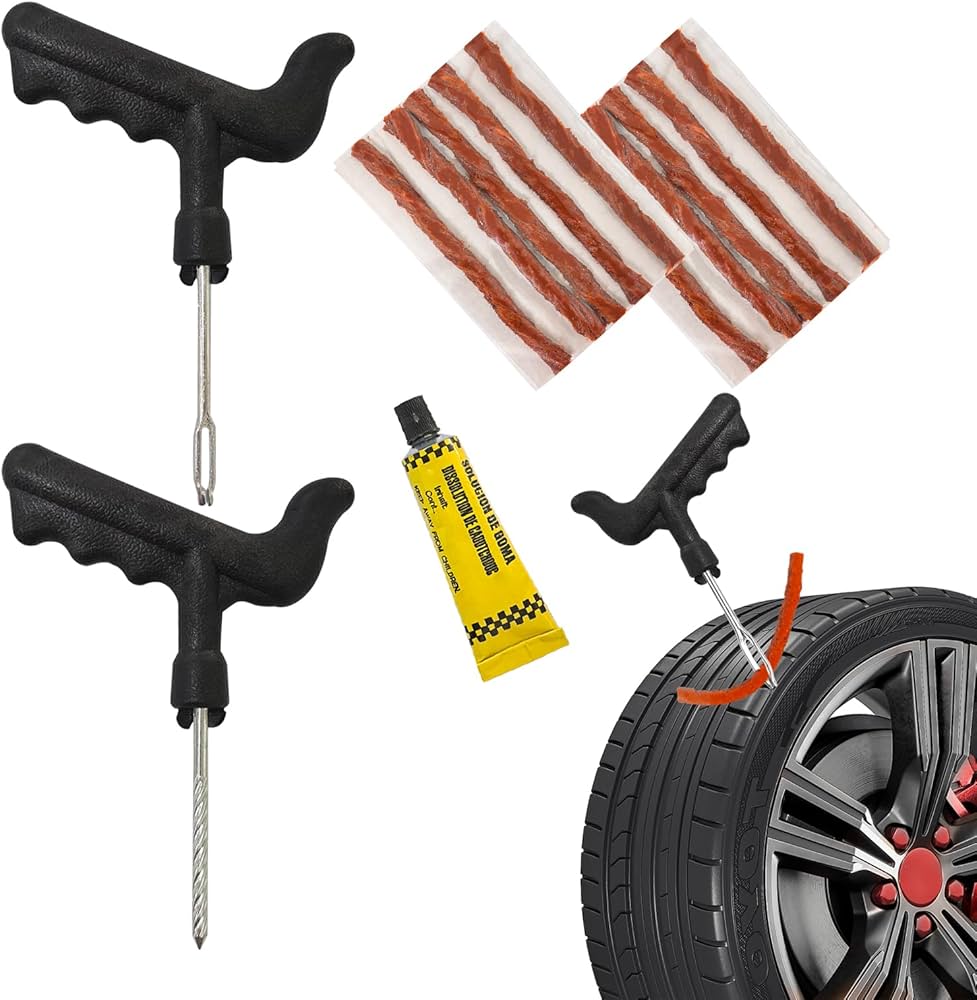
A basic tire repair kit includes a reamer tool, plug insertion tool, and rubber plugs. These components work together to seal punctures caused by nails, screws, or sharp debris.
The process of plugging a tire is straightforward and can be done in minutes. No jacking up the car or removing wheels is necessary for most standard repairs.
Pair your repair kit with a portable air compressor for the best results. After plugging the puncture, you need to re-inflate the tire to the correct pressure.
Modern 12V air compressors plug directly into your car’s power outlet. They are compact, lightweight, and capable of inflating a standard tire in under five minutes.
Look for a compressor with a built-in digital pressure gauge. This allows you to inflate the tire to the exact PSI recommended by your vehicle manufacturer.
Some 2026 models also come with automatic shutoff features. The compressor stops automatically when the desired pressure is reached, preventing over-inflation.
Tire sealant sprays are also a popular addition to emergency kits. They provide a quick temporary fix that can get you to the nearest repair shop safely.
Always remember that plugged tires and sealant fixes are temporary solutions. Get to a tire shop as soon as possible for a permanent and professional repair.
Keep your compressor cord neatly wrapped to avoid tangling during emergencies. A tangled cord in a stressful situation adds unnecessary frustration and delays.
Check your repair kit for dried-out or expired plugs periodically. Replace any components that show signs of wear or degradation before they are needed in an emergency.
Also carry a tire pressure gauge as a standalone tool in your kit. It allows you to quickly check all four tires without needing to start the compressor.
Knowing how to use a tire repair kit is just as important as owning one. Practice the process at home so you are confident and efficient when it matters.
A reliable tire repair kit and compressor together cost far less than a roadside service call. They are among the highest-value additions to any car emergency kit.
Also Read: 10 Used Luxury SUVs With Maintenance Costs That Will Bankrupt You
5. Multi-Tool or Swiss Army Knife
A multi-tool is the ultimate space-saving addition to any car emergency kit. It replaces dozens of individual tools with one compact and versatile device.
In an emergency, you never know exactly what tool you will need. A multi-tool ensures you are prepared for a wide variety of unexpected situations.
A quality multi-tool typically includes pliers, wire cutters, a knife blade, screwdrivers, and a file. Some models also include scissors, a bottle opener, and a saw blade.
Pliers are useful for gripping, bending, and pulling objects in tight spaces. They are essential for mechanical repairs under the hood or around the vehicle.
The knife blade serves countless purposes in emergencies. It can cut seatbelts, open packaging, trim materials, or even be used for basic food preparation.
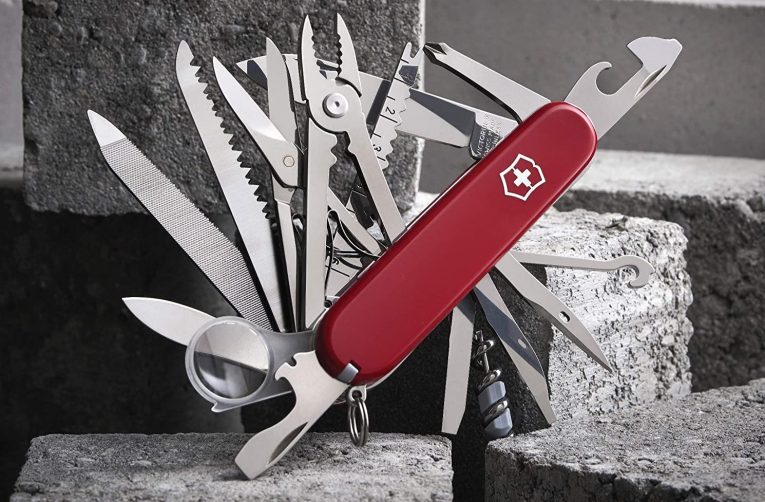
Screwdrivers in both flathead and Phillips configurations are invaluable. Loose panels, battery terminals, and minor mechanical components often require quick tightening on the road.
Wire cutters are especially useful for electrical issues and temporary wiring fixes. They can strip or cut wires when making emergency repairs to lighting or other systems.
Look for a multi-tool made from high-quality stainless steel. It should be corrosion-resistant, especially if you live in a humid or coastal environment.
Brands like Leatherman, Victorinox, and Gerber are considered the best in 2026. They offer tools with locking blades, ergonomic handles, and lifetime warranties.
Weight and size matter when choosing the right multi-tool. The best options are light enough to carry comfortably but substantial enough to handle real mechanical tasks.
A multi-tool with a built-in LED flashlight is an excellent upgrade. It keeps you hands-free while working in dark or poorly lit conditions.
Store your multi-tool in a protective pouch to prevent scratching and accidental blade deployment. A secure pouch also makes it easy to locate quickly in your emergency kit.
Familiarize yourself with all the tools inside your multi-tool before you need them. Fumbling with an unfamiliar device during an emergency costs precious time and adds stress.
Clean and lubricate your multi-tool every few months to keep it in top condition. Dirt and moisture can cause tools to stick or corrode over time.
A high-quality multi-tool is a one-time investment that pays dividends for decades. It is small enough to forget but powerful enough to solve problems you never anticipated.
6. Emergency Escape Tool (Seatbelt Cutter and Window Breaker)
Car accidents sometimes trap drivers and passengers inside a vehicle. An emergency escape tool is specifically designed to help you get out fast when seconds count.
This compact device typically combines two critical functions. It includes a seatbelt cutter and a hardened steel window breaker in one small, easy-to-use tool.
Modern escape tools in 2026 are designed for one-handed operation. Even a panicked or injured person can activate them quickly without special training.
The seatbelt cutter features a recessed blade that slices through belts with minimal effort. You never need to saw back and forth a single pull is all it takes.
The window breaker uses a spring-loaded or hardened steel tip. It shatters tempered side windows instantly, creating an exit point within milliseconds.
Note that escape tools do not work on laminated windshields. They are designed specifically for the tempered glass used in side and rear windows.
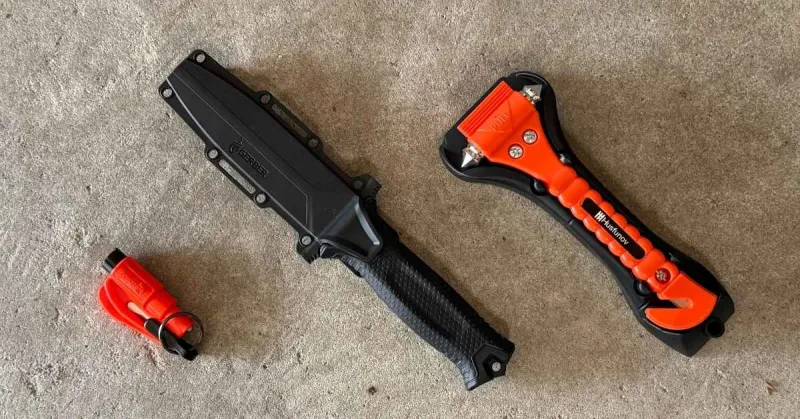
Mount your escape tool within arm’s reach of the driver’s seat. The best position is attached to the sun visor, steering column, or the side door pocket.
Many models come with a mounting clip or hook-and-loop attachment. This keeps the tool secure during normal driving while making it instantly accessible in emergencies.
Do not store this tool deep in a bag or trunk. It must be reachable even when you are upside down, pinned, or partially submerged in water.
Submersion accidents are rare but extremely deadly when they occur. A window breaker dramatically increases your chances of escaping a sinking vehicle alive.
Choose a tool with a bright color like red or orange. This makes it easy to locate in the dark or in a disorienting post-crash environment.
Brands like ResQMe, LifeHammer, and Wonderoto are among the most trusted in 2026. They have been tested and reviewed by safety experts and first responders worldwide.
Keep one escape tool for every row of seating in your vehicle. Passengers in the back seat should also have access to this potentially life-saving device.
Test the clip or mounting mechanism periodically to ensure it has not loosened. A tool that falls out of its mount is useless in an emergency situation.
An emergency escape tool costs very little but offers priceless protection. It is arguably the most important safety item you can add to your car emergency kit.
7. Blanket and Warm Clothing (Emergency Thermal Supplies)
Temperature-related emergencies are far more common than most drivers realize. Being stranded in cold weather without insulation can lead to hypothermia within hours.
An emergency thermal blanket takes up almost no space in your kit. Yet it provides critical warmth and reflects up to 90 percent of body heat back to the user.
Mylar space blankets are the gold standard for compact thermal protection. They are waterproof, windproof, and strong enough to withstand rough handling in emergency situations.
In 2026, upgraded versions of thermal blankets now include reinforced edges. These prevent tearing and allow them to be used repeatedly across multiple emergency situations.
Beyond mylar blankets, consider keeping a compact fleece blanket in your emergency kit. It offers more comfort and warmth for extended periods of waiting for help.
Extra warm clothing is also a smart addition depending on your climate. A spare jacket, hat, and gloves weigh very little but make an enormous difference in cold conditions.
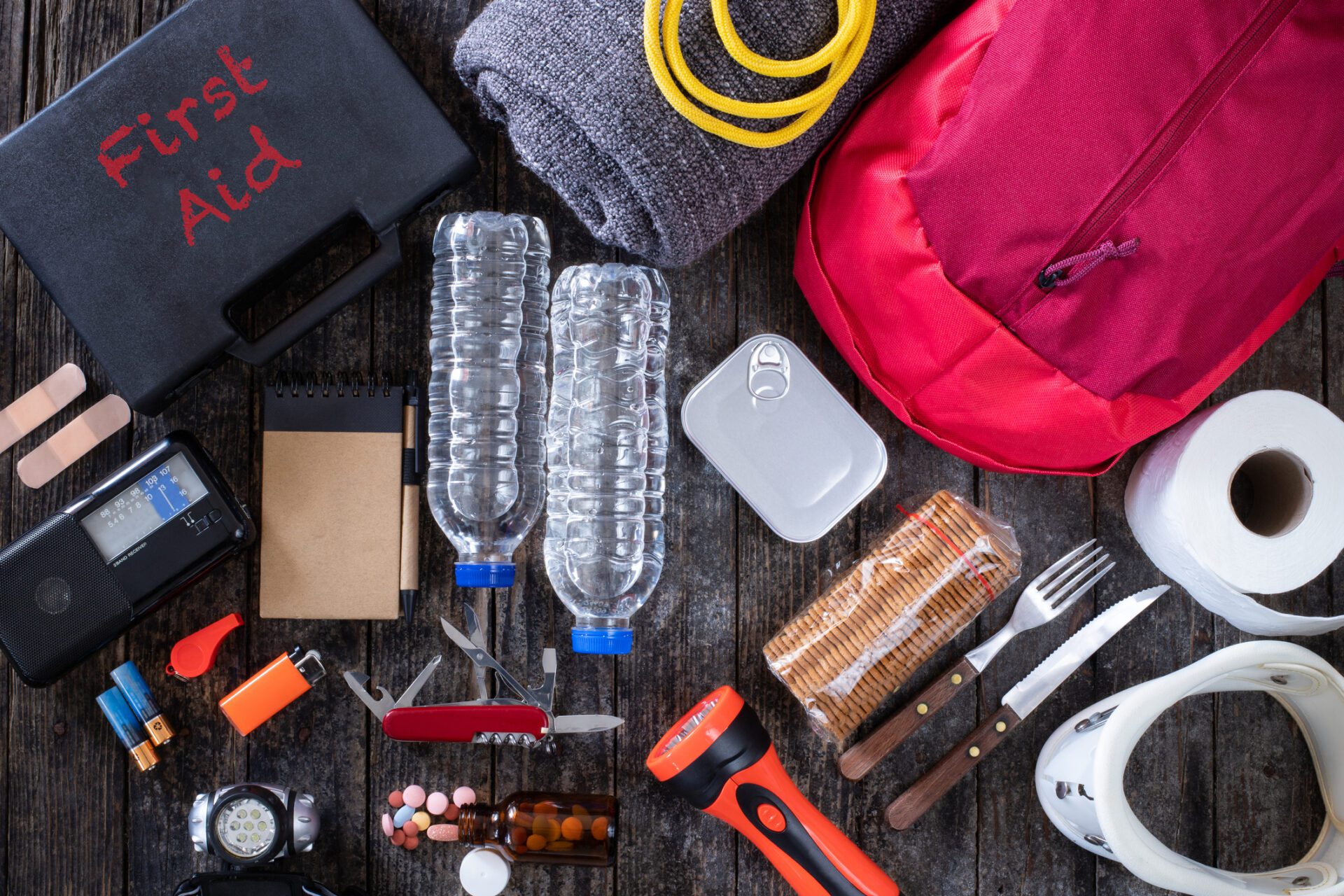
Children and elderly passengers are especially vulnerable to cold temperatures. Always keep extra thermal supplies if you regularly travel with these passengers in your vehicle.
Thermal blankets are also useful in hot weather emergencies. They can reflect sunlight and reduce radiant heat if you are stranded in direct sun.
In cases of shock following an accident, keeping the victim warm is critical. A thermal blanket can stabilize body temperature while waiting for emergency medical services.
Always store blankets in a dry, sealed bag to prevent moisture damage. Damp insulation loses most of its effectiveness, leaving you cold when you need warmth the most.
Look for blankets labeled as “reusable” rather than single-use disposable versions. Reusable options are more durable and cost-effective over the long term.
Keep at least one blanket per person in your vehicle at all times. This ensures everyone is covered in the event of an extended breakdown or emergency situation.
Hand warmers are another excellent addition to your thermal supplies. These small chemical packets generate heat for up to 10 hours and are activated by simply opening the packaging.
Foot warmers are similarly effective and inexpensive to stock in bulk. Cold feet can quickly impair your ability to drive or walk to safety.
Never underestimate the danger of cold it is silent, gradual, and deadly. The right thermal supplies can keep you and your passengers alive until help arrives.
8. Flashlight or Headlamp with Extra Batteries
Darkness turns any roadside emergency into a significantly more dangerous situation. A reliable flashlight or headlamp is essential equipment in every car emergency kit.
A high-quality LED flashlight in 2026 provides incredibly bright light from a small and lightweight package. Technology has advanced to the point where even budget models offer excellent performance.
Headlamps are particularly useful because they free up both hands for working. Whether you are changing a tire or checking under the hood, having hands-free light is invaluable.
Look for a flashlight with multiple brightness modes. A high-beam mode for maximum visibility and a low-beam mode to conserve battery life are both important features.
Waterproof or water-resistant models are essential for outdoor emergency use. Rain should never be a reason your flashlight fails when you need it most.
Some 2026 flashlights now feature USB-C charging ports. This means they can be recharged directly from your car’s USB outlet or a power bank. Always keep a set of spare batteries in your kit even if you have a rechargeable model. Power banks run out, and having backup batteries ensures your light never fails.
Strobe mode is another useful feature found in many modern flashlights. It can serve as an emergency distress signal visible from great distances in low-visibility conditions.
Red light mode is particularly useful for preserving night vision. It allows you to see without blinding yourself or oncoming drivers during roadside work.
Headlamps with adjustable tilt angles let you direct light exactly where you need it. This is especially useful when working in tight spaces under the dashboard or hood.
Clip-on designs allow headlamps to be worn on baseball caps or attached to surfaces. This versatility makes them useful in a wide variety of emergency lighting scenarios.
Consider keeping a small lantern in addition to your flashlight or headlamp. A lantern provides 360-degree ambient light, illuminating a wider area around your vehicle.
Solar-powered flashlights are gaining popularity in 2026 as a sustainable option. They charge during daylight hours and provide light throughout the night without needing battery replacements.
Store your flashlight in an easily accessible part of your emergency kit. Do not bury it under other items where it becomes difficult to find in the dark.
Test your flashlight every two to three months to ensure it is still working. Replace batteries or recharge the unit before they are critically low or completely dead.
9. Basic Tool Kit (Wrenches, Screwdrivers, and Jumper Cables)
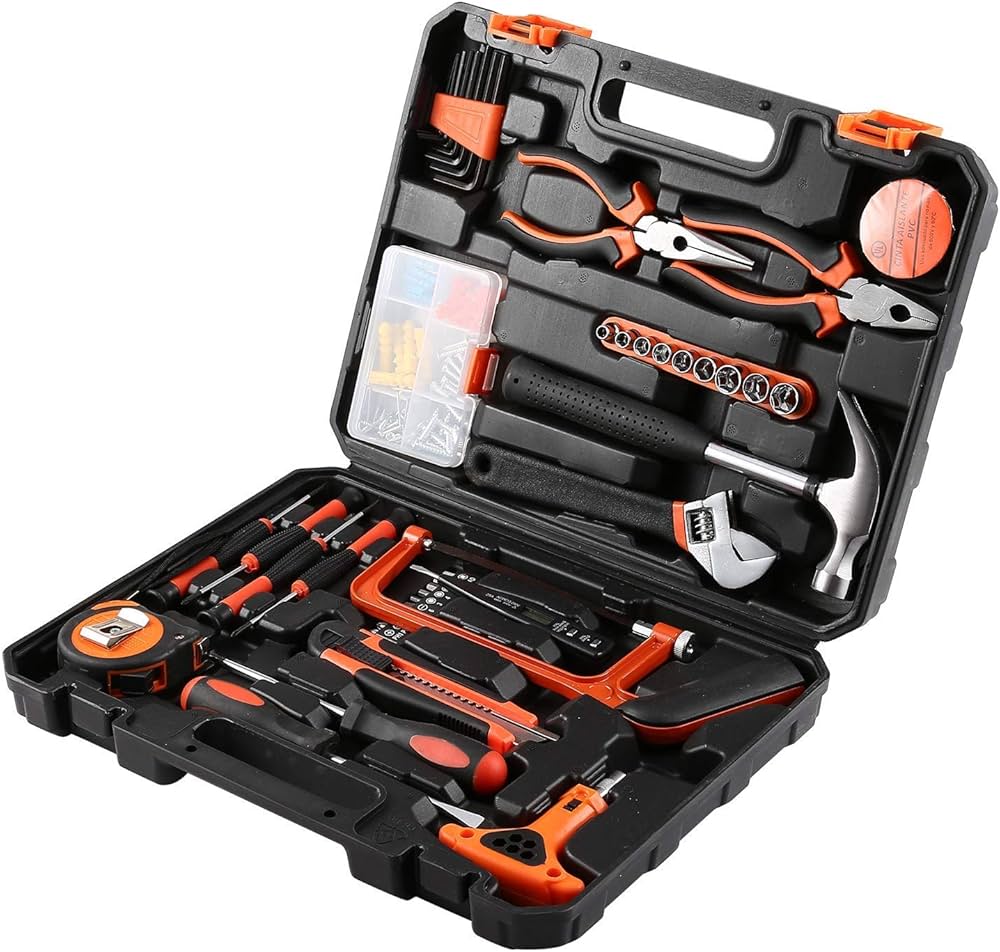
A basic mechanical tool kit is indispensable for handling minor car repairs on the road. Many breakdowns can be resolved quickly with just a few simple tools and basic knowledge.
A compact tool kit should include a set of combination wrenches in standard metric sizes. These are used for tightening bolts on battery terminals, engine components, and undercarriage parts.
A set of screwdrivers in both flathead and Phillips sizes is also essential. They handle everything from securing loose panels to tightening electrical connections under the hood.
Needle-nose pliers are particularly useful for working in tight spaces. They can grip small components, bend wires, and retrieve dropped items from difficult-to-reach areas.
A socket set with a small ratchet handle is a powerful addition to your kit. It dramatically speeds up bolt removal and installation compared to traditional open-end wrenches.
Adjustable wrenches are versatile tools that replace multiple fixed-size wrenches. One adjustable wrench can handle a wide range of bolt and nut sizes in emergency situations.
Jumper cables remain an important backup even if you carry a portable jump starter. They allow you to receive a jump from another vehicle if your power bank is depleted.
Use at least 16-gauge jumper cables for safe and effective current transfer. Thicker gauge cables handle higher currents without overheating during the jump-starting process.
Cable length is also important 20-foot cables give you maximum flexibility. They allow you to position vehicles at various angles without needing to move them close together.
A small roll of duct tape belongs in every tool kit without exception. It can temporarily seal hoses, hold panels in place, and patch countless other vehicle issues on the road.
Zip ties are similarly versatile and take up almost no space in your kit. They can secure loose wiring, bundle cables, and temporarily fix broken brackets or clips.
Electrical tape is essential for any wiring repairs or temporary electrical fixes. It insulates connections and prevents short circuits that could cause further damage to your vehicle.
A can of WD-40 or similar penetrating lubricant is another useful addition. It loosens rusted bolts, silences squeaky hinges, and displaces moisture from electrical contacts.
Work gloves with grip protection should also be stored with your tool kit. They protect your hands from sharp metal edges, heat, and caustic fluids during roadside repairs.
A well-organized tool roll or zippered pouch keeps everything neat and accessible. Loose tools rattling around in your trunk are hard to find and easy to lose.
10. Water, Non-Perishable Snacks, and Emergency Cash
Physical sustenance is often overlooked when assembling a car emergency kit. Yet food, water, and cash can be critical resources when you are stranded for extended periods.
Water is the most important survival item you can keep in your vehicle. Dehydration sets in faster than most people expect, especially in hot weather or stressful situations.
Keep at least two liters of drinking water per person in your emergency kit. Bottled water stored in sealed containers can last up to two years without significant quality degradation.
In extreme heat, however, water bottles should be replaced more frequently. Plastic bottles exposed to high temperatures can leach chemicals that affect taste and safety.
Consider keeping a portable water filter or purification tablets as a backup. These allow you to safely consume water from streams or other sources in extreme survival situations.
Non-perishable snacks provide energy when meals are delayed due to a breakdown. High-calorie options like protein bars, nuts, dried fruit, and crackers are excellent choices.
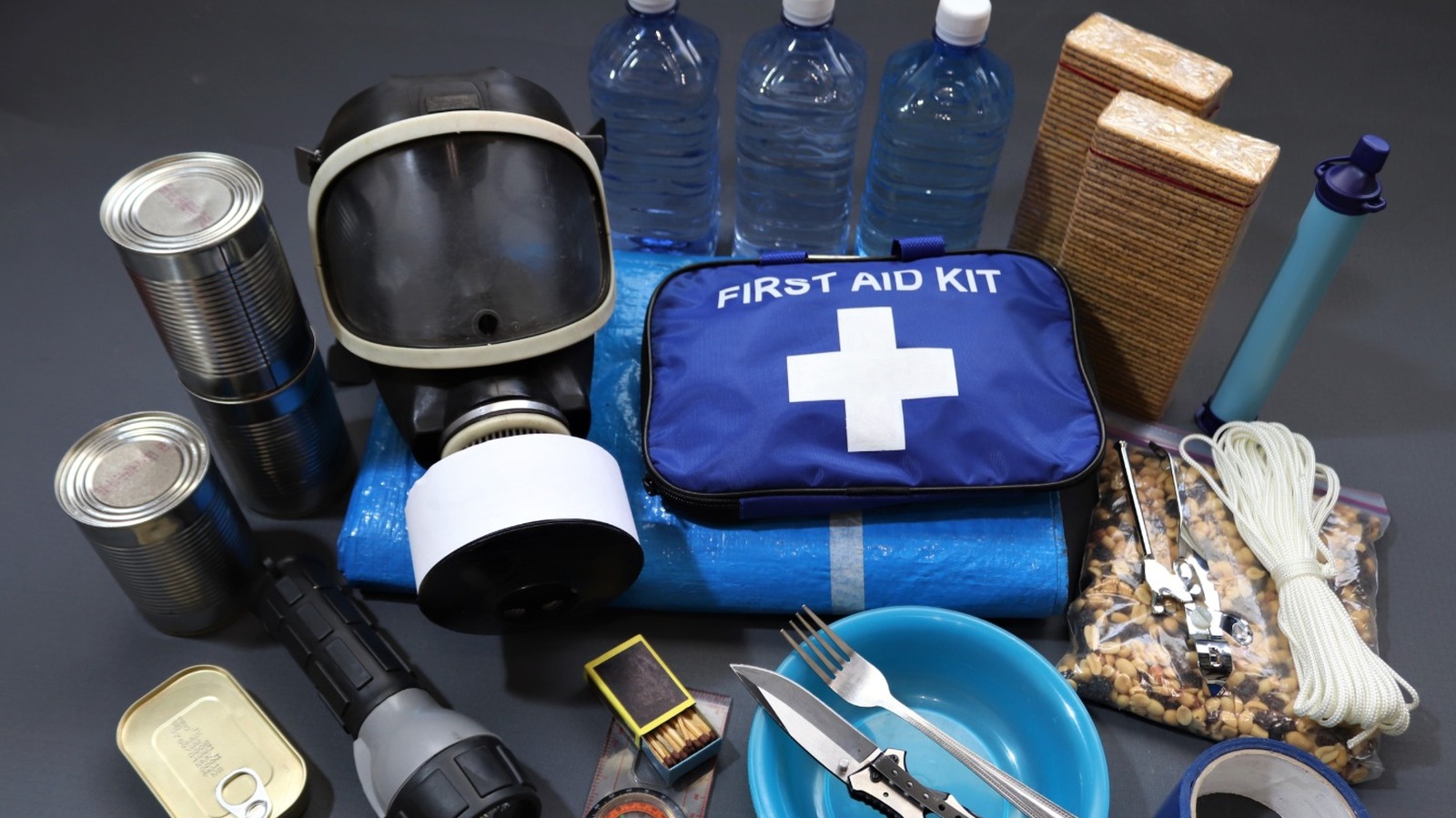
Choose snacks with long shelf lives that do not require refrigeration or preparation. The goal is to have ready-to-eat nutrition that sustains energy without any cooking equipment.
Rotate your food supply every six to twelve months to prevent expiration. Set a reminder in your phone so you never forget to refresh your emergency food supply.
For families traveling with children, bring familiar and comforting snack options. Hungry and stressed children are harder to manage in an already difficult emergency situation.
Emergency cash is a frequently underestimated item in car emergency kits. Digital payment systems fail during power outages, network disruptions, or when your phone battery is dead.
Keep at least the equivalent of $50 to $100 in small denominations in your kit. Small bills are more practical for paying tolls, tips, vending machines, or small-scale purchases.
Store your emergency cash in a waterproof envelope or zip-lock bag. This protects it from moisture and keeps it separate and organized within your emergency kit.
A physical map or road atlas is also worth including alongside your supplies. GPS systems fail and smartphones die a paper map never runs out of battery power.
Include any medications you or your passengers rely on daily. A 48-hour supply of essential prescriptions can be genuinely life-saving in an extended emergency situation.
A small notebook and pen complete this category of essential supplies. They allow you to document accident details, write down insurance information, and leave notes for rescuers.
Also Read: 10 Cars That Lose 50 Percent of Their Value the Moment You Drive Away
