
Driving in high humidity climates across the United States can be a serious challenge. States like Florida, Louisiana, Texas, and Georgia are known for their thick, moisture-heavy air. This constant humidity creates persistent problems for vehicle windshields. Fogging, streaking, and moisture buildup are common issues drivers face daily.
A clear windshield is not just about convenience. It is a critical safety requirement for every driver on the road. Reduced visibility due to fog or moisture can lead to dangerous accidents. Many drivers underestimate how much humidity affects their windshield clarity.
The southeastern and Gulf Coast regions of the US experience humidity levels above 80% regularly. This extreme moisture interacts with glass surfaces in complex ways. It creates both interior condensation and exterior water film buildup. Both types of moisture impair your ability to see clearly while driving.
Understanding how to combat windshield fogging and moisture is essential. There are proven, practical methods that work specifically in high humidity environments. These techniques range from simple cleaning habits to advanced products and technologies. By applying the right combination of strategies, drivers can maintain crystal-clear visibility all year round. This guide covers the 12 best ways to keep your windshield clear and safe.
1. Use an Anti-Fog Windshield Coating
Anti-fog coatings are one of the most effective tools available for humid climate drivers. These products create a thin invisible layer on the glass surface. This layer prevents moisture droplets from forming dense fog patterns. Instead, water spreads evenly and does not obstruct vision.
Anti-fog coatings work by altering the surface tension of the glass. Water molecules cannot cluster into vision-blocking droplets. They spread out into a transparent film instead. This process is called hydrophilic action and it is highly effective in humid conditions.
These coatings are available in spray, wipe, and liquid formula forms. Brands like Rain-X Anti-Fog and Fog-X are widely trusted across the US market. They are affordable and easy to apply without professional help. Most products require reapplication every few weeks for best results.
Applying the coating correctly is important for maximum effectiveness. Clean the windshield thoroughly before applying any anti-fog product. A dirty surface will reduce the coating’s bonding ability. Apply the product in circular motions and buff to a clear finish.
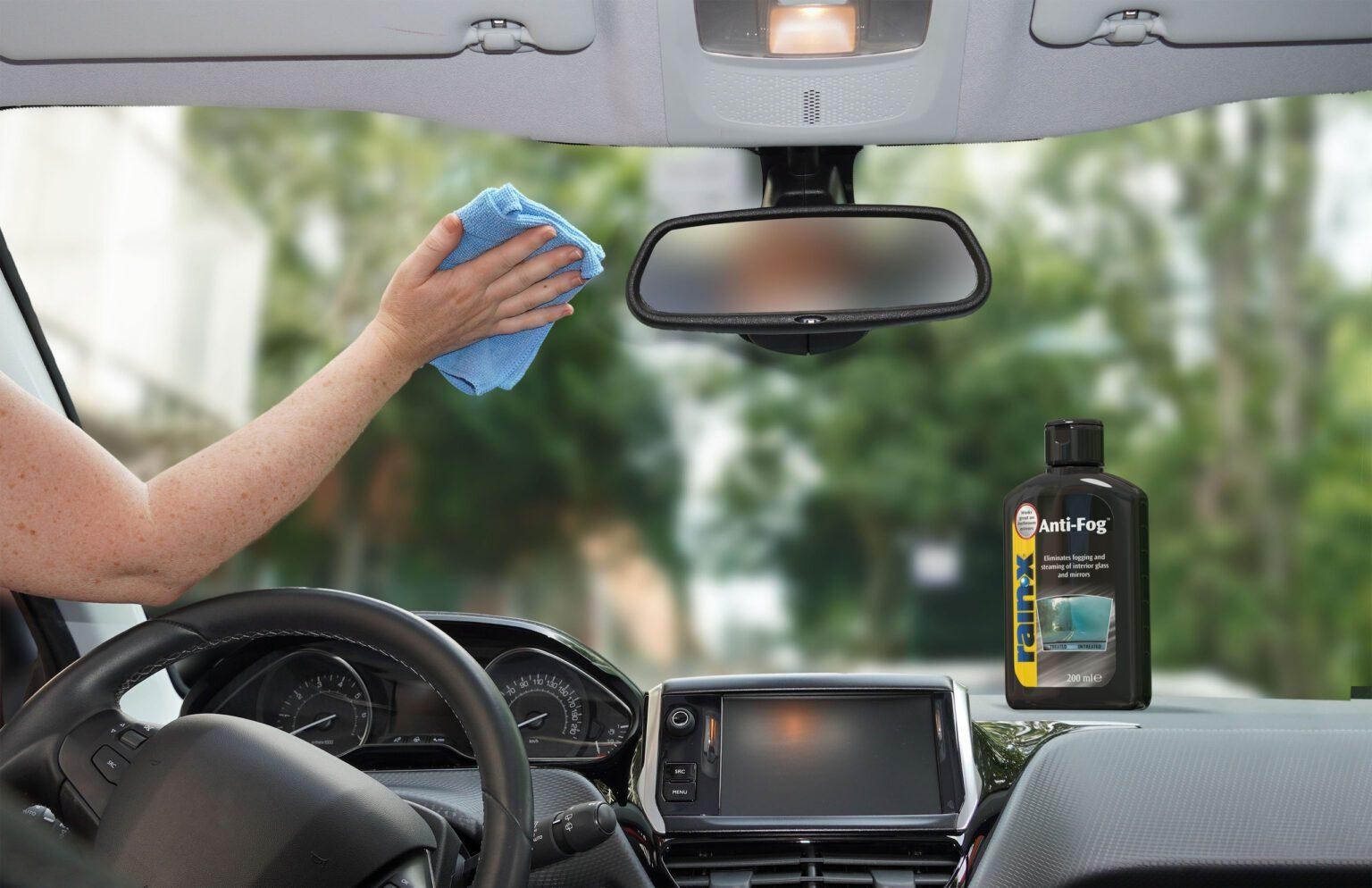
Interior application is especially important in humid climates. The inside of the windshield fogs up faster than the outside in humid conditions. Apply the coating on both surfaces for complete protection. This dual approach provides 360-degree anti-fog coverage.
High humidity states like Florida see dramatic results from anti-fog coatings. Drivers report significantly fewer fogging incidents after consistent use. The product is especially useful during rainy seasons and morning commutes. It reduces the need to constantly run the defroster while driving.
Some coatings also offer UV protection as an added benefit. This helps preserve the glass and reduces glare during sunny drives. Multi-purpose coatings are a smart investment for year-round humid climates. Choose products specifically labeled for interior automotive glass use.
Reapplication schedules depend on how often you clean your windshield. Frequent cleaning can remove the coating faster than expected. Use gentle, non-abrasive cleaners to preserve the anti-fog layer. Always follow the manufacturer’s reapplication guidelines for best performance.
2. Keep Your Car’s Air Conditioning System Well-Maintained
Your vehicle’s air conditioning system plays a direct role in windshield clarity. A well-functioning AC system removes moisture from the cabin air efficiently. This dehumidification process prevents interior fogging from occurring. Neglecting AC maintenance leads to poor moisture control inside your car.
The AC evaporator is the key component that removes humidity. It condenses moisture out of the air before circulating it through the cabin. A clogged or failing evaporator cannot perform this function properly. Regular inspections ensure this component stays in good working order.
Cabin air filters also play an important role in humidity management. A dirty cabin filter restricts airflow and reduces the AC system’s efficiency. Replace your cabin air filter every 12,000 to 15,000 miles. In humid climates, consider replacing it even more frequently.
Refrigerant levels affect how well your AC dehumidifies the cabin. Low refrigerant means the system cannot cool and dehumidify air effectively. Schedule a refrigerant check with your mechanic annually. Keeping refrigerant at optimal levels improves AC performance significantly.
Running the AC on defrost mode is highly effective for foggy windshields. This mode directs cool, dry air directly at the windshield surface. It clears fog faster than heat alone in most humid conditions. Most modern vehicles combine heat and AC in defrost mode automatically.
Mold and mildew can grow inside aging AC systems in humid climates. This growth introduces moisture and unpleasant odors into the cabin. Anti-bacterial AC treatments can eliminate mold buildup effectively. Ask your mechanic about this service during routine AC inspections.
Using your AC regularly prevents the system from deteriorating during off-seasons. Many drivers in humid climates run their AC year-round without issue. This consistent use keeps seals and components lubricated and functional. Avoid long periods of AC inactivity to preserve system health.
Schedule comprehensive AC servicing at least once a year. In extremely humid states, twice-yearly servicing is a smart preventive measure. A professional inspection catches small issues before they become costly repairs. Proper AC maintenance directly translates to clearer windshields every drive.
3. Clean the Interior Windshield Surface Regularly
The interior surface of a windshield accumulates grime faster than most drivers realize. Outgassing from dashboard plastics and vinyl creates a hazy film on the inside glass. This film attracts moisture and significantly worsens fogging in humid conditions. Regular interior cleaning is essential for maintaining clear visibility.
Use a dedicated automotive glass cleaner for interior windshield surfaces. Household glass cleaners often contain ammonia which can damage tinting films. Choose an ammonia-free formula designed specifically for car interiors. These products clean effectively without leaving streaks or residue behind.
Microfiber cloths are the best tool for interior windshield cleaning. They lift dirt and oils without scratching the glass surface. Avoid paper towels as they can leave fibers and lint on the glass. Use two cloths one for cleaning and one for buffing dry.
Clean in overlapping circular motions to cover the entire surface evenly. Pay special attention to corners and edges where grime accumulates. These areas are often missed during quick cleaning sessions. Thorough edge-to-edge cleaning prevents moisture from finding dirty anchor points.

Frequency matters when it comes to interior windshield maintenance. In high humidity climates, clean the interior glass at least once a week. More frequent cleaning may be needed during particularly muggy seasons. Consistency is the key to preventing fog-attracting film buildup.
Dashboard cleaners and protectants can reduce outgassing over time. Apply a quality vinyl protectant to your dashboard and interior trim regularly. This reduces the amount of chemical vapors that cloud your windshield. A clean, conditioned interior means less residue on your glass.
Smoking inside a vehicle dramatically increases interior windshield contamination. Nicotine and tar deposits create a thick, sticky film on the glass. If you smoke in your car, clean the windshield more frequently. Consider using specialized nicotine-removal glass cleaners for best results.
Keeping a small microfiber cloth and glass cleaner in your glove box is practical. You can perform quick touch-up cleanings whenever needed. A clean interior windshield reflects less light and reduces nighttime glare. It also responds better to anti-fog coatings and treatments.
4. Apply Rain Repellent Treatments to the Exterior Glass
Rain repellent treatments are essential for maintaining clear exterior windshield surfaces. Products like Rain-X create a hydrophobic barrier on the glass. This barrier causes water to bead up and roll off at high speeds. Drivers in humid and rainy US climates benefit greatly from this technology.
Hydrophobic coatings work by repelling water molecules at the surface level. Instead of spreading across the glass, rainwater forms tight beads. These beads are easily blown away by wind and wiper movement. This dramatically improves visibility during heavy rain and high humidity conditions.
Apply rain repellent treatments to a freshly cleaned and dried windshield. Any dirt or moisture present during application reduces effectiveness. Use the product in small circular sections for even coverage. Allow it to haze up before buffing off with a clean microfiber cloth.
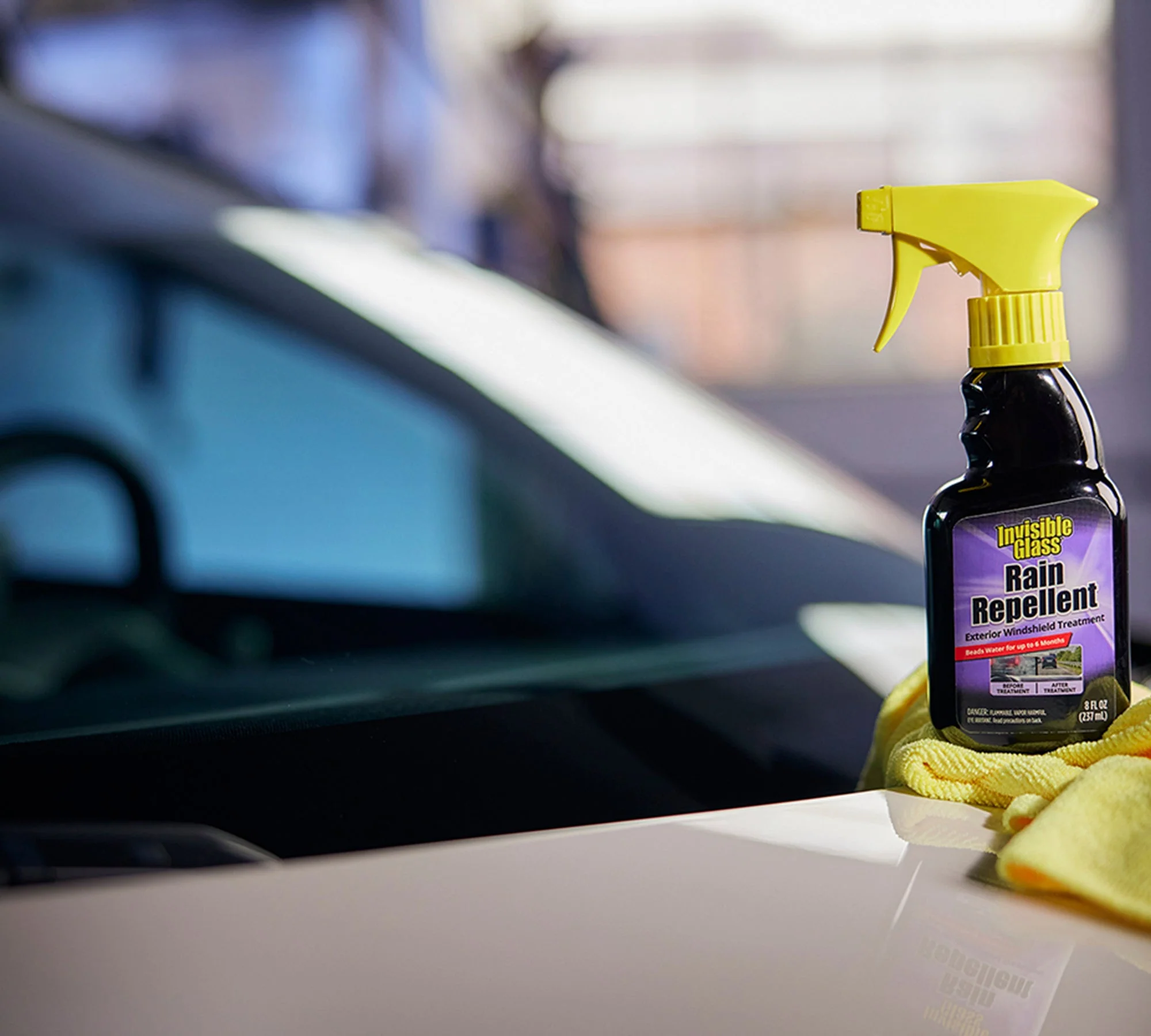
Reapplication is necessary every four to six weeks depending on weather exposure. Heavy rain and frequent wiper use deplete the coating faster. In states like Louisiana or Florida, reapply more frequently during storm seasons. Keep a fresh bottle in your car for easy maintenance on the go.
Rain repellents also reduce the workload on your windshield wipers. Wipers last longer when they do not have to clear heavy water sheets. The reduced friction from hydrophobic surfaces extends wiper blade lifespan. This saves money on replacement blades over the long term.
Some windshield washer fluid formulas include built-in rain repellent properties. These dual-purpose fluids clean and protect the glass simultaneously. They are a convenient low-maintenance option for busy drivers. Look for washer fluids labeled with rain repellent or hydrophobic properties.
Exterior fogging is also reduced by rain repellent treatments. Fog forms when water vapor condenses in tiny droplets on the glass surface. Hydrophobic coatings disrupt this condensation process effectively. This keeps exterior glass clearer even during early morning fog-prone conditions.
Professional ceramic coating services offer longer-lasting rain repellency. These coatings bond chemically to the glass and can last for years. They are more expensive than DIY spray treatments. However, for drivers in persistently humid climates, the investment is worthwhile.
Also Read: 12 Heavy Duty Work Vans Preferred by Electricians and Plumbers in the US
5. Use Silica Gel Packets or Dehumidifiers Inside Your Car
Moisture inside a vehicle’s cabin is the primary cause of interior windshield fogging. In high humidity climates, ambient moisture constantly enters through doors and vents. Controlling this interior humidity is crucial for preventing fog buildup. Silica gel packets and car dehumidifiers are simple, effective solutions.
Silica gel is a desiccant material that absorbs moisture from surrounding air. Placing several packets inside your car can noticeably reduce cabin humidity. Position them under seats, in door pockets, and on the dashboard shelf. They work passively without any power or maintenance required.
Reusable silica gel products are widely available in auto parts stores. These products change color when they are saturated with moisture. You can recharge them by placing them in a microwave or oven briefly. This makes them a cost-effective long-term solution for humid climates.
Compact car dehumidifiers are another excellent option for moisture control. These small electric devices plug into the 12V outlet and run continuously. They collect liquid water in a small reservoir that requires occasional emptying. Several models are specifically designed for automotive use in humid regions.
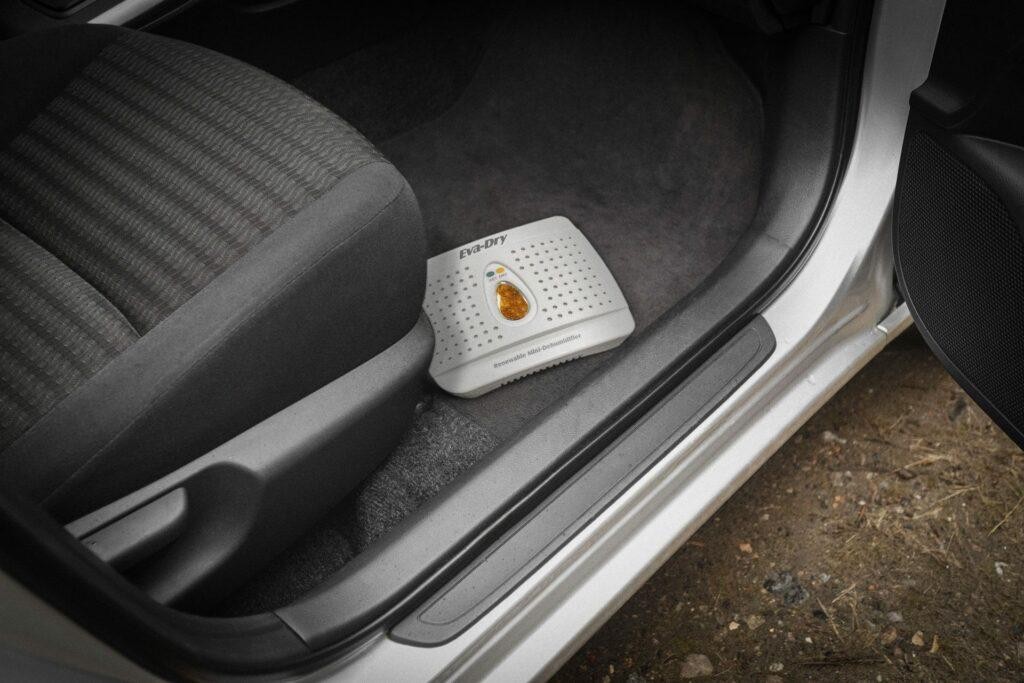
Eva-Dry and Pingi are popular brands of car dehumidifier products. They are widely recommended by drivers in Florida, Texas, and coastal regions. These products work especially well when the car is parked overnight. Morning condensation and fogging are significantly reduced with overnight dehumidifier use.
Parking habits can also affect interior humidity levels. Parking in a garage keeps ambient moisture from entering the cabin as easily. Using a car cover helps reduce overnight condensation buildup on and in the vehicle. Covered parking is one of the simplest preventive measures available.
Wet items inside the vehicle dramatically increase interior humidity. Wet umbrellas, rain jackets, and gym bags release moisture into the cabin continuously. Store wet items in the trunk rather than the passenger area. This small habit change can significantly reduce interior fogging issues.
Cracking the windows slightly when parked safely allows moisture to escape. This simple ventilation technique prevents humidity from building up inside. Do not leave windows open in rain or in unsecured locations. Even a small crack on dry days can make a measurable difference in cabin humidity.
6. Replace Worn Windshield Wiper Blades Regularly
Windshield wiper blades are the front line of defense against exterior moisture and fog. Worn blades leave streaks that scatter light and reduce visibility severely. They also fail to clear water evenly, leaving dangerous blind spots on the glass. Regular wiper blade replacement is essential for humid climate driving safety.
Wiper blades typically need replacement every six to twelve months. In humid, rainy climates, replacement may be needed even more frequently. The rubber compound in blades degrades faster in extreme heat and UV exposure. Southern US states accelerate wiper blade wear significantly due to climate conditions.
Signs of worn wiper blades include streaking, skipping, and squeaking during use. These symptoms indicate the rubber edge has hardened or cracked. A blade that skips leaves dry patches across the windshield during rain. Immediate replacement is the safest response when these symptoms appear.

Beam-style or bracketless wiper blades perform better in high humidity climates. They distribute pressure evenly across the entire blade length. This design prevents water and debris from being trapped beneath the blade frame. Beam blades are more expensive but offer superior performance in wet conditions.
Choose wiper blades designed for heavy rain and all-weather performance. Brands like Bosch, Michelin, and Rain-X offer high-performance options. These blades are specifically engineered to handle heavy moisture and debris. Investing in quality blades pays off in dramatically improved driving visibility.
Install wiper blades correctly to ensure full contact with the windshield surface. Incorrectly installed blades chatter and leave missed areas on the glass. Follow vehicle-specific installation instructions carefully. Many auto parts stores offer free installation with blade purchase.
Wiper fluid also affects how well blades clean the windshield surface. Use a high-quality washer fluid with cleaning agents and water-repellent properties. Avoid using plain water as it leaves mineral deposits on the glass. Premium washer fluids enhance blade performance and windshield clarity significantly.
Check your wiper blades before the start of every rainy season. In humid southern states, rainy season can last several months continuously. Proactive blade replacement prevents visibility emergencies during heavy storms. A small preventive investment protects you from significant safety risks.
7. Crack Windows Slightly While Driving in Humid Conditions
Ventilation is a powerful and underused tool for preventing windshield fogging. Opening windows slightly while driving allows humid interior air to escape the cabin. Fresh outside air replaces the moist internal air constantly. This simple technique significantly reduces the risk of interior fog formation.
The principle behind this method is basic air exchange science. Humid air inside the car has a higher moisture concentration than moving outdoor air. Opening windows creates airflow that dilutes interior humidity quickly. Even a one-inch opening on each side makes a measurable difference.
This method works best when outdoor humidity is lower than interior humidity. During morning drives before rain, outside air is often drier than cabin air. Opening windows then is especially effective for preventing fog. Adjust the opening based on current exterior weather conditions.
Rear windows should also be cracked open when possible for best airflow. Cross-ventilation through the vehicle moves moist air out more efficiently. Front and rear window combinations create a continuous airflow path. This whole-vehicle approach works better than opening only front windows.
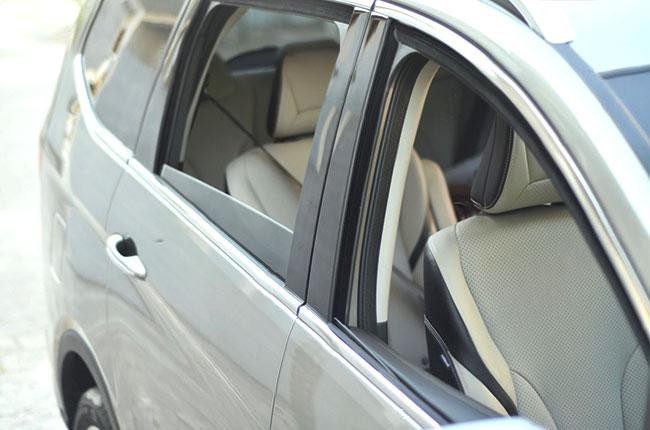
Combining cracked windows with the vehicle’s ventilation system is ideal. Set the fan to bring in fresh outside air rather than recirculate cabin air. Recirculated air retains moisture and worsens fogging over time. Fresh air mode continuously introduces drier air from outside the vehicle.
Be mindful of rain when using this technique during stormy weather. Rain can enter through open windows and increase interior moisture instead. Reduce the window opening to just a small gap during light rain. Close windows completely during heavy downpours to prevent water intrusion.
This method is also very fuel-efficient compared to running the air conditioner. On mild days, cracked windows may be all you need to prevent fog. It reduces the load on your AC system and saves on fuel consumption. It is the most economical and simple method on this entire list.
Teach all passengers to be mindful of humidity-increasing behaviors in the car. Wet clothing and soaked hair add significant moisture to cabin air. Encouraging passengers to dry off before entering reduces interior humidity. Small collective habits create a noticeably drier and clearer cabin environment.
8. Use the Defrost Function Correctly and Efficiently
The defrost function in your vehicle is specifically designed to combat windshield fogging. However, many drivers use it incorrectly and get suboptimal results. Understanding how the defrost system works helps you use it most effectively. Proper usage can clear a severely fogged windshield in under two minutes.
Front defrost works by directing heated air across the windshield interior surface. The warm air raises the glass temperature above the dew point. Moisture in the air can no longer condense on the warmer glass surface. This is why defrost clears fog much faster than simply turning up cabin heat.
Most modern vehicles activate the air conditioning simultaneously with defrost mode. The AC removes moisture from the air before it reaches the windshield. This combined heat and dehumidification approach is the most effective fog-clearing method. Never disable your AC when using the defrost setting.
Rear defrost uses embedded electrical heating elements printed on the glass. These elements warm the rear window glass directly from within. Clear the rear window before shifting into reverse for safety. Rear defrost typically clears in 30 to 60 seconds under most conditions.
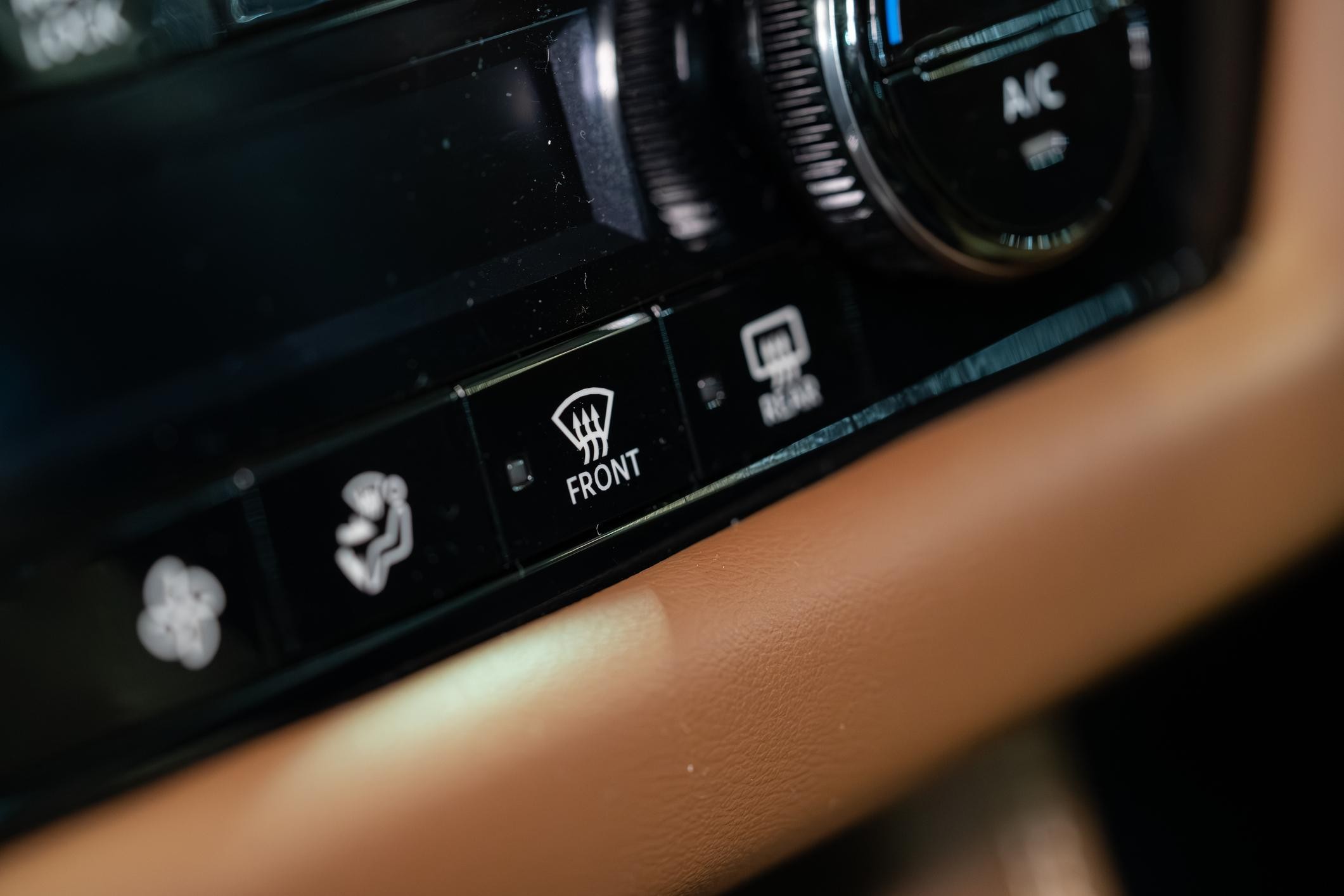
Avoid directing hot air at a cold windshield immediately after entering the car. A sudden temperature shock can theoretically stress older or already-cracked glass. Warm the car gradually for a minute before switching to full defrost power. This gentle approach is safer for your windshield over the long term.
Set the fan speed to maximum when using the defrost function. Higher fan speeds move more air across the windshield surface simultaneously. This covers the entire glass area faster and more evenly. Slow fan speeds concentrate heat in only the central windshield zone.
After the fog clears, switch to a regular AC or vent setting to maintain clarity. Continuing to blast defrost air is wasteful once the glass is clear. Maintain a moderate temperature and fresh air setting for the remainder of your drive. This prevents re-fogging without unnecessary energy use.
Modern vehicles with automatic climate control handle defrost optimization automatically. These systems sense cabin humidity and adjust settings without driver input. If your vehicle has this feature, use it consistently in humid climates. Automatic climate control is one of the most convenient solutions available to drivers today.
9. Keep Your Car’s Weatherstripping in Good Condition
Weatherstripping is the rubber sealing material around your car’s doors and windows. It forms a barrier that prevents outside moisture and air from entering the cabin. Damaged or worn weatherstripping allows humid outside air to flood the interior. This significantly increases the frequency and severity of windshield fogging.
Inspect your weatherstripping regularly for signs of cracking or compression. Old weatherstripping loses its elasticity and no longer seals effectively. Water can seep in through degraded seals during rain or high humidity conditions. This extra moisture directly contributes to interior windshield condensation.
Common signs of failing weatherstripping include water puddles on door sills. Wind noise at highway speeds also indicates poor weatherstripping seals. Drafts entering the cabin are another clear symptom of seal failure. Address these signs promptly to prevent moisture-related windshield problems.
Replacement weatherstripping is available at most auto parts stores. Many strip types are self-adhesive and easy for DIY installation. Professional installation is also available and ensures a perfect seal. Costs vary depending on vehicle type and the extent of replacement needed.
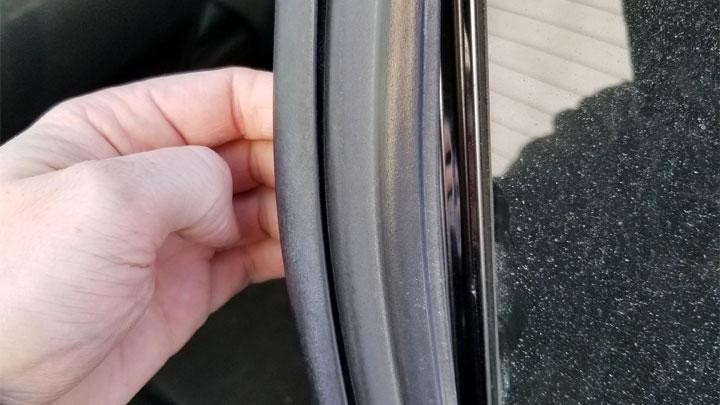
Clean existing weatherstripping with a mild soap and water solution regularly. Dirt and debris on seals cause them to compress unevenly and seal poorly. After cleaning, apply a rubber conditioner or protectant to maintain flexibility. Products like 303 Aerospace Protectant are widely recommended for automotive rubber care.
Garage parking significantly extends weatherstripping lifespan in humid climates. Constant exposure to Florida or Gulf Coast humidity dries out rubber seals faster. Covered storage reduces UV and ozone exposure that degrades rubber compounds. Where possible, always park in covered or climate-controlled environments.
Door seals are not the only weatherstripping that matters for moisture control. Check the seals around your windshield and rear window glass as well. Perimeter windshield seals prevent rain from wicking into the dashboard area. Moisture in the dashboard region evaporates into the cabin and fogs the glass from inside.
Good weatherstripping also improves your vehicle’s energy efficiency. It reduces the load on your AC system by keeping conditioned air inside. This means your dehumidification system works less hard to maintain a dry cabin. Healthy weatherstripping is a foundational element of windshield clarity maintenance.
10. Avoid Recirculating Stale Interior Air While Driving
Most vehicles offer two air circulation modes fresh air and recirculation. The recirculation mode keeps outside air from entering the cabin. It is useful for avoiding exhaust fumes in heavy traffic temporarily. However, prolonged use of recirculation mode is one of the most common causes of windshield fogging.
Recirculated air traps moisture generated by passengers inside the cabin. Breathing, sweating, and wet clothing all introduce moisture into the cabin air. Without fresh air exchange, this humidity builds up rapidly. The windshield is the first surface to show the effects through visible fogging.
Switch to fresh air mode as soon as you are clear of heavy traffic. Fresh air dilutes the moisture-laden interior air with drier outside air. This simple switch can prevent interior fogging from developing during longer drives. Make it a habit to check your air circulation mode regularly.
Most drivers do not realize their vehicle has been left in recirculation mode. Check the button status every time you start your car. Many people activate recirculation to avoid a smell and forget to switch back. Creating a habit of checking this setting prevents accumulated humidity problems.
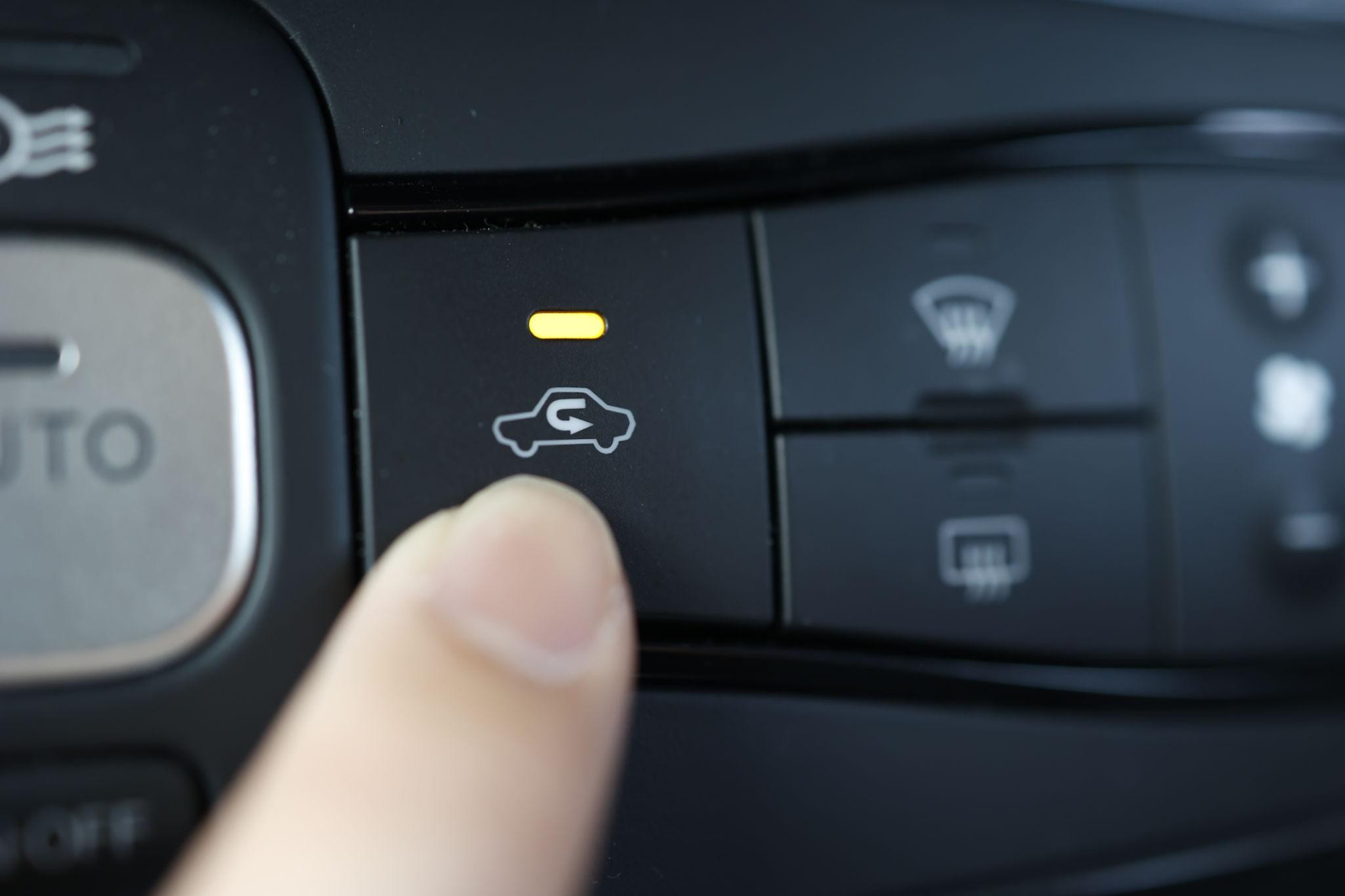
Fresh air mode works best when combined with moderate fan speed and cool settings. The combination brings in and circulates drier outside air throughout the cabin. It dehumidifies the space without requiring full air conditioning use. This balance is especially effective in moderately humid driving conditions.
Recirculation is still appropriate in certain short-term situations. Using it briefly in tunnels or behind diesel trucks reduces fume exposure. However, limit recirculation use to no more than a few minutes at a time. Always return to fresh air mode once the temporary need has passed.
Passengers with wet hair or soaked clothing increase interior humidity dramatically. Politely asking wet passengers to use a towel before entering helps. You can also turn fan speed slightly higher when carrying wet passengers. This additional airflow counteracts the extra moisture they introduce into the cabin air.
Some newer vehicles automatically manage the balance between fresh and recirculated air. These smart climate systems detect CO2 and humidity levels inside the cabin. They adjust air source automatically to maintain optimal interior air quality. If your vehicle has this feature, keep it enabled at all times in humid regions.
11. Park Strategically to Reduce Overnight Moisture Buildup
Where and how you park your vehicle significantly affects windshield clarity. Parking in the wrong location overnight can lead to severe morning condensation. Dew, fog, and humidity settle heavily on surfaces during cool nighttime hours. Strategic parking minimizes exposure to these moisture-intensive conditions.
Parking inside a garage is the single most effective moisture reduction strategy. A garage keeps your vehicle protected from outdoor humidity, dew, and rain. The interior of a well-ventilated garage maintains lower humidity than the outside air. Cars parked indoors experience significantly less overnight condensation buildup.
If a garage is unavailable, a carport provides meaningful partial protection. A carport roof blocks direct dew fall and light rain from reaching your vehicle. It reduces but does not eliminate moisture exposure compared to open parking. Combining carport parking with other moisture-control methods provides solid protection.
Avoid parking under trees in humid climate regions whenever possible. Trees release moisture into the surrounding air through a process called transpiration. This raises local humidity levels directly around parked vehicles. Tree sap, pollen, and organic debris also contaminate the windshield surface.
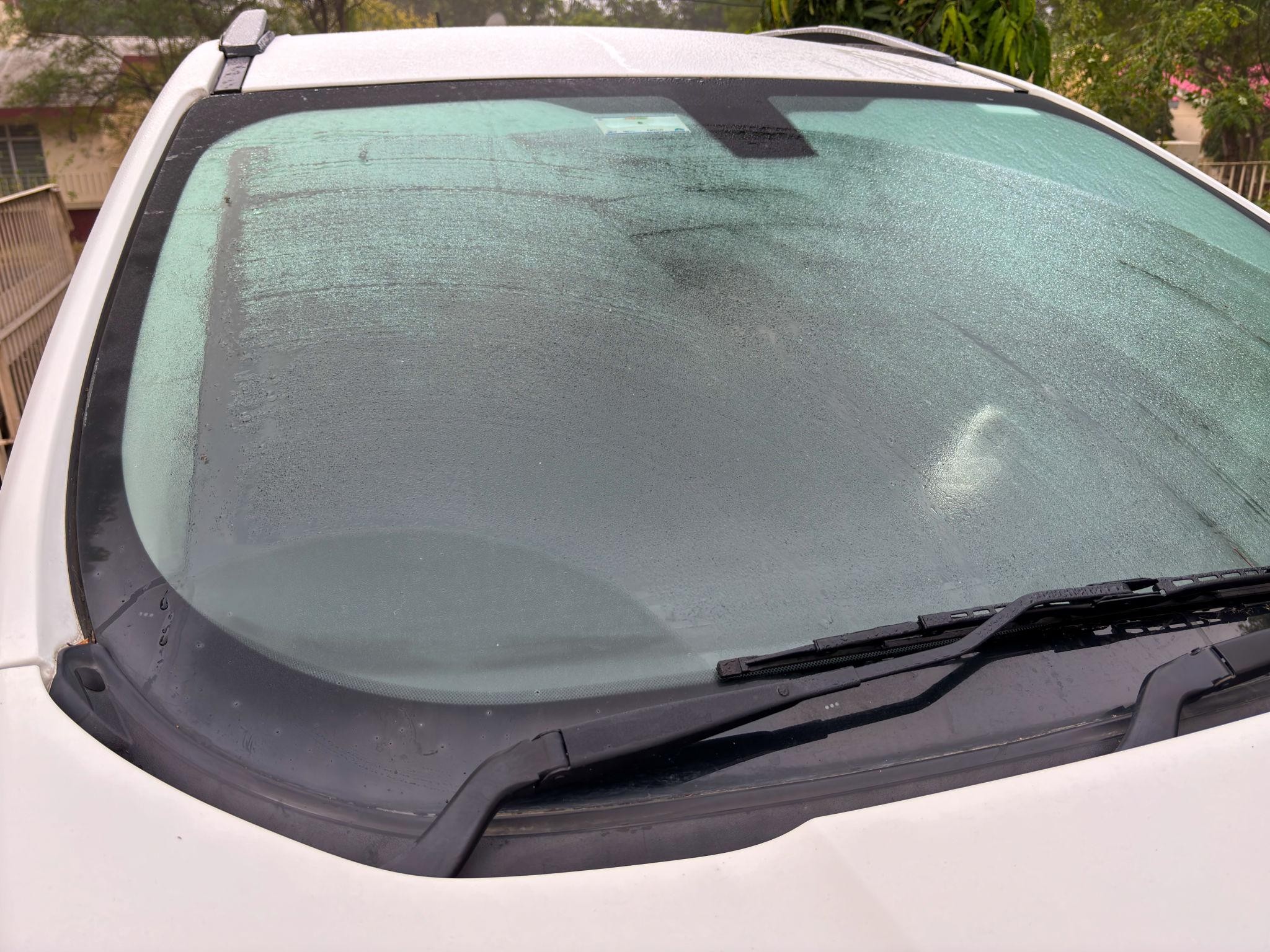
Parking on higher ground can reduce morning fog and dew exposure. Low-lying areas collect cold air overnight and experience heavier fog formation. Parking on raised surfaces exposes your vehicle to less ground-level moisture. This small geographic consideration can make a noticeable difference in morning fogging.
Using a windshield sunshade as a moisture barrier is a practical overnight option. Reflective sunshades placed inside the windshield provide a thin insulating layer. This prevents the glass from cooling as rapidly as the ambient outdoor temperature. Warmer glass is less prone to dew condensation during cool overnight hours.
External windshield covers are designed specifically for overnight moisture protection. These fitted covers go over the outside of the windshield and secure to the doors. They block dew, frost, and light rain from reaching the glass directly. In consistently humid climates, these covers provide convenient daily protection.
Investing in a portable car shelter is worthwhile for drivers without garage access. These structures provide roof and partial wall coverage for parked vehicles. They are far more affordable than permanent garage construction. For humid climate residents without covered parking, they represent a valuable long-term investment.
12. Perform Regular Full Vehicle Inspections for Moisture Sources
Maintaining a clear windshield requires looking beyond the glass itself. Hidden moisture sources within your vehicle contribute significantly to interior fogging. Regular comprehensive inspections help identify and eliminate these invisible problem areas. Proactive maintenance keeps your cabin dry and your windshield consistently clear.
Inspect your vehicle’s floor mats and carpet regularly for dampness. Wet carpet acts as a reservoir of interior moisture that evaporates continuously. Water that enters through door seals or footwear soaks into carpet fibers. This trapped moisture slowly releases into the cabin air and fogs the windshield.
Check the trunk area for water intrusion after heavy rains. Trunk leaks often go unnoticed for extended periods of time. A wet trunk can raise vehicle interior humidity significantly. Investigate the source of any trunk dampness and seal it promptly.
Air conditioning drain lines can become clogged and cause water to collect inside the vehicle. A blocked AC drain allows condensed water to overflow into the cabin floor. This creates a major interior moisture problem that worsens fogging dramatically. Clean your AC drain line at least once a year as part of routine maintenance.
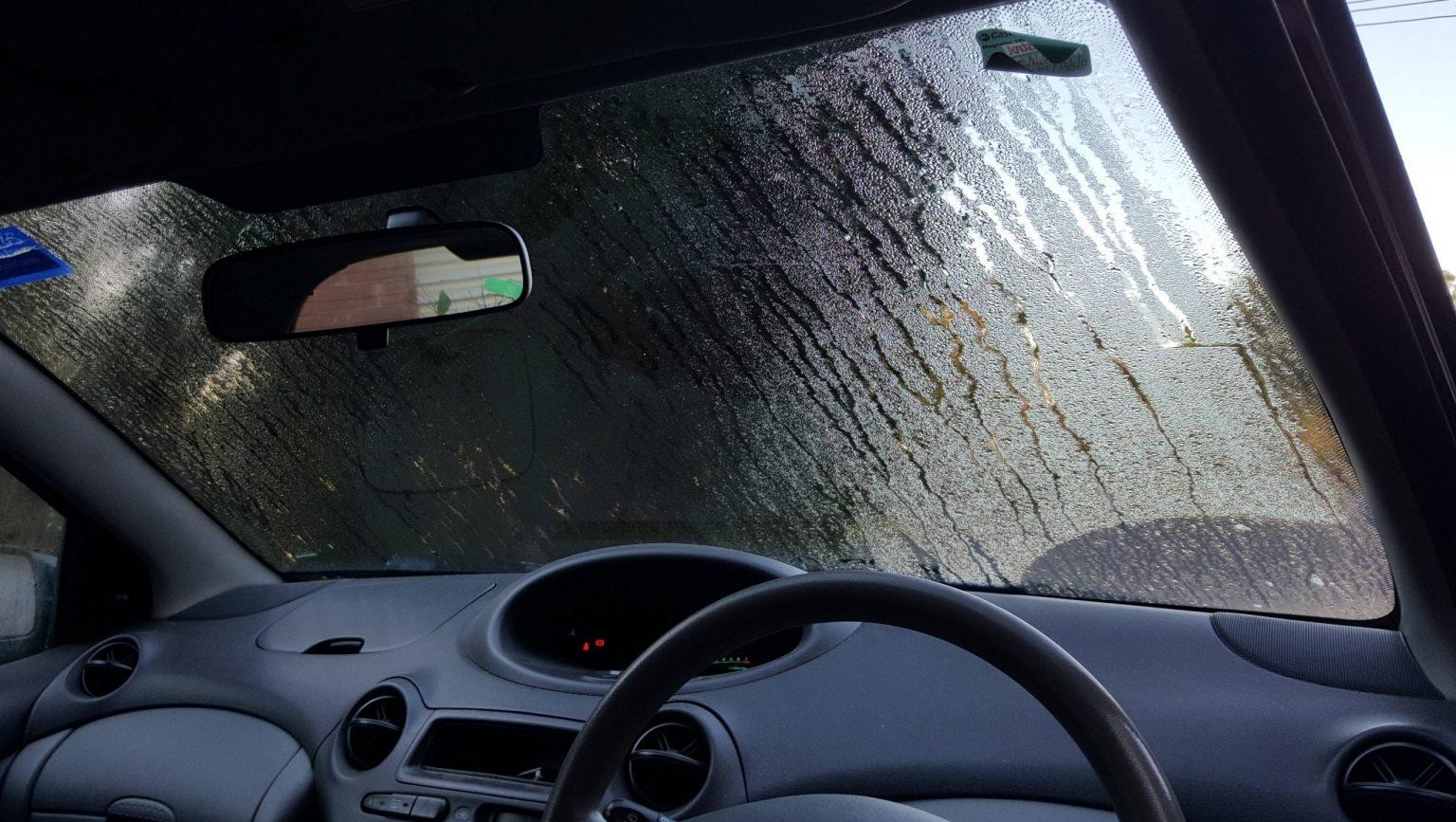
Heater core leaks introduce coolant moisture into the cabin through the ventilation system. Signs include a sweet smell and foggy film inside the windshield that is difficult to remove. Coolant fogging is different from regular humidity fogging and requires professional repair. Address heater core issues immediately as they also represent a potential health hazard.
Windshield gasket deterioration allows water to seep behind the glass and into the dashboard. This wicking moisture then evaporates into the cabin and appears as persistent fogging. Inspect the windshield perimeter seal annually for cracks or gaps. A properly sealed windshield is moisture-proof and significantly clearer.
Check all interior vents and duct openings for mold or mildew growth. Mold in HVAC ducts introduces moisture-laden spores directly into cabin air. Musty odors are a clear sign of mold presence in your vehicle’s ventilation system. Professional HVAC cleaning eliminates mold and significantly improves air quality and windshield clarity.
Sunroof drains are another commonly overlooked moisture pathway in vehicles. Clogged sunroof drains overflow and allow water to drip into the headliner. This moisture then runs down the A-pillars and onto the dashboard area. Clear sunroof drain tubes with compressed air annually to prevent this issue.
Conducting a thorough moisture audit of your vehicle twice a year is highly recommended. Check every potential entry and accumulation point systematically. Address each moisture source you find promptly and professionally. A completely dry interior is the ultimate foundation for a consistently fog-free, crystal-clear windshield in any humid US climate.
Also Read: 8 Pickups With Composite Beds That Never Rust vs 8 With Steel Beds
