

The Honda HR-V stands as one of the most reliable compact SUVs in today’s automotive market, combining practicality with exceptional fuel economy. This versatile vehicle has earned its reputation through consistent performance and dependable operation across various driving conditions.
However, like any mechanical system, the HR-V requires proper care and attention to maintain its excellent performance standards throughout its lifespan.
Understanding how to properly maintain your Honda HR-V can make the difference between a vehicle that serves you faithfully for years versus one that experiences premature wear and costly repairs.
The good news is that most maintenance tasks are straightforward and can either be performed by the owner or easily handled during routine service appointments. These maintenance practices become even more important when you consider the HR-V’s design philosophy, which emphasizes efficiency and longevity over raw power.
Many HR-V owners are surprised to learn that simple preventive measures can extend their vehicle’s life far beyond the typical expectations. Everything lies in understanding your vehicle’s specific needs and addressing them proactively rather than waiting for problems to develop.
This approach not only saves money on repairs but also ensures that your HR-V continues to deliver the smooth, efficient performance that made you choose it in the first place.
The following maintenance hacks represent years of collective wisdom from Honda technicians, experienced mechanics, and long-term HR-V owners. These strategies focus on the most critical systems that affect your vehicle’s longevity and performance.
Each recommendation addresses specific aspects of your HR-V that require attention at different intervals, from daily checks to annual services. By implementing these practices, you can expect your Honda HR-V to provide reliable transportation while maintaining its resale value and operating efficiency for many years to come.
1. Master the Art of Oil Change Timing and Quality Selection
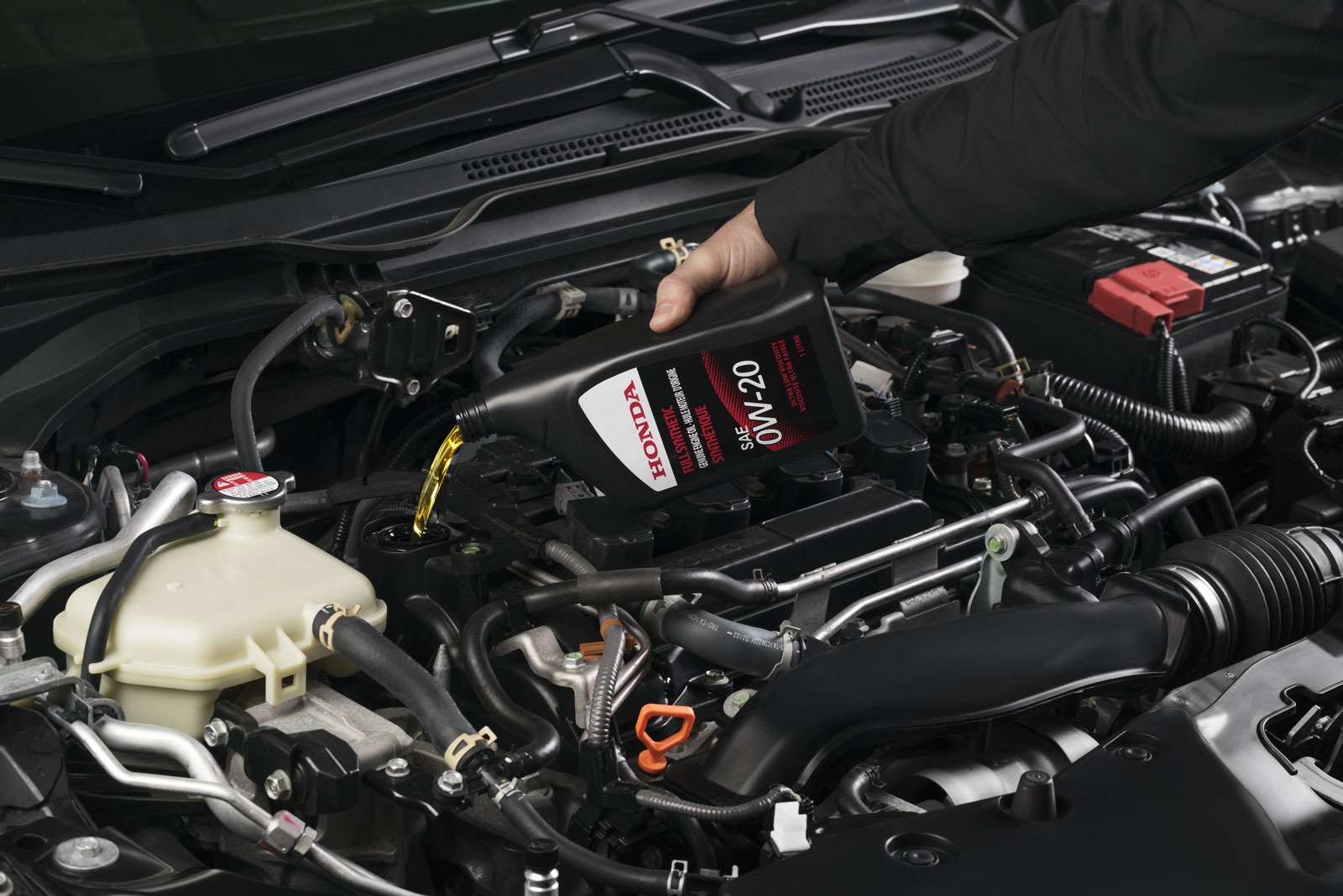
Engine oil serves as the lifeblood of your Honda HR-V’s powertrain system, and understanding proper oil maintenance goes far beyond simply following the manufacturer’s recommended intervals.
The HR-V’s efficient engine design requires high-quality oil that maintains its viscosity and protective properties under various operating conditions. Many owners make the mistake of using generic oils or extending change intervals beyond what’s appropriate for their driving habits.
The type of driving you do affects how often your oil should be changed. City driving with frequent stops and starts, short trips that don’t allow the engine to reach full operating temperature, and dusty conditions all qualify as severe service conditions.
Under these circumstances, your oil should be changed more frequently than the standard recommendation. The HR-V’s oil life monitoring system provides guidance, but it cannot account for all variables that affect oil degradation.
Choosing the right oil specification is equally important as timing. Honda recommends 0W-20 oil for most HR-V models, but this specification encompasses a wide range of oil qualities.
Full synthetic oils provide superior protection at both high and low temperatures, maintaining their lubricating properties longer than conventional oils.
Semi-synthetic blends offer a middle ground between cost and performance, while conventional oils should only be used if budget constraints make other options impossible.
The oil filter plays an equally critical role in maintaining engine health. Using genuine Honda filters or equivalent quality aftermarket options ensures proper filtration and flow characteristics.
Cheap filters may restrict oil flow or fail to remove contaminants effectively, leading to accelerated engine wear. When changing oil, always replace the drain plug gasket to prevent leaks and ensure proper torque specifications are followed during installation. Regular oil analysis can provide valuable insights into your engine’s health and help optimize change intervals.
By sending used oil samples to a laboratory, you can monitor wear metals, contamination levels, and oil condition. This information helps determine whether your current maintenance schedule is appropriate or if adjustments are needed based on your specific driving patterns and conditions.
2. Maintain Optimal Tire Health Through Proper Rotation and Pressure Management
Tire maintenance impacts your Honda HR-V’s fuel efficiency, handling characteristics, and safety performance. The HR-V’s lightweight design and efficient powerplant can be compromised by improperly maintained tires, leading to reduced fuel economy and premature wear.
Understanding proper tire care involves more than just checking pressure monthly, though that remains a fundamental requirement.
Tire rotation should be performed every 5,000 to 8,000 miles, depending on your driving conditions and tire type. The HR-V’s front-wheel-drive configuration means the front tires handle acceleration, steering, and braking forces, while rear tires primarily support the vehicle’s weight.
This uneven loading pattern causes front tires to wear faster than rear tires if rotation is neglected. Following the manufacturer’s rotation pattern helps ensure even wear across all four tires.
Proper tire pressure affects multiple aspects of your HR-V’s performance. Underinflated tires increase rolling resistance, reducing fuel economy and causing excessive heat buildup that can lead to tire failure.
Overinflated tires reduce the contact patch with the road surface, compromising traction and causing uneven wear patterns. Check tire pressure at least monthly when tires are cold, preferably before driving or after the vehicle has been parked for several hours.
Wheel alignment becomes critical when you notice uneven tire wear, steering pull, or after hitting potholes or curbs. The HR-V’s suspension geometry is designed to provide optimal handling and tire wear when properly aligned.
Misalignment not only causes premature tire replacement but also affects fuel efficiency and driving safety. Annual alignment checks help identify issues before they cause expensive tire damage. Tire quality selection affects both immediate performance and long-term costs.
While premium tires cost more initially, they often provide better fuel efficiency, longer tread life, and superior performance characteristics.
When replacing tires, maintain the same size and load rating specified by Honda. Using incorrect tire sizes can affect speedometer accuracy, transmission change points, and vehicle stability control systems.
Also Read: 5 Honda Insight Years Worth Buying vs 5 To Avoid
3. Keep the Cooling System Operating at Peak Efficiency
The Honda HR-V’s cooling system maintains optimal engine operating temperatures while supporting cabin heating and air conditioning functions
. This system requires regular attention to prevent overheating, which can cause catastrophic engine damage. Understanding cooling system maintenance involves monitoring coolant levels, quality, and system components that work together to regulate temperature.
Coolant serves multiple functions beyond temperature regulation. It prevents corrosion within the cooling system, lubricates water pump seals, and provides freeze protection in cold climates.
Honda specifies a particular coolant formulation that provides optimal protection for the HR-V’s aluminum engine components.
Mixing different coolant types or using incorrect formulations can cause chemical reactions that damage system components.
Regular coolant level monitoring helps identify potential leaks before they cause engine damage. Check coolant levels when the engine is cold, looking at both the radiator and overflow reservoir.
Consistently low coolant levels indicate a leak that requires immediate attention. Common leak points include radiator hoses, the water pump, thermostat housing, and the radiator itself. Addressing small leaks promptly prevents more expensive repairs later.
The radiator and condenser require periodic cleaning to maintain optimal heat transfer efficiency. Road debris, insects, and environmental contaminants can accumulate on these components, reducing their cooling capacity.
Gentle cleaning with water and compressed air helps maintain proper airflow. Avoid using high-pressure washers that might damage delicate cooling fins.
Thermostat replacement becomes necessary when temperature regulation becomes inconsistent. A faulty thermostat might stick open, causing slow engine warm-up and reduced fuel efficiency, or stick closed, leading to overheating.
The HR-V’s thermostat typically lasts 100,000 miles or more, but replacement should be considered during major cooling system service. Water pump replacement often coincides with timing belt service, as both components are accessed during the same procedure.
4. Protect Your Transmission Through Fluid Maintenance and Driving Habits
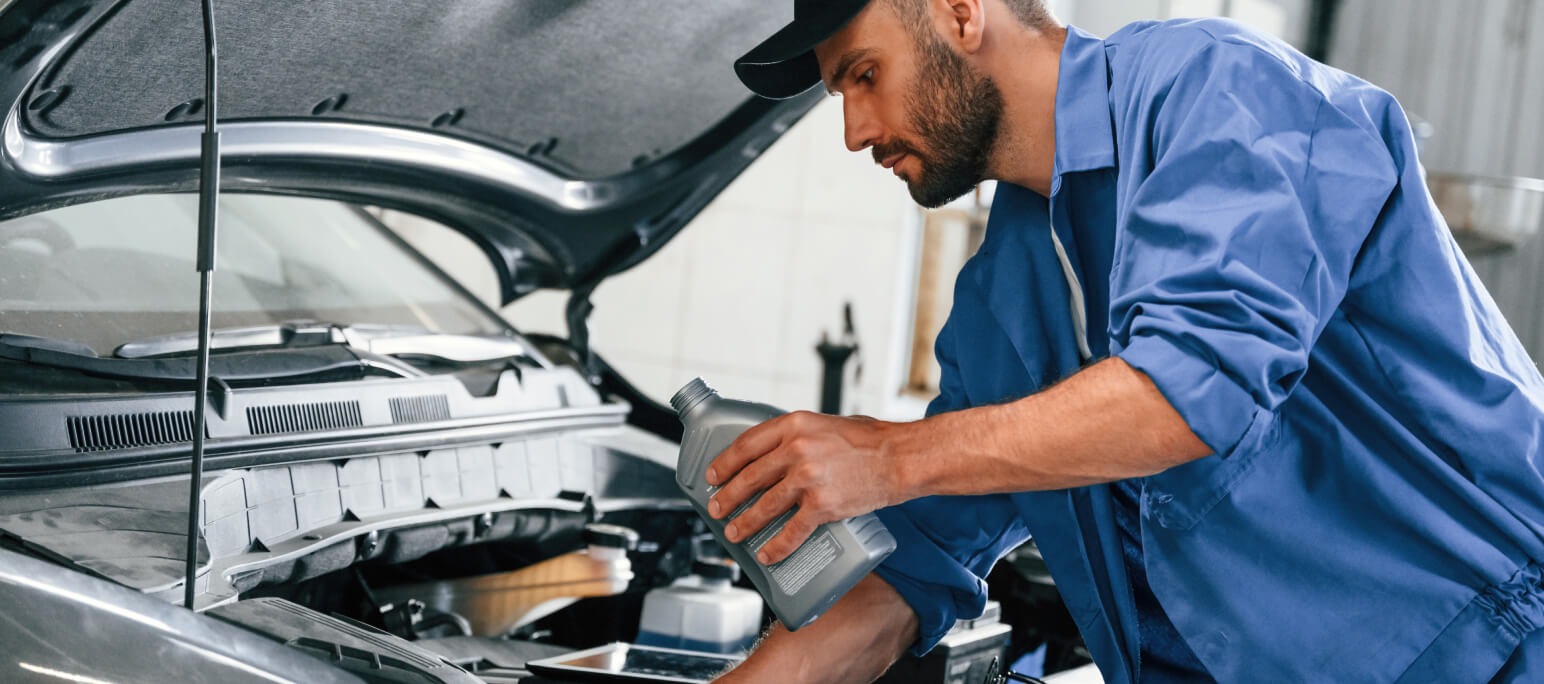
The Honda HR-V’s Continuously Variable Transmission (CVT) or manual transmission requires specific maintenance approaches to ensure smooth operation and longevity.
CVT technology provides excellent fuel efficiency but requires particular attention to fluid quality and operating conditions. Understanding proper transmission care helps avoid costly repairs and maintains smooth power delivery.
CVT fluid differs from traditional automatic transmission fluid in its formulation and operating characteristics. Honda specifies CVT fluid HCF-2 for most HR-V models, and using alternative fluids can cause transmission damage.
This specialized fluid maintains proper belt and pulley operation while providing necessary hydraulic pressure for system components. Fluid changes should follow manufacturer recommendations, typically every 25,000 to 30,000 miles under normal conditions.
Driving habits affect transmission longevity. Avoiding rapid acceleration from stops, allowing the transmission to warm up before demanding full performance, and using proper hill-climbing techniques all contribute to extended transmission life.
The CVT system responds differently than traditional automatics, requiring drivers to adjust their expectations regarding power delivery and engine speed relationships.
For HR-V models equipped with manual transmissions, clutch operation and gear oil quality become primary concerns. Proper clutch usage involves smooth engagement and disengagement, avoiding riding the clutch pedal, and using appropriate techniques for hill starts and parking.
Gear oil changes should follow manufacturer intervals, typically every 30,000 to 60,000 miles, depending on driving conditions. Transmission cooling becomes important during severe operating conditions such as trailer towing, mountain driving, or stop-and-go traffic in hot climates.
While the HR-V is not designed for heavy towing, understanding transmission temperature management helps prevent damage during demanding conditions.
Allowing the transmission to cool between high-demand situations and avoiding continuous high-load operation protects system components.
5. Ensure Brake System Reliability Through Regular Inspection and Service
Your Honda HR-V’s brake system requires consistent attention to maintain optimal stopping performance and safety. The lightweight design of the HR-V means the brake system operates under less stress than larger vehicles, but proper maintenance remains critical for safety and component longevity.
Understanding brake system care involves monitoring pad wear, fluid condition, and system components. Brake pad inspection should occur during tire rotations or whenever wheels are removed for service. The HR-V’s disc brake system provides visual access to pad thickness through wheel spokes.
Pads should be replaced when the thickness reaches the manufacturer’s minimum specification, typically 2-3mm of friction material remaining. Waiting until pads are completely worn can damage rotors and increase replacement costs.
Brake fluid absorbs moisture from the atmosphere as time goes on, reducing its boiling point and compromising braking performance. Contaminated fluid can cause brake fade during heavy use and accelerate corrosion of system components.
Honda recommends brake fluid replacement every three years, regardless of mileage. Using DOT 3 brake fluid meeting Honda specifications ensures proper system operation and component protection. Rotor maintenance involves monitoring thickness, surface condition, and wear patterns.
The HR-V’s ventilated front rotors dissipate heat effectively when properly maintained. Surface scoring, excessive thickness variation, or warping requires rotor replacement or resurfacing. Proper pad bedding procedures during initial installation help ensure optimal rotor life and braking performance.
Brake caliper maintenance includes monitoring for leaks, proper operation, and slide mechanism function. Sticking calipers cause uneven pad wear, reduced fuel efficiency, and compromised braking performance.
Caliper slide pins require periodic lubrication with appropriate high-temperature grease to ensure proper operation. Brake hose inspection helps identify potential failure points before they cause brake system problems.
6. Maintain Air Filtration Systems for Optimal Engine and Cabin Performance
The Honda HR-V utilizes multiple filtration systems that require regular attention to maintain optimal performance and occupant comfort. The engine air filter and cabin air filter serve different functions, but both affect your driving experience and vehicle longevity.
Understanding proper filter maintenance helps ensure your HR-V continues operating efficiently while providing clean cabin air.
The engine air filter directly affects engine performance, fuel efficiency, and longevity. A dirty air filter restricts airflow to the engine, causing the fuel injection system to compensate by enriching the fuel mixture.
This compensation reduces fuel economy and can cause carbon buildup on intake valves and combustion chambers. The HR-V’s engine air filter should be inspected every 12,000 miles and replaced when dirty or damaged.
Filter inspection involves removing the filter element and examining it for dirt accumulation, damage, or oil contamination. A properly functioning filter should appear relatively clean, with some dust accumulation normal.
Heavy dirt loading, tears, or oil saturation indicate immediate replacement is necessary. Attempting to clean paper filter elements by tapping or blowing compressed air provides minimal benefit and may damage the filter media.
Cabin air filter replacement affects interior air quality and HVAC system efficiency. A clogged cabin filter restricts airflow through the heating and air conditioning system, reducing performance and potentially causing system strain.
This filter also removes pollen, dust, and other airborne contaminants from cabin air. Replacement intervals vary based on driving environment, with dusty or polluted conditions requiring more frequent changes.
Air intake system cleaning may be necessary in dusty environments or after extended use. The HR-V’s air intake system can accumulate dirt and debris that affects airflow characteristics.
Cleaning should be performed carefully to avoid damage to sensitive airflow sensors. Mass airflow sensor contamination can cause drivability problems and reduced fuel efficiency.
High-quality aftermarket filters may provide improved filtration or longer service life compared to standard replacement filters.
However, ensure any replacement filter meets or exceeds Honda’s specifications for airflow and filtration efficiency. Some high-performance filters require special cleaning procedures rather than replacement, which may be cost-effective for high-mileage drivers.
7. Preserve Suspension Components Through Proper Inspection and Maintenance
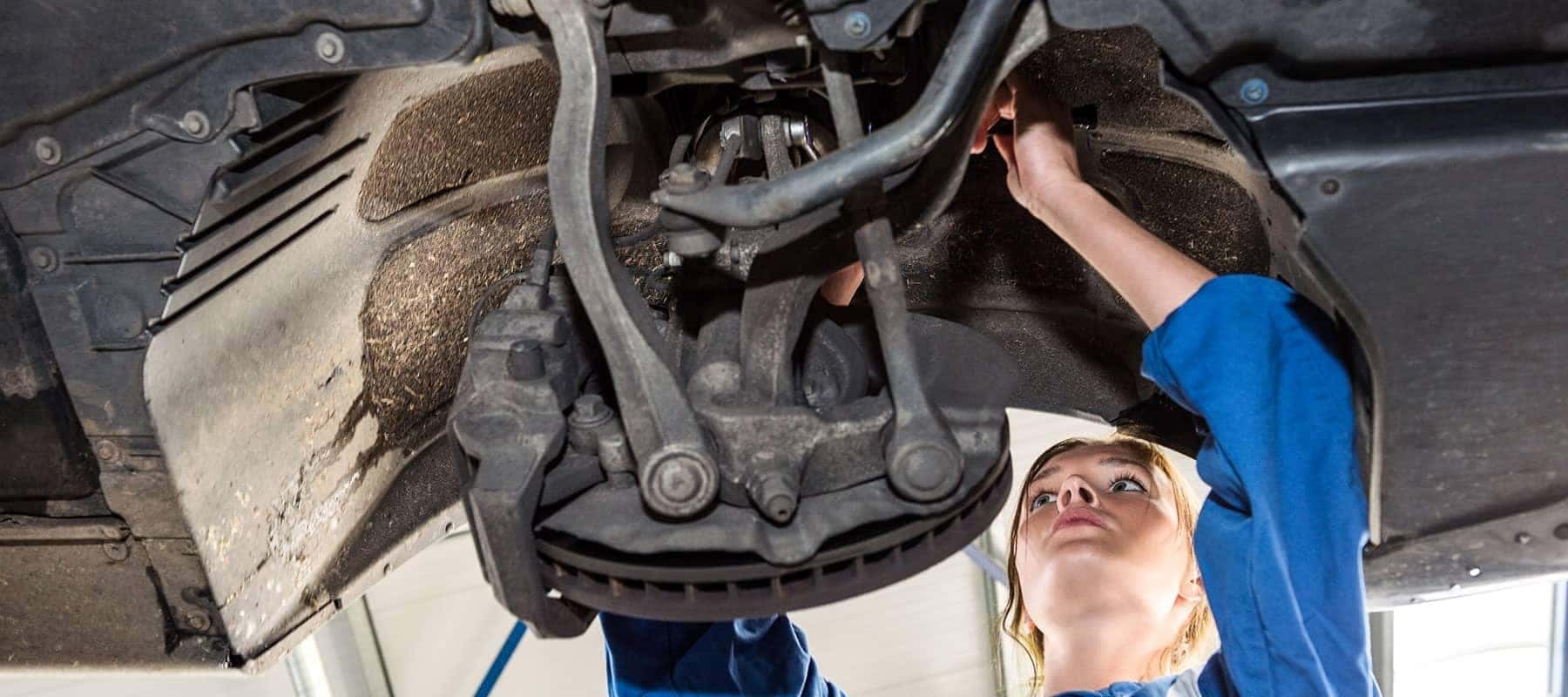
Your Honda HR-V’s suspension system provides ride comfort, handling precision, and tire-to-road contact necessary for safe operation.
The compact SUV’s suspension design balances comfort with responsive handling while maintaining durability under normal operating conditions. Regular suspension maintenance helps preserve these characteristics while preventing premature component failure.
Shock absorber and strut condition affects multiple aspects of vehicle performance, including ride quality, tire wear patterns, and braking efficiency.
These components gradually deteriorate as time goes on, making performance changes difficult to notice during daily driving. Annual inspections can identify worn components before they affect safety or cause damage to other suspension parts.
Visual inspection of suspension components should include checking for fluid leaks, physical damage, and mounting hardware condition.
Strut assemblies may show oil stains around seals when internal wear occurs. Bushings and mounting points should be examined for cracking, separation, or excessive movement. Ball joints require attention to prevent dangerous failure that could cause loss of vehicle control.
Wheel alignment and suspension geometry work together to provide optimal tire wear and handling characteristics. The HR-V’s suspension design maintains specific alignment angles that distribute tire loads evenly and provide predictable handling response.
Impact damage from potholes or curb strikes can alter these angles, requiring professional alignment service to restore proper geometry. Sway bar links and bushings help control body roll during cornering while maintaining ride comfort.
These components experience constant movement during normal driving and may wear prematurely in harsh environments. Replacement is typically straightforward and relatively inexpensive when performed promptly. Neglecting worn sway bar components can affect handling predictability and tire wear patterns.
Spring condition affects ride height and load-carrying capacity. While coil spring failure is uncommon on the HR-V, sagging springs can alter suspension geometry and reduce ground clearance.
Replacement should use springs meeting Honda specifications for load rating and ride characteristics. Aftermarket springs may alter ride quality and handling characteristics compared to original equipment.
8. Optimize Fuel System Performance Through Quality Fuel and Regular Service
The Honda HR-V’s fuel system delivers precise fuel metering necessary for efficient combustion and emissions compliance. Modern fuel injection systems operate at high pressures with tight tolerances, making fuel quality and system cleanliness critical for optimal performance.
Understanding proper fuel system care helps maintain efficiency while preventing expensive component failures. Fuel quality affects engine performance and longevity. Using gasoline meeting Top Tier standards provides detergent additives that help keep fuel system components clean.
While the HR-V operates satisfactorily on regular unleaded gasoline, higher octane fuels may provide benefits under certain operating conditions. Avoiding gasoline with excessive ethanol content helps prevent fuel system corrosion and performance issues.
Fuel filter replacement intervals vary by model year and driving conditions. While many HR-V models include lifetime fuel filters integrated into the fuel pump assembly, external filters require periodic replacement.
Contaminated fuel filters restrict flow to the engine, causing performance problems and potentially damaging fuel injection components. Following manufacturer recommendations prevents flow restriction problems.
Fuel injection cleaning may be necessary when performance problems develop or as preventive maintenance. Professional cleaning services use specialized equipment to remove deposits from fuel injectors, intake valves, and combustion chambers.
This service can restore performance and fuel efficiency when carbon buildup affects engine operation. Some mechanics recommend periodic cleaning every 30,000 to 50,000 miles.
Carbon buildup on intake valves can occur in direct injection engines due to reduced fuel washing action compared to port injection systems.
While the HR-V uses port injection, carbon accumulation can still occur under certain operating conditions. Using quality gasoline with detergent additives and occasional higher-speed driving helps prevent excessive buildup.
Fuel system pressure testing helps diagnose performance problems and verify proper operation. The HR-V’s fuel system operates at specific pressures necessary for proper injector operation.
Pressure variations can indicate fuel pump problems, filter restrictions, or regulator malfunctions. Professional diagnosis prevents unnecessary component replacement and ensures proper system operation.
9. Maintain Electrical System Health Through Battery Care and Regular Inspections
The Honda HR-V’s electrical system powers everything from engine management to comfort features, making proper maintenance essential for reliable operation.
Modern vehicles depend heavily on electrical systems, and component failures can cause inconvenience and repair costs. Understanding electrical system care helps prevent problems while maintaining optimal performance of all vehicle systems.
Battery maintenance begins with regular visual inspections and terminal cleaning. Corrosion buildup on battery terminals restricts electrical flow and can cause starting problems or charging system issues. Clean terminals with a wire brush and baking soda solution, then apply terminal protectant to prevent future corrosion.
Battery hold-down hardware should be tight to prevent vibration damage during driving. Charging system performance affects battery life and electrical system operation. The HR-V’s alternator maintains battery charge while powering electrical accessories during engine operation.
Testing the charging system output helps identify problems before they cause battery failure or electrical system malfunctions. Proper belt tension ensures optimal alternator performance and prevents premature bearing wear.
Electrical connections throughout the vehicle require periodic attention to maintain proper operation. Connector corrosion, loose connections, or damaged wiring can cause intermittent problems that are difficult to diagnose.
Visual inspections during routine service help identify potential problems before they cause system failures. Engine bay connections are particularly susceptible to environmental damage.
Battery replacement should occur before complete failure to prevent being stranded. Most automotive batteries provide warning signs before complete failure, including slow cranking, dim headlights, or electrical system malfunctions.
The HR-V’s battery typically lasts three to five years, depending on climate and usage patterns. Extreme temperatures accelerate battery deterioration and may require more frequent replacement. Electrical accessory loads affect battery and charging system performance.
Adding aftermarket accessories without proper electrical analysis can overload the charging system or drain the battery when the vehicle is parked. Understanding your HR-V’s electrical capacity helps prevent problems when adding accessories like dash cameras, phone chargers, or audio system upgrades.
Also Read: 8 Driving Habits That Kill a Honda Accord Coupe Too Early
10. Implement Preventive Maintenance Scheduling for Long-Term Reliability
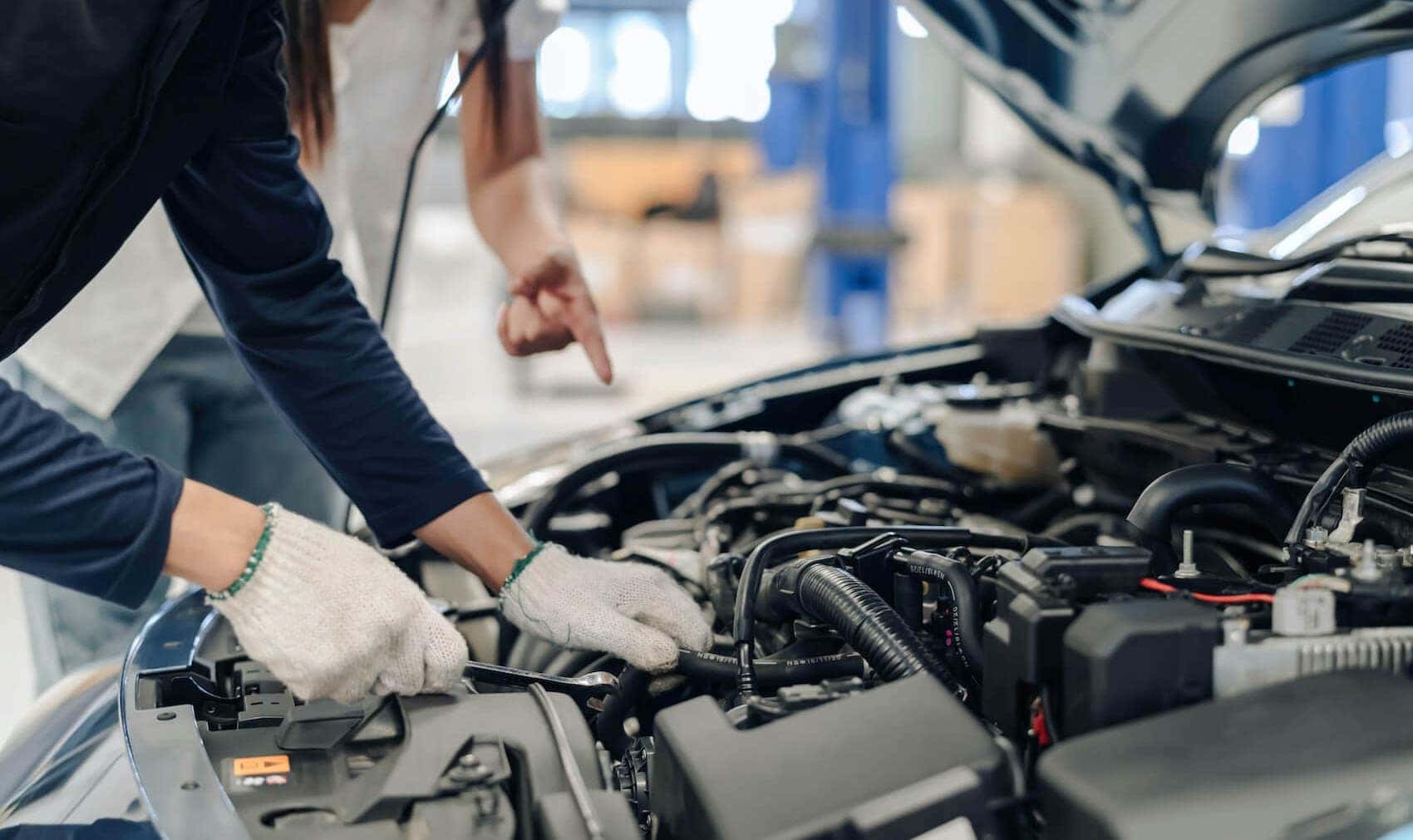
Creating and following a comprehensive maintenance schedule ensures your Honda HR-V receives necessary attention before problems develop.
Preventive maintenance costs less than emergency repairs while maintaining vehicle reliability and resale value. Understanding how to develop an effective maintenance program helps maximize your investment in your vehicle.
Manufacturer maintenance schedules provide baseline recommendations for service intervals, but individual driving conditions may require adjustments.
Severe service conditions include frequent short trips, dusty environments, extreme temperatures, or stop-and-go traffic. These conditions accelerate component wear and may require more frequent service than standard recommendations.
Record keeping helps track maintenance history and identify patterns that might indicate developing problems.
Maintaining detailed records of all service work, including dates, mileage, and parts used, provides valuable information for warranty claims and resale purposes. Digital maintenance tracking apps or simple paper logs both work effectively when used consistently.
Professional inspections complement owner-performed maintenance checks. Qualified technicians can identify potential problems during routine service that owners might miss.
Annual comprehensive inspections help catch developing issues before they cause expensive failures or safety concerns. Establishing relationships with trusted service providers ensures consistent, quality care for your HR-V.
Seasonal maintenance preparation helps address climate-related challenges before they cause problems. Winter preparation might include battery testing, coolant concentration checks, and tire condition evaluation. Summer preparation focuses on cooling system performance and air conditioning operation. Addressing seasonal needs proactively prevents weather-related breakdowns.
Budget planning for maintenance expenses helps ensure necessary service is performed on schedule. Understanding typical maintenance costs allows for proper financial planning and prevents deferred maintenance that can lead to expensive repairs.
Setting aside monthly amounts for maintenance expenses ensures funds are available when service is needed. This approach maintains your HR-V’s reliability while spreading costs as time goes on, rather than facing large unexpected expenses.
By implementing these ten comprehensive maintenance strategies, your Honda HR-V will provide years of reliable, efficient transportation while maintaining its value and performance characteristics.
Regular attention to these areas prevents small problems from becoming expensive repairs while ensuring your vehicle continues to meet your transportation needs effectively.
