

Many people who own a Honda Element agree that this car is not just about unique design but about strong durability. From the time it was first introduced, this vehicle has been admired for its boxy shape, spacious interior, and flexibility in handling different lifestyles.
Some people use it as a family car, others rely on it for outdoor activities, while a good number love it because of its dependability on the road. Even though the Element has stopped production, there are thousands of them still moving on American roads, and owners always want them to last as long as possible.
For a car that was produced between 2003 and 2011, its ability to remain highly functional today depends on how well it is maintained. Honda has always been praised for engineering vehicles that last, but that does not mean the Element can go without proper care.
Owners who want to enjoy their cars for several more years need to take certain steps that will preserve the engine, protect the structure, and keep the overall performance at a high level. With the right attention, this vehicle can easily pass 250,000 miles and still run smoothly.
Many drivers sometimes forget that little habits and maintenance routines are the difference between a car that fails early and one that stays dependable for decades. Simple practices such as changing oil at the right time, checking fluid levels, rotating tires, and cleaning the undercarriage all play a huge role. Beyond these basic steps, there are other helpful tricks that experienced drivers of the Element have shared. When applied consistently, these hacks allow the car to remain reliable and enjoyable to drive.
On this page, we will cover ten practical hacks that any Honda Element owner can use to make sure their vehicle continues to perform well for as long as possible. Each point will break down why it matters, how to apply it, and the long-term benefit it offers. With patience and consistency, these tips can keep a Honda Element dependable for many years.
1. Stick to a Strict Oil Change Routine
One of the most effective ways to make a Honda Element last is by sticking to a strict oil change schedule. The engine inside this car was built with Honda’s typical focus on reliability, but it still needs fresh oil to protect its parts.
Oil is the lifeblood of any engine, and when it becomes dirty or loses its quality, the engine begins to wear out faster than normal. A driver who ignores oil changes will see more problems like engine knocking, higher fuel consumption, or even total engine failure.
The recommendation for many Honda vehicles, including the Element, is to change the oil every 3,000 to 5,000 miles if you are using conventional oil. For synthetic oil, it can be extended to about 7,000 to 8,000 miles. The important thing is not to delay beyond the advised range. Even if the car is not used often, oil can still break down with time, so changing it every few months keeps the engine healthy.
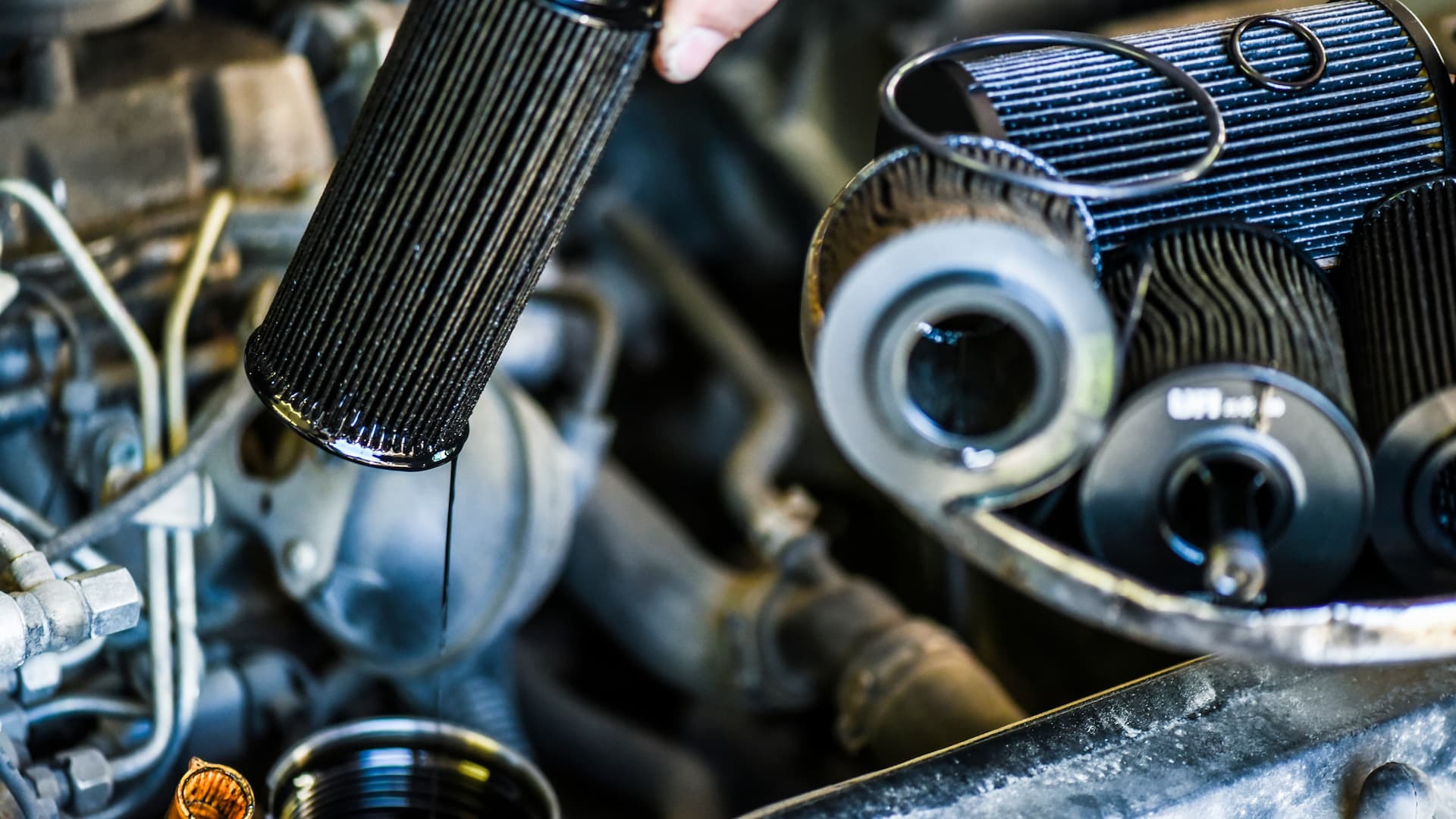
It is not enough to change oil alone. You must also replace the oil filter each time. The filter catches dirt and particles that would otherwise damage the engine. A new filter ensures that the fresh oil you pour in remains clean and effective. Without it, even new oil can become dirty quickly, reducing its usefulness.
Another reason to stick to this routine is that it gives you the chance to inspect the engine bay. While changing oil, you can check for leaks, cracks, or unusual smells. Identifying small problems early saves you from costly repairs later.
Owners who remain consistent with oil changes often see their Honda Element engines run smoothly past 200,000 miles. It is one of the cheapest and most powerful hacks to make sure the car stays dependable. Skipping this step is like ignoring food and water for your body. If you want the Element to stay reliable forever, keeping up with oil changes is the foundation.
2. Give Special Attention to the Transmission
The Honda Element has both manual and automatic transmission models, and whichever type you own, it needs special attention. Many car owners make the mistake of ignoring transmission service until they start hearing rough changes or feel slipping gears. By the time those signs appear, it might already be too late. The transmission is one of the most expensive parts of the Element to repair, which makes preventive care extremely important.
For automatic versions, changing transmission fluid is critical. Honda usually recommends that the fluid be replaced every 30,000 to 60,000 miles depending on usage. This fluid keeps the system lubricated and cool, allowing smooth gear changes.
Once the fluid becomes old, it starts losing its ability to protect the moving parts. You may notice delayed gear engagement, jerking when shifting, or even complete failure. That is why waiting too long can cost thousands of dollars in replacement costs.
Manual transmissions are slightly different, but they still require regular fluid changes. The clutch also needs monitoring. Many owners enjoy the control that a manual Element gives, but if you ignore the clutch, it will wear out quickly. Paying attention to how the clutch engages and replacing it once it starts slipping helps avoid damage to other components.
One overlooked habit is checking for leaks under the car. Even small drips of transmission fluid should not be ignored. They often indicate a seal or gasket problem that, if not fixed, can drain the system and destroy the gearbox. It is better to spend on minor repairs than to face a complete replacement.
Transmission care also involves driving habits. Avoid sudden changes between reverse and drive, and do not overload the vehicle beyond its limit. Smooth handling extends the life of the system. With careful attention, the Element’s transmission can last as long as the engine itself, keeping the vehicle reliable for decades.
Also Read: 10 Hacks That Keep a Toyota Camry Hybrid Reliable for Years
3. Pay Attention to Timing Chain and Belts
Honda Element models are equipped with a timing chain instead of a timing belt, which is one advantage this vehicle has compared to some others. Timing chains usually last longer and do not require replacement at short intervals like belts. Still, that does not mean the system should be ignored. If the timing chain or the components around it begin to fail, the engine can face severe damage.
Listening for unusual sounds is one way to know when attention is needed. A rattling noise when starting the car or accelerating can mean the chain is loose or the tensioner is wearing out. If this is not fixed on time, the chain may jump, causing the engine’s valves and pistons to collide. Such damage often means a complete engine rebuild or replacement.
Another part to keep an eye on is the serpentine belt. This belt runs accessories like the alternator, power steering pump, and air conditioning compressor. If the belt cracks or breaks, those systems stop working immediately. Regular inspection of the belt for cracks, fraying, or glazing helps prevent sudden breakdowns.
Replacing the serpentine belt every 60,000 to 100,000 miles is usually advised. It is a low-cost replacement that prevents more expensive issues. The tensioner and pulleys should also be checked at the same time. A failing pulley can eat through a new belt quickly, wasting your effort and money.
By giving attention to both the timing chain and belts, Honda Element owners prevent catastrophic engine failure and unexpected roadside issues. A strong engine depends on these parts working smoothly, and once they are properly cared for, the vehicle continues to stay dependable for many years.
4. Protect the Cooling System
The cooling system of the Honda Element plays a very important role in keeping the engine safe. If the engine overheats, it can cause warped cylinder heads, damaged gaskets, and other expensive problems. Protecting the cooling system is one hack that makes a big difference in how long the Element lasts.
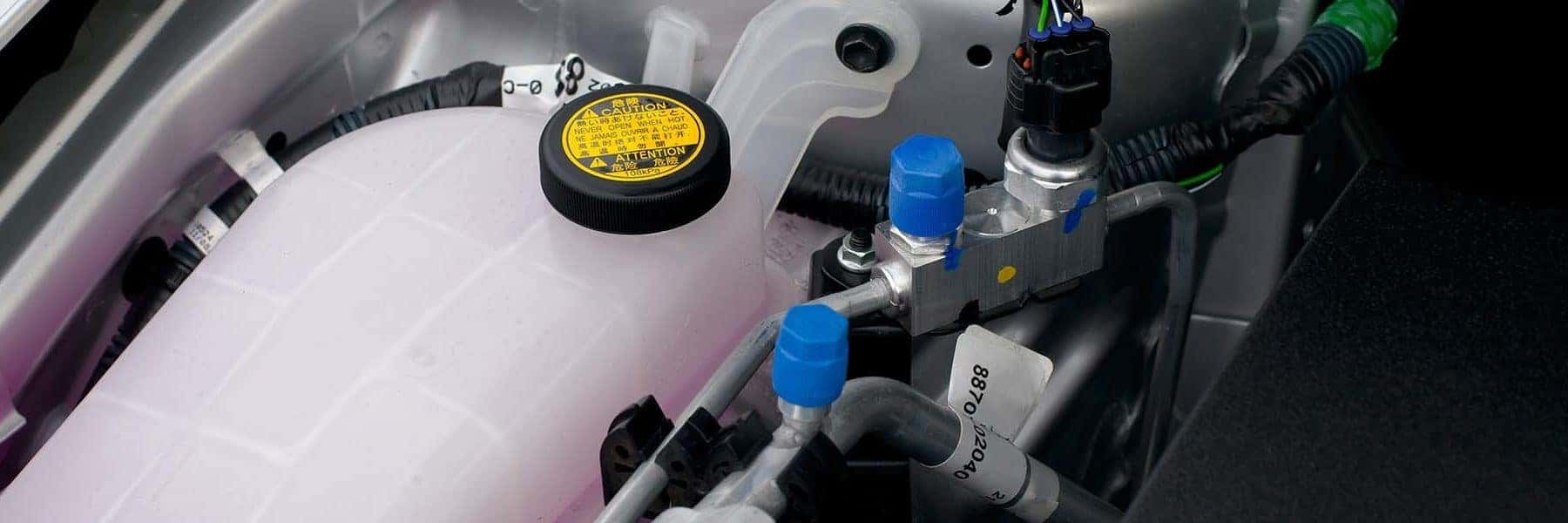
Coolant levels should be checked regularly. This liquid prevents overheating and also protects against freezing in colder climates. after a while, the coolant becomes dirty and loses its protective qualities. Replacing it every 2 to 3 years is the best way to keep the system effective. When draining and refilling coolant, always bleed air pockets from the system because trapped air can cause overheating.
The radiator is another part that deserves attention. Dirt, leaves, or bugs often block airflow, reducing its cooling ability. Cleaning the radiator fins gently with water or compressed air helps maintain efficiency. For older Elements, checking the radiator cap is also important. A weak cap can lead to coolant loss or overheating.
Hoses in the cooling system can crack, swell, or leak with time. Inspecting them every oil change and replacing weak ones prevents sudden bursts that could leave you stranded. The water pump, which circulates coolant, also needs periodic checks. Any sign of coolant leaking around it should be treated immediately.
An overlooked part is the thermostat. If it gets stuck, the engine may either run too cold or too hot. Both conditions reduce efficiency and damage engine parts. Replacing the thermostat whenever you notice irregular temperature readings is a smart move.
By keeping the cooling system in perfect condition, Honda Element owners avoid one of the biggest threats to engine life. With regular checks and timely replacements, the car can run for many years without overheating issues.
5. Keep Suspension and Steering Healthy
A smooth and controlled ride depends on the suspension and steering system. For the Honda Element, this is an area that must not be ignored. The suspension parts carry the weight of the vehicle, absorb shocks, and keep the tires in contact with the road. When they begin to fail, not only does the ride become rough, but safety is also reduced.
Shock absorbers and struts should be inspected for leaks or weakness. If the car bounces excessively after hitting a bump, the shocks may need replacement. Driving with worn shocks causes uneven tire wear and puts extra stress on other parts. Replacing them when needed ensures comfort and stability.
Ball joints and control arm bushings are also important. When these wear out, you may hear clunking noises or experience wandering steering. Ignoring them can lead to unsafe handling. Regular inspection and replacement when worn keep the Element responsive and safe.
The steering system requires special attention to the power steering fluid. If the fluid level drops or becomes dirty, steering becomes harder and can damage the pump. Replacing the fluid according to schedule and checking for leaks prevents costly repairs.
Wheel alignment is another factor that many people overlook. Misaligned wheels cause uneven tire wear and poor fuel economy. Checking alignment every year or after hitting a pothole protects both the tires and suspension.
Taking care of suspension and steering not only protects comfort. It protects the safety of the driver and passengers. A Honda Element with a strong suspension system handles corners better, brakes more effectively, and gives confidence in different road conditions.
6. Do Regular Brake System Checks
Brakes are one of the most important systems in any car, and the Honda Element is no exception. Keeping the brakes in good condition is both a safety measure and a way to protect other parts of the vehicle. When brakes are weak, other components of the car suffer more stress, and accidents become more likely.
Brake pads should be checked regularly and replaced when thin. Waiting until they wear down completely damages the rotors, which are much more expensive to replace. Rotors should also be inspected for warping or scoring. If the steering wheel shakes while braking, the rotors may need resurfacing or replacement.
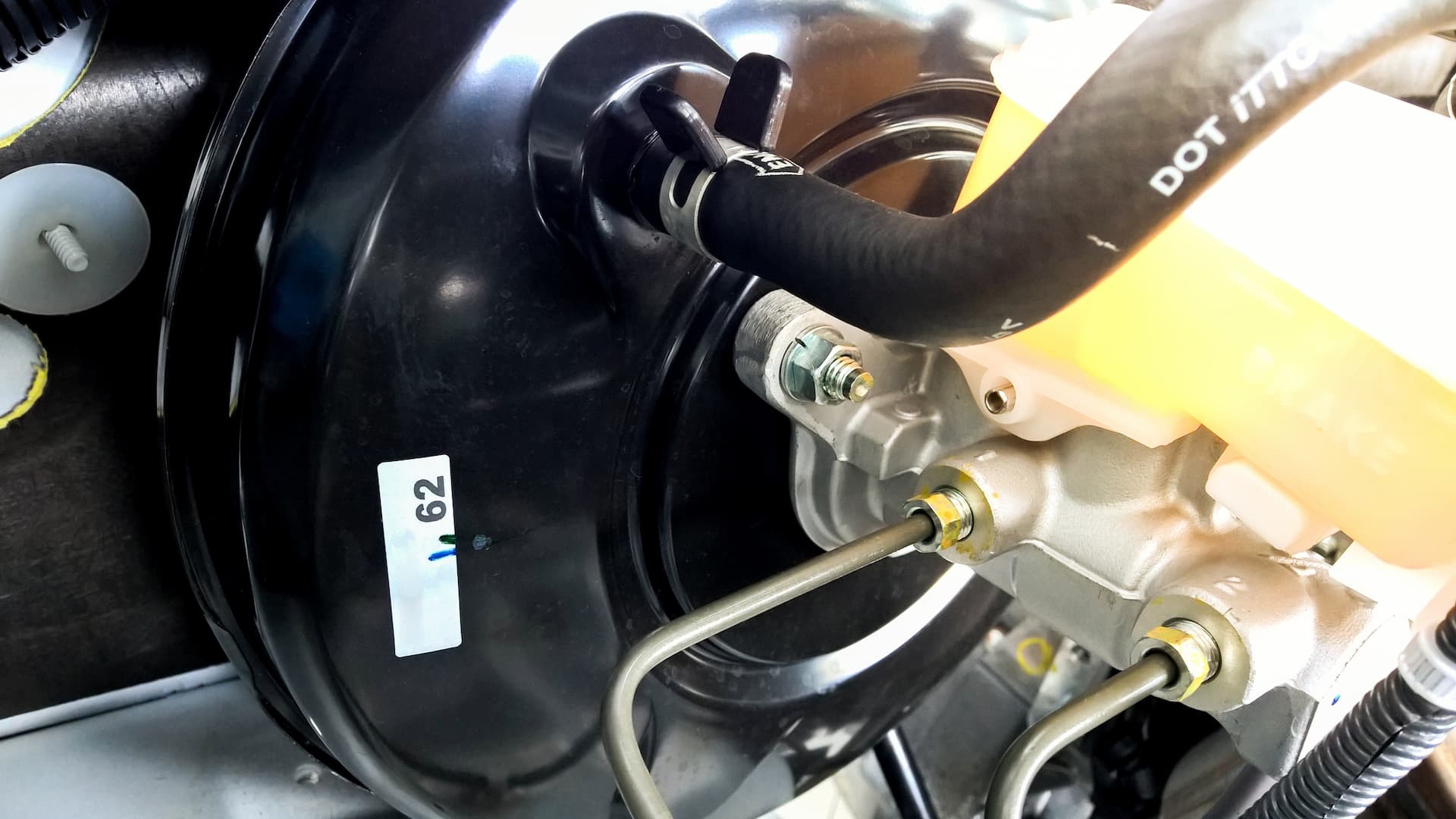
Brake fluid is another crucial part. This fluid absorbs moisture in the course of time, reducing its effectiveness. Replacing it every two to three years ensures proper braking force. Dirty or low fluid can lead to spongy pedals and longer stopping distances, both of which are dangerous.
The calipers, which press the pads against the rotors, can sometimes stick. This causes uneven braking, increased wear, and reduced performance. During brake service, checking the calipers and lubricating their pins prevents this problem.
Another habit that extends the life of the brake system is driving smoothly. Avoiding unnecessary hard braking reduces wear on pads and rotors. Anticipating traffic ahead and slowing down gradually saves money and increases safety.
A well-maintained brake system gives confidence while driving and prevents accidents. For a Honda Element that is expected to last long, brake system care is not something to ignore. It is a critical hack to keep the car reliable forever.
7. Watch Out for Rust and Body Protection
Even though the Honda Element has a strong frame, rust can be a silent destroyer if left unchecked. Rust eats away at metal and weakens the structure of the car. Many older Elements, especially those driven in areas with road salt, experience rust around wheel arches, undercarriage, and suspension components. Protecting the body from rust is one of the most effective long-term hacks.
Regularly washing the car, especially underneath, helps remove salt, dirt, and moisture that encourage rust. Using a pressure washer for the undercarriage is an excellent habit. Applying protective coatings like underbody sprays gives an extra layer of defense.
Inspecting for small rust spots and treating them immediately prevents them from spreading. Sanding down the area, applying rust converter, and repainting helps maintain the car’s appearance and strength. Leaving rust untreated allows it to spread fast and cause holes.
Weatherstripping around doors and windows should also be checked. If water leaks inside, it can cause hidden rust in floor panels. Replacing worn weatherstripping protects the interior as well.
Some owners even go as far as applying ceramic coatings or waxing the paint regularly. This not only improves appearance but also creates a barrier against moisture. By paying attention to rust prevention, Honda Element owners add many extra years to their vehicles’ life.

8. Care for Tires and Wheels
Tires are the only parts of the car that touch the road, which makes their condition very important. A Honda Element that is well cared for can still perform poorly if the tires are weak. Taking care of the tires and wheels is another hack that ensures long-lasting reliability.
Checking tire pressure regularly prevents uneven wear and improves fuel economy. Underinflated tires wear out faster and make the engine work harder, while overinflated tires reduce grip and comfort. Keeping the tires at the recommended pressure extends their life and improves safety.
Rotating tires every 5,000 to 7,000 miles spreads wear evenly across all four. Without rotation, the front tires often wear faster than the rear, reducing entire life. Balancing the tires also reduces vibration and stress on suspension parts.
Inspecting tread depth is critical. Worn tires with low tread are dangerous in wet or snowy conditions. Replacing them on time prevents accidents. Choosing quality tires designed for your driving environment also makes a difference. For people who drive in snowy areas, using winter tires during the cold season greatly improves safety and handling.
Wheel alignment is connected to tire care as well. Misaligned wheels cause the tires to wear unevenly and reduce fuel economy. Checking alignment ensures that all tires point in the right direction, reducing drag and extending their lifespan.
Caring for tires and wheels is not only about saving money but also about safety. A Honda Element with well-maintained tires handles better, stops faster, and consumes less fuel. This hack is simple yet powerful in keeping the vehicle reliable.
9. Maintain the Electrical System
The electrical system of a Honda Element is what powers lights, sensors, entertainment, and many other features. When it begins to fail, it can make the car less enjoyable and even unsafe. That is why maintaining the electrical system is another hack that keeps the car dependable.
The battery should be checked regularly. Weak or corroded batteries can leave you stranded. Cleaning the terminals and replacing the battery every 3 to 5 years keeps the system strong. It is also important to check the alternator, which charges the battery. A failing alternator causes dim lights and can eventually stop the car.
Fuses and relays protect different electrical parts. If a system suddenly stops working, it could be a blown fuse. Replacing faulty fuses with the correct rating restores function and prevents bigger issues. Wiring should also be inspected for damage or wear. Rodents sometimes chew wires, and loose connections can cause electrical shorts.
Headlights, brake lights, and signal lights must always be in good condition. Driving with weak lights is unsafe, especially at night. Replacing bulbs early and keeping lenses clean improves visibility.
Modern accessories such as stereos, chargers, and navigation devices also put a load on the system. Using high-quality parts and avoiding excessive add-ons prevents overload. With regular inspection and timely replacements, the electrical system of the Honda Element remains dependable for many years.
Also Read: 10 Smart Habits That Keep a Toyota Tundra Running Strong Forever
10. Stay Consistent With General Service and Inspections
The final hack that ties everything together is consistency with general service and inspections. A Honda Element can last for many decades if the owner develops the discipline of checking everything at the right time. Skipping service intervals is what shortens the life of most vehicles.
Scheduling regular service means that every part of the vehicle gets attention. From oil changes to brake checks, tire rotations to filter replacements, these small steps keep the car in excellent shape. It is wise to keep a record of all services done. This helps you track what has been replaced and what still needs attention.
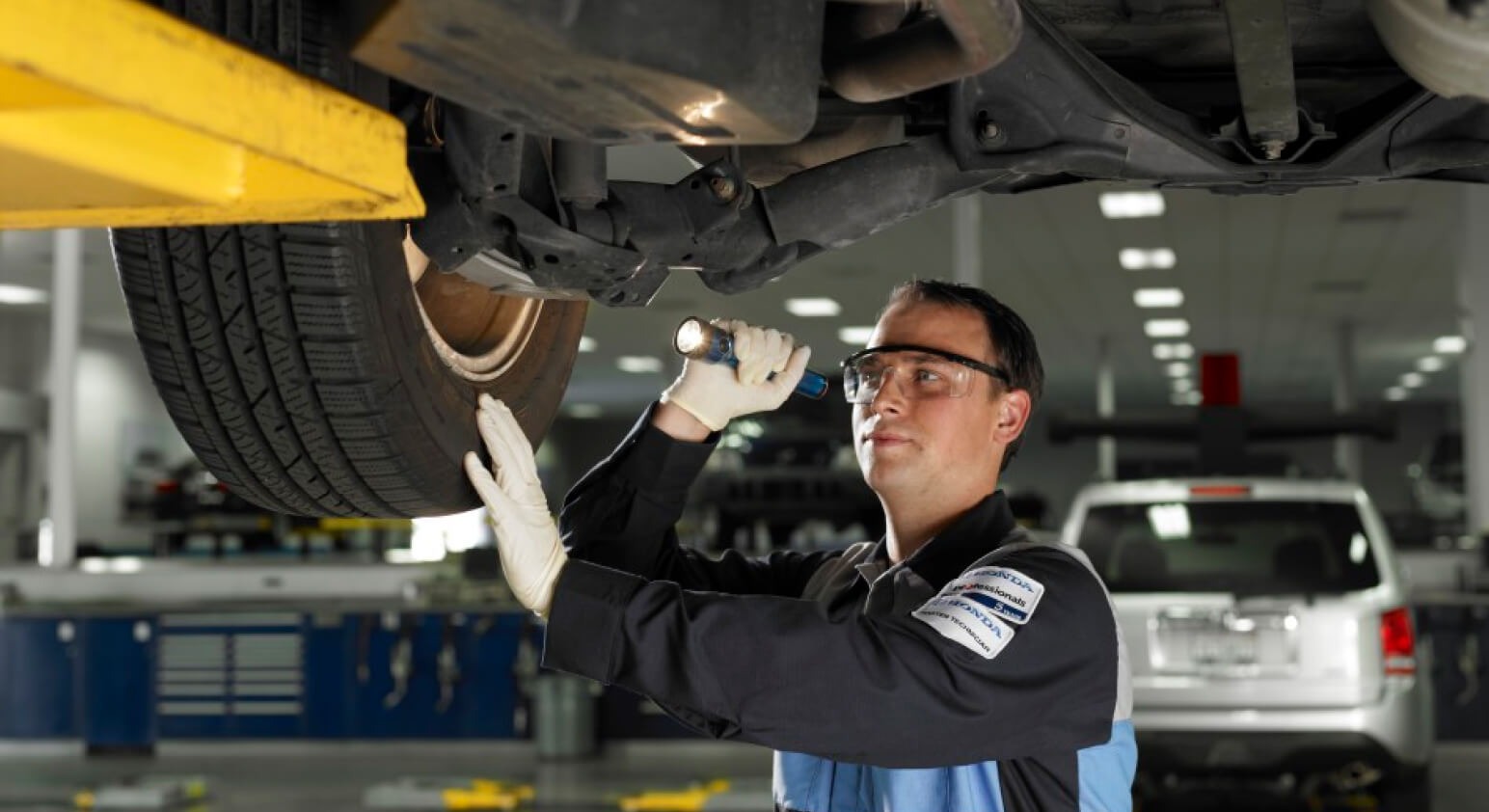
General inspections should include checking fluid levels, looking under the car for leaks, inspecting belts and hoses, and testing lights. Even if the car feels fine, problems can be developing quietly. Catching them early saves a lot of money and stress.
Listening to the car is also part of the inspection. Strange sounds, vibrations, or smells are signals that something is wrong. Addressing them early prevents bigger failures.
Some people delay service because they feel the car is still running smoothly. That habit is dangerous. Regular care is what prevents problems from showing up. A Honda Element that receives consistent service can remain dependable for as long as you want to keep it.
