
Car buyers usually look for vehicles that will not give them endless problems, especially when it comes to maintenance and durability. Honda has built a reputation for producing reliable cars, yet not every model performs at the same level.
Some of the company’s SUVs have earned praise for lasting long and staying dependable through years of use, while others have developed a history of frequent repairs. People who want peace of mind prefer the models that can keep going strong without constant breakdowns, but those who make the wrong choice often end up facing regular trips to the mechanic.
The Honda SUV lineup has grown wide over the years, covering compact, mid-size, and larger options. Each one comes with its own story in terms of performance, build quality, and reliability. Some of the vehicles are praised by owners because they continue to run smoothly even after many years on the road, while others tend to develop issues with transmissions, electrical parts, or suspension systems.
Knowing the difference between the two groups makes it easier for anyone planning to buy a Honda SUV to make a better choice. Our focus here will be on ten Honda SUVs, dividing them into two clear groups. Five models stand out for rarely giving their owners stress, making them smart picks for drivers who value dependability.
The other five have a record of causing frustration due to constant faults that affect their value and comfort. Each section will explain why a particular SUV belongs to its group by looking at its design, mechanical strength, and common repair reports.
5 Honda SUVs That Rarely Break
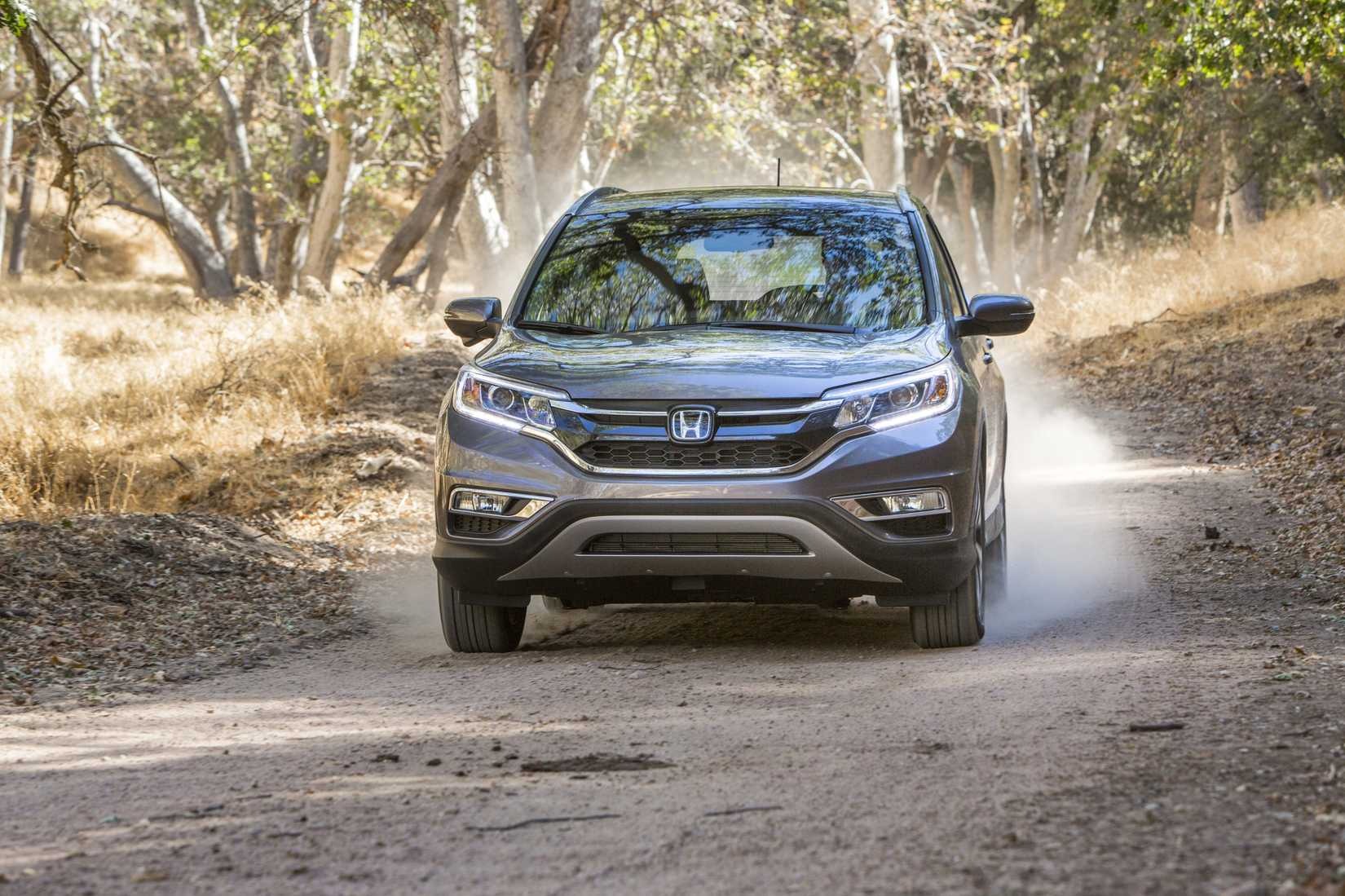
1. Honda CR-V (1997-2016)
The Honda CR-V has consistently earned recognition as one of the most dependable SUVs produced by the company. For two decades, the CR-V built its reputation on strong engineering and simple mechanical systems that did not often develop major faults.
Drivers who purchased these models during that period usually experienced a vehicle that kept going for many years without requiring costly repairs. One of the biggest strengths of the CR-V is its reliable four-cylinder engines, which were designed to deliver solid performance while being fuel-efficient.
The engines are not heavily stressed, and this contributes to their long lifespan. Maintenance costs for these older CR-Vs remain affordable compared to similar vehicles from other brands. Parts are widely available and usually inexpensive, which reduces the financial burden on owners.
The suspension and steering systems on these models also proved durable, handling rough road conditions without constant problems. Even the automatic transmissions, which can be a weak point for some SUVs, are known to last well when serviced regularly.
Another important reason the CR-V from this period rarely breaks down is that Honda kept its design simple. Instead of loading the SUV with too many advanced electronics that could fail, the company focused on practical features.
This simplicity meant fewer electrical faults compared to many competitors. Owners frequently praise the car for starting every day without issues and for being able to handle long-distance driving without mechanical trouble.
The CR-V also gained respect for its strong resale value. Buyers in the used car market often trust it because it has a record of reaching high mileage without losing reliability. Even though more recent versions have added complications with turbo engines and advanced safety features, the older CR-Vs from 1997 to 2016 continue to stand out as some of the most trouble-free SUVs Honda has ever made.
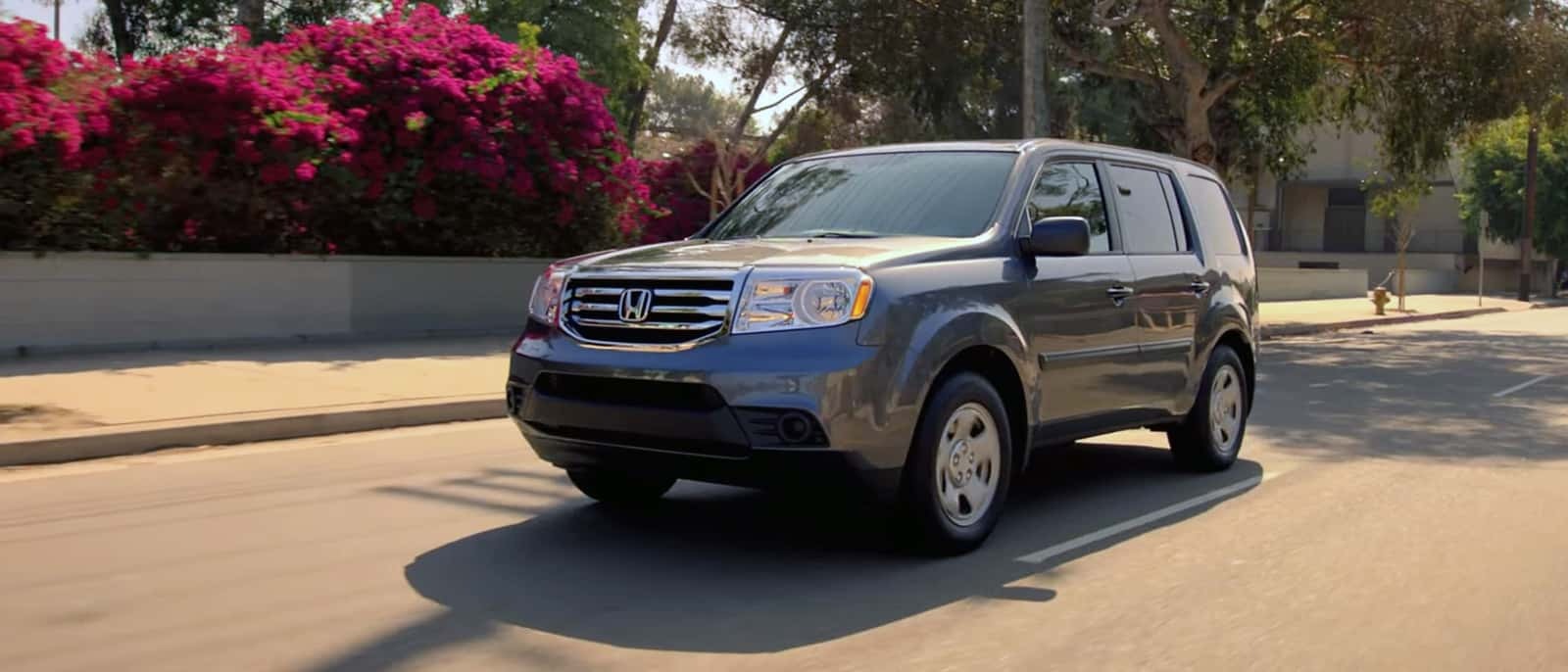
2. Honda Pilot (2009-2015)
The Honda Pilot from the second generation is another SUV that has earned the respect of owners for being dependable. Built with a focus on family use, the Pilot offered space, comfort, and reliability in one package.
Drivers looking for a mid-size SUV that could carry many passengers while remaining trustworthy found this version appealing. It came with a V6 engine that balanced power with long-term durability. Unlike some later models, this generation of the Pilot avoided major problems with its engine and transmission.
One reason it rarely breaks down is the way Honda engineered the mechanical parts to handle heavy use. Families often used these SUVs for long trips, and the vehicle held up well under such conditions. Regular maintenance like oil changes and brake servicing was usually enough to keep the SUV running smoothly. The Pilot’s suspension was also tuned to provide comfort without being weak, which helped it avoid frequent repairs even on rougher roads.
The design of the second-generation Pilot also contributed to its reliability. Honda kept the electronics simple, limiting the chances of electrical failures. Owners reported that most of the technology inside the SUV worked consistently, unlike some competitors, where infotainment systems and sensors frequently caused headaches. The cabin materials were durable, and the seats and interior features aged well, reducing the need for replacements.
Drivers who kept their 2009–2015 Pilot for many years discovered that it could easily reach over 200,000 miles with proper care. This strong track record has made it a respected choice in the used market.
Many families who owned one often returned to purchase another Honda SUV because of the positive experience. For anyone searching for a dependable three-row SUV that does not constantly break down, this version of the Pilot stands as a strong example of Honda’s ability to produce long-lasting vehicles.
Also Read: 8 Moves That Destroy a Honda CR-V Touring Too Soon
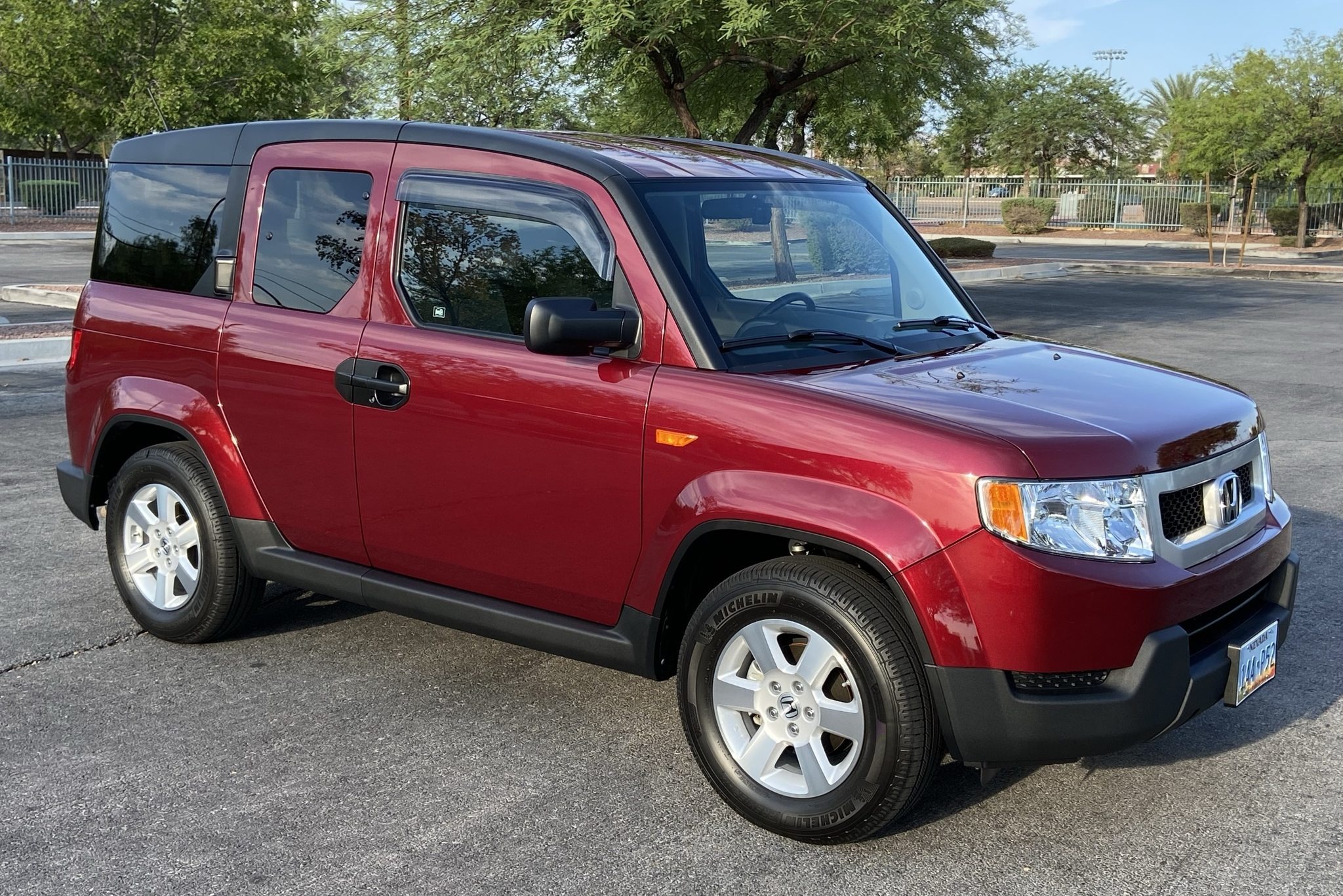
3. Honda Element (2003-2011)
The Honda Element is often remembered for its unique boxy design, but beyond its looks, it proved to be a very durable SUV. Built with practicality in mind, the Element offered easy maintenance, a simple interior, and dependable mechanics.
Drivers who wanted a reliable vehicle for both city use and outdoor activities often found the Element to be a solid choice. Its four-cylinder engine was efficient and tough, providing years of service without major faults.
One of the main reasons the Element rarely breaks is that Honda designed it with utility as the priority. The interior used durable materials that resisted wear, which reduced repair costs for owners. The layout was simple, avoiding the complicated electronic systems that could fail in other SUVs. This made the Element not only dependable but also easy to maintain. Owners could focus on basic servicing rather than constant troubleshooting.
The Element’s suspension system was also well-designed for long-term use. While it may not have been the most refined ride, it was sturdy enough to handle different road conditions without frequent breakdowns. The vehicle also used parts that were shared with the CR-V, meaning replacement components were affordable and easy to find.
Many owners of the Element still drive their vehicles today with high mileage, proving its long-lasting nature. The SUV’s simple engineering helped it build a reputation for being one of Honda’s most dependable and unique offerings. While the model was eventually discontinued, it remains a strong option in the used car market for those who value durability.
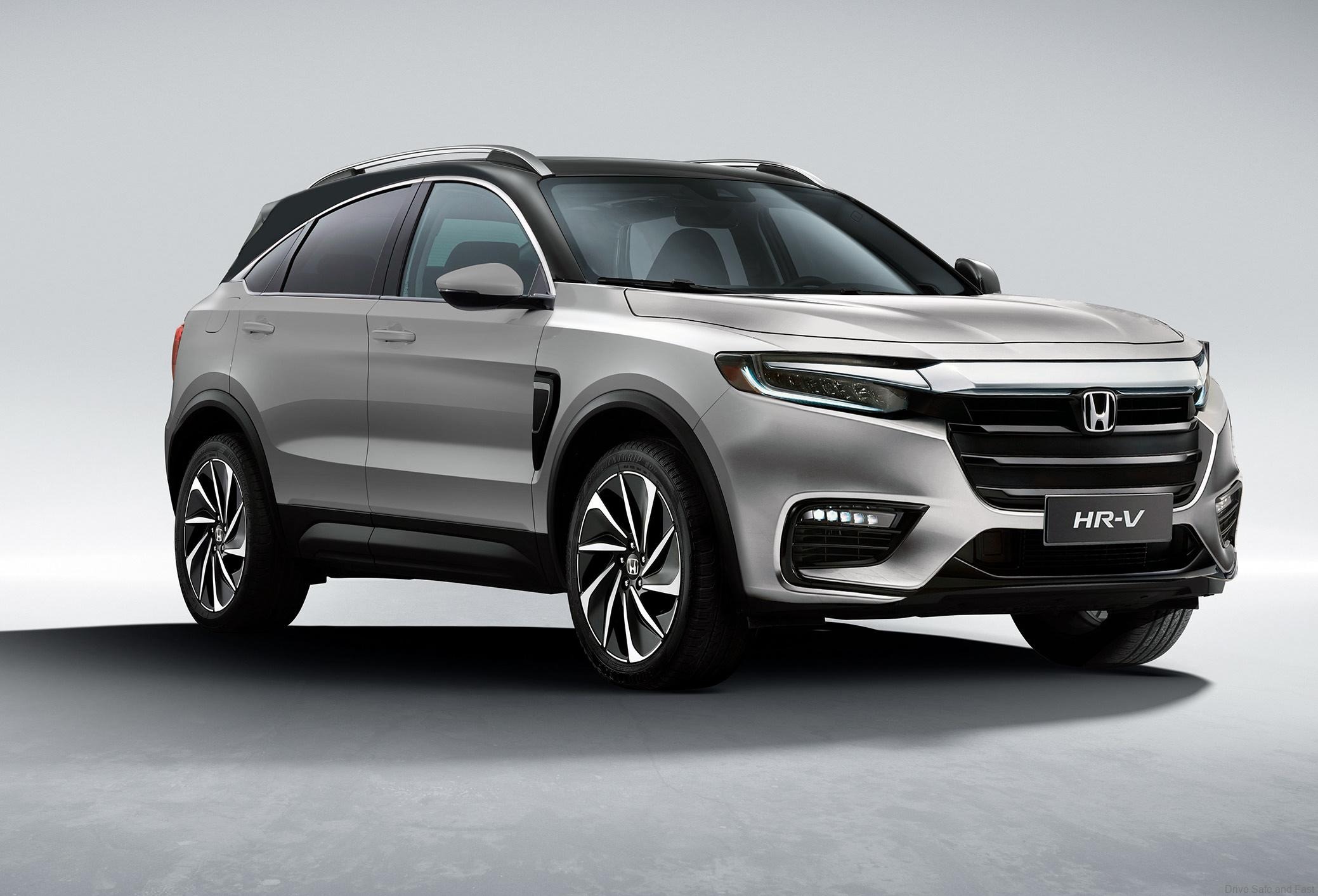
4. Honda HR-V (2016-2021)
The Honda HR-V became one of the most reliable compact SUVs during its first years in the United States. Positioned below the CR-V, the HR-V appealed to drivers who wanted a smaller vehicle that still offered practicality, good fuel economy, and Honda’s trusted engineering. Between 2016 and 2021, this SUV showed itself as a dependable option that rarely left owners stranded.
A major factor behind the HR-V’s reputation for dependability is its powertrain. The 1.8-litre four-cylinder engine, paired with a continuously variable transmission, proved consistent in performance and durability.
While some drivers find CVTs less enjoyable compared to traditional automatics, Honda managed to design this one to be long-lasting with fewer mechanical issues than rival brands. When serviced at the recommended intervals, the HR-V’s drivetrain runs smoothly for years.
The HR-V also earned respect for its strong build quality. The interior might not have been luxurious, but it was sturdy and designed for heavy use. The “Magic Seat” system in the back added practicality, and owners valued the ability to fold the seats in different ways without worrying about parts breaking. Since Honda kept the interior electronics simple, the HR-V had fewer cases of infotainment or sensor failures.
Fuel efficiency also made the HR-V attractive to drivers who wanted low running costs. Owners could drive for long distances without stressing about constant refueling, and the vehicle’s mechanical design supported a long service life. Many HR-Vs from this period still remain on the road with high mileage, proving their durability.
Another reason this SUV rarely breaks down is that Honda used tried-and-tested components that had already worked in other models. Instead of experimenting with unproven technology, the company relied on a stable formula. This kept repair reports relatively low. For buyers searching for a small Honda SUV that offers peace of mind, the HR-V from 2016 to 2021 continues to be one of the strongest picks.
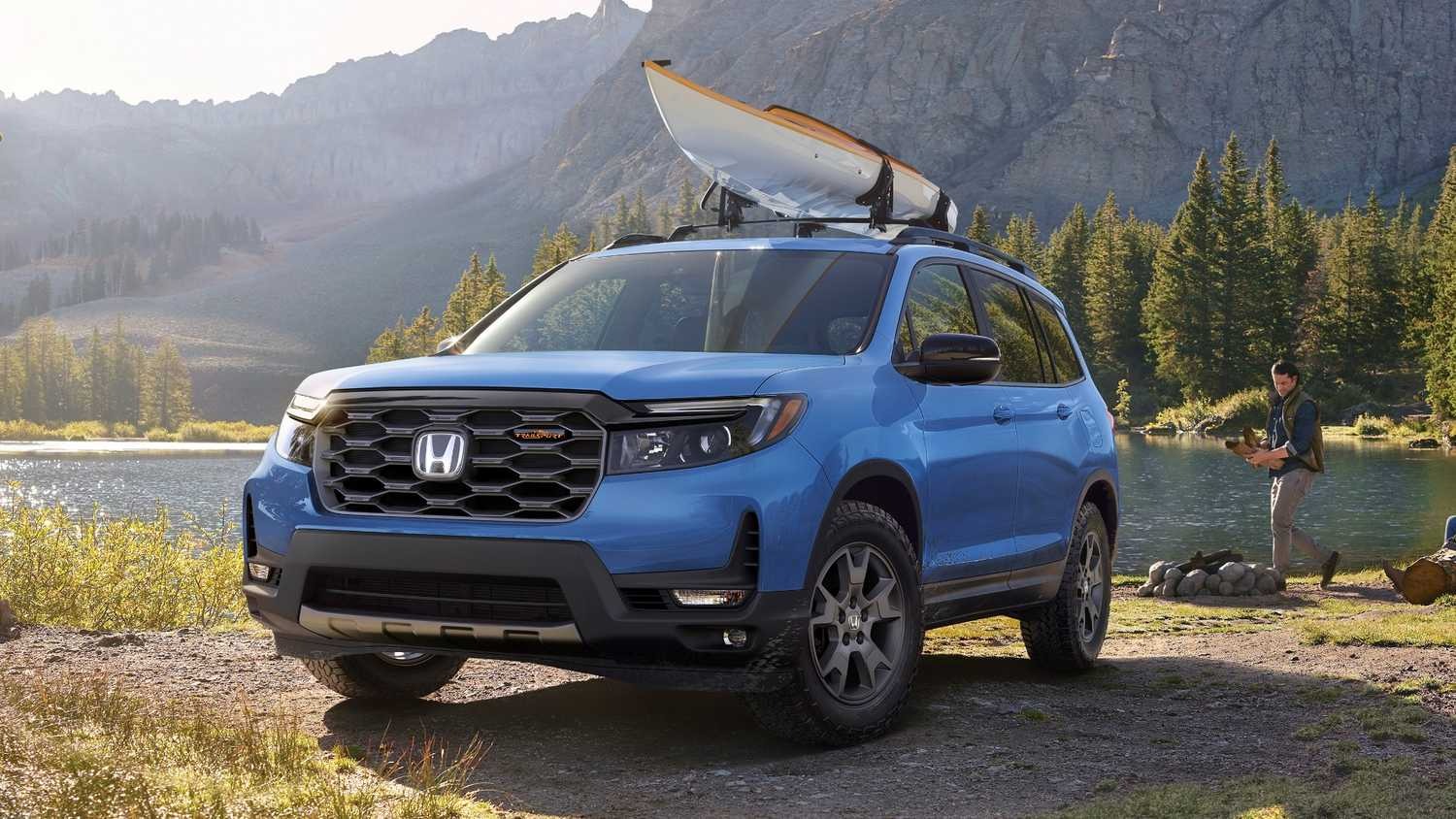
5. Honda Passport (2019-present)
The modern Honda Passport may not have the long history of the CR-V or Pilot, but it has already established a reputation for reliability. Introduced as a mid-size SUV that sits between the CR-V and Pilot, the Passport was designed for drivers who wanted more rugged capability without sacrificing comfort. Since its release in 2019, owners have reported strong satisfaction with the vehicle’s dependability.
The Passport uses a 3.5-litre V6 engine paired with a nine-speed automatic transmission. While some rivals struggle with transmission reliability, Honda’s design has proven more durable when serviced on time. The V6 engine itself is a well-tested unit used across different Honda models, which adds to the SUV’s reliability. It delivers solid power while being capable of long service life.
Another factor behind the Passport’s strength is its chassis. Built for light off-road driving, the SUV features a suspension system that can handle tougher conditions without frequent breakdowns. Many owners appreciate that it feels comfortable on highways but still maintains stability on gravel or dirt roads. This balance has helped the Passport avoid the frequent suspension or steering issues that affect some competitors.
The interior also contributes to the SUV’s reputation for dependability. Honda used strong materials and limited the presence of fragile parts that could fail early. The infotainment and electronic systems are not problem-free, but they are far more dependable than many rivals in the same class. Owners often describe the Passport as a vehicle that does not surprise them with constant mechanical issues.
Resale value remains strong for the Passport, a sign of trust among buyers in the used market. Since its launch, it has proven itself as one of Honda’s most dependable newer SUVs. Drivers who want a mid-size SUV that combines comfort, power, and durability often consider the Passport a safe choice.
5 Honda SUVs That Constantly Break
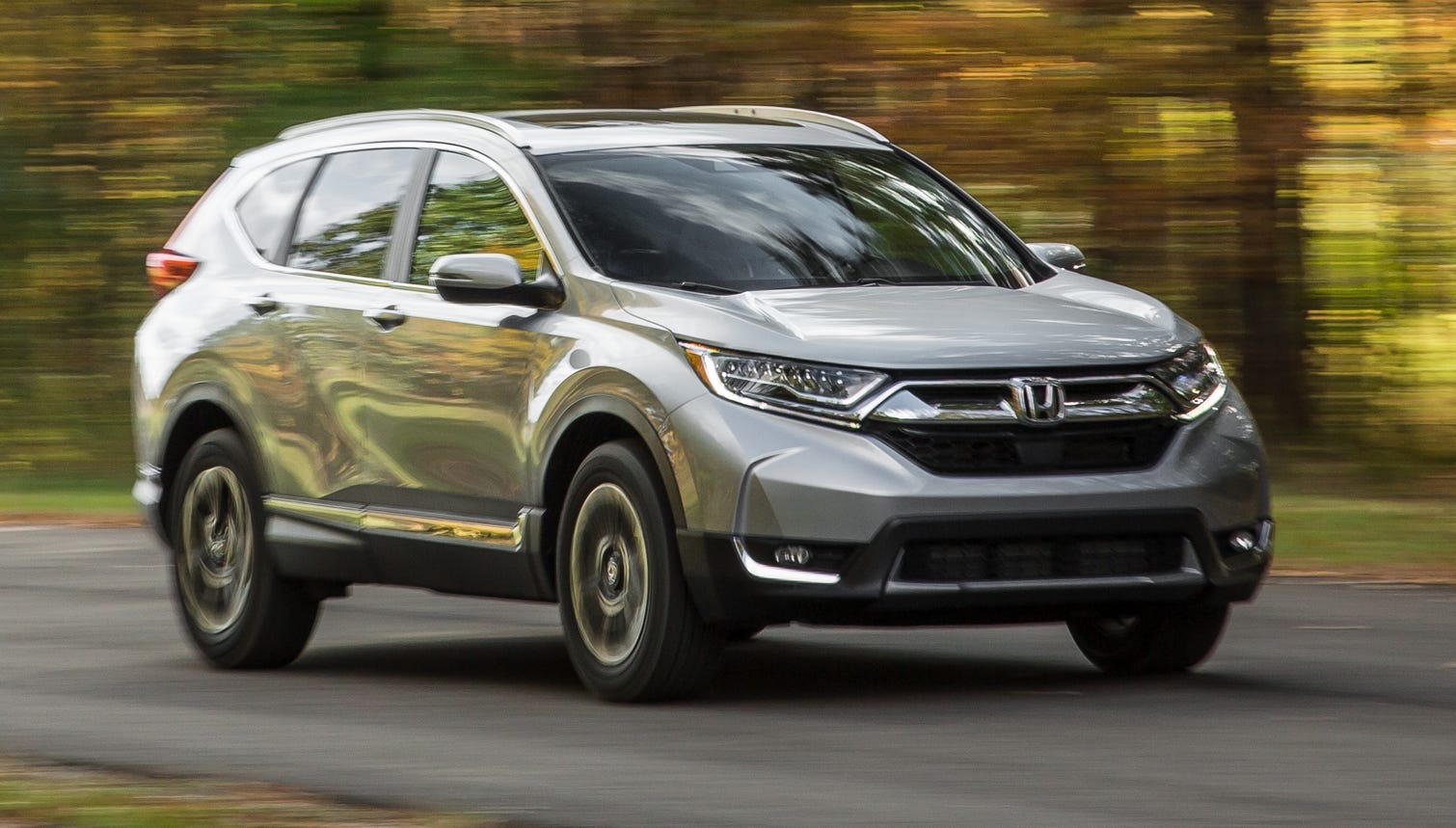
1. Honda CR-V (2017-2018 Turbo Models)
While the CR-V has been one of Honda’s most dependable SUVs for many years, the 2017 and 2018 turbocharged models developed a reputation for frequent issues. When Honda introduced the 1.5-litre turbo engine, many buyers expected better performance and fuel efficiency.
However, the new design came with a major problem known as “oil dilution.” This issue caused fuel to mix with engine oil, leading to engine damage if not addressed. Owners of these CR-Vs often complained that the engine oil smelled of gasoline and that the SUV experienced poor performance, stalling, or rough idling.
Even when Honda provided software updates and extended warranties, the problem left many drivers frustrated. Since engine reliability is the foundation of a dependable SUV, this issue made the 2017 and 2018 CR-V models less trustworthy than earlier versions.
The transmission on some units also showed early signs of wear. Drivers reported shuddering or hesitation when accelerating, which created additional repair costs. Electrical issues such as faulty infotainment systems also added to the complaints, making these CR-V models less dependable compared to the strong record of their predecessors.
While later versions of the CR-V with the turbo engine improved, the 2017 and 2018 models remain a weak point in the SUV’s history. Many buyers who owned earlier CR-Vs were disappointed by the reliability of these versions. For anyone looking to buy a used CR-V, these years are often avoided because of the recurring mechanical concerns.
Despite Honda’s efforts to address the problems, the damage to its reputation was done. Compared to the bulletproof older CR-Vs, these turbocharged versions are remembered for breaking down more often than drivers expect from a Honda.
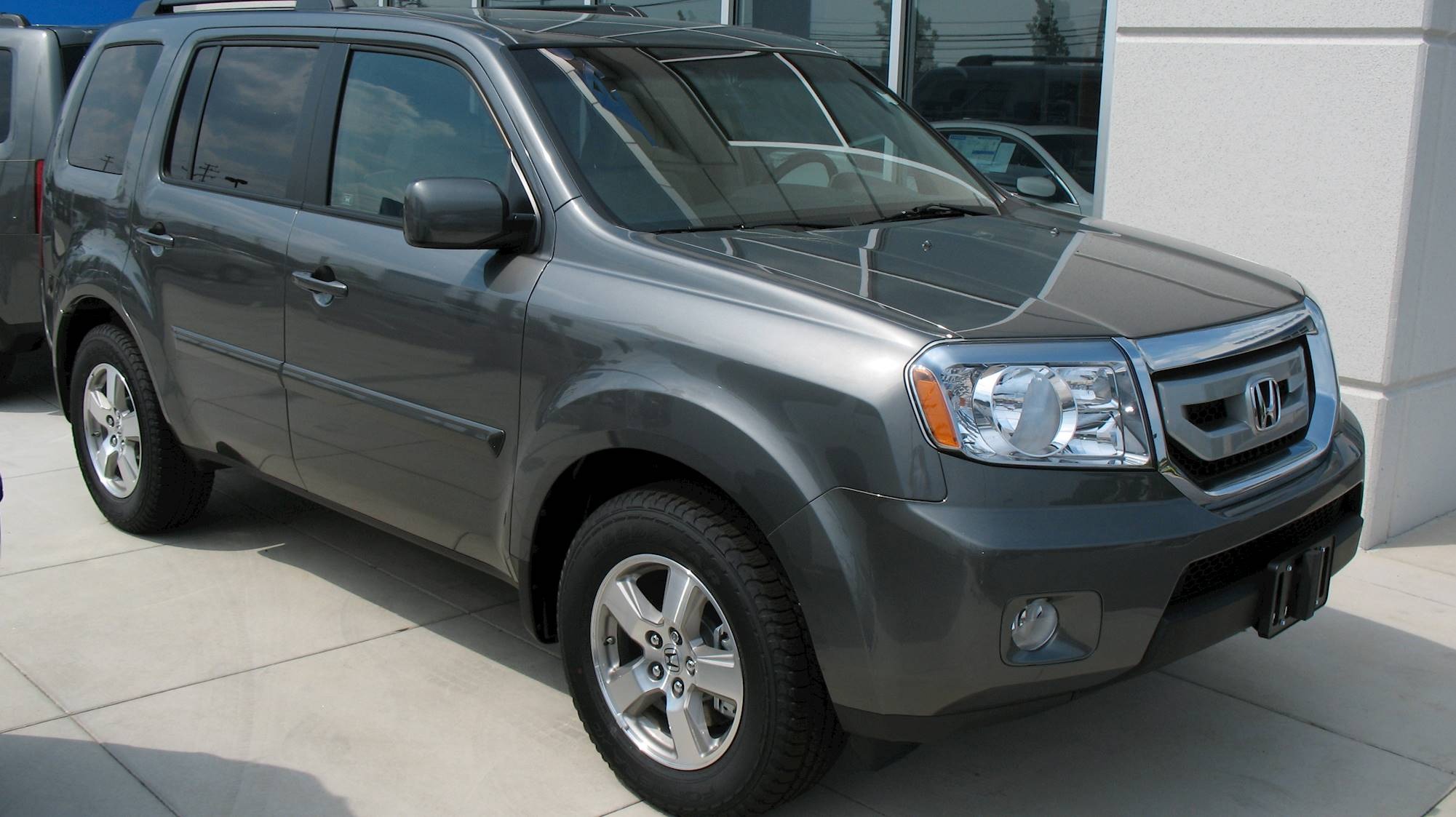
2. Honda Pilot (2003-2008)
The first generation of the Honda Pilot, released between 2003 and 2008, gained early popularity as a family SUV but later became known for repeated mechanical problems. Many owners were drawn to the Pilot because of its size, V6 power, and Honda’s reputation for dependability.
Unfortunately, this generation faced several issues that made it less trustworthy compared to later versions. One of the most serious problems was transmission failure. The automatic gearbox in these Pilots developed overheating and gear-slipping issues, often requiring costly repairs or complete replacements.
Some drivers reported that the transmission failed before 100,000 miles, which is far below the expectation for a vehicle in this category. Even with recalls and service campaigns, many owners still faced recurring trouble. Another weakness was related to the engine’s cylinder management system.
In some cases, misfiring problems led to rough performance and warning lights on the dashboard. This issue caused many frustrated trips to service centers, and while Honda attempted software updates, the problem did not go away completely. Suspension wear was also common, with bushings and control arms wearing out faster than expected.
The interior electronics also added to owner complaints. The entertainment systems and climate controls sometimes failed, creating added expenses. For families who expected a long-lasting SUV, these faults made the first-generation Pilot less appealing as time went on.
Resale value dropped because of its reputation for repeated breakdowns, and buyers in the used market often avoid this generation. While later Pilots recovered Honda’s standing for durability, the 2003–2008 models remain remembered for frequent repairs and costly mechanical failures. Families who bought these vehicles expecting stress-free ownership discovered that they spent far more on repairs than they expected.
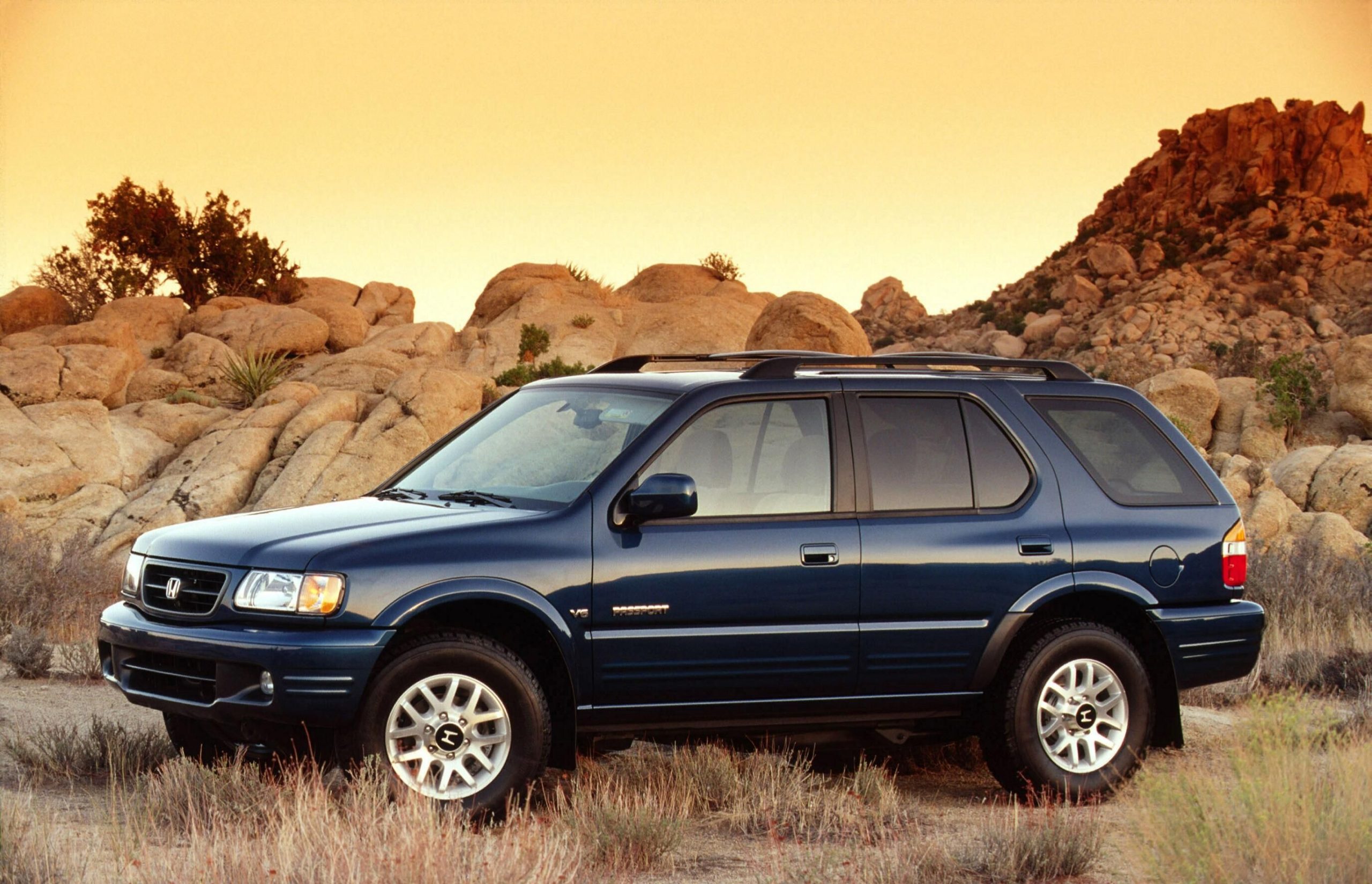
3. Honda Passport (1994-2002)
Before Honda reintroduced the Passport in 2019 as a dependable mid-size SUV, the original versions from the 1990s and early 2000s built a very different reputation. Unlike most Hondas, which are designed in-house, the early Passport was actually a rebadged Isuzu Rodeo.
This decision created problems because Isuzu’s engineering at that time did not match Honda’s usual standards. As a result, the Passport quickly earned a reputation for breaking down more frequently than other Honda models. The transmission in these early Passports was a frequent source of trouble, with many owners reporting failure before the vehicle reached higher mileage.
The engines themselves were not as refined as Honda’s designs, and they suffered from oil leaks and cooling system faults. These issues made ownership more expensive and stressful compared to the reliability buyers normally associated with the Honda brand.
Rust was another serious problem, particularly on the frames of these SUVs. The corrosion was so severe that some Passports were recalled because their frames could rot to the point of being unsafe. This issue destroyed confidence in the vehicle and pushed many owners to abandon the model long before its expected lifespan.
Interior quality also fell short of Honda’s standards. Materials wore out quickly, and the electronics were less dependable. While the SUV offered decent off-road ability, it could not match the long-lasting dependability of Honda’s own designs.
The original Passport is often considered one of the least dependable Hondas ever sold. When buyers compare it to the CR-V or Pilot from the same years, the difference in quality is clear. This reputation explains why Honda eventually stopped producing it before bringing back a completely redesigned and dependable Passport years later.
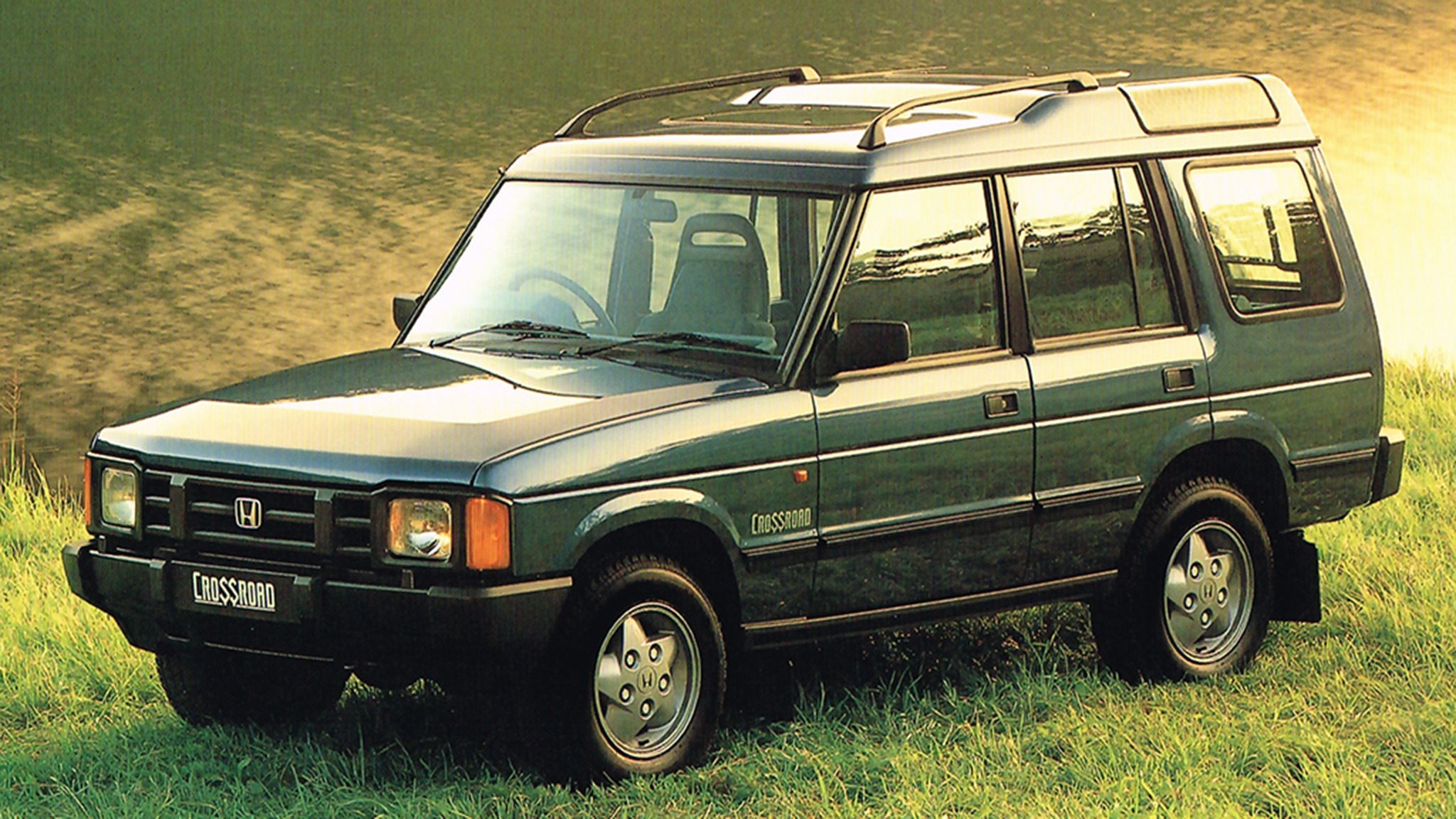
4. Honda Odyssey-Based Honda Crossroad (1993-1998)
The Honda Crossroad, sold in certain markets during the 1990s, was essentially a rebadged Land Rover Discovery rather than a true Honda product. Though marketed under the Honda badge in Japan and other regions, it inherited many of the weaknesses of the Discovery, which was notorious for reliability issues. For buyers expecting Honda’s usual quality, the Crossroad became a major disappointment.
Mechanical breakdowns were common. The engines were prone to overheating, and oil leaks were frequent. Electrical faults were another major issue, with sensors and control systems failing regularly. Since the vehicle was based on a Land Rover platform, the repair costs were higher than most Honda owners were used to. This combination of frequent issues and high costs damaged the SUV’s reputation.
The suspension system was also unreliable. Many owners complained of constant problems with the air suspension setup, which would sag or fail altogether. Replacing parts was expensive and did not always solve the problem permanently. For families or individuals looking for a dependable SUV, the Crossroad created more stress than satisfaction.
Honda eventually distanced itself from this partnership because the Crossroad did not reflect the company’s usual standards of reliability. Unlike the CR-V, which became a benchmark for long-lasting compact SUVs, the Crossroad faded away quickly because of its history of constant breakdowns.
Though it was never sold widely in the United States, its reputation shows how putting the Honda badge on a weaker design can damage buyer confidence. The Crossroad stands as one of the few SUVs in Honda’s history that consistently failed to live up to the brand’s expectations.
Also Read: 10 Hacks That Keep a Honda Element Reliable Forever
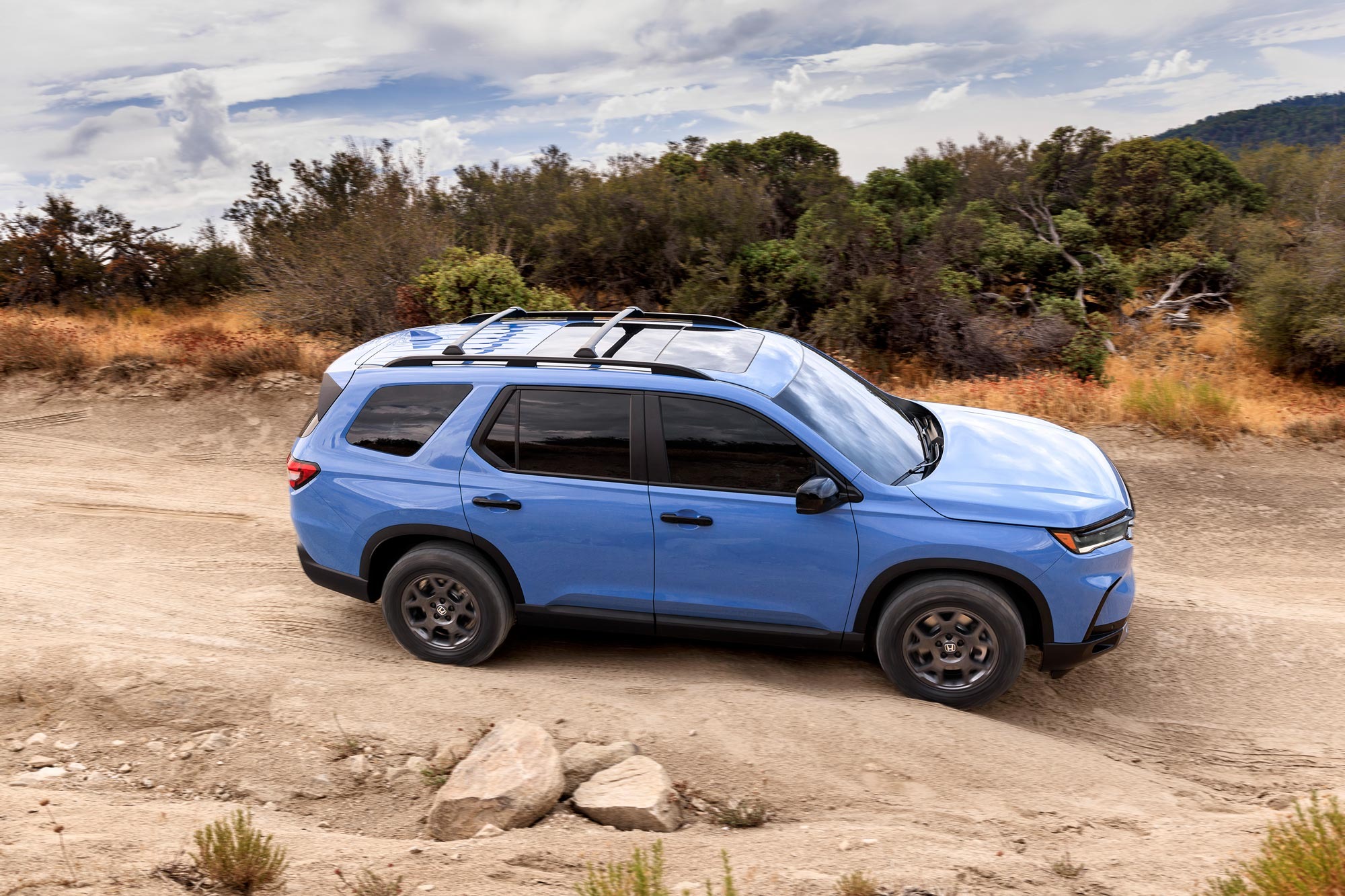
5. Honda Pilot (2016-2020)
The third-generation Honda Pilot, launched in 2016, was expected to continue the strong reputation of the 2009–2015 model. Instead, it became one of the more troublesome SUVs in the company’s lineup during that period. Owners reported a wide range of mechanical and electronic issues that placed this version among Honda SUVs that constantly break.
One of the biggest complaints involved the nine-speed automatic transmission, which suffered from jerky moves, hesitation, and even complete failure in some cases. Drivers often described the transmission as unreliable, with many requiring major servicing far earlier than expected. Since this SUV was marketed as a family vehicle, the frequent gearbox problems caused frustration and financial strain.
The engine itself, while strong, was paired with a cylinder management system that sometimes caused rough running or vibration. Electrical issues were added to the list of problems, particularly with the infotainment system, which froze or malfunctioned regularly. Climate control faults were also common, forcing owners to return repeatedly to dealerships for repairs.
Another weakness was premature wear on suspension components, which led to clunking noises and reduced comfort. These problems damaged the Pilot’s reputation among buyers who wanted a dependable three-row SUV. While Honda made improvements in later updates, the early years of this generation remain a disappointment.
Resale values reflect these issues. Buyers in the used market are more cautious about this generation, often choosing the earlier 2009–2015 Pilot instead. For families seeking peace of mind, the 2016–2020 Pilot created too many headaches to match Honda’s usual reputation.
