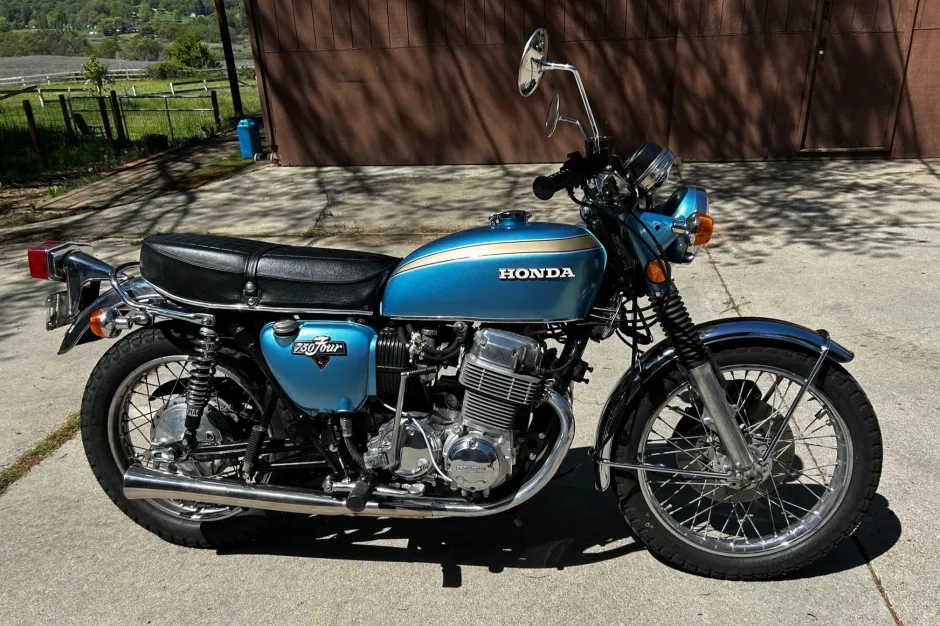
Honda has long been synonymous with innovation, reliability, and accessible motorcycling, producing bikes that range from beginner-friendly dual-sports to industry-defining superbikes. While many classic motorcycles can cost a small fortune, there remains a remarkable selection of vintage Hondas that you can still grab for relatively modest sums.
From the ground-breaking 1973 CB750, often regarded as the world’s first true superbike, to versatile trail-ready machines like the 1969 CT90, these bikes showcase Honda’s ability to blend performance, comfort, and engineering ingenuity.
Each model tells a story, whether it’s the high-speed thrills of the VF1000F Interceptor, the long-distance touring luxury of the Gold Wing GL1500, or the approachable simplicity of the XL185 and CT90.
For collectors, enthusiasts, or everyday riders seeking affordable classics, Honda’s vintage lineup offers unmatched diversity, timeless style, and reliable mechanics that have stood the test of time.
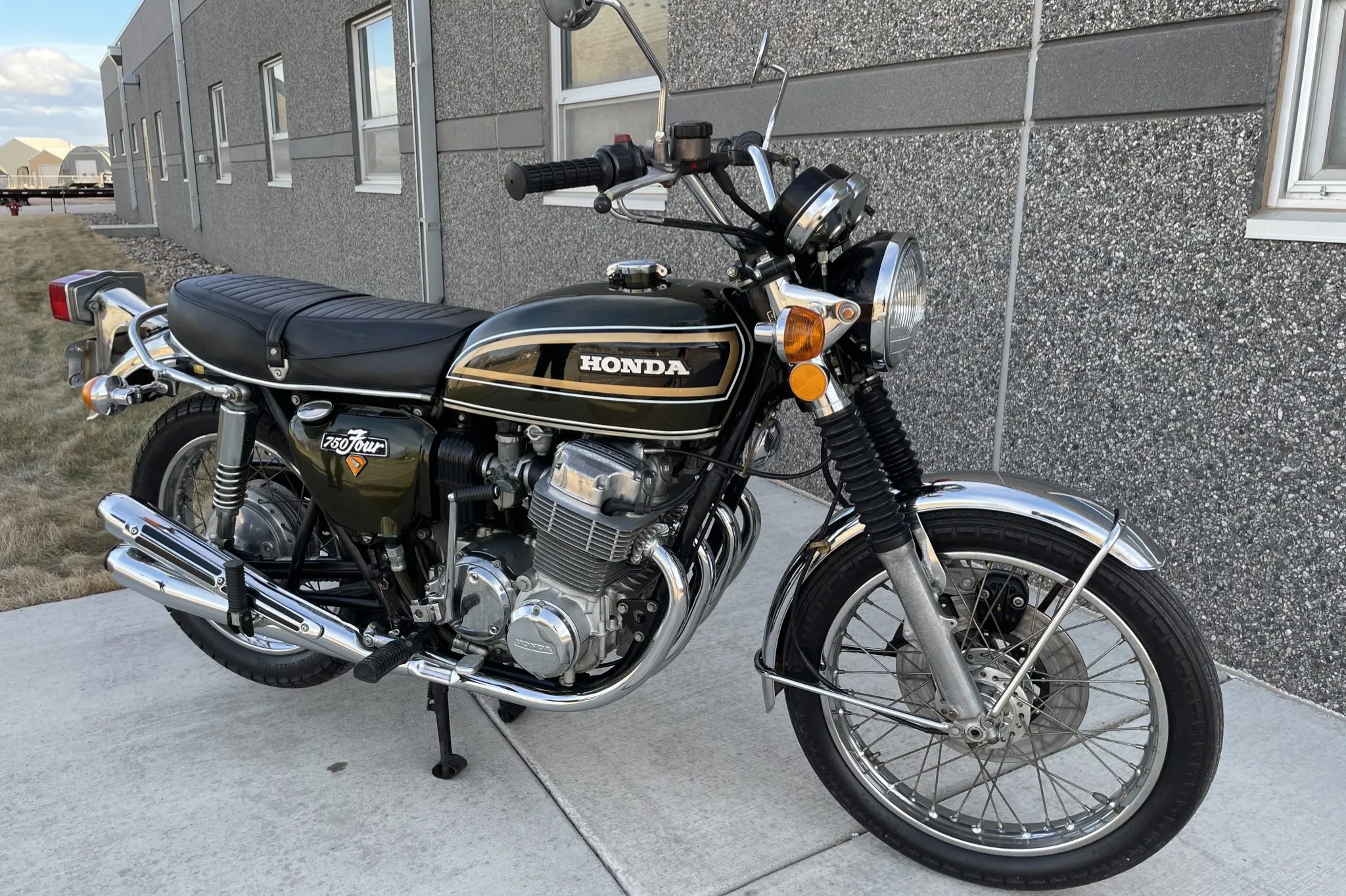
1. 1973 Honda CB750: The Original Superbike Legacy
The 1973 Honda CB750 (K3 model) is one of the most influential motorcycles ever built and is widely regarded as the world’s first true superbike. Expanding on the revolutionary CB750 launched in 1969, the 1973 version refined a formula that permanently changed the motorcycle industry. With used prices around $9,995 today, it remains a desirable classic for both riders and collectors.
Powering the CB750 is a 736cc air-cooled, four-stroke, inline four-cylinder engine with a single overhead camshaft and two valves per cylinder. Producing roughly 67 horsepower and 44 lb-ft of torque, the bike was capable of reaching speeds exceeding 120 mph, which was extraordinary for the early 1970s.
A five-speed manual transmission and chain final drive delivered smooth acceleration, strong mid-range power, and relaxed highway cruising that few rivals could match at the time.
Reliability was the CB750’s defining strength. While many British and American motorcycles of the era suffered from frequent mechanical problems, Honda delivered a machine that was dependable, affordable, and easy to live with.
The inclusion of an electric starter, backed up by a traditional kick starter, made daily use simple and accessible. Its robust engine earned a reputation for durability, often running for decades with basic maintenance. This reliability played a major role in the decline of the British motorcycle industry and forced companies like Harley-Davidson to seek government support in later years.
The CB750 also introduced important technological advancements. It featured the first hydraulic front disc brake fitted to a mass-produced motorcycle, paired with a rear drum brake.
This system offered far better stopping performance than drum-only setups of the time, even if it feels modest by modern standards. The upright riding position, smooth engine, and low vibration made the bike comfortable for longer rides, though its soft suspension benefits from modern upgrades.
Today, the 1973 Honda CB750 is cherished for its iconic styling, historical importance, and enduring usability. Supported by a strong enthusiast community and excellent parts availability, it continues to deliver a rewarding vintage motorcycling experience and stands as a lasting symbol of the machine that redefined performance motorcycles.
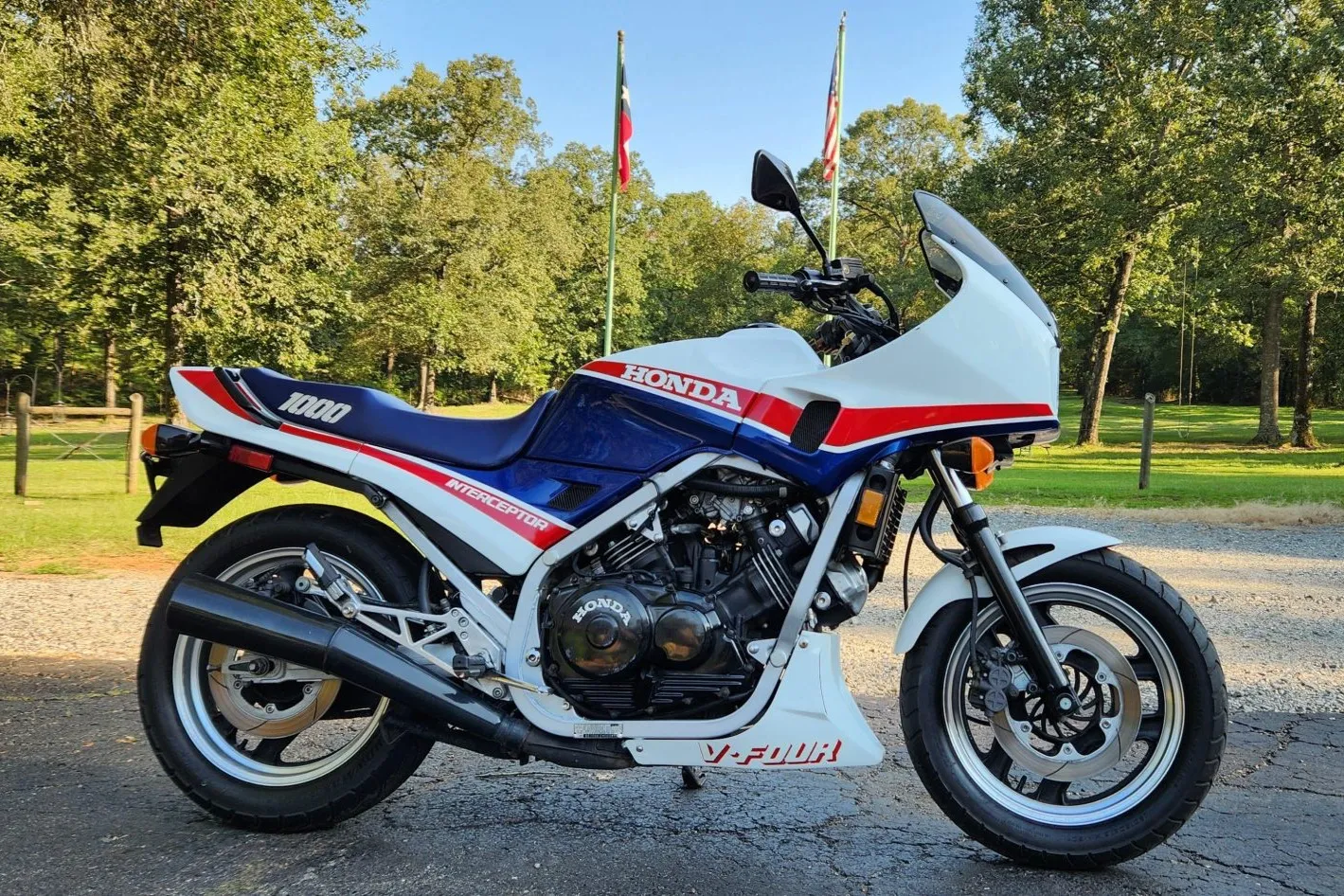
2. 1984 Honda VF1000F Interceptor: Ambition, Innovation, and the Rise of the V-Four
The 1984 Honda VF1000F Interceptor represents a bold and ambitious chapter in Honda’s sportbike history. Priced today at around $6,000 on the used market, it emerged during the explosive growth of performance motorcycles in the 1980s, alongside icons such as the Kawasaki Ninja, Suzuki GSX-R lineage, and Yamaha’s early FZR models.
Honda’s answer was not another inline four, but a technically ambitious 998cc V-four machine designed to redefine how a superbike should perform and feel.
At the heart of the VF1000F is a liquid-cooled, 90-degree V-four engine with dual overhead cams and four valves per cylinder. Producing approximately 122 horsepower and 66 lb-ft of torque, it was capable of reaching speeds close to 150 mph.
On paper, the V-four configuration offered clear advantages, including excellent primary balance, compact packaging, and smooth power delivery. The narrow engine allowed Honda to fit a large-capacity powerplant into a relatively slim chassis, creating what appeared to be an ideal sporting layout.
In practice, the VF1000F delivered performance in a very different way from its inline four rivals. Power delivery was smooth, linear, and deceptively calm, lacking the dramatic surge riders expected from contemporary superbikes.
Despite this relaxed feel, the bike was genuinely fast, something riders often only realized by glancing at the speedometer. The riding position was well considered, with a snug cockpit, sculpted fuel tank, and natural reach to the handlebars that made the bike comfortable and confidence-inspiring.
The chassis and suspension reflected Honda’s racing experience. A box-section steel frame, Pro-Link rear suspension, and TRAC anti-dive front forks worked together seamlessly, offering excellent stability and composure. The bike truly excelled mid-corner, where its smooth V-four engine allowed riders to apply throttle earlier and more confidently than on heavier, less composed machines.
Despite its strengths, the VF1000F struggled in the marketplace. Early V-four reliability issues, fierce competition from flashier rivals like the GPZ900 and Yamaha FJ, and its understated riding character limited its appeal.
In hindsight, however, the VF1000F was a crucial stepping stone. Its technology and philosophy directly influenced the later gear-driven cam VFR series and Honda’s highly successful V-four racing machines. Today, it stands as an underappreciated but significant superbike that helped shape Honda’s future.
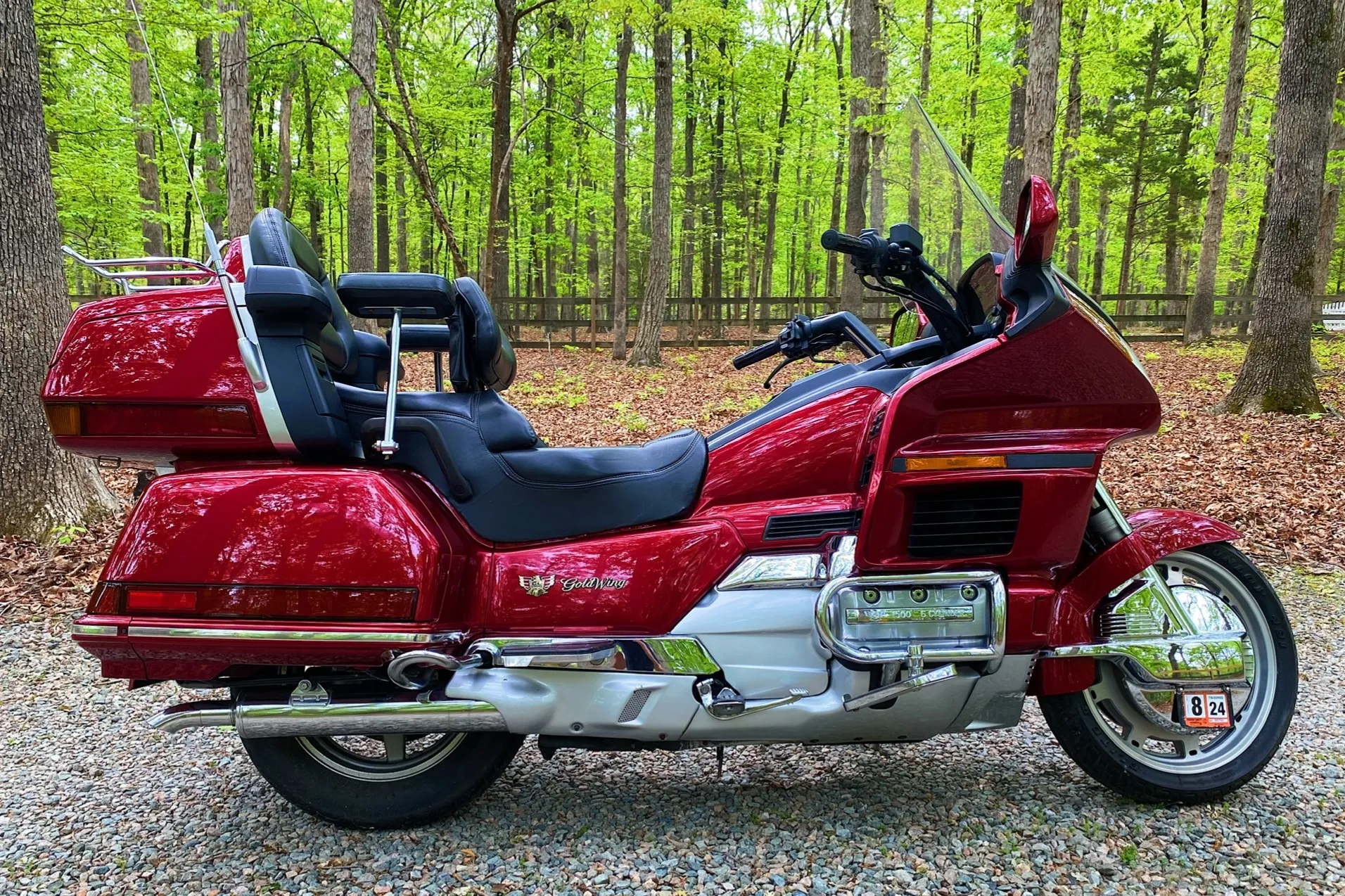
3. 1993 Honda Gold Wing GL1500: The Benchmark of Luxury Touring
The 1993 Honda Gold Wing GL1500 represents the full realisation of Honda’s long-distance touring philosophy. What began years earlier as a larger and more comfortable Universal Japanese Motorcycle had, by the early 1990s, evolved into a purpose-built touring platform with few rivals. With used prices around $5,999 today, the GL1500 remains one of the most accessible ways to experience true luxury motorcycling.
Powering the 1993 Gold Wing is a 1520cc opposed flat-six engine with single overhead cams and two valves per cylinder. Producing roughly 100 horsepower and an impressive 111 lb-ft of torque, the engine emphasises smooth, effortless delivery rather than aggressive acceleration.
With a top speed just under 100 mph, the GL1500 was designed for relaxed, high-mile cruising and confident passing, even when carrying a passenger and fully loaded luggage.
Comfort is the defining characteristic of the GL1500. Deeply cushioned seats, generous passenger space with armrests, and wide floorboards allow riders to spend long hours in the saddle with minimal fatigue.
A large integrated fairing provides excellent wind and weather protection, insulating both rider and passenger from the elements. The riding experience feels calm, stable, and refined, making the bike especially well-suited to cross-country travel.
Honda equipped the 1993 Gold Wing with an impressive array of features for its time. Standard or optional equipment included cruise control, an AM/FM radio with cassette deck, CB and intercom systems, and electrically adjustable air suspension.
One of the most appreciated innovations was the electric reverse gear, which used the starter motor to assist with parking and tight manoeuvring, a major benefit given the bike’s substantial weight.
Storage capacity further reinforced the Gold Wing’s touring credentials. Large hard saddlebags and a roomy top trunk offered ample space for extended trips, with the option to tow a small trailer for even more carrying capacity. While its size can make low-speed handling challenging and fuel economy declines at higher speeds, the GL1500 excels at delivering comfort, reliability, and mile-eating capability.
The 1993 Honda Gold Wing GL1500 remains a defining icon of luxury touring, valued for its durability, refinement, and unmatched long-distance comfort.
4. 1967 Honda CB77 Super Hawk: The Lightweight Giant Killer
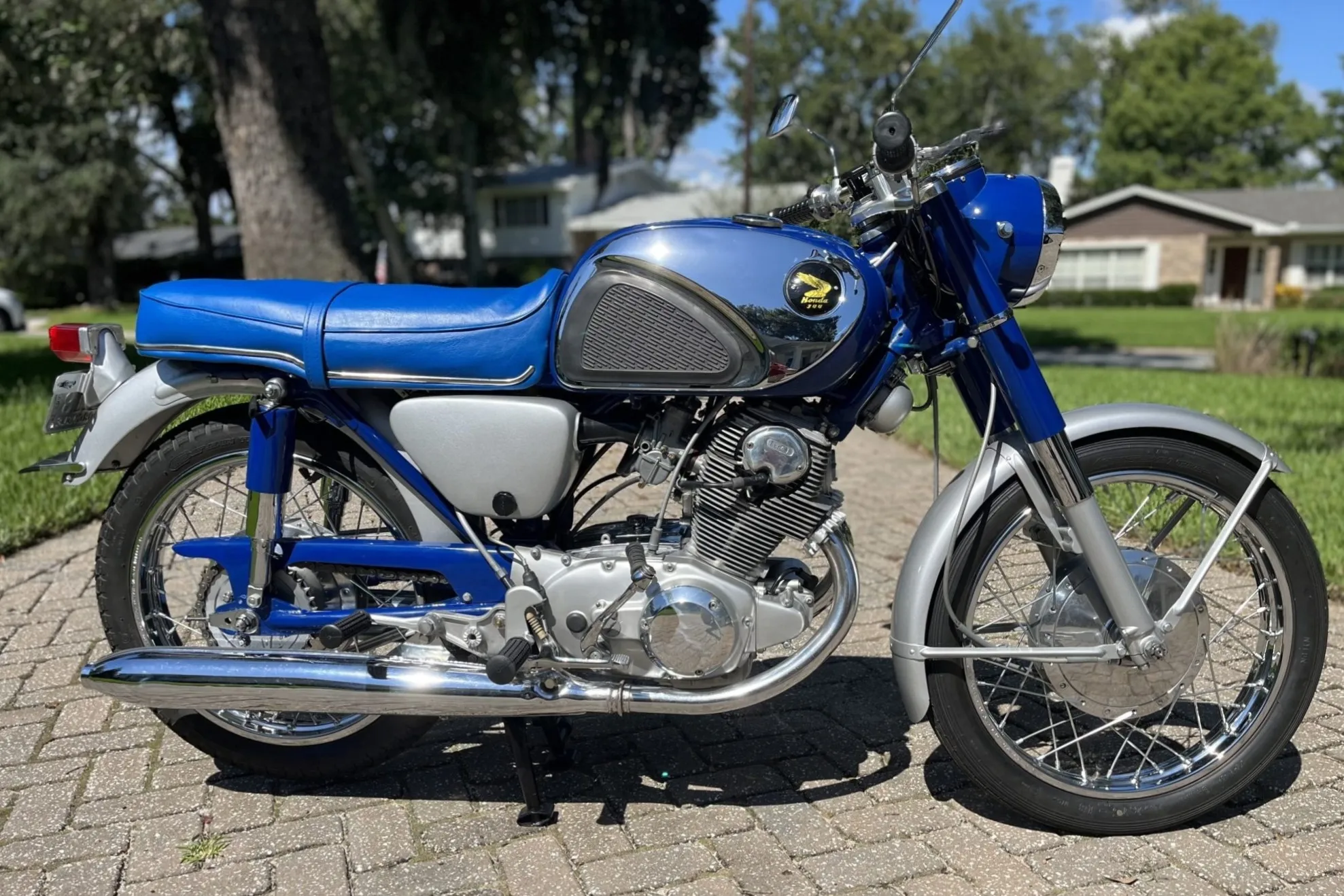
The 1967 Honda CB77 Super Hawk is widely regarded as Honda’s first true sports bike and remains an influential classic in motorcycling history. With a used price of around $5,900, the CB77 combines compact dimensions, surprising performance, and legendary reliability, making it appealing to both collectors and riders seeking a manageable yet spirited motorcycle.
Its place in pop culture was cemented by Robert M. Pirsig’s Zen and the Art of Motorcycle Maintenance, where the Super Hawk symbolized quality, precision, and the joy of riding.
The CB77 features a 305cc four-stroke, twin-cylinder engine with a single overhead camshaft, producing 28 horsepower and 17 lb-ft of torque.
Despite its small displacement, it could exceed 100 miles per hour and complete a quarter-mile in approximately 17 seconds, earning its reputation as a “giant killer” against larger British motorcycles. Its lightweight frame, 30-inch seat height, and electric starter made it approachable for beginners while remaining fun and agile for experienced riders.
Reliability was a hallmark of the Super Hawk, especially when compared to British twins of the era, which often suffered from mechanical issues and oil leaks. Honda’s engineering precision provided a dependable, low-maintenance experience, allowing riders to enjoy the bike under varied conditions, from rain to high summer heat.
Long-term owners highlight the CB77’s adaptability. One enthusiast, returning to motorcycling after years away, purchased a 1966 CB77 and gradually modified it with over forty upgrades, including a big-bore kit, custom paint, aftermarket transmission, and British Amal carburetors.
These changes blended Honda’s mechanical reliability with classic British aesthetics, creating a unique, rideable work of art. Over nine years, this bike covered more than 24,000 miles, demonstrating its enduring practicality.
The CB77’s combination of smooth performance, manageable size, and dependable engineering made it a blueprint for Honda’s later successes, including the legendary CB750. It challenged prevailing notions about displacement and performance, proving that a small, well-engineered motorcycle could outperform larger competitors.
Today, the 1967 Honda CB77 Super Hawk remains celebrated for its historical significance, rideability, and charm. Whether kept original or thoughtfully customized, it continues to offer a rewarding riding experience, blending performance, reliability, and style in a package that defined the early era of Japanese sport motorcycles.
5. 1999 Honda GL1500C Valkyrie: The Big-Bore Cruiser with Touring Heart
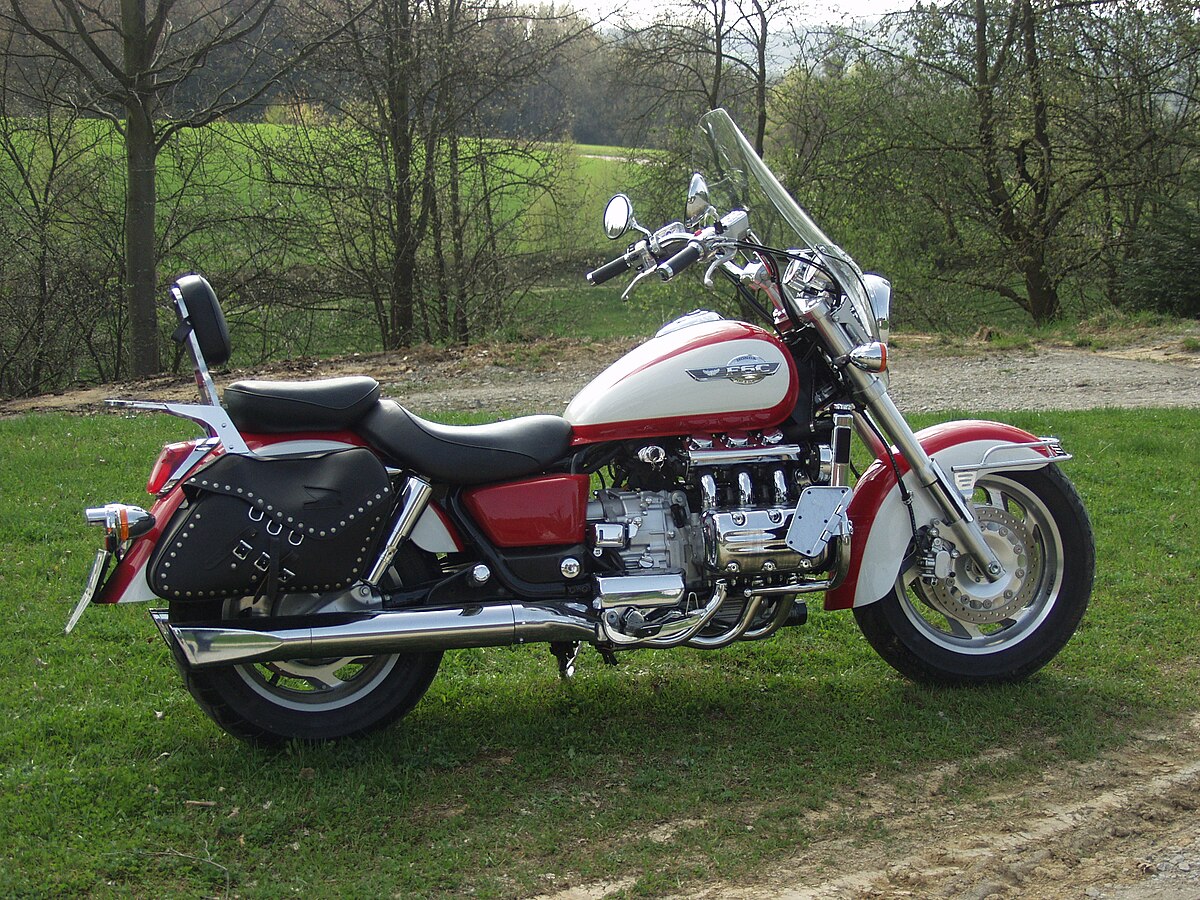
The 1999 Honda GL1500C Valkyrie is Honda’s bold entry into the large-capacity cruiser market, combining the smoothness of the Gold Wing’s flat-six engine with classic cruiser styling to appeal to riders accustomed to Harley-Davidson motorcycles.
With a used price around $5,499, the Valkyrie remains an attractive choice for riders seeking powerful performance, long-distance comfort, and distinctive looks at a reasonable cost.
At its core, the Valkyrie is powered by a 1529cc four-stroke opposed flat-six engine with single overhead cams and two valves per cylinder. Producing roughly 100 horsepower and 95.9 lb-ft of torque, it delivers smooth, linear power throughout the rev range.
Despite its size, the engine is refined and provides effortless acceleration and highway cruising, reaching a top speed of approximately 112 mph. The shaft drive enhances reliability and reduces routine maintenance, making it especially suitable for long-distance touring.
Handling is surprisingly agile for a motorcycle weighing 681 pounds dry. Its low center of gravity, stiff chassis, and well-tuned suspension allow it to feel stable and responsive once moving, giving riders confidence on highways and curves. Braking performance is strong and predictable, with dual front discs and a single rear disc equipped with twin-piston calipers, providing reliable stopping power.
Comfort is one of the Valkyrie’s strongest points. The low seat height of around 28.7 to 29 inches, combined with supportive suspension and optional touring accessories such as windscreens and saddlebags, makes it ideal for long rides. Additional features include a factory four-speaker stereo and a 546-watt alternator, enhancing convenience and entertainment on extended trips.
Some drawbacks include its weight and low-speed maneuverability. Parking and slow-speed handling require effort, and the stock ergonomics with low, wide handlebars and engine-driven footpeg placement may feel restrictive for some riders. Styling is subjective, often described as a “naked Gold Wing,” leading many owners to personalize their Valkyries with aftermarket parts.
The 1999 Honda GL1500C Valkyrie excels as a powerful, comfortable, and reliable cruiser. Its combination of a big-bore flat-six engine, touring capability, and unique styling makes it a compelling choice for riders seeking long-distance comfort, strong performance, and a distinctive presence on the road.
Also Read: 5 Cars for Clarksville (TN) Daily Commuters vs 5 That Fail Early
6. 1982 Honda GL500 Silver Wing: The Baby Gold Wing
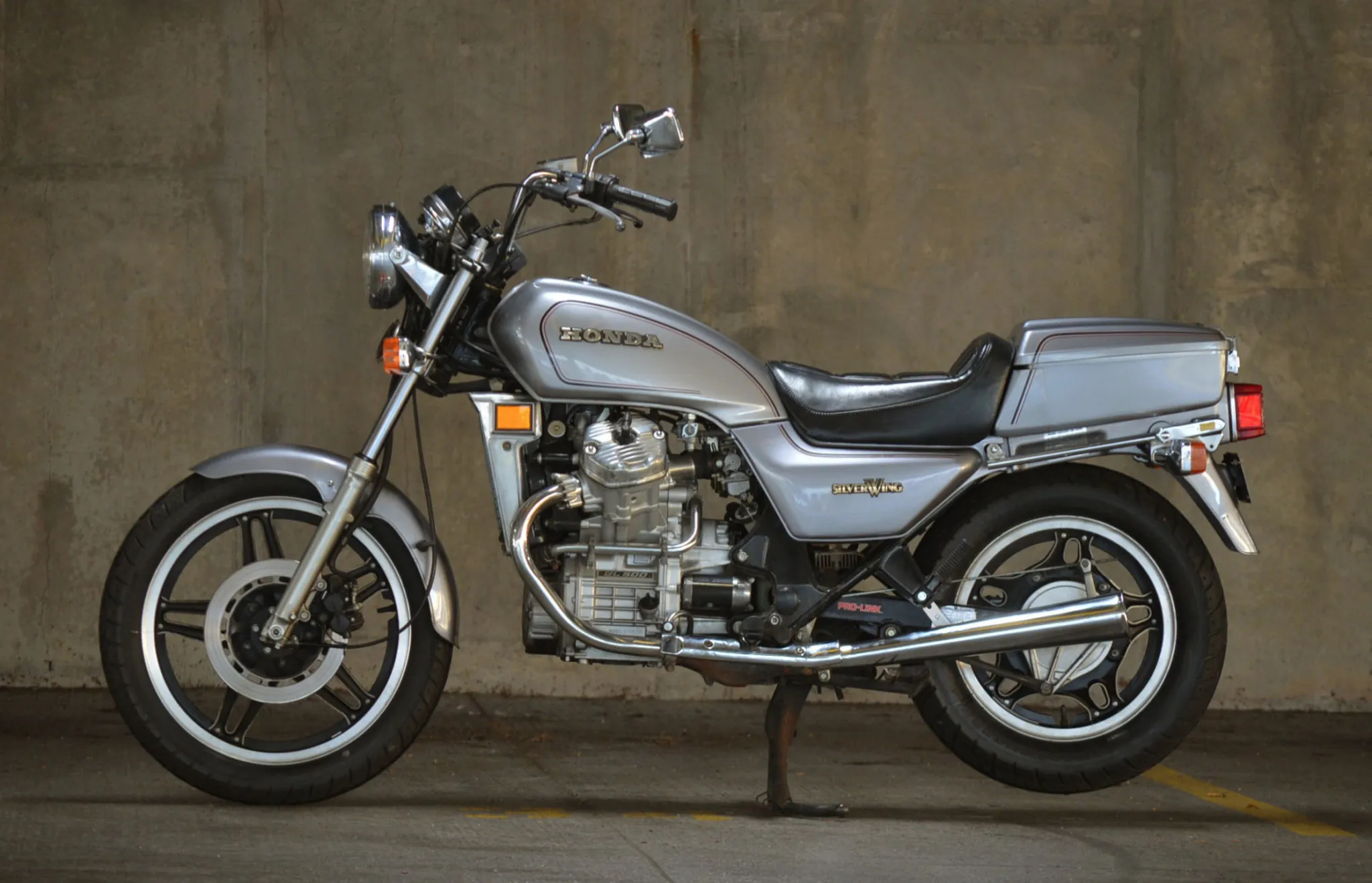
The 1982 Honda GL500 Silver Wing was Honda’s mid-size touring motorcycle, often referred to as a “baby Gold Wing.” With a used price around $4,999, it provided riders with a manageable, reliable alternative to the larger GL1000 while still delivering comfort, smoothness, and touring capability.
Its combination of innovative engineering, shaft drive, and touring-oriented features made it a unique choice for riders seeking long-distance comfort in a smaller package.
The GL500 was powered by a 496cc liquid-cooled, transverse 80-degree V-twin engine with single overhead cams and four valves per cylinder. Producing approximately 50 horsepower and 33.9 lb-ft of torque, it could reach a top speed of around 109 mph.
While not designed for high-speed touring or heavy passenger loads, the engine offered smooth, reliable performance and excellent fuel economy, often achieving around 50 miles per gallon on the highway. Its shaft drive further enhanced reliability and reduced maintenance, a hallmark of Honda’s touring bikes.
One of the standout features of the GL500 was its Pro-Link rear suspension. This mono-shock system, innovative for its time, delivered exceptional comfort and stability compared to traditional dual-shock setups.
Paired with a low-maintenance drivetrain and a smooth V-twin, it made the Silver Wing a capable and pleasant long-distance cruiser. Touring variants, such as the Interstate model, added fairings, saddlebags, a trunk, and a throttle lock, further improving comfort and practicality for extended rides.
Reviewers praised the Silver Wing for its smooth ride, Gold Wing-level reliability, and simple yet effective design. Its size made it approachable for solo riders and those who preferred a lighter, less intimidating touring motorcycle. The bike excelled at relaxed highway cruising and weekend rides, providing many of the comforts of a full-sized Gold Wing without the weight and bulk.
Some limitations included limited power when carrying a passenger or heavy load, slightly cumbersome handling at very low speeds, and older carbureted technology, which lacked modern electronic conveniences. Despite these minor drawbacks, the GL500 offered a well-balanced package of performance, comfort, and dependability.
Today, the 1982 Honda GL500 Silver Wing is celebrated as a quirky, reliable classic. Its smooth engine, Pro-Link suspension, and shaft drive make it a unique mid-size tourer, ideal for riders who want a taste of luxury touring without the size and complexity of a full Gold Wing.
7. 1989 Honda XL600V Transalp: The Versatile Early Adventure Bike
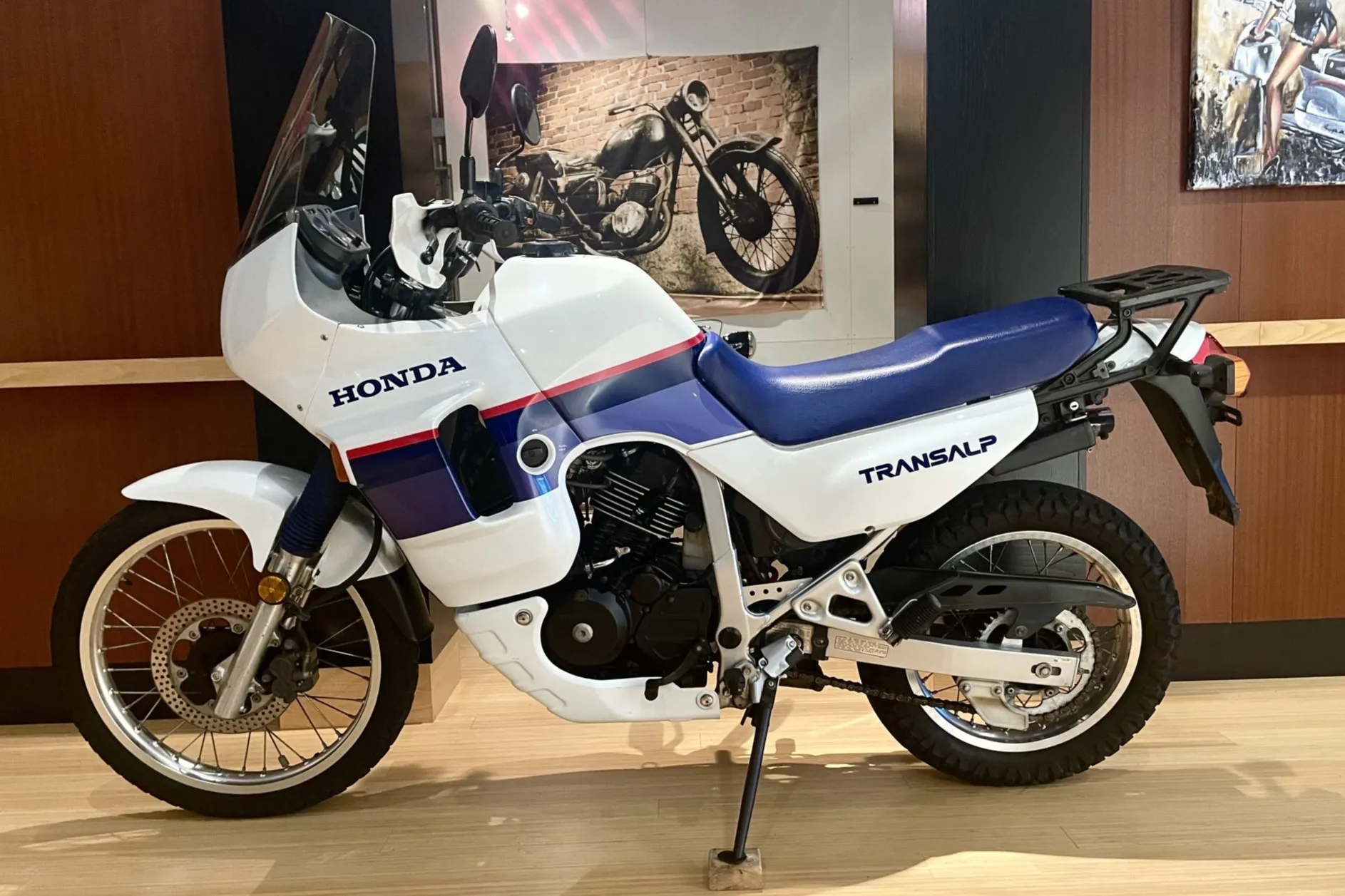
The 1989 Honda XL600V Transalp is one of the pioneering adventure motorcycles, blending road touring comfort with light off-road capability. With a used price around $3,999, it remains a sought-after classic for riders seeking a versatile and reliable first-generation ADV machine.
Launched in the late 1980s as adventure riding began to grow, the Transalp competed with bikes like BMW’s R 80 G/S, offering a more road-focused alternative to Honda’s own Africa Twin. Its combination of comfort, reliability, and multi-purpose design made it a standout in its class and helped define Honda’s presence in the adventure market.
The Transalp is powered by a 583cc four-stroke V-twin engine with single overhead cams and three valves per cylinder, producing approximately 55 horsepower and 38.8 lb-ft of torque.
Its offset crankpins and dual spark plugs per cylinder created a smooth, almost 90-degree V-twin feel, delivering consistent torque and relaxed performance. The engine allowed comfortable motorway speeds while remaining manageable on tighter roads and gravel trails.
Handling is versatile for a bike of its era. Weighing around 440 to 450 pounds, the Transalp features long-travel suspension and high ground clearance, enabling confidence on fire roads and light trails. Its single front disc and rear drum brakes are adequate for moderate speeds but are less capable in demanding conditions.
Tires from the period and the bike’s weight limit its performance on technical single-track, but it excels as a mixed-use road and trail bike.
Comfort is a strong suit of the XL600V. Riders benefit from an upright seating position, a wide and cushioned seat, and large handlebars with hand guards.
A full fairing and small windscreen provide effective wind and weather protection, while the dash features a car-like layout including a speedometer, tachometer, warning lights, and a stand cut-out switch. These elements made the bike well-suited to long-distance touring and daily riding alike.
The Transalp is considered ahead of its time, foreshadowing the modern adventure motorcycle segment. Early Japanese-made models, particularly the PD06, are preferred for reliability and ease of maintenance. Prospective buyers should check fluids, carburetors, brakes, and consider modern tires, as some early bikes had minor shaft and wheel issues.
The 1989 Honda XL600V Transalp remains an indestructible, fun, and practical adventure motorcycle. Its smooth V-twin engine, comfortable ergonomics, and versatile capabilities make it a timeless choice for riders seeking a classic, all-purpose ADV machine.
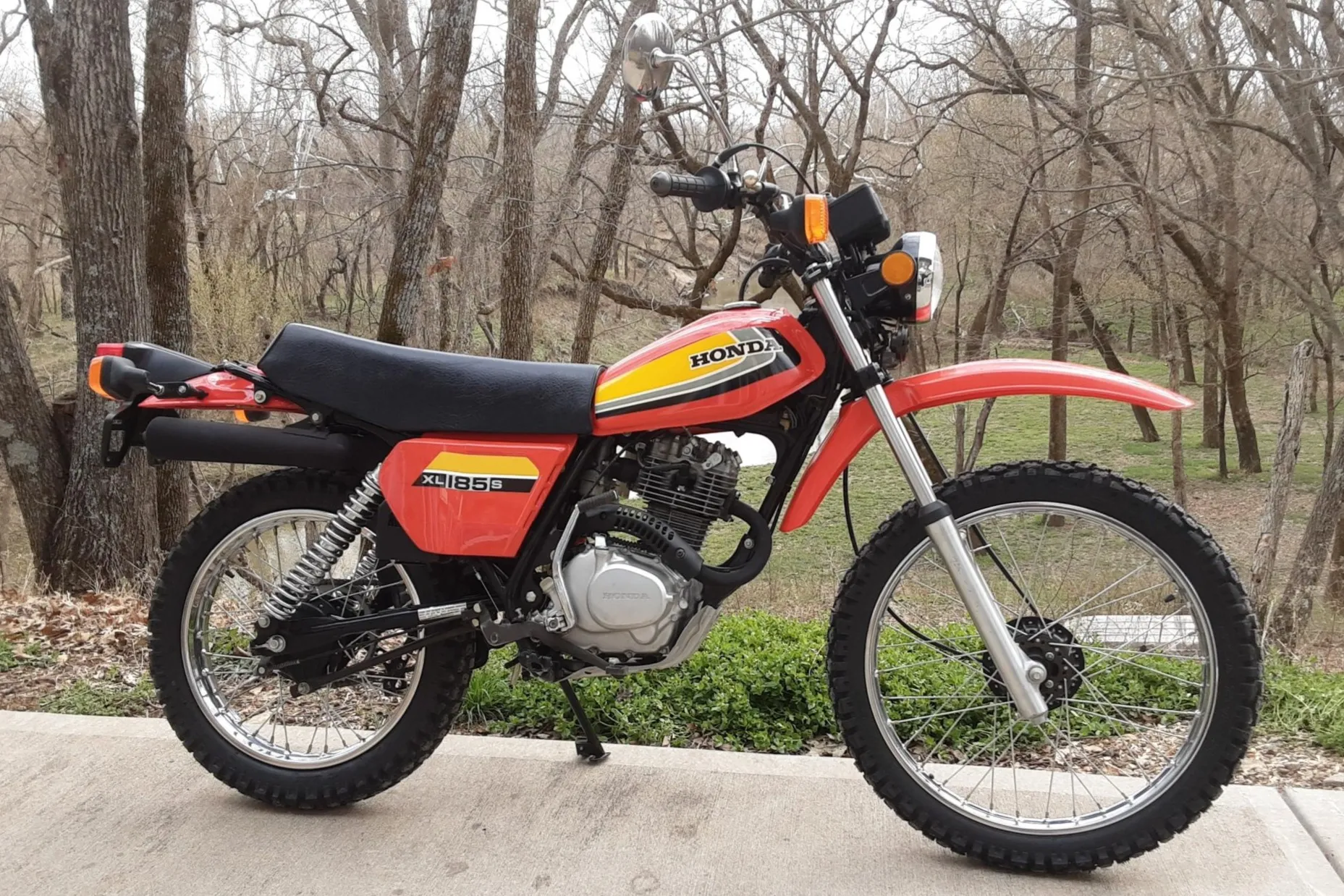
8. 1979 Honda XL185S: A Classic Lightweight Dual-Sport
The 1979 Honda XL185S is a classic dual-sport motorcycle, ideal for beginners or riders seeking a lightweight, versatile bike for both city streets and light off-road adventures. With a used price around $3,995, it offers a retro Honda experience with simple, reliable mechanics and low operating costs.
Part of Honda’s XL line, which eventually evolved into larger adventure and street models like the Transalp and Varadero, the XL185 builds on the success of the earlier XL175, offering slightly more power while retaining the approachable handling and simplicity that made the series popular.
The XL185S is powered by a 184cc four-stroke, single-cylinder engine with a single overhead cam and two valves. Producing around 14.5 horsepower and 10 lb-ft of torque, it can reach speeds of up to 63 mph. It’s kick-started with a compression release, making starting easy, even for new riders.
While modest in power, the engine is exceptionally reliable, simple to maintain, and fuel efficient, often delivering over 50 miles per gallon. This combination makes it an excellent choice for commuting, casual trail riding, or light backroad exploration.
Handling is lightweight and responsive, making the XL185S manageable for riders of all experience levels. Its upright ergonomics and low weight contribute to confidence both on and off-road, while its classic styling, bright colors, and functional design provide a nostalgic appeal. Drum brakes and basic suspension reflect the simplicity of the era but remain sufficient for casual riding.
Some considerations include age-related wear on tires, cables, seals, and the exhaust, which can rust or require replacement.
Carburetors may need cleaning or minor tuning to maintain smooth operation, and side covers can suffer heat damage from the exhaust. While it can reach highway speeds, the XL185S is best suited for lower-speed cruising and light trail work rather than long-distance touring.
Owners appreciate the XL185S for its reliability, ease of use, and vintage charm. Its straightforward engineering allows for easy maintenance and modifications, making it a popular project bike or daily rider. With low running costs, fun handling, and a versatile design, the 1979 Honda XL185S remains a beloved entry-level dual-sport that captures the essence of classic Honda motorcycles.
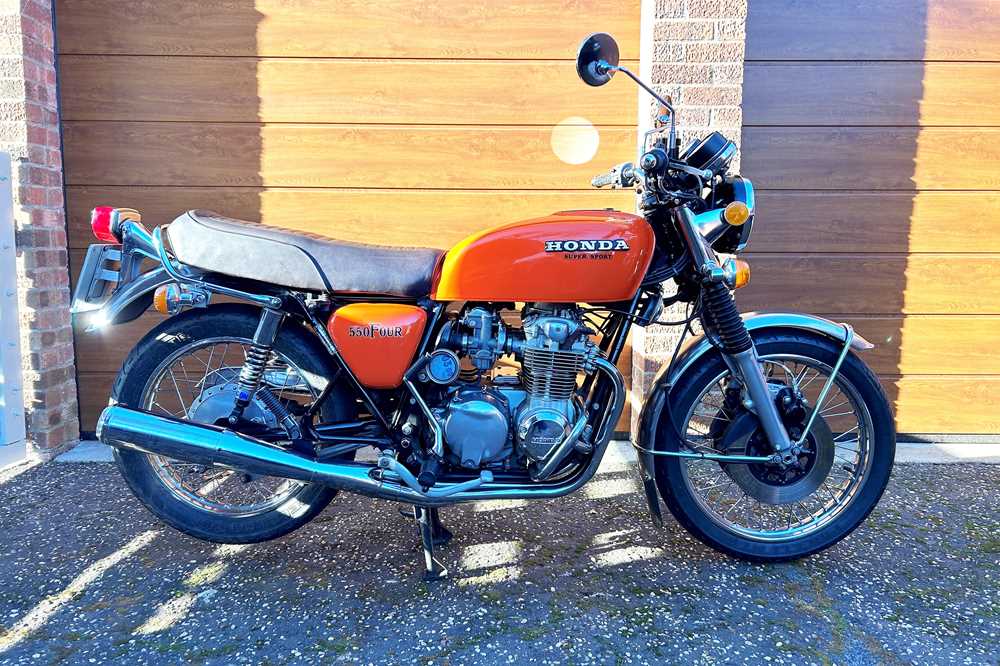
9. 1976 Honda CB550: The Sweet Spot of 1970s Hondas
The 1976 Honda CB550 is a highly regarded classic motorcycle that strikes a balance between style, performance, and manageability. With a used price around $3,400, it offers an accessible entry into the world of vintage CB bikes for enthusiasts who find the CB750 out of reach.
Produced from 1974 to 1978, the CB550 was Honda’s mid-size inline-four model before being replaced by the CB650. Its compact size, light weight, and versatile design make it ideal for daily riding, restoration projects, or customization into brat, café racer, tracker, or scrambler styles.
Powering the CB550 is a 544cc four-stroke, four-cylinder SOHC engine with two valves per cylinder, producing around 50 horsepower and 31.8 lb-ft of torque. The engine is smooth, reliable, and simple to work on, despite featuring four separate carburetors.
It delivers sufficient performance for highway speeds over 90 mph, and it can comfortably carry a passenger. The bike’s inline-four configuration provides a refined, vibration-free ride, contributing to its reputation as one of the most balanced Hondas of the 1970s.
Handling is nimble and approachable, especially compared to the larger CB750. Its lighter weight and balanced chassis make it easy to maneuver in traffic or on winding roads.
The CB550’s styling is classic and iconic, featuring a quad exhaust system on the K models and a 4-into-1 exhaust on the sportier F models, along with clean lines and attractive original paint options. These design elements contribute to the CB550’s collector appeal and visual charm.
Owners should note a few considerations. Original seats can become uncomfortable on longer rides, prompting many to upgrade padding or install aftermarket options.
The bike uses Japanese Industrial Standard screws, which require proper drivers for maintenance or replacement with Allen bolts. Some older models may exhibit cam chain noise or wiring issues, but these are manageable with routine care and proper servicing.
Available in the CB550K and CB550F Super Sport models, the bike offers either a traditional cruiser look or a sportier appearance, allowing riders to choose according to preference.
The 1976 Honda CB550 combines legendary Honda reliability, classic styling, and versatile performance, making it an excellent choice for riders seeking a manageable, fun, and collectible vintage motorcycle. Its balance of usability and iconic design secures its status as a standout model from the golden era of Honda motorcycles.
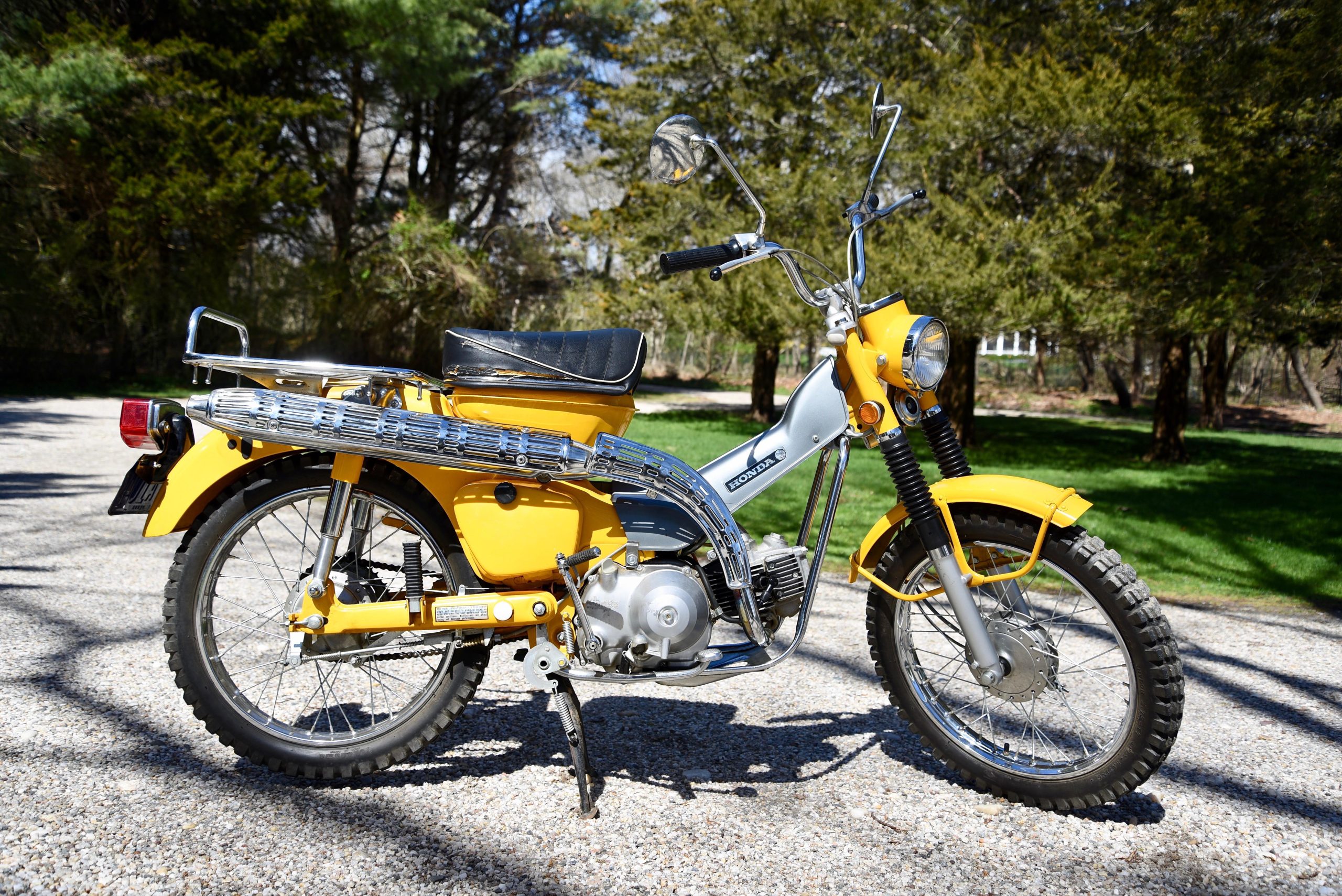
10. 1969 Honda CT90 Trail: The Iconic Beginner-Friendly Dual-Sport
The 1969 Honda CT90 Trail is a legendary lightweight dual-sport motorcycle, combining Honda’s Super Cub reliability with off-road capability. With a used price around $2,950, it remains a highly collectible and accessible classic, ideal for beginners, hobbyists, or anyone seeking a fun, versatile mini-motorcycle.
Originally inspired by Herb Uhl’s modified Super Cub designs, the CT90 featured knobby tires, a “cheater” sprocket, and other off-road enhancements, making it perfect for trails, mountain roads, and light commuting.
Powering the CT90 is a simple 89.5cc four-stroke single-cylinder engine with a single overhead cam and two valves. Producing about 7 horsepower and 6.1 lb-ft of torque, the engine is small but surprisingly capable, especially in low gear.
Coupled with an automatic clutch, it allows riders to focus on balance and throttle control rather than manual clutch operation, making it extremely beginner-friendly.
Top speed ranges around 40-50 mph on roads, with low-gear torque providing ample power for steep hills or off-road trails. Its fuel economy is legendary, often exceeding 70 miles per gallon, with some riders reporting over 100 mpg under ideal conditions.
The CT90 features a unique high/low range sub-transmission, effectively giving it eight usable gears (four low, four high). This allows for both torque-heavy off-road climbing and higher-speed road travel, giving it versatility rarely seen in such a small motorcycle.
Its design includes practical touches such as a luggage rack capable of carrying a second seat, a skid plate for engine protection, within-seat fuel storage, and durable knobby tires for mixed terrain.
Riders consistently praise the CT90 for its fun factor, durability, and adaptability. It works equally well as a trail bike, mini-commuter, or light pack mule. Its simple mechanics make it an excellent project bike for restoration or modification, though sourcing parts may require effort. Early models from 1969 to 1979 are particularly collectible and sought after by enthusiasts.
Today, the 1969 Honda CT90 Trail is celebrated for its legendary reliability, easy handling, and versatile design. It represents a milestone in Honda’s dual-sport evolution and offers a unique, approachable riding experience. With its combination of durability, simplicity, and iconic design, the CT90 remains a beloved classic for riders of all ages, making off-road adventures accessible to everyone.
Exploring these ten classic Honda motorcycles highlights just how accessible and rewarding vintage riding can be. These bikes offer more than nostalgia; they provide genuine usability, dependable engineering, and unique personalities that modern machines often lack.
Whether you’re drawn to the raw power of a CB750, the refined touring of a Gold Wing, the agile sportiness of a CB77, or the rugged versatility of a CT90, each model proves that classic Hondas remain practical, fun, and attainable.
For enthusiasts on a budget, this lineup demonstrates that iconic history and affordability can coexist, allowing new generations of riders to experience the legendary craftsmanship, innovation, and reliability that have made Honda a household name in motorcycling. These bikes are not just collectibles; they are ready-to-ride pieces of history waiting to be enjoyed.
Also Read: 10 Cars That Look Stunning But Disappoint True Enthusiasts