

When people talk about vehicles for family use, safety usually comes first before style or power. Parents and guardians want a car that gives peace of mind whenever children and loved ones are inside. Hyundai designed the Santa Fe with this reality in mind.
The model has been recognised over the years as one of the company’s most reliable family-friendly vehicles. It offers not just comfort and space but also a structure and technology that shield passengers in different driving conditions. Families in the United States and other parts of the world have relied on it for its balance between affordability, durability, and strong safety ratings.
The Santa Fe combines a wide range of systems that work together to keep occupants protected. Some of these steps include preventive measures that stop accidents before they happen, while others deal with reducing injuries if a crash cannot be avoided.
This layered approach ensures that parents feel secure while transporting children to school, running errands, or travelling on long trips. Hyundai invested heavily in engineering and safety technology so that this model stands out as a trusted companion for households.
In today’s environment, where traffic can be unpredictable and roads sometimes become dangerous, a car that offers multiple protective features is more than a luxury. It is a necessity for people who care about their families.
The Santa Fe not only provides airbags and seatbelts but also intelligent systems that detect blind spots, monitor driver attention, and give alerts when necessary. Each of these features has been carefully placed to improve safety without making the vehicle difficult to use.
With these in mind, the Santa Fe represents more than just a way of moving from one place to another. It is a shield on wheels that gives families the assurance they need while on the road. Below are ten steps that make the Hyundai Santa Fe one of the safest choices for families.

1. Master the Hyundai SmartSense Safety Suite
The Hyundai SmartSense system represents one of the most comprehensive safety packages available in today’s SUV market. This advanced driver assistance system includes multiple interconnected features that work together to prevent accidents and protect occupants. Understanding each component and how they function together creates the foundation for safe family driving.
Forward Collision-Avoidance Assist serves as your first line of defense against rear-end collisions. This system continuously monitors the road ahead using radar and camera technology, detecting vehicles, pedestrians, and cyclists in your path. When the system identifies a potential collision, it provides visual and audible warnings, giving you time to react.
If you don’t respond quickly enough, the system can automatically apply the brakes to prevent or reduce the severity of impact. Blind-Spot Collision-Avoidance Assist extends protection to your vehicle’s sides, monitoring areas that traditional mirrors cannot cover effectively.
When changing lanes, this system alerts you to vehicles in your blind spots and can even provide steering corrections to help avoid collisions. The visual indicators in your side mirrors work in conjunction with audible warnings to ensure you receive clear notification of potential hazards.
Lane Keeping Assist and Lane Following Assist work together to help you maintain proper lane positioning during highway driving. These systems detect lane markings and provide gentle steering corrections when you begin to drift without signaling. This feature proves particularly valuable during long family trips when driver fatigue might affect concentration.
Smart Cruise Control with Stop & Go functionality adapts your following distance based on traffic conditions. This system maintains a safe distance from the vehicle ahead, automatically adjusting speed and even coming to a complete stop in heavy traffic. When traffic resumes, the system can automatically accelerate to your set speed, reducing driver stress in congested conditions.
To maximize these systems’ effectiveness, ensure your windshield and sensors remain clean and unobstructed. Regularly check that cameras and radar units are free from dirt, snow, or ice. Understand that these systems assist rather than replace attentive driving, and always remain ready to take control when necessary.
2. Implement Proper Child Safety Seat Installation
Child safety seat installation requires precise attention to detail and understanding of your Santa Fe’s specific anchor points and features. The LATCH (Lower Anchors and Tethers for Children) system in your Santa Fe provides secure mounting points for child safety seats, but proper installation depends on following manufacturer guidelines and understanding weight limitations.
The Santa Fe’s second-row seats feature easily accessible LATCH anchors located in the seat bight between the seat cushion and seatback. These anchors can accommodate child safety seats up to specific weight limits, which include both the child and the seat weight combined.
Always verify that your child’s safety seat and your child’s combined weight fall within the LATCH system’s capacity before relying on these anchors. Top tether anchors provide additional security for forward-facing child safety seats.
These anchors are typically located on the rear of the second-row seats or on the vehicle’s floor behind the seats. The top tether strap reduces forward movement of the child safety seat during a collision, providing enhanced protection for your child.
When installing infant seats or convertible seats in the rear-facing position, ensure proper recline angle according to the seat manufacturer’s instructions. The Santa Fe’s seat design accommodates various child safety seat brands, but some seats may require slight adjustments to achieve the correct installation angle. Use the level indicators on your child safety seat to confirm proper positioning.
Third-row installation requires special consideration due to the increased distance from the vehicle’s crumple zones. While the third row can accommodate child safety seats, many safety experts recommend using the second row when possible, as it provides better crash protection.
If you must use the third row, ensure the child safety seat is properly secured and that the seatbelt or LATCH system is correctly engaged. Regular inspection of your child’s safety seat installation helps maintain optimal protection.
Check that the seat moves less than one inch when tested at the belt path, verify that straps are snug against your child’s body, and ensure the chest clip is positioned at armpit level. Schedule periodic inspections with certified child passenger safety technicians to confirm proper installation and address any concerns about your setup.
Also Read: 5 Hyundai Accent Years Worth Owning vs 5 To Avoid
3. Strong Body Structure with Advanced Materials
Hyundai engineers paid special attention to the structure of the Santa Fe. A car that will carry families daily must be able to absorb impact and hold its shape under pressure. The body of the Santa Fe is built with high-strength steel that provides toughness without adding unnecessary weight.
The use of strong materials means the car does not crumple easily during collisions. This design step is crucial because it allows the energy from a crash to spread across the frame rather than concentrate on passengers.
Another advantage of the Santa Fe’s body structure is its rigidity. A rigid frame reduces vibration and makes the car stable even on rough surfaces. This stability helps the driver remain in control during emergencies.
Hyundai also improved the crumple zones, areas of the car that are designed to deform first in a crash. These zones absorb most of the shock so that the cabin remains intact. When parents think about children sitting in the back seats, such features provide comfort and peace of mind.
Crash tests in different markets have shown that the Santa Fe consistently performs well when measured for passenger protection. The placement of reinforcements around the doors, roof, and pillars means the likelihood of cabin collapse is reduced. Families appreciate a vehicle that can hold up well even in tough conditions.
Hyundai did not stop at strength alone. The car also has a lighter design compared to older models, which improves fuel efficiency without reducing safety. This mix of lightness and strength reflects modern engineering that serves the daily needs of families. With such a body structure, parents can drive knowing that the first shield of protection is already in place.
4. Execute Proper Loading and Weight Distribution
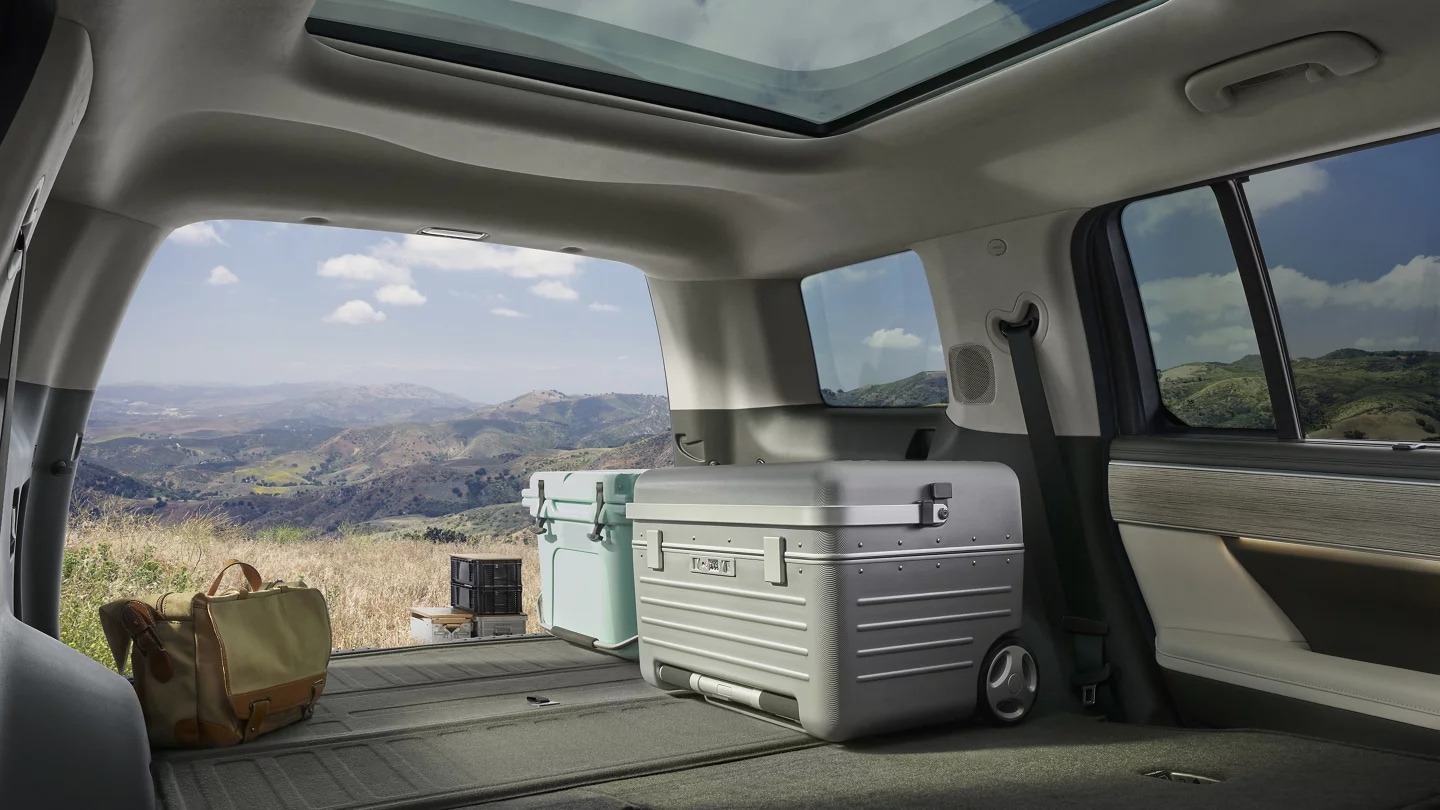
Proper loading practices in your Santa Fe directly affect vehicle stability, braking performance, and general safety during family trips. Understanding weight limits, load distribution principles, and cargo securing methods helps maintain predictable vehicle behavior and protects occupants from shifting cargo during sudden stops or collisions.
Your Santa Fe’s Gross Vehicle Weight Rating (GVWR) represents the maximum safe weight for the loaded vehicle, including passengers, cargo, and fluids. Exceeding this limit compromises braking ability, handling characteristics, and places excessive stress on suspension components and tires.
Consult your owner’s manual for specific weight ratings and factor in passenger weight when calculating available cargo capacity. Load distribution affects vehicle balance and handling characteristics. Place heavy items as low as possible in the cargo area and position them toward the front of the cargo space when feasible.
This placement keeps the vehicle’s center of gravity low and forward, maintaining stability during cornering and emergency maneuvers. Avoid loading heavy items on the roof when possible, as elevated weight raises the center of gravity and increases rollover risk.
Secure all cargo properly to prevent movement during driving. Use the Santa Fe’s built-in cargo tie-down points, cargo nets, or appropriate restraint systems to keep items in place. Loose cargo becomes projectiles during sudden stops or collisions, potentially causing injury to occupants. Even lightweight items can cause serious harm when propelled forward at crash forces.
When using roof-mounted cargo carriers, follow the manufacturer’s weight limits and installation instructions precisely. Distribute weight evenly across the roof and secure items both to the carrier and directly to the vehicle when possible.
Check carrier mounting and cargo security periodically during long trips, as vibration and wind forces can loosen connections as time goes on. Third-row usage affects cargo capacity and weight distribution. When all seats are occupied, cargo space becomes limited, making proper weight management even more critical.
Consider the combined weight of third-row passengers and remaining cargo to ensure you stay within safe limits. Plan longer trips carefully when using all seating positions, potentially requiring additional vehicles for extended family travel or camping gear.
5. Establish Regular Brake System Inspection Routines
Brake system maintenance forms the cornerstone of vehicle safety, as your ability to stop effectively determines your capacity to avoid collisions and protect your family. The Santa Fe’s brake system includes multiple components that require regular inspection and maintenance to function properly when needed most.
Brake fluid serves as the hydraulic medium that transfers force from your brake pedal to the brake components at each wheel. This fluid absorbs moisture as time goes on, which lowers its boiling point and can lead to brake fade during heavy use.
Check brake fluid level regularly and have the fluid replaced according to your maintenance schedule or when it appears dark or contaminated. Clear, amber-colored fluid indicates good condition, while dark or cloudy fluid suggests replacement is needed.
Brake pad wear directly affects stopping distance and safety. Listen for unusual noises during braking, including squealing, grinding, or scraping sounds that may indicate worn brake pads.
Many modern brake pads include wear indicators that produce intentional noise when replacement becomes necessary. Visual inspection through wheel spokes can reveal pad thickness, though professional inspection provides a more accurate assessment.
Rotor condition affects braking smoothness and effectiveness. Warped or scored rotors create vibration during braking and may increase stopping distances. If you experience steering wheel vibration or pulsation during braking, have your rotors inspected promptly. Surface rust on rotors is normal after sitting, but deep scoring or heat damage requires professional attention.
The brake pedal feel provides important information about the system condition. A firm, consistent pedal that doesn’t sink toward the floor indicates proper system function. A soft or spongy pedal may suggest air in the brake lines, worn brake components, or brake fluid leaks.
Any change in pedal feel warrants immediate professional inspection. Electronic brake-related systems in your Santa Fe, including ABS (Anti-lock Braking System) and Electronic Stability Control, require periodic inspection of sensors and connections.
These systems depend on wheel speed sensors and other components to function properly. Clean sensors regularly and address any warning lights immediately, as these systems provide crucial safety benefits during emergency braking situations.
6. Optimize Lighting Systems for Maximum Visibility
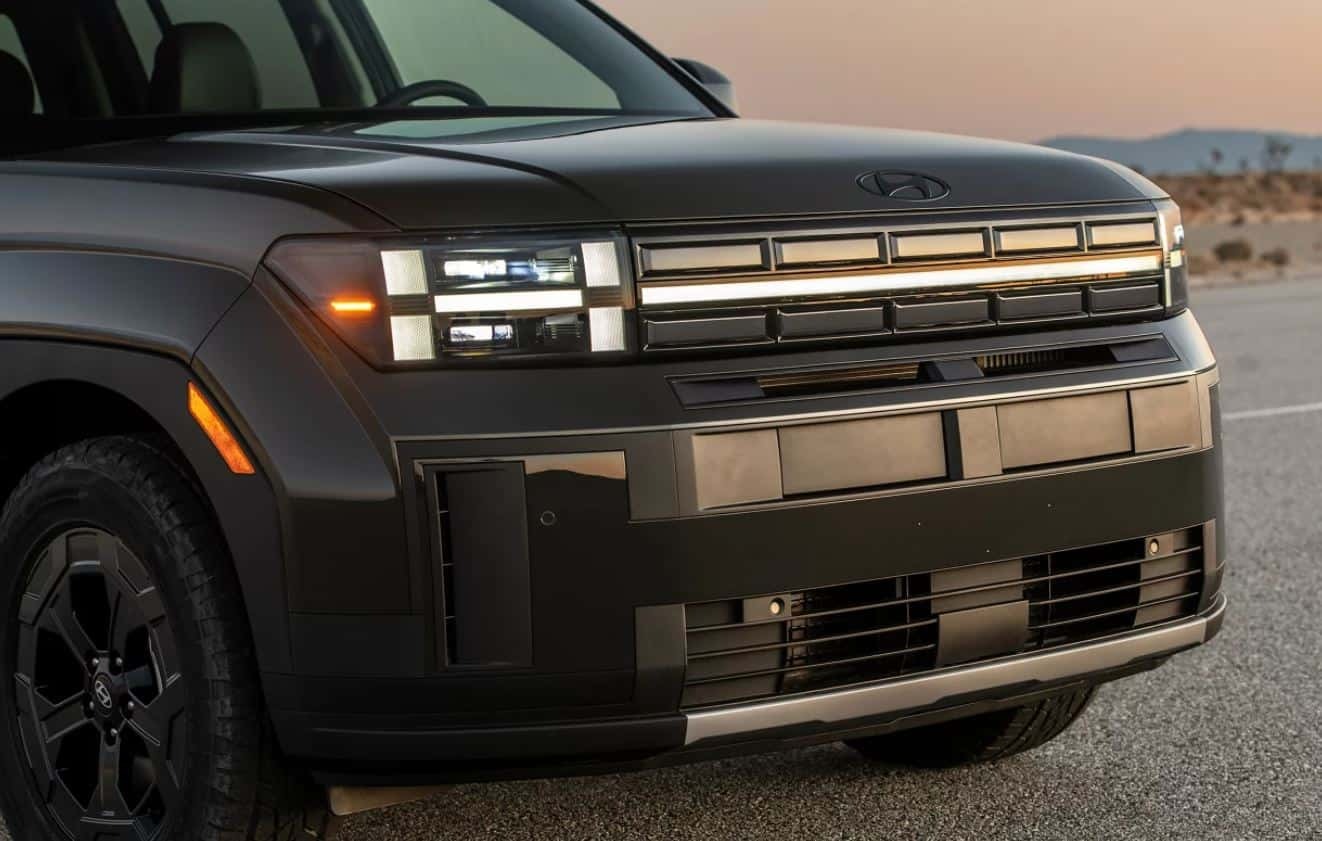
Proper lighting system maintenance ensures you can see clearly and be seen by other drivers, pedestrians, and cyclists. Your Santa Fe’s lighting systems include multiple components that work together to provide illumination and communicate your intentions to others on the road.
Headlight performance directly affects nighttime driving safety. Clean headlight lenses regularly to remove dirt, salt, and oxidation that can reduce light output by up to 40%. Cloudy or yellowed headlight lenses benefit from restoration treatments or replacement to maintain optimal illumination.
Check headlight aim periodically, as misaligned lights can reduce road illumination and potentially blind oncoming drivers. LED lighting technology in newer Santa Fe models provides excellent illumination and longevity, but proper function still requires regular inspection.
Check all exterior lights monthly, including headlights, taillights, brake lights, turn signals, and hazard lights. Replace failed bulbs promptly, as non-functioning lights reduce your visibility to other drivers and may result in traffic citations.
Interior lighting affects safety by enabling you to see controls, read maps, or tend to children during nighttime driving. Ensure dome lights, reading lights, and instrument panel illumination function properly. Adjust dashboard lighting brightness to comfortable levels that don’t impair night vision while providing sufficient illumination to read gauges and displays.
Adaptive lighting systems in equipped Santa Fe models automatically adjust beam patterns based on driving conditions. These systems require clean sensors and properly functioning components to operate effectively. Understand how these systems work and learn to recognize when manual override may be necessary in specific conditions.
Emergency lighting preparedness includes ensuring your hazard lights function properly and keeping emergency lighting equipment in your vehicle. LED flashlights, reflective triangles, and flares provide additional safety during roadside emergencies. Check battery levels in emergency equipment regularly and replace expired items according to manufacturer recommendations.
7. Conduct Comprehensive Weather Preparation Protocols
Weather preparation for your Santa Fe involves understanding how different conditions affect vehicle performance and taking proactive steps to maintain safety in challenging environments. Each season presents unique challenges that require specific preparation and awareness.
Winter driving preparation begins with appropriate tire selection. All-season tires provide adequate performance in light snow, but dedicated winter tires offer superior traction in snow, ice, and cold temperatures.
Winter tires use rubber compounds that remain flexible in cold weather and tread patterns designed to grip snowy surfaces effectively. If you live in areas with severe winter conditions, consider switching to winter tires for the cold season.
Battery performance decreases in cold weather, potentially leaving you stranded during the winter months. Test your battery’s condition before cold weather arrives and replace aging batteries proactively. Keep jumper cables or a portable jump starter in your vehicle, along with basic emergency supplies including blankets, water, non-perishable food, and a first aid kit.
Summer heat affects multiple vehicle systems and requires different preparation strategies. High temperatures stress the cooling system, battery, and tires. Check coolant levels and condition before hot weather, ensure the air conditioning system functions properly, and monitor tire pressure more frequently as the heat increases air pressure. Park in shade when possible and use sunshades to reduce interior temperatures.
Rain and wet conditions require attention to windshield wipers, tire tread depth, and visibility systems. Replace wiper blades at least annually or when they begin to streak or chatter across the windshield. Ensure washer fluid reservoirs remain full and use quality washer fluid appropriate for your climate. Test your defroster and defogger systems before rainy seasons to ensure clear visibility.
Severe weather monitoring helps you avoid dangerous driving conditions when possible. Use weather apps, radio updates, and traffic information to plan routes and timing that avoid severe storms, flooding, or extreme temperature conditions. When severe weather is unavoidable, reduce speed, increase following distances, and be prepared to seek shelter if conditions become too dangerous for safe travel.
8. Perfect Pre-Trip Safety Inspection Procedures
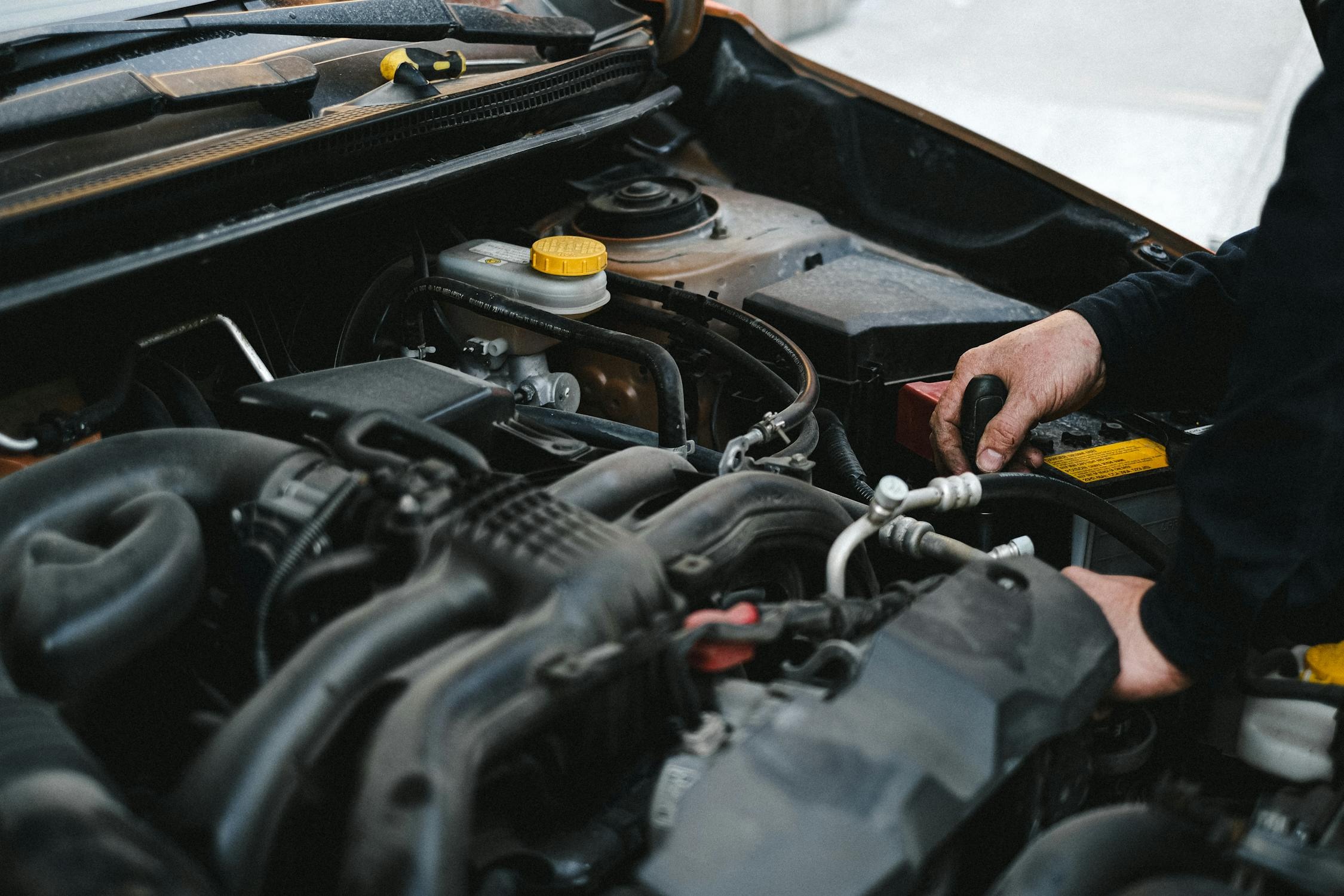
Pre-trip safety inspections help identify potential problems before they become dangerous situations during family travel. Establishing a routine inspection process takes only a few minutes but can prevent breakdowns, accidents, and emergencies that put your family at risk.
Fluid level checks form the foundation of pre-trip inspections. Engine oil, coolant, brake fluid, power steering fluid, and windshield washer fluid all play critical roles in vehicle operation and safety. Low fluid levels can lead to mechanical failures, reduced braking ability, or compromised visibility.
Check fluids when the engine is cool and the vehicle is on level ground for accurate readings. Tire inspection includes checking pressure, tread depth, and general condition. Look for signs of uneven wear, cuts, bulges, or embedded objects that could cause failure during travel.
Ensure the spare tire is properly inflated and that tire-changing equipment is present and functional. Consider the additional stress that loaded vehicles and long-distance travel place on tires when evaluating their condition.
Light and electrical system checks ensure that other drivers can see you and that you can see clearly. Test headlights, taillights, brake lights, turn signals, hazard lights, and interior lights. Verify that warning lights on the dashboard illuminate during startup and then extinguish, indicating proper system function. Address any electrical issues before departure to avoid safety hazards or traffic citations.
Belt and hose inspection helps prevent mechanical breakdowns that could strand your family. Look for cracks, fraying, or wear on drive belts and check hoses for leaks, bulges, or soft spots that indicate impending failure. These components are particularly important during extreme weather or heavy vehicle loading conditions.
Emergency equipment verification ensures you’re prepared for unexpected situations. Check that your first aid kit is complete, the fire extinguisher is charged, emergency triangles or flares are present, and communication devices are charged. Review emergency procedures with family members so everyone understands what to do if problems occur during travel.
9. Master Advanced Driver Assistance System Operation
Advanced Driver Assistance Systems (ADAS) in your Santa Fe provide additional safety layers, but they require proper understanding and operation to deliver maximum protection. These systems work best when drivers understand their capabilities, limitations, and proper usage techniques.
Adaptive cruise control systems maintain safe following distances automatically but require driver oversight and intervention in certain situations. Understand how your system responds to cut-in vehicles, stopped traffic, and highway transitions.
Practice using the system in low-risk environments before relying on it during heavy traffic or complicated driving situations. Remember that these systems may not detect stationary objects or vehicles in all conditions. Lane departure warning and lane keeping assist systems help maintain proper lane position but depend on clear lane markings and good weather conditions.
Learn to recognize when road conditions may affect system performance, such as worn lane markings, construction zones, or severe weather. Understand the difference between warning systems that only alert you and active systems that provide steering assistance.
Parking assistance systems, including rear cross-traffic alert and blind-spot monitoring, enhance awareness during low-speed maneuvers. These systems use sensors that can become blocked by dirt, snow, or ice, so keep sensor areas clean for optimal performance. Understand the coverage areas and limitations of these systems, and always use traditional mirrors and direct visual checks as primary methods.
Collision mitigation systems provide last-resort protection when other safety measures fail. These systems can reduce collision severity but cannot prevent all accidents. Maintain proper following distances, stay alert, and be prepared to take emergency action even when these systems are active. Understand that system performance may be affected by weather, road conditions, and the type of objects they’re designed to detect.
Regular system calibration and updates ensure optimal performance of advanced safety features. Follow maintenance schedules that include sensor cleaning, software updates, and system checks. After windshield replacement, wheel alignment, or other maintenance, have ADAS systems recalibrated by qualified technicians to ensure accurate operation.
Also Read: 12 Fixes That Extend a Hyundai Sonata’s Engine Life
10. Develop Emergency Response and Preparedness Plans
Emergency preparedness transforms potential crises into manageable events that protect your family’s safety. Developing comprehensive response plans and maintaining appropriate emergency equipment creates multiple layers of protection when unexpected situations arise.
Roadside emergency procedures should be practiced and understood by all family members old enough to assist. Choose safe locations to pull over, activate hazard lights immediately, and position the vehicle away from traffic when possible.
Keep emergency triangles or flares in your vehicle to warn approaching traffic, and establish clear protocols for when family members should remain in the vehicle versus when they should exit to a safe location.
Communication planning ensures help can be summoned quickly during emergencies. Maintain charged communication devices and consider backup power sources for long trips. Program emergency contacts into all family members’ phones and ensure everyone knows how to contact roadside assistance, police, fire, and medical services.
Consider satellite communication devices for travel in remote areas with poor cellular coverage. First aid preparedness includes maintaining a comprehensive first aid kit and ensuring at least one family member has basic first aid training.
Regularly check expiration dates on medical supplies and replace items as needed. Include any prescription medications that family members require, and consider the specific needs of children when assembling medical supplies.
Vehicle-specific emergency equipment addresses the unique challenges of SUV breakdowns and emergencies. This includes tow straps rated for your vehicle’s weight, tire repair kits, jumper cables or portable jump starters, basic tools, and emergency escape tools.
Understand how to operate your Santa Fe’s emergency features, including manual door releases, emergency shut-off procedures, and emergency communication systems if equipped. Emergency evacuation procedures should be discussed and practiced with all family members.
This includes knowing how to quickly exit the vehicle, where to gather after evacuation, and how to assist others who may need help. Practice these procedures periodically so responses become automatic during actual emergencies when stress and confusion may impair decision-making abilities.
Family safety in your Hyundai Santa Fe depends on understanding and implementing these ten essential steps. Each element works together to create multiple layers of protection that keep your loved ones safe during every journey.
Regular attention to these safety practices, combined with defensive driving techniques and proper vehicle maintenance, maximizes your Santa Fe’s ability to protect what matters most to you. Safe travels begin with preparation, continue with vigilance, and succeed through consistent application of proven safety principles.
