
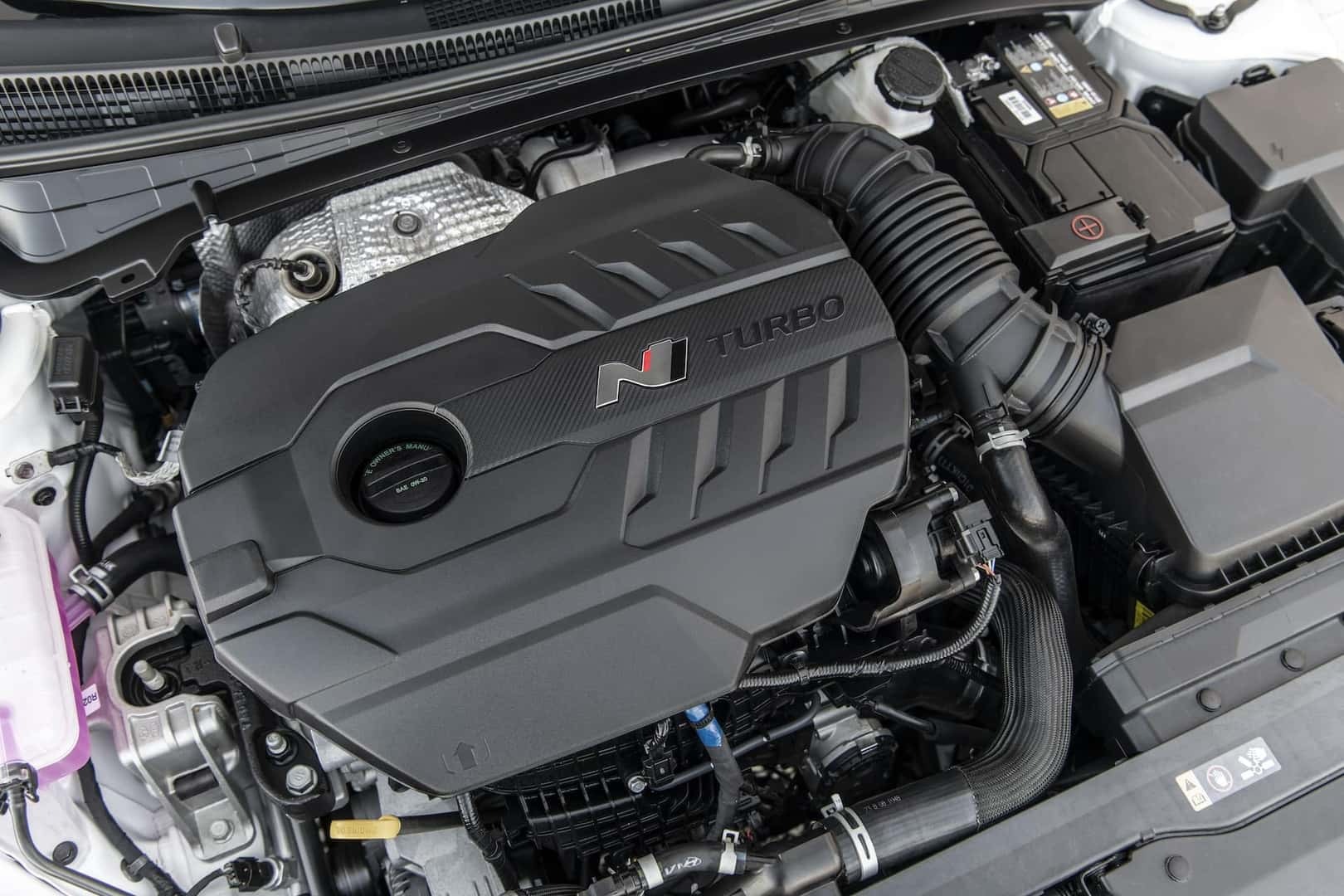
When drivers speak about reliable cars, Hyundai is often mentioned. Over the years, this brand has earned a solid place in many markets by producing vehicles that are affordable, stylish, and practical. At the heart of every car is the engine, and Hyundai has produced different engines with mixed results.
Some of them are praised because they keep running even when drivers are not so gentle, while others have caused complaints because they give problems when stressed. Understanding these engines is very important for anyone who wants to buy a Hyundai, especially those planning to keep the car for a long time or use it in tough conditions.
Engines are not just about horsepower or smooth performance. What matters most for many drivers is how long they last and how much abuse they can handle without breaking down.
Abuse here does not mean intentional damage, but it refers to rough driving, irregular maintenance, long hours on the road, poor fuel quality, and other stressful conditions that engines often face. A strong engine can manage these issues without constant repairs, while a weak one begins to show signs of failure too quickly.
Hyundai has manufactured engines that fall on both sides. Some are trusted by taxi drivers, delivery workers, and daily commuters because they prove dependable. Others, however, have made car owners regret their purchase because they spend more time in repair shops.
We will look at five Hyundai engines that have shown the ability to survive tough treatment and continue running strong, as well as five that are known to struggle when exposed to the same conditions.
5 Hyundai Engines That Survive Abuse
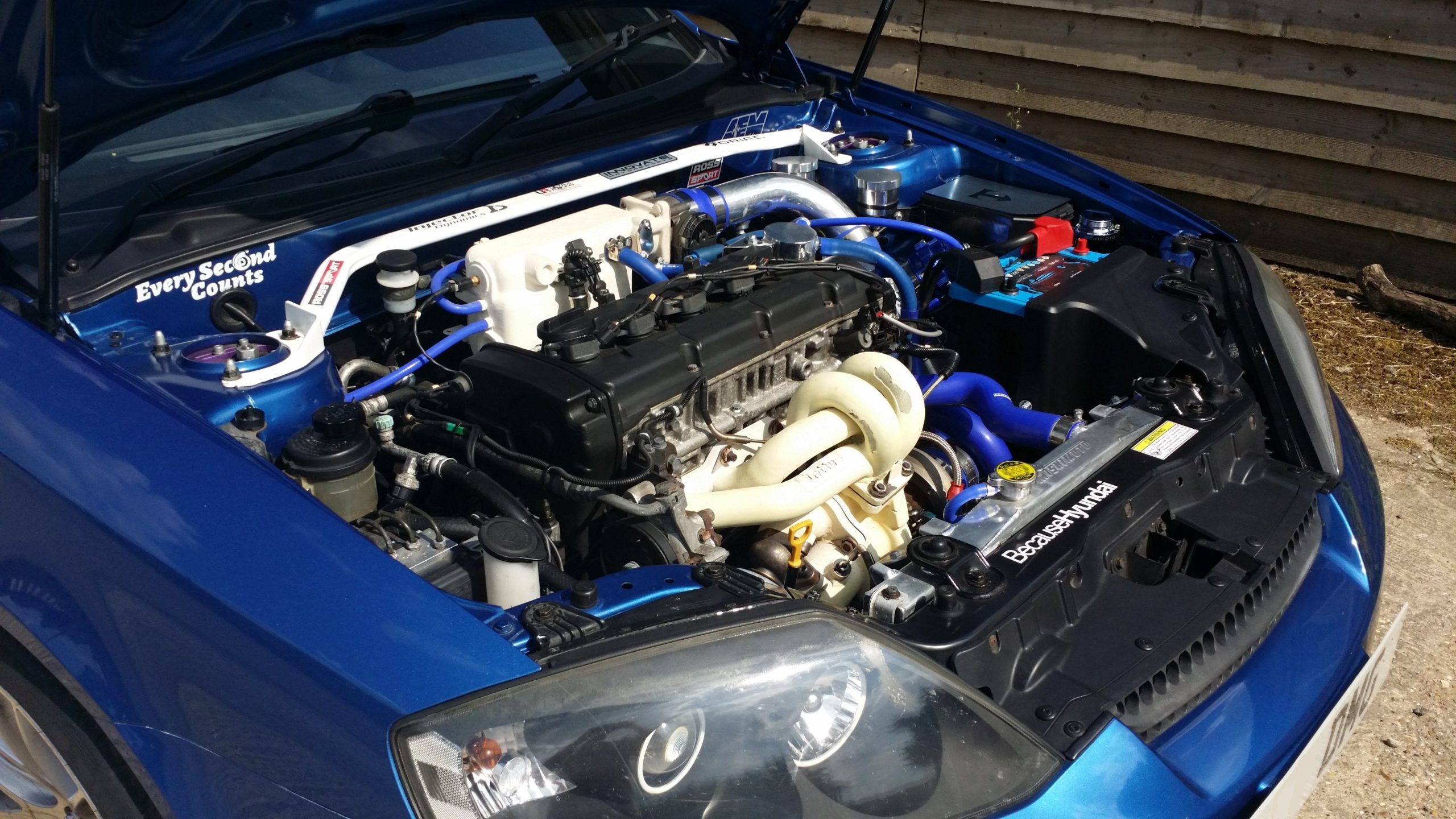
1. Hyundai Beta II Engine
The Beta II engine is one of Hyundai’s earlier designs that proved its strength in different models. It was used in cars like the Elantra and Tiburon. Owners discovered that even when maintenance schedules were not perfectly followed, the Beta II could still handle regular daily driving without serious problems. Its durability comes from a strong build and a design that was not overly complicated.
This engine has been tested under harsh driving conditions. People who used it for long-distance driving across rough environments found that it could take the stress without breaking down easily.
Taxi operators also favored vehicles powered by the Beta II because the engine could manage high mileage without serious complaints. It also handled heat well, which made it useful in areas with high temperatures.
Another reason the Beta II engine earned trust is that it was not too sensitive to poor-quality fuel. While some modern engines struggle when the fuel is not refined properly, the Beta II was forgiving. That quality made it appealing in countries where fuel quality is not always consistent.
However, while the engine proved strong, it was not perfect. It sometimes had minor oil leaks, but these issues were relatively cheap to fix compared to the heavy repairs some newer engines demand. When well maintained, the Beta II could easily run past 200,000 miles.
Drivers who bought cars with this engine discovered that it was dependable and did not quickly fail under pressure. For people looking for a Hyundai engine that can survive tough use, the Beta II is an excellent example.
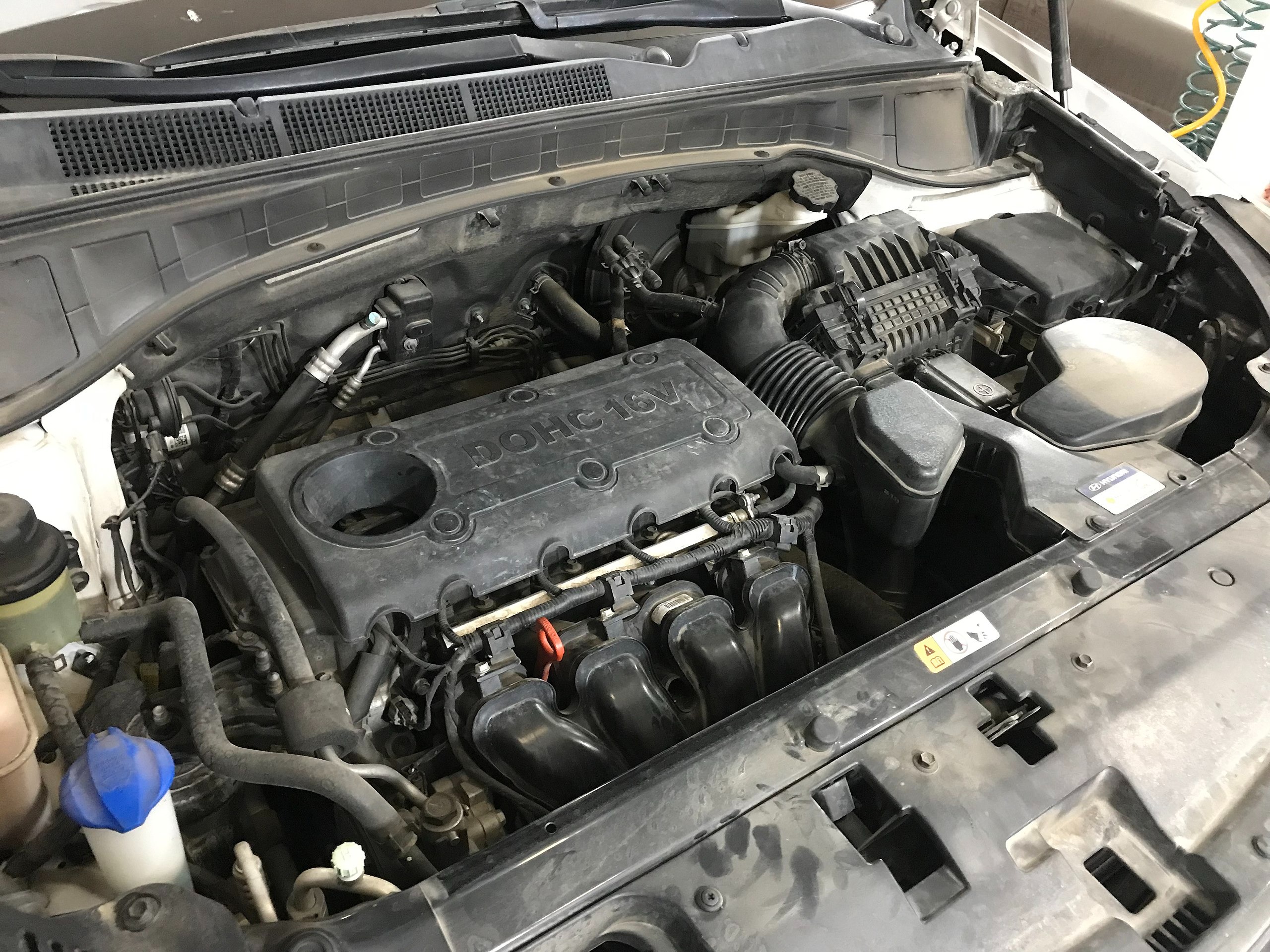
2. Hyundai 2.4L Theta II MPI
The 2.4L Theta II MPI engine is another Hyundai engine that has earned praise for its resilience. Unlike the direct-injection versions of the Theta family that struggled with issues like excessive oil consumption, the multi-port injection (MPI) version proved to be far more reliable.
This engine has powered vehicles like the Hyundai Sonata and Kia Optima, and many drivers have reported that it can handle years of daily driving with minimal problems. Even when service schedules were stretched, the engine often kept running smoothly. The design was simpler than the GDI versions, which reduced the risk of carbon buildup on the intake valves.
One thing that stands out about this engine is its ability to endure long drives without overheating. For people who travel across highways or face heavy traffic, the Theta II MPI showed it could manage the stress. It also has decent fuel economy, which makes it cost-friendly in daily use.
Owners who pushed the engine hard noticed it could handle aggressive driving better than some other Hyundai engines. Mechanics often recommend this version of the Theta family because it avoids many of the common problems that plagued its siblings.
While no engine is perfect, the Theta II MPI proved to be a survivor when maintained properly. With regular oil changes and the use of quality parts, it often reaches high mileage without requiring major repairs.
Also Read: 12 Hyundai Cars That Last Longer Than Expected
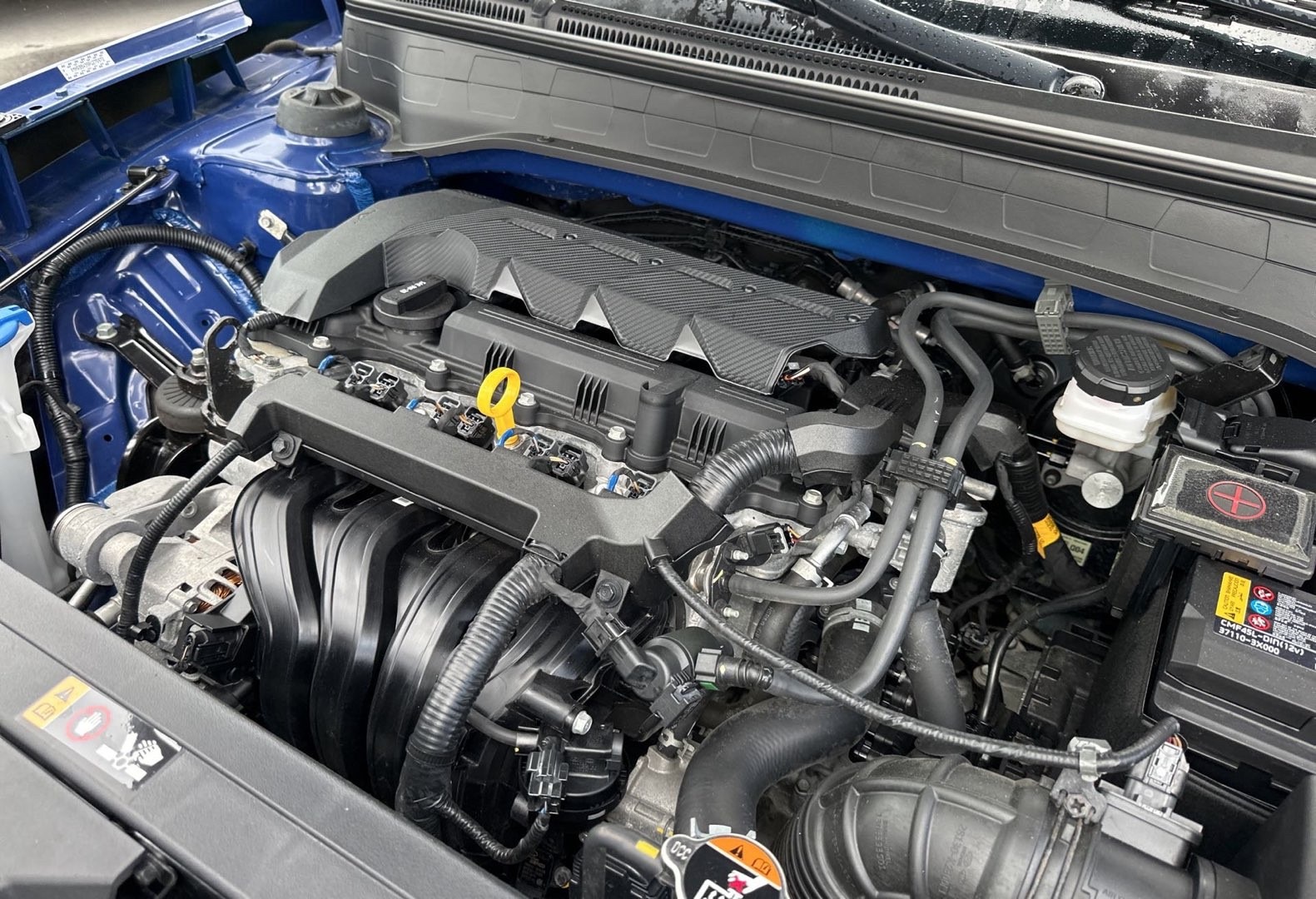
3. Hyundai 1.6L Gamma MPI
The 1.6L Gamma MPI engine has been a workhorse for smaller Hyundai models like the Accent and the i30. This engine is popular because of its simplicity and efficiency. Despite being small, it has shown it can handle tough driving conditions when maintained reasonably well.
Drivers who use this engine for city driving and long-distance trips report that it rarely suffers from major breakdowns. The Gamma MPI is less complicated than turbocharged options, which means fewer parts can fail. This makes it a strong choice for people who want a dependable engine without worrying about advanced technology causing unexpected issues.
One advantage of the Gamma MPI is that it tolerates poor maintenance better than many modern engines. While skipping oil changes is never recommended, this engine can sometimes survive longer gaps without instant damage. It also does not require expensive high-grade fuel to function properly.
Taxi operators and commercial drivers who rack up thousands of kilometers each month have trusted this engine because of its endurance. It is not the most powerful, but its ability to keep running without major issues is what makes it special.
When paired with a manual transmission, the Gamma MPI has proven especially tough. For budget-conscious buyers looking for a Hyundai that lasts, cars fitted with the Gamma MPI engine often bring peace of mind.
4. Hyundai 3.3L Lambda V6 MPI
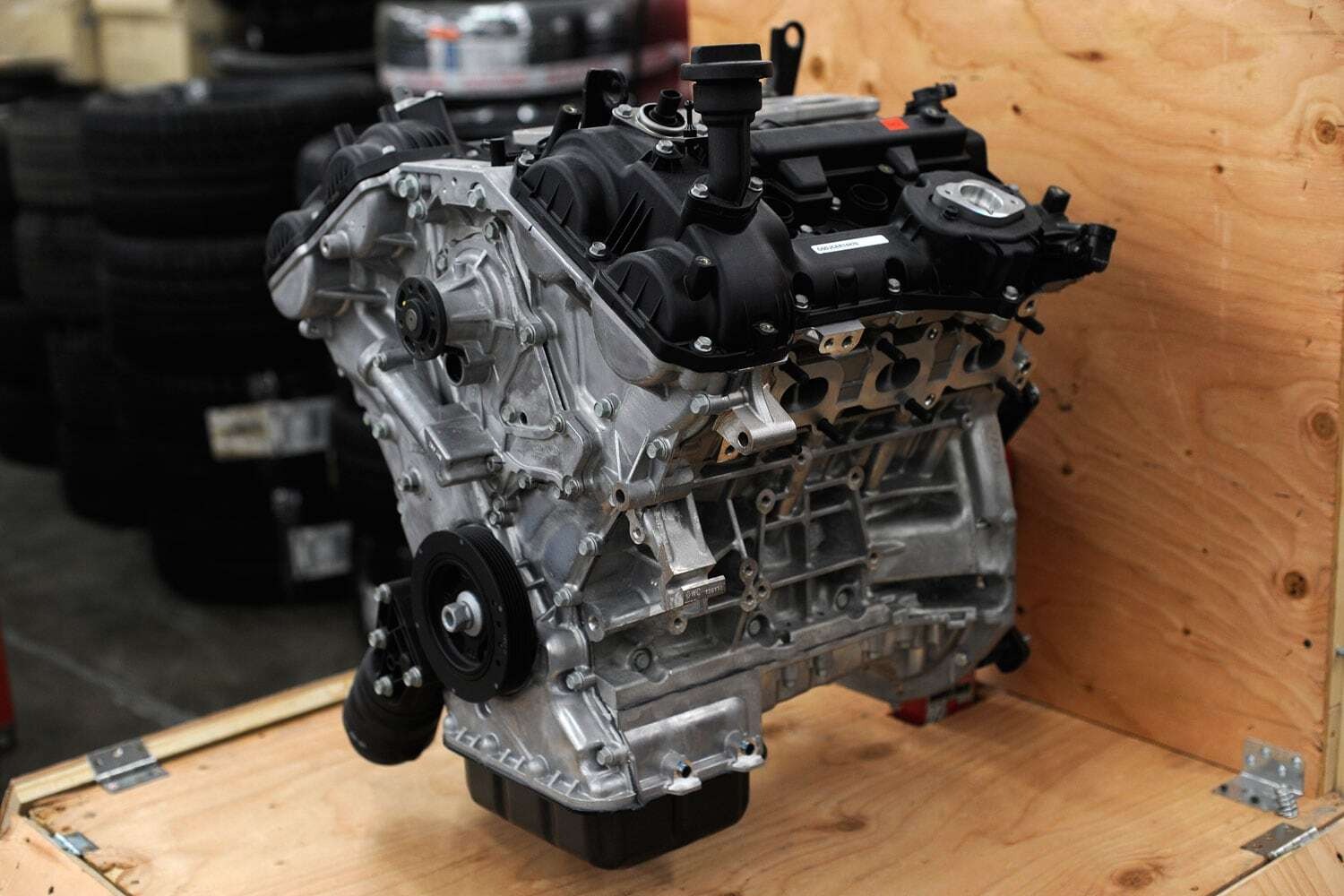
The Lambda V6 MPI engine is another Hyundai engine that has shown strength against abuse. Found in larger vehicles like the Hyundai Santa Fe and Azera, this engine was built for performance but also delivered durability. Drivers appreciated that it could deliver smooth power while still being dependable over long years of use.
This V6 engine has been able to handle high mileage without frequent failures. Many owners report running their vehicles past 200,000 miles with only routine maintenance. The engine is not very sensitive to fuel quality and is designed in a way that keeps major issues limited. Its power output means it does not struggle under heavy loads, which is useful for families or people who often carry luggage.
Mechanics who work on Hyundai cars often describe the Lambda V6 MPI as a solid design. It rarely suffers from timing chain issues or catastrophic failures that some smaller engines have faced. Even when used for long road trips, it stays dependable. The strong cooling system also helps it avoid overheating during tough use.
While it consumes more fuel than four-cylinder engines, the trade-off is that it brings better durability and smoother performance. For drivers looking for a Hyundai engine that can handle years of service with minimal stress, the 3.3L Lambda V6 MPI stands as one of the better options from the company.
5. Hyundai 2.0L CRDi Diesel
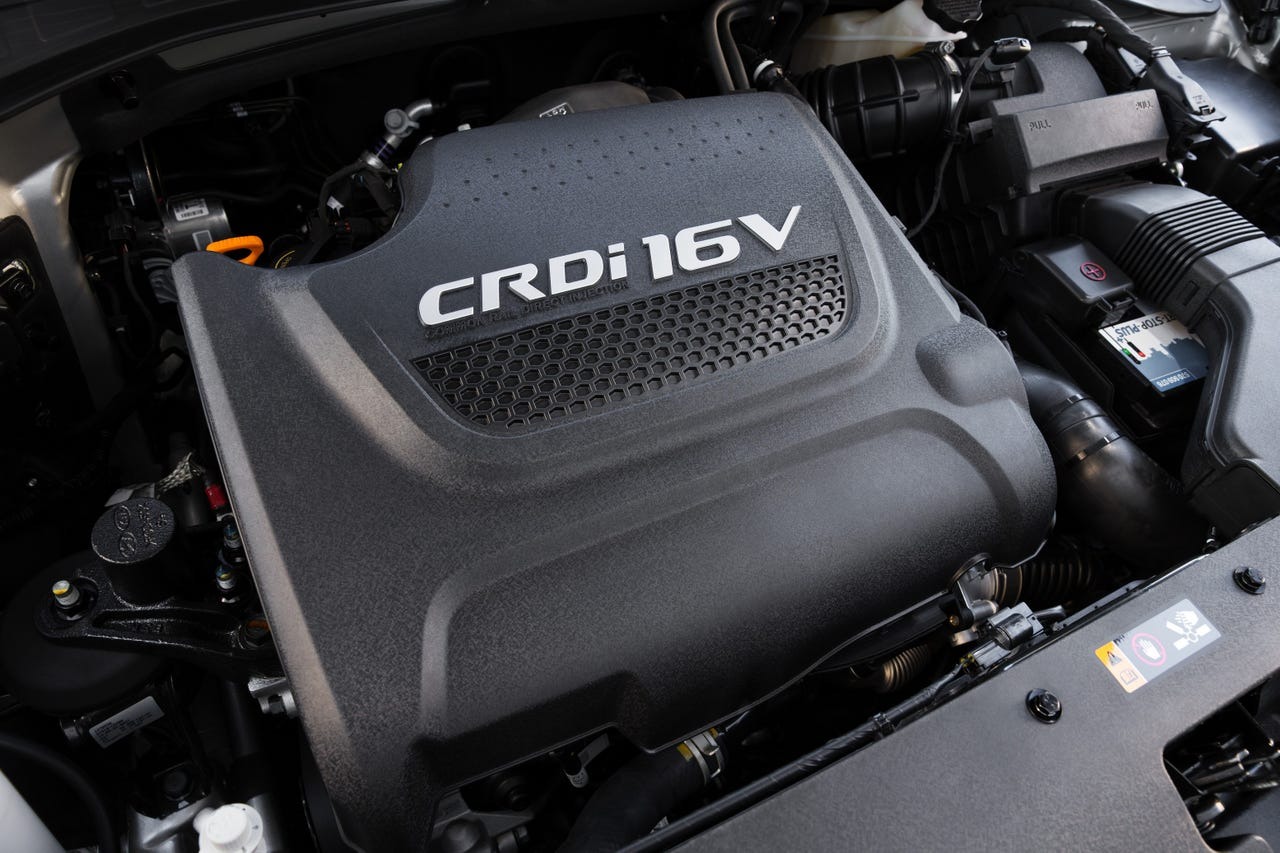
Hyundai’s 2.0L CRDi diesel engine has been a strong performer, especially in markets where diesel is common. Found in models like the Tucson and i20, this engine has been trusted for its ability to handle heavy use. Diesel engines are often judged by how well they manage long-distance driving, and the 2.0L CRDi proved capable.
One strength of this engine is its torque, which allows vehicles to handle hilly grounds and heavy loads without stress. Drivers who use their cars for long highway trips or commercial purposes find this engine reliable. It can withstand tough conditions without quickly giving in to wear and tear.
Another reason this diesel engine gained respect is its fuel economy. Even while being powerful, it remains efficient. Owners appreciate that they can travel long distances without spending too much on fuel. The engine also has a solid track record of lasting many years when serviced regularly.
Although diesel engines usually require careful maintenance, the 2.0L CRDi is not too fragile. With timely servicing, it can survive hard driving for a very long time. Many drivers have reported reaching very high mileage without experiencing serious mechanical breakdowns. For anyone looking for a Hyundai diesel engine that can stand the test of time, this one ranks high.
5 Hyundai Engines That Don’t Survive Abuse
1. Hyundai 2.4L Theta II GDI
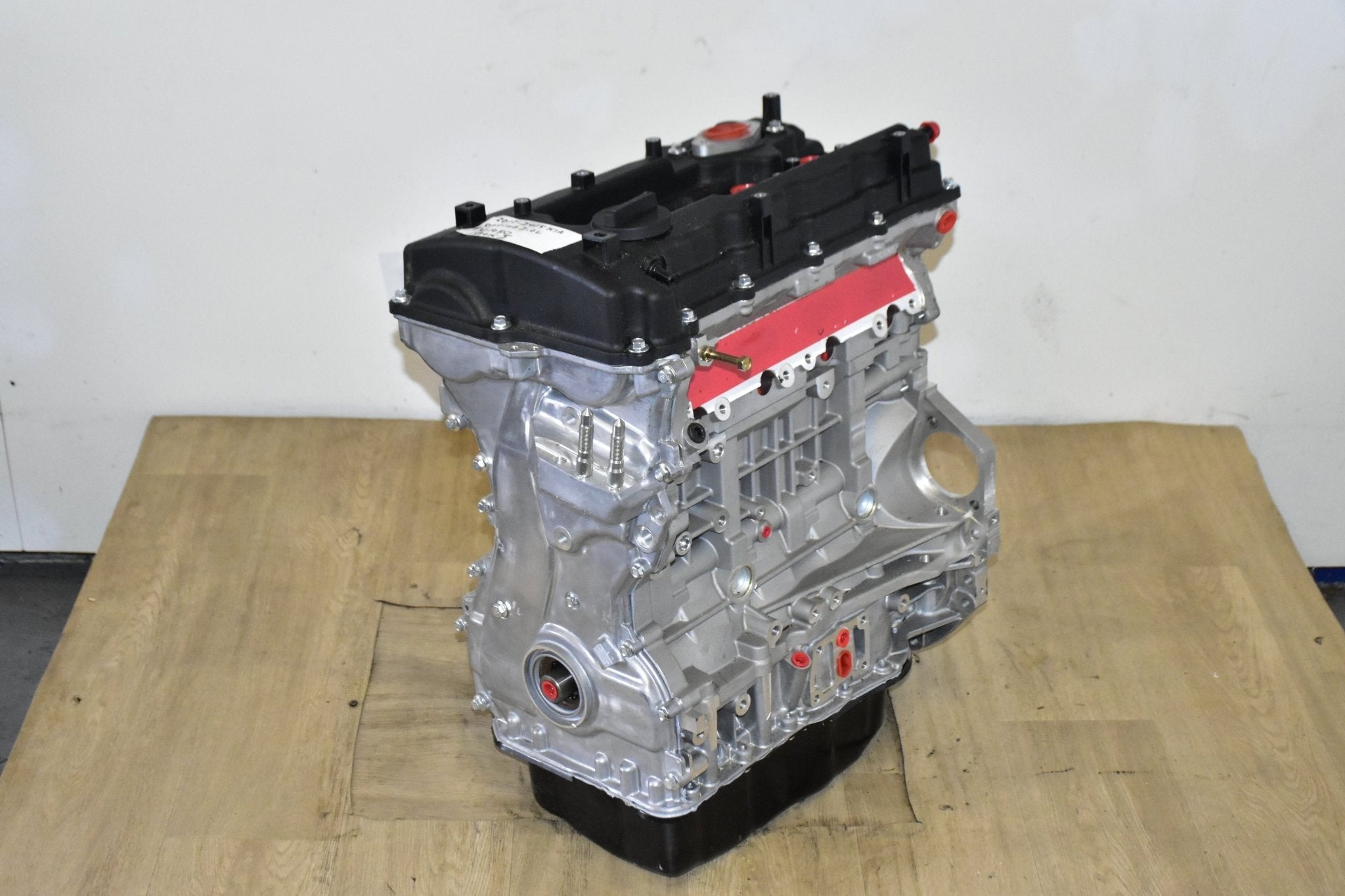
The 2.4L Theta II GDI engine is one of Hyundai’s most criticized designs. While it promised better fuel economy and stronger performance through gasoline direct injection, the reality turned out differently for many owners. This engine gained a reputation for high oil consumption, bearing failures, and even engine seizures.
Drivers began noticing problems as early as 60,000 miles. A major issue with the Theta II GDI is that it is not very forgiving when owners miss routine maintenance. Skipping oil changes or using lower-quality oil can quickly lead to damage. The design of the direct injection system also caused carbon buildup on the intake valves, which affected performance and fuel economy.
Another major complaint has been engine knocking and the dreaded check engine light appearing frequently. These symptoms often point to more serious issues inside the engine, such as damaged connecting rod bearings. Many owners found themselves facing costly repairs or complete engine replacements.
Even when serviced on time, this engine still gave trouble for many people. The weak spots in its design made it vulnerable to stress from long highway trips or city driving in hot conditions. For drivers who expected reliability, this engine often disappointed.
Car enthusiasts and mechanics advise avoiding vehicles powered by the 2.4L Theta II GDI unless there is strong proof of recent engine work or warranty coverage.
2. Hyundai 1.6L Gamma GDI Turbo
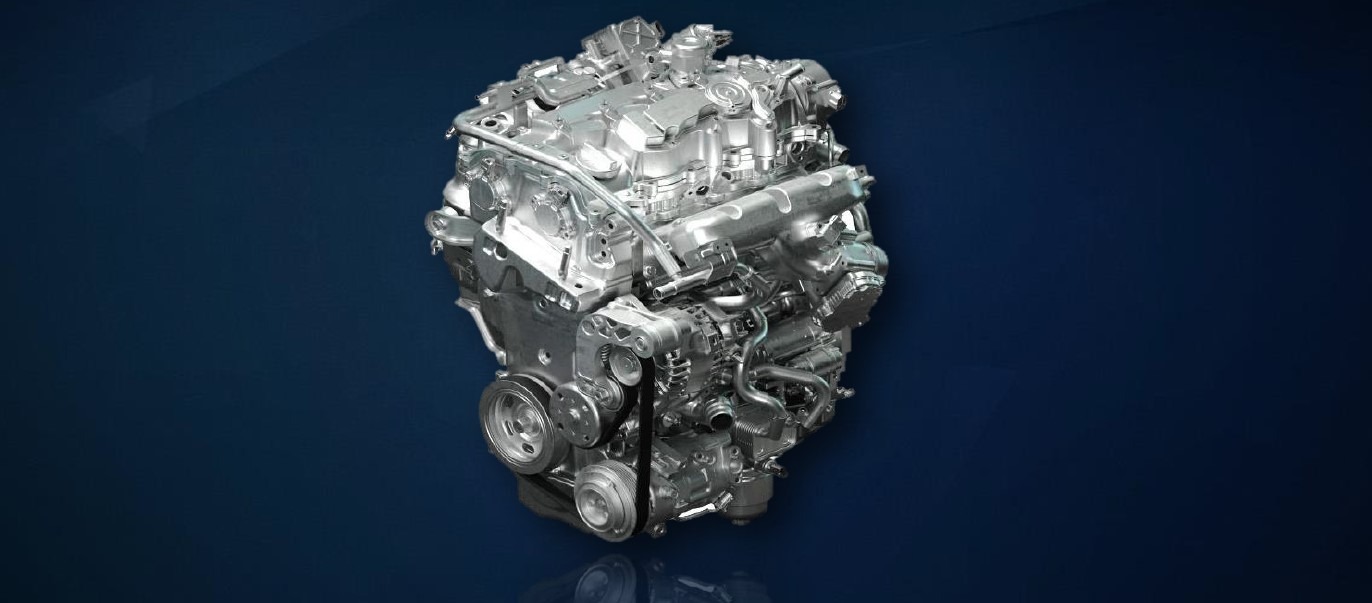
While the naturally aspirated Gamma MPI engine is durable, the turbocharged Gamma GDI version is a different story. Used in sporty models like the Hyundai Veloster Turbo and some versions of the Kia Soul, this engine was designed for performance. Unfortunately, the extra stress from turbocharging and the complications of the direct injection system made it prone to issues when exposed to rough use.
Owners complained about knocking noises, poor fuel efficiency after a few years, and expensive repair bills. The turbo system puts more heat and pressure on the engine, and without careful maintenance, problems show up quickly. Unlike the simpler MPI engines, the GDI turbo requires high-quality fuel and regular servicing to stay healthy.
Carbon buildup on the intake valves is a common headache with this engine. Drivers who neglect routine cleaning find that performance drops sharply. Turbo failures are also not uncommon, which can cost a lot to repair. While the engine delivers good power, it does not handle abuse well.
Many people who drove this engine hard without strict care discovered it could not last long. Mechanics often advise that anyone buying a used Hyundai with this engine should prepare for higher maintenance costs. For drivers looking for reliability under rough conditions, the 1.6L Gamma GDI Turbo is not the best choice.
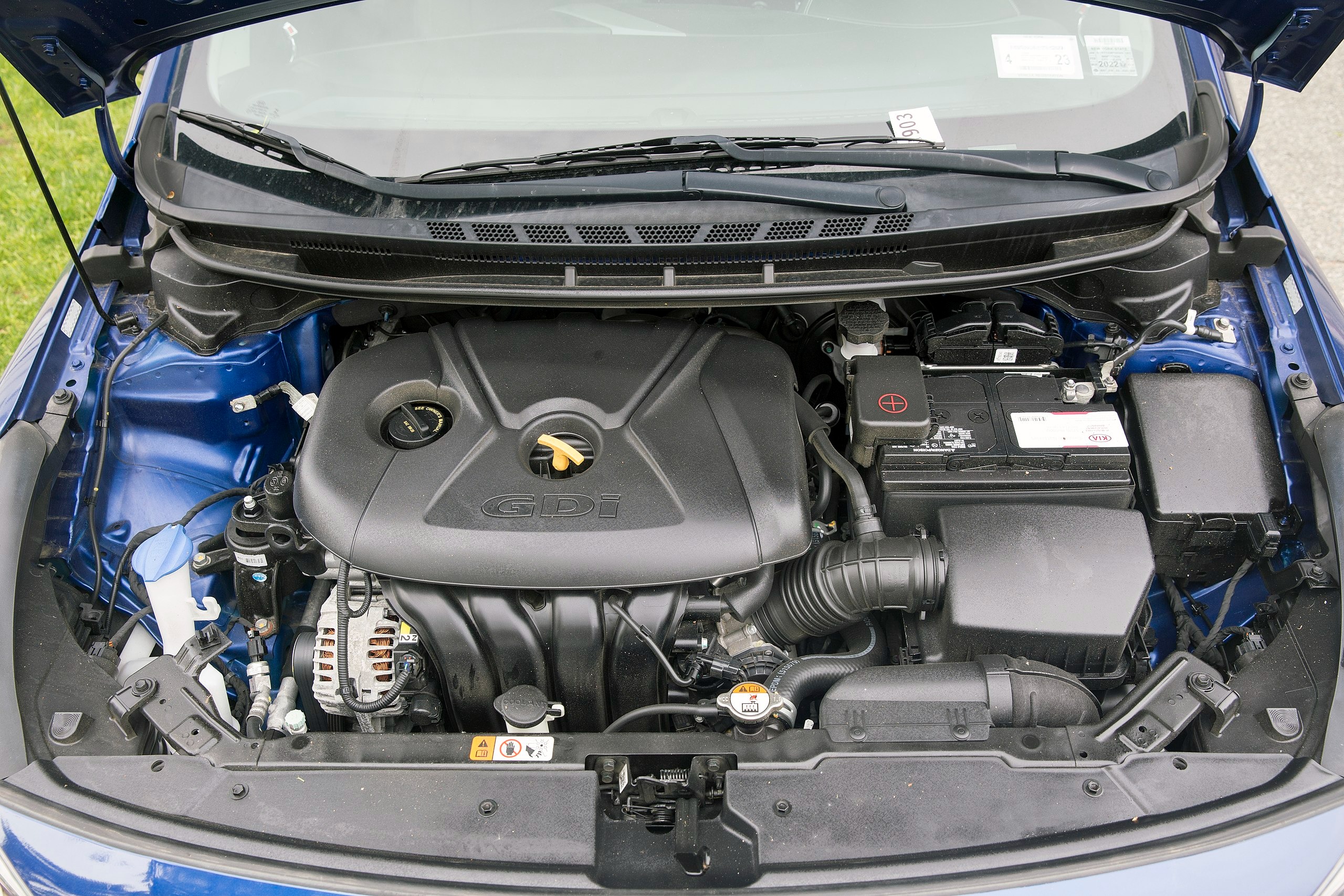
3. Hyundai Nu 2.0L GDI
The Nu 2.0L GDI engine was introduced with the promise of efficiency and improved performance, and it was fitted into popular models such as the Hyundai Elantra and Tucson. At first glance, it seemed like an engine that could serve well, especially for drivers looking for a balance of power and fuel economy. Unfortunately, real-world experience showed that this engine struggled with reliability, leaving many owners frustrated.
One of the earliest problems noticed was excessive oil consumption. Drivers found themselves topping up oil frequently between scheduled services, sometimes much earlier than expected. This habit was often linked to piston ring weaknesses that allowed oil to slip into the combustion chamber.
Apart from being inconvenient, it also increased the risk of long-term damage if the oil level dropped too low. Along with oil consumption, owners complained of engine knocking and rough operation, which often pointed to deeper internal wear.
This engine also revealed sensitivity to maintenance schedules. Skipping or delaying oil changes could quickly lead to serious damage. Even with consistent servicing, some drivers still reported piston slap and unusual engine noises at relatively low mileage. These signs made many question the engine’s ability to last under daily stress.
The direct injection system was another source of concern. As time goes on, carbon deposits build up on the intake valves, restricting airflow and reducing both power and fuel efficiency. Regular cleaning was necessary to restore performance, but this came with added expenses that many drivers had not expected when purchasing the vehicle.
Heat control was also a weakness. In regions with hot weather or for people who drove long distances, the Nu 2.0L GDI engine often struggled with overheating. This sometimes led to blown head gaskets or coolant leaks, which were costly to repair.
The combination of oil issues, carbon buildup, and heat-related failures made this engine a disappointment for drivers hoping for dependability. While it promised modern technology and a better economy, it could not withstand rough conditions as well as Hyundai’s stronger engines. For buyers seeking long-lasting performance without constant repair worries, this engine is best avoided.
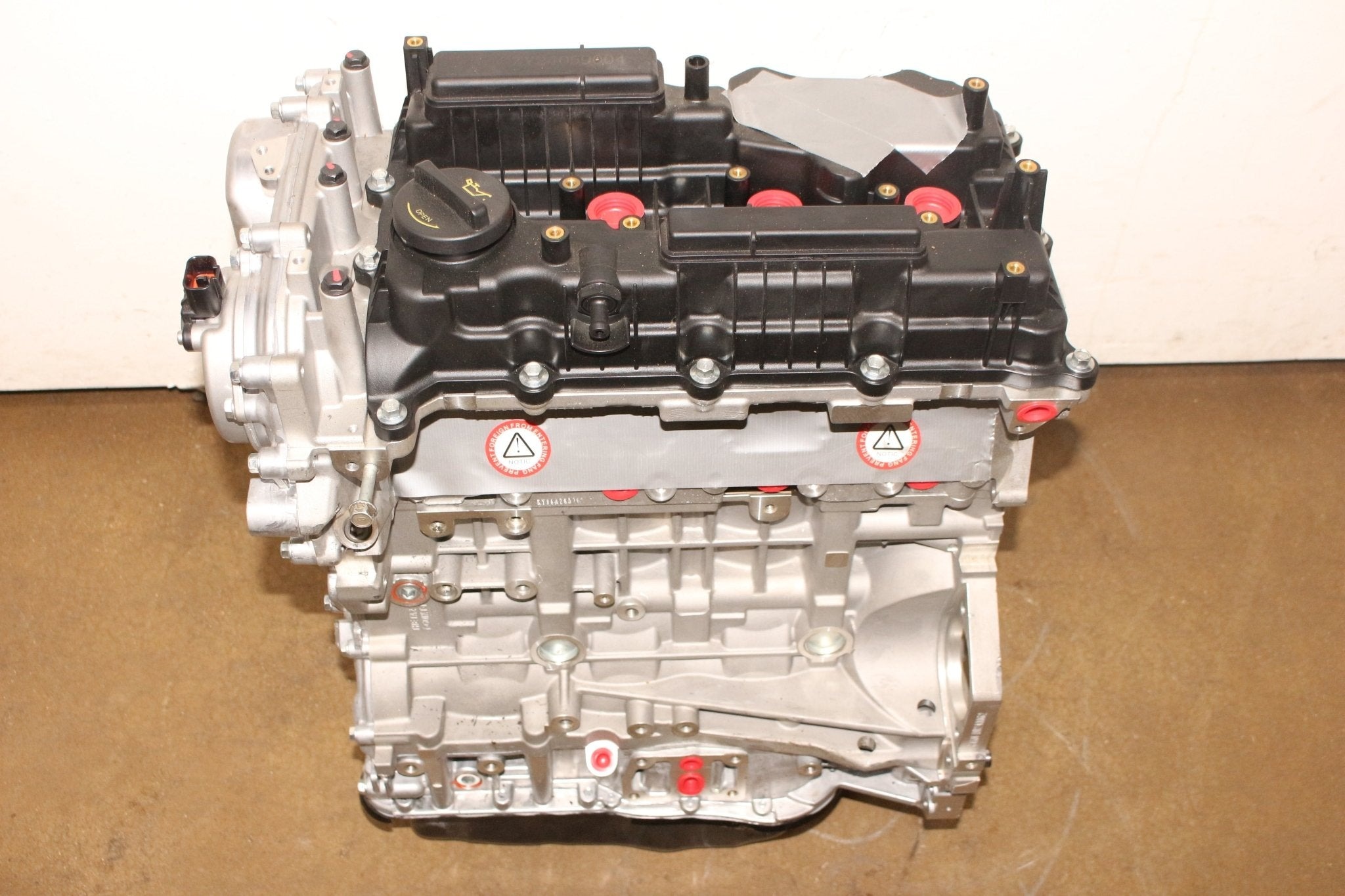
4. Hyundai 2.0L Theta II Turbo GDI
Hyundai launched the 2.0L Theta II Turbo GDI engine to appeal to drivers who wanted both power and efficiency. It was fitted into models such as the Sonata Turbo and Veloster N-Line, giving them strong acceleration and impressive horsepower for their class.
On paper, the engine looked like a major step forward, combining direct injection with turbocharging to deliver performance and fuel savings. However, many drivers soon discovered that this engine was not built to handle abuse and became one of Hyundai’s weakest designs in terms of durability.
One of the most common issues tied to this engine is bearing wear. Owners often reported sudden knocking sounds coming from the engine bay, a clear warning that the bearings were failing. When left unchecked, this problem usually leads to catastrophic damage that requires a full engine replacement.
Repairs were not only costly but also inconvenient for drivers who depended on their cars daily. Oil consumption was another problem, with many drivers finding that they needed to top up their oil frequently between service intervals.
The turbo system added more complications. Because of the high pressure and heat created by turbocharging, the engine faced extra strain compared to naturally aspirated designs.
Some owners experienced premature turbo failures, which reduced performance sharply and added another expensive repair bill. The direct injection system also introduced carbon buildup on the intake valves, further reducing efficiency and requiring regular cleaning to keep the engine running properly.
Drivers who enjoyed spirited driving or long-distance trips were often the ones who noticed these issues the quickest. The engine struggled to cope with aggressive use, and even with regular maintenance, problems sometimes appeared earlier than expected.
While the 2.0L Theta II Turbo GDI was exciting on paper and fun on the road, its weak long-term durability made it a risky choice for anyone seeking reliability. Mechanics frequently caution buyers about this engine, recommending that they avoid it unless they are ready to deal with high repair costs. For people who value longevity and peace of mind, this engine is better left alone.
Also Read: 9 Hyundai Sedans That Have Surprised Owners With Reliability
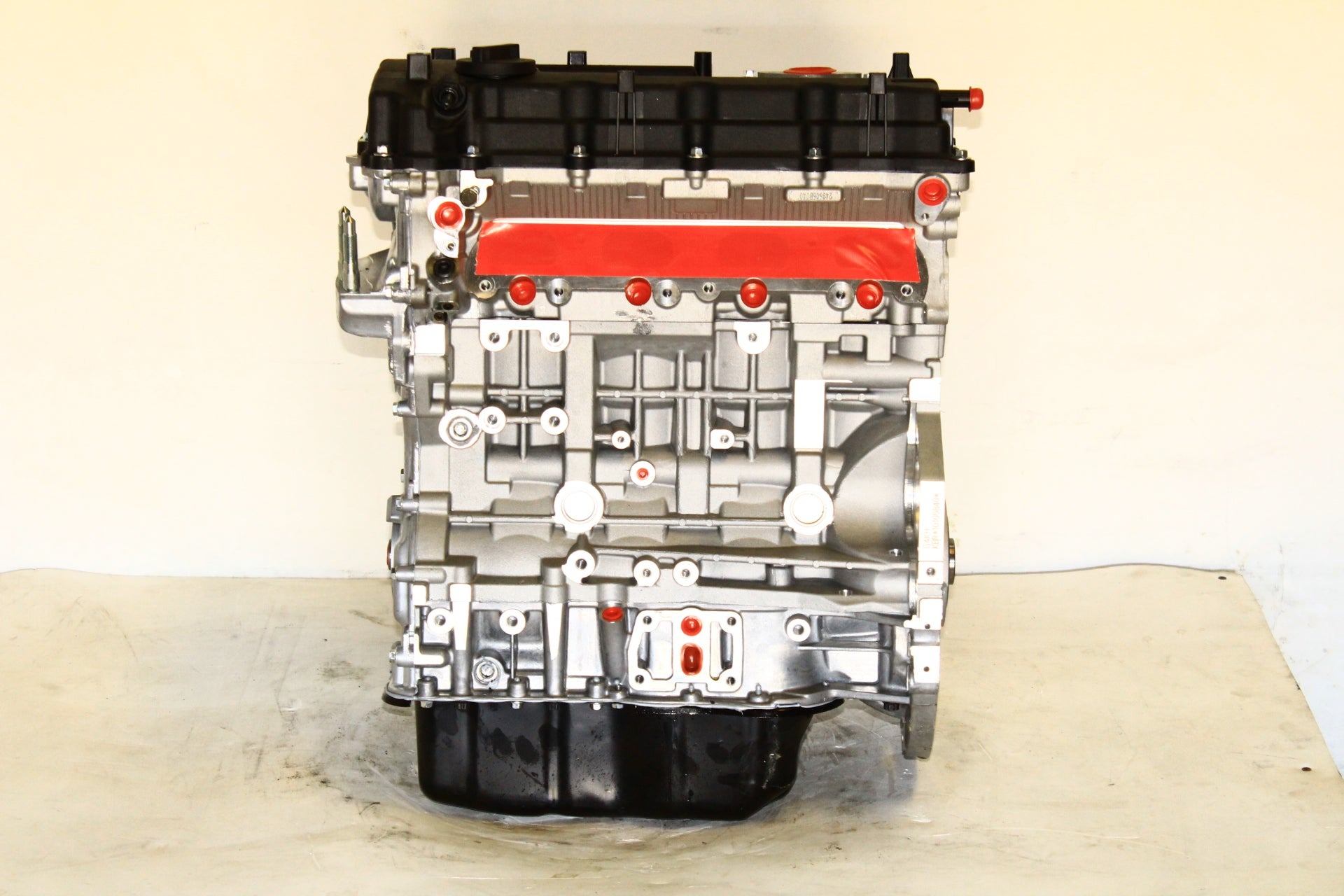
5. Hyundai 1.8L Nu MPI
The 1.8L Nu MPI engine found its way into models like the Hyundai Elantra during the early 2010s, but it never earned the kind of respect that some other Hyundai engines managed to achieve.
On paper, the design seemed reasonable since it was not overly complicated, but in real-world driving, it showed weaknesses that became clear to many owners after only a few years of use. One of the most common complaints about this engine was its tendency to consume oil excessively.
Drivers often had to add extra oil between service intervals, which raised concerns about long-term durability. The issue was frequently linked to piston ring problems, which allowed oil to slip into the combustion chamber. This problem not only reduced performance but also shortened the entire lifespan of the engine.
Another weakness was the lack of strong power output. The engine was underpowered for the size of the vehicles it was placed in, which forced it to work harder during daily driving.
That constant strain contributed to faster wear on internal components. Owners who drove in hot climates or spent a lot of time on highways noticed that the 1.8L Nu MPI often overheated. This overheating sometimes led to head gasket failures and costly repairs.
The timing chain system was also a weak point. While many engines use timing chains as a durable solution, this engine had failures in that area. A damaged timing chain often causes severe engine damage, sometimes requiring a full replacement.
The engine’s sensitivity to low-quality oil and irregular maintenance added more problems, making it less forgiving than other Hyundai designs. Many drivers expected a small engine to be easy to live with, but the 1.8L Nu MPI demanded constant attention. Instead of providing dependable service, it created frustration for those who owned cars fitted with it.
Compared to Hyundai’s stronger engines, this one simply lacked resilience. For buyers looking for a Hyundai that can endure stress, the 1.8L Nu MPI stands out as a choice best avoided.
Hyundai has created engines that stand as examples of durability, while others remind buyers to be cautious. The Beta II, Theta II MPI, Gamma MPI, Lambda V6 MPI, and 2.0L CRDi diesel show that Hyundai is capable of producing engines that survive tough treatment.
The Theta II GDI, Gamma GDI Turbo, Nu 2.0L GDI, Theta II Turbo GDI, and Nu 1.8L MPI highlight that not every Hyundai engine is built to last when abused. Drivers planning to own a Hyundai should pay attention to which engine powers the vehicle they are considering.
Choosing the stronger designs can mean years of reliable service, while ending up with the weaker ones may result in frequent visits to the mechanic.
