
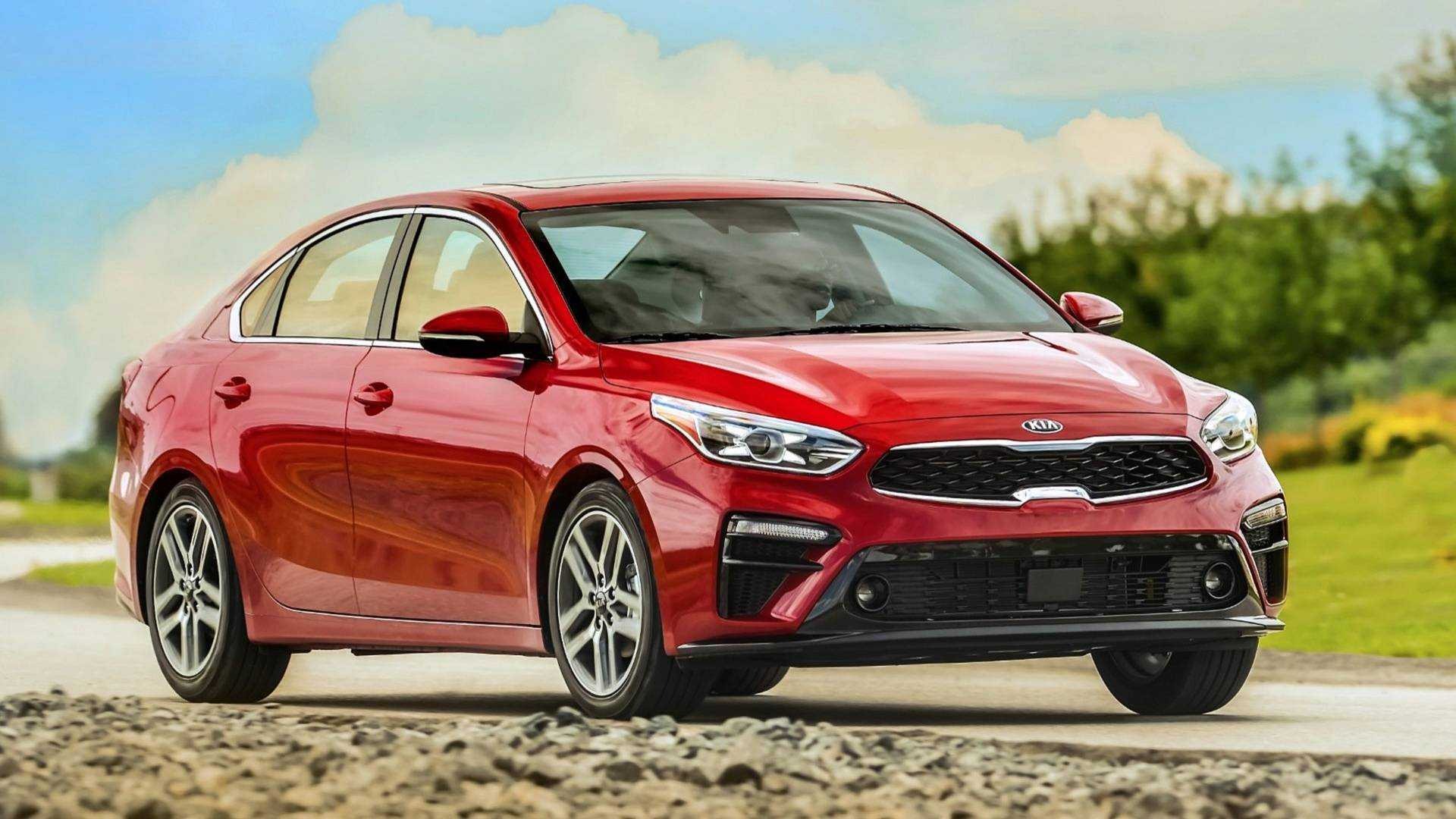
Keeping a car reliable for many years requires deliberate care, and owners who expect their Kia Forte to stay dependable after crossing 200,000 miles must be consistent with certain practices. Many drivers only think about fuel and the occasional oil change, but a vehicle that reaches such mileage without giving constant trouble has been carefully maintained.
A car is like a body system; every part must work together. If you ignore one aspect, it will eventually affect another. The Kia Forte, built to deliver good efficiency and comfort, has the ability to last long, but it cannot do that without proper attention from the owner.
For a car to remain smooth after heavy usage, the driver needs to focus on routine checks. These checks are not meant to be performed once in a while, but rather as part of regular upkeep.
By paying attention to fluids, tyres, filters, belts, and other important systems, a driver reduces the chances of sudden breakdowns and increases the life of the engine and other parts. A Kia Forte can easily cross 200k miles when treated well, and such durability saves money that would have gone into major repairs or early replacement of the vehicle.
Now let’s explain ten important checks that every Kia Forte owner should prioritise to ensure the car runs well beyond the 200,000-mile mark.
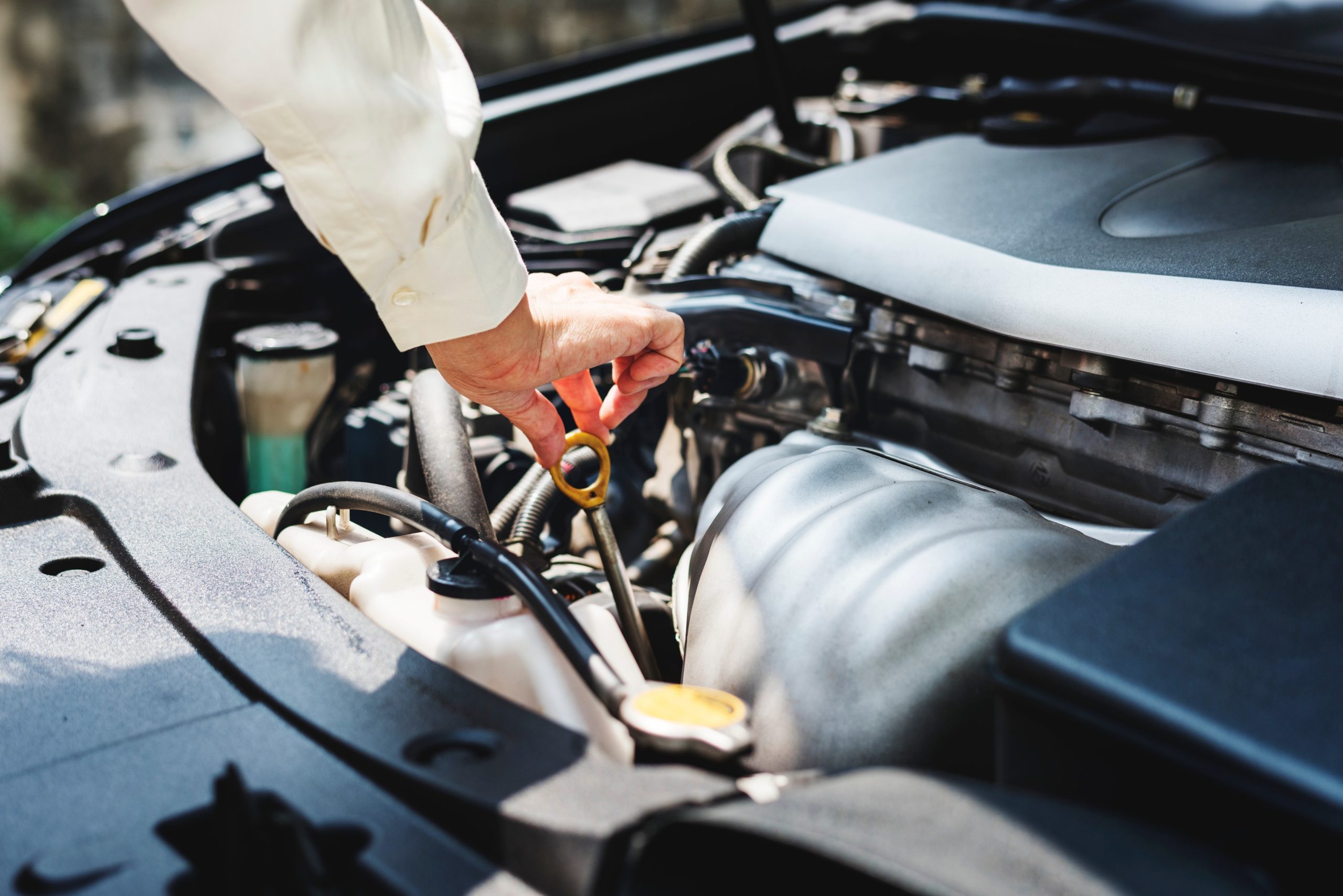
1. Engine Oil and Filter Change
The lifeblood of any vehicle is the engine oil, and the Kia Forte is no different. Oil lubricates the moving parts, reduces friction, and helps keep the engine cool. Without clean oil, the engine begins to wear faster, which shortens its lifespan.
After some time, oil breaks down and loses its protective qualities. Dirt, carbon, and metal particles also get into the oil and create sludge, which blocks passages inside the engine. This is why an oil filter is just as important, because it traps contaminants and prevents them from circulating.
For a Kia Forte aiming to last past 200k, oil change must be handled with strict discipline. Waiting too long between changes will make the engine noisy, cause loss of power, and eventually damage bearings, pistons, and other sensitive components.
Owners should follow the maintenance schedule, which usually recommends changing oil every 5,000 to 7,500 miles, depending on driving conditions. Frequent highway driving can allow longer intervals, while stop-and-go traffic or extreme heat requires shorter ones.
The filter must always be replaced together with the oil. A clogged filter reduces oil flow and starves the engine of lubrication. If the filter is cheap or poorly made, it may collapse internally and allow dirt to pass through. That dirt then scratches surfaces and reduces compression. Quality oil and filters are worth the investment, since they protect the most expensive part of the car.
Many Forte owners who reach 200k miles share one habit: they never joke with oil changes. They set reminders, keep records, and never allow old oil to sit in the engine. By staying consistent, they prevent sludge buildup, reduce wear, and allow the car to stay strong long after others of the same age have failed.
2. Transmission Fluid and Gearbox Health
While engine oil gets plenty of attention, the transmission is often forgotten until trouble shows up. The Kia Forte depends heavily on its transmission to deliver smooth acceleration and efficient power transfer.
Transmission fluid not only lubricates the gears but also cools them and ensures proper hydraulic pressure for gear changes. When fluid is neglected, it becomes dirty and loses its ability to protect the system. Drivers who want their Forte to go beyond 200k must treat transmission service as a priority. Fresh fluid prevents harsh shifting, slipping, and overheating.
If fluid becomes too old, it can turn dark and smell burnt, which is a sign of internal damage. Once clutches and valves wear down, the repair becomes very expensive. Preventive maintenance is much cheaper than replacing or rebuilding a gearbox.
Checking the fluid regularly is important. The color should be bright red and not brown. It should also smell clean and not burnt. Kia’s recommendation for fluid replacement should be followed carefully, often around every 60,000 miles, though heavy driving may require earlier attention. Owners should also watch for leaks, since a small drop in fluid level can quickly cause serious harm.
Another area of concern is how the transmission is treated during driving. Sudden acceleration, aggressive gear changes, or ignoring strange sounds all reduce lifespan. A Forte that is driven gently and serviced on time will have a gearbox that lasts far longer. Drivers who check fluid consistently and maintain the system find that their cars change smoothly past 200k without major problems.
Also Read: 5 Kia Soul Years That Never Die vs 5 That Do
3. Cooling System and Radiator Care
An engine that overheats frequently will never last to high mileage. The cooling system keeps the temperature within safe limits and prevents metal parts from warping or seizing. In a Kia Forte, the radiator, water pump, thermostat, hoses, and coolant all work together to manage heat. If one part fails, the engine can suffer.
Coolant, also known as antifreeze, circulates through the engine and absorbs heat. After some time, the coolant becomes acidic and loses effectiveness. When that happens, corrosion can eat away at the radiator and water pump. This is why flushing and replacing coolant at recommended intervals is very important. Ignoring coolant service can lead to leaks, overheating, and costly repairs such as a blown head gasket.
The radiator itself must remain clean and free of clogs. Dirt, bugs, and debris can block air flow and reduce its ability to cool the liquid passing through. Periodic cleaning with water or compressed air helps maintain performance. The thermostat must also be in good shape, because if it gets stuck, the engine can either run too cold or too hot. Both conditions affect fuel economy and durability.
Hoses and clamps should not be ignored. Old hoses become brittle and can burst under pressure, leaving the driver stranded. Replacing them before failure is always better. The water pump, which keeps coolant circulating, must also be inspected. Any strange noises or leaks around the pump should be addressed immediately.
Owners who take cooling system checks seriously ensure their Forte does not face repeated overheating, which is one of the fastest ways to shorten engine life. A steady temperature gauge, clean radiator, and fresh coolant are all signs that the system is working well, allowing the car to move past 200k miles without overheating issues.
4. Timing Belt or Chain Inspection
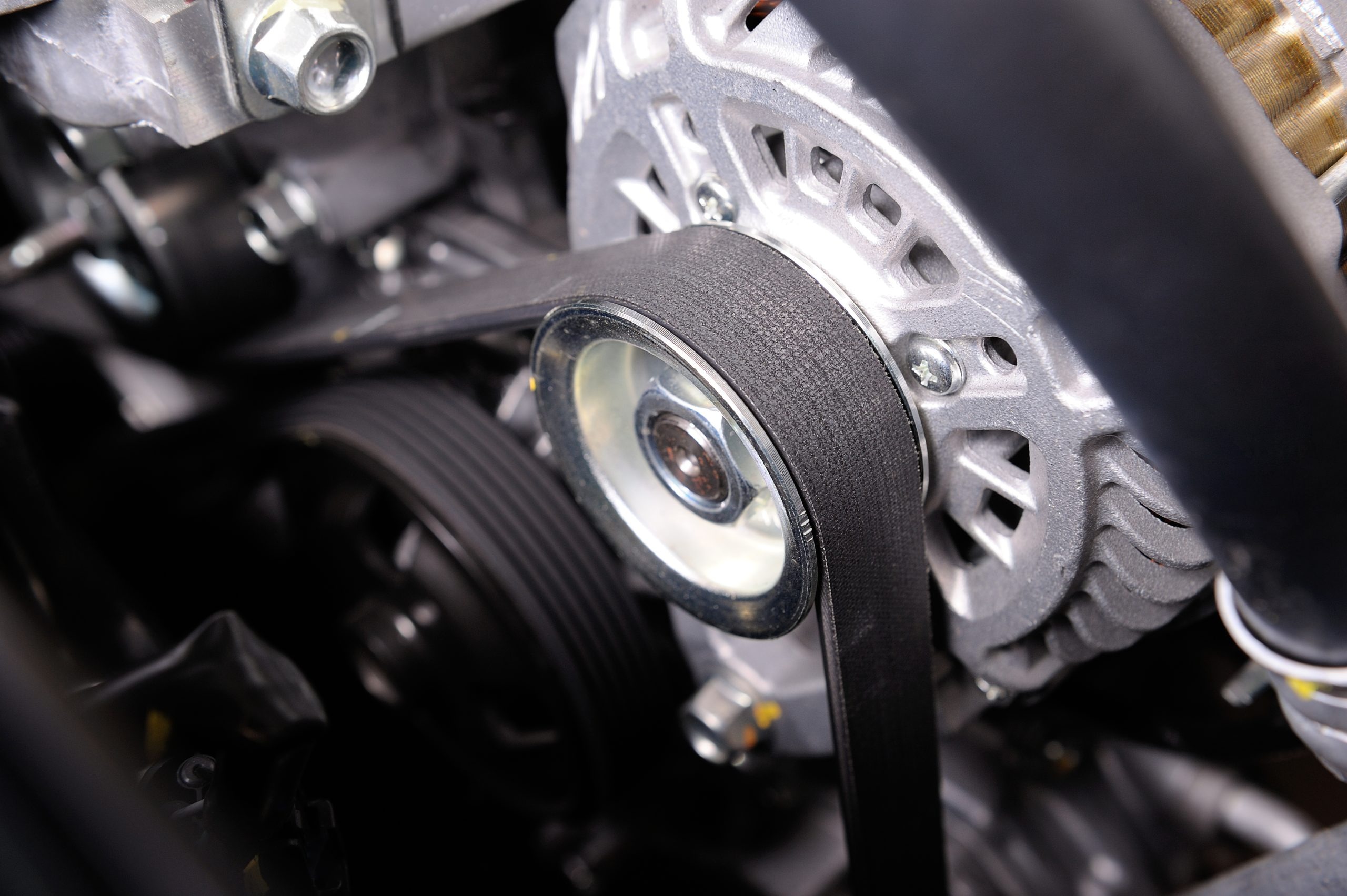
The Kia Forte uses either a timing belt or a timing chain, depending on the model and year. This part keeps the camshaft and crankshaft in perfect alignment so valves open and close at the right time. If timing goes wrong, pistons can hit valves and destroy the engine in seconds.
That is why the timing system must be monitored carefully. Timing belts are made of rubber and wear out after some time. Kia often recommends replacement between 60,000 and 100,000 miles.
If an owner ignores this, the belt may snap without warning, leaving the car disabled and the engine badly damaged. Replacing a belt on schedule is far cheaper than rebuilding an engine. Drivers who want to see their Forte go beyond 200k always respect this maintenance step.
Timing chains last longer but still require attention. A stretched chain or worn tensioner can cause rattling noises, poor performance, or misfires. Chains depend on clean oil for lubrication, so skipping oil changes increases wear. If a driver hears metallic sounds at startup, it could mean the chain is loose and needs repair.
Checking the timing system also means paying attention to related components such as pulleys, tensioners, and water pumps. Many mechanics replace these together with the belt to prevent future breakdowns. By handling the system as a package, owners reduce the risk of failure later.
A properly maintained timing system ensures smooth engine performance, steady fuel efficiency, and peace of mind for the owner. Those who never miss the replacement interval enjoy a car that continues running strong long after the odometer has passed 200,000 miles.
5. Brake System Maintenance
Safety is always tied to the condition of the brakes. A Kia Forte that lasts beyond 200k must have a brake system that is regularly checked and serviced. Brakes are made up of pads, rotors, calipers, brake fluid, and lines. Each part must be in good condition for the system to stop the car effectively.
Brake pads wear down with use, and when they become thin, the stopping distance increases. Ignoring worn pads also damages rotors, which are more expensive to replace. Owners should check the pad thickness and replace it before it wears completely. Rotors must also be inspected for grooves or warping, since these cause vibrations and reduce braking power.
Brake fluid is another critical part. It transfers pressure from the pedal to the wheels, but it absorbs moisture after a while. That moisture lowers the boiling point of the fluid and causes brake fade. Flushing the fluid every two to three years prevents corrosion in the lines and ensures reliable performance.
Calipers must be kept clean and free of sticking. A stuck caliper can cause uneven wear and pull the car to one side when braking. Brake hoses should also be checked for cracks or leaks. A small leak reduces pressure and can make brakes fail suddenly.
Maintaining the brake system not only keeps the driver safe but also protects other road users. It also prevents expensive damage to other parts. By staying faithful to brake inspections, a Forte owner increases the chance of using the car safely past 200k miles without fear of unreliable stopping power.
6. Suspension and Steering Components
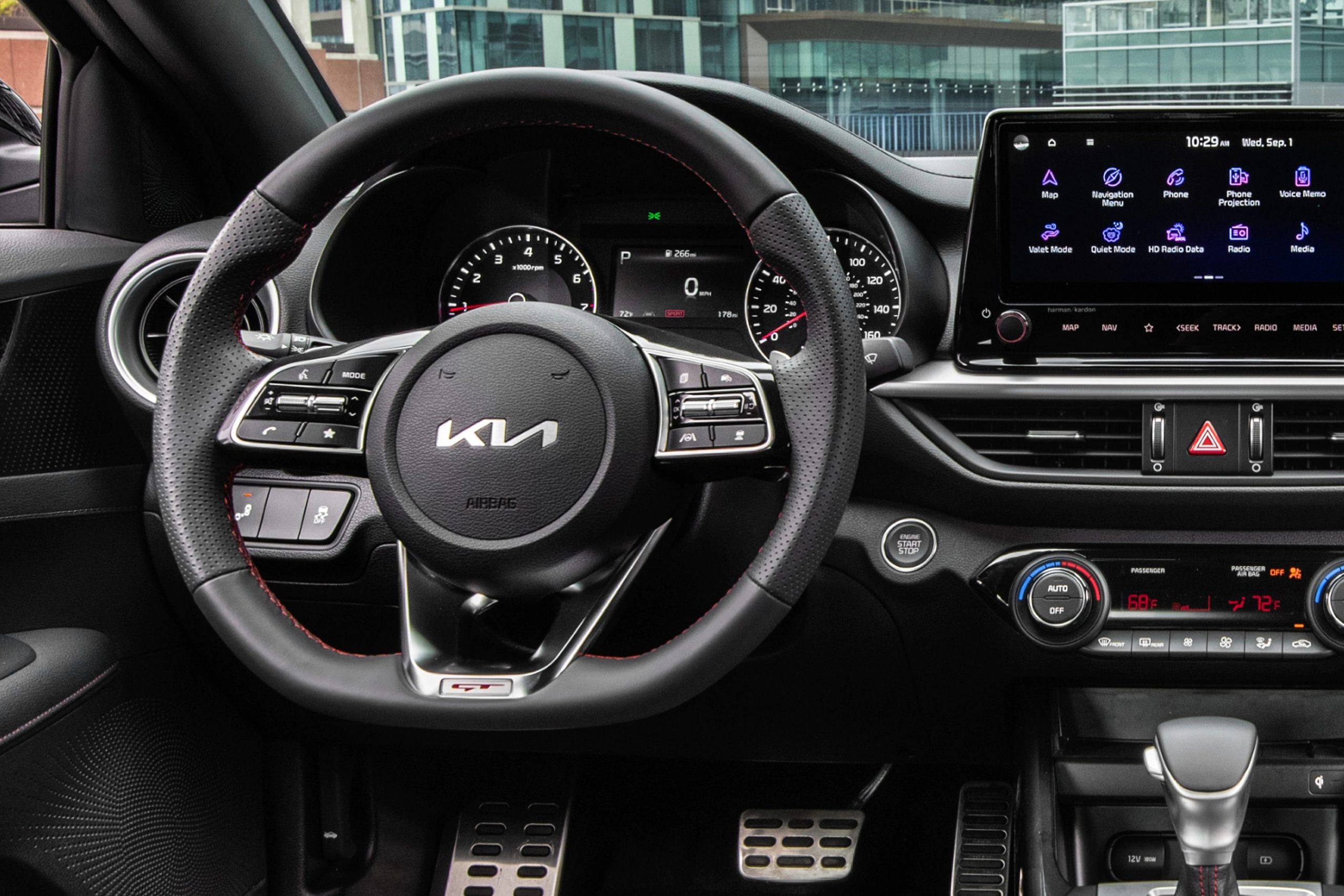
For a car to stay comfortable and predictable, the suspension and steering must remain in good condition. The Kia Forte relies on struts, shocks, control arms, bushings, tie rods, and ball joints to provide stability. These parts absorb bumps, keep tyres in contact with the road, and allow precise handling.
Shocks and struts wear gradually. When they become weak, the car bounces excessively, tyres wear unevenly, and handling feels unstable. Replacing them at the right time restores comfort and prevents extra strain on other components. Control arm bushings also crack with age, leading to clunks and poor alignment.
Tie rods and ball joints are vital for steering. If they loosen, the car may wander or make knocking noises. Ignoring them can result in loss of control, especially at high speeds. Regular inspection allows early replacement before dangerous failure occurs.
Wheel alignment should also be checked often. Misalignment causes uneven tyre wear, reduced fuel economy, and constant pulling to one side. Correct alignment keeps steering precise and tyres lasting longer.
Suspension health also affects braking distance, since tyres must grip the road properly to stop efficiently. A worn suspension reduces that grip. Drivers who check and replace worn parts enjoy a Forte that feels firm, safe, and reliable even as it passes 200k miles.
7. Tyres and Wheel Care
Tyres are the only parts of the Kia Forte that touch the road, so their condition directly affects safety, comfort, and fuel efficiency. Drivers who want their Forte to last past 200k miles must not only focus on the engine but also give attention to tyre health. Worn-out or neglected tyres put extra stress on suspension, steering, and even the brakes.
One of the most important habits is tyre rotation. Rotating tyres every 5,000 to 7,000 miles ensures even wear across all four tyres. Front tyres usually wear faster because they handle steering and most of the braking force. By rotating them with the rear tyres, the life of the set is extended. This simple step saves money and keeps handling balanced.
Tyre pressure is another area that demands constant attention. Underinflated tyres cause poor fuel economy, sluggish steering, and overheating that may lead to a blowout. Overinflated tyres reduce grip and make the ride harsh.
Checking pressure monthly with a reliable gauge ensures the tyres stay within the recommended range. Many Forte owners who cross 200k miles keep a habit of adjusting tyre pressure often, especially during seasonal temperature changes.
Wheel balancing and alignment also matter. Unbalanced wheels cause vibration at high speeds, while poor alignment leads to uneven wear and drifting to one side. Regular inspection prevents premature tyre replacement and maintains smooth driving. Tread depth should be measured too, because shallow treads reduce grip on wet roads and increase the chance of hydroplaning.
By treating tyres as part of the entire maintenance strategy, owners protect other components and ensure the car continues to drive smoothly. A Forte that runs on properly maintained tyres not only feels safer but also has less stress on suspension and steering, helping it achieve reliable service well beyond 200k miles.
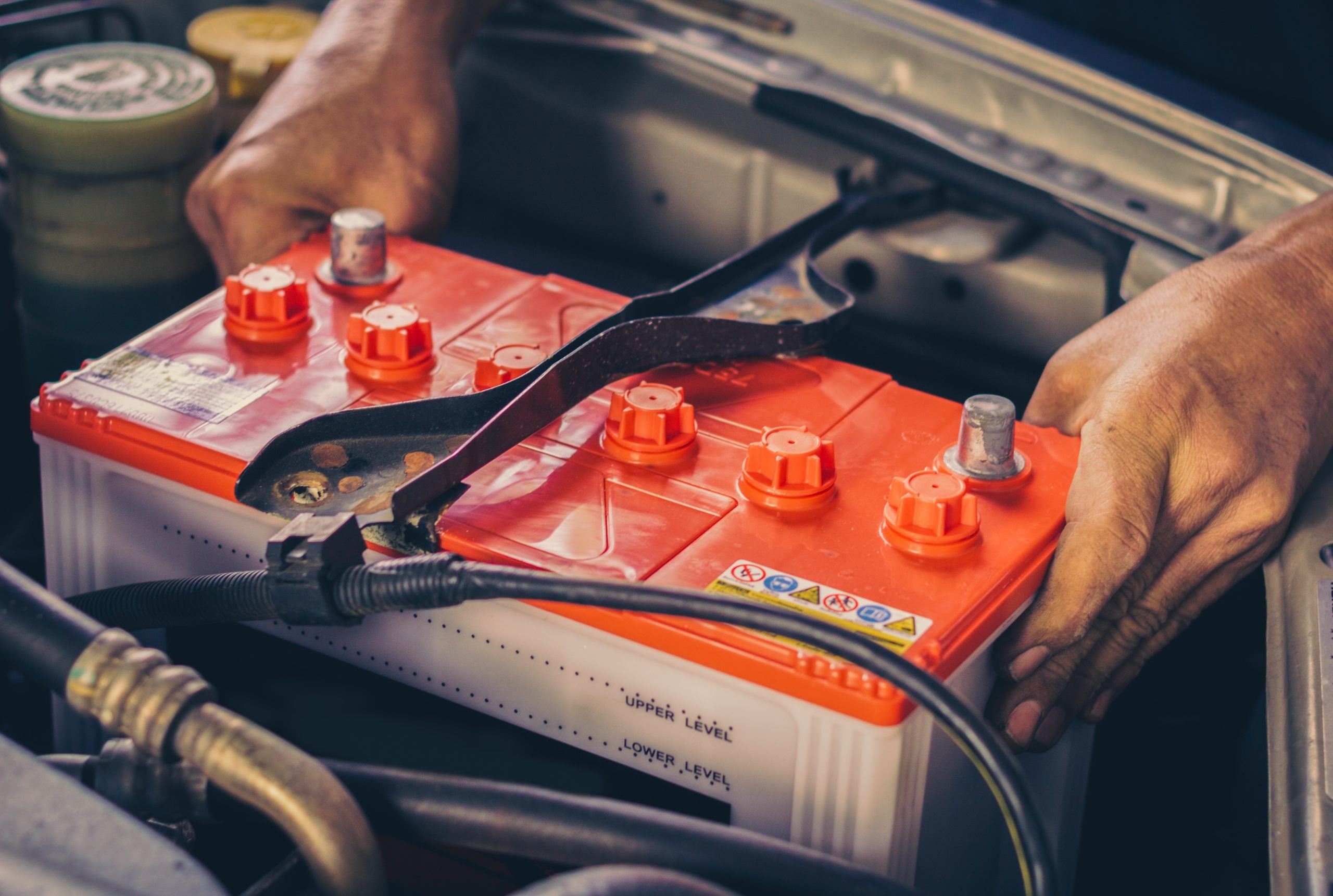
8. Battery and Electrical System
The electrical system is the hidden power behind every modern vehicle. Without a healthy battery and reliable wiring, the Kia Forte cannot start or run its many electronics. Owners who wish to see their car last beyond 200,000 miles must pay close attention to the condition of the battery, alternator, and electrical connections.
The battery is the heart of the system. As time goes on, it loses capacity and may struggle to hold a charge. Extreme heat or cold accelerates wear, making replacement necessary every three to five years.
Checking the battery regularly for corrosion on the terminals prevents poor connections that can stop the car from starting. Cleaning terminals with a brush and applying protective grease helps extend life.
The alternator, which charges the battery while driving, must also be inspected. If it fails, the battery will quickly drain and leave the car stranded. Warning signs include dimming lights, dashboard alerts, or strange noises from the alternator pulley. Replacing a weak alternator before it fails prevents costly towing and damage to other electronics.
Fuses and wiring should not be ignored either. Loose connections, frayed wires, or burnt fuses can affect sensors, lights, or even the ignition system. Since the Kia Forte relies heavily on electronics for fuel injection, transmission control, and safety systems, electrical reliability is non-negotiable.
Drivers who check battery voltage occasionally, replace it on time, and ensure the charging system is in order experience fewer surprises. They also enjoy smoother operation of accessories like air conditioning, infotainment, and sensors. A well-maintained electrical system ensures the Forte can keep starting reliably, which is critical for pushing beyond 200k miles.
9. Fuel System and Filters
For a Kia Forte to perform well for many years, fuel delivery must remain clean and efficient. The fuel system includes the pump, injectors, lines, and filters. Dirty fuel or clogged filters can reduce performance, lower fuel economy, and damage the engine.
The fuel filter is the first defence against contaminants. As time goes on, it traps dirt and becomes restricted. A clogged filter makes the pump work harder, which can shorten its life. It also reduces fuel pressure and causes hesitation or stalling. Replacing the filter at recommended intervals ensures smooth fuel flow.
Injectors must also remain clean. They spray fuel into the engine in a fine mist for efficient combustion. If they get clogged, the spray pattern becomes uneven, leading to poor acceleration, rough idle, and increased emissions. Using quality fuel and occasionally adding fuel injector cleaner helps keep them in good shape.
The fuel pump is another component that needs attention. A weak pump makes the engine struggle under load, especially during highway driving. Listening for whining noises from the tank or checking pressure during service helps detect early signs of failure.
Air filters also affect the fuel system because air mixes with fuel for combustion. A dirty air filter reduces airflow and makes the engine run rich, wasting fuel. Replacing the filter on time improves both performance and mileage.
By paying attention to the fuel system, owners protect the engine from running lean or rich, both of which cause long-term damage. A Forte that receives regular fuel system checks runs smoother, burns fuel efficiently, and remains reliable even as it crosses the 200k-mile mark.
Also Read: 9 Hacks That Extend a Kia Soul’s Life Past 200k Miles
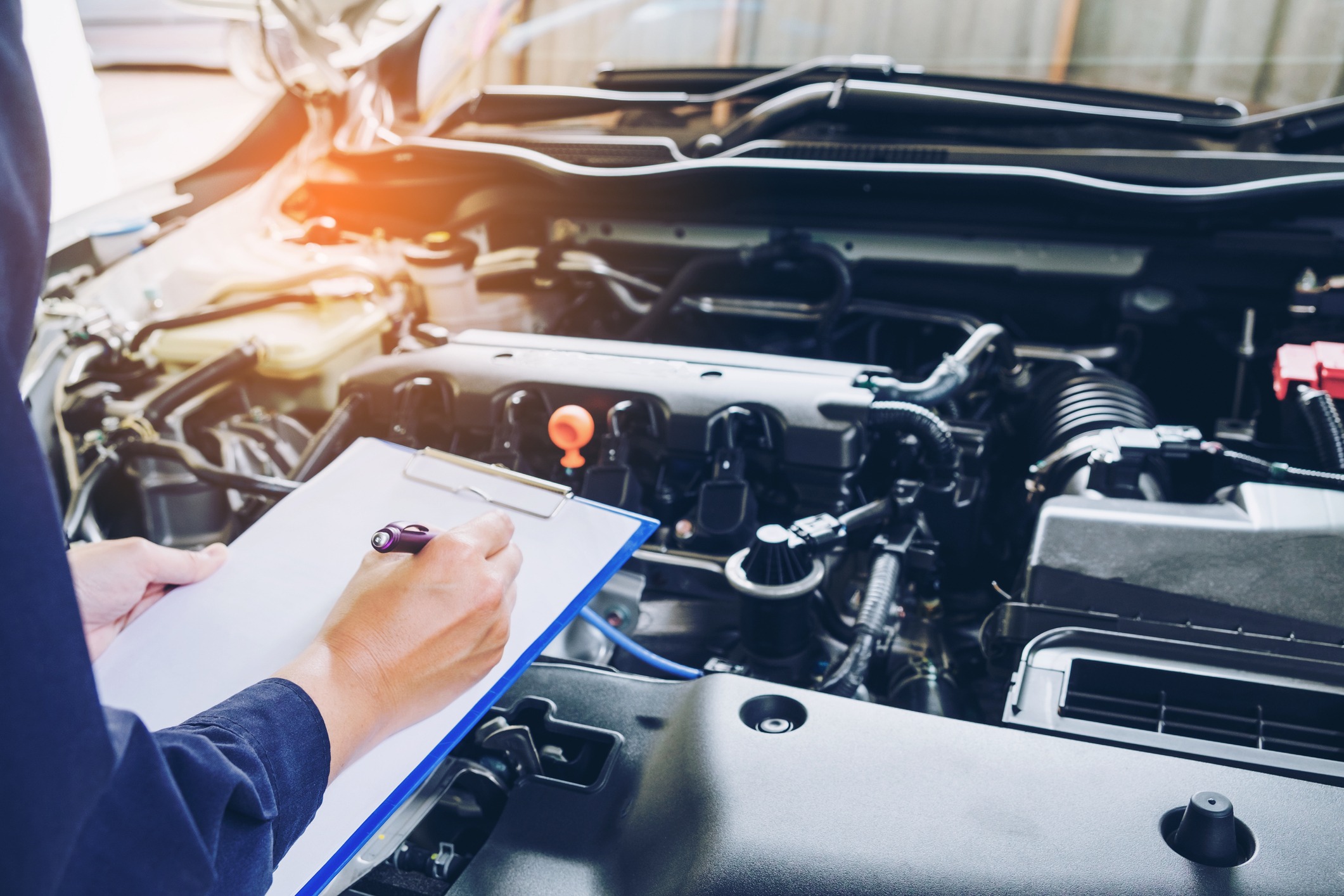
10. Regular Inspections and Preventive Service
While specific checks like oil, brakes, and tyres are crucial, the secret to long-lasting reliability lies in consistent preventive inspections. The Kia Forte benefits greatly when the owner commits to a routine of checking all systems before issues grow worse. Preventive service catches small problems early and reduces the risk of breakdowns.
Regular inspections include checking belts, hoses, lights, wipers, exhaust system, and even the cabin filter. Each part may seem minor, but when neglected, they combine to create bigger trouble. For example, a cracked belt can snap and disable the alternator or water pump, leaving the car stranded. A leaking hose can cause overheating, while worn wipers reduce visibility during rain.
Preventive service also means listening to the car. Strange noises, vibrations, or warning lights should never be ignored. Addressing them early prevents bigger repairs. Mechanics who perform full inspections during oil changes can point out issues the driver might miss. This habit ensures the car is not only maintained but also monitored continuously.
Another aspect of preventive care is record-keeping. Keeping service receipts and mileage notes helps track when each item was last replaced. This prevents forgetting important services like timing belt replacement or brake fluid flush. It also increases resale value, since buyers trust a car with a full service history.
By staying proactive rather than reactive, Forte owners give their cars the best chance of passing 200k miles smoothly. Preventive service is the glue that ties all other checks together, making sure nothing is left unattended.
A Kia Forte can last beyond 200,000 miles if the owner commits to consistent care. Each of these ten checks plays an important role in keeping the car dependable. Oil changes protect the engine, transmission fluid keeps gears smooth, the cooling system prevents overheating, and the timing system ensures precise operation.
Brakes, suspension, tyres, electrical parts, fuel delivery, and preventive inspections all combine to create long-term reliability. Owners who treat maintenance as an investment rather than a burden enjoy many years of service from their Forte. Reaching 200k is not just about luck; it is about discipline and commitment to these simple but powerful checks.
