
In an era where the manual transmission is becoming increasingly rare, choosing the right stick-shift car has never been more critical. The clutch pedal – that crucial third pedal that separates the wheat from the chaff in driving enthusiasts can either be your gateway to decades of driving bliss or a recurring nightmare of expensive repairs and frustrating breakdowns.
While automatic transmissions have dominated the market for their convenience, the manual transmission remains the purest connection between driver and machine, offering unmatched control, engagement, and often better fuel economy.
However, not all manual transmissions are created equal. Some vehicles boast clutch systems engineered to withstand hundreds of thousands of miles with minimal maintenance, while others seem designed to empty your wallet at regular intervals. The difference often lies in engineering philosophy, component quality, and manufacturing attention to detail.
A reliable manual transmission can serve you faithfully for 200,000+ miles with nothing more than occasional fluid changes and normal wear item replacements. Conversely, a poorly designed clutch system can fail catastrophically within 50,000 miles, leaving you stranded and facing repair bills that exceed the car’s value.
Understanding which vehicles offer bulletproof manual transmissions versus those that should be avoided can save you thousands in unexpected repairs and countless hours of frustration.
This comprehensive guide examines ten vehicles that represent the best and worst of manual transmission engineering, helping you make an informed decision whether you’re shopping for a reliable daily driver or a weekend warrior that won’t break the bank.
5 Cars With Clutch Pedals That Last a Lifetime
These exceptionally engineered manual transmissions feature robust clutch systems and precision-manufactured pedal assemblies that maintain smooth operation and consistent engagement through decades of daily driving cycles.
Their thoughtful design includes reinforced pressure plates and durable friction materials that resist the stress concentrations typically created by aggressive launches and constant stop-and-go traffic patterns.
From temperature extremes that challenge hydraulic systems to the repetitive motion of thousands of clutch engagements, these remarkable drivetrains continue operating smoothly without developing premature wear or pedal fade.
Owners report hundreds of thousands of trouble-free miles with these dependable manual transmissions a testament to engineering excellence that proves its worth through consistent clutch feel and maintained performance throughout ownership.
The Honda Civic Si’s clutch system delivers exceptional longevity with its well-balanced pedal effort and robust friction materials that handle both daily driving and spirited performance without premature wear.
The Toyota Corolla’s manual transmission features a forgiving clutch with excellent modulation that makes it nearly impossible to burn out, even for inexperienced drivers learning proper technique.
The Mazda Miata’s precisely engineered clutch provides perfect pedal feel with minimal effort required, allowing extended driving sessions without leg fatigue while maintaining durability through track use.
The Subaru WRX combines heavy-duty clutch components with reasonable pedal effort, creating a system that handles significant power increases while remaining manageable for daily commuting.
The Ford Mustang GT’s clutch system balances performance capability with user-friendly operation, featuring smooth engagement and moderate pedal effort that doesn’t punish drivers during extended use.
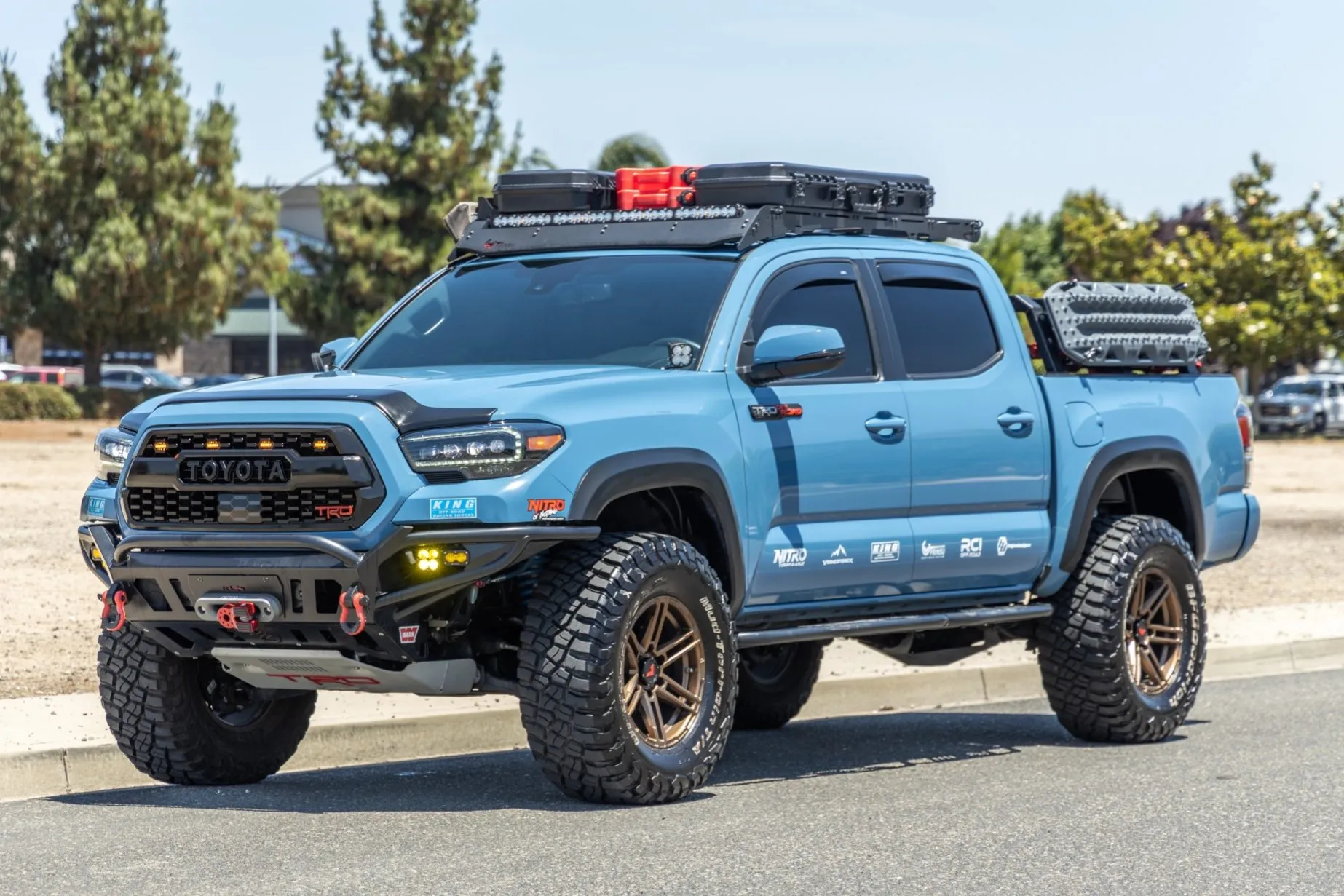
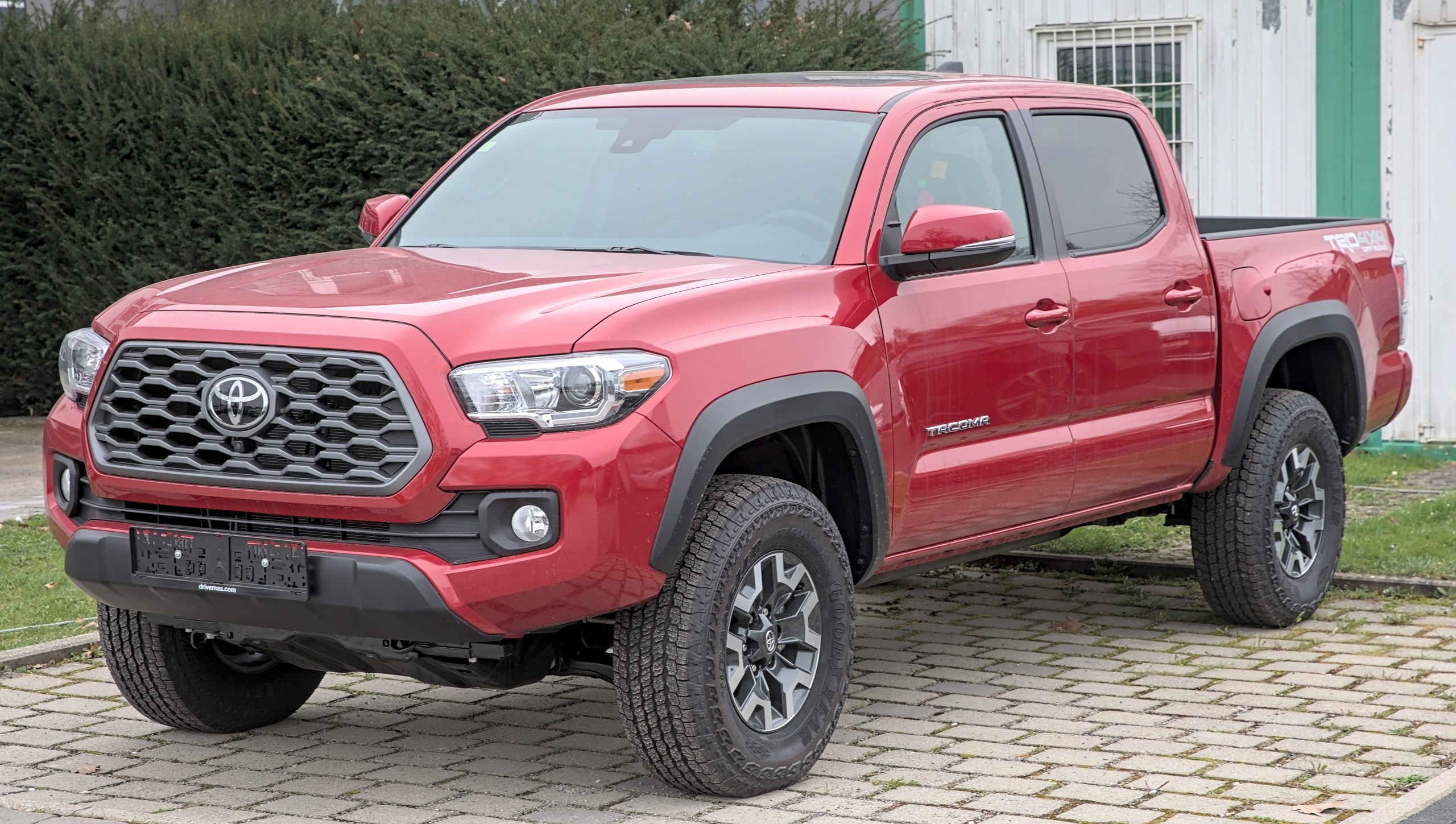
1. Toyota Tacoma (2005-2015)
The Toyota Tacoma stands as the undisputed champion of manual transmission reliability, earning its reputation through decades of bulletproof performance in the most demanding conditions.
The Toyota Tacoma is widely regarded as one of the most reliable pickup trucks ever built, especially when equipped with a manual transmission, and this reputation is well-deserved. The Tacoma’s manual transmission success stems from Toyota’s conservative engineering approach and obsessive attention to component quality.
The heart of the Tacoma’s reliability lies in its robust R150F and R151F five-speed manual transmissions, which were designed with commercial-grade durability in mind.
These transmissions feature heavy-duty synchronizers, reinforced gear teeth, and oversized bearings that can handle both the truck’s substantial towing capacity and the abuse of off-road driving.
The clutch system utilizes a hydraulic design with a substantial 9.5-inch clutch disc and pressure plate combination that provides excellent modulation and longevity.
What sets the Tacoma apart is its clutch pedal feel and durability. The hydraulic clutch system requires minimal maintenance beyond occasional fluid changes, and the clutch engagement point remains consistent throughout the component’s life.
Most Tacoma owners report original clutches lasting well beyond 200,000 miles, even with regular towing and off-road use. The pedal effort is perfectly weighted not too light to cause accidental engagement, yet not so heavy as to cause fatigue during stop-and-go traffic.
The transmission’s gear ratios are optimally spaced for both fuel economy and performance, with the first gear providing excellent low-end torque multiplication for heavy loads or steep grades.
The shifter mechanism itself is virtually indestructible, with many high-mileage examples showing no signs of wear or looseness. The transmission case is manufactured from high-strength aluminum alloy with steel inserts at high-stress points, providing exceptional durability while keeping weight reasonable.
Maintenance requirements are minimal and straightforward. The transmission uses conventional gear oil rather than expensive synthetic fluids, and change intervals are generous at 60,000 miles under normal conditions.
The clutch hydraulic system rarely requires service, and when it does, components are readily available and reasonably priced. Most independent shops can service these transmissions competently, keeping maintenance costs low.
The Tacoma’s manual transmission also benefits from Toyota’s legendary quality control and manufacturing precision. Each transmission is thoroughly tested before installation, and the tight tolerances ensure smooth, quiet operation throughout the vehicle’s life. The synchromesh system is particularly robust, allowing for smooth shifts even under heavy loads or aggressive driving conditions.
Perhaps most importantly, the Tacoma’s manual transmission adds to the vehicle’s overall capability and character. The precise control offered by the manual transmission makes it invaluable for technical off-road driving, where precise wheel speed control can mean the difference between success and failure.
The transmission’s ability to engine brake effectively also reduces wear on the vehicle’s braking system during long downhill descents.
2. Honda Civic Si (2006-2011)
The Honda Civic Si represents the pinnacle of Honda’s manual transmission engineering, combining sports car precision with Honda’s legendary reliability.
This generation’s six-speed manual transmission sets the gold standard for shifting feel and long-term durability in the compact sports car segment. The transmission’s design philosophy centers on creating the perfect balance between precise engagement and robust construction.
Honda’s K20Z3 engine paired with this six-speed manual creates one of the most satisfying powertrains ever offered in an affordable sports car. The transmission features incredibly tight gear ratios that keep the high-revving engine in its optimal power band, while the shifter mechanism provides telepathic precision that makes every gear change a joy.
The clutch system utilizes a dual-mass flywheel design that eliminates drivetrain harshness while maintaining precise engagement characteristics. The Civic Si’s clutch pedal is perfectly weighted and positioned, with an engagement point that remains consistent throughout the clutch’s life.
The hydraulic clutch system requires minimal maintenance and provides excellent modulation, making it equally suitable for spirited driving and daily commuting. Most owners report original clutches lasting 150,000+ miles, even with enthusiastic driving styles.

What makes this transmission special is Honda’s attention to internal component quality. The synchronizers are manufactured to extremely tight tolerances and use a triple-cone design on the most commonly used gears, ensuring smooth shifts even after years of use.
The gear teeth are precision-cut and heat-treated for maximum durability, while the transmission case features reinforced mounting points and internal bracing to handle the engine’s high-rev operation.
The six-speed layout provides optimal gear spacing for both performance and fuel economy. First gear is short enough for quick acceleration from standstill, while sixth gear provides relaxed highway cruising.
The close-ratio design means there’s always an appropriate gear for any driving situation, and the transmission’s ability to handle aggressive shifting makes it perfect for track use.
Honda’s manufacturing quality shines through in every aspect of this transmission. The shift forks are manufactured from high-strength steel and designed to precise tolerances, eliminating the looseness and imprecision that plague many manual transmissions over time. The input and output shafts are forged rather than cast, providing exceptional strength and durability.
The transmission’s fluid capacity is generous, ensuring adequate lubrication and cooling even under extreme conditions. Honda’s recommended MTF fluid is specifically formulated for this transmission and provides excellent protection while maintaining smooth shifting characteristics.
The transmission case features effective cooling fins and efficient oil circulation to prevent overheating during extended performance driving. One of the most impressive aspects of this transmission is its ability to maintain precision throughout its service life.
While many manual transmissions develop sloppiness or difficult shift quality over time, the Civic Si’s transmission remains crisp and precise even at high mileage. This consistency makes it an excellent choice for enthusiasts who want a transmission that will continue to provide satisfaction for years to come.
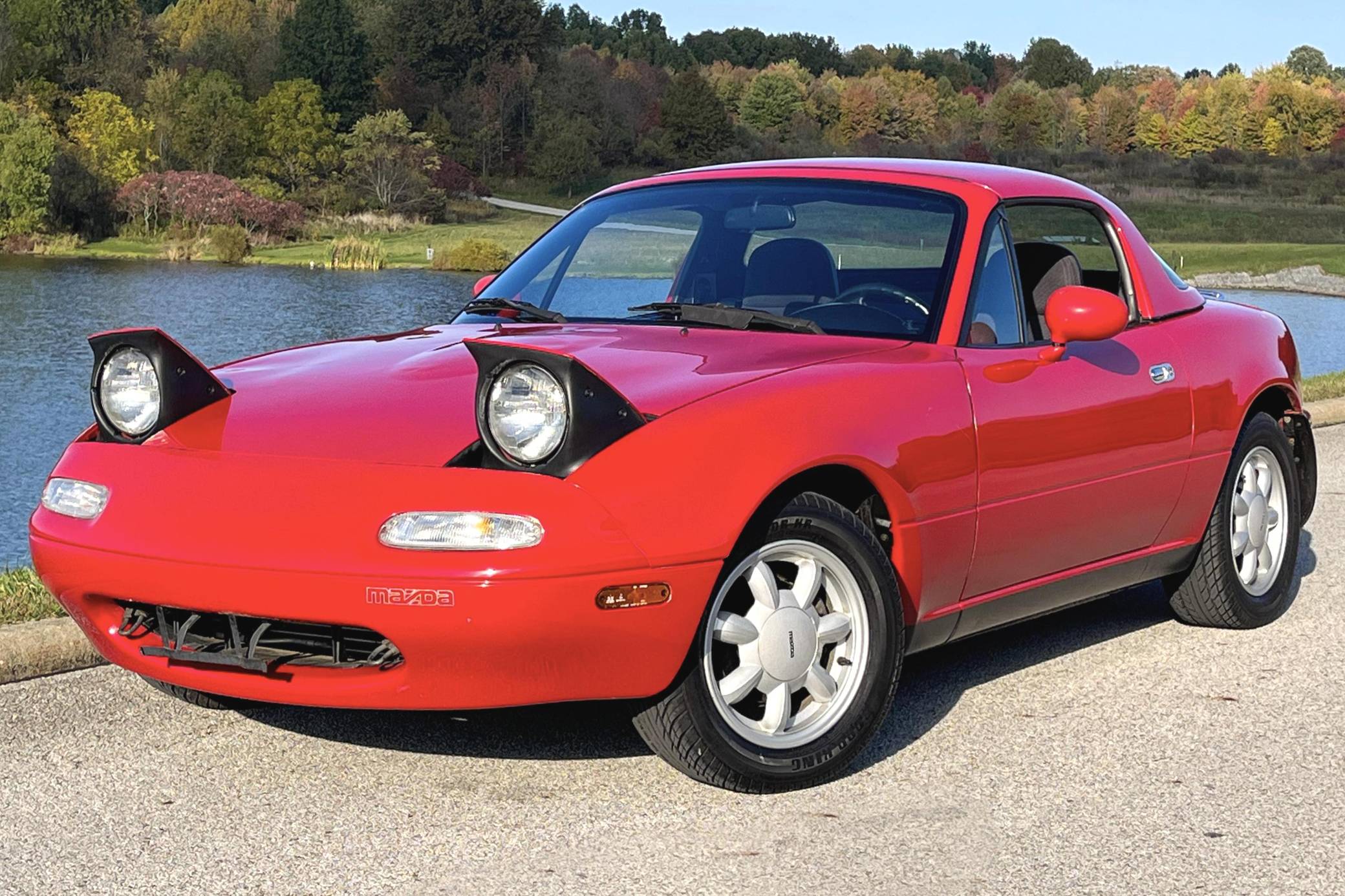
3. Mazda MX-5 Miata (1990-2022)
The Mazda MX-5 Miata’s manual transmission represents over three decades of continuous refinement, resulting in one of the most beloved and reliable manual transmissions ever produced.
Across all generations, the Miata’s manual transmission has maintained its reputation for precise shifting, excellent reliability, and pure driving enjoyment. The transmission’s design philosophy centers on providing the most direct connection between driver and drivetrain possible.
The original NA Miata introduced the five-speed manual transmission that would become legendary among enthusiasts. This transmission featured incredibly short throws, precise gate definition, and a mechanical shifter linkage that provided direct, unfiltered feedback.
The clutch system was designed to be lightweight yet durable, with a clutch pedal that required minimal effort while providing excellent feel and modulation.
As the Miata evolved through subsequent generations, Mazda continuously refined the manual transmission without losing its essential character.
The NB generation improved synchronizer design and added stronger internal components, while the NC generation introduced a six-speed manual with even tighter gear ratios.
The current ND generation represents the pinnacle of Miata manual transmission development, with a transmission that combines modern refinement with classic Miata precision.
What makes the Miata’s manual transmission special is its incredible mechanical sympathy. The shifter provides clear, positive engagement with short throws and well-defined gates.
The clutch pedal is perfectly weighted and positioned, with an engagement point that allows for precise control in all driving situations. The transmission’s ability to handle aggressive shifting and rev-matching makes it perfect for spirited driving and track use.
The Miata’s manual transmission is built to handle the rigors of sports car driving while maintaining excellent reliability. The transmission case is constructed from high-strength aluminum with steel reinforcements at critical stress points.
Internal components are manufactured to tight tolerances and heat-treated for maximum durability. The synchronizers use a carbon-lined design that provides smooth shifting while resisting wear.
Mazda’s attention to detail extends to every aspect of the transmission’s operation. The shift forks are precision-manufactured and designed to minimize wear and maintain tight tolerances throughout the transmission’s life.
The input and output shafts are forged and balanced to ensure smooth operation and maximum strength. The transmission’s oil pump ensures adequate lubrication even during extended track sessions.
The Miata’s manual transmission benefits from Mazda’s extensive testing and development program. Each transmission is thoroughly tested before installation, and the company’s quality control ensures consistent performance across all production units. The transmission’s design has been proven in various racing applications, from amateur autocross to professional racing series.
One of the most remarkable aspects of the Miata’s manual transmission is its longevity. Many examples with 200,000+ miles still shift like new, with original clutches often lasting the vehicle’s entire service life with proper maintenance.
The transmission’s ability to maintain its precise feel and smooth operation over time makes it an excellent choice for enthusiasts who want a transmission that will continue to provide satisfaction for decades.
4. Porsche 911 (997 and 991 Generations)
The Porsche 911’s manual transmission represents the pinnacle of sports car engineering, combining German precision with decades of racing heritage. The 911 Carrera T is manual-only, with a 388-horsepower flat-six engine.
A higher-performance 911 GT3 uses a 502-horsepower flat-six and can be had with a six-speed manual as well. The 997 and 991 generations, in particular, feature manual transmissions that set the standard for precision, durability, and driving engagement in the sports car world.
The 997 generation’s six-speed manual transmission represents the culmination of decades of development, featuring incredibly robust construction and precise operation.
This transmission was designed to handle the substantial torque output of the 911’s flat-six engine while providing the precise control necessary for high-performance driving. The transmission case is constructed from high-strength aluminum with integral cooling fins and mounting points designed to handle the stresses of track use.
Internal components are manufactured to aerospace-grade tolerances, with gear teeth that are precision-cut and heat-treated for maximum durability.
The synchronizers use a triple-cone design with carbon-lined surfaces that provide smooth shifting even under extreme conditions. The transmission’s oil pump ensures adequate lubrication during high-G cornering and extended track sessions.
The 991 generation continued this tradition of excellence while adding modern refinements. The transmission features improved synchronizer design and stronger internal components, while maintaining the precise shifter feel that makes the 911 special. The clutch system utilizes a dual-mass flywheel design that eliminates drivetrain harshness while maintaining precise engagement characteristics.

What sets the 911’s manual transmission apart is its incredible precision and consistency. The shifter provides clear, positive engagement with short throws and well-defined gates.
The clutch pedal is perfectly weighted and positioned, with an engagement point that allows for precise control in all driving situations. The transmission’s ability to handle aggressive shifting and rev-matching makes it perfect for track use.
The 911’s manual transmission is built to handle the rigors of high-performance driving while maintaining excellent reliability. Most owners report original clutches lasting 60,000-80,000 miles even with track use, while the transmission itself can easily exceed 200,000 miles with proper maintenance.
The transmission’s ability to maintain its precise feel and smooth operation over time makes it an excellent choice for enthusiasts. Porsche’s quality control and manufacturing precision ensure that every transmission meets the highest standards of quality.
Each transmission is thoroughly tested before installation, and the company’s extensive quality control program ensures consistent performance across all production units. The transmission’s design has been proven in various racing applications, from amateur track days to professional racing series.
The 911’s manual transmission also benefits from Porsche’s extensive parts and service network. Genuine Porsche parts are readily available, and the company’s technical support ensures that qualified technicians can properly service and repair these transmissions.
While maintenance costs are higher than mass-market vehicles, the transmission’s longevity and performance make it an excellent value for serious enthusiasts.
Also Read: 5 Towing Engines That Last Forever and 5 That Struggle Hard
5. Subaru WRX (2008-2014)
The Subaru WRX’s five-speed manual transmission represents a perfect balance of performance, reliability, and affordability in the all-wheel-drive sports car segment.
This generation’s transmission was thoroughly redesigned to handle the increased power and torque of the turbocharged boxer engine while maintaining the durability necessary for both daily driving and occasional track use.
The WRX’s five-speed manual transmission features robust construction designed to handle the unique demands of all-wheel-drive performance. The transmission case is constructed from high-strength aluminum with reinforced mounting points and internal bracing to handle the additional stresses of the AWD system. Internal components are manufactured to tight tolerances and heat-treated for maximum durability.
What makes the WRX’s manual transmission special is its ability to handle substantial power increases while maintaining reliability. The transmission’s internal components are significantly stronger than those found in naturally aspirated Subaru models, with larger gear teeth, stronger synchronizers, and reinforced shift forks.
The transmission’s oil pump ensures adequate lubrication even during extended high-performance driving. The WRX’s clutch system is designed to handle the turbocharged engine’s power delivery while providing excellent modulation and feel.
The hydraulic clutch system uses a substantial clutch disc and pressure plate combination that provides excellent grip and longevity. The clutch pedal is perfectly weighted and positioned, with an engagement point that remains consistent throughout the clutch’s life.

The transmission’s gear ratios are optimally spaced for both performance and daily driving. First gear provides excellent acceleration from standstill, while fifth gear allows for relaxed highway cruising.
The close-ratio design means there’s always an appropriate gear for any driving situation, and the transmission’s ability to handle aggressive shifting makes it perfect for spirited driving.
Subaru’s attention to quality control ensures consistent performance across all production units. Each transmission is thoroughly tested before installation, and the company’s quality control program ensures that tolerances are maintained throughout the manufacturing process. The transmission’s design has been proven in various racing applications, from rally racing to circuit competition.
The WRX’s manual transmission benefits from Subaru’s extensive parts and service network. Genuine Subaru parts are readily available and reasonably priced, and most independent shops can service these transmissions competently. The transmission’s straightforward design makes maintenance simple and cost-effective.
One of the most impressive aspects of the WRX’s manual transmission is its longevity under performance conditions. Many examples with 150,000+ miles still shift smoothly and precisely, with original clutches often lasting 100,000+ miles even with enthusiastic driving.
The transmission’s ability to maintain its performance characteristics over time makes it an excellent choice for enthusiasts who want reliability without sacrificing performance.
5 Cars That Break Legs and Budgets
These problematic manual transmissions suffer from fundamental design flaws in their clutch systems that create excessive pedal effort and premature component failures under normal driving conditions.
Their clutch assemblies feature inadequate hydraulic assist systems, overly aggressive pressure plates, or manufacturing deficiencies that accelerate wear while creating punishing pedal effort that fatigues drivers.
From hydraulic slave cylinder failures that leave drivers stranded to clutch discs that wear prematurely despite careful driving, these systems consistently develop expensive problems that frustrate owners and mechanics alike.
The recurring nature of these failures demonstrates how poor clutch system design can transform the joy of manual driving into a costly and physically demanding ordeal.
The BMW M3’s clutch system requires extreme pedal effort that causes leg cramps during traffic, while the clutch disc wears rapidly and costs thousands to replace with genuine components. The Audi RS4’s dual-mass flywheel system creates excessive pedal weight and develops expensive failures that require complete clutch system replacement at premium prices.
The Mercedes-AMG C63’s clutch demands tremendous leg strength to operate and suffers from premature slave cylinder failures that strand drivers with hefty repair bills.
The Dodge Challenger SRT’s heavy-duty clutch creates punishing pedal effort that makes city driving unbearable while requiring frequent adjustments and expensive component replacements. The Nissan 350Z’s clutch system combines difficult pedal modulation with premature wear patterns, creating a system that’s both physically demanding and expensive to maintain properly.
1. Mini Cooper S (2007-2013)
The Mini Cooper S represents a cautionary tale of style over substance when it comes to manual transmission reliability. While the car’s distinctive design and go-kart-like handling characteristics attracted countless buyers, the reality of ownership often involved frequent and expensive transmission repairs that could easily exceed the vehicle’s value.
The problems with the Mini’s manual transmission stem from fundamental design flaws and cost-cutting measures that prioritized initial purchase price over long-term reliability.
The six-speed manual transmission used in the Cooper S was developed by Getrag, but BMW’s specifications demanded a transmission that was both compact and lightweight to fit within the Mini’s cramped engine bay.
This resulted in a transmission with inadequate internal components that simply couldn’t handle the stress of daily driving, let alone the spirited driving the car encouraged.
The most common failure point involves the transmission’s synchronizers, which were manufactured to insufficient tolerances and used materials that wore rapidly under normal use.
Owners frequently reported difficulty shifting into second and third gears, often accompanied by grinding noises that indicated expensive internal damage. The synchronizer failure typically occurred between 40,000-60,000 miles, well before most owners expected major transmission work.
The clutch system presents equally serious problems. The single-mass flywheel design, while providing sporty engagement characteristics, proved inadequate for the turbocharged engine’s power delivery.
The clutch disc and pressure plate combination was undersized for the application, resulting in rapid wear and frequent replacement. Most owners found themselves replacing clutches every 30,000-50,000 miles, at costs ranging from $1,500-$2,500 per replacement.

The transmission’s oil pump also proved problematic, with many units failing to provide adequate lubrication during high-RPM operation. This led to premature bearing wear and eventual transmission failure.
The pump’s failure often occurred without warning, leaving drivers stranded and facing complete transmission replacement costs exceeding $4,000. The shifter mechanism itself is notorious for developing excessive play and imprecise gate definition.
The shift cables stretch over time, resulting in a vague shifter feel and difficulty finding gears. The shifter bushings, manufactured from inferior materials, deteriorate rapidly and require frequent replacement. These seemingly minor issues accumulate into a frustrating driving experience that robs the car of its intended character.
BMW’s cost-cutting measures extended to the transmission case itself, which was manufactured from lower-grade aluminum alloy that proved susceptible to cracking under stress.
The case’s mounting points were inadequately reinforced, leading to stress fractures that allowed oil leaks and eventually structural failure. Many owners discovered these problems only after experiencing catastrophic transmission failure.
The hydraulic clutch system adds another layer of complexity and potential failure points. The clutch master and slave cylinders are prone to failure, often leaving drivers stranded when the clutch pedal suddenly goes to the floor. The hydraulic lines, routed through areas exposed to road salt and debris, frequently develop leaks that require expensive repair.
Perhaps most frustrating for owners is the transmission’s unpredictable nature. Some units fail catastrophically within 30,000 miles, while others may last 80,000 miles before experiencing problems.
This inconsistency makes it impossible to predict when expensive repairs will be needed, leaving owners in a constant state of anxiety about their vehicle’s reliability.
2. Volkswagen Golf GTI (2010-2014)
The Volkswagen Golf GTI’s manual transmission represents one of the most disappointing examples of German engineering failure in recent memory. While Volkswagen’s reputation for precision and reliability attracted countless buyers to the GTI, the reality of ownership often involved dealing with transmission problems that began shortly after the warranty expired and continued throughout the vehicle’s life.
The six-speed manual transmission used in this generation GTI was manufactured by Getrag to Volkswagen’s specifications, but the final product suffered from numerous design flaws and material deficiencies.
The transmission’s problems begin with its synchronizer design, which used inadequate materials and insufficient manufacturing tolerances. The synchronizers, particularly for second and third gears, wear rapidly under normal use and create grinding noises that indicate expensive internal damage.
The transmission’s gear teeth were manufactured to specifications that prioritized smooth shifting over durability. The result is gear teeth that wear rapidly under load, creating noise and eventually leading to tooth breakage and catastrophic failure. Many owners reported transmission noise beginning as early as 20,000 miles, with complete failure often occurring before 80,000 miles.
The clutch system presents equally serious problems. The dual-mass flywheel design, while providing smooth engagement characteristics, proved inadequate for the turbocharged engine’s power delivery.
The flywheel’s internal dampers fail frequently, creating rattling noises and vibrations that make the car unpleasant to drive. Flywheel replacement costs often exceed $1,200, and failure typically occurs between 40,000-70,000 miles.

The clutch disc and pressure plate combination was undersized for the application, resulting in rapid wear and frequent replacement. The clutch’s engagement point changes frequently as components wear, making smooth driving difficult and requiring frequent adjustment.
Most owners find themselves replacing clutches every 40,000-60,000 miles, at costs ranging from $1,800-$2,800 per replacement. The transmission’s oil pump system proved inadequate for high-performance use, with many units failing to provide adequate lubrication during extended high-RPM operation.
This led to premature bearing wear and eventual transmission failure. The pump’s failure often occurred gradually, with owners noticing increasing transmission noise and difficulty shifting before complete failure.
The shifter mechanism develops problems early in the vehicle’s life, with shift cables stretching and shifter bushings deteriorating rapidly. The shifter assembly itself is prone to failure, with many owners reporting complete shifter mechanism replacement within 50,000 miles. The shifter’s plastic components prove inadequate for the stresses of daily use, breaking and creating sloppy, imprecise shifting.
Volkswagen’s quality control during this period was notably poor, with significant variation in transmission quality between individual vehicles. Some transmissions failed within 20,000 miles, while others lasted 100,000 miles before experiencing problems. This inconsistency made it impossible for owners to predict when expensive repairs would be needed.
The transmission case itself proved problematic, with mounting points that were inadequately reinforced and susceptible to cracking under stress. The case’s aluminum alloy was of insufficient quality, leading to porosity and eventual oil leaks. Many owners discovered these problems only after experiencing significant oil loss and transmission damage.
The hydraulic clutch system adds additional complexity and potential failure points. The clutch master cylinder is prone to internal seal failure, creating a spongy clutch pedal feel and eventual complete failure. The slave cylinder, mounted in a location exposed to road debris and moisture, frequently fails and requires expensive replacement.
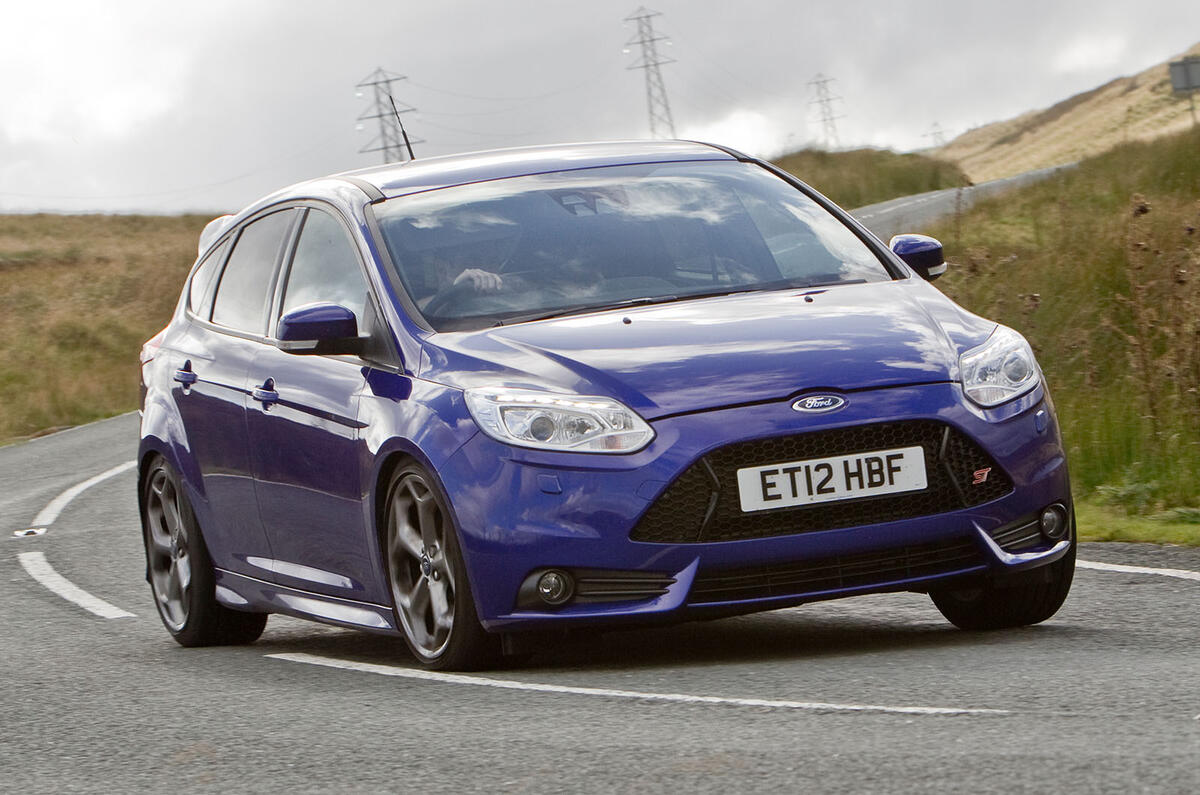
3. Ford Focus ST (2013-2018)
The Ford Focus ST’s six-speed manual transmission represents a significant disappointment in Ford’s otherwise successful performance car lineup.
While the car’s turbocharged engine and sport-tuned suspension attracted enthusiasts, the transmission’s numerous problems and expensive repair costs quickly soured the ownership experience for many buyers. The transmission’s failures stem from fundamental design flaws and Ford’s decision to prioritize cost savings over long-term reliability.
The six-speed manual transmission used in the Focus ST was manufactured by Getrag, but Ford’s specifications demanded a transmission that could handle the turbocharged engine’s power while meeting strict cost targets.
The result was a transmission with inadequate internal components that simply couldn’t handle the stress of performance driving or even normal daily use.
The transmission’s most significant problem involves its synchronizers, which were manufactured to insufficient specifications and used materials that wore rapidly under load.
The synchronizers for second and third gears are particularly problematic, with many owners reporting grinding noises and difficulty shifting within 30,000 miles. The synchronizer failure typically requires complete transmission rebuild or replacement, at costs exceeding $3,000.
The clutch system presents equally serious problems. The single-mass flywheel design, while providing sporty engagement characteristics, proved inadequate for the turbocharged engine’s power delivery.
The clutch disc was undersized for the application, resulting in rapid wear and frequent replacement. The pressure plate’s spring design proved inadequate, leading to uneven wear and chattering during engagement.
Most Focus ST owners find themselves replacing clutches every 30,000-50,000 miles, at costs ranging from $1,500-$2,200 per replacement. The clutch’s engagement point changes frequently as components wear, making smooth driving difficult and requiring constant adjustment to driving technique. The clutch pedal often develops a spongy feel that indicates impending failure.
The transmission’s internal oil pump proved inadequate for high-performance use, with many units failing to provide adequate lubrication during extended high-RPM operation.
This led to premature bearing wear and eventual transmission failure. The pump’s failure often occurred without warning, leaving drivers stranded and facing complete transmission replacement costs exceeding $4,500.
The shifter mechanism is notorious for developing excessive play and imprecise gate definition. The shift cables stretch over time, resulting in a vague shifter feel and difficulty finding gears.
The shifter assembly’s plastic components prove inadequate for the stresses of performance driving, breaking and creating sloppy, imprecise shifting that robs the car of its intended character.
Ford’s quality control during this period was inconsistent, with significant variation in transmission quality between individual vehicles. Some transmissions failed within 25,000 miles, while others lasted 80,000 miles before experiencing problems.
This inconsistency made it impossible for owners to predict when expensive repairs would be needed, creating anxiety about the vehicle’s reliability.
The transmission case mounting points were inadequately reinforced, leading to stress fractures that allowed oil leaks and eventually structural failure. The case’s aluminum alloy was of insufficient quality, leading to porosity and eventual oil loss. Many owners discovered these problems only after experiencing significant transmission damage.
The hydraulic clutch system adds another layer of complexity and potential failure points. The clutch master cylinder is prone to internal seal failure, creating a spongy clutch pedal feel and eventual complete failure. The slave cylinder, located in a position exposed to heat from the exhaust system, frequently fails and requires expensive replacement.
4. Fiat 500 Abarth (2012-2019)
The Fiat 500 Abarth’s five-speed manual transmission represents a masterclass in how not to engineer a performance car transmission. While the car’s distinctive Italian styling and aggressive exhaust note attracted countless buyers, the transmission’s numerous problems and expensive repair costs quickly became legendary among automotive forums and repair shops.
The transmission’s failures stem from fundamental design flaws and Fiat’s decision to use inadequate components throughout the drivetrain. The five-speed manual transmission used in the 500 Abarth was developed by Fiat specifically for small-displacement engines, but the turbocharged application placed demands on the transmission that it simply wasn’t designed to handle.
The transmission’s internal components were manufactured to specifications more appropriate for a naturally aspirated economy car, resulting in rapid wear and frequent failure under the stress of turbocharged power delivery.
The transmission’s most significant problem involves its synchronizers, which were manufactured from inadequate materials and to insufficient tolerances.
The synchronizers for all gears, but particularly second and third, wear rapidly under normal use and create grinding noises that indicate expensive internal damage. Many owners reported synchronizer failure within 40,000 miles, requiring complete transmission rebuild at costs exceeding $2,800.
The clutch system presents equally serious problems. The single-mass flywheel design, while providing immediate throttle response, proved inadequate for the turbocharged engine’s power delivery and the transmission’s inadequate gear ratios.
The clutch disc was undersized for the application, resulting in rapid wear and frequent replacement. The pressure plate’s design proved inadequate, leading to uneven wear and chattering during engagement.

Most 500 Abarth owners find themselves replacing clutches every 25,000-40,000 miles, at costs ranging from $1,400-$2,000 per replacement. The clutch’s engagement point changes frequently as components wear, making smooth driving difficult and requiring constant adjustment to driving technique.
The clutch pedal often develops a harsh, grabby feel that makes city driving particularly unpleasant. The transmission’s gear ratios are poorly chosen for the turbocharged engine’s power delivery, with excessively wide gaps between gears that force the engine out of its optimal power band.
This poor gear selection places additional stress on the clutch system and contributes to premature wear. The transmission’s inadequate gear ratios also result in poor fuel economy and unsatisfying performance.
The shifter mechanism is notorious for developing excessive play and imprecise gate definition early in the vehicle’s life. The shift cables stretch rapidly, resulting in vague shifter feel and difficulty finding gears.
The shifter assembly’s plastic components prove inadequate for daily use, breaking and creating sloppy, imprecise shifting that makes the car frustrating to drive.
Fiat’s quality control during this period was notably poor, with significant variation in transmission quality between individual vehicles. Some transmissions failed within 20,000 miles, while others lasted 60,000 miles before experiencing problems.
This inconsistency made it impossible for owners to predict when expensive repairs would be needed, creating constant anxiety about the vehicle’s reliability.
The transmission case itself proved problematic, with mounting points that were inadequately reinforced and susceptible to cracking under stress. The case’s aluminum alloy was of insufficient quality, leading to porosity and eventual oil leaks. Many owners discovered these problems only after experiencing significant oil loss and transmission damage.
The hydraulic clutch system adds additional complexity and potential failure points. The clutch master cylinder is prone to internal seal failure, creating a spongy clutch pedal feel and eventual complete failure. The slave cylinder, mounted in a location exposed to road debris and moisture, frequently fails and requires expensive replacement.
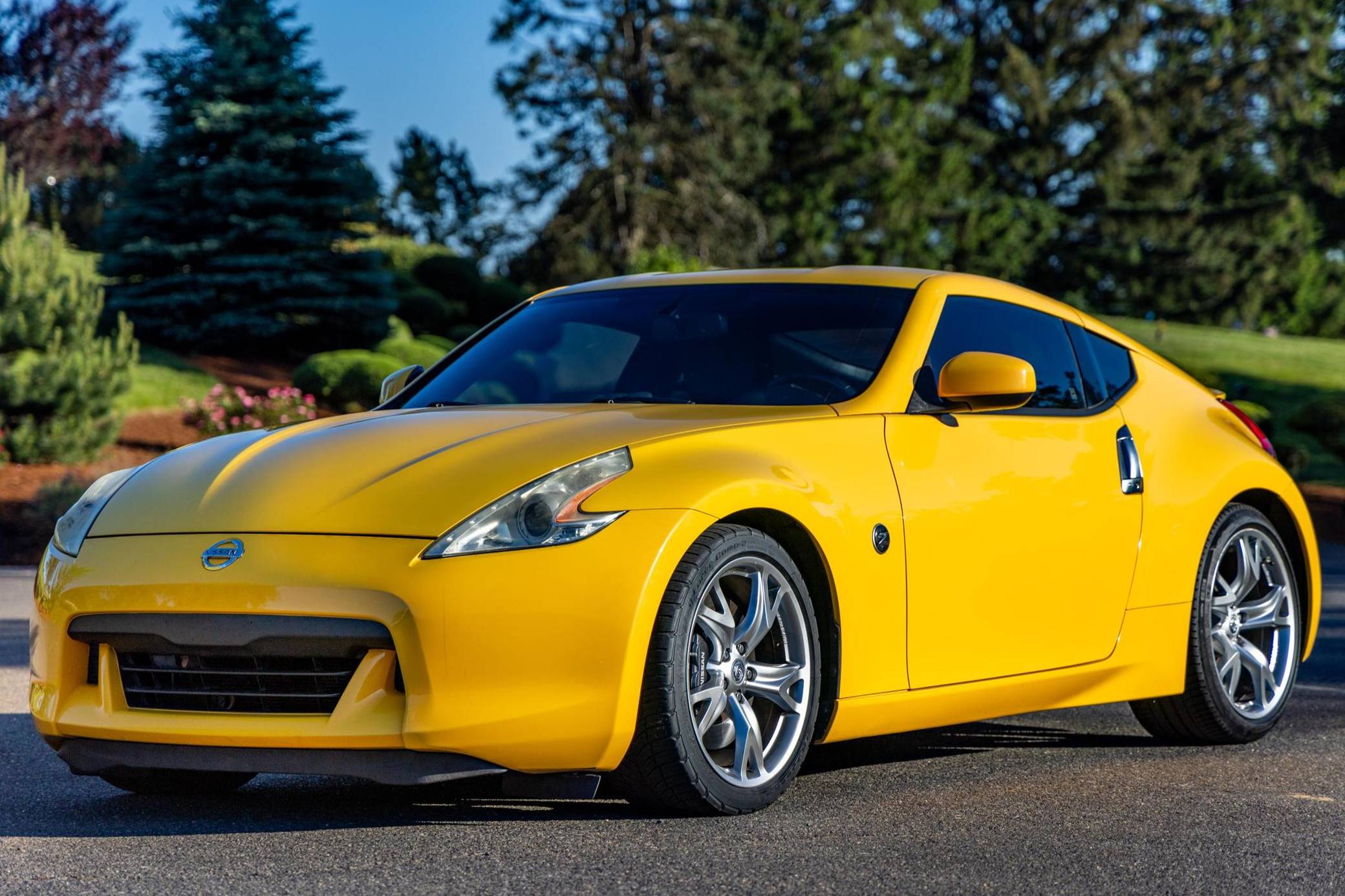
5. Nissan 370Z (2009-2020)
The Nissan 370Z’s six-speed manual transmission represents one of the most disappointing examples of Japanese engineering failure in recent memory.
While Nissan’s Z-car heritage and the 370Z’s powerful V6 engine attracted enthusiasts, the transmission’s numerous problems and expensive repair costs quickly became notorious among owners and automotive journalists. The transmission’s failures stem from fundamental design flaws and Nissan’s decision to prioritize cost savings over long-term reliability.
The six-speed manual transmission used in the 370Z was manufactured by Aisin, but Nissan’s specifications demanded a transmission that could handle the V6 engine’s power while meeting strict cost targets.
The result was a transmission with inadequate internal components that simply couldn’t handle the stress of performance driving or even normal daily use over time.
The transmission’s most significant problem involves its synchronizers, which were manufactured to insufficient specifications and used materials that wore rapidly under load.
The synchronizers for all gears, but particularly first and second, are problematic, with many owners reporting grinding noises and difficulty shifting within 40,000 miles. The synchronizer failure typically requires complete transmission rebuild or replacement, at costs exceeding $3,500.
The clutch system presents equally serious problems. The dual-mass flywheel design, while providing smooth engagement characteristics, proved inadequate for the V6 engine’s power delivery and the transmission’s inadequate gear ratios.
The flywheel’s internal dampers fail frequently, creating rattling noises and vibrations that make the car unpleasant to drive. Flywheel replacement costs often exceed $1,500, and failure typically occurs between 50,000-80,000 miles.
The clutch disc and pressure plate combination was undersized for the application, resulting in rapid wear and frequent replacement. The clutch’s engagement point changes frequently as components wear, making smooth driving difficult and requiring frequent adjustment to driving technique.
Most owners find themselves replacing clutches every 40,000-70,000 miles, at costs ranging from $1,800-$2,800 per replacement. The transmission’s internal oil pump proved inadequate for high-performance use, with many units failing to provide adequate lubrication during extended high-RPM operation.
This led to premature bearing wear and eventual transmission failure. The pump’s failure often occurred gradually, with owners noticing increasing transmission noise and difficulty shifting before complete failure.
The shifter mechanism develops problems early in the vehicle’s life, with shift cables stretching and shifter bushings deteriorating rapidly. The shifter assembly itself is prone to failure, with many owners reporting complete shifter mechanism replacement within 60,000 miles.
The shifter’s plastic components prove inadequate for the stresses of performance driving, breaking and creating sloppy, imprecise shifting. Nissan’s quality control during this period was inconsistent, with significant variation in transmission quality between individual vehicles.
Some transmissions failed within 30,000 miles, while others lasted 90,000 miles before experiencing problems. This inconsistency made it impossible for owners to predict when expensive repairs would be needed, creating anxiety about the vehicle’s reliability.
The transmission case mounting points were inadequately reinforced, leading to stress fractures that allowed oil leaks and eventually structural failure. The case’s aluminum alloy was of insufficient quality, leading to porosity and eventual oil loss. Many owners discovered these problems only after experiencing significant transmission damage.
The hydraulic clutch system adds another layer of complexity and potential failure points. The clutch master cylinder is prone to internal seal failure, creating a spongy clutch pedal feel and eventual complete failure. The slave cylinder, located in a position exposed to heat from the exhaust system, frequently fails and requires expensive replacement.
The transmission’s gear ratios, while well-spaced for performance, place additional stress on the clutch system due to the engine’s power delivery characteristics.
The transmission’s inadequate internal components simply cannot handle the combination of the V6’s torque output and the gear ratios’ multiplication effects, leading to premature wear and frequent expensive repairs.
Also Read: 5 GM Diesels That Go the Distance and 5 That Constantly Need Repairs
