

When shopping for a used car, one of the most crucial factors to consider is how well the vehicle will perform during mandatory safety inspections.
These inspections, required in many states and countries, evaluate critical components like brakes, lights, emissions systems, and structural integrity.
While every car is unique and maintenance history plays a significant role, certain models have earned reputations for either sailing through inspections or consistently presenting challenges.
Understanding which vehicles are more likely to pass inspection can save you significant time, money, and frustration. Cars that consistently pass inspections typically feature robust engineering, reliable components, and systems that age gracefully.
These vehicles often have readily available parts, strong dealer networks, and designs that prioritize longevity over cutting-edge features that might become problematic over time.
Conversely, some vehicles are notorious for developing issues that commonly trigger inspection failures. These problems might stem from design flaws, the use of problematic components, complex systems that are prone to malfunction, or simply poor build quality.
While these cars might offer other advantages like luxury features or attractive styling, they often come with the hidden cost of frequent inspection-related repairs.
This comprehensive guide examines ten vehicles across both categories, providing detailed insights into why certain cars excel at passing inspections while others consistently present challenges.
Whether you’re a first-time used car buyer or an experienced owner looking to make an informed decision, understanding these patterns can help you choose a vehicle that will serve you reliably for years to come.
5 Cars That Pass Inspection Every Time
These exceptionally reliable vehicles feature robust safety systems and precision-manufactured components that maintain optimal inspection compliance through years of regular use and aging without developing the common failure points that plague lesser automobiles.
Their thoughtful engineering includes durable brake components and long-lasting emission control systems that resist the deterioration typically created by normal wear cycles, environmental exposure, and the demanding requirements of annual safety inspections.
From exhaust systems that continue meeting emissions standards well beyond their expected service life to lighting circuits that maintain proper function without developing shorts or corrosion issues, these remarkable vehicles continue passing inspections like new without developing the age-related failures that create costly pre-inspection repairs.
Owners report decades of trouble-free inspection experiences with these dependable machines an often-overlooked quality feature that proves its worth through consistent regulatory compliance and maintained roadworthiness throughout ownership.
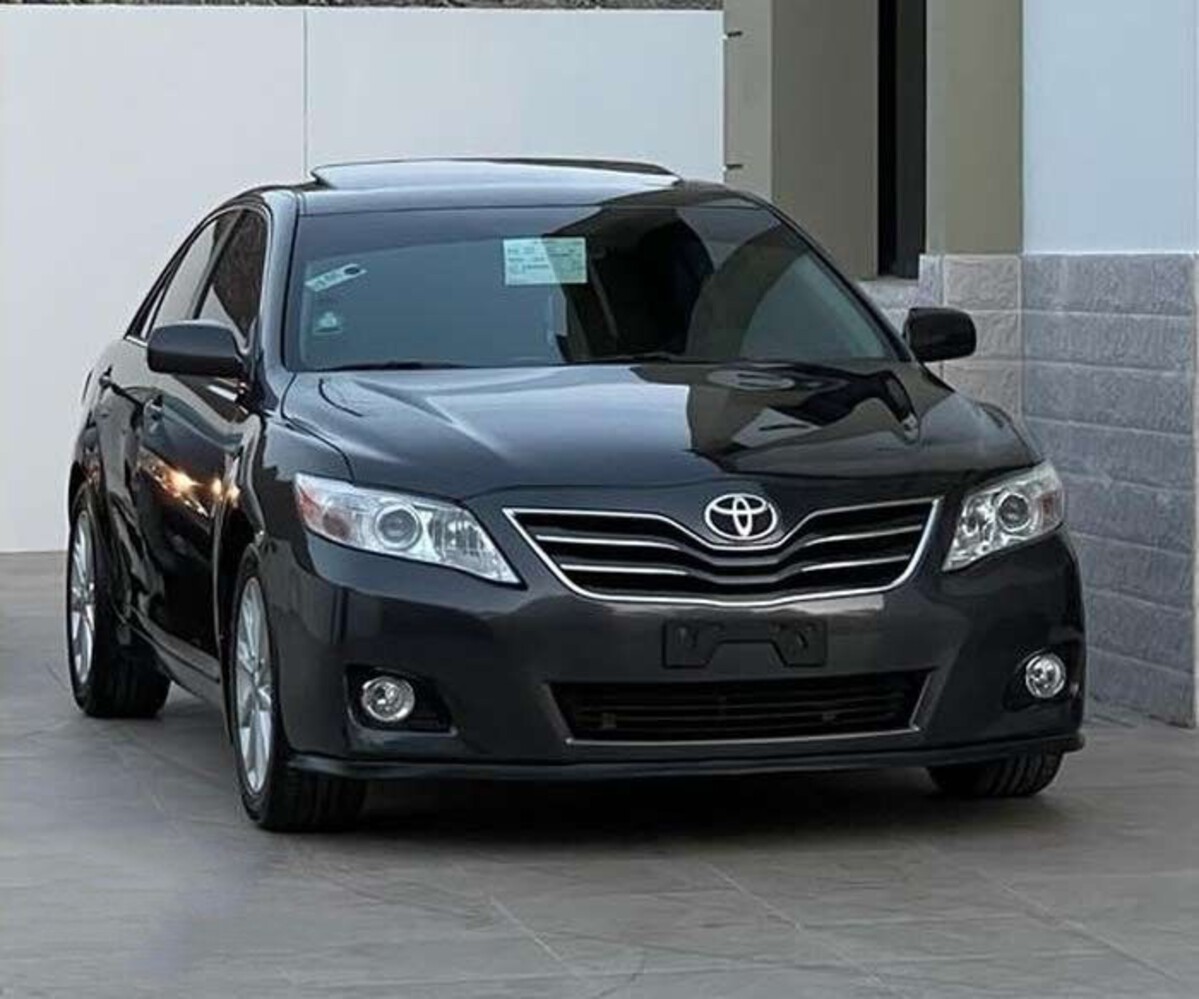
1. Toyota Camry (2007-2017)
The Toyota Camry stands as one of the most inspection-friendly vehicles on the used car market, representing decades of refined engineering focused on reliability and longevity.
This mid-size sedan has consistently demonstrated exceptional performance during safety inspections, largely due to Toyota’s conservative approach to automotive design and their commitment to proven technologies.
The Camry’s inspection success stems from several fundamental design philosophies. Toyota engineers prioritized durability over innovation, resulting in components that may not be cutting-edge but are incredibly robust.
The brake system, one of the most critical inspection points, features well-engineered disc brakes in front and either disc or drum brakes in rear, depending on the trim level.
These systems are designed with generous tolerances and high-quality materials that resist premature wear. The brake lines are typically well-protected from corrosion, and the brake fluid reservoirs are easily accessible for maintenance.
The electrical system in the Camry is particularly noteworthy for its reliability. The alternator, starter, and battery connections are designed to withstand years of use without significant degradation.
The lighting systems, including headlights, taillights, brake lights, and turn signals, utilize standard bulb configurations that rarely fail unexpectedly.
When bulbs do burn out, they’re inexpensive and easily replaceable. The wiring harnesses are well-protected and routed away from heat sources and potential damage points.
Emissions system reliability is another area where the Camry excels. The catalytic converter is designed to last well beyond 100,000 miles under normal driving conditions.
The oxygen sensors, while requiring occasional replacement, are typically robust and provide accurate readings for extended periods. The evaporative emissions system, including the charcoal canister and associated lines, is well-engineered to prevent leaks that could trigger inspection failures.
The suspension system demonstrates Toyota’s commitment to long-term reliability. The MacPherson strut front suspension and independent rear suspension (in later models) use components that wear gradually and predictably.
Ball joints, tie rod ends, and control arm bushings are designed with conservative tolerances that prevent sudden failures. When these components do require replacement, they’re readily available and reasonably priced.
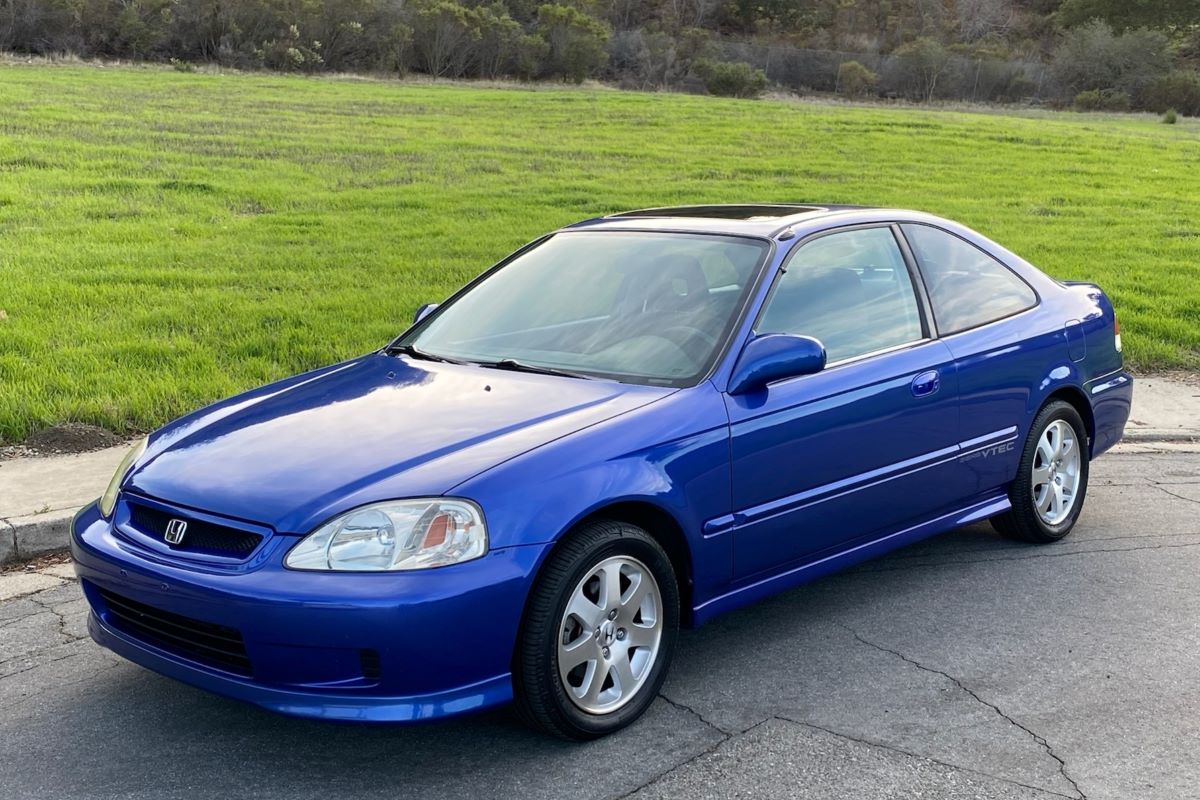
2. Honda Civic (2006-2015)
The Honda Civic represents another pinnacle of inspection reliability, built on Honda’s reputation for engineering excellence and long-term durability.
This compact car has consistently demonstrated its ability to pass safety inspections with minimal issues, making it one of the most trusted choices for used car buyers who prioritize reliability and low maintenance costs.
Honda’s approach to the Civic’s design emphasizes simplicity and robustness in critical safety systems. The braking system exemplifies this philosophy, featuring well-engineered disc brakes on all four wheels in most trim levels.
The brake components are designed with high-quality materials and generous safety margins. The brake master cylinder and brake lines are positioned to minimize corrosion risk, and the brake fluid reservoir is easily accessible for regular maintenance. The anti-lock braking system (ABS), when equipped, uses proven technology that rarely fails unexpectedly.
The Civic’s electrical system is renowned for its reliability and longevity. The alternator produces consistent power output for many years, and the battery connections are designed to resist corrosion.
The starter motor is robust and typically provides reliable service well beyond 150,000 miles. The lighting systems use standard bulb configurations that are inexpensive to replace and rarely fail during critical inspection periods. The wiring harnesses are well-protected and routed to avoid damage from heat, moisture, and road debris.
Emissions compliance is a particular strength of the Civic. Honda engineers designed the emissions system with longevity in mind, using high-quality catalytic converters that maintain their effectiveness for extended periods.
The oxygen sensors provide accurate readings for many years, and when replacement is necessary, they’re reasonably priced and easily accessible. The evaporative emissions system, including the charcoal canister and associated vapor lines, is designed to prevent leaks that could cause inspection failures.
The overall design philosophy of the Civic emphasizes practicality and reliability over cutting-edge technology. This approach has resulted in a vehicle that ages gracefully, maintains its safety systems effectively, and provides owners with confidence that their car will consistently pass inspection requirements with minimal expense and effort.
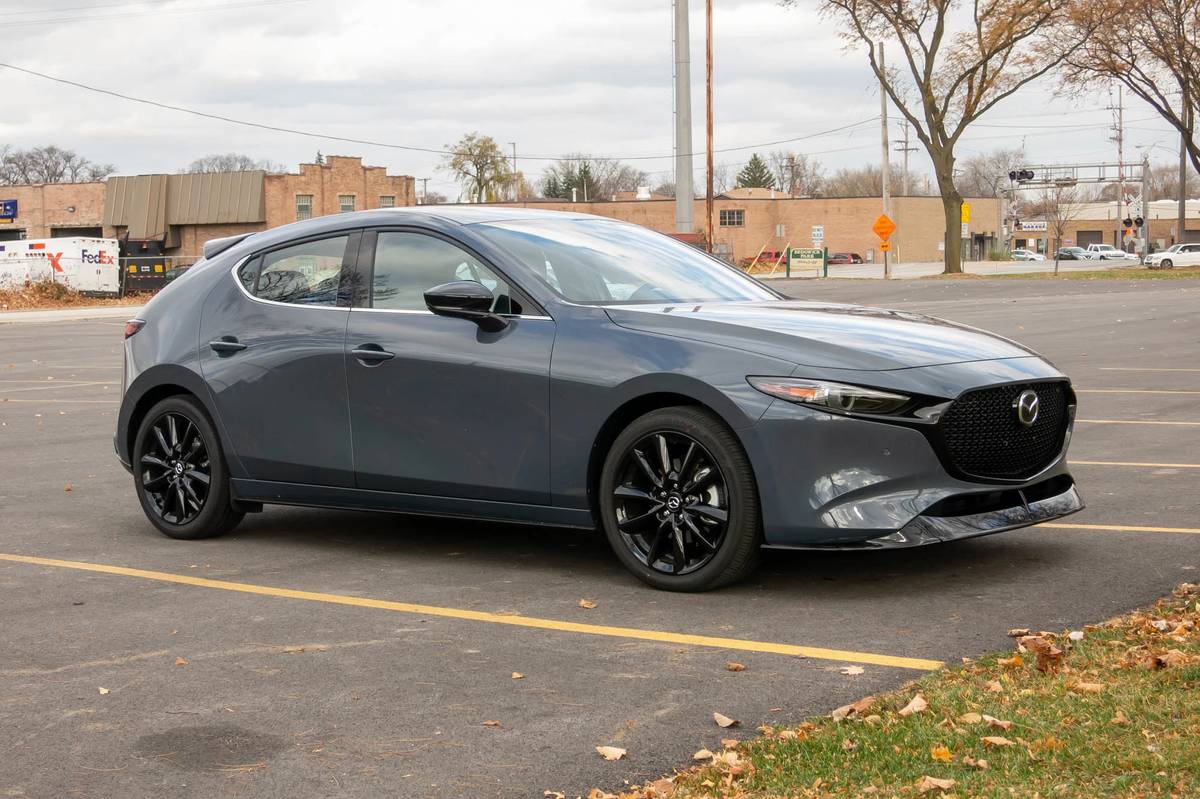
3. Mazda3 (2010-2018)
The Mazda3 represents a unique combination of driving enjoyment and inspection reliability, demonstrating that a car can be both engaging to drive and dependable when it comes to safety inspections. Mazda’s engineering philosophy focuses on creating vehicles that maintain their performance characteristics and safety systems over extended periods, making the Mazda3 an excellent choice for used car buyers who want reliability without sacrificing driving dynamics.
The braking system in the Mazda3 is engineered with both performance and longevity in mind. The disc brakes on all four wheels are designed with high-quality materials and robust construction. The brake components are sized appropriately for the vehicle’s weight and performance characteristics, preventing premature wear and ensuring consistent stopping power.
The brake lines are well-protected from corrosion, and the brake fluid reservoir is easily accessible for regular maintenance. The electronic brake distribution system and anti-lock braking system (ABS) use proven technology that rarely requires attention during the inspection period.
The Mazda3’s design philosophy emphasizes the integration of performance and reliability. This approach has resulted in a vehicle that maintains its driving characteristics while also providing the dependability that inspection success requires.
The careful attention to detail in critical systems ensures that the Mazda3 continues to be a reliable choice for used car buyers who want both driving enjoyment and peace of mind.
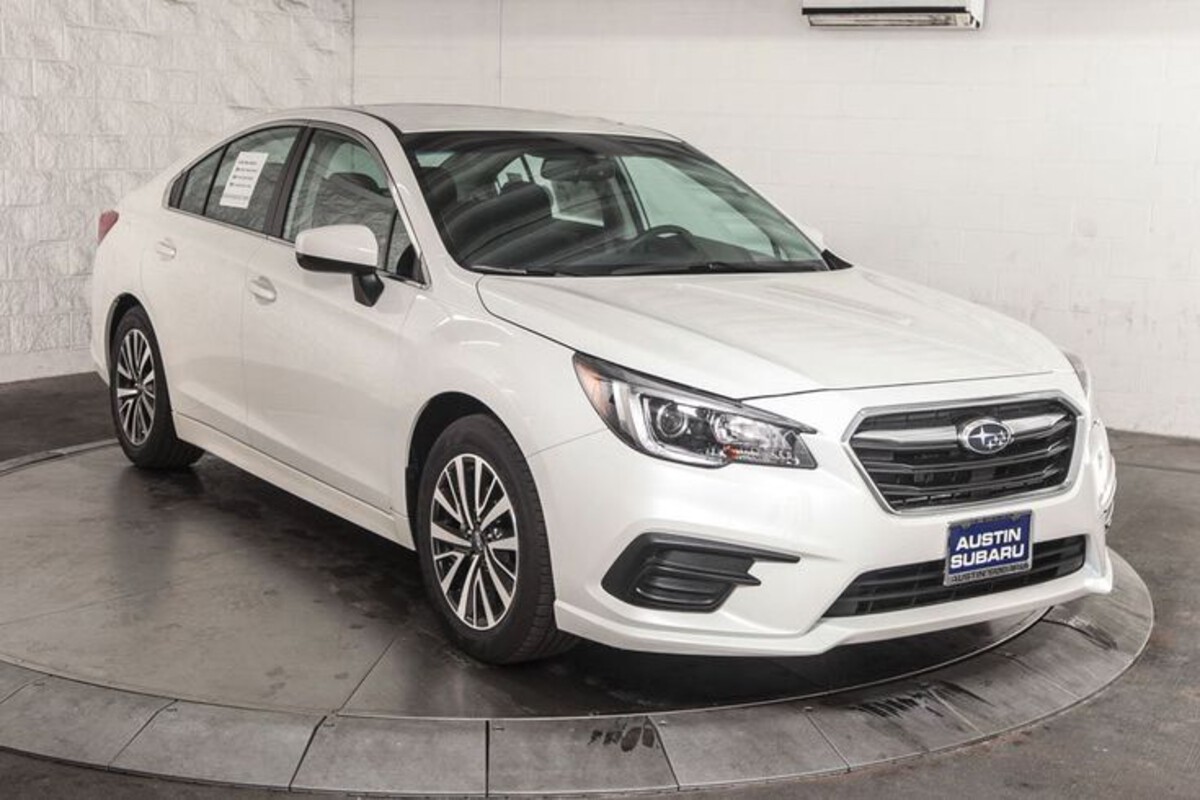
4. Subaru Legacy (2010-2019)
The Subaru Legacy stands out in the used car market as a vehicle that consistently passes inspections while offering all-wheel drive capability and exceptional safety ratings.
Subaru’s commitment to engineering excellence and its focus on creating cars that perform reliably in various conditions has resulted in a sedan that maintains its safety systems and structural integrity over extended periods.
The all-wheel drive system in the Legacy is central to its appeal and inspection reliability. Subaru’s symmetrical all-wheel drive system is designed for longevity and consistent performance.
The system uses a robust center differential and well-engineered transfer components that rarely fail unexpectedly. The differential fluid and related components are designed to operate reliably for extended periods, and maintenance requirements are straightforward and well-documented.
This system contributes to the vehicle’s overall stability and safety, factors that are beneficial during inspection evaluations. The braking system in the Legacy is engineered to handle the additional complexity of all-wheel drive while maintaining reliability.
The disc brakes on all four wheels are designed with high-quality materials and appropriate sizing for the vehicle’s weight and performance characteristics.
The brake components are positioned to minimize corrosion risk, and the brake lines are well-protected throughout their routing. The electronic brake distribution system and anti-lock braking system (ABS) are integrated with the all-wheel drive system to provide consistent performance.
Electrical system reliability is a notable strength of the Legacy. The alternator and charging system are designed to handle the additional electrical demands of the all-wheel drive system and various safety features.
The battery connections are engineered to resist corrosion, and the electrical distribution system uses high-quality components that maintain their integrity over time. The lighting systems utilize standard configurations that are both reliable and economical to maintain, and the wiring harnesses are well-protected from environmental factors.
The Legacy’s design philosophy emphasizes safety, reliability, and all-weather capability. This approach has resulted in a vehicle that maintains its safety systems and performance characteristics while providing the dependability that inspection success requires.
The careful integration of all-wheel drive with traditional safety systems ensures that the Legacy continues to be a reliable choice for used car buyers who want both capability and peace of mind.
Also Read: 5 Long-Distance Cruisers That Never Let You Down and 5 That Leave You Stranded
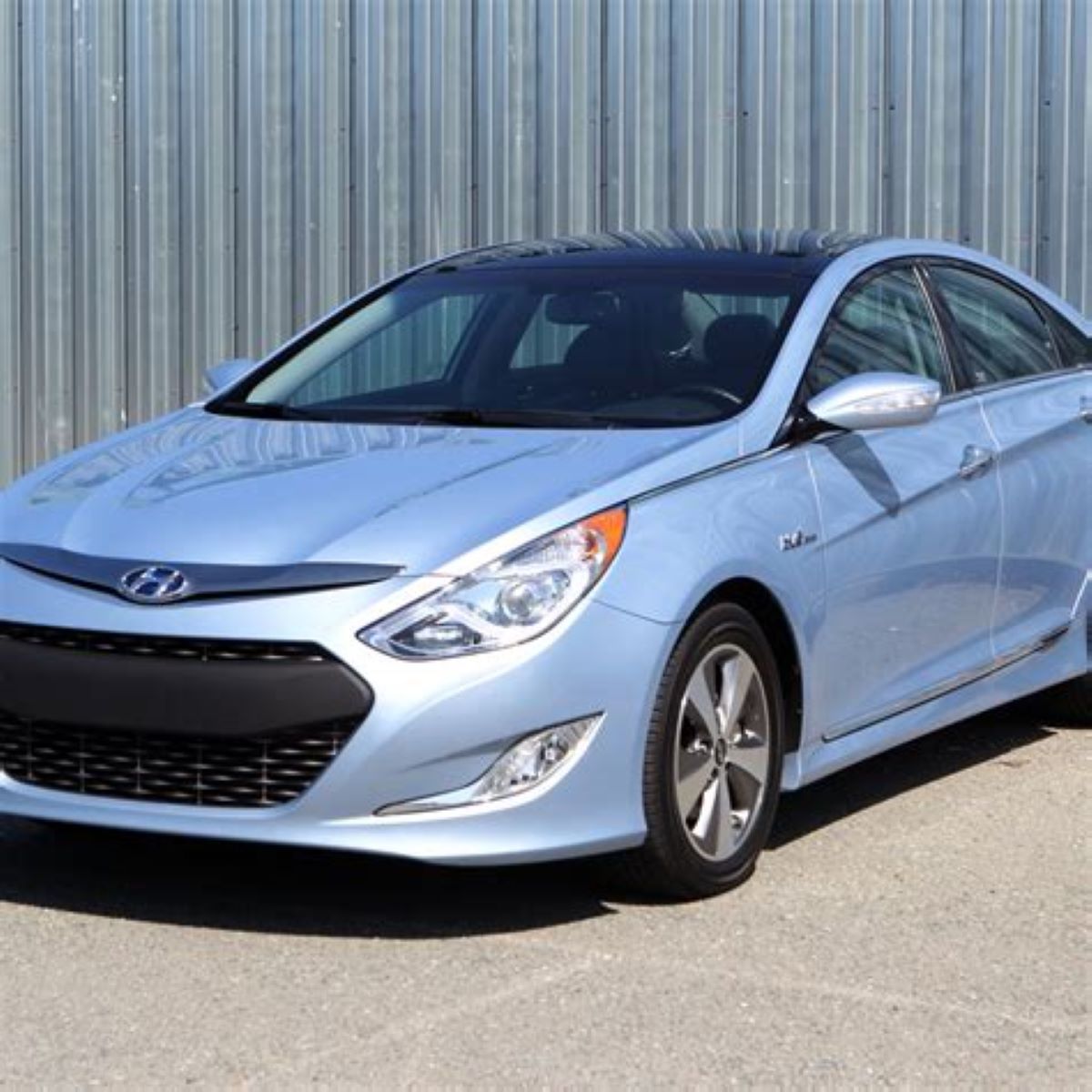
5. Hyundai Sonata (2011-2019)
The Hyundai Sonata represents a remarkable transformation in Korean automotive engineering, demonstrating that newer manufacturers can produce vehicles that consistently pass inspections while offering exceptional value and comprehensive warranty coverage.
Hyundai’s commitment to quality improvement and its focus on creating reliable, well-engineered vehicles has resulted in a mid-size sedan that maintains its safety systems and overall integrity over extended periods.
The Sonata’s inspection success stems from Hyundai’s systematic approach to quality improvement and its adoption of proven technologies. The braking system exemplifies this philosophy, featuring well-engineered disc brakes on all four wheels that are designed with high-quality materials and appropriate sizing for the vehicle’s weight and performance characteristics. The brake components are positioned to minimize corrosion risk, and the brake lines are well-protected throughout their routing.
The electronic brake distribution system and anti-lock braking system (ABS) use proven technology that has been refined through extensive testing and real-world application.
The structural integrity of the Sonata is enhanced by Hyundai’s use of high-strength steel and advanced protective coatings. The body construction resists rust and corrosion, particularly in critical areas that could affect safety.
The exhaust system mounting points are reinforced to prevent failures, and the exhaust components are designed to resist corrosion and maintain proper positioning throughout their service life. This attention to structural detail contributes significantly to the vehicle’s inspection success.
The Sonata’s design philosophy emphasizes value, reliability, and comprehensive coverage. This approach has resulted in a vehicle that maintains its safety systems and performance characteristics while providing the dependability that inspection success requires.
The careful attention to detail in critical systems, combined with Hyundai’s commitment to continuous improvement, ensures that the Sonata continues to be a reliable choice for used car buyers who want both value and peace of mind.
5 Cars That Always Need Something
These problematic vehicles demonstrate recurring inspection failures that require expensive pre-inspection repairs and ongoing maintenance to meet basic safety and emissions standards, creating costly annual obligations that frustrate owners and strain budgets.
Their compromised engineering includes components prone to premature deterioration, creating ongoing compliance nightmares that generate expensive repair bills and potential registration complications.
From brake systems that develop dangerous wear patterns to emission control components that fail repeatedly, these unreliable vehicles generate extensive pre-inspection documentation and costly annual maintenance requirements.
Owners frequently report failed inspections and expensive repair estimates with these maintenance-intensive machines a reflection of design compromises and inadequate corrosion protection that prioritize manufacturing cost reduction over long-term regulatory compliance and component durability.
1. Range Rover Evoque (2012-2019)
The Range Rover Evoque represents the luxury SUV market’s pursuit of style and sophistication, but this emphasis on aesthetics and advanced features often comes at the expense of inspection reliability.
While the Evoque offers undeniable visual appeal and premium interior appointments, its complex systems and design choices frequently result in inspection challenges that can be both costly and frustrating for owners.
The Evoque’s suspension system, while providing excellent ride quality and handling, is notorious for developing issues that commonly trigger inspection failures. The sophisticated multi-link suspension design incorporates numerous components that are prone to premature wear, particularly the lower control arm bushings and ball joints.
These components often fail well before their expected service life, creating play in the suspension that can cause tire wear patterns and handling issues that inspectors will identify.
The air suspension system, available on higher trim levels, adds another layer of complexity with air springs and electronic controls that frequently malfunction, leading to uneven ride height and suspension geometry problems.
The braking system in the Evoque, while capable of impressive stopping performance, presents several inspection challenges. The brake components are often undersized for the vehicle’s weight and performance characteristics, leading to premature wear of brake pads and rotors.

The brake lines and hoses are routed through areas where they’re exposed to road debris and salt, accelerating corrosion and potential failure. The electronic brake distribution system and stability control systems use complex sensors and modules that are prone to failure, triggering warning lights that will cause automatic inspection failure.
Electrical system reliability is perhaps the Evoque’s most significant weakness when it comes to inspection success. The vehicle’s numerous electronic systems, including the infotainment system, climate control, and various driver assistance features, are interconnected in ways that can cause cascading failures.
The alternator and charging system are stressed by the high electrical demands of these systems, leading to premature failure. The battery connections and electrical distribution components are often inadequately protected from moisture and corrosion, causing intermittent electrical problems that can affect critical safety systems.
The overall design philosophy of the Evoque prioritizes luxury and style over simplicity and reliability. While this approach creates an appealing vehicle for those who value aesthetics and premium features, it often results in ongoing maintenance challenges and inspection issues that can be both costly and frustrating for owners.
The complexity of the vehicle’s systems and the integration of numerous electronic components create multiple potential failure points that commonly manifest during inspection periods.
2. BMW 3 Series (2012-2018)
The BMW 3 Series represents the luxury performance sedan market’s pursuit of driving dynamics and technological sophistication. Still, this emphasis on performance and advanced features often creates inspection challenges that can be both expensive and complex to resolve.
While the 3 Series offers an exceptional driving experience and premium features, its complex systems and design choices frequently result in inspection issues that require specialized knowledge and expensive parts to address.
The engine design in the 3 Series, particularly the turbocharged four-cylinder and six-cylinder variants, presents several reliability challenges that commonly manifest during inspection periods.
The turbocharger systems are highly stressed and prone to failure, particularly the turbocharger itself, the intercooler, and the associated oil and coolant lines.
These failures often trigger check engine lights and can cause performance issues that will result in inspection failure. The direct injection system, while providing excellent performance and fuel economy, is prone to carbon buildup on intake valves, which can cause rough idling and emissions issues that will be detected during inspection.

The cooling system in the 3 Series is particularly problematic and frequently causes inspection failures. The system uses plastic components that are prone to failure, including the radiator, water pump housing, and various coolant hoses.
These components often fail prematurely, leading to coolant leaks and overheating issues that can cause serious engine damage. The electric cooling fans are prone to failure, and the complex coolant routing system includes numerous potential leak points that can cause coolant loss and overheating problems.
The overall design philosophy of the 3 Series prioritizes performance and luxury over simplicity and reliability. While this approach creates an appealing vehicle for those who value driving dynamics and premium features, it often results in ongoing maintenance challenges and inspection issues that can be both costly and complex to resolve.
The integration of numerous electronic systems and performance oriented components creates multiple potential failure points that commonly manifest during inspection periods.
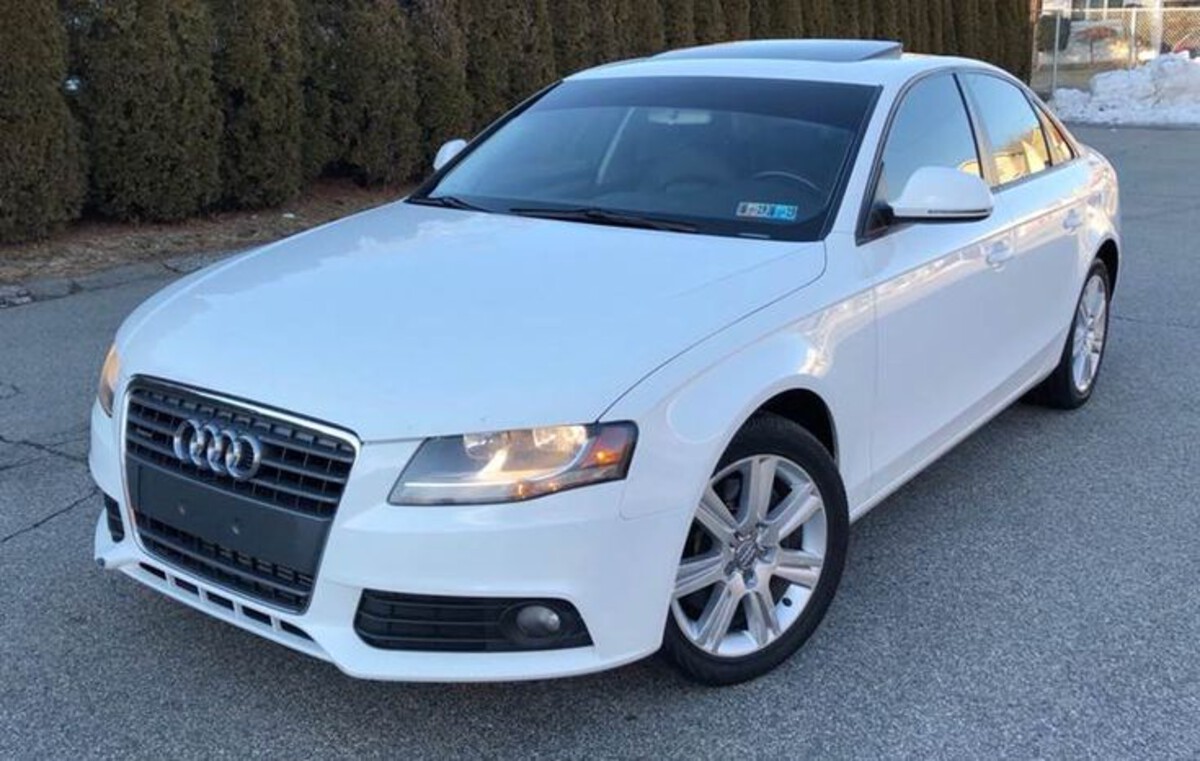
3. Audi A4 (2009-2016)
The Audi A4 represents German engineering’s pursuit of luxury, performance, and technological sophistication, but this emphasis on advanced features and complex systems often creates inspection challenges that can be both expensive and difficult to diagnose.
While the A4 offers exceptional build quality and premium features, its intricate systems and design choices frequently result in inspection issues that require specialized knowledge and costly repairs to address.
The engine design in the A4, particularly the turbocharged four-cylinder variants, presents several reliability challenges that commonly manifest during inspection periods.
The turbocharger systems are complex and prone to failure, particularly the turbocharger itself, the diverter valve, and the associated oil and coolant lines.
These failures often trigger check engine lights and can cause performance issues that will result in inspection failure. The direct injection system, while providing excellent performance and fuel economy, is prone to carbon buildup on intake valves, which can cause rough idling and emissions issues that will be detected during inspection.
The timing chain system in many A4 engines is particularly problematic and can cause catastrophic engine damage if not properly maintained. The timing chain tensioners are prone to failure, leading to chain stretch and potential engine damage.
This issue often manifests as rattling noises during startup and can eventually cause the timing chain to jump, resulting in severe engine damage and inspection failure. The complex variable valve timing system includes numerous components that can fail and cause performance issues and check engine lights.
Electrical system complexity in the A4 creates numerous potential failure points that commonly cause inspection issues. The vehicle’s sophisticated electronic systems, including the MMI infotainment system, advanced driver assistance features, and climate control systems, are interconnected in ways that can cause cascading failures.
The alternator and charging system are stressed by the high electrical demands of these systems, leading to premature failure. The battery is often located in an inconvenient location and requires specific procedures for replacement and registration with the vehicle’s computer systems.
The overall design philosophy of the A4 prioritizes luxury, performance, and technological sophistication over simplicity and reliability. While this approach creates an appealing vehicle for those who value premium features and driving dynamics, it often results in ongoing maintenance challenges and inspection issues that can be both costly and complex to resolve.
The integration of numerous electronic systems and performance-oriented components creates multiple potential failure points that commonly manifest during inspection periods.
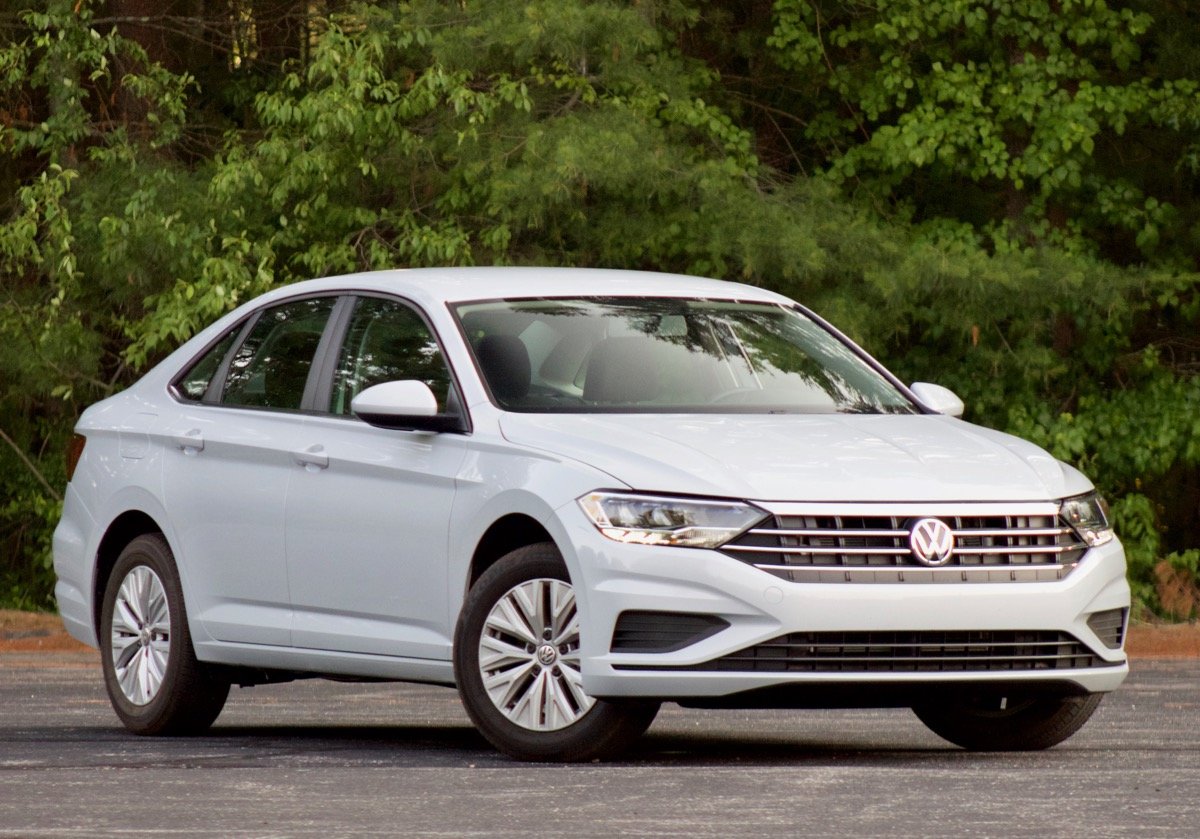
4. Volkswagen Jetta (2011-2018)
The Volkswagen Jetta represents the German manufacturer’s attempt to balance European engineering with American market demands, but this compromise often results in inspection challenges that stem from complex systems and design choices that prioritize features over long-term reliability.
While the Jetta offers solid build quality and attractive features, its intricate systems and maintenance requirements frequently create inspection issues that can be both frustrating and expensive for owners.
The engine design in the Jetta, particularly the turbocharged four-cylinder variants, presents several reliability challenges that commonly manifest during inspection periods.
The turbocharger systems are complex and prone to failure, particularly the turbocharger itself, the wastegate actuator, and the associated oil and coolant lines.
These failures often trigger check engine lights and can cause performance issues that will result in inspection failure. The direct injection system, while providing good performance and fuel economy, is prone to carbon buildup on intake valves, which can cause rough idling and emissions issues that will be detected during inspection.
The timing chain system in many Jetta engines is particularly problematic and has been the subject of numerous technical service bulletins and recalls. The timing chain tensioners are prone to failure, leading to chain stretch and potential engine damage.
This issue often manifests as rattling noises during startup and can eventually cause the timing chain to jump, resulting in severe engine damage and inspection failure. The variable valve timing system includes numerous components that can fail and cause performance issues and check engine lights.
Parts availability and service costs for the Jetta present ongoing challenges for owners. Genuine Volkswagen parts can be expensive and often must be ordered from dealers, creating delays and high costs when repairs are needed.
The complex systems often require specialized diagnostic equipment and training, making independent service difficult. This combination of factors makes it challenging for owners to maintain their vehicles properly, contributing to ongoing inspection issues.
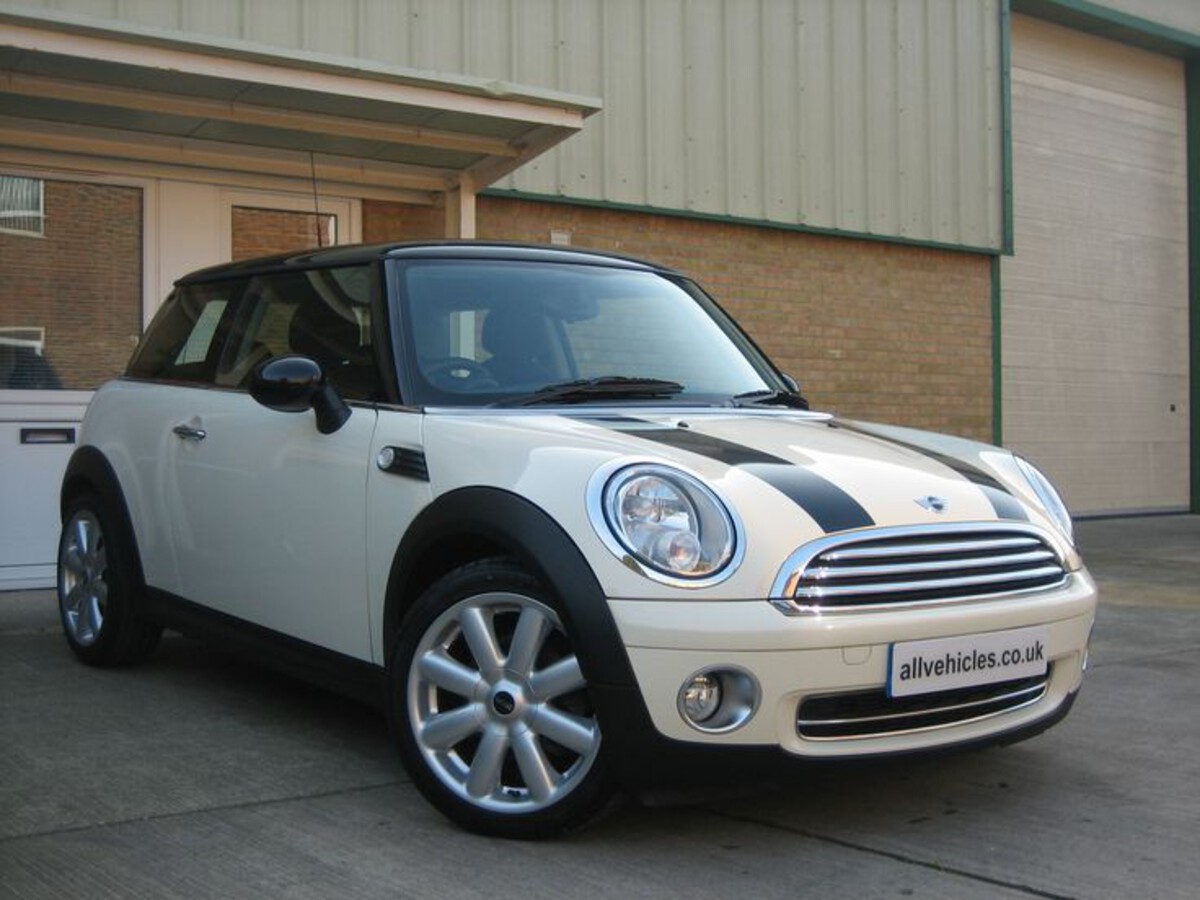
5. Mini Cooper (2007-2016)
The Mini Cooper represents BMW’s interpretation of the classic British small car, but this modern interpretation often creates inspection challenges that stem from the complexity of fitting advanced systems into a compact package and the inherent reliability issues associated with the vehicle’s design philosophy.
While the Mini Cooper offers unique styling and engaging driving dynamics, its complex systems and maintenance requirements frequently create inspection issues that can be both expensive and difficult to resolve.
The engine design in the Mini Cooper, particularly the turbocharged four-cylinder variants, presents several reliability challenges that commonly manifest during inspection periods.
The turbocharger systems are highly stressed due to the vehicle’s small size and performance expectations, leading to frequent failures of the turbocharger itself, the wastegate actuator, and the associated oil and coolant lines.
These failures often trigger check engine lights and can cause performance issues that will result in inspection failure. The direct injection system is prone to carbon buildup on intake valves, which can cause rough idling and emissions issues.
The timing chain system in many Mini Cooper engines is particularly problematic and has been the subject of numerous technical service bulletins and class-action lawsuits.
The timing chain tensioners are prone to failure, leading to chain stretch and potential catastrophic engine damage. This issue often manifests as rattling noises during startup and can eventually cause timing chain to jump, resulting in severe engine damage and inspection failure. The variable valve timing system includes numerous components that can fail and cause performance issues and check engine lights.
Cooling system issues in the Mini Cooper are extremely common and frequently cause inspection failures. The system uses plastic components that are prone to failure, including the thermostat housing, water pump housing, and various coolant hoses.
These components often fail prematurely due to the high heat generated by the turbocharged engine in the compact engine bay. The electric cooling fans are prone to failure, and the complex coolant routing system includes numerous potential leak points that can cause coolant loss and overheating problems.
Electrical system complexity in the Mini Cooper creates numerous potential failure points that commonly cause inspection issues. The vehicle’s electronic systems are compressed into a small space, leading to heat-related failures and wire harness problems.
The alternator and charging system are stressed by the electrical demands of the vehicle’s systems, leading to premature failure. The battery is often located in an inconvenient location and requires specific procedures for replacement and registration with the vehicle’s computer systems.
The power steering system in the Mini Cooper is notorious for developing issues that can cause inspection failures. The electric power steering system is prone to failure, causing heavy steering and potential safety issues.
The power steering pump, in models with hydraulic systems, is prone to failure and can cause fluid leaks that will be identified during inspection. The steering rack and associated components are prone to wear and can develop play that will cause inspection concerns.
The overall design philosophy of the Mini Cooper prioritizes style and performance over reliability and ease of maintenance. While this approach creates an appealing vehicle for those who value unique styling and driving dynamics, it often results in ongoing maintenance challenges and inspection issues that can be both costly and complex to resolve.
The compression of numerous systems into a compact package creates multiple potential failure points that commonly manifest during inspection periods, making the Mini Cooper a challenging vehicle for owners who prioritize inspection reliability.
Also Read: 5 Crossovers With Legendary Crash-Test Survivability and 5 That Fail in Crashes
