
When purchasing a car, the warranty question looms large in every buyer’s mind. Should you shell out extra cash for extended coverage, or can you confidently drive off the lot with just the basic manufacturer warranty? The answer depends entirely on which car you’re buying.
Some vehicles have earned legendary reputations for reliability, backed by decades of real-world data showing they’ll run trouble-free for hundreds of thousands of miles.
Others, despite flashy marketing and impressive features, have track records so concerning that buying one without comprehensive warranty coverage would be financial suicide.
This divide isn’t just about brand prestige or price point. It’s about fundamental engineering philosophy, manufacturing quality, and long-term durability testing.
Some manufacturers have built their entire reputation on creating vehicles that simply don’t break down, using time-tested components and conservative engineering approaches. Others prioritize cutting-edge technology, luxury features, and performance, sometimes at the expense of long-term reliability.
The automotive landscape has evolved dramatically in recent years, with traditional reliability champions like Toyota and Honda maintaining their positions while some luxury brands have surprisingly improved their dependability ratings.
Meanwhile, certain manufacturers continue to struggle with consistent quality, electronic gremlins, and expensive repair bills that can devastate owners who thought they were getting a good deal.
Understanding which cars fall into each category isn’t just about peace of mind it’s about making a smart financial decision that could save or cost you thousands of dollars over your ownership experience.
5 Cars You Can Buy Without a Warranty and Sleep Well
These exceptionally reliable vehicles feature robust construction and precision-manufactured components that maintain optimal performance through years of operation without developing the costly failures that plague lesser automobiles.
Their thoughtful engineering includes proven powertrains and durable electrical systems that resist the stress concentrations typically created by normal use, environmental exposure, and aging processes.
From time-tested engine designs that avoid complex failure modes to straightforward mechanical systems that mechanics can easily service, these remarkable vehicles continue operating like new without developing expensive breakdowns.
Owners report decades of trouble-free operation with these dependable machines, an often-overlooked quality feature that proves its worth through consistent reliability and maintained peace of mind throughout ownership.
1. Toyota Camry
The Toyota Camry stands as the gold standard for midsize sedan reliability, a reputation earned through decades of consistent performance and minimal problems. This isn’t just automotive folklore it’s backed by hard data from Consumer Reports, J.D. Power, and countless owner testimonials spanning multiple generations of the vehicle.
The Camry’s reliability stems from Toyota’s conservative engineering approach, where new technologies are thoroughly tested before implementation and proven components are refined rather than completely redesigned.
What makes the Camry particularly trustworthy is its predictable maintenance schedule and widely available, affordable parts. The 2.5-liter four-cylinder engine found in most Camrys has been refined over many years, with known service intervals and few common failure points.
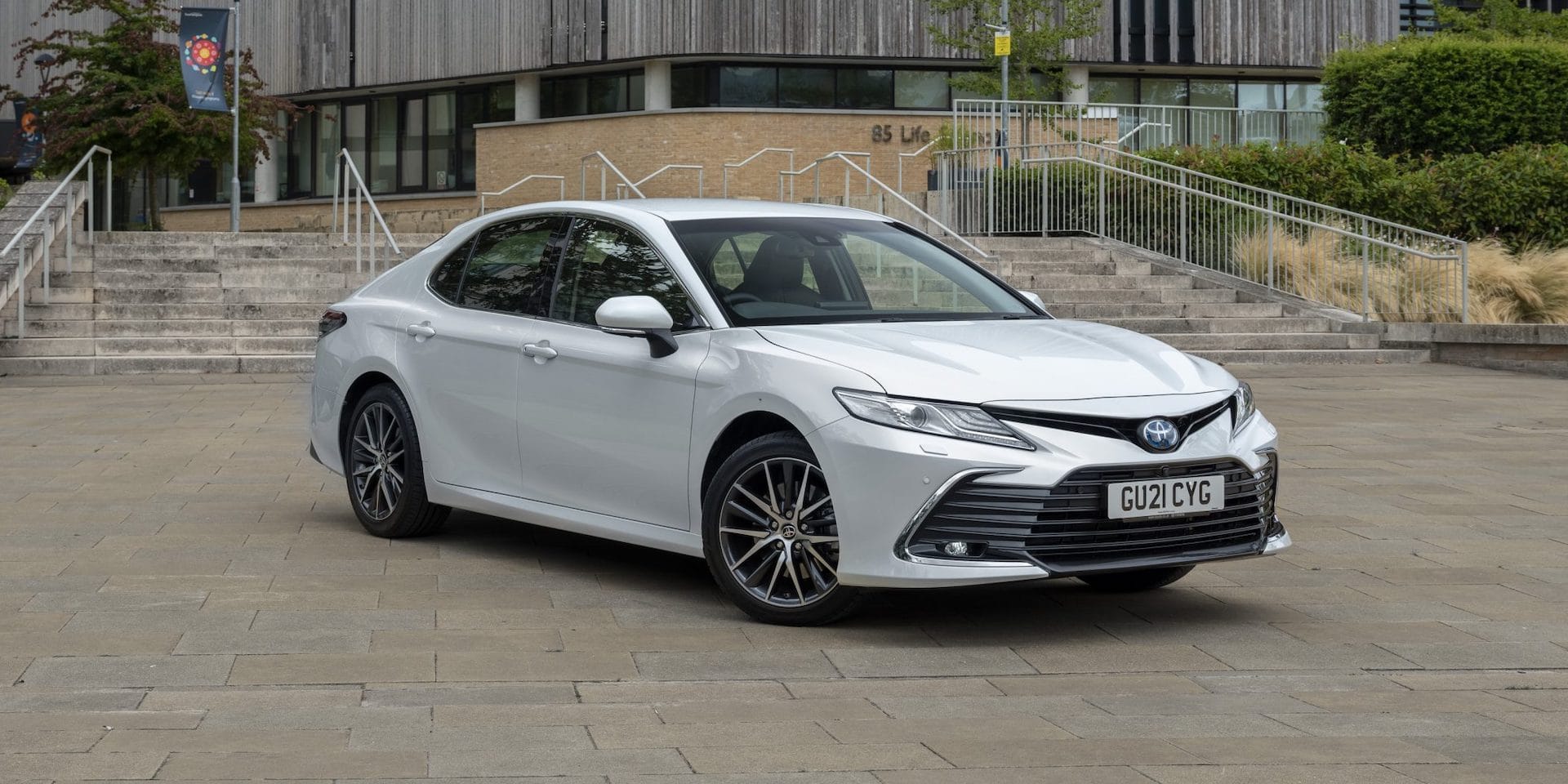
Even when issues do arise, they’re typically minor and inexpensive to fix. The transmission, often the most expensive component to replace in any vehicle, has proven exceptionally durable in the Camry, with many owners reporting trouble-free operation well beyond 200,000 miles.
The electrical systems in the Camry are refreshingly straightforward, avoiding the complex networks that plague many modern vehicles. This simplicity translates to fewer potential failure points and easier diagnosis when problems do occur.
Toyota’s reputation for supporting its vehicles long-term means parts availability remains strong even for older models, and the large aftermarket ensures competitive pricing for both parts and service. Recent generations of the Camry have maintained this reliability tradition while adding modern safety features and improved fuel efficiency.
The 2022-2025 models continue to earn high marks from reliability surveys, proving that Toyota hasn’t sacrificed dependability in pursuit of contemporary styling and technology. For buyers who prioritize long-term ownership with minimal surprises, the Camry represents one of the safest bets in the automotive market.
2. Honda Accord
The Honda Accord shares the Camry’s reputation for exceptional reliability, but with a slightly different engineering philosophy that emphasizes driving dynamics alongside dependability.
Honda’s approach to reliability centers on building robust engines and transmissions that can handle both daily commuting and spirited driving without premature wear.
The Accord’s naturally aspirated engines, particularly the 1.5-liter turbocharged four-cylinder in recent models, have proven remarkably durable when properly maintained. What sets the Accord apart is Honda’s meticulous attention to build quality and its conservative approach to new technology integration.
Unlike manufacturers who rush to implement every new feature, Honda carefully vets new systems and often waits for second-generation improvements before adoption. This measured approach has resulted in fewer early-adopter problems and more reliable long-term performance.
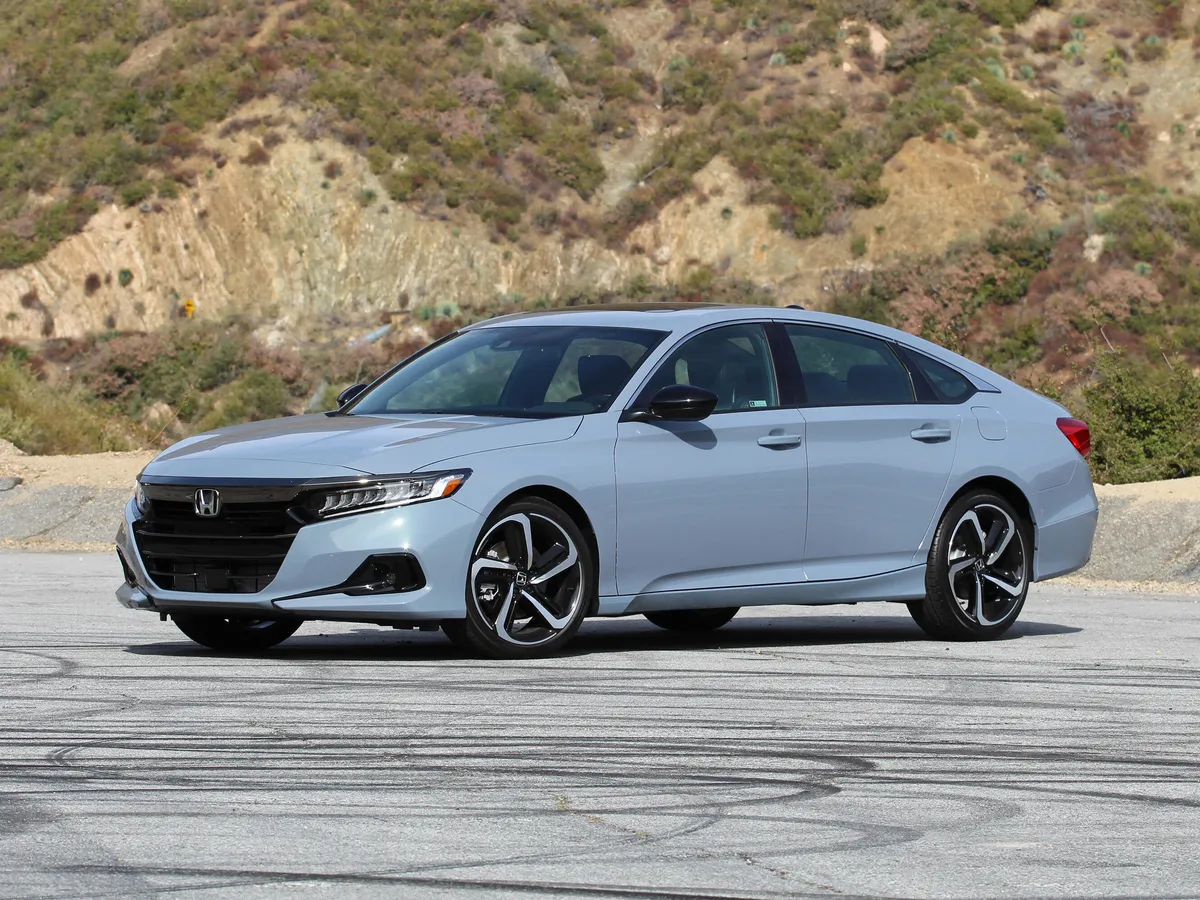
The Accord’s maintenance costs remain reasonable throughout its lifecycle, with Honda’s extensive dealer network and strong aftermarket support ensuring competitive pricing for both routine service and unexpected repairs.
The vehicle’s design prioritizes accessibility for common maintenance tasks, reducing labor costs and making it easier for owners to perform basic upkeep themselves.
Honda’s reputation for transmission reliability, once questioned in certain models from the early 2000s, has been fully restored in recent Accord generations. The continuously variable transmission (CVT) and traditional automatic options have both proven durable, with many owners reporting smooth operation well into high-mileage territory.
The Accord’s electrical systems strike an excellent balance between modern convenience and reliability, offering advanced features without the complexity that leads to expensive failures.
For buyers who want a reliable sedan with engaging driving characteristics, the Accord represents an excellent choice for warranty-free ownership. Its combination of proven powertrains, solid build quality, and reasonable maintenance costs makes it one of the most sensible long-term ownership propositions in the midsize sedan segment.
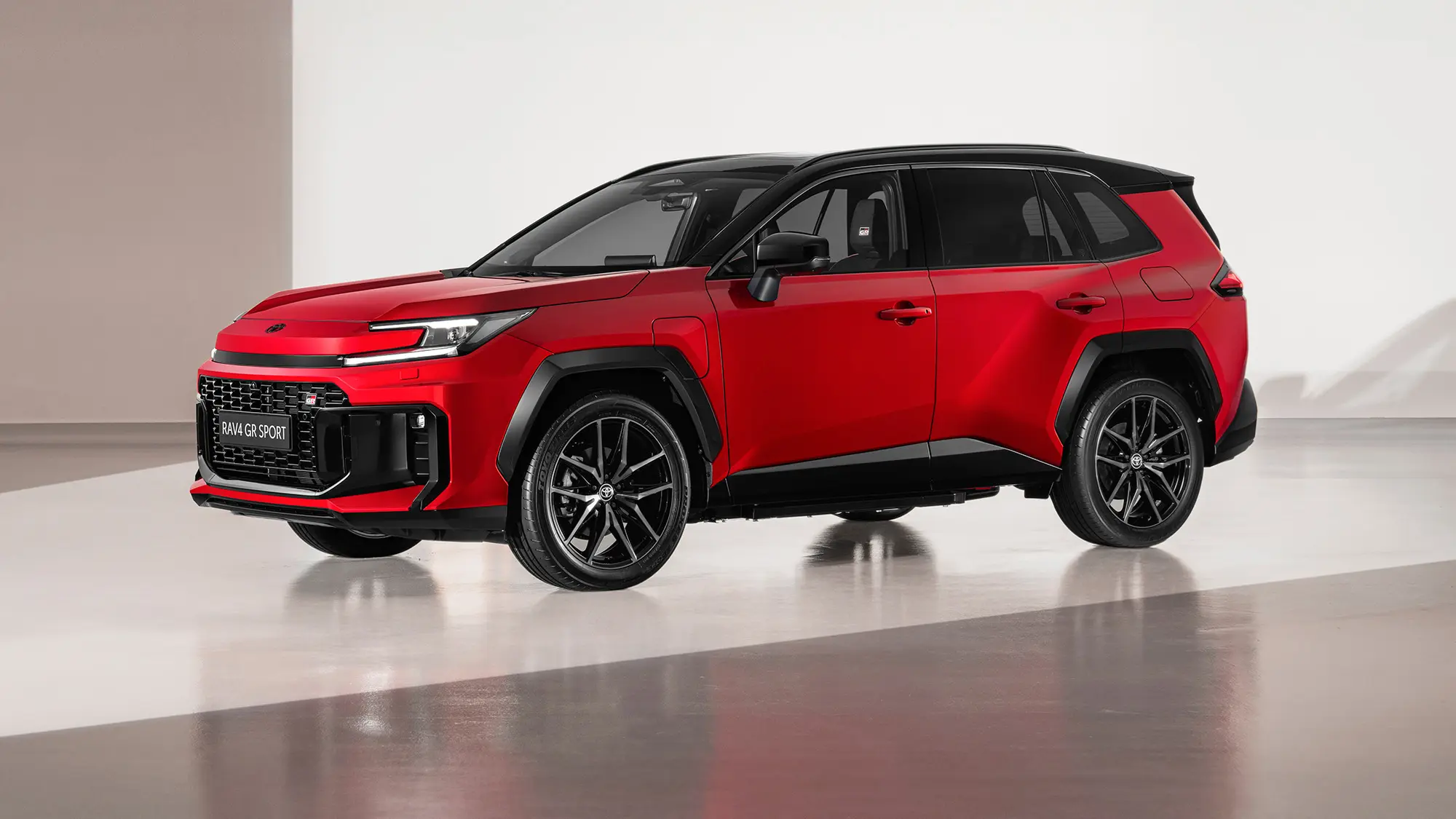
3. Toyota RAV4
The Toyota RAV4 has redefined what buyers can expect from a compact SUV in terms of reliability and longevity. As one of the pioneers of the crossover segment, the RAV4 has benefited from decades of refinement and real-world testing, resulting in a vehicle that consistently ranks among the most dependable SUVs available.
Toyota’s approach to SUV engineering emphasizes proven powertrains and robust construction over cutting-edge technology, creating a vehicle that prioritizes function over form.
The RAV4’s reliability advantages begin with its powertrain choices. The standard 2.5-liter four-cylinder engine represents mature technology that has been thoroughly debugged through multiple applications across Toyota’s lineup.
This engine delivers adequate power while maintaining excellent fuel efficiency and requiring only routine maintenance to deliver years of trouble-free service. The available hybrid system, while more complex, benefits from Toyota’s decades of hybrid experience and has proven exceptionally reliable in real-world applications.

What makes the RAV4 particularly attractive for warranty-free ownership is its straightforward design and construction. The vehicle avoids overly complex systems that can fail expensively, instead focusing on robust mechanical components that can be serviced by any competent technician.
The all-wheel-drive system, when equipped, uses proven technology that rarely requires attention beyond routine maintenance. The RAV4’s electrical systems are designed for simplicity and reliability, with most functions controlled by straightforward switches and controls rather than complex touch screens or electronic interfaces.
This approach reduces the likelihood of expensive electronic failures that plague many modern vehicles. When problems do occur, they’re typically minor and can be diagnosed and repaired without specialized equipment or extensive labor.
Recent model years have maintained the RAV4’s reputation for reliability while adding modern safety features and improving interior quality.
The 2022-2025 model years continue to earn high marks from reliability surveys, confirming that Toyota hasn’t sacrificed dependability in pursuit of contemporary styling and features. For buyers who need SUV utility without the anxiety of potential expensive repairs, the RAV4 represents one of the most secure choices available.
4. Mazda CX-5
The Mazda CX-5 has emerged as a surprising reliability champion in the competitive compact SUV segment, combining engaging driving dynamics with exceptional long-term dependability.
Mazda’s engineering philosophy emphasizes simplicity and refinement over complexity, resulting in vehicles that deliver consistent performance with minimal maintenance requirements.
The CX-5 benefits from Mazda’s focus on naturally aspirated engines and traditional automatic transmissions, avoiding the potential complications of forced induction and complex transmission technologies.
The CX-5’s reliability stems from Mazda’s commitment to thorough testing and conservative engineering practices. The standard 2.5-liter four-cylinder engine represents mature technology that has been refined through multiple generations, with known service intervals and few common failure points.
This engine delivers adequate power for most driving situations while maintaining excellent fuel efficiency and requiring only routine maintenance to provide years of dependable service.
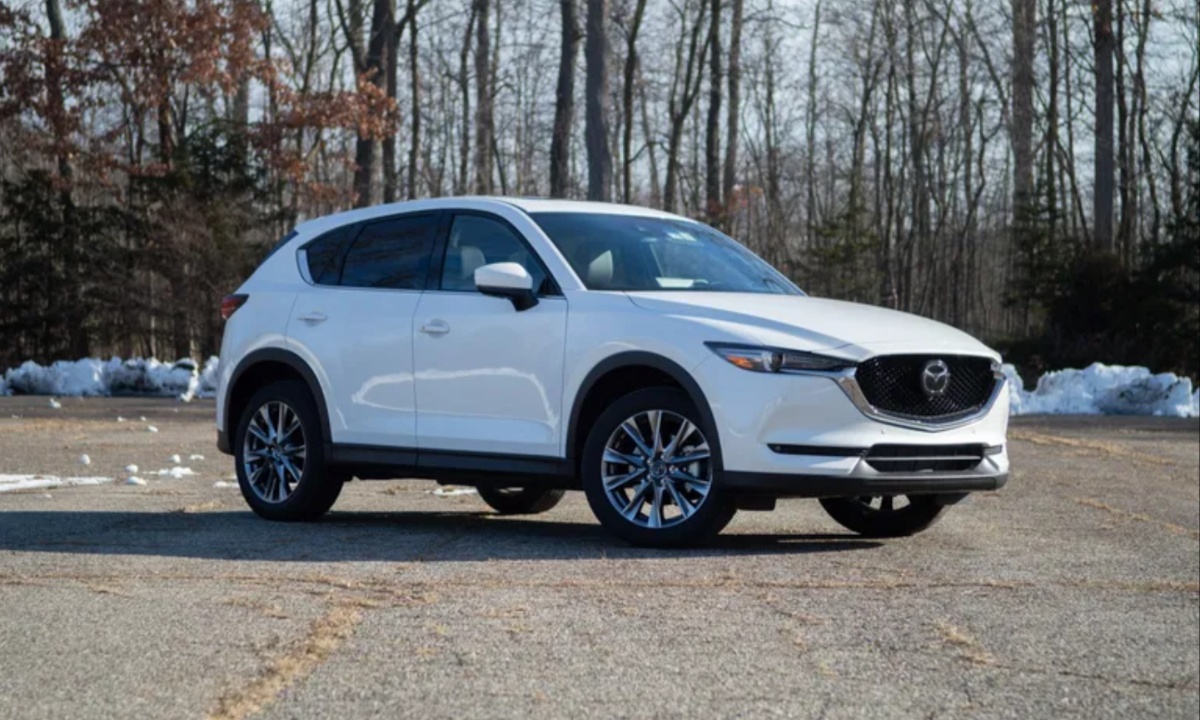
What distinguishes the CX-5 from many competitors is its attention to build quality and materials. Mazda has invested heavily in manufacturing processes and quality control, resulting in vehicles that feel solid and well-constructed from the factory.
This attention to detail extends to the electrical systems, which are designed for reliability and ease of service rather than maximum feature content.
The CX-5’s maintenance costs remain reasonable throughout its lifecycle, with Mazda’s growing dealer network and strong aftermarket support ensuring competitive pricing for both routine service and unexpected repairs.
The vehicle’s design prioritizes accessibility for common maintenance tasks, reducing labor costs and making it easier for owners to maintain their vehicles properly.
Recent generations of the CX-5 have maintained this reliability tradition while adding modern safety features and premium interior materials. The 2022-2025 models continue to earn high marks from reliability surveys, proving that Mazda hasn’t sacrificed dependability in pursuit of upscale positioning.
For buyers who want a reliable compact SUV with engaging driving characteristics and a premium feel, the CX-5 represents an excellent choice for warranty-free ownership.
Also Read: 5 Crossovers With Legendary Crash-Test Survivability and 5 That Fail in Crashes
5. Lexus ES
The Lexus ES represents the pinnacle of luxury sedan reliability, combining Toyota’s legendary dependability with premium materials and refined engineering.
As Toyota’s luxury division, Lexus has built its reputation on providing vehicles that deliver exceptional comfort and features without sacrificing the reliability that Toyota is known for. The ES benefits from this philosophy, using proven powertrains and conservative engineering approaches while delivering a premium ownership experience.
The ES’s reliability advantages begin with its powertrain, which uses Toyota’s proven 2.5-liter four-cylinder engine or available V6, both of which have extensive service histories and known maintenance requirements.
These engines deliver smooth, refined performance while maintaining excellent fuel efficiency and requiring only routine maintenance to provide years of trouble-free service. The available hybrid system benefits from Toyota’s decades of hybrid experience and has proven exceptionally reliable in real-world applications.
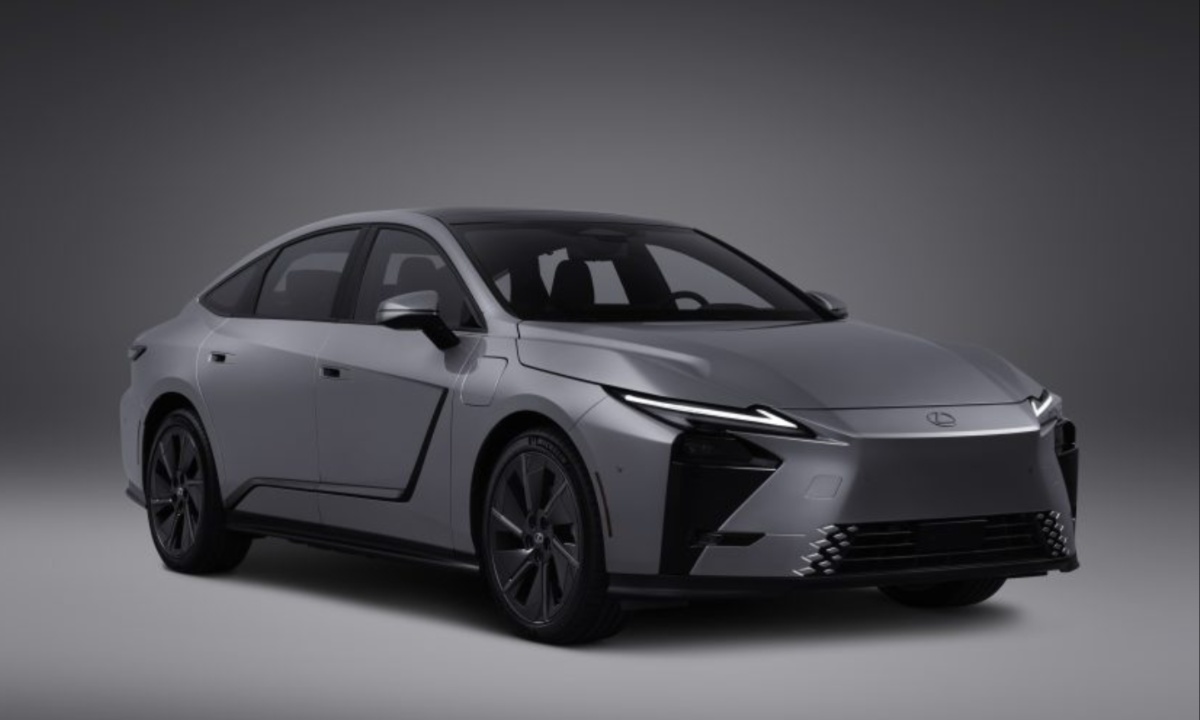
What makes the ES particularly attractive for warranty-free ownership is its emphasis on quality materials and construction. Lexus invests heavily in manufacturing processes and quality control, resulting in vehicles that feel solid and well-constructed throughout their lifecycle.
The interior materials are selected for durability as well as luxury, ensuring that the cabin remains attractive and functional even after years of use.
The ES’s electrical systems are designed for reliability and longevity, with most functions controlled by proven technologies rather than cutting-edge systems that might fail expensively.
When advanced features are included, they’re typically well-tested technologies that have been proven in other applications. This approach reduces the likelihood of expensive electronic failures while still providing modern convenience features.
Lexus’s dealer network provides exceptional service support, with technicians trained specifically on Lexus vehicles and access to genuine parts and specialized equipment.
This level of support ensures that even complex repairs can be performed correctly, maintaining the vehicle’s reliability and performance throughout its lifecycle. For buyers who want luxury features with Toyota-level reliability, the ES represents one of the most secure choices in the premium sedan segment.
5 Cars You’d Be Insane To Buy Without a Warranty
These problematic vehicles demonstrate recurring catastrophic failures that cause expensive breakdowns and devastating repair bills during normal operation, creating financial nightmares for unprotected owners.
Their compromised engineering includes complex systems prone to expensive failure, creating ongoing reliability disasters that generate crushing repair costs.
From sophisticated electronics that require dealer programming to proprietary components that cost thousands to replace, these unreliable vehicles generate extensive breakdown documentation and bankruptcy-inducing repair scenarios.
Owners frequently report financial ruin with these maintenance-intensive machines, a reflection of design complexity that prioritizes cutting-edge features over long-term reliability and affordable ownership throughout the vehicle’s service life.
1. BMW X3
The BMW X3 exemplifies the luxury SUV dilemma: exceptional performance and features wrapped in a package that can deliver expensive surprises when the warranty expires.
While BMW has made significant improvements to its reliability in recent years, the X3 remains a vehicle that demands comprehensive warranty coverage due to its complex systems and expensive repair costs. The vehicle’s sophisticated engineering, while impressive, creates multiple potential failure points that can result in substantial repair bills.
The X3’s reliability challenges begin with its turbocharged engines, which deliver impressive performance but require meticulous maintenance to avoid expensive failures.
The turbocharger system, while refined, represents additional complexity that can fail catastrophically if not properly maintained. When turbocharger problems occur, repair costs can easily exceed $3,000-5,000, making warranty coverage essential for peace of mind.
The X3’s electrical systems present another area of concern, with the vehicle’s numerous convenience features and electronic controls creating multiple potential failure points.
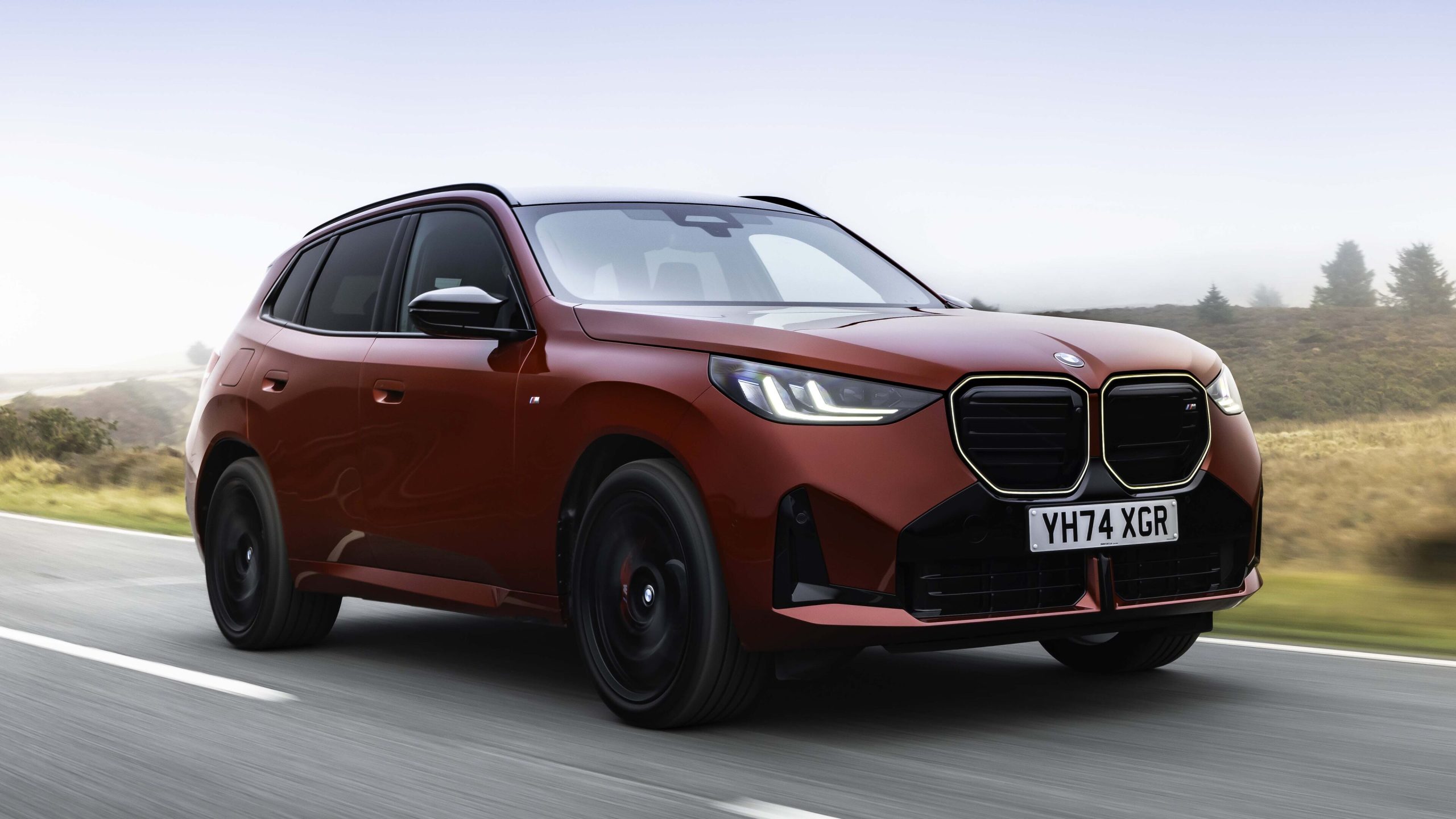
The iDrive infotainment system, while sophisticated, has been known to experience software glitches and hardware failures that can be expensive to repair.
The vehicle’s complex lighting systems, including adaptive headlights and LED arrays, can fail expensively and require specialized diagnostic equipment for proper repair.
BMW’s approach to parts pricing compounds the reliability concerns, with genuine BMW parts commanding premium prices and limited aftermarket alternatives for many components.
Labor costs at BMW dealerships are also typically higher than mainstream brands, making even routine repairs more expensive. The vehicle’s complex construction often requires specialized tools and procedures, limiting repair options to BMW-certified technicians.
The X3’s maintenance schedule is more demanding than many competitors’, with specific requirements for premium fluids and filters that increase ongoing costs.
The vehicle’s complex systems often require professional diagnosis for even minor issues, eliminating the possibility of simple do-it-yourself repairs. While the X3 delivers exceptional performance and luxury features, these benefits come with the requirement for comprehensive warranty coverage to protect against potentially expensive failures.
2. Audi Q5
The Audi Q5 represents German engineering at its most sophisticated, but this complexity comes with reliability challenges that make warranty coverage essential.
Audi’s approach to luxury SUV design emphasizes cutting-edge technology and premium materials, often at the expense of long-term reliability and affordable maintenance.
The Q5’s numerous electronic systems and complex mechanical components create multiple potential failure points that can result in expensive repairs.
The Q5’s reliability concerns begin with its turbocharged engines, which deliver impressive performance but require precise maintenance to avoid expensive failures.
The turbocharger system, while refined, adds complexity that can fail catastrophically if service intervals are missed or incorrect fluids are used. When turbocharger problems occur, repair costs can easily exceed $4,000-6,000, making warranty coverage crucial for financial protection.
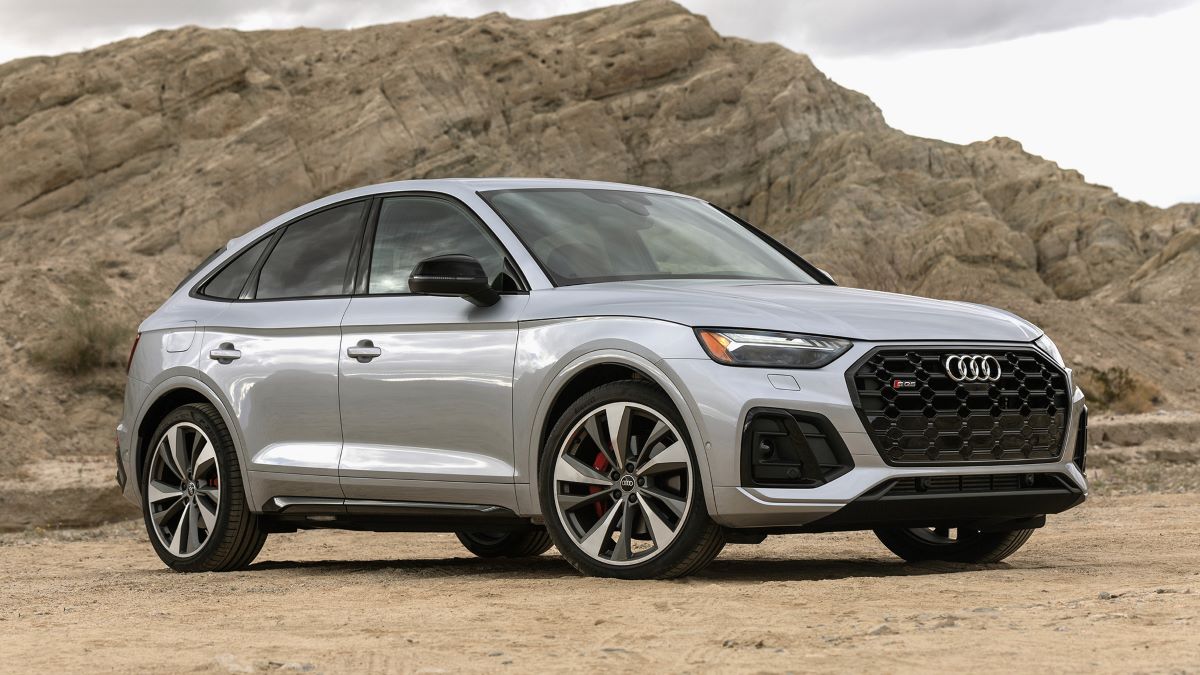
Audi’s quattro all-wheel-drive system, while capable, represents additional complexity that can fail expensively. The system’s electronic controls and mechanical components require specialized knowledge for proper diagnosis and repair, often limiting service options to Audi dealerships.
When quattro system failures occur, repair costs can be substantial due to the complexity of the system and the need for specialized parts. The Q5’s electrical systems present ongoing reliability challenges, with the vehicle’s sophisticated infotainment system and numerous electronic controls creating multiple potential failure points.
The MMI system, while advanced, has been known to experience software glitches and hardware failures that require expensive repairs or complete replacement. The vehicle’s complex lighting systems and electronic accessories can also fail expensively.
Audi’s approach to parts pricing makes even minor repairs expensive, with genuine Audi parts commanding premium prices and limited aftermarket alternatives for many components. Labor costs at Audi dealerships are typically higher than mainstream brands, making routine maintenance more expensive.
The vehicle’s complex construction often requires specialized diagnostic equipment and procedures, limiting repair options and increasing costs. For buyers attracted to the Q5’s performance and luxury features, comprehensive warranty coverage is essential to protect against potentially catastrophic repair bills.
3. Land Rover Discovery Sport
The Land Rover Discovery Sport represents the pinnacle of off-road capability and luxury, but this vehicle’s reliability record makes warranty coverage essential.
Land Rover’s approach to SUV engineering emphasizes capability and luxury over long-term reliability, resulting in vehicles that can deliver exceptional performance but often require expensive repairs.
The Discovery Sport’s complex systems and unique engineering create multiple potential failure points that can result in substantial repair bills. The Discovery Sport’s reliability challenges begin with its turbocharged engines, which deliver impressive performance but have been known to experience expensive failures.
The 2.0-liter turbocharged four-cylinder engine, while refined, requires precise maintenance to avoid costly problems. When engine issues occur, repair costs can be substantial due to the complexity of the turbocharger system and the need for specialized parts and labor. Land Rover’s Terrain Response system, while impressive in its capability, represents additional complexity that can fail expensively.
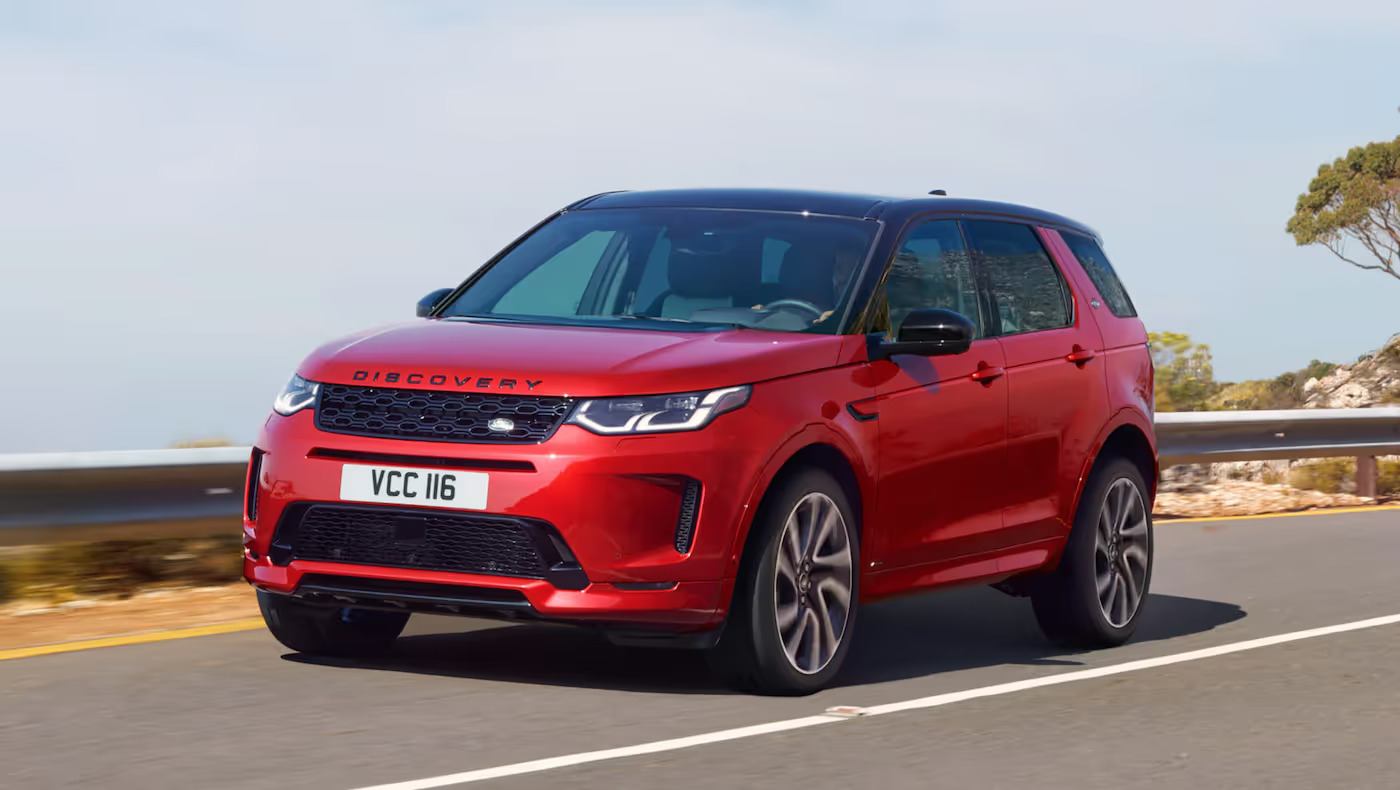
The system’s electronic controls and mechanical components require specialized knowledge for proper diagnosis and repair, often limiting service options to Land Rover dealerships. When Terrain Response failures occur, repair costs can be substantial due to the system’s complexity and the need for specialized equipment.
The Discovery Sport’s electrical systems present ongoing reliability challenges, with the vehicle’s sophisticated infotainment system and numerous electronic controls creating multiple potential failure points.
The InControl system, while advanced, has been known to experience software glitches and hardware failures that require expensive repairs or complete replacement. The vehicle’s complex lighting systems and electronic accessories can also fail expensively.
Land Rover’s limited dealer network and expensive parts pricing compound the reliability concerns, with genuine Land Rover parts commanding premium prices and limited aftermarket alternatives.
Labor costs at Land Rover dealerships are among the highest in the industry, making even routine maintenance expensive. The vehicle’s unique construction often requires specialized tools and procedures, limiting repair options and increasing costs.
For buyers attracted to the Discovery Sport’s capability and luxury features, comprehensive warranty coverage is not optional it’s essential financial protection.
4. Volkswagen Atlas
The Volkswagen Atlas represents VW’s attempt to compete in the American three-row SUV market, but the vehicle’s reliability challenges make warranty coverage essential for financial protection.
Volkswagen’s engineering approach emphasizes European sophistication and advanced features, often at the expense of long-term reliability and affordable maintenance. The Atlas’s complex systems and unique engineering create multiple potential failure points that can result in expensive repairs.
The Atlas’s reliability concerns begin with its turbocharged engines, which deliver adequate performance but have been known to experience expensive failures.
The 2.0-liter and 3.6-liter engines, while refined, require precise maintenance to avoid costly problems. The turbocharger system, in particular, represents additional complexity that can fail catastrophically if service intervals are missed or incorrect fluids are used.
Volkswagen’s approach to electrical systems creates ongoing reliability challenges, with the Atlas’s sophisticated infotainment system and numerous electronic controls creating multiple potential failure points.
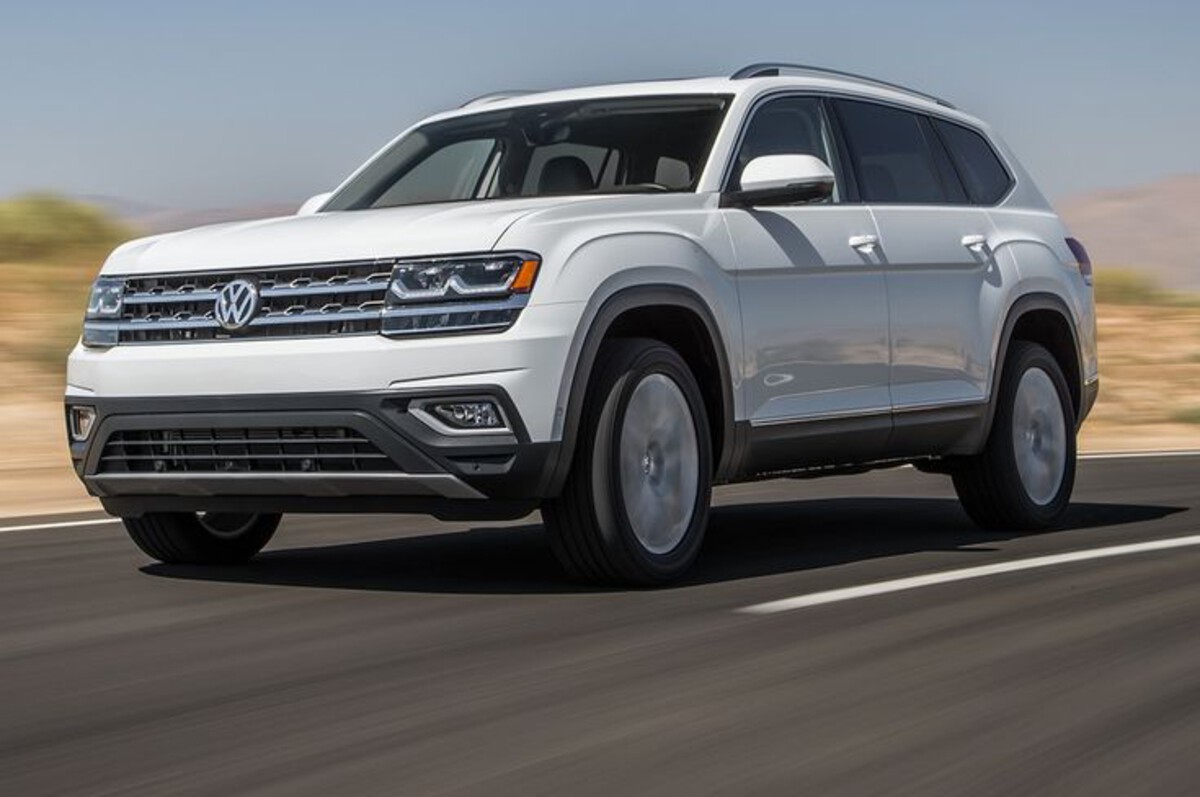
The MIB system, while advanced, has been known to experience software glitches and hardware failures that require expensive repairs or complete replacement. The vehicle’s complex lighting systems and electronic accessories can also fail expensively.
The Atlas’s transmission has been a particular source of concern, with some owners reporting expensive failures that require complete replacement.
The dual-clutch automatic transmission, while smooth in operation, represents complex technology that can fail expensively and requires specialized knowledge for proper diagnosis and repair. When transmission problems occur, repair costs can easily exceed $5,000-7,000.
Volkswagen’s limited dealer network and expensive parts pricing compound the reliability concerns, with genuine VW parts commanding premium prices and limited aftermarket alternatives for many components. Labor costs at VW dealerships are typically higher than mainstream brands, making routine maintenance more expensive.
The vehicle’s complex construction often requires specialized diagnostic equipment and procedures, limiting repair options and increasing costs. For buyers considering the Atlas, comprehensive warranty coverage is essential to protect against potentially expensive failures.
5. Jaguar F-PACE
The Jaguar F-PACE represents British luxury engineering at its most sophisticated, but this vehicle’s reliability record makes warranty coverage crucial.
Jaguar’s approach to luxury SUV design emphasizes performance and luxury over long-term reliability, resulting in vehicles that can deliver exceptional driving experiences but often require expensive repairs. The F-PACE’s complex systems and unique engineering create multiple potential failure points that can result in catastrophic repair bills.
The F-PACE’s reliability challenges begin with its sophisticated powertrain options, which deliver impressive performance but have been known to experience expensive failures.
The supercharged V6 and turbocharged four-cylinder engines, while refined, require precise maintenance to avoid costly problems. When engine issues occur, repair costs can be substantial due to the complexity of the forced induction systems and the need for specialized parts and labor.
Jaguar’s electrical systems present ongoing reliability challenges, with the F-PACE’s sophisticated infotainment system and numerous electronic controls creating multiple potential failure points.
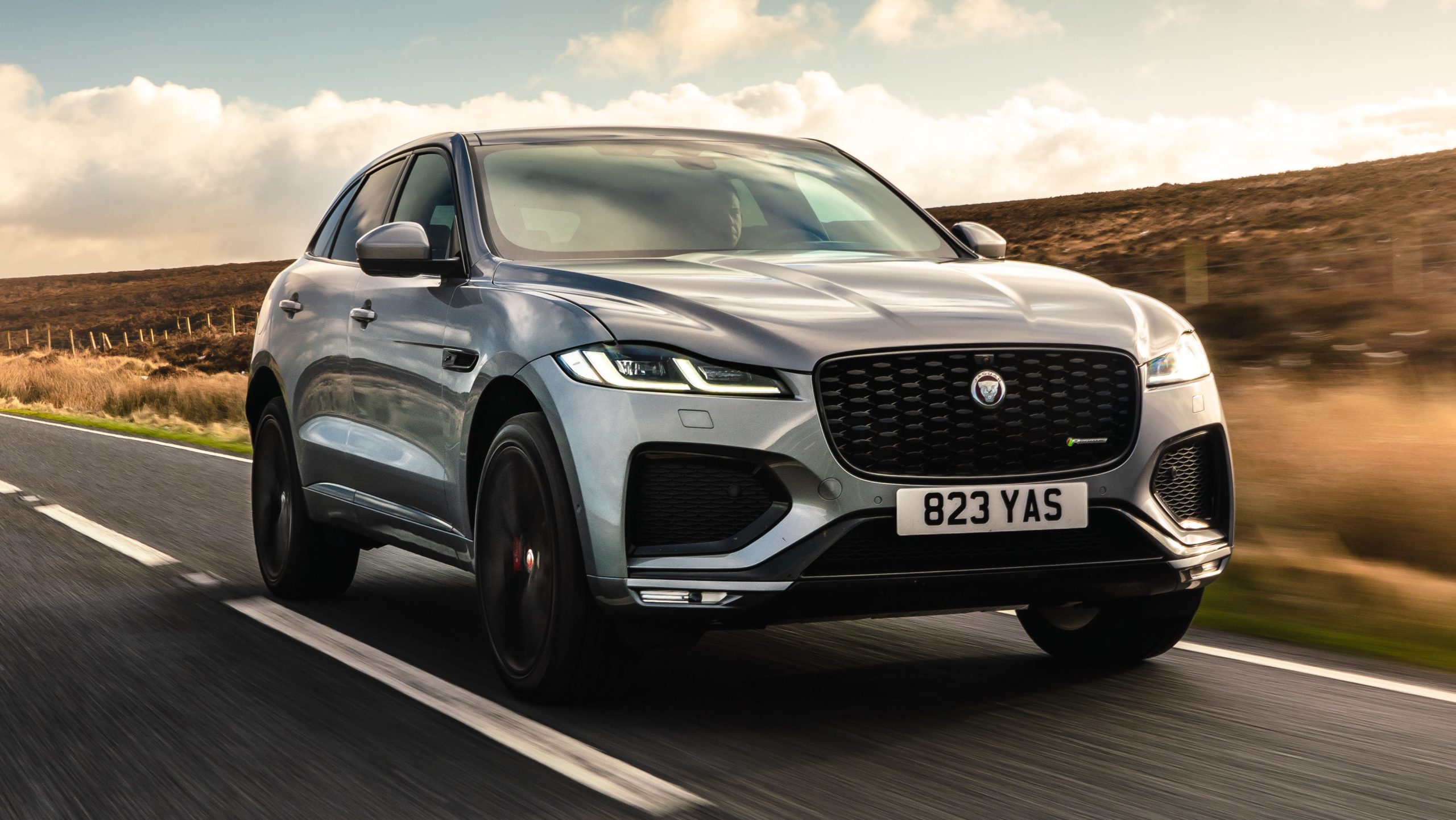
The InControl Touch Pro system, while advanced, has been known to experience frequent software glitches and hardware failures that require expensive repairs or complete replacement. The vehicle’s complex lighting systems and electronic accessories can also fail expensively.
The F-PACE’s air suspension system, while providing exceptional ride quality, represents additional complexity that can fail catastrophically. When air suspension problems occur, repair costs can easily exceed $3,000-5,000 per corner, making comprehensive warranty coverage essential. The system’s electronic controls and mechanical components require specialized knowledge for proper diagnosis and repair.
Jaguar’s limited dealer network and expensive parts pricing compound the reliability concerns, with genuine Jaguar parts commanding premium prices and extremely limited aftermarket alternatives. Labor costs at Jaguar dealerships are among the highest in the industry, making even routine maintenance expensive.
The vehicle’s complex construction often requires specialized tools and procedures, limiting repair options to Jaguar-certified technicians.
For buyers attracted to the F-PACE’s performance and luxury features, comprehensive warranty coverage is not just recommended it’s essential financial protection against potentially ruinous repair bills.
Also Read: 5 Used Cars That Pass Inspection Every Time and 5 That Always Need Something
