

When shopping for a new vehicle, legroom often becomes a crucial deciding factor, especially for families or those who frequently carry rear passengers.
The difference between generous and cramped rear seating can transform a pleasant journey into an uncomfortable ordeal, making this consideration particularly important for buyers prioritizing passenger comfort and practicality.
Rear legroom varies dramatically across different vehicle segments and manufacturers’ design philosophies. Some automakers prioritize maximizing interior space through clever packaging and extended wheelbases, while others may compromise rear passenger comfort in favor of cargo capacity, exterior styling, or manufacturing costs.
Understanding these trade-offs helps consumers make informed decisions based on their specific needs and usage patterns. The automotive industry has seen significant evolution in interior space optimization over recent decades.
Modern vehicles often provide more interior room than their predecessors, despite similar exterior dimensions, thanks to advanced engineering techniques and platform sharing strategies. However, this progress isn’t universal across all models and price segments.
Several factors influence rear legroom measurements beyond simple wheelbase length. Seat design, cushion thickness, front seat positioning, and interior architecture all play critical roles in determining actual usable space.
Additionally, manufacturers may prioritize different aspects of rear passenger comfort, such as headroom, shoulder room, or knee clearance, creating varying experiences even among vehicles with similar legroom specifications.
Market segments also heavily influence space allocation decisions. Luxury vehicles typically emphasize rear passenger comfort, while sports cars and some SUVs may sacrifice rear space for performance characteristics or cargo capacity.
Compact vehicles face particular challenges in maximizing rear legroom within size and cost constraints, leading to creative solutions and inevitable compromises.
This comprehensive analysis examines ten vehicles representing both ends of the rear legroom spectrum, providing detailed insights into how different manufacturers approach passenger space optimization and the real-world implications for potential buyers and their passengers.
5 Cars With Generous Rear Legroom
These exceptionally designed vehicles prioritize passenger comfort through intelligent space utilization and generous rear-seat dimensions that accommodate adults of all sizes.
The Chevrolet TrailBlazer leads subcompact SUVs with 39 inches of rear legroom, while the Kia Sportage provides 41.3 inches in the compact category, featuring passengers who can slide and recline the rear seats for enhanced comfort.
The Land Rover Discovery excels with generous legroom across all three rows, ensuring even the rearmost seats accommodate taller passengers comfortably.
These spacious interiors demonstrate how manufacturers can maximize interior volume through clever packaging and thoughtful design, creating environments where long-distance travel becomes genuinely comfortable rather than an endurance test for rear passengers.
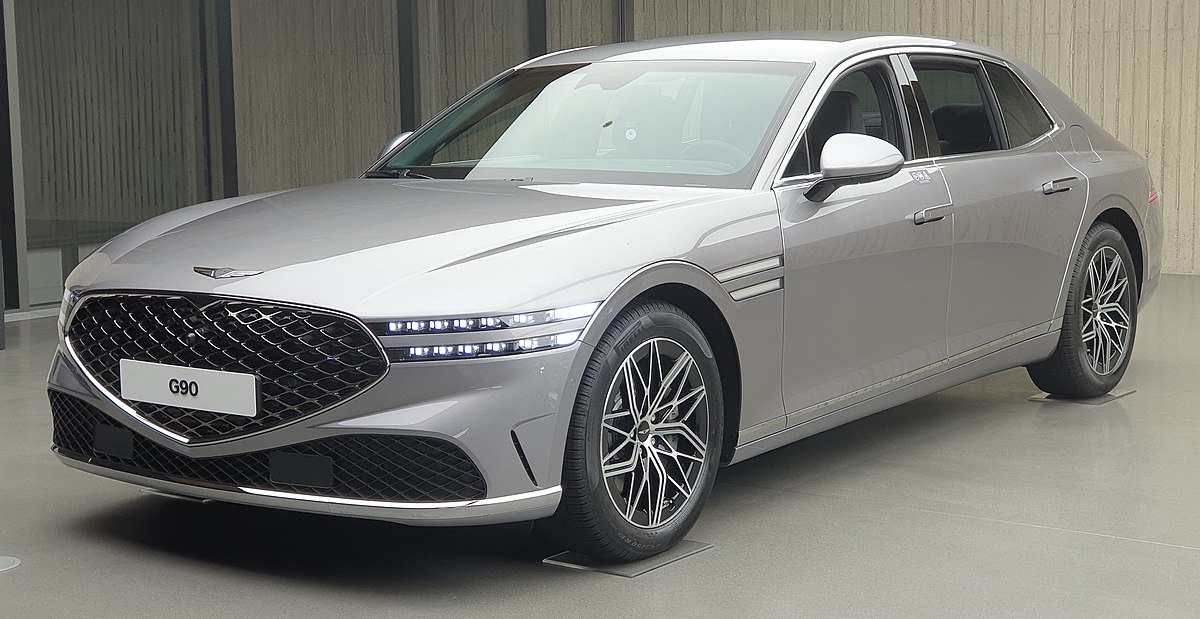
1. Genesis G90
The Genesis G90 stands as a testament to Korean automotive engineering excellence, particularly in maximizing rear passenger comfort and luxury. With an impressive 38.0 inches of rear legroom, this full-size luxury sedan prioritizes passenger space without compromising on premium amenities or driving dynamics.
The G90’s generous proportions stem from its dedicated rear-wheel-drive platform, allowing engineers to optimize interior packaging without the constraints imposed by front-wheel-drive architectures.
Beyond mere measurements, the G90’s rear seating experience exemplifies thoughtful design execution. The rear seats feature extensive adjustability, including reclining functions and lumbar support, transforming the back seat into a first-class travel environment.
Premium leather upholstery, heated and ventilated surfaces, and individual climate controls ensure passenger comfort across various conditions and preferences. The seat cushions themselves are generously padded and properly contoured to support extended journeys without fatigue.
The cabin’s sophisticated design extends beyond basic comfort features to include practical luxury elements. Rear passengers enjoy dedicated USB ports, wireless charging pads, and premium audio system controls, creating an environment where technology seamlessly integrates with comfort.
The panoramic sunroof adds to the spacious feeling, while acoustic glass and extensive sound deadening materials ensure a serene interior environment.
Storage solutions throughout the rear passenger area demonstrate Genesis’s attention to detail. Door pockets are sized appropriately for modern devices and personal items, while the center armrest includes substantial storage capacity.
Cup holders are positioned conveniently and designed to accommodate various beverage container sizes, showing consideration for real-world usage patterns.
The G90’s rear legroom advantage becomes particularly apparent during extended travel situations. Passengers can comfortably cross their legs, stretch out, or adopt various seating positions without feeling constrained.
This flexibility proves invaluable during long commutes, family road trips, or business travel scenarios where passenger comfort directly impacts arrival condition and satisfaction with the vehicle ownership experience.
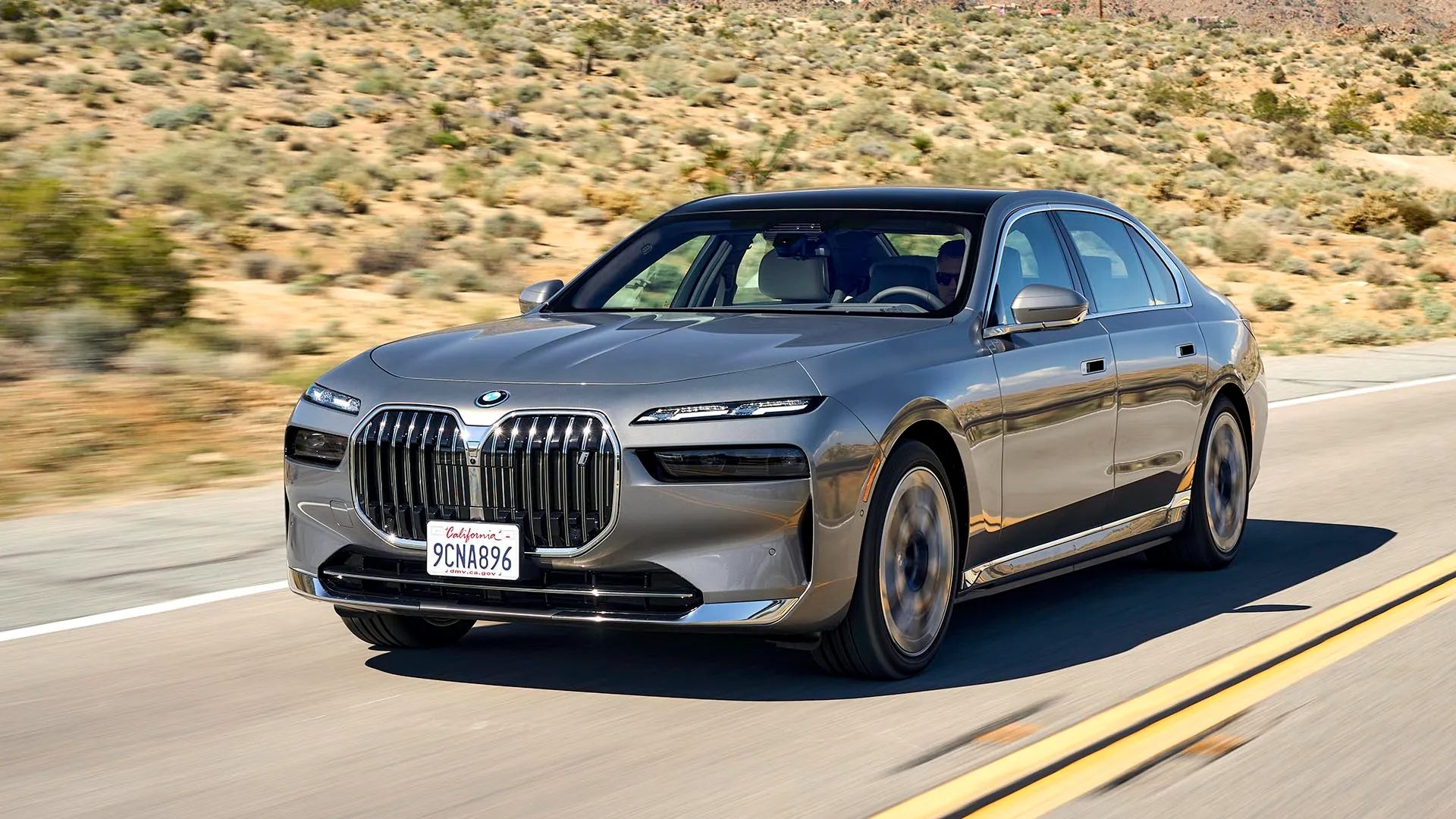
2. BMW 7 Series
The BMW 7 Series represents the pinnacle of German luxury sedan engineering, offering an exceptional 44.3 inches of rear legroom in its long-wheelbase configuration.
This impressive measurement reflects BMW’s commitment to creating a true luxury experience for rear passengers while maintaining the brand’s renowned driving dynamics and build quality.
The extended wheelbase provides the foundation for this generous space allocation, demonstrating how platform engineering can prioritize passenger comfort without compromising structural integrity.
BMW’s approach to rear passenger comfort extends far beyond basic legroom measurements to encompass a holistic luxury experience. The rear seats feature extensive power adjustability, including multiple memory settings, allowing passengers to fine-tune their seating position for optimal comfort.
Premium Nappa leather upholstery, available in various color combinations, provides both visual appeal and tactile luxury that reinforces the vehicle’s premium positioning in the marketplace.
Climate control systems in the 7 Series rear compartment operate independently from front passenger settings, ensuring personalized comfort regardless of varying passenger preferences or external weather conditions.
Heated and ventilated seat functions provide year-round comfort, while the available massage functions transform longer journeys into relaxation opportunities. These features demonstrate BMW’s understanding that luxury involves more than simply providing space.
Technology integration within the rear passenger area reflects modern luxury expectations while maintaining user-friendly interfaces. Individual entertainment screens, premium audio system controls, and comprehensive connectivity options ensure passengers remain productive or entertained during travel.
The available rear-seat entertainment system includes tablet-style displays with full internet connectivity, allowing passengers to work, stream content, or stay connected during extended journeys. The practical implications of the 7 Series’ generous rear legroom become evident in various usage scenarios.
Business executives can comfortably work during chauffeur-driven commutes, families can start on extended road trips without passenger discomfort, and the vehicle serves effectively as a premium transportation solution for special occasions or client entertainment purposes, where passenger comfort directly reflects on the host’s attention to detail and consideration.
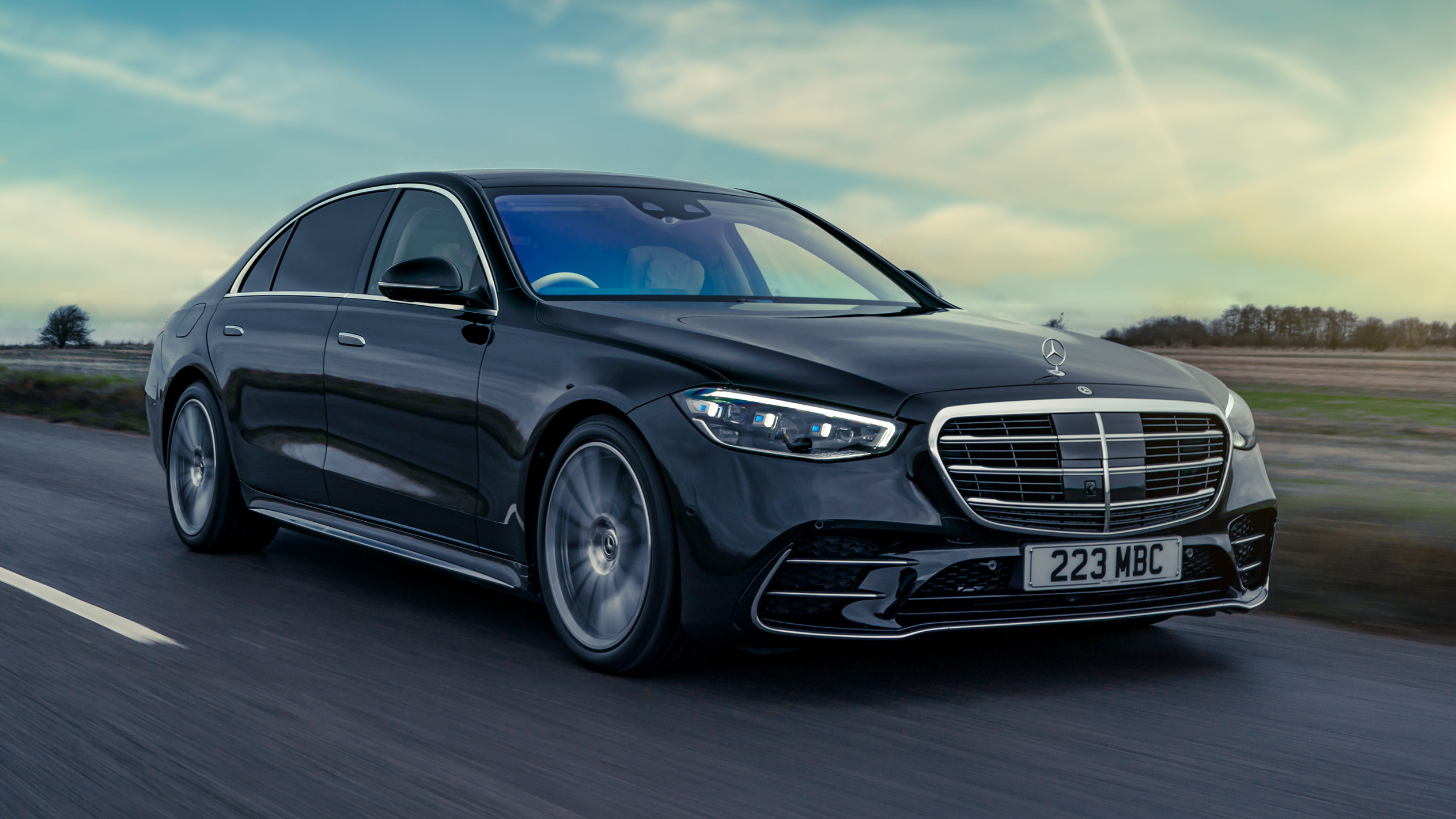
3. Mercedes-Benz S-Class
The Mercedes-Benz S-Class has long established itself as the benchmark for luxury sedan comfort and space utilization, offering an impressive 43.0 inches of rear legroom that exemplifies the brand’s commitment to passenger-centric design.
This generous measurement results from decades of refinement in luxury vehicle engineering, where Mercedes-Benz has consistently prioritized rear passenger comfort as a defining characteristic of the S-Class experience.
The S-Class rear passenger environment represents a masterclass in luxury automotive interior design and ergonomics. Seats feature extensive power adjustability, including lumbar support, bolster adjustment, and reclining functions that allow passengers to create personalized comfort zones.
The available Executive Rear Seat Package transforms the right rear position into a premium lounge chair with footrest extension, massage functions, and tablet-style controls for vehicle systems, creating an office-like environment for productive travel.
Material quality throughout the rear passenger area reinforces Mercedes-Benz’s luxury positioning while providing tangible comfort benefits. Premium leather surfaces, available in various colors and finishes, age gracefully while maintaining their appearance and tactile appeal.
Wood trim options, sourced from sustainable forests and finished with multiple coating layers, provide visual warmth and demonstrate the brand’s attention to environmental responsibility alongside luxury appointments.
Climate control sophistication in the S-Class extends to four-zone automatic systems with individual temperature, fan speed, and air distribution controls for rear passengers.
This level of customization ensures passenger comfort across varying weather conditions and personal preferences, while the available air purification system maintains cabin air quality during extended journeys or in challenging environmental conditions. The practical advantages of the S-Class’s generous rear legroom manifest in numerous real-world scenarios.
Business travelers can maintain productivity during chauffeur-driven airport transfers, families enjoy comfortable long-distance touring capabilities, and the vehicle serves effectively as a premium transportation solution for special events where passenger comfort and arrival condition matter significantly.
The spacious rear accommodations also prove valuable for elderly passengers or those with mobility considerations, demonstrating how luxury design can incorporate accessibility benefits.
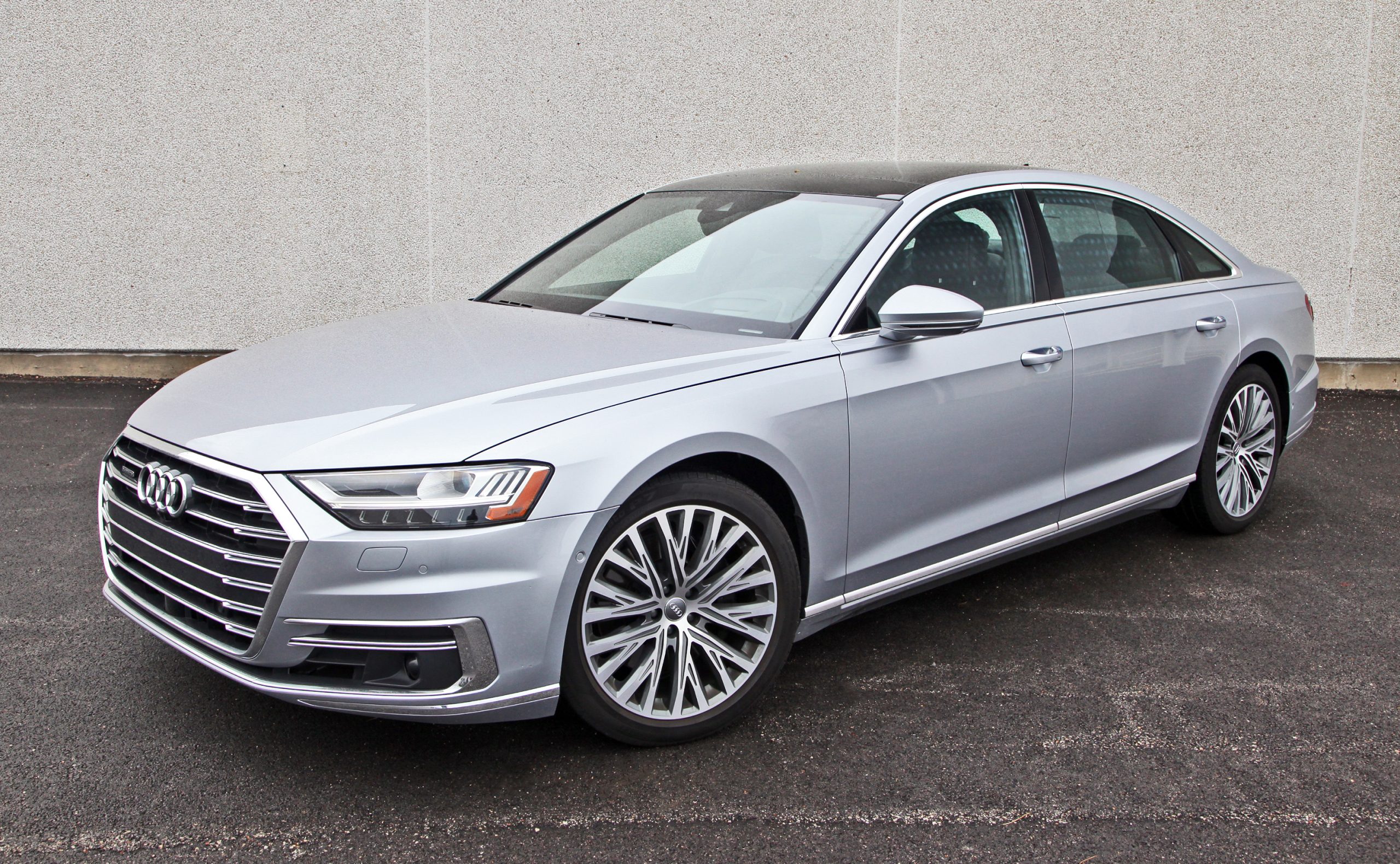
4. Audi A8
The Audi A8 demonstrates how advanced engineering and sophisticated design can create exceptional rear passenger space, offering 41.3 inches of rear legroom that positions it among the most spacious luxury sedans available.
This impressive measurement reflects Audi’s systematic approach to interior space optimization, utilizing the MLB Evo platform’s flexible architecture to maximize passenger accommodation while maintaining the brand’s signature design language and technological sophistication.
Audi’s quattro all wheel drive system integration showcases engineering excellence in packaging efficiency, allowing generous rear legroom without compromising the vehicle’s advanced drivetrain capabilities or ground clearance requirements.
The aluminum space frame construction contributes to this space efficiency while providing structural rigidity and weight savings that benefit both performance and fuel efficiency characteristics.
The A8’s rear seating environment emphasizes both comfort and technology integration in ways that reflect modern luxury expectations. Available massage seats provide multiple programs designed to reduce fatigue during extended travel, while heated and ventilated functions ensure year-round comfort regardless of external conditions.
The seat cushions feature pressure point relief design that maintains comfort during extended sitting periods, demonstrating Audi’s attention to ergonomic considerations.
Technology implementation in the A8’s rear passenger area represents cutting-edge automotive innovation. The available rear seat entertainment system includes individual displays with full connectivity options, allowing passengers to stream content, conduct video conferences, or maintain productivity during travel.
Wireless charging systems, multiple USB ports, and 12-volt outlets ensure device connectivity without cable clutter, while premium audio system controls allow passengers to personalize their acoustic environment.
The practical benefits of the A8’s generous rear legroom become apparent across various ownership scenarios. Executive transportation services value the spacious, well-appointed rear accommodations for client comfort and impression management.
Family usage benefits from the ability to accommodate car seats, growing children, or elderly passengers comfortably, while the vehicle’s luxury appointments ensure that special occasion transportation needs are met with appropriate style and comfort levels that justify the premium positioning.
Also Read: 5 Vehicles With Quiet Electric Motors vs 5 With Noisy E-Drives
5. Lexus LS
The Lexus LS exemplifies Japanese automotive engineering philosophy through its exceptional attention to rear passenger comfort, offering 42.2 inches of rear legroom that reflects the brand’s commitment to creating a serene, spacious travel environment.
This generous space allocation demonstrates how Lexus balances traditional luxury expectations with innovative comfort technologies, creating a rear passenger experience that emphasizes tranquility and refinement above all other considerations.
The LS’s approach to rear passenger comfort incorporates unique Japanese hospitality concepts, known as “omotenashi,” which emphasize anticipating and exceeding guest expectations.
This philosophy manifests through thoughtful design details such as seat cushion materials that regulate temperature naturally, acoustic engineering that creates an exceptionally quiet cabin environment, and ergonomic considerations that reduce fatigue during extended travel periods.
Seat design in the LS represents years of ergonomic research and development, with cushion materials and structural support systems engineered to provide optimal comfort across diverse passenger sizes and preferences.
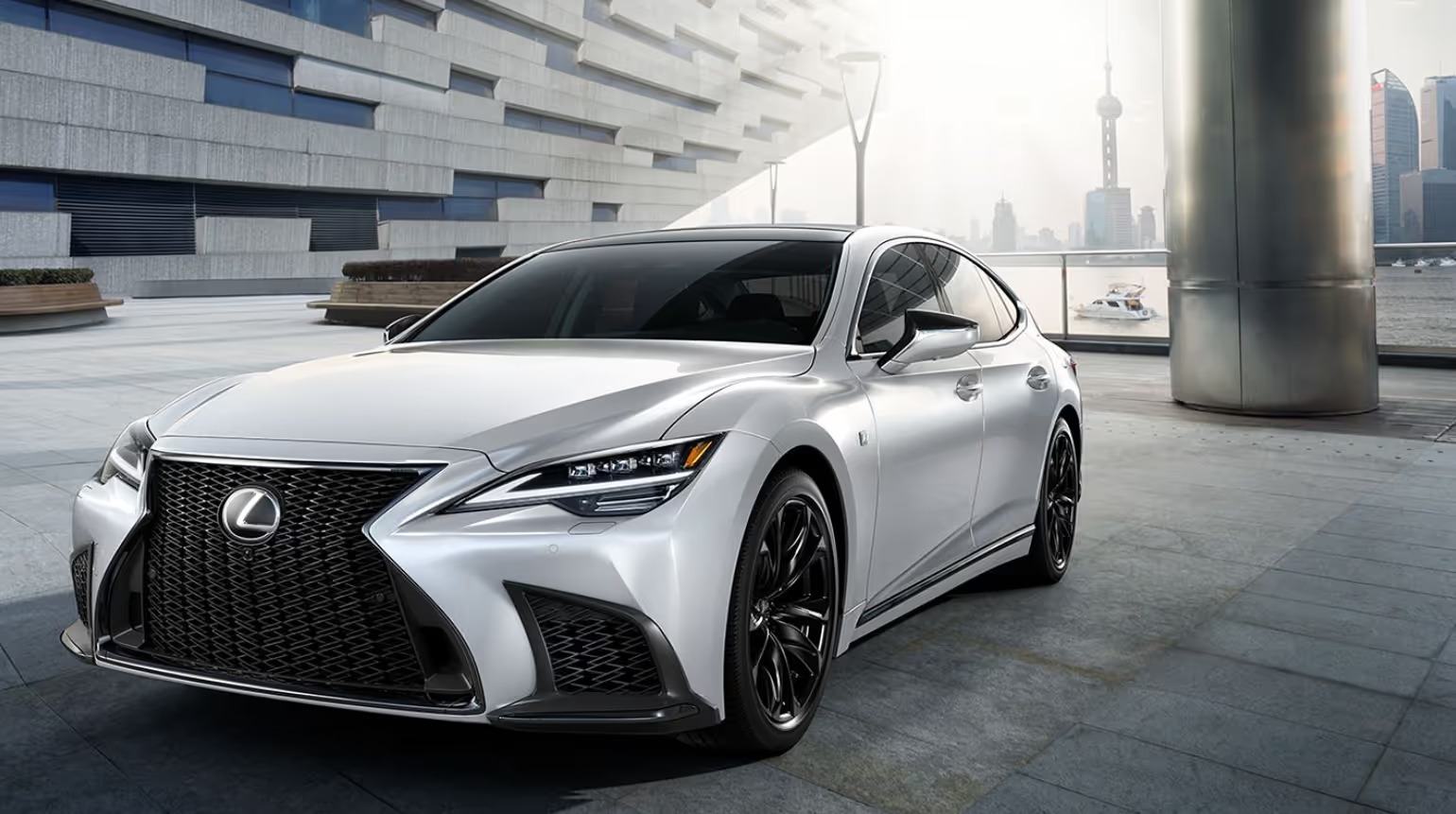
The available ottoman function extends leg support for ultimate relaxation, while massage systems offer programs developed in consultation with wellness experts to address common travel-related muscle tension and fatigue issues.
Climate control systems in the LS demonstrate sophisticated engineering that goes beyond simple temperature regulation to include humidity control, air purification, and even aromatherapy integration.
These systems work together to create a cabin environment that promotes relaxation and well-being, recognizing that luxury involves comprehensive sensory experiences rather than simply providing basic comfort amenities.
The practical implications of the LS’s generous rear legroom extend beyond basic transportation needs to encompass lifestyle and business considerations.
The spacious, well-appointed rear accommodations make the vehicle suitable for executive transportation, special occasion use, and extended family travel scenarios.
The combination of space, comfort features, and Lexus’s renowned reliability creates a ownership experience that justifies the premium investment while providing long-term satisfaction across various usage patterns and passenger requirements.
5 Cars With Tight Rear Seats
These problematic vehicles sacrifice rear-seat comfort through poor space allocation that leaves adult passengers feeling cramped and uncomfortable during even short journeys.
The Kia Picanto represents the worst offender where the average woman could hit the ceiling or experience cramped legroom, while the average man is half a foot too big for comfortable seating.
The Mazda3 misleads with its claimed 36.2 inches of rear legroom, as actual occupants find the backseat tighter than rivals like the Honda Civic or Volkswagen Jetta, with restricted legroom and footwell space.
These cramped designs demonstrate how dimensional compromises and poor interior packaging can transform what should be comfortable transportation into an uncomfortable experience that limits passenger satisfaction and practicality.
1. BMW 2 Series
The BMW 2 Series represents the challenges inherent in creating a premium compact vehicle, offering just 33.1 inches of rear legroom that reflects the inevitable compromises required when packaging luxury features and driving dynamics into a smaller footprint.
This measurement illustrates how even sophisticated German engineering faces limitations when exterior dimensions constrain interior space optimization, particularly in vehicles prioritizing front passenger accommodation and cargo capacity.
Despite its spatial limitations, the 2 Series rear seating area demonstrates BMW’s commitment to maintaining build quality and material standards across their product range.
Premium materials, including quality leather upholstery and precision-fitted trim pieces, ensure that rear passengers experience appropriate luxury appointments even within constrained dimensions. However, these material upgrades cannot overcome the fundamental space limitations imposed by the vehicle’s compact architecture.
The practical implications of the 2 Series’ limited rear legroom become immediately apparent in real-world usage scenarios. Adults of average height find their knees pressed against front seat backs, particularly when front passengers adjust their seats for comfort during longer journeys.
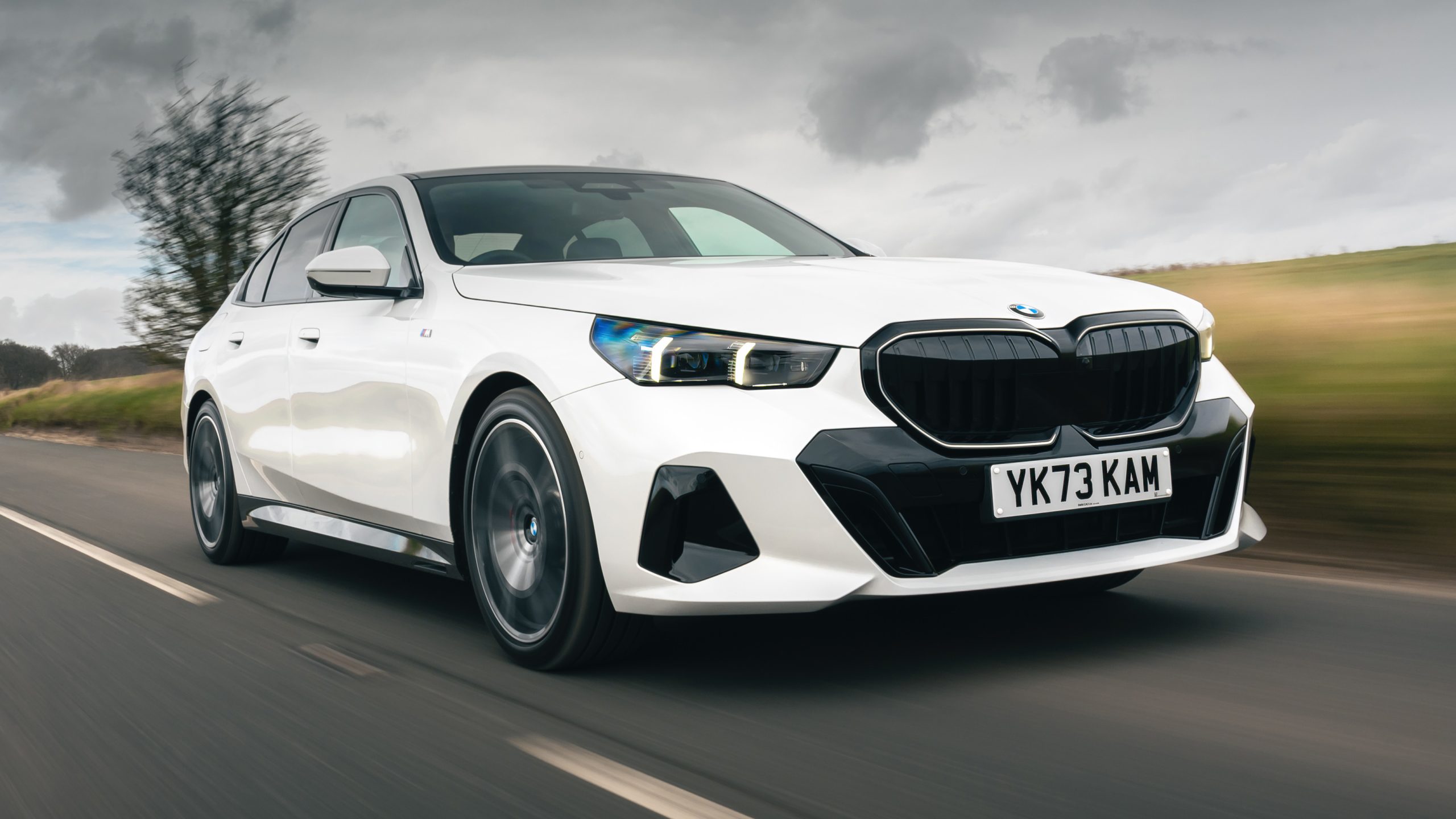
This spatial constraint makes the rear seating area more suitable for children, occasional adult passengers on short trips, or emergency accommodation rather than regular adult transportation duties.
Ingress and egress challenges compound the rear legroom limitations, as the two-door configuration requires front passengers to move their seats forward for rear access.
This process becomes cumbersome in parking lots, valet situations, or when carrying packages, transforming simple passenger loading into a coordinated effort that may discourage regular rear passenger use in daily driving scenarios.
The 2 Series design philosophy prioritizes front passenger experience and driving dynamics over rear passenger accommodation, making it more suitable for buyers who rarely carry rear passengers or who view the rear seats as emergency-only accommodation.
This approach reflects BMW’s understanding of its target market, which typically values driving experience and compact luxury over maximum passenger capacity, though potential buyers should carefully consider their actual usage patterns before committing to such spatial constraints.
2. Audi TT
The Audi TT presents an extreme example of sports car packaging limitations, offering minimal rear seating with approximately 29.0 inches of legroom that serves more as a design statement than practical passenger accommodation.
This measurement reflects the fundamental compromises required when creating a sports car that maintains visual appeal and performance characteristics while attempting to provide token rear seating capability.
The TT’s rear seats represent what automotive designers term “2+2” configuration, acknowledging that these positions are suitable primarily for small children, bags, or very short trips with smaller adults.
The seat cushions themselves are relatively narrow and lack the depth necessary for comfortable adult accommodation, while headroom limitations further restrict usability for passengers of normal stature.
Accessing the TT’s rear seats requires significant physical flexibility and patience, as the front seats must be moved forward substantially to allow entry and exit.
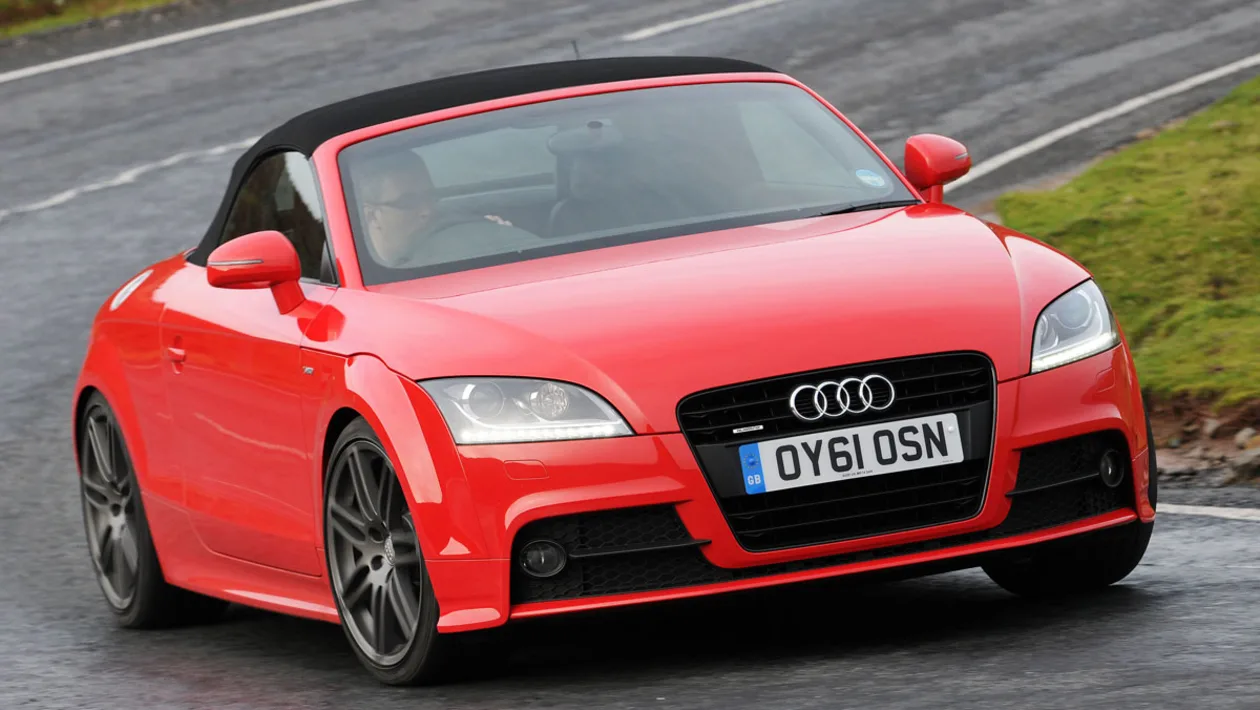
This process becomes particularly challenging for passengers wearing formal attire, carrying personal items, or dealing with mobility limitations. The two-door configuration compounds these challenges, making rear passenger transportation a planned activity rather than a spontaneous convenience.
The practical reality of TT rear seat usage centers around specific scenarios where the limitations become acceptable trade-offs. Parents transporting young children on short trips may find the rear accommodation adequate, while couples who occasionally need to transport friends for brief journeys might accept the constraints.
However, regular rear passenger transportation remains impractical given the comfort and access limitations. Audi’s design philosophy with the TT prioritizes visual appeal, driving dynamics, and front passenger luxury over rear accommodation practicality.
The rear seats serve partially as storage space for personal items, shopping bags, or sports equipment, making them more versatile than purely ornamental. Potential buyers should realistically assess their passenger transportation needs before selecting the TT, understanding that rear seat functionality represents emergency accommodation rather than regular-use passenger space.
3. Mercedes-Benz CLA
The Mercedes-Benz CLA exemplifies the spatial challenges facing compact luxury sedans, offering 33.2 inches of rear legroom that demonstrates how even four-door configurations struggle to provide generous passenger accommodation within constrained exterior dimensions.
This measurement reflects the design compromises necessary when creating an affordable entry point into luxury brand ownership while maintaining visual appeal and feature content expectations.
The CLA’s rear passenger environment reveals the inherent tensions between style and functionality in compact luxury vehicle design. The coupe-like roofline, which contributes significantly to the vehicle’s visual appeal and aerodynamic efficiency, simultaneously restricts headroom and creates a claustrophobic feeling for rear passengers.
This design choice prioritizes curb appeal over passenger comfort, reflecting Mercedes-Benz’s understanding of their target demographic’s preferences.
Seat design in the CLA rear area attempts to maximize comfort within available space constraints, featuring quality materials and appropriate cushioning given the spatial limitations.

However, knee room remains problematic for adults when front passengers adjust their seats for comfort, creating situations where passenger accommodation becomes a negotiated compromise rather than a comfortable solution for all occupants.
The practical implications of the CLA’s rear legroom limitations become evident across various ownership scenarios. Young professionals who occasionally transport friends may find the rear accommodation adequate for social activities and short trips, while families with small children might consider the space sufficient for local transportation needs.
However, extended family travel or regular adult passenger transportation remains challenging given the spatial constraints. Mercedes-Benz positions the CLA as a style-forward entry into luxury vehicle ownership, targeting buyers who value brand prestige and design appeal over maximum passenger accommodation.
The rear seating serves adequately for specific usage patterns while providing four-door convenience and additional cargo flexibility compared to coupe alternatives.
Potential buyers should evaluate their actual passenger transportation needs against the CLA’s spatial limitations, understanding that rear comfort represents a compromise for visual appeal and brand accessibility.
4. MINI Cooper
The MINI Cooper embodies the classic challenge of maintaining brand character while providing practical transportation, offering approximately 32.0 inches of rear legroom that reflects the model’s commitment to compact dimensions and distinctive styling over maximum passenger accommodation.
This measurement illustrates how heritage design elements and compact packaging philosophy create inevitable compromises in passenger space, particularly affecting rear seat occupants.
The Cooper’s rear seating area maintains MINI’s distinctive interior design language while working within severe spatial constraints. Quality materials, unique design elements, and attention to detail ensure that rear passengers experience appropriate brand character even within limited space.
However, these design flourishes cannot overcome the fundamental spatial limitations imposed by the vehicle’s compact footprint and styling priorities.
Rear passenger accommodation in the Cooper becomes particularly challenging for adults during extended journeys, as knee room limitations force passengers to adopt awkward seating positions that become uncomfortable over time.
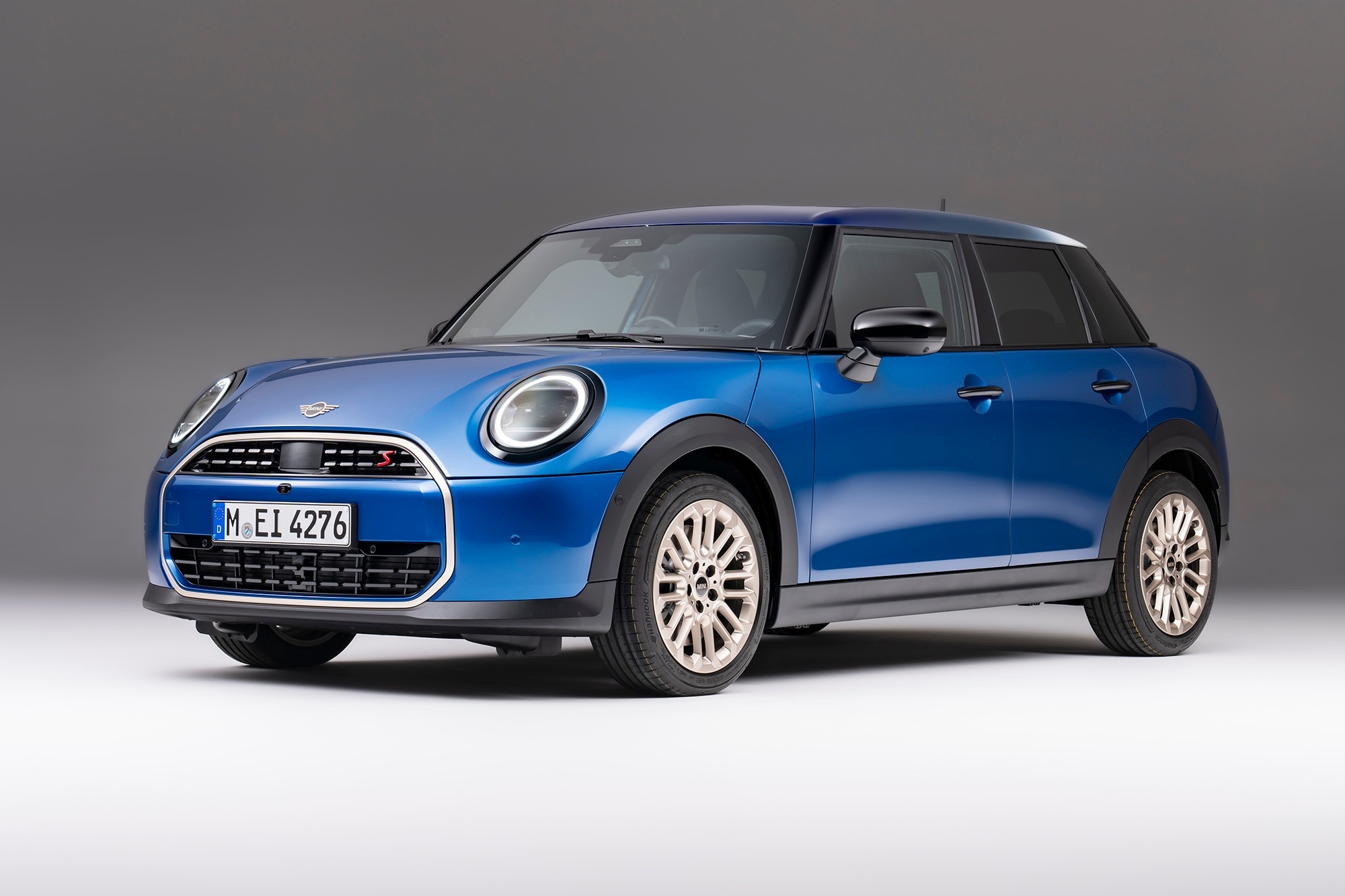
The upright seating position, while space-efficient, lacks the relaxed comfort associated with larger vehicles, making the rear area more suitable for children or short-distance adult transportation.
Ingress and egress challenges compound the Cooper’s rear accommodation limitations, particularly in the three-door configuration where front seat access becomes necessary for rear passenger entry.
This process requires coordination and patience, making spontaneous passenger pickup or drop-off scenarios more complicated than in conventional four-door vehicles.
The MINI Cooper’s design philosophy prioritizes brand character, driving dynamics, and urban maneuverability over maximum passenger accommodation.
The rear seats serve adequately for specific scenarios such as child transportation, short trips with adult friends, or additional storage space for shopping or recreational equipment.
Potential buyers attracted to MINI’s unique character should realistically assess their passenger transportation requirements, understanding that rear accommodation represents a trade-off for the brand’s distinctive appeal and compact convenience in urban environments.
5. Porsche 911
The Porsche 911 represents the ultimate expression of sports car priorities, offering minimal rear legroom of approximately 27.0 inches that serves more as vestigial design elements than practical passenger accommodation.
This measurement reflects Porsche’s commitment to maintaining the 911’s iconic silhouette and performance characteristics while providing token rear seating that satisfies insurance and regulatory classifications rather than real-world passenger needs.
The 911’s rear seats exist primarily for legal and practical reasons related to vehicle classification and insurance categories, with their design prioritizing these requirements over passenger comfort or usability.
The seat cushions are narrow, shallow, and positioned at angles that make extended occupancy uncomfortable for anyone beyond small children or very short adults on brief trips.
Access to the 911’s rear seats requires significant physical flexibility and determination, as passengers must go between front seats, duck under the low roofline, and contort themselves into the confined rear area.

This process becomes particularly challenging when wearing formal attire, carrying personal items, or dealing with any mobility limitations, making rear passenger transportation a carefully planned activity.
The practical reality of 911 rear seat usage centers around very specific scenarios where the constraints become acceptable. Parents might use the rear area for young children on short trips, while owners occasionally transport small adults for brief journeys when no alternative transportation exists.
However, the rear area serves more effectively as storage space for sports equipment, shopping bags, or travel luggage. Porsche’s approach with the 911 demonstrates that rear seats serve multiple purposes beyond passenger transportation.
They provide additional storage capability, satisfy regulatory requirements, and maintain the vehicle’s four-seat classification for insurance purposes.
Potential 911 buyers should understand that rear accommodation represents emergency-only capability rather than regular passenger transportation, with the seats serving more as a design element and storage solution than practical seating for adults.
Also Read: 5 Cars With Clear Gauges vs 5 With Cluttered Clusters
