
The evolution of automotive technology has transformed the once-dreaded task of parallel parking into an increasingly automated experience. Park assist systems have become a cornerstone of modern vehicle safety and convenience features, promising to eliminate the stress and uncertainty that comes with maneuvering into tight spaces.
However, not all park assist systems are created equal, and the difference between intuitive, reliable guidance and frustrating, untrustworthy technology can make or break a driver’s confidence in their vehicle.
Modern park assist systems utilize a sophisticated combination of sensors, cameras, radar technology, and advanced algorithms to detect suitable parking spaces and guide vehicles into position.
The best systems seamlessly integrate multiple technologies to provide clear, accurate guidance that drivers can trust completely. These intuitive systems offer precise measurements, real-time feedback, and smooth execution that makes parking feel effortless and natural.
They provide visual and auditory cues that are easy to understand, respond quickly to changing conditions, and maintain consistent performance across various parking scenarios.
Conversely, some park assist systems suffer from reliability issues, confusing interfaces, or poor execution that can leave drivers feeling more anxious than if they had parked manually.
These problematic systems often struggle with inconsistent sensor readings, delayed responses, unclear guidance instructions, or overly cautious programming that makes the parking process frustratingly slow.
Some systems are plagued by false positives, where they detect obstacles that don’t exist, or worse, false negatives that fail to identify genuine hazards.
The technology behind park assist varies significantly between manufacturers and even between different models from the same brand. Premium systems typically incorporate ultrasonic sensors, cameras with advanced image processing, and sometimes even radar or lidar technology.
The integration of these components, combined with sophisticated software algorithms, determines whether a system will provide trustworthy guidance or become a source of frustration for drivers.
Understanding which vehicles offer superior park assist technology can help consumers make informed decisions when selecting their next vehicle, ensuring they invest in systems that truly enhance their driving experience rather than complicate it.
5 Cars With Intuitive Park Assist
These expertly calibrated vehicles feature precise parking assistance systems with accurate sensors, clear visual displays, and reliable guidance that confidently guide drivers into tight spaces without false alarms or dangerous miscalculations during critical maneuvering situations.
Their sophisticated sensor arrays provide consistent distance measurements, logical progression indicators, and intuitive warning escalation that builds driver confidence through predictable, trustworthy feedback.
The combination of multiple detection methods, real-time processing, and user-friendly interfaces ensures smooth parking experiences that assist rather than confuse drivers attempting challenging parallel or perpendicular parking maneuvers.
From luxury sedans with 360-degree camera systems to practical SUVs with proven ultrasonic sensors, these vehicles deliver parking technology that genuinely enhances driver capability through reliable, accurate assistance.
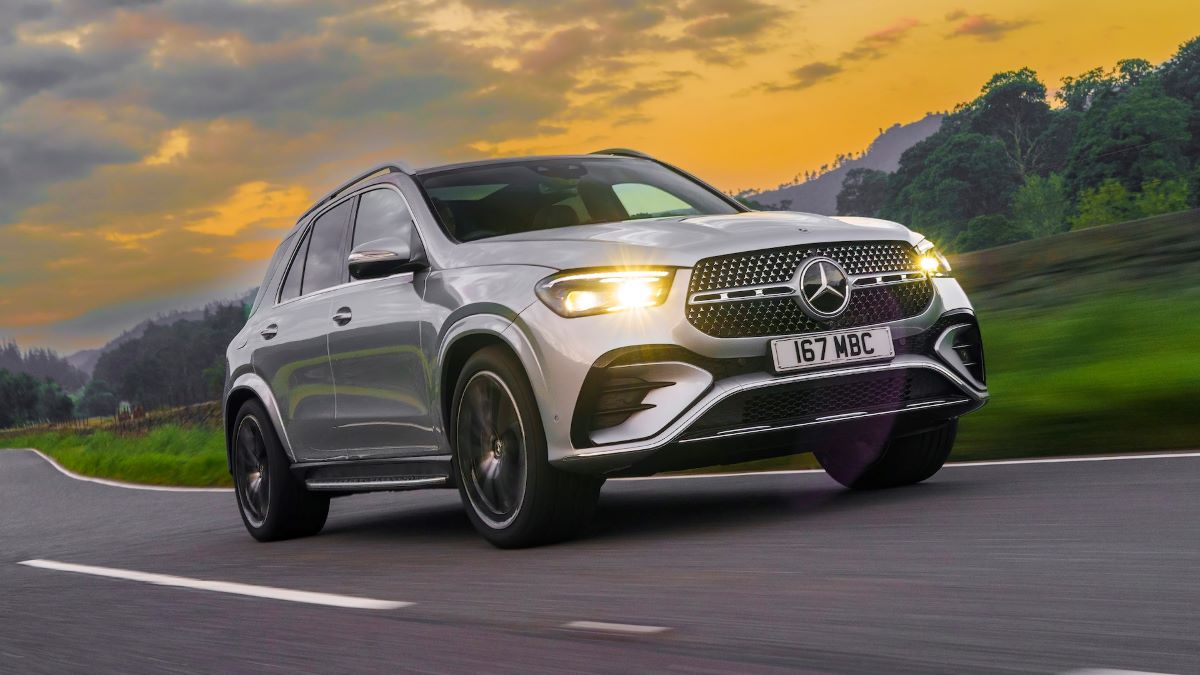
1. Mercedes-Benz GLE-Class
The Mercedes-Benz GLE-Class stands as a pinnacle of park assist technology, featuring one of the most sophisticated and intuitive automated parking systems available in today’s automotive market.
The Active Parking Assist with PARKTRONIC system in the GLE represents years of German engineering excellence, combining multiple advanced technologies to create a seamless parking experience that drivers can genuinely trust.
The GLE can extract itself from a tight spot, as well, demonstrating the system’s bidirectional capabilities that extend beyond simple parking assistance.
The system utilizes an array of twelve ultrasonic sensors strategically positioned around the vehicle’s perimeter, working in conjunction with a 360-degree camera system that provides crystal-clear visual feedback to the driver.
This comprehensive sensor network creates a detailed three-dimensional map of the surrounding environment, allowing the system to identify suitable parking spaces with remarkable accuracy.
What sets the GLE’s park assist apart is its intuitive user interface and predictable behavior. The system provides clear visual guidance through the vehicle’s high-resolution display, showing real-time sensor data, trajectory lines, and distance measurements that are easy to interpret.
The audio feedback is equally sophisticated, with distinct tones that indicate proximity to obstacles without being jarring or confusing. Drivers consistently report that the system feels natural and trustworthy, with smooth steering inputs that mirror how an experienced driver would approach the parking maneuver.
The GLE’s park assist excels in various parking scenarios, from tight parallel parking spots on busy city streets to perpendicular parking in crowded shopping centers.
The system demonstrates exceptional reliability in different weather conditions and lighting situations, maintaining consistent performance whether parking in bright sunlight or dimly lit underground garages.
The integration with the vehicle’s other safety systems creates a comprehensive safety net that prevents collisions while maintaining efficiency in the parking process.
Perhaps most importantly, the Mercedes-Benz GLE’s park assist system learns and adapts to different driving styles and preferences. The system can be calibrated to match individual driver preferences for parking speed and proximity to obstacles, ensuring that the automated parking experience feels personalized rather than generic.
This adaptability, combined with the system’s consistent reliability and intuitive operation, makes the GLE a standout choice for drivers seeking dependable park assist technology that enhances rather than complicates their driving experience.
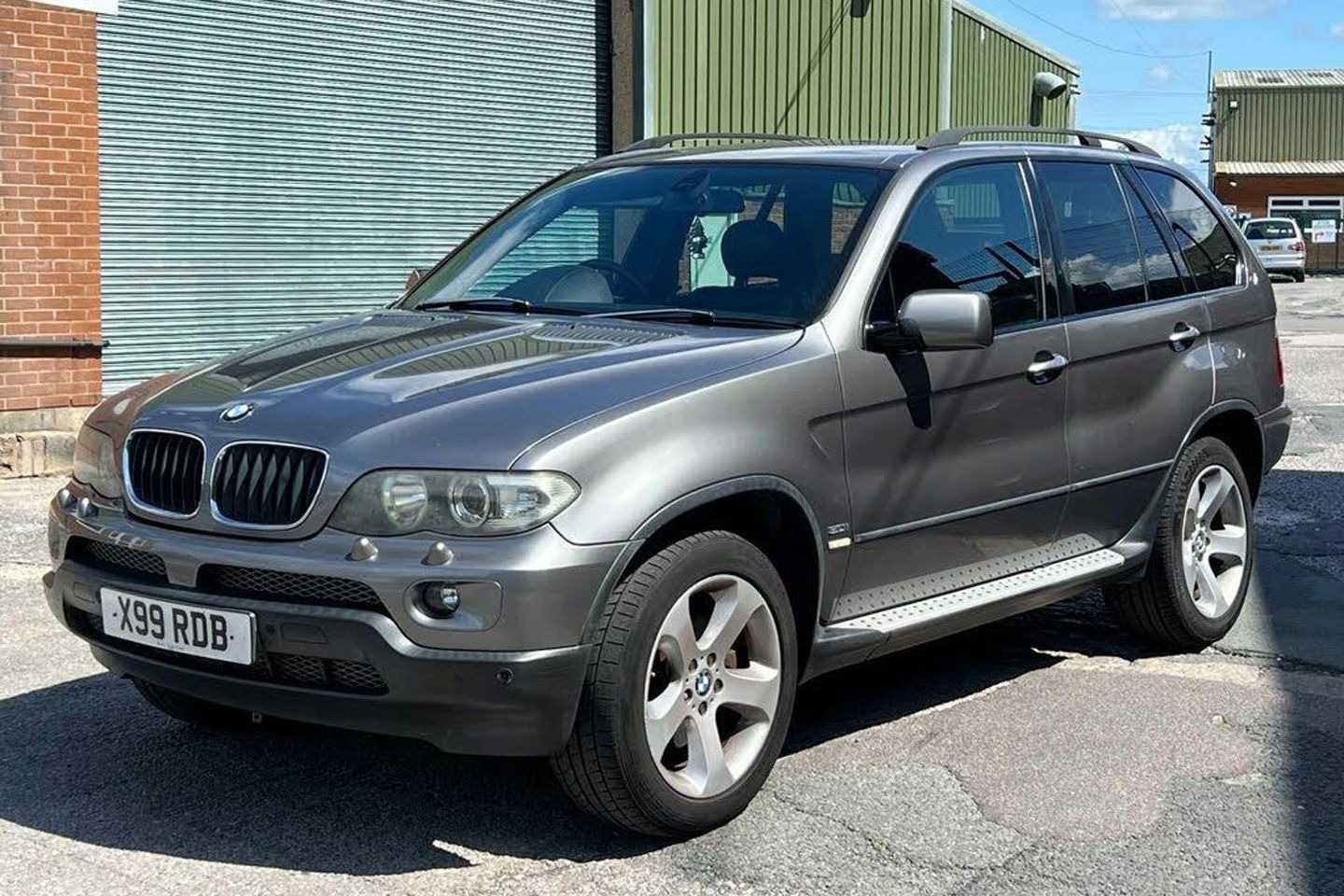
2. BMW X5
The BMW X5 showcases the brand’s commitment to driver-focused technology through its sophisticated Parking Assistant Plus system, which represents one of the most user-friendly and reliable park assist implementations in the luxury SUV segment.
BMW’s approach to automated parking emphasizes precision, speed, and driver confidence, creating a system that feels like a natural extension of the driver’s parking abilities rather than an intrusive technological overlay.
The X5’s Parking Assistant Plus utilizes a combination of ultrasonic sensors, cameras, and advanced computing power to create what BMW calls “surround view” parking assistance.
This system can identify and execute parallel parking, perpendicular parking, and even diagonal parking maneuvers with remarkable consistency. The technology behind the system includes twelve ultrasonic sensors that provide millimeter-precise distance measurements, supplemented by four cameras that offer comprehensive visual coverage of the vehicle’s surroundings.
One of the most impressive aspects of the BMW X5’s park assist is its speed and efficiency. Unlike some systems that creep cautiously into parking spaces, the X5’s system operates at a natural pace that doesn’t hold up traffic or frustrate other drivers.
The system calculates optimal entry angles and trajectories quickly, executing smooth parking maneuvers that look and feel natural. This efficiency doesn’t come at the expense of safety, as the system maintains constant vigilance for pedestrians, cyclists, or other unexpected obstacles.
The user interface in the X5 deserves particular praise for its clarity and intuitiveness. The central display shows a clear representation of the parking space, surrounding obstacles, and the vehicle’s planned path.
The graphics are rendered in real-time with high precision, allowing drivers to understand exactly what the system intends to do before and during the parking maneuver.
The haptic feedback through the steering wheel and pedals provides additional confidence, letting drivers feel the system’s inputs without being jarring or uncomfortable.
BMW’s attention to real-world usability shines through in the X5’s park assist system’s ability to handle challenging scenarios that often confuse other systems.
The system performs reliably in spaces that are barely larger than the vehicle itself, can navigate around irregular obstacles like shopping carts or construction barriers, and maintains performance consistency across different surface types from smooth pavement to gravel parking lots.
This real-world reliability, combined with the system’s intuitive operation and efficient execution, makes the BMW X5’s park assist a genuinely useful tool that drivers find themselves using regularly rather than avoiding.
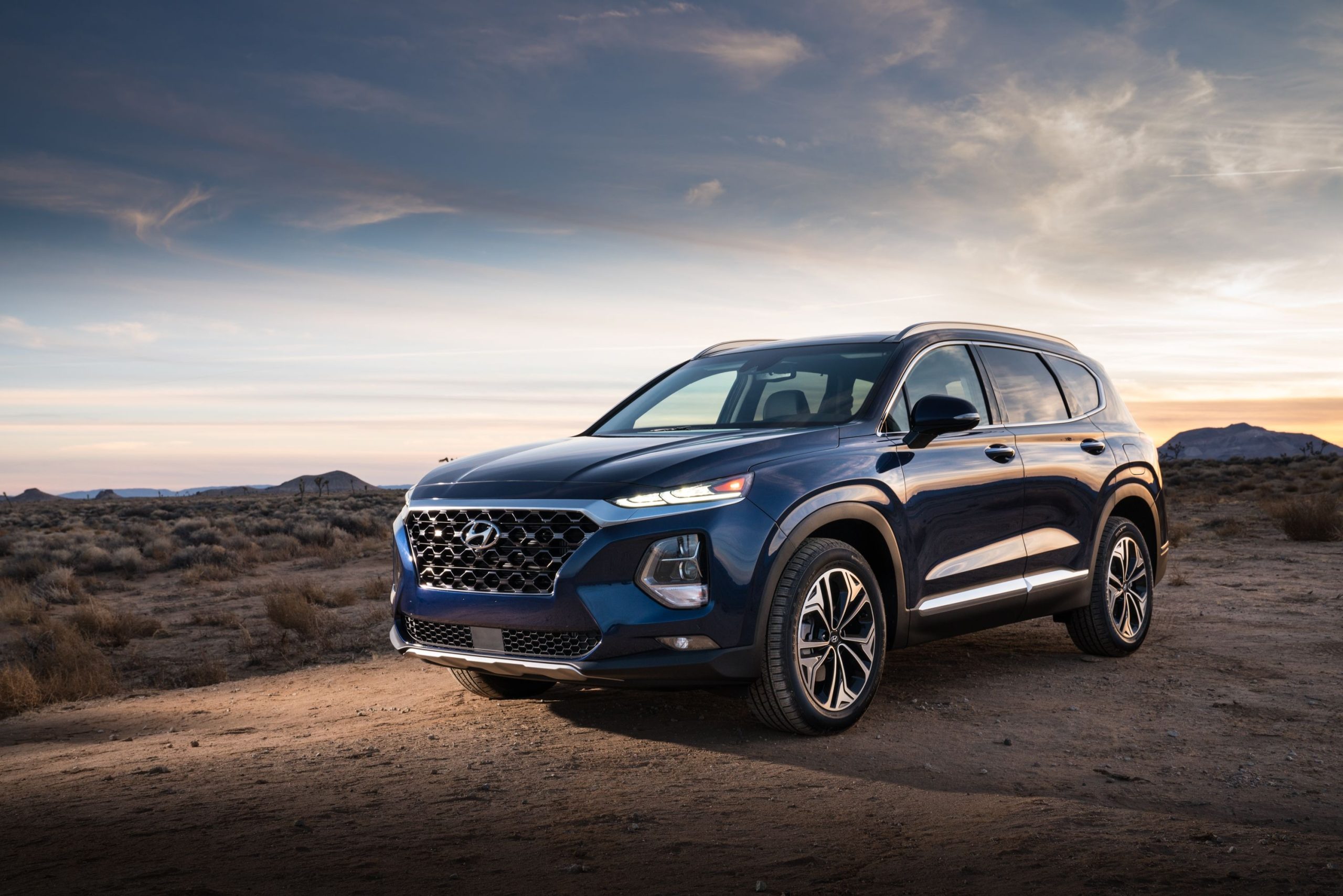
3. Hyundai Santa Fe
Fully redesigned for the 2024 model year, the Hyundai Santa Fe claims a spot near the top of our midsize SUV rankings, and its Smart Park Assist system represents exceptional value in the park assist technology landscape.
Hyundai has democratized advanced parking assistance, offering sophisticated features typically reserved for luxury vehicles at a more accessible price point without compromising on reliability or user experience.
The Santa Fe’s Smart Park Assist system incorporates twelve ultrasonic sensors and four cameras to provide comprehensive parking assistance that rivals systems found in vehicles costing significantly more.
What makes this system particularly impressive is Hyundai’s focus on real-world usability and driver confidence. The system has been calibrated to work effectively in typical parking scenarios that drivers encounter daily, from grocery store parking lots to parallel parking on residential streets.
The user interface in the Santa Fe strikes an excellent balance between comprehensive information and simplicity. The system provides clear visual guidance through the vehicle’s touchscreen display, showing distance measurements, trajectory predictions, and real-time sensor data in an easy-to-understand format.
The audio feedback is well-designed, with distinct tones for different proximity levels and clear voice prompts that guide drivers through the parking process without being overwhelming or confusing.
One of the standout features of Santa Fe’s park assist is its adaptability to different parking conditions and driver preferences. The system allows drivers to adjust sensitivity settings, parking speed preferences, and even the level of assistance provided.
This customization ensures that the system feels comfortable for drivers with different experience levels and parking preferences. New drivers can rely on maximum assistance and guidance, while experienced drivers can use the system for confirmation and fine-tuning of their parking approach.
The reliability of the Santa Fe’s park assist system has been consistently praised by owners and automotive journalists alike. The system maintains consistent performance across various weather conditions, from sunny days to rainy conditions, and works effectively in different lighting situations.
The sensors are well-protected from road debris and weather exposure, ensuring long-term reliability. Additionally, Hyundai’s comprehensive warranty coverage provides added peace of mind for owners, demonstrating the manufacturer’s confidence in the system’s durability and performance.
This combination of advanced features, user-friendly design, and proven reliability makes the Santa Fe’s park assist system one of the best values available in today’s automotive market.
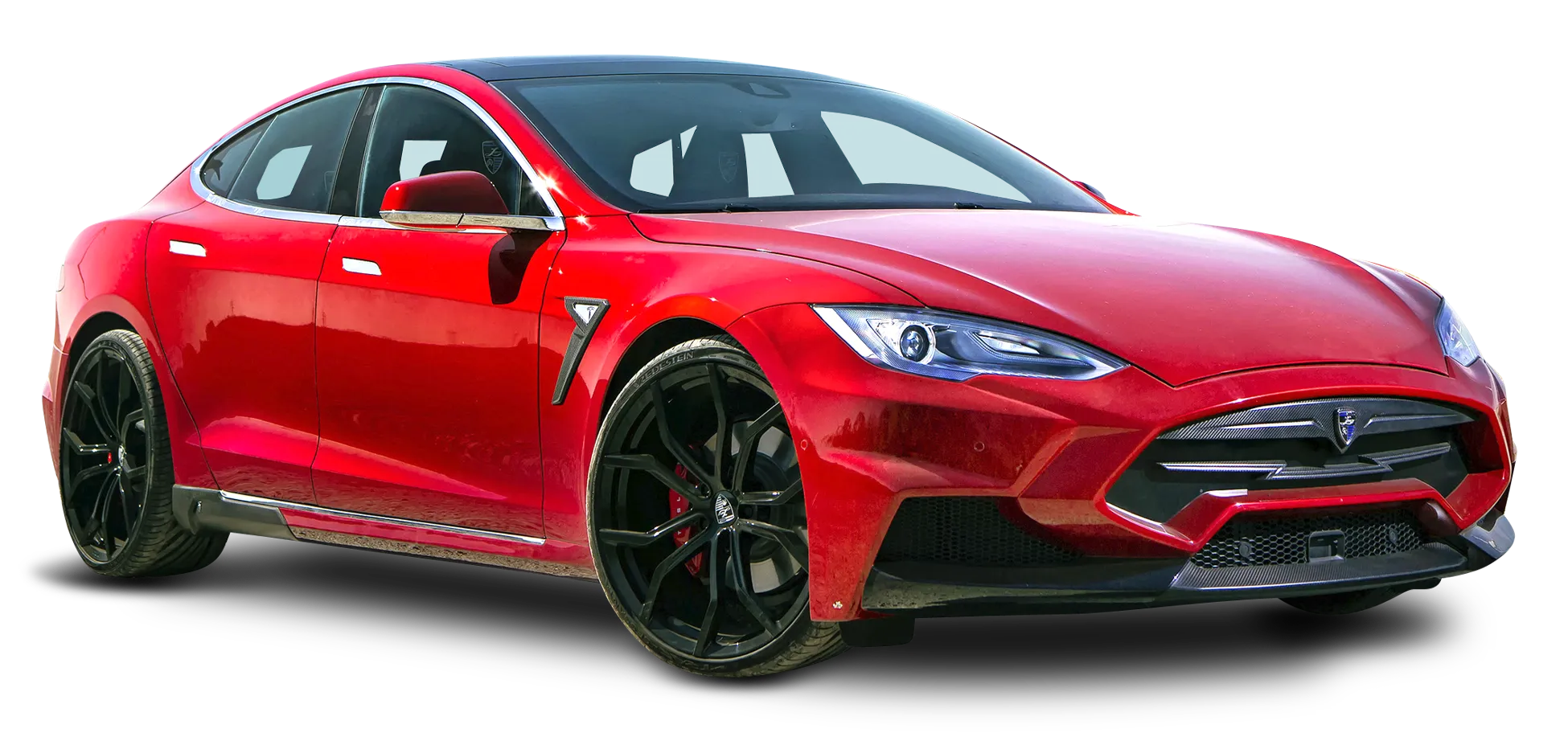
4. Tesla Model S
Tesla’s Autopark system in the Model S represents a revolutionary approach to automated parking that leverages the company’s expertise in artificial intelligence and computer vision technology.
Unlike traditional park assist systems that rely primarily on ultrasonic sensors, Tesla’s approach combines multiple technologies, including cameras, ultrasonic sensors, and advanced neural networks to create a parking assistance system that continuously improves through over-the-air updates and machine learning.
The Model S’s Autopark system can automatically detect suitable parking spaces and execute parking maneuvers with minimal driver input. The system uses eight cameras positioned around the vehicle to create a comprehensive view of the surroundings, supplemented by twelve ultrasonic sensors that provide precise distance measurements.
This sensor fusion approach allows the system to understand complex parking environments with remarkable accuracy, identifying not just the dimensions of parking spaces but also the context of surrounding obstacles and traffic patterns.
What sets Tesla’s approach apart is the system’s ability to learn and improve over time. The Autopark system benefits from data collected from the entire Tesla fleet, allowing the system to encounter and learn from millions of different parking scenarios.
This collective learning approach means that unusual or challenging parking situations encountered by one Tesla vehicle can improve the performance of all vehicles in the fleet through software updates. This continuous improvement cycle ensures that the system becomes more capable and reliable over time.
The user experience of Tesla’s Autopark is designed to be both simple and transparent. Drivers can initiate parking assistance through the vehicle’s touchscreen interface, which displays a clear representation of the detected parking space and the planned parking trajectory.
The system provides real-time updates on the parking progress and allows drivers to intervene at any time if they feel uncomfortable with the system’s approach. The integration with Tesla’s other autonomous driving features creates a cohesive experience that feels natural and predictable.
The Model S’s Autopark system excels in both parallel and perpendicular parking scenarios, with particularly impressive performance in challenging urban environments.
The system can handle tight parking spaces, irregular obstacles, and complex traffic situations with confidence. The electric powertrain provides additional advantages for parking assistance, as the precise torque control of electric motors allows for extremely smooth and accurate maneuvering at low speeds.
This precision, combined with the system’s advanced sensing capabilities and continuous improvement through software updates, makes the Tesla Model S’s Autopark system one of the most advanced and reliable park assist technologies available today.
Also Read: 5 Vehicles With Simple Hitch Setup vs 5 With Complicated Tow Prep
5. Volvo XC90
The Volvo XC90’s Park Assist Pilot system exemplifies the Swedish automaker’s renowned commitment to safety and user-centric design, offering one of the most comprehensive and trustworthy parking assistance systems in the luxury SUV segment.
Volvo’s approach to park assist technology prioritizes safety above all else while maintaining the intuitive operation and reliability that drivers expect from the brand known for automotive safety innovation.
Volvo’s active park assist is available as part of the Technology Package on the S90 and XC90, representing a sophisticated integration of multiple safety and convenience technologies.
The XC90’s system utilizes an array of sensors, cameras, and radar technology to create what Volvo calls a “safety cocoon” around the vehicle during parking maneuvers. This comprehensive approach ensures that the system can detect and respond to various obstacles, from stationary objects to moving pedestrians and cyclists.
The XC90’s park assist system stands out for its exceptional performance in complex parking environments. The system can handle a wide variety of parking scenarios, from standard parallel and perpendicular parking to more challenging situations like angled parking spaces or parking near irregular obstacles.
The system’s ability to adapt to different surface conditions, lighting situations, and weather conditions has been consistently praised by owners who rely on the system in various real-world conditions.

The user interface in the XC90 reflects Volvo’s philosophy of intuitive design and clear communication. The system provides comprehensive visual feedback through the vehicle’s central display, showing detailed representations of the parking space, surrounding obstacles, and the vehicle’s intended path.
The graphics are rendered with high precision and updated in real-time, allowing drivers to understand and trust the system’s decision-making process. The audio feedback is equally well-designed, with clear tones and voice prompts that guide drivers through the parking process without being intrusive or confusing.
Safety features integrated into the XC90’s park assist system go beyond basic obstacle detection. The system includes pedestrian and cyclist detection capabilities that can identify and respond to moving objects around the vehicle.
The integration with Volvo’s other safety systems, including automatic emergency braking and collision avoidance technology, creates multiple layers of protection during parking maneuvers.
This comprehensive safety approach, combined with the system’s reliable performance and intuitive operation, makes the Volvo XC90’s park assist system particularly appealing to families and safety-conscious drivers who want the confidence that comes with Volvo’s legendary commitment to occupant and pedestrian safety.
5 Cars With Untrustworthy Park Assist Guidance
These problematic vehicles frustrate drivers with inconsistent parking sensors, erratic distance readings, and unreliable guidance systems that provide false confidence or unnecessary panic through inaccurate feedback during crucial parking situations.
Their poorly calibrated sensors frequently trigger false alarms for non-existent obstacles, fail to detect genuine hazards like low barriers or narrow posts, and provide confusing visual or audible cues that contradict actual spatial relationships.
The combination of oversensitive detection zones, delayed response times, and inconsistent warning patterns creates dangerous situations where drivers either ignore legitimate warnings or become overly dependent on faulty technology.
From budget vehicles with basic sensor packages to complex systems with software glitches, these cars deliver parking assistance that undermines rather than supports driver confidence through unreliable, potentially hazardous guidance.
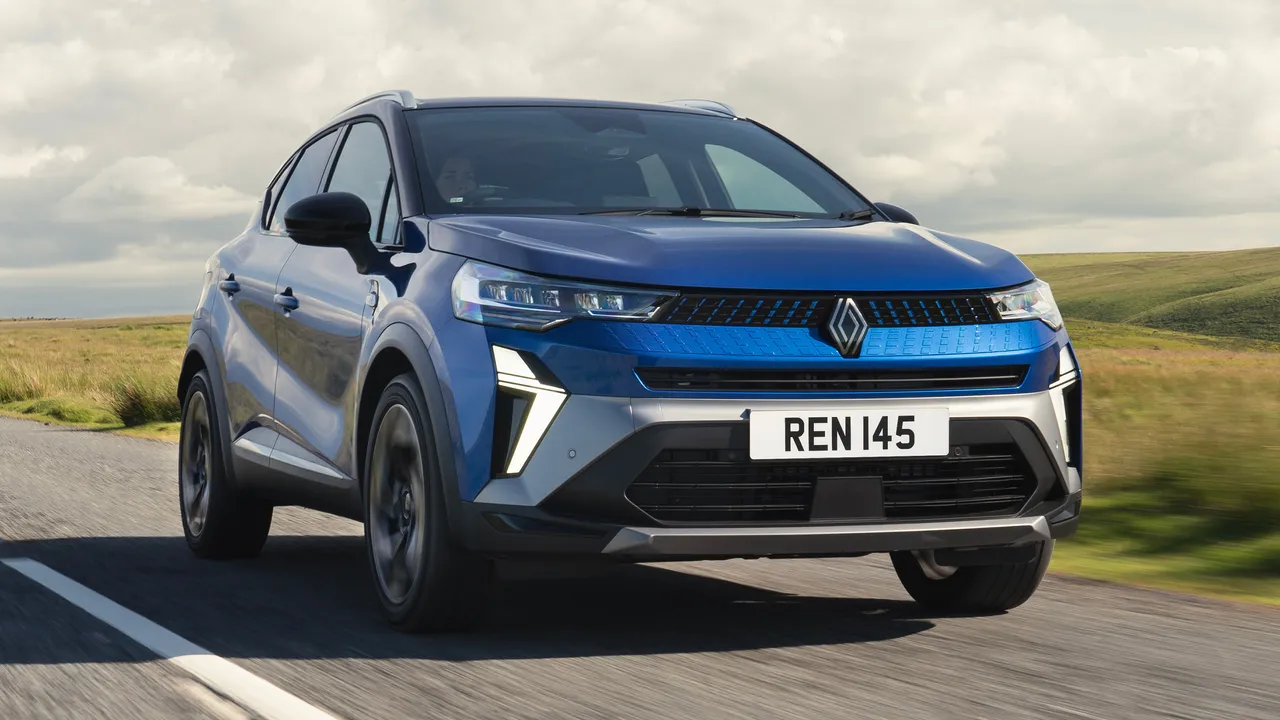
1. Renault Captur
The Renault Captur’s park assist system has gained notoriety among owners and automotive reviewers for its inconsistent performance and confusing operation, representing one of the more problematic implementations of parking assistance technology in the compact SUV segment.
Despite studying the manual & R-Link info to understand the steps needed to execute the different parking scenarios, it seemed to be unreliable & potentially hazardous to be completely dependent upon, according to frustrated owners who have experienced the system’s limitations firsthand.
The fundamental issues with the Captur’s park assist system stem from poor sensor calibration and inadequate software integration. The system relies on ultrasonic sensors that appear to be overly sensitive to certain types of obstacles while missing others entirely.
Owners frequently report situations where the system refuses to recognize adequate parking spaces, claiming insufficient room when plenty of space is available. Conversely, the system sometimes attempts to guide the vehicle into spaces that are genuinely too small, creating potential damage risks and driver anxiety.
The user interface compounds these technical problems with unclear visual guidance and confusing audio feedback. The system’s display often shows conflicting information, with distance indicators that don’t match the actual spacing around the vehicle.
The trajectory lines displayed on the screen frequently appear inaccurate, showing parking paths that would result in contact with obstacles or poor positioning within the parking space.
This disconnect between what the system shows and reality creates a fundamental trust issue that makes drivers hesitant to rely on the technology.
Weather sensitivity represents another significant weakness in the Captur’s park assist system. The sensors appear to be particularly susceptible to interference from rain, snow, or even heavy humidity, often displaying “Park Assist Blocked” messages when conditions are less than perfect.
This weather sensitivity severely limits the system’s usefulness in many climates and seasonal conditions, forcing drivers to disable the feature precisely when parking assistance might be most valuable.
The integration with the vehicle’s other systems also leaves much to be desired. The park assist often conflicts with other driver assistance features, creating confusing situations where multiple systems provide contradictory guidance.
The steering feel during automated parking maneuvers is jerky and unnatural, with abrupt corrections that feel more like system malfunctions than smooth parking assistance.
These technical shortcomings, combined with inconsistent performance and poor weather tolerance, make the Renault Captur’s park assist system more of a liability than an asset, leading many owners to disable the feature entirely rather than deal with its unpredictable behavior.
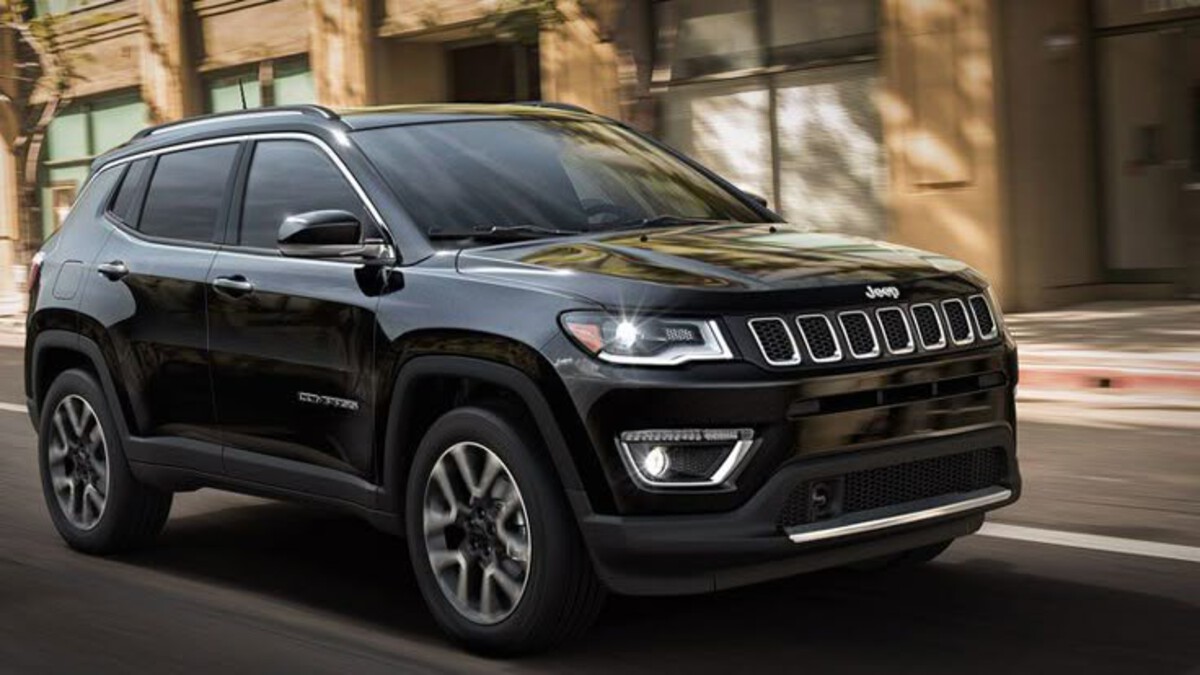
2. Jeep Compass
The Jeep Compass’s ParkSense system exemplifies how cost-cutting measures and inadequate development can transform potentially useful technology into a source of driver frustration and reduced confidence.
The system’s implementation in the Compass suffers from multiple technical and design shortcomings that make it one of the least reliable park assist systems in the compact SUV market, often creating more problems than it solves for drivers attempting to use the technology.
The sensor accuracy in the Compass’s ParkSense system is notably inconsistent, with frequent false readings that confuse rather than assist drivers.
The system often detects phantom obstacles that don’t exist, causing unnecessary alerts and preventing the completion of perfectly safe parking maneuvers.
Equally problematic, the system sometimes fails to detect genuine obstacles, particularly those with certain shapes, textures, or heights that fall outside the sensors’ optimal detection parameters. This inconsistency creates a dangerous situation where drivers cannot trust the system’s feedback.
The calibration of the ParkSense system appears to be overly conservative in some situations and inadequately cautious in others. The system frequently refuses to attempt parking maneuvers in spaces that experienced drivers would consider adequately sized, displaying messages indicating insufficient space when manual parking would be straightforward.
This over-cautious programming makes the system feel more like an obstacle to parking than an assistance tool, leading to frustration and eventual abandonment of the feature by many owners.
The user interface design in the Compass contributes significantly to the system’s problems. The visual display lacks the clarity and precision found in better implementations, often showing generic representations rather than accurate depictions of the actual parking environment.
The distance indicators are imprecise and sometimes contradictory, showing different measurements for the same obstacles depending on the approach angle or vehicle position. The audio feedback is equally problematic, with harsh, jarring tones that create anxiety rather than confidence during parking maneuvers.
Software integration issues plague the Compass’s ParkSense system, with frequent glitches that cause the system to shut down unexpectedly or provide erratic guidance during parking attempts.
The system often requires multiple restart attempts to function properly, and even then, performance remains inconsistent. Updates to the vehicle’s software sometimes introduce new problems or fail to address existing issues, suggesting inadequate testing and quality control in the development process.
These reliability problems, combined with poor sensor accuracy and confusing user interface design, make the Jeep Compass’s park assist system a prime example of how not to implement parking assistance technology, ultimately damaging driver confidence rather than enhancing the parking experience.
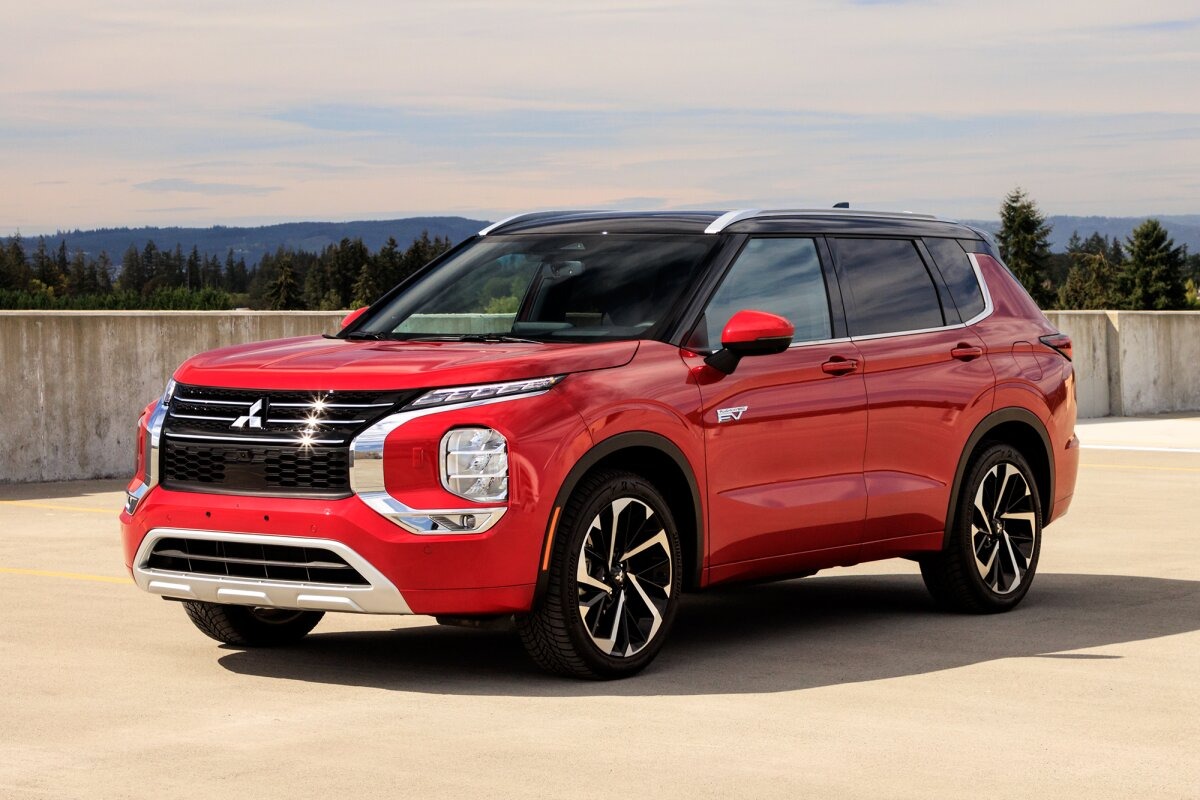
3. Mitsubishi Outlander
The Mitsubishi Outlander’s Ultrasonic Misacceleration Mitigation System, marketed as a parking assistance feature, represents a particularly problematic approach to park assist technology that has frustrated owners and highlighted the importance of proper system integration and calibration.
The system’s numerous shortcomings demonstrate how inadequate development and testing can result in technology that creates more problems than it solves, ultimately damaging the ownership experience.
The fundamental issue with the Outlander’s parking assistance lies in its oversimplified sensor array and poor signal processing algorithms. The system relies on a limited number of sensors that lack the coverage and precision necessary for reliable parking assistance.
These sensors frequently provide conflicting or inaccurate readings, detecting obstacles where none exist or failing to identify genuine hazards. The system’s inability to distinguish between different types of obstacles results in inappropriate responses that range from unnecessary caution to dangerous overconfidence.
Common complaints include the assists taking too long to park, or moving erratically and risking damage to the vehicle, and the Outlander exemplifies these problems with its sluggish response times and jerky steering inputs.
The system’s decision-making process appears to lack the sophisticated algorithms necessary for smooth, natural parking maneuvers. Instead of providing confident, decisive guidance, the system hesitates, recalculates, and makes frequent corrections that create an uncomfortable and untrustworthy parking experience.
The user interface in the Outlander compounds these technical problems with poor information presentation and confusing feedback mechanisms.
The system’s display often fails to accurately represent the parking environment, showing simplified graphics that don’t match the complexity of real-world parking situations.
The distance measurements displayed are frequently inaccurate, and the trajectory predictions often prove to be wrong, leading drivers into parking approaches that require manual correction or result in inadequate final positioning.
Reliability issues further undermine confidence in the Outlander’s parking assistance system. The system is prone to unexpected shutdowns, error messages, and inconsistent behavior that varies from one parking attempt to another.
Environmental factors like temperature changes, humidity, or minor sensor contamination can cause the system to malfunction or provide unreliable guidance. The lack of robust self-diagnostic capabilities means that drivers often cannot determine whether system warnings represent genuine problems or false alerts.
The integration with the vehicle’s other systems reveals additional shortcomings, with the parking assistance often conflicting with traction control, stability management, or other driver assistance features.
This poor integration creates confusing situations where multiple systems provide contradictory inputs, leaving drivers uncertain about which guidance to follow.
The result is a parking assistance system that fails to inspire confidence, often requiring drivers to override or disable the technology to complete parking maneuvers safely and efficiently.
4. Nissan Kicks
The Nissan Kicks’s Intelligent Around View Monitor with Moving Object Detection, while marketed as an advanced parking assistance feature, suffers from significant implementation flaws that make it one of the more problematic park assist systems in the subcompact SUV segment.
The system’s shortcomings highlight the challenges of adapting complex technology to budget-conscious vehicle platforms without adequate development resources and testing.
The camera-based approach used in the Kicks’ system creates several inherent limitations that become apparent in real-world parking scenarios. The system’s image processing algorithms struggle with varying lighting conditions, often providing distorted or unclear visual guidance when parking in shadowy areas, bright sunlight, or artificially lit environments.
The cameras themselves appear to be of lower quality than those found in more premium implementations, resulting in grainy, low-resolution images that make it difficult to judge distances and identify obstacles accurately.
The Moving Object Detection feature, intended to enhance safety during parking maneuvers, proves to be overly sensitive and prone to false alarms. The system frequently detects movement where none exists, triggering unnecessary warnings and interrupting parking attempts.
The system sometimes fails to detect genuine moving objects like pedestrians, shopping carts, or other vehicles, creating dangerous situations where drivers rely on incomplete information. This inconsistent performance undermines trust in the system’s safety benefits.
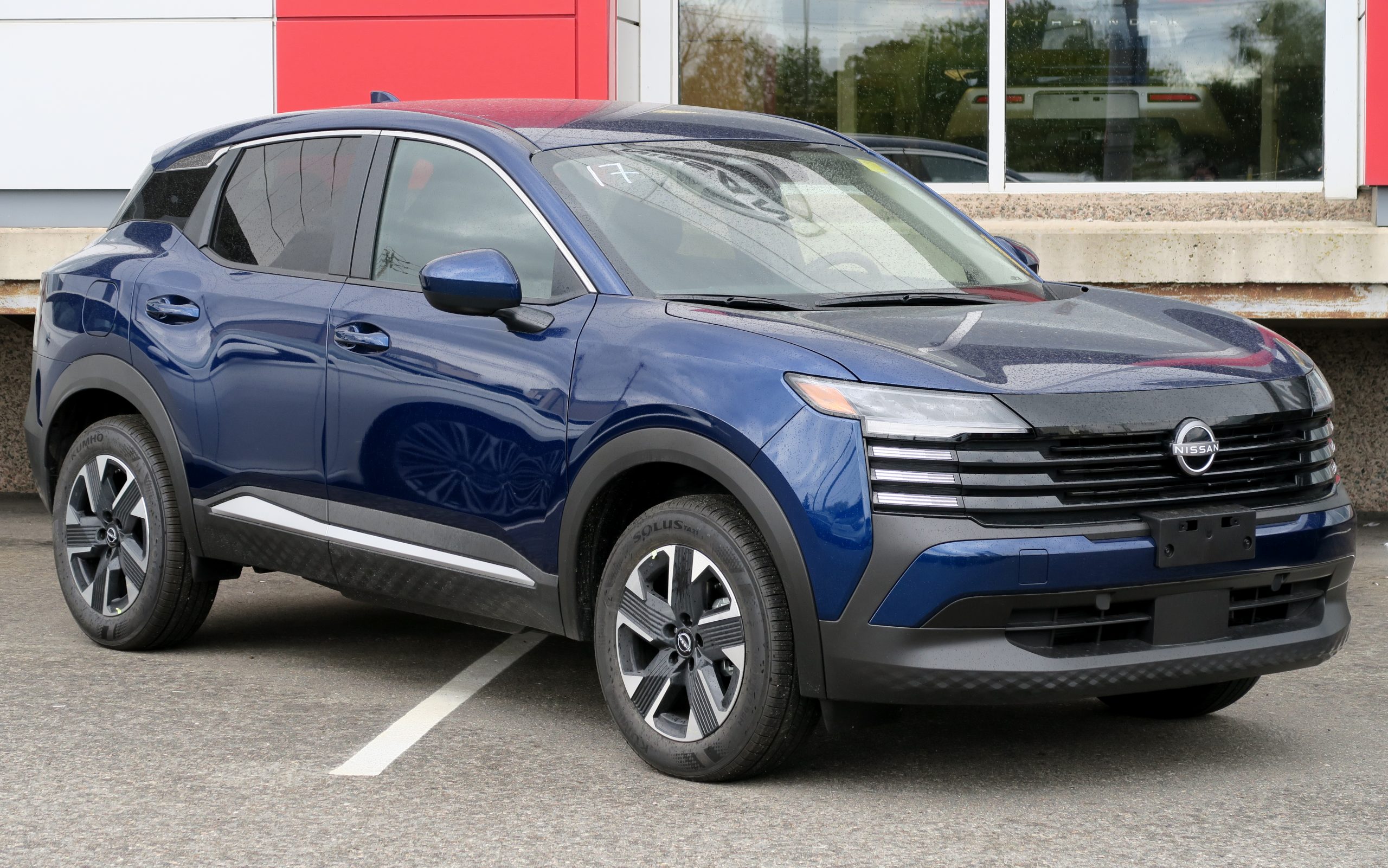
The user interface design in the Kicks reflects the challenges of implementing advanced features on a budget platform. The display quality is noticeably inferior to systems found in higher-end vehicles, with poor color reproduction and limited resolution that makes it difficult to interpret the visual guidance accurately.
The on-screen graphics are overly simplified and often fail to represent the complexity of real parking situations, leading to misunderstandings about spatial relationships and obstacle positions.
Calibration issues plague the Kicks’ parking assistance system, with distance measurements that frequently prove inaccurate in practice. The system’s spatial awareness appears to be compromised by poor sensor fusion between the cameras and any supplementary sensors, resulting in guidance that doesn’t match the physical reality of the parking environment.
Drivers often find that spaces the system claims are adequate prove too small, while spaces the system rejects would accommodate the vehicle comfortably.
The system’s performance degradation over time represents another significant concern for Kicks owners. The cameras appear susceptible to contamination from road debris, weather exposure, and normal wear that gradually reduces image quality and system reliability.
The lack of robust self-cleaning features or protective measures means that system performance can deteriorate rapidly in harsh driving conditions.
Combined with limited diagnostic capabilities and poor integration with the vehicle’s other systems, these issues make the Nissan Kicks’s parking assistance more of a liability than a benefit, often requiring drivers to ignore or override the system to park safely and efficiently.
5. Chevrolet Trax
The Chevrolet Trax’s Rear Park Assist system represents a particularly disappointing implementation of parking assistance technology that demonstrates how cost constraints and inadequate engineering attention can result in features that actively detract from the driving experience.
The system’s numerous shortcomings have made it a frequent target of owner complaints and automotive reviewer criticism, highlighting the importance of proper development and testing in parking assistance systems.
The sensor quality and placement in the Trax’s park assist system appear to have been compromised by budget limitations, resulting in poor coverage and inconsistent performance.
The system relies on a minimal sensor array that lacks the redundancy and precision necessary for reliable parking assistance. These sensors are positioned in locations that make them susceptible to damage from road debris, weather exposure, and normal wear, leading to frequent malfunctions and reduced system reliability over time.
Faulty or Dirty Sensors Dirt, snow, or road grime can block sensor function, and the Trax’s system appears particularly vulnerable to these environmental factors.
The sensors require frequent cleaning to maintain even basic functionality, and even minor contamination can cause the system to provide false readings or shut down entirely.
This environmental sensitivity makes the system unreliable precisely when parking assistance might be most valuable, such as in urban environments with heavy traffic and debris.
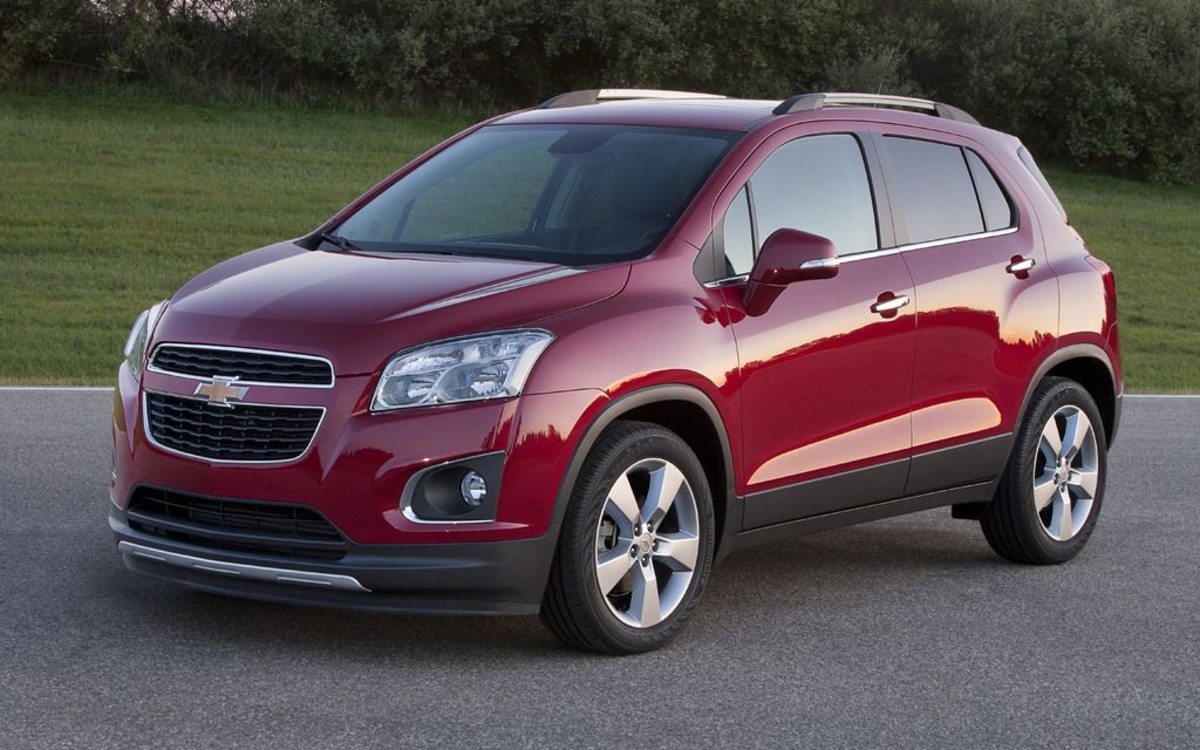
The software algorithms controlling the Trax’s park assist system lack the sophistication necessary for accurate obstacle detection and distance measurement.
The system frequently provides conflicting information, showing different distance readings for the same obstacles depending on approach angle or vehicle speed.
The threshold settings for obstacle detection appear poorly calibrated, with the system either being overly sensitive to minor obstacles or failing to detect significant hazards that require driver attention.
The user interface in the Trax reflects the budget constraints affecting the system’s development. The visual display is basic and often confusing, with generic graphics that don’t accurately represent the parking environment.
The distance indicators lack precision and are frequently inaccurate, leading drivers to make parking decisions based on misleading information. The audio feedback is equally problematic, with harsh, jarring tones that create anxiety rather than confidence during parking maneuvers.
Integration problems with the vehicle’s other systems create additional complications for Trax owners attempting to use the park assist feature. The system often conflicts with the vehicle’s traction control, stability management, or entertainment systems, creating situations where multiple vehicle functions provide contradictory information or interfere with each other’s operation.
The lack of proper system coordination suggests inadequate testing and quality control during the development process. The long-term reliability of the Trax’s park assist system has proven particularly problematic, with many owners reporting system failures, intermittent operation, and gradual performance degradation over time.
The system’s components appear to be of lower quality than those found in more premium implementations, leading to premature wear and frequent need for service or replacement.
These reliability issues, combined with poor initial performance and confusing operation, make the Chevrolet Trax’s park assist system a prime example of how inadequate development and cost-cutting measures can transform potentially useful technology into a source of owner frustration and reduced vehicle satisfaction.
Also Read: 5 Cars With Night-Vision Features vs 5 With Poor Low-Light Performance
