
The automotive world is filled with misconceptions about reliability, where marketing prowess and brand prestige often overshadow actual long-term dependability.
While certain sedans have achieved legendary status through decades of reputation building and media attention, the reality of ownership can tell a dramatically different story.
Some of the most celebrated vehicles in automotive history have disappointed owners with chronic reliability issues, expensive maintenance, and premature failures that contradict their sterling reputations.
Conversely, numerous sedans from less prestigious manufacturers or overlooked model lines have quietly delivered exceptional reliability and longevity that surpasses their famous counterparts.
These unsung heroes of the automotive world often lack the marketing budgets, brand cachet, or enthusiast following of more celebrated vehicles, yet they consistently outlast and outperform their renowned rivals in real-world ownership scenarios.
This disparity between perception and reality highlights the importance of looking beyond brand names and popular opinion when evaluating vehicle dependability.
Factors such as engineering philosophy, manufacturing quality, parts availability, and maintenance requirements often matter more than prestigious badges or automotive press accolades.
The following comparison examines ten sedans that exemplify this contrast, revealing how some lesser-known vehicles have achieved exceptional longevity while certain automotive legends have systematically disappointed their owners with reliability issues that contradict their celebrated reputations.
5 Lesser-Known Sedans That Outlast Legends
These overlooked automotive workhorses deliver exceptional longevity through conservative engineering, proven powertrains, and meticulous build quality that enables decades of reliable service while their famous competitors suffer from premature failures and expensive repairs.
Their understated designs incorporate robust components, time-tested mechanical systems, and quality materials that resist wear and environmental damage far better than heavily marketed alternatives that prioritize style over substance.
The combination of modest pricing, excellent parts availability, and straightforward maintenance requirements creates ownership experiences that consistently exceed expectations while delivering superior long-term value.
From reliable manufacturers with proven engineering philosophies to practical models with extensive testing programs, these vehicles demonstrate that automotive excellence often comes without fanfare, providing dependable transportation that outlasts more celebrated competitors through superior fundamental engineering and construction quality.
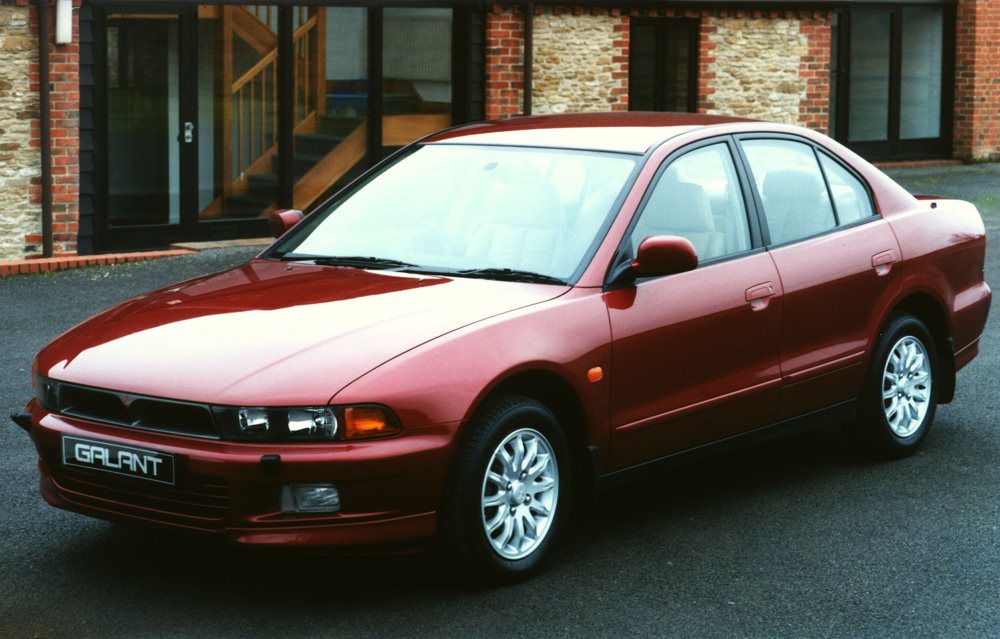
1. Mitsubishi Galant (1999-2012)
The Mitsubishi Galant represents one of automotive history’s most underappreciated reliability success stories, consistently delivering exceptional longevity and dependability while receiving minimal attention from automotive media and consumers.
Despite Mitsubishi’s declining market presence in North America, the Galant maintained remarkably consistent build quality and engineering throughout its production run, creating a sedan that routinely surpassed 200,000 miles with minimal major repairs.
Mitsubishi’s engineering approach for the Galant prioritized proven technology over cutting-edge innovation, resulting in a vehicle built with mature, well-understood components that delivered predictable performance.
The engine lineup, featuring naturally aspirated four-cylinder and V6 options, utilized time-tested designs with generous tolerances and conservative tuning that promoted longevity over peak performance.
These engines, particularly the 2.4-liter four-cylinder, became renowned among owners for their ability to accumulate massive mileage with basic maintenance. The transmission systems in the Galant, both manual and automatic, were similarly engineered for durability rather than performance.
The automatic transmissions, sourced from established suppliers and adapted conservatively to Mitsubishi’s powertrains, avoided the complex programming and aggressive shift schedules that plagued many contemporary vehicles.
This conservative approach resulted in transmissions that regularly lasted the vehicle’s entire service life without requiring rebuilds or major repairs. Mitsubishi’s parts supply chain and manufacturing processes contributed significantly to the Galant’s reliability success.
The company’s partnership with established component suppliers ensured consistent quality and availability of replacement parts at reasonable prices.
The manufacturing facilities producing the Galant maintained strict quality control standards that resulted in consistent build quality throughout the production run, avoiding the quality variations that affected many competitors.
The Galant’s electrical systems, often a source of problems in modern vehicles, were refreshingly simple and reliable. Mitsubishi avoided overly complex electronic integration, instead focusing on proven electrical architectures that minimized failure points and simplified diagnosis when issues occurred.
This approach resulted in vehicles that maintained their electrical functionality well beyond their intended service life. Owner experiences with the Galant consistently highlighted its exceptional reliability and low ownership costs.
Many reported minimal unscheduled maintenance beyond normal wear items, with engines and transmissions lasting well beyond 250,000 miles.
The combination of reliable mechanical systems, affordable parts, and straightforward maintenance requirements made the Galant an exceptional value proposition that, unfortunately, never received the recognition it deserved in the marketplace.
Also Read: 5 Forgotten SUVs That Grip vs 5 Bestsellers With Bad Suspension
2. Suzuki Kizashi (2010-2013)
The Suzuki Kizashi stands as perhaps the most tragic example of exceptional engineering overshadowed by brand perception and market timing. Despite its brief production run, the Kizashi demonstrated remarkable reliability and build quality that surpassed many established competitors, earning praise from owners and automotive journalists who experienced the vehicle firsthand.
Suzuki’s departure from the North American market meant that this exceptional sedan never received the recognition or market penetration it deserved.
Suzuki applied decades of small-car engineering expertise to create a midsize sedan that prioritized reliability and efficiency over flashy features or aggressive performance claims.
The Kizashi’s 2.4-liter four-cylinder engine, developed specifically for this application, utilized conservative design principles that emphasized longevity and smooth operation. The engine featured robust internal components, generous oil capacity, and tuning that prioritized reliability over maximum power output.
The all-wheel-drive system available in the Kizashi represented some of Suzuki’s finest engineering work, utilizing a sophisticated but reliable mechanical system that provided excellent traction without the complexity and failure points associated with electronic systems used by competitors.
The system’s mechanical simplicity meant fewer sensors, actuators, and electronic control modules that could fail, resulting in a drivetrain that maintained its functionality throughout the vehicle’s service life.
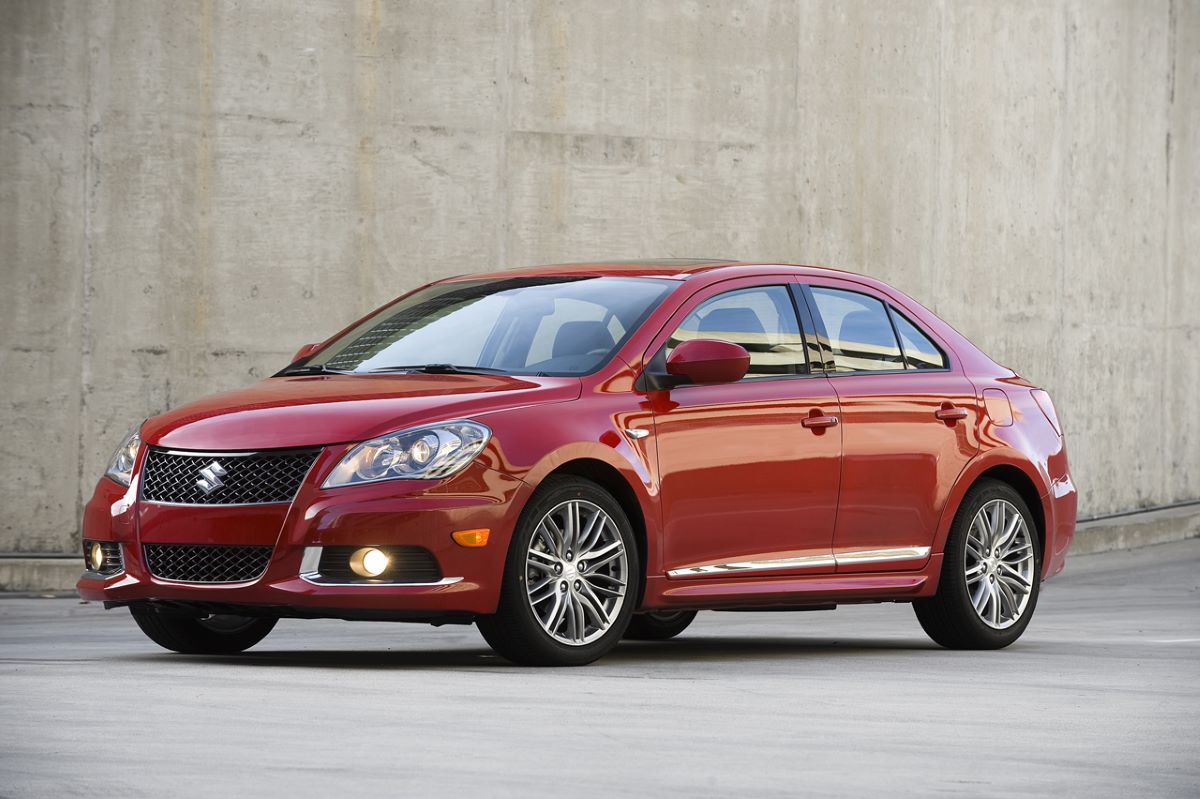
Build quality in the Kizashi exceeded expectations for the price point, with panel gaps, paint quality, and interior fit and finish that rivaled much more expensive competitors.
Suzuki’s attention to detail extended to component selection, with suppliers chosen for reliability rather than cost savings. This approach resulted in interior components, electrical systems, and mechanical parts that demonstrated exceptional durability under normal use conditions.
The Kizashi’s suspension and steering systems showcased Suzuki’s commitment to long-term reliability without sacrificing driving dynamics. The suspension components were engineered with generous safety margins and utilized proven designs that minimized wear and maintained alignment stability over extended service intervals.
Owners consistently reported minimal suspension maintenance requirements and excellent durability of steering components. Despite its brief market presence, Kizashi owners developed a passionate following based on their vehicles’ exceptional reliability and performance.
Many reported trouble-free operation well beyond 150,000 miles, with minimal unscheduled maintenance and excellent retention of mechanical functionality. The tragedy of the Kizashi lies in its unrealized potential due to market circumstances rather than any inherent vehicle shortcomings.
3. Hyundai Azera (2006-2017)
The Hyundai Azera represents the Korean manufacturer’s successful transition from budget alternative to genuine quality competitor, delivering exceptional reliability and longevity that consistently exceeded owner expectations and industry benchmarks.
Despite minimal marketing attention and limited enthusiast recognition, the Azera quietly established itself as one of the most dependable full-size sedans available, often outlasting more prestigious competitors while requiring significantly less maintenance investment.
Hyundai’s engineering philosophy for the Azera emphasized proven technology and conservative design choices that prioritized long-term reliability over cutting-edge features.
The vehicle’s powertrain options, including naturally aspirated V6 engines, utilized mature designs with extensive development history that eliminated many of the teething problems associated with newer technologies. These engines demonstrated exceptional durability, with many owners reporting smooth operation well beyond 200,000 miles with standard maintenance.
The transmission systems in the Azera benefited from Hyundai’s partnership with established automatic transmission manufacturers and conservative calibration approaches that emphasized smooth operation and longevity.
The six-speed automatic transmission, in particular, proved remarkably durable and required minimal maintenance beyond regular fluid changes. This reliability extended to the transmission’s electronic control systems, which avoided the complex adaptive programming that caused problems in many contemporary vehicles.
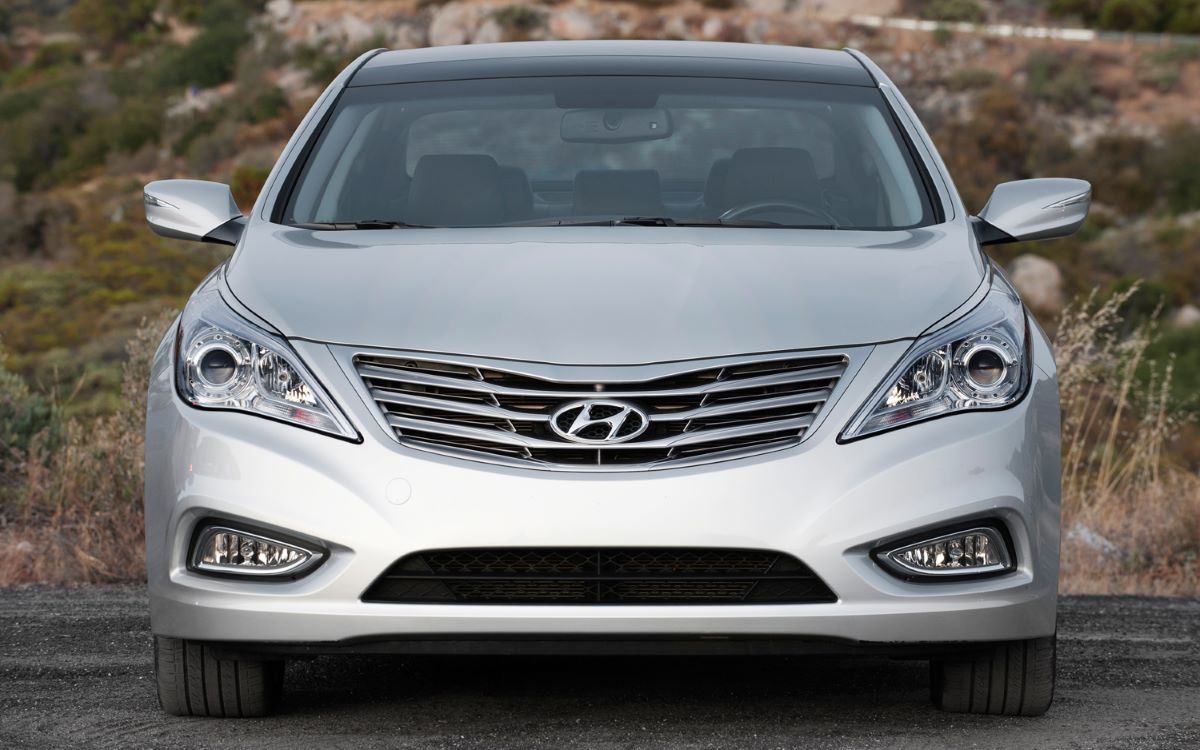
Hyundai’s manufacturing quality control processes during the Azera’s production period represented significant improvements over earlier company products, resulting in consistent build quality and attention to detail that rivaled much more expensive competitors.
The paint quality, panel fit, and interior assembly demonstrated the company’s commitment to matching or exceeding industry standards, creating vehicles that maintained their appearance and functionality throughout extended service lives.
The Azera’s electrical systems showcased Hyundai’s growing expertise in automotive electronics, with reliable control modules, sensors, and wiring harnesses that avoided many of the premature failures that plagued competitors.
The company’s conservative approach to electronic integration meant that systems were thoroughly tested and validated before implementation, resulting in electrical components that maintained their functionality well beyond typical service intervals.
Owner satisfaction with the Azera consistently ranked among the highest in its class, with particular praise for reliability, comfort, and value proposition. Many owners reported minimal unscheduled maintenance requirements and excellent retention of mechanical functionality even at high mileage.
The combination of reliable operation, spacious interior, and comprehensive warranty coverage made the Azera an exceptional choice for consumers prioritizing long-term dependability over brand prestige.
4. Saturn Aura (2007-2010)
The Saturn Aura represents a fascinating case study in how exceptional engineering can be overshadowed by brand perception and corporate circumstances.
Built on General Motors’ globally successful Epsilon platform and sharing components with well-regarded international models, the Aura delivered reliability and build quality that significantly exceeded expectations for American-branded vehicles during that period, yet never received recognition due to Saturn’s troubled brand image and eventual discontinuation.
General Motors invested heavily in the Epsilon platform that underpinned the Aura, utilizing global engineering resources and manufacturing expertise to create a midsize sedan architecture that could compete effectively with established imports.
The platform’s development incorporated lessons learned from GM’s international operations, resulting in a structure that emphasized reliability, refinement, and long-term durability. This global approach brought engineering standards and quality control processes that differed markedly from traditional American automotive practices.
The Aura’s engine options, particularly the 2.4-liter Ecotec four-cylinder, represented some of GM’s finest small-displacement engineering work. These engines utilized advanced materials, precise manufacturing tolerances, and conservative tuning that promoted longevity and reliability.
The engines demonstrated exceptional durability under various operating conditions, with many owners reporting smooth operation and minimal oil consumption well beyond 150,000 miles.
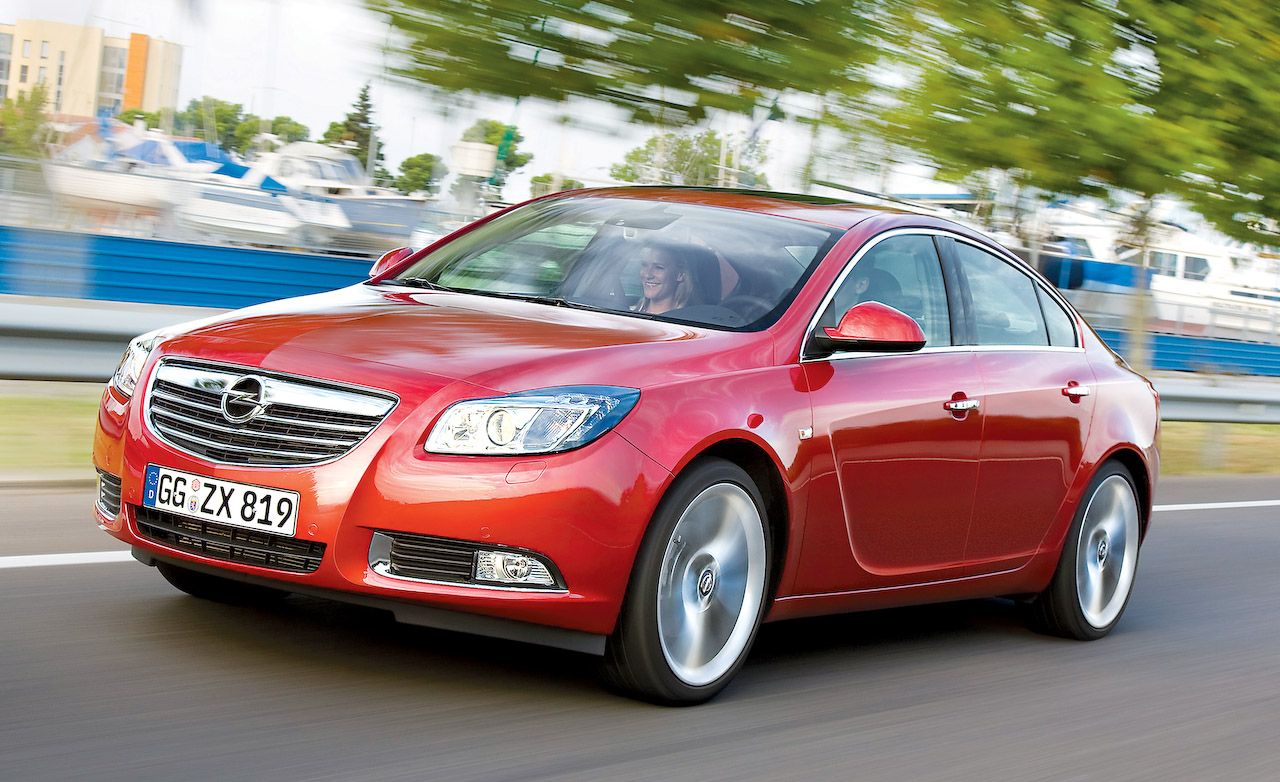
Transmission reliability in the Aura proved exceptional, with both manual and automatic options delivering dependable service throughout their intended service lives.
The six-speed automatic transmission, in particular, benefited from GM’s collaboration with transmission specialists and featured robust internal components and sophisticated control systems that optimized shift quality while minimizing wear. This attention to transmission durability paid dividends in long-term reliability and owner satisfaction.
The Aura’s electrical systems represented a significant departure from earlier Saturn products, incorporating reliable control modules, high-quality wiring harnesses, and well-integrated electronic systems that avoided many of the premature failures associated with GM vehicles from previous generations.
The electrical architecture was designed with redundancy and serviceability in mind, making diagnosis and repair straightforward when issues did occur.
Manufacturing quality in the Aura exceeded expectations for Saturn-branded vehicles, with consistent panel gaps, paint quality, and interior assembly that matched or exceeded many import competitors.
The production facilities utilized updated quality control processes and worker training programs that resulted in vehicles with excellent fit and finish throughout the production run.
Despite its brief production period, Aura owners consistently reported exceptional reliability and satisfaction with their vehicles. Many praised the combination of smooth operation, comfortable ride quality, and minimal maintenance requirements that made ownership pleasant and economical.
The Aura’s premature discontinuation represents a missed opportunity for American manufacturers to demonstrate their capability in the competitive midsize sedan segment.
Also Read: 5 Models With Basic Lighting vs 5 With Faulty Adaptive Headlights
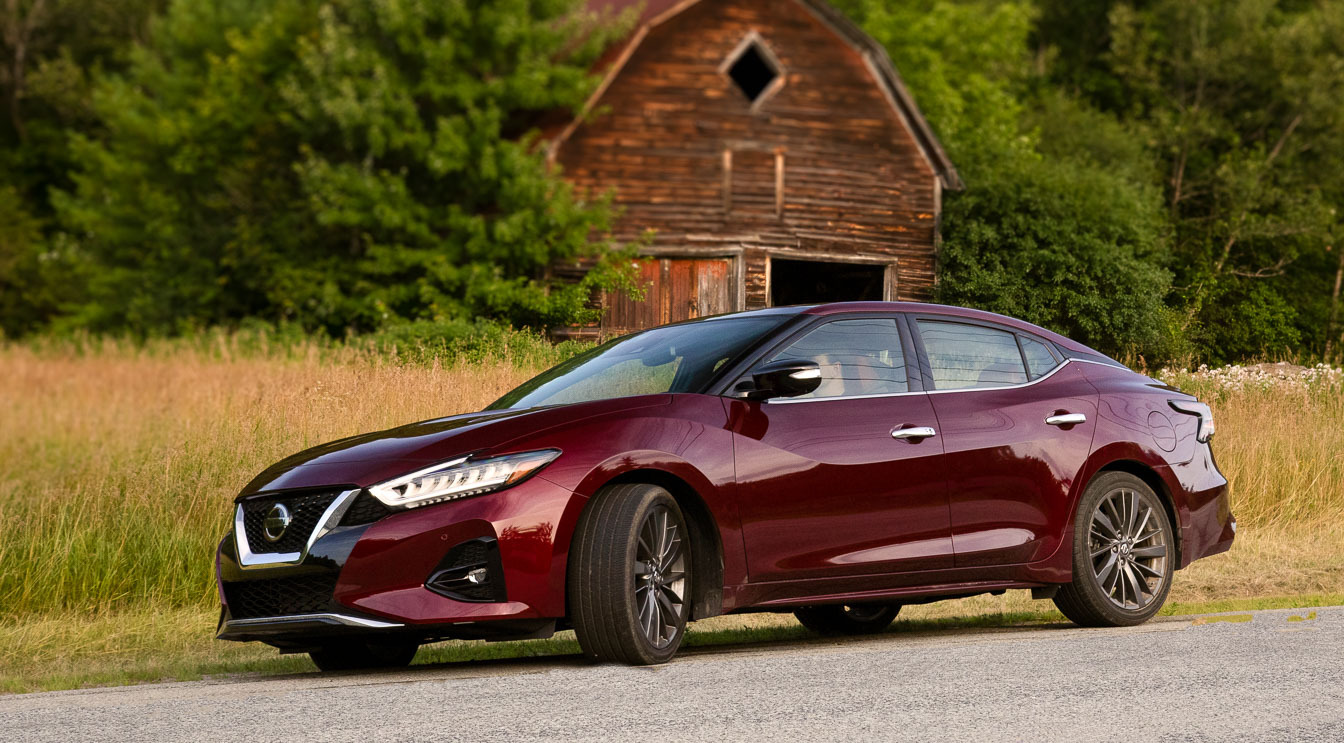
5. Nissan Maxima (2004-2008)
The fourth-generation Nissan Maxima represents the pinnacle of the model’s reliability and engineering excellence, delivering exceptional longevity and dependability that established it as one of the most durable full-size sedans ever produced.
This generation benefited from Nissan’s mature engineering processes, proven component designs, and manufacturing expertise that resulted in vehicles capable of delivering hundreds of thousands of miles of trouble-free service with basic maintenance.
Nissan’s engineering approach for this Maxima generation emphasized proven technology and conservative design choices that prioritized reliability over cutting-edge features.
The VQ35DE V6 engine, in particular, represented one of Nissan’s finest achievements in powertrain engineering, utilizing robust internal components, conservative tuning, and extensive development validation that resulted in exceptional durability and performance retention.
This engine became legendary among owners for its ability to maintain smooth operation and power delivery well beyond 250,000 miles. The CVT transmission controversy that plagued later Nissan products was avoided in this Maxima generation, which utilized a conventional five-speed automatic transmission with proven reliability and straightforward maintenance requirements.
This transmission, developed through Nissan’s partnership with established suppliers, featured robust internal components and conservative shift programming that emphasized longevity over aggressive performance characteristics.
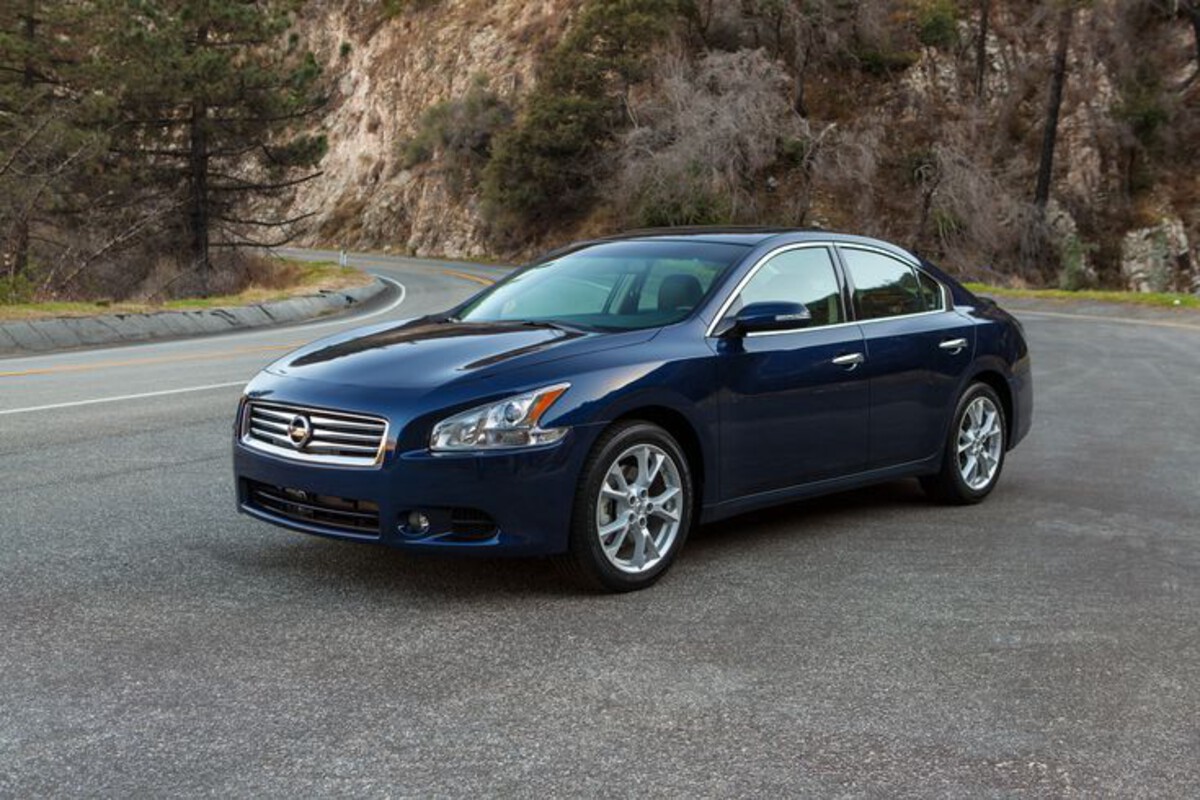
Nissan’s manufacturing quality during this period represented some of the company’s finest work, with consistent build quality, excellent paint durability, and interior assembly that maintained its appearance and functionality throughout extended service periods.
The production facilities utilized mature quality control processes and an experienced workforce that resulted in vehicles with minimal manufacturing defects and exceptional consistency.
The electrical systems in this Maxima generation showcased Nissan’s expertise in automotive electronics without the complexity that later caused reliability issues.
The control modules, sensors, and wiring harnesses were engineered for durability and utilized proven designs that minimized failure points. This conservative approach to electrical integration resulted in systems that maintained their functionality well beyond typical service intervals.
Suspension and steering components in this Maxima demonstrated exceptional durability and required minimal maintenance throughout the vehicle’s service life.
Nissan’s component selection emphasized proven designs with generous safety margins that could withstand various operating conditions without premature wear or failure. The suspension geometry and component quality contributed to excellent ride quality retention and minimal maintenance requirements.
Owners experiences with this Maxima generation consistently highlighted exceptional reliability, smooth operation, and minimal ownership costs beyond normal maintenance items.
Many reported engines and transmissions that continued operating smoothly well beyond 300,000 miles, with electrical systems and mechanical components that maintained their functionality throughout extended service periods.
This reliability, combined with the vehicle’s performance and comfort characteristics, created an ownership experience that exceeded expectations and established lasting loyalty among customers.
5 Famous Sedans That Let You Down
These celebrated vehicles disappoint owners with premature failures, expensive repairs, and reliability issues that contradict their prestigious reputations and premium pricing structures built on decades of marketing rather than engineering excellence.
Their complex systems incorporate problematic components, unproven technologies, and cost-cutting measures that generate frequent breakdowns despite brand recognition that suggests superior quality and dependability.
The combination of inflated purchase prices, expensive maintenance requirements, and disappointing durability creates ownership experiences filled with frustration as buyers discover that legendary status doesn’t guarantee satisfactory performance or reasonable operating costs.
From luxury brands trading on past glory to iconic models with known manufacturing defects, these vehicles prove that reputation alone cannot compensate for fundamental engineering compromises that prioritize profit margins over customer satisfaction and long-term reliability standards.
1. BMW 7 Series (2009-2015)
The BMW 7 Series F01/F02 generation stands as one of the most disappointing luxury sedans in automotive history, transforming the brand’s flagship from a symbol of engineering excellence into a cautionary tale about complexity overwhelming reliability.
Despite commanding premium prices and carrying BMW’s prestigious reputation, this generation suffered from systematic reliability issues that affected virtually every major system, creating ownership experiences characterized by frequent repairs, massive depreciation, and profound frustration among customers who expected German engineering excellence.
BMW’s pursuit of technological supremacy in this 7 Series generation resulted in unprecedented complexity that prioritized innovation over proven reliability.
The vehicle incorporated numerous cutting-edge systems, including advanced driver assistance features, sophisticated comfort technologies, and complex electronic integration that created thousands of potential failure points.
This technological showcase approach meant that owners became unwilling beta testers for immature systems that frequently malfunctioned and required expensive repairs.
The engine lineup, while powerful and sophisticated, suffered from numerous design flaws that contradicted BMW’s reputation for powertrain excellence.
The N63 V8 engine, in particular, became notorious for oil consumption issues, timing chain problems, and premature turbocharger failures that often required complete engine replacement within the vehicle’s first 100,000 miles. These failures frequently occurred outside warranty coverage, leaving owners with repair bills exceeding $15,000 for powertrain replacement.
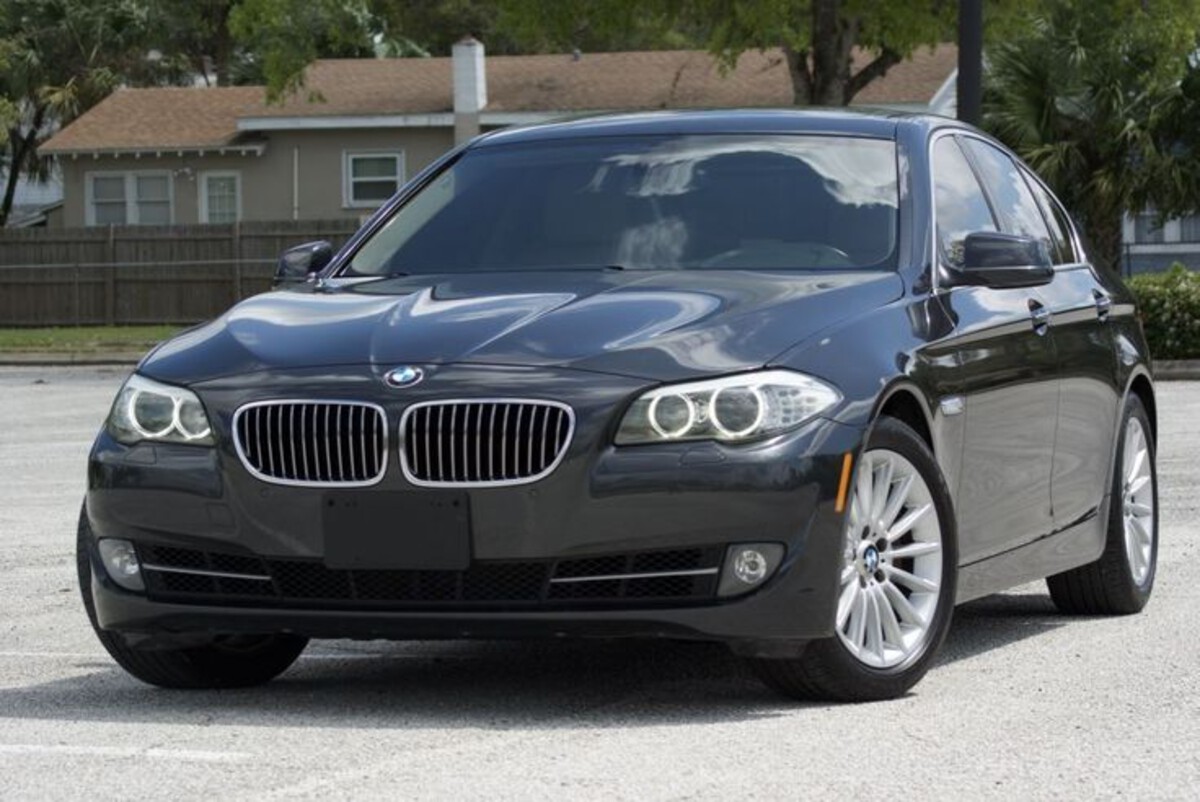
Electronic systems throughout the 7 Series proved catastrophically unreliable, with control modules, sensors, and wiring harnesses failing at alarming rates.
The complex integration between systems meant that single component failures could cascade into multiple system malfunctions, creating diagnostic nightmares and repair bills that often exceeded the vehicle’s market value. Common electronic failures included navigation systems, climate control, seat controls, and numerous driver assistance features.
The transmission systems, both automatic and later all-wheel-drive variants, demonstrated poor long-term reliability that contradicted BMW’s engineering reputation.
The ZF eight-speed automatic transmission, while smooth when functioning properly, proved vulnerable to valve body failures, mechatronic unit problems, and software glitches that required complete transmission replacement or extensive reprogramming. These failures often occurred with minimal warning and left vehicles inoperable.
Air suspension systems in equipped models became virtually guaranteed failure points, with compressors, air springs, and control modules failing regularly throughout the vehicle’s service life.
The complexity of the pneumatic suspension meant that repairs were expensive and temporary, with many owners experiencing multiple suspension component failures that created ongoing reliability nightmares and massive repair expenses.
The ownership experience for this 7 Series generation consistently ranked among the worst in luxury vehicle surveys, with owners reporting average annual repair costs exceeding $3,000 and frequent service visits that left vehicles out of service for extended periods.
The combination of systematic reliability issues, expensive repairs, and poor parts availability created ownership experiences that damaged BMW’s reputation and drove customers to competing brands.
2. Mercedes-Benz E-Class (2010-2016)
The Mercedes-Benz E-Class W212 generation represents a profound disappointment in the luxury sedan segment, transforming one of the automotive world’s most respected nameplates into a reliability nightmare that contradicted decades of Mercedes engineering excellence.
Despite carrying the three-pointed star and commanding premium prices, this generation suffered from systematic quality issues that affected engines, transmissions, electrical systems, and numerous comfort features, creating ownership experiences that fell far short of Mercedes-Benz expectations.
Mercedes-Benz’s pursuit of fuel efficiency and performance during this period resulted in engine designs that sacrificed proven reliability for regulatory compliance and marketing appeal.
The M276 V6 engine series, while smooth and powerful, suffered from timing chain stretch, carbon buildup, and oil leak issues that frequently required expensive repairs within the vehicle’s first 80,000 miles.
The direct injection system, intended to improve efficiency, created carbon deposits that caused rough idling, power loss, and expensive cleaning procedures.
The 7G-Tronic automatic transmission, while sophisticated in design, proved problematic in real-world applications with frequent valve body failures, conductor plate issues, and software glitches that created harsh shifting, transmission slipping, and complete failure scenarios.
These transmission problems often required complete unit replacement at costs exceeding $5,000, with many owners experiencing multiple transmission-related failures throughout their ownership period.
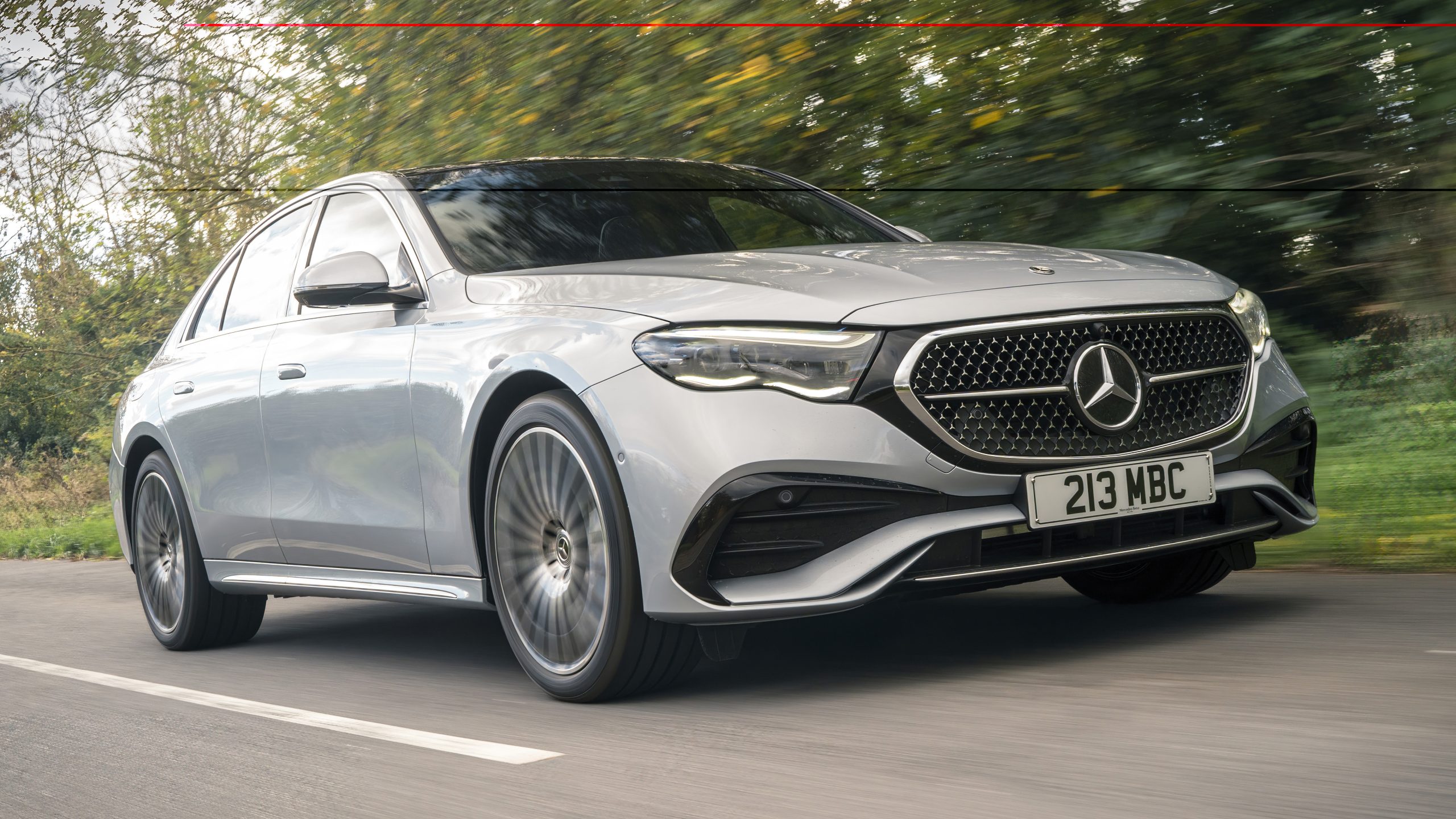
Electrical system reliability in this E-Class generation fell dramatically below Mercedes-Benz standards, with control modules, sensors, and wiring harnesses failing at rates that surprised industry observers.
The complex COMAND infotainment system became notorious for freezing, random reboots, and complete system failures that required expensive module replacement. Climate control systems, seat controls, and numerous convenience features suffered similar reliability issues that created ongoing frustration for owners.
The air suspension system available in this generation became a predictable source of expensive repairs, with air springs, compressors, and control valves failing regularly throughout the vehicle’s service life.
The AIRMATIC system’s complexity meant that repairs were expensive and often temporary, with many owners facing multiple suspension-related repair events that created significant ongoing ownership costs.
Build quality issues extended beyond mechanical and electrical systems to include premature interior wear, paint defects, and structural problems that affected the vehicle’s long-term durability.
Interior components, including seat materials, trim pieces, and control switches, demonstrated poor durability that contradicted Mercedes-Benz’s luxury positioning and premium pricing.
The ownership experience for this E-Class generation consistently ranked poorly in reliability surveys, with owners reporting frequent unscheduled service visits, expensive repair bills, and declining vehicle functionality as mileage accumulated.
The combination of systematic reliability issues, expensive repairs, and declining build quality created ownership experiences that damaged Mercedes-Benz’s reputation and drove customers to competing luxury brands.
3. Jaguar XF (2008-2015)
The Jaguar XF first generation represents one of the most disappointing reliability stories in modern luxury automotive history, transforming the British brand’s renaissance hopes into a cautionary tale about style overwhelming substance.
Despite stunning exterior design, luxurious interior appointments, and impressive performance capabilities, the XF suffered from systematic reliability issues that affected virtually every major system, creating ownership experiences characterized by frequent breakdowns, expensive repairs, and profound frustration among customers who expected luxury vehicle dependability.
Jaguar’s ambitious engineering goals for the XF resulted in complex systems that prioritized innovation and luxury features over proven reliability principles.
The vehicle incorporated numerous advanced technologies, including sophisticated infotainment systems, complex climate control, and elaborate convenience features that created thousands of potential failure points.
This technological showcase approach meant that owners faced constant system malfunctions and expensive repair bills that contradicted the luxury ownership experience they expected.
The engine lineup, while smooth and powerful, suffered from numerous design weaknesses that became apparent within the first few years of ownership.
The AJ-V8 engines proved vulnerable to timing chain tensioner failures, water pump problems, and various oil leak issues that often required extensive engine work.
The supercharged variants added complexity with intercooler problems, supercharger failures, and additional cooling system vulnerabilities that created expensive repair scenarios.
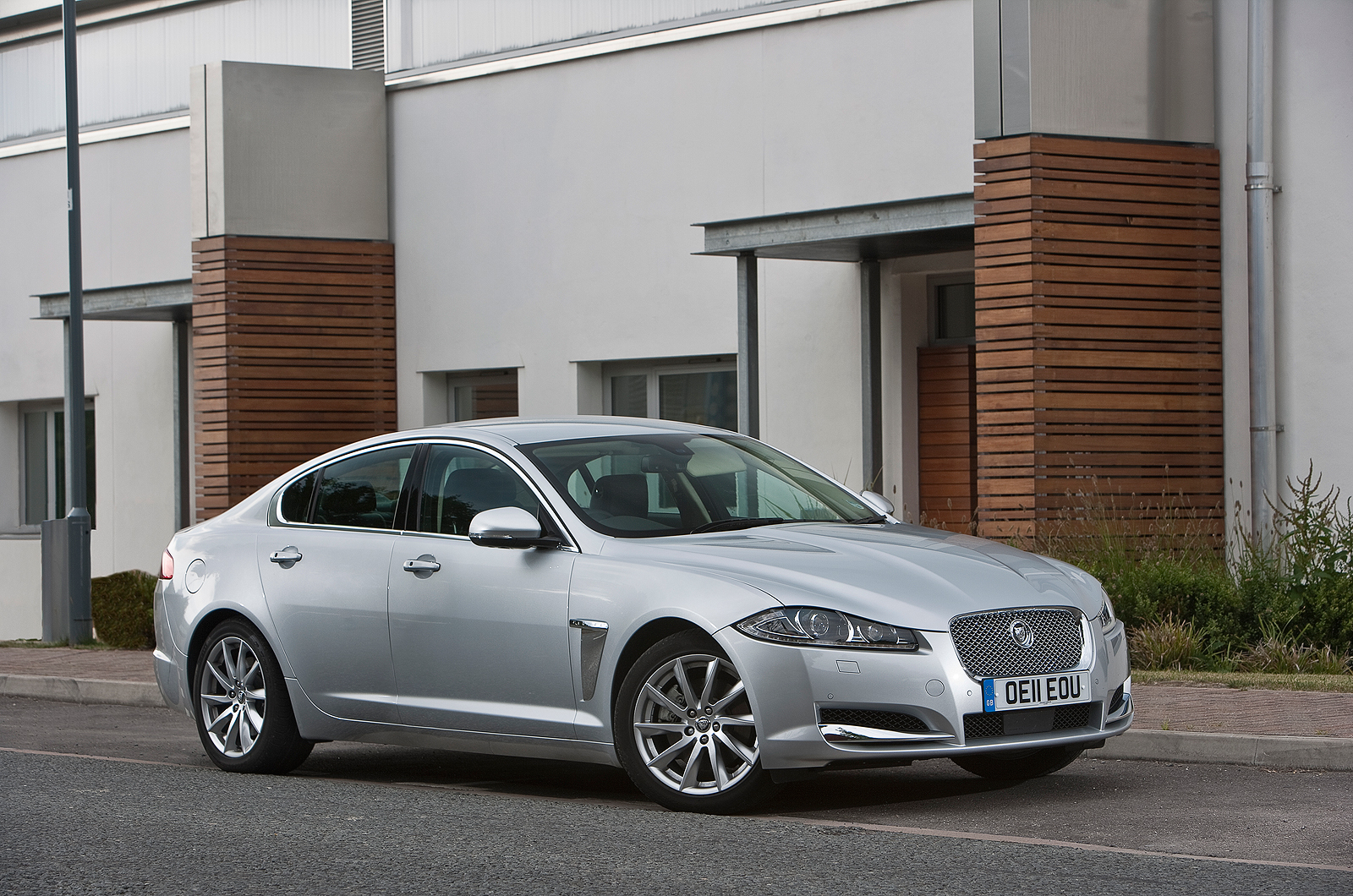
Transmission reliability proved catastrophically poor, with the ZF six-speed automatic suffering from valve body failures, solenoid problems, and complete mechatronic unit failures that often required transmission replacement within 60,000 miles.
These transmission issues created dangerous situations where vehicles would lose power unexpectedly or fail to shift properly, compromising both safety and reliability.
Electrical system problems plagued the XF throughout its production run, with control modules failing at alarming rates and creating cascading system failures that were expensive to diagnose and repair.
The sophisticated infotainment system became notorious for random shutdowns, display failures, and complete system crashes that required expensive module replacement. Climate control, seat controls, and numerous luxury features suffered similar electronic failures.
The XF’s sophisticated suspension systems, designed to provide luxury ride quality and sport handling, proved vulnerable to numerous failure modes, including air suspension leaks, electronic damper failures, and control module problems.
These suspension issues not only compromised ride quality but created expensive repair scenarios that often exceeded $3,000 per incident. Quality control issues extended beyond mechanical systems to include premature interior wear, electrical harness problems, and various build quality defects that affected long-term durability.
The combination of poor component quality, complex systems integration, and inadequate testing created vehicles that required constant attention and expensive maintenance throughout their service lives.
Owner satisfaction surveys consistently ranked the XF among the worst luxury sedans for reliability, with average annual repair costs often exceeding $4,000 and frequent service visits that left vehicles unusable for extended periods.
The reliability issues were so systematic that they significantly impacted resale values and damaged Jaguar’s brand reputation for years beyond the model’s discontinuation.
4. Cadillac CTS (2008-2014)
The second-generation Cadillac CTS represents a significant disappointment in American luxury automotive engineering, failing to deliver the reliability and quality that buyers expected from General Motors’ flagship luxury brand.
Despite aggressive marketing, competitive pricing, and impressive performance capabilities, the CTS suffered from systematic reliability issues that affected engines, transmissions, electrical systems, and numerous comfort features, creating ownership experiences that fell short of luxury vehicle expectations and damaged Cadillac’s reputation in the competitive luxury sedan market.
General Motors’ ambitious engineering goals for the CTS resulted in complex powertrain and electronic systems that prioritized performance and features over proven reliability principles.
The vehicle’s direct injection engines, while powerful and efficient, suffered from carbon buildup issues, timing chain problems, and various oil consumption problems that became apparent within the first 50,000 miles.
These engine issues often required expensive cleaning procedures, component replacement, or complete engine rebuilds that contradicted the luxury ownership experience.
The CTS’s automatic transmission systems proved problematic throughout the generation’s production run, with the six-speed automatic suffering from harsh shifting, slipping, and complete failure scenarios that often required transmission replacement or extensive repairs.
The transmission control modules were particularly vulnerable to failure, creating situations where vehicles would enter “limp mode” or become completely inoperable without warning.
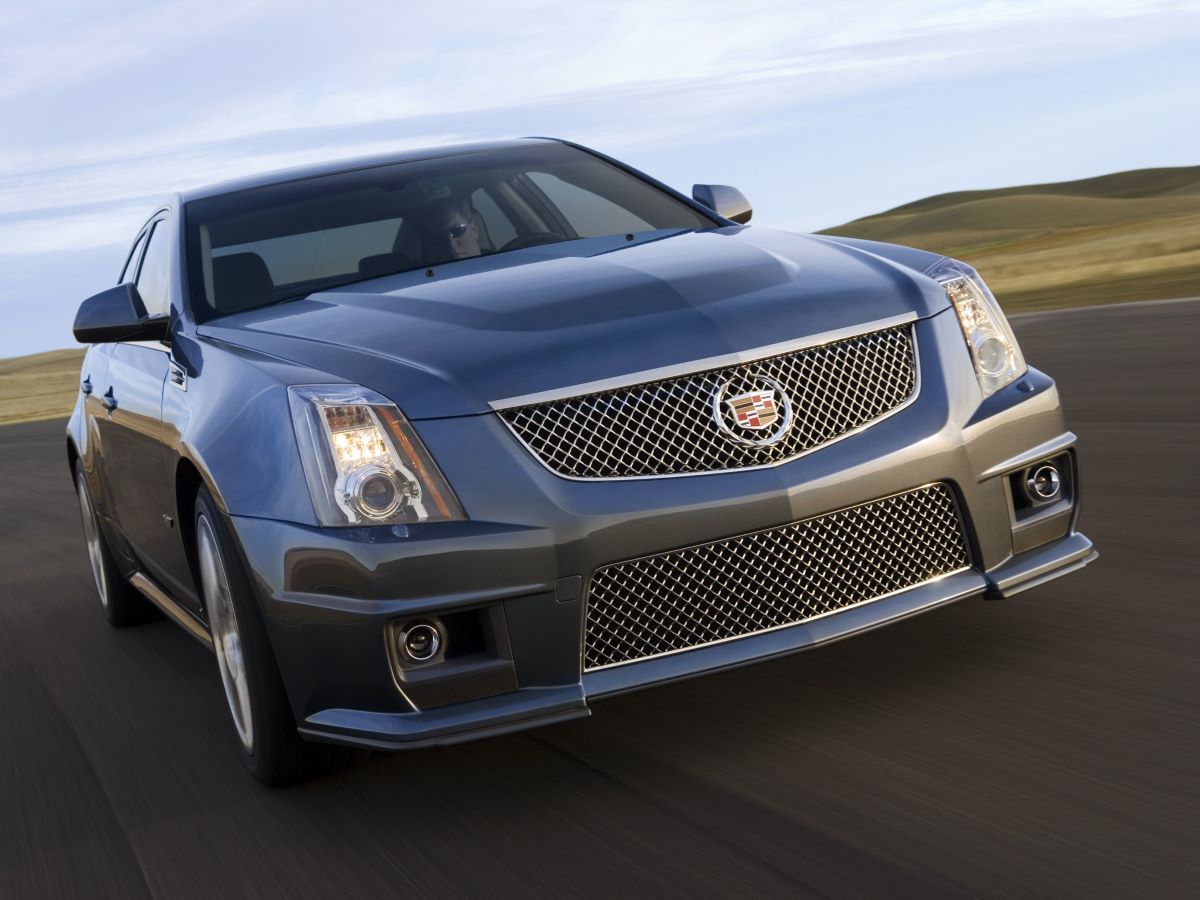
Electrical system reliability fell significantly below luxury vehicle standards, with the CUE infotainment system becoming notorious for freezing, random reboots, and complete system failures that required expensive module replacement.
The touch-sensitive controls, intended to provide a modern luxury experience, proved unreliable and often became completely unresponsive, affecting climate control, audio system, and navigation functionality.
The CTS’s sophisticated suspension systems, designed to provide both comfort and sport handling characteristics, proved vulnerable to numerous failure modes, including electronic damper problems, air suspension leaks in equipped models, and various control module failures.
These suspension issues not only compromised ride quality but created expensive repair scenarios that often exceeded vehicle warranty coverage.
Build quality issues extended throughout the vehicle, with premature interior wear, electrical harness problems, and various assembly defects that affected long-term durability and appearance retention.
The combination of poor component selection, inadequate quality control, and complex systems integration created vehicles that required frequent attention and expensive maintenance throughout their service lives.
The ownership experience for the CTS consistently ranked below expectations in reliability surveys, with owners reporting frequent unscheduled service visits, expensive repair bills, and declining functionality as vehicles accumulated mileage.
The reliability issues were particularly disappointing given Cadillac’s premium positioning and the expectation that American luxury vehicles had overcome historical quality problems.
5. Lincoln MKS (2009-2016)
The Lincoln MKS represents perhaps the most disappointing luxury sedan failure in recent American automotive history, transforming Ford’s premium luxury brand aspirations into a cautionary tale about badge engineering and insufficient development investment.
Despite Lincoln’s ambitious marketing claims and premium pricing strategy, the MKS suffered from systematic reliability issues, poor build quality, and numerous design flaws that created ownership experiences far below luxury vehicle standards and contributed to Lincoln’s declining market position.
Ford’s approach to the MKS prioritized rapid market entry over thorough development and testing, resulting in a vehicle that appeared competitive on paper but suffered from numerous engineering compromises that became apparent during real-world ownership.
The shared platform with Ford’s mainstream vehicles created fundamental limitations that luxury features and premium materials couldn’t overcome, resulting in a vehicle that felt more like an expensive Ford than a genuine luxury sedan.
The MKS’s engine options, while powerful on paper, suffered from numerous reliability issues that contradicted Ford’s engineering reputation. The naturally aspirated V6 engines proved vulnerable to timing chain problems, water pump failures, and various cooling system issues that often required expensive repairs within the first 75,000 miles.
The turbocharged EcoBoost variants added complexity with intercooler problems, turbocharger failures, and additional cooling system vulnerabilities.
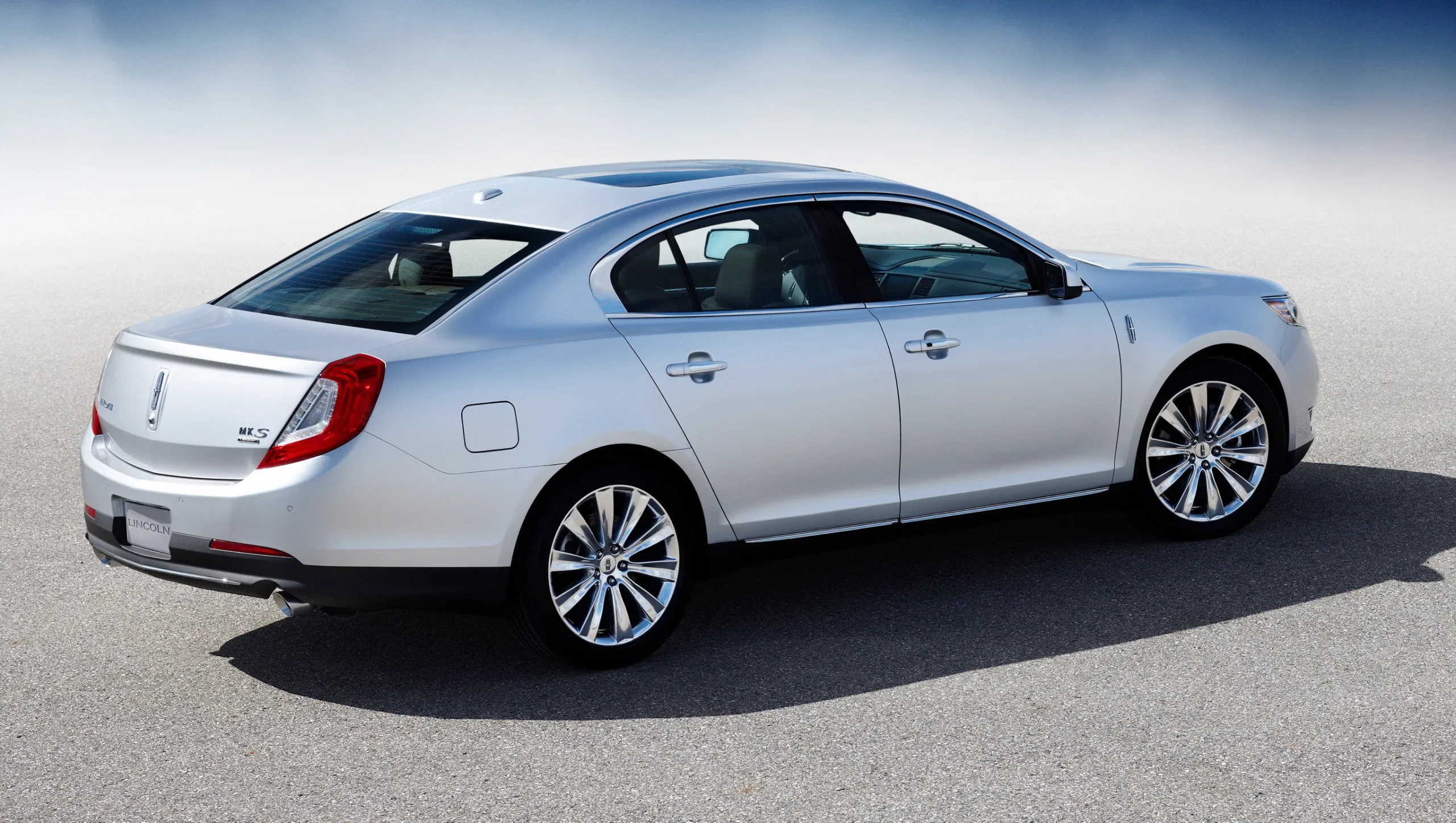
Transmission reliability proved consistently problematic, with the six-speed automatic suffering from harsh shifting, premature wear, and complete failure scenarios that often required transmission replacement or extensive rebuilds.
The transmission’s electronic control systems were particularly vulnerable to failure, creating situations where vehicles would experience erratic shifting behavior or complete transmission failure without warning.
The MKS’s electrical systems demonstrated poor reliability throughout the production run, with the SYNC infotainment system becoming notorious for freezing, connectivity problems, and various functionality failures that required software updates or complete module replacement.
Climate control systems, seat controls, and numerous luxury features suffered similar electronic reliability issues that created ongoing frustration for owners.
Quality control problems extended throughout the vehicle’s construction, with premature interior wear, paint defects, and various assembly issues that affected long-term durability and appearance retention.
The combination of shared components with mainstream Ford vehicles and insufficient luxury-specific development created vehicles that failed to meet premium segment expectations for quality and refinement.
The ownership experience for the MKS consistently ranked among the worst in luxury vehicle reliability surveys, with owners reporting frequent service visits, expensive repair bills, and rapid depreciation that made the vehicles poor long-term investments.
The reliability issues were so systematic that they significantly impacted resale values and contributed to Lincoln’s broader struggles in the luxury vehicle market.
Also Read: 5 Cars Without Touch-Sensitive Surfaces vs 5 With False Touches
