
The truck market is saturated with bold marketing claims, flashy advertisements, and brand loyalty that often overshadows the real-world performance where it matters most: reliability and capability.
When it comes to towing, the difference between a truck that delivers on its promises and one that leaves you stranded on the roadside often comes down to engineering fundamentals rather than marketing budgets.
In the heavy-duty hauling, reputation doesn’t always align with reality. Some of the most capable towing machines fly under the radar, dismissed by consumers who gravitate toward the loudest voices in the marketplace.
These underappreciated workhorses often feature time-tested drivetrains, conservative engineering approaches, and proven track records that speak louder than any commercial ever could.
Meanwhile, some of the most heavily marketed trucks suffer from fundamental flaws that become apparent only after owners attempt to use their vehicles for serious work. Transmission reliability stands as the make-or-break factor in any towing application.
A truck’s ability to consistently transfer power from the engine to the wheels while managing heat, stress, and varying load conditions determines whether it’s a dependable work partner or an expensive liability.
The most sophisticated engines and advanced suspension systems mean nothing if the transmission fails under load, leaving thousands of pounds of cargo stranded and costing owners both time and money. This analysis cuts through marketing noise to examine real-world performance data, owner experiences, and engineering realities.
We’ll explore five underappreciated trucks that deliver exceptional towing capability through proven design and reliable components, contrasting them with five heavily hyped vehicles that suffer from transmission-related issues that compromise their effectiveness as work trucks.
Understanding these distinctions can save potential buyers from costly mistakes and help identify the true champions of capability over flash.
5 Underappreciated Trucks That Tow Well
These quietly capable vehicles deliver exceptional towing performance through proven powertrains, robust cooling systems, and conservative engineering that handles heavy loads reliably without the marketing fanfare or premium pricing of more celebrated competitors.
Their solid drivetrains incorporate heavy-duty transmissions, adequate gear ratios, and effective heat management that maintains consistent performance during extended towing sessions across challenging terrain and weather conditions.
The combination of reasonable purchase prices, straightforward maintenance, and genuine capability makes these overlooked workhorses ideal choices for buyers needing dependable hauling without paying luxury premiums for unnecessary features.
From reliable manufacturers with proven commercial vehicle experience to practical models with extensive real-world testing, these trucks demonstrate that effective towing capability comes from fundamental engineering excellence rather than flashy marketing campaigns or trendy styling elements.
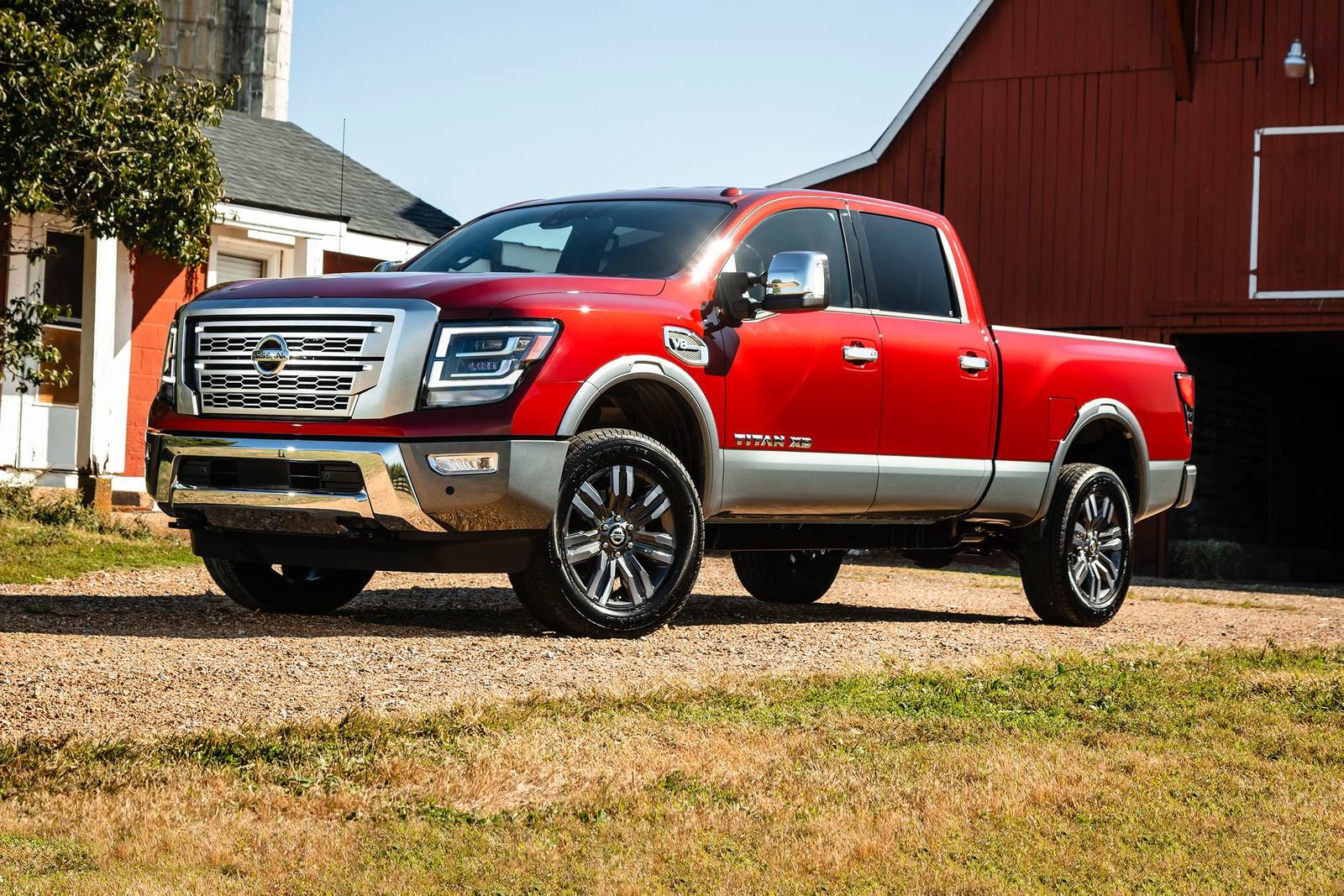
1. Nissan Titan XD (2016-2019)
The Nissan Titan XD represents one of the most underrated towing platforms of the modern era, falling victim to market timing and brand perception rather than any fundamental capability shortcomings.
Positioned uniquely between traditional half-ton and three-quarter-ton trucks, the Titan XD filled a niche that few manufacturers dared to explore, offering serious towing capacity without the full weight and complexity of a traditional heavy-duty platform.
At the heart of the Titan XD’s towing prowess lies the Cummins 5.0L V8 turbo diesel, a downsized version of the legendary engines that power medium-duty commercial vehicles.
This powerplant delivers 310 horsepower and an impressive 555 lb-ft of torque, providing the low-end grunt essential for moving heavy loads. The engine’s commercial heritage translates to exceptional durability under sustained load conditions, with many owners reporting trouble-free operation well beyond 200,000 miles of heavy towing duty.
The transmission pairing deserves equal recognition for the Titan XD’s towing success. Nissan selected the Aisin A466NE six-speed automatic, a transmission with proven commercial application experience.
This unit features robust internal components designed for consistent operation under stress, with a transmission cooler standard across all configurations. The conservative gear ratios prioritize torque multiplication over fuel economy, ensuring adequate power delivery even when climbing steep grades with maximum loads.
Chassis engineering further distinguishes the Titan XD from conventional half-ton competitors. The frame utilizes high-strength steel construction with strategic reinforcement points designed specifically for towing applications.
The rear suspension employs a sophisticated multi-link setup with heavy-duty springs and shock absorbers, providing better load distribution and stability compared to simpler leaf spring arrangements found in many competitors. This translates to improved trailer control and reduced driver fatigue during long hauls.
Real-world towing capacity reaches an impressive 12,830 pounds when properly equipped, placing the Titan XD in legitimate heavy-duty territory despite its more manageable size and weight.
Owners consistently report stable towing characteristics, with the truck maintaining composure even in challenging conditions like crosswinds or steep mountain passes. The combination of torque delivery, transmission reliability, and chassis stability creates a towing experience that rivals much more expensive heavy-duty alternatives.
Market reception unfortunately, never matched the Titan XD’s capability, largely due to Nissan’s limited presence in the commercial truck segment and consumer unfamiliarity with the diesel engine option.
This market failure worked to the advantage of informed buyers, as depreciation created exceptional value propositions in the used truck market, making capable towing performance accessible at significantly lower prices than comparable offerings from established truck manufacturers.
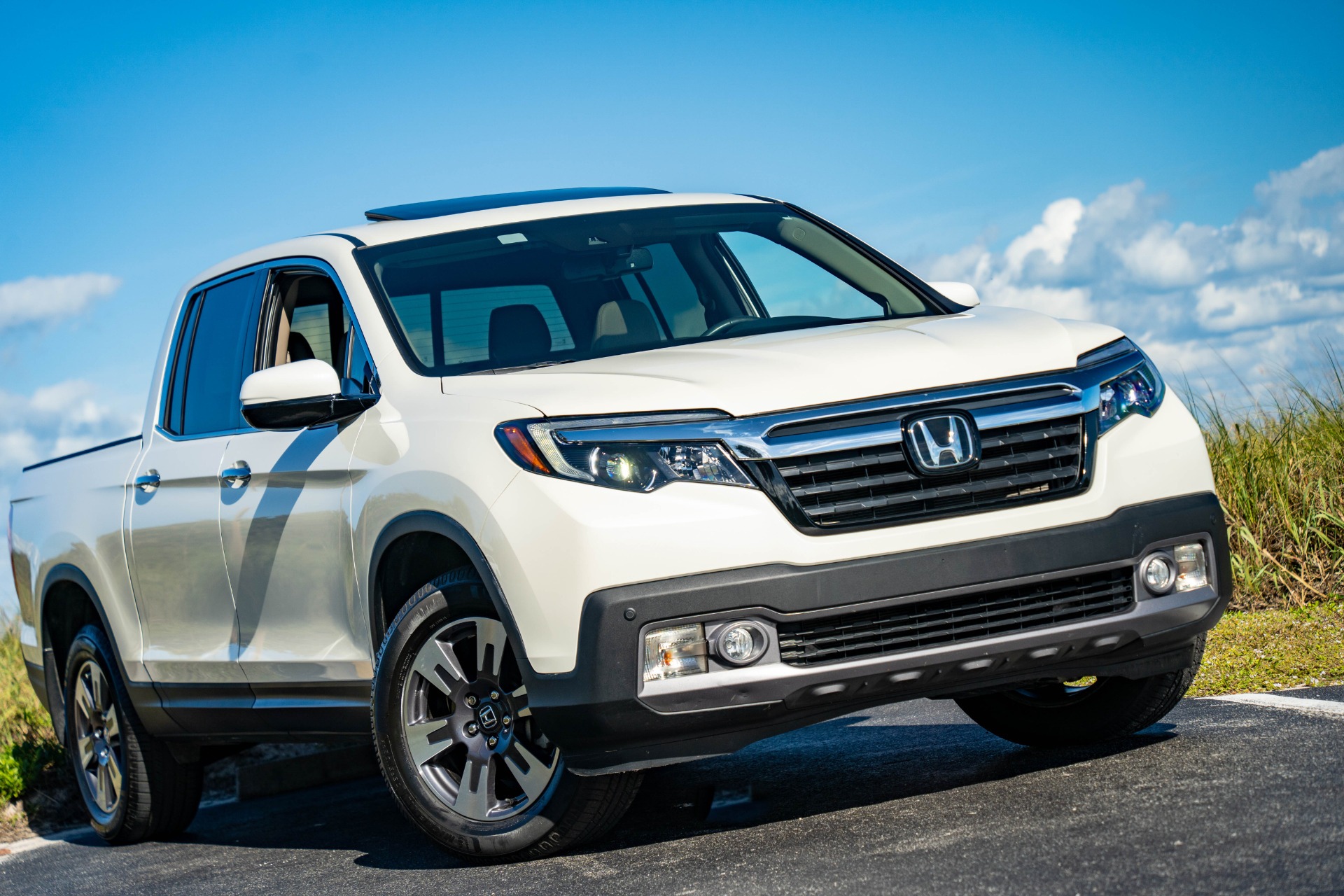
2. Honda Ridgeline (2017-Present)
The Honda Ridgeline challenges every preconception about truck construction and towing capability, proving that innovative engineering can overcome traditional assumptions about what constitutes a “real” truck.
While its unibody construction and independent rear suspension drew criticism from traditionalists, these same features contribute to exceptional towing characteristics that many body-on-frame competitors struggle to match.
Honda’s 3.5L V6 engine provides the foundation for the Ridgeline’s towing capability, delivering 280 horsepower and 262 lb-ft of torque through a sophisticated Variable Timing Control system.
While peak torque numbers appear modest compared to larger displacement alternatives, the engine’s broad powerband and excellent low-end response create ideal towing characteristics. The naturally aspirated configuration eliminates turbo lag concerns and provides consistent power delivery regardless of altitude or ambient conditions.
The nine-speed automatic transmission represents a masterclass in engineering optimization for towing applications. Honda’s transmission team calibrated the unit specifically for trailer duty, with adaptive shift logic that monitors load conditions and adjusts shift points accordingly.
The transmission features an integrated transmission cooler and torque converter lockup strategy designed to minimize heat generation during sustained towing operations.
Real-world testing demonstrates exceptional thermal management, with transmission temperatures remaining stable even during demanding mountain passes.
Unibody construction provides unexpected advantages in towing applications, particularly regarding stability and control. The integrated frame rails eliminate the flex characteristics common in body-on-frame designs, creating a more rigid platform that translates to improved trailer tracking and reduced driver input requirements.
The independent rear suspension maintains consistent geometry under load, preventing the rear-end squat that compromises handling in many traditional truck designs.
All-wheel-drive capability further enhances the Ridgeline’s towing versatility, providing improved traction for boat ramp launches and confident performance on marginal road surfaces.
The Intelligent Variable Torque Management system automatically adjusts power distribution based on traction conditions, eliminating the need for driver intervention in challenging situations. This system proves particularly valuable when launching or retrieving boats, where wheel slip can create dangerous situations.
Towing capacity reaches 5,000 pounds when properly equipped, placing the Ridgeline in direct competition with many traditional mid-size trucks while offering superior ride quality and fuel economy.
Owner experiences consistently highlight the truck’s composed handling characteristics when towing, with many noting reduced fatigue levels compared to conventional truck designs.
The combination of sophisticated engineering and refined execution creates a towing experience that prioritizes control and confidence over raw capability numbers.
Despite proven performance and exceptional owner satisfaction ratings, the Ridgeline continues to face market skepticism from buyers who prioritize traditional truck imagery over actual capability.
This perception gap creates opportunities for informed consumers to access exceptional towing performance in a package that offers unique advantages over conventional alternatives.
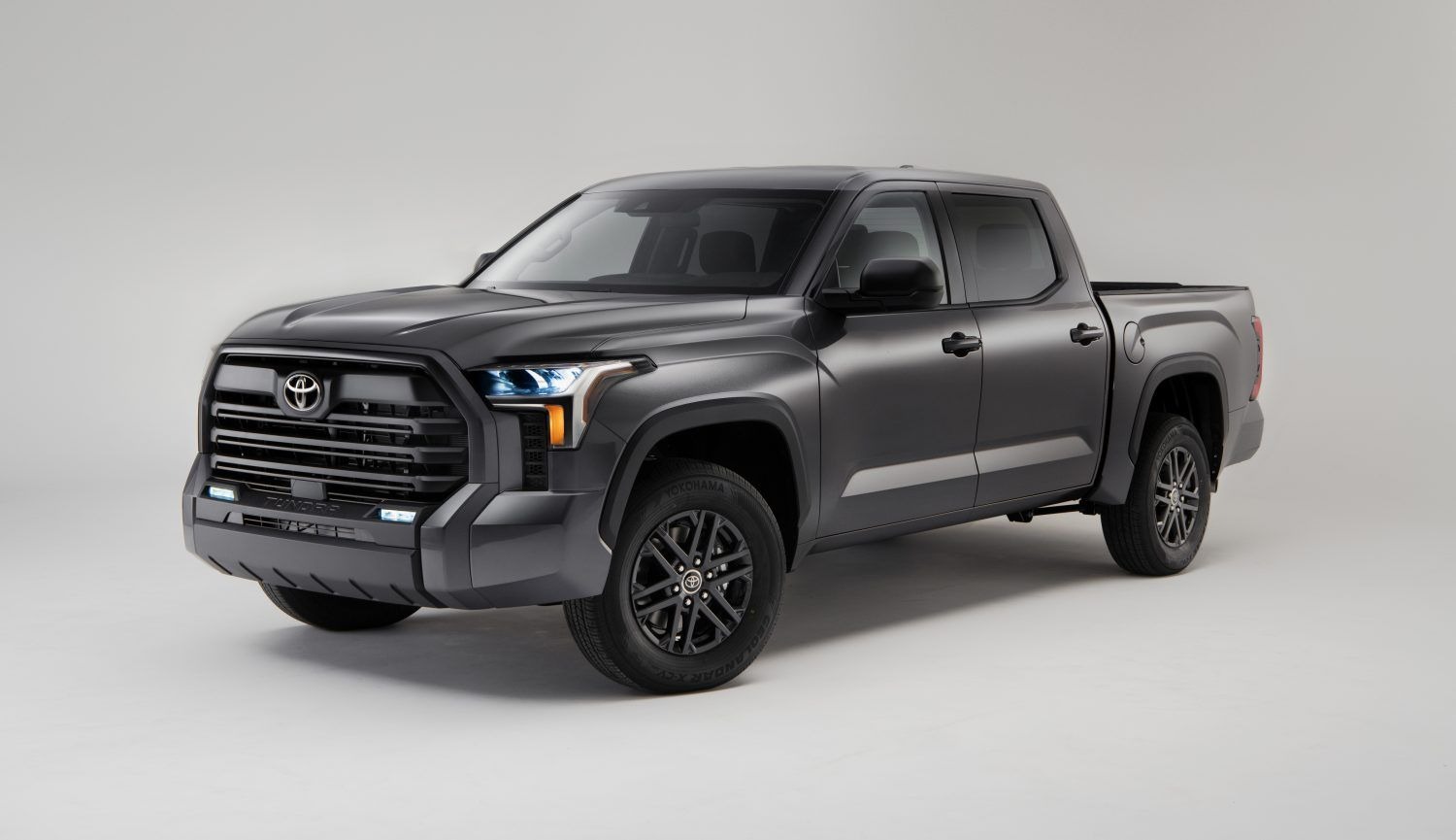
3. Toyota Tundra (2007-2021)
The second-generation Toyota Tundra represents the epitome of conservative engineering applied to truck design, prioritizing long-term reliability and consistent performance over flashy features or cutting-edge technology.
While critics often dismissed the Tundra as outdated or underpowered compared to domestic alternatives, this approach created one of the most dependable towing platforms available in the full-size truck segment.
Toyota’s 5.7L V8 engine forms the cornerstone of the Tundra’s towing capability, delivering 381 horsepower and 401 lb-ft of torque through a design philosophy that emphasizes durability over peak performance.
The iron block construction and conservative internal components create an engine capable of sustained operation under demanding conditions, with many examples exceeding 300,000 miles of trouble-free service.
The naturally aspirated configuration eliminates the complexity and potential failure points associated with forced induction systems, providing consistent power delivery regardless of maintenance intervals or operating conditions.
The six-speed automatic transmission deserves recognition as one of the most reliable units in the truck segment, with a track record spanning over a decade of consistent performance.
Toyota’s transmission engineers prioritized thermal management and component durability over efficiency metrics, resulting in a unit capable of handling sustained towing loads without overheating or premature wear.
The transmission cooler comes standard across all configurations, and the conservative gear ratios ensure adequate torque multiplication for heavy loads.
Frame construction utilizes high-strength steel with strategic reinforcement points designed specifically for towing applications. The hydroformed frame rails provide exceptional rigidity while minimizing weight, and the integrated trailer hitch receiver demonstrates Toyota’s commitment to serious towing capability.
Suspension tuning strikes an excellent balance between ride quality and load-carrying capacity, with many owners noting the truck’s ability to maintain level stance even when approaching maximum payload limits.
Real-world towing capacity reaches 10,200 pounds when properly equipped with the TRD Pro package, placing the Tundra in competitive territory with domestic alternatives while offering superior long-term reliability.
Owner experiences consistently highlight the engine’s smooth power delivery and the transmission’s intuitive shift characteristics, creating a towing experience that inspires confidence even in challenging conditions.
The truck’s ability to maintain highway speeds on steep grades while towing maximum loads demonstrates the effectiveness of Toyota’s conservative engineering approach.
Resale value retention further validates the Tundra’s reputation for reliability, with used examples commanding premium prices compared to domestic alternatives of similar age and mileage.
This market recognition reflects real-world owner experiences and reinforces the value proposition of prioritizing proven reliability over cutting-edge features.
Fleet operators and commercial users frequently choose the Tundra specifically for its reputation for trouble-free operation, accepting slightly lower peak capability in exchange for reduced downtime and maintenance costs.
The Tundra’s understated approach to truck design often results in the market overlooking it despite its exceptional capability and reliability record.
Buyers focused on towing performance and long-term value consistently discover that the Tundra’s conservative engineering philosophy delivers superior real-world results compared to more heavily marketed alternatives.
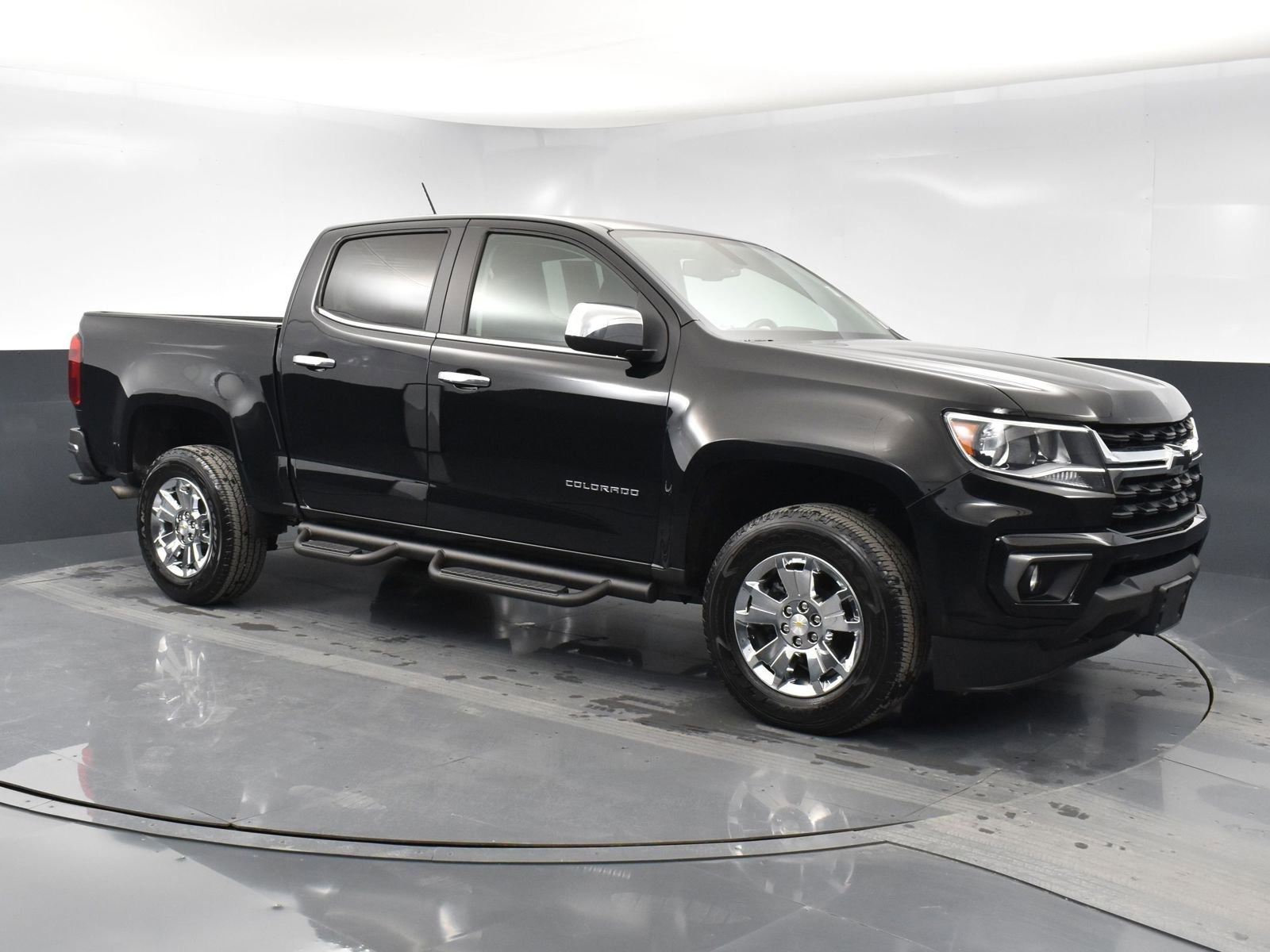
4. Chevrolet Colorado/GMC Canyon ZR2/AT4 (2015-Present)
The current generation Chevrolet Colorado and GMC Canyon represent a renaissance in mid-size truck engineering, delivering towing capability that rivals many full-size alternatives while maintaining the maneuverability and efficiency advantages of a smaller platform.
The ZR2 and AT4 variants particularly excel in towing applications through sophisticated drivetrain engineering and chassis optimization that maximizes capability within packaging constraints.
General Motors’ 2.8L Duramax diesel engine provides exceptional towing performance through a combination of high torque output and excellent fuel efficiency under load.
The engine delivers 181 horsepower and 369 lb-ft of torque, with peak torque available from just 2,000 RPM, creating ideal characteristics for trailer duty.
The diesel’s thermal efficiency translates to impressive fuel economy even when towing, with many owners reporting minimal penalty compared to unloaded operation.
The engine’s commercial heritage ensures durability under sustained load conditions, with proper maintenance intervals supporting trouble-free operation well beyond 200,000 miles.
The Allison 1000 six-speed automatic transmission represents a significant advantage over competitors, bringing heavy-duty reliability to the mid-size truck segment.
This transmission features the same basic architecture used in much larger commercial applications, with internal components designed for sustained operation under demanding conditions.
The integrated transmission cooler and sophisticated thermal management systems prevent overheating even during extended towing operations in challenging conditions. Shift programming specifically optimizes for towing applications, with adaptive logic that monitors load conditions and adjusts accordingly.
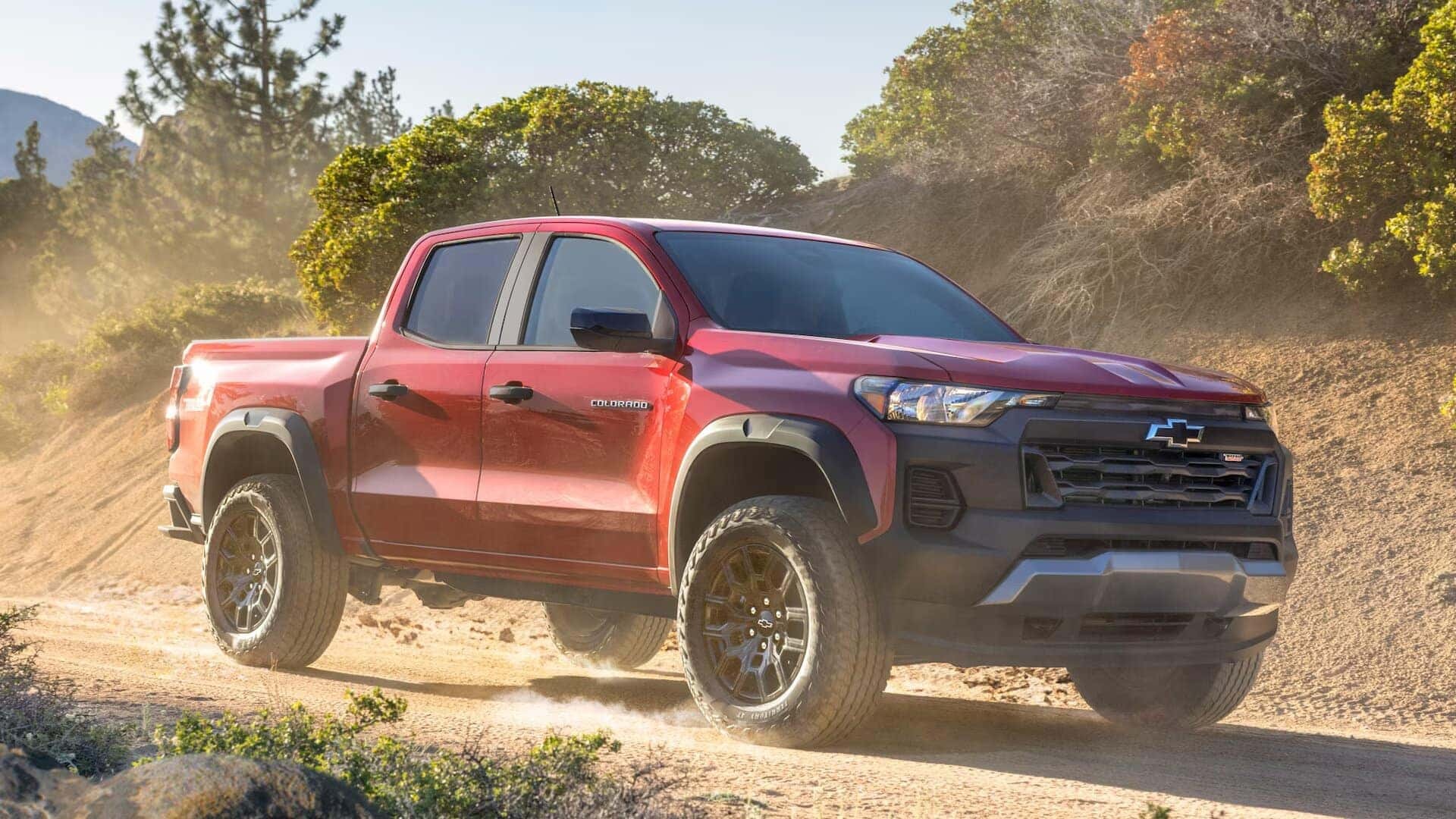
Chassis engineering maximizes towing capability through strategic reinforcement and suspension optimization. The hydroformed frame utilizes high-strength steel construction with integrated mounting points for trailer hitches and auxiliary equipment.
The ZR2 and AT4 variants feature enhanced suspension components, including Multimatic DSSV dampers that provide exceptional control under varying load conditions. The electronic locking differentials improve traction in challenging launch conditions, particularly valuable for boat ramp operations or construction site access.
Towing capacity reaches 7,700 pounds when equipped with the diesel engine and proper options, representing impressive capability for a mid-size platform.
Real-world performance often exceeds expectations, with owners reporting stable towing characteristics and confident highway performance even when approaching maximum capacity. The truck’s relatively compact dimensions provide advantages in urban environments and tight campgrounds while maintaining serious towing capability.
Advanced technology integration enhances the towing experience through features like trailer sway control, integrated brake controller, and rear-view camera systems optimized for trailer monitoring.
The infotainment system includes towing-specific displays showing transmission temperature, engine load, and other critical parameters, allowing drivers to monitor system performance and make informed decisions about operating conditions.
Market perception often underestimates Colorado and Canyon’s towing capability, with many buyers automatically assuming full-size trucks are necessary for serious trailer duty.
This perception creates opportunities for informed consumers to access exceptional towing performance in a more efficient and maneuverable package, often at lower acquisition and operating costs compared to full-size alternatives.
Also Read: 5 Cars Without Touch-Sensitive Surfaces vs 5 With False Touches
5. Ram 2500 Power Wagon (2014-Present)
The Ram 2500 Power Wagon occupies a unique position in the truck market, combining legitimate heavy-duty towing capability with exceptional off-road performance in a package that many overlook in favor of higher-capacity alternatives.
While the Power Wagon’s specialized mission results in some capability compromises, its fundamental engineering creates an exceptionally capable towing platform for users who require both trailer-hauling ability and serious off-road capability.
The 6.4L HEMI V8 engine provides robust power delivery with 410 horsepower and 429 lb-ft of torque, creating excellent towing characteristics through broad powerband availability and responsive throttle control.
The naturally aspirated configuration eliminates turbo lag concerns and provides consistent power delivery regardless of altitude or operating conditions.
The engine’s proven reliability record and straightforward maintenance requirements make it an ideal choice for users who prioritize long-term dependability over peak efficiency metrics.
The eight-speed automatic transmission represents a significant advancement over previous Power Wagon offerings, providing improved efficiency and better gear ratio coverage for towing applications.
The transmission features robust internal components designed for sustained operation under demanding conditions, with an integrated cooler and sophisticated thermal management systems.
Shift programming optimizes for both towing performance and off-road capability, with manual control available for precise gear selection in challenging terrain.
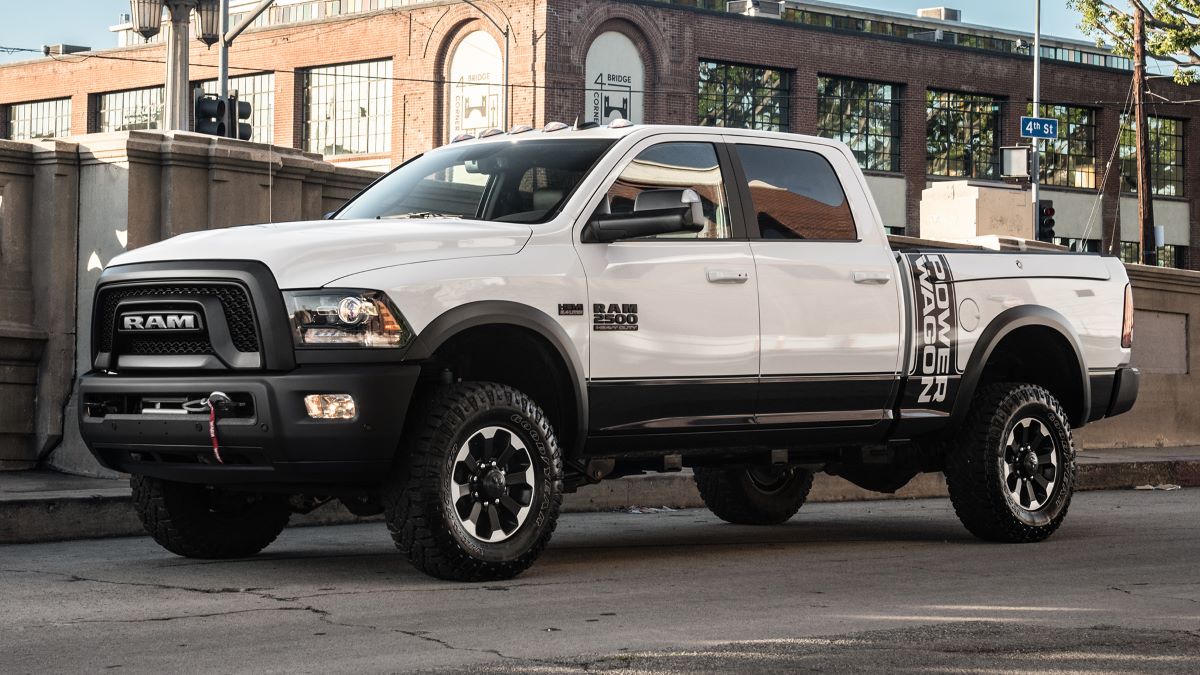
Chassis engineering emphasizes capability over efficiency, with features specifically designed for demanding towing and off-road applications. The heavy-duty frame construction utilizes reinforced mounting points and strategic bracing to handle maximum loads in challenging conditions.
The front and rear locking differentials provide exceptional traction for boat launch and recovery operations, while the electronic disconnecting sway bar allows maximum suspension articulation when going through rough terrain with a trailer.
Towing capacity reaches 10,090 pounds when properly equipped, placing the Power Wagon in competitive territory with conventional heavy-duty trucks while offering unique off-road capabilities.
The truck’s ability to maintain control and stability when towing in challenging off-road conditions sets it apart from conventional towing-focused alternatives. Many owners utilize the Power Wagon’s capabilities for recreational applications that require both significant towing capacity and serious off-road performance.
Suspension design prioritizes capability over ride quality, with heavy-duty springs and shock absorbers calibrated for load-carrying performance. The Bilstein shock absorbers provide excellent control characteristics under varying load conditions, maintaining composure even when transitioning between loaded and unloaded configurations.
Ground clearance and approach angles accommodate trailer navigation in challenging terrain that would limit conventional trucks. Market positioning often results in the Power Wagon being overlooked by buyers focused solely on maximum towing capacity numbers, despite its exceptional capability in specialized applications.
The truck’s unique combination of heavy-duty towing performance and serious off-road capability creates value for users whose applications require both characteristics, making it an underappreciated choice in a market segment dominated by efficiency-focused alternatives.
5 Hyped Trucks With Transmission Issues
These heavily promoted vehicles disappoint owners with premature transmission failures, overheating problems, and expensive drivetrain repairs that contradict their aggressive marketing claims about superior towing capability and advanced engineering excellence.
Their complex automatic transmissions incorporate problematic components, inadequate cooling capacity, and unproven technologies that fail under heavy loads despite manufacturer promises of enhanced durability and performance.
The combination of premium pricing, frequent recalls, and costly repairs creates ownership nightmares as buyers discover that advertising budgets cannot compensate for fundamental engineering defects in critical drivetrain components.
From luxury brands with overly complex systems to popular models with known reliability issues, these trucks prove that marketing hype and advanced features mean nothing when basic mechanical reliability fails during real world towing applications that expose fundamental design compromises.
1. Ford F-150 EcoBoost (2011-2016)
The Ford F-150 EcoBoost revolutionized truck marketing with promises of V8 power and V6 efficiency, capturing consumer imagination and industry attention through innovative twin-turbo technology.
However, the reality of sustained towing operations revealed fundamental transmission limitations that compromised the truck’s effectiveness as a work vehicle, creating expensive problems for owners who purchased based on marketing claims rather than real-world capability assessments.
Ford’s 3.5L EcoBoost V6 engine delivers impressive power figures with 365 horsepower and 420 lb-ft of torque, creating peak performance that rivals naturally aspirated V8 alternatives.
The twin-turbo configuration provides excellent low-end torque multiplication, making the engine feel powerful during normal driving conditions and light-duty applications. However, sustained towing operations expose thermal management limitations that become problematic during demanding use cases.
The six-speed automatic transmission represents the primary weakness in the F-150 EcoBoost’s towing capability, with widespread reports of overheating, shuddering, and premature failure when used for serious trailer duty.
The transmission’s thermal management systems proved inadequate for the heat generation characteristics of the turbocharged engine, particularly during sustained towing operations in challenging conditions.
Many owners experienced transmission failures within warranty periods, with some requiring multiple replacements to address recurring problems.
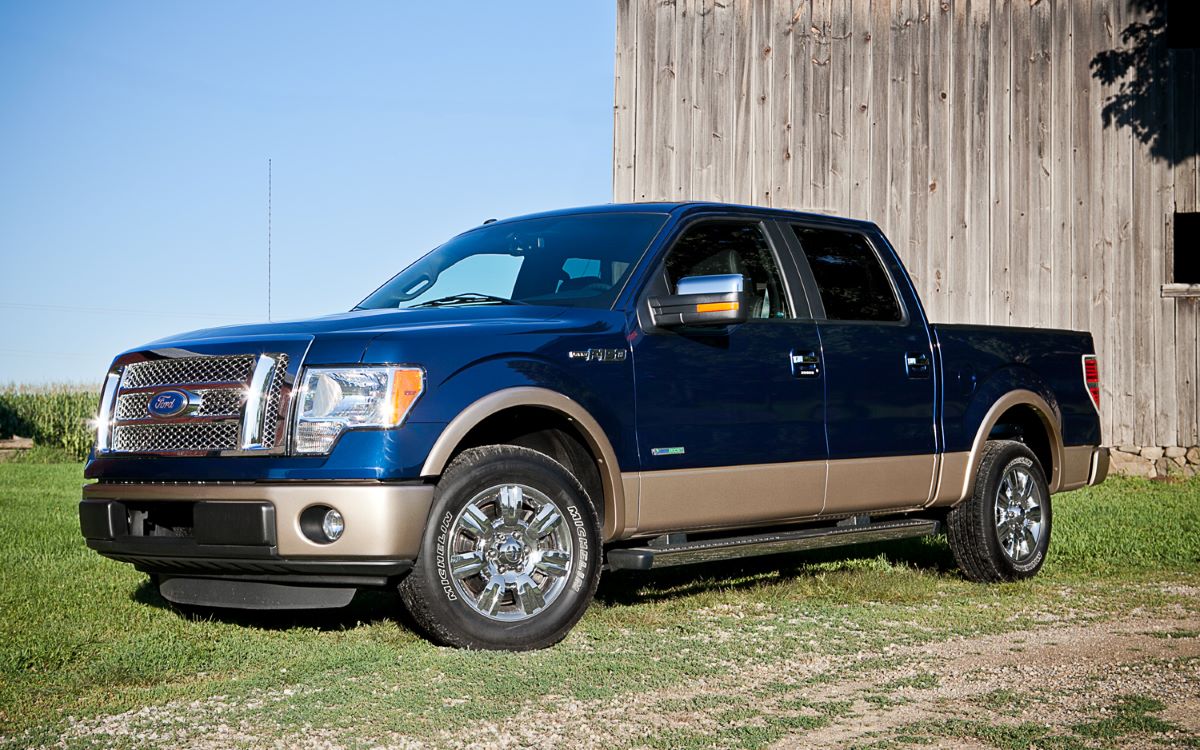
Heat-related transmission issues manifest in various ways, from subtle shuddering during gear changes to complete transmission failure requiring expensive replacement.
The torque converter proved particularly problematic, with many units experiencing lockup clutch failure that created severe shuddering and eventual total failure.
Ford issued multiple technical service bulletins addressing transmission problems, including software updates and hardware modifications, but many owners continued experiencing issues despite dealer intervention.
Real-world towing performance often falls short of advertised capability, with many owners reporting reduced towing capacity recommendations from dealers after experiencing transmission problems.
The combination of turbo lag, transmission heating, and thermal management limitations creates an inconsistent towing experience that lacks the predictable power delivery essential for confidence-inspiring trailer duty. Many owners discovered these limitations only after purchasing trucks specifically for towing applications.
The transmission cooling system design proved inadequate for sustained towing operations, with the standard transmission cooler unable to manage heat generation during demanding conditions.
Even trucks equipped with factory tow packages experienced overheating issues during extended mountain passes or hot weather towing. The auxiliary transmission cooler installations became common aftermarket modifications, but many owners discovered the problems only after experiencing transmission failures.
Ford’s marketing emphasis on efficiency and technology overshadowed discussions of real-world durability and sustained performance capability.
The EcoBoost’s impressive peak power figures and fuel economy claims attracted buyers seeking the best of both worlds, but the transmission’s limitations created expensive reality checks for owners who attempted to use their trucks for serious work applications.
The disconnect between marketing promises and real-world capability represents a cautionary tale about prioritizing innovation over proven reliability in commercial applications.
2. Chevrolet Silverado 1500 8-Speed (2019-2022)
General Motors’ introduction of the 8L90 eight-speed automatic transmission in the 2019 Silverado represented an ambitious attempt to improve fuel efficiency and performance simultaneously, but real-world implementation revealed significant reliability issues that particularly affected towing applications.
The transmission’s complex design and aggressive efficiency programming created problems that undermined the truck’s reputation for dependable performance.
The 8L90 transmission features sophisticated internal architecture with multiple clutch packs and complex hydraulic control systems designed to optimize efficiency through precise gear ratio selection.
However, this complexity introduced numerous potential failure points that proved problematic in real-world applications. The transmission’s programming prioritizes fuel economy over durability, with shift strategies that create excessive heat generation during sustained towing operations.
Widespread reports of transmission shuddering, harsh shifting, and premature failure emerged shortly after the 2019 model year launch, with many problems occurring during warranty periods.
The torque converter lockup clutch proved particularly problematic, creating severe shuddering that made the trucks nearly undriveable when towing. Many owners experienced multiple transmission replacements, with some trucks requiring three or more transmission installations to address recurring problems.
Heat management represents a fundamental weakness in the 8L90’s design, with thermal protection strategies that reduce power output when transmission temperatures exceed safe operating limits.
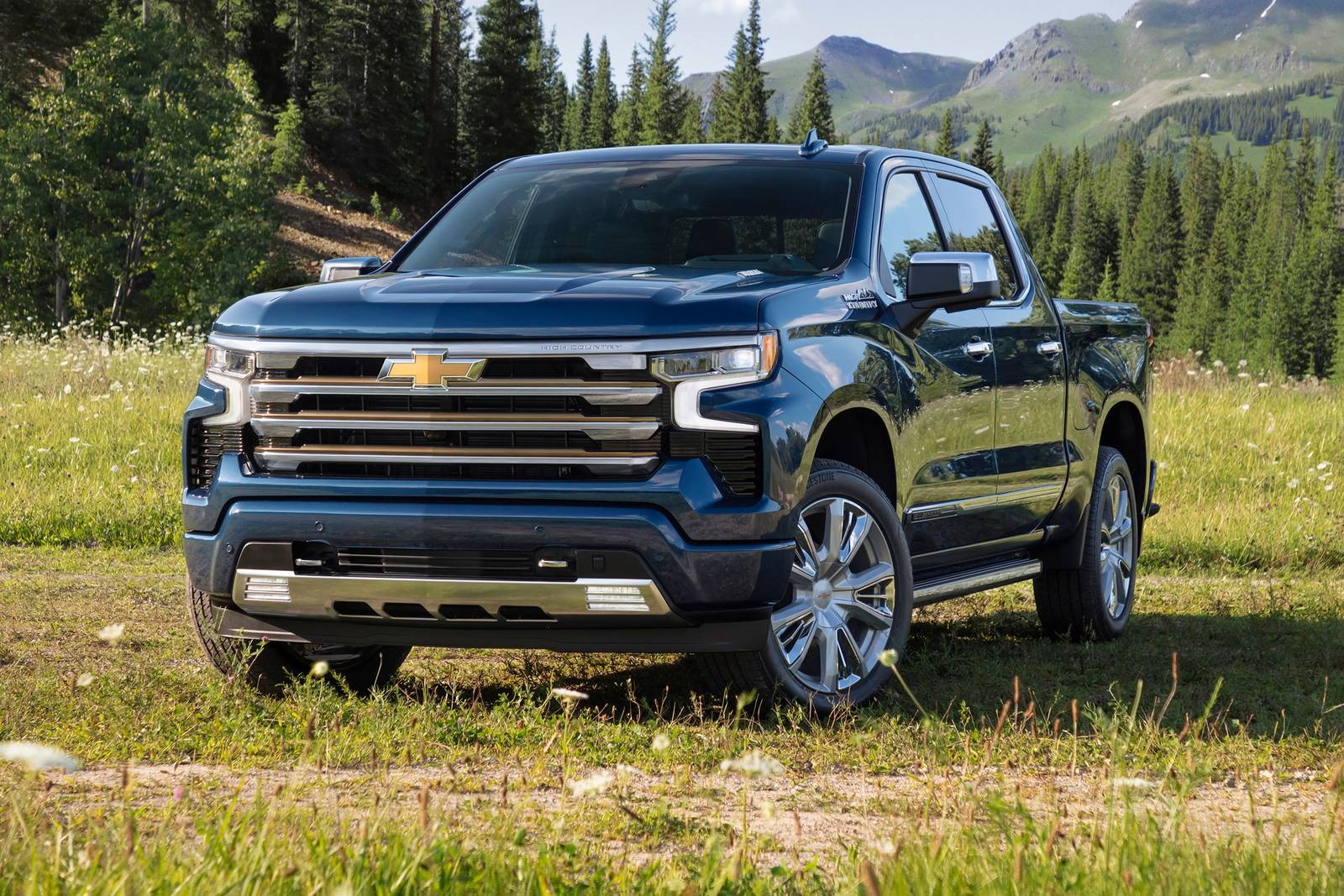
During towing operations, many owners experienced unexpected power reductions and transmission protection modes that severely limited capability when maximum performance was needed most. These thermal limitations often manifested during challenging driving conditions like mountain passes or hot weather operations.
The transmission’s complex electronic control systems proved sensitive to software calibration issues, with multiple recalls and technical service bulletins issued to address shifting problems. However, many owners continued experiencing issues despite dealer software updates and hardware modifications.
The transmission’s adaptive learning systems often failed to properly accommodate towing loads, resulting in inappropriate shift timing and excessive component wear.
Warranty claims for transmission problems reached unprecedented levels for General Motors, with some dealerships reporting transmission replacement rates exceeding normal failure statistics by significant margins.
The company issued extended warranty coverage for specific transmission components, acknowledging the widespread nature of the problems while attempting to maintain customer confidence in the platform.
Real-world towing capability suffered significantly due to transmission reliability concerns, with many owners reducing their towing activities to avoid expensive transmission failures.
The uncertainty about transmission performance created anxiety among owners who needed dependable towing capability for work or recreational activities. Many potential buyers avoided the affected model years entirely, creating resale value impacts that further penalized early adopters.
The 8L90 transmission issues highlight the risks associated with aggressive efficiency optimization in heavy-duty applications, demonstrating that complex systems can compromise reliability when pushed beyond their thermal and mechanical limits.
General Motors’ experience with this transmission represents a costly lesson about the importance of thorough real-world testing before implementing new technology in commercial applications.
3. Ram 1500 EcoDiesel (2014-2019)
The Ram 1500 EcoDiesel captured consumer imagination with promises of exceptional fuel economy combined with robust towing capability, but the reality of ownership revealed transmission and emissions system problems that created expensive headaches for buyers who chose diesel power for its efficiency and durability advantages.
The combination of complex emissions systems and transmission issues turned what appeared to be an ideal towing solution into a maintenance nightmare.
The 3.0L EcoDiesel V6 engine delivers impressive torque figures with 240 horsepower and 420 lb-ft of torque, creating excellent low-end power delivery characteristics ideal for towing applications.
The diesel’s torque curve provides strong pulling power from low RPM ranges, making trailer acceleration and hill climbing feel effortless compared to gasoline alternatives. However, the engine’s complex emissions control systems created reliability issues that compromised the ownership experience.
The eight-speed automatic transmission proved problematic when paired with the EcoDiesel engine, with widespread reports of shifting issues, overheating, and premature failure.
The transmission’s programming struggled to manage the diesel engine’s torque delivery characteristics, creating harsh shifts and inconsistent performance during towing operations.
Many owners experienced transmission failures within warranty periods, often requiring complete replacement to address fundamental reliability problems. Emissions system complexity created additional problems that indirectly affected transmission performance and reliability.
The diesel exhaust fluid system, exhaust gas recirculation components, and diesel particulate filter required frequent maintenance and often experienced premature failures that triggered reduced power modes.
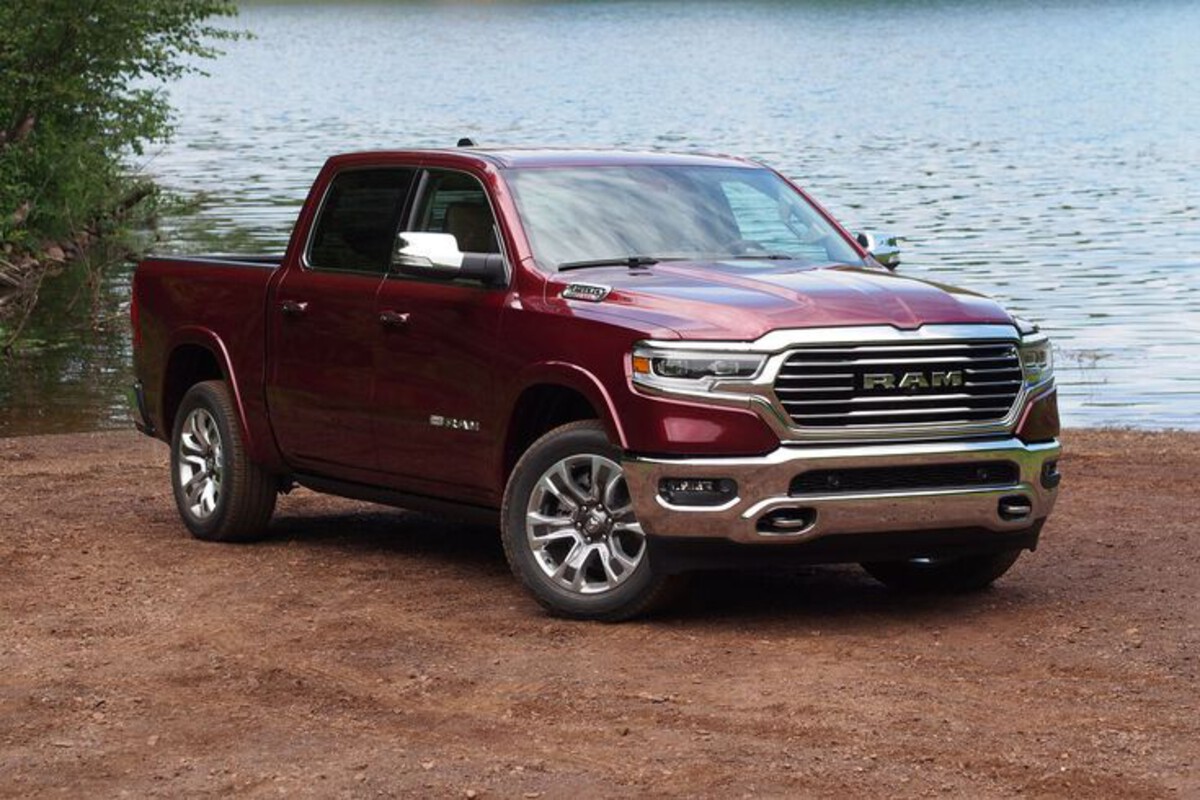
These emissions-related problems often coincided with transmission issues, creating multiple simultaneous failures that left owners without reliable transportation.
The transmission cooling system proved inadequate for sustained towing operations, particularly when combined with the additional heat generation from emissions control regeneration cycles.
Many owners reported transmission overheating warnings during extended towing operations, with some experiencing complete transmission failure after thermal protection systems failed to adequately protect internal components. The factory transmission cooler specifications appeared insufficient for the combined thermal loads of diesel operation and towing duty.
Warranty claims reached exceptional levels for both transmission and emissions system problems, with some owners experiencing multiple component failures that required extensive dealer intervention.
The complexity of diagnosing problems involving both transmission and emissions systems often resulted in extended repair times and repeated service visits.
Many owners reported frustration with dealer service departments that lacked adequate training to address the sophisticated systems.
Real-world fuel economy often fell short of EPA estimates, particularly during towing operations when emissions system regeneration cycles increased fuel consumption significantly.
The promised efficiency advantages that attracted many buyers to diesel power often failed to materialize in practical use, especially when combined with the additional maintenance costs associated with emissions system complexity and transmission problems.
The EcoDiesel’s problems created lasting reputation damage for diesel-powered half-ton trucks, with many potential buyers avoiding diesel options entirely based on widely reported reliability issues.
Ram eventually discontinued the EcoDiesel option for several model years before reintroducing an updated version, acknowledging the fundamental problems with the original implementation while attempting to restore confidence in diesel technology.
4. Ford F-250 6.7L PowerStroke (2011-2016)
Ford’s 6.7L PowerStroke diesel represented a significant advancement in heavy-duty truck power and efficiency, but early production years suffered from transmission reliability issues that undermined the engine’s impressive capability.
The combination of exceptional diesel performance and problematic transmission reliability created a frustrating ownership experience for buyers who expected heavy-duty durability from their truck investments.
The 6.7L PowerStroke V8 diesel engine delivers exceptional power output with up to 440 horsepower and 925 lb-ft of torque in later configurations, providing more than adequate capability for demanding towing applications.
The engine’s sophisticated fuel injection system and turbocharging technology create smooth power delivery and excellent efficiency under load. However, the impressive engine performance often masked underlying transmission problems that became apparent during sustained use.
The TorqShift 6R140 six-speed automatic transmission proved to be the weak link in the F-250’s drivetrain, with widespread reports of harsh shifting, overheating, and premature failure during the early production years.
The transmission’s internal components struggled to handle the diesel engine’s high torque output consistently, particularly during sustained towing operations in challenging conditions. Many owners experienced transmission problems within warranty periods, often requiring complete replacement to address fundamental reliability issues.
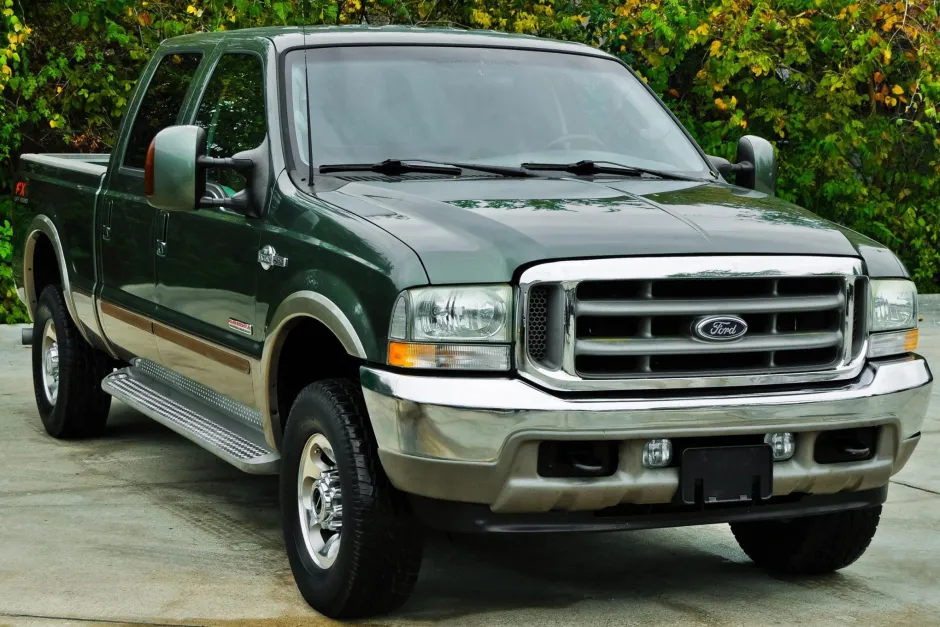
Transmission control software proved particularly problematic, with multiple recalls and technical service bulletins issued to address shifting problems and performance issues.
The adaptive learning systems often failed to properly accommodate varying load conditions, resulting in inappropriate shift timing that accelerated component wear. Many owners reported inconsistent transmission behavior that made towing operations unpredictable and potentially unsafe.
Heat management became a critical issue during sustained towing operations, with transmission temperatures exceeding safe operating limits during extended mountain passes or hot weather conditions.
The factory transmission cooling systems often proved inadequate for the thermal loads generated by maximum towing operations, leading to protective power reductions that compromised capability when maximum performance was most needed. Many owners installed aftermarket transmission coolers to address thermal management deficiencies.
The transmission’s torque converter proved particularly problematic, with lockup clutch failures creating severe shuddering and eventual complete failure.
Many owners experienced multiple torque converter replacements, with some trucks requiring repeated repairs to address recurring problems. The converter’s inability to consistently handle the diesel engine’s torque characteristics created ongoing reliability concerns that affected owner confidence.
Warranty costs for transmission problems reached significant levels for Ford, with extended coverage provided for specific components to address the widespread nature of the issues.
However, many owners continued experiencing problems despite dealer intervention and component replacements. The uncertainty about transmission reliability created anxiety among owners who depended on their trucks for commercial applications or critical towing duties.
Real-world towing performance suffered due to transmission reliability concerns, with many owners reducing their towing activities or seeking alternative transportation for critical applications.
The disconnect between the engine’s exceptional capability and the transmission’s reliability problems created frustration among buyers who expected heavy-duty durability from their significant truck investments.
5. Nissan Titan (2004-2015)
Nissan’s original Titan represented an ambitious entry into the competitive full-size truck market, featuring impressive power specifications and innovative design elements.
However, the truck’s five-speed automatic transmission proved to be a significant weakness that undermined its towing capability and long-term reliability, creating problems that persisted throughout the first generation’s production run.
The 5.6L V8 engine delivered competitive power output with 317 horsepower and 385 lb-ft of torque, providing adequate performance for most towing applications when properly supported by reliable transmission components.
The naturally aspirated engine design offered good throttle response and consistent power delivery, but the transmission’s limitations prevented the powertrain from reaching its full potential during demanding applications.
The five-speed automatic transmission represented the Titan’s most significant weakness, with widespread reports of overheating, harsh shifting, and premature failure during towing operations.
The transmission’s internal components proved inadequate for sustained operation under demanding conditions, with many owners experiencing problems within relatively low mileage periods.
The transmission cooler capacity appeared insufficient for serious towing applications, particularly in hot weather conditions or during extended mountain driving.
Transmission control programming proved problematic throughout the first generation’s production run, with multiple software updates issued to address shifting problems and thermal management issues.
However, many owners continued experiencing problems despite dealer intervention and software modifications. The transmission’s inability to properly manage heat generation during towing operations created ongoing reliability concerns that affected the truck’s reputation in the commercial market.
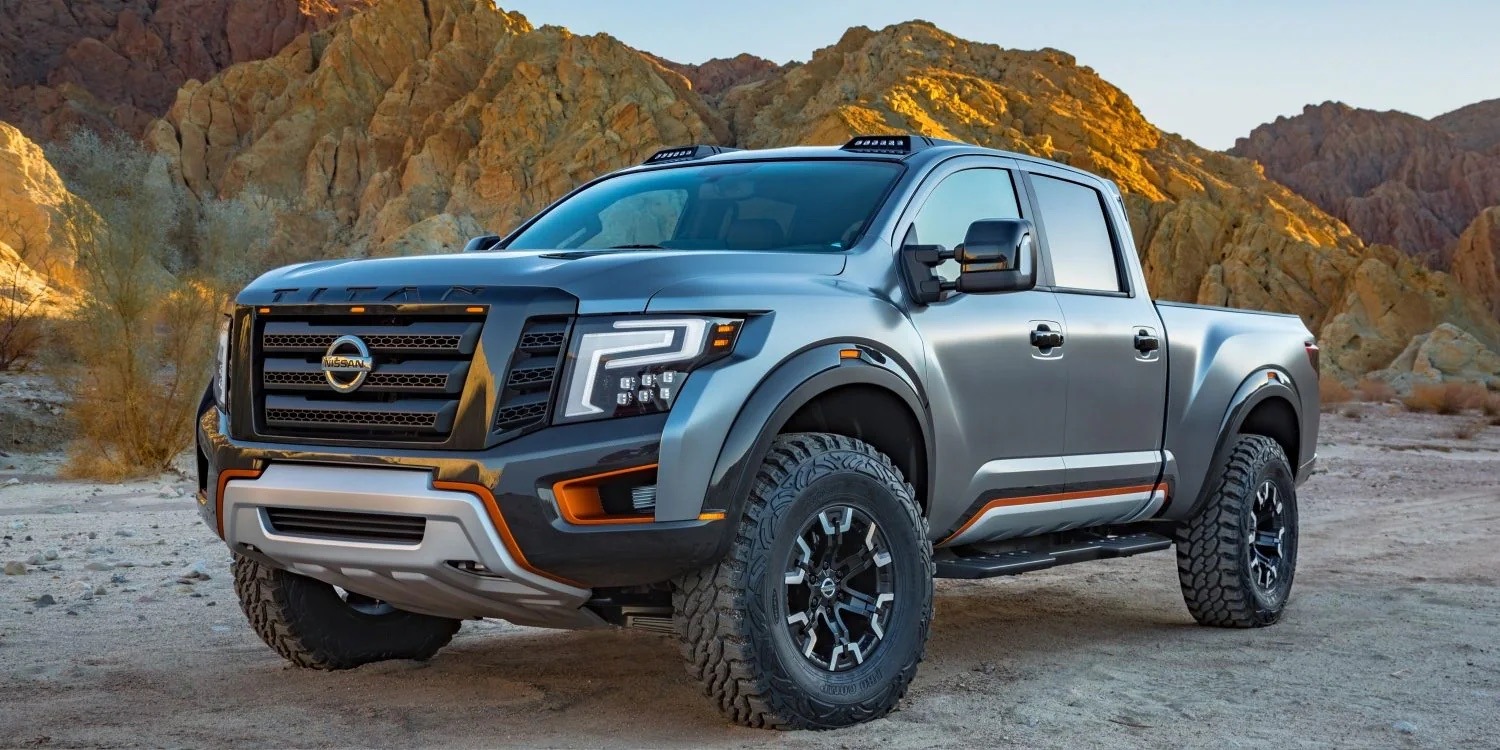
The torque converter design proved particularly troublesome, with widespread reports of shuddering, overheating, and premature failure that required expensive replacement operations.
Many owners experienced multiple torque converter replacements, indicating fundamental design problems rather than isolated manufacturing defects. The converter’s lockup strategy proved inadequate for the thermal management requirements of sustained towing operations.
Real-world towing capacity often fell short of advertised specifications due to transmission thermal limitations, with many owners discovering reduced capability during actual use.
The transmission’s tendency to overheat during challenging conditions forced many owners to reduce their towing activities or seek alternative solutions for heavy-duty applications. This limitation particularly affected buyers who purchased the Titan specifically for its advertised towing capability.
Nissan issued multiple technical service bulletins and warranty extensions to address transmission problems, acknowledging the widespread nature of the issues while attempting to maintain customer confidence.
However, the transmission problems persisted throughout the first generation’s production run, preventing the Titan from establishing a strong reputation in the competitive truck market.
The transmission problems contributed to poor resale value retention compared to competitors, with many potential used truck buyers avoiding the Titan due to widely known reliability issues.
This market perception created additional financial penalties for original owners who experienced the transmission problems firsthand, compounding the frustration associated with repeated repair requirements and reduced capability.
Also Read: 5 Vehicles With Physical Cup Holders vs 5 With Broken Retractable Holders
