
The luxury car market presents a fascinating paradox: while some models command premium prices based on brand prestige and marketing prowess, others quietly deliver exceptional reliability and longevity without fanfare.
This dichotomy has created two distinct categories within the luxury segment: forgotten gems that continue running long after their flashier contemporaries have been relegated to scrapyards, and overhyped models that drain owners’ wallets with constant repairs despite their prestigious badges.
Understanding this divide requires looking beyond surface-level luxury appointments and marketing campaigns to examine the fundamental engineering philosophy behind each vehicle.
The forgotten luxury cars that run forever typically share common characteristics: conservative engineering approaches, proven powertrains, robust construction methods, and manufacturers’ commitment to long-term reliability over cutting-edge features. These vehicles often prioritize substance over style, focusing on time-tested components and manufacturing processes that prioritize durability.
Conversely, overhyped luxury models frequently suffer from manufacturers’ attempts to pack too many complex systems into single platforms, rushed development cycles to meet market demands, or cost-cutting measures that compromise long-term reliability for short-term profits.
These vehicles often feature advanced technology that sounds impressive in showrooms but proves problematic in real-world ownership scenarios.
The financial implications of this divide are substantial. Owners of reliable luxury vehicles enjoy years of trouble-free driving with minimal maintenance costs beyond routine service intervals.
Meanwhile, owners of problematic luxury models face mounting repair bills that can exceed the vehicle’s depreciated value within just a few years of ownership.
This reality makes understanding the difference between genuine luxury engineering and marketing-driven luxury positioning crucial for informed purchasing decisions.
This comprehensive analysis examines five forgotten luxury cars renowned for their exceptional longevity alongside five overhyped models notorious for reliability issues, providing insights into what separates truly great luxury vehicles from mere status symbols.
5 Forgotten Luxury Cars That Run Forever
These overlooked premium vehicles deliver extraordinary longevity through meticulous engineering, premium materials, and conservative design philosophies that prioritize durability over trendy features, enabling decades of refined service while maintaining their sophisticated performance characteristics.
Their robust construction incorporates hand-selected components, extensive quality control, and time-tested mechanical systems that resist wear and environmental damage far better than contemporary luxury vehicles that sacrifice reliability for cutting-edge technology.
The combination of depreciated purchase prices, reasonable maintenance costs, and exceptional build quality creates ownership experiences that provide genuine luxury without the financial burden of constant repairs.
From respected manufacturers with proven engineering heritage to understated models with extensive development programs, these vehicles demonstrate that true luxury lies in dependable excellence rather than flashy marketing, providing refined transportation that outlasts more celebrated competitors through superior craftsmanship.
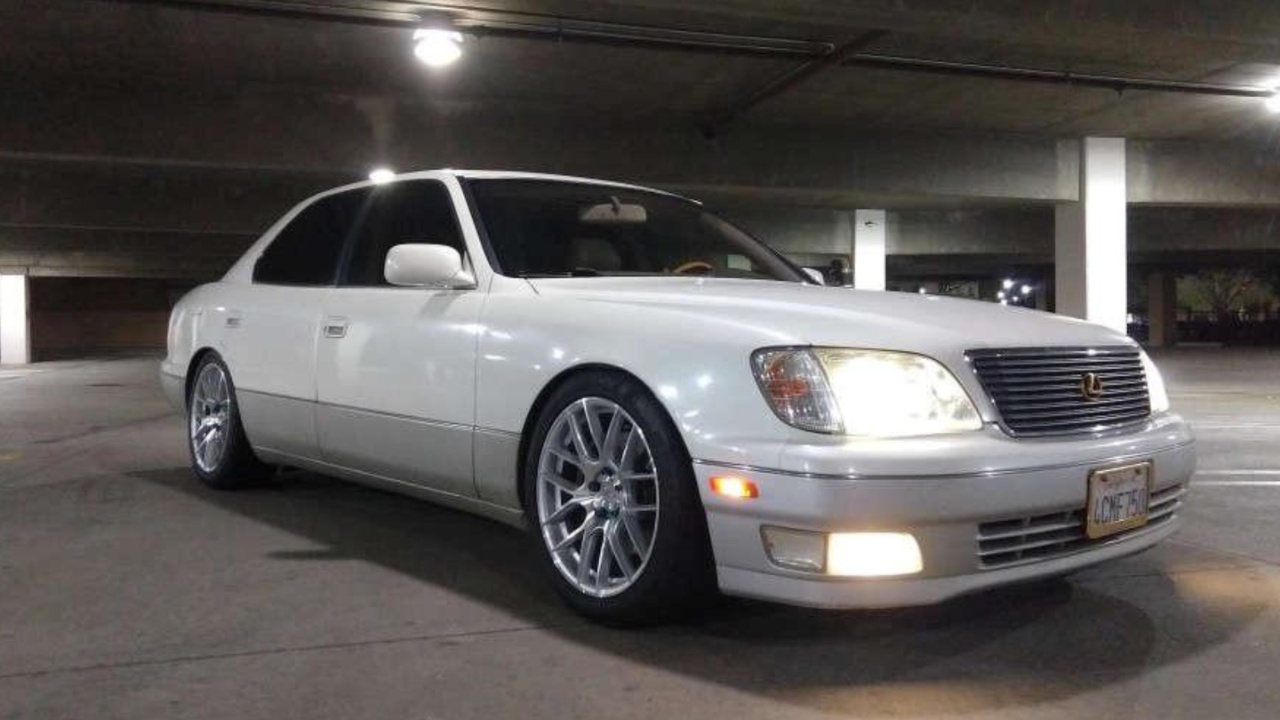
1. Lexus LS 400 (1990-2000)
The original Lexus LS 400 represents perhaps the most significant disruption in luxury car history, achieving legendary status not through flashy marketing but through uncompromising engineering excellence.
Toyota invested over $1 billion developing this flagship sedan, with the primary goal of creating a vehicle that would redefine luxury car reliability standards while matching or exceeding German competitors in refinement and performance.
The heart of the LS 400’s legendary durability lies in its 1UZ-FE V8 engine, a masterpiece of conservative engineering that prioritized longevity over maximum performance.
This 4.0-liter aluminum V8 produces 250 horsepower while featuring incredibly tight manufacturing tolerances, forged internals, and an advanced cooling system designed to operate flawlessly for hundreds of thousands of miles.
The engine’s design philosophy emphasized smooth operation and minimal wear, with many examples easily surpassing 300,000 miles with nothing more than routine maintenance.
Toyota’s obsessive attention to detail extended throughout the entire vehicle. The transmission, a smooth-shifting four-speed automatic, was engineered with wide ratios and robust internals that rarely require major service beyond fluid changes.
The suspension system combines comfort with durability, using high-quality components that maintain their performance characteristics over extended periods. Even the electrical systems, often problematic areas in luxury vehicles, were designed with redundancy and reliability as primary concerns.
What makes the LS 400 particularly remarkable is how it achieved luxury-level refinement without sacrificing reliability. The cabin features genuine leather, real wood trim, and advanced sound deadening that creates a serene driving environment.
The build quality rivals hand-assembled vehicles costing twice as much, with panel gaps measuring in millimeters and interior materials that age gracefully over decades of use.
The vehicle’s diagnostic systems were ahead of their time, providing detailed information about engine performance and maintenance requirements without the complexity that plagues modern luxury cars.
This approach allows owners to address minor issues before they become major problems, contributing significantly to the vehicle’s legendary longevity.
Today, well-maintained LS 400 examples with over 200,000 miles command respectable prices in the used car market, testament to their enduring reputation for reliability.
Many owners report decades of trouble-free ownership with maintenance costs comparable to mainstream vehicles, making the LS 400 a genuine luxury bargain that delivers premium comfort without premium repair bills.
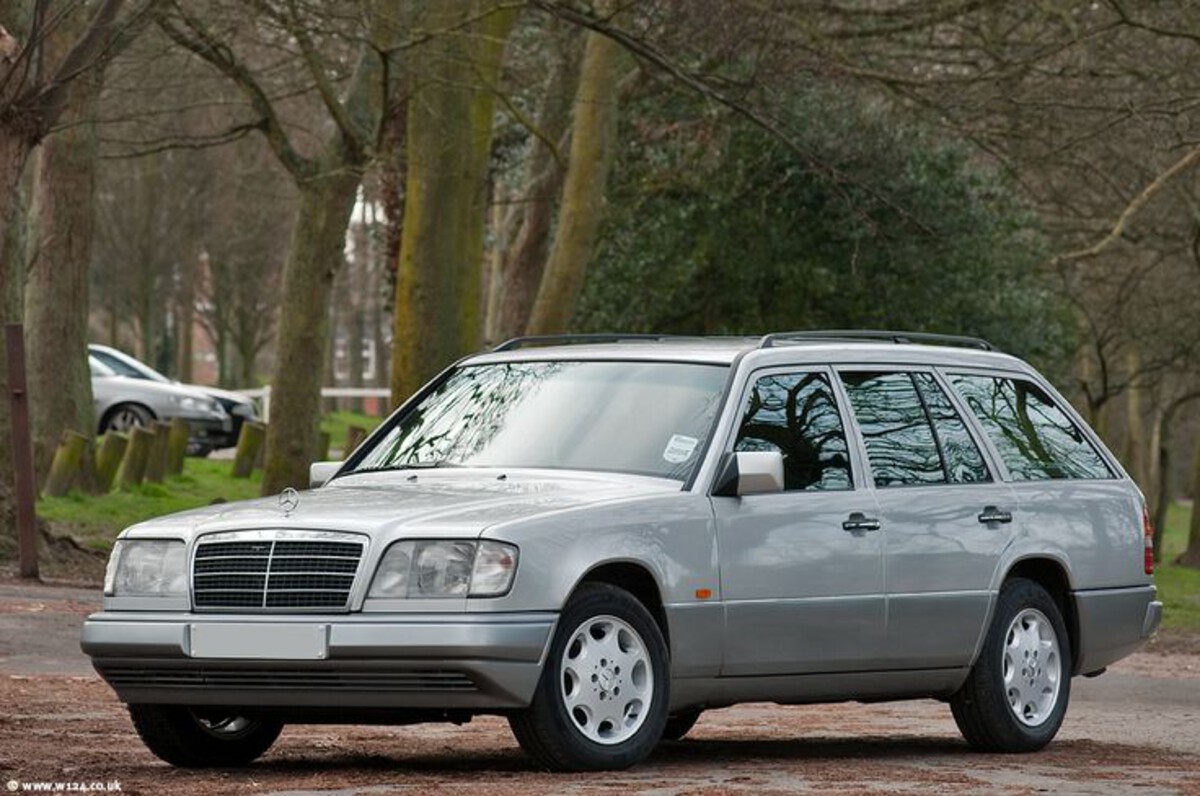
2. Mercedes-Benz W124 E-Class (1985-1995)
The W124 Mercedes-Benz E-Class represents the pinnacle of German over-engineering during an era when Mercedes-Benz prioritized longevity and build quality above all other considerations.
This generation of E-Class was developed during Mercedes’ golden age of engineering, when the company’s motto of “the best or nothing” translated into vehicles built to last indefinitely with proper maintenance.
The W124’s legendary durability stems from its robust construction methodology, featuring a unitized body structure with extensive use of galvanized steel that effectively prevents rust formation even in harsh climates.
The body panels are substantially thicker than modern standards, providing both structural integrity and long-term corrosion resistance. Mercedes engineers designed every component to operate reliably for decades, resulting in vehicles that often outlast their owners.
Engine options in the W124 range from bulletproof inline-six units to robust V8 powerplants, all sharing Mercedes’ commitment to long-term reliability over maximum performance.
The popular 300E features a 3.0-liter inline-six that produces modest horsepower but exceptional torque delivery and legendary durability. These engines regularly achieve 300,000+ miles with routine maintenance, featuring robust internal components and advanced fuel injection systems that maintain performance throughout their operational life.
The transmission systems, whether manual or automatic, were engineered to Mercedes’ exacting standards for smoothness and durability. The four-speed automatic transmission features robust internals and precise hydraulic controls that provide seamless shifting even after hundreds of thousands of miles.
Manual transmissions offer precise engagement and exceptional longevity when properly maintained. Interior quality in the W124 reflects Mercedes’ commitment to luxury materials and construction techniques.
The dashboard features real wood trim and high-quality plastics that resist fading and cracking over decades of use. Seats are upholstered in durable materials that maintain their appearance and comfort through extended ownership periods.
The electrical systems, while complex for their era, were designed with reliability as the primary concern, using high-quality components and robust wiring harnesses.
What distinguishes the W124 from modern luxury vehicles is its serviceability. Components are accessible for maintenance and repair, with extensive documentation available for both professional technicians and dedicated owners.
This accessibility, combined with the availability of high-quality replacement parts, ensures that well-maintained W124 examples can continue operating indefinitely.
The W124’s reputation for longevity has created a devoted following among enthusiasts who appreciate genuine luxury engineering over flashy technology, making well-maintained examples increasingly valuable in today’s collector car market.
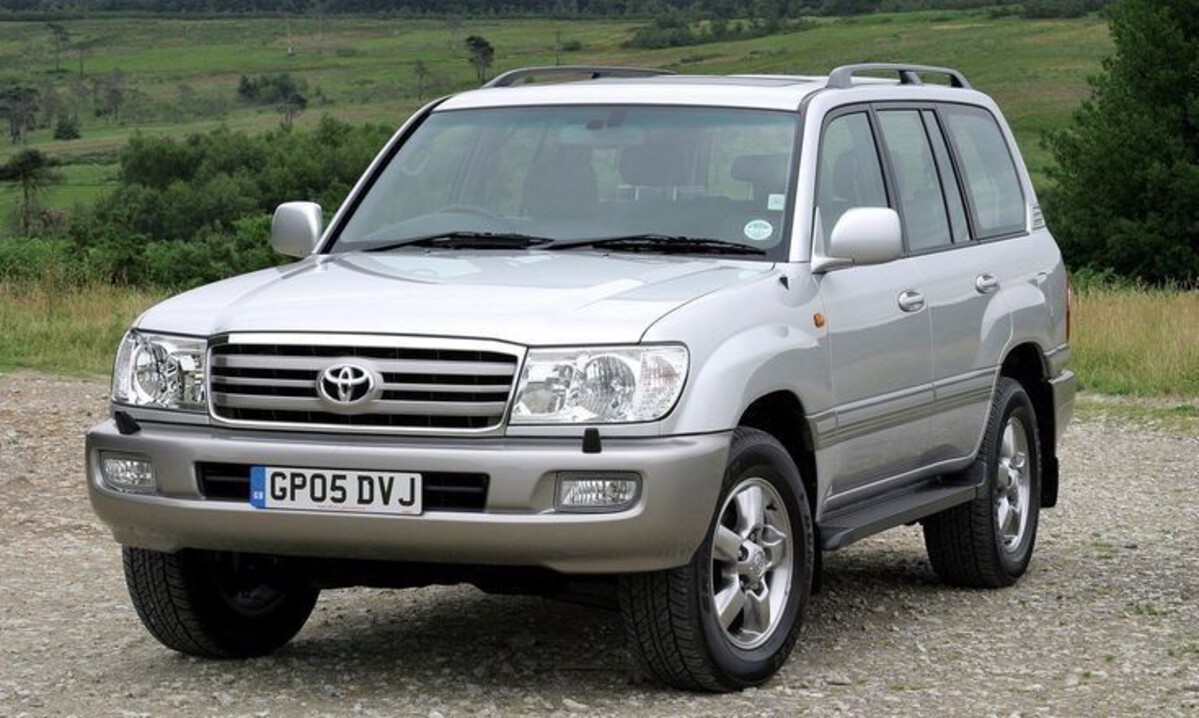
3. Toyota Land Cruiser 100 Series (1998-2007)
The Toyota Land Cruiser 100 Series represents the ultimate expression of luxury utility vehicle engineering, combining exceptional off-road capability with premium comfort and legendary Toyota reliability.
This generation of Land Cruiser was developed with a singular focus on creating a vehicle capable of operating reliably in the most challenging environments while providing passengers with first-class comfort and amenities.
At the heart of the 100 Series’ legendary durability lies the 2UZ-FE V8 engine, a 4.7-liter powerplant that exemplifies Toyota’s conservative engineering philosophy.
This engine produces 235 horsepower and 320 lb-ft of torque while featuring robust internals designed for extended operation under severe conditions.
The engine’s design prioritizes longevity over peak performance, with features like forged pistons, robust connecting rods, and an advanced cooling system that maintains optimal operating temperatures even during extended low-speed operation in extreme heat.
The transmission system, a five-speed automatic with adaptive shift logic, was engineered to handle the demands of both luxury driving and serious off-road use.
The transmission features robust internals and an advanced torque converter that provides smooth operation while maintaining durability under severe loading conditions. The transfer case and differential systems are equally robust, featuring heavy-duty components designed for decades of reliable operation.
Toyota’s attention to luxury appointments in the 100 Series rivals vehicles costing significantly more. The interior features premium leather seating, genuine wood trim, and advanced climate control systems that maintain comfort in extreme conditions.
The build quality reflects Toyota’s commitment to long-term durability, with components selected for their ability to withstand extended use without degradation in appearance or function.
The vehicle’s electrical systems exemplify Toyota’s reliability-first approach, using high-quality components and robust wiring harnesses designed to operate flawlessly for decades.
Even advanced features like the multi-zone climate control and premium audio system were engineered with longevity as the primary concern, resulting in systems that continue operating properly long after similar systems in other luxury vehicles have failed.
What makes the 100 Series particularly remarkable is its ability to maintain luxury-level comfort and refinement while delivering genuine off-road capability.
The suspension system provides a smooth ride on pavement while offering exceptional articulation and durability in off-road conditions. This dual-purpose capability, combined with Toyota’s legendary reliability, has made the 100 Series the preferred choice for discerning buyers who need both luxury comfort and go-anywhere capability.
The 100 Series has developed a devoted following among enthusiasts who appreciate its combination of luxury appointments and bulletproof reliability, with well-maintained high-mileage examples commanding strong resale values due to their reputation for longevity.
4. Acura TL (1999-2008)
The first and second-generation Acura TL represent Honda’s masterful approach to luxury vehicle engineering, combining the company’s legendary reliability with genuine luxury appointments and engaging driving dynamics.
During this era, Acura successfully positioned itself as a premium alternative to German luxury brands while maintaining Honda’s commitment to long-term durability and reasonable ownership costs.
The TL’s mechanical foundation centers on Honda’s proven J-series V6 engine, available in both 3.2-liter and 3.5-liter configurations depending on the model year.
These engines exemplify Honda’s engineering philosophy of achieving excellent performance through precision manufacturing and advanced technology rather than brute force.
The J32A2 engine in the second-generation TL produces 270 horsepower while featuring Honda’s VTEC variable valve timing system, which optimizes performance across the entire rpm range while maintaining exceptional fuel efficiency and longevity.
Honda’s commitment to transmission excellence is evident in the TL’s available gearboxes, including both manual and automatic options engineered to Honda’s exacting standards.
The five-speed automatic transmission features precise hydraulic controls and robust internals that provide smooth, responsive shifting throughout the vehicle’s operational life.
The available six-speed manual transmission offers precise engagement and exceptional durability, appealing to enthusiasts who appreciate genuine driver involvement.
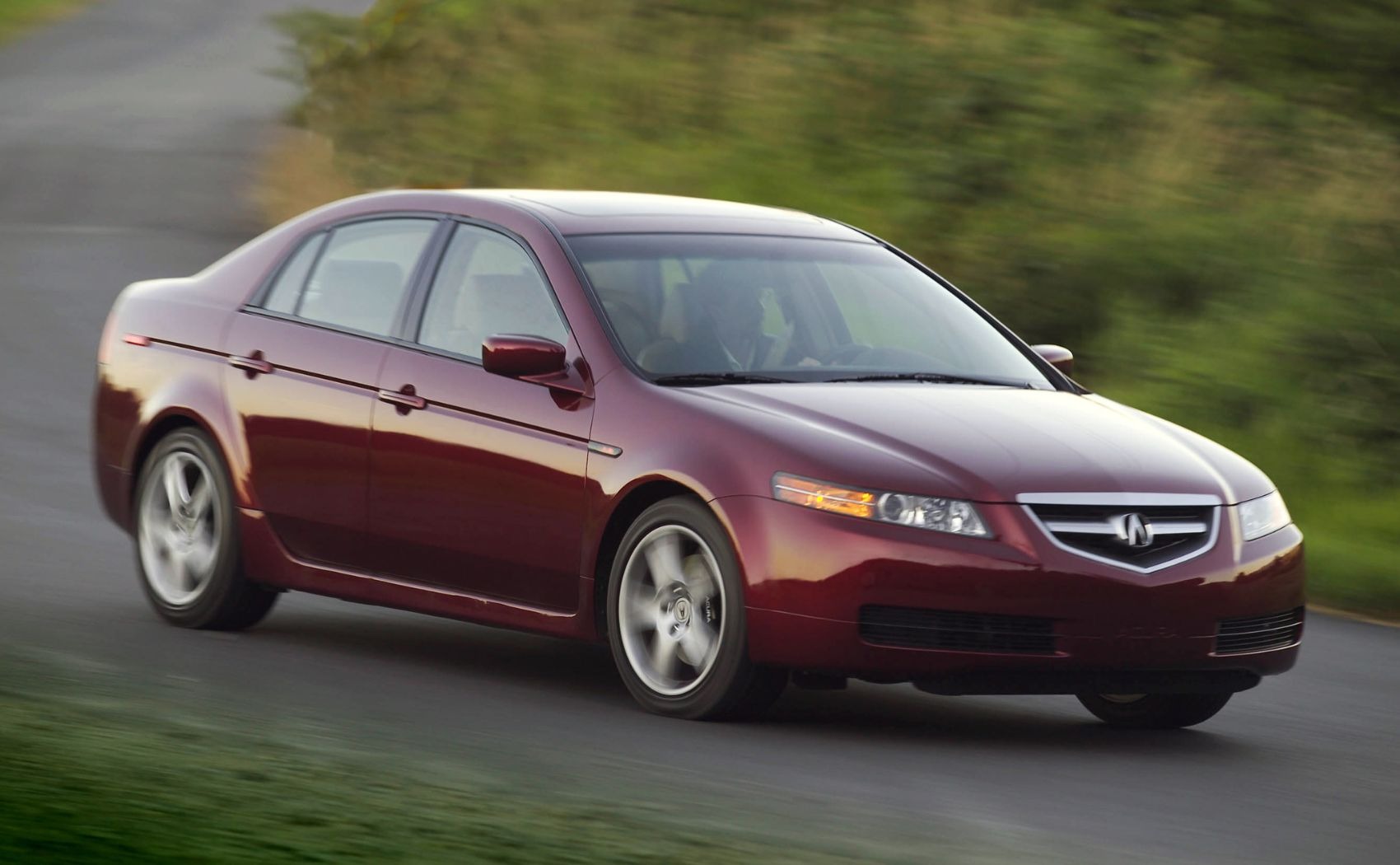
The TL’s chassis engineering reflects Honda’s understanding of luxury vehicle dynamics, featuring a sophisticated suspension system that balances comfort with exceptional handling characteristics.
The double-wishbone front suspension and multi-link rear setup provide precise control while maintaining ride quality suitable for luxury vehicle buyers. The chassis structure utilizes high-strength steel construction with excellent rigidity characteristics that contribute to both handling precision and long-term durability.
Interior quality in the TL demonstrates Acura’s commitment to luxury materials and construction techniques without the complexity that often compromises reliability in other luxury vehicles.
The cabin features high-quality leather, genuine wood trim, and advanced climate control systems that maintain their performance throughout extended ownership periods.
The electrical systems utilize Honda’s proven components and design philosophy, resulting in systems that continue operating properly long after similar systems in German luxury vehicles have failed.
What distinguishes the TL from its luxury competitors is Honda’s focus on long-term ownership satisfaction rather than short-term technological novelty.
Features are implemented using proven technology and robust components, ensuring that owners enjoy reliable operation without the constant repair issues that plague other luxury vehicles.
This approach has resulted in a vehicle that provides genuine luxury comfort and performance while maintaining Honda’s reputation for exceptional reliability.
The TL’s combination of luxury appointments, engaging driving dynamics, and Honda reliability has created a devoted following among enthusiasts who appreciate quality engineering over flashy marketing, making well-maintained examples increasingly sought after in today’s used car market.
Also Read: 5 Underappreciated Trucks That Tow Well vs 5 Hyped Trucks With Transmission Issues
5. Infiniti Q45 (1990-2006)
The Infiniti Q45 represents Nissan’s ambitious entry into the luxury sedan market, featuring advanced engineering and premium appointments while maintaining the reliability characteristics that made Nissan vehicles globally respected.
The Q45 was developed as a direct competitor to established luxury sedans, offering distinctive styling, advanced technology, and robust mechanical systems designed for long-term durability.
The heart of the Q45’s legendary reliability lies in Nissan’s VH-series V8 engines, particularly the VH41DE and VH45DE units used throughout the model’s production run.
These engines feature aluminum construction with iron cylinder liners, combining lightweight characteristics with exceptional durability. The VH45DE 4.5-liter V8 produces impressive power output while maintaining Nissan’s commitment to long-term reliability through conservative engineering approaches and robust internal components.
Nissan’s attention to transmission engineering is evident in the Q45’s smooth-shifting automatic transmissions, which feature advanced electronic controls and robust internals designed for extended service life.
The transmission systems provide seamless operation while maintaining the durability characteristics that luxury vehicle owners demand. The transmission’s adaptive logic learns driving patterns to optimize shift points for both performance and longevity.
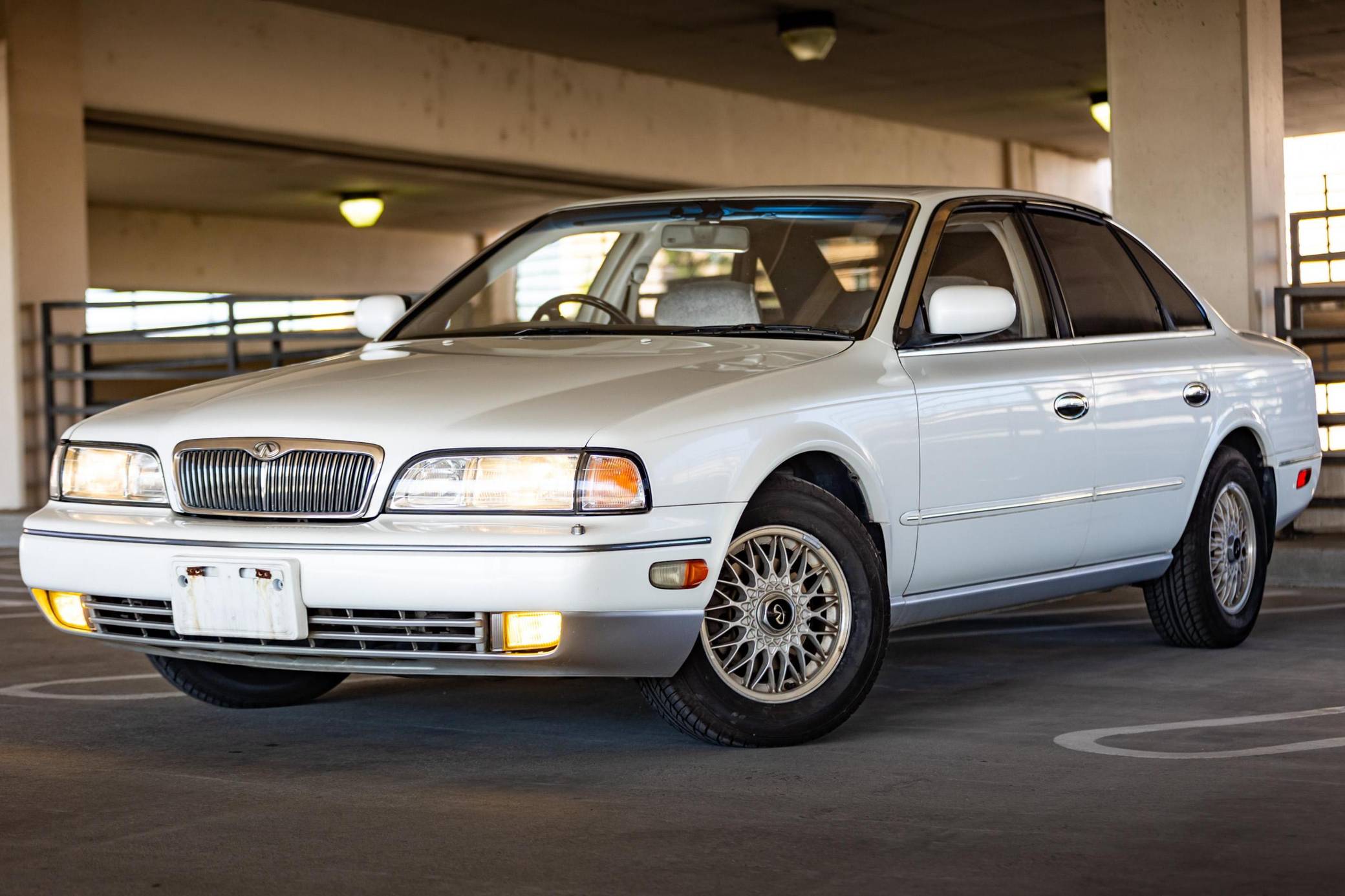
The Q45’s chassis engineering reflects Nissan’s commitment to luxury vehicle dynamics, featuring advanced suspension systems that provide exceptional comfort while maintaining precise handling characteristics.
The multi-link suspension setup utilizes high-quality components designed for extended service life, with bushings and joints that maintain their performance characteristics throughout the vehicle’s operational life.
Interior appointments in the Q45 demonstrate Infiniti’s commitment to luxury materials and construction quality. The cabin features premium leather seating, genuine wood trim, and advanced climate control systems that rival vehicles costing significantly more.
The build quality reflects Japanese attention to detail, with components selected for their long-term durability and resistance to wear and aging. The Q45’s electrical systems exemplify Nissan’s reliability-focused approach, utilizing proven components and robust design methodologies that ensure long-term operation without the complexity-related failures that plague other luxury vehicles.
Even advanced features like the Bose audio system and electronic climate control were engineered with reliability as the primary concern. What makes the Q45 particularly noteworthy is its combination of distinctive design, advanced features, and robust engineering that provides luxury vehicle comfort without the maintenance headaches associated with European luxury cars.
The vehicle’s reputation for reliability has created a devoted following among enthusiasts who appreciate quality engineering and distinctive styling.
5 Overhyped Luxury Models That Break
These heavily marketed premium vehicles disappoint owners with frequent breakdowns, expensive repairs, and reliability issues that contradict their prestigious image and premium pricing built on brand perception rather than engineering excellence or build quality.
Their complex systems incorporate unproven technologies, cost-cutting measures, and problematic components that generate constant maintenance headaches despite luxury positioning that suggests superior quality and dependability over mainstream alternatives.
The combination of inflated purchase prices, astronomical repair costs, and disappointing durability creates ownership nightmares as buyers discover that prestige badges cannot compensate for fundamental engineering compromises that prioritize profit margins over customer satisfaction.
From celebrated brands trading on reputation alone to flagship models with known manufacturing defects, these vehicles prove that luxury marketing and premium pricing mean nothing when basic mechanical reliability fails, undermining both the ownership experience and long-term value proposition.
1. BMW 7 Series (E65/E66 Generation, 2002-2008)
The E65/E66 BMW 7 Series represents one of the most problematic luxury vehicles ever produced, serving as a cautionary tale about the dangers of prioritizing technological complexity over reliability.
This generation marked BMW’s aggressive push into advanced electronic systems and innovative features, but the execution proved disastrously flawed, resulting in vehicles that spend more time in service departments than on the road.
The E65’s problems begin with iDrive, BMW’s revolutionary but deeply flawed infotainment system that controlled nearly every vehicle function through a single rotary controller and complex menu system.
While innovative in concept, the early iDrive system suffered from slow response times, confusing menu structures, and frequent software crashes that could disable critical vehicle functions.
The system’s complexity extended beyond user interface issues to fundamental reliability problems, with many units requiring complete replacement within the first few years of ownership.
Engine problems plague virtually every powerplant option in the E65 lineup, from the base inline-six to the flagship V12. The N62 V8 engine, used in 745i and 750i models, suffers from catastrophic valve stem seal failures that result in excessive oil consumption and expensive repairs.
The timing chain guides frequently fail, causing timing chain stretch and potential engine damage. The cooling system utilizes plastic components that crack and fail prematurely, leading to overheating and expensive repairs.
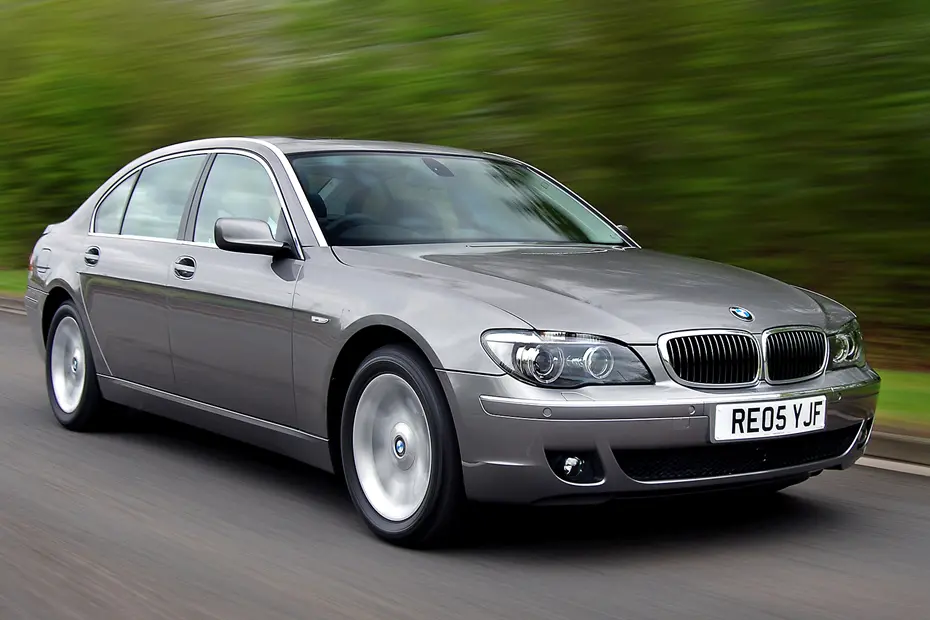
The V12 engine in the 760i models presents even more severe problems, including frequent electronic failures that can disable entire cylinder banks, cooling system problems that result in catastrophic overheating, and complex fuel injection systems that require frequent expensive repairs.
The engine’s complexity makes diagnosis and repair extremely expensive, with many owners facing repair bills exceeding the vehicle’s depreciated value.
Electrical problems extend throughout the entire vehicle, affecting everything from window regulators and door handles to the advanced air suspension system.
The air suspension, while providing exceptional ride quality when functioning, suffers from compressor failures, air leak problems, and sensor malfunctions that result in expensive repairs and potential safety issues. Many owners eventually convert to conventional coil spring suspension due to the prohibitive cost of maintaining the air system.
The vehicle’s complex electronic systems suffer from widespread failures that affect basic functions like door locks, window operation, and climate control.
The electronic parking brake frequently malfunctions, potentially stranding owners or creating safety hazards. The advanced headlight systems, while innovative, suffer from ballast failures and expensive bulb replacements that can cost hundreds of dollars.
What makes the E65 particularly problematic is BMW’s decision to integrate so many systems electronically that single component failures can disable multiple vehicle functions.
The complexity makes diagnosis difficult and expensive, while the specialized tools required for repair limit service options to BMW dealerships, resulting in extremely high maintenance costs that often exceed the vehicle’s depreciated value within just a few years of ownership.
2. Mercedes-Benz S-Class (W220, 1999-2006)
The W220 Mercedes-Benz S-Class marked a dramatic departure from Mercedes’ traditional engineering philosophy, prioritizing cost reduction and advanced technology over the legendary build quality that had defined the brand for decades.
This generation represents one of Mercedes’ most problematic luxury vehicles, suffering from widespread quality issues that damaged the brand’s reputation for reliability and engineering excellence.
The W220’s problems stem from Mercedes’ decision to reduce manufacturing costs through the use of cheaper materials and simplified construction methods.
The result was a vehicle that appeared luxurious in showrooms but suffered from fundamental quality issues that became apparent within the first few years of ownership. The cost-cutting measures affected every aspect of the vehicle, from basic mechanical components to advanced electronic systems.
Airmatic suspension problems plague virtually every W220 model, with air struts failing prematurely due to cheap rubber components and inadequate design.
The air compressor frequently fails, leaving owners with expensive repair bills and vehicles that cannot maintain proper ride height. The system’s complexity makes diagnosis and repair expensive, while the specialized components required for service are available only through Mercedes dealerships at premium prices.
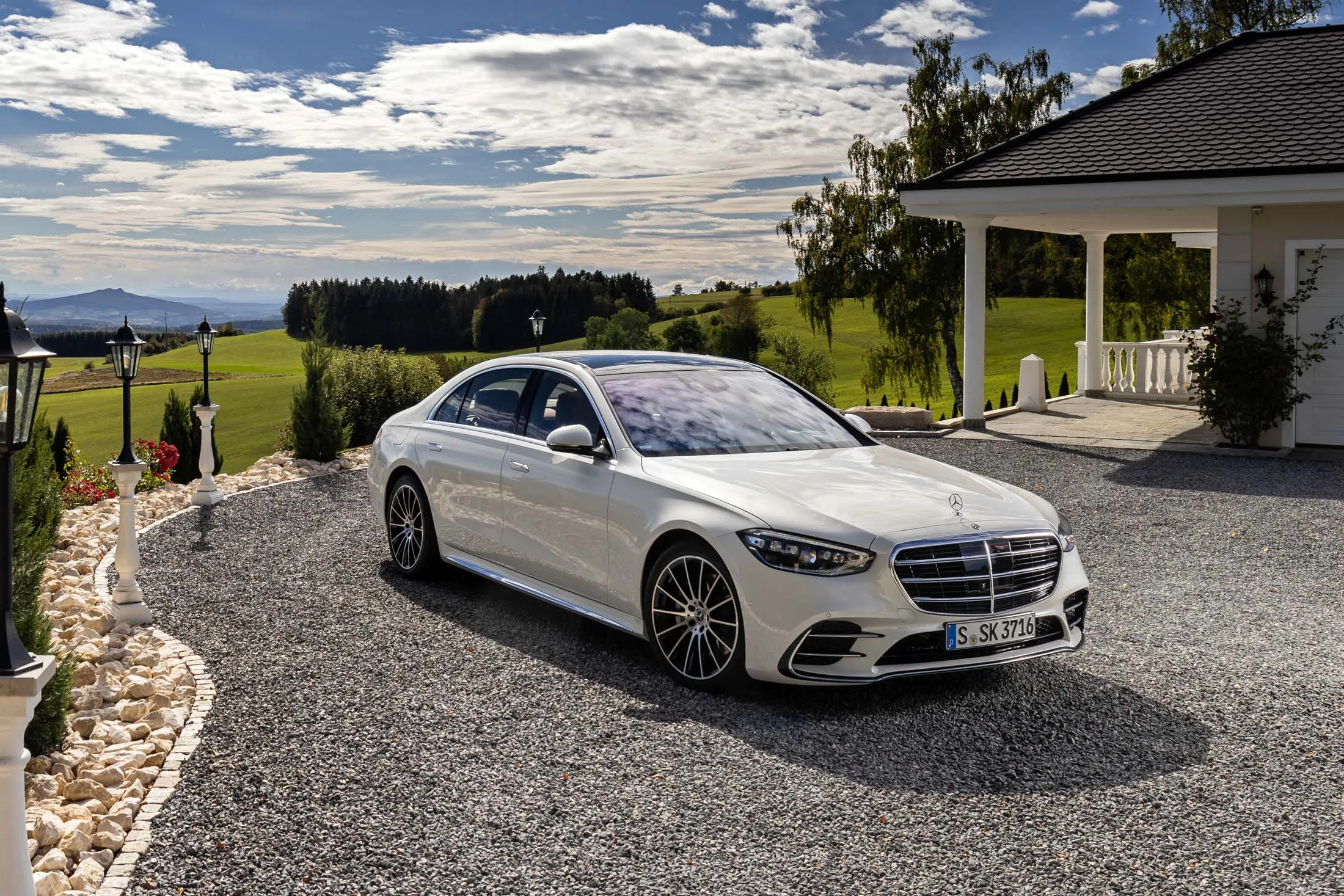
Engine problems vary by powerplant but affect virtually every option in the W220 lineup. The M112 and M113 engines suffer from balance shaft problems, timing chain issues, and electronic control module failures that can leave owners stranded.
The diesel engines experience injector problems and expensive emission system failures. Even the flagship V12 engines suffer from complex electrical issues and expensive cooling system problems.
The W220’s electrical systems represent a particular area of concern, with widespread failures affecting everything from basic lighting to advanced driver assistance systems.
The vehicle’s complex wiring harnesses suffer from insulation breakdown that can cause short circuits and potential fire hazards. The advanced features that were supposed to differentiate the W220 from competitors frequently malfunction, requiring expensive repairs that often exceed the vehicle’s depreciated value.
Interior quality, while initially impressive, deteriorates rapidly due to the use of cheaper materials and simplified construction methods. Dashboard components crack and warp, leather surfaces wear prematurely, and electronic switches fail frequently.
The contrast with previous S-Class generations is stark, with materials and construction quality that more closely resemble mainstream vehicles than true luxury cars.
The transmission systems suffer from premature failures due to inadequate cooling and electronic control problems. The 7G-Tronic transmission, while smooth when functioning properly, requires frequent, expensive repairs and complete replacement in many cases.
The transmission’s complexity makes diagnosis difficult, while the specialized tools required for service limit repair options to Mercedes dealerships.
What makes the W220 particularly disappointing is how it represented Mercedes’ temporary abandonment of the engineering principles that had made the brand synonymous with luxury and reliability, resulting in vehicles that provide neither the reliability of previous Mercedes models nor competitive luxury features, making them poor values in both new and used car markets.
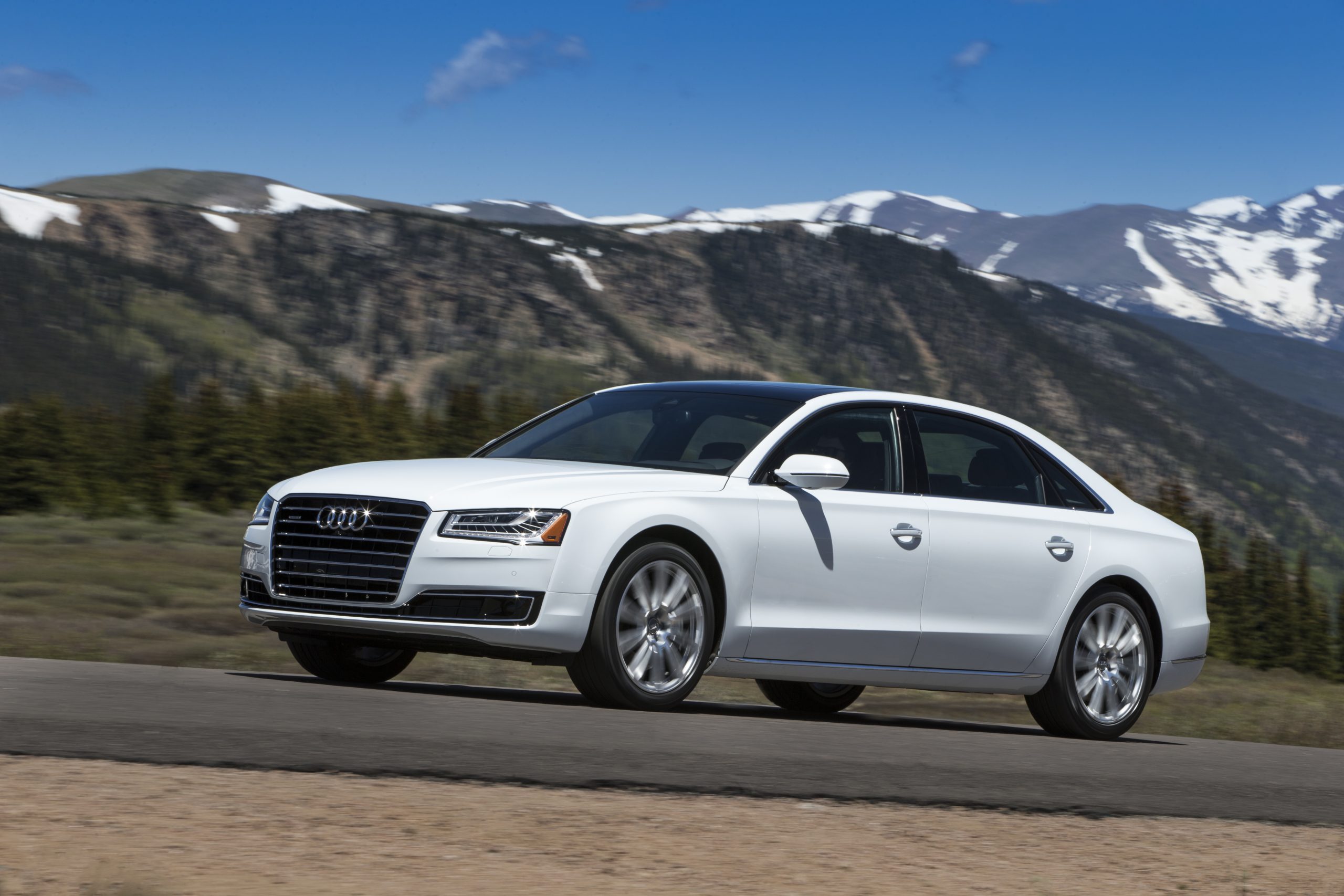
3. Audi A8 (D3 Generation, 2004-2010)
The D3 Audi A8 represents Audi’s ambitious attempt to challenge BMW and Mercedes in the flagship luxury sedan market, featuring advanced technology and innovative engineering solutions that proved more impressive in marketing materials than in real-world ownership.
This generation suffers from numerous complex systems that function beautifully when working properly but require constant expensive maintenance to remain operational.
The A8’s most problematic feature is its advanced air suspension system, which provides exceptional ride quality and handling when functioning but suffers from frequent failures that result in expensive repairs.
The air struts develop leaks, the compressor fails prematurely, and the complex electronic controls malfunction regularly. The system’s air lines, made from materials that deteriorate over time, require frequent replacement. Many owners eventually convert to conventional coil springs due to the prohibitive cost of maintaining the air system.
Engine problems plague multiple powerplants in the D3 lineup, with issues varying by specific engine but affecting reliability across the range. The 4.2-liter V8 suffers from timing chain problems that can result in catastrophic engine damage if not addressed promptly. The chain tensioners frequently fail, causing chain stretch and potential valve damage. The engine’s complex variable valve timing system requires expensive maintenance and frequently malfunctions.
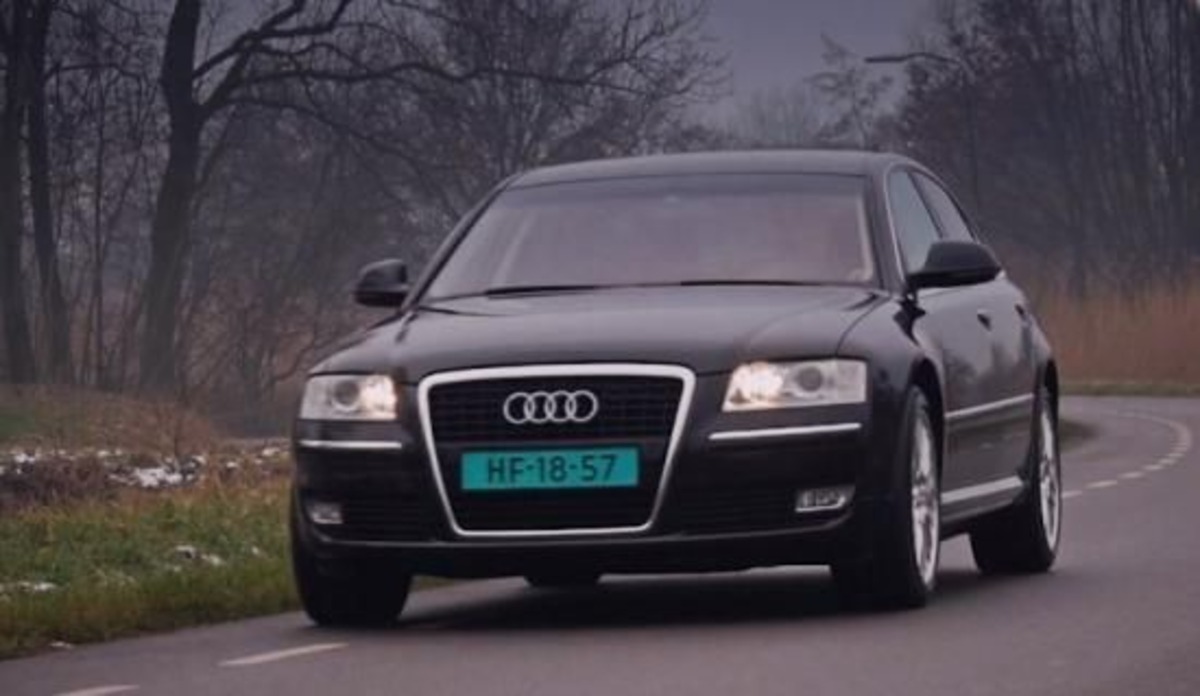
The W12 engine, while impressive in performance, presents even more severe reliability issues. The engine’s complex design makes routine maintenance expensive, while component failures often require engine removal for repair.
The cooling system utilizes plastic components that fail prematurely, leading to overheating and potential engine damage. The engine’s aluminum construction, while lightweight, proves susceptible to corrosion and galvanic reaction problems.
Electrical problems affect virtually every system in the D3 A8, from basic functions like window operation to advanced features like the MMI infotainment system.
The vehicle’s complex electronics suffer from software glitches, hardware failures, and communication problems between modules that can disable multiple systems simultaneously. The advanced LED headlights, while innovative, suffer from ballast failures and expensive bulb replacements.
The transmission systems, while smooth in operation, suffer from premature failures due to inadequate cooling and electronic control problems. The CVT transmission available in some models proves particularly problematic, with frequent failures that require complete transmission replacement.
The conventional automatic transmissions fare better but still require expensive maintenance to remain reliable. Interior quality issues become apparent after several years of ownership, with electronic switches failing, trim pieces becoming loose, and advanced features like the retractable navigation screen malfunctioning.
The vehicle’s numerous comfort and convenience features, while impressive when functioning, prove expensive to maintain and repair when problems develop.
The D3’s reputation for complexity-related failures has created a situation where well-maintained examples with proper service records command premium prices, while neglected examples become worthless due to the prohibitive cost of bringing deferred maintenance current. This polarization makes the D3 a risky purchase in the used market, where buyers must carefully evaluate each vehicle’s maintenance history.
4. Jaguar XJ (X350/X358, 2004-2009)
The X350/X358 Jaguar XJ represents Ford’s attempt to modernize the classic Jaguar luxury sedan through advanced technology and innovative construction methods, but the execution proved deeply flawed, resulting in vehicles that combine traditional Jaguar elegance with modern reliability nightmares.
This generation marked Jaguar’s transition to aluminum construction and complex electronic systems that sound impressive but prove problematic in practice.
The XJ’s aluminum spaceframe construction, while innovative and lightweight, creates significant challenges for repair and maintenance. The specialized welding techniques required for aluminum repair limit service options to Jaguar specialists, making even minor collision damage extremely expensive to repair.
The aluminum construction also proves susceptible to galvanic corrosion when combined with steel components, leading to structural problems that become apparent after several years of ownership.
Engine problems affect multiple powerplants in the X350 lineup, with the supercharged engines proving particularly problematic. The 4.2-liter supercharged V8 suffers from timing chain problems, supercharger failures, and complex cooling system issues that result in expensive repairs. The naturally aspirated engines fare better but still suffer from electronic control problems and expensive maintenance requirements.
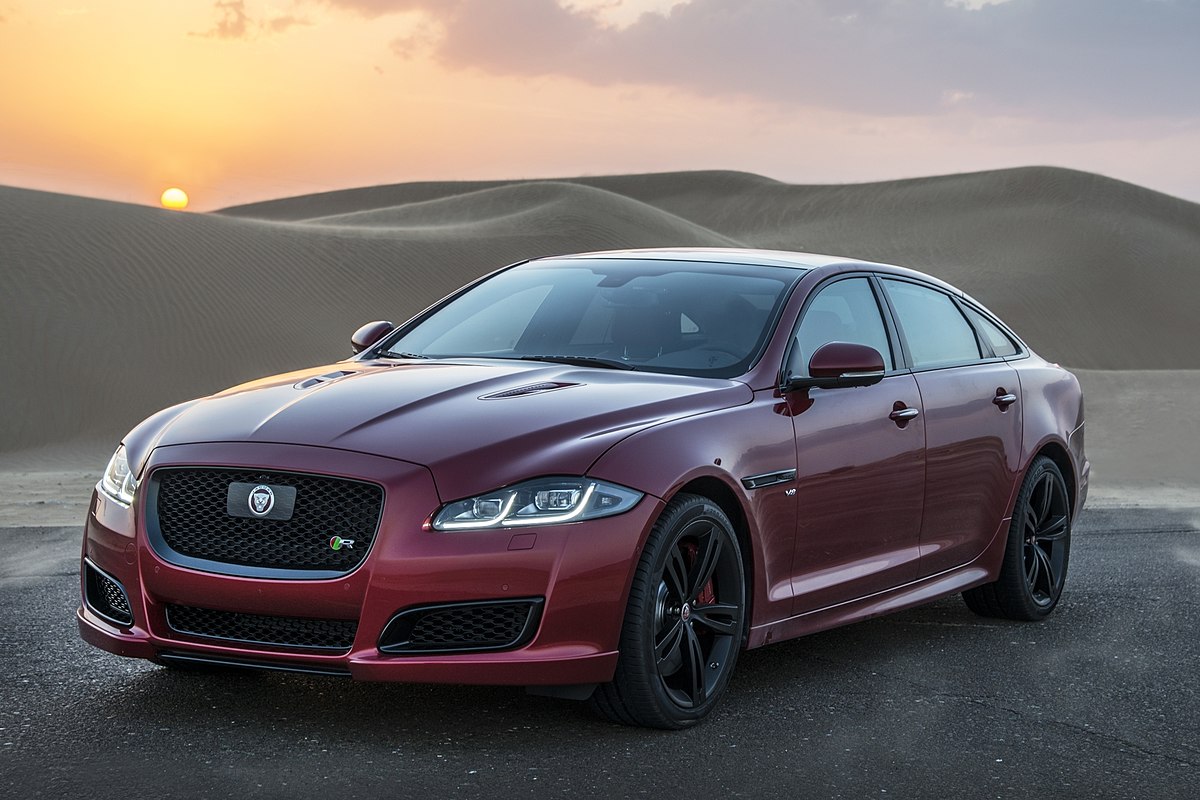
The vehicle’s electrical systems represent a particular area of concern, with widespread failures affecting everything from basic lighting to advanced comfort features.
The complex wiring harnesses suffer from insulation problems that can cause short circuits and system failures. The advanced air suspension system provides excellent ride quality when functioning but suffers from frequent component failures that result in expensive repairs.
Transmission problems plague both automatic and manual options, with the automatic transmission suffering from premature failures due to inadequate cooling and electronic control issues.
The transmission’s complexity makes diagnosis difficult, while the specialized components required for repair are expensive and often available only through Jaguar dealerships.
Interior quality issues become apparent after several years of ownership, with electronic switches failing, wooden trim pieces becoming loose, and advanced features like the touch-screen navigation system malfunctioning.
The vehicle’s leather surfaces, while initially impressive, prove susceptible to premature wear and fading. The contrast with traditional Jaguar interior quality is noticeable, reflecting cost-cutting measures implemented during Ford ownership.
The XJ’s advanced features, while impressive in specification, prove unreliable in practice. The adaptive headlights malfunction frequently, the advanced climate control system suffers from electronic failures, and the premium audio system requires expensive repairs. These features, designed to differentiate the XJ from competitors, become liability issues that result in expensive repair bills.
What makes the X350 particularly problematic is the combination of traditional Jaguar complexity with modern electronic systems that lack the reliability of simpler mechanical systems.
The result is a vehicle that provides exceptional luxury and performance when everything functions properly but requires constant expensive maintenance to remain operational, making ownership extremely expensive and unreliable.
5. Cadillac STS (2005-2011)
The Cadillac STS represents General Motors’ ambitious attempt to compete with established European luxury sedans through advanced technology and innovative features, but the execution proved fundamentally flawed, resulting in vehicles that suffer from widespread quality problems and premature component failures. This generation marked Cadillac’s push into high-tech luxury features that proved more troublesome than beneficial.
The STS’s most problematic system is its Magnetic Ride Control suspension, which uses magnetorheological fluid-filled dampers controlled by sophisticated electronics to provide variable damping characteristics.
While impressive in concept and initial performance, the system suffers from frequent sensor failures, electronic control problems, and damper seal leaks that result in expensive repairs. The specialized components are available only through Cadillac dealerships at premium prices, making maintenance extremely expensive.
Engine problems affect multiple powerplants in the STS lineup, with the Northstar V8 proving particularly troublesome. This engine suffers from head bolt problems that can result in head gasket failures and expensive repairs.
The engine’s aluminum block construction, while lightweight, proves susceptible to thread problems and cooling system failures. The complex variable valve timing system requires expensive maintenance and frequently malfunctions.
The available supercharged V8 presents even more severe problems, with supercharger failures, intercooler problems, and complex fuel system issues that result in expensive repairs.
The engine’s performance is impressive when functioning properly, but the reliability issues make it an expensive proposition for long-term ownership.
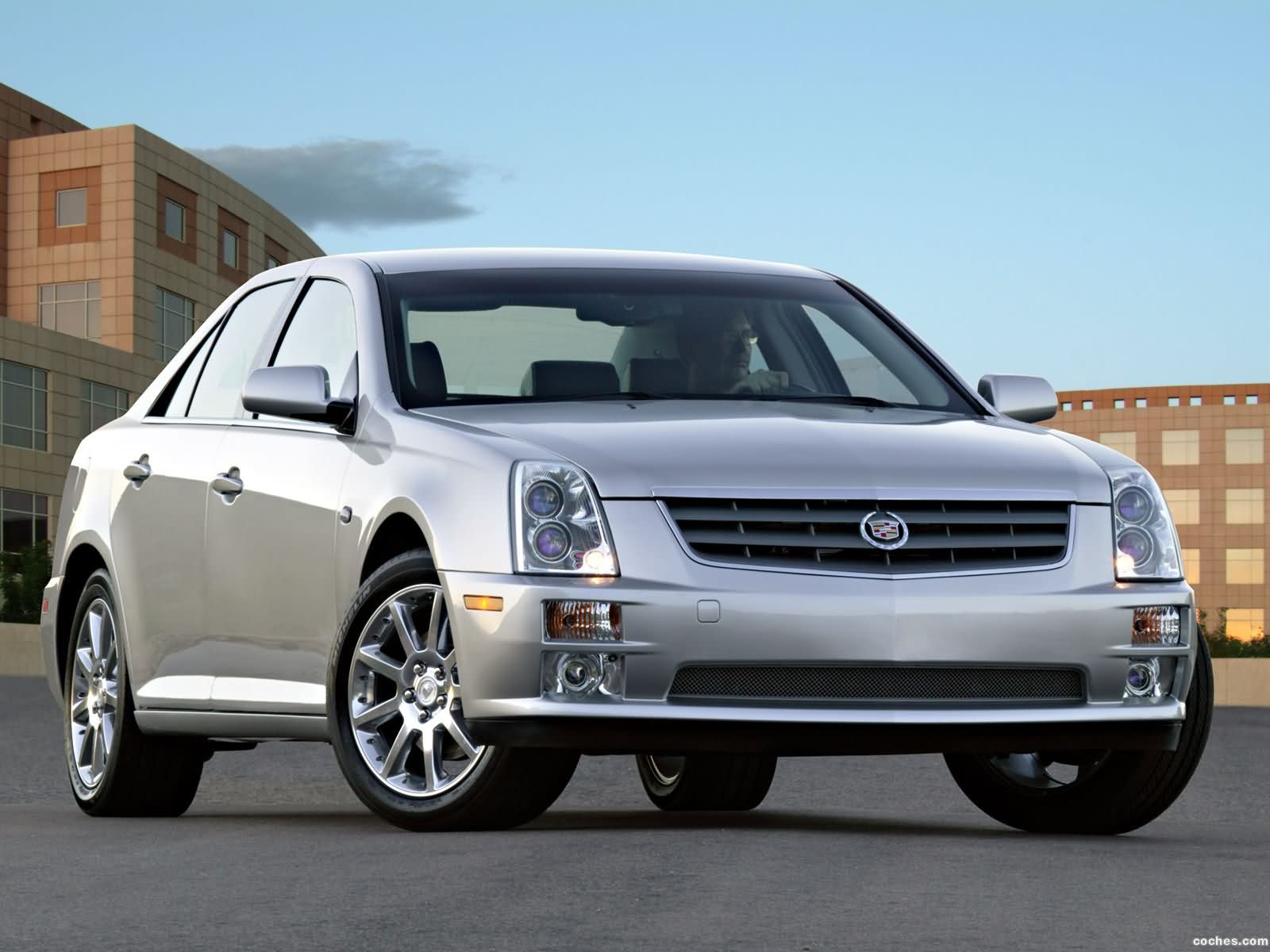
Electrical problems plague virtually every system in the STS, from basic functions like power seats and windows to advanced features like the navigation system and premium audio.
The vehicle’s complex electronics suffer from software glitches, hardware failures, and communication problems between modules that can disable multiple systems simultaneously. The advanced features that were supposed to differentiate the STS from competitors frequently malfunction.
Transmission problems affect the available automatic transmissions, with premature failures due to inadequate cooling and electronic control issues. The transmissions suffer from harsh shifting, slipping, and complete failure that requires expensive repair or replacement. The complexity of the transmission control systems makes diagnosis difficult and expensive.
Interior quality issues become apparent within the first few years of ownership, with electronic switches failing, trim pieces becoming loose, and advanced features like the heads-up display malfunctioning.
The vehicle’s leather surfaces, while initially attractive, prove susceptible to premature wear and cracking. The build quality reflects GM’s struggle to match European luxury standards while controlling costs.
The STS’s reputation for reliability problems has created a situation where the vehicles depreciate rapidly and become poor values in the used car market.
The combination of expensive repairs and rapid depreciation makes the STS one of the worst luxury car investments, with many examples requiring repair costs that exceed their market value within just a few years of ownership.
What makes the STS particularly disappointing is how it represents GM’s misunderstanding of luxury car buyer priorities, focusing on impressive specifications and advanced features while neglecting the fundamental reliability and build quality that luxury buyers expect, resulting in vehicles that fail to deliver either impressive performance or reliable operation.
Also Read: 5 Obscure Hybrids That Last vs 5 Popular Hybrids With Fuel Pump Failures
