
The sports car market presents a fascinating dichotomy between sensible performance and flashy unreliability. While automotive magazines and social media feeds overflow with coverage of the latest supercars and exotic machinery, the reality for most enthusiasts is finding a balance between thrills and practicality.
The difference between a reliable bargain sports car and a headline-grabbing failure often comes down to engineering philosophy, manufacturing quality, and long-term support from the manufacturer.
Reliable bargain sports cars typically share common characteristics: proven powertrains, simple mechanical layouts, readily available parts, and strong aftermarket support.
These vehicles may not dominate Instagram feeds or win magazine comparisons, but they deliver consistent performance year after year without breaking the bank or leaving owners stranded. They’re the workhorses of the performance world, offering genuine driving pleasure without the constant anxiety of impending mechanical failure.
Conversely, headline-grabbing models that fail often prioritize cutting-edge technology, exotic materials, or extreme performance metrics over long-term reliability.
These cars generate buzz through impressive specifications, striking designs, or celebrity endorsements, but frequently suffer from rushed development, complex systems, poor quality control, or inadequate dealer networks.
While they may offer superior performance on paper, their real-world ownership experience can be plagued by frequent breakdowns, expensive repairs, and frustrating downtime.
5 Bargain Sports Cars That Stay Reliable
These value-oriented performance vehicles deliver exceptional reliability through proven powertrains, conservative engineering, and straightforward mechanical systems that provide thrilling driving experiences without the expensive maintenance headaches associated with exotic supercars or complex luxury models.
Their robust construction incorporates time-tested components, adequate cooling systems, and accessible service points that enable enthusiasts to enjoy spirited driving while maintaining reasonable ownership costs over extended periods.
The combination of affordable purchase prices, readily available parts, and DIY-friendly maintenance creates ownership experiences that focus on driving pleasure rather than repair bills.
From reliable manufacturers with motorsport heritage to practical models with extensive aftermarket support, these vehicles demonstrate that genuine sports car excitement doesn’t require premium pricing or complex technology, providing engaging performance that outlasts more celebrated competitors through fundamental mechanical excellence and sensible design priorities.
1. Mazda MX-5 Miata (NA/NB/NC/ND Generations)
The Mazda MX-5 Miata stands as the gold standard for affordable, reliable sports car ownership. Since its 1989 debut, the Miata has consistently delivered pure driving enjoyment through a simple formula: lightweight construction, balanced chassis dynamics, and bulletproof reliability.
The secret to the Miata’s success lies in Mazda’s conservative engineering approach and commitment to the “horse and carriage” philosophy focusing on perfecting basic elements rather than chasing complex innovations.
Across four generations, the Miata has maintained remarkable mechanical simplicity. The naturally aspirated four-cylinder engines, whether the 1.6L in early NA models, the 1.8L that dominated the NA and NB eras, the 2.0L in NC models, or the SKYACTIV 2.0L in current ND variants, are known for their durability and ease of maintenance.
These powerplants rarely suffer catastrophic failures and respond well to regular maintenance. The manual transmissions are equally robust, with the five and six-speed units offering precise shifts and longevity that often exceeds 200,000 miles with proper care.
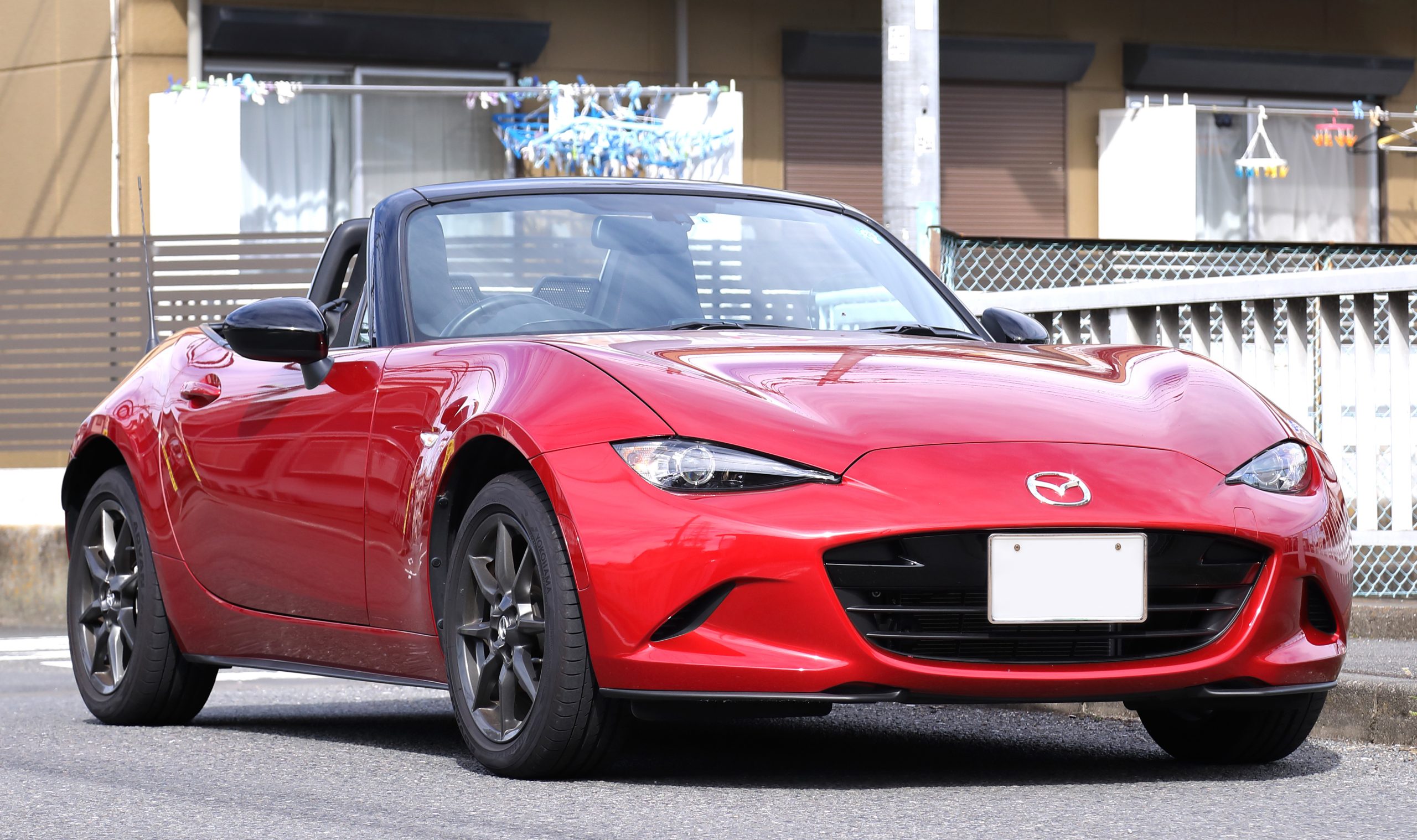
The Miata’s suspension components, while performance-oriented, use conventional designs that are both effective and serviceable. MacPherson struts up front and multi-link rear setups provide excellent handling characteristics without exotic materials or overly complex geometries that plague repair shops.
When components do wear out, replacement parts are affordable and widely available, with a thriving aftermarket ensuring continued support even for older models.
Perhaps most importantly, the Miata benefits from Mazda’s excellent build quality and attention to detail. While not immune to issues early NA models can suffer from short-nose crankshaft problems, and some NC models experienced transmission concerns these issues are well-documented with established solutions.
The cars are also blessed with active enthusiast communities that share knowledge, troubleshooting tips, and maintenance procedures, making ownership more accessible for DIY mechanics.
The Miata’s reliability extends beyond mechanical components to ownership experience. Mazda dealers are generally competent with these vehicles, parts availability remains excellent even for older models, and the cars’ simple design makes them ideal candidates for home maintenance.
Whether you choose a classic NA for vintage charm, an NB for refined dynamics, an NC for modern comfort, or an ND for contemporary technology, you’re getting a sports car that will reliably start every morning and deliver smiles per gallon that far exceed its modest price point.
2. Honda S2000 (AP1/AP2)
The Honda S2000 represents the pinnacle of Honda’s engineering prowess applied to a focused sports car platform. Produced from 1999 to 2009, the S2000 combined Formula One-derived technology with Honda’s legendary reliability to create what many consider the best naturally aspirated sports car of the modern era.
The centerpiece of this achievement is the F20C and later F22C1 engines, which showcase Honda’s mastery of high-revving, naturally aspirated powerplants.
The F20C engine in early AP1 models produces 240 horsepower from just 2.0 liters, achieving an incredible 120 horsepower per liter – a figure that was groundbreaking for naturally aspirated engines at the time.
This performance comes through advanced technologies like VTEC variable valve timing, individual throttle bodies, and a redline that climbs to 9,000 rpm. Despite these aggressive specifications, the engine proves remarkably durable when properly maintained.
The key to F20C longevity lies in regular oil changes using high-quality synthetic oil, allowing the engine to handle sustained high-rpm operation without premature wear.
The AP2 generation’s F22C1 engine, introduced in 2004, increased displacement to 2.2 liters while slightly reducing the redline to 8,000 rpm. This change improved low-end torque while maintaining the high-revving character that defines the S2000 experience.
Both engines share Honda’s reputation for mechanical reliability, with many examples surpassing 150,000 miles without major internal work when maintained properly.
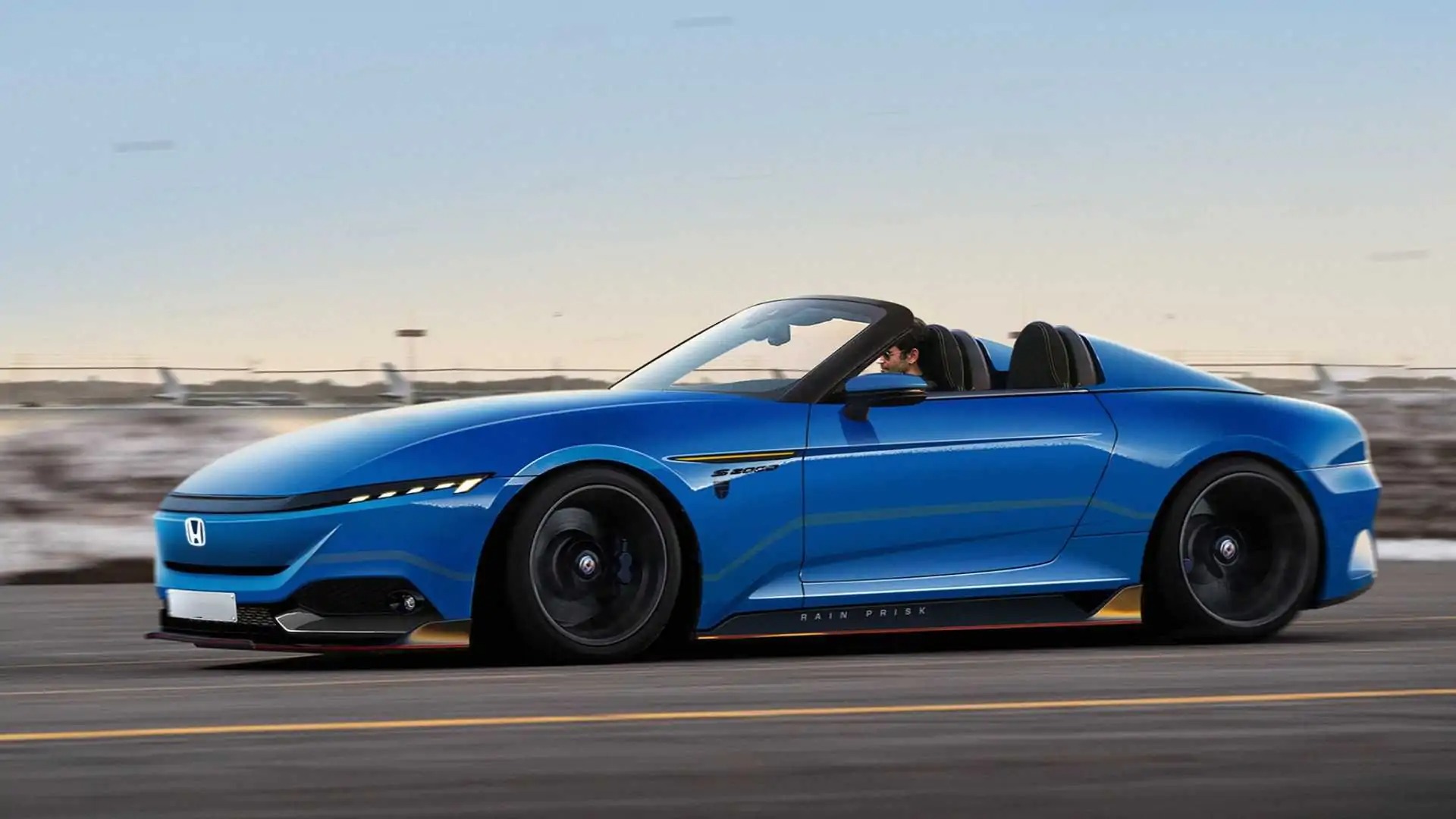
Beyond the powerplant, the S2000 benefits from Honda’s systematic approach to sports car engineering. The six-speed manual transmission offers precise, rifle-bolt shifts that remain crisp even after high mileage.
The all-independent suspension uses conventional but well-executed designs, with double wishbones at all four corners providing exceptional handling balance. The electric power steering system, while initially controversial among enthusiasts, proves reliable and provides consistent feedback across varying conditions.
Honda’s build quality shines throughout the S2000’s construction. The aluminum hood and hardtop (when equipped) resist corrosion, while the steel body structure maintains its integrity over time. Interior components, while spartan by luxury standards, are built to Honda’s exacting durability standards.
Switches, buttons, and trim pieces rarely fail, and the straightforward dashboard layout ages gracefully without appearing dated. The S2000’s reliability extends to ownership costs and maintenance accessibility.
Honda’s extensive dealer network ensures service availability, while the enthusiast community provides extensive documentation of common issues and solutions. Parts availability remains strong, though some specific components are becoming scarce as the model ages.
Regular maintenance items like oil, filters, and spark plugs are reasonably priced, and the engine’s robust design means major repairs are infrequent when the car is properly cared for.
3. Toyota MR2 (SW20)
The second-generation Toyota MR2, produced from 1991 to 1995 in the United States, represents Toyota’s most ambitious sports car effort and stands as a testament to the company’s engineering excellence.
The SW20 MR2 combined exotic mid-engine layout, turbocharged performance, and Toyota’s legendary reliability into a package that delivered supercar thrills at a fraction of the cost. While the mid-engine configuration might seem intimidating, Toyota’s methodical engineering approach ensured that the MR2 remained as dependable as the company’s mainstream offerings.
The heart of the turbocharged MR2’s reliability lies in the 3S-GTE engine, a 2.0-liter four-cylinder powerplant that Toyota also used in the Celica All-Trac. This engine represents Toyota’s conservative approach to forced induction, using proven technologies rather than cutting-edge innovations that might compromise long-term durability.
The 3S-GTE employs an air-to-air intercooler, electronic fuel injection, and a relatively mild boost pressure of around 8.5 psi in stock form. This moderate tuning ensures that internal components aren’t stressed beyond their design limits, contributing to the engine’s reputation for longevity.
Toyota’s attention to detail extends throughout the MR2’s cooling system, which is crucial for mid-engine reliability. The car features multiple radiators and cooling circuits to manage heat from both the engine and turbocharger.
While this system is more complex than a front-engine layout, Toyota engineered it with redundancy and serviceability in mind. Regular coolant changes and thermostat maintenance keep the system functioning properly, and the robust design prevents the overheating issues that plague some mid-engine competitors.
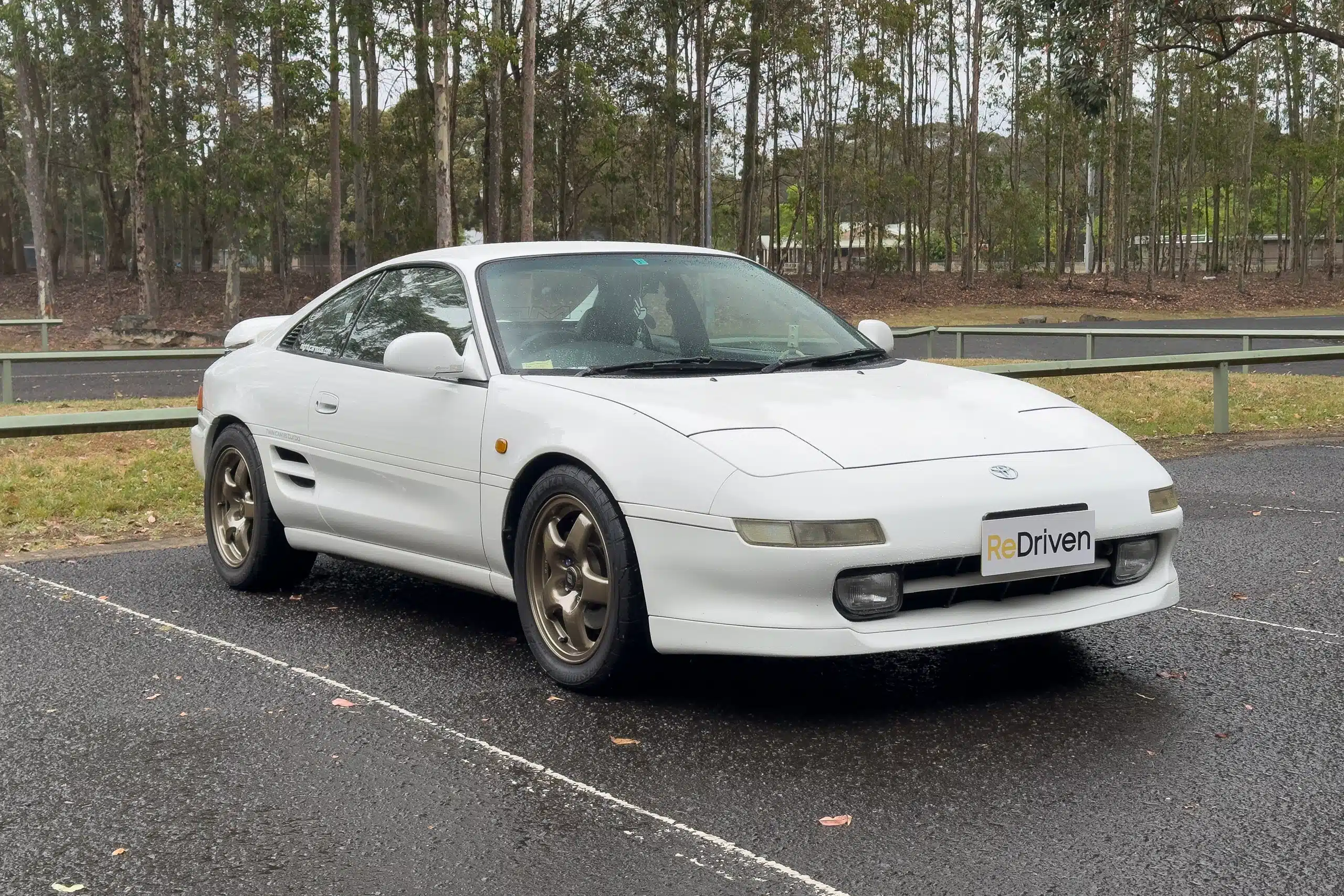
The MR2’s transmission options both offer excellent reliability characteristics. The five-speed manual transmission provides precise shifts and can handle the turbocharged engine’s torque output without premature wear.
Even the available four-speed automatic, while not the enthusiast’s choice, proves durable and well-matched to the engine’s power delivery. Both transmissions benefit from Toyota’s quality construction and conservative design parameters.
Suspension reliability in the MR2 stems from Toyota’s use of proven MacPherson strut designs at both ends, adapted for the mid-engine layout. While the geometry is specific to the MR2, the actual components are robust and serviceable.
The car’s relatively light weight around 2,900 pounds for turbocharged models means that suspension components aren’t subjected to excessive stress during normal driving. When wear items like struts and bushings do need replacement, the parts are reasonably priced and the procedures are well-documented.
One of the MR2’s greatest reliability assets is its simplicity relative to modern sports cars. The electrical system is straightforward, the fuel injection system is proven technology, and the turbocharger system avoids complex variable-geometry designs that can cause problems in other vehicles.
Regular maintenance oil changes, filter replacements, and periodic turbocharger inspection keeps the MR2 running reliably for hundreds of thousands of miles.
The strong enthusiast community ensures that maintenance knowledge and troubleshooting information remain readily available, making the MR2 an excellent choice for DIY mechanics seeking mid-engine excitement without exotic car headaches.
4. Ford Mustang GT (Fox Body and SN95)
The Ford Mustang GT from the Fox Body era (1979-1993) and early SN95 generation (1994-1998) represents American performance at its most accessible and reliable.
These Mustangs built their reputation on simple, proven technology that prioritized durability and serviceability over cutting-edge innovation. The result is a sports car platform that has powered countless enthusiast builds while maintaining excellent reliability when properly maintained.
The foundation of these Mustangs’ reliability lies in Ford’s venerable 5.0-liter Windsor V8 engine. This powerplant, known internally as the 302, traces its roots back to the 1960s and represents decades of evolutionary refinement.
By the 1980s and 1990s, the 5.0 had matured into a robust, well-understood engine that mechanics across the country could service with confidence. The Windsor architecture uses a traditional overhead valve design with pushrods and hydraulic lifters, avoiding the complexity and potential failure points of overhead cam systems.
The 5.0’s fuel injection system, introduced in 1986, uses Ford’s sequential multi-port EFI setup that proves both reliable and tuner-friendly. The system employs proven sensors and actuators that rarely fail catastrophically, and when components do wear out, replacement parts are inexpensive and widely available.
The engine management computer is simple by modern standards, making troubleshooting straightforward for technicians familiar with Ford systems.
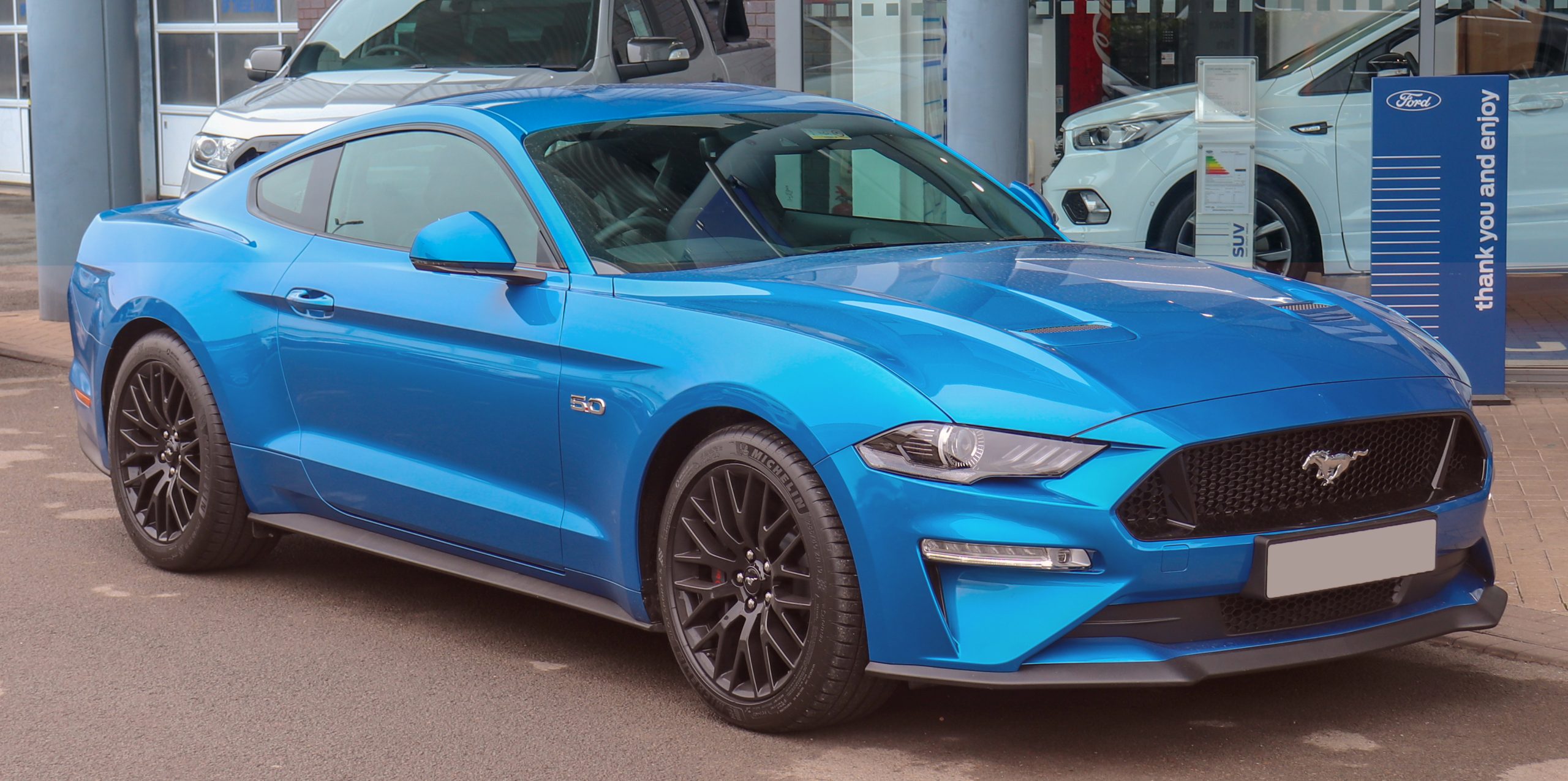
Ford’s conservative approach to the 5.0’s internal components contributes significantly to its longevity. The cast iron block and aluminum heads use proven metallurgy and conservative stress levels that allow the engine to handle both daily driving and occasional spirited use without premature wear.
The hydraulic roller camshaft design, introduced in later years, eliminates the maintenance requirements of solid lifter systems while providing excellent durability. Many 5.0 engines surpass 200,000 miles with nothing more than regular oil changes and periodic tune-ups.
The Mustang’s transmission options during this era both offer excellent reliability characteristics. The five-speed manual transmission, whether the T-5 in earlier cars or the improved T-45 in later models, provides smooth shifts and adequate strength for the 5.0’s torque output.
The automatic option, typically Ford’s AOD or later 4R70W, proves equally durable and well-matched to the engine’s power delivery characteristics. Both transmissions benefit from straightforward designs that avoid complex electronic controls or exotic materials.
Beyond the drivetrain, these Mustangs excel in serviceability and parts availability. The Fox Body platform, in particular, benefits from one of the largest aftermarket support networks in the automotive world.
Everything from engine internals to suspension components to interior trim pieces remains readily available, often at competitive prices. This extensive parts network means that even high-mileage examples can be economically restored or maintained.
The simplicity of these Mustangs extends to their electrical and cooling systems. The wiring harnesses are straightforward and well-protected, while the cooling system uses conventional radiator and thermostat designs that are easy to service.
When problems do occur, they’re typically straightforward to diagnose and repair, making these Mustangs ideal candidates for home mechanics or small-shop servicing.
Also Read: 5 Underappreciated Trucks That Tow Well vs 5 Hyped Trucks With Transmission Issues
5. Chevrolet Camaro Z28 (Third and Fourth Generation)
The Chevrolet Camaro Z28 from the third generation (1982-1992) and fourth generation (1993-2002) eras represents General Motors’ approach to affordable, reliable performance through proven technology and conservative engineering.
These Camaros built their reputation on robust small-block V8 engines, straightforward mechanical systems, and the kind of no-nonsense reliability that made them favorites among both street enthusiasts and budget-conscious racers.
The cornerstone of these Camaros’ reliability is the legendary small-block Chevrolet V8 engine family. Third-generation Z28s initially used the 305 cubic inch (5.0L) engine before transitioning to the more powerful 350 cubic inch (5.7L) mill.
Fourth-generation models standardized on the LT1 version of the 350, which incorporated modern fuel injection and engine management while maintaining the small-block’s fundamental robustness. These engines represent the culmination of decades of small-block development, with proven internal components and well-understood operating characteristics.
The small-block’s pushrod, overhead valve design provides inherent reliability advantages over more complex overhead cam configurations. Fewer moving parts mean fewer potential failure points, while the robust iron block construction can withstand years of hard use without structural issues.
The hydraulic lifter systems require minimal maintenance, and the simple valvetrain geometry makes adjustment and repair procedures straightforward for mechanics of all skill levels.
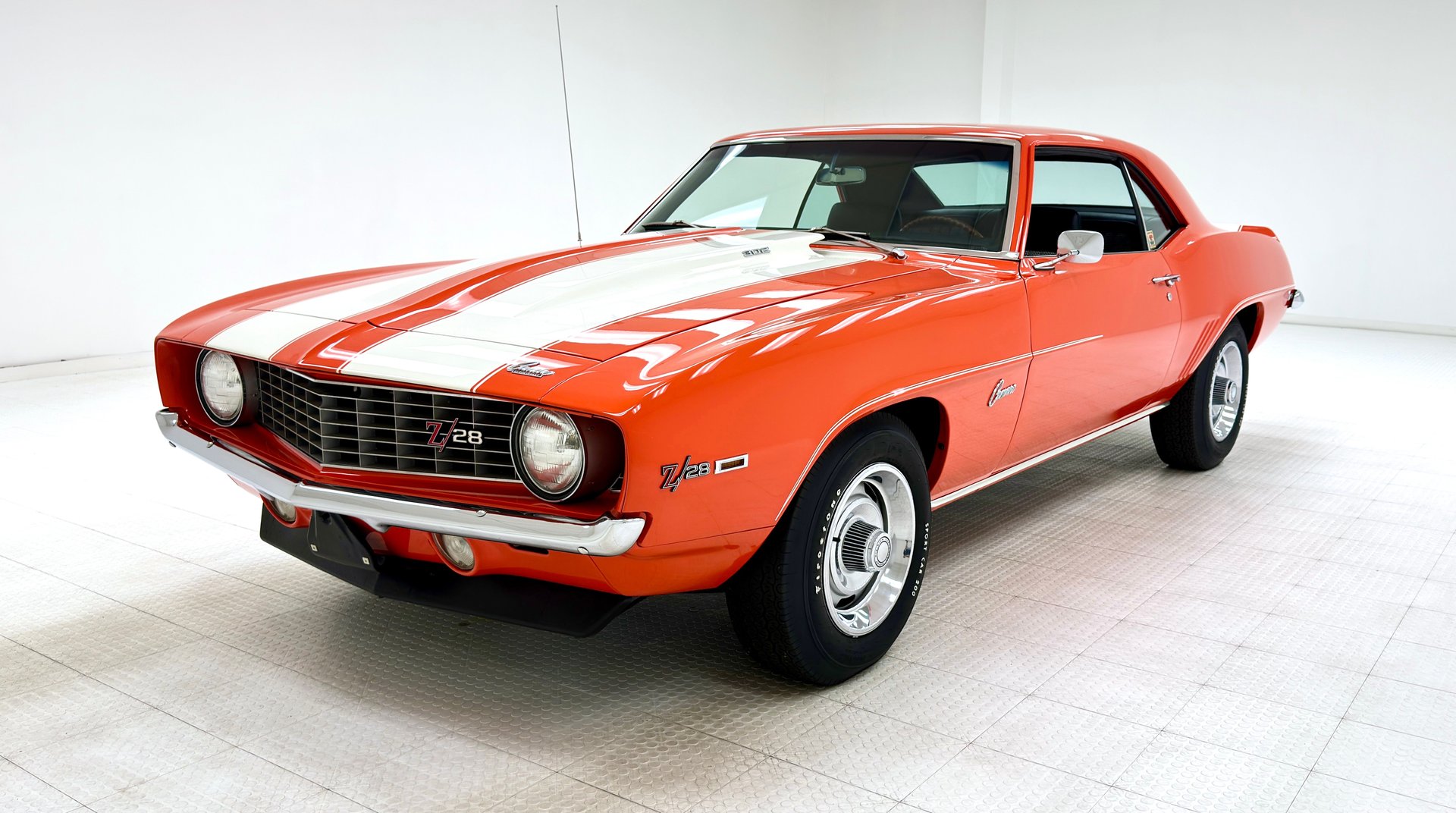
Fuel delivery systems in these Camaros evolved from carburetion to sophisticated multi-port fuel injection, but GM’s conservative implementation ensures reliability in both configurations.
The Tuned Port Injection (TPI) system used in later third-generation models and early fourth-generation cars provides excellent drivability and efficiency while maintaining serviceable simplicity. When the LT1 introduced more advanced engine management, GM retained proven sensors and actuators that minimize electronic complexity.
The Camaro’s transmission options during these generations both offer excellent longevity. The five-speed manual transmissions, whether the T-5 in earlier models or the stronger T-56 in later LT1 cars, provide precise shifts and adequate strength for the V8’s torque output.
The automatic options, typically GM’s 700R4 or later 4L60E, prove equally durable when properly maintained. Both transmission types benefit from GM’s extensive development and the widespread availability of rebuild components.
Chassis reliability in these Camaros stems from GM’s use of proven suspension designs adapted for performance use. The MacPherson strut front suspension and solid rear axle configuration may not be exotic, but they provide predictable handling characteristics and straightforward serviceability.
The solid rear axle, in particular, offers exceptional durability and can handle significant power increases without modification. One of the greatest reliability assets of these Camaros is their extensive parts availability and aftermarket support.
The small-block Chevrolet engine family has one of the largest aftermarket support networks, ensuring that replacement components remain available and affordable decades after production ended.
This extensive support network extends beyond engine components to include suspension, drivetrain, and body parts, making long-term ownership economically viable.
The electrical systems in these Camaros, while more complex than earlier generations, remain relatively straightforward by modern standards. GM’s conservative approach to electronic integration means that most systems can be diagnosed and repaired with conventional tools and techniques. When electronic components do fail, replacement parts are typically available and reasonably priced.
5 Headline-Grabbing Models That Fail
These heavily publicized performance vehicles disappoint owners with frequent breakdowns, catastrophic failures, and astronomical repair costs that contradict their impressive specifications and media acclaim built on track performance rather than real-world reliability or practical ownership considerations.
Their cutting-edge systems incorporate unproven technologies, exotic materials, and overstressed components that generate constant maintenance nightmares despite premium pricing that suggests superior engineering and build quality over mainstream alternatives.
The combination of inflated purchase costs, specialized service requirements, and recurring failures creates ownership disasters as buyers discover that magazine reviews and social media hype cannot compensate for fundamental design flaws that prioritize performance numbers over dependability.
From celebrated manufacturers with poor quality control to flagship models with known catastrophic issues, these vehicles prove that performance statistics and media attention mean nothing when basic mechanical reliability fails, transforming dream cars into expensive garage queens requiring constant professional attention.
1. Jaguar XK8/XKR (1996-2006)
The Jaguar XK8 and its supercharged XKR variant represented Jaguar’s ambitious return to grand touring excellence, combining stunning design with cutting-edge technology.
However, beneath the beautiful aluminum bodywork and luxurious appointments lay a collection of engineering decisions that prioritized innovation over reliability, creating a ownership experience that could be as frustrating as it was rewarding.
The most notorious reliability issue plaguing the XK8/XKR centers around the AJ-V8 engine’s timing chain tensioners. This 4.0-liter V8, while smooth and powerful, employs plastic timing chain tensioners that deteriorate over time, particularly when exposed to heat cycling and inadequate maintenance.
When these tensioners fail, the timing chains can jump or break, causing catastrophic engine damage that often costs more to repair than the car’s value. This issue affects virtually all AJ-V8 engines produced before 2002, making it a ticking time bomb that can destroy an otherwise healthy engine without warning.
The supercharged XKR compounds these reliability concerns with additional complexity. The Eaton supercharger itself is generally robust, but the associated intercooler system, additional plumbing, and modified engine internals create multiple additional failure points.
The supercharger’s drive system can develop bearing problems, while the intercooler’s complex routing makes coolant leaks more likely and more difficult to diagnose. When these systems fail, repair costs can easily reach five figures at authorized Jaguar service centers.
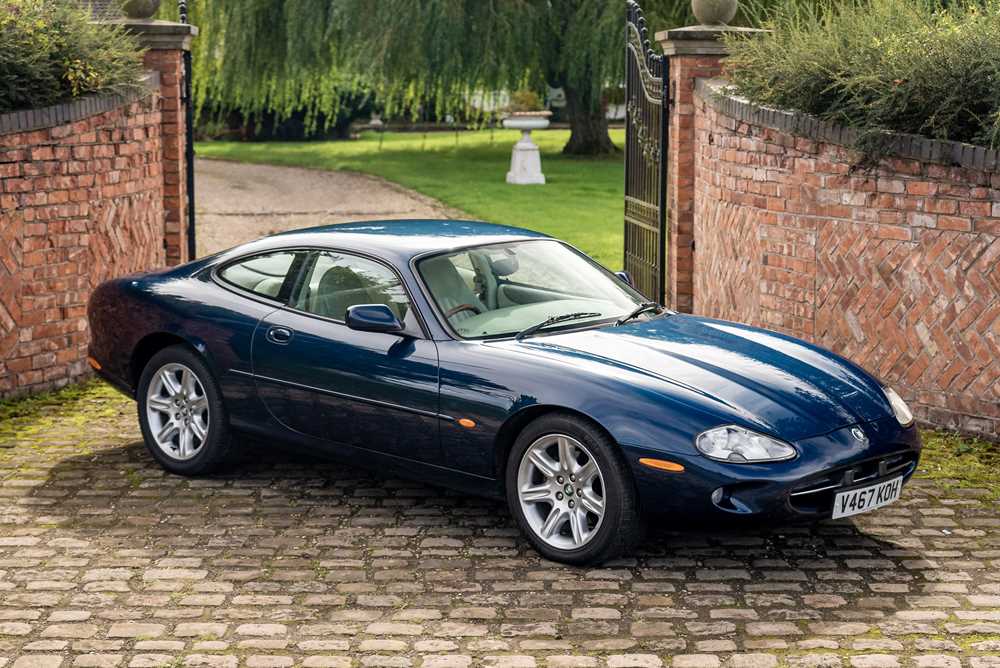
Jaguar’s electrical systems during this era represent another significant reliability concern. The XK8/XKR employed cutting-edge electronic systems for climate control, engine management, and various comfort features, but these systems were developed during Jaguar’s transition period under Ford ownership.
The result is a collection of electronic modules that communicate through early CAN bus networks, creating opportunities for mysterious electrical gremlins that can be nearly impossible to diagnose.
Common failures include the climate control system, various sensors, and the complex engine management system that controls everything from fuel delivery to supercharger boost levels.
The transmission options, while generally robust in design, suffer from inadequate cooling and complex electronic controls that can fail unexpectedly.
The ZF automatic transmission is well-engineered, but Jaguar’s integration sometimes results in harsh shifts, premature wear, and electronic faults that require expensive dealer diagnosis. The manual transmission option, while more reliable mechanically, was offered in limited quantities and suffers from parts availability issues.
Suspension components in the XK8/XKR are generally well-designed but expensive to maintain. The sophisticated multi-link setups provide excellent ride and handling characteristics, but individual components are costly to replace and require precise alignment procedures.
The XKR’s performance-oriented suspension settings increase wear rates on bushings and joints, while the car’s substantial weight accelerates component degradation.
Perhaps most problematically, the XK8/XKR suffers from Jaguar’s limited dealer network and expensive parts pricing. When these cars need service, owners often face limited options for qualified technicians and parts costs that can make routine maintenance prohibitively expensive.
Independent specialists exist but are geographically limited, leaving many owners dependent on dealers who may not have extensive experience with these complex systems.
The combination of frequent failures, expensive repairs, and limited service options creates an ownership experience that can quickly become financially overwhelming, despite the cars’ undeniable charm and performance capabilities.
2. BMW M3 (E60 M5 V10 Engine Era Influence)
While the BMW M3 has generally maintained a strong reliability reputation, the influence of BMW’s problematic V10 era created a generation of M cars that prioritized technological showcase over long-term dependability.
The E60 M5’s S85 V10 engine, while not directly used in the M3, represented BMW’s philosophy during the mid-2000s that would influence reliability expectations across the M division.
This era demonstrated how BMW’s pursuit of cutting-edge technology could compromise the practical ownership experience that had made previous M cars so appealing.
The S85 V10 engine in the E60 M5 serves as a cautionary tale of over-engineering. This naturally aspirated 5.0-liter powerplant produces an impressive 500 horsepower through advanced technologies like individual throttle bodies, sophisticated engine management, and exotic materials throughout the construction. However, these innovations came at the cost of reliability and serviceability.
The engine requires precise maintenance intervals using specific oil grades, and failure to adhere to these requirements can result in catastrophic bearing failures that destroy the entire powerplant.
The V10’s most notorious problem involves the rod bearings, which can fail without warning even in well-maintained examples. This failure typically occurs between 60,000 and 100,000 miles and results in complete engine destruction requiring a full replacement or rebuild costing $20,000 or more.
The bearing failure appears to be related to the engine’s high-revving nature, tight tolerances, and BMW’s specification of relatively thin oil that may not provide adequate protection under extreme conditions.
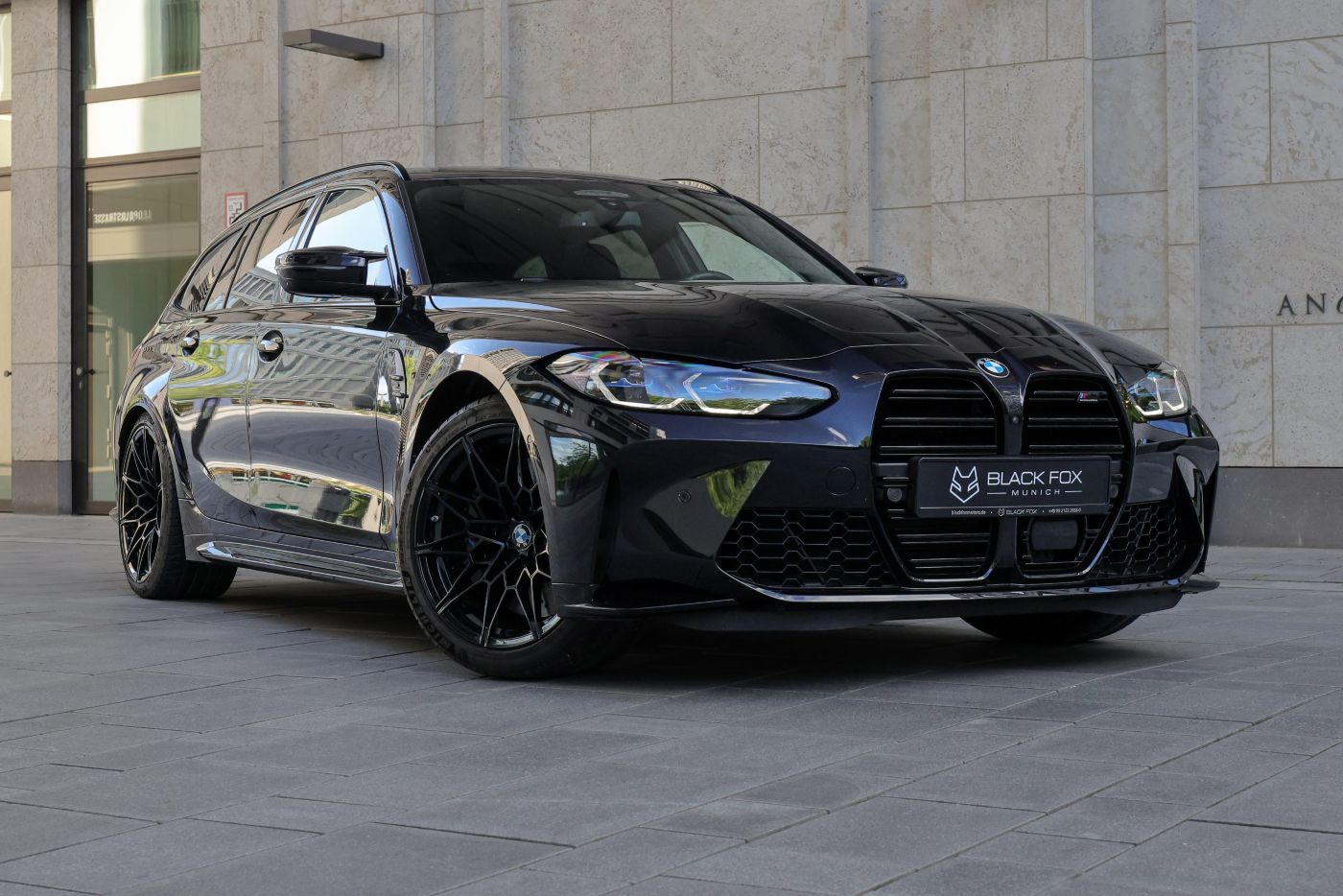
The SMG III transmission system represents another reliability nightmare from this era. This automated manual transmission was intended to provide Formula One-style gear changes in a road car, but the complex hydraulic actuation system proves fragile and expensive to maintain.
The SMG pump can fail without warning, leaving the car stranded and requiring expensive replacement. The clutch system, while mechanically similar to a conventional manual, requires expensive BMW-specific tools for service and replacement clutches that cost significantly more than traditional manual transmission components.
Electronic systems from this era showcase BMW’s tendency to over-complicate basic functions. The iDrive system, while innovative, often becomes sluggish or completely inoperative as the car ages. Various electronic modules throughout the vehicle can fail, causing everything from minor annoyances to complete breakdowns.
The complex CAN bus network that connects these systems can develop communication errors that are expensive and time-consuming to diagnose, often requiring multiple dealer visits to resolve.
The cooling system complexity in these high-performance BMWs creates additional reliability concerns. Multiple radiators, complex coolant routing, and electronic cooling fans create numerous potential failure points. When these systems fail, they can cause rapid overheating that damages the expensive V10 engine.
The cooling system components are expensive to replace and often require extensive labor for access, making routine maintenance prohibitively costly for many owners.
BMW’s approach to parts pricing during this era reflects the company’s positioning of these vehicles as exotic supercars rather than practical performance cars.
Simple maintenance items like oil filters, spark plugs, and brake pads carry premium pricing that can make routine service surprisingly expensive. More complex components like engine management modules, transmission pumps, and suspension components can cost thousands of dollars each, making major repairs financially devastating for owners who didn’t anticipate these costs.
The dealer service experience compounds these reliability problems. BMW technicians require specialized training and equipment to properly service these complex systems, and many dealers lack the expertise to efficiently diagnose and repair problems. This can result in extended downtime, multiple repair visits, and expensive diagnostic charges that don’t always result in permanent solutions.
3. Lotus Esprit (Final Generation)
The final generation Lotus Esprit, produced from 1987 to 2004, represented the culmination of Colin Chapman’s original mid-engine supercar vision, but also demonstrated how a small manufacturer’s ambitious engineering could create a maintenance nightmare that overshadowed the car’s exceptional performance capabilities.
While the Esprit delivered genuine supercar performance and handling, its reliability record became legendary for all the wrong reasons, creating an ownership experience that could be as frustrating as it was exhilarating.
The heart of the final Esprit’s problems lies in its complex twin-turbocharged V8 engine, introduced in 1996. This 3.5-liter powerplant produces impressive horsepower figures up to 350 hp in final form but achieves this performance through an intricate web of turbochargers, intercoolers, complex fuel injection, and engine management systems that Lotus developed with limited resources.
The turbocharger system, while technically sophisticated, employs components that are prone to failure and expensive to replace. The intercooler routing creates numerous potential leak points, while the engine management system uses early electronic controls that can be temperamental and difficult to diagnose.
The Esprit’s cooling system represents a particular reliability challenge due to the mid-engine layout and twin-turbo configuration. The complex arrangement of radiators, coolant pumps, and intricate plumbing required to manage heat from both the engine and turbochargers creates multiple failure points that can lead to catastrophic overheating.
Lotus’s limited resources meant that cooling system components were often sourced from various suppliers, creating quality inconsistencies and parts availability issues that persist decades later.
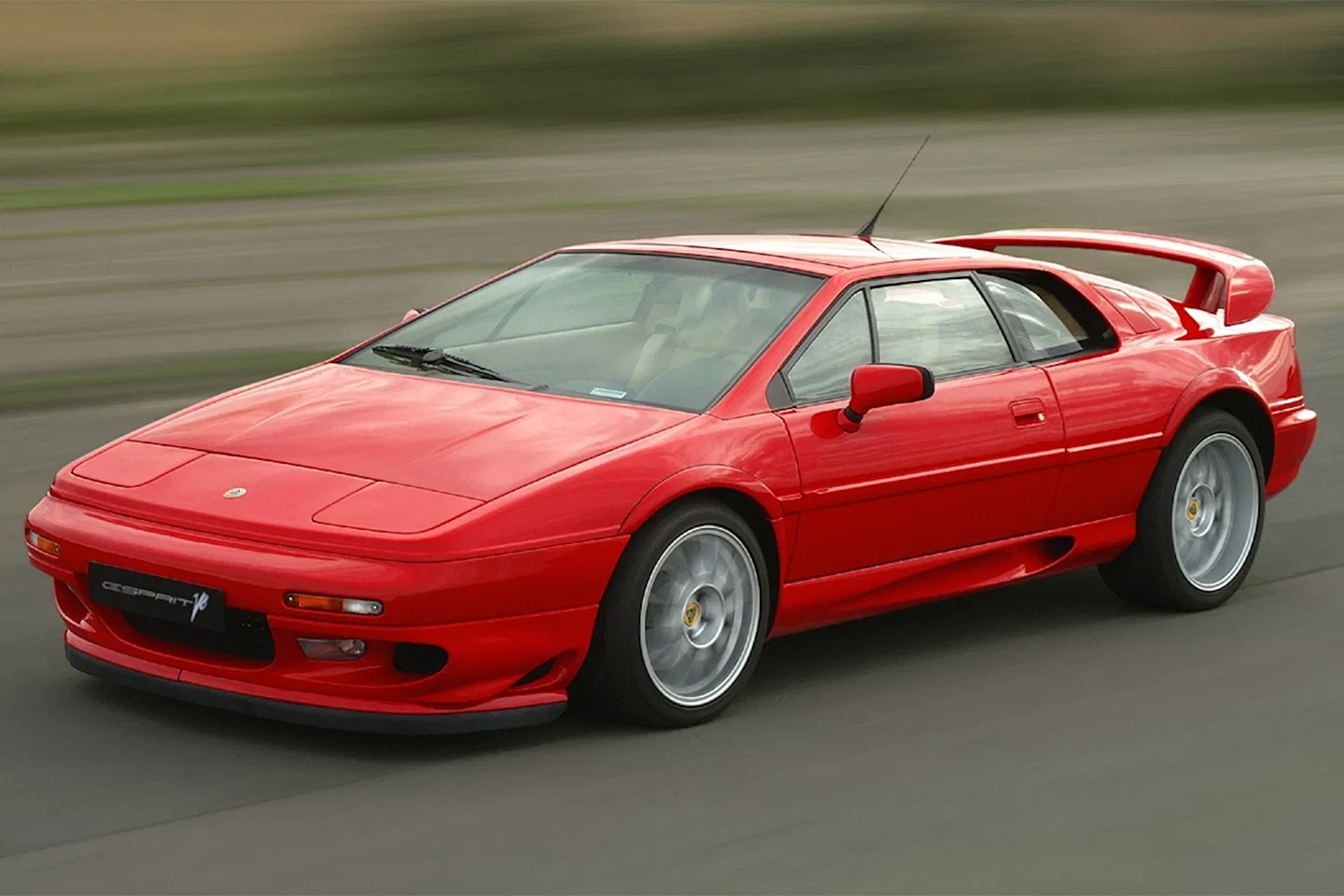
Electrical systems in the final Esprit showcase the problems inherent in low-volume production. Lotus assembled complex wiring harnesses by hand, creating opportunities for inconsistent connections and routing that could cause mysterious electrical problems years later.
The sophisticated engine management system requires precise sensor inputs to function properly, but sensors can fail or provide inaccurate readings, causing drivability issues that are expensive and time-consuming to diagnose.
The car’s various electronic systems from fuel injection to climate control use components sourced from multiple suppliers, making troubleshooting a complex detective process.
The transmission options in the final Esprit both present reliability challenges. The manual gearbox, while providing an engaging driving experience, uses a complex cable-operated shifter that can become imprecise over time.
More problematically, the transmission itself is sourced from Renault and modified for the Esprit’s mid-engine application, creating parts availability issues and requiring specialized knowledge for service. The automatic transmission option is even more problematic, using an adaptation that proves fragile under the V8’s torque output.
Build quality issues plague the final Esprit due to Lotus’s limited production resources and focus on performance over reliability. Interior components are often sourced from various suppliers and assembled with varying degrees of precision, leading to premature wear of switches, trim pieces, and electrical connections.
The fiberglass bodywork, while exotic and lightweight, can develop stress cracks and gel coat issues that are expensive to repair properly. Parts availability represents perhaps the most significant challenge for Esprit ownership.
Lotus’s small scale meant that many components were sourced in limited quantities or developed specifically for the Esprit without consideration for long-term support. When these parts fail, replacement components can be impossible to find or prohibitively expensive when available.
This problem is compounded by Lotus’s limited dealer network and the specialized knowledge required to properly service these complex systems. The service experience for final-generation Esprits is complicated by the car’s rarity and complexity.
Few technicians have experience with these vehicles, and those who do often command premium hourly rates reflecting their specialized knowledge.
Diagnostic equipment specific to Lotus systems can be difficult to obtain, making troubleshooting expensive and time-consuming. The result is an ownership experience where even minor problems can result in extended downtime and substantial repair bills.
4. Alfa Romeo 8C Competizione
The Alfa Romeo 8C Competizione represents the pinnacle of Italian automotive romanticism, combining breathtaking design with a Ferrari-derived V8 engine and carbon fiber construction.
However, this limited-production supercar also exemplifies how ambitious engineering and exotic materials can create a reliability nightmare that transforms ownership from dream to nightmare.
Despite its undeniable beauty and performance credentials, the 8C Competizione suffers from numerous reliability issues that make it one of the most problematic sports cars of the modern era.
The 8C’s 4.7-liter V8 engine, derived from Ferrari’s collaboration with Maserati, represents both the car’s greatest asset and its most significant liability. While this powerplant produces an intoxicating 450 horsepower and delivers genuine supercar performance, it employs complex technologies that prove fragile in real-world use.
The engine management system requires precise sensor inputs and specific maintenance procedures that many technicians outside of authorized Alfa Romeo dealers are unprepared to handle. When these systems malfunction, diagnosis can be extremely difficult and expensive, often requiring multiple service visits to identify and resolve problems.
The transmission system in the 8C Competizione showcases Alfa Romeo’s ambitious but flawed approach to automated manual transmissions. The selectable automatic transmission promises Formula One-style gear changes but delivers an ownership experience plagued by mechanical and electronic failures.
The complex hydraulic actuation system that operates the clutch and gear selection can fail without warning, leaving the car stranded and requiring expensive repair.
The clutch system itself wears more rapidly than conventional manual transmissions and requires specialized tools and procedures for replacement, making routine maintenance prohibitively expensive.
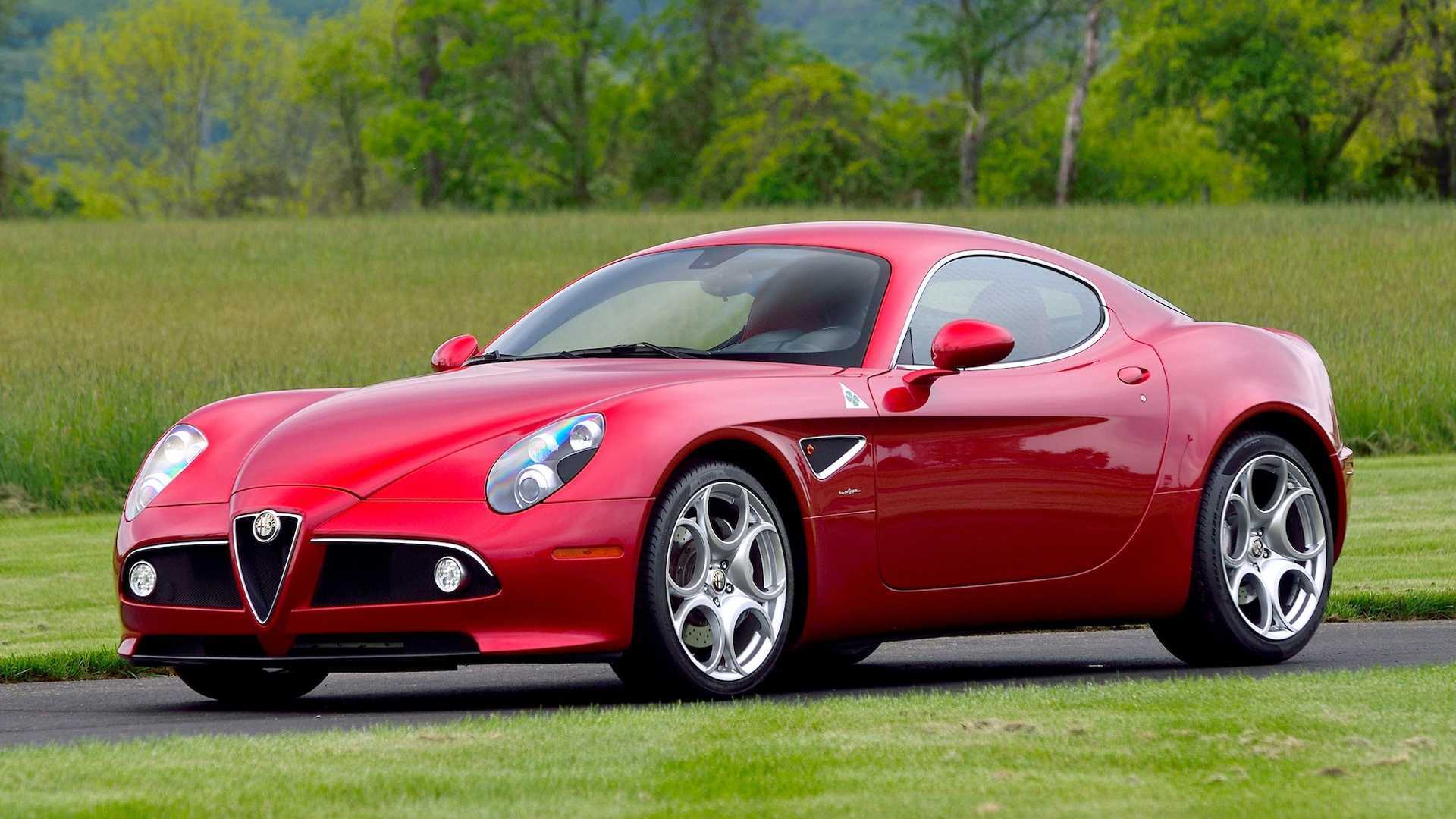
Carbon fiber construction throughout the 8C creates additional reliability and serviceability challenges. While carbon fiber provides excellent strength-to-weight ratios and exotic appeal, it proves difficult and expensive to repair when damaged.
Minor parking lot incidents that would result in simple paint touch-ups on conventional cars can require complete panel replacement on the 8C, with costs easily reaching thousands of dollars. The carbon fiber aging process can also cause cosmetic issues over time, particularly when exposed to UV radiation and temperature cycling.
The 8C’s electrical systems represent another significant reliability concern. Alfa Romeo equipped the car with sophisticated electronic systems for engine management, transmission control, and various comfort features, but the integration of these systems proves problematic.
Mysterious electrical faults can cause everything from minor annoyances to complete breakdowns, and the complex diagnostic procedures required to identify problems often exceed the capabilities of general automotive technicians. The car’s limited production numbers mean that many service centers have little or no experience with these systems.
Cooling system complexity in the 8C creates additional maintenance challenges. The high-performance V8 engine and sophisticated electronics generate substantial heat that must be managed through multiple cooling circuits and complex plumbing.
The exotic materials and tight packaging constraints mean that cooling system components are expensive and difficult to access for service. When these systems fail, they can cause rapid overheating that damages expensive engine components, creating repair bills that can easily exceed the car’s depreciated value.
Parts availability represents perhaps the most significant challenge for 8C ownership. Alfa Romeo produced only 500 examples of the Competizione, meaning that replacement components were manufactured in extremely limited quantities.
When parts fail, replacement components can be impossible to obtain or available only through lengthy special-order processes at premium prices. This scarcity extends beyond mechanical components to include interior trim pieces, body panels, and even routine maintenance items.
The service network for the 8C Competizione is severely limited, reflecting both the car’s rarity and Alfa Romeo’s limited presence in many markets.
Authorized dealers with the specialized knowledge and equipment required to properly service these vehicles are geographically sparse, often requiring owners to transport their cars hundreds of miles for routine maintenance.
Independent specialists with 8C experience are even rarer, leaving owners dependent on dealers who may lack extensive experience with these complex and exotic systems.
5. Mercedes-Benz SLR McLaren
The Mercedes-Benz SLR McLaren represented the ultimate collaboration between German luxury and British racing expertise, combining McLaren’s Formula One technology with Mercedes-Benz’s grand touring refinement.
However, this ambitious supercar also demonstrated how cutting-edge technology and exotic materials could create a reliability nightmare that made ownership more challenging than rewarding.
Despite its impressive performance credentials and undeniable presence, the SLR McLaren suffers from numerous reliability issues that transform the ownership experience from dream to ordeal.
The SLR’s 5.4-liter supercharged V8 engine showcases the problems inherent in pushing naturally aspirated technology to its limits. While this hand-assembled powerplant produces an impressive 617 horsepower, it achieves this output through extreme boost pressures, exotic materials, and complex engine management systems that prove fragile in real-world conditions.
The supercharger system employs a roots-type blower that generates substantial heat and places enormous stress on internal engine components. When these systems fail, repair costs can easily exceed $30,000, often approaching the car’s depreciated value.
The most notorious reliability issue affecting the SLR involves the engine’s timing chain system. The complex multi-chain setup that operates the variable valve timing can stretch or fail prematurely, particularly in examples that haven’t received meticulous maintenance.
When timing chain problems occur, they often result in catastrophic engine damage requiring complete rebuild or replacement. The exotic materials and tight tolerances used throughout the engine mean that rebuild costs are astronomical, often exceeding $50,000 when performed at authorized service centers.
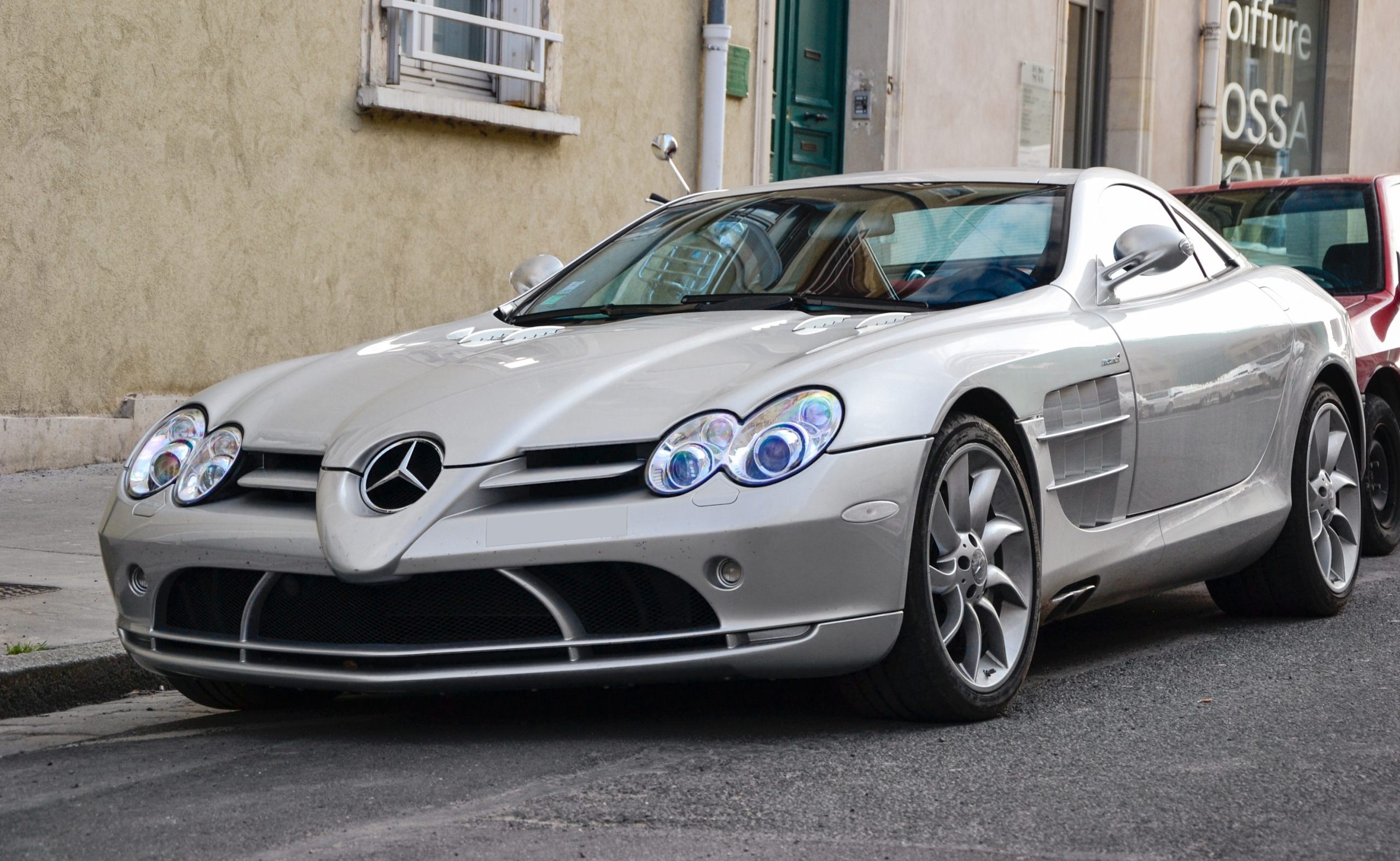
The SLR’s transmission system represents another significant reliability challenge. The five-speed automatic transmission, while sophisticated for its era, struggles to reliably handle the V8’s massive torque output over extended periods.
The complex electronic controls that manage shift patterns and torque converter lockup can malfunction, causing harsh shifts, slipping, or complete transmission failure. Replacement transmissions are extremely expensive and require specialized programming that only authorized Mercedes-AMG technicians can perform.
Carbon fiber construction throughout the SLR creates unique serviceability challenges that compound reliability concerns. While carbon fiber provides excellent strength and exotic appeal, it proves extremely difficult and expensive to repair when damaged.
Minor impacts that would result in straightforward bodywork on conventional vehicles can require complete panel replacement on the SLR, with individual carbon fiber components costing thousands of dollars. The carbon fiber aging process can also cause cosmetic degradation over time, particularly in the door panels and aerodynamic elements.
The SLR’s sophisticated suspension system, while providing exceptional ride and handling characteristics, employs complex electronic controls and exotic materials that prove unreliable over time.
The adaptive damping system uses sensors and actuators that can fail without warning, causing the suspension to default to uncomfortable firm settings or become completely inoperative.
The air suspension components, when equipped, are particularly problematic and expensive to repair, with individual air springs costing several thousand dollars each.
Electrical system complexity in the SLR creates additional reliability nightmares. The car employs cutting-edge electronic systems for engine management, transmission control, suspension adjustment, and various comfort features, but the integration of these systems proves problematic as the car ages.
The complex CAN bus network that connects these systems can develop communication errors that cause mysterious faults and warning lights. Diagnosing these electrical problems requires specialized Mercedes-AMG diagnostic equipment and extensive technical knowledge that many service centers lack.
Perhaps most problematically, the SLR suffers from extremely limited parts availability and service network constraints. Mercedes-Benz and McLaren produced only about 2,100 examples of the SLR, meaning that replacement components were manufactured in very limited quantities.
When parts fail, replacement components can be impossible to obtain or available only through lengthy special-order processes at astronomical prices.
The specialized knowledge required to service these vehicles is limited to a handful of authorized service centers worldwide, often requiring owners to transport their cars internationally for major repairs.
The financial impact of SLR ownership extends beyond repair costs to include insurance, storage, and depreciation considerations. The car’s exotic nature and high repair costs make insurance extremely expensive, while proper storage requires climate-controlled facilities to prevent carbon fiber degradation.
Despite its initial $450,000 price tag, SLR values have depreciated significantly, meaning that major repairs can easily exceed the car’s current market value. The service experience for SLR McLaren ownership is further complicated by the dissolved partnership between Mercedes-Benz and McLaren.
This corporate separation has created confusion about service responsibilities and parts availability, with some components falling into a gray area where neither company accepts full responsibility for long-term support.
The result is an ownership experience where even routine maintenance can become a complex negotiation between multiple parties, each pointing to the other for solutions to reliability problems.
Also Read: 5 Obscure Hybrids That Last vs 5 Popular Hybrids With Fuel Pump Failures
