

The commercial and passenger vans, appearances can be deceiving. While some manufacturers focus on eye-catching designs, cutting-edge technology, and premium amenities to attract buyers, others prioritize the fundamentals that truly matter for long-term ownership: reliability, durability, and cost-effective maintenance.
This dichotomy has created an interesting market dynamic where some of the most dependable vans available today fly under the radar, overshadowed by their flashier competitors that promise luxury and innovation but often deliver headaches and hefty repair bills.
The van market has evolved dramatically over the past decade, with manufacturers pushing boundaries in terms of technology integration, comfort features, and aesthetic appeal.
However, this pursuit of modernization has sometimes come at the expense of proven mechanical reliability. Complex electronic systems, experimental engine configurations, and cost-cutting measures in critical components have made some newer models less dependable than their simpler predecessors.
Understanding the difference between genuine quality and marketing hype is crucial for anyone considering a van purchase, whether for commercial use, family transportation, or recreational purposes.
The total cost of ownership extends far beyond the initial purchase price, encompassing maintenance costs, repair frequency, parts availability, and resale value. A van that looks impressive on the showroom floor but spends more time in the service bay than on the road represents poor value regardless of its initial appeal.
This comprehensive analysis examines ten distinct vans, divided into two categories: five underrated models that consistently deliver exceptional longevity and reliability, and five flashy alternatives that, despite their initial allure, tend to develop significant problems as mileage accumulates.
By examining real-world performance data, owner experiences, and industry reliability studies, we’ll reveal which vans truly deserve your investment and which ones you should approach with caution, regardless of their attractive marketing campaigns or prestigious brand names.
5 Underrated Vans That Last for Years
These overlooked commercial vehicles deliver exceptional longevity through heavy-duty construction, proven powertrains, and straightforward mechanical systems designed for decades of intensive fleet service without the complexity and failure points plaguing consumer-oriented alternatives.
Their robust engineering incorporates reinforced chassis components, commercial-grade electrical systems, and durable interior materials that resist wear from constant loading, weather exposure, and high-mileage operation while maintaining excellent cargo capacity and payload ratings.
The combination of reasonable purchase prices, widespread parts availability, and fleet-tested reliability creates ownership experiences that prioritize functionality over appearance.
From respected manufacturers with commercial vehicle expertise to proven models with extensive real-world validation, these vehicles demonstrate that van excellence comes through fundamental engineering strength rather than trendy features, providing dependable cargo hauling that outlasts more fashionable competitors through superior construction quality and time-tested mechanical systems.
1. Ford Transit Connect
The Ford Transit Connect represents one of the automotive industry’s best-kept secrets in the compact van segment. While it may lack the visual drama of its larger siblings or the premium badge appeal of European competitors, this unassuming workhorse has quietly established itself as one of the most reliable and cost-effective vans available today.
Based on recent reliability studies, Ford has maintained a strong position in commercial vehicle dependability rankings, and the Transit Connect exemplifies this reputation.
Built on Ford’s proven global platform, the Transit Connect benefits from extensive real-world testing across multiple markets and climates. Its 2.0-liter naturally aspirated four-cylinder engine, while not particularly exciting on paper, delivers consistent performance with minimal complexity.
This engine design prioritizes durability over peak power, featuring a simple timing chain system that rarely requires attention and a robust cooling system that handles demanding commercial applications without overheating issues that plague some competitors.
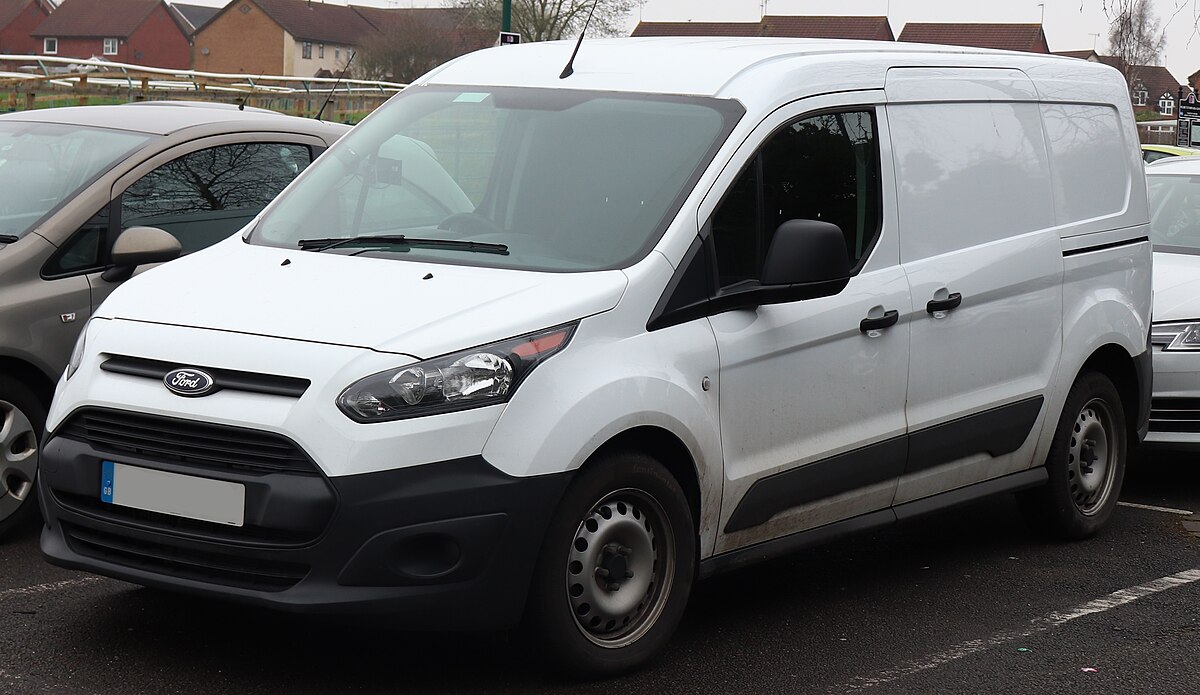
The van’s electrical system reflects Ford’s conservative engineering approach, avoiding the complex multiplexed networks that cause problems in more sophisticated vehicles.
Simple, proven components like traditional alternators, starters, and wiring harnesses mean that when repairs are needed, they’re typically straightforward and affordable.
The interior, while basic, uses durable materials designed to withstand commercial abuse, with seat fabrics and trim pieces that maintain their appearance even after years of heavy use.
What truly sets the Transit Connect apart is its exceptional parts availability and service network. Ford’s extensive dealer network means that routine maintenance and repairs can be performed virtually anywhere, often at competitive prices due to the high volume of parts production.
The van’s popularity among fleet operators has also created a robust aftermarket parts supply, further reducing long-term operating costs. Owner testimonials consistently highlight the Transit Connect’s ability to accumulate high mileage with minimal drama.
Many commercial operators report vehicles surpassing 200,000 miles with only routine maintenance, and the van’s resale value remains strong due to its reputation for reliability.
For buyers seeking dependable transportation without unnecessary complexity, the Transit Connect delivers exactly what’s needed without the pretense of being something it’s not.
2. Chevrolet Express
The Chevrolet Express stands as a testament to the enduring value of proven engineering over constant innovation. In an era where manufacturers frequently redesign vehicles to incorporate the latest technology, Chevrolet has maintained the Express largely unchanged for over two decades, and this conservative approach has paid dividends in terms of reliability and durability.
While critics may dismiss it as outdated, owners and fleet managers recognize the Express as one of the most dependable full-size vans ever produced.
At the heart of the Express’s reliability lies its time-tested powertrain options. The standard 4.3-liter V6 and available V8 engines represent mature technology that has been refined through millions of miles of real-world operation.
These engines feature simple, robust designs with minimal use of complex systems like variable valve timing or direct injection that can cause problems in newer vehicles.
The transmission options, including both manual and automatic variants, have been proven in countless commercial applications and are known for their ability to handle heavy loads and frequent stop-and-go operation without premature failure.
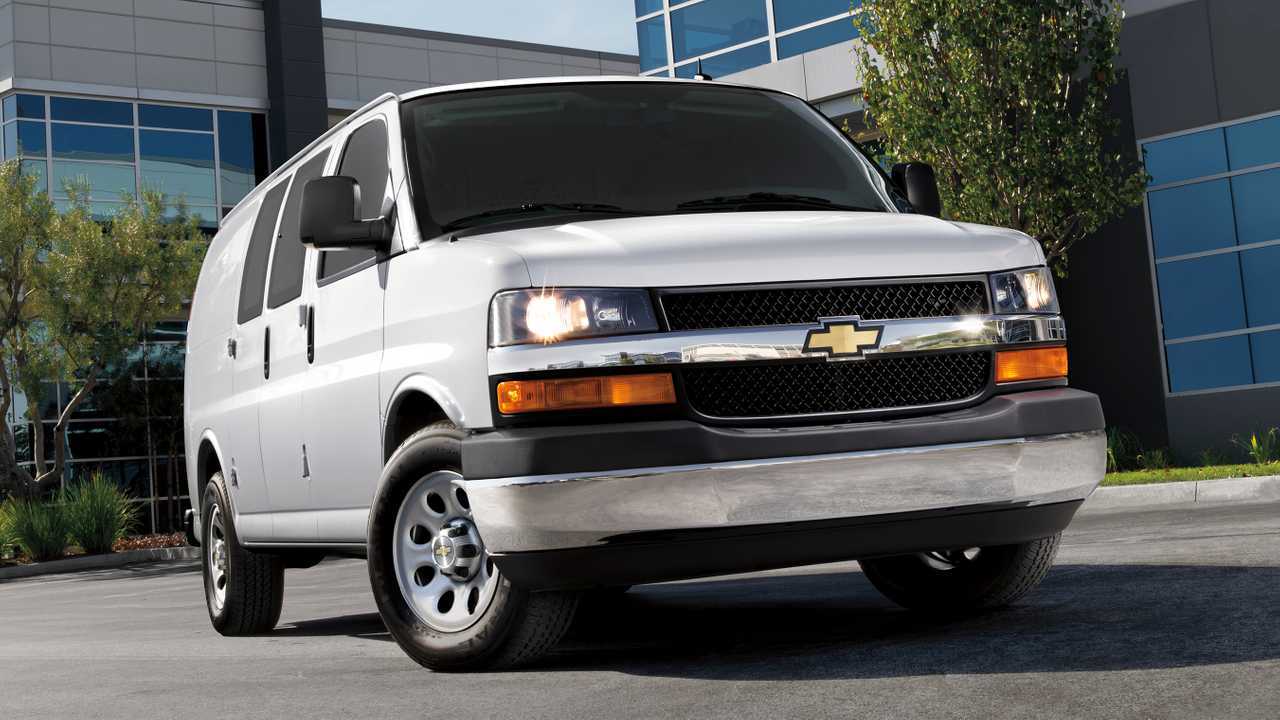
The Express’s body-on-frame construction provides exceptional durability compared to the unibody designs used by many competitors. This traditional truck-based architecture allows the van to handle heavy payloads and rough treatment without developing the stress cracks and structural problems that can affect more sophisticated designs.
The solid rear axle, while not as refined as independent suspension systems, provides superior durability and easier maintenance, making it ideal for commercial applications where longevity trumps ride comfort.
Maintenance simplicity represents another significant advantage of the Express design. The spacious engine bay provides excellent access for routine service procedures, and most components can be serviced or replaced using standard tools.
The electrical system, while basic by modern standards, rarely fails and can be diagnosed and repaired by any competent technician. This simplicity translates directly into lower maintenance costs and reduced downtime, factors that commercial operators value highly.
Perhaps most importantly, the Express benefits from Chevrolet’s extensive service network and the availability of affordable replacement parts. Because the basic design has remained consistent for so long, parts production volumes are high, keeping costs reasonable.
Many components are shared with other GM vehicles, further improving parts availability and reducing costs. For buyers who prioritize reliability and low operating costs over the latest features and styling, the Express represents exceptional value that’s difficult to match in today’s market.
3. Toyota Sienna
The Toyota Sienna has long been the standard-bearer for minivan reliability, and its latest generation continues this tradition while adding impressive fuel efficiency through its standard hybrid powertrain.
The infinitely practical and ever-dependable Toyota Sienna is recognized as a favorite minivan because of its family-friendly interior and standard hybrid powertrain.
While it may not have the flashiest exterior design or the most luxurious interior appointments, the Sienna’s focus on durability and dependability has made it the choice of families who prioritize long-term value over short-term glamour.
Toyota’s legendary build quality is evident throughout the Sienna’s construction. The hybrid powertrain, while complex in operation, benefits from Toyota’s decades of hybrid development experience, resulting in a system that’s both reliable and efficient.
The 2.5-liter four-cylinder engine works in harmony with electric motors to provide adequate power while delivering exceptional fuel economy. This system has been proven in millions of Toyota and Lexus vehicles, and its reliability record is exemplary compared to the complex turbocharged engines used by some competitors.
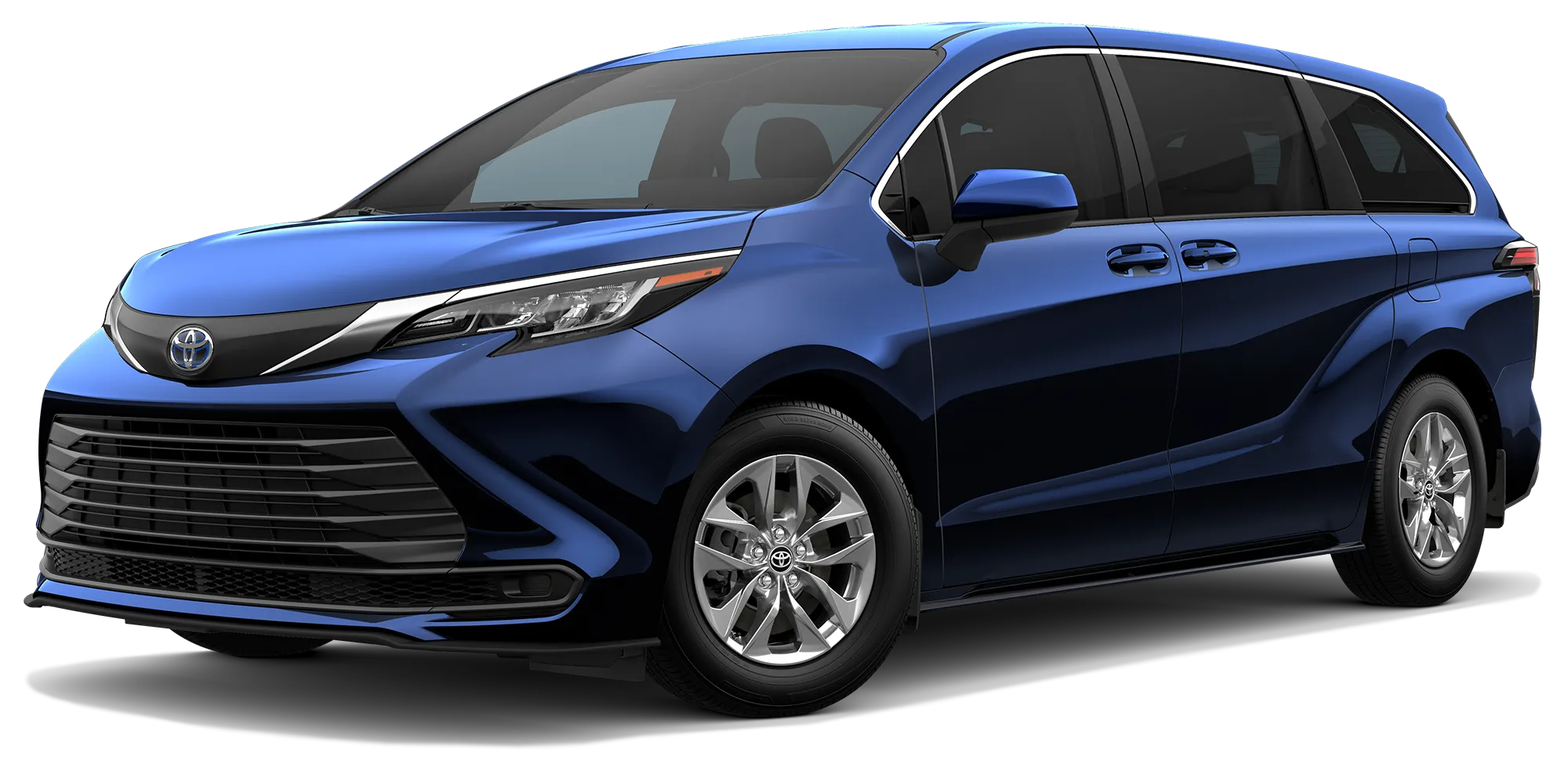
The Sienna’s interior design prioritizes functionality and durability over visual drama. Materials are chosen for their ability to withstand family use, with seat fabrics and trim pieces that resist staining and wear.
The electronic systems, while comprehensive, are designed with Toyota’s typical conservative approach, avoiding cutting-edge technology in favor of proven systems that work reliably year after year.
The infotainment system, while not the most advanced available, rarely fails and continues to function properly long after more sophisticated systems in other vehicles have become obsolete.
Build quality extends to every aspect of the Sienna’s construction. Panel gaps are tight and consistent, paint quality is excellent, and the fit and finish reflect Toyota’s attention to detail. The sliding doors, often a source of problems in minivans, operate smoothly and reliably even after years of use.
The HVAC system effectively conditions the large interior space and maintains consistent performance over time, unlike some competitors that develop expensive failures as mileage accumulates.
What truly distinguishes the Sienna is Toyota’s commitment to long-term support. Parts availability is excellent, and Toyota’s service network provides consistent, reliable maintenance and repair services.
The van’s strong resale value reflects buyer confidence in its long-term reliability, making it an excellent choice for families who plan to keep their vehicle for many years.
While it may not win styling awards or offer the most luxurious features, the Sienna delivers exactly what most families need: dependable, efficient transportation that continues to perform year after year without major surprises.
4. Ram ProMaster City
The Ram ProMaster City occupies a unique position in the compact van market, offering European engineering proven in demanding commercial applications worldwide while maintaining the affordability and service support expected from a domestic brand.
Based on the Fiat Doblo platform that has been successful in European markets for years, the ProMaster City brings time-tested reliability to American buyers often overlooked in favor of more heavily marketed alternatives.
The ProMaster City’s 2.4-liter four-cylinder engine, while not particularly powerful, delivers consistent performance with minimal maintenance requirements.
This naturally aspirated engine avoids the complexity and potential problems associated with turbocharging, instead relying on adequate displacement and proven technology to provide reliable service.
The engine’s design prioritizes durability over peak performance, with conservative tuning that ensures longevity even under demanding commercial use.
The nine-speed automatic transmission, despite initial skepticism from some buyers, has proven reliable in real-world applications and provides good fuel economy through its wide ratio spread.
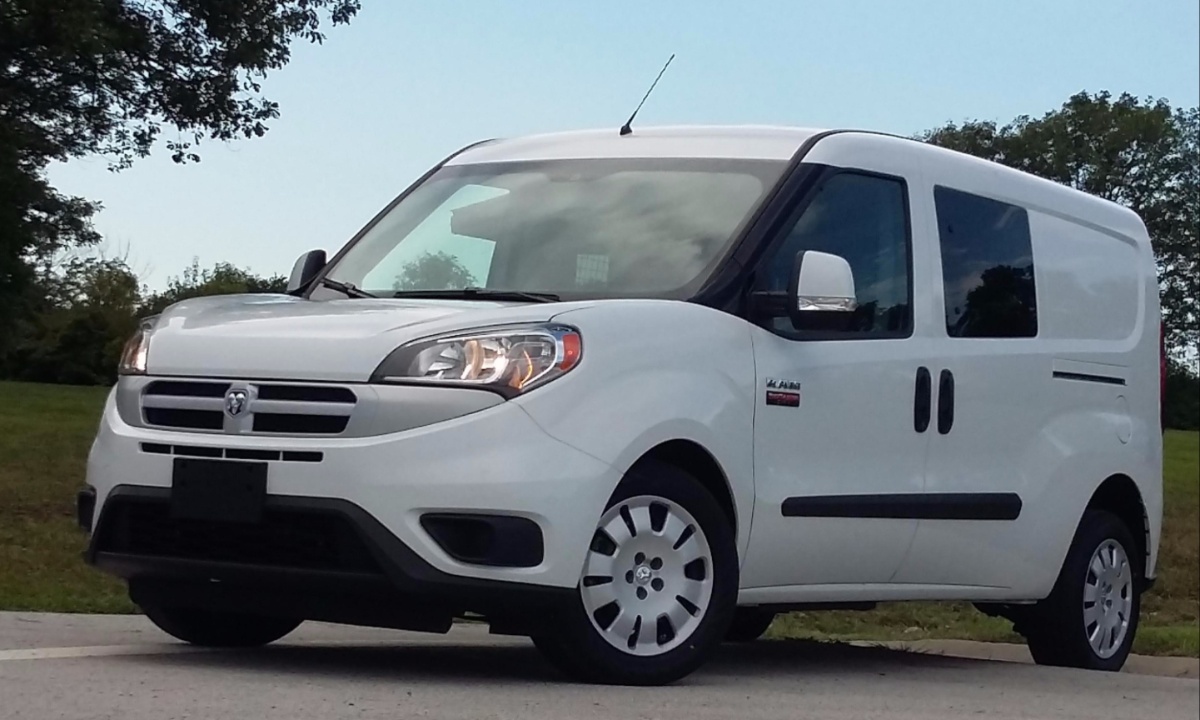
Build quality reflects European commercial vehicle standards, which typically prioritize durability and functionality over luxury appointments. The van’s unibody construction provides adequate strength for its intended applications while offering better ride quality than traditional body-on-frame designs.
Interior materials, while basic, are chosen for their durability and ease of cleaning, important considerations for commercial operators. The electrical system is straightforward and reliable, avoiding the complex multiplexed networks that can cause problems in more sophisticated vehicles.
One of the ProMaster City’s greatest strengths is its exceptional cargo capacity relative to its compact exterior dimensions. The clever packaging allows for impressive load volume while maintaining maneuverability in urban environments. The rear doors open wide for easy loading, and the low load floor reduces lifting height for heavy items.
These practical advantages, combined with the van’s reliability, make it particularly attractive to small business operators who need dependable transportation without the expense of a full-size van.
Service and parts support through the Ram dealer network is adequate, though not quite as extensive as some domestic competitors. However, the van’s straightforward design means that most maintenance and repairs can be performed by any competent technician, reducing dependence on dealer service.
Parts costs are reasonable, and the van’s European heritage means that many components are available from multiple sources. For buyers seeking a reliable, efficient compact van without paying premium prices for luxury features they don’t need, the ProMaster City represents excellent value that’s often overlooked in a crowded marketplace.
Also Read: 5 Rare Diesel Cars That Keep Running vs 5 Common Diesels With Early Turbo Failures
5. Nissan NV200
The Nissan NV200 represents one of the most underappreciated success stories in the modern van market. Originally developed as a global commercial vehicle platform, the NV200 has proven its durability and reliability in countless applications worldwide, from New York City taxi service to commercial delivery operations.
The Nissan NV is included among the best vans for full-time living, offering a combination of comfort, reliability, and customization options. Despite its somewhat plain appearance and basic feature set, the NV200 has established itself as one of the most dependable compact vans available, with a track record of high-mileage reliability that puts many more expensive competitors to shame.
At the heart of the NV200’s reliability is Nissan’s proven 2.0-liter four-cylinder engine. This naturally aspirated powerplant prioritizes durability and fuel efficiency over peak performance, resulting in an engine that can easily accumulate six-figure mileage with proper maintenance.
The engine design is conservative and straightforward, avoiding complex technologies like direct injection or variable compression ratios that can cause problems as vehicles age.
The continuously variable transmission (CVT), while initially controversial among enthusiasts, has proven reliable in the NV200 application, providing smooth operation and good fuel economy throughout its service life.
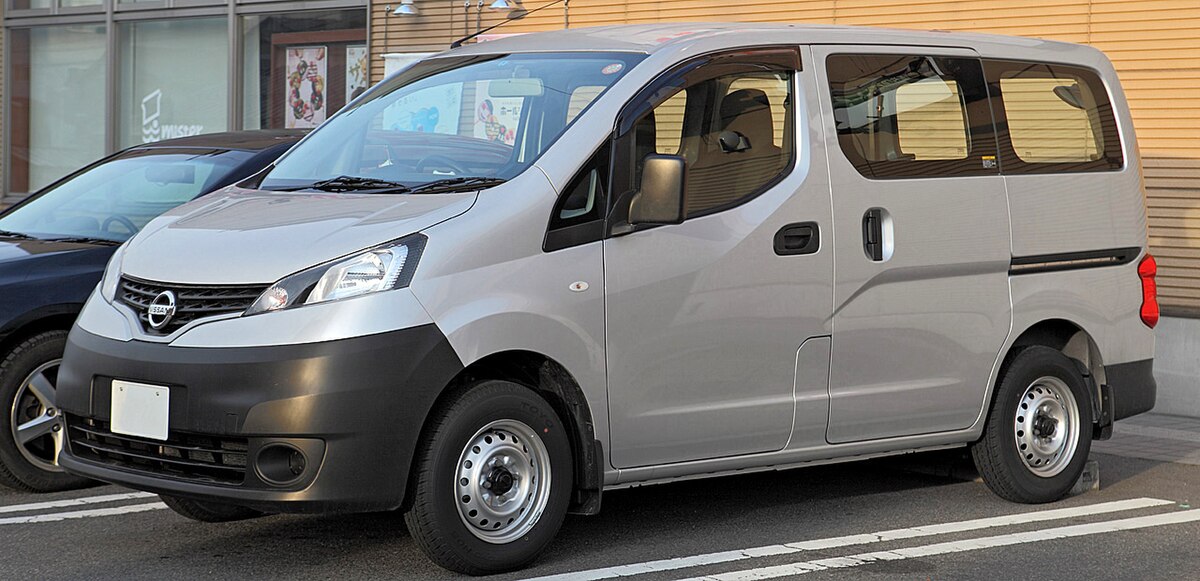
The van’s construction quality reflects Nissan’s global commercial vehicle experience. Body panels are substantial and resist damage from the minor impacts common in commercial service, while the paint system provides good corrosion resistance even in harsh environments.
Interior materials are chosen for durability rather than luxury, with seat fabrics and trim pieces that maintain their appearance even after years of hard use. The dashboard layout is functional and straightforward, with controls that continue to operate reliably long after more complex systems in other vehicles have failed.
What sets the NV200 apart from many competitors is its exceptional interior packaging. Despite its compact exterior dimensions, the van offers impressive cargo capacity and a low load floor that makes loading and unloading easier than many larger vans. The rear doors provide excellent access, and the available side door further improves convenience for frequent stops.
These practical advantages, combined with the van’s reliability and fuel efficiency, make it particularly attractive to urban delivery operators and small business owners.
Maintenance costs for the NV200 are among the lowest in its class, thanks to the engine’s simple design and Nissan’s competitive parts pricing. The van’s global platform means that many components are produced in high volumes, keeping replacement part costs reasonable.
Service intervals are reasonable, and most maintenance procedures can be performed quickly and efficiently. For buyers who prioritize dependability and low operating costs over luxury features or prestigious badges, the NV200 delivers exceptional value that’s often overlooked by consumers focused on more heavily marketed alternatives.
5 Flashy Vans That Break Down Early
These style-focused vehicles disappoint owners with premature failures, expensive repairs, and reliability issues that contradict their attractive styling and premium features through constant maintenance costs that quickly exceed any initial appeal from modern amenities.
Their complex systems incorporate unproven technologies, cost-cutting measures beneath attractive surfaces, and problematic components that generate endless repair headaches despite consumer positioning that suggests superior capability over basic commercial alternatives.
The combination of inflated purchase prices, specialized service requirements, and disappointing durability creates ownership nightmares as buyers discover that attractive design and luxury features cannot compensate for fundamental engineering compromises that prioritize marketing appeal over basic reliability.
From trendy manufacturers with poor quality control to lifestyle-oriented models with known mechanical problems, these vehicles prove that van styling and modern amenities mean nothing when basic commercial dependability fails, transforming cargo haulers into expensive repair burdens requiring constant professional attention.
1. Mercedes-Benz Sprinter
The Mercedes-Benz Sprinter has long been the aspirational choice in the full-size van market, offering premium appointments, advanced technology, and the prestige of the three-pointed star.
However, beneath its sophisticated exterior lies a troubling pattern of reliability issues that have plagued owners and cost thousands in unexpected repairs.
While the Sprinter’s marketing emphasizes luxury and capability, real-world experience reveals a vehicle that too often fails to live up to its premium pricing and prestigious reputation.
The Sprinter’s diesel engines, while providing excellent fuel economy and adequate power, have proven problematic in North American applications.
The complex emissions systems required to meet strict environmental regulations have been a particular source of trouble, with components like diesel particulate filters, DEF injection systems, and EGR valves frequently failing well before their expected service life.
These failures often occur without warning and can result in expensive repairs that sometimes exceed the vehicle’s value on older models. The turbocharging system, while effective when functioning properly, has also shown a tendency toward premature failure, particularly in high-mileage commercial applications.
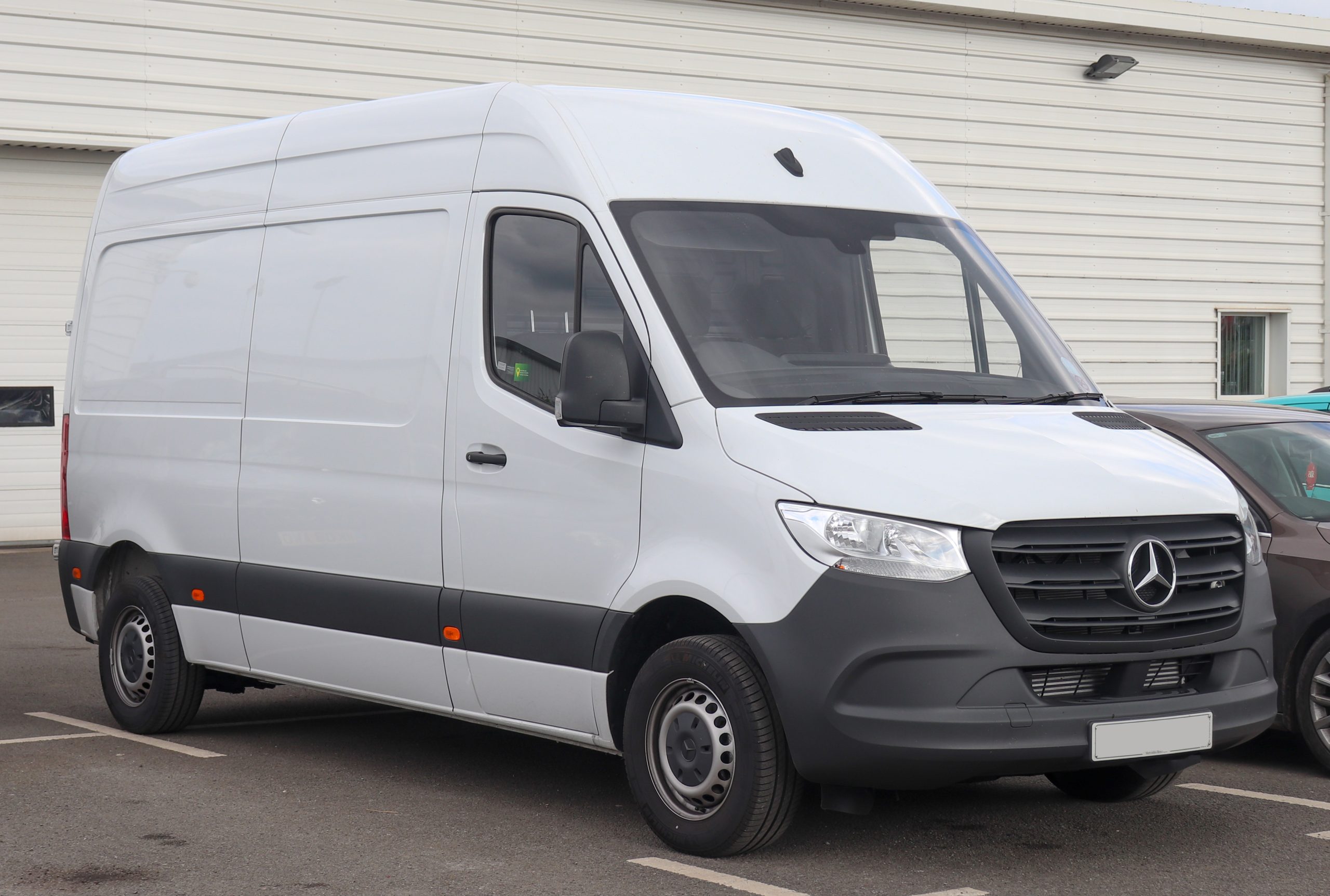
Electrical problems represent another significant concern with the Sprinter. The van’s sophisticated multiplexed electrical system, while enabling advanced features, has proven vulnerable to failures that can be difficult and expensive to diagnose and repair.
Issues range from minor annoyances like malfunctioning interior lights to major problems that can leave the vehicle inoperable. The complexity of the electrical system means that repairs often require specialized Mercedes-Benz diagnostic equipment and trained technicians, resulting in higher labor costs and longer repair times.
Build quality issues have also emerged as the Sprinter ages. Paint problems, including premature fading and peeling, are common complaints among owners.
Interior trim pieces often become loose or break, and the van’s numerous electronic accessories frequently malfunction as mileage accumulates. The air conditioning system, while powerful when working, has shown a tendency toward expensive failures, particularly in warmer climates where it sees heavy use.
Perhaps most concerning is the Sprinter’s poor parts availability and high service costs. Because Mercedes-Benz positions the Sprinter as a premium product, replacement parts often carry premium prices, and many components are available only through Mercedes-Benz dealers.
Labor rates at Mercedes-Benz service centers are typically higher than those charged by domestic brand dealers, and the complexity of many systems means that repair times are often longer than comparable work on simpler vehicles.
For buyers attracted to the Sprinter’s prestige and features, these high ownership costs often come as an unpleasant surprise that significantly impacts the total cost of ownership.
2. Ford Transit (High-Trim Models)
While Ford’s Transit line includes many reliable variants, the high-trim models loaded with advanced features and complex systems have developed a troubling reputation for premature failures and expensive repairs.
These premium Transit models, marketed toward buyers seeking luxury van conversions and high-end commercial applications, often sacrifice the reliability that makes lower-trim Transits dependable workhorses.
The pursuit of refinement and advanced technology has introduced numerous potential failure points that can quickly transform an attractive purchase into a maintenance nightmare.
The turbocharged EcoBoost engines available in high-trim Transit models, while providing impressive power and fuel economy when functioning properly, have shown concerning reliability patterns as they accumulate mileage.
Owners of Ford Transit vans have reported problems with relatively low mileage for expediting applications, particularly around 150,000 miles. Turbocharger failures, often preceded by little warning, can result in expensive repairs that sometimes include engine replacement if metal debris contaminates the oil system.
The complex timing chain system, while more durable than timing belts, has shown a tendency toward premature stretch and tensioner failure, leading to expensive repairs that often exceed the vehicle’s remaining value.
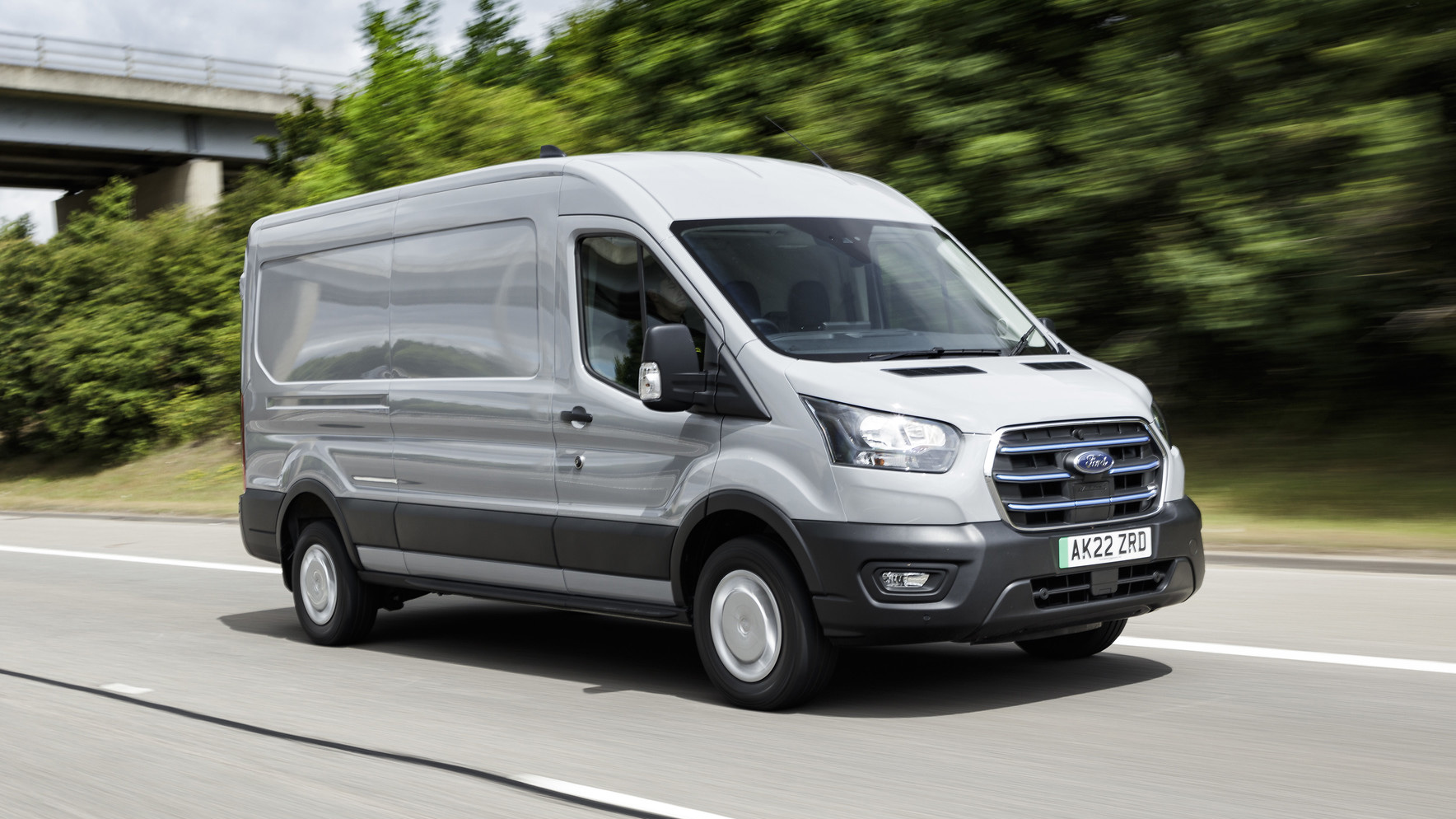
The advanced electronic systems found in high-trim Transit models represent another significant source of problems. The sophisticated infotainment system, while impressive when working properly, frequently develops glitches that require expensive software updates or hardware replacement.
Navigation systems become obsolete quickly, and updating or replacing them can be prohibitively expensive. The multiplexed electrical system, while enabling advanced features like remote start and sophisticated lighting systems, has proven vulnerable to failures that can be difficult to diagnose and expensive to repair.
Climate control systems in high-trim Transit models have also proven problematic. The complex automatic HVAC systems, while providing excellent comfort when functioning, frequently develop expensive failures as the vehicle ages.
Components like blend door actuators, electronic control modules, and refrigerant sensors often fail prematurely, resulting in repair bills that can exceed several thousand dollars. The rear auxiliary air conditioning systems, popular in passenger configurations, add additional complexity and potential failure points.
Interior quality in high-trim Transit models, while initially impressive, often doesn’t hold up well to extended use. Leather seat surfaces show wear quickly, particularly in commercial applications, and replacement costs are prohibitive.
Electronic accessories like power sliding doors and tailgates frequently malfunction, often requiring expensive repairs that involve both mechanical and electrical components.
The van’s numerous electronic convenience features, while attractive to initial buyers, often become sources of frustration as they fail and prove expensive to repair.
For buyers attracted to the Transit’s advanced features and refinement, the long-term ownership experience often proves disappointing due to high maintenance costs and frequent reliability issues.
3. Chrysler Pacifica (Early Models)
The Chrysler Pacifica, particularly in its early production years, exemplifies how the pursuit of innovation and luxury can sometimes compromise long-term reliability.
While the Pacifica brought impressive style and advanced features to the minivan market, early models suffered from numerous quality issues that have tarnished the vehicle’s reputation and resulted in expensive ownership experiences for many buyers.
The 2024 Chrysler Pacifica is noted as a standout minivan with comfortable ride and versatile design, suggesting improvements in later years, but early model reliability remains concerning.
The Pacifica’s sophisticated transmission system, while providing smooth operation when functioning properly, has been a significant source of problems in early models.
The nine-speed automatic transmission, shared with other Chrysler products, has shown a tendency toward erratic shifting behavior, premature failure, and expensive repair requirements.
Many owners report transmission problems occurring well before 100,000 miles, often requiring complete replacement at costs that can exceed $5,000. The transmission’s complex electronic control system adds another layer of potential failure points that can be difficult and expensive to diagnose and repair.
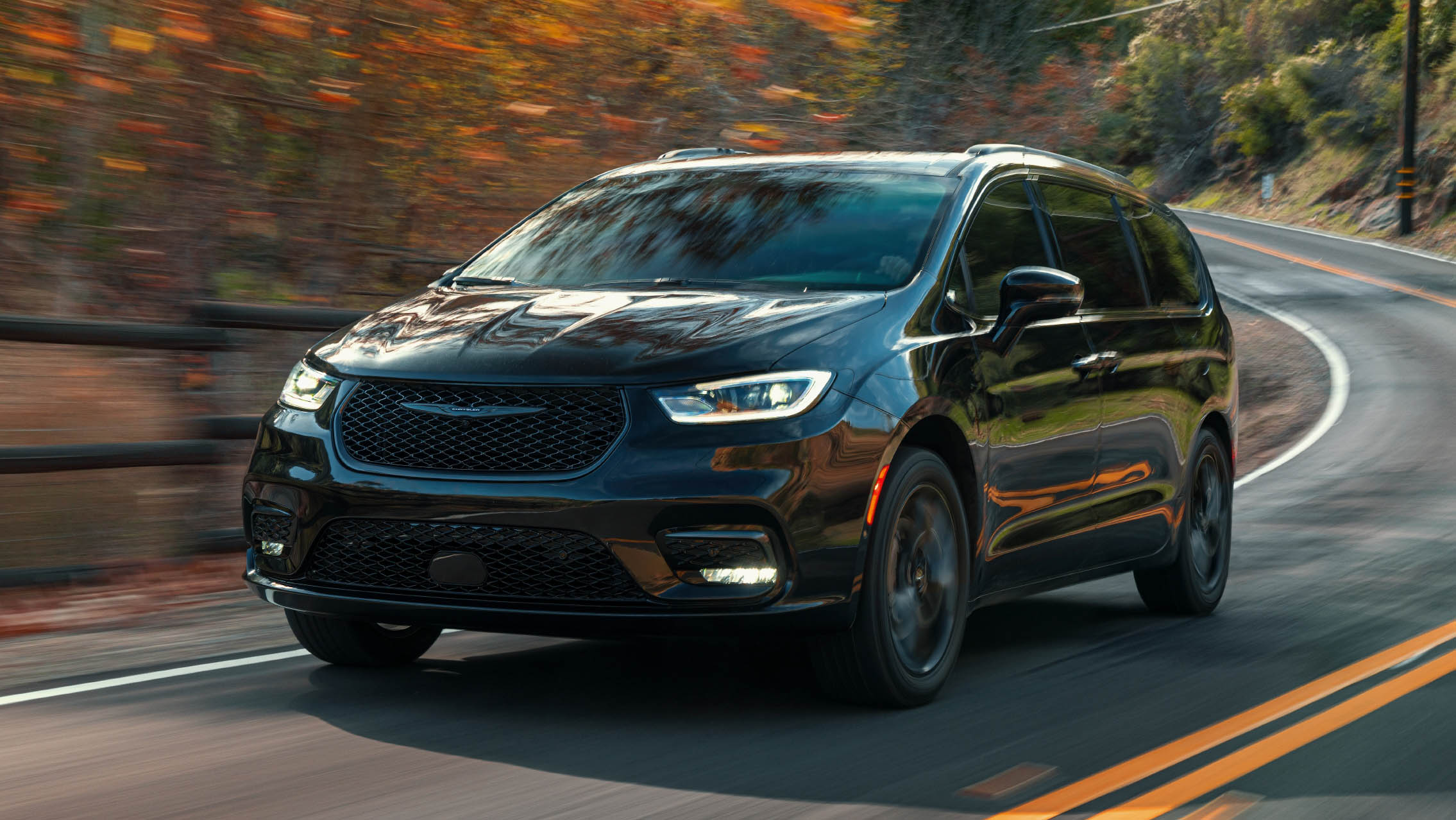
Electrical system problems have plagued early Pacifica models extensively. The van’s advanced Uconnect infotainment system, while feature-rich, frequently experiences software glitches, complete system failures, and compatibility issues with mobile devices.
These problems often require expensive software updates or complete hardware replacement, and some issues persist even after repairs. The Pacifica’s extensive use of electronic systems for basic functions like door locks, windows, and climate control means that electrical failures can significantly impact the vehicle’s functionality and require expensive dealer repairs.
Build quality issues have been another significant concern with early Pacifica models. Paint problems, including premature fading, chipping, and peeling, are common complaints among owners.
Interior trim pieces frequently become loose or break, and the van’s numerous electronic accessories often malfunction prematurely. The Stow ‘n Go seating system, while innovative, has proven vulnerable to mechanical failures that can be expensive to repair and may require complete seat replacement.
The Pacifica’s complex HVAC system, while providing excellent climate control when working properly, has shown a tendency toward expensive failures.
Components like blend door actuators, electronic control modules, and the rear auxiliary air conditioning system frequently fail, often requiring extensive disassembly for access and resulting in high labor costs.
The van’s advanced safety systems, while impressive when functioning, have also proven problematic, with sensors and cameras requiring frequent recalibration or replacement due to sensitivity to minor impacts or environmental conditions.
Perhaps most concerning for Pacifica owners is the vehicle’s poor long-term value retention due to its reliability reputation. Early models often depreciate rapidly as buyers become aware of potential problems, and resale values remain weak even for well-maintained examples.
Parts availability can be problematic for some components, and repair costs are often higher than comparable work on more mainstream vehicles due to the Pacifica’s complex systems and specialized requirements.
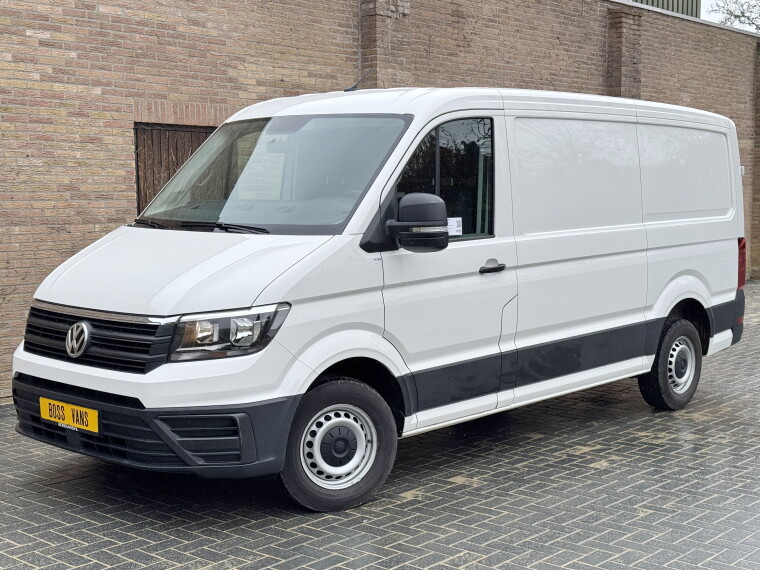
4. Volkswagen Crafter
The Volkswagen Crafter, positioned as a premium alternative to more common commercial vans, has attracted buyers with its sophisticated design, advanced features, and European engineering pedigree.
However, real-world ownership experience has revealed numerous reliability issues that can make the Crafter’s premium purchase price seem like poor value when ongoing maintenance and repair costs are considered. While the Crafter may impress with its initial quality and refinement, long-term ownership often proves frustrating and expensive.
The Crafter’s diesel engines, while providing excellent fuel economy and adequate power, have proven problematic in demanding commercial applications.
The complex emissions control systems required to meet modern environmental standards have been a particular source of trouble, with components like diesel particulate filters, AdBlue injection systems, and exhaust gas recirculation valves frequently failing well before their expected service life.
These failures often occur without adequate warning and can result in expensive repairs that sometimes require complete engine replacement if contamination occurs.
Electrical system complexity has proven to be another significant weakness in the Crafter design. The van’s sophisticated electronic architecture, while enabling advanced features like adaptive cruise control and lane keeping assistance, has shown vulnerability to failures that can be difficult and expensive to diagnose and repair.
Problems range from minor annoyances like malfunctioning dashboard displays to major issues that can render the vehicle inoperable. The complexity of the electrical system means that repairs often require specialized Volkswagen diagnostic equipment and factory-trained technicians.
Transmission problems have also emerged as a significant concern among Crafter owners. The sophisticated automatic transmission, while providing smooth operation when functioning properly, has shown a tendency toward premature failure, particularly in high-mileage commercial applications.
Repair costs can be prohibitive, often exceeding the vehicle’s remaining value on older models. The transmission’s complex electronic control system adds another layer of potential failure points that can compound repair costs and extend downtime.
Build quality issues become apparent as the Crafter accumulates mileage. Paint problems, including premature fading and corrosion, are common complaints among owners operating in harsh environments.
Interior trim quality, while initially impressive, often doesn’t hold up well to commercial use, with components becoming loose or breaking prematurely. The van’s sophisticated climate control system, while effective when working, frequently develops expensive failures that require specialized parts and expertise.
The most significant concern for Crafter owners is the high cost of ownership due to expensive parts and limited service availability. Volkswagen positions the Crafter as a premium product, and replacement parts often carry premium prices that reflect this positioning.
Many components are available only through Volkswagen dealers, and labor rates are typically higher than those charged for more common vehicles.
The complexity of many systems means that repair times are often longer than comparable work on simpler vehicles, further increasing costs and extending downtime for commercial operators who depend on their vehicles for income.
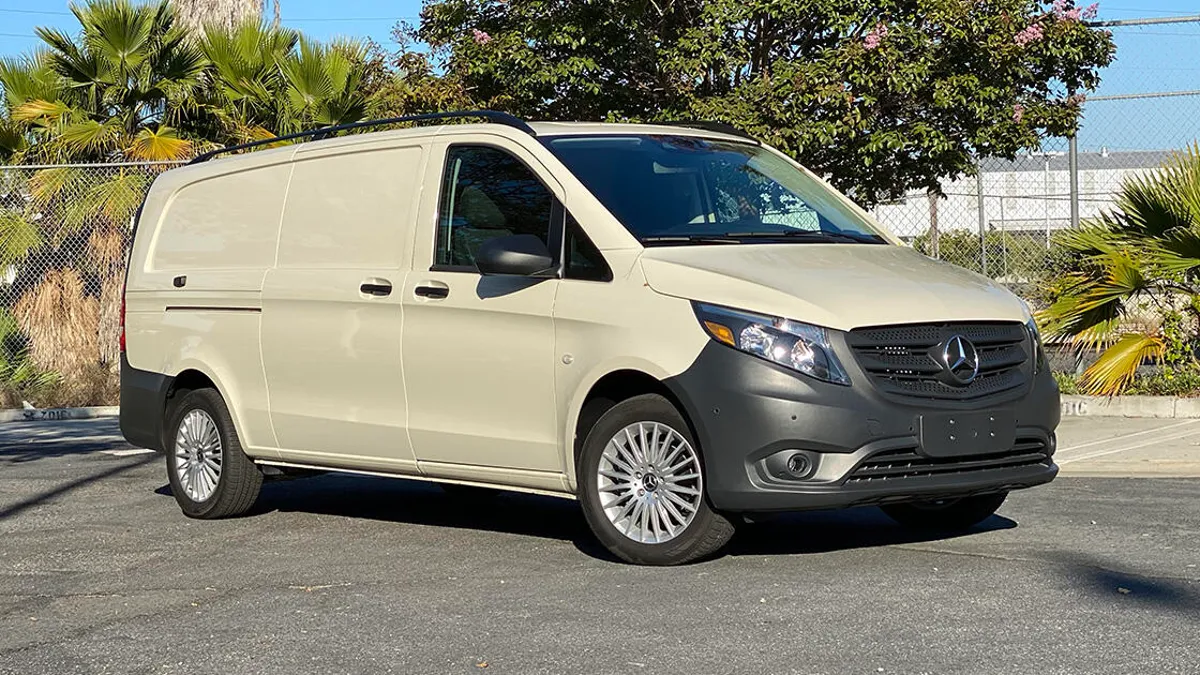
5. Mercedes-Benz Metris
The Mercedes-Benz Metris entered the North American market as a sophisticated mid-size van alternative, promising European refinement and Mercedes-Benz quality in a package smaller than the full-size Sprinter.
However, the Metris has proven to be one of the most problematic vans in its class, with numerous reliability issues that have made ownership expensive and frustrating for many buyers. Despite its premium badge and initial appeal, the Metris represents a cautionary tale about choosing style and prestige over proven reliability.
The Metris’s turbocharged four-cylinder engine, while providing adequate power for its size, has proven troublesome in real-world applications. Turbocharger failures are common, often occurring without warning and resulting in expensive repairs that can exceed $3,000.
The engine’s complex emissions control system has also been problematic, with components like the diesel particulate filter and DEF injection system frequently failing prematurely. These failures often require expensive dealer repairs and can leave the vehicle inoperable until parts are available and repairs are completed.
Transmission problems represent another significant concern with the Metris. The seven-speed automatic transmission, while sophisticated, has shown a tendency toward erratic shifting behavior and premature failure.
Many owners report transmission problems occurring well before 100,000 miles, often requiring complete replacement at costs that can approach the vehicle’s remaining value.
The transmission’s electronic control system adds complexity that can make diagnosis difficult and expensive, often requiring multiple repair attempts before problems are resolved.
The Metris’s electrical system has proven particularly troublesome, with numerous owners reporting problems ranging from minor annoyances to major failures that render the vehicle inoperable.
The sophisticated infotainment system frequently experiences software glitches and hardware failures that require expensive dealer repairs. The van’s extensive use of electronic systems for basic functions means that electrical problems can significantly impact functionality and often require specialized Mercedes-Benz diagnostic equipment for proper diagnosis and repair.
Build quality issues have also emerged as the Metris ages. Paint problems, including premature fading and corrosion, are common complaints among owners.
Interior trim quality, while initially impressive, often deteriorates quickly with use, and replacement costs are prohibitive due to Mercedes-Benz’s premium parts pricing.
The van’s air conditioning system, while powerful when working, has shown a tendency toward expensive failures that often require extensive disassembly for repair access.
The most significant problem with Metris ownership is the combination of high repair costs and poor parts availability. Mercedes-Benz positions the Metris as a premium product, and replacement parts carry premium prices that reflect this positioning.
Many components are available only through Mercedes-Benz dealers, and lead times can be extensive for some parts. Labor rates at Mercedes-Benz service centers are typically much higher than those charged by domestic brand dealers, and the complexity of many systems means that repair times are often longer than comparable work on simpler vehicles.
These factors combine to create an ownership experience that can be financially devastating for buyers who expected Mercedes-Benz quality but instead received a vehicle that requires constant expensive attention to maintain basic functionality.
Also Read: 5 Rare Diesel Cars That Keep Running vs 5 Common Diesels With Early Turbo Failures
