
The convertible car market presents a fascinating dichotomy between reliability and popularity. While some of the most recognizable drop-tops in automotive history have gained their fame through marketing prowess and brand recognition, they often come with a notorious reputation for problematic soft tops that leak, tear, and fail at the worst possible moments.
The automotive world harbors numerous hidden gems, convertibles that offer exceptional build quality, reliable roof mechanisms, and outstanding value propositions, yet remain largely overlooked by mainstream buyers.
This comprehensive comparison explores ten distinct convertibles, divided into two contrasting categories. Our first group showcases five hidden gem convertibles that deliver remarkable ownership experiences without the headaches commonly associated with drop-top motoring.
These vehicles represent engineering excellence, featuring robust convertible top mechanisms, weather-tight seals, and reliability that puts many popular models to shame.
The second group examines five widely popular convertibles that, despite their market success and enthusiast following, are plagued by persistent roof-related issues that can turn the dream of open-air driving into a maintenance nightmare.
By understanding both ends of this spectrum, prospective convertible buyers can make informed decisions that prioritize long-term satisfaction over fleeting brand prestige.
5 Hidden Gem Convertibles
These underappreciated open-air vehicles deliver exceptional reliability through well-engineered soft top mechanisms, quality weatherproofing materials, and robust hydraulic systems that provide decades of leak-free operation while maintaining smooth convertible functionality under various weather conditions.
Their solid construction incorporates durable fabric tops, precision-fitted seals, and reliable motor assemblies that resist water intrusion and mechanical failure far better than heavily marketed alternatives that prioritize style over weatherproofing integrity.
The combination of reasonable purchase prices, excellent parts availability, and proven top mechanisms creates ownership experiences that focus on driving pleasure rather than water damage repairs.
From respected manufacturers with convertible expertise to understated models with extensive weather testing, these vehicles demonstrate that convertible excellence comes through fundamental engineering quality rather than flashy marketing, providing reliable open-air motoring that outlasts more celebrated competitors through superior weatherproofing and mechanical durability.
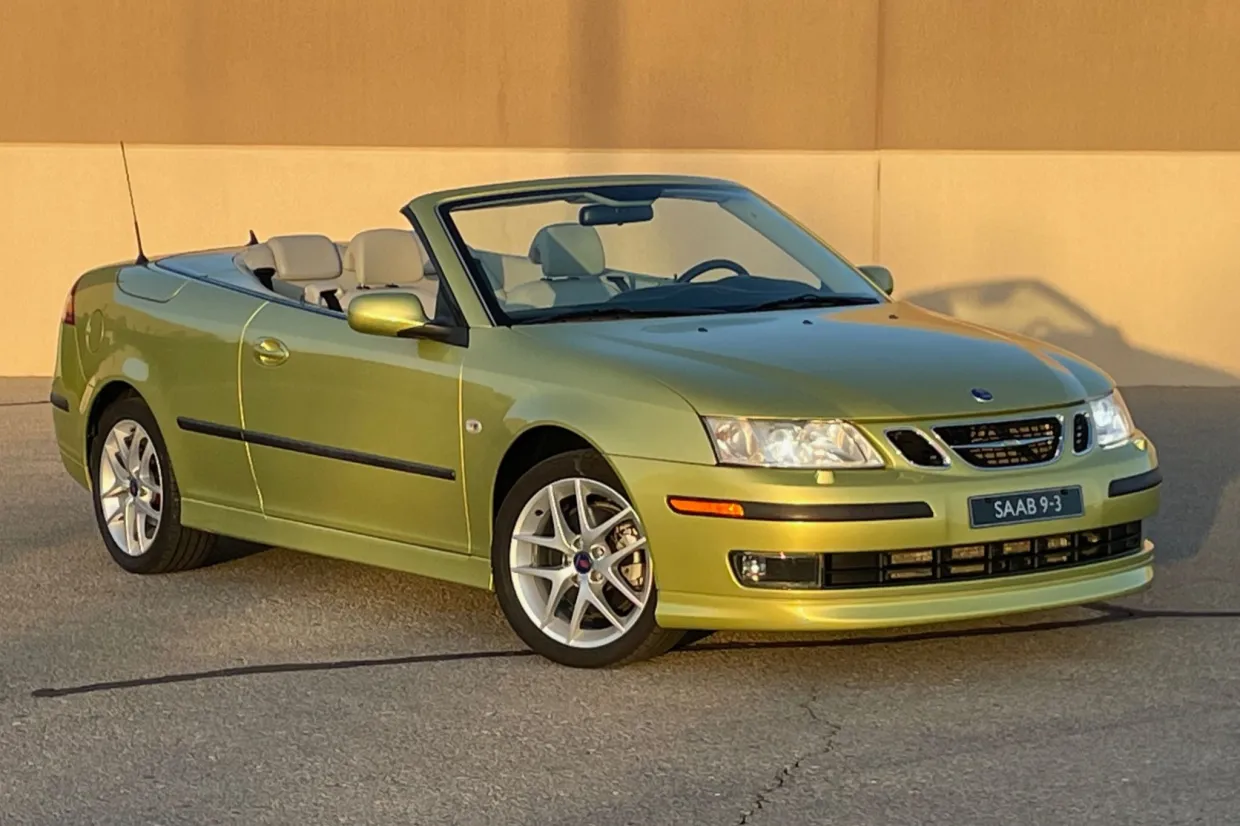
1. Saab 9-3 Convertible (2003-2011)
The Saab 9-3 Convertible stands as one of the most underrated drop-tops ever produced, combining Scandinavian engineering excellence with a convertible top system that sets the gold standard for reliability. Built during Saab’s partnership with General Motors, this convertible benefits from shared platform technology while maintaining Saab’s distinctive character and superior build quality.
The 9-3’s soft top mechanism, developed in collaboration with specialist convertible engineering firms, features a robust multi-layer construction with integrated drainage channels that effectively prevent water intrusion.
What makes the 9-3 particularly remarkable is its attention to detail in convertible-specific engineering. The top frame utilizes high-strength steel construction with precision-machined pivot points that resist wear over time.
The fabric itself employs a three-layer design: an outer weather-resistant layer, a middle insulation layer for noise reduction and temperature control, and an inner aesthetic layer. This construction approach ensures longevity while maintaining excellent weather sealing throughout the vehicle’s lifespan.
The convertible mechanism operates through a sophisticated hydraulic system with multiple redundancy features. Unlike many contemporaries that rely on single-point failure systems, the 9-3’s top can be manually operated if hydraulic failure occurs, preventing owners from being stranded with an inoperable roof.
The integration of sensors throughout the system monitors proper alignment and operation, alerting drivers to potential issues before they become major problems.
Performance-wise, the 9-3 Convertible offers multiple engine options, including turbocharged four-cylinders that deliver impressive power while maintaining reasonable fuel economy.
The chassis benefits from extensive reinforcement to compensate for the loss of roof structure, resulting in surprisingly good handling dynamics for a convertible.
The interior remains spacious and well-appointed, with heated seats and wind deflectors available to enhance open-air comfort. Most importantly, the 9-3’s reputation for top reliability means owners can enjoy worry-free convertible motoring for years, making it an exceptional value proposition in today’s used car market.
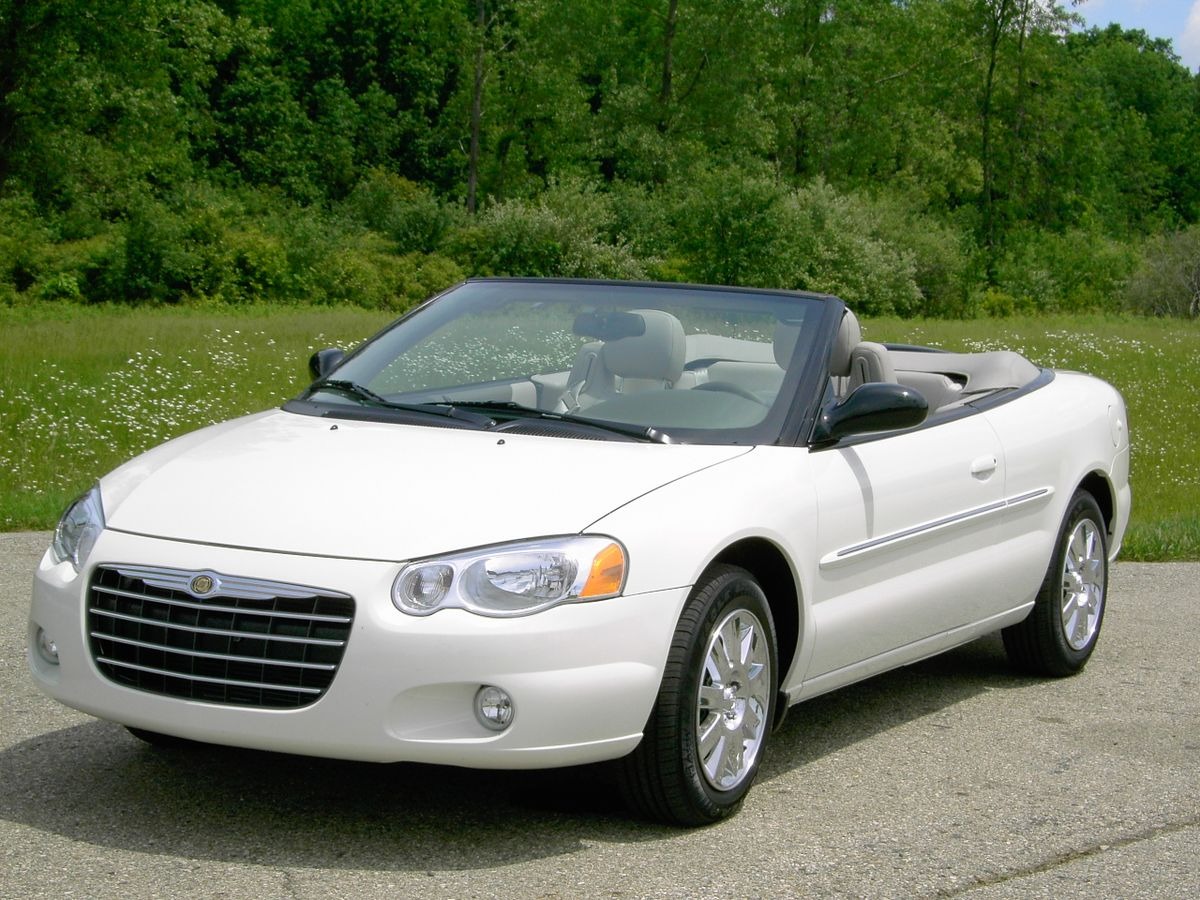
2. Chrysler Sebring Convertible (2001-2006)
Despite its reputation as an economy convertible, the first-generation Chrysler Sebring Convertible represents remarkable value in the used convertible market, particularly due to its exceptionally reliable soft top system.
Chrysler’s engineers prioritized durability and simplicity in the Sebring’s convertible mechanism, resulting in one of the most trouble-free roof systems ever installed in an affordable convertible.
The top utilizes a straightforward electro-hydraulic operation with robust German-supplied components that have proven their longevity across hundreds of thousands of vehicles.
The Sebring’s convertible top features a well-designed drainage system that effectively channels water away from critical areas, preventing the pooling and subsequent leakage that plagues many competitors.
The fabric top material, while not luxurious, offers excellent weather resistance and maintains its integrity for well over a decade with basic maintenance. The frame structure employs heavy-duty steel construction with corrosion-resistant coatings that prevent the rust issues common in coastal environments.
Mechanically, the Sebring convertible offers a choice of reliable powertrains, including Chrysler’s proven 2.7-liter V6 and the optional 3.0-liter V6. While not performance-oriented, these engines provide adequate power for comfortable cruising and have established records for longevity when properly maintained.
The automatic transmission, supplied by various manufacturers depending on the model year, generally provides smooth operation and reasonable durability.
The Sebring’s interior, while basic by luxury standards, offers surprising space and comfort for four adults. The rear seat is usable, unlike many compact convertibles, and the trunk maintains reasonable capacity even with the top down.
Standard features include air conditioning, power windows, and a decent sound system, while higher trim levels add leather seating and premium audio systems.
Most significantly, the Sebring’s reputation for reliable top operation means buyers can find well-maintained examples at extremely attractive prices, making it an ideal entry point into convertible ownership without the maintenance concerns associated with more prestigious brands.
3. Volvo C70 (2006-2013)
The second-generation Volvo C70 represents Swedish engineering at its finest, featuring one of the most sophisticated and reliable retractable hardtop systems ever developed.
Unlike traditional soft-top convertibles, the C70’s three-piece folding hardtop provides the security and weather protection of a coupe when closed, while transforming into a true convertible experience when opened.
The complexity of this system, developed in partnership with Pininfarina, required extraordinary attention to detail in engineering and manufacturing, resulting in a convertible top mechanism that operates flawlessly for hundreds of thousands of cycles.
The C70’s retractable hardtop system employs multiple electric motors, sensors, and mechanical linkages that work in perfect coordination to fold and store the three roof sections in the trunk area.
The process takes approximately 30 seconds and can be operated at speeds up to 30 mph, adding convenience to the ownership experience. Each panel is precisely manufactured to ensure perfect alignment when closed, maintaining Volvo’s renowned build quality standards.
The weatherstripping around each panel utilizes high-grade materials that maintain their sealing properties for years, preventing the water intrusion issues common with many hardtop convertibles.

Beyond the impressive roof system, the C70 offers Volvo’s characteristic safety features and build quality. The chassis receives extensive reinforcement to maintain structural rigidity without the fixed roof, including additional bracing in the A-pillars and door frames.
This attention to structural integrity translates into confident handling dynamics and a quiet, refined driving experience, whether the top is up or down. The interior features Volvo’s excellent seating with available leather and heating functions, creating a premium environment that rivals luxury competitors.
The C70’s powertrain options include Volvo’s reliable five-cylinder engines, ranging from naturally aspirated units to turbocharged variants that provide spirited performance. These engines, paired with either manual or automatic transmissions, offer a good balance of performance and fuel economy.
Most importantly, the C70’s reputation for reliable hardtop operation, combined with Volvo’s general reliability and safety reputation, makes it an outstanding choice for buyers seeking a premium convertible experience without the maintenance headaches associated with German luxury alternatives.
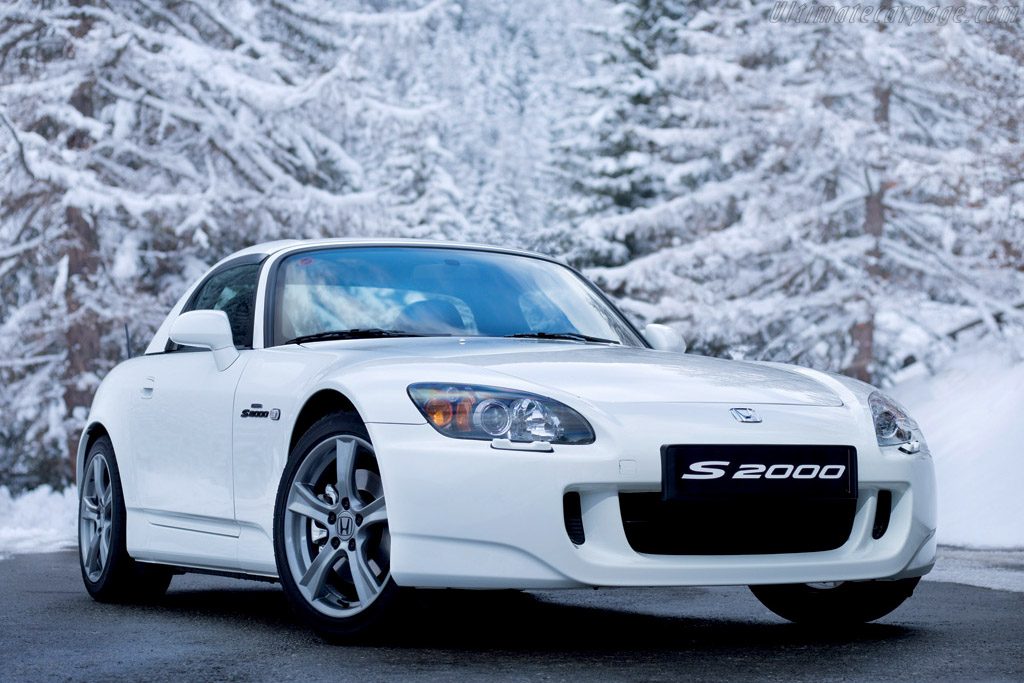
4. Honda S2000 (1999-2009)
The Honda S2000 stands as one of the greatest sports convertibles ever produced, combining Honda’s legendary reliability with a soft top system that exemplifies Japanese engineering excellence.
Throughout its decade-long production run, the S2000’s convertible top mechanism maintained an exceptional reputation for durability and weather-tight operation, even under extreme performance driving conditions.
The top system utilizes a relatively simple manual operation that eliminates the complexity and failure points associated with power-operated mechanisms, while the fabric and frame construction ensure decades of reliable service.
Honda’s approach to the S2000’s convertible top prioritized functionality and durability over convenience features. The manual operation requires minimal effort and can be completed in seconds, while the simplified mechanism means fewer components that can fail over time.
The fabric top material employs a high-quality multi-layer construction with excellent weather resistance, and the frame utilizes precision-engineered aluminum and steel components that resist corrosion and wear.
The drainage system, integrated into the door frames and body structure, effectively channels water away from the interior even in severe weather conditions.
Performance-wise, the S2000 represents Honda engineering at its peak, featuring the naturally aspirated VTEC four-cylinder engine that delivers extraordinary power density and reliability.
The chassis, designed specifically as a convertible rather than adapted from a coupe, provides exceptional rigidity and handling dynamics that rival purpose-built sports cars.
The six-speed manual transmission offers precise, mechanical engagement that enhances the driving experience, while the limited-slip differential ensures confident power delivery in all conditions.
The S2000’s interior, while minimalist, focuses on driver engagement with supportive seats, clear instrumentation, and intuitive controls. The digital gauge cluster provides comprehensive information, while the available hardtop option allows year-round driving in all climates.
Most significantly, the S2000’s reputation for bulletproof reliability extends to every component, including the convertible top system. This reliability, combined with the car’s increasing collector value, makes well-maintained examples excellent long-term investments that can be enjoyed without concern for expensive repairs or top-related issues.
Also Read: 5 Rare Diesel Cars That Keep Running vs 5 Common Diesels With Early Turbo Failures
5. Mazda MX-5 Miata (1989-Present)
The Mazda MX-5 Miata has earned its reputation as the world’s most reliable and enjoyable affordable convertible, with a soft top system that has proven its durability across millions of vehicles and billions of miles.
Throughout its four-generation evolution, Mazda has consistently prioritized simplicity and reliability in the Miata’s convertible top design, resulting in a mechanism that operates flawlessly for decades with minimal maintenance. The current generation continues this tradition while incorporating modern convenience features and improved weather sealing.
Mazda’s engineering philosophy for the Miata’s convertible top emphasizes mechanical simplicity and user-friendly operation. The manual top system can be operated from the driver’s seat in seconds, with no electrical components to fail or complex mechanisms to maintain.
The fabric top material utilizes high-quality synthetic materials with excellent weather resistance and UV protection, while the frame construction employs lightweight yet durable steel components with precision-engineered pivot points. The integrated glass rear window with defroster functionality ensures year-round usability and excellent visibility.
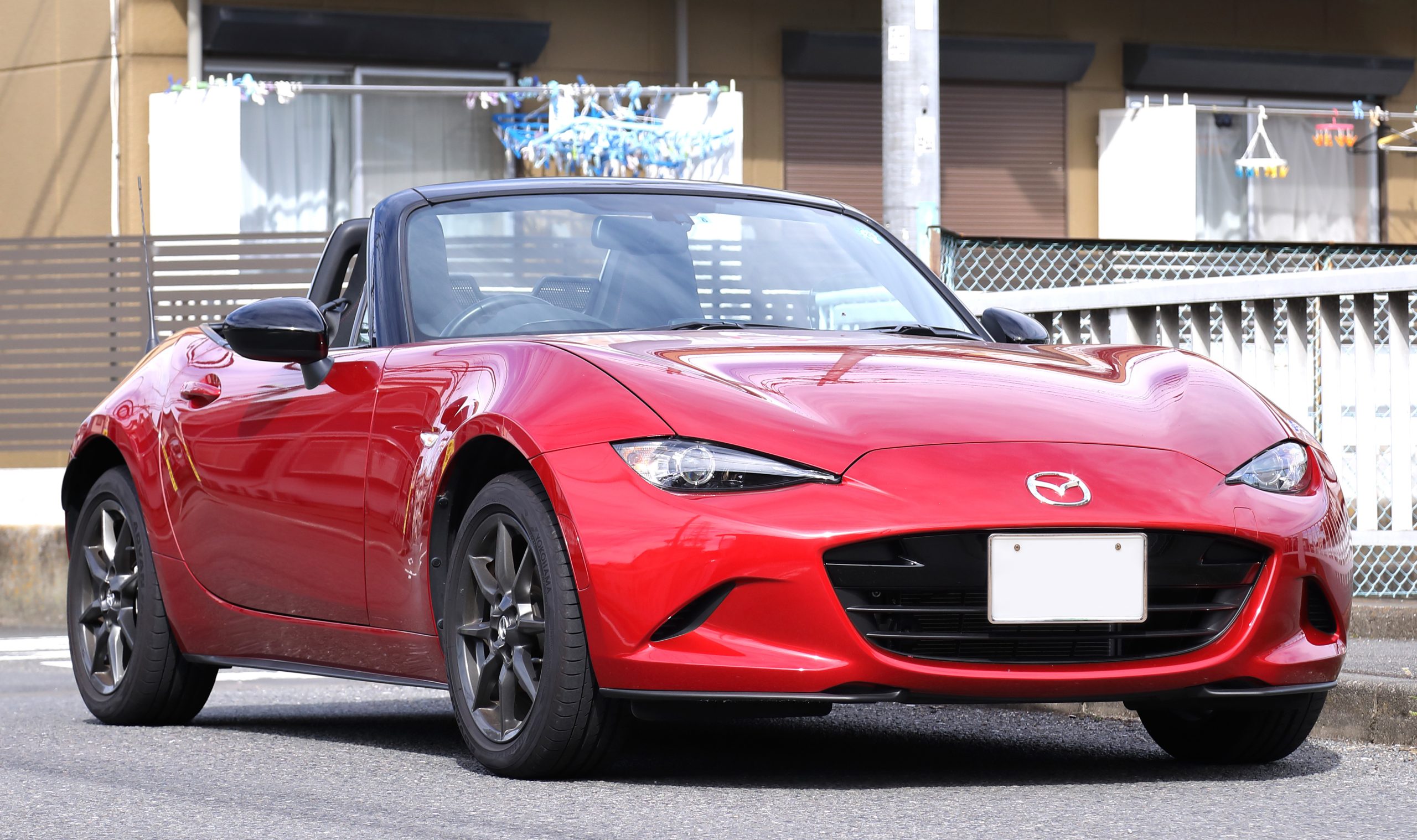
The Miata’s chassis design, optimized from inception as a convertible, provides exceptional structural rigidity without requiring heavy reinforcement.
This approach results in a lightweight vehicle with outstanding handling dynamics and fuel economy, while the 50/50 weight distribution creates neutral handling characteristics that make the car enjoyable for drivers of all skill levels.
The successive generations have refined this formula while maintaining the core attributes that made the original so successful. Engine options throughout the Miata’s production run have consistently prioritized reliability and responsiveness over outright power, with naturally aspirated four-cylinder engines that deliver smooth power delivery and excellent fuel economy.
The available manual transmissions offer precise engagement and long-term durability, while automatic options provide convenience without significantly compromising the driving experience.
Most importantly, the Miata’s reputation for trouble-free ownership extends to every component, including the convertible top system. This reliability, combined with affordable purchase prices, reasonable maintenance costs, and strong resale values, makes the Miata the ideal choice for buyers seeking a reliable, enjoyable convertible experience without the premium pricing or maintenance concerns associated with luxury alternatives.
5 Popular Convertibles With Leaky Tops
These heavily marketed vehicles plague owners with chronic water leaks, expensive top replacements, and interior damage that contradicts their glamorous image through constant repair costs and weather-related problems that destroy both comfort and resale value.
Their problematic convertible mechanisms incorporate inadequate sealing systems, fragile hydraulic components, and poor-quality materials that allow water intrusion despite premium pricing that suggests superior engineering and weatherproofing over basic alternatives.
The combination of complex top systems, expensive replacement parts, and recurring seal failures creates ownership disasters as buyers discover that convertible styling and brand recognition cannot prevent water damage that ruins interiors and electronics.
From celebrated manufacturers with known sealing problems to flagship models with inadequate weatherproofing, these vehicles prove that convertible popularity and attractive design mean nothing when basic weather protection fails, transforming dream cars into expensive maintenance nightmares requiring constant seal replacement and interior restoration work.
1. BMW 3 Series Convertible (E93, 2007-2013)
The BMW E93 3 Series Convertible represents a fascinating case study in automotive engineering ambition meeting real-world durability challenges.
While BMW’s retractable hardtop system appeared revolutionary when introduced, featuring a two-piece folding mechanism that promised the best of both worlds, the complexity of this system has proven to be its ultimate downfall.
The E93’s convertible top mechanism involves over 200 individual components, multiple electric motors, dozens of sensors, and intricate mechanical linkages that must work in perfect harmony to operate correctly.
Unfortunately, this complexity has resulted in one of the most problematic convertible top systems ever installed in a production vehicle. The most common issues with the E93’s convertible top stem from hydraulic system failures, sensor malfunctions, and mechanical wear in the numerous pivot points and linkages.
The hydraulic pumps, located in the trunk area, are particularly susceptible to failure due to their constant operation and exposure to temperature extremes.
When these pumps fail, the entire convertible system becomes inoperative, often leaving owners with a partially opened or closed roof that requires expensive professional intervention to resolve.
The numerous sensors throughout the system, designed to ensure proper operation and prevent damage, frequently malfunction due to corrosion or wear, triggering error codes that disable the entire roof mechanism.
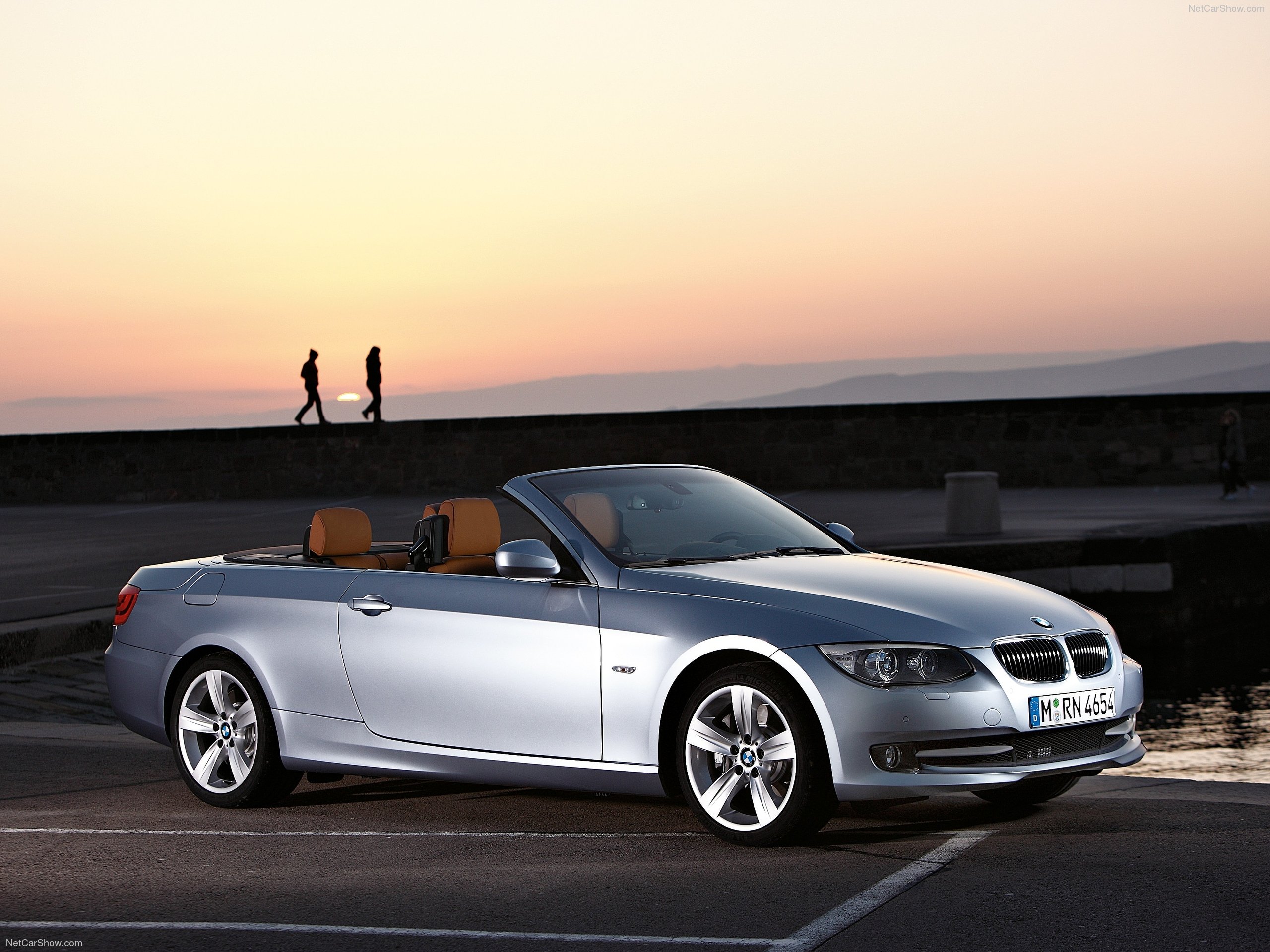
Weatherproofing represents another significant challenge for the E93, as the complex sealing system around the two-piece hardtop requires precise alignment to prevent water intrusion.
Over time, the multiple weatherstripping components deteriorate, while the mechanical adjustments that ensure proper panel alignment gradually drift out of specification.
This results in water leaks that can damage expensive interior components and electronic systems, creating cascading repair costs that often exceed the vehicle’s value.
The financial impact of these issues cannot be understated, as repair costs for the E93’s convertible top system frequently range from $3,000 to $8,000, depending on the specific components that require replacement.
Independent repair facilities often lack the specialized tools and knowledge required to properly service these systems, forcing owners to seek expensive dealership repairs.
Many E93 owners eventually abandon convertible functionality entirely, treating their vehicles as permanent coupes rather than facing the ongoing expense and inconvenience of maintaining the problematic roof system.
This reality significantly impacts resale values and long-term ownership satisfaction, making the E93 a cautionary tale about the risks of over-engineering convertible top systems.
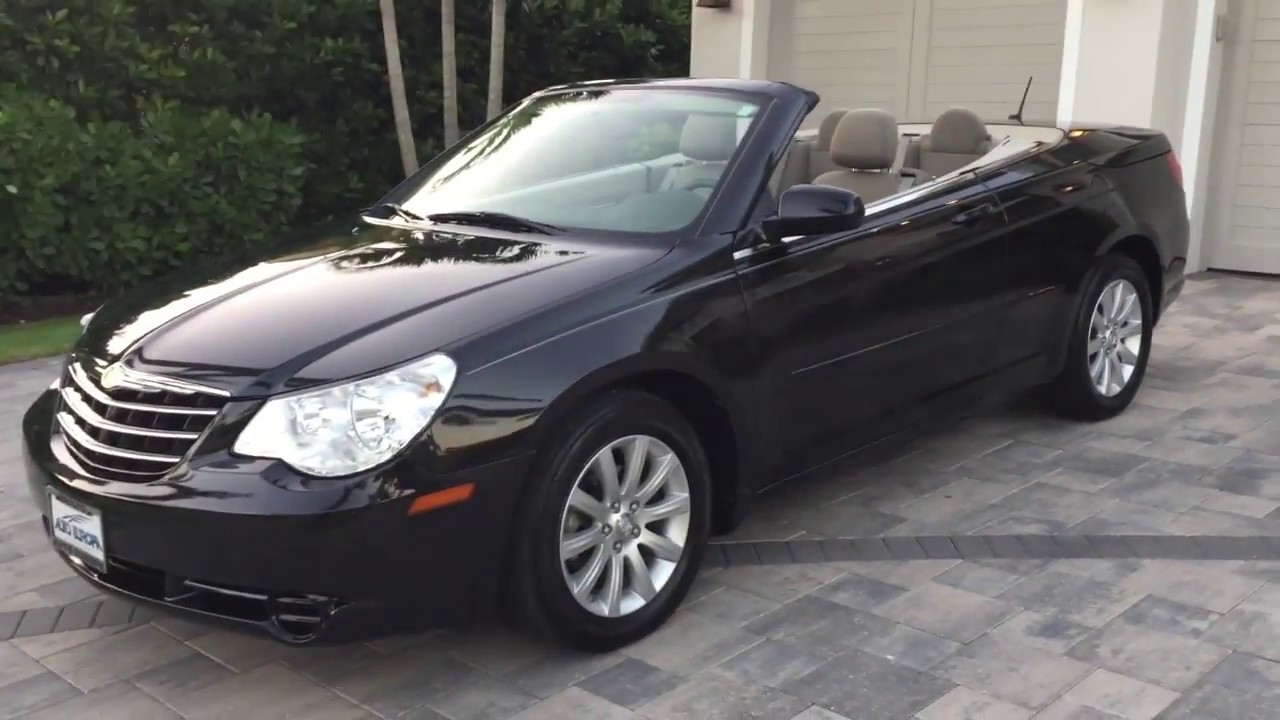
2. Chrysler Sebring Convertible (2007-2010)
The second-generation Chrysler Sebring Convertible represents a dramatic departure from its reliable predecessor, featuring a problematic soft top system that has frustrated owners for over a decade.
Chrysler’s cost-cutting measures during the vehicle’s development resulted in the selection of inferior components and materials for the convertible top mechanism, creating a system prone to premature failure and chronic water intrusion issues.
The hydraulic actuators, manufactured by the lowest bidder, consistently fail within 60,000 to 80,000 miles, while the fabric top material deteriorates rapidly under UV exposure and normal weather conditions.
The Sebring’s convertible top mechanism employs a complex multi-motor system that operates the main roof structure, tonneau cover, and various locking mechanisms independently.
This design approach, intended to provide smooth operation and proper sequencing, instead creates multiple failure points that can disable the entire system.
The electric motors, located in exposed positions within the trunk area, are particularly susceptible to moisture damage and premature bearing failure. When these motors fail, the convertible top can become stuck in any position, often requiring expensive emergency repairs to prevent weather damage to the interior.
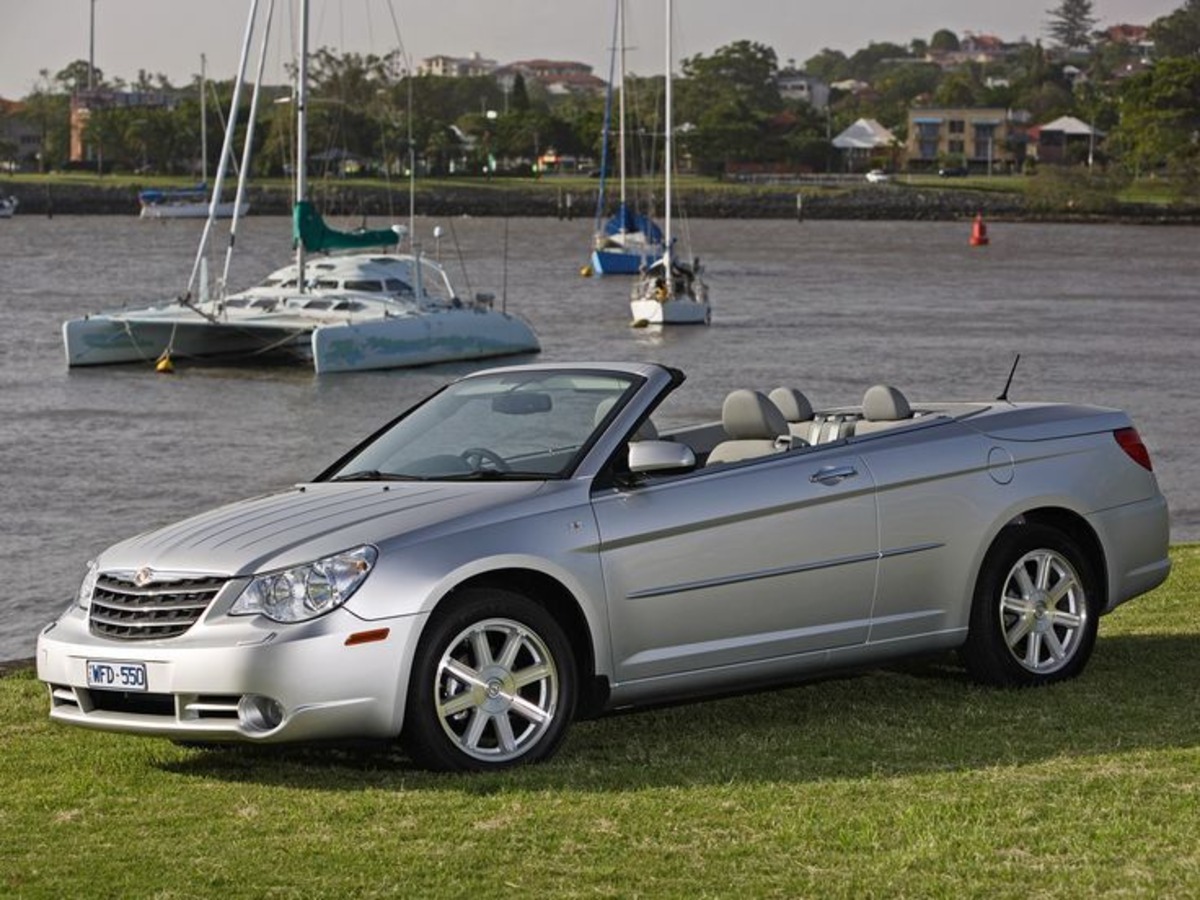
Water intrusion represents the most persistent problem with the second-generation Sebring’s convertible top, as the drainage system design proves inadequate for real-world conditions.
The drain tubes, routed through the body structure, frequently become clogged with debris, causing water to pool in critical areas and eventually overflow into the passenger compartment.
The weatherstripping around the top perimeter, manufactured from low-grade materials, deteriorates quickly and fails to maintain proper sealing even when relatively new. This chronic water intrusion damages interior components, creates unpleasant odors, and can lead to electrical system failures that multiply repair costs.
The fabric top material itself represents another significant weakness, as Chrysler selected a single-layer construction with minimal weather resistance to reduce manufacturing costs.
This material typically begins showing signs of deterioration within three to four years, with visible fading, shrinkage, and eventual tearing that compromises both weather protection and appearance.
Replacement tops, while available from aftermarket suppliers, often fit poorly and fail to resolve the underlying drainage and sealing issues that plague the system.
The combination of mechanical unreliability, chronic water leaks, and rapid material deterioration makes the second-generation Sebring one of the least desirable convertibles in the used car market, with many examples abandoned by owners who cannot justify the ongoing repair costs required to maintain basic functionality.
3. Mercedes-Benz SLK-Class (R170, 1996-2004)
The original Mercedes-Benz SLK-Class introduced the modern retractable hardtop concept to the automotive world, but this pioneering system has proven to be a maintenance nightmare for owners throughout its lifespan.
Mercedes-Benz’s ambitious engineering created a complex mechanism featuring a single-piece retractable hardtop that folded into the trunk area, complete with integrated rear window and sophisticated sealing systems.
While innovative for its time, the SLK’s convertible top system suffers from numerous design flaws and component quality issues that have resulted in extremely poor long-term reliability.
The SLK’s retractable hardtop mechanism relies on a complex hydraulic system with multiple actuators, sensors, and mechanical linkages that must operate in perfect synchronization.
The hydraulic pump, located beneath the trunk floor, operates under extreme pressures and is prone to seal failures that result in fluid leaks and system malfunctions.
When the hydraulic system fails, the heavy hardtop can become stuck in any position, creating dangerous driving conditions and expensive repair requirements.
The numerous micro-switches and sensors throughout the system frequently malfunction due to corrosion and wear, triggering error codes that disable the convertible function entirely.
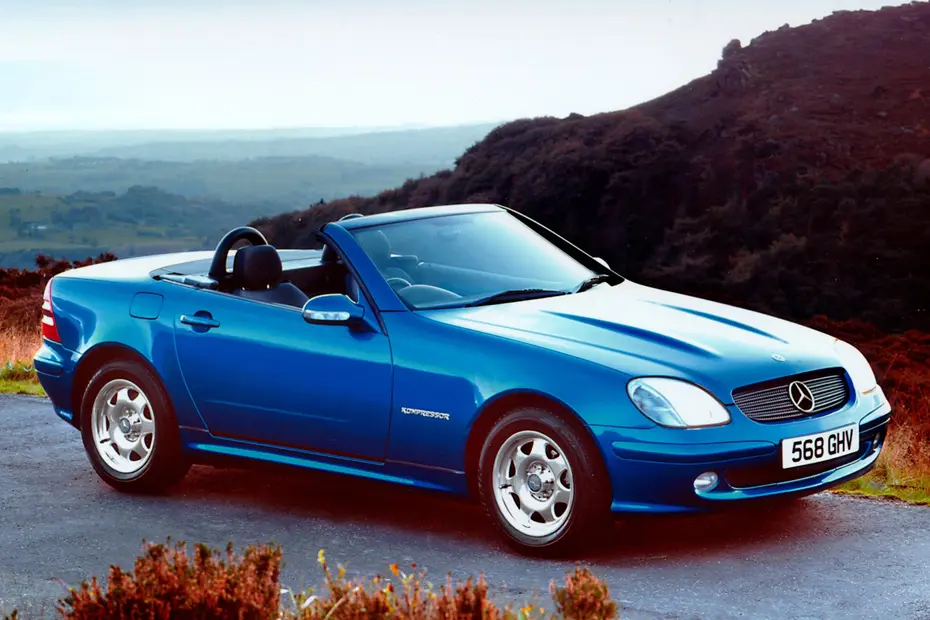
Weatherproofing issues plague the SLK throughout its production run, as the single-piece hardtop design creates sealing challenges that Mercedes-Benz never fully resolved.
The weatherstripping around the hardtop perimeter requires precise adjustment to prevent water intrusion, but this adjustment gradually deteriorates over time due to temperature cycling and mechanical wear.
The result is chronic water leaks that can damage expensive interior components and electronic systems, while the complex drainage system frequently becomes clogged with debris, exacerbating the problem.
The SLK’s convertible top mechanism also suffers from premature wear in critical mechanical components, particularly the aluminum frame structures and pivot points that support the heavy hardtop during operation.
These components, while lightweight, lack the durability required for repeated cycling under various weather conditions. Replacement parts for the SLK’s convertible system remain extremely expensive, even decades after production ended, while the specialized knowledge required for proper repair limits service options to expensive dealership facilities.
Many SLK owners eventually abandon convertible functionality entirely, accepting the permanent loss of this key feature rather than facing repair costs that often exceed the vehicle’s market value.
This reality has significantly impacted the SLK’s desirability in the used car market, where buyers specifically avoid examples with non-functional convertible tops due to the prohibitive repair costs involved.
4. Volkswagen Eos (2006-2015)
The Volkswagen Eos represented VW’s ambitious attempt to create an affordable retractable hardtop convertible, but the complexity of its five-piece folding roof system has resulted in one of the most problematic convertible mechanisms ever produced.
The Eos features an intricate system where the hardtop separates into five individual panels that fold and stack in a complex sequence, requiring precise timing and coordination between multiple electric motors, hydraulic actuators, and mechanical linkages.
This engineering tour de force, while impressive in operation, creates numerous failure points that have plagued owners throughout the vehicle’s production run and continue to generate expensive repair bills years later.
The Eos’s convertible top system operates through a sophisticated control module that monitors dozens of sensors and coordinates the movement of five separate roof panels through a carefully choreographed sequence.
When any component in this system malfunctions, whether it’s a failed motor, faulty sensor, or mechanical obstruction the entire roof mechanism stops operating to prevent damage.
Unfortunately, this safety feature often leaves owners with partially opened roofs that cannot be closed, creating immediate problems during unexpected weather.
The diagnostic procedures required to identify specific failures within this complex system often consume hours of expensive technician time, even before actual repairs begin.
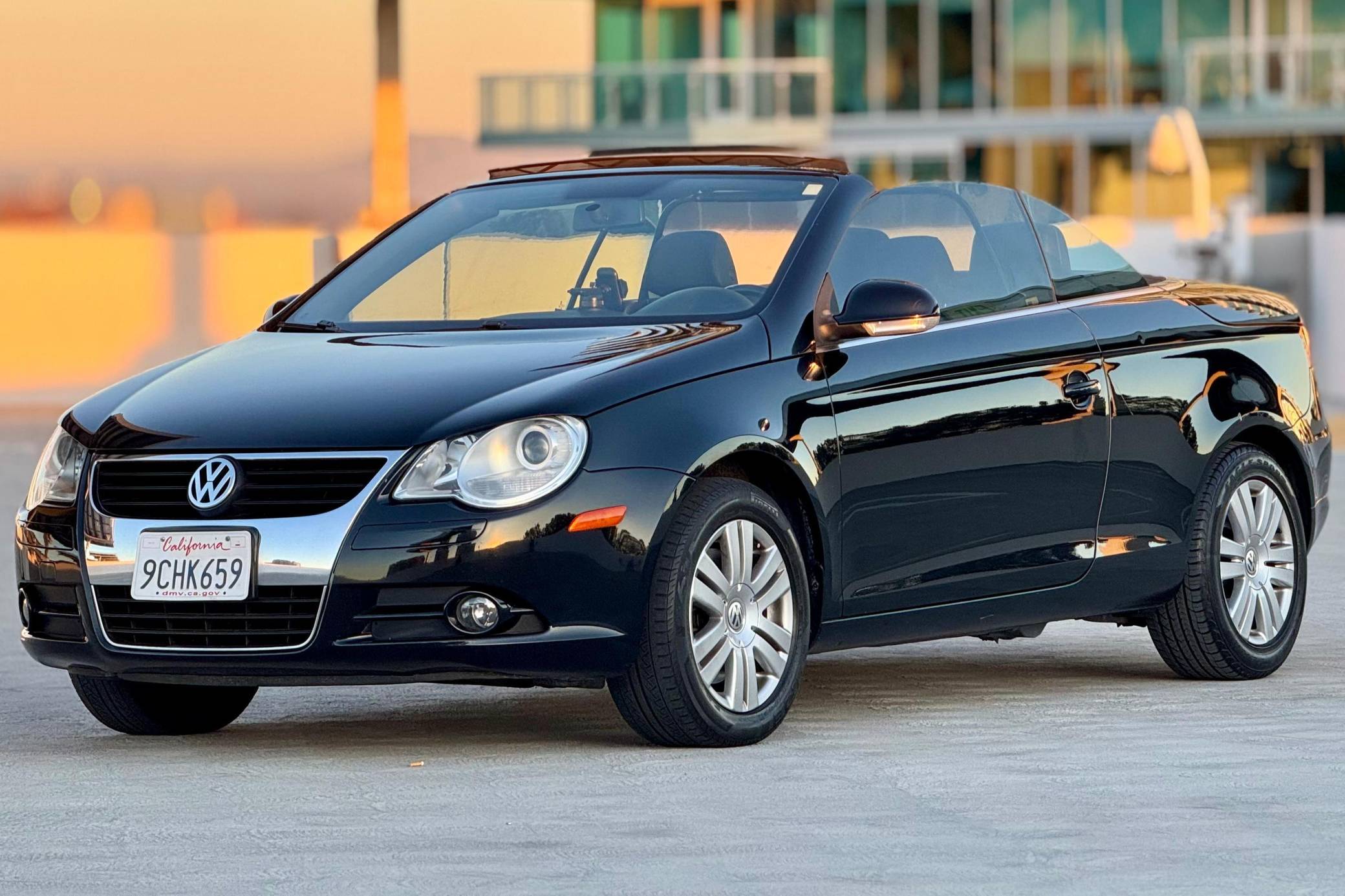
Mechanical wear represents another significant challenge for the Eos, as the numerous pivot points, guide rails, and locking mechanisms throughout the five-panel system experience constant stress during normal operation.
The aluminum and plastic components used in these mechanisms, while lightweight, prove inadequate for the repeated loading cycles encountered in real-world use.
Guide rails become worn and misaligned, causing panels to bind during operation, while plastic locking mechanisms crack and fail, preventing proper roof closure.
The weatherstripping system, which must seal five separate panels in various configurations, deteriorates rapidly and requires frequent adjustment to maintain water-tight integrity.
Water intrusion issues plague the Eos throughout its production run, as the complex multi-panel design creates numerous potential leak paths that are difficult to identify and repair.
The drainage system, designed to handle water that inevitably penetrates the multiple sealing surfaces, frequently becomes overwhelmed or clogged, resulting in water accumulation in critical areas.
This water can damage expensive electronic components within the roof mechanism itself, creating cascading failures that multiply repair costs. Many Eos owners report spending thousands of dollars annually on convertible top repairs, with some examples requiring complete roof mechanism replacement at costs exceeding $15,000.
These reliability issues have devastated the Eos’s resale value, with many used examples selling at steep discounts specifically due to buyer concerns about convertible top functionality and ongoing maintenance costs.
5. Jaguar XK Convertible (X150, 2006-2014)
The Jaguar XK Convertible represents British luxury engineering combined with convertible top technology that consistently disappoints owners with chronic reliability issues and expensive maintenance requirements.
Jaguar’s approach to the XK’s soft top system prioritized smooth operation and refined appearance over long-term durability, resulting in a mechanism that operates beautifully when new but deteriorates rapidly under normal use conditions.
The sophisticated multi-motor system, complete with integrated tonneau cover and complex sealing mechanisms, creates a convertible experience befitting a luxury grand tourer when functioning properly, but the frequency of failures and associated repair costs have made the XK one of the most problematic convertibles in the luxury segment.
The XK’s convertible top mechanism employs multiple electric motors and hydraulic actuators working in coordination to operate the main roof structure, integrated tonneau cover, and various latching mechanisms.
This system, while providing smooth and quiet operation when properly functioning, suffers from numerous component quality issues that result in premature failures.
The electric motors, manufactured to meet cost targets rather than durability requirements, consistently fail within 80,000 to 100,000 miles, while the hydraulic components develop seal leaks that can disable the entire system.
The complex control electronics, integrated throughout the roof mechanism, are particularly susceptible to moisture damage and corrosion, creating expensive diagnostic and repair challenges.
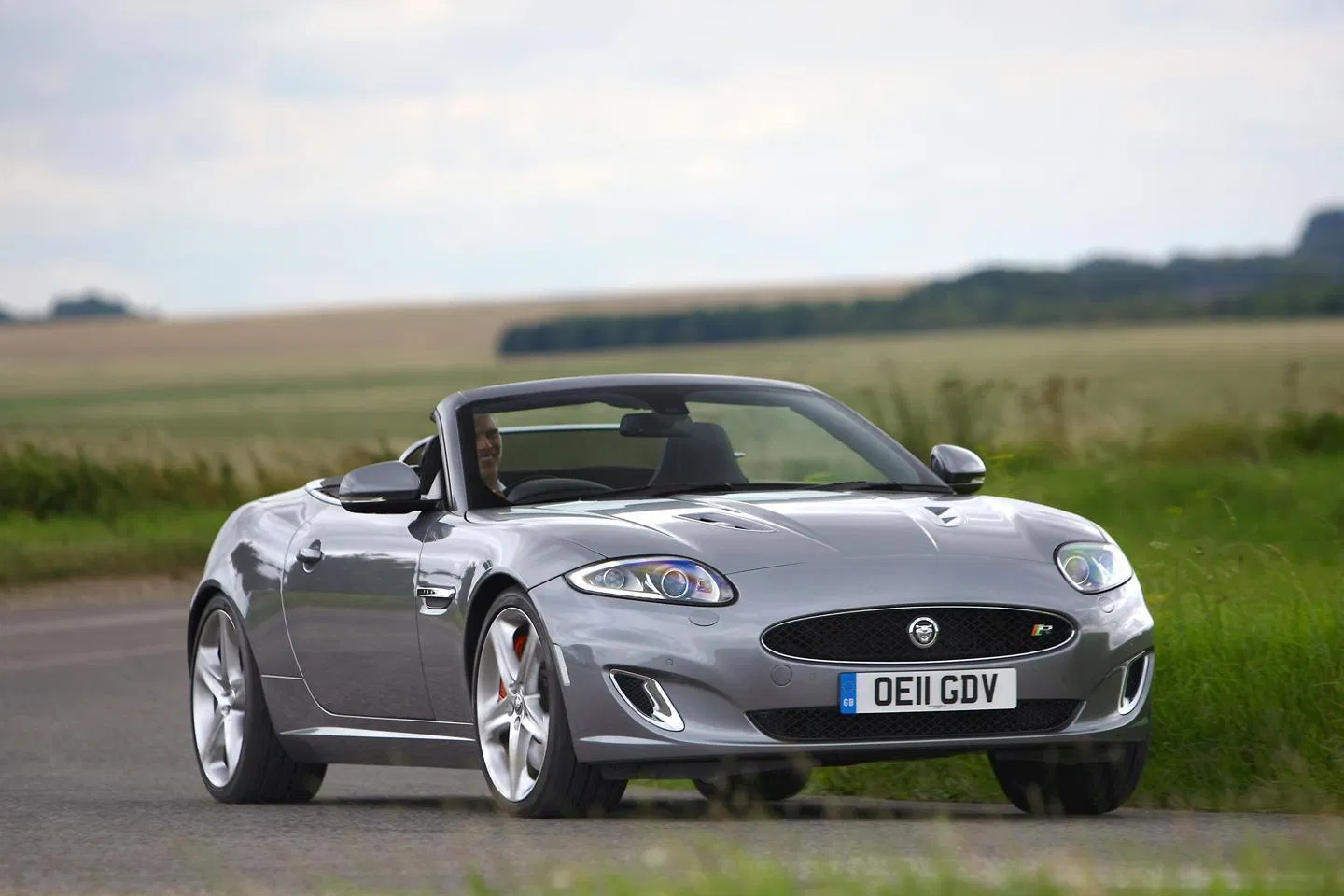
Water intrusion represents a persistent problem with the XK’s convertible top, as the complex sealing system around the fabric roof proves inadequate for long-term weather protection.
The numerous drainage channels, designed to handle water that penetrates the primary sealing surfaces, frequently become clogged with debris, causing water to overflow into the passenger compartment.
The fabric top material itself, while luxurious in appearance, lacks the durability required for extended outdoor exposure and typically shows significant deterioration within five to seven years.
The integrated rear window, featuring electric heating elements, is particularly prone to failure due to stress cracking and seal deterioration around the mounting points.
The tonneau cover system, designed to provide a finished appearance when the top is lowered, represents another significant failure point in the XK’s convertible mechanism.
The cover operates through its own motor and linkage system that must coordinate precisely with the main roof operation, creating additional complexity and potential failure modes.
When the tonneau cover system malfunctions, it can prevent proper roof operation entirely, often leaving owners with inoperable convertible functionality until expensive repairs are completed.
The specialized nature of these systems limits repair options to Jaguar dealerships or highly specialized independent facilities, while replacement parts remain extremely expensive throughout the vehicle’s lifespan.
Many XK owners report total convertible top system replacement costs exceeding $12,000 to $15,000, with some examples requiring multiple major repairs during their ownership period.
These reliability issues have significantly impacted the XK’s reputation and resale value, with many potential buyers specifically avoiding convertible examples due to concerns about ongoing maintenance costs and system reliability.
Also Read: 5 Hatchbacks That Defy Wear vs 5 Microcars With Unreliable Components
