
When shopping for a family vehicle, the difference between a comfortable, well-appointed interior and one that feels cheap can make or break your daily driving experience.
Nissan’s diverse lineup offers both ends of this spectrum, with some models delivering premium comfort and thoughtful family-friendly features, while others cut corners in ways that become apparent after just a few months of ownership.
The automotive world has evolved significantly, and families today expect more from their vehicles than basic transportation. They want spacious interiors with quality materials, intuitive technology, comfortable seating for long trips, and storage solutions that actually work for real-world family needs.
Some Nissan models excel in these areas, incorporating soft-touch materials, well-designed climate control systems, and ergonomic seating that remains comfortable even on extended journeys.
However, not all Nissans are created equal. Some models in the lineup suffer from cost-cutting measures that become painfully obvious during daily use.
Hard plastic surfaces that crack over time, seats that lack proper support, infotainment systems that frustrate rather than enhance the driving experience, and build quality issues that manifest as rattles, squeaks, and premature wear all contribute to a cheap-feeling interior that can make family road trips miserable.
Understanding which Nissan models prioritize family comfort versus those that compromise on interior quality can save you from years of regret and help you make an informed decision that your family will appreciate every day.
5 Nissans That Stay Comfortable for Families
These thoughtfully designed vehicles prioritize family comfort through premium interior materials, spacious seating arrangements, and refined ride quality that maintains luxury-level comfort during extended road trips and daily family hauling duties over years of intensive use.
Their well-engineered cabins incorporate supportive seats with quality upholstery, effective climate control systems, and thoughtful storage solutions that accommodate family needs while providing quiet, smooth operation that reduces fatigue during long drives.
The combination of generous interior space, quality materials, and family-focused amenities creates ownership experiences that genuinely enhance daily life for parents and children alike.
From flagship SUVs with premium appointments to well-equipped sedans with spacious rear seats, these vehicles demonstrate Nissan’s capability to deliver genuine family luxury through intelligent design that prioritizes passenger comfort, convenience, and long-term durability over flashy features or aggressive styling elements.
1. 2025 Nissan Armada
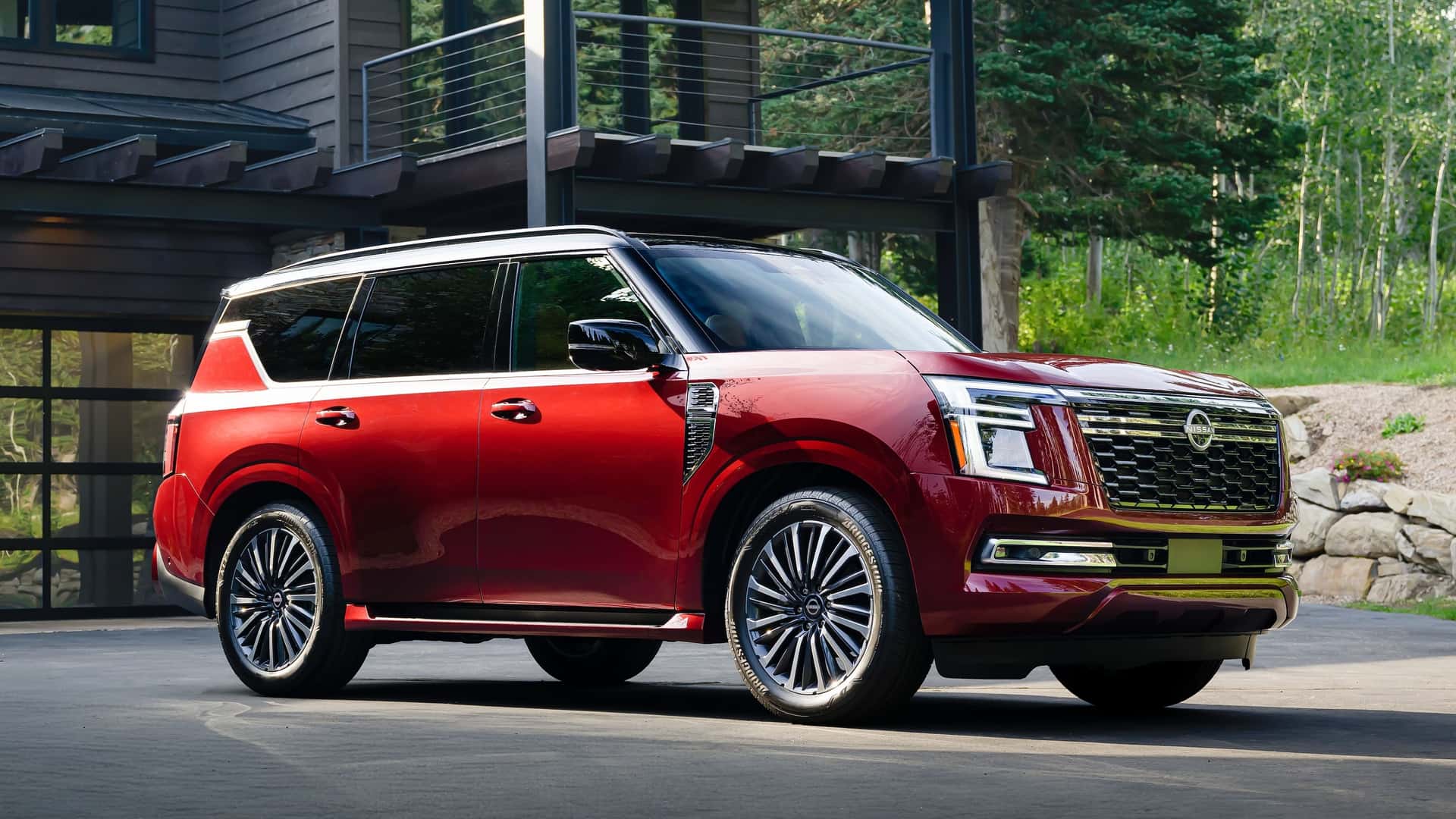
The 2025 Nissan Armada stands as the pinnacle of Nissan’s family comfort engineering, offering a truly premium interior experience that rivals luxury competitors.
With its 425HP, twin-turbo V6 engine and electronic locking rear differential, Armada PRO-4X puts power and capability at your command, but it’s the interior where this full-size SUV truly shines for families.
The Armada’s eight-passenger seating configuration features captain’s chairs in the second row that provide individual comfort zones for family members.
These seats offer heating, cooling, and power adjustment capabilities that ensure everyone finds their perfect position. The leather-appointed seating surfaces use high-quality materials that resist wear and maintain their appearance even after years of family use.
The third row, often an afterthought in many SUVs, provides genuine adult-sized space with easy access through the second-row seat mechanisms.
Climate control in the Armada goes beyond basic functionality with tri-zone automatic climate control that allows different temperature settings for front, second, and third-row passengers.
This attention to individual comfort needs makes long family trips significantly more pleasant, eliminating the common complaints about being too hot or cold that plague families in vehicles with less sophisticated climate systems.
The infotainment system features a large, responsive touchscreen with intuitive menu structures that don’t require a technology degree to operate.
Multiple USB ports and wireless charging capabilities ensure everyone’s devices stay powered, while the premium audio system delivers crystal-clear sound quality that makes family road trip playlists actually enjoyable.
Storage solutions throughout the cabin include thoughtfully designed cubbies, cup holders that actually hold different cup sizes securely, and a massive cargo area that can accommodate everything from sports equipment to vacation luggage without requiring Tetris-level packing skills.
Build quality in the Armada reflects Nissan’s commitment to premium materials and construction. Soft-touch surfaces dominate the cabin, with minimal use of hard plastics except in areas where durability takes priority over luxury feel.
The dashboard and door panels feature attractive stitching and trim pieces that add visual interest while maintaining functionality. Sound deadening materials throughout the cabin create a quiet, refined environment that allows for easy conversation even at highway speeds.
2. 2025 Nissan Ariya
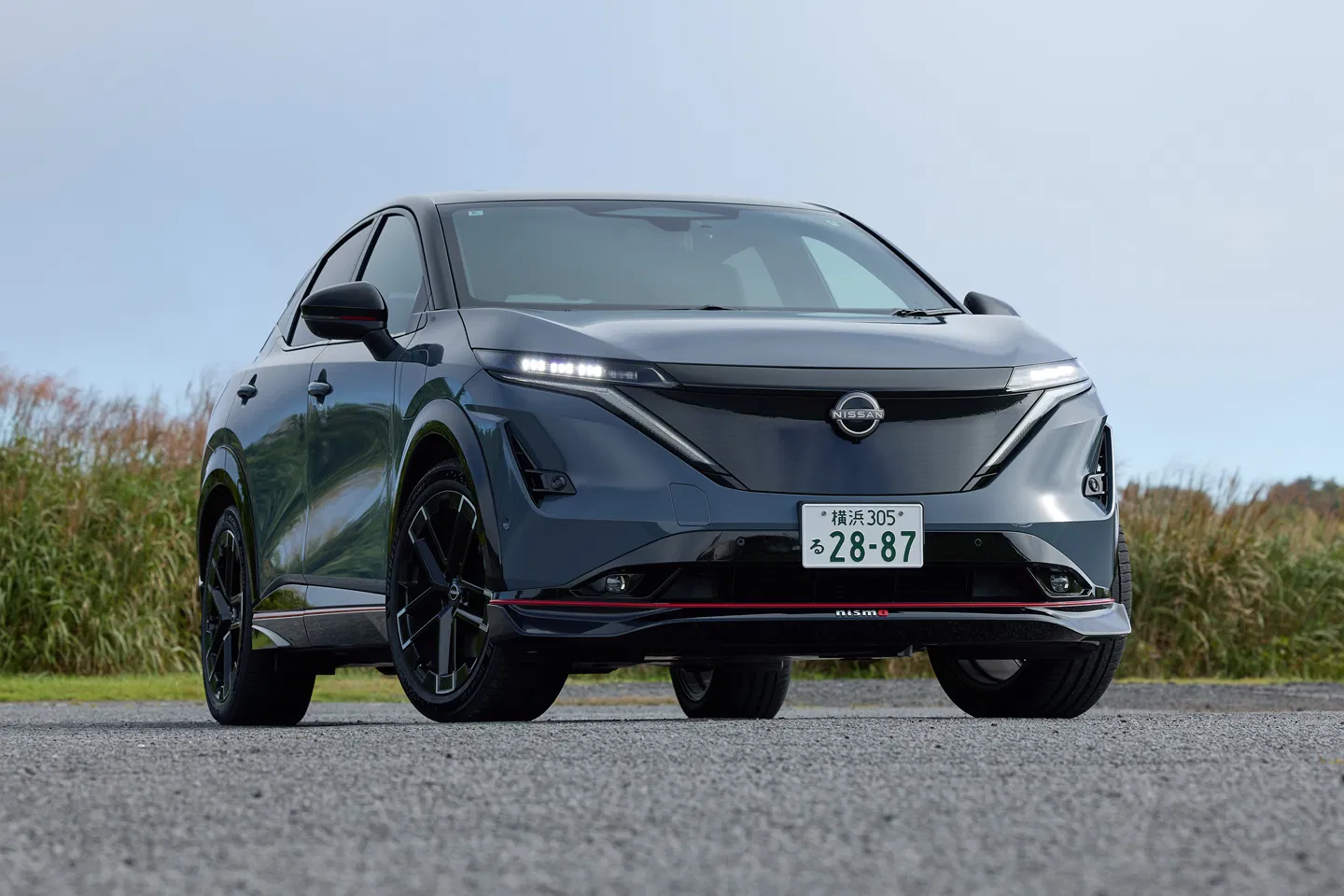
The 2025 Nissan Ariya is one of the most family-friendly electric crossovers on the market. With a sleek design and spacious interior, it’s a modern, practical option for parents ready to leave gas stations behind.
The Ariya represents Nissan’s vision of what an electric family vehicle should be, with an interior that prioritizes both comfort and cutting-edge technology.
The cabin design embraces minimalism without sacrificing functionality, featuring clean lines and premium materials throughout. The dashboard incorporates a floating display design that integrates seamlessly with the aesthetic while providing easy access to vehicle controls and entertainment options.
The Ariya’s clean, minimalist cabin feels more like a premium lounge than a traditional automotive interior, creating an environment where families actually want to spend time.
Seating comfort in the Ariya exceeds expectations with supportive front seats that offer multiple adjustment options and premium upholstery that maintains its appearance over time.
The rear seats provide generous legroom and headroom for growing children, with LATCH systems that make car seat installation straightforward rather than frustrating.
The flat floor design, made possible by the electric architecture, creates additional foot space and storage opportunities that traditional internal combustion vehicles simply cannot match.
The electric powertrain contributes significantly to the comfort experience by eliminating engine noise, vibration, and the need for transmission shifts that can interrupt conversations or wake sleeping passengers.
The instant torque delivery provides smooth, quiet acceleration that feels more refined than traditional engines, while the regenerative braking system can be adjusted to provide one-pedal driving that reduces driver fatigue during stop-and-go traffic.
Technology integration in the Ariya focuses on genuine utility rather than flashy gimmicks. The infotainment system responds quickly to inputs, connects reliably to smartphones, and provides clear navigation guidance with real-time charging station information for longer family trips.
The premium audio system delivers excellent sound quality, while multiple charging ports ensure everyone’s devices stay powered throughout the journey.
3. 2025 Nissan Pathfinder
In Nissan’s 2024 lineup, the Nissan Pathfinder leads in terms of front headroom (1,074 mm) and front legroom (1,125 mm), making it the top choice for taller drivers and front passengers.
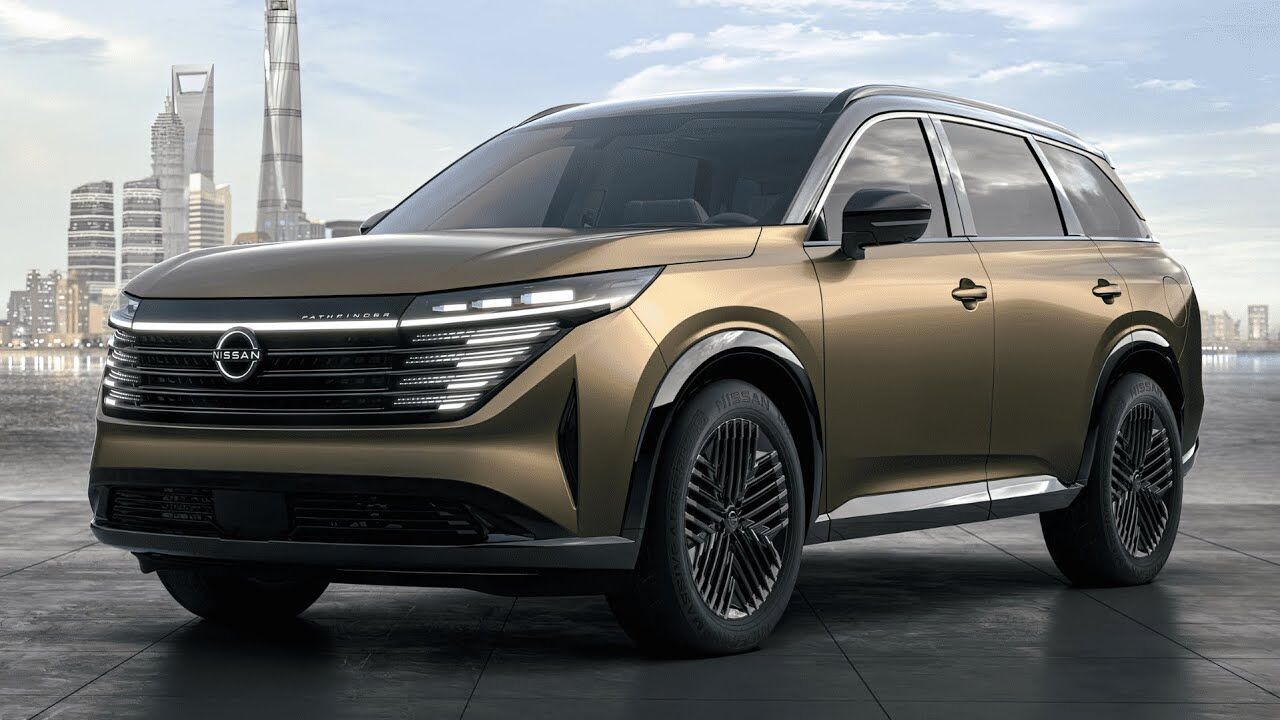
The Pathfinder has evolved into a genuinely comfortable three-row SUV that addresses the real needs of families without compromising on quality or features.
The interior space optimization in the Pathfinder demonstrates thoughtful engineering that considers how families actually use their vehicles. The second-row seating offers both bench and captain’s chair configurations, allowing families to choose the setup that best fits their needs.
The captain’s chairs provide individual comfort zones with armrests and cup holders, while the bench configuration maximizes seating capacity for larger families or carpools. Access to the third row doesn’t require gymnastics, with easy-entry mechanisms that children can operate independently.
Material quality throughout the Pathfinder cabin reflects a significant improvement over previous generations. Soft-touch materials cover high-contact areas, while attractive trim pieces add visual interest without appearing cheap or temporary.
The dashboard design incorporates both physical controls and touchscreen functionality, providing multiple options for accessing frequently used features without forcing drivers to go through complex menu systems while driving.
The climate control system in the Pathfinder addresses one of the most common family vehicle complaints with effective heating and cooling for all three rows.
Rear passengers have their own climate controls, preventing the typical battles over temperature settings that can make family trips miserable. The air circulation system maintains comfortable conditions even with a full load of family members and their various comfort preferences.
Storage solutions throughout the Pathfinder demonstrate understanding of family needs, with multiple cup holders that actually secure different beverage sizes, door pockets large enough for tablets and water bottles, and a center console that can accommodate the various items families accumulate during daily use.
The cargo area provides generous space even with all seats in use, while fold-flat seating configurations allow for maximum cargo capacity when needed.
Technology features in the Pathfinder focus on practical utility rather than complex systems that confuse more than they help. The infotainment system provides clear graphics, responsive touch controls, and reliable smartphone integration that works consistently rather than intermittently.
Multiple USB ports ensure device charging capabilities for all passengers, while the available Wi-Fi hotspot keeps families connected during longer journeys.
4. 2025 Nissan Rogue
Nissan Rogue #1 Ranked Compact SUV by MotorTrend, 3 times in a row, and this recognition stems largely from the Rogue’s ability to deliver genuine comfort and quality in the competitive compact SUV segment.
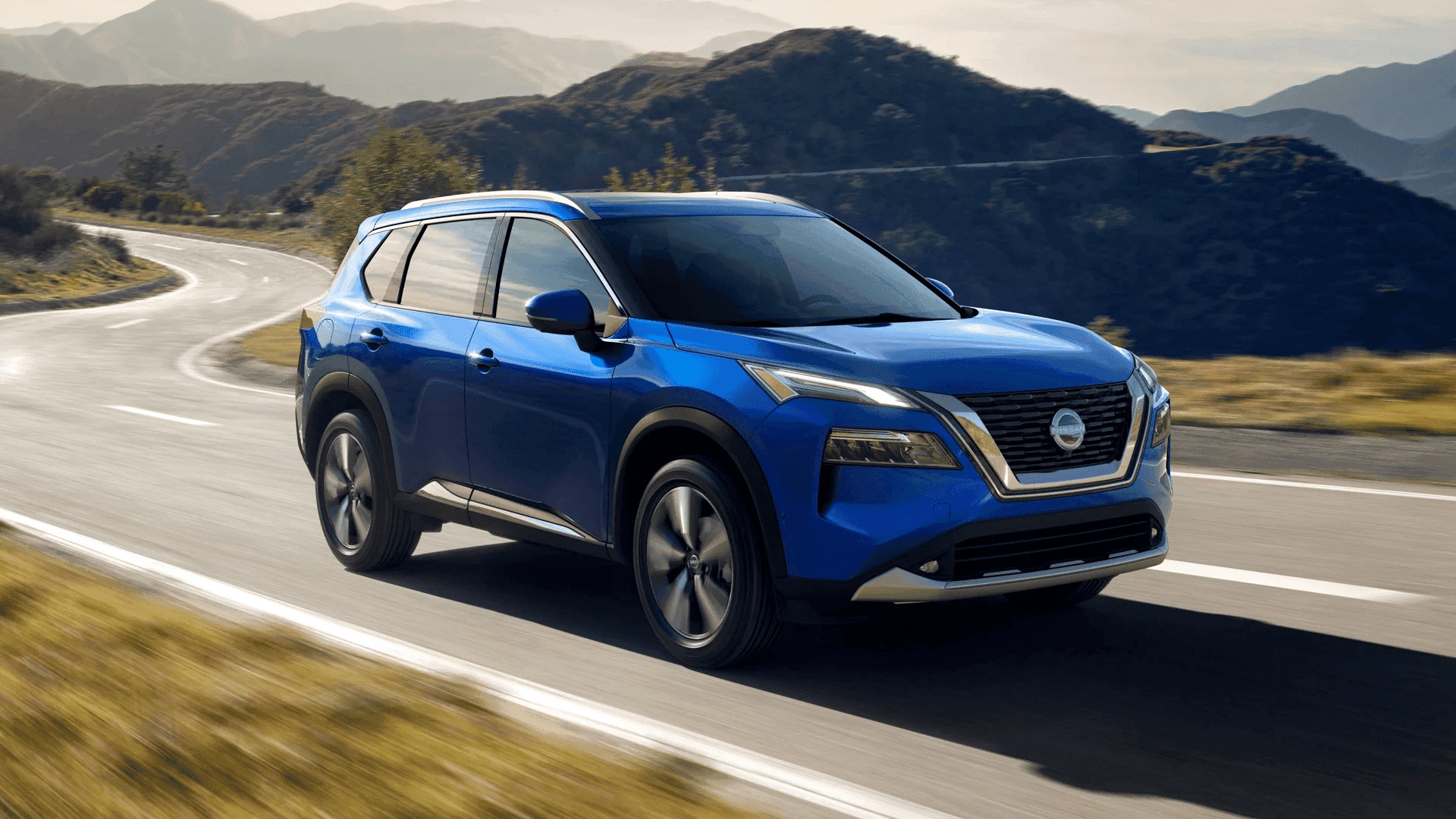
The 2025 Nissan Rogue delivers a comfortable and well-appointed interior as well as a smooth ride, making it an excellent choice for families who want SUV versatility without the size and fuel consumption of larger vehicles.
The Rogue’s interior design maximizes the available space through clever packaging and thoughtful layout decisions. The front seats provide excellent support for both daily commuting and longer trips, with available features like heating and power adjustment that enhance comfort across different seasons and driver preferences.
The rear seats offer surprising spaciousness for the compact SUV class, with legroom that accommodates adult passengers comfortably and child safety seat installations that don’t require engineering degrees to complete properly.
Material selection in the Rogue demonstrates attention to both comfort and durability. Soft-touch surfaces appear throughout the cabin, particularly in areas where passengers frequently make contact.
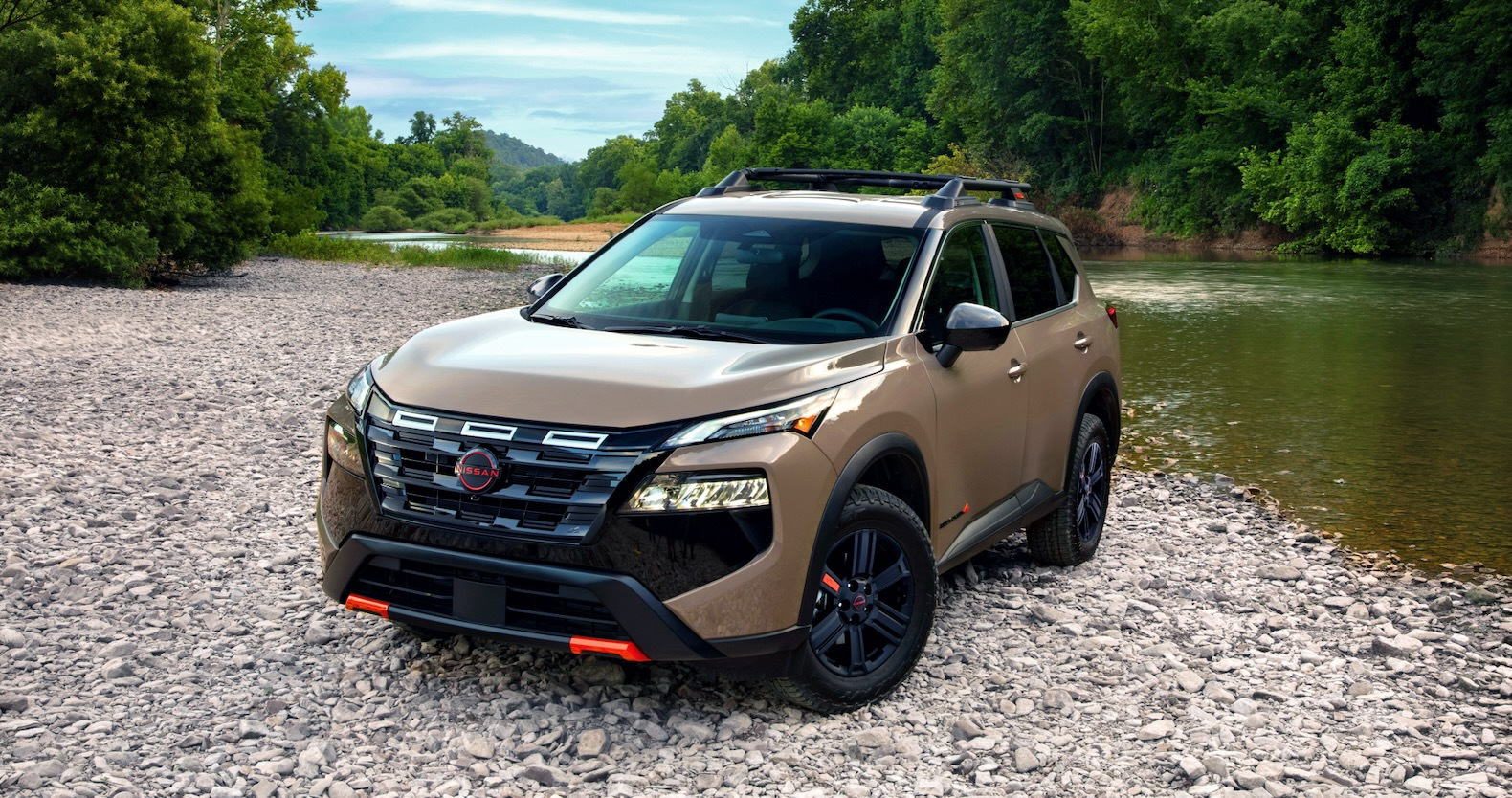
The upholstery options range from durable cloth to premium leather-appointed surfaces that maintain their appearance through the rigors of family use.
Dashboard and door panel materials avoid the cheap, hard plastics that plague many vehicles in this price range, instead incorporating textures and finishes that feel more expensive than the Rogue’s competitive pricing suggests.
The infotainment system in the Rogue strikes an excellent balance between functionality and simplicity. The touchscreen responds quickly to inputs without the lag that frustrates drivers trying to make quick adjustments while driving.
Smartphone integration works reliably with both Apple CarPlay and Android Auto, providing access to familiar apps and interfaces rather than forcing families to learn entirely new systems. Physical controls remain available for climate and audio adjustments, allowing drivers to make changes without taking their eyes off the road for extended periods.
The flexible interior and advanced ProPILOT Assist make every family trip more comfortable and confident. The ProPILOT Assist system reduces driver fatigue during highway driving by maintaining proper following distances and keeping the vehicle centered in its lane, making long family trips less stressful for parents while providing smoother rides for passengers.
Storage solutions throughout the Rogue cabin reflect understanding of how families actually use their vehicles. Multiple cup holders accommodate different beverage sizes securely, while door pockets and console storage provide organized spaces for the various items families accumulate.
The cargo area offers competitive space for the segment, with a low loading height that makes it easier to load heavy items and a flat loading floor that maximizes usable space.
Also Read: 5 Underrated Vans That Last for Years vs 5 Flashy Vans That Break Down Early
5. 2025 Nissan Altima
While SUVs dominate family vehicle discussions, the 2025 Nissan Altima: Ideal for larger families, this mid-size sedan offers a 2.5-liter 4-cylinder engine and an available Intelligent AWD system for enhanced handling during Illinois winters.
The Altima’s spacious trunk and rear-seat legroom provide the practicality needed for family outings. The Altima represents excellent value for families who prioritize comfort and efficiency over maximum cargo capacity.
The Altima’s interior space optimization demonstrates that sedans can still serve family needs effectively. Front seat comfort exceeds expectations with supportive cushioning and available power adjustments that accommodate different driver sizes and preferences.
The rear seats provide genuine adult-sized space with legroom that rivals many SUVs, while the lower seating position actually provides more headroom than many crossovers for taller passengers.
Interior material quality in the Altima reflects Nissan’s commitment to providing premium feel at mainstream pricing. Soft-touch materials cover the dashboard and door panels, while attractive trim pieces add visual interest without appearing cheap or temporary.
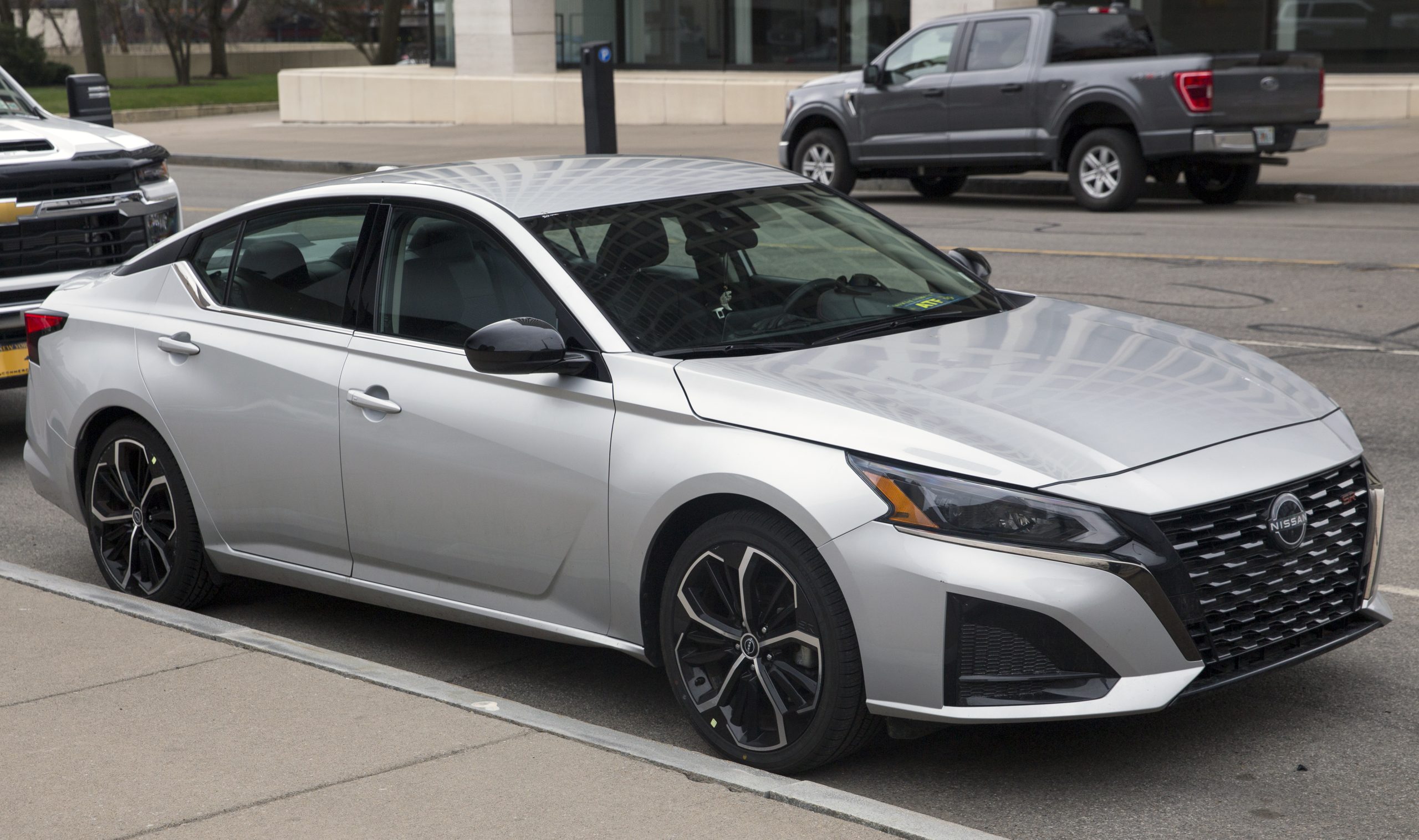
The available leather-appointed seating surfaces resist wear and maintain their appearance through daily family use, while cloth options provide durability and comfort for families prioritizing practicality over luxury appearance.
The climate control system in the Altima provides effective heating and cooling with intuitive controls that don’t require menu navigation to adjust basic settings.
Dual-zone automatic climate control allows driver and passenger to maintain different temperature preferences, reducing family conflicts over cabin temperature during trips. The air circulation system maintains comfortable conditions efficiently, contributing to the Altima’s excellent fuel economy ratings.
Technology integration in the Altima focuses on user-friendly operation rather than complex systems that intimidate non-technical family members.
The infotainment system provides clear displays, responsive controls, and reliable smartphone connectivity that works consistently rather than intermittently.
Multiple USB ports ensure device charging capabilities, while available Wi-Fi connectivity keeps families connected during longer journeys without draining mobile data plans.
5 Nissans That Feel Cheap
These disappointing vehicles undermine Nissan’s reputation through cost-cutting measures, substandard materials, and poor build quality that create uncomfortable, noisy cabins that feel budget-focused despite competitive pricing that suggests better quality standards.
Their compromised interiors incorporate hard plastics, thin upholstery, and inadequate sound insulation that generate uncomfortable driving experiences while cheap-feeling controls and flimsy components create impressions of poor value and questionable durability.
The combination of harsh ride quality, excessive road noise, and bargain-basement materials creates ownership experiences that feel pennywise but pound-foolish for families seeking reliable transportation.
From entry-level models with obvious cost-cutting to mainstream vehicles with disappointing refinement, these cars prove that competitive pricing cannot compensate for fundamental quality compromises that prioritize profit margins over customer satisfaction, transforming family transportation into uncomfortable, cheap-feeling experiences that reflect poorly on Nissan’s engineering capabilities and brand positioning in competitive automotive markets.
1. 2025 Nissan Kicks
2025 Kicks Texas Auto Writers Association Subcompact SUV of the Year, but awards don’t always translate to comfortable family experiences. While the Kicks serves as an affordable entry point into SUV ownership, the interior quickly reveals the compromises necessary to achieve its aggressive pricing.
The cabin feels cramped for families with growing children, and the material quality reflects the vehicle’s budget positioning. The seating in the Kicks provides basic functionality without the comfort features families expect for daily use.
The front seats lack adequate support for longer trips, with thin cushioning that becomes uncomfortable during extended driving sessions. The rear seats offer minimal legroom and headroom, making them suitable primarily for small children rather than teenagers or adults.
Child safety seat installation becomes challenging due to tight spacing and awkward LATCH system positioning that requires significant effort to access properly.
Interior materials throughout the Kicks cabin emphasize cost savings over comfort or durability. Hard plastic surfaces dominate the dashboard and door panels, creating a cheap feel that becomes more apparent over time as these surfaces show wear and develop the inevitable rattles and squeaks associated with low-quality materials.
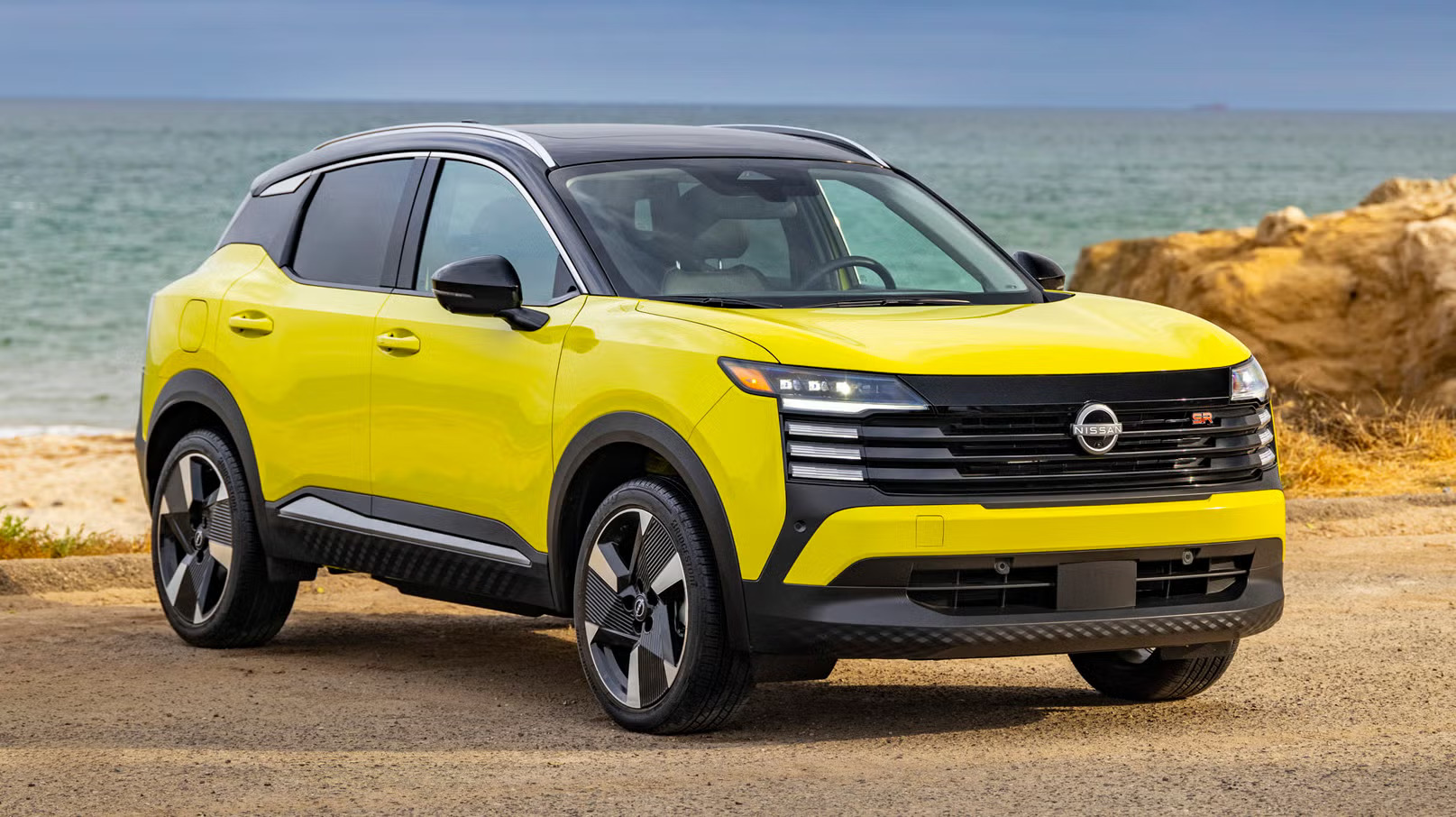
The upholstery options, while available in attractive colors, use thin materials that show wear quickly and provide minimal cushioning for comfort during daily use.
The infotainment system in the Kicks frustrates more than it helps, with a small screen that’s difficult to read in bright sunlight and controls that respond slowly to inputs.
Smartphone integration works inconsistently, often requiring multiple attempts to establish connections that should be automatic. The audio system provides adequate sound quality for basic listening but lacks the clarity and power that make family road trip music enjoyable rather than merely tolerable.
Climate control in the Kicks struggles to maintain comfortable conditions throughout the cabin, particularly for rear passengers who often experience inadequate heating or cooling regardless of front seat settings.
The system lacks the power and distribution capability needed for effective climate management, making seasonal driving uncomfortable for family members seated in the back.
Storage solutions throughout the cabin reflect the vehicle’s size constraints, with cup holders that don’t secure larger beverages and minimal space for the various items families accumulate during daily use.
2. 2025 Nissan Sentra
The 2025 Nissan Sentra positions itself as an affordable family sedan, but the cost-cutting measures become apparent immediately upon entering the cabin.
While the exterior styling appears modern and attractive, the interior reveals compromises that make daily family use frustrating rather than comfortable. The space utilization feels inefficient, and the material quality doesn’t withstand the rigors of family ownership.
Seating comfort in the Sentra disappoints across all positions. The front seats provide minimal support with thin padding that becomes uncomfortable during commutes longer than thirty minutes.
The seat adjustment range limits accommodation for different driver sizes, while the lack of lumbar support creates fatigue during daily driving. Rear seat space appears adequate until family members actually attempt to use it, revealing tight legroom and headroom that makes the back seat unsuitable for anyone approaching adult size.
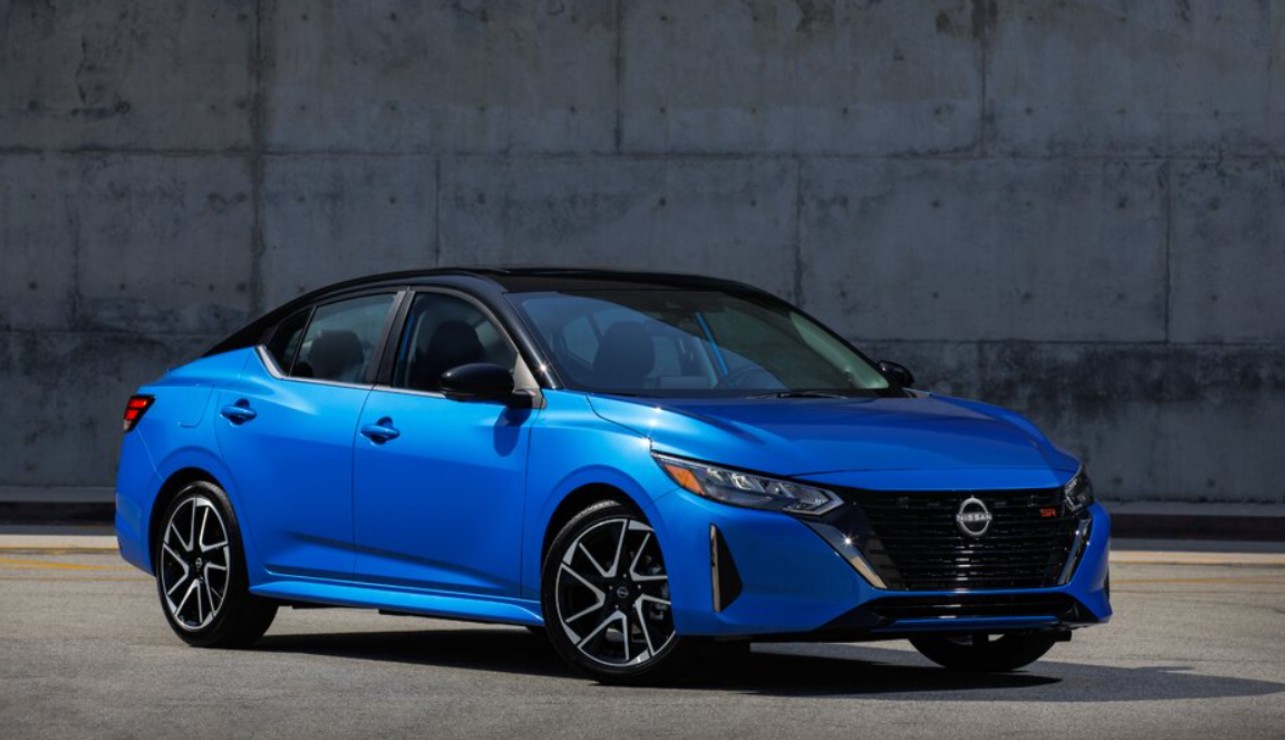
Interior material quality throughout the Sentra cabin reflects aggressive cost-cutting that becomes more apparent with daily use. Hard plastic surfaces cover most touchable areas, creating a cheap feel that worsens as these materials develop the inevitable creaks and rattles associated with low-quality construction.
The dashboard design incorporates few soft-touch materials, while door panels feel flimsy and lack the solid construction expected even in entry-level vehicles.
The infotainment system in the Sentra provides basic functionality without the refinement families expect in modern vehicles. The screen size and resolution appear adequate until compared to competitors, revealing the system’s budget origins. Smartphone connectivity works intermittently, often requiring troubleshooting that defeats the purpose of hands-free operation.
The audio system lacks power and clarity, making music sound thin and distant rather than engaging for family enjoyment. Climate control performance in the Sentra struggles with temperature consistency and distribution throughout the cabin.
The system lacks the power needed for quick heating or cooling, while rear passengers often experience uncomfortable conditions regardless of front seat settings. The air circulation design creates uneven temperature distribution that makes some seating positions comfortable while others remain too hot or cold for pleasant travel experiences.
3. 2024-2025 Nissan Frontier
Frontier was #4 on the list with transmission problems according to Consumer Reports’ most unreliable cars for 2024, but reliability isn’t the only issue plaguing this pickup truck’s family appeal.
The Frontier’s interior feels like it was designed for commercial use rather than family transportation, with material quality and comfort features that lag significantly behind competitors in the midsize truck segment.
The seating arrangement in the Frontier prioritizes utility over comfort, resulting in front seats that provide minimal support during daily driving. The seat cushions use firm padding that becomes uncomfortable during longer trips, while the limited adjustment range fails to accommodate different driver sizes effectively.
Rear seating in crew cab configurations feels like an afterthought, with tight spacing and upright positioning that makes passengers feel cramped and uncomfortable even during short trips.
Interior materials throughout the Frontier cabin emphasize durability over comfort or visual appeal. Hard plastic surfaces dominate the dashboard and door panels, creating an industrial feel that might suit commercial applications but feels cheap in family use.
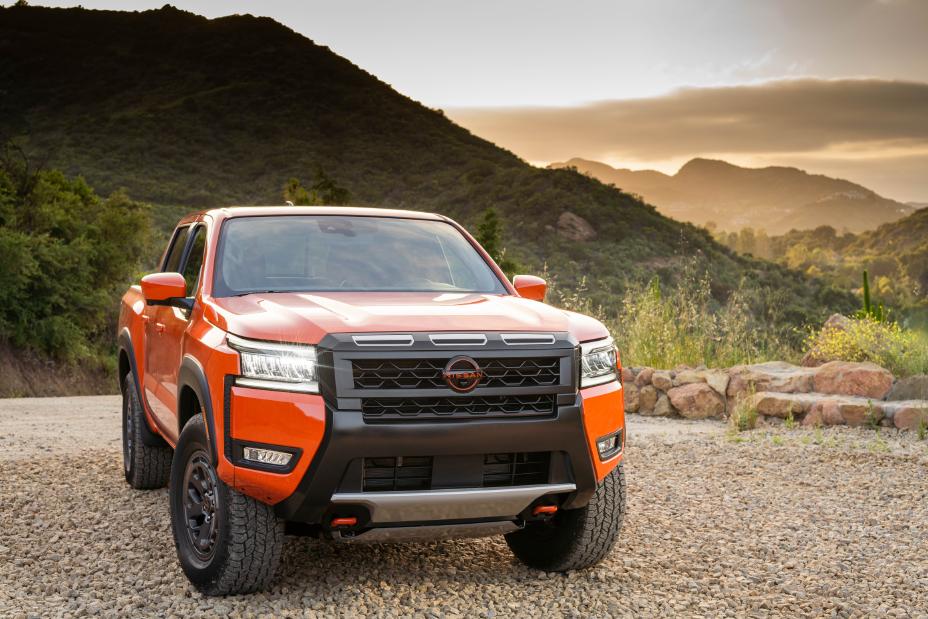
The materials show wear quickly, developing scratches and scuff marks that make the interior appear older than its actual age. Upholstery options provide basic functionality without the comfort or durability expected for family vehicles that experience daily use.
The infotainment system in the Frontier lags behind modern expectations with slow response times and limited functionality. The screen appears small compared to competitors, while the interface design feels outdated and difficult to go through while driving.
Smartphone integration works inconsistently, often failing to maintain connections during trips. The audio system provides adequate volume but lacks the clarity and sound quality that make family travel enjoyable rather than merely tolerable.
Climate control in the Frontier struggles with effectiveness and consistency, particularly for rear passengers who experience limited heating and cooling regardless of system settings.
The air distribution design creates hot and cold spots throughout the cabin, making it difficult to maintain comfortable conditions for all passengers. The system lacks the power and sophistication needed for effective climate management during extreme weather conditions.
4. Earlier Generation Nissan Rogue (2014-2020)
While the current Rogue represents significant improvement, earlier generations of Nissan’s popular compact SUV suffer from the quality issues that damaged the brand’s reputation during this period.
Every Nissan rogue that I have driven in the past 10 years has had an issue with build quality. Whether it be a rattle, squeak, or pieces falling right the vehicle, these problems manifest quickly and worsen over time, making daily family use frustrating rather than comfortable.
Owners also reported interior build quality problems, including faulty door handles, peeling dashboard materials, and malfunctioning infotainment systems.
These issues don’t just affect the vehicle’s appearance; they impact daily functionality and create ongoing frustration for families who depend on their vehicle’s reliable operation.
The seating in earlier Rogue models provides inconsistent comfort, with front seats that lack adequate support for daily commuting and longer trips.
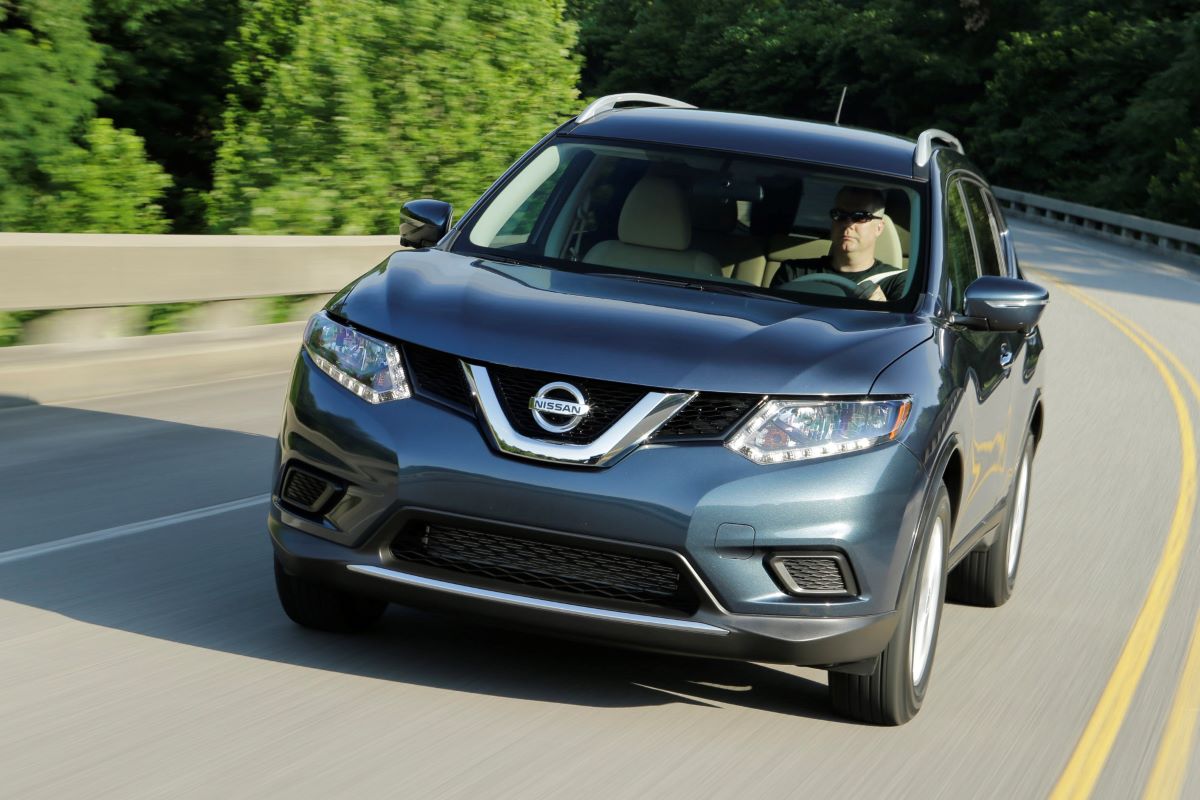
The cushioning materials compress quickly with use, creating uncomfortable pressure points that make driving fatiguing rather than pleasant. Rear seating appears spacious but lacks the support needed for comfortable passenger accommodation, particularly for longer family trips that require sustained comfort rather than basic transportation.
Interior material quality in these Rogue generations reflects cost-cutting measures that become apparent through daily use. Dashboard materials develop cracks and fade from sun exposure, while door panels show wear patterns that make the vehicle appear older than its actual age.
The upholstery options wear quickly, showing stains and damage that resist cleaning efforts and create an overall appearance of neglect even with proper maintenance.
The infotainment systems in earlier Rogue models frustrate users with slow response times, unreliable connectivity, and interface designs that require multiple steps for basic functions.
Software updates fail to address fundamental usability issues, while hardware limitations prevent meaningful improvements. The audio systems provide adequate volume but lack clarity and power, making music sound flat and unengaging during family trips.
5. 2024-2025 Nissan Versa
The 2025 Nissan Versa serves as the entry point to Nissan ownership, but the aggressive cost-cutting measures required to achieve its low pricing create an interior environment that feels cheaper than necessary even for an economy vehicle.
While the exterior styling appears modern and competitive, the cabin reveals compromises that make daily family use uncomfortable and frustrating rather than merely basic.
Seating throughout the Versa prioritizes low cost over comfort, resulting in front seats with minimal padding and limited adjustment capabilities. The thin cushioning becomes uncomfortable during commutes longer than twenty minutes, while the lack of lumbar support creates fatigue and discomfort for daily drivers.
Rear seating provides adequate space for the vehicle’s size but lacks the support and comfort needed for passengers during anything beyond short trips around town.
Interior materials in the Versa cabin emphasize cost savings over durability or visual appeal. Hard plastic surfaces cover virtually every touchable area, creating a cheap feel that worsens as these materials develop the inevitable rattles and creaks associated with low-quality construction.
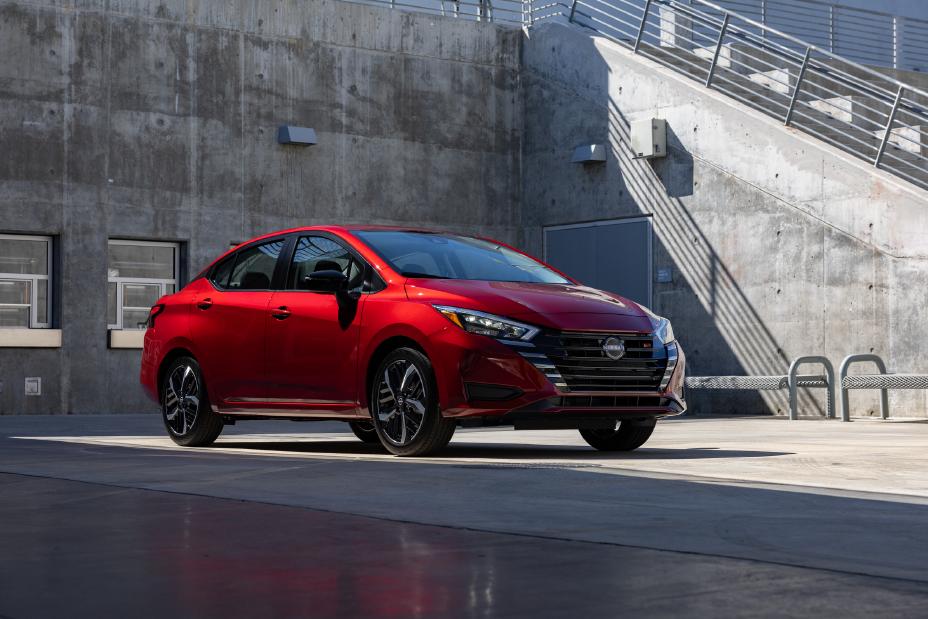
The dashboard and door panels lack soft-touch materials entirely, while trim pieces appear flimsy and temporary rather than integrated components of a well-designed interior.
The infotainment system in the Versa provides basic functionality without refinement or user-friendly design. The small screen appears outdated compared to competitors, while the interface design requires multiple steps for simple functions.
Smartphone connectivity works inconsistently, often failing to maintain stable connections during trips. The audio system provides minimal power and clarity, making music sound thin and distant rather than enjoyable for family entertainment. Climate control in the Versa struggles with effectiveness and consistency throughout the cabin.
The system lacks the power needed for rapid heating or cooling, while air distribution creates uneven temperatures that leave some passengers comfortable while others remain too hot or cold. The controls feel flimsy and imprecise, making temperature adjustments frustrating rather than intuitive during daily use.
Also Read: 5 Hidden Gem Convertibles vs 5 Popular Convertibles With Leaky Tops
