
When it comes to automotive reliability, few systems are as critical as your vehicle’s braking system. The ability to stop safely and predictably can mean the difference between arriving at your destination unharmed and facing a potentially catastrophic accident.
For Hyundai owners and prospective buyers, understanding which models excel in brake longevity and which ones struggle with frequent pad replacement is essential knowledge that can save both money and lives.
Hyundai has built a reputation as a reliable automotive manufacturer over the past few decades, transforming from a budget-focused brand to one that competes directly with industry leaders in quality and dependability.
However, like any manufacturer producing millions of vehicles annually, Hyundai’s brake performance varies significantly across its model lineup. Some vehicles demonstrate exceptional brake durability, with pads lasting well beyond industry averages, while others seem to consume brake components at an alarming rate.
The factors contributing to brake longevity are complex and multifaceted. Vehicle weight plays a crucial role, as heavier vehicles naturally place more stress on braking components during deceleration. The design of the brake system itself, including rotor size, caliper configuration, and pad compound, directly impacts wear rates.
Additionally, the vehicle’s intended use case influences brake durability family sedans typically experience gentler braking patterns compared to performance-oriented SUVs or sporty coupes. Manufacturing quality control, parts sourcing, and engineering decisions all contribute to the ultimate reliability of a vehicle’s braking system.
Some Hyundai models benefit from premium brake components and robust engineering, while others may use more cost-effective solutions that prioritize affordability over longevity. Understanding these differences can help consumers make informed purchasing decisions and set appropriate maintenance expectations.
Recent years have seen various Hyundai models face brake-related challenges, from premature pad wear to more serious systemic issues. The 2023-2024 Palisade, for instance, has faced scrutiny over ABS module malfunctions, while certain Santa Fe models have experienced brake shudder problems at higher speeds.
The models like the Elantra and Accent have maintained strong reputations for brake reliability and longevity. This comprehensive analysis examines ten Hyundai models, dividing them into two distinct categories: five vehicles that demonstrate exceptional brake reliability with minimal maintenance requirements, and five models that seem to devour brake pads at a concerning rate.
By understanding these patterns, current and future Hyundai owners can better prepare for maintenance costs, identify potential warning signs, and make more informed vehicle selection decisions.
5 Hyundais That Rarely Fail Brakes
These well-engineered vehicles feature properly sized brake systems, quality pad compounds, and balanced rotor designs that deliver extended service intervals while maintaining consistent stopping performance across various driving conditions and load scenarios.
Their thoughtful brake engineering incorporates adequate cooling, appropriate caliper sizing, and conservative pad specifications that resist premature wear while providing smooth, predictable braking response without excessive heat buildup or component stress.
The combination of proven brake components, reasonable maintenance intervals, and reliable performance creates ownership experiences that minimize brake service costs while delivering dependable stopping power throughout extended vehicle life cycles.
From reliable sedans with balanced brake systems to well-engineered crossovers with appropriate specifications, these vehicles demonstrate Hyundai’s engineering capability through patient brake development that prioritizes longevity and cost-effectiveness over aggressive performance characteristics, delivering brake systems that provide years of trouble-free operation with normal maintenance schedules.
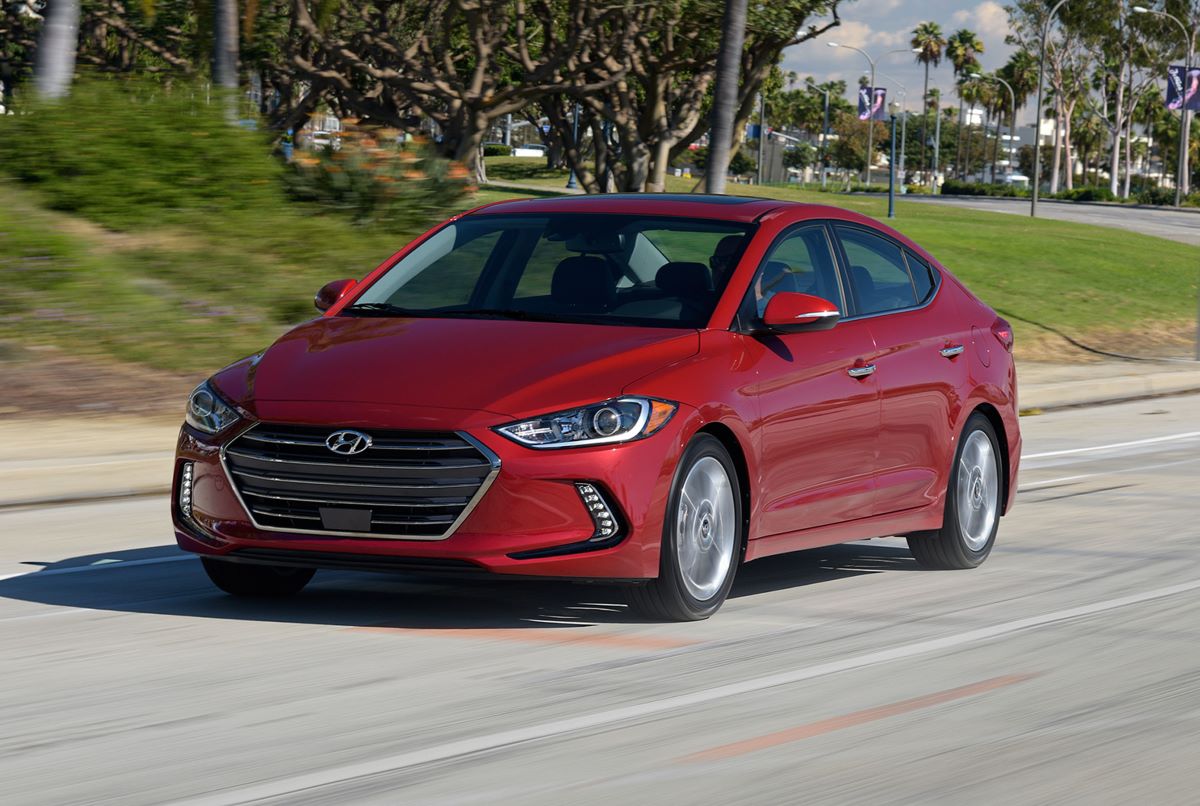
1. Hyundai Elantra (2017-2024)
The Hyundai Elantra stands as a testament to reliable brake engineering, consistently earning praise from owners and mechanics alike for its exceptional brake longevity.
This compact sedan has maintained a stellar reputation for brake durability across multiple generations, with many owners reporting brake pad life exceeding 60,000 miles under normal driving conditions.
The Elantra’s brake system benefits from a well-balanced design that distributes braking forces efficiently across all four wheels, reducing excessive wear on any single component.
The engineering behind the Elantra’s brake success lies in its thoughtful component selection and system integration. Hyundai equipped the Elantra with appropriately sized rotors that provide excellent heat dissipation, preventing the thermal buildup that can accelerate pad wear.
The brake calipers utilize a robust design that maintains consistent pressure distribution across the pad surface, ensuring even wear patterns that maximize component lifespan.
Additionally, the brake pad compound used in the Elantra strikes an optimal balance between stopping power and longevity, providing confident braking performance without excessive wear rates.
Weight plays a significant role in the Elantra’s brake longevity advantage. As a compact sedan, the Elantra’s relatively modest curb weight places less stress on braking components compared to heavier SUVs or crossovers.
This weight advantage translates directly into reduced brake pad wear during both city driving and highway deceleration scenarios. The vehicle’s aerodynamic design also contributes to brake longevity by reducing the amount of braking force required to maintain speed control, particularly during highway driving.
Maintenance accessibility represents another strength of the Elantra’s brake system. The straightforward design allows for easy inspection and replacement of brake components, encouraging owners to perform regular maintenance that extends system life.
The brake fluid reservoir is easily accessible, brake lines are well-protected from road debris, and the system design prioritizes serviceability. This accessibility means that minor issues can be addressed before they escalate into major problems, contributing to the system’s reliability reputation.
Real-world owner experiences consistently support the Elantra’s brake reliability credentials. Online forums and service records reveal numerous cases of owners achieving 70,000+ miles on original brake pads, with some reporting even higher mileage under conservative driving conditions.
Professional mechanics frequently cite the Elantra as one of the most reliable vehicles they service regarding brake system maintenance, noting that brake-related failures are uncommon and typically related to normal wear rather than premature component failure.
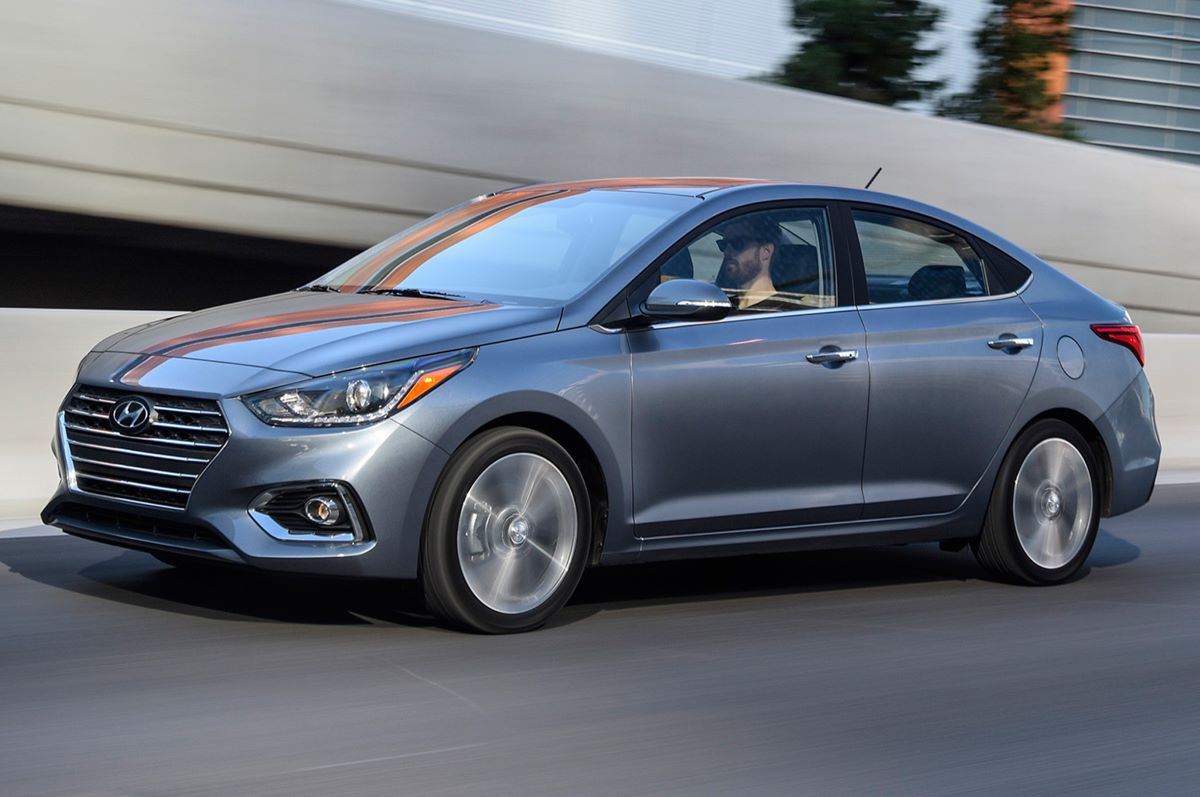
2. Hyundai Accent (2018-2024)
The Hyundai Accent has earned recognition as one of the most brake-reliable vehicles in Hyundai’s lineup, consistently delivering exceptional pad longevity and system reliability.
This subcompact sedan benefits from a lightweight design philosophy that significantly reduces stress on braking components, often allowing owners to achieve impressive mileage before requiring brake service.
The Accent’s brake system exemplifies the principle that simpler, well-executed designs often outperform more complex systems in terms of reliability and maintenance requirements.
Engineering excellence defines Accent’s brake system design. Hyundai engineers carefully sized the brake components to match the vehicle’s weight and performance characteristics, avoiding the over-engineering that can lead to complexity-related failures while ensuring adequate stopping power.
The front disc brakes feature solid rotors that provide excellent heat management for the vehicle’s intended use case, while the rear drum brakes offer exceptional longevity for light-duty applications. This hybrid brake configuration optimizes both cost-effectiveness and reliability, delivering consistent performance across diverse driving conditions.
The Accent’s lightweight construction serves as its greatest brake longevity asset. Weighing significantly less than larger Hyundai models, the Accent places minimal stress on its braking components during normal operation.
This weight advantage becomes particularly pronounced during stop-and-go traffic situations, where heavier vehicles experience accelerated brake wear due to frequent deceleration events.
The Accent’s modest power output also contributes to brake longevity, as drivers are less likely to engage in aggressive driving behaviors that accelerate component wear.
Component quality represents another significant factor in the Accent’s brake reliability success. Despite its position as an entry-level vehicle, the Accent receives high-quality brake pads that resist excessive wear while maintaining consistent stopping performance.
The brake fluid specifications meet or exceed industry standards, providing reliable hydraulic pressure transmission even under demanding conditions. Additionally, the brake hardware, including calipers, lines, and mounting components, demonstrates robust construction that resists premature failure.
Owner satisfaction surveys and reliability studies consistently rank the Accent among the top performers for brake system dependability. Many owners report achieving 65,000+ miles on original brake pads, with some exceeding 80,000 miles under ideal driving conditions.
Service technicians note that Accent brake systems rarely require attention beyond routine pad and fluid replacement, with component failures being extremely uncommon.
This reliability record has contributed to the Accent’s reputation as an excellent choice for budget-conscious consumers who prioritize low maintenance costs and dependable performance.
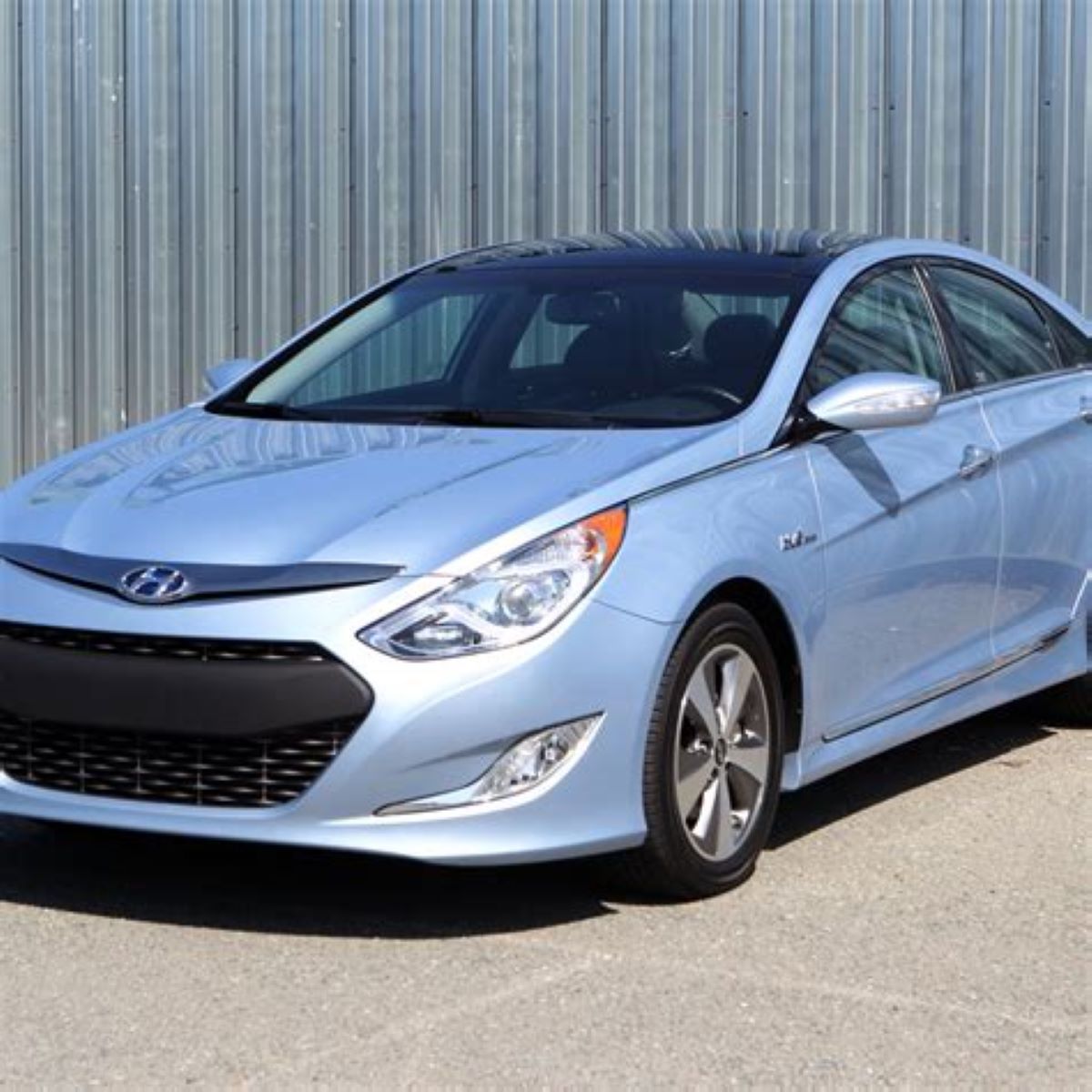
3. Hyundai Sonata (2015-2019)
The Hyundai Sonata from the 2015-2019 generation represents a high point in brake system reliability for the Korean automaker’s midsize sedan lineup.
This generation benefits from mature engineering that has refined brake system design based on years of real-world feedback and continuous improvement.
The Sonata’s brake system strikes an excellent balance between performance and longevity, providing confident stopping power while delivering impressive pad life that often exceeds owner expectations.
Advanced brake system engineering sets the 2015-2019 Sonata apart from both earlier and later generations. Hyundai implemented a sophisticated brake assist system that optimizes pedal feel and response while reducing unnecessary wear on brake components.
The front brake rotors feature ventilated designs that excel at heat dissipation, preventing the thermal cycling that can lead to warping and accelerated pad wear.
The brake calipers incorporate multiple pistons that distribute clamping force evenly across the pad surface, ensuring uniform wear patterns that maximize component lifespan.
Material science advancements contribute significantly to the Sonata’s brake longevity during this generation. The brake pads utilize advanced friction compounds that provide excellent stopping power without excessive wear rates.
These compounds resist fading under heavy use while maintaining consistent performance across a wide temperature range. The rotor metallurgy also received attention, with improved iron compositions that resist warping and provide stable friction surfaces throughout the component’s service life.
The Sonata’s weight distribution and suspension tuning work in harmony with the brake system to optimize component longevity. The vehicle’s balanced weight distribution reduces the tendency for front brake bias that can accelerate front pad wear in many vehicles.
The suspension system’s damping characteristics complement the brake system by reducing dive during braking events, which helps maintain consistent pad contact and reduces uneven wear patterns. This integrated approach to vehicle dynamics contributes directly to extended brake component life.
Real-world performance data strongly supports the 2015-2019 Sonata’s brake reliability reputation. Owner reports consistently indicate brake pad life exceeding 55,000 miles, with many achieving 70,000+ miles under normal driving conditions.
Professional service centers report that Sonata brake systems from this generation rarely experience premature component failures, with most brake-related service consisting of routine maintenance rather than unexpected repairs.
This reliability record has made these Sonata models particularly attractive in the used car market, where buyers seek vehicles with predictable maintenance costs.
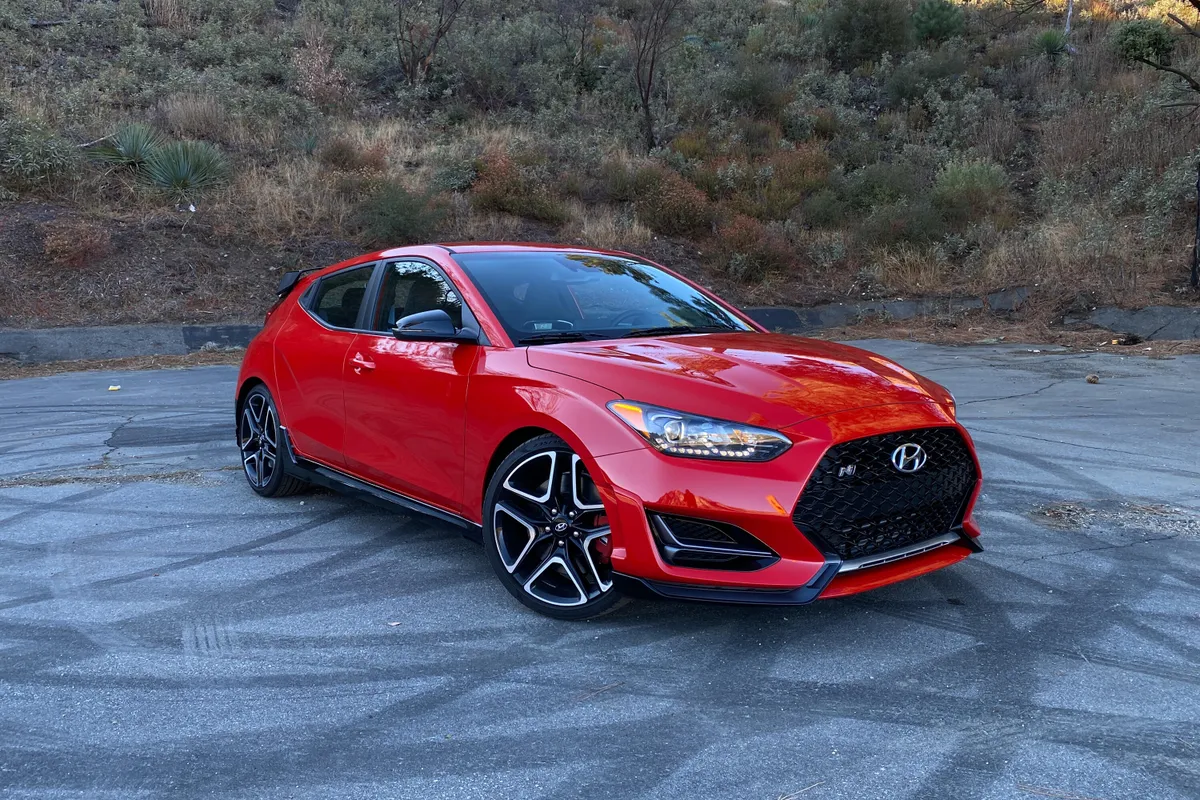
4. Hyundai Veloster (2012-2017)
The first-generation Hyundai Veloster stands out as an unexpected brake reliability champion, delivering exceptional component longevity despite its sporty positioning and unique design characteristics.
This three-door sport compact demonstrates that performance-oriented vehicles can achieve impressive brake durability when engineering principles are properly applied.
The Veloster’s brake system benefits from carefully matched components that provide enthusiastic driving capability while maintaining the longevity characteristics that practical owners demand.
Brake system engineering in the first-generation Veloster emphasizes thermal management and component durability. The front brake system features larger rotors than might typically be expected for the vehicle’s weight class, providing excellent heat dissipation during spirited driving sessions.
These oversized rotors work in conjunction with well-designed brake ducts that channel cooling air to the braking surfaces, preventing the heat buildup that can accelerate pad wear and cause rotor warping. The brake pad compound selection prioritizes longevity while still providing the bite needed for engaging driving experiences.

The Veloster’s unique weight distribution contributes positively to brake component longevity. Despite its sporty intentions, the Veloster maintains relatively modest curb weight that reduces stress on braking components during normal operation.
The vehicle’s low center of gravity minimizes weight transfer during braking events, helping to maintain more balanced brake force distribution between front and rear axles. This balanced approach reduces the tendency for excessive front brake wear that affects many front-wheel-drive vehicles.
Component accessibility and serviceability represent significant advantages of the Veloster’s brake system design. The vehicle’s unique body configuration provides excellent access to brake components for inspection and maintenance.
This accessibility encourages regular brake system monitoring, allowing owners to identify and address minor issues before they develop into major problems. The straightforward brake system layout also simplifies professional service, reducing labor costs and encouraging timely maintenance that extends component life.
Performance enthusiast communities have consistently praised the first-generation Veloster for its brake durability under both daily driving and occasional track use.
Many owners report achieving impressive brake pad life even with spirited driving habits, often exceeding 50,000 miles on original pads. The brake system’s ability to withstand occasional performance driving without suffering accelerated wear makes it particularly appealing to enthusiasts who want reliable daily transportation with weekend fun capabilities.
Professional mechanics note that Veloster brake systems rarely require attention beyond routine maintenance, contributing to the vehicle’s reputation for low ownership costs.
Also Read: 5 Volkswagens That Rarely Rust vs 5 That Rot Like Tin
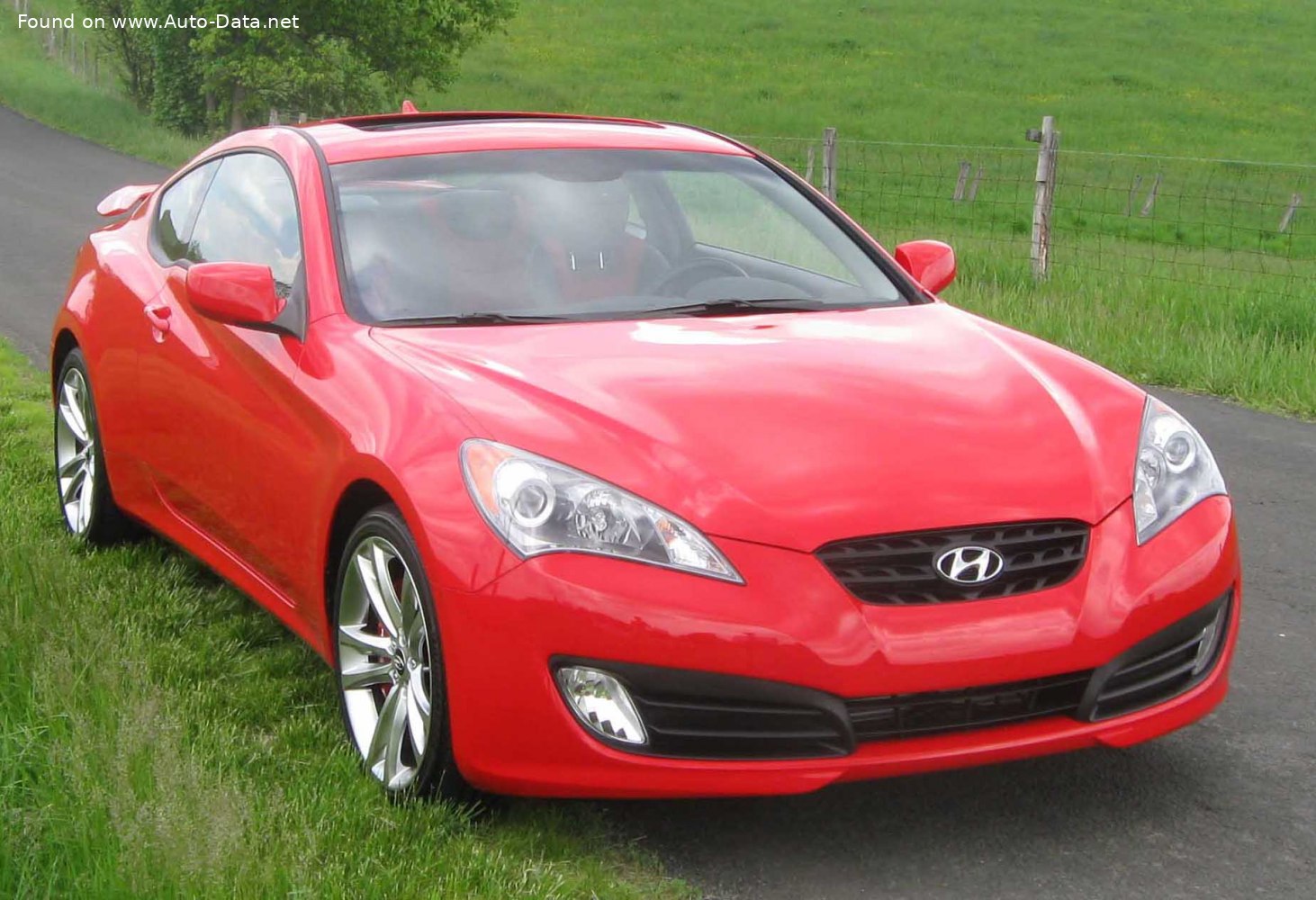
5. Hyundai Genesis (2009-2016)
The original Hyundai Genesis sedan represents the pinnacle of brake system engineering within the Korean automaker’s lineup during its production run.
This full-size luxury sedan was designed to compete directly with established premium brands, requiring brake performance and reliability that would satisfy discerning luxury car buyers.
The Genesis delivers on these expectations with a sophisticated brake system that combines exceptional stopping power with impressive component longevity, setting a high standard for brake engineering excellence.
Premium brake system components distinguish the Genesis from more mainstream Hyundai models. The front brake system features large, ventilated rotors with sophisticated vane designs that optimize cooling airflow and heat dissipation.
These rotors work in conjunction with multi-piston brake calipers that provide even pressure distribution and consistent performance across diverse operating conditions. The brake pad compound represents a premium formulation that balances stopping power with longevity, providing confident braking performance without excessive wear rates.
Advanced brake system technologies contribute significantly to the Genesis’s brake reliability. The vehicle incorporates sophisticated brake assist systems that optimize pedal response and reduce driver effort while minimizing component stress.
Electronic brake-force distribution ensures optimal brake balance across all four wheels, reducing the tendency for premature wear on any single component.
These systems work seamlessly in the background to extend brake component life while maintaining the performance characteristics expected in a luxury sedan. The Genesis’s substantial weight might seem detrimental to brake longevity, but careful engineering mitigates these challenges effectively.
The brake system is sized appropriately for the vehicle’s mass, providing adequate thermal capacity to handle repeated deceleration events without excessive component stress.
The vehicle’s advanced suspension system works in harmony with the brakes to optimize weight transfer characteristics during braking, helping to maintain balanced wear patterns across all four wheels.
Owner experience data consistently supports the Genesis’s reputation for brake system excellence. Many owners report achieving exceptional brake pad life exceeding 60,000 miles, with some documenting even higher mileage under conservative driving conditions.
Professional service centers note that Genesis brake systems rarely experience unexpected failures, with most brake-related service consisting of routine maintenance rather than premature component replacement.
This reliability record, combined with the vehicle’s luxury positioning, has made the Genesis an attractive option for buyers seeking premium features with predictable maintenance costs.
5 Hyundais That Burn Pads Monthly
These problematic vehicles burden owners with excessive brake wear, frequent pad replacements, and premature component failures due to aggressive brake system calibration, inadequate cooling, and design compromises that accelerate wear under normal driving conditions.
Their problematic brake engineering incorporates oversensitive electronic systems, inadequate heat dissipation, and poor pad compound selection that generates constant maintenance expenses despite Hyundai’s positioning that suggests reasonable operating costs and reliable performance.
The combination of frequent brake service needs, expensive replacement parts, and recurring wear patterns creates ownership disasters as buyers discover that competitive pricing cannot compensate for fundamental brake system design problems that prioritize stopping performance over practical maintenance intervals.
From sport-tuned models with aggressive brake settings to mainstream vehicles with known pad wear issues, these cars prove that Hyundai’s engineering priorities don’t always balance performance with practicality, transforming economical transportation into expensive brake maintenance nightmares requiring constant pad replacement and rotor service that quickly exceed typical maintenance budgets.
1. Hyundai Palisade (2020-2024)
The Hyundai Palisade has unfortunately earned a troublesome reputation for brake system problems that extend far beyond simple pad wear issues.
This three-row SUV represents one of Hyundai’s most problematic brake applications, with owners reporting not only accelerated pad consumption but also more serious systemic failures that raise safety concerns.
The Palisade’s brake issues have become so widespread that they’ve attracted legal attention, with class-action lawsuits highlighting defective anti-lock braking systems and traction control problems that compromise vehicle safety.
The root causes of the Palisade’s brake problems stem from multiple engineering challenges that compound into significant reliability issues. The widely reported ABS braking module malfunction threatens the safety of those traveling in 2023-2024 Hyundai Palisades, with a proposed class action lawsuit alleging these models are equipped with defective anti-lock braking systems that hamper the vehicles’ ability to decelerate while driving over an uneven surface.
The vehicle’s substantial curb weight, approaching 4,500 pounds when fully loaded, places enormous stress on brake components that appear inadequately sized for the application.
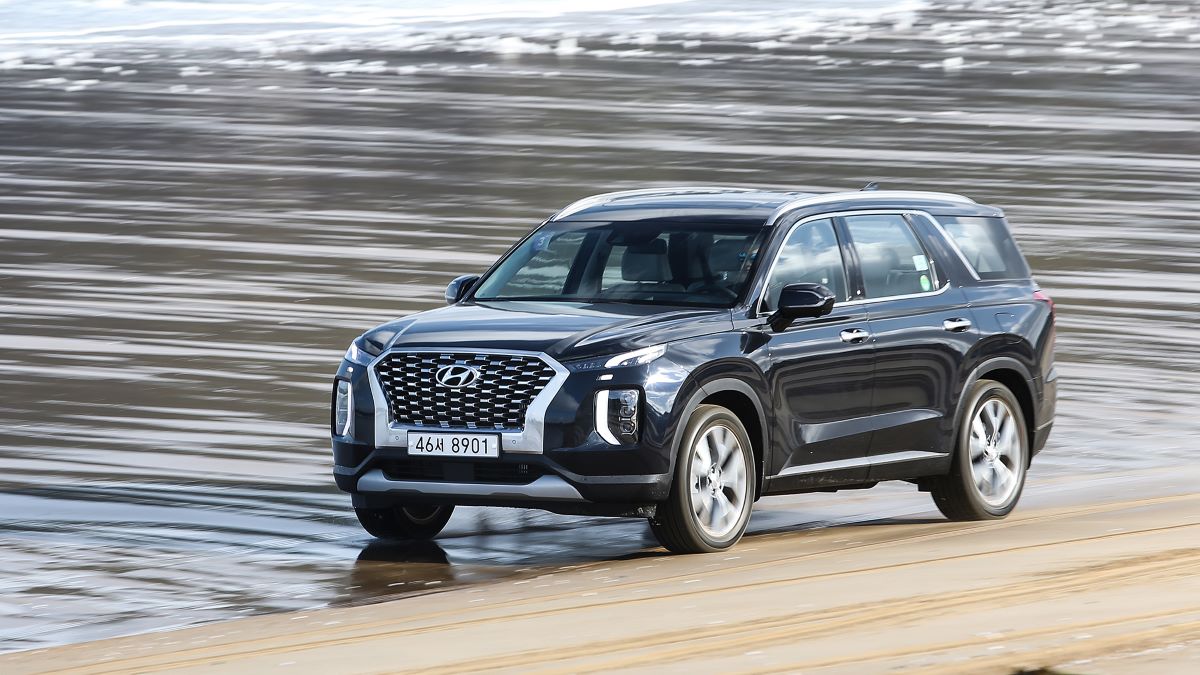
Brake pad consumption in the Palisade often reaches alarming rates, with many owners reporting pad replacement intervals as short as 15,000-20,000 miles under normal driving conditions.
This accelerated wear appears related to both the vehicle’s weight and brake system design choices that prioritize initial cost over long-term durability.
The brake rotors also demonstrate concerning wear patterns, with many owners experiencing warping and scoring that necessitates replacement alongside pad changes, significantly increasing maintenance costs.
The Palisade’s brake system design includes several factors that contribute to accelerated component wear. The brake calipers appear undersized for the vehicle’s weight and intended use case, requiring higher clamping forces that accelerate pad wear.
The brake cooling is insufficient for the thermal loads generated during normal SUV driving scenarios, leading to heat buildup that accelerates both pad and rotor degradation. Additionally, the brake pad compound seems optimized for quiet operation rather than longevity, resulting in rapid wear under typical family hauling duties.
Owners experiences with Palisade brake systems paint a concerning picture of reliability and safety issues. Beyond the rapid pad wear, many owners report complete brake system failures, unexpected activation of emergency braking systems, and ABS malfunctions that compromise stopping ability.
These issues have led to numerous NHTSA complaints and highlight the seriousness of the Palisade’s brake problems. Professional mechanics report that Palisade brake service has become disproportionately common, with many vehicles requiring brake attention multiple times per year under normal use conditions.
2. Hyundai Santa Fe (2022-2024)
The recent generation Hyundai Santa Fe has developed a concerning reputation for accelerated brake pad consumption and related braking issues that have frustrated owners and service technicians alike. 2022-2023 AWD Santa Fe models have experienced brake shudder at higher speeds and rotor and pad failures, creating both safety concerns and unexpected maintenance expenses for owners.
The Santa Fe’s brake problems appear to stem from a combination of design compromises and manufacturing issues that have significantly impacted the model’s reliability reputation.
Brake pad longevity in the recent Santa Fe represents a significant step backward from previous generations. Many owners report pad replacement requirements at intervals as short as 18,000-25,000 miles, representing roughly half the lifespan typically expected from modern brake systems.
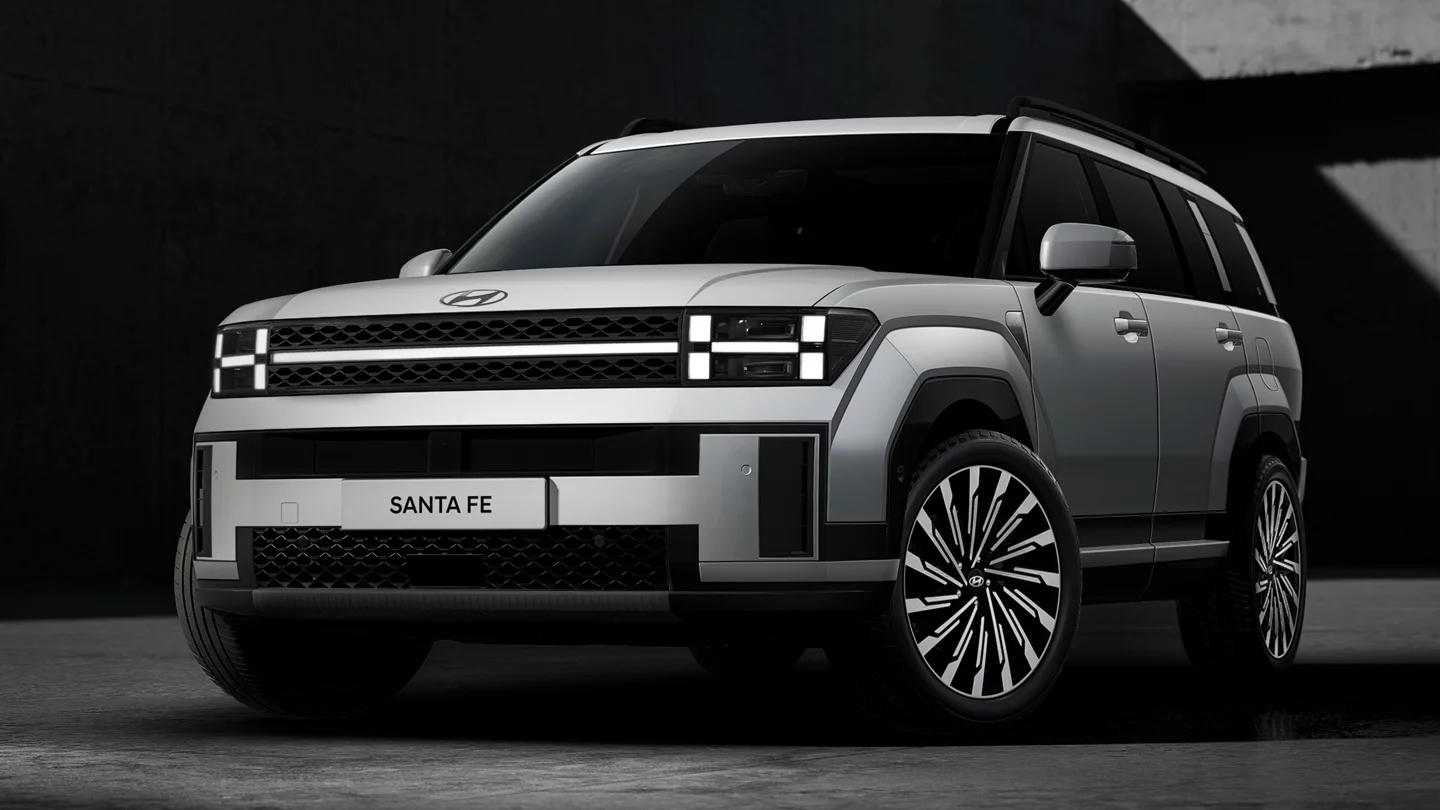
This accelerated wear pattern affects both front and rear brake components, suggesting systemic issues rather than isolated design problems. The rapid pad consumption creates not only inconvenience but also substantial ongoing maintenance costs that many buyers did not anticipate.
Professional service experiences with recent Santa Fe models reveal a pattern of recurring brake problems that extend beyond simple maintenance.
Many service centers report that Santa Fe brake repairs often require complete rotor replacement rather than resurfacing, significantly increasing repair costs.
The frequency of brake-related service visits has made the Santa Fe a concern among service advisors, who note that brake problems often recur shortly after repair, suggesting underlying design issues rather than isolated component failures.
3. Hyundai Tucson (2022-2024)
The redesigned Hyundai Tucson has experienced significant brake reliability challenges that have surprised both owners and industry observers, given Hyundai’s generally improving quality reputation.
This compact SUV demonstrates concerning brake pad consumption rates and system reliability issues that have made it one of the more problematic models in Hyundai’s current lineup. Tucson’s brake problems appear to result from aggressive weight reduction efforts that may have compromised brake system robustness and durability.
Accelerated brake pad wear represents the most common complaint among recent Tucson owners. Many drivers report pad replacement requirements at mileages as low as 20,000-30,000 miles, significantly below industry averages for compact SUVs.
This rapid wear affects both front and rear brake systems, creating ongoing maintenance costs that can quickly exceed the vehicle’s warranty coverage. The pad wear often occurs unevenly, suggesting brake system balance issues that exacerbate component longevity problems.
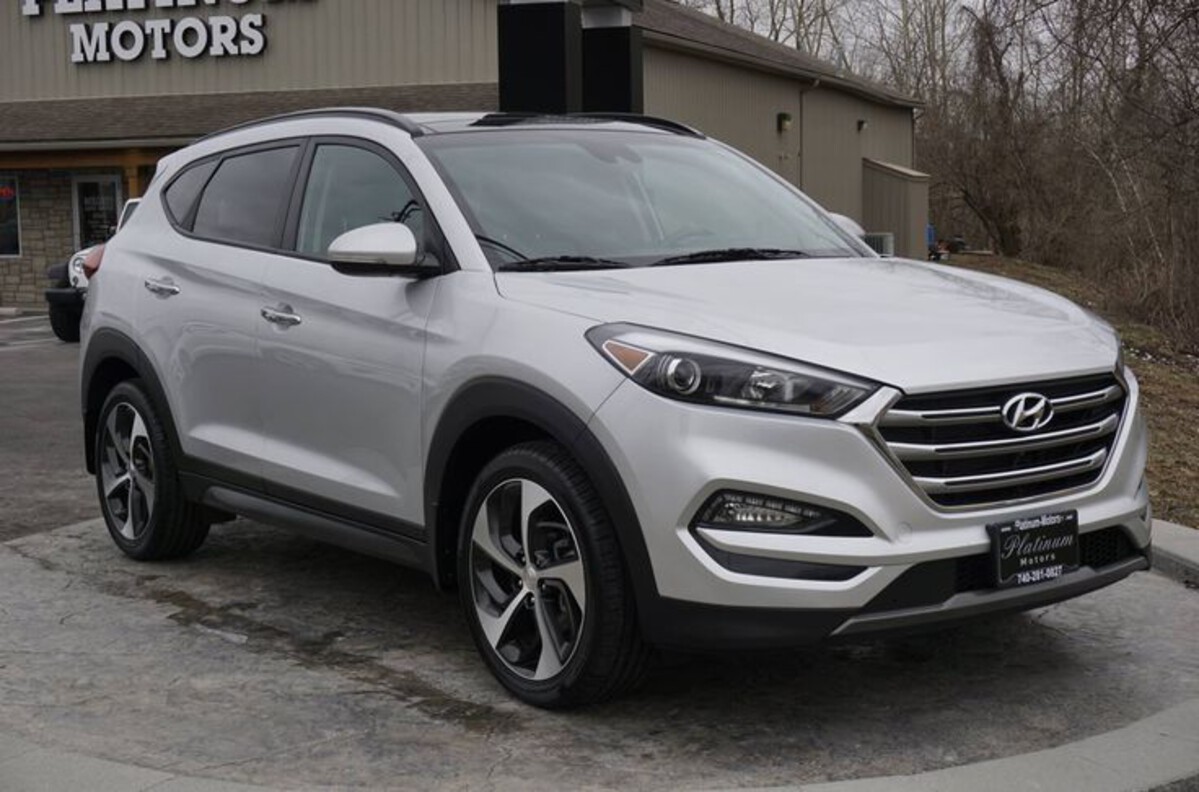
Service center experiences with recent Tucson models reveal a pattern of escalating brake problems that often require multiple repair attempts to resolve. Many technicians report that Tucson brake repairs frequently involve replacing multiple components simultaneously due to interconnected failure modes.
The vehicle’s brake system appears particularly sensitive to driving conditions, with city driving accelerating wear rates beyond acceptable levels. This sensitivity has made the Tucson a challenging vehicle to maintain, with brake service intervals becoming unpredictably short under various operating conditions.
4. Hyundai Kona (2018-2021)
The Hyundai Kona, particularly in its early production years, has developed a troublesome reputation for brake system reliability issues that have affected owner satisfaction and resale values.
The 2018 and 2019 models are the worst years, with issues like engine problems and transmission trouble, and brake problems, adding to the list of concerns for these model years.
The subcompact SUV’s brake issues appear to stem from aggressive cost-cutting measures and inadequate testing that failed to identify durability problems before production.
Brake pad consumption in early Kona models often reaches concerning levels, with many owners reporting pad replacement requirements at intervals as short as 15,000-25,000 miles.
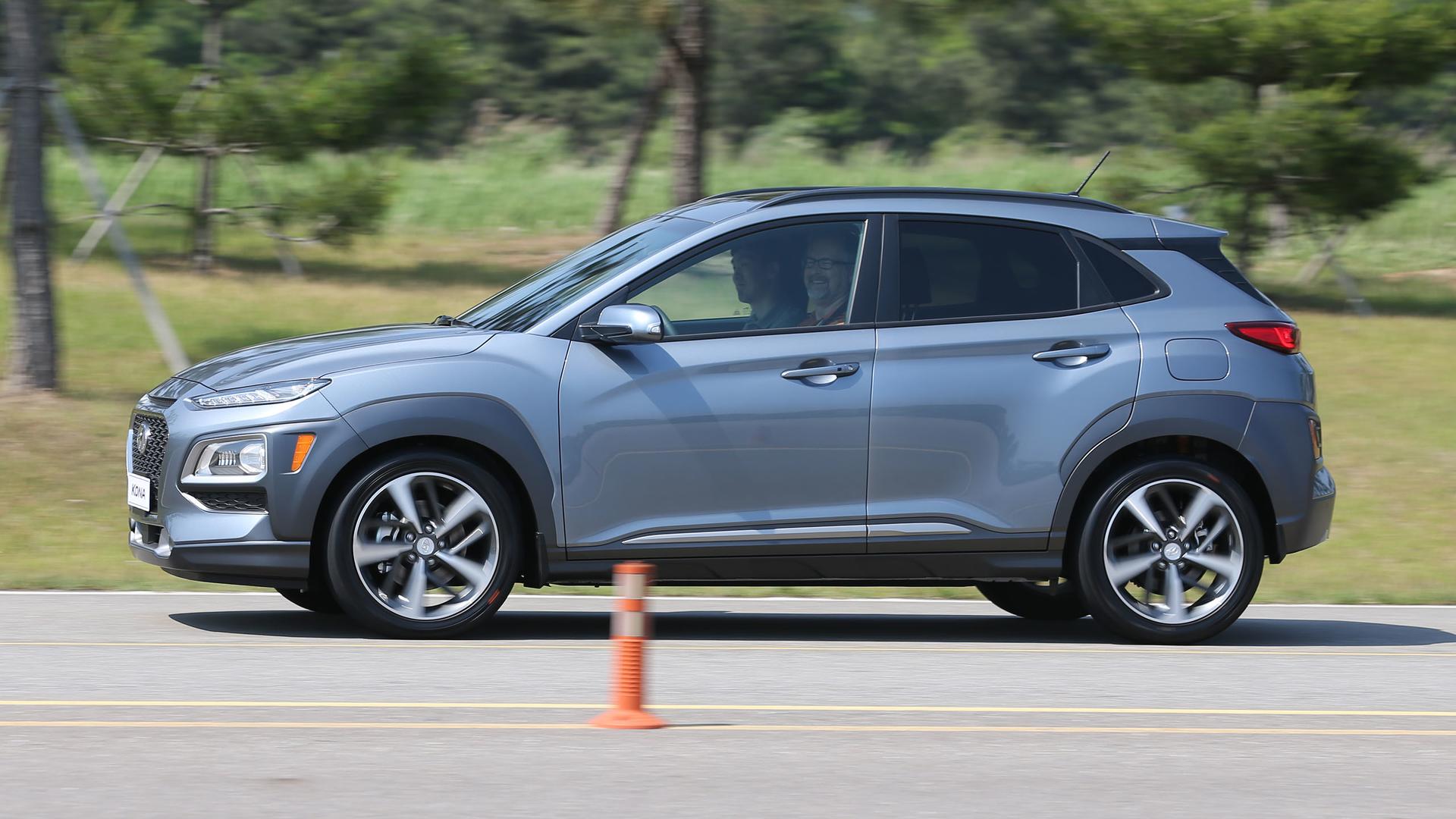
This accelerated wear creates both safety concerns and unexpected maintenance expenses for owners who expected typical compact SUV brake longevity.
The rapid pad wear often occurs alongside rotor problems, requiring complete brake system overhauls rather than simple pad replacement, significantly increasing maintenance costs.
Professional service experiences with Kona models reveal complex brake problems that often require extensive diagnostic work to resolve properly.
Many technicians report that Kona brake issues frequently involve multiple interconnected problems that must be addressed simultaneously to prevent rapid recurrence.
The vehicle’s brake system appears particularly sensitive to component quality variations, with some vehicles experiencing recurring problems despite proper repairs using OEM components.
5. Hyundai Venue (2020-2024)
The Hyundai Venue represents the entry point into Hyundai’s SUV lineup, but unfortunately brings entry-level brake reliability that has disappointed many owners expecting modern durability standards.
This subcompact SUV demonstrates concerning brake pad consumption rates and system reliability issues that seem incongruous with its modest size and performance capabilities. The Venue’s brake problems appear to result from aggressive cost reduction efforts that prioritized initial affordability over long-term ownership satisfaction.
Brake pad longevity in the Venue falls significantly short of industry standards for subcompact vehicles. Many owners report pad replacement requirements at mileages as low as 18,000-28,000 miles, creating ongoing maintenance costs that can quickly offset the vehicle’s initial price advantage.
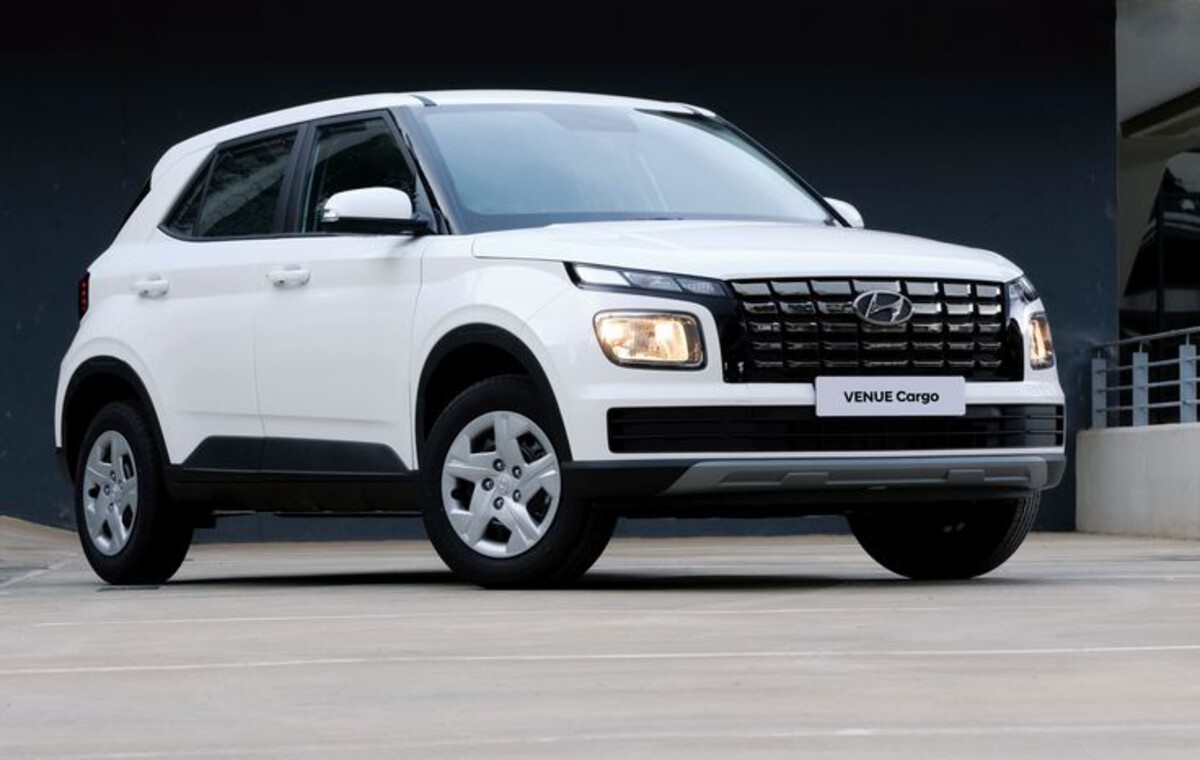
The accelerated wear affects both front and rear brake systems, suggesting fundamental design or material quality issues rather than isolated component problems. This rapid pad consumption has made the Venue’s true cost of ownership considerably higher than the initial purchase price suggests.
Service experiences with Venue brake systems reveal a pattern of recurring problems that often require multiple repair attempts to resolve satisfactorily. Many service centers report that Venue brake repairs frequently involve replacing multiple components due to interconnected failure modes.
The vehicle’s brake system appears particularly sensitive to environmental conditions, with exposure to salt, moisture, and temperature extremes accelerating component degradation beyond acceptable levels. This environmental sensitivity has made the Venue problematic in many geographic regions where weather conditions challenge automotive systems.
Also Read: 5 Volkswagens That Rarely Rust vs 5 That Rot Like Tin
