
The automotive world has undergone dramatic shifts over the past few decades, fundamentally altering perceptions about vehicle reliability and longevity.
For generations, domestic automakers faced criticism for producing vehicles that couldn’t match the legendary durability of their import counterparts, particularly from Japan and Germany.
However, this narrative has evolved significantly, with American manufacturers investing heavily in quality control, advanced manufacturing processes, and comprehensive testing protocols to bridge the reliability gap.
The compact car segment represents a fascinating microcosm of this broader transformation. While brands like Toyota, Honda, and Volkswagen built their reputations on creating small, efficient vehicles that could accumulate hundreds of thousands of miles with minimal issues, domestic automakers historically struggled to compete in this space.
Early American compact cars were often viewed as compromised vehicles too small to showcase Detroit’s strengths in powerful engines and spacious interiors, yet lacking the meticulous engineering that made imports so dependable.
Today’s reality presents a more nuanced picture. Modern domestic compact cars benefit from decades of lessons learned, global partnerships, and sophisticated quality management systems.
Manufacturers like Ford, Chevrolet, and Chrysler have developed compact vehicles that can genuinely compete with imports in terms of long-term reliability.
Simultaneously, some import brands have experienced quality challenges as they’ve expanded production, cut costs, or introduced new technologies that haven’t proven themselves over time.
This analysis examines ten vehicles that challenge conventional wisdom about domestic versus import reliability. We’ll explore five domestic compact cars that have demonstrated exceptional longevity, often surprising owners and critics alike with their ability to remain reliable well beyond typical expectations.
we’ll examine five import vehicles that, despite their brands’ stellar reputations, have experienced notable reliability issues or shorter-than-expected lifespans.
This comparison reveals that badge engineering and country of origin are less predictive of longevity than specific design choices, manufacturing quality, and component selection.
5 Domestic Compacts That Outlast Imports
These underestimated American vehicles deliver exceptional longevity through proven powertrains, robust construction, and conservative engineering that enables hundreds of thousands of miles of reliable service while challenging preconceptions about domestic car quality and durability.
Their solid engineering incorporates time-tested engines, durable transmissions, and straightforward mechanical systems that resist premature failure while providing consistent performance across various climate conditions and driving scenarios.
The combination of affordable maintenance costs, widespread parts availability, and genuine reliability creates ownership experiences that exceed expectations while delivering superior value compared to their import competitors.
From reliable sedans with proven track records to well-built hatchbacks with solid reputations, these vehicles demonstrate American automotive engineering at its finest through patient development and thorough testing that prioritizes long-term dependability over trendy features.
Their robust construction includes reinforced chassis components, quality electrical systems, and durable interior materials that maintain functionality and appearance throughout extended ownership periods.
These domestic compacts consistently achieve high mileage totals while requiring only routine maintenance, proving that American engineering can match or exceed foreign competition when properly executed.
They represent the best of domestic automotive manufacturing, delivering reliable transportation that challenges import superiority myths while providing excellent ownership value through dependable performance and reasonable operating costs.
1. Ford Focus (2012-2018 Manual Transmission Models)
The Ford Focus, particularly in its second and third generations with manual transmissions, represents one of the most underappreciated success stories in domestic compact car manufacturing.
While the automatic transmission versions suffered from well-documented dual-clutch issues, manual transmission Focus models have consistently demonstrated remarkable longevity and reliability that often surpasses many import competitors.
The Focus’s durability stems from Ford’s commitment to global platform engineering. The C1 platform underpinning these vehicles was developed with input from Ford’s European operations, where compact cars must meet stringent durability requirements for high-mileage driving conditions.
This resulted in robust suspension components, well-engineered engine mounts, and a chassis designed to handle significant accumulated mileage without developing structural issues.
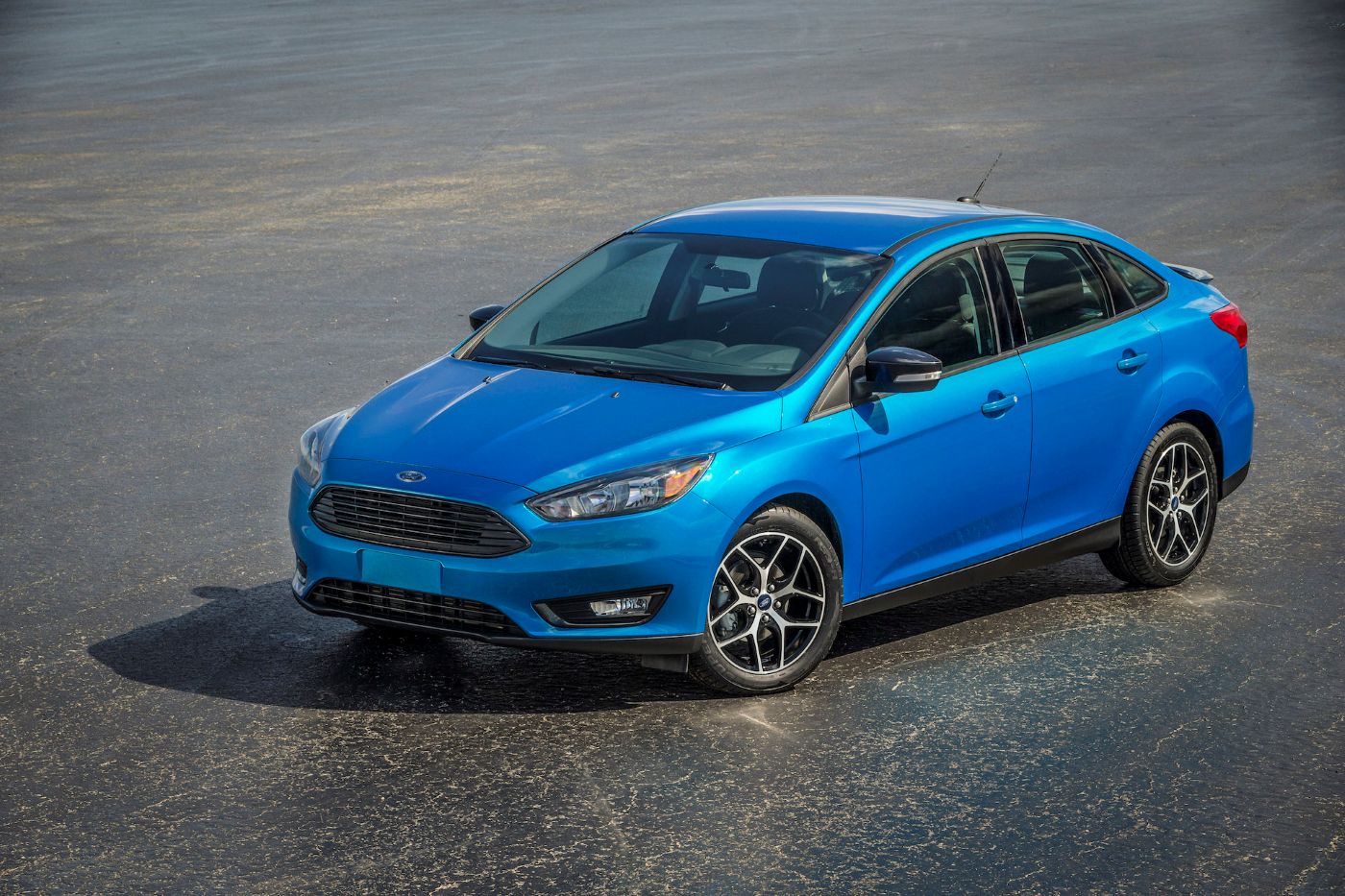
The 2.0-liter Duratec four-cylinder engine found in most Focus models has proven exceptionally reliable, with many examples exceeding 200,000 miles with only routine maintenance.
This naturally aspirated engine features a timing chain rather than a belt, eliminating a major maintenance expense that plagues many import competitors.
The engine’s conservative tuning prioritizes longevity over peak performance, resulting in minimal internal wear even under demanding conditions.
Suspension components represent another Focus strength. The rear multi-link suspension, while more complex than the torsion beam setups found in many import competitors, has shown excellent durability.
Control arms, bushings, and struts typically last well beyond 150,000 miles, even in harsh climates where road salt and temperature extremes challenge component integrity. The Focus’s suspension geometry also promotes even tire wear, reducing long-term operating costs.
Interior build quality in the Focus often exceeds expectations, with door handles, window regulators, and climate control systems functioning reliably well into high-mileage territory.
The electrical systems, a traditional weak point for domestic vehicles, have proven surprisingly robust in the Focus, with minimal issues reported in power accessories and electronic control modules.
2. Chevrolet Cruze (2011-2015 First Generation)
The first-generation Chevrolet Cruze shattered preconceptions about domestic compact car quality, delivering exceptional longevity that frequently surpasses import competitors in the same class.
Built on GM’s global Delta II platform, the Cruze benefited from extensive international development and testing, resulting in a vehicle engineered for durability rather than just initial quality.
The Cruze’s 1.8-liter naturally aspirated four-cylinder engine has become legendary among high-mileage drivers for its ability to accumulate massive mileage totals with minimal issues.
Unlike many modern engines that prioritize power density, the Cruze’s powerplant emphasizes conservative engineering principles that promote longevity.
The timing chain system eliminates belt replacement intervals, while the engine’s aluminum construction provides excellent heat dissipation that prevents the thermal stress issues common in some import engines.
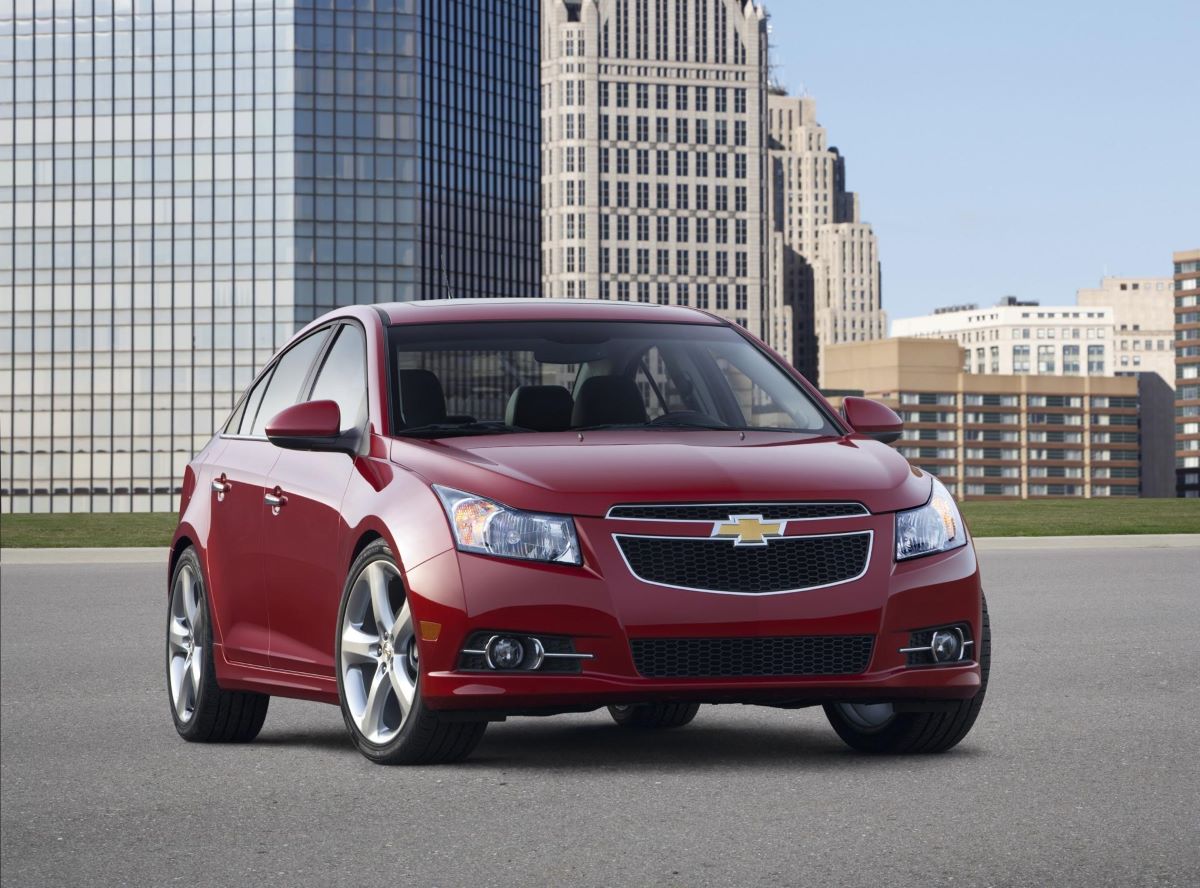
Transmission reliability represents a particular Cruze strength. The six-speed manual transmission, sourced from Aisin, provides smooth operation and exceptional durability, often lasting the vehicle’s entire lifespan without major repairs.
Even the six-speed automatic transmission, despite some early concerns, has proven remarkably reliable in long-term use, with fluid and filter changes at recommended intervals typically ensuring trouble-free operation beyond 200,000 miles.
The Cruze’s electrical systems deserve particular recognition for their reliability. GM invested heavily in electrical architecture development for this platform, resulting in robust wiring harnesses, reliable control modules, and power accessories that continue functioning well into high-mileage territory.
Window motors, door lock actuators, and climate control systems rarely fail prematurely, a stark contrast to some import competitors that experience electrical gremlins as vehicles age.
Structural integrity represents another Cruze advantage. The high-strength steel construction provides excellent long-term durability, with minimal body flex or panel alignment issues even after years of use.
Paint quality and corrosion resistance often exceed expectations, particularly compared to some European imports that struggle with paint adhesion and rust prevention in harsh climates.
3. Dodge Dart (2013-2016)
Despite its relatively short production run, the Dodge Dart has emerged as an unexpected longevity champion among domestic compact cars.
Built on a heavily modified Alfa Romeo Giulietta platform, the Dart combined Italian engineering sophistication with American manufacturing improvements, resulting in a vehicle that often outlasts its import competition in real-world conditions.
The Dart’s 2.0-liter Tigershark four-cylinder engine represents Chrysler’s most successful attempt at creating a durable, efficient compact car powerplant.
This aluminum-block engine features a dual overhead cam design with continuously variable valve timing, providing excellent power delivery while maintaining conservative internal stresses that promote longevity. Many Dart owners report trouble-free operation well beyond 150,000 miles, with only routine maintenance required to keep the engine running smoothly.
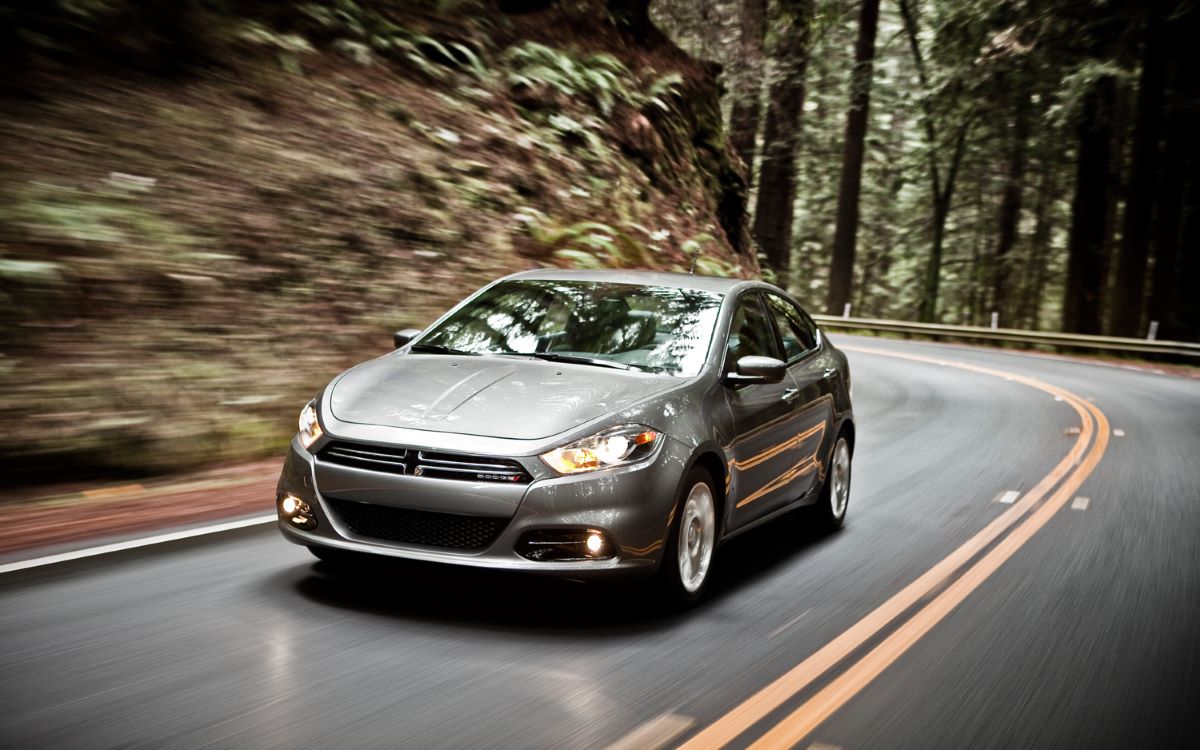
The multiair variable valve actuation system, borrowed from Fiat’s advanced engine technologies, initially raised reliability concerns among skeptics. However, long-term data has shown this system to be remarkably durable when properly maintained.
The electrohydraulic actuators rarely fail, and the system’s ability to optimize valve timing across all operating conditions reduces engine wear compared to conventional valve train designs.
Chassis dynamics and suspension durability represent particular Dart strengths. The sophisticated multilink rear suspension provides excellent handling characteristics while demonstrating exceptional longevity.
Unlike the torsion beam setups found in many import competitors, the Dart’s fully independent suspension maintains precise wheel control even as bushings and components age, resulting in consistent handling and reduced tire wear over the vehicle’s lifetime.
Interior quality in the Dart often surprises owners with its durability. Soft-touch surfaces maintain their appearance and texture even after years of use, while control switches and electronic components function reliably well into high-mileage territory.
The infotainment system, based on Chrysler’s UConnect platform, has proven more reliable than many import alternatives, with minimal software glitches or hardware failures reported by long-term owners.
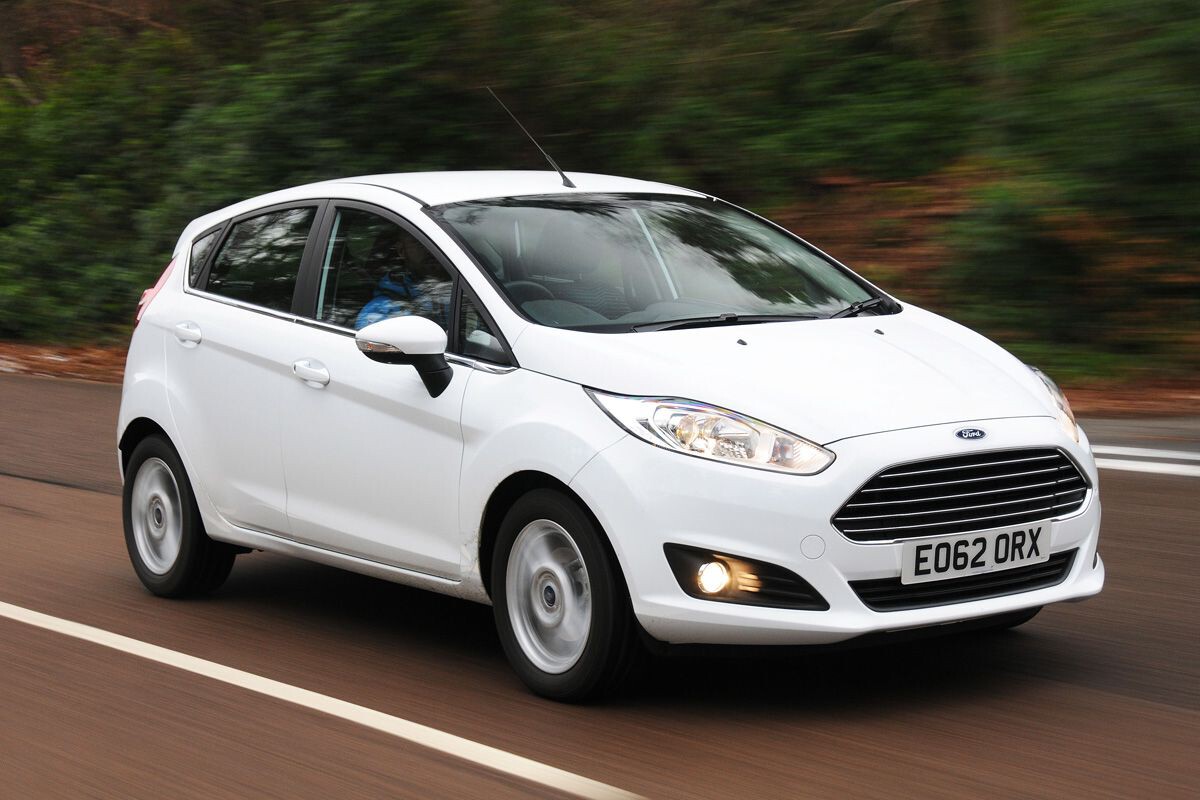
4. Ford Fiesta (2011-2019 Manual Transmission)
The Ford Fiesta, when equipped with a manual transmission, stands as one of the most reliable and long-lasting compact cars ever produced by a domestic manufacturer.
While automatic transmission versions suffered from the same dual-clutch issues that plagued the Focus, manual Fiesta models have consistently demonstrated exceptional durability that often exceeds the longevity of established import competitors.
The Fiesta’s 1.6-liter naturally aspirated four-cylinder engine has proven virtually bulletproof in long-term use. This iron-block powerplant prioritizes durability over performance, resulting in an engine that regularly accumulates 200,000+ miles with only routine maintenance.
The timing belt system, while requiring periodic replacement, uses high-quality components that rarely fail prematurely when maintained according to schedule. The engine’s conservative tuning ensures minimal internal wear, with many examples showing excellent compression and minimal oil consumption even at high mileage.
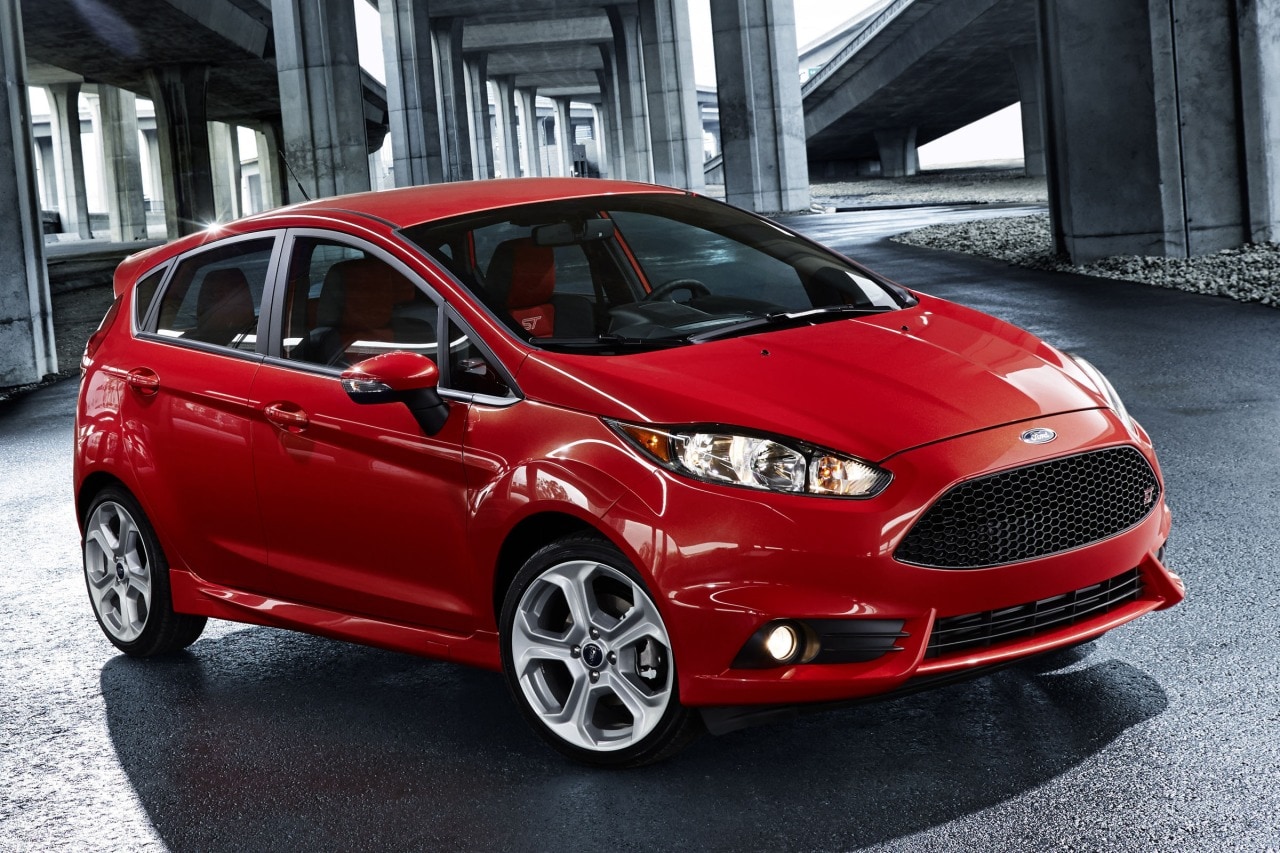
Suspension components in the Fiesta demonstrate remarkable longevity for a vehicle in this price class. The rear torsion beam, while simpler than independent setups, uses high-quality bushings and mounting points that resist wear and maintain proper alignment even under demanding conditions.
Front suspension components, including struts, control arms, and ball joints, typically last well beyond 100,000 miles even in harsh climates where road salt and temperature extremes challenge component integrity.
The manual transmission deserves special recognition for its exceptional durability. The five-speed unit provides smooth, precise operation throughout its lifespan, with proper fluid changes typically ensuring trouble-free operation for the vehicle’s entire service life.
The clutch system, while requiring periodic replacement as a wear item, uses high-quality components that provide excellent longevity and smooth engagement characteristics.
Electrical reliability in the Fiesta consistently exceeds expectations for a compact car in this price range. Power accessories, including window motors, door locks, and climate control systems, function reliably well into high-mileage territory. The relatively simple electrical architecture minimizes potential failure points while ensuring consistent operation of all systems.
Also Read: 5 Kias That Stay Dependable vs 5 That Disappoint Owners
5. Chevrolet Sonic (2012-2020)
The Chevrolet Sonic represents GM’s most successful attempt at creating a truly durable subcompact car, often outlasting import competitors through superior engineering and build quality.
Built on GM’s global Gamma II platform, the Sonic benefited from extensive international development that prioritized long-term durability over cost-cutting measures that compromise reliability.
The Sonic’s 1.8-liter naturally aspirated four-cylinder engine has established an excellent reputation for longevity and reliability. This aluminum-block powerplant features a timing chain system that eliminates belt replacement intervals while providing excellent durability.
The engine’s conservative tuning ensures minimal internal stress, resulting in exceptional longevity that often surpasses more expensive import competitors. Many Sonic owners report trouble-free operation well beyond 150,000 miles with only routine oil changes and basic maintenance.
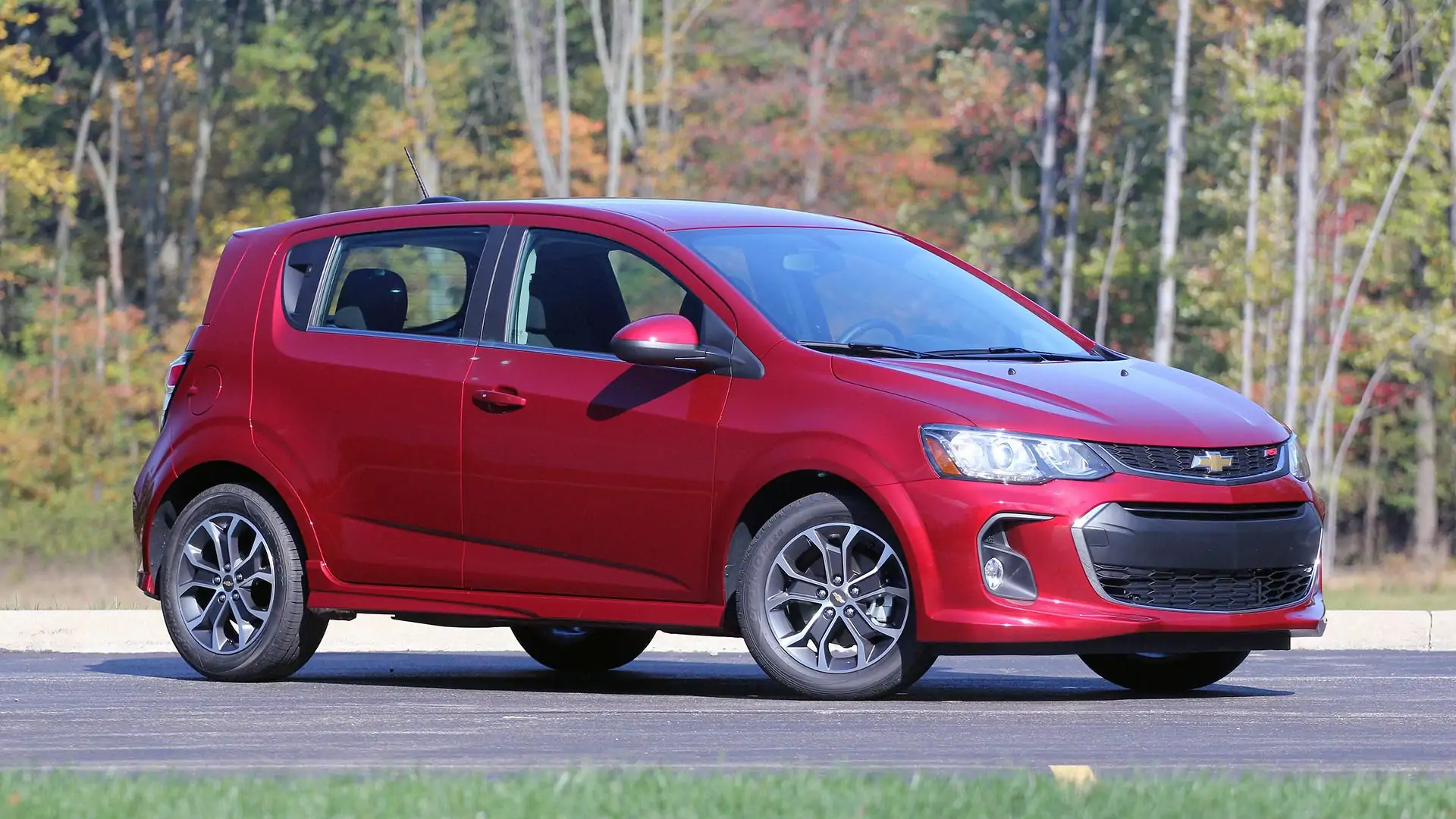
Transmission reliability represents a particular Sonic strength across both manual and automatic variants. The five-speed manual transmission provides smooth operation and exceptional durability, while the six-speed automatic transmission has proven remarkably reliable in long-term use.
Unlike some import competitors that experience transmission issues as vehicles age, the Sonic’s transmissions typically function flawlessly throughout the vehicle’s lifespan when properly maintained.
The Sonic’s electrical systems deserve recognition for their exceptional reliability. GM invested heavily in electrical architecture development for this platform, resulting in robust control modules and wiring harnesses that resist corrosion and component failure.
Power accessories, including power windows, door locks, and climate control systems, consistently function reliably well into high-mileage territory, often outlasting similar systems in more expensive import vehicles.
Structural integrity and build quality in the Sonic often exceed expectations for vehicles in this price class. The high-strength steel construction provides excellent crash protection while maintaining structural rigidity over the vehicle’s lifespan.
Paint quality and corrosion resistance consistently outperform many import competitors, particularly in harsh climates where road salt and temperature extremes challenge vehicle durability.
5 Imports with Short Lifespans
These overhyped foreign vehicles disappoint owners with premature failures, expensive repairs, and reliability issues that contradict their prestigious reputation and premium pricing through inadequate engineering and substandard manufacturing processes that prioritize cost reduction over quality.
Their compromised construction incorporates problematic engines, unreliable electrical systems, and poor build quality that generate endless repair headaches despite import positioning that suggests superior engineering excellence over domestic alternatives.
The combination of frequent breakdowns, specialized service requirements, and disappointing durability creates ownership disasters as buyers discover that foreign badges cannot compensate for fundamental quality control failures that transform reliable transportation into expensive repair burdens.
From European models with known reliability issues to Asian vehicles with premature component failures, these cars prove that import reputation often exceeds actual performance while creating financial nightmares for unsuspecting buyers.
Their complex systems incorporate fragile components, expensive replacement parts, and specialized diagnostic requirements that make routine maintenance costly and time-consuming.
These imports frequently require major repairs before reaching 100,000 miles, with transmission failures, engine problems, and electrical system malfunctions becoming common occurrences that destroy both owner confidence and resale value.
They represent everything wrong with modern import marketing, where reputation and brand prestige mask fundamental reliability problems that transform premium purchases into regrettable decisions requiring constant professional attention and expensive component replacement.
1. Nissan CVT-Equipped Models (2013-2019 Sentra, Altima, Rogue)
Nissan’s widespread adoption of continuously variable transmissions (CVT) across their lineup has resulted in one of the most significant reliability disasters in modern automotive history.
Models equipped with Nissan’s Xtronic CVT, including the Sentra, Altima, and Rogue, have consistently demonstrated premature failures that often occur well before 100,000 miles, creating massive repair costs that frequently exceed the vehicles’ residual values.
The fundamental engineering problems with Nissan’s CVT design stem from cost-cutting measures that prioritized initial manufacturing costs over long-term durability.
The transmission uses a steel belt and pulley system that operates under extreme stress, particularly during acceleration and hill climbing. Unlike traditional automatic transmissions that distribute load across multiple gear sets, the CVT concentrates all stress on the belt and pulley interface, leading to rapid wear and eventual failure.
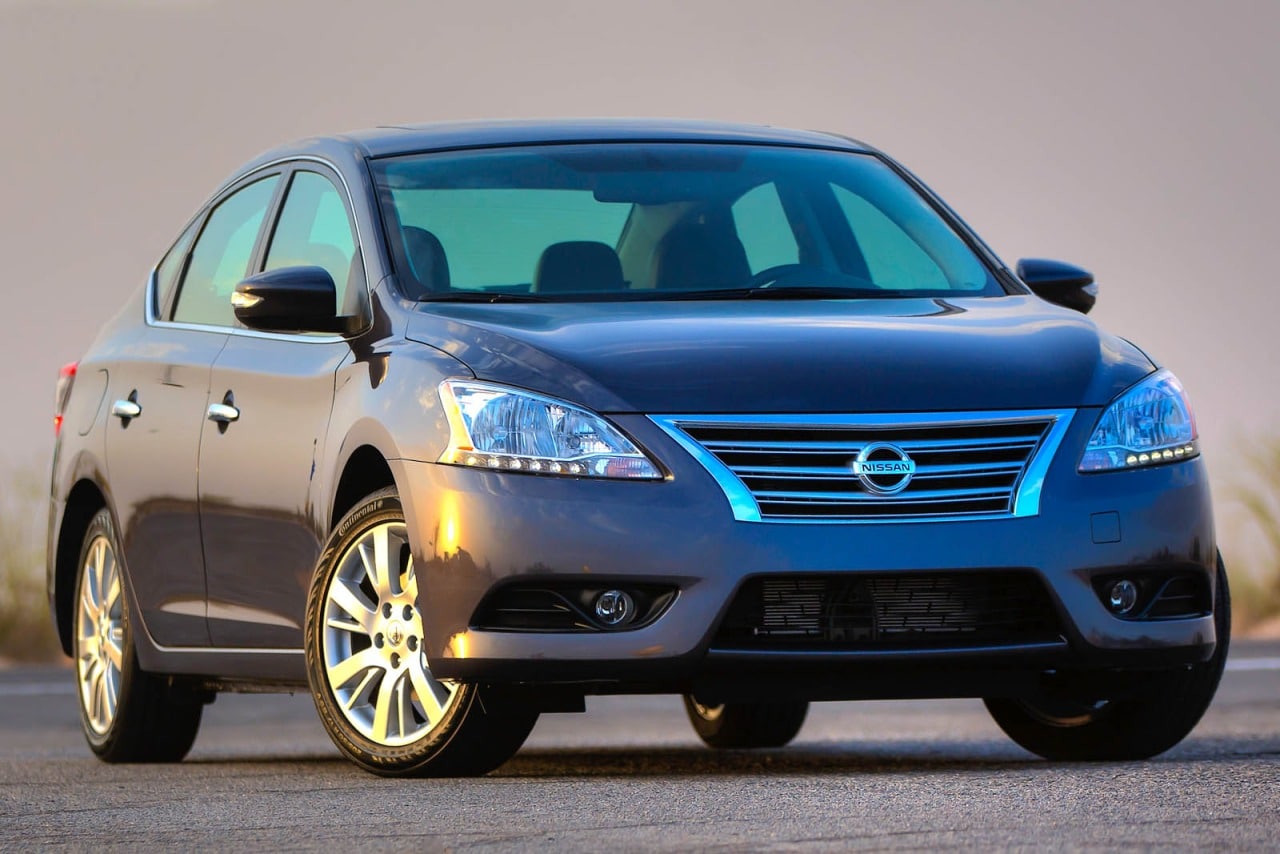
Heat management represents another critical flaw in Nissan’s CVT design. The transmission fluid operates at temperatures significantly higher than conventional automatics, breaking down the fluid’s lubricating properties and causing internal components to wear rapidly.
Many owners report transmission fluid that appears burnt and contaminated at relatively low mileage, indicating severe internal stress that compromises longevity.
The economic impact of these failures cannot be overstated. CVT replacement costs typically range from $4,000 to $6,000, often exceeding the vehicle’s value at the time of failure.
This has created a secondary market disaster, with affected vehicles experiencing catastrophic depreciation as potential buyers avoid models with known transmission issues.
Many owners find themselves underwater on loans with vehicles that require repair costs exceeding their worth. Nissan’s response to these widespread failures has been inadequate, with extended warranties that often expire before many failures occur.
The company’s reluctance to acknowledge the systemic nature of these problems has damaged their reputation for reliability, particularly compared to domestic competitors that have invested heavily in transmission durability. Class-action lawsuits and consumer complaints continue to mount as more vehicles reach the mileage ranges where CVT failures typically occur.
2. Volkswagen Jetta TDI (2009-2015)
The Volkswagen Jetta TDI, once celebrated for its impressive fuel economy and German engineering pedigree, has proven to be one of the most problematic compact cars ever produced, with reliability issues extending far beyond the infamous emissions scandal.
These vehicles have consistently demonstrated shorter lifespans than domestic competitors due to complex emissions systems, expensive maintenance requirements, and catastrophic component failures.
The 2.0-liter TDI diesel engine, while initially impressive for fuel economy, suffers from numerous design flaws that compromise long-term reliability.
The high-pressure fuel injection system requires extremely precise tolerances and expensive components that frequently fail outside warranty periods.
Fuel injectors, high-pressure fuel pumps, and related components often require replacement at costs exceeding $3,000, typically occurring around 80,000-120,000 miles.
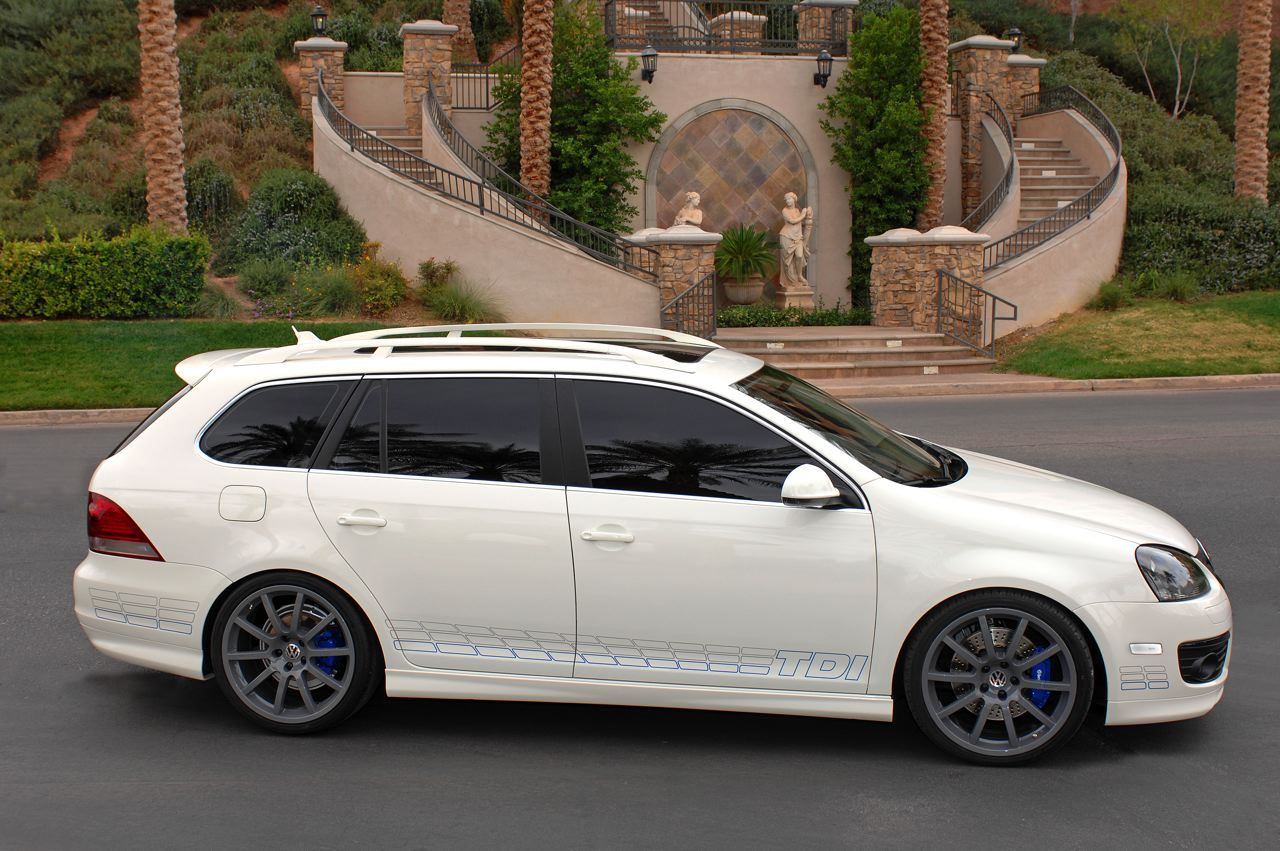
The emissions control systems represent a particular nightmare for TDI owners. The diesel particulate filter (DPF) requires regular regeneration cycles that many drivers inadvertently interrupt through short-trip driving patterns.
When the DPF becomes clogged, replacement costs can exceed $4,000, often occurring at relatively low mileage. The urea injection system (AdBlue) adds another layer of complexity and potential failure points that increase maintenance costs and reduce reliability.
Electrical systems in the Jetta TDI have proven notoriously unreliable, with multiple control modules susceptible to failure. The engine control unit, transmission control module, and various sensor systems frequently experience issues that result in expensive diagnostic procedures and component replacements.
Many owners report chronic check engine lights and reduced performance modes that require repeated dealer visits to resolve. The emissions scandal revelation in 2015 effectively ended the TDI’s market viability, with Volkswagen offering buyback programs that many owners gladly accepted.
The combination of high maintenance costs, reliability issues, and regulatory problems created a perfect storm that demonstrated how sophisticated engineering can reduce rather than improve long-term vehicle durability when complexity exceeds the manufacturer’s ability to ensure reliable operation.
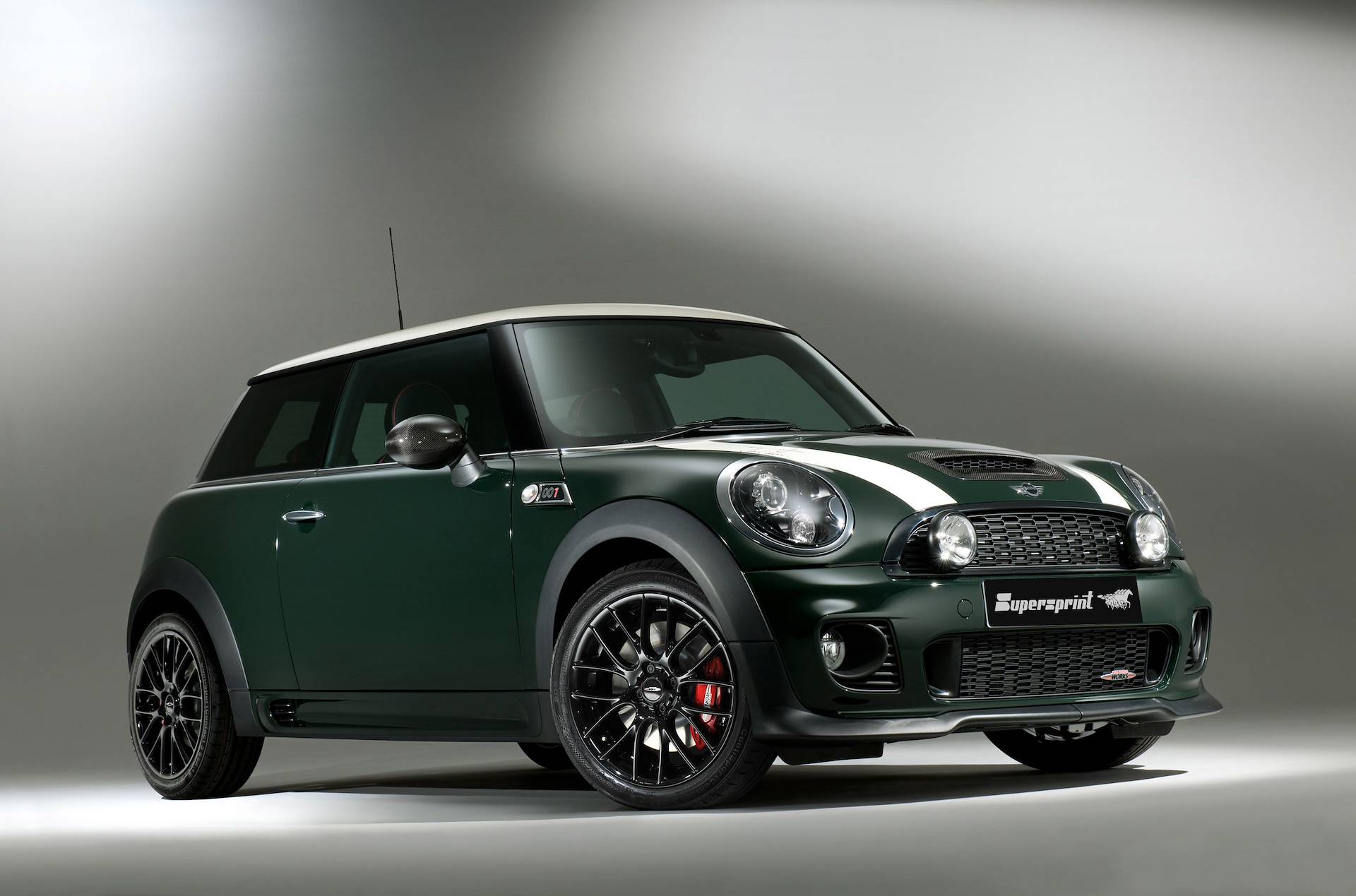
3. Mini Cooper S (2007-2013)
The second-generation Mini Cooper S, despite its premium positioning and BMW engineering heritage, has established one of the worst reliability records among compact cars, with engine failures, transmission problems, and electrical issues occurring at rates that far exceed domestic competitors.
The combination of high-stress engineering and inadequate durability testing has resulted in vehicles that frequently require major repairs well before reaching 100,000 miles.
The turbocharged 1.6-liter engine represents the Cooper S’s most significant weakness, with timing chain failures occurring at alarmingly low mileage rates.
The engine uses a timing chain system that stretches prematurely, causing catastrophic internal damage when the chain jumps timing. These failures often occur between 60,000-80,000 miles and require complete engine rebuilds costing $8,000 or more, typically exceeding the vehicle’s residual value.
Carbon buildup in the direct-injection engine creates additional reliability problems that require expensive cleaning procedures every 30,000-40,000 miles.
The high-pressure fuel system components, including injectors and fuel pumps, frequently fail and require replacement at costs that can exceed $2,000. The turbocharger system adds another layer of complexity and potential failure points, with wastegate and actuator problems commonly reported.
Transmission problems plague both manual and automatic Cooper S models. The manual transmission suffers from clutch failures at relatively low mileage, while the automatic transmission experiences control module failures and shifting problems that require expensive repairs.
The all-wheel-drive system in Countryman models adds additional complexity and potential failure points that further reduce reliability. Electrical systems in the Cooper S demonstrate the worst aspects of German over-engineering, with multiple control modules susceptible to failure and expensive diagnostic procedures required for even minor issues.
Window regulators, door handles, and climate control systems frequently fail outside warranty periods, creating ongoing ownership costs that make these vehicles economically unviable for long-term ownership compared to domestic alternatives that prioritize durability over technological complexity.
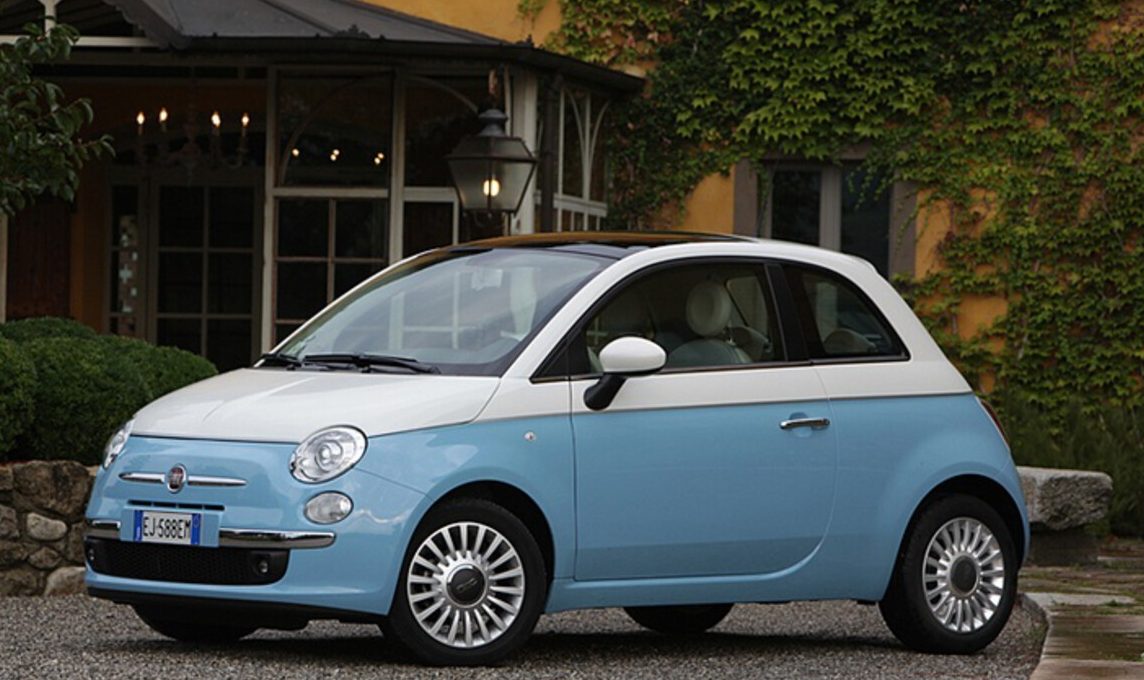
4. Fiat 500 (2012-2019)
The Fiat 500’s return to the American market represented a significant disappointment in terms of reliability and longevity, with widespread mechanical and electrical problems that have made it one of the shortest-lived compact cars available.
Despite its charming styling and European heritage, the 500 consistently demonstrates reliability issues that often render vehicles unusable well before reaching typical end-of-life mileage.
The 1.4-liter MultiAir engine, while innovative in design, suffers from numerous reliability problems that compromise long-term durability. The electromagnetic valve actuation system frequently fails, causing rough idling, reduced power, and eventually complete engine failure.
Repair costs for MultiAir system failures typically exceed $3,000 and often recur, making these vehicles economically unviable for long-term ownership.
Transmission problems affect both manual and automatic 500 models, with the automated manual transmission being particularly problematic. The dual-dry-clutch system experiences premature wear and failure, often requiring complete replacement at costs exceeding the vehicle’s residual value.
Manual transmission models suffer from clutch failures and synchronizer problems that compromise shifting quality and require expensive repairs.
Electrical systems in the 500 represent a catastrophic failure of modern automotive engineering, with widespread problems affecting everything from basic lighting systems to engine management controls.
Multiple owners report chronic electrical gremlins that require repeated dealer visits and expensive diagnostic procedures to resolve. The complexity of interconnected control modules means that single component failures often cascade into multiple system problems.
Build quality issues plague 500 production, with paint defects, panel fit problems, and interior component failures occurring at rates that far exceed industry standards.
Door handles break, window regulators fail, and climate control systems malfunction at low mileage, creating ongoing warranty claims and customer dissatisfaction that has effectively ended the model’s market viability in the United States.
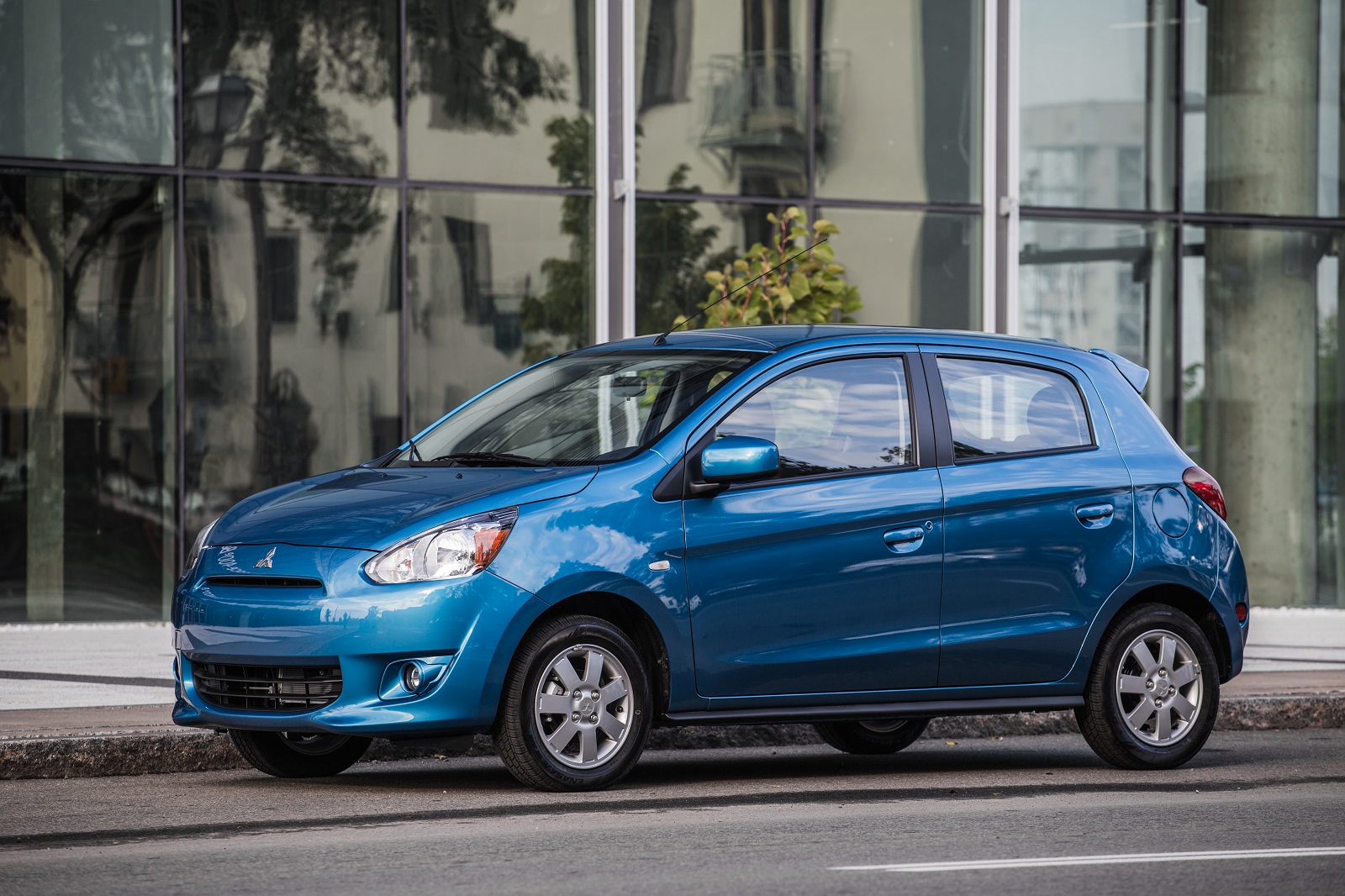
5. Mitsubishi Mirage (2014-2022)
The Mitsubishi Mirage, positioned as an affordable entry-level compact car, has consistently demonstrated reliability and longevity issues that make it a poor value proposition compared to domestic competitors.
Despite its low initial purchase price, the Mirage’s tendency toward premature component failures and expensive maintenance requirements often result in higher total ownership costs than more expensive domestic alternatives.
The 1.2-liter three-cylinder engine, while fuel-efficient, suffers from durability issues that become apparent as vehicles accumulate mileage. The engine’s aluminum construction and high-stress operating characteristics result in premature wear of internal components, with many owners reporting excessive oil consumption and reduced performance at relatively low mileage.
The timing chain system, while eliminating belt replacement intervals, has proven susceptible to stretching and tensioner failures. The continuously variable transmission (CVT) in the Mirage demonstrates many of the same reliability problems that plague Nissan’s CVT systems, with premature failures occurring well before 100,000 miles.
The transmission’s steel belt and pulley system operates under extreme stress, leading to belt stretching and eventual failure that requires complete transmission replacement. Heat management issues cause transmission fluid to break down rapidly, accelerating internal wear.
Suspension components in the Mirage demonstrate inadequate durability for American road conditions, with struts, bushings, and control arms frequently requiring replacement at intervals that exceed maintenance budgets for cost-conscious buyers.
The rear torsion beam suspension, while simple in design, uses low-quality components that wear rapidly and compromise vehicle handling and safety.
Electrical systems in the Mirage reflect the cost-cutting measures evident throughout the vehicle, with basic components like window motors, door locks, and climate control systems failing at rates that create ongoing warranty claims and customer dissatisfaction.
The vehicle’s simple electrical architecture, while reducing complexity, uses low-quality components that compromise long-term reliability and create negative ownership experiences that damage Mitsubishi’s already troubled reputation in the American market.
Also Read: 5 Hyundais That Rarely Fail Brakes vs 5 That Burn Pads Monthly
