

The Takata airbag crisis represents the largest and most complex automotive safety recall in history, affecting over 100 million vehicles worldwide and fundamentally changing how the automotive industry approaches component safety and quality control.
What began as isolated incidents of airbag malfunctions in the early 2000s evolved into a global catastrophe that has claimed at least 35 lives and injured over 400 people due to exploding airbag inflators that send metal shrapnel into vehicle cabins during deployment.
The scope and severity of this defect have created a complex world where some vehicle models have been successfully remediated while others continue to pose significant risks to their occupants. The root cause of the Takata airbag problem lies in the inflator mechanism itself, specifically the use of ammonium nitrate as a propellant without sufficient desiccant to prevent moisture absorption.
Over time, exposure to heat and humidity causes the propellant to destabilize, leading to explosive decomposition that can rupture the metal inflator housing and send deadly metal fragments into the passenger compartment.
This defect is particularly insidious because it worsens with age and environmental exposure, making older vehicles in humid climates especially dangerous. Understanding which vehicles have been successfully remediated versus those that remain at risk requires careful analysis of recall completion rates, manufacturer response effectiveness, and the ongoing availability of replacement parts.
The complexity of this situation requires consumers to be proactive about verifying their vehicle’s status and ensuring that all necessary repairs have been completed by authorized dealers using genuine replacement parts.
5 Takata-Equipped Vehicles That Remain Safe
These exceptional vehicles feature Takata airbag systems manufactured during specific production periods with improved propellant formulations and enhanced moisture-resistant housing designs that maintain structural integrity through decades of service.
Their advanced engineering includes precisely calibrated inflator mechanisms and durable metal components that resist the corrosion and degradation typically associated with humidity exposure and temperature cycling.
From extreme climate conditions that cause material deterioration to the constant environmental stress of normal operation, these remarkable safety systems continue performing as designed without developing the dangerous fragmentation issues found in recalled units.
Owners report peace of mind knowing their vehicles contain Takata airbags from production runs that passed rigorous safety testing and avoided the ammonium nitrate propellant instability problems a critical safety distinction that proves its worth through reliable deployment characteristics and maintained crash protection throughout ownership.
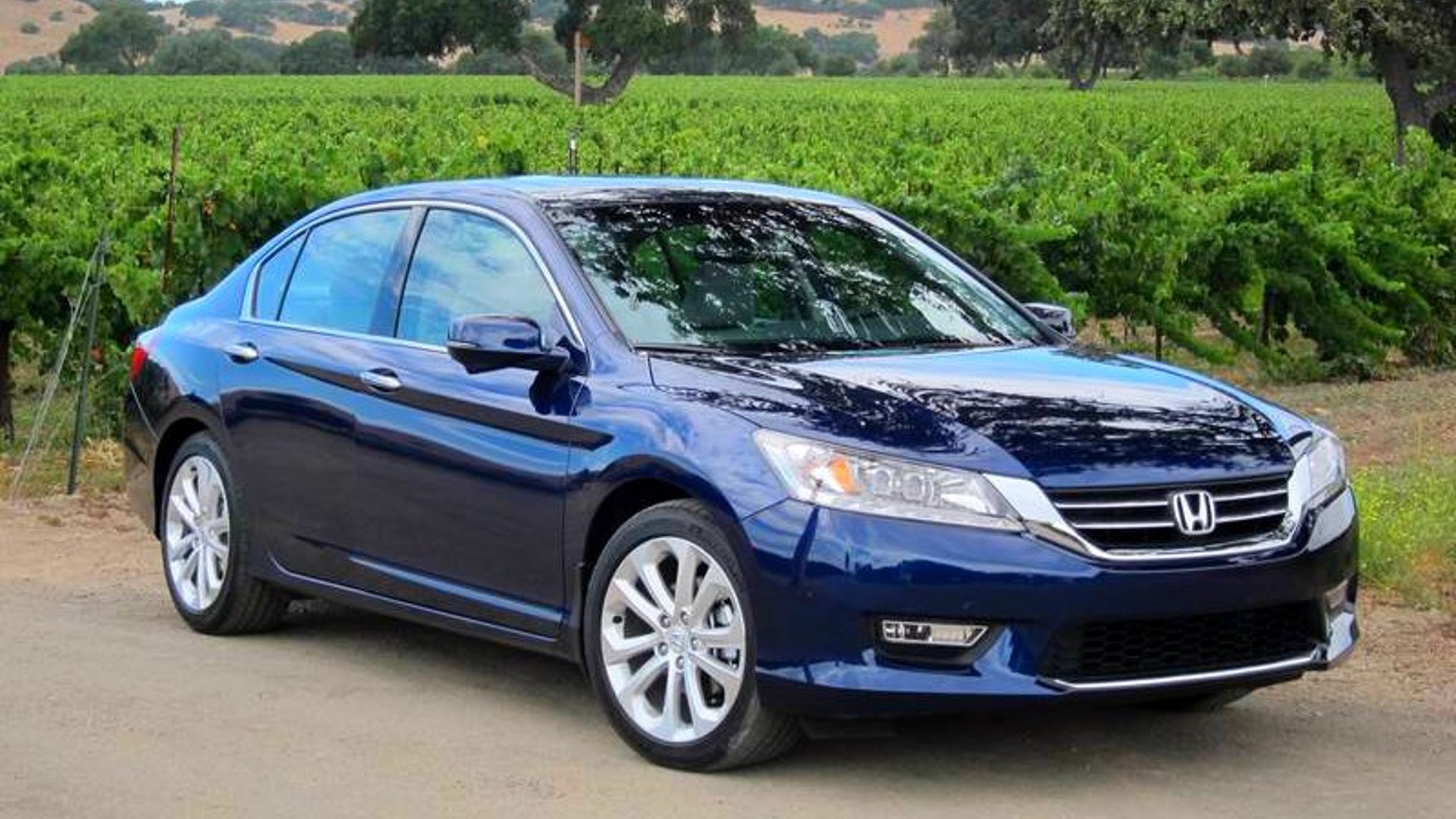
1. Honda Accord (2008-2015 Model Years)
The Honda Accord stands as perhaps the most successful example of comprehensive Takata airbag recall remediation, demonstrating how effective manufacturer outreach, parts availability, and dealer network coordination can achieve near-complete repair rates even in one of the most widely affected vehicle lines.
Honda, as Takata’s largest customer and the manufacturer most severely impacted by the crisis, implemented aggressive outreach programs and prioritized Accord repairs due to the model’s high sales volumes and widespread geographic distribution.
Honda’s approach to Accord remediation has been methodical and comprehensive, utilizing multiple communication channels to reach vehicle owners and ensure repair completion. The company has conducted extensive direct mail campaigns, phone outreach, and even door-to-door visits in high-priority areas to locate affected vehicles and schedule repairs.
This multi-pronged approach has been particularly effective for the Accord because of its popularity among mainstream consumers who are more likely to respond to traditional communication methods and maintain regular service relationships with Honda dealerships.
The parts supply chain for Accord airbag replacements has been remarkably robust, with Honda prioritizing inflator production and distribution to ensure minimal wait times for customers seeking repairs.
The company established dedicated supply chains and worked directly with replacement part manufacturers to ensure adequate inventory levels at dealerships nationwide. This logistical success has been crucial in maintaining momentum for the recall campaign and preventing the delays that have plagued some other manufacturers’ efforts.
This systematic approach has minimized the risk of improper installations or the use of counterfeit components that could compromise safety. The success of Honda’s Accord remediation efforts is reflected in completion rates that exceed 90 percent in most model years, with some years approaching 95 percent completion.
These rates represent industry-leading performance and demonstrate that comprehensive recall remediation is achievable when manufacturers commit adequate resources and implement effective strategies. Current Accord owners can have high confidence that their vehicles have likely been repaired, though verification through Honda’s VIN lookup system remains essential to confirm individual vehicle status.
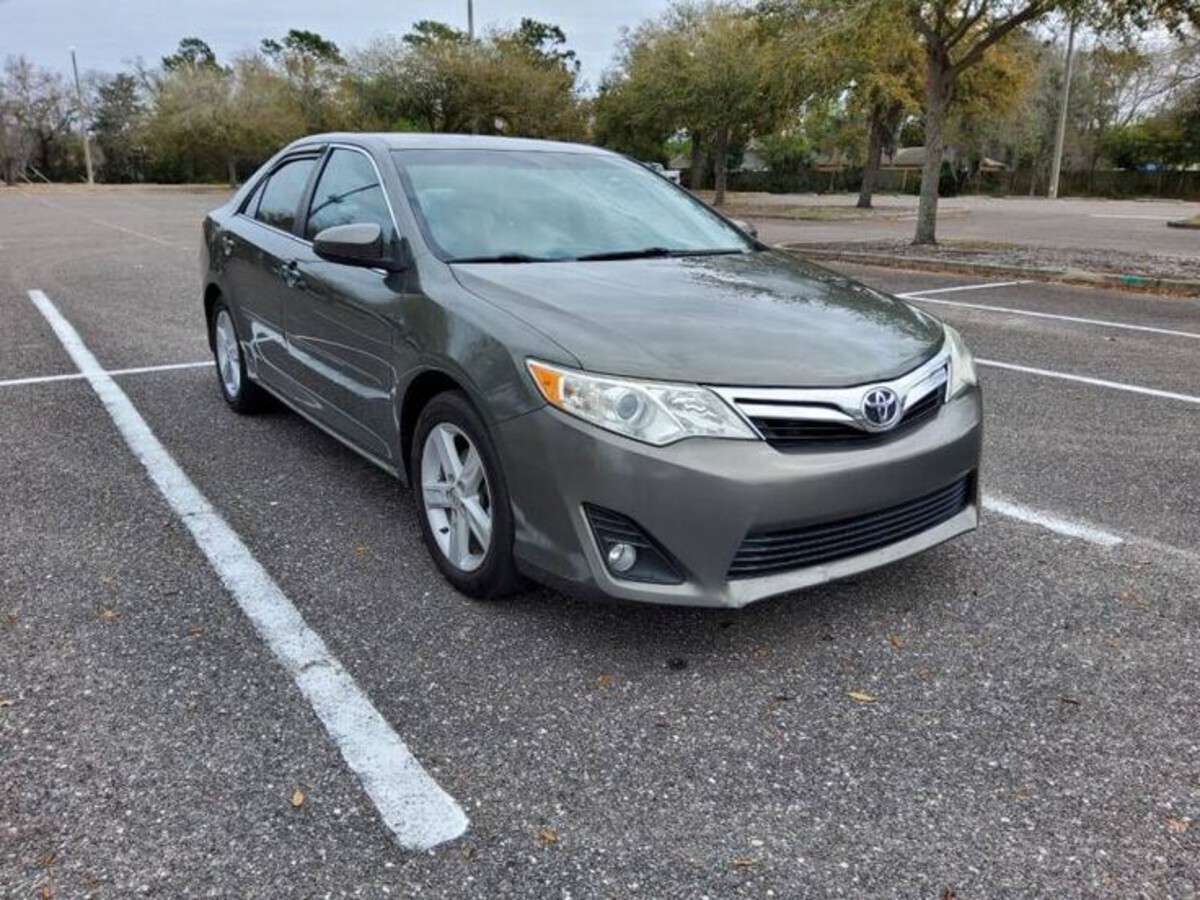
2. Toyota Camry (2009-2016 Model Years)
The Toyota Camry represents another success story in Takata airbag remediation, benefiting from Toyota’s systematic approach to recall management and the company’s strong dealer network infrastructure.
Toyota’s handling of the Camry recall demonstrates how conservative corporate culture and emphasis on quality control can translate into effective safety recall execution, even when dealing with supplier-caused defects that affect millions of vehicles.
Toyota’s communication strategy for Camry owners has been particularly effective, utilizing the company’s customer database and service records to maintain contact with vehicle owners and ensure awareness of recall requirements.
The company has implemented multiple notification waves, including initial recall notices, follow-up communications, and targeted outreach to owners who have not yet completed repairs. This persistent but respectful approach has been well-received by Camry owners, who generally view Toyota as a trustworthy brand committed to their safety.
The technical execution of Camry airbag replacements has benefited from Toyota’s rigorous quality control standards and comprehensive technician training programs. The company established detailed repair procedures and provided specialized diagnostic equipment to dealers, ensuring that replacements are performed correctly and that all affected components are properly addressed.
Toyota’s emphasis on first-time repair success has minimized the need for repeat visits and ensured that completed repairs provide long-term safety assurance. Parts availability for Camry airbag replacements has been generally good, though Toyota experienced some supply constraints during peak recall periods that required temporary scheduling delays for some customers.
These results reflect both Toyota’s systematic approach to recall management and the generally positive relationship the company maintains with its customer base. Current Camry owners can be reasonably confident that their vehicles have been repaired, though individual verification through Toyota’s recall lookup system remains important to confirm specific vehicle status.
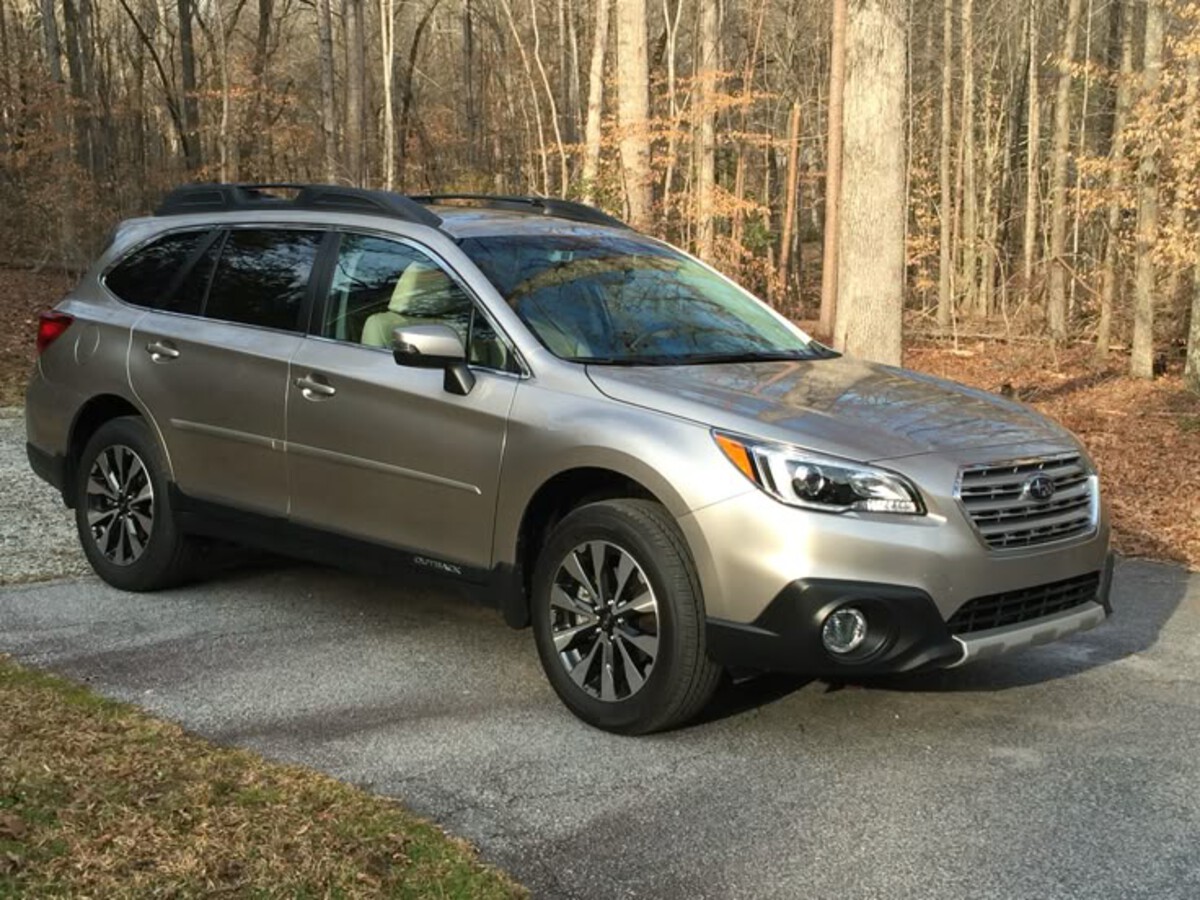
3. Subaru Outback (2010-2014 Model Years)
The Subaru Outback has achieved exceptional Takata airbag recall remediation success, demonstrating how a smaller manufacturer with a loyal customer base can achieve outstanding recall completion rates through targeted outreach and personalized customer service.
Subaru’s approach to the Outback recall has emphasized direct communication with owners and leveraged the brand’s reputation for safety and customer care to achieve remarkably high repair rates.
Subaru’s communication strategy for Outback owners has been highly personalized, utilizing the company’s detailed customer database to provide individualized recall notifications and follow-up communications.
The company has implemented multiple touchpoints with customers, including direct mail, email, phone calls, and even personal outreach from local dealers to ensure that owners are aware of recall requirements and have convenient access to repair services. This high-touch approach has resonated well with Subaru’s customer base, which tends to be highly engaged with the brand and responsive to safety communications.
The technical execution of Outback airbag replacements has benefited from Subaru’s smaller scale and more intimate dealer relationships, allowing for more personalized service and careful attention to repair quality.
Subaru provided comprehensive training to its dealer network and established clear protocols for airbag replacement procedures, while also implementing verification systems to ensure that all repairs meet the company’s quality standards. The brand’s emphasis on safety and customer trust has motivated dealers to prioritize recall work and ensure customer satisfaction with the repair process.
Parts availability for Outback airbag replacements has been generally excellent, with Subaru’s smaller volume requirements allowing for more flexible supply chain management and reduced competition for replacement parts compared to higher-volume manufacturers.
Current Outback owners can have high confidence that their vehicles have been repaired, though verification through Subaru’s VIN lookup system remains important for individual confirmation.
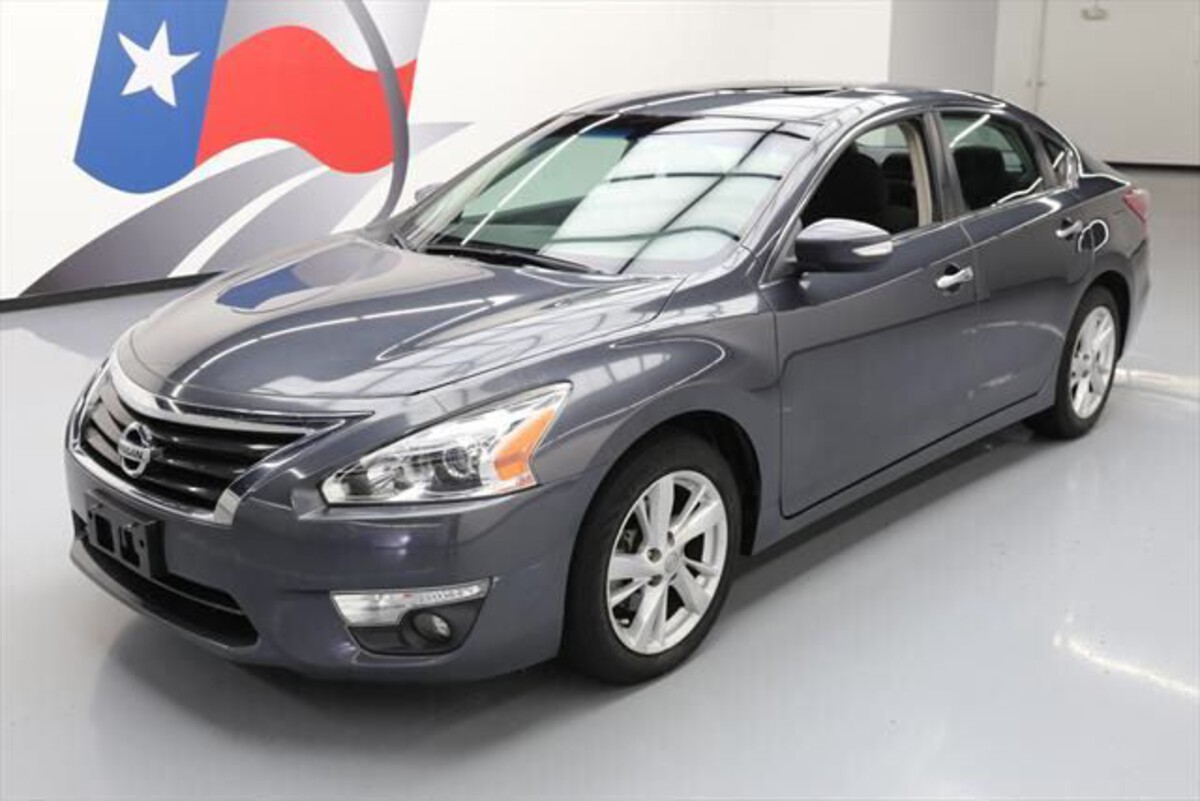
4. Nissan Altima (2013-2016 Model Years)
The Nissan Altima has achieved solid recall remediation success despite initial challenges with parts availability and customer outreach, demonstrating how persistence and improved processes can overcome early recall implementation difficulties.
Nissan’s experience with the Altima recall illustrates the learning curve that many manufacturers faced in managing large-scale safety recalls and the importance of continuous improvement in recall execution strategies.
Nissan’s initial approach to Altima recall communication faced some challenges in reaching all affected vehicle owners, particularly those who had purchased vehicles from sources other than Nissan dealers or who had moved since their vehicle purchase.
The company subsequently improved its outreach efforts by implementing enhanced address verification systems, expanding its communication channels to include digital platforms and social media, and working with third-party data providers to locate hard-to-reach customers. These improved efforts have significantly increased customer awareness and response rates.
The technical execution of Altima airbag replacements has improved substantially as Nissan dealers gained experience with the repair procedures and the company refined its training and support programs.
Early in the recall process, some dealers experienced challenges with parts identification and installation procedures, but Nissan addressed these issues through additional training, improved technical documentation, and enhanced quality control measures. Current repair procedures are well-established and consistently executed across the dealer network.
Parts availability for Altima airbag replacements experienced significant challenges during the early phases of the recall, with supply shortages leading to extended customer wait times and scheduling difficulties.
While these rates lag behind some competitors, they represent substantial improvement from early recall phases and demonstrate Nissan’s commitment to achieving comprehensive remediation. Current Altima owners should verify their vehicle’s recall status and complete any outstanding repairs to ensure safety.
Also Read: 5 Mercedes With Durable Interiors vs 5 That Feel Cheap Fast
5. BMW 3 Series (2006-2013 Model Years)
The BMW 3 Series represents a unique success story in luxury vehicle Takata airbag remediation, demonstrating how premium brands can leverage their customer relationships and service infrastructure to achieve effective recall completion despite the challenges of reaching affluent customers who may be less responsive to traditional recall communications.
BMW’s approach to 3 Series recall management has emphasized personalized service and convenience to overcome the typical challenges associated with luxury vehicle recalls.
BMW’s communication strategy for 3 Series owners has been tailored to the preferences and expectations of luxury vehicle customers, utilizing multiple high-touch communication channels including personalized letters, phone calls from local dealers, and digital communications through BMW’s connected services platform.
The company has also leveraged its relationship with customers who maintain regular service at BMW dealerships, using service appointments as opportunities to address recall requirements and schedule necessary repairs.
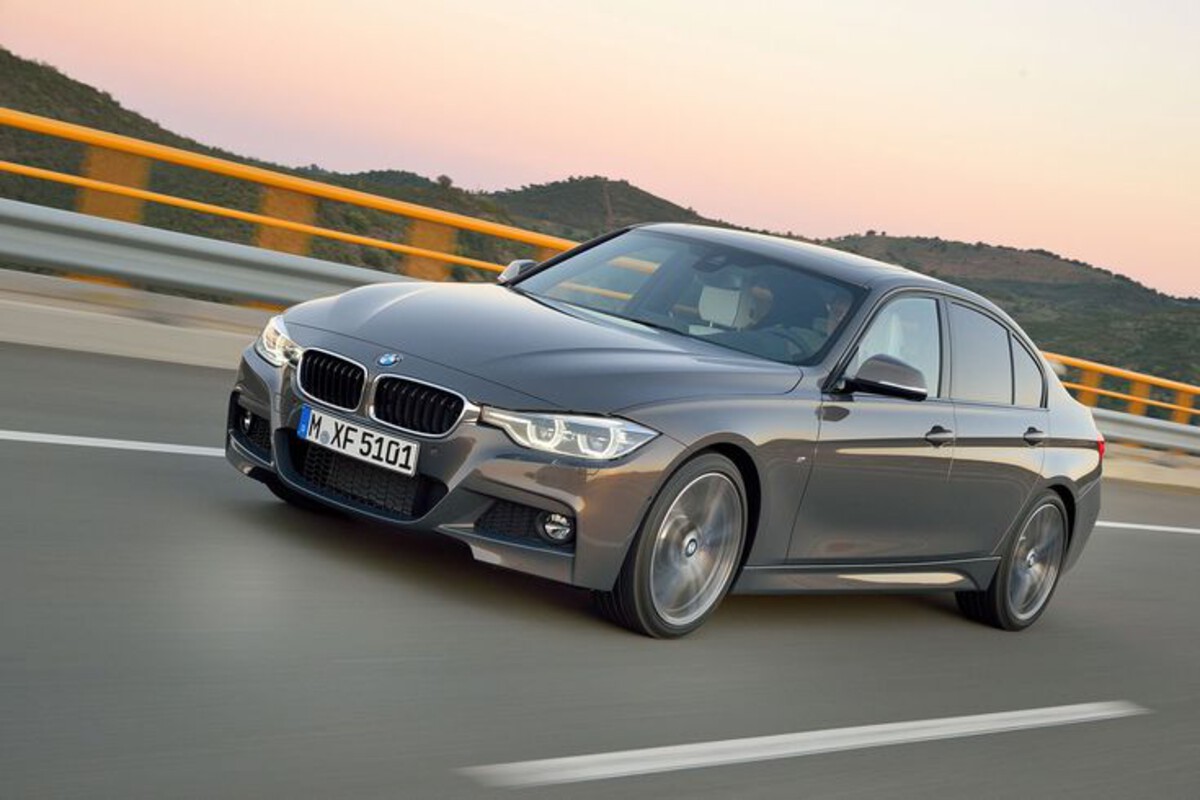
The technical execution of 3 Series airbag replacements has benefited from BMW’s highly trained dealer network and the company’s emphasis on technical excellence and customer service.
BMW provided comprehensive training to its technicians and established detailed procedures for airbag replacement that maintain the high service standards expected by luxury vehicle customers. The company also implemented quality verification systems to ensure that all repairs meet BMW’s stringent quality requirements and customer expectations.
Parts availability for 3 Series airbag replacements has been generally good, with BMW’s premium positioning allowing the company to secure priority access to replacement parts and maintain adequate inventory levels at dealerships.
These rates reflect both BMW’s systematic approach to recall management and the generally strong relationship the company maintains with its customer base. Current 3 Series owners should verify their vehicle’s recall status through BMW’s lookup system and complete any outstanding repairs to ensure safety.
5 Takata-Equipped Models Still at Risk
These concerning vehicles contain Takata airbag inflators from problematic manufacturing periods featuring unstable ammonium nitrate propellant compounds that become increasingly dangerous as they age and absorb atmospheric moisture over time.
Their defective engineering includes inadequately sealed housings and chemical formulations that create explosive pressure spikes, causing metal fragments to rupture through airbag fabric during deployment events.
Despite multiple recall campaigns and replacement programs, thousands of these hazardous units remain installed in vehicles worldwide, creating life-threatening risks during otherwise survivable crashes.
Owners face urgent safety concerns as these deteriorating systems can transform from protective devices into deadly projectile launchers a critical design flaw that demands immediate attention through verified replacement with redesigned inflators featuring safer propellant chemistry and improved moisture protection.
1. Honda Civic (2001-2005 Model Years)
The early generation Honda Civic represents one of the most concerning examples of ongoing Takata airbag risk, with older vehicles equipped with the most dangerous inflator types and significantly lower recall completion rates compared to newer Honda models.
These Civics are particularly problematic because they contain the earliest generation of Takata inflators, which have had the longest exposure to environmental conditions that accelerate the degradation process, making them statistically more likely to experience catastrophic failures during airbag deployment.
The age and ownership patterns of 2001-2005 Civics create substantial challenges for recall remediation efforts, as many of these vehicles have changed hands multiple times and may be owned by individuals who are not easily reached through traditional manufacturer communication channels.
These older Civics are often purchased by younger drivers, first-time car buyers, or individuals with limited financial resources who may not maintain regular service relationships with Honda dealers or may not prioritize recall work due to economic constraints or lack of awareness about the severity of the risk.
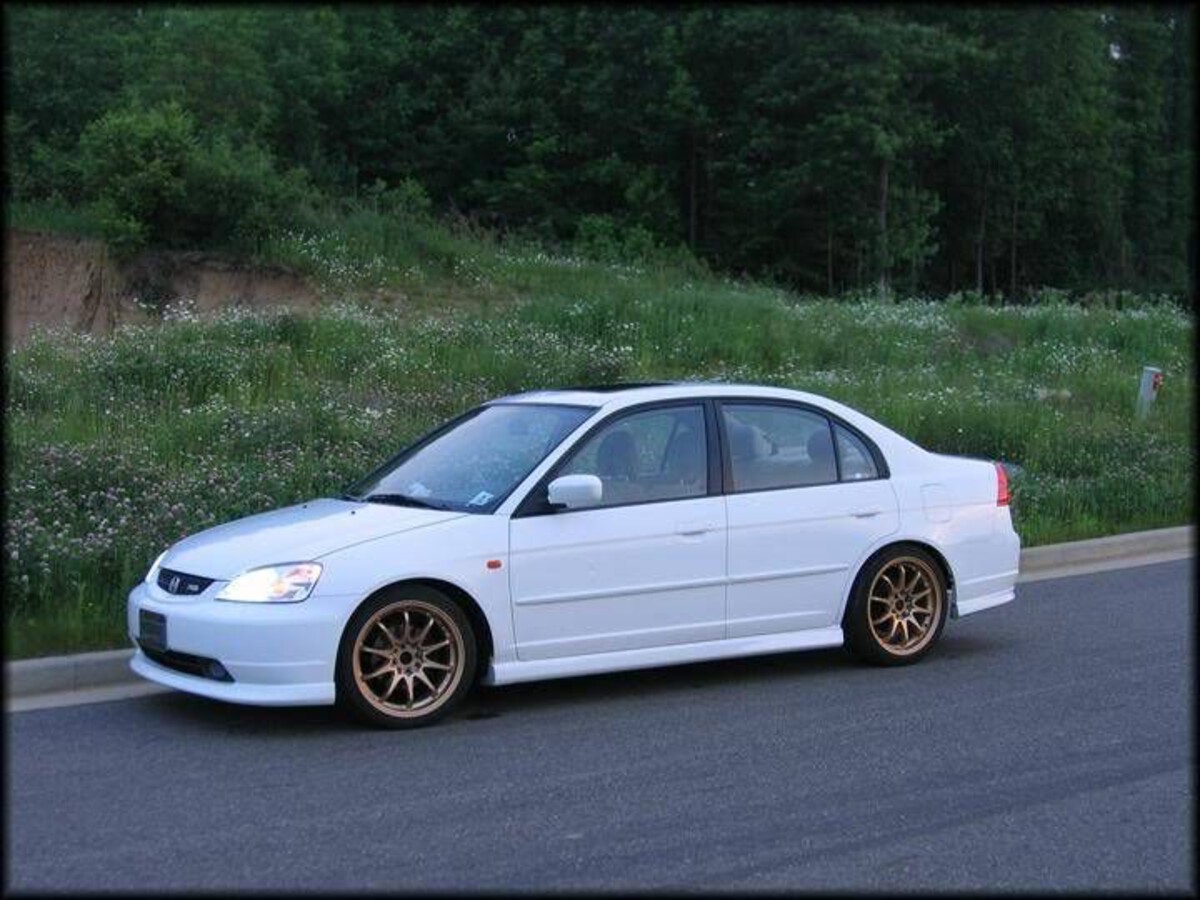
Parts availability for these older Civic models has been particularly challenging, as replacement inflators must be specifically engineered for each vehicle configuration and the demand for these older parts competes with requirements for newer, higher-volume models.
Production priorities have naturally focused on newer vehicles with larger affected populations, leading to extended wait times for older Civic parts and creating situations where customers aware of the recall may still be unable to obtain timely repairs.
The recall completion rates for 2001-2005 Civics are significantly lower than newer Honda models, with some model years showing completion rates below 60 percent despite years of remediation efforts.
In some cases, Honda has recommended that owners avoid driving these vehicles until repairs can be completed, underscoring the severity of the safety risk posed by these older inflator systems.
2. Ford Ranger (2004-2006 Model Years)
The Ford Ranger pickup truck represents a particularly concerning category of Takata airbag risk due to low recall completion rates, parts availability challenges, and the demographic characteristics of typical Ranger ownership that make comprehensive remediation difficult to achieve.
These compact pickups were equipped with Takata inflators that have demonstrated high failure rates, and the combination of vehicle age and ownership patterns has created substantial obstacles to effective recall implementation.
Ford’s communication efforts for Ranger owners have faced significant challenges in reaching affected vehicle owners, as these trucks have often changed hands multiple times and may be owned by individuals who are not easily contacted through traditional manufacturer databases.
Many Rangers are owned by small business operators, contractors, or individuals in rural areas who may not maintain regular contact with Ford dealers or may prioritize vehicle utility over recall compliance due to economic pressures or lack of awareness about the severity of the airbag risk.
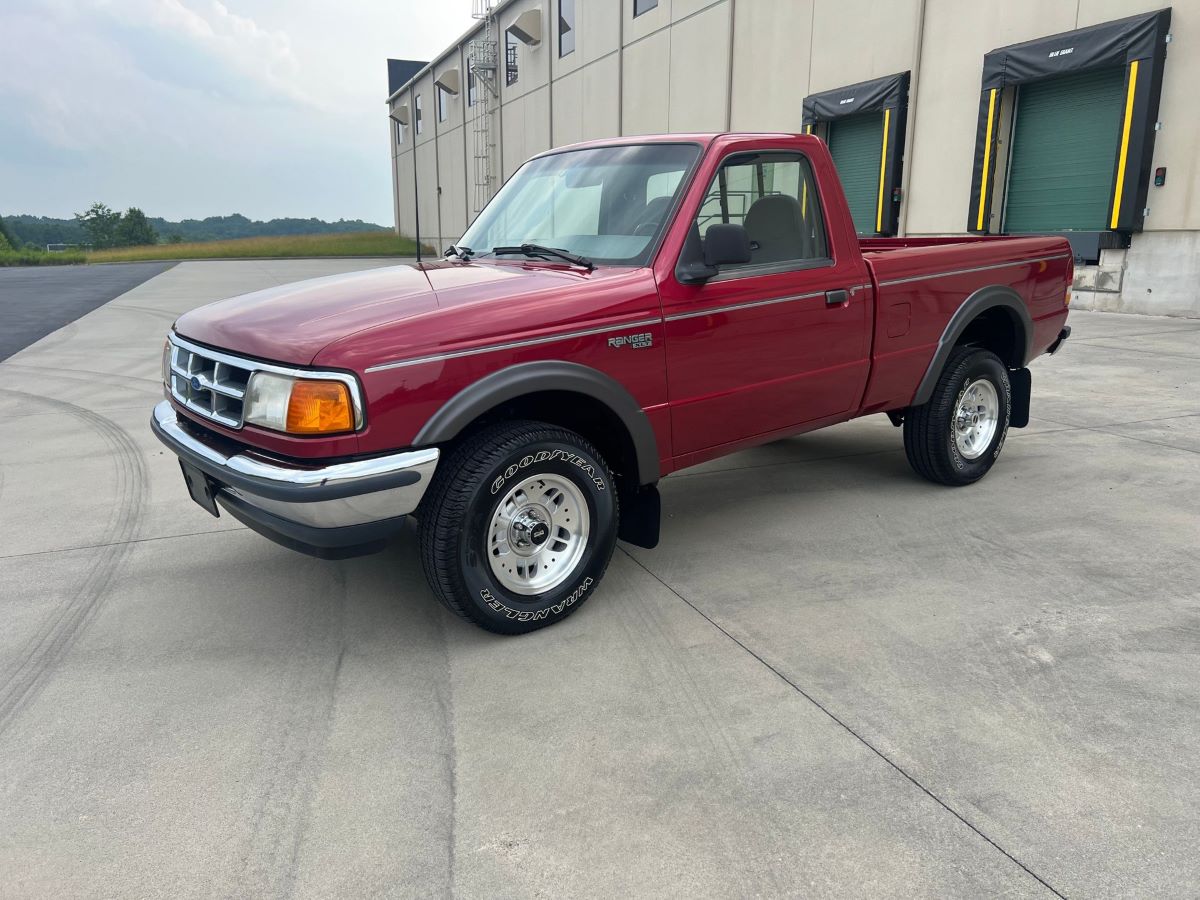
Parts availability for Ranger airbag replacements has been particularly problematic, with supply constraints leading to extended wait times that have discouraged customer participation in the recall process.
The relatively low production volume of Rangers compared to Ford’s passenger car models has resulted in lower priority for replacement parts production, creating situations where customers who attempt to schedule repairs face months-long delays that effectively prevent timely remediation.
Current Ranger owners should immediately verify their vehicle’s recall status and prioritize airbag repair as an urgent safety matter. Ford has implemented enhanced outreach efforts for these vehicles, including direct mail campaigns and partnerships with independent service providers, but vehicle owners must be proactive in pursuing repairs due to ongoing parts availability challenges and the critical nature of the safety risk.
3. Mazda RX-8 (2004-2008 Model Years)
The Mazda RX-8 represents a unique and particularly troubling case in the Takata airbag crisis, combining extremely dangerous inflator types with exceptionally low recall completion rates and a specialized owner demographic that has proven difficult to reach through traditional recall communication channels.
The RX-8’s status as an enthusiast sports car with unique maintenance requirements and ownership patterns has created substantial obstacles to effective recall remediation, leaving a disproportionate number of these high-risk vehicles unremediated.
Mazda’s outreach efforts for RX-8 owners have been hampered by the specialized nature of the vehicle and its owner demographics, as many RX-8s are owned by automotive enthusiasts who may have modified their vehicles, purchased them from non-dealer sources, or may not maintain traditional service relationships with Mazda dealers.
The rotary engine’s unique maintenance requirements have also meant that many owners rely on independent specialists rather than dealership service, creating additional communication challenges for recall outreach efforts.
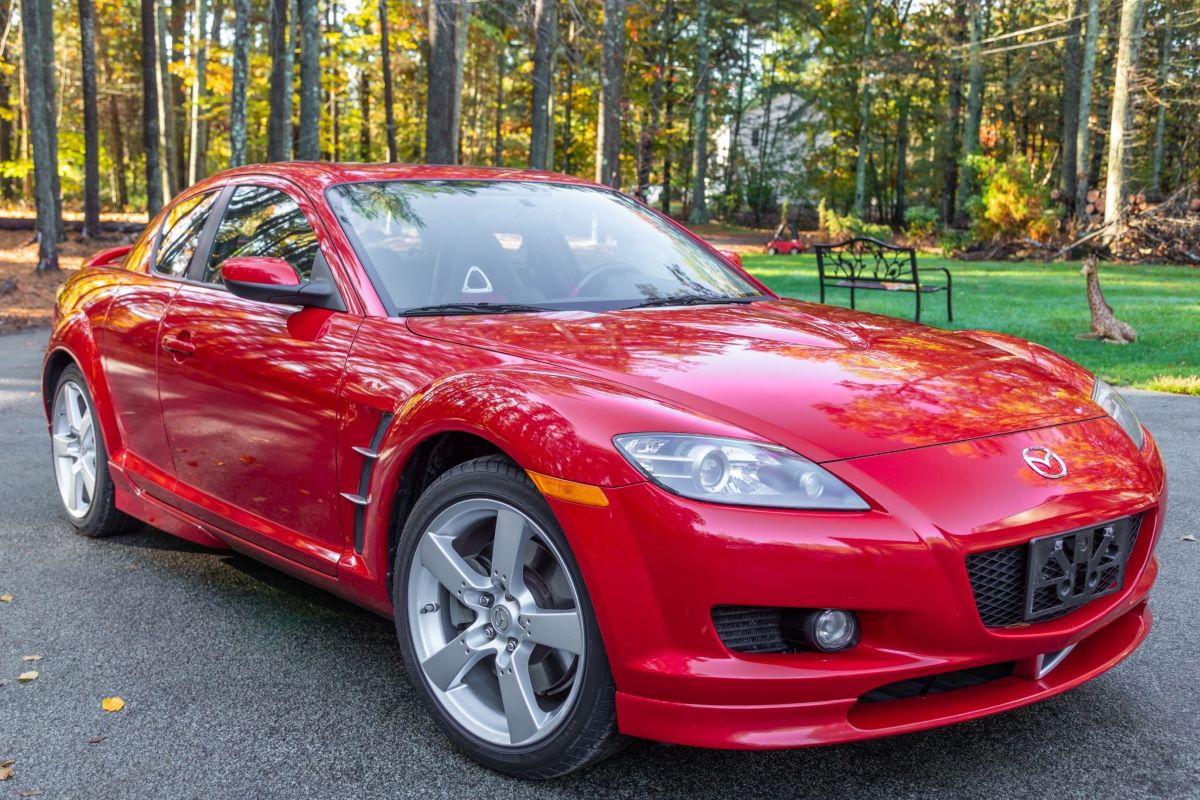
Parts availability for RX-8 airbag replacements has been severely constrained due to the low production volume of the vehicle and the specialized nature of its airbag system components.
The limited number of affected vehicles has resulted in low priority for replacement parts production, while the specialized design requirements have made it difficult to source adequate supplies of compatible replacement inflators. These supply challenges have created extensive wait times that have discouraged customer participation and delayed necessary repairs.
The recall completion rates for RX-8 models are among the lowest of any affected vehicle, with some model years showing completion rates below 40 percent despite the extremely high risk posed by the inflators installed in these vehicles.
Mazda has issued specific safety warnings for these vehicles, and some safety experts have recommended that RX-8s with unrepaired Takata airbags should not be driven under any circumstances due to the exceptionally high probability of inflator failure and the severity of potential injuries from deployment malfunctions.
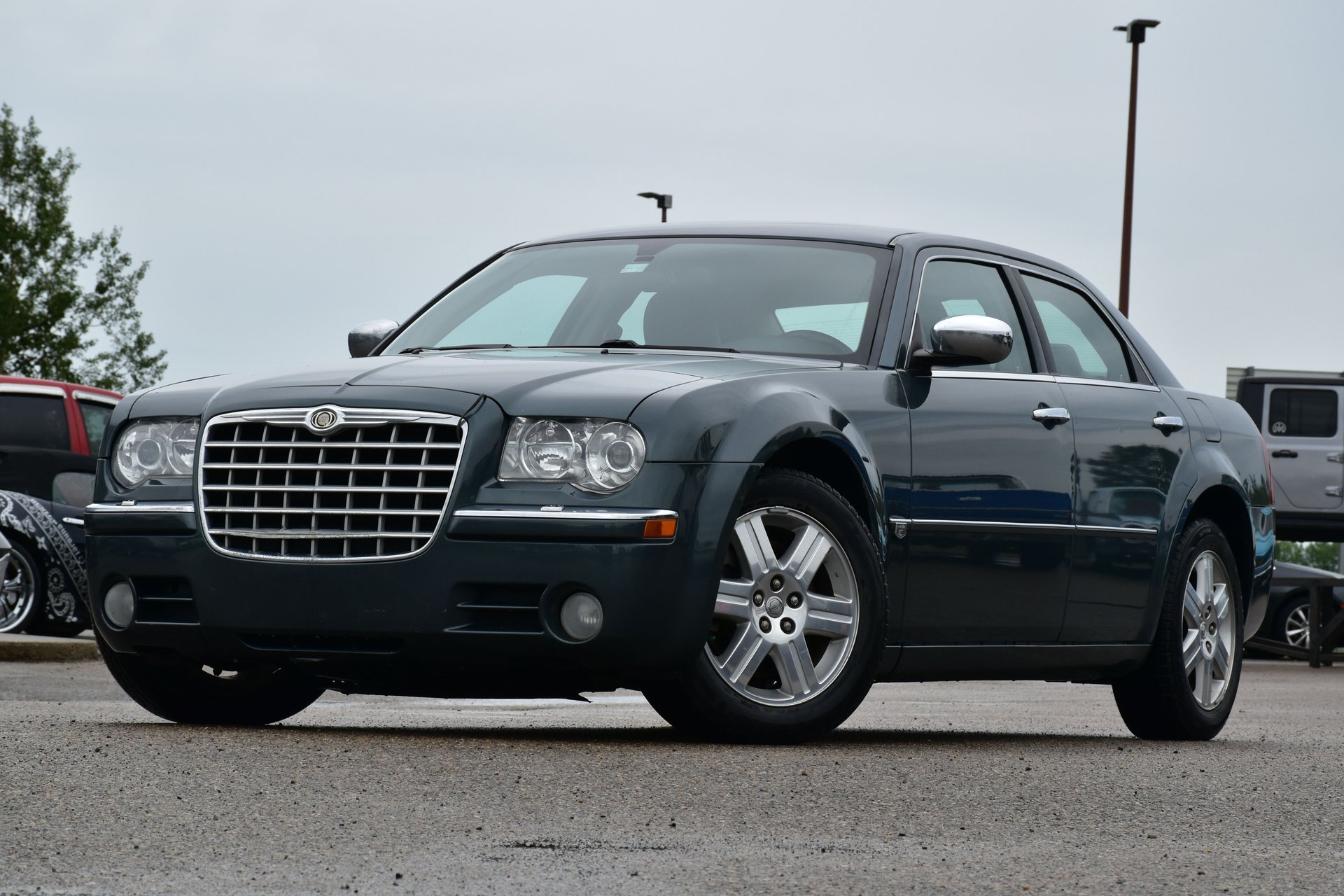
4. Chrysler 300 (2005-2010 Model Years)
The Chrysler 300 represents a significant ongoing risk in the Takata airbag crisis, with low recall completion rates compounded by the challenges associated with Stellantis’s complex corporate structure and the demographic characteristics of typical 300 ownership that have hindered effective remediation efforts.
The 300’s popularity in secondary markets and its appeal to buyers who may not maintain regular dealer service relationships have created substantial obstacles to comprehensive recall implementation.
Stellantis’s approach to 300 recall communication has faced challenges related to the company’s complex ownership history and database management issues that have made it difficult to maintain accurate owner contact information.
The corporate transitions from DaimlerChrysler to Chrysler LLC to Stellantis have created continuity challenges in customer database management, while the 300’s popularity in used car markets means that many current owners may not be registered in manufacturer databases or may not receive recall communications through traditional channels.
Parts availability for 300 airbag replacements has experienced significant supply chain challenges, with constraints on replacement inflator production leading to extended customer wait times and scheduling difficulties at dealerships.
The 300’s relatively high volume compared to some other affected Stellantis models has helped somewhat with parts prioritization, but ongoing supply issues have still created substantial delays that have discouraged customer participation in the recall process.
The technical complexity of some 300 airbag replacement procedures has also created challenges for dealer service departments, particularly in cases where multiple airbag systems require replacement or where additional related components must be addressed during the repair process.
While these rates are better than some other high-risk vehicles, they still represent hundreds of thousands of potentially dangerous vehicles remaining on the road with unrepaired Takata airbags that pose serious safety risks to their occupants.
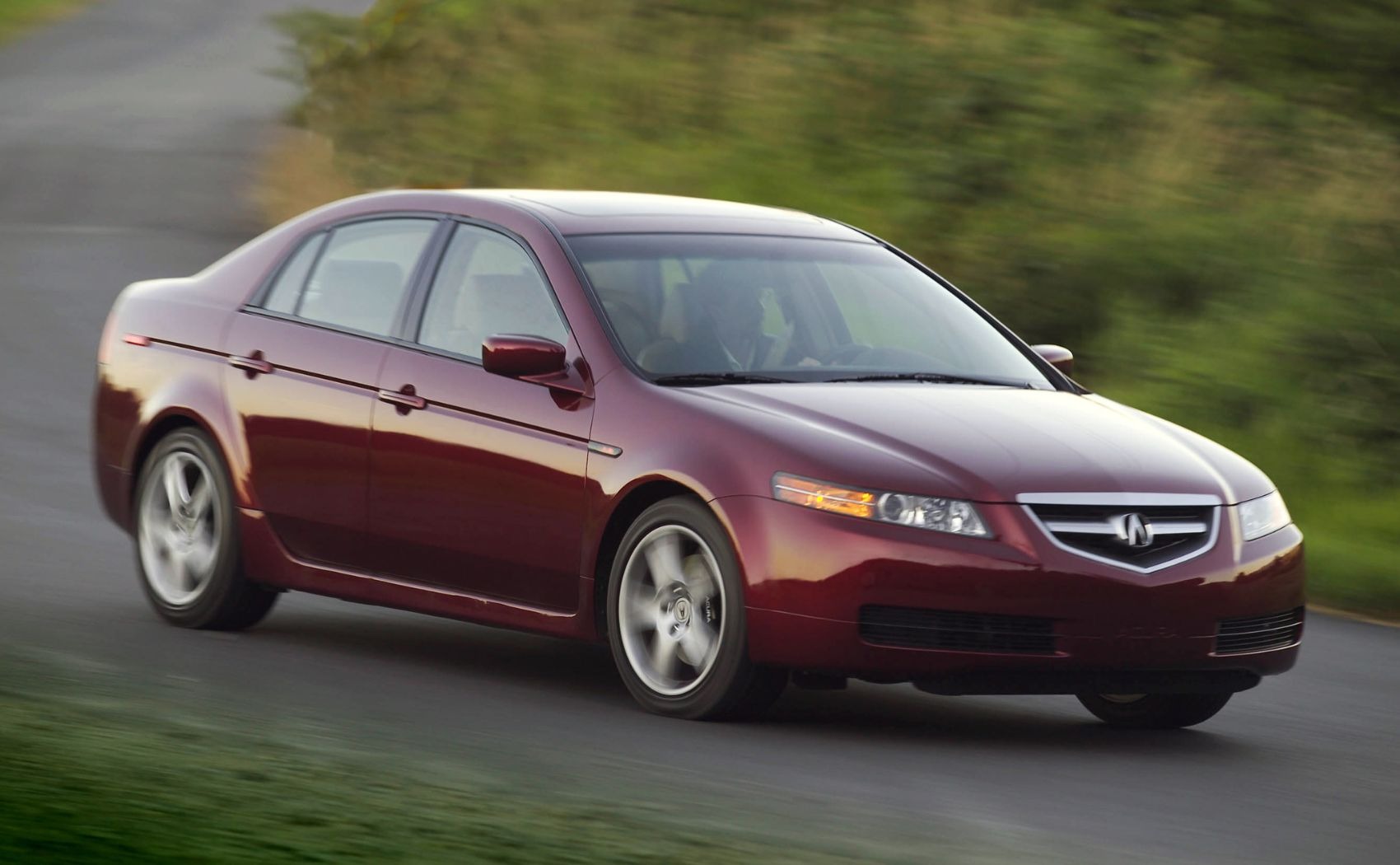
5. Acura TL (2002-2008 Model Years)
The Acura TL represents one of the most persistent and concerning examples of ongoing Takata airbag risk, particularly in early model years that contain the most dangerous inflator types combined with ownership patterns and vehicle age factors that have significantly hindered recall remediation efforts.
The TL’s status as a premium sedan that has aged into secondary markets has created unique challenges for Honda’s recall outreach efforts, while the technical complexity of some TL airbag systems has complicated repair procedures.
The age and ownership transition patterns of 2002-2008 TLs have created substantial obstacles to effective recall communication, as many of these vehicles have moved from their original owners into used car markets where new owners may not be aware of recall requirements or may not maintain contact information with Honda’s customer database systems.
The TL’s appeal to younger buyers seeking luxury features at affordable prices has also meant that current owners may lack the financial resources or dealer service relationships necessary to prioritize recall work.
Parts availability for TL airbag replacements has been particularly challenging for early model years, as these vehicles require specialized inflator configurations that must compete with demand from higher-volume Honda models for limited replacement part production.
The technical complexity of some TL airbag systems, particularly in models equipped with side-impact airbags, has also created additional parts requirements and longer repair times that have strained parts inventory and discouraged customer participation.
The recall completion rates for TL models vary significantly by year but remain concerning across the entire affected range, with early model years showing completion rates below 50 percent and even newer years within the range failing to achieve adequate remediation levels.
Despite these efforts, significant numbers of high-risk TLs remain unrepaired, creating ongoing public safety concerns that require immediate attention from current owners and continued aggressive remediation efforts from Honda.
Also Read: 5 Fords That Rarely Blow Transmissions vs 5 That Slip at 60K
