
The crossover SUV segment represents one of the most competitive and rapidly evolving sectors in the automotive industry. As families increasingly turn away from traditional sedans and minivans, crossovers have become the go-to choice for their blend of utility, comfort, and fuel efficiency.
However, not all crossovers are created equal when it comes to reliability and recall history. Understanding which models consistently deliver trouble-free ownership versus those that frequently visit service centers can save buyers thousands of dollars and countless hours of frustration.
Vehicle recalls serve as a critical indicator of manufacturing quality and design robustness. While every automaker occasionally issues recalls, some crossover SUVs demonstrate consistently superior engineering and quality control, resulting in fewer safety-related issues and design flaws.
Certain models have developed reputations for recurring problems that lead to multiple recalls, expensive repairs, and diminished owner satisfaction.
Recent data shows significant variation in recall rates among popular crossover models, with some manufacturers establishing clear patterns of reliability while others struggle with persistent quality issues.
Factors contributing to recall frequency include manufacturing processes, supplier relationships, design complexity, and corporate quality control standards. Smart buyers who research recall histories often enjoy more reliable transportation, lower maintenance costs, and better resale values.
This comprehensive analysis examines ten prominent crossover SUVs, comparing five models with exemplary reliability records against five that have experienced frequent recalls.
By understanding these patterns, potential buyers can make informed decisions that prioritize long-term reliability and peace of mind over initial purchase price or flashy features.
5 Crossover SUVs With Fewer Recalls
These meticulously engineered vehicles demonstrate exceptional quality control through extensive development programs, conservative technology adoption, and rigorous validation procedures that result in remarkably low recall rates and outstanding long-term reliability records throughout their production cycles.
Their proven platforms incorporate well-tested components, mature manufacturing processes, and comprehensive pre-production validation that identifies and resolves potential issues before vehicles reach customers, ensuring families enjoy years of trouble-free transportation.
The combination of thorough engineering development, established supply chains, and careful technology integration creates ownership experiences that reflect manufacturers’ genuine commitment to quality and safety without the constant disruption of recall campaigns.
From reliable crossovers with proven track records to well-engineered SUVs with solid reputations, these vehicles demonstrate that automotive excellence comes through patient development and conservative engineering philosophy that prioritizes reliability over rushing new features to market.
Their robust construction includes extensively tested safety systems, proven powertrain components, and durable interior materials that maintain functionality throughout extended ownership periods.
These crossover SUVs consistently achieve high customer satisfaction ratings while requiring minimal manufacturer intervention, with recall rates significantly below industry averages.
They represent automotive engineering focused on getting things right the first time, delivering dependable family transportation that proves thorough development pays dividends through years of trouble-free operation and maintains owner confidence in manufacturer quality standards.
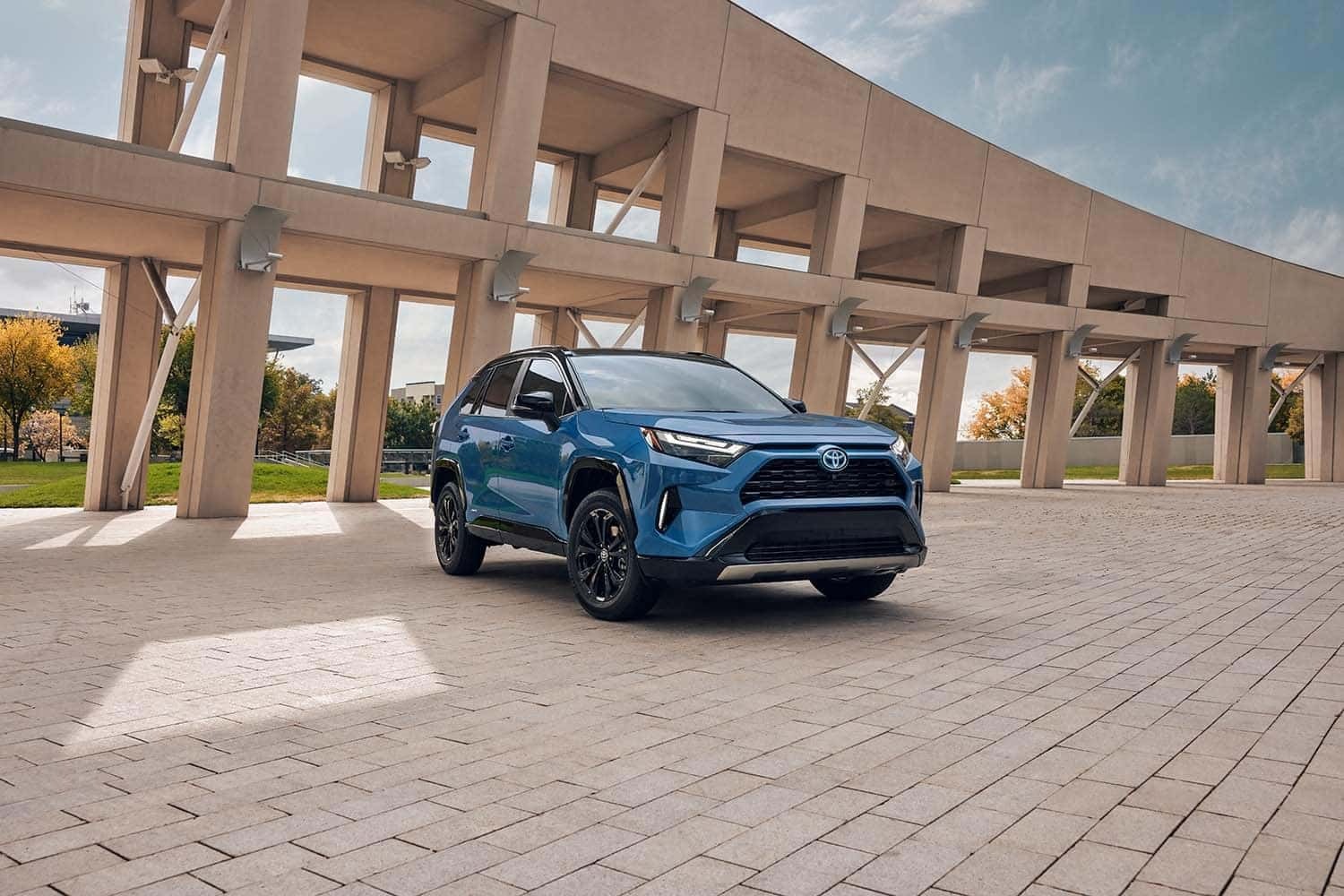
1. Toyota RAV4
The Toyota RAV4 has established itself as the benchmark for crossover SUV reliability, consistently ranking among the most dependable vehicles in its class.
While recent model years have experienced minor recalls affecting small numbers of vehicles, the RAV4’s recall history remains remarkably clean compared to competitors.
Toyota’s reputation for meticulous quality control and conservative engineering approaches pays dividends in the RAV4’s exceptional reliability record.
The RAV4’s success stems from Toyota’s philosophy of evolutionary rather than revolutionary changes, allowing the company to refine and perfect each component over multiple model years.
The powertrain, featuring Toyota’s proven 2.5-liter four-cylinder engine paired with either a CVT transmission or hybrid system, has demonstrated exceptional durability with minimal recall activity. Even when recalls do occur, they typically affect relatively small numbers of vehicles and involve minor issues rather than catastrophic failures.
Manufacturing quality represents another RAV4 strength, with Toyota’s production facilities maintaining stringent quality control standards that catch potential problems before vehicles reach dealerships.
The company’s extensive supplier network operates under strict guidelines, reducing the likelihood of defective components reaching production lines. This systematic approach to quality management translates into fewer warranty claims, reduced service visits, and higher customer satisfaction scores.
Consumer Reports consistently rates the RAV4 among the most reliable crossovers available, with predicted reliability scores significantly above average. Long-term ownership studies reveal that RAV4s require fewer unscheduled repairs, experience less downtime, and maintain their value better than most competitors.
The combination of proven mechanical components, conservative engineering, and superior build quality makes the RAV4 an excellent choice for buyers prioritizing reliability above all else.
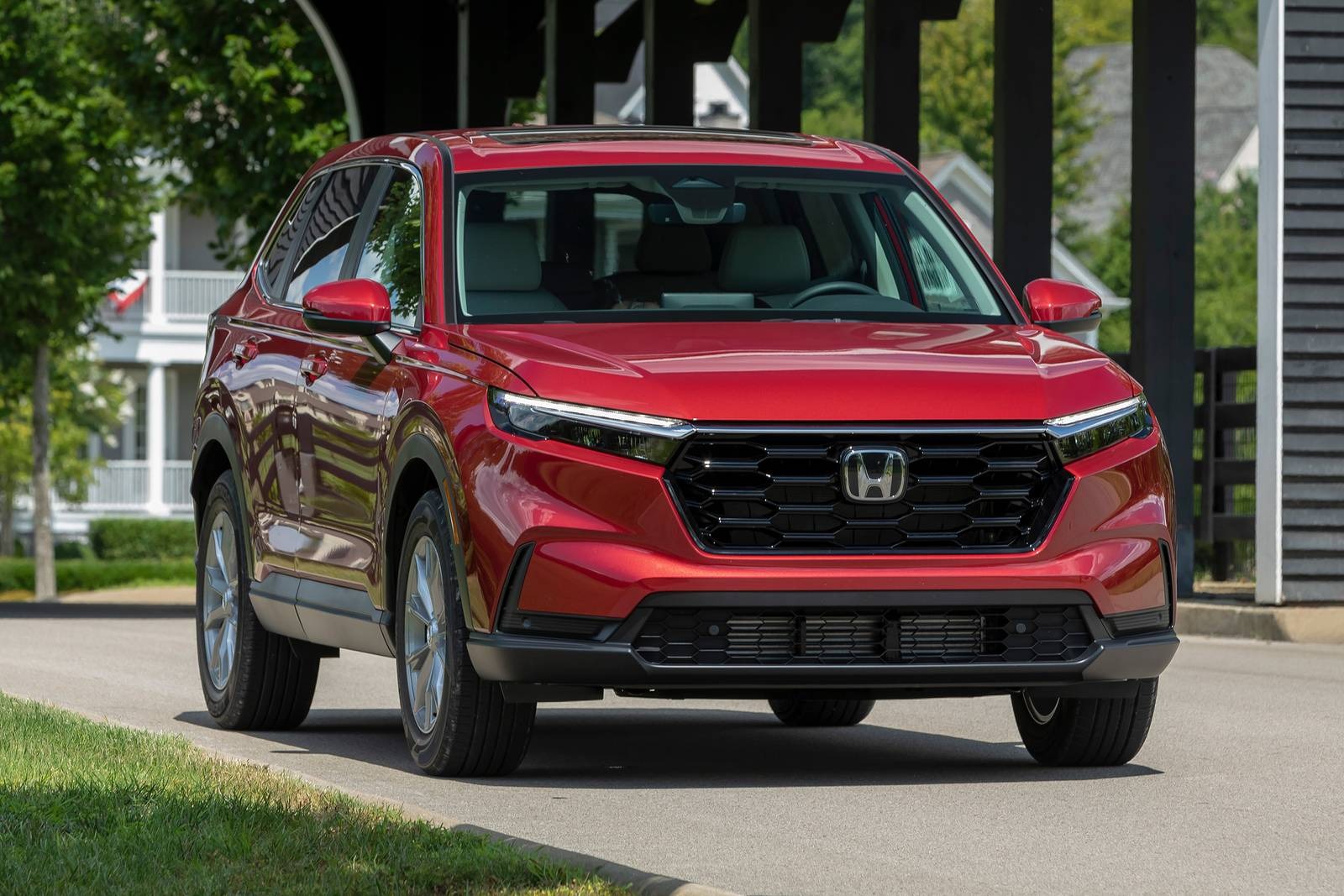
2. Honda CR-V
The Honda CR-V represents another pinnacle of crossover reliability, with a recall history that demonstrates Honda’s commitment to quality engineering and manufacturing excellence.
The CR-V’s track record spans multiple generations, consistently delivering dependable performance with minimal safety-related issues or design flaws that trigger recall campaigns.
Honda’s reputation for building long-lasting vehicles finds perfect expression in the CR-V’s exceptional reliability statistics. Honda’s engineering philosophy emphasizes simplicity and durability, resulting in powertrains and systems that rarely require recall intervention.
The CR-V’s naturally aspirated four-cylinder engines, paired with either manual transmissions or Honda’s reliable CVT, have proven remarkably trouble-free across hundreds of thousands of vehicles. Even Honda’s newer turbocharged engines in recent CR-V models have maintained excellent reliability records with minimal recall activity.
The manufacturing process behind every CR-V reflects Honda’s dedication to quality, with production facilities employing advanced quality control measures and continuous improvement methodologies.
Workers receive extensive training in defect prevention, while automated systems monitor critical assembly processes to ensure consistent quality. This comprehensive approach to manufacturing excellence translates directly into fewer recalls and higher customer satisfaction ratings.
Owners consistently report that their CR-Vs require only routine maintenance throughout their ownership experience, with unexpected repairs being relatively rare.
The vehicle’s electrical systems, suspension components, and safety features demonstrate exceptional longevity and reliability. Independent reliability studies consistently rank the CR-V among the top performers in its segment, with repair frequencies well below industry averages and customer satisfaction scores remaining consistently high across multiple model years.
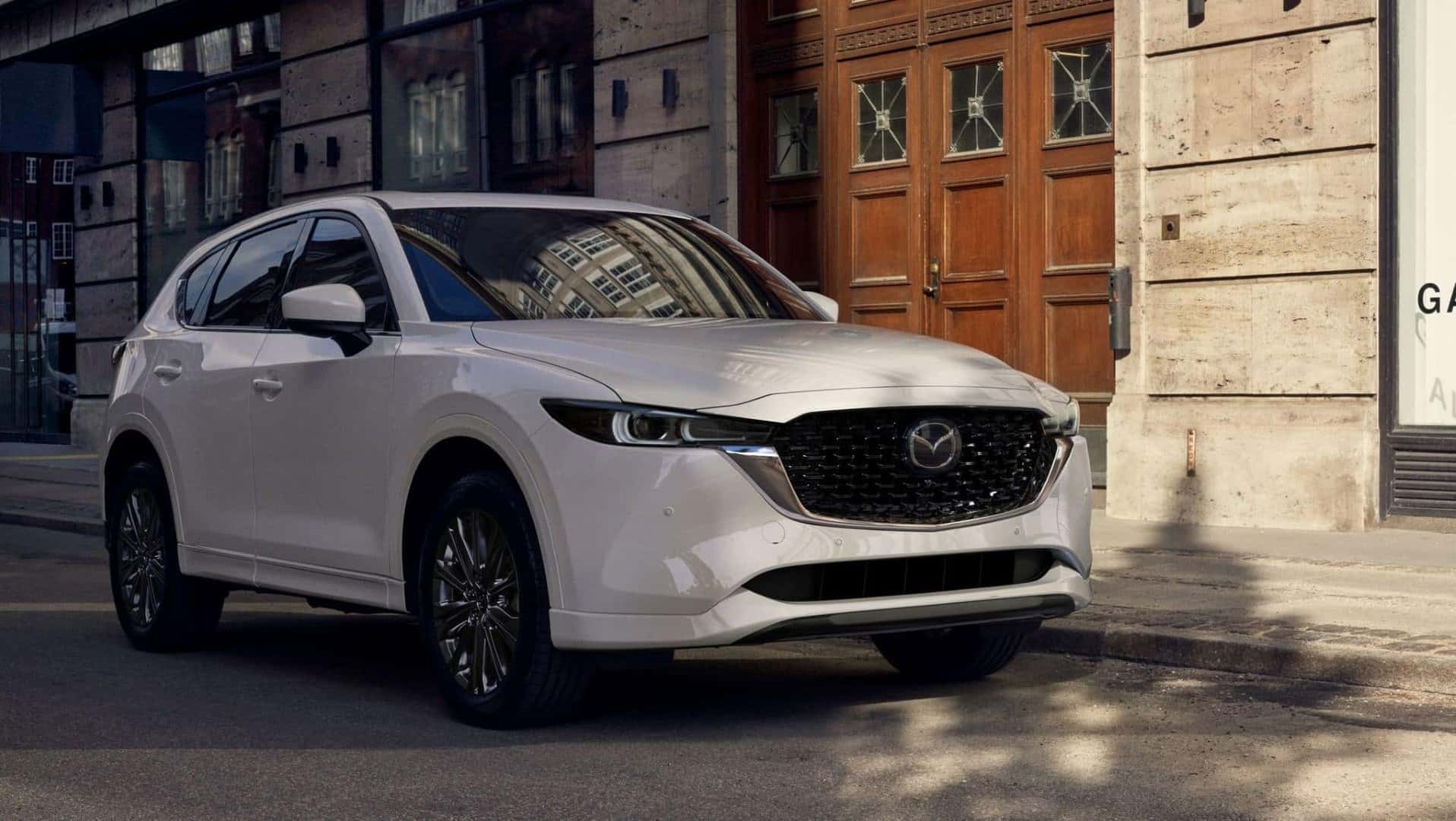
3. Mazda CX-5
The Mazda CX-5 exemplifies how meticulous engineering and attention to detail can result in exceptional reliability and minimal recall activity. Mazda’s “Jinba Ittai” philosophy of human-machine harmony extends beyond driving dynamics to encompass build quality and long-term dependability.
The CX-5’s recall history reflects this commitment to excellence, with significantly fewer safety-related issues compared to many competitors in the compact crossover segment.
Mazda’s SKYACTIV technology represents a comprehensive approach to vehicle design that prioritizes efficiency, performance, and reliability in equal measure.
The CX-5’s SKYACTIV-G engines and SKYACTIV-DRIVE transmissions undergo extensive testing and refinement before reaching production, resulting in powertrains that deliver consistent performance with minimal warranty claims or recall issues. This systematic approach to component development pays dividends in real-world reliability.
The company’s relatively smaller production volumes compared to major manufacturers allow for more intensive quality control measures and closer attention to detail during assembly.
Each CX-5 receives a thorough inspection and testing before leaving the factory, reducing the likelihood of defects reaching customers. This quality-over-quantity approach contributes significantly to the CX-5’s excellent reliability reputation and minimal recall frequency.
Long-term ownership studies consistently place the CX-5 among the most reliable crossovers available, with owners reporting fewer unexpected repairs and lower maintenance costs compared to segment averages.
The vehicle’s sophisticated yet reliable all-wheel-drive system, advanced safety features, and premium interior materials demonstrate exceptional durability over time. Consumer satisfaction surveys regularly highlight the CX-5’s dependability as a key strength, with many owners reporting trouble-free operation well beyond warranty periods.
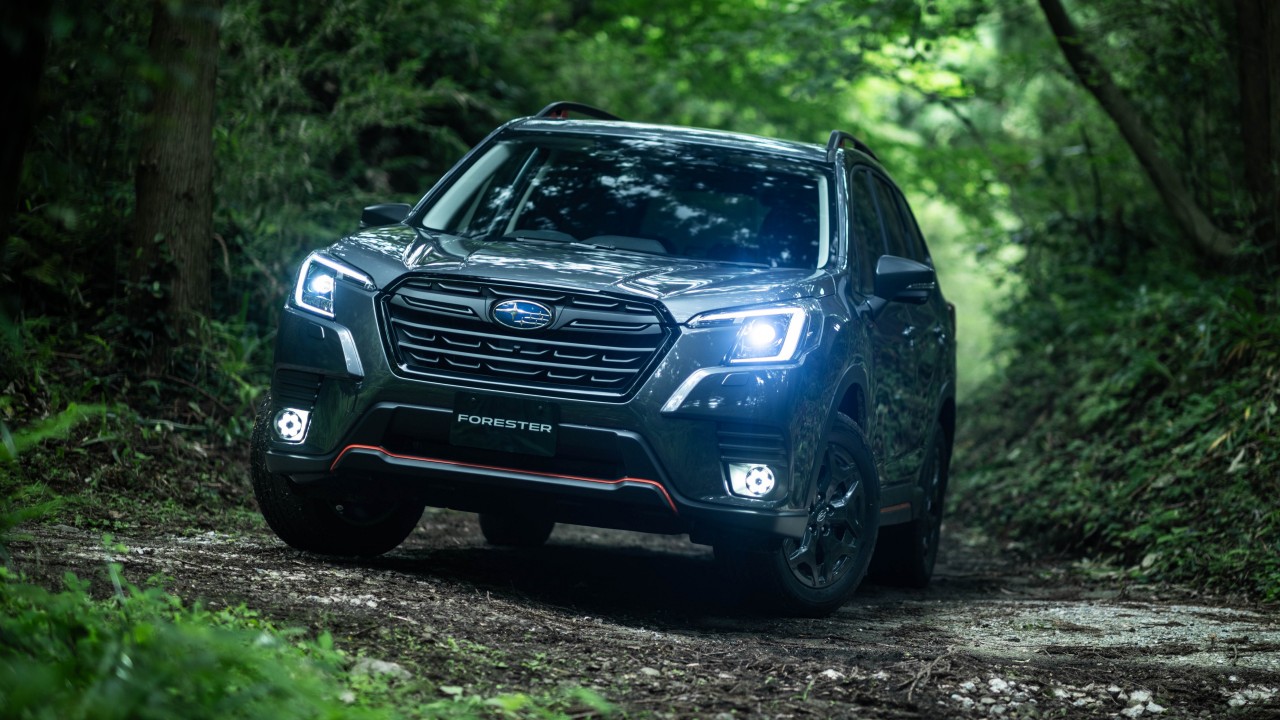
4. Subaru Forester
The Subaru Forester has built its reputation on rugged reliability and minimal recall issues, making it a favorite among buyers who demand dependable performance in all conditions.
While some model years have experienced minor recalls, the Forester’s safety record and reliability statistics remain impressive compared to most crossover competitors. Subaru’s engineering philosophy prioritizes durability and safety, resulting in vehicles that consistently perform well in long-term reliability studies.
Subaru’s horizontally opposed boxer engine design contributes significantly to the Forester’s reliability advantages, offering inherently balanced operation and exceptional longevity.
The engine’s low center of gravity and reduced vibration translate into less stress on surrounding components, contributing to system durability. Combined with Subaru’s renowned Symmetrical All-Wheel Drive system, the Forester delivers consistent performance with minimal mechanical issues requiring recall intervention.
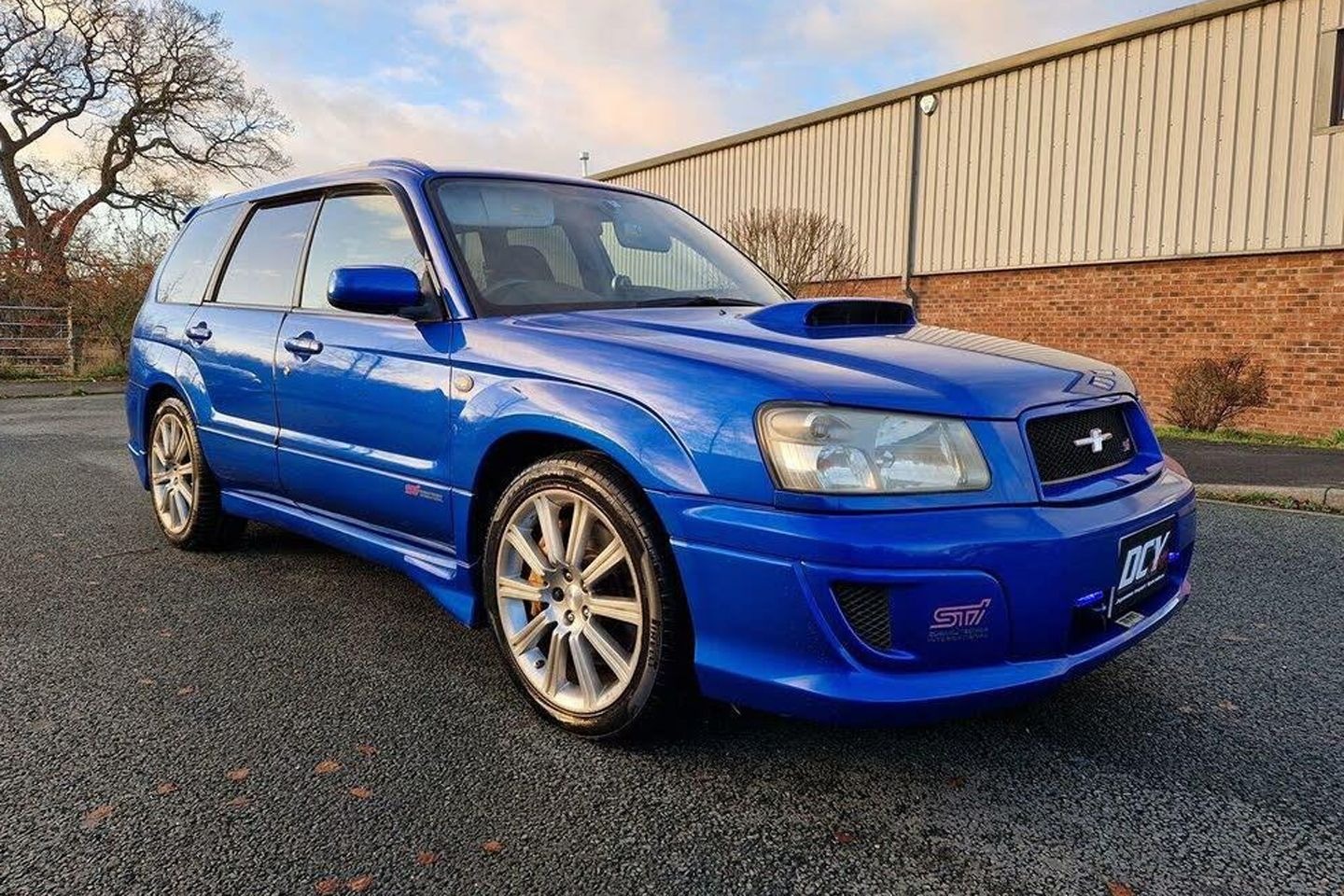
Manufacturing quality at Subaru facilities emphasizes consistency and attention to detail, with quality control processes designed to catch potential problems before vehicles reach customers.
The company’s relatively focused model lineup allows for concentrated expertise and resources devoted to perfecting each vehicle’s reliability characteristics. This focused approach results in fewer quality-related recalls and higher customer satisfaction scores across the Forester lineup.
The Forester’s safety systems and structural design have consistently earned top ratings from safety organizations, with minimal recall activity related to safety-critical components.
Owners frequently report that their Foresters provide years of trouble-free service, even under demanding conditions, including severe weather, rough terrain, and heavy towing loads. Independent reliability studies consistently rank the Forester among the most dependable crossovers available, with repair frequencies well below industry averages and strong resale value retention.
Also Read: 5 SUVs Under $20k That Rack Up Miles Vs. 5 That Crumble Fast
5. Acura RDX
The Acura RDX represents the premium end of reliable crossover ownership, combining Honda’s legendary reliability with luxury appointments and advanced technology.
The RDX’s recall history demonstrates that luxury and dependability can coexist, with significantly fewer safety-related issues compared to many European luxury competitors. Acura’s position as Honda’s luxury division ensures access to Honda’s proven engineering expertise and quality control methodologies.
The RDX’s powertrain represents a perfect balance of performance and reliability, featuring Honda’s advanced turbocharged four-cylinder engine paired with a sophisticated ten-speed automatic transmission.
Despite the complexity of these systems, reliability statistics remain excellent with minimal recall activity affecting powertrain components. The integration of Honda’s proven hybrid technology in newer RDX models continues this tradition of reliable performance.
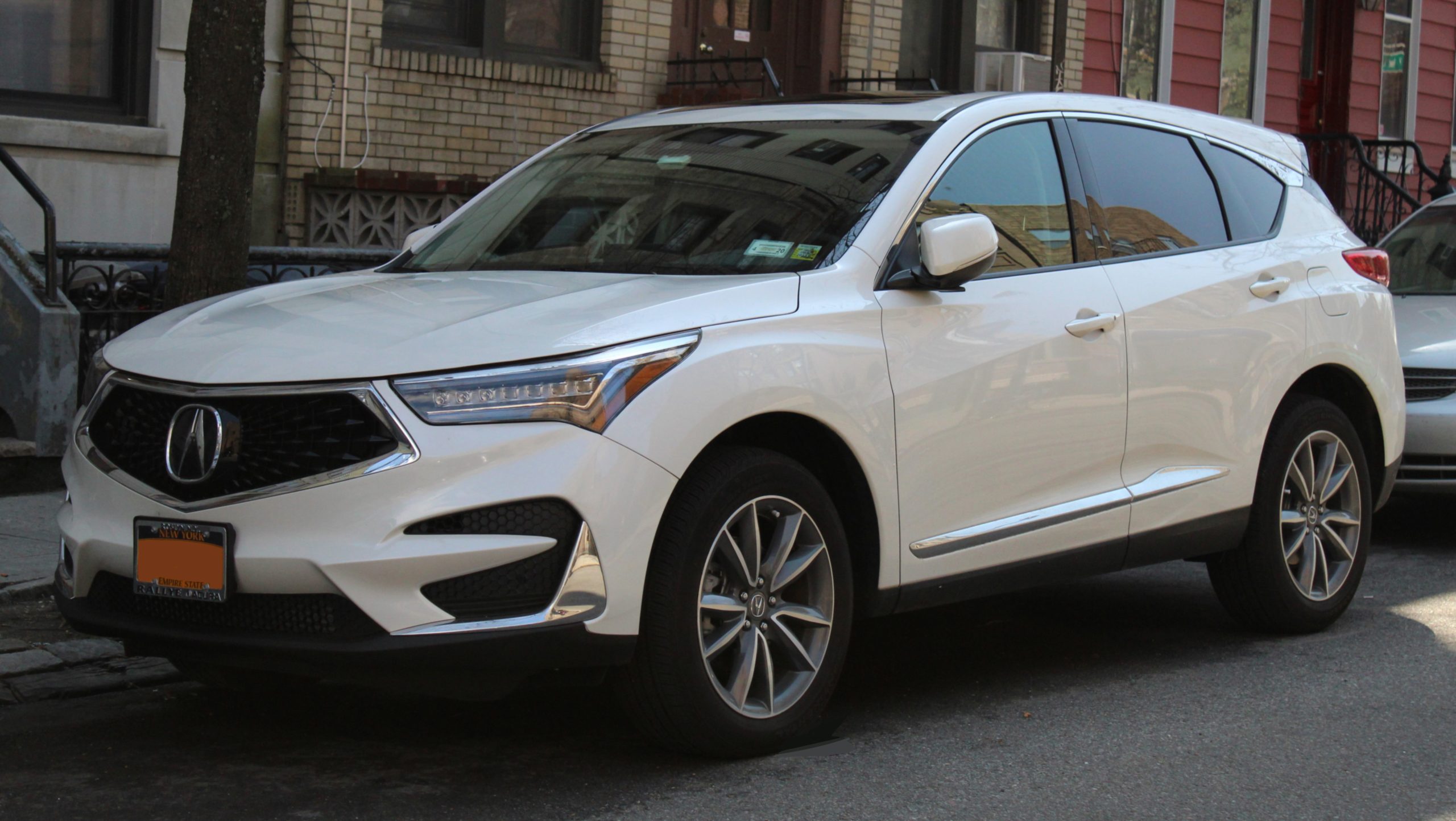
Manufacturing standards for Acura vehicles exceed even Honda’s already high benchmarks, with additional quality control measures and premium materials contributing to exceptional build quality.
The RDX benefits from specialized production processes and enhanced inspection procedures that catch potential issues before they reach customers. This attention to detail translates directly into fewer warranty claims and recall campaigns compared to luxury competitors.
Owner satisfaction surveys consistently rate the RDX highly for reliability and dependability, with many owners reporting trouble-free operation throughout their ownership experience.
The vehicle’s advanced safety systems, sophisticated infotainment technology, and premium comfort features demonstrate exceptional longevity and consistent performance. Independent reliability studies place the RDX among the top performers in the luxury crossover segment, with repair costs and frequency remaining well below segment averages while delivering the refined experience expected from a premium vehicle.
5 Recalled Constantly
These problematic vehicles plague manufacturers and owners with frequent recalls, safety campaigns, and widespread component failures that contradict their family-friendly marketing through rushed development cycles and inadequate quality control that prioritizes market timing over thorough validation.
Their complex systems incorporate unproven technologies, cost-cutting measures, and problematic components that generate endless safety concerns despite crossover positioning that suggests reliable, practical family transportation for daily use. The combination of aggressive launch schedules, experimental features, and insufficient testing creates ownership nightmares as families discover that attractive styling and modern features cannot prevent fundamental design flaws that require multiple recall campaigns.
From new platforms with inadequate development time to models with known safety defects, these crossovers prove that rushing to market often means expensive corrections later while creating transportation anxiety for families seeking dependable utility vehicles. Their fragile systems include poorly validated electronic components, undertested safety systems, and problematic powertrain integration that frequently malfunction under normal operating conditions.
These crossover SUVs regularly appear in NHTSA databases with multiple recall campaigns, safety investigations, and customer complaints that destroy both owner confidence and manufacturer reputation.
They represent everything wrong with modern automotive development, where market pressure and competitive timing override basic quality validation, transforming family vehicles into safety risks requiring constant manufacturer intervention and repeated dealer visits that undermine the ownership experience.
1. Ford Explorer
The Ford Explorer has unfortunately developed a reputation as one of the most recall-prone crossovers in recent years, with multiple safety campaigns affecting various model years and systems.
The Explorer’s recall history includes significant issues affecting both fifth and sixth-generation models, ranging from powertrain problems to safety system malfunctions. These recurring issues have significantly impacted consumer confidence and resale values for this once-dominant SUV.
Ford’s transition to more complex powertrains and advanced technology systems has contributed to the Explorer’s reliability challenges. The introduction of EcoBoost turbocharged engines, while offering improved fuel economy, has resulted in multiple recalls related to engine components, cooling systems, and emissions controls.
Similarly, the vehicle’s sophisticated infotainment and driver assistance systems have experienced numerous software and hardware-related recalls that require dealer intervention.
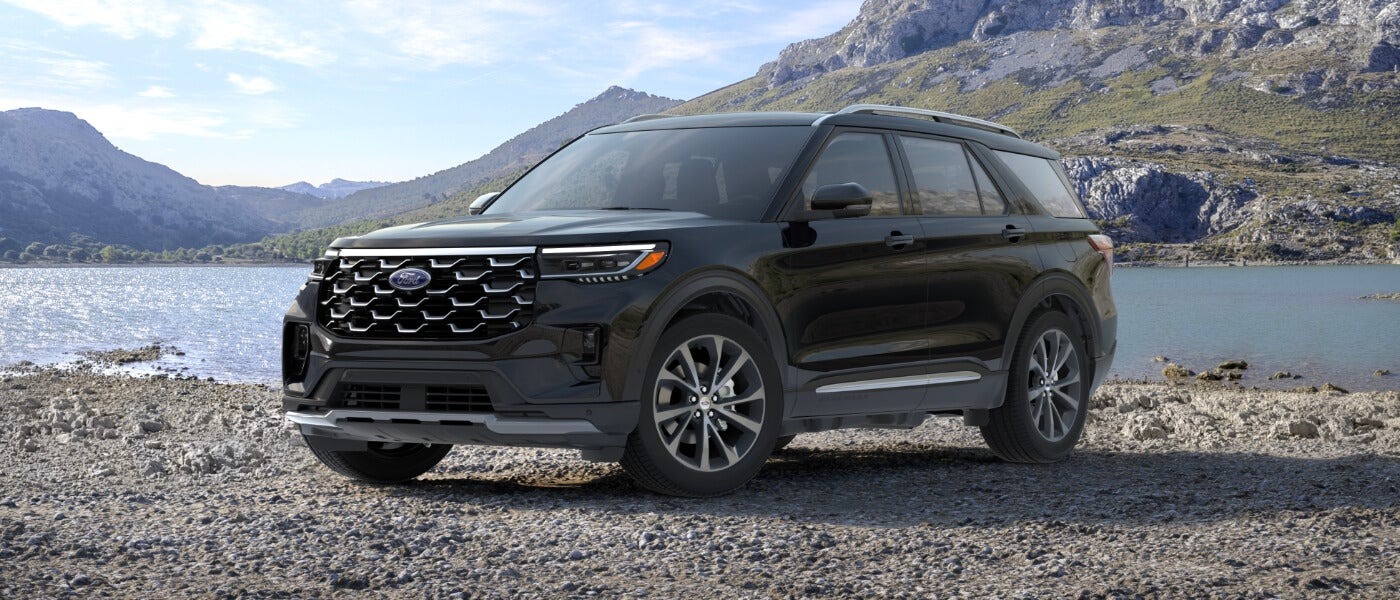
Manufacturing quality control issues have plagued recent Explorer production, with multiple recalls stemming from assembly defects and supplier component failures.
Problems have ranged from improperly installed suspension components to electrical system malfunctions that affect critical safety features. These manufacturing inconsistencies suggest systemic quality control challenges that extend beyond individual component failures.
The financial impact on Explorer owners has been substantial, with frequent recall visits, extended warranty claims, and premature component failures contributing to higher than average ownership costs. Many owners report multiple unscheduled service visits and extensive time spent at dealerships addressing recall-related issues.
Consumer satisfaction surveys consistently rank the Explorer below average for reliability, with many owners expressing frustration over repeated problems and inadequate long-term durability. The combination of frequent recalls and associated downtime has severely impacted the Explorer’s reputation in the competitive crossover market.
2. Jeep Grand Cherokee
The Jeep Grand Cherokee, despite its popular status and premium positioning, has accumulated an extensive recall history that raises concerns about long-term reliability and safety.
Reports indicate the Grand Cherokee has 112 open recalls, representing one of the highest recall counts in the crossover SUV segment. These recalls span multiple model years and affect various critical systems, from powertrain components to safety-related features.
Powertrain-related recalls have been particularly problematic for the Grand Cherokee, with issues affecting both gasoline and hybrid variants. Engine problems, transmission malfunctions, and fuel system defects have resulted in multiple safety campaigns, sometimes requiring complete component replacement.
The vehicle’s advanced four-wheel-drive systems, while capable, have also contributed to recall complexity with electronic control modules and mechanical components requiring frequent updates or replacement.
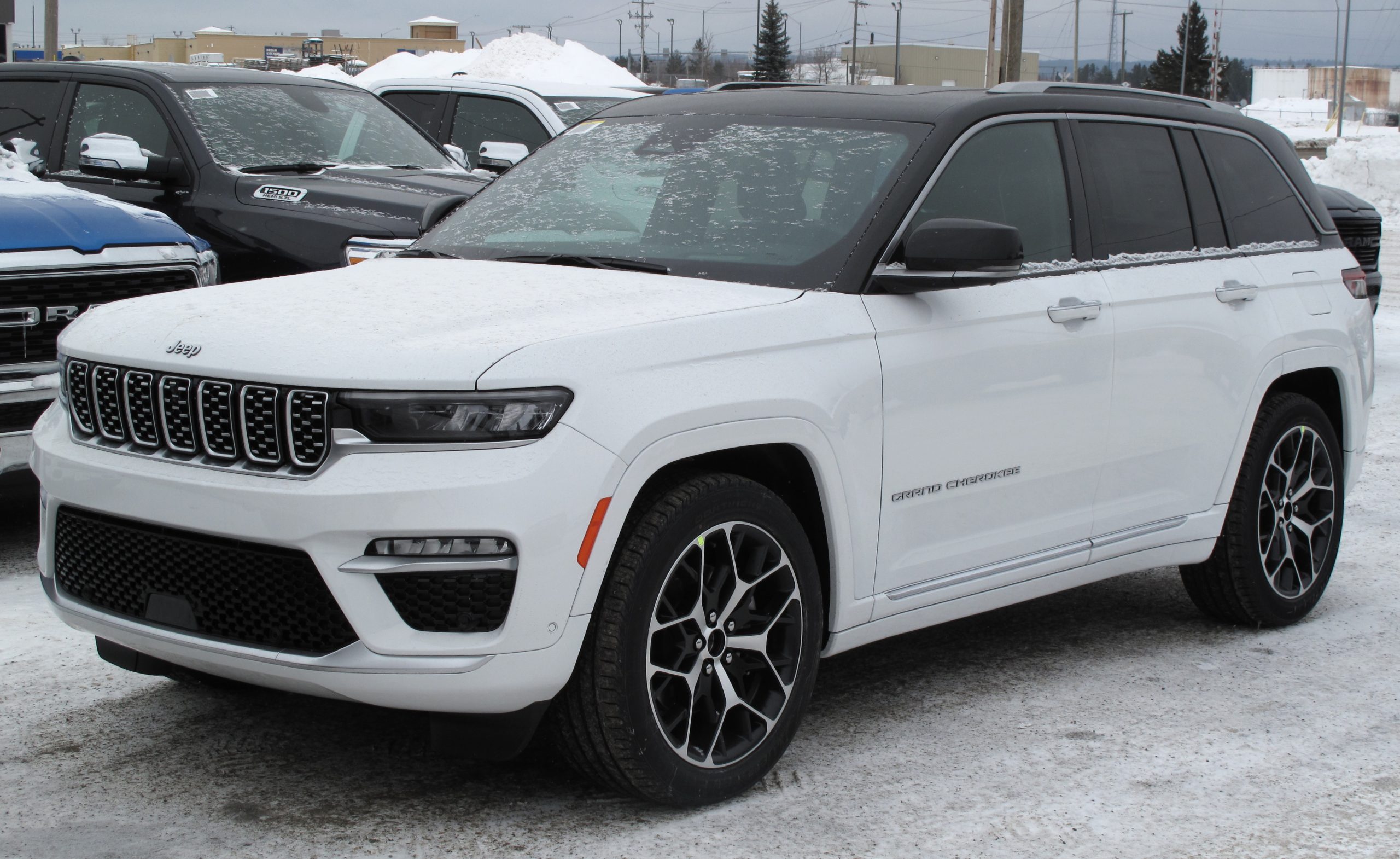
Electronic system recalls represent another significant concern for Grand Cherokee owners, with problems affecting infotainment systems, driver assistance features, and critical safety functions.
Software glitches, hardware failures, and integration issues between different systems have necessitated numerous recall campaigns. These electronic problems often prove particularly frustrating for owners, as symptoms can be intermittent and difficult to diagnose.
The impact on owners extends beyond inconvenience, with many reporting significant time lost to recall-related service visits and concerns about vehicle safety and reliability.
Multiple recalls affecting the same vehicle create compounding problems, with some owners visiting dealerships dozens of times for various recall campaigns.
Consumer satisfaction ratings reflect these challenges, with Grand Cherokee scoring below average in long-term reliability studies. The extensive recall history has also negatively impacted resale values, making the Grand Cherokee’s total cost of ownership higher than many competitors despite its initial appeal and capability.
3. Chevrolet Traverse
The Chevrolet Traverse exemplifies how complex engineering and cost-cutting measures can result in extensive recall campaigns and reliability concerns. This three-row crossover has experienced numerous safety-related recalls affecting various systems and model years, significantly impacting owner confidence and satisfaction.
The Traverse’s recall history demonstrates persistent quality control challenges that extend across multiple generations of the vehicle. Engine and transmission problems have been recurring themes in Traverse recall campaigns, with issues ranging from timing chain failures to transmission control module malfunctions.
These powertrain-related recalls often involve expensive repairs and extended vehicle downtime, creating significant inconvenience for owners who depend on their vehicles for family transportation. The complexity of the Traverse’s V6 engine and nine-speed automatic transmission has contributed to reliability challenges and recall frequency.
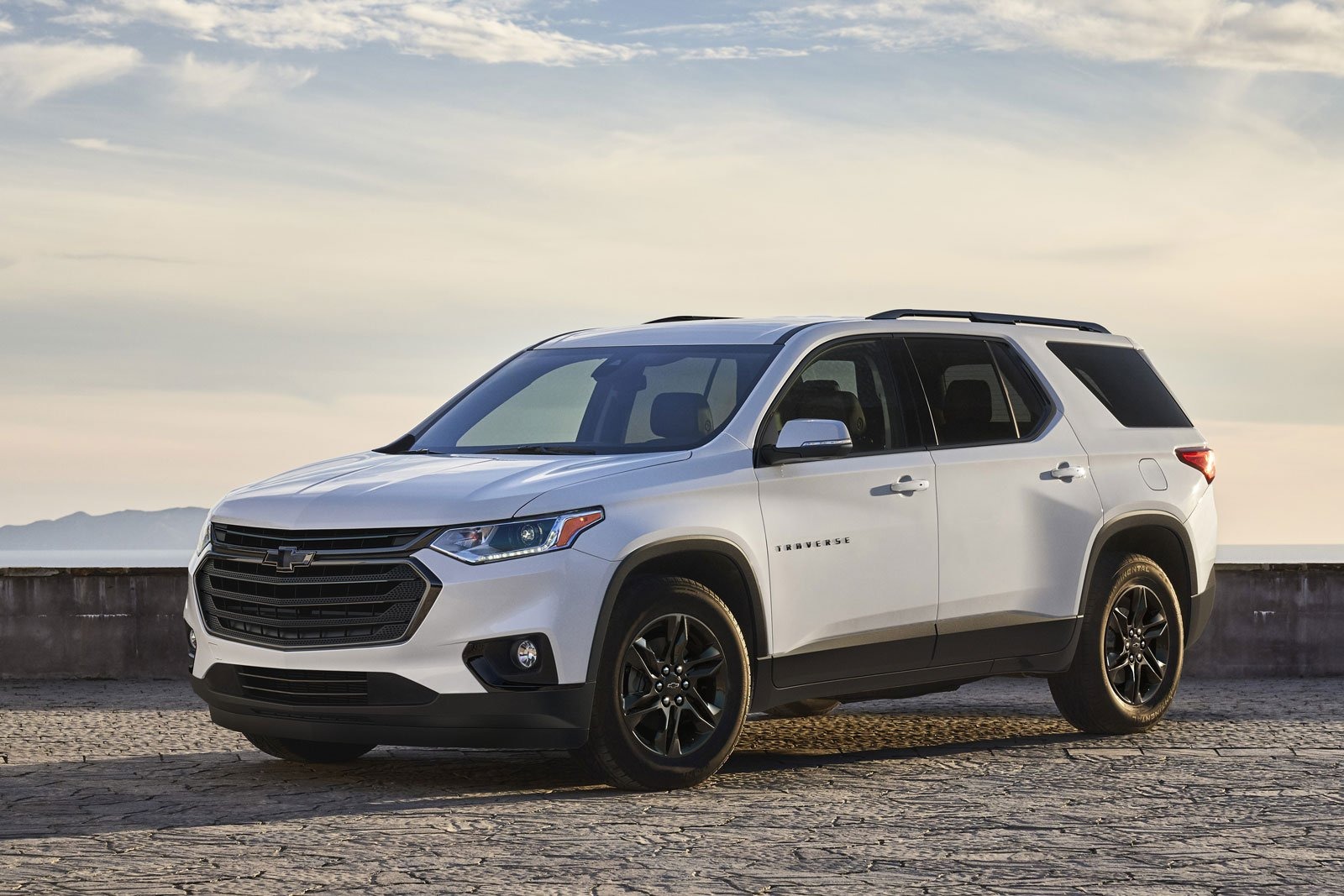
Safety system recalls have also plagued the Traverse, with problems affecting airbag systems, seat belt mechanisms, and electronic stability control features.
These safety-critical recalls are particularly concerning for family-oriented buyers who choose three-row crossovers specifically for their presumed safety advantages. Multiple recalls affecting safety systems undermine consumer confidence and raise questions about fundamental design and manufacturing quality.
The financial burden on Traverse owners extends beyond recall-related repairs, with many experiencing premature component failures and higher than average maintenance costs.
Extended warranty claims, frequent service visits, and reduced resale values contribute to raised a total ownership costs. Consumer Reports and other reliability studies consistently rate the Traverse below average, citing frequent repairs and quality concerns.
The combination of recall frequency and general reliability issues has significantly impacted the Traverse’s market position, with many potential buyers choosing more dependable alternatives despite the Traverse’s spacious interior and competitive pricing.
4. Nissan Rogue
The Nissan Rogue, despite its sales success, has developed a concerning recall history that includes multiple safety campaigns affecting various model years and critical systems.
The Rogue’s popularity has made its recall issues more visible, with hundreds of thousands of vehicles affected by various safety-related problems. These recalls span multiple generations and suggest systemic quality control challenges within Nissan’s manufacturing processes.
CVT transmission problems have been a persistent issue for the Rogue, with multiple recalls addressing transmission failures, software problems, and component defects.
Nissan’s Xtronic CVT, while designed for improved fuel economy, has proven problematic in real-world applications, resulting in numerous warranty claims and recall campaigns. Transmission-related recalls are particularly expensive and disruptive, often requiring complete transmission replacement under warranty.
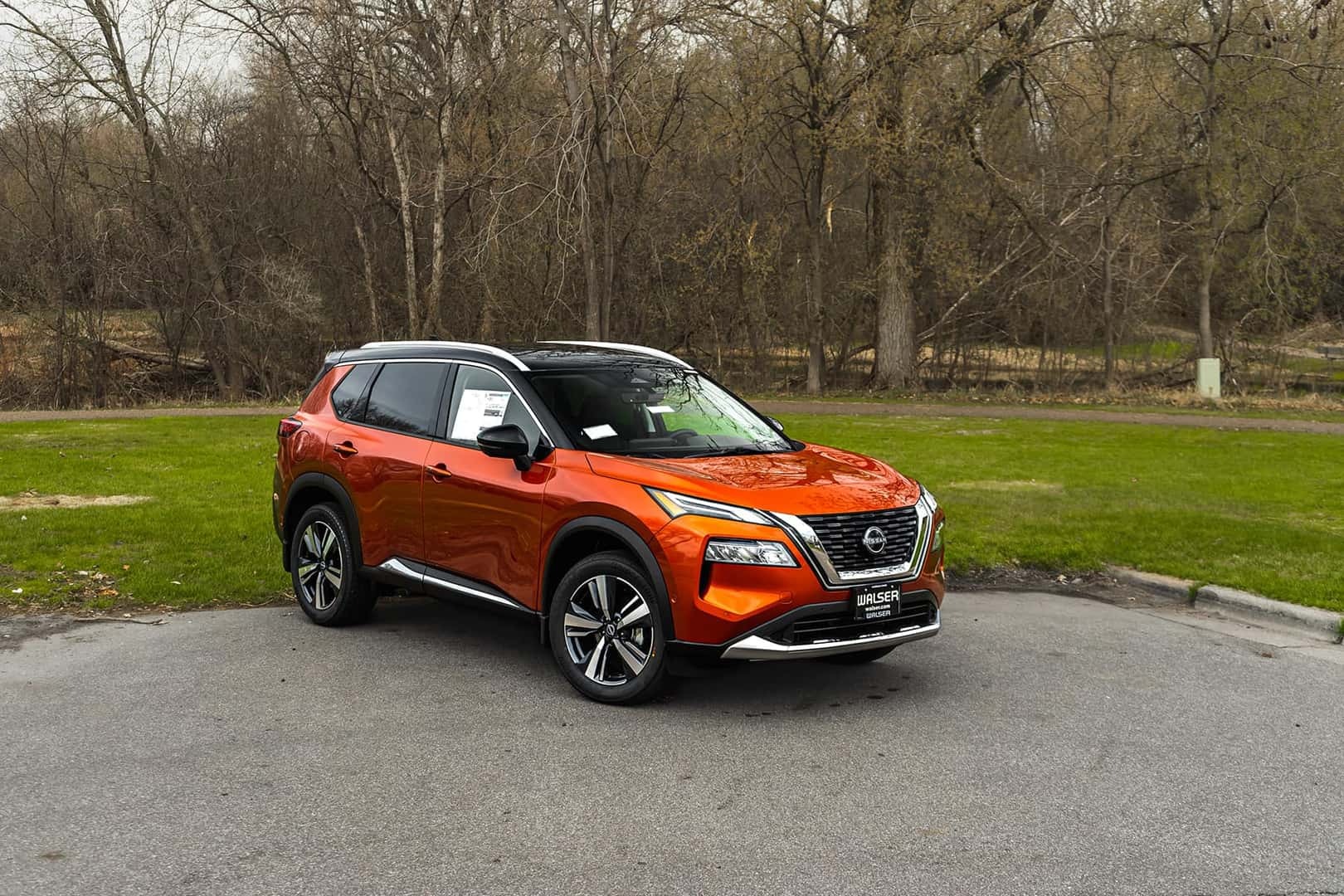
Engine-related recalls have also affected multiple Rogue model years, with problems ranging from oil consumption issues to complete engine failure.
These powertrain problems often manifest as unexpected breakdowns, leaving owners stranded and requiring expensive repairs. The recall campaigns addressing these issues have been extensive but have not completely resolved underlying reliability concerns for many owners.
The impact on Rogue owners includes frequent dealership visits, extended vehicle downtime, and concerns about long-term reliability. Many owners report multiple recall campaigns affecting their vehicles, creating a pattern of recurring problems rather than isolated incidents.
Consumer satisfaction surveys reflect these challenges, with the Rogue consistently scoring below average for reliability and owner satisfaction. The combination of transmission problems, engine issues, and multiple recalls has significantly impacted the Rogue’s reputation, despite its continued sales success in the competitive compact crossover segment.
5. Mitsubishi Outlander
The Mitsubishi Outlander represents a cautionary tale of how attractive pricing and warranty coverage can mask significant reliability and recall concerns.
Despite Mitsubishi’s generous warranty programs, the Outlander has experienced multiple recall campaigns affecting various systems and model years.
The vehicle’s recall history suggests quality control challenges that extend beyond individual component failures to systemic manufacturing and design issues.
Powertrain recalls have been particularly problematic for the Outlander, with issues affecting both conventional and hybrid variants. Engine problems, transmission malfunctions, and hybrid system defects have resulted in numerous safety campaigns requiring dealer intervention.
The complexity of the Outlander’s available powertrains, particularly the plug-in hybrid system, has contributed to reliability challenges and recall frequency.
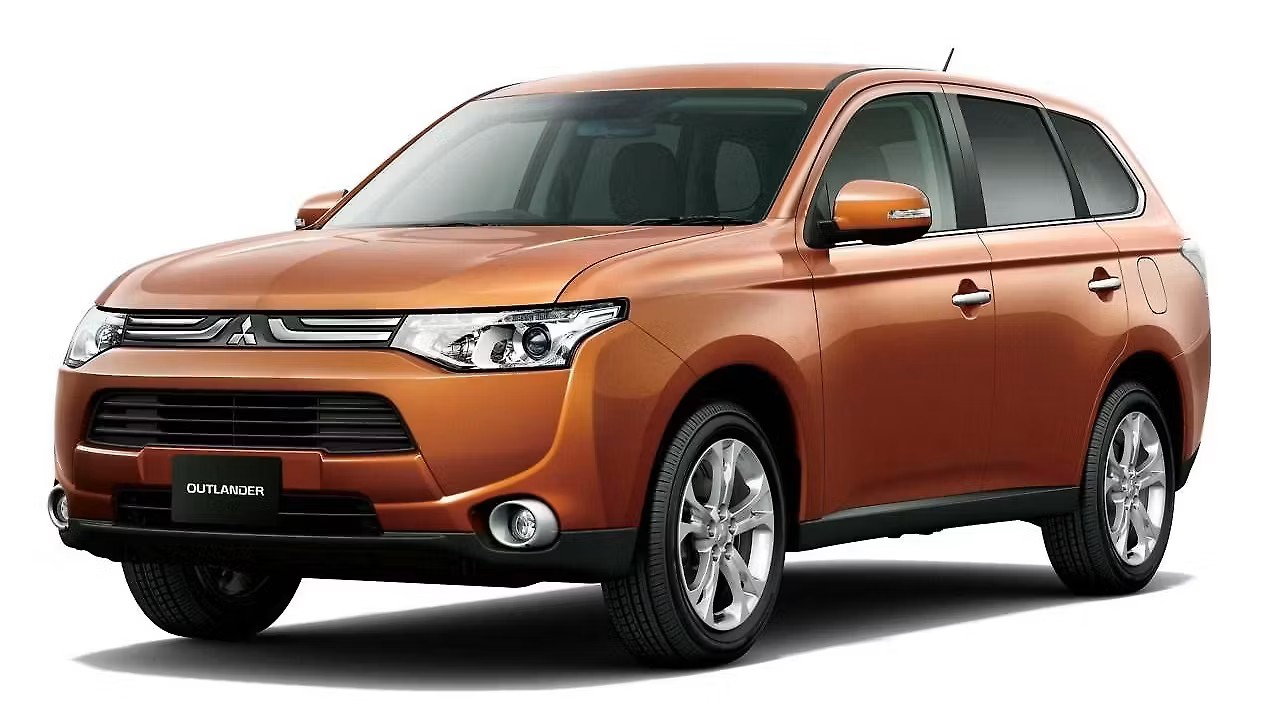
Safety system recalls represent another significant concern, with problems affecting airbag deployment, electronic stability control, and driver assistance features.
These safety-critical issues are particularly troubling for family buyers who choose the Outlander for its three-row seating capacity and presumed safety advantages.
Multiple recalls affecting safety systems undermine the vehicle’s core value proposition and raise questions about fundamental engineering quality.
The financial impact on Outlander owners extends beyond recall-related inconvenience, with many experiencing frequent repairs and higher than average maintenance costs despite the vehicle’s comprehensive warranty coverage.
Extended dealership visits, repeated problems, and concerns about long-term reliability contribute to raised a ownership stress and reduced satisfaction.
Consumer reliability studies consistently rank the Outlander below average, with frequent repair requirements and quality concerns offsetting the appeal of its competitive pricing and generous warranty coverage.
The combination of recall frequency and general reliability issues has significantly limited the Outlander’s market appeal among informed buyers who prioritize long-term dependability over initial purchase incentives.
Also Read: 5 Takata Airbag-equipped Models That Remain Safe Vs. 5 Still At Risk
