
When it comes to luxury sedans, the true test of engineering excellence isn’t found in the showroom’s gleaming lights or the intoxicating new car smell it’s revealed after 100,000 miles of real-world driving.
While all luxury vehicles promise refinement, comfort, and prestige, only a select few maintain their composure as the odometer climbs. The difference between a luxury sedan that ages gracefully and one that deteriorates rapidly often lies in fundamental engineering philosophy, build quality, and long-term reliability considerations.
Some manufacturers prioritize initial impact over longevity, cramming their vehicles with cutting-edge technology and complex systems that dazzle buyers but become maintenance nightmares years later.
Others focus on proven engineering, robust construction, and time-tested components that may seem conservative initially but prove their worth through decades of dependable service.
The luxury sedan market presents a fascinating dichotomy: vehicles that maintain their smooth, refined character well into six-figure mileage territory, and those whose premium feel evaporates as quickly as their new car warranties.
Understanding this distinction is crucial for buyers who view their luxury sedan as a long-term investment rather than a short-term lease proposition. The following examination reveals which luxury sedans truly deserve the “built to last” designation and which ones are better enjoyed from a distance after their initial bloom has faded.
5 High-Mileage Luxury Sedans That Stay Smooth
These exceptionally engineered vehicles maintain their luxurious character through hundreds of thousands of miles via superior materials, meticulous construction, and conservative engineering that preserves ride quality, cabin refinement, and mechanical smoothness throughout extended ownership periods.
Their robust platforms incorporate proven powertrains, quality suspension components, and premium interior materials that resist wear and deterioration while continuing to deliver the refined driving experience that justifies luxury positioning in competitive markets.
They represent luxury automotive engineering at its finest, proving that proper development and quality materials can create vehicles that maintain their prestigious character throughout their entire service life while delivering the refined transportation experience expected from premium automobiles.
1. Lexus LS Series
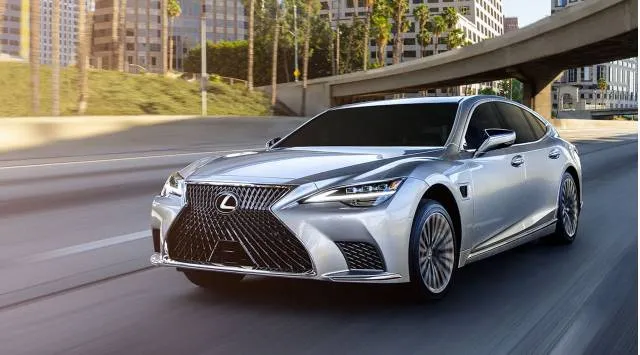
The Lexus LS stands as the gold standard for high-mileage luxury sedan reliability, a reputation earned through decades of meticulous engineering and Toyota’s legendary quality control.
From the original LS400 that shocked the luxury world in 1989 to the current LS500, this flagship has consistently demonstrated that Japanese precision and German luxury aren’t mutually exclusive concepts.
The secret to the LS’s longevity lies in its conservative engineering approach. Rather than chasing the latest technological trends, Lexus focuses on perfecting proven systems.
The naturally aspirated V8 engines found in most LS models are renowned for their bulletproof reliability, with many examples surpassing 300,000 miles without major mechanical intervention.
The transmission systems, whether traditional automatics or the later hybrid setups, are engineered with substantial safety margins and undergo rigorous testing protocols that far exceed industry standards.
Interior quality remains exceptional even at high mileage, thanks to carefully selected materials and assembly techniques. The leather is processed using methods that resist cracking and fading, while the wood trim is genuine and properly sealed.
Even after 150,000 miles, most LS interiors retain their luxurious ambiance with minimal wear beyond normal contact points. The ride quality that defines the LS experience that magic carpet smoothness persists thanks to robust suspension components and precise manufacturing tolerances.
Air suspension systems, when properly maintained, continue delivering their whisper-quiet operation well beyond the 100,000-mile mark. The vehicle’s legendary quietness endures because Lexus over-engineers its sound deadening and uses higher-quality weatherstripping that maintains its effectiveness over time.
Perhaps most importantly, the LS benefits from Toyota’s global service network and parts availability. Even older models receive continued support, and many components interchange between generations, keeping maintenance costs reasonable for a flagship luxury vehicle.
2. BMW E38 7 Series (1995-2001)
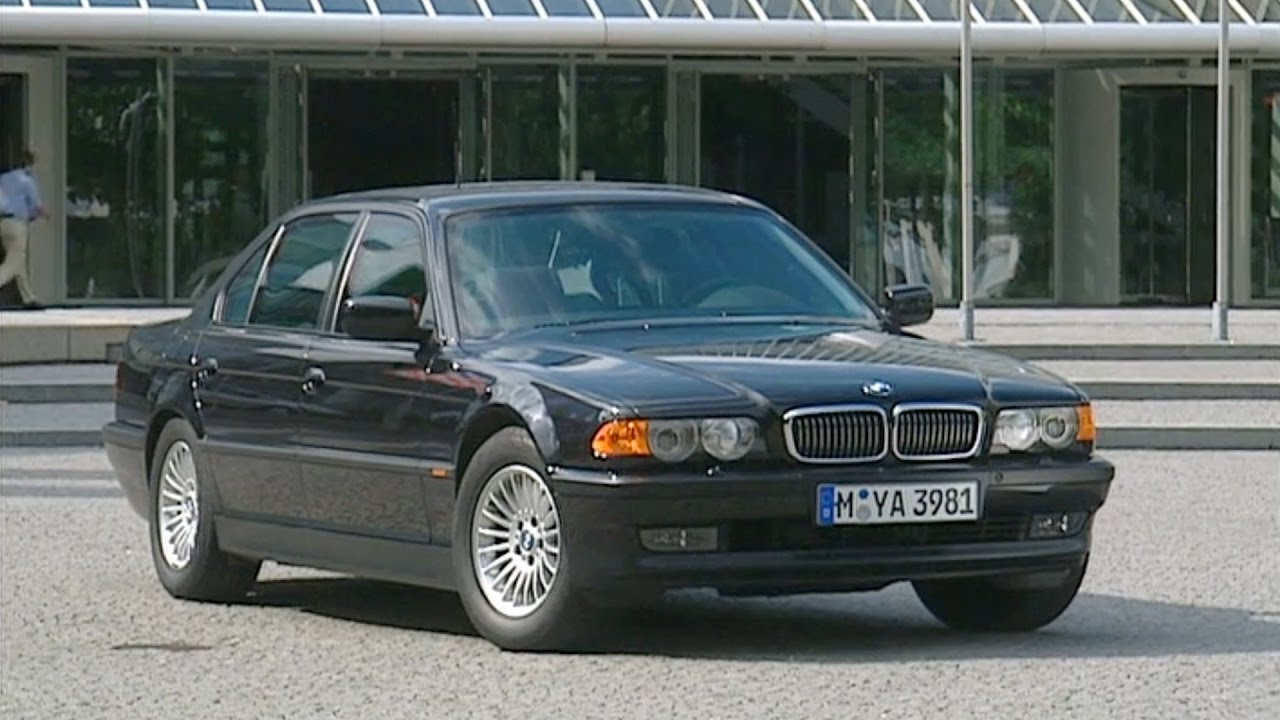
The E38 generation BMW 7 Series represents the pinnacle of analog luxury, a swan song to an era when luxury sedans prioritized mechanical excellence over electronic complexity.
While newer BMWs have struggled with reliability concerns, the E38 stands apart as a high-mileage champion that maintains its sophisticated character well beyond 200,000 miles.
The key to the E38’s endurance lies in its relatively simple electronic architecture combined with BMW’s finest mechanical engineering. The M60 and M62 V8 engines, while occasionally requiring attention to cooling system components and VANOS units, are fundamentally robust powerplants that reward proper maintenance with decades of smooth operation.
The five-speed automatic transmissions are conventional torque-converter units without the complexity of modern multi-speed boxes, contributing to their longevity.
Interior build quality in the E38 reflects BMW’s peak attention to detail. The leather is thick and supple, aging gracefully with proper care. The wood trim is real and expertly finished, while the switchgear operates with precision that younger BMWs often lack. Even high-mileage examples frequently retain interior ambiance that rivals newer luxury sedans.
The E38’s chassis represents BMW engineering at its finest, with suspension geometry that maintains the brand’s sporting character while delivering genuine luxury comfort.
The self-leveling rear air springs, when functioning properly, provide a ride quality that remains impressive by modern standards. More importantly, the fundamental suspension design is robust enough to handle high mileage without the expensive failures that plague more complex modern systems.
This characteristic, combined with strong enthusiast support and parts availability, makes the E38 a viable high-mileage luxury option for those who appreciate traditional German engineering excellence.
3. Acura RL (1996-2012)
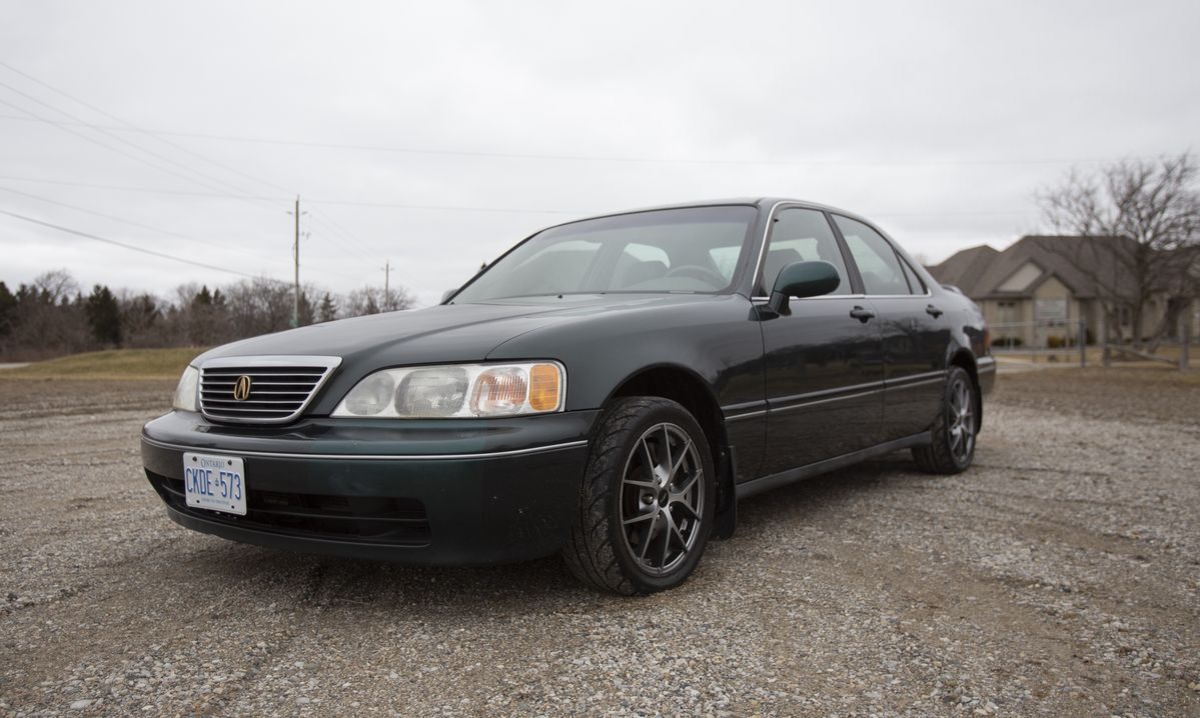
The Acura RL represents Honda’s most serious attempt at challenging German luxury sedans, and while it may have lacked the prestige of its European rivals, it delivered something more valuable: unshakeable reliability combined with genuine luxury refinement.
Across its two generations, the RL proved that American Honda’s engineering prowess could create a luxury sedan that maintains its composure well into six-figure mileage territory.
The heart of the RL’s high-mileage success is Honda’s legendary C-series V6 engines, particularly the 3.5-liter units found in later models. These engines embody Honda’s philosophy of high-revving refinement without sacrificing durability.
Internal components are manufactured to exacting tolerances, and the variable valve timing systems, while sophisticated, are engineered for longevity rather than maximum performance. Regular maintenance typically yields 200,000+ miles of trouble-free operation, with the engines maintaining their smooth character throughout.
Honda’s attention to interior quality in the RL often surprises luxury sedan buyers accustomed to German alternatives. The leather selection process rivals that of premium European manufacturers, resulting in hides that age gracefully and resist common wear patterns.
The SH-AWD system, in particular, represents a masterpiece of mechanical engineering that continues operating smoothly when German competitors’ electronic systems have long since failed.
Perhaps the RL’s greatest high-mileage advantage is its fundamental Honda DNA. Parts availability through Honda’s extensive network ensures continued serviceability, while the vehicle’s reputation for reliability means that high-mileage examples are often better maintained than their European counterparts, creating a positive feedback loop of longevity.
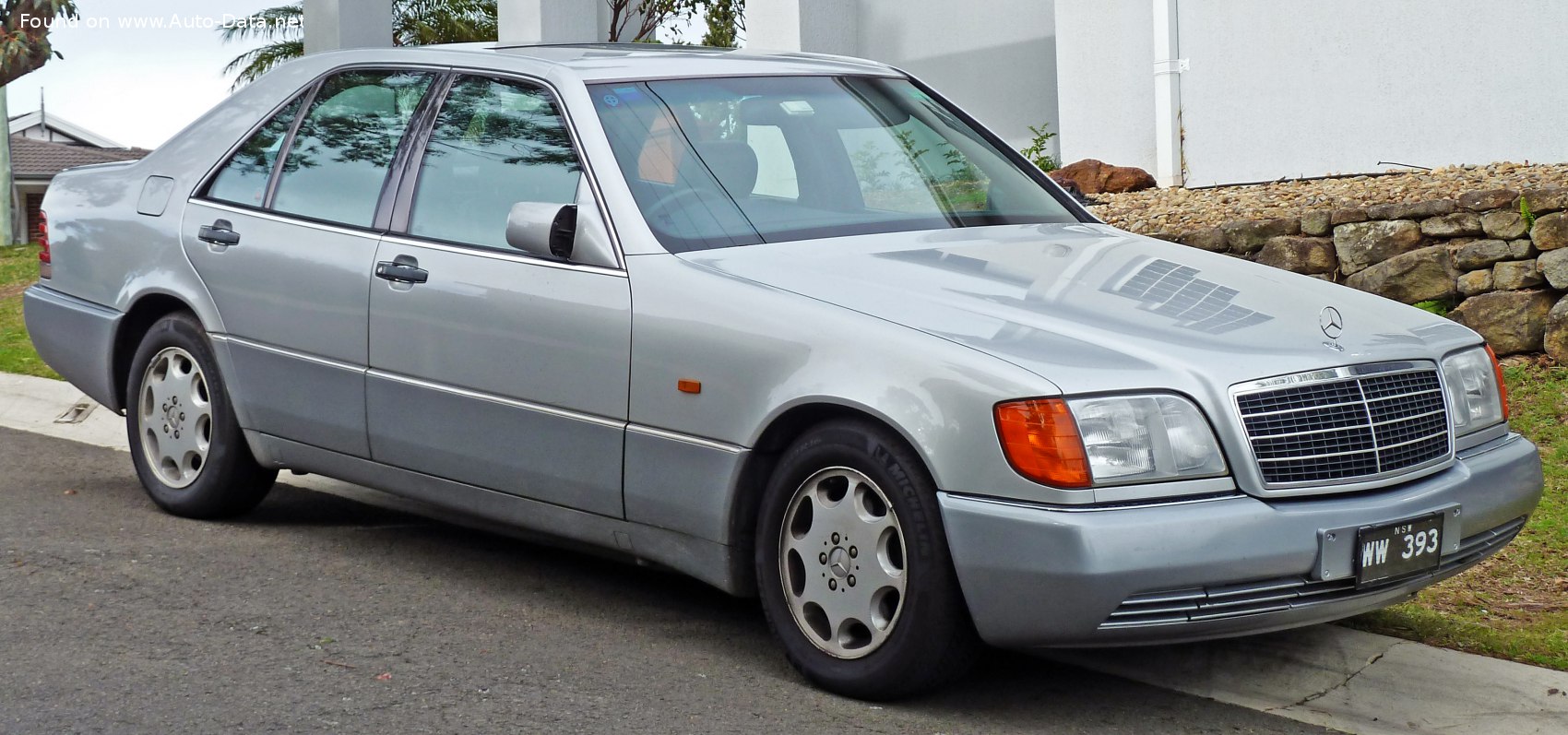
4. Mercedes-Benz W140 S-Class (1991-1998)
The W140 S-Class represents Mercedes-Benz engineering at its most uncompromising, a luxury sedan designed with such robust construction and mechanical sophistication that examples with proper maintenance routinely exceed 300,000 miles while maintaining their imposing presence and refined operation.
This generation established the template for ultimate luxury sedan durability that subsequent S-Class models have struggled to match. The foundation of the W140’s legendary longevity begins with its body construction. Mercedes employed heavy-gauge steel throughout the structure, creating a platform that resists fatigue and maintains structural integrity far longer than modern lightweight alternatives.
The extensive use of galvanized steel and sophisticated corrosion protection ensures that rust, the enemy of high-mileage vehicles, rarely becomes a significant concern even in harsh climates.
Engine options in the W140 range from robust inline-sixes to the magnificent V12s, all sharing Mercedes’ traditional over-engineering philosophy.
The M104 inline-six and M119 V8 engines are particularly noteworthy for their durability, featuring cast-iron blocks and conservative internal stresses that enable hundreds of thousands of miles of operation. Even the complex V12 engines, when properly maintained, demonstrate remarkable longevity thanks to their understressed design and premium internal components.
The W140’s interior represents the pinnacle of 1990s luxury craftsmanship. Real wood trim from sustainable sources, leather processed using traditional methods, and switchgear manufactured to tolerances that modern cost-cutting measures have eliminated.
The result is a cabin that maintains its opulent atmosphere even after decades of use. The seats, designed for long-distance comfort, retain their support and luxury feel thanks to high-quality foam and robust adjustment mechanisms.
Suspension systems in the W140, particularly the optional air suspension, continue operating smoothly well beyond typical replacement intervals when maintained according to Mercedes’ specifications.
The combination of sophisticated engineering and robust construction creates a ride quality that remains impressive by contemporary standards. Most importantly, the fundamental mechanical nature of W140 systems means that maintenance, while potentially expensive, is straightforward and doesn’t require the specialized diagnostic equipment that newer Mercedes models demand.
Also Read: 5 Electric Vehicles With Battery Packs That Don’t Degrade Vs 5 That Need Early Replacements
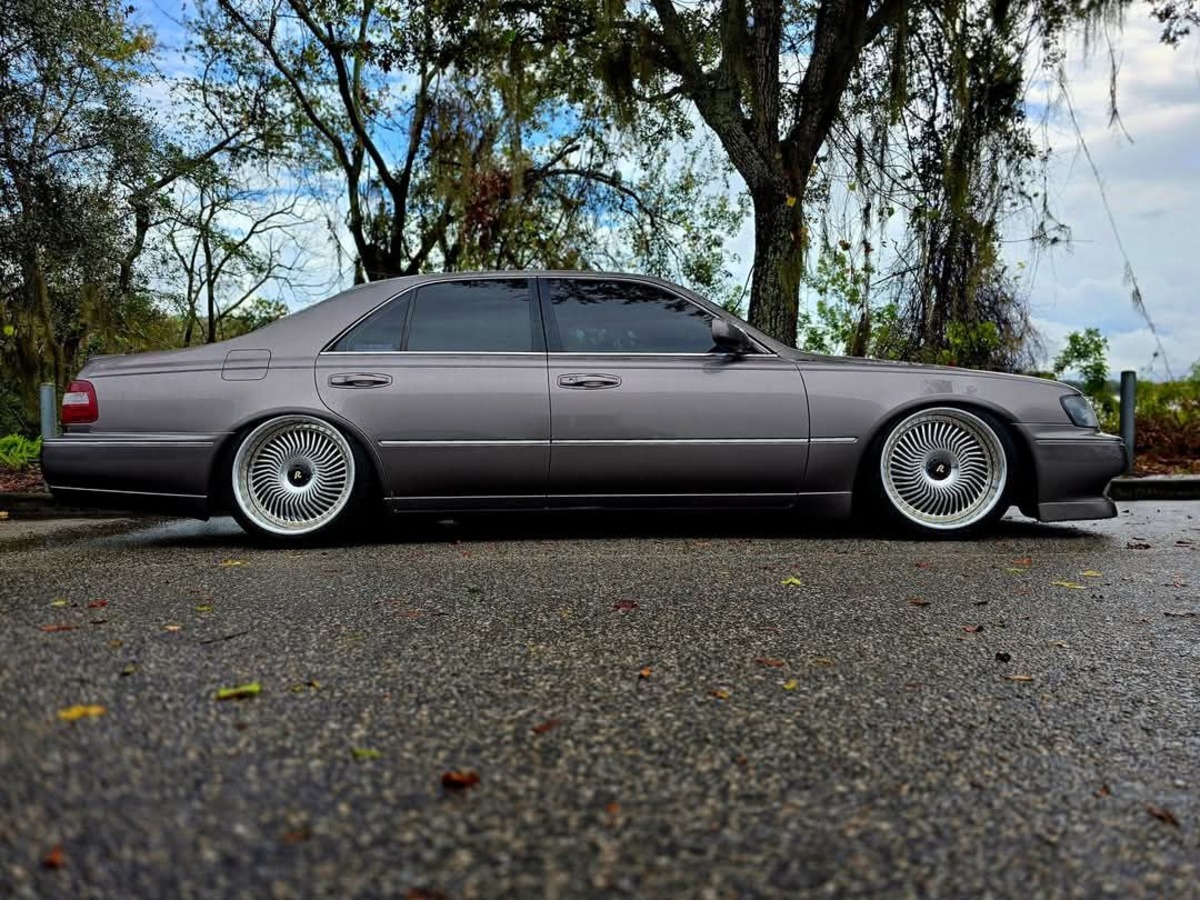
5. Infiniti Q45 (1989-2006)
The Infiniti Q45 stands as Nissan’s most ambitious luxury sedan project, a vehicle that combined Japanese engineering excellence with genuine luxury aspirations to create a high-mileage champion that many luxury sedan buyers overlooked in favor of German prestige.
Across its three generations, the Q45 demonstrated that meticulous engineering and conservative design choices could create a luxury sedan that maintains its refined character well beyond 200,000 miles.
The heart of the Q45’s durability lies in Nissan’s VH series V8 engines, powerplants that embody the Japanese philosophy of smooth, unstressed operation combined with robust construction.
These engines feature forged internal components, sophisticated cooling systems, and manufacturing tolerances that enable extended operation without major mechanical intervention.
The naturally aspirated design avoids the complexity and potential failure points of forced induction, while the sophisticated variable valve timing systems enhance both performance and longevity.
Interior quality in the Q45 reflects Nissan’s serious luxury intentions, with materials selection and assembly techniques that rival established German competitors.
The leather is carefully sourced and processed to resist common aging issues, while the extensive use of real wood trim adds genuine luxury ambiance that plastic alternatives cannot match.
Electronic systems, from climate control to audio components, benefit from Nissan’s automotive electronics expertise and typically continue functioning flawlessly well beyond typical ownership periods.
The Q45’s chassis engineering demonstrates Nissan’s understanding of luxury sedan requirements, balancing ride comfort with handling precision through sophisticated suspension geometry and high-quality components.
What distinguishes the Q45 in the high-mileage luxury sedan market is its combination of Japanese reliability with genuine luxury refinement. While it may lack the prestige of German alternatives, it delivers something more valuable for long-term ownership: predictable operation, reasonable maintenance costs, and continued parts support through Nissan’s extensive network. The result is a luxury sedan that rewards its owners with decades of refined, trouble-free operation.
5 That Lose Their Sparkle Quickly
These disappointing vehicles undermine luxury positioning through rapid deterioration, premature component failures, and quality issues that destroy refinement within years of purchase while creating expensive repair scenarios that contradict premium pricing and luxury marketing promises. Their compromised construction incorporates substandard materials, problematic systems, and cost-cutting measures that generate rattles, squeaks, and mechanical problems that eliminate the smooth, quiet operation expected from luxury automobiles.
The combination of poor build quality, inadequate durability testing, and obvious cost reduction creates ownership experiences that feel fraudulent as buyers discover that luxury badges cannot compensate for fundamental quality compromises that prioritize profit margins over genuine refinement.
They represent everything wrong with modern luxury car manufacturing, where premium pricing meets economy-car durability and prestigious reputations suffer from obvious corner-cutting that transforms luxury purchases into regrettable decisions requiring constant professional attention.
1. BMW 7 Series (2002-2008 E65/E66)
The E65/E66 generation BMW 7 Series represents one of the most ambitious and ultimately problematic luxury sedans ever created, a technological tour de force that impressed in showrooms but became a maintenance nightmare as the miles accumulated.
While BMW’s intentions were admirable creating the most technologically advanced luxury sedan possible the execution resulted in a vehicle whose complexity became its greatest weakness.
The E65’s problems begin with its revolutionary iDrive system, which controlled virtually every vehicle function through a single interface. While innovative, early iDrive implementations were notoriously unreliable, with failures affecting everything from climate control to seat adjustments.
The system’s integration meant that seemingly simple repairs often required expensive dealer-level diagnostics and programming, turning minor issues into major expenses for high-mileage owners.
Engine reliability varies dramatically across the E65 range. The naturally aspirated V8s, while generally robust, suffer from common BMW issues including cooling system failures and electronic module problems.

The V12 engines, magnificent when functioning properly, require meticulous maintenance and are prone to expensive failures of complex ancillary systems. Most problematic are the early N62 V8 engines with their innovative Valvetronic technology, which frequently experiences failures that require complete engine rebuilding.
The E65’s interior, while luxurious when new, doesn’t age gracefully due to cost-cutting measures and complex electronic integration. The extensive use of soft-touch plastics, while pleasant initially, tends to become sticky or deteriorate over time.
The electronic seat adjustments, with their multiple motors and position memory systems, are frequent failure points that can render seats inoperative. Climate control systems, integrated with the iDrive interface, often develop failures that affect basic comfort functions.
The fundamental issue with the E65 is that its complexity requires constant dealer attention, and as these vehicles age, finding technicians capable of proper diagnosis becomes increasingly difficult and expensive, making long-term ownership economically challenging for all but the most dedicated enthusiasts.
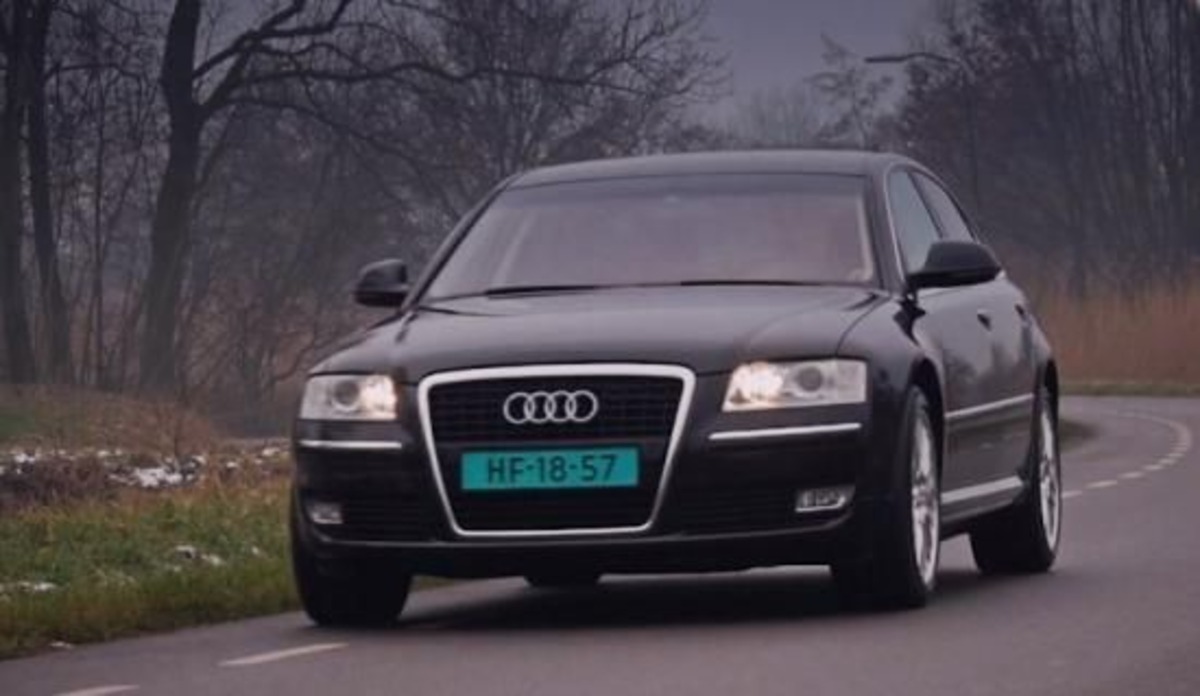
2. Audi A8 (2003-2009 D3)
The D3 generation Audi A8 represented Audi’s most technologically ambitious luxury sedan, featuring advanced aluminum construction, sophisticated all-wheel drive systems, and cutting-edge electronics that promised to redefine luxury sedan expectations.
Unfortunately, this technological sophistication came at the cost of long-term reliability, creating a luxury sedan that loses much of its appeal as maintenance costs escalate with mileage.
The A8’s aluminum spaceframe construction, while innovative and lightweight, presents unique challenges for high-mileage ownership. Aluminum repairs require specialized equipment and expertise that many independent shops lack, making bodywork extremely expensive.
More problematically, the aluminum structure can develop stress fractures that are difficult to detect and expensive to repair, creating potential safety and reliability issues that don’t affect traditional steel-bodied vehicles.
Engine reliability in the D3 A8 varies significantly across the range. The naturally aspirated V8s are generally robust but suffer from common Audi issues including carbon buildup on direct-injection engines and expensive timing chain failures.
The W12 engine, while smooth and powerful, is notoriously complex and expensive to maintain, with potential failures that can exceed the vehicle’s value. The available diesel engines, popular in European markets, suffer from emissions system problems that are expensive to rectify.
Interior quality, while impressive initially, doesn’t maintain its luxury feel as well as competitors. The extensive use of electronic controls means that failures affect basic functions, and the integration of systems makes isolated repairs difficult.
The MMI (Multi Media Interface) system, like BMW’s iDrive, controls multiple vehicle functions and is prone to failures that affect everything from navigation to climate control.
The D3’s quattro all-wheel drive system, while sophisticated, adds mechanical complexity that increases maintenance costs and provides additional failure points.
Wiring harness issues, common in this generation, can cause intermittent problems that are expensive to diagnose and repair, making high-mileage ownership a constant source of frustration and expense.
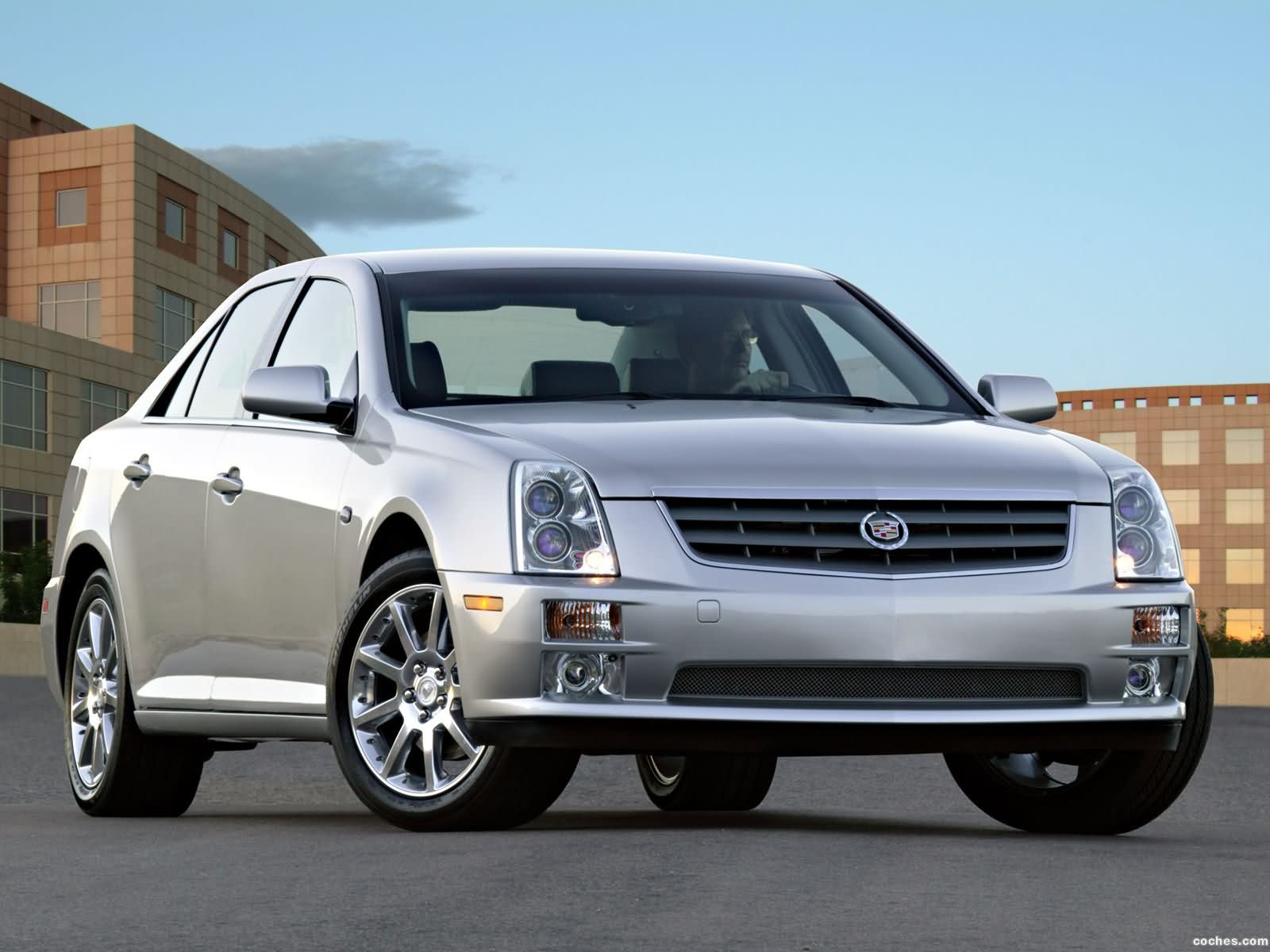
3. Cadillac STS (2005-2011)
The Cadillac STS represented General Motors’ attempt to create a world-class luxury sedan that could compete directly with German rivals, featuring sophisticated technology, powerful engines, and luxury appointments that impressed initial buyers.
Unfortunately, the STS suffered from fundamental reliability issues and poor aging characteristics that made high-mileage ownership problematic and ultimately contributed to its market failure.
The STS’s engine lineup, while powerful, proved problematic in long-term use. The Northstar V8, carried over from previous Cadillac models, was notorious for head gasket failures that often required complete engine replacement.
The later direct-injection V6 engines suffered from carbon buildup issues and timing chain problems that were expensive to address. Even when engines remained mechanically sound, ancillary systems frequently failed, creating drivability issues that were difficult to diagnose and repair.
Interior quality in the STS, while initially impressive, deteriorated rapidly compared to competitors. The extensive use of soft-touch plastics and electronic controls created multiple failure points that affected both functionality and aesthetics.
Climate control systems were particularly problematic, with failures of electronic blend doors and actuators that often required dashboard removal for repair. The electronic seat adjustments and memory systems frequently failed, leaving seats stuck in incorrect positions.
The STS’s electrical system proved to be its greatest weakness, with wiring harness issues and electronic module failures creating problems throughout the vehicle’s operational life.
The sophisticated electronics that controlled everything from engine management to luxury features were prone to failures that often required expensive dealer diagnosis and repair. Body control modules, in particular, were frequent failure points that could affect multiple vehicle systems simultaneously.
Suspension systems in the STS, particularly models equipped with Magnetic Ride Control, provided excellent performance when functioning but were extremely expensive to maintain.
As the vehicle aged, finding qualified repair facilities became increasingly difficult, and parts availability issues created extended downtime for even routine repairs, making high-mileage STS ownership frustrating and impractical.
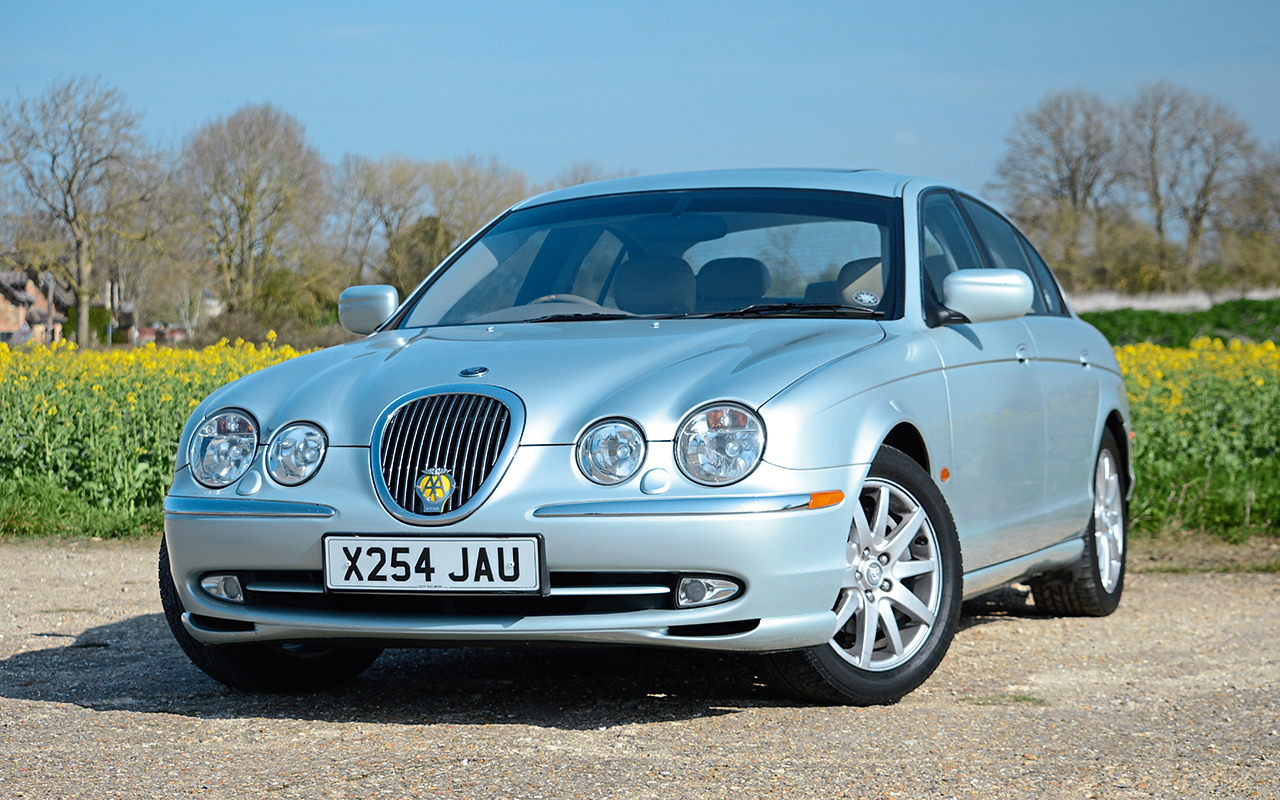
4. Jaguar S-Type (1999-2008)
The Jaguar S-Type marked the British brand’s return to the luxury sedan market after years of focus on sports cars and grand tourers. Built on Ford’s DEW platform and sharing components with the Lincoln LS, the S-Type promised traditional Jaguar elegance combined with modern reliability.
Unfortunately, the reality proved disappointing, with fundamental design issues and quality control problems that made high-mileage ownership economically challenging.
The S-Type’s engine lineup presented mixed results for long-term reliability. The naturally aspirated V6 engines, shared with other Ford products, were generally reliable but lacked the refinement expected in a Jaguar.
The V8 engines provided appropriate performance and sound but suffered from cooling system problems and electronic issues that were expensive to diagnose and repair.
The supercharged variants, while thrilling when functioning properly, required meticulous maintenance and were prone to expensive failures of both mechanical and electronic systems.
Interior quality in the S-Type, while featuring traditional Jaguar styling cues, suffered from cost-cutting measures that became apparent with use. The leather, while attractively styled, was often of inconsistent quality and prone to premature wear.
Electronic systems, including climate control and audio components, frequently failed and were expensive to repair through Jaguar’s limited dealer network. The traditional wood trim, while genuine, was often poorly finished and prone to delamination over time.
Electrical problems plagued the S-Type throughout its production run, with wiring harness issues and electronic module failures creating problems that were difficult to diagnose and expensive to repair.
The sophisticated electronics that controlled engine management, transmission operation, and luxury features were prone to failures that often left vehicles stranded or operating in reduced-power modes. Body control modules were particularly problematic, with failures affecting everything from lighting to security systems.
Unlike German competitors with extensive dealer networks and parts availability, Jaguar owners often faced extended wait times for repairs and extremely high parts costs that made even routine maintenance expensive, creating a situation where high-mileage S-Types often became economically unviable to maintain.
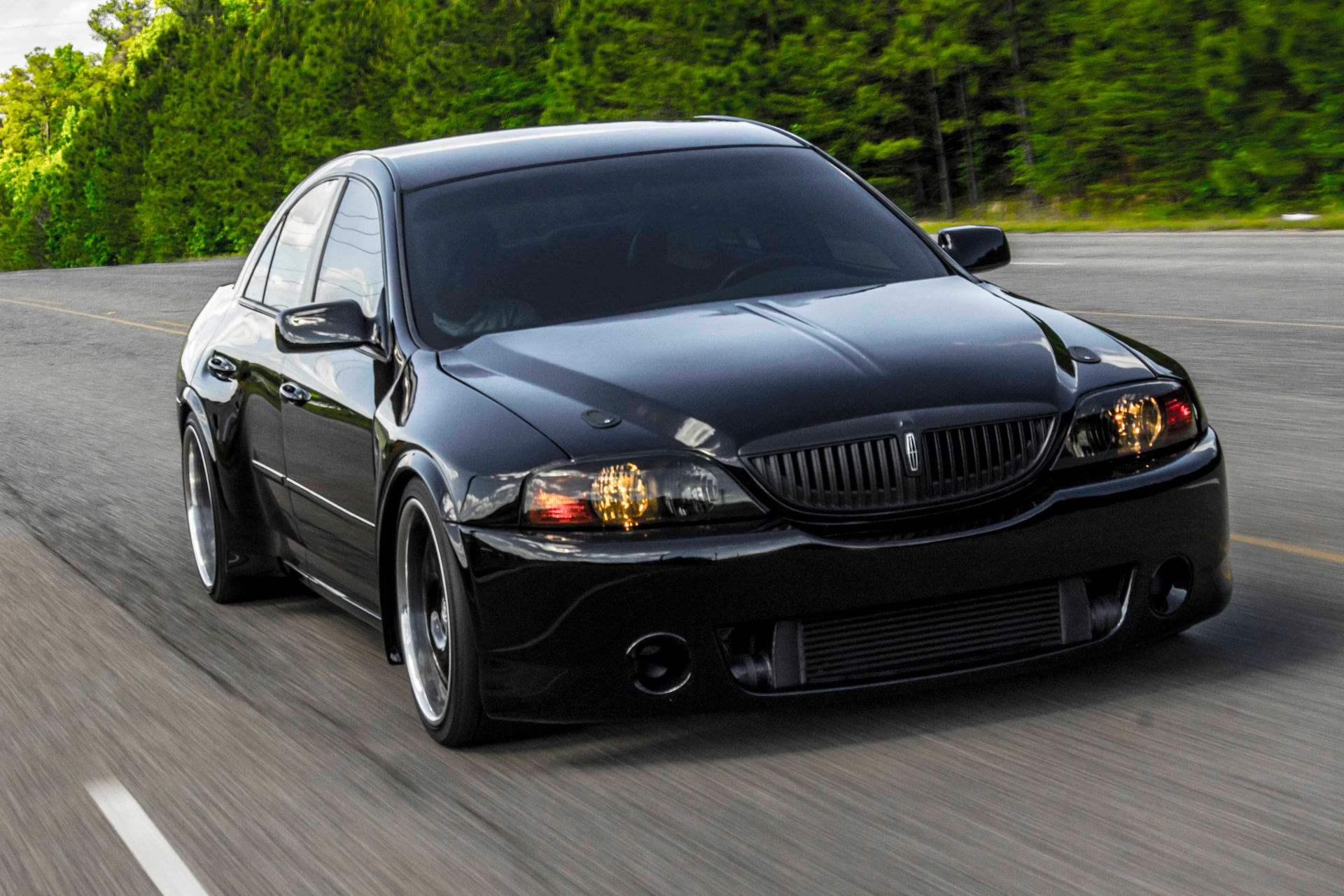
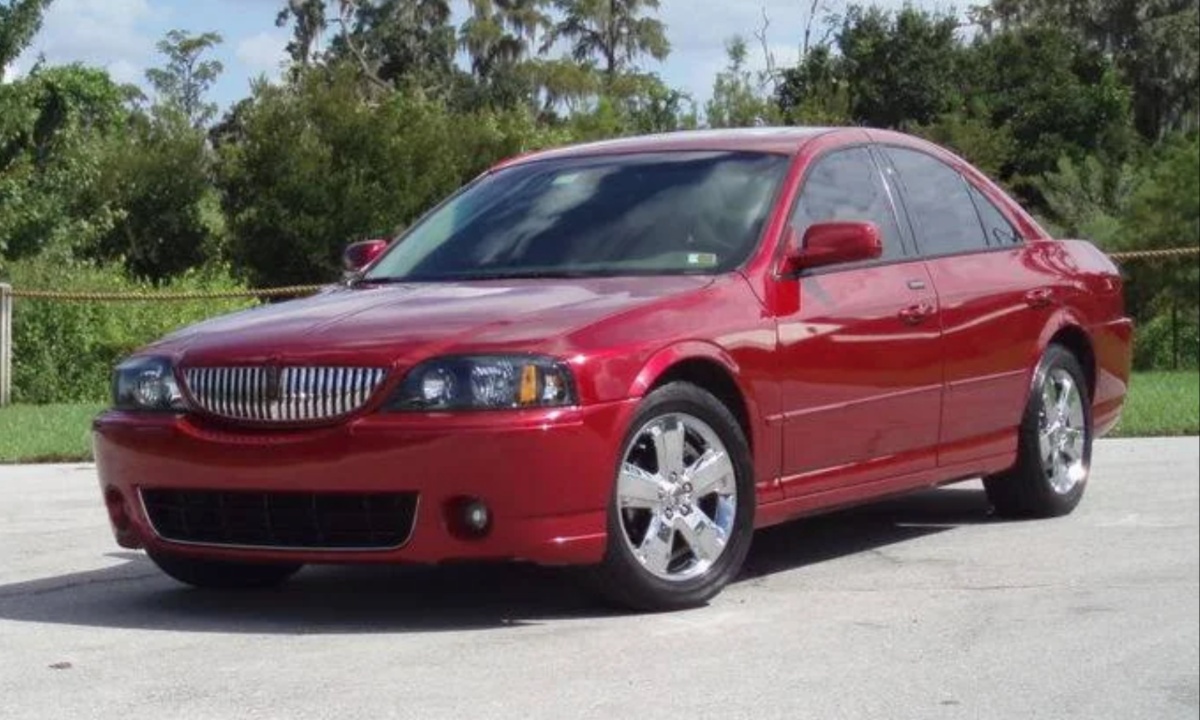
5. Lincoln LS (2000-2006)
The Lincoln LS represented Ford’s ambitious attempt to create an American luxury sedan that could compete directly with German rivals, featuring rear-wheel drive, sophisticated suspension systems, and luxury appointments that initially impressed buyers.
Unfortunately, the LS suffered from fundamental quality issues and reliability problems that made high-mileage ownership problematic and ultimately led to its market failure and discontinuation.
Engine reliability in the LS varied dramatically between the available options. The V6 Duratec engines, while generally reliable in other Ford applications, suffered from timing chain issues and electronic problems in the LS.
The Jaguar-sourced V8 engines provided appropriate performance but inherited many of the reliability issues that plagued Jaguar products, including cooling system failures and expensive electronic module problems that were difficult to diagnose and repair without specialized equipment.
Interior quality, while initially competitive, deteriorated rapidly compared to established luxury competitors. The extensive use of soft-touch plastics and electronic controls created multiple failure points that affected both functionality and aesthetics.
Climate control systems were particularly problematic, with failures of electronic actuators and blend doors that often required extensive dashboard disassembly for repair. The electronic seat adjustments and memory systems frequently failed, creating comfort and convenience issues.
The LS’s electrical system proved to be one of its greatest weaknesses, with wiring harness issues and electronic module failures creating problems throughout the vehicle’s operational life.
The sophisticated electronics that controlled everything from engine management to luxury features were prone to failures that often required expensive dealer diagnosis and repair. Instrument cluster failures were particularly common, creating situations where basic vehicle information was unavailable to drivers.
Transmission systems in the LS, whether manual or automatic, experienced significant reliability issues. The available automatic transmissions suffered from electronic control problems and mechanical failures that were expensive to address.
The manual transmissions, while generally more reliable, were prone to clutch and synchronizer problems that made them expensive to maintain for high-mileage use.
Perhaps most damaging to the LS’s long-term prospects was Ford’s decision to discontinue the model, effectively ending parts support and technical expertise development.
The high-mileage heroes prove that true luxury lies not in the latest gadgetry, but in the confidence that comes from knowing your vehicle will start every morning and deliver the same smooth, refined experience it provided when new even 200,000 miles later.
Also Read: 5 Crossover SUVs With Fewer Recalls Vs. 5 Recalled Constantly
