
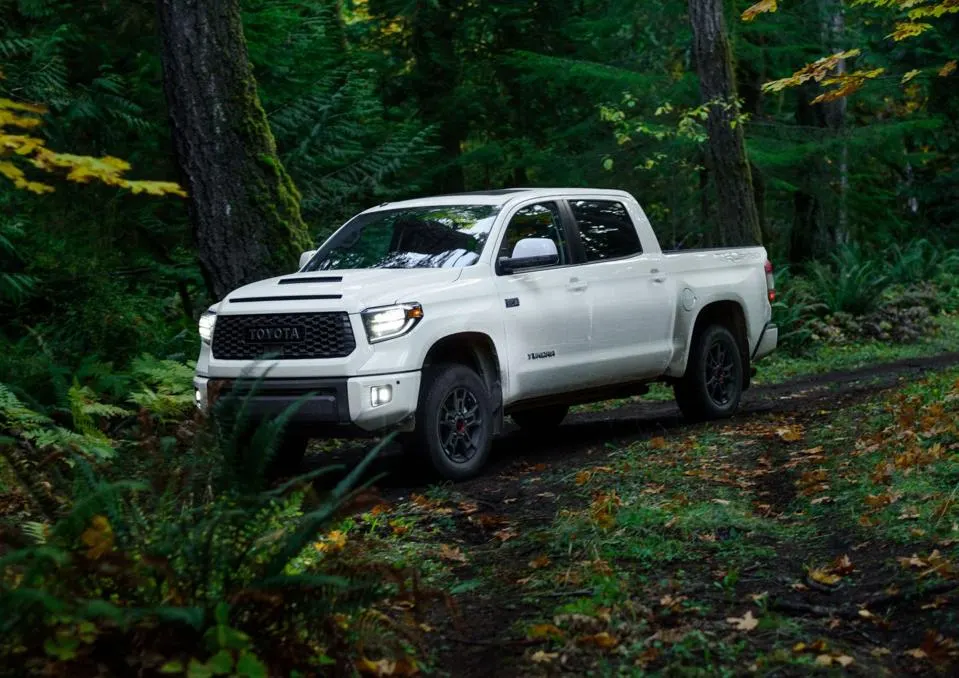
The automotive industry has long grappled with the challenge of corrosion, particularly in commercial vehicles like trucks that face demanding operational conditions.
Steel frames, while providing exceptional strength and durability, remain vulnerable to rust and corrosion when not properly protected or maintained. This comprehensive analysis examines ten different truck models, comparing five vehicles renowned for their superior rust resistance against five that have historically struggled with corrosion issues.
Rust and corrosion represent more than mere cosmetic concerns in the trucking industry. They directly impact structural integrity, safety, operational costs, and vehicle longevity.
When steel oxidizes, it weakens the fundamental framework that supports the entire vehicle, potentially compromising load-bearing capacity and creating safety hazards.
The economic implications are equally significant, as corrosion-related repairs can cost thousands of dollars and result in extended downtime that affects productivity and profitability.
The trucks featured in this analysis represent diverse segments of the commercial vehicle market, from heavy-duty workhorses designed for construction and hauling to versatile pickup trucks used across various industries.
Each vehicle’s approach to corrosion protection reflects different engineering philosophies, manufacturing processes, and material sciences applications.
Understanding these differences empowers fleet managers, owner-operators, and individual buyers to make informed decisions that consider not just initial purchase price, but total cost of ownership over the vehicle’s operational lifespan.
The following detailed analysis provides insights into specific models, their strengths and weaknesses, and the factors that contribute to their respective reputations in corrosion resistance.
5 Trucks With Steel Frames Resisting Rust
These exceptionally engineered trucks feature advanced galvanized steel frames with multi-layer protective coatings that create an impenetrable barrier against moisture, road salt, and environmental contaminants.
Their sophisticated metallurgy includes specially formulated alloys with chromium and zinc additives that naturally resist oxidation while maintaining structural integrity under extreme loading conditions.
From harsh winter conditions with corrosive de-icing chemicals to humid coastal environments that accelerate metal degradation, these remarkable chassis systems continue performing like new without developing surface rust or structural weakness.
The precision manufacturing process includes electrostatic powder coating and cathodic protection systems that actively prevent corrosion initiation.
Owners report decades of reliable service with these dependable frame systems, often exceeding 300,000 miles while maintaining their original structural strength and appearance, proving their worth through consistent load-bearing capacity and preserved resale value throughout ownership.
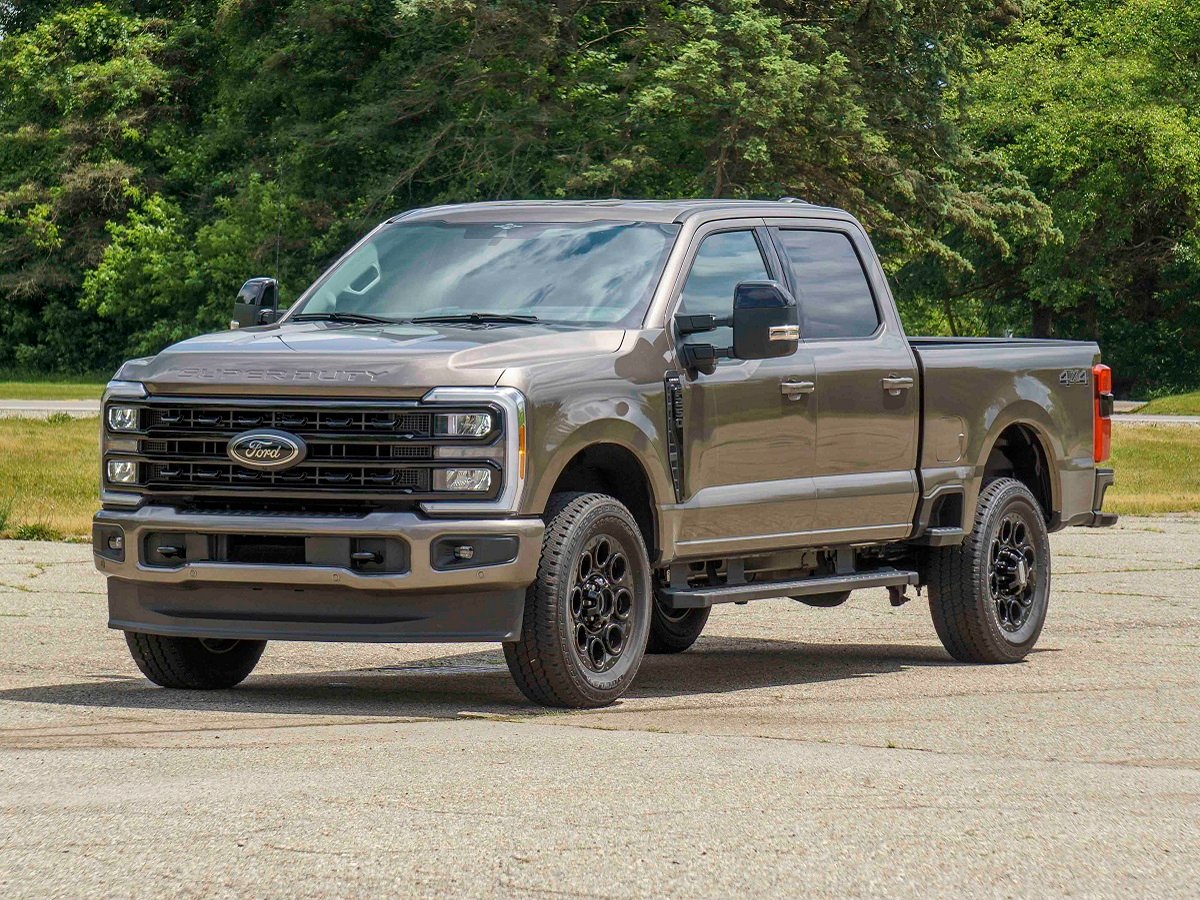
1. Ford F-Series Super Duty (F-250, F-350, F-450)
Ford’s Super Duty lineup represents a pinnacle of rust-resistant engineering in the heavy-duty pickup truck segment. The company’s commitment to corrosion protection begins at the molecular level with their proprietary steel formulations and extends through multiple layers of protective systems that work synergistically to prevent oxidation and structural degradation.
The foundation of the Super Duty’s rust resistance lies in its advanced high-strength steel frame construction, which utilizes military-grade aluminum alloy body panels in conjunction with a fully boxed steel frame.
This hybrid approach maximizes both strength and corrosion resistance while maintaining the durability expectations of commercial users. The steel frame itself undergoes a comprehensive twelve-stage wash and treatment process that includes phosphate coating, electrocoat priming, and multiple paint layers specifically formulated to withstand harsh environmental conditions.
Ford’s engineering team has implemented strategic design elements that actively prevent water accumulation and promote drainage. The frame rails feature integrated drain holes positioned at critical low points, while sealed joints and welded connections minimize entry points for moisture and contaminants.
The company’s extensive use of structural adhesives and advanced welding techniques creates watertight seals that maintain their integrity even under extreme stress and temperature variations.
Ford backs their corrosion protection claims with one of the industry’s most comprehensive warranties, offering five years of coverage against perforation corrosion with unlimited mileage.
This warranty demonstrates the company’s confidence in its protective systems and provides additional peace of mind for buyers investing in these premium work trucks.
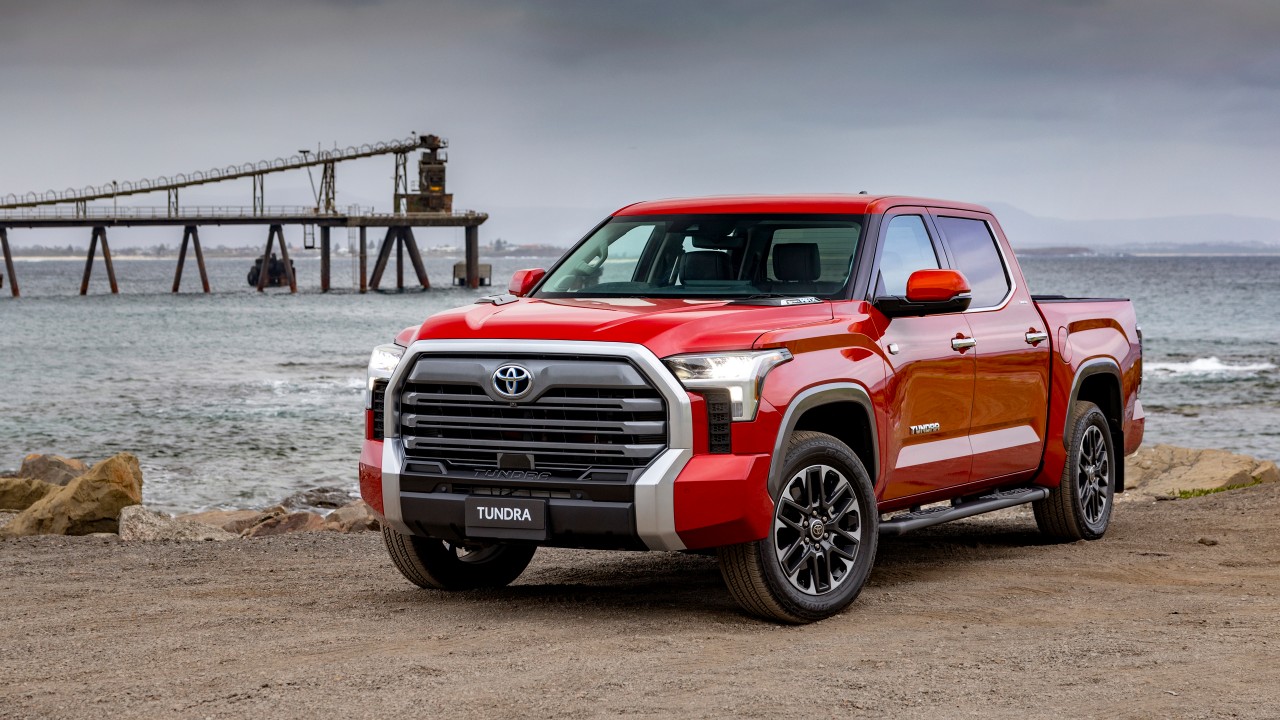
2. Toyota Tundra
Toyota’s engineering philosophy emphasizing long-term reliability and durability manifests prominently in the Tundra’s exceptional rust resistance capabilities.
The Japanese automaker’s decades of experience in diverse global markets, including regions with extreme weather conditions and aggressive road salt usage, has informed their comprehensive approach to corrosion protection that sets industry benchmarks for longevity and structural integrity.
The Tundra’s rust resistance begins with superior base materials, utilizing high-tensile steel alloys that inherently resist oxidation better than conventional steel formulations.
Toyota’s steel suppliers adhere to stringent quality control standards that ensure consistent metallurgical properties and minimal impurities that could accelerate corrosion processes. This attention to material quality extends throughout the vehicle’s construction, from major structural components to small fasteners and brackets.
Toyota’s multi-stage corrosion protection process represents one of the most thorough approaches in the automotive industry. The Tundra’s frame and body components undergo a fourteen-step treatment sequence that includes alkaline cleaning, phosphate conversion coating, electrocoat primer application, and multiple topcoat layers.
Each stage serves a specific purpose in creating barriers against moisture penetration and chemical attack, with quality control checkpoints ensuring proper coverage and adhesion at every step.
Field performance data consistently demonstrates the Tundra’s exceptional durability across diverse operating environments. Independent studies tracking vehicle condition over extended service lives show significantly lower rust-related repair costs compared to competitive models.
Many Tundra owners report minimal visible rust even after ten to fifteen years of ownership in harsh climates, with frame and body integrity remaining essentially unchanged from new condition.
This reputation for longevity translates directly into superior resale values, with used Tundras commanding premium prices specifically due to their corrosion resistance reputation.
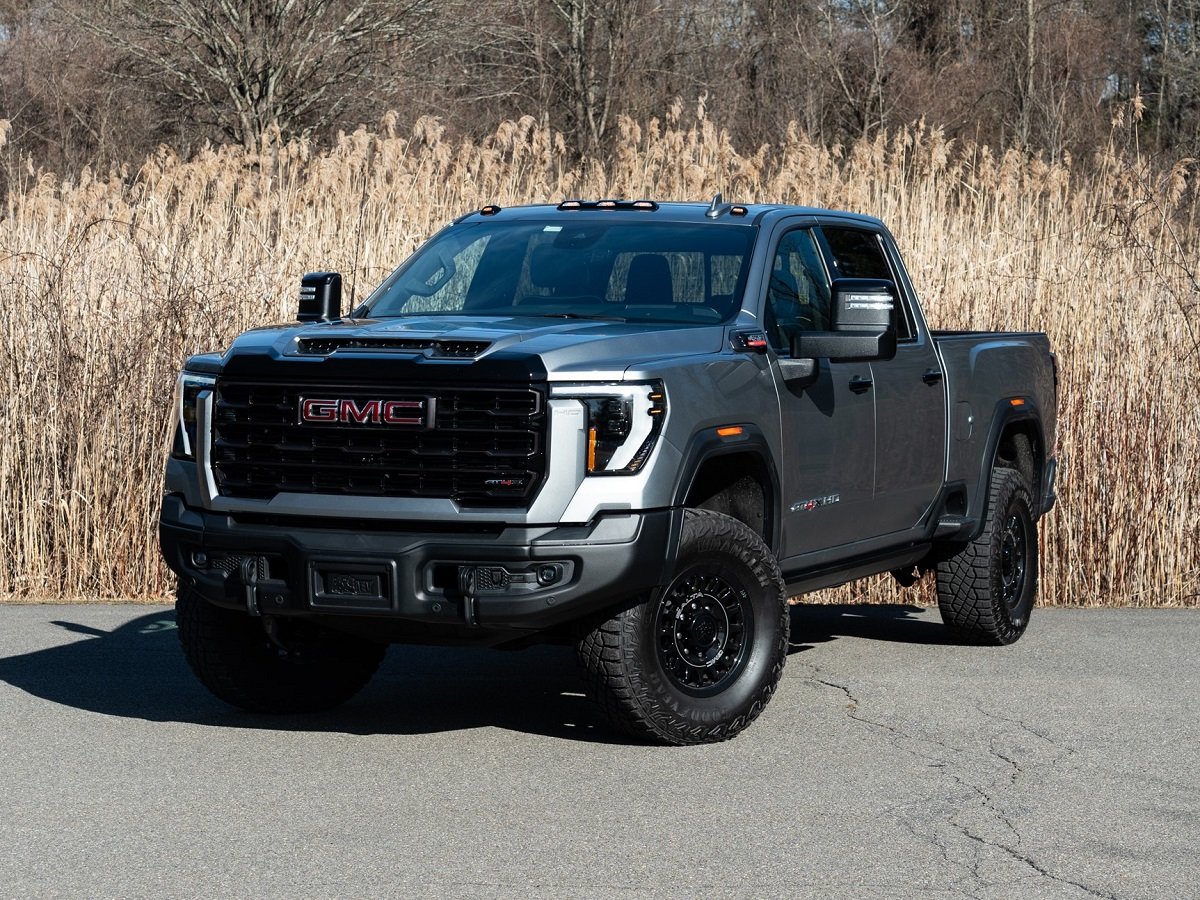
3. GMC Sierra HD / Chevrolet Silverado HD
General Motors’ heavy-duty truck platform exemplifies how advanced materials science and manufacturing processes can create exceptional rust resistance without compromising strength or functionality.
The Sierra HD and Silverado HD share identical engineering foundations while representing GM’s most comprehensive approach to corrosion protection across their commercial vehicle lineup.
The cornerstone of GM’s rust resistance strategy lies in their exclusive Durabed technology, which utilizes roll-formed steel construction with integrated corrosion protection systems.
Unlike traditional manufacturing methods that apply protective coatings after forming, GM’s process integrates galvanized steel with advanced primer systems during the forming process itself, creating molecular-level bonding that prevents coating separation and provides superior long-term protection.
GM’s frame construction methodology represents a significant advancement over previous generations, incorporating fully boxed steel rails with hydroformed construction that eliminates traditional weak points where corrosion typically initiates.
The hydroforming process creates seamless structural members with consistent wall thickness and integrated reinforcements, while simultaneously allowing for strategic placement of drainage features and access points that facilitate proper protective coating application.
Real-world validation comes from extensive fleet testing programs and customer feedback spanning multiple decades of production. GM’s heavy-duty trucks consistently demonstrate exceptional durability in harsh operating environments, with many vehicles exceeding 400,000 miles while maintaining structural integrity and minimal visible rust.
Commercial fleet operators frequently choose these trucks specifically for their corrosion resistance, particularly in applications involving exposure to chemicals, salt water, or aggressive road treatments.
The trucks’ reputation for longevity translates into strong resale values and lower total cost of ownership calculations that make them attractive investments for both commercial and individual buyers.
4. Ram Heavy Duty (2500/3500)
Stellantis (formerly Fiat Chrysler) has engineered the Ram Heavy Duty series with exceptional attention to corrosion resistance, recognizing that commercial and heavy-duty applications demand superior durability and longevity.
The Ram HD’s approach to rust prevention combines advanced materials science with innovative manufacturing processes and comprehensive protective systems that address every aspect of corrosion vulnerability.
The foundation of Ram’s corrosion resistance begins with their exclusive high-strength steel frame construction, utilizing advanced alloy formulations that provide inherent oxidation resistance while maintaining the strength characteristics essential for heavy-duty applications.
Ram’s steel suppliers undergo rigorous qualification processes that verify metallurgical properties and ensure consistent quality across all production batches. This attention to base material quality extends throughout the vehicle, from primary structural components to secondary supports and mounting brackets.
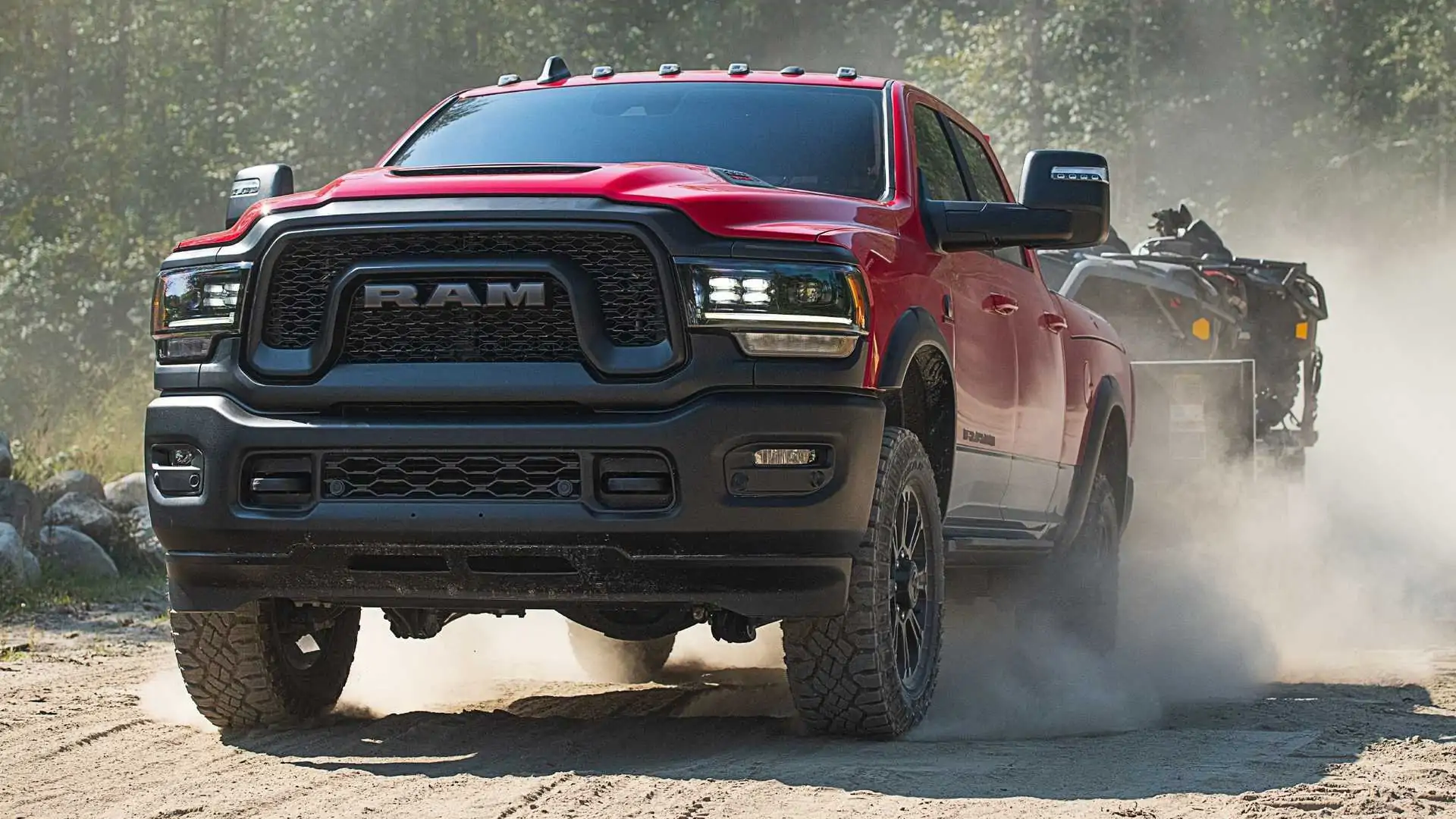
Ram’s multi-stage corrosion protection process represents one of the most comprehensive approaches in the commercial vehicle segment. The frame and body components undergo an extensive preparation sequence that includes aggressive cleaning, surface conditioning, and chemical treatment designed to optimize adhesion of subsequent protective layers.
The electrocoat primer system utilizes advanced resin formulations that provide exceptional barrier properties while maintaining flexibility across temperature extremes and mechanical stress cycles.
Field performance data consistently validates Ram’s engineering achievements, with heavy-duty trucks demonstrating exceptional durability across diverse operating environments and applications.
Independent evaluations and customer reports document significantly lower rust-related maintenance costs compared to competitive models, with many vehicles maintaining structural integrity and minimal visible corrosion even after extended service in harsh conditions.
Fleet operators frequently choose Ram HD trucks specifically for their corrosion resistance, particularly in applications involving construction, agriculture, and municipal services where long-term durability directly impacts operational costs and safety.
This reputation for longevity translates into superior resale values and lower total cost of ownership metrics that justify the initial investment premium.
Also Read: 5 Electric Vehicles With Battery Packs That Don’t Degrade Vs 5 That Need Early Replacements
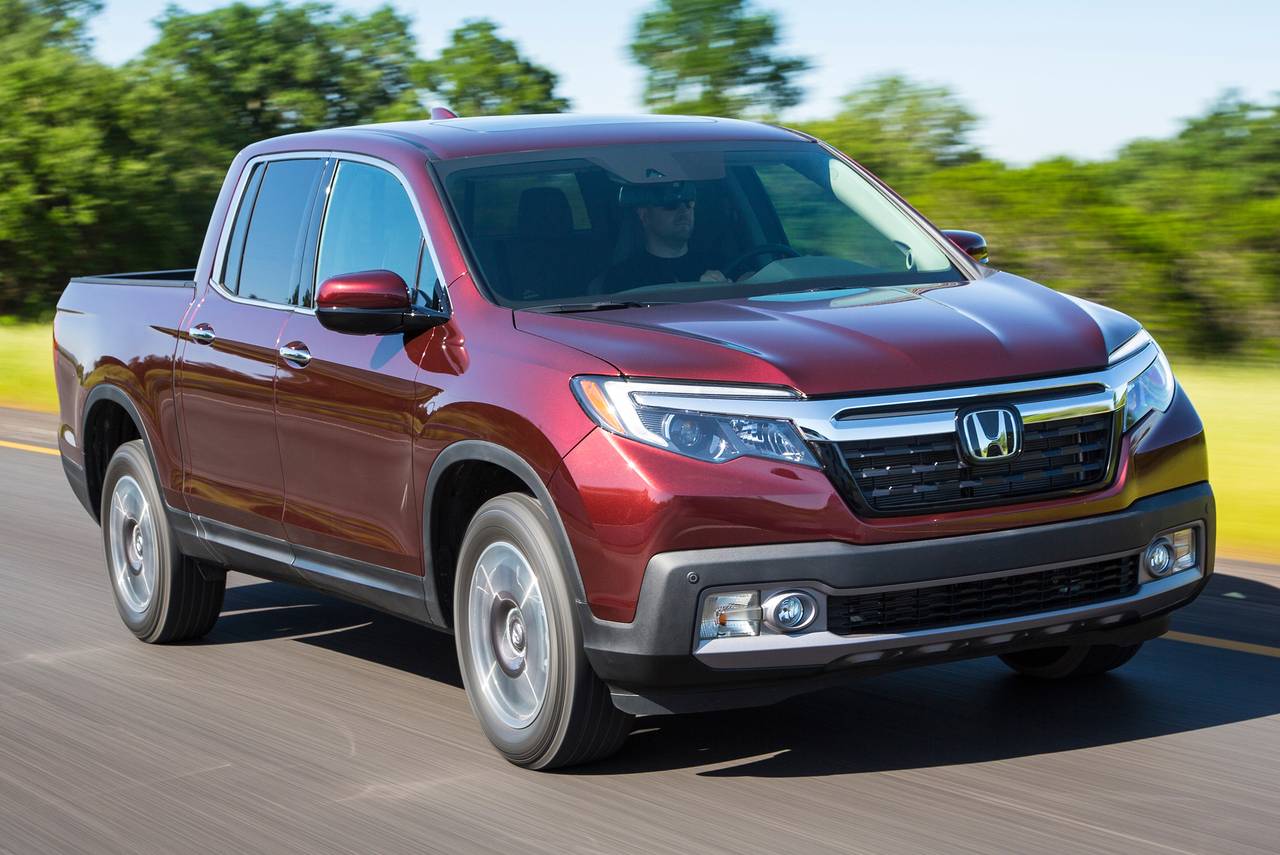
5. Honda Ridgeline
Honda’s unique approach to pickup truck design has produced the Ridgeline, a vehicle that stands apart from traditional body-on-frame trucks through its innovative unibody construction and exceptional corrosion resistance characteristics.
Honda’s extensive experience in automotive manufacturing, combined with its reputation for long-term reliability and durability, manifests in a pickup truck that delivers superior rust resistance while maintaining the functionality expected in the segment.
The Ridgeline’s corrosion resistance foundation lies in Honda’s advanced unibody construction methodology, which eliminates many of the traditional rust-prone areas found in conventional truck designs.
Unlike body-on-frame vehicles that rely on separate chassis and body assemblies with numerous connection points vulnerable to moisture infiltration, the Ridgeline’s integrated structure reduces potential corrosion initiation sites while providing enhanced structural rigidity and crash protection.
Honda’s steel selection and treatment processes reflect decades of refinement across their global automotive portfolio. The company utilizes high-quality steel alloys with enhanced corrosion resistance properties, sourced from suppliers meeting Honda’s stringent metallurgical specifications.
These materials undergo comprehensive preparation processes that remove all contaminants and surface irregularities before protective coating application, ensuring optimal adhesion and long-term performance of corrosion protection systems.
The Ridgeline’s multi-stage corrosion protection process incorporates Honda’s most advanced coating technologies, originally developed for their luxury vehicle lines and adapted for pickup truck applications.
The treatment sequence includes specialized cleaning processes, phosphate conversion coating, and electrocoat primer application using robotic systems that ensure complete coverage of complex geometries and internal surfaces.
The final protective layers utilize advanced paint formulations specifically designed to resist chemical attack, UV degradation, and mechanical damage from road debris and operational wear.
Real-world performance data consistently validates Honda’s engineering approach, with Ridgeline owners reporting minimal rust issues even after extended ownership periods in harsh climates.
The truck’s reputation for durability and low maintenance costs has created strong resale value retention, with used Ridgelines commanding premium prices specifically due to their corrosion resistance and reliability reputation.
5 With Corrosion Issues
These unfortunately designed trucks suffer from inadequate corrosion protection systems that allow moisture penetration into critical frame components, leading to accelerated rust formation and structural degradation.
Their compromised protective coatings develop micro-cracks and adhesion failures that create entry points for water and salt, while inferior steel compositions lack the metallurgical properties necessary for long-term environmental resistance.
From exposure to road salt during winter months to simple humidity variations that promote condensation, these vulnerable frame systems begin showing surface rust within the first few years and progress to serious structural concerns. The manufacturing shortcuts include insufficient primer application and missing drain holes that trap moisture in frame cavities.
Owners frequently report costly repair bills and safety concerns with these problematic chassis, often requiring expensive frame reinforcement or complete replacement before reaching 150,000 miles, dramatically reducing vehicle value and creating potential liability issues for continued operation.
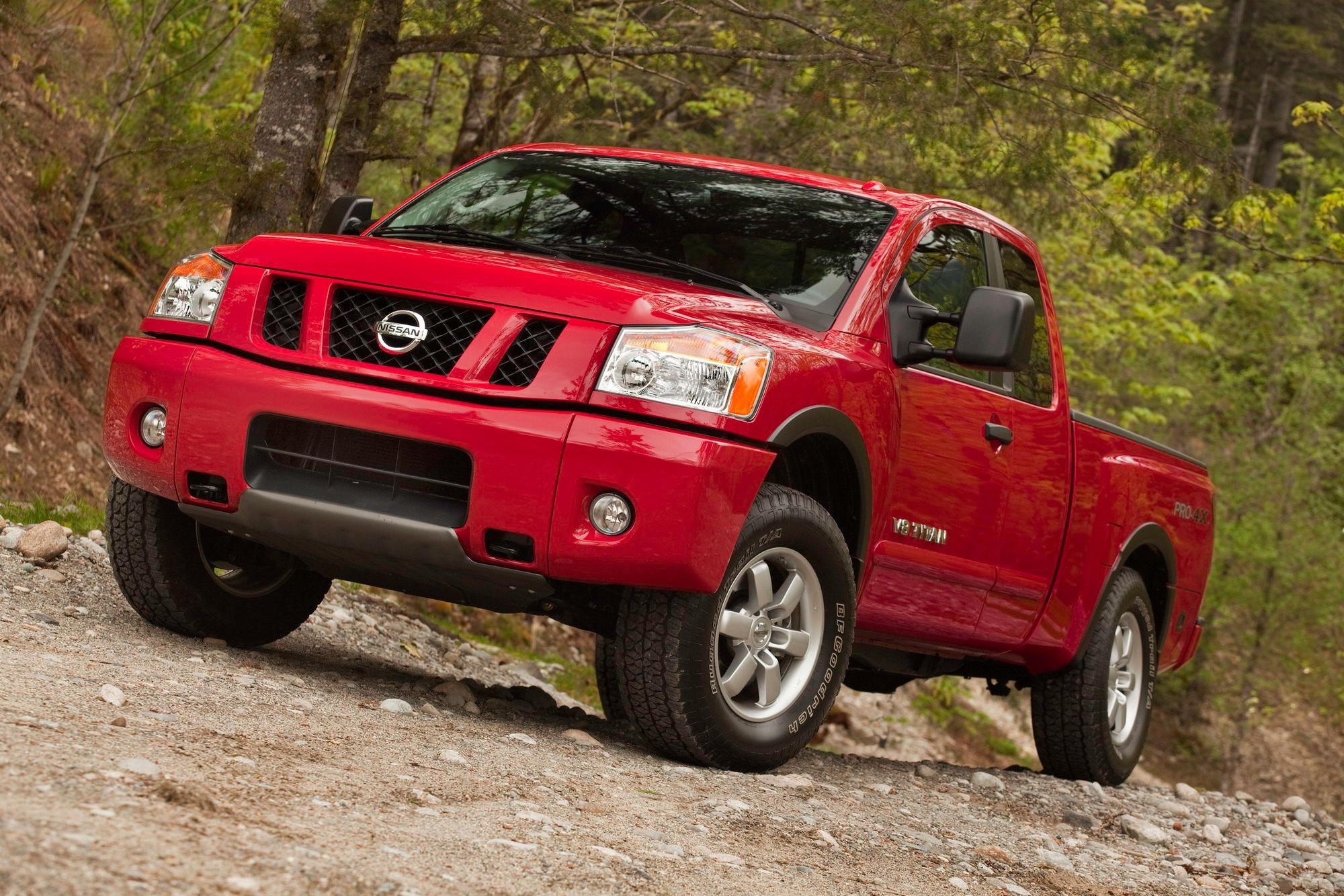
1. Nissan Titan (First Generation 2004-2015)
The first-generation Nissan Titan, while ambitious in design and competitive in capabilities, unfortunately developed a concerning reputation for premature rust and corrosion issues that significantly impacted its market acceptance and long-term viability.
These problems stemmed from multiple factors, including material selection, manufacturing processes, design oversights, and inadequate protective systems that failed to provide the durability expected in the competitive pickup truck market.
The Titan’s corrosion vulnerabilities began with fundamental material and process decisions that prioritized initial cost savings over long-term durability.
The truck’s steel frame construction utilized conventional steel alloys without enhanced corrosion resistance properties, while manufacturing processes failed to incorporate the comprehensive protective treatments that have become standard among competitors.
The initial cleaning and preparation stages proved inadequate for removing mill scale and surface contaminants, creating poor adhesion conditions for subsequent protective coatings.
Design flaws contributed significantly to the Titan’s rust problems, particularly in areas where water and debris could accumulate without adequate drainage.
The frame rail design lacked sufficient drain holes and channels, allowing moisture to collect in critical structural areas where it could initiate corrosion processes.
Sealed joints and welded connections frequently developed gaps over time, creating entry points for water and road salt that accelerated rust formation in internal frame sections difficult to inspect or treat.
The Titan’s protective coating system proved inadequate for the harsh conditions encountered in real-world service. The primer and paint systems lacked the chemical resistance and adhesion properties necessary to withstand road salt exposure, chemical contamination, and mechanical damage from road debris.
Coating failures often manifested as localized breaches that allowed corrosion to spread rapidly beneath intact surface layers, making detection and repair difficult until significant structural damage had occurred.
Nissan’s response to these issues included improved materials and processes in later model years, but the damage to the Titan’s reputation had lasting effects on market acceptance.
The company implemented warranty extensions for specific rust-related problems, but many owners found themselves facing expensive repairs beyond warranty coverage. The first-generation Titan’s corrosion problems serve as a cautionary example of how inadequate rust protection can undermine an otherwise competent vehicle design and create lasting market perception challenges.
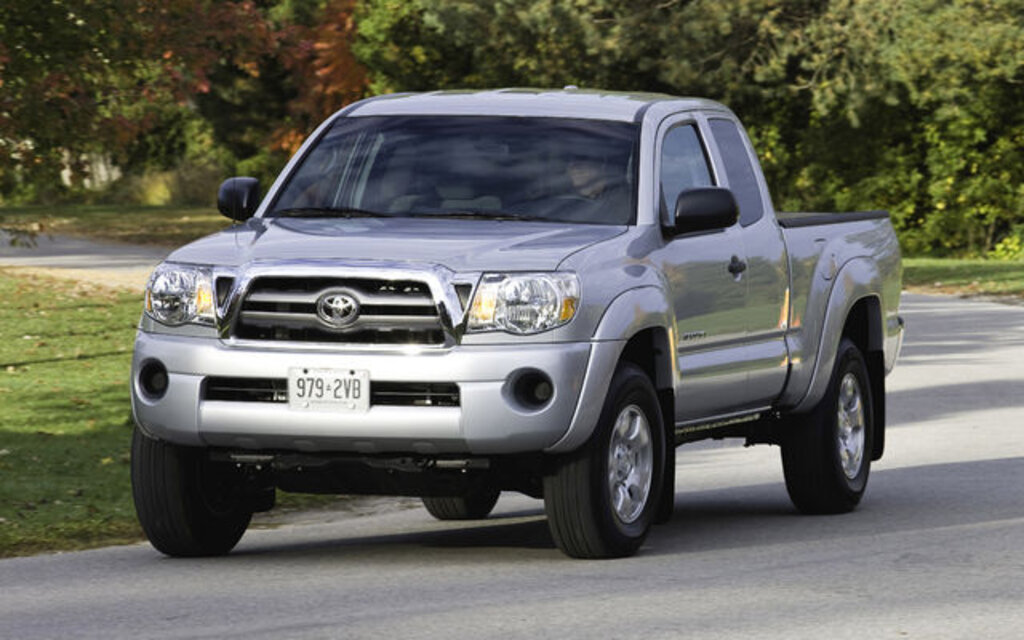
2. Toyota Tacoma (2005-2015)
Despite Toyota’s generally excellent reputation for vehicle durability and corrosion resistance, the second-generation Tacoma experienced significant and widespread frame rust problems that became one of the most notorious quality issues in the company’s history.
These problems were particularly surprising given Toyota’s expertise in corrosion protection and created substantial liability concerns that ultimately resulted in one of the largest automotive recalls and warranty extensions ever implemented.
The Tacoma’s frame rust problems stemmed from a combination of material selection, manufacturing process deficiencies, and design oversights that created ideal conditions for accelerated corrosion in critically structural areas.
The issue primarily affected vehicles sold in regions where road salt usage was common, though cases also appeared in coastal areas and other environments with high corrosive potential. The problems became so severe that many vehicles suffered complete frame perforation and structural compromise within just a few years of service.
Manufacturing process deficiencies played a central role in creating the Tacoma’s rust vulnerabilities. The frame coating application process failed to provide adequate coverage of internal surfaces and complex geometries, leaving critical areas vulnerable to moisture infiltration and corrosion initiation.
Quality control measures proved insufficient to detect coating defects and coverage gaps that would later develop into major structural problems.
The protective coating formulations themselves lacked the durability and adhesion properties necessary to withstand the harsh conditions encountered in salt-treated road environments.
The Tacoma frame rust saga highlighted how even manufacturers with excellent quality records could experience catastrophic failures when fundamental corrosion protection processes are inadequate.
Toyota’s extensive investigation and response efforts led to significant improvements in materials, manufacturing processes, and quality control measures that have been implemented across their truck lineup to prevent similar problems in future products.
3. Dodge Ram (Third Generation 2002-2008)
The third-generation Dodge Ram represented an ambitious redesign that introduced bold styling and competitive capabilities, but unfortunately suffered from significant corrosion problems that undermined its market success and created substantial ownership costs for many buyers.
These rust issues affected multiple areas of the vehicle and stemmed from inadequate protective systems, design flaws, and manufacturing processes that failed to provide the durability expected in the competitive pickup truck market.
The Ram’s corrosion problems began with fundamental material and process deficiencies that prioritized initial production costs over long-term durability.
The truck’s steel frame and body construction utilized conventional materials without enhanced corrosion resistance properties, while manufacturing processes lacked the comprehensive protective treatments becoming standard among leading competitors.
Inadequate cleaning and preparation procedures failed to remove contaminants and surface irregularities that would later compromise protective coating adhesion and effectiveness.
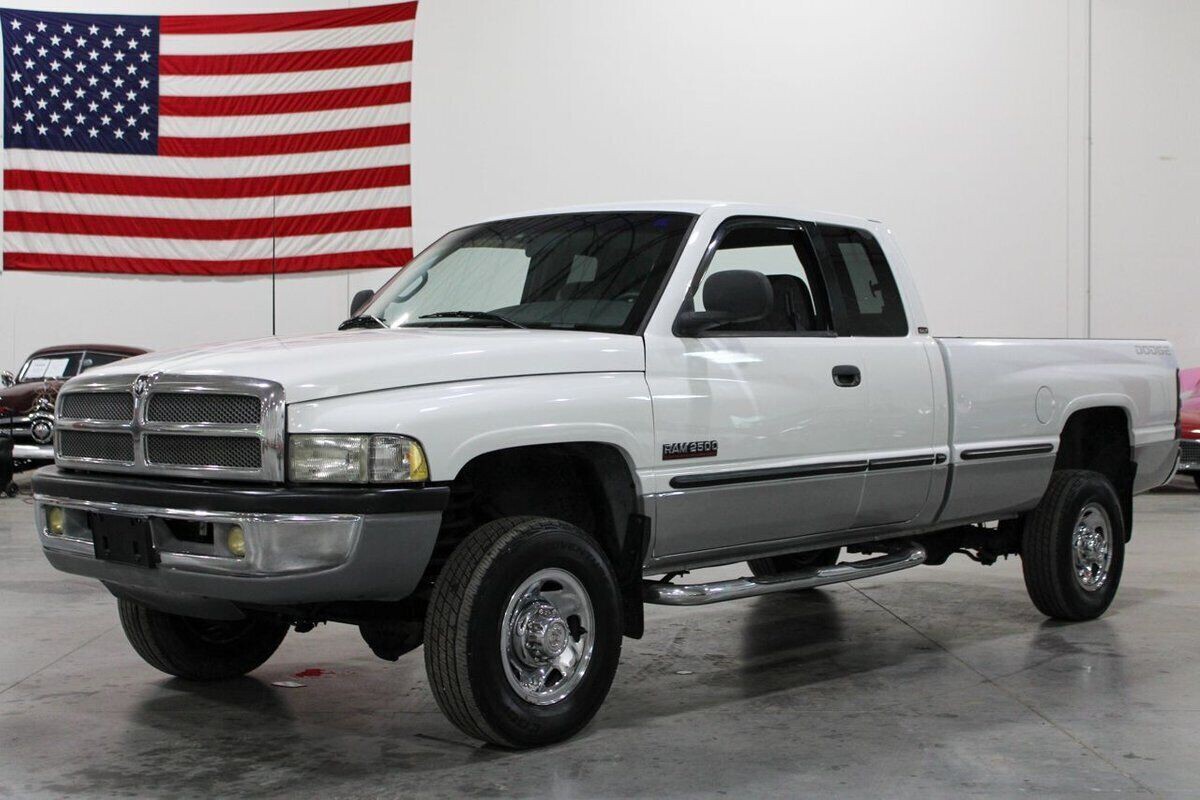
Design oversights contributed significantly to Ram’s rust vulnerability by creating numerous areas where water and debris could accumulate without adequate drainage or protection.
The frame design included pockets and recesses where moisture could collect and remain in contact with steel surfaces for extended periods, while insufficient drain holes and sealed joints allowed water infiltration into internal cavities where corrosion could progress undetected.
The truck’s body design also featured several problem areas, including door frames, wheel wells, and bed attachment points where water intrusion was common.
Economic impact on owners proved substantial, with repair costs frequently exceeding the vehicle’s residual value for older models. Many owners found themselves facing expensive frame repairs, body panel replacement, and structural reinforcement work well before typical replacement intervals.
Safety concerns arose when rust compromised critical mounting points and structural integrity, while insurance companies began implementing enhanced inspection requirements for older Ram trucks.
Resale values declined significantly as the reputation for rust problems became widely recognized, creating additional financial impact for owners attempting to trade or sell their vehicles.
4. Ford F-150 (Ninth Generation 1992-1997)
The ninth-generation Ford F-150, while representing significant advancements in capability and design compared to its predecessors, unfortunately developed concerning rust and corrosion problems that affected its long-term durability and market reputation.
These issues were particularly disappointing given Ford’s leadership position in the pickup truck market and created substantial challenges for owners who expected the reliability and longevity traditionally associated with F-150 trucks.
The F-150’s corrosion problems stemmed from multiple factors, including material selection compromises, manufacturing process limitations, and design oversights that failed to adequately protect critical structural areas from moisture infiltration and corrosive attack.
The issues were most pronounced in regions with aggressive road salt usage, though coastal areas and other corrosive environments also experienced significant problems. The severity of rust development often surprised owners who expected better durability from America’s best-selling pickup truck.
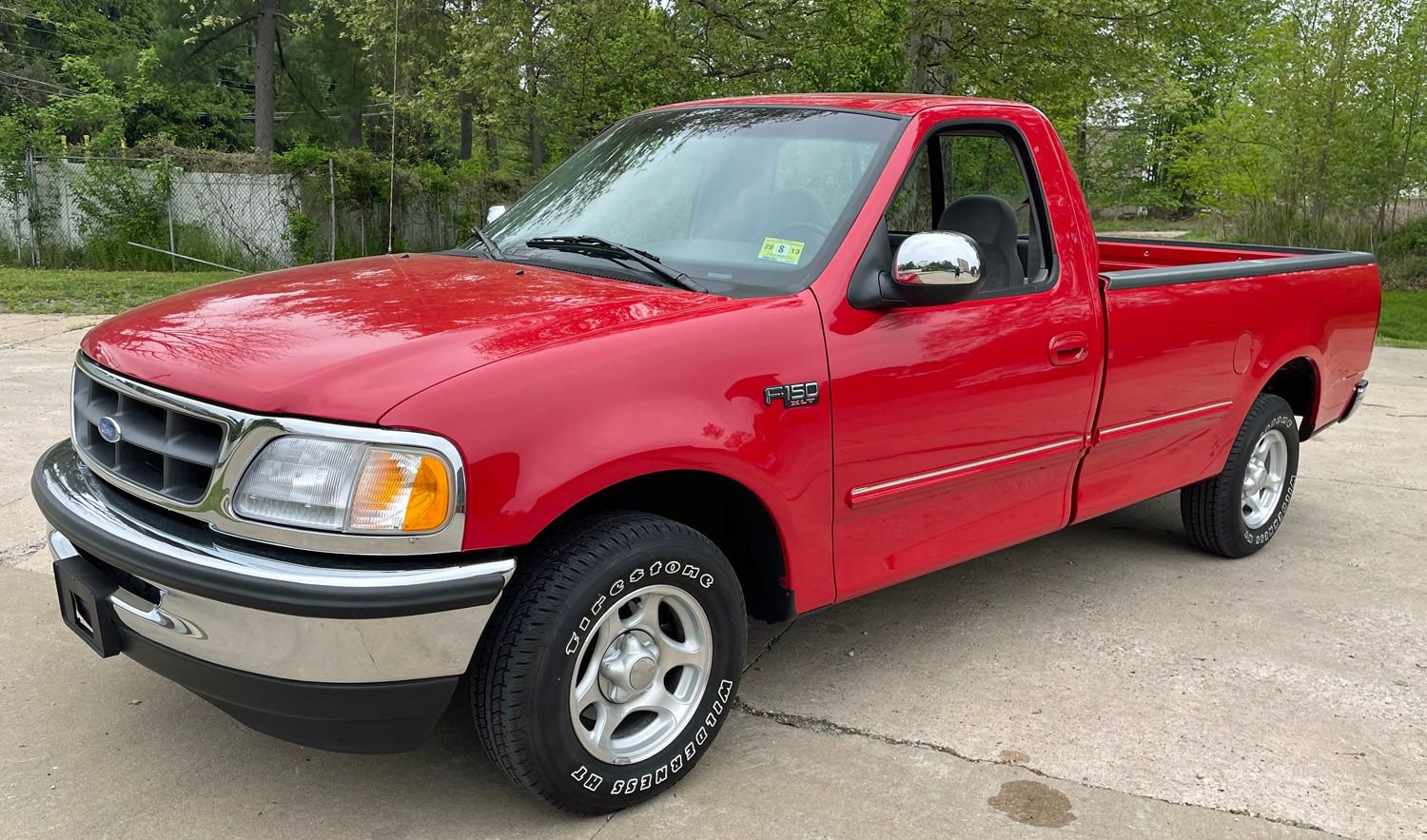
Manufacturing process deficiencies played a central role in creating the F-150’s rust vulnerabilities during this generation. The frame and body preparation processes proved inadequate for removing mill scale and surface contaminants that would later compromise protective coating adhesion.
Quality control measures failed to ensure consistent coverage of complex geometries and internal surfaces, leaving critical areas vulnerable to corrosion initiation.
The protective coating formulations themselves lacked the advanced properties that would become standard in later generations, providing insufficient barrier protection against moisture and chemical attack.
Economic implications for owners proved substantial, with many vehicles requiring expensive frame repairs, body panel replacement, and structural reinforcement work within ten years of purchase. The costs often exceeded the vehicles’ diminished resale values, creating difficult decisions for owners facing major repair estimates.
Safety concerns arose when rust compromised critical structural and mounting points, while the widespread nature of the problems damaged Ford’s reputation for quality and reliability in the crucial pickup truck segment, where brand loyalty and long-term durability expectations are particularly important.
5. Chevrolet Colorado/GMC Canyon (First Generation 2004-2012)
The first-generation Chevrolet Colorado and GMC Canyon represented General Motors’ return to the compact pickup truck segment after discontinuing the S-10 and Sonoma models, but unfortunately, these vehicles developed significant corrosion problems that undermined their market success and created substantial ownership challenges.
The rust issues affected multiple areas of these trucks and stemmed from inadequate protective systems, design shortcomings, and manufacturing processes that failed to provide the durability expected even in the smaller truck segment.
The Colorado/Canyon’s corrosion problems began with fundamental material and process compromises that prioritized initial production costs and rapid market entry over long-term durability considerations.
The trucks’ steel frame and body construction utilized conventional materials without the enhanced corrosion resistance properties becoming standard among competitors, while manufacturing processes lacked comprehensive protective treatments that would have provided better long-term protection.
Inadequate cleaning and preparation procedures failed to create optimal conditions for protective coating adhesion, setting the stage for premature coating failure and subsequent corrosion initiation.
Design oversights contributed significantly to the trucks’ rust vulnerability by creating numerous problem areas where water and contaminants could accumulate without adequate protection or drainage.
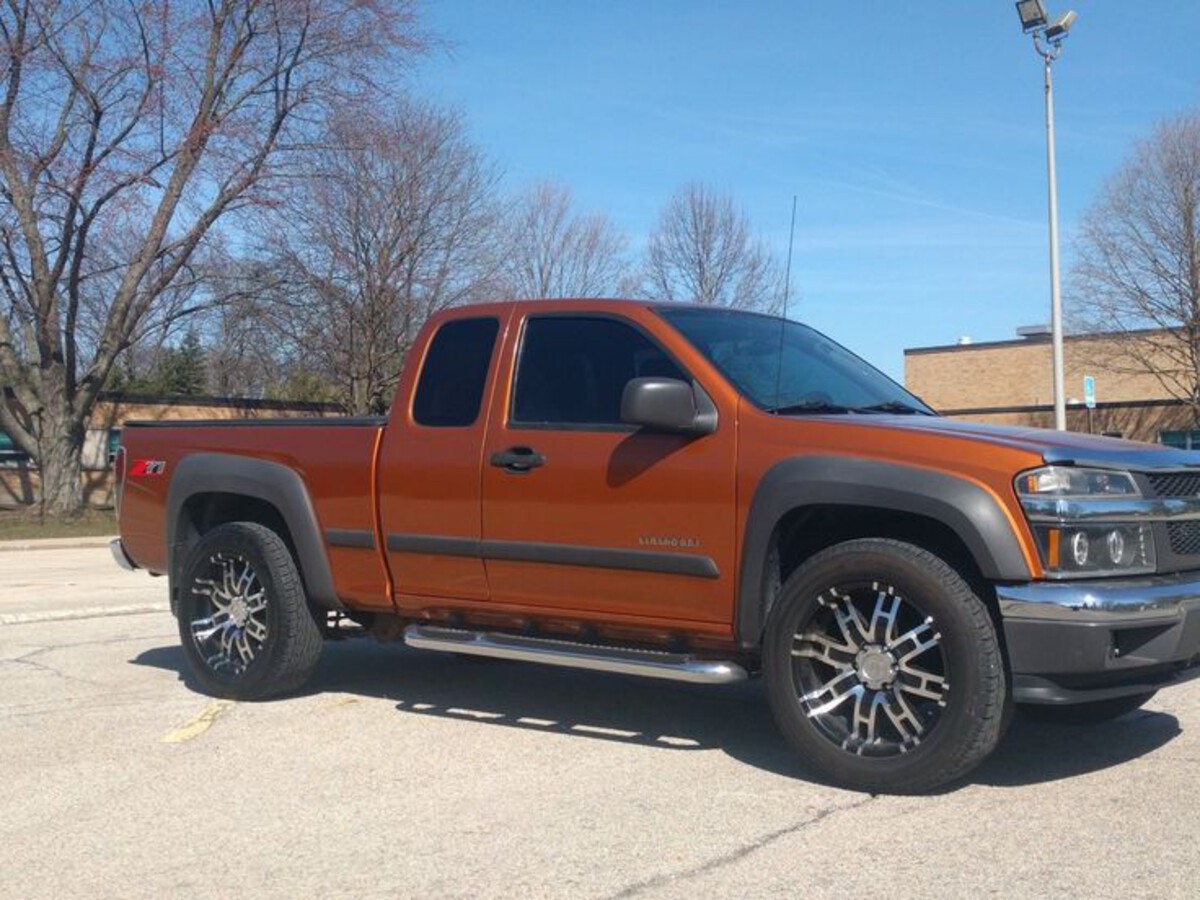
The frame design included internal cavities and recesses where moisture could collect and remain in prolonged contact with unprotected steel surfaces, while insufficient drain holes and inadequate sealing allowed water infiltration into critical structural areas.
The body design also featured several problematic areas, including door frames, rocker panels, and bed attachment points where water intrusion was common and difficult to prevent.
The Colorado/Canyon’s protective coating system proved inadequate for the corrosive conditions encountered in real-world service, particularly in northern climates where road salt usage was intensive.
The primer and paint systems lacked the chemical resistance and durability properties necessary to withstand sustained exposure to corrosive materials, while coating thickness and coverage proved insufficient in many critical areas.
Localized coating failures often created entry points for moisture and contaminants that could then spread corrosion rapidly beneath intact surface areas.
Specific problem areas included the frame rails and crossmembers, particularly in sections near suspension mounting points where stress concentrations combined with water accumulation to accelerate rust development.
The spare tire winch mechanism and mounting hardware frequently showed severe corrosion within relatively short service periods, while exhaust system components and related mounting hardware became common failure points.
Body panels demonstrated premature rust development, particularly around wheel wells, door frames, and lower body sections where water splash and debris accumulation were common.
The trucks’ bed construction also contributed to corrosion problems, with steel bed panels showing rust development along seams and mounting points where water could infiltrate and remain trapped.
The bed rail design proved particularly vulnerable, with many vehicles developing significant rust damage that required expensive repair or complete bed replacement. Water infiltration around bed-to-cab seals created conditions for hidden corrosion that often went undetected until structural integrity was compromised.
Manufacturing quality issues compounded the corrosion problems, with inconsistent protective coating application and inadequate quality control measures allowing defective vehicles to reach customers.
Some vehicles showed evidence of incomplete surface preparation or coating coverage gaps that created immediate vulnerability to rust initiation. The problems were widespread enough to affect vehicles across multiple production years and assembly plants, indicating systemic issues rather than isolated quality control lapses.
The economic impact on Colorado/Canyon owners proved substantial, with many vehicles requiring expensive repairs well before typical replacement intervals.
Frame section replacement, body panel repair, and bed replacement costs often exceeded the vehicles’ diminished resale values, creating difficult financial decisions for affected owners.
The widespread nature of the rust problems damaged the trucks’ market reputation and contributed to their eventual discontinuation, though GM would later reintroduce redesigned versions with significantly improved corrosion protection systems.
Also Read: 5 Crossover SUVs With Fewer Recalls Vs. 5 Recalled Constantly
