
When it comes to family transportation, few vehicles face the brutal test of kid chaos quite like minivans. These automotive workhorses are expected to haul everything from soccer teams to science fair projects, survive spilled juice boxes and forgotten french fries, and keep running reliably through countless school pickups, grocery runs, and cross-country road trips. But not all minivans are created equal when it comes to surviving the demands of family life.
The reality is stark: some minivans thrive under family pressure while others crumble like a forgotten granola bar under the third-row seat. The difference between a family survival champion and a maintenance nightmare often comes down to engineering philosophy, build quality, and how well manufacturers understand the unique stresses that families place on their vehicles.
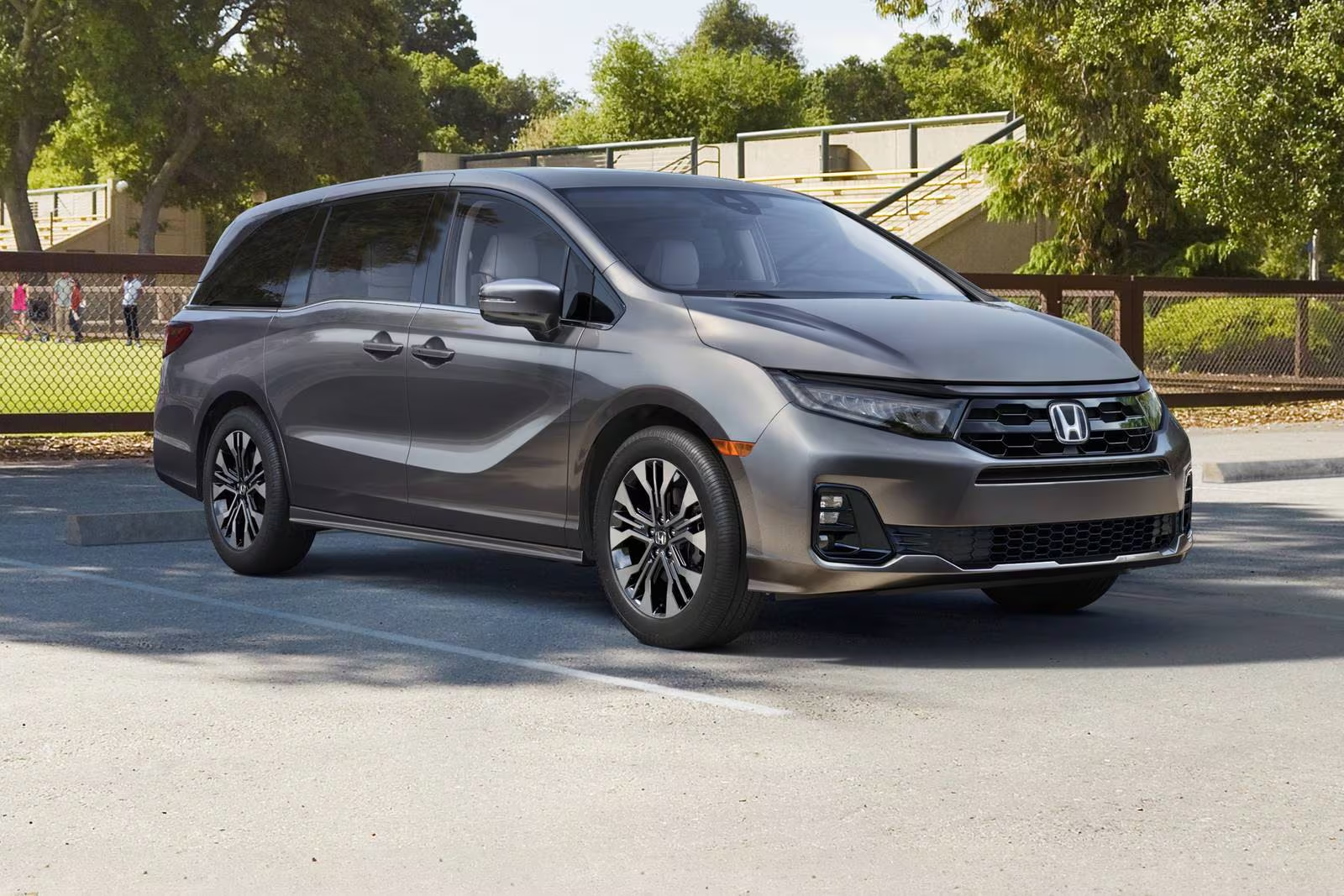
A family minivan isn’t just transportation, it’s a mobile command center, snack dispensary, entertainment system, and cargo hauler all rolled into one. The 2025 Honda Odyssey is the safest minivan on the market, exemplifying how some manufacturers prioritize family needs, while others seem to treat minivans as afterthoughts.
Understanding which minivans can handle family life and which ones will leave you stranded at soccer practice isn’t just about reliability ratings – it’s about knowing how these vehicles perform in real-world family scenarios.
The champions have earned their reputation through years of faithful service to families who depend on them daily, while the casualties have earned theirs through frustrated forum posts and expensive repair bills that could have been avoided with better initial choices.
5 Minivans That Survive Families
These exceptionally engineered family vehicles feature reinforced seat tracks with heavy-duty mechanisms that withstand constant sliding, folding, and reconfiguration while maintaining precise alignment and smooth operation through years of daily abuse.
Parents report that these legendary workhorses become more appreciated with time, often exceeding 250,000 miles while maintaining their original functionality and comfort, proving their worth through reliable school runs, vacation trips, and countless soccer practices throughout family ownership.
1. Honda Odyssey (2018-2025)
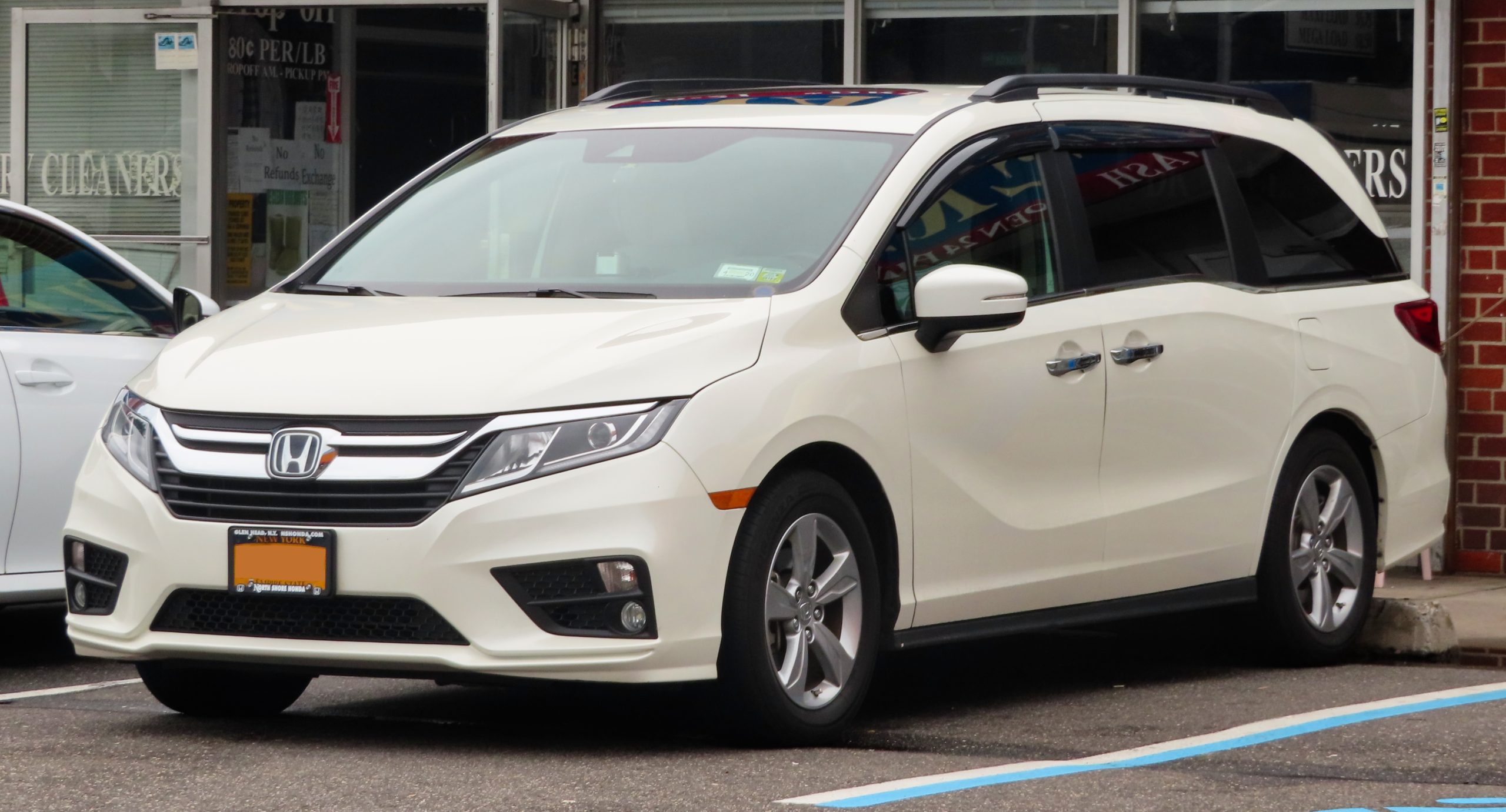
The Honda Odyssey stands as the undisputed champion of family minivans, and there’s a reason why it’s considered the safest minivan on the market. This isn’t just about crash test scores; it’s about a vehicle that’s been engineered specifically to handle the unique demands that families place on their transportation.
The Odyssey represents what happens when a manufacturer truly understands that family vehicles need to be more than just spacious; they need to be reliable workhorses that can handle years of abuse while keeping everyone safe and comfortable.
The heart of the Odyssey’s success lies in its proven 3.5-liter V6 engine paired with a well-designed 10-speed automatic transmission. This powertrain combination has been refined over years of real-world testing and feedback from families who use these vehicles daily.
Unlike some competitors that prioritize fuel economy over durability, Honda engineered this drivetrain to handle the constant stop-and-go driving that characterizes family life school pickups, grocery runs, soccer practice shuttles, and weekend errands that never seem to end.
What sets the Odyssey apart is its attention to the details that matter in family life. The sliding doors operate with mechanical precision that doesn’t deteriorate over time, a crucial feature when you consider that family minivans often see hundreds of door cycles per month.
The interior materials are chosen not just for aesthetics but for durability and easy cleaning because any parent knows that spills, crumbs, and mysterious sticky substances are inevitable facts of family transportation life.
The Odyssey’s electrical system deserves special recognition for its robust design. In an era where families travel with multiple devices, tablets for rear passengers, and various charging cables, the Odyssey’s electrical architecture handles these demands without the voltage drops and system failures that plague some competitors.
The infotainment system, while not the flashiest on the market, is intuitive and reliable, two qualities that matter more than cutting-edge features when you’re trying to go while dealing with backseat disputes.
Safety features in the Odyssey aren’t just checkboxes on a spec sheet; they’re practical tools that help families go through real world driving scenarios.
This practical approach to design extends to every aspect of the vehicle, from the straightforward climate control system that actually maintains consistent temperatures in all three rows to the fuel system that doesn’t require premium gasoline despite its performance capabilities.
2. Toyota Sienna (2021-2025)
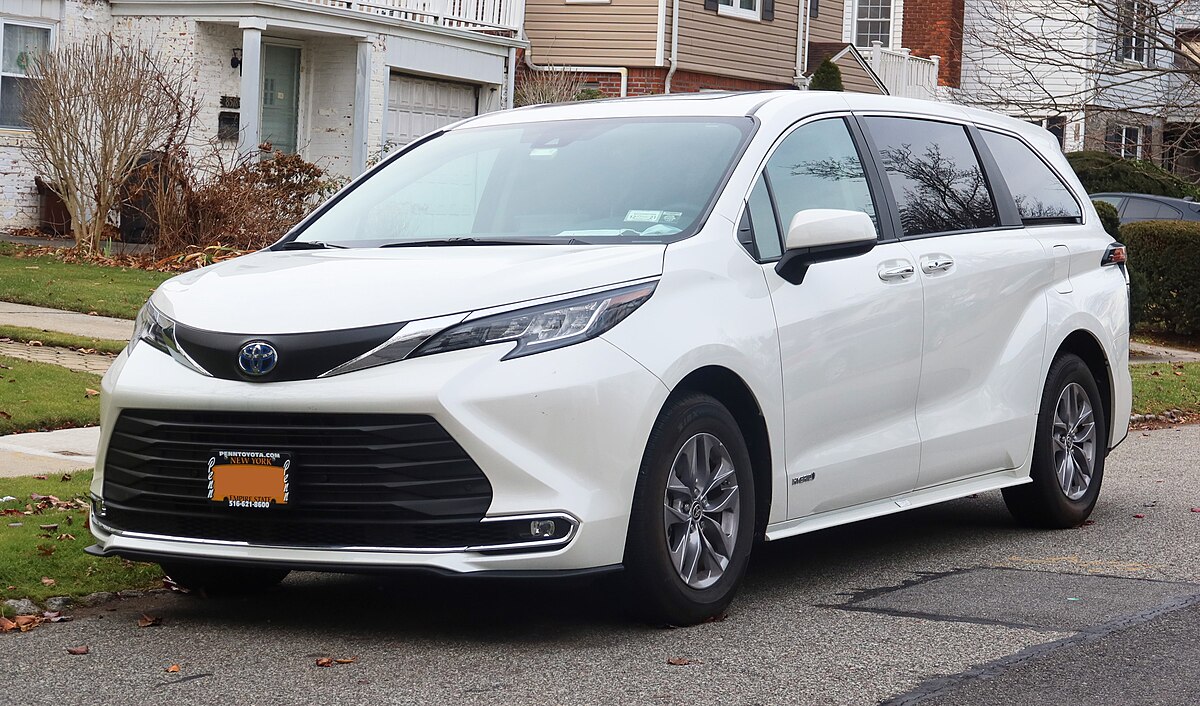
The Toyota Sienna underwent a complete transformation for 2021, and the result is a minivan that not only survives family life but makes it more enjoyable.
The Toyota Sienna is reliable, consistently ranking high in dependability ratings, but the current generation takes this reliability to new levels by combining Toyota’s legendary durability with modern family-focused features and standard all wheel drive, a combination that no other minivan manufacturer offers.
The Sienna’s hybrid powertrain is where engineering meets practicality in the most effective way possible. The 2.5-liter four-cylinder engine paired with electric motors doesn’t just deliver impressive fuel economy; it provides the kind of smooth, consistent power delivery that makes family driving less stressful.
There’s no transmission hunting for gears during highway merging, no lurching during stop and go traffic, and no need to explain to children why the van is making strange noises. The hybrid system’s refinement level makes every family trip more pleasant, from quick runs to the grocery store to cross-country vacation drives.
Toyota’s decision to make all-wheel drive standard across the Sienna lineup demonstrates their understanding of family transportation realities. Families don’t have the luxury of choosing when to drive based on weather conditions school still happens during snowstorms, soccer practice continues in the rain, and family emergencies don’t wait for perfect driving conditions.
The Sienna’s all-wheel-drive system provides confidence in challenging conditions without the complexity and maintenance issues that plague some competitor systems.
Common issues Toyota Sienna owners report include power sliding door malfunctions, transmission failures in older models, and occasional engine oil leaks, but these problems are largely relegated to pre-2021 models.
The current generation has addressed most of these historical concerns through redesigned components and improved manufacturing processes. The power sliding doors, in particular, have been completely redesigned with more robust mechanisms that better handle the constant use that family vehicles experience.
Interior space utilization in the Sienna reflects Toyota’s deep understanding of family needs. The second-row seating configuration can accommodate everything from infant car seats to booster seats to adult passengers, and the transitions between these configurations don’t require an engineering degree to accomplish.
For families planning to keep their minivan for many years, this predictability in maintenance costs and scheduling is invaluable for household budgeting.
3. Kia Carnival (2022-2025)
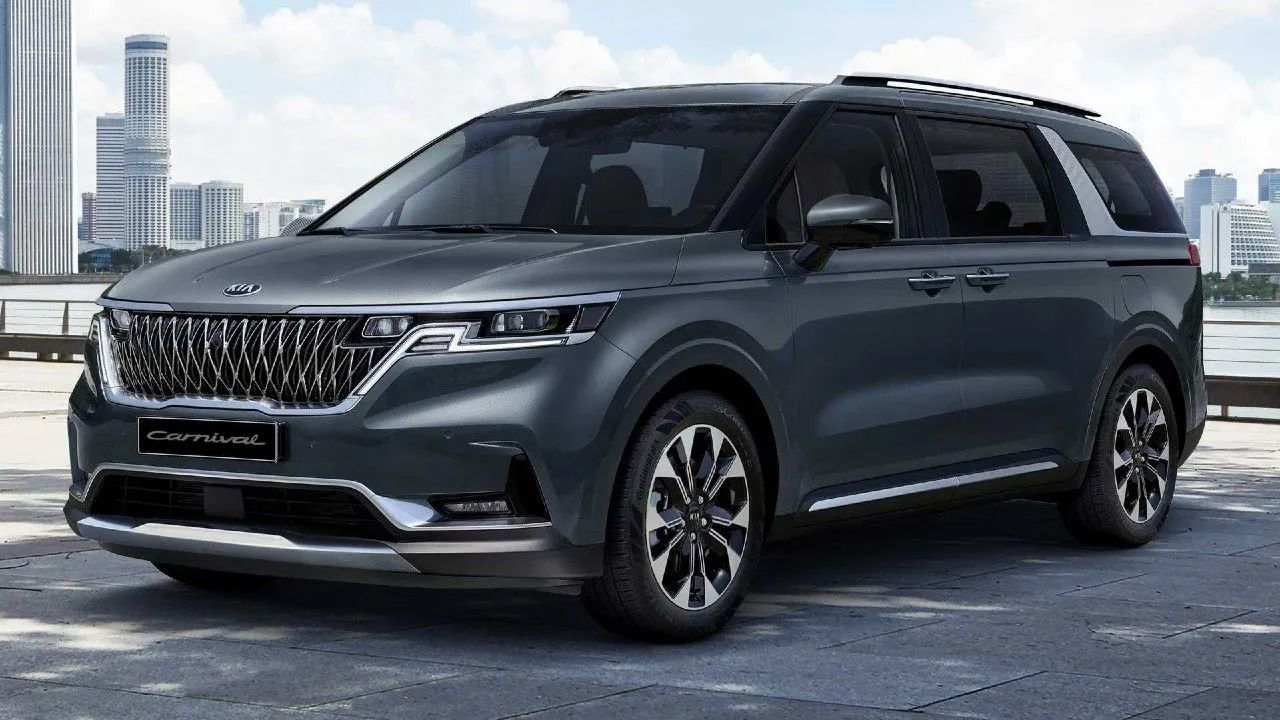
The Kia Carnival represents a fresh approach to family minivans, combining the practical benefits of traditional minivan design with modern styling that doesn’t scream “soccer parent” quite as loudly as its competitors.
The new-for-2025 Kia Carnival Hybrid brings big fuel economy savings to what was already a very comfortable, well-rounded minivan, demonstrating Kia’s commitment to evolving this platform to better serve family needs.
What makes the Carnival a family survivor is Kia’s focus on user-friendly design combined with robust mechanical components. The 3.5-liter V6 engine provides ample power for family hauling duties without the complexity that can lead to reliability issues.
This engine has proven itself in other Kia and Hyundai applications, and its adaptation to the Carnival benefits from years of refinement and real-world testing. The eight-speed automatic transmission shifts smoothly and responsively, handling everything from parking lot maneuvering to highway passing with equal competence.
The Carnival’s interior design prioritizes practical family use over showroom appeal, and this focus pays dividends during actual ownership. Seating surfaces are durable and easy to clean, storage solutions are sized for real family cargo, and the layout makes sense for daily family transportation needs.
The second-row seating offers flexibility for different family configurations, and the third row is usable by real humans rather than just providing a talking point for sales brochures.
Kia’s approach to sliding doors deserves special recognition for its mechanical simplicity and reliability. Rather than pursuing the most complex power-operated systems possible, Kia engineered doors that operate smoothly and consistently without the electronic complexity that can fail at the worst possible moments.
This philosophical approach extends throughout the vehicle, where Kia has chosen proven solutions over cutting-edge technology that hasn’t been thoroughly tested in family use scenarios. The Carnival’s warranty coverage provides additional peace of mind for families who depend on their minivan for daily transportation.
Kia’s 10-year/100,000-mile powertrain warranty and 5-year/60,000-mile basic warranty represent some of the most comprehensive coverage in the industry, demonstrating the manufacturer’s confidence in its product’s durability. For families who plan to keep their minivan for many years, this warranty coverage protects during the critical early ownership period.
This represents Kia’s understanding that family transportation needs to be both practical and economical, especially for families facing the ongoing costs of child-rearing.
4. Honda Odyssey (2014-2017)
The previous-generation Honda Odyssey represents one of the best values in family minivans for families willing to consider used vehicles. These models established many of the reliability benchmarks that continue in the current generation while offering the proven performance and durability that families need at more accessible price points.
For families who need minivan capability but face budget constraints, these Odysseys provide an excellent entry point into reliable family transportation.
The 3.5-liter V6 engine in these models delivers the power and refinement that family transportation demands without the complexity of newer forced-induction systems.
This naturally aspirated engine has proven its durability through hundreds of thousands of miles in family service, and its maintenance requirements are straightforward and predictable.
The six-speed automatic transmission, while not as advanced as newer units, provides reliable service with proper maintenance and doesn’t suffer from the teething problems that sometimes affect first-year designs.
Interior durability in these Odysseys reflects Honda’s understanding of family vehicle requirements. The materials chosen for high-wear areas have proven their ability to withstand the constant use that characterizes family transportation.
Seat fabrics resist staining and wear, interior plastics don’t develop the squeaks and rattles that plague some competitors, and the build quality maintains its integrity even after years of family use.

The sliding door mechanisms in these models deserve special recognition for their mechanical reliability. Honda engineered these doors with robust hardware that continues to operate smoothly even after thousands of cycles.
While they may not have all the electronic conveniences of newer models, their mechanical simplicity becomes an advantage in terms of long-term reliability and repair costs.
From a value perspective, these Odysseys offer exceptional capability per dollar spent. The depreciation curve has stabilized, meaning families can purchase reliable transportation without taking the financial hit associated with new vehicle purchases. Maintenance and repair costs remain reasonable, and the extensive Honda dealer network ensures parts availability and service support.
Also Read: 5 Cars That Rarely Leak Oil and 5 That Drip on Every Driveway
5. Toyota Sienna (2015-2020)
The previous-generation Toyota Sienna represents the last of the traditional non-hybrid minivans from Toyota, and these vehicles have established themselves as incredibly durable family transportation options.
While lacking some of the advanced features of the current hybrid model, these Siennas offer proven reliability and the practical benefits that have made Toyota a trusted name in family transportation for decades.
The 3.5-liter V6 engine in these models provides robust performance with the kind of long-term durability that Toyota is known for. This engine design has been refined through multiple generations and applications, resulting in a powertrain that handles family transportation duties with minimal drama and maximum reliability.
The eight-speed automatic transmission shifts smoothly and handles the constant stop-and-go driving that characterizes family transportation without the premature wear issues that affect some competitor designs.
All-wheel drive availability sets these Siennas apart from most competitors, providing families with confidence in challenging weather conditions. The system is designed for practical family use rather than off-road adventures, but it provides the traction and stability that families need when driving conditions become challenging. This capability is particularly valuable for families in regions with harsh winters or frequent inclement weather.
Interior space utilization in these Siennas demonstrates Toyota’s understanding of family transportation realities. The seating configurations accommodate different family compositions, and the transitions between configurations are straightforward enough for daily use
Storage solutions throughout the cabin are practical and well-positioned, providing places for the countless items that families transport regularly.
These problems are less frequent in newer models, particularly after 2015, indicating that Toyota addressed many of the historical issues that affected earlier Sienna generations.
Maintenance requirements for these Siennas follow Toyota’s traditional approach of straightforward, predictable service needs. Parts availability is excellent, and the extensive Toyota dealer network ensures that families can obtain service and repairs when needed.
The ownership experience is characterized by reliability and predictable costs, making these vehicles excellent choices for families who prioritize dependability over cutting-edge features.
5 Minivans That Break Under Kid Chaos
These unfortunately designed family vehicles suffer from fundamental engineering weaknesses, including flimsy seat mechanisms that bind and break under normal reconfiguration, cheap interior materials that stain permanently, and electrical systems that fail when faced with the moisture and debris typical of family transportation.
Their compromised construction features lightweight components that cannot handle the repetitive stress of car seat installation, weak door hinges that sag under constant use, and inadequate sound dampening that allows every road noise to penetrate the cabin.
Parents frequently report catastrophic failures during critical moments, often experiencing sliding door malfunctions, HVAC system failures, and electrical gremlins that make reliable family transportation impossible, creating dangerous situations and expensive repair bills that exceed the vehicle’s rapidly diminishing value.
1. Chrysler Pacifica (2017-2021)
The Chrysler Pacifica entered the market with significant fanfare and impressive initial reviews, but its real-world performance in family service has revealed serious limitations that make it a risky choice for families who depend on their minivan for daily transportation.
Some Pacifica owners have reported issues with the Uconnect infotainment system, and this represents just the tip of the iceberg when it comes to the electronic and mechanical problems that have plagued these vehicles in family service.
The most concerning issue with the Pacifica is the frequency and severity of electrical system failures. Modern families place significant demands on vehicle electrical systems, with multiple devices charging, entertainment systems running, and climate control systems working constantly to maintain comfort in all three rows.
The Pacifica’s electrical architecture appears to struggle under these real-world conditions, leading to system failures that can leave families stranded or force them to operate without critical convenience and safety features.
Stellantis, Chrysler’s parent company, recalled approximately 24,000 Pacifica Plug-In Hybrid Electric Vehicles (PHEVs) from model years 2017 through 2021 due to potential fire risks, highlighting serious safety concerns that go beyond typical reliability issues.
While this recall specifically affected hybrid models, it demonstrates the kind of fundamental engineering problems that can affect family safety and create significant inconvenience and expense for owners.
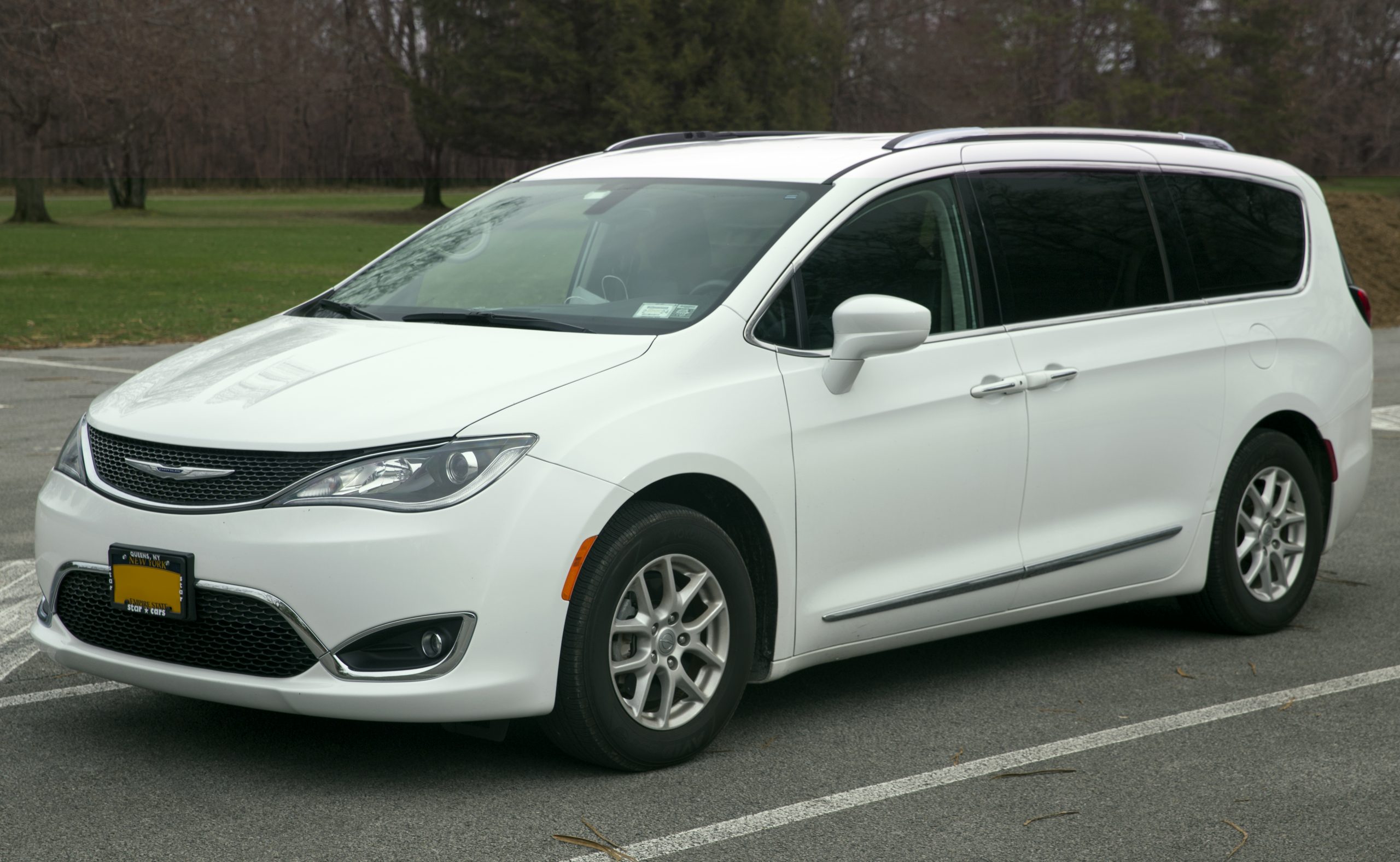
The Pacifica’s transmission has proven problematic in family service, particularly the nine-speed automatic that struggles with the constant stop-and-go driving that characterizes family transportation.
Families report harsh shifting, delayed engagement, and premature failure rates that are unacceptable for vehicles that need to provide reliable daily transportation. These transmission problems often manifest early in the vehicle’s life and can require expensive repairs or complete replacement.
Interior build quality issues become magnified under family use conditions. Materials that may seem adequate during brief test drives reveal their limitations when subjected to the constant use, spills, and general wear that family transportation involves.
The vehicle’s complex systems require specialized diagnostic equipment and training that isn’t available at all service locations, leading to higher labor costs and longer repair times. Parts availability can also be problematic, particularly for electronic components that may fail unpredictably.
2. Honda Odyssey (2011-2017)
While newer Honda Odysseys represent the gold standard for family minivans, the 2011-2017 generation suffered from several significant issues that make them problematic choices for family transportation, despite carrying the Honda name that families trust.
If you’re buying a used Odyssey, stay away from the 2002 model for its numerous severe issues, but the 2011-2017 models have their own set of problems that families should understand before making a purchase decision.
The most serious issue affecting these Odysseys is premature transmission failure, a problem that affects vehicles with relatively low mileage and can result in complete drivetrain replacement.
This isn’t a gradual wear issue that develops over many years; instead, these transmissions can fail catastrophically with little warning, leaving families stranded and facing repair bills that can exceed the vehicle’s remaining value. The failure pattern suggests fundamental design or manufacturing flaws rather than maintenance-related problems.
VCM (Variable Cylinder Management) system problems represent another significant concern for families considering these Odysseys. This system, designed to improve fuel economy by deactivating cylinders under light load conditions, frequently malfunctions and can cause engine damage that requires expensive repairs.
The system’s complexity also means that diagnostic and repair procedures are often beyond the capabilities of independent service providers, forcing families to rely on dealer service at premium prices.
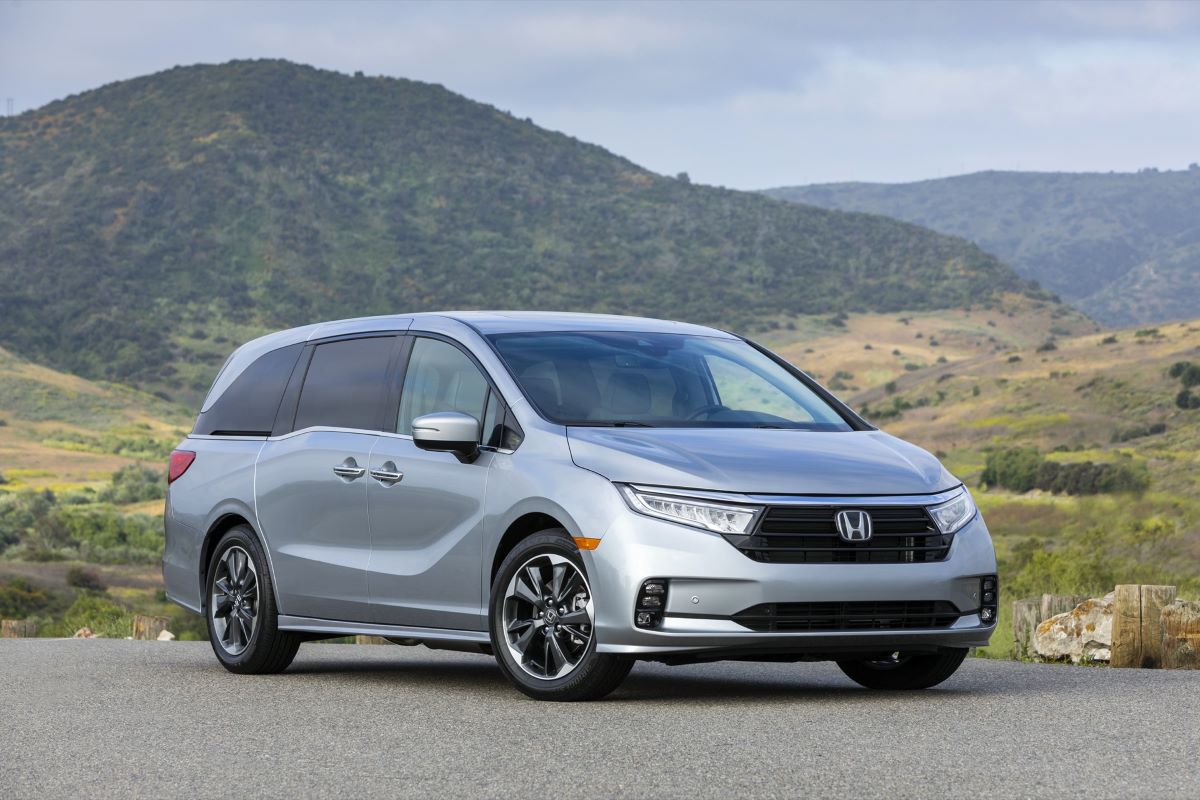
Electrical system issues in these Odysseys often manifest as problems with the sliding doors, climate control systems, and various convenience features that families depend on for daily transportation.
These aren’t just inconvenience issues; they can represent safety concerns when doors fail to operate properly or climate control systems can’t maintain appropriate temperatures for child passengers.
Suspension component failures are also more common in these models than families should expect from Honda vehicles. Struts, springs, and various suspension bushings can wear prematurely, leading to ride quality degradation and handling problems that can affect both comfort and safety for family transportation needs.
3. Dodge Grand Caravan (2008-2020)
The Dodge Grand Caravan served as America’s budget minivan option for many years, but its low purchase price often came with high long-term costs that made it an expensive choice for families who needed reliable transportation.
While the attractive initial price point drew many families to the Grand Caravan, the reality of ownership often involved frequent repairs, poor fuel economy, and reliability issues that could leave families stranded at the worst possible times.
Transmission problems plague the Grand Caravan throughout its production run, with particularly severe issues affecting models equipped with the continuously variable transmission (CVT).
These transmissions frequently fail prematurely, often with little warning, and replacement costs can be substantial. The failure pattern suggests fundamental design limitations rather than maintenance-related issues, making these failures difficult to prevent through proper care and service.
Electrical system reliability represents another major concern for families considering the Grand Caravan. The vehicle’s wiring harnesses, control modules, and various electronic systems frequently develop problems that can be expensive to diagnose and repair.
These failures can affect everything from basic lighting and climate control to critical safety systems, creating both inconvenience and potential safety hazards for family transportation.
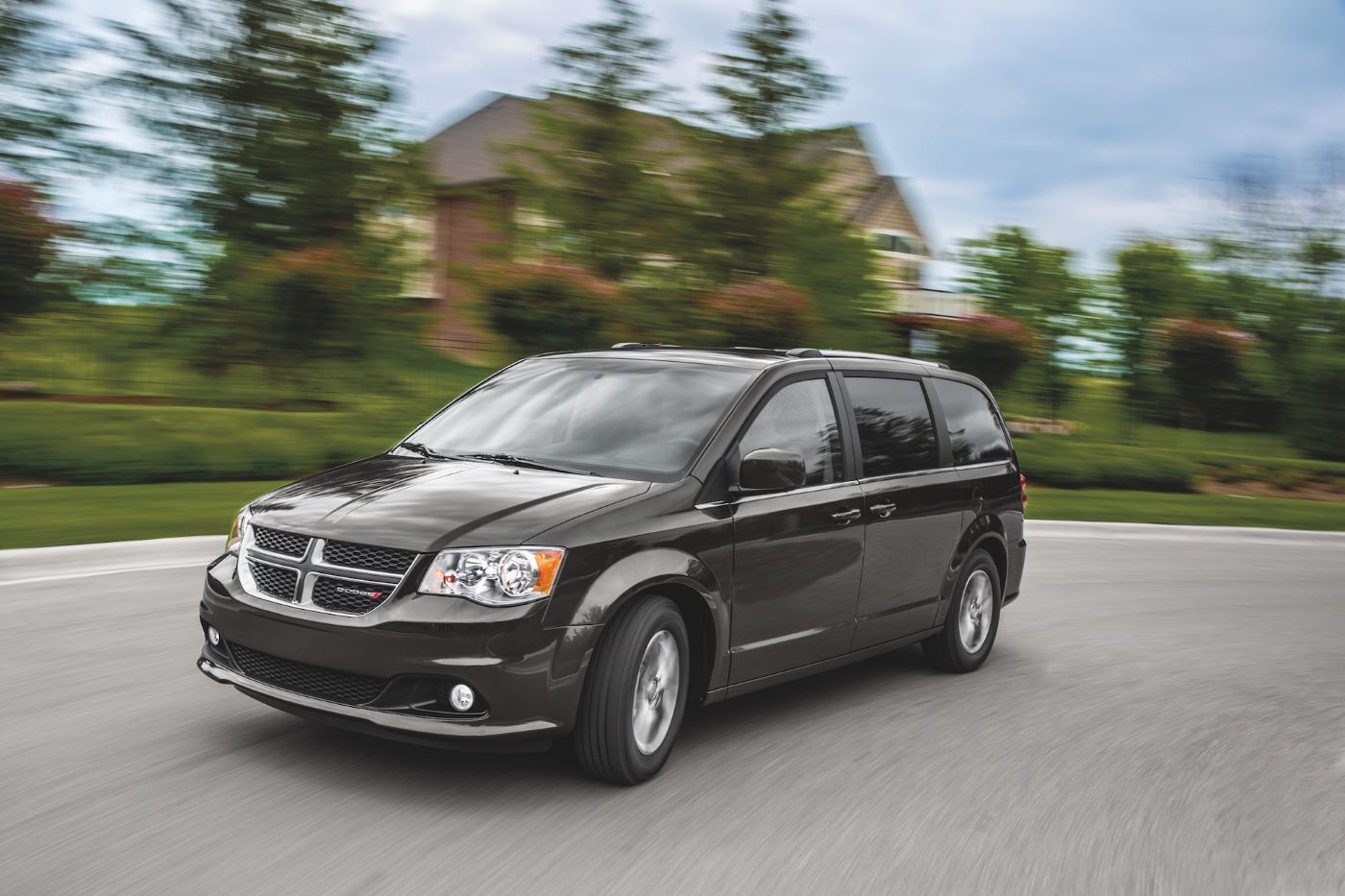
Interior build quality issues become apparent quickly under family use conditions. Materials feel cheap and wear rapidly, seat fabrics stain easily and may develop tears or other damage with normal use, and various interior components can break or malfunction.
Climate control systems in the Grand Caravan struggle to maintain consistent temperatures throughout the cabin, particularly in the third row where children often sit. This can create comfort problems during long trips and may force families to invest in additional cooling or heating solutions to maintain appropriate conditions for all passengers.
4. Nissan Quest (2011-2017)
The Nissan Quest represented an attempt to bring distinctive styling to the minivan market, but its unique approach came with significant compromises in reliability and practicality that made it unsuitable for families who needed dependable daily transportation.
The Quest’s problems went beyond typical reliability issues to include fundamental design flaws that affected both safety and usability in family transportation scenarios.
CVT (Continuously Variable Transmission) failures represent the most serious issue affecting the Quest, with premature failure rates that are unacceptable for family vehicles.
These transmissions can fail catastrophically with little warning, leaving families stranded and facing repair bills that often exceed the vehicle’s remaining value. The failure pattern suggests fundamental design or manufacturing problems rather than maintenance-related issues, making these failures difficult to prevent through proper care.
Electrical system problems in the Quest frequently affect critical family-oriented features like power sliding doors, climate control systems, and entertainment systems.
These failures can occur early in the vehicle’s life and often require expensive repairs or complete component replacement. For families who depend on these systems for daily transportation convenience and comfort, these failures represent both inconvenience and unexpected expense.

Interior space utilization issues make the Quest less practical for family use than its exterior dimensions would suggest. The distinctive styling compromises interior room and storage capacity, and the seating configurations are less flexible than families need for accommodating different passenger and cargo combinations.
These limitations become apparent quickly in daily family use and can create ongoing frustration for owners. Fuel economy disappointments compound the Quest’s other problems, as the CVT system that causes reliability problems also fails to deliver the efficiency benefits that families expect.
Build quality issues throughout the Quest become apparent under family use conditions. Materials feel cheap and wear rapidly, various components can break or malfunction with normal use, and the construction doesn’t hold up well to the demands of family transportation. These problems can affect both the vehicle’s appearance and functionality over time.
5. Chrysler Town & Country (2008-2016)
The Chrysler Town & Country was marketed as the upscale alternative to the Dodge Grand Caravan, but it shared many of the same fundamental problems while adding complexity that created additional failure points and higher repair costs.
For families attracted to its luxury features and appointments, the Town & Country often proved to be an expensive mistake that combined the Grand Caravan’s reliability problems with additional systems that could fail and require costly repairs.
Transmission failures affect the Town & Country throughout its production run, with particular problems in models equipped with the six-speed automatic transmission.
These failures often occur with relatively low mileage and can require complete transmission replacement, creating repair bills that can exceed the vehicle’s remaining value. The failure pattern suggests fundamental design or manufacturing issues rather than maintenance-related problems. Electrical system complexity in the Town & Country creates multiple failure points that can affect both convenience and safety systems.
The vehicle’s numerous electronic modules, control systems, and luxury features create a web of interconnected components that can fail individually or cause cascading problems throughout the electrical system. Diagnosing and repairing these problems often requires specialized equipment and training that increases both time and cost for repairs.
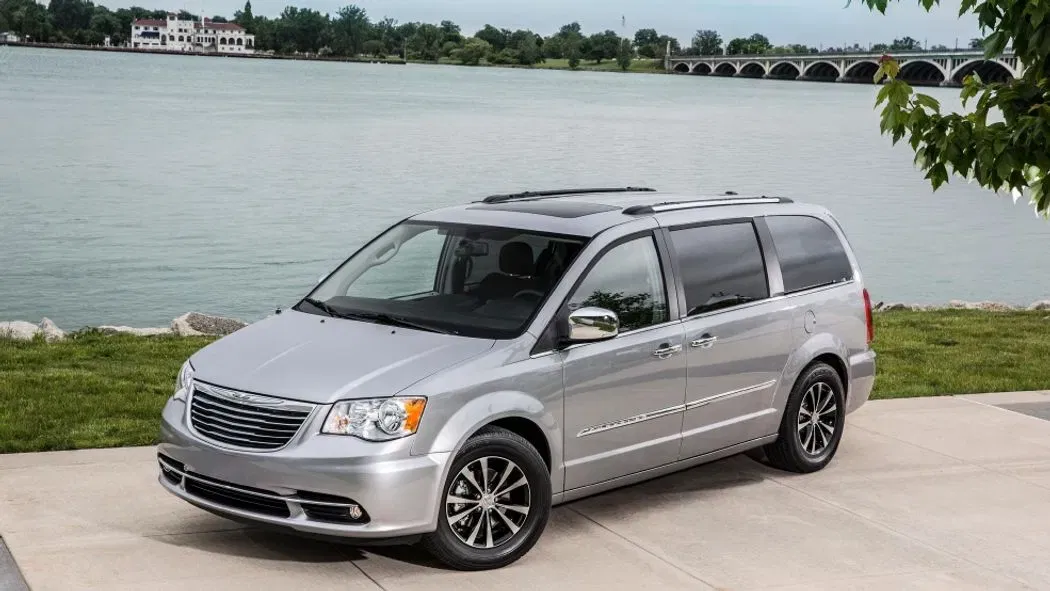
Air suspension systems in some Town & Country models represent a significant failure point that can create both safety and economic problems for families. These systems are expensive to maintain and repair, and failures can affect vehicle handling and ride quality in ways that compromise both comfort and safety for family transportation.
The Town & Country’s entertainment and navigation systems frequently develop problems that can be expensive to repair and difficult to diagnose. While these systems provide impressive capabilities when working properly, their complexity creates multiple failure points that can affect both functionality and resale value over time.
Also Read: 5 High-mileage Luxury Sedans That Stay Smooth Vs. 5 That Lose Their Sparkle Quickly
